Thymosin beta-4 after a heart attack: what animal and human studies show
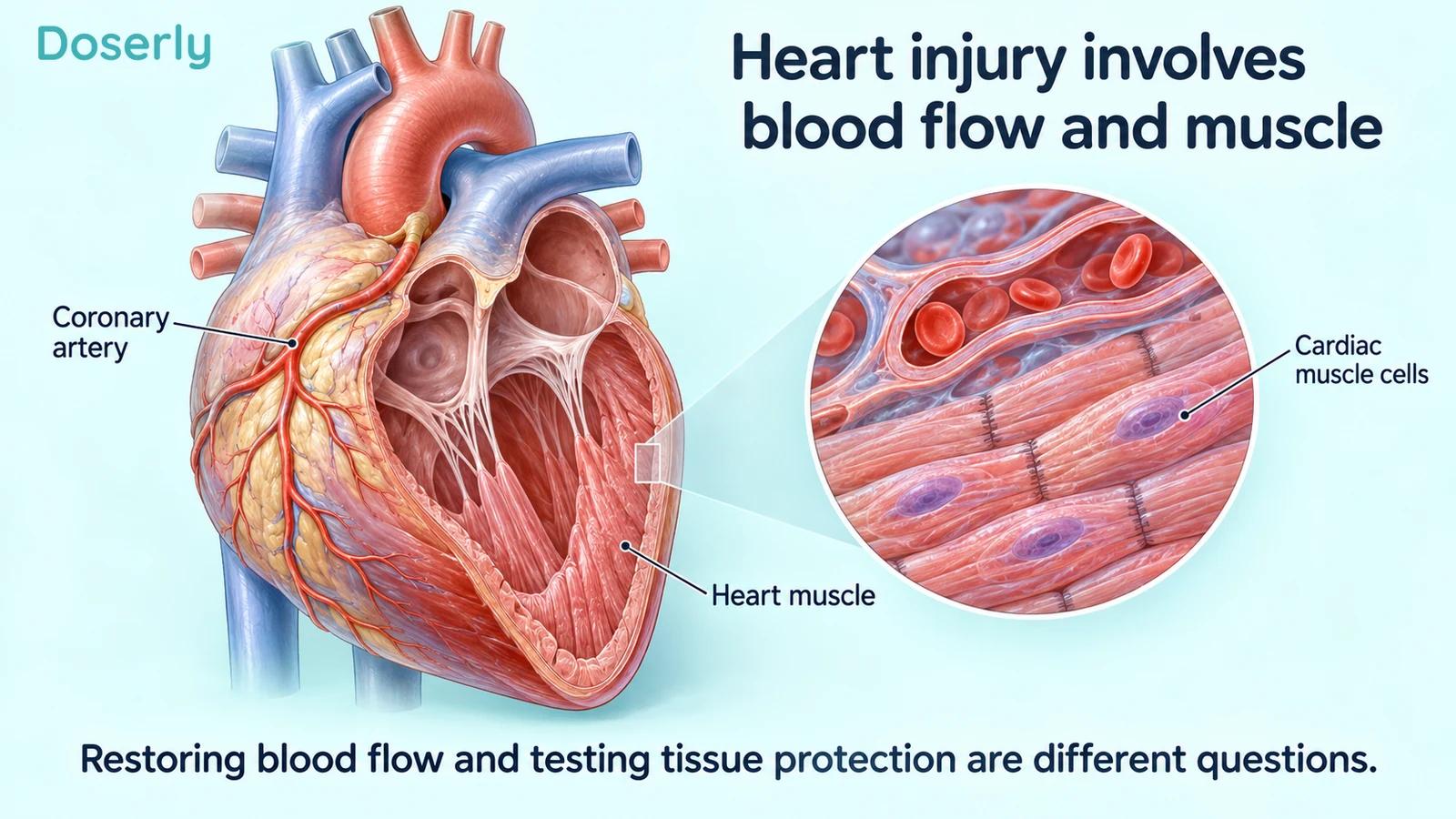
Thymosin beta-4 has progressed from mouse heart-injury models to early human trials. The overall result and an early-treatment signal need separate interpretation.
Read articleFor informational and research purposes only.
Research, explained. Explore peptides, supplements, hormone health, longevity and red light therapy with clear, practical breakdowns of what the studies actually tell us.
Metabolism, recovery and emerging research
Thymosin beta-4 has progressed from mouse heart-injury models to early human trials. The overall result and an early-treatment signal need separate interpretation.
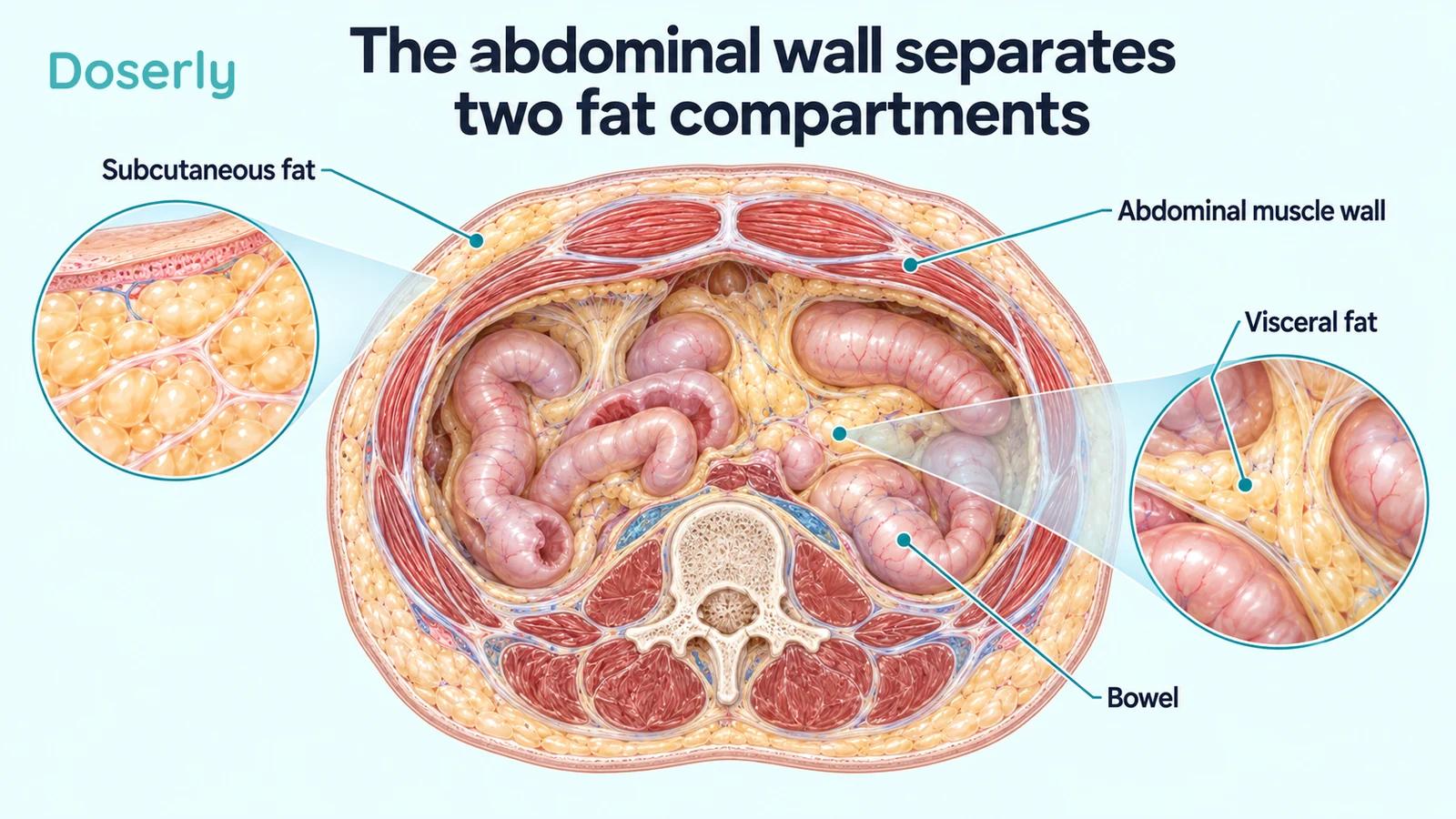
Read articleVisceral fat, subcutaneous fat, liver fat, and muscle fat are different measurements. Learn how anatomy changes the meaning of a treatment result.
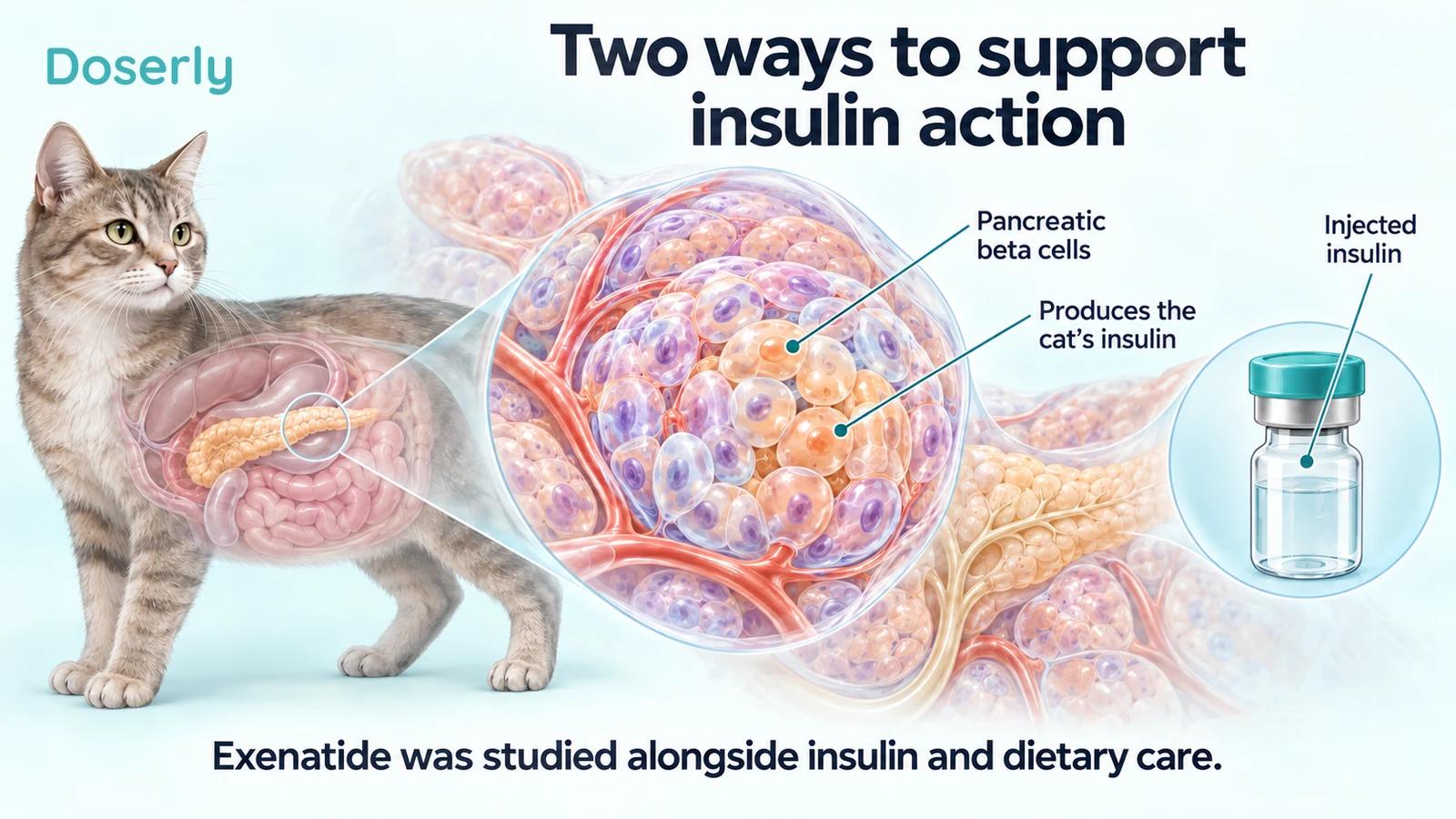
Read articleAn early feline exenatide study found six remissions versus three. Its design, outcome definitions and safety findings explain why that was not proof of benefit.
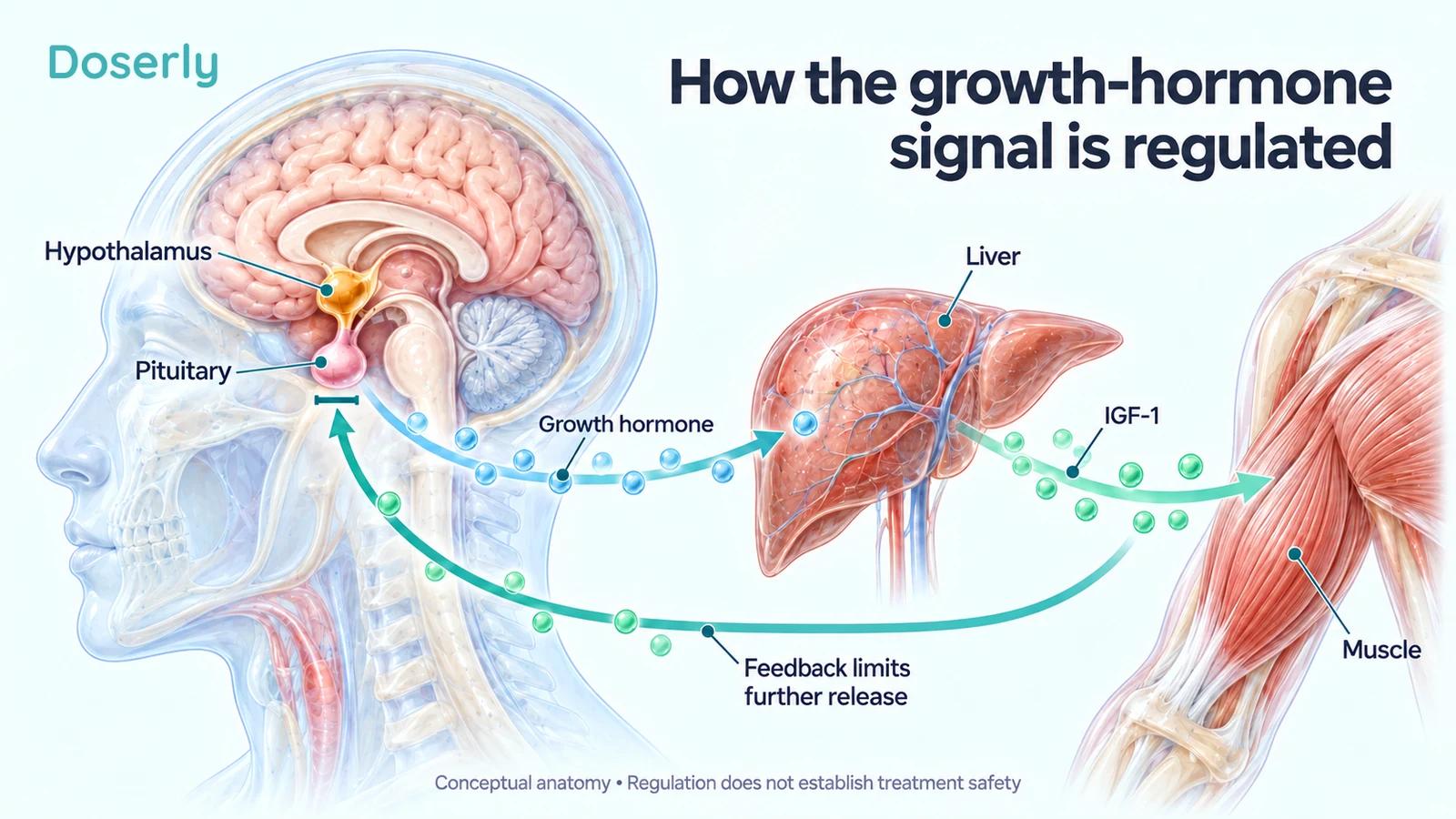
Read articleSermorelin stimulates the body’s growth-hormone system, but a pulsatile response cannot establish safety. Learn what human studies and monitoring add.
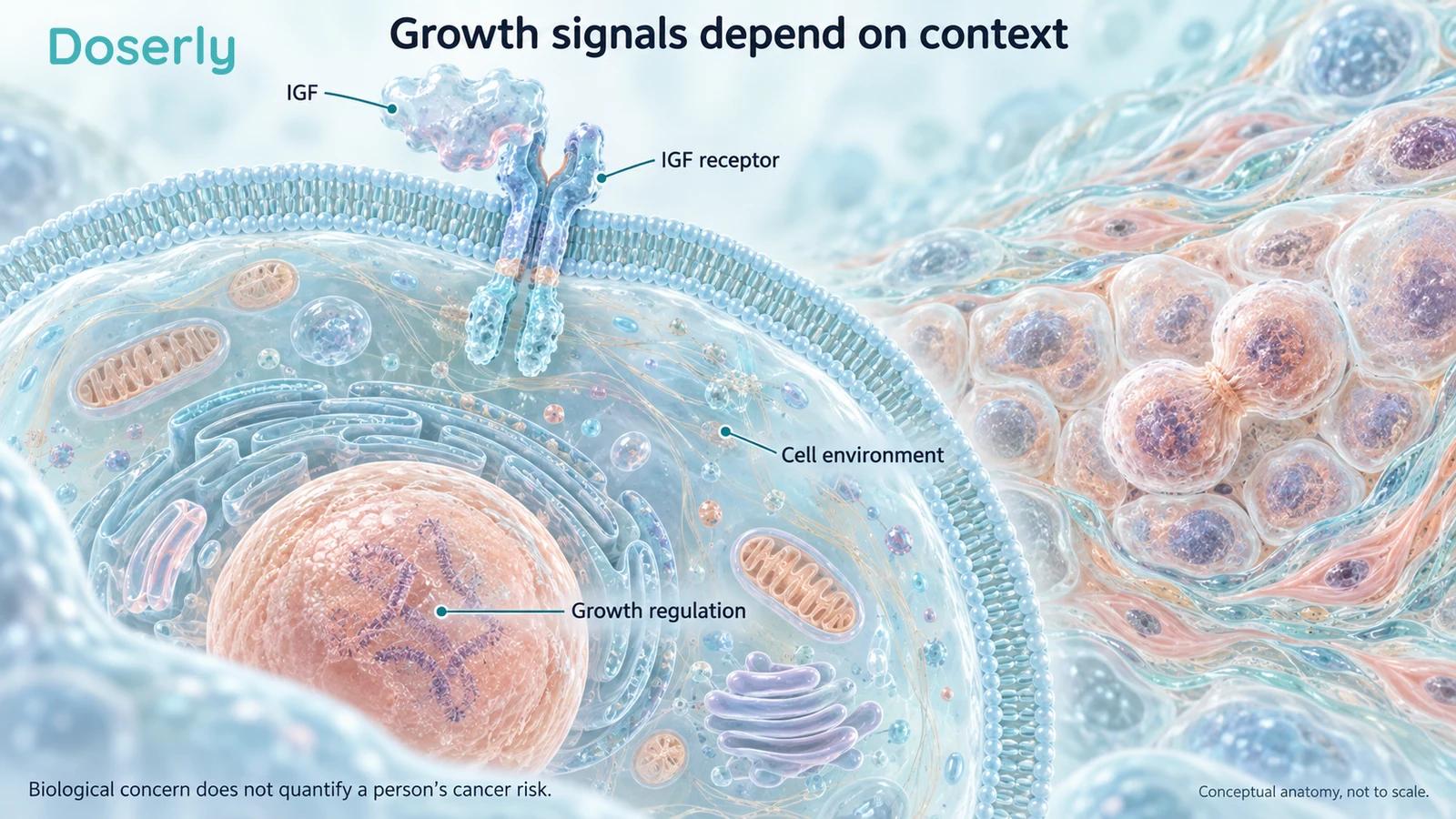
Read articleCancer concerns around LR3 deserve careful attention, but animal tumour growth, native IGF-I associations and drug warnings answer different questions.
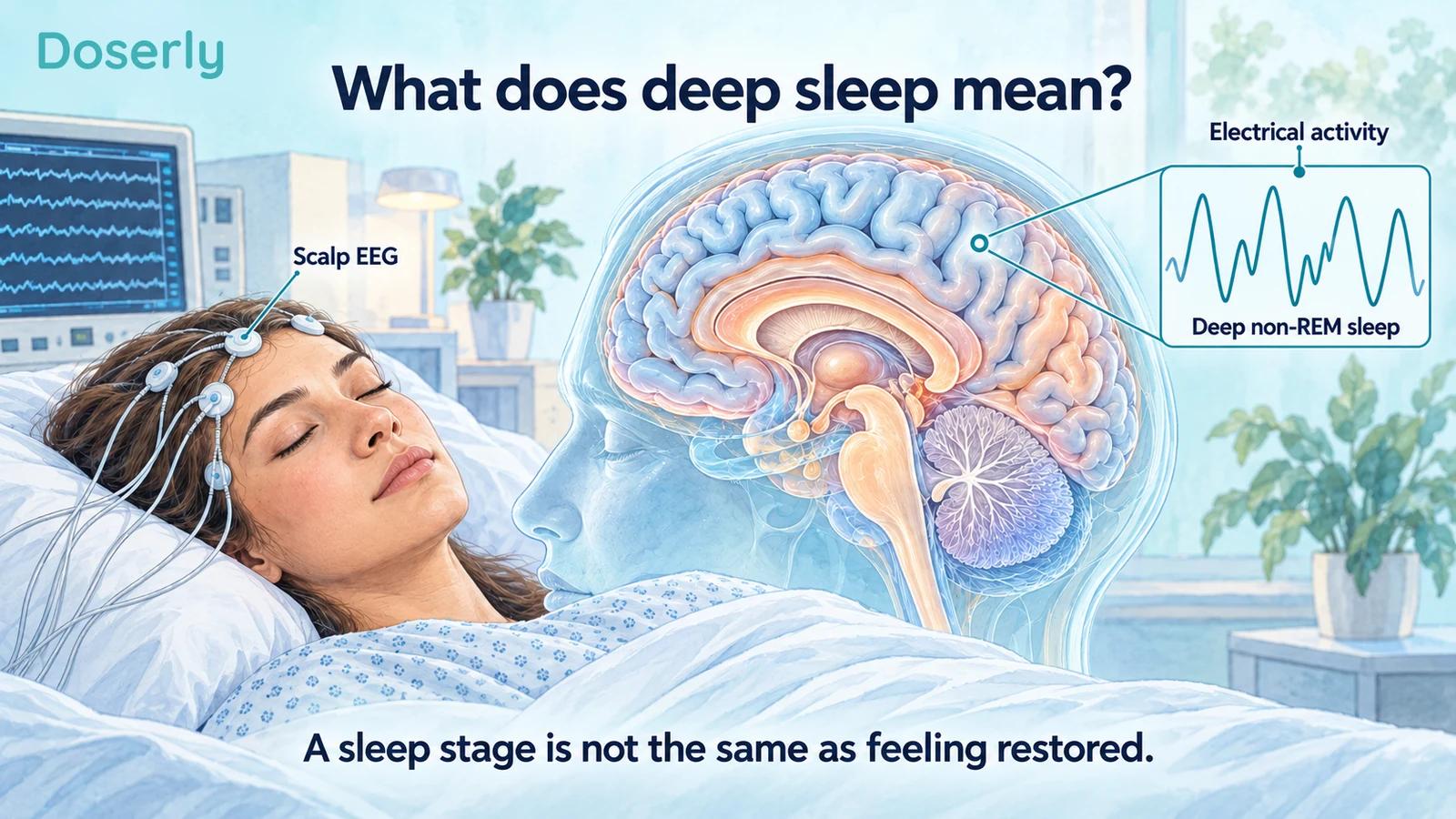
Read articleDSIP's name comes from sleep research, but small human trials tell a more complicated story about deep sleep and meaningful insomnia relief.
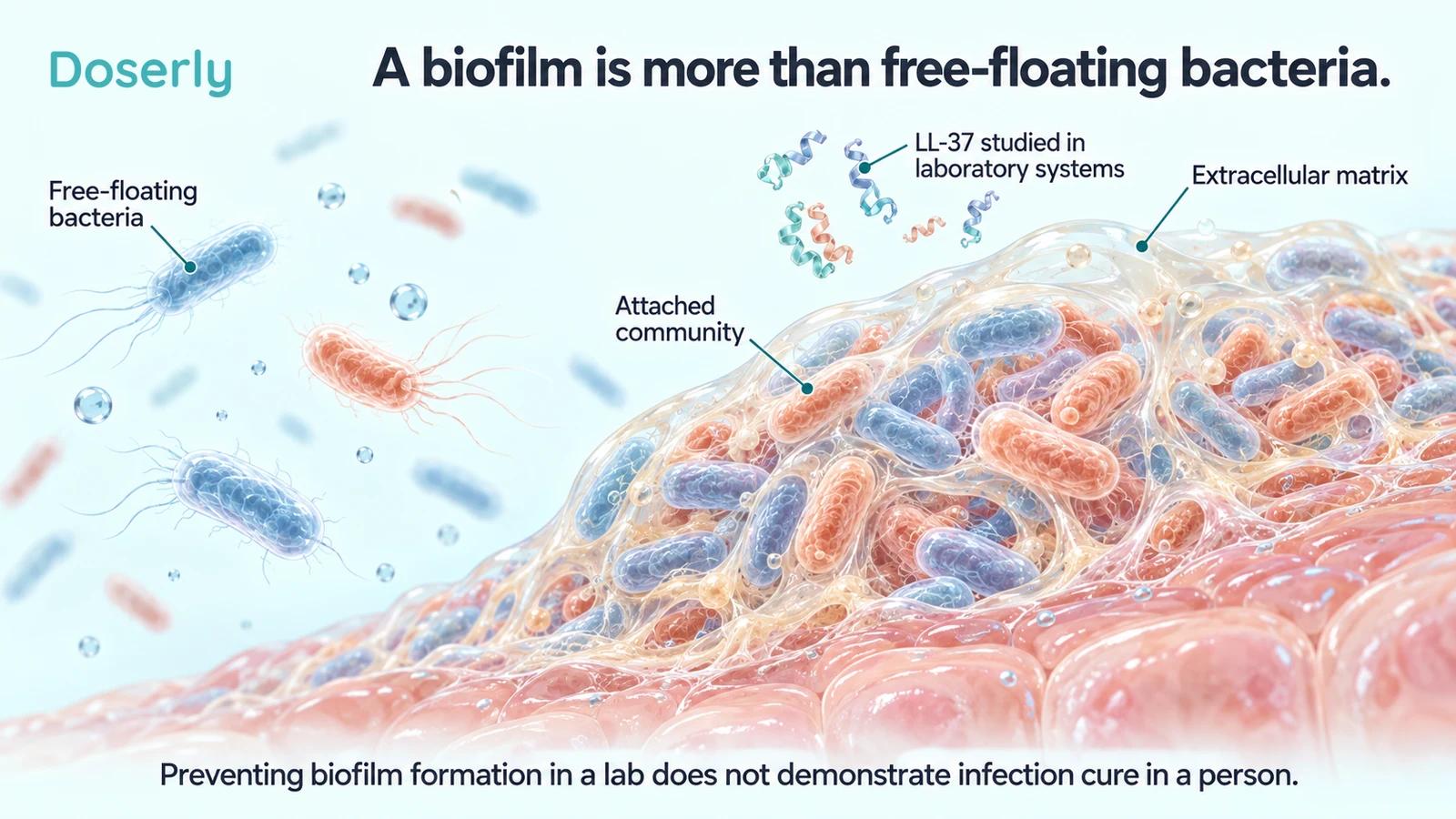
Read articleLL-37 affects bacteria in laboratory experiments, but biofilm findings, peptide breakdown and human wound trials do not establish an antibiotic substitute.
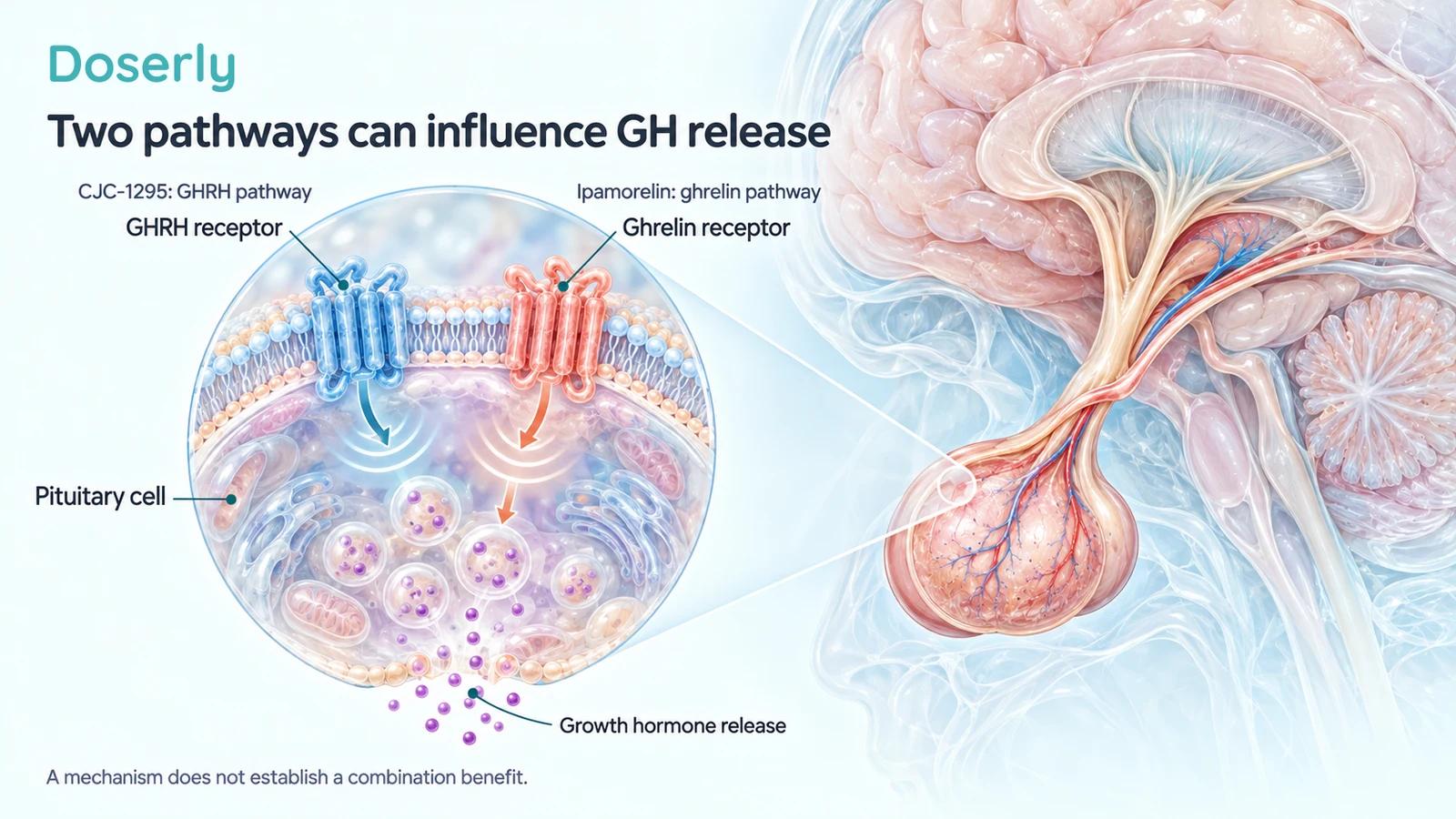
Read articleTwo GH-release pathways explain the pairing idea, but older human interaction studies and separate drug trials do not establish this combination's benefit.
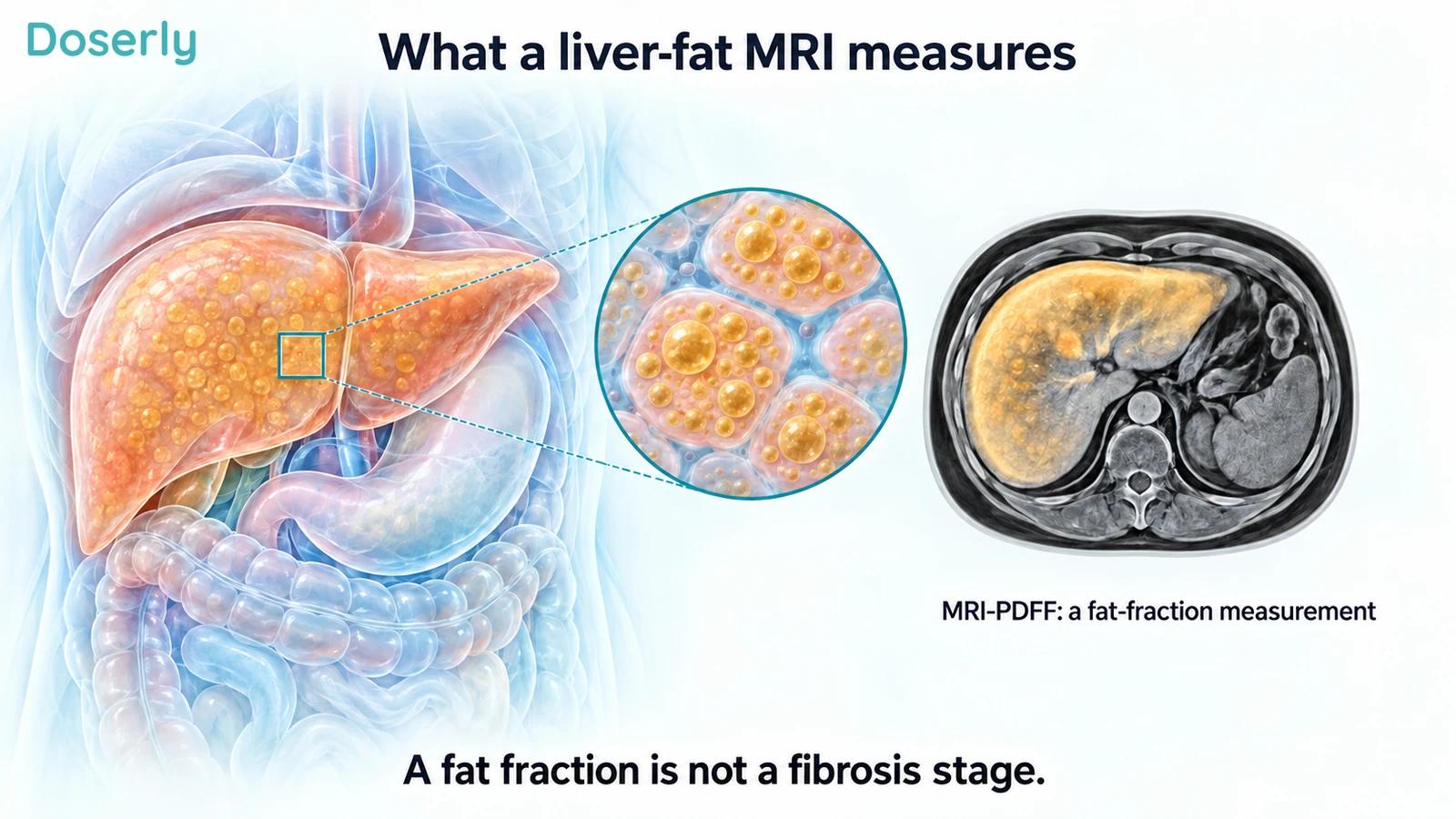
Read articleLearn what MRI-PDFF measures, how to interpret liver-fat reductions and why a normal fat fraction does not establish that inflammation or fibrosis has resolved.
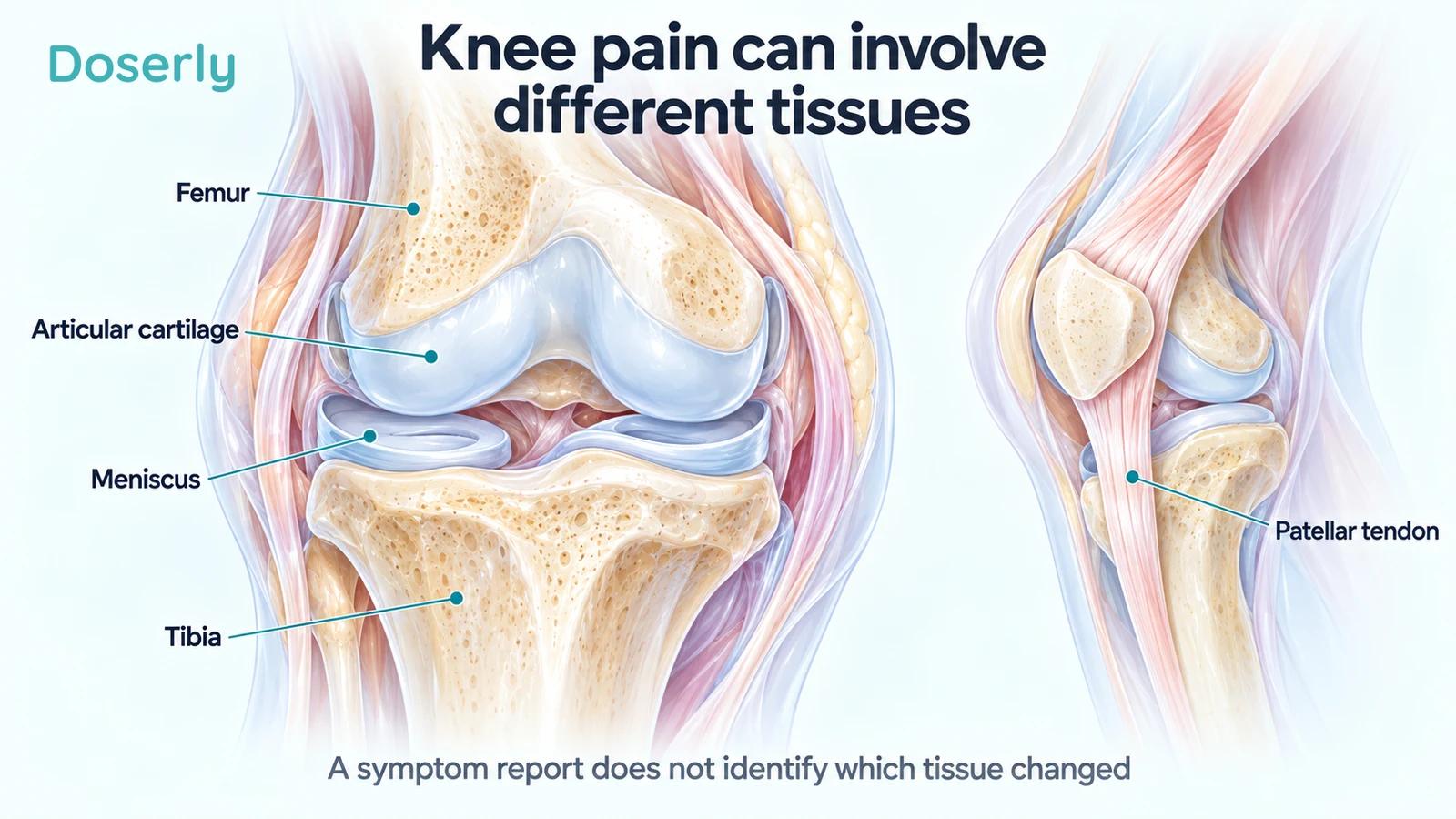
Read articleThe small BPC-157 knee report recorded pain improvement, but did not show cartilage, meniscus or tendon regeneration. Here is what its findings can support.
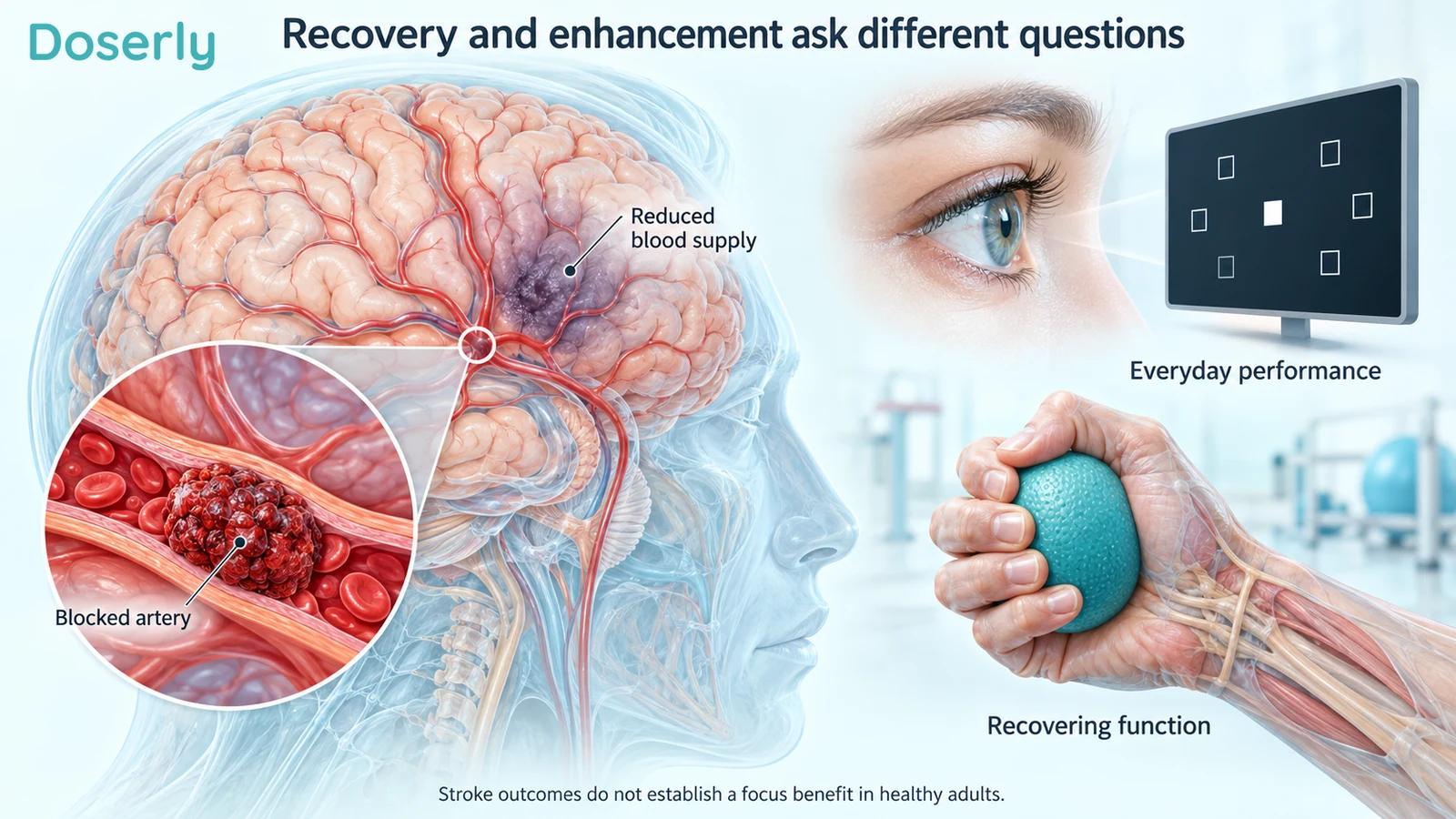
Read articleSemax has been studied after stroke and in small healthy-volunteer experiments. Those studies answer different questions from reliable everyday focus enhancement.
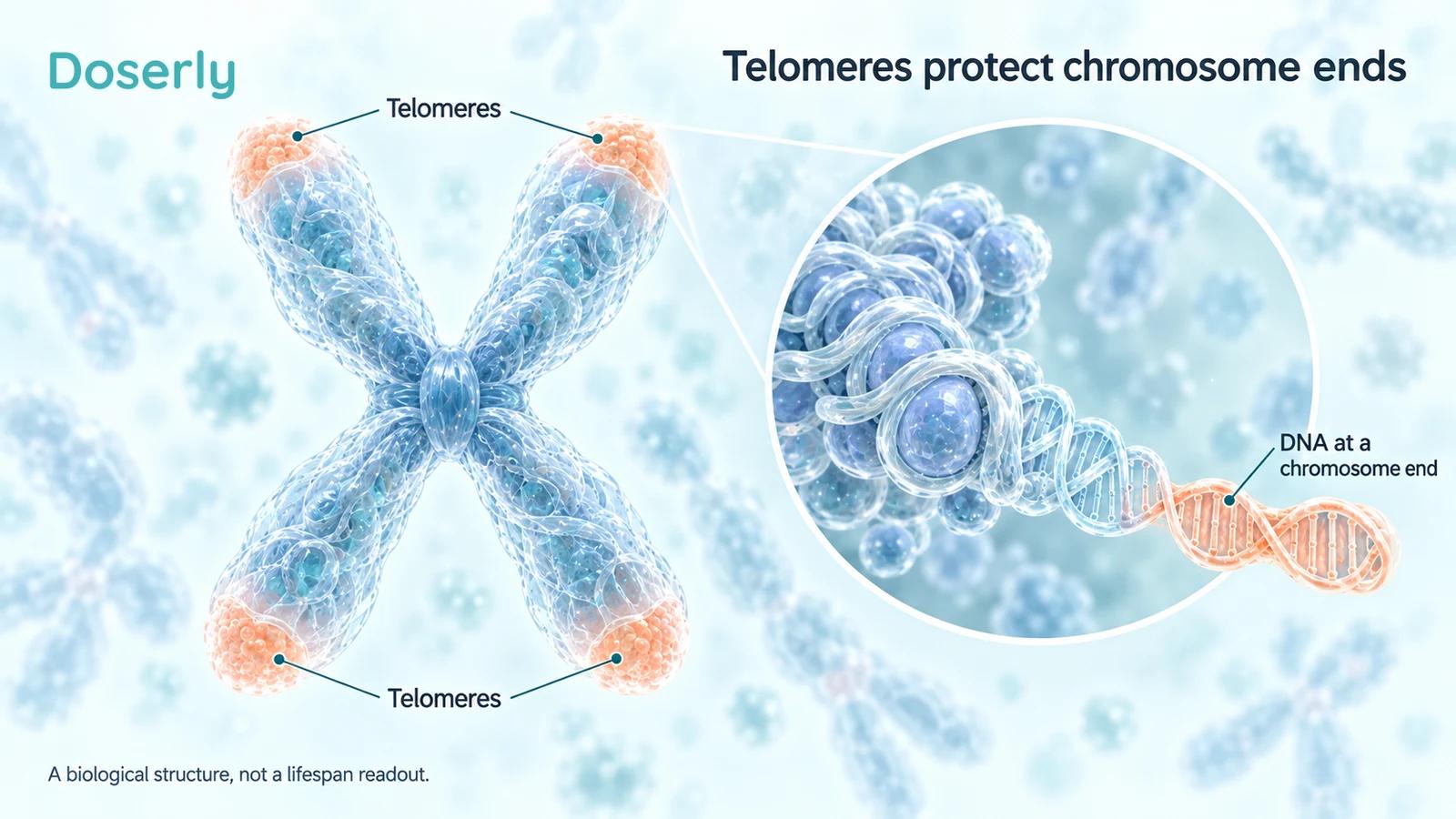
Read articleThe 2025 Epitalon study measured cultured cells, not longevity in people. Its corrected figures and cancer-cell findings deserve careful reading.
Read article121–132 of 323 articles