Peptides8 min read
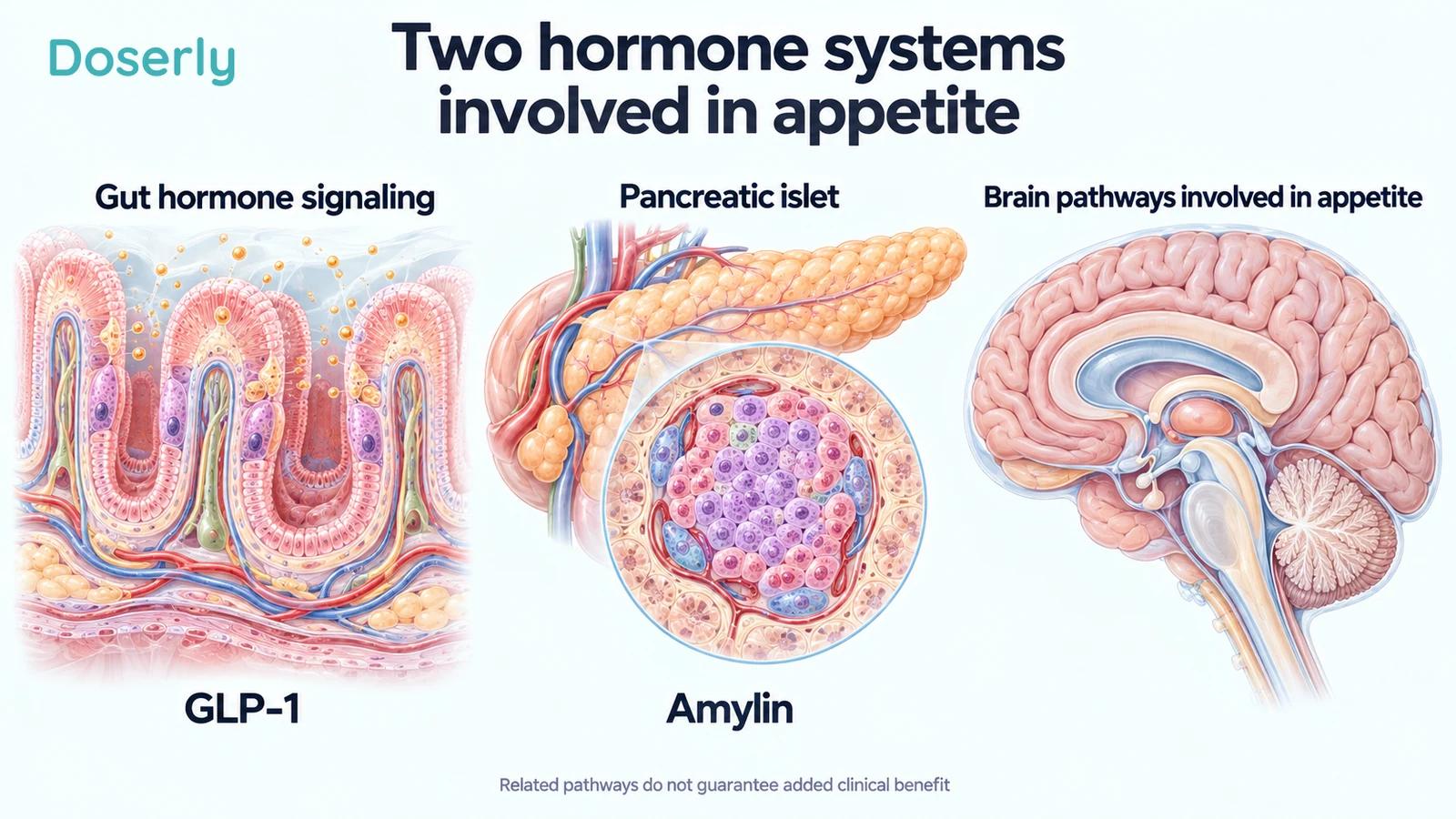
Amylin plus GLP-1: when two hormone pathways improve treatment
Human trials show when amylin and GLP-1 activity add weight benefit, why glucose results can differ and why zenagamtide is distinct from CagriSema.
Read articleFor informational and research purposes only.
Research, explained. Explore peptides, supplements, hormone health, longevity and red light therapy with clear, practical breakdowns of what the studies actually tell us.
Metabolism, recovery and emerging research
Human trials show when amylin and GLP-1 activity add weight benefit, why glucose results can differ and why zenagamtide is distinct from CagriSema.
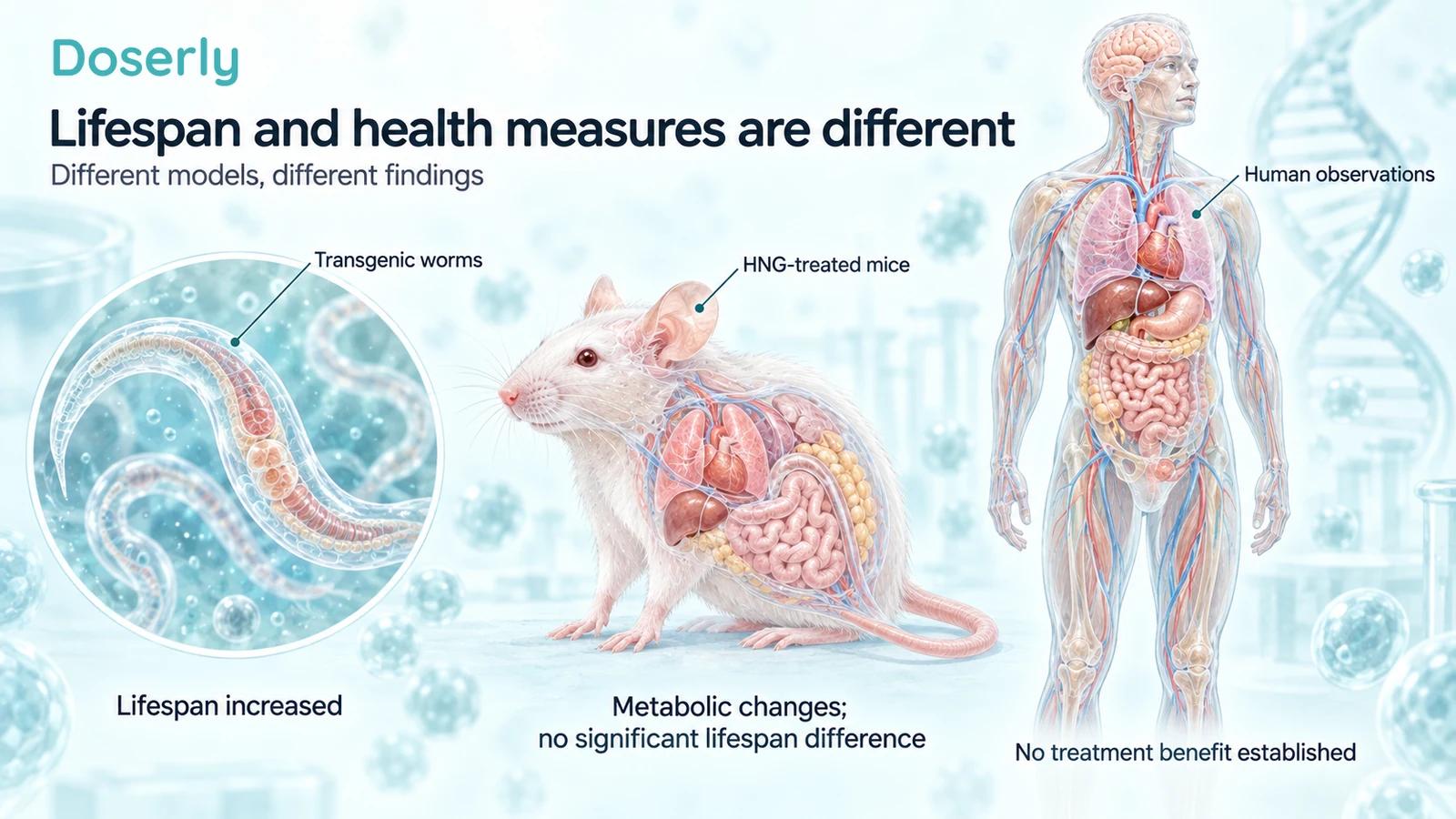
Read articleHumanin has intriguing aging biology, but genetics, biomarkers and animal results leave specific gaps before a clinical longevity claim.
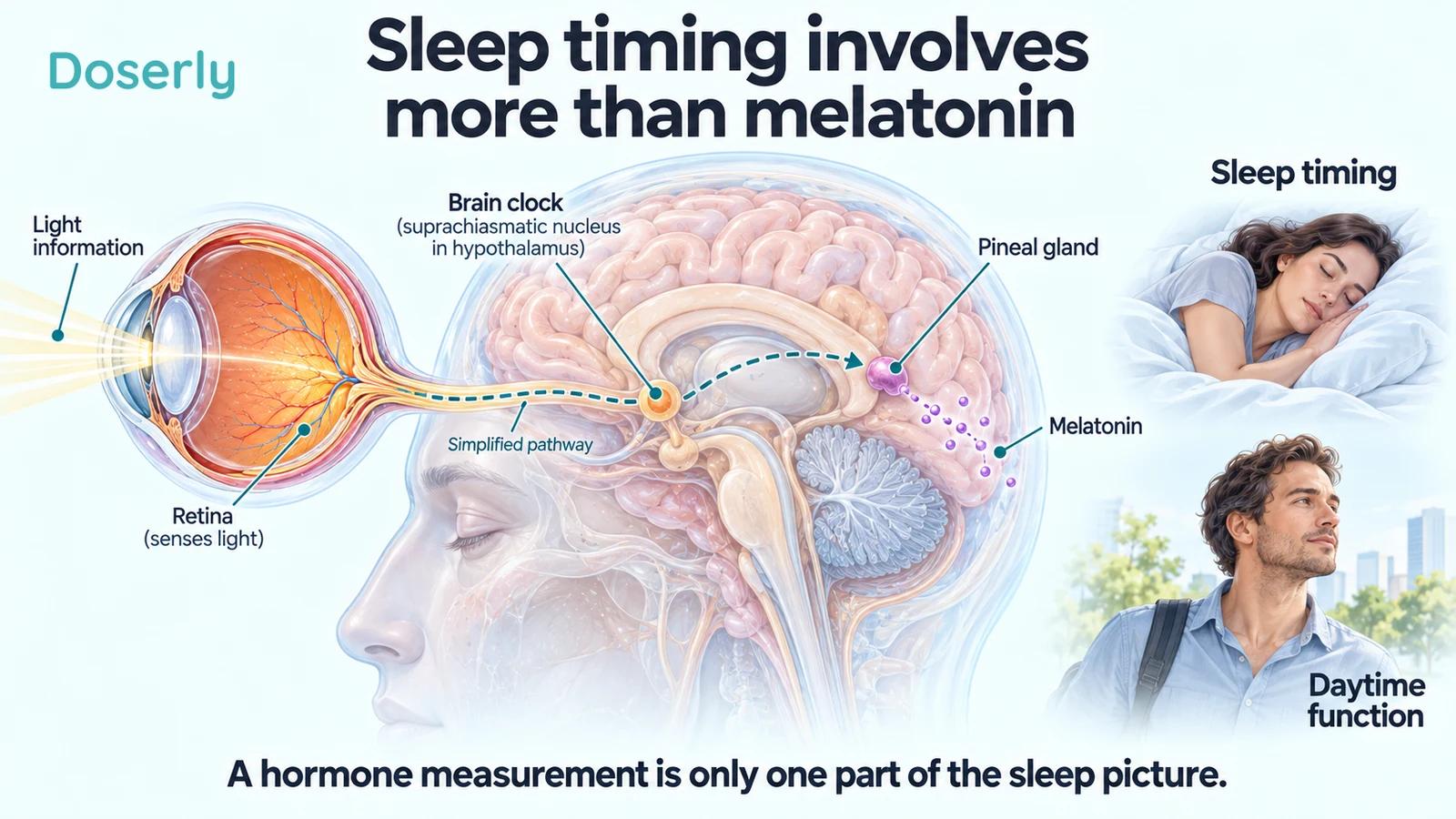
Read articleHuman Epitalon research has measured melatonin-related markers and clock genes. Here is why those findings do not yet establish a treatment for insomnia.
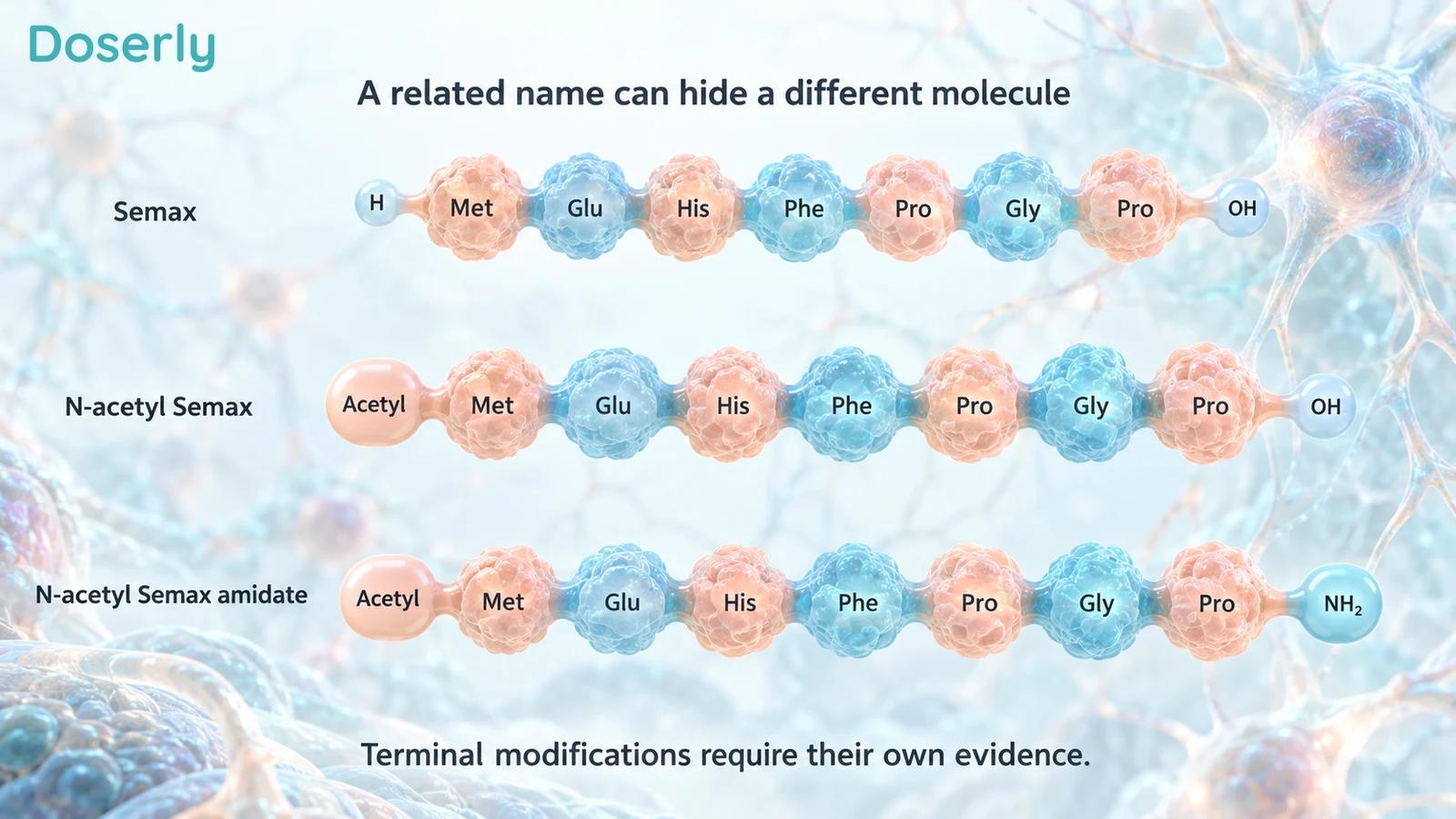
Read articleAcetylated, amidated and other Semax-related products are not interchangeable clinical evidence. Start with chemical identity, then ask what was actually tested.
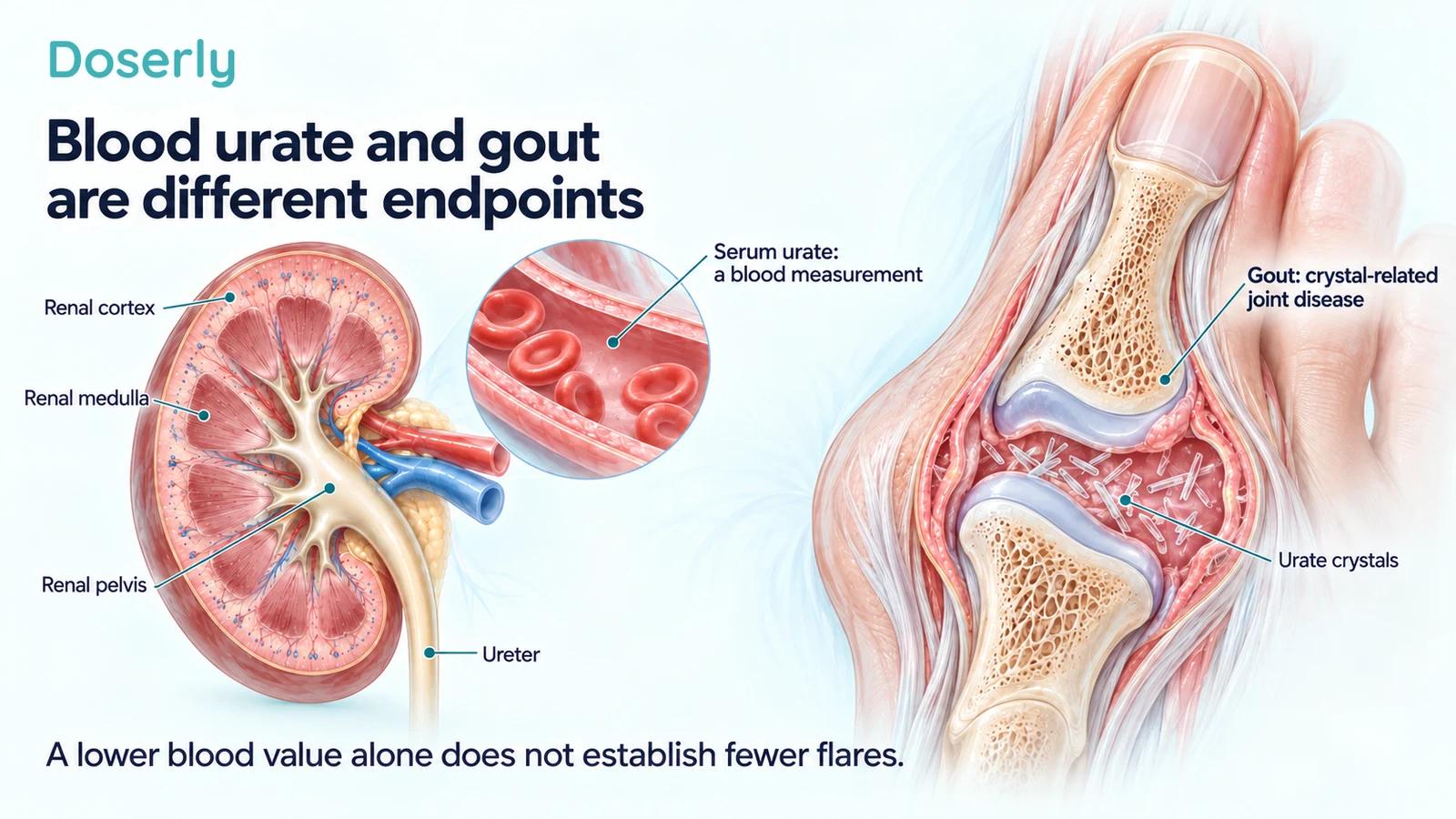
Read articleMazdutide lowered serum urate in obesity trials. The original results support a focused research question, not an established gout-treatment claim.
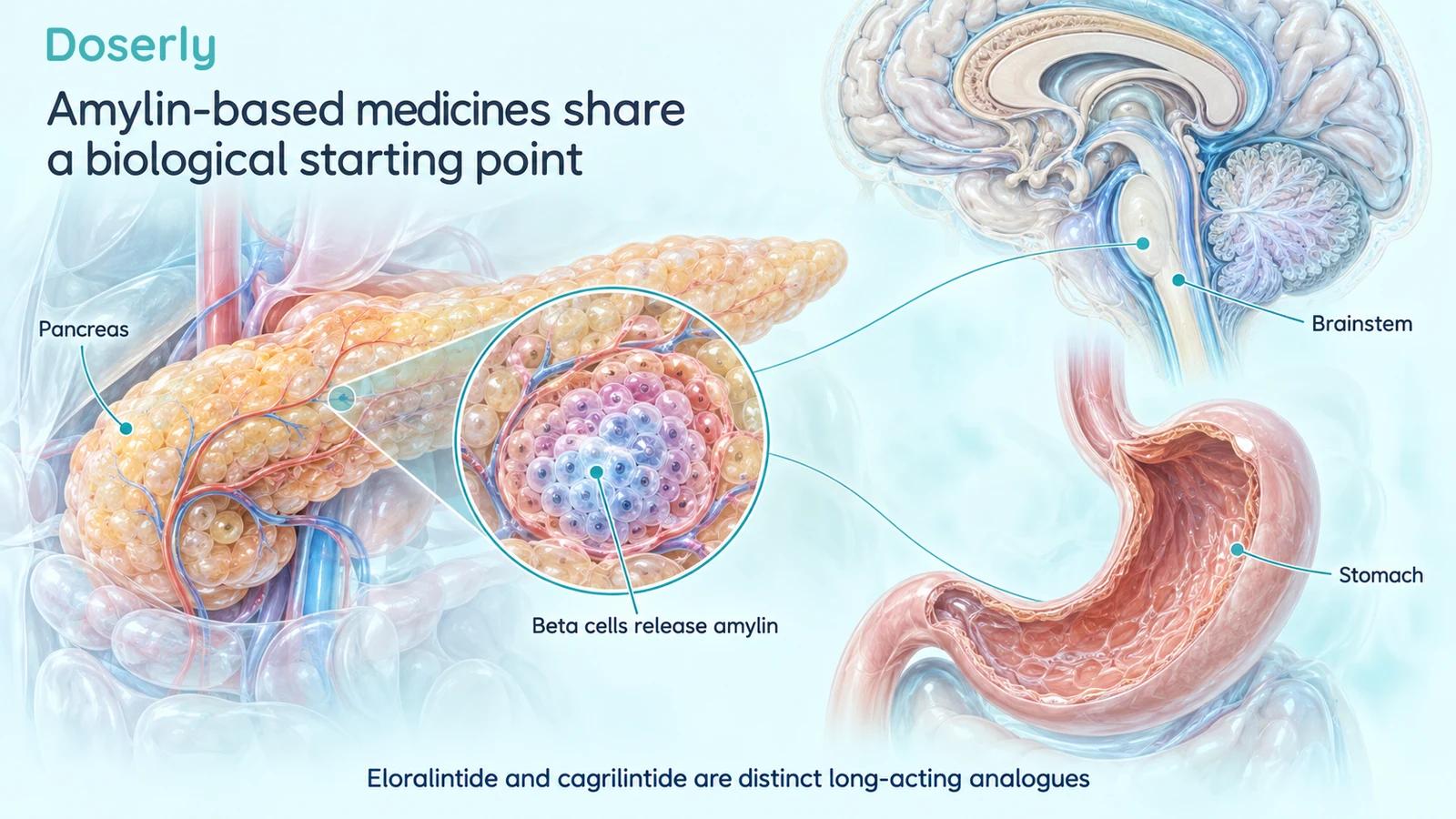
Read articleThe drugs share an amylin starting point but differ in receptor activity and clinical evidence. Separate trials cannot establish a winner.
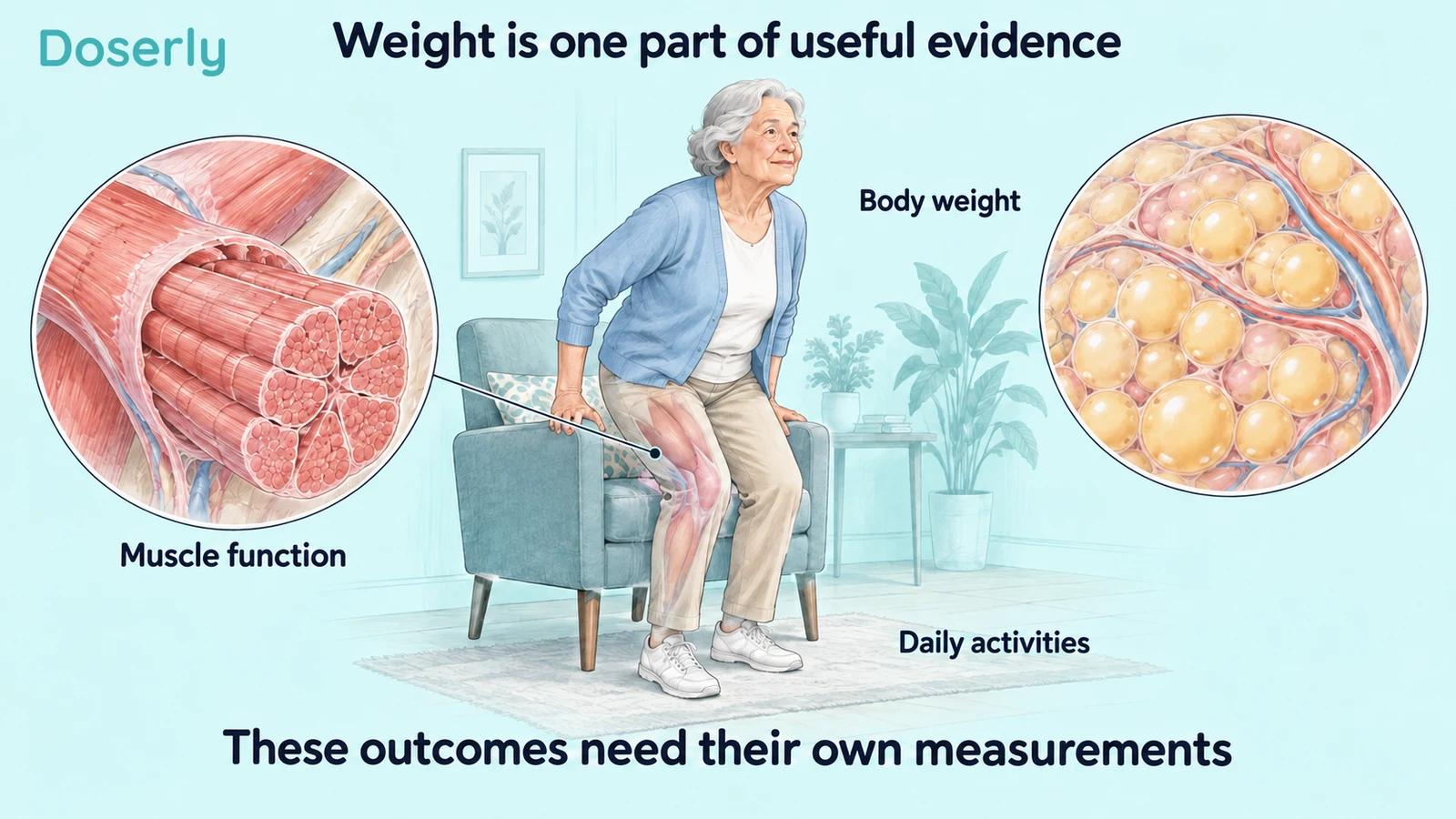
Read articlePublished phase 2 findings move petrelintide beyond an early signal. Routine care needs a fuller account of who benefits, what persists and how treatment feels.
Read articleBPC-157's intravenous pilot followed two previously exposed adults for three days. Its observations leave uncommon, delayed and product-specific risks unresolved.
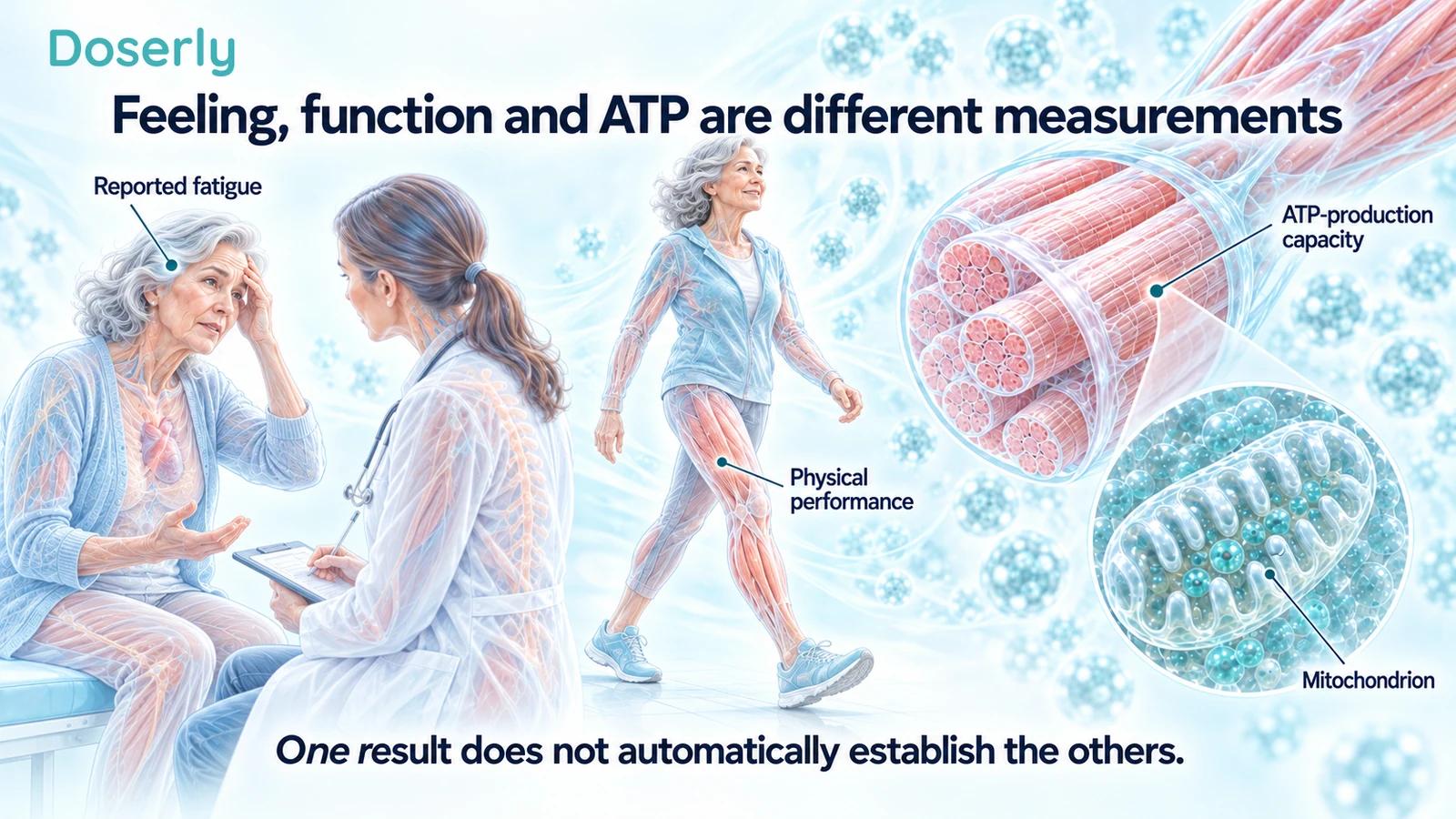
Read articleFeeling better, walking farther and producing ATP are different outcomes. Human elamipretide studies show why symptoms cannot identify a mitochondrial mechanism.
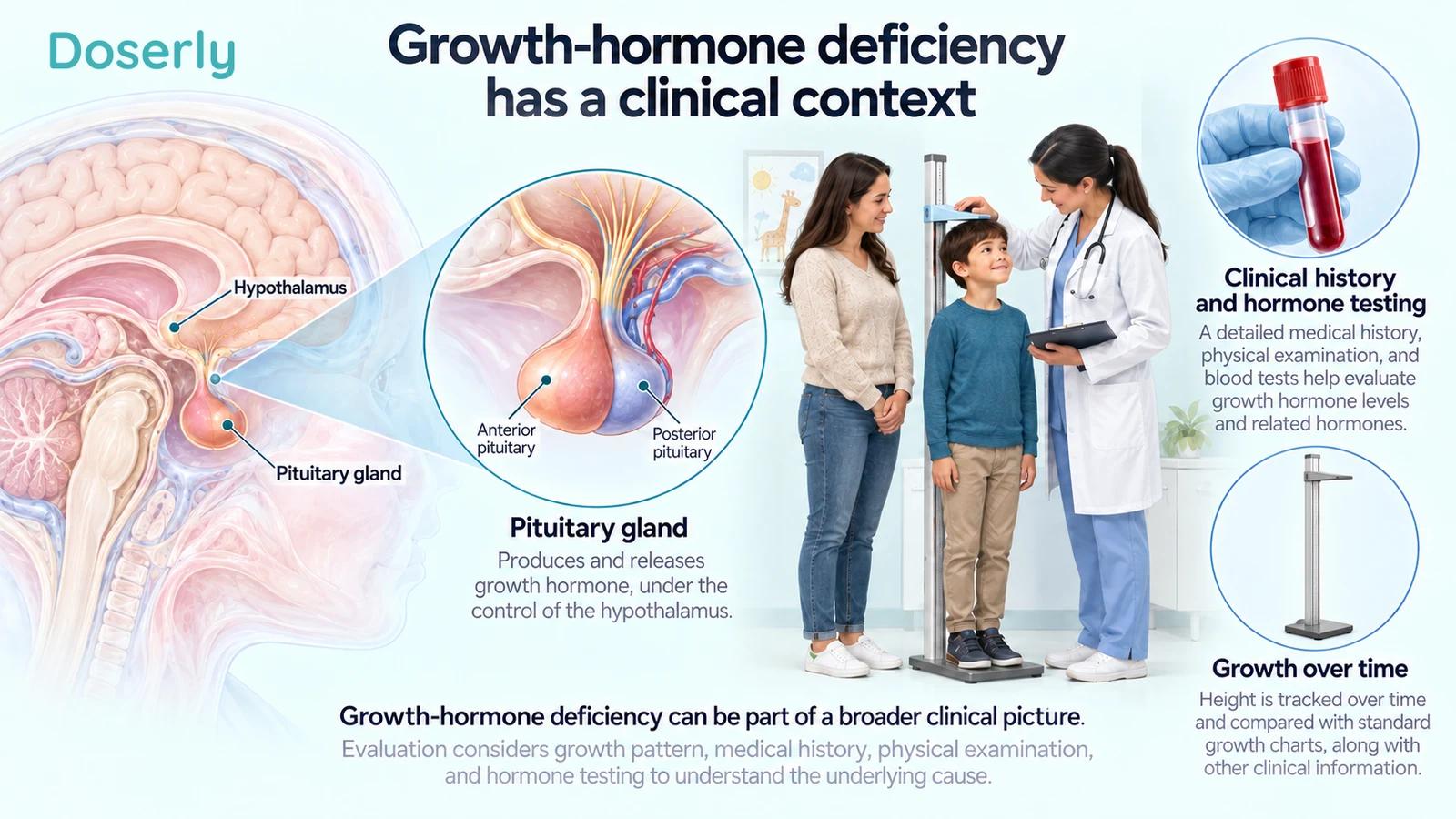
Read articleEarly pediatric studies suggested a growth response, but a larger randomized trial did not confirm a benefit. Diagnosis and treatment outcomes need separate interpretation.
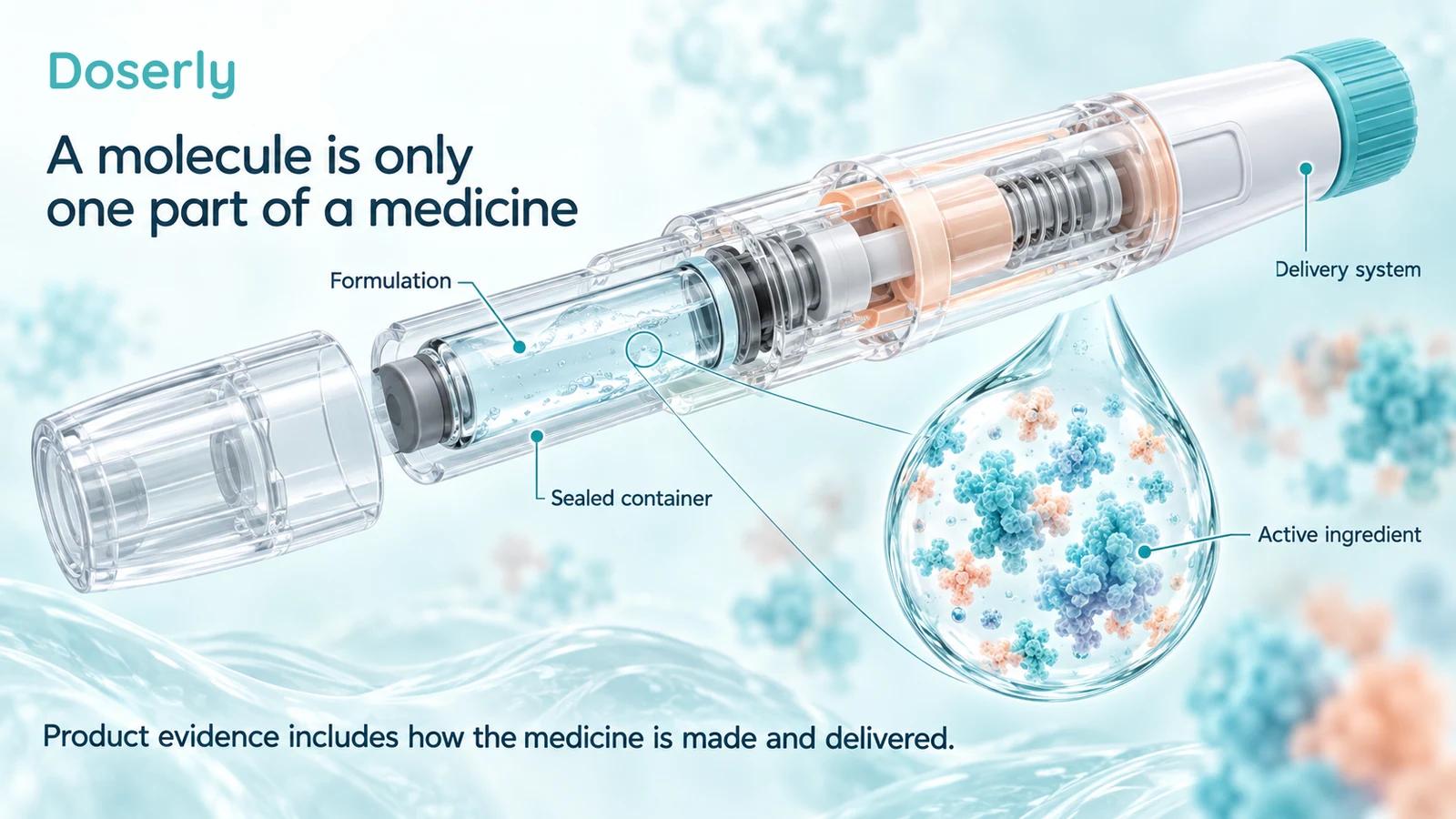
Read articleA shared ingredient name does not establish the same formulation, quality controls, or clinical evidence.
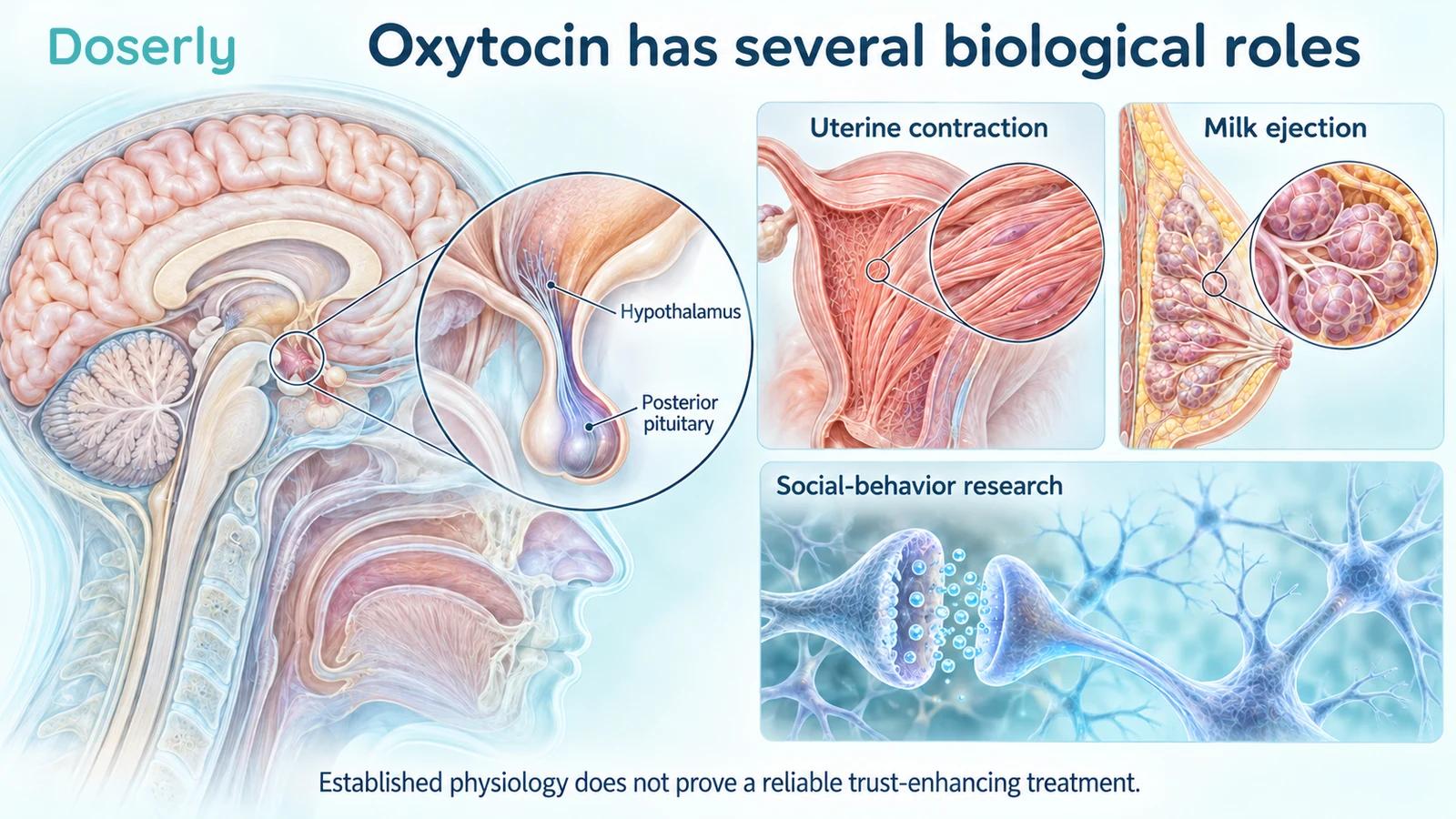
Read articleOriginal experiments, failed replications and a positive 2026 study in low-trusting men tell a more specific story than the nickname.
Read article169–180 of 323 articles