Peptides9 min read
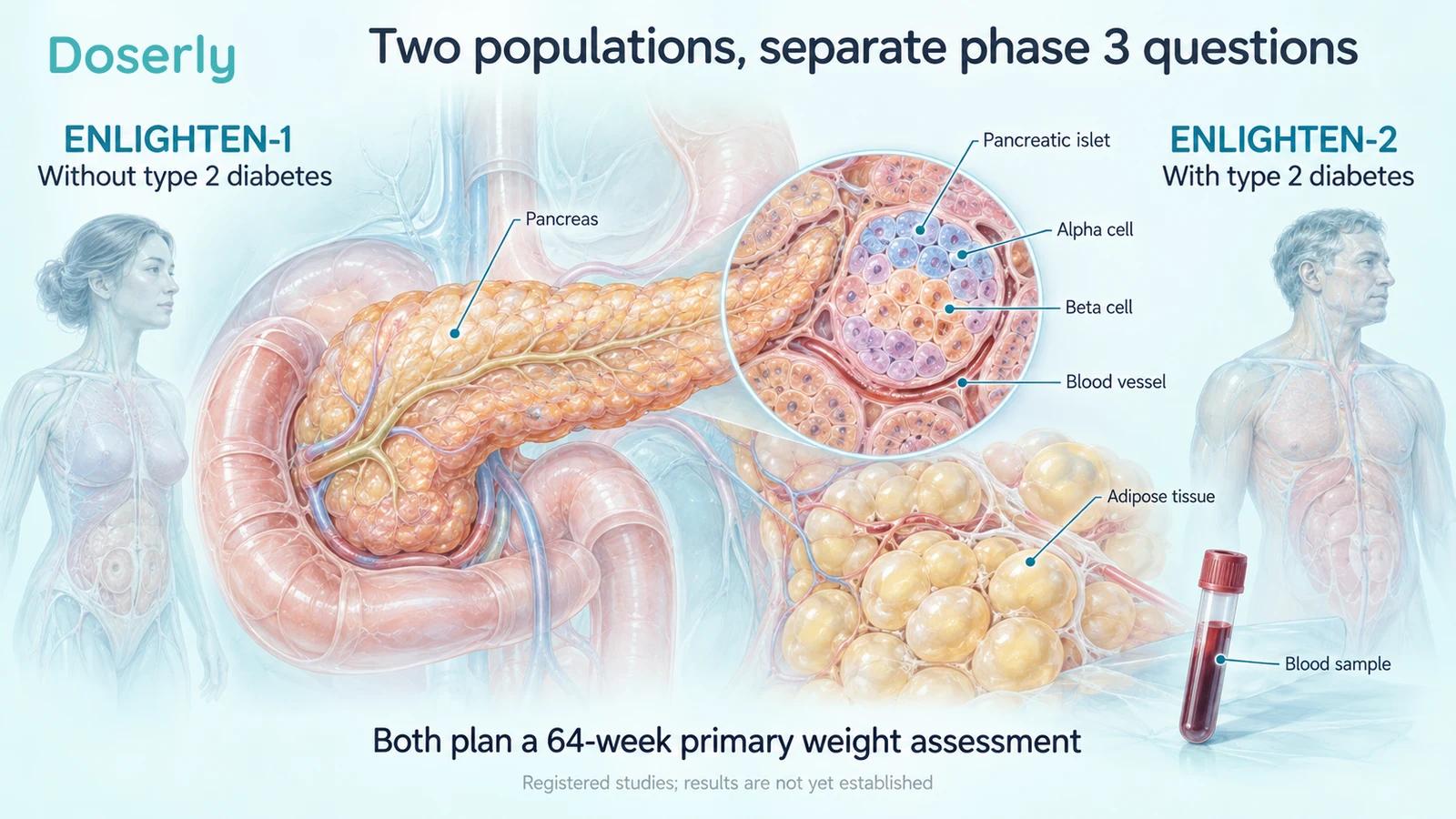
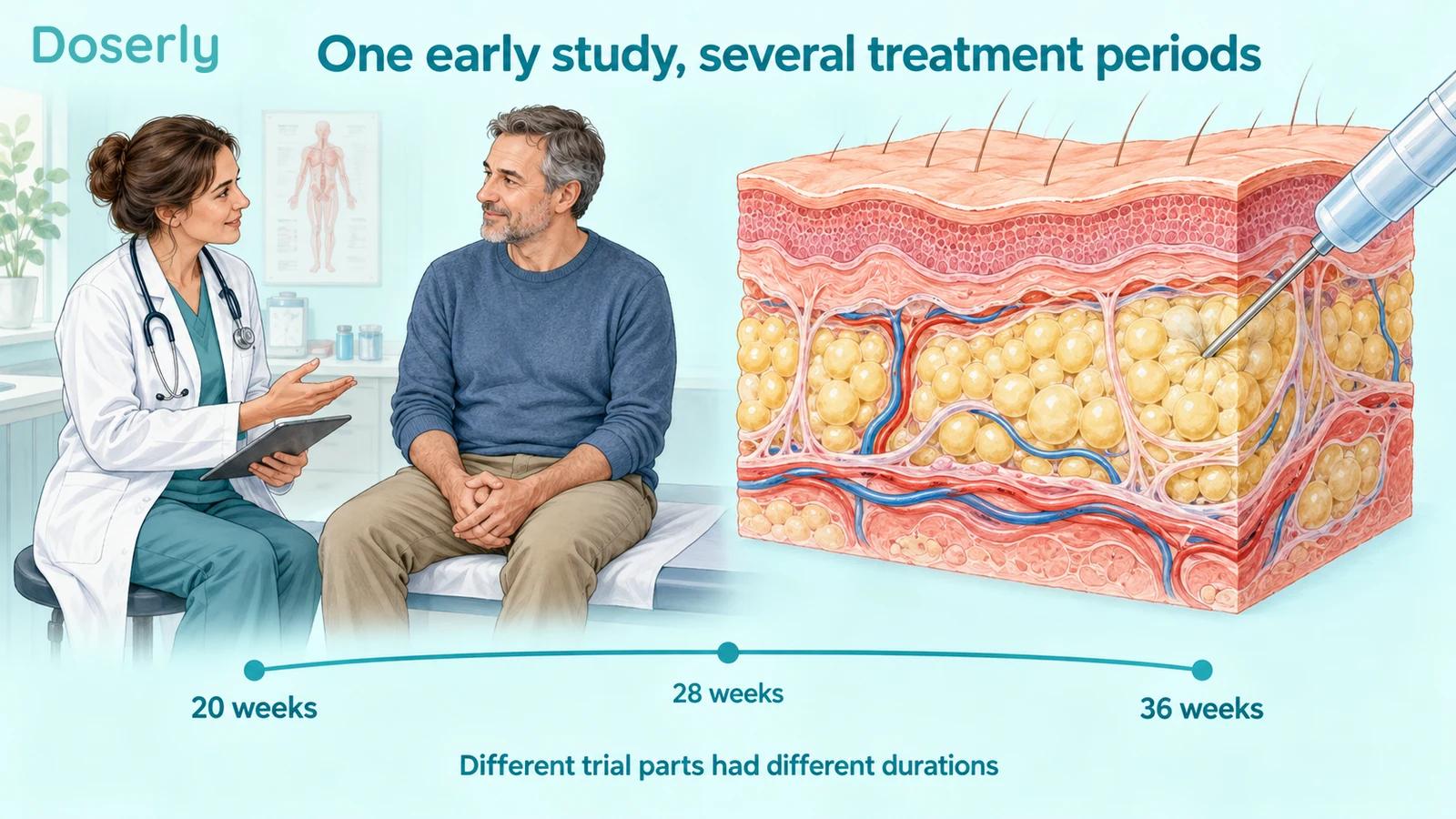
What the 2025 amycretin trial actually adds
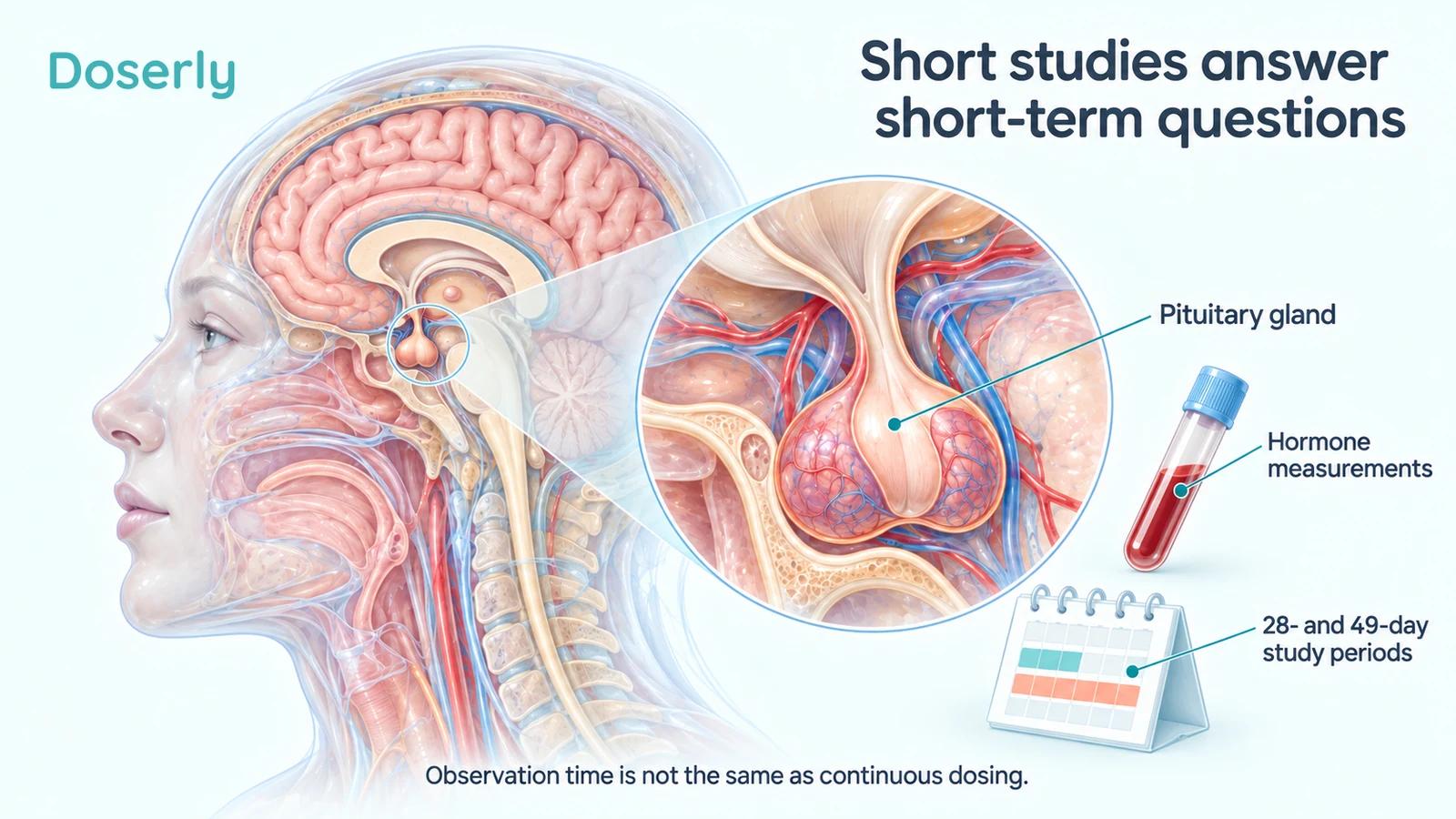
The injected amycretin study produced a striking early weight signal. Its five-part design, intensive monitoring and withdrawals determine what that signal can mean.
Read articleFor informational and research purposes only.
Research, explained. Explore peptides, supplements, hormone health, longevity and red light therapy with clear, practical breakdowns of what the studies actually tell us.
Metabolism, recovery and emerging research
The injected amycretin study produced a striking early weight signal. Its five-part design, intensive monitoring and withdrawals determine what that signal can mean.
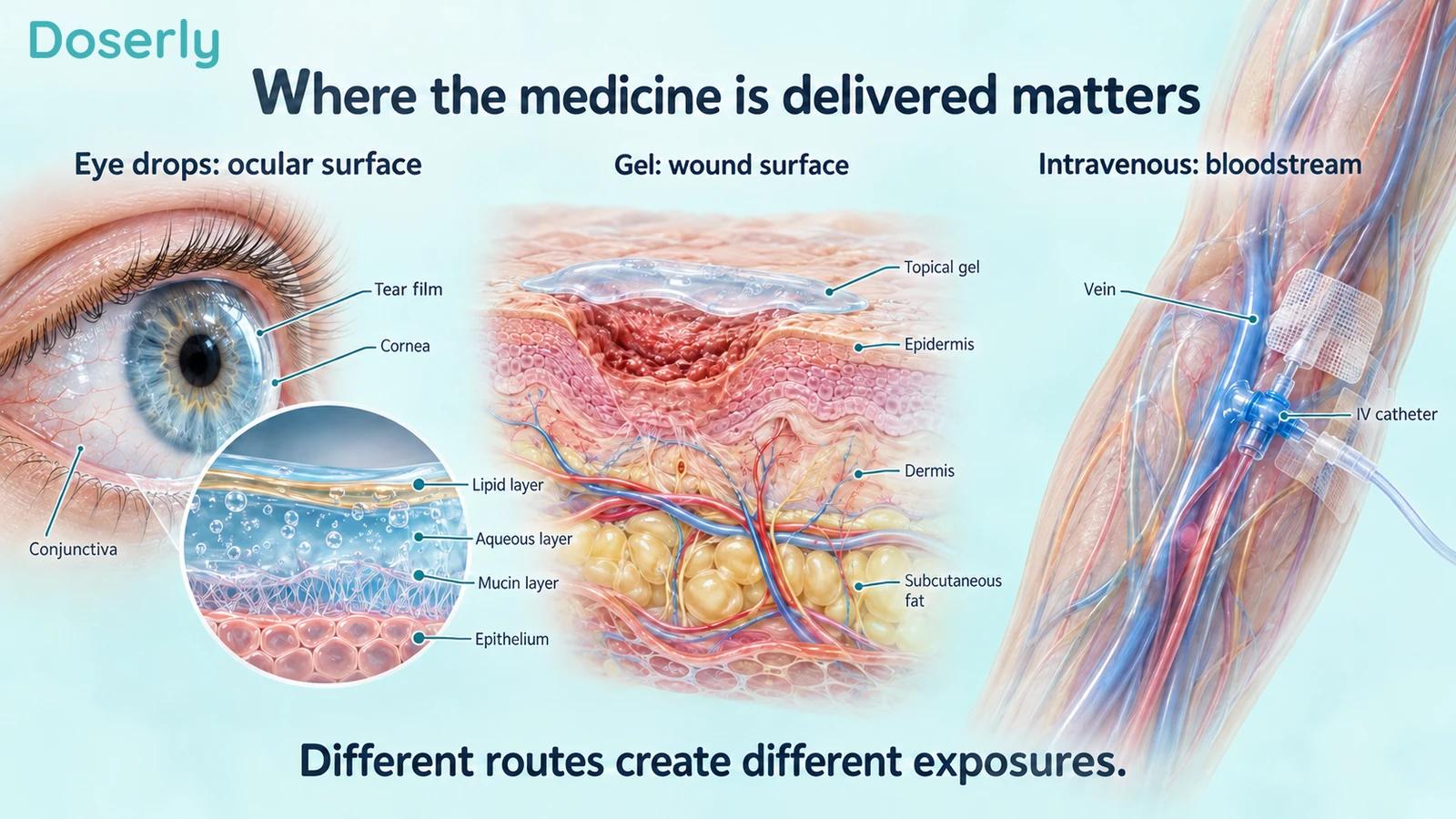
Read articleEye drops, gels and intravenous thymosin beta-4 reach different tissues and answer different treatment questions. Here is what the human studies establish.
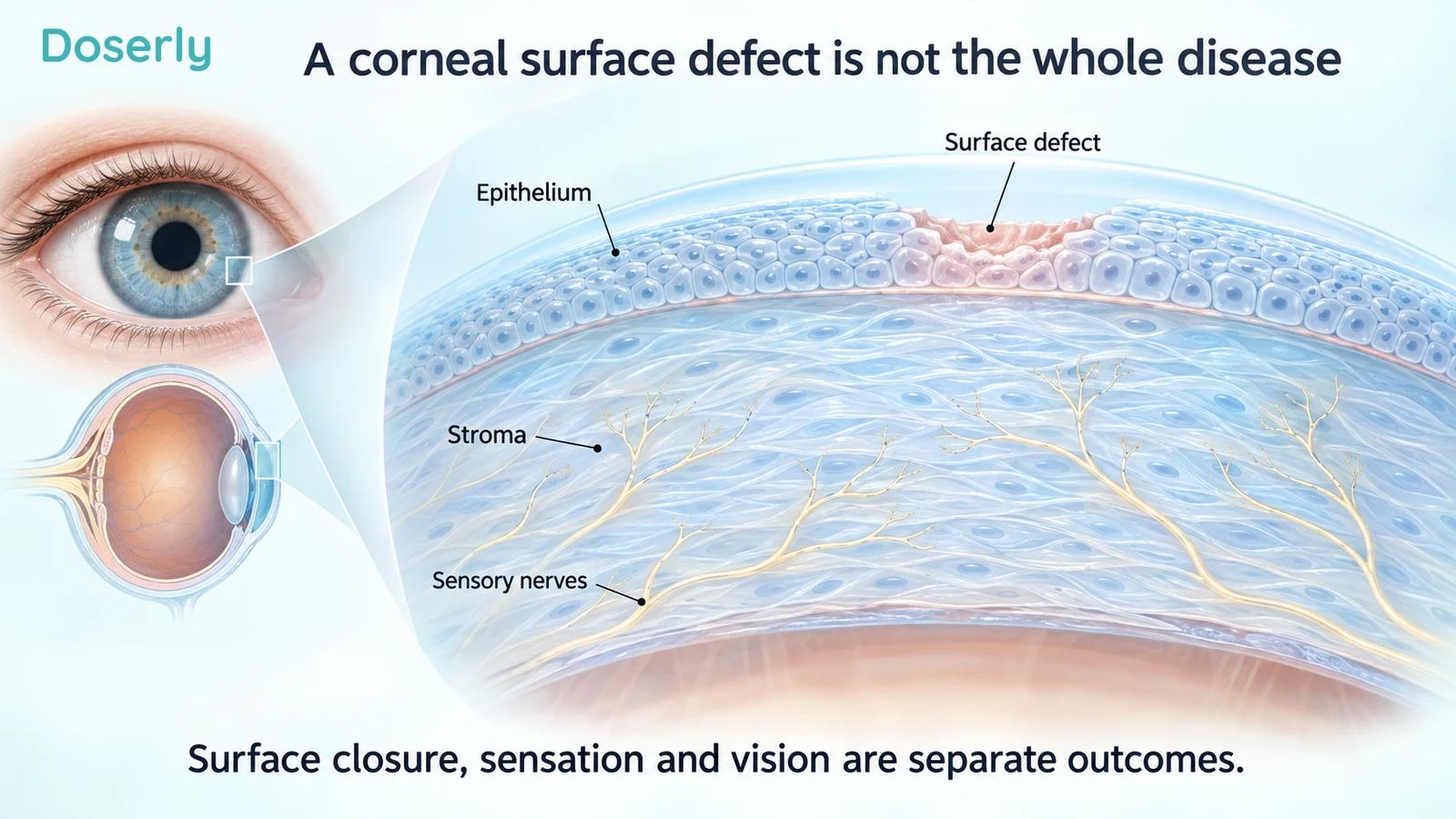
Read articleCorneal wound closure, comfort, sensation and vision are different outcomes. The SEER-1 eye-drop trial helps explain what thymosin beta-4 has and has not shown.
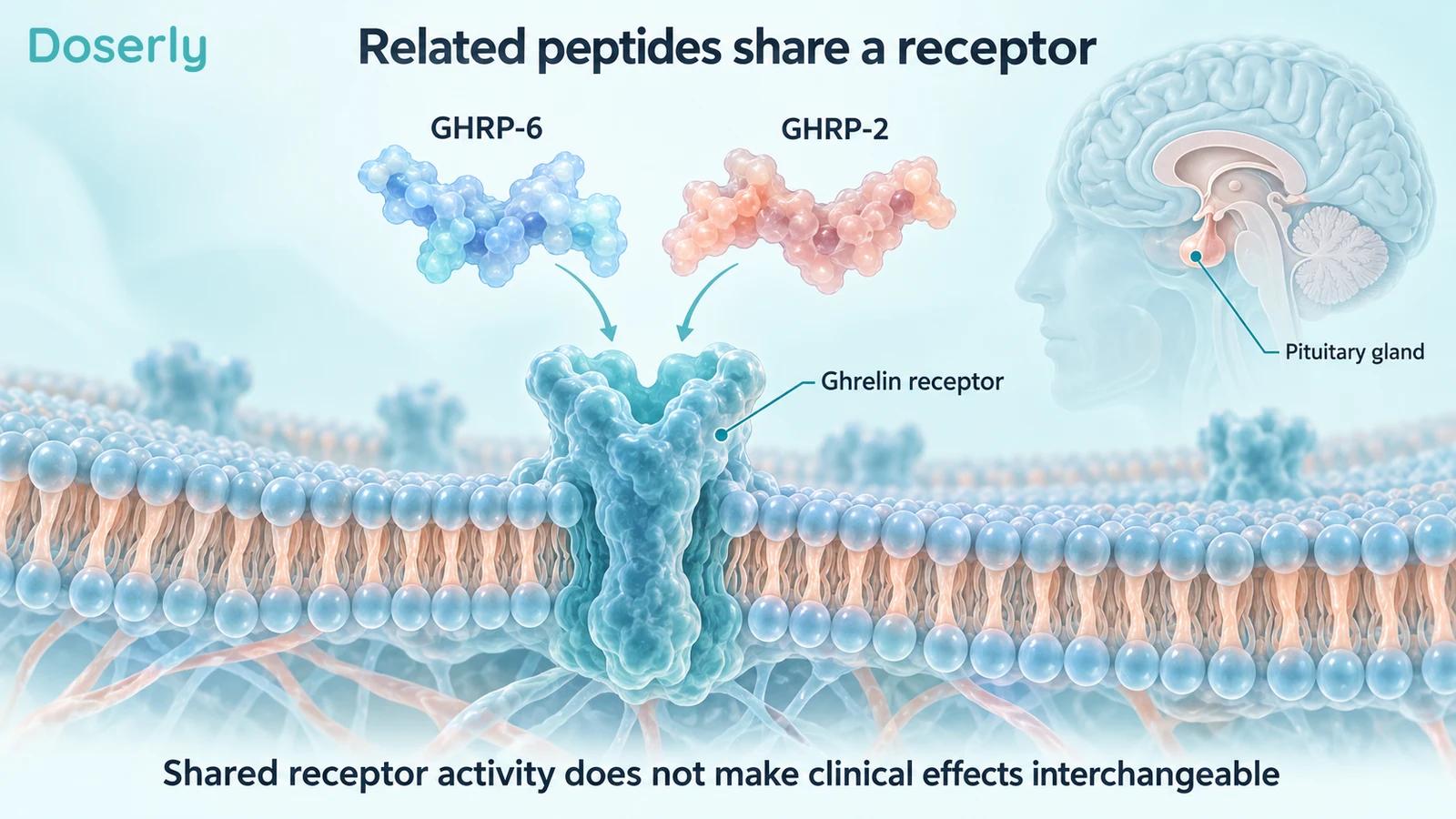
Read articleCompare GHRP-6 and GHRP-2 by the outcomes actually studied: hormone responses, appetite, repeated exposure and Japan's pralmorelin diagnostic indication.
Read articleShort imaging and neurological studies cannot establish the safety of years of cognitive-enhancement use. Here is what they observed and what remains unknown.
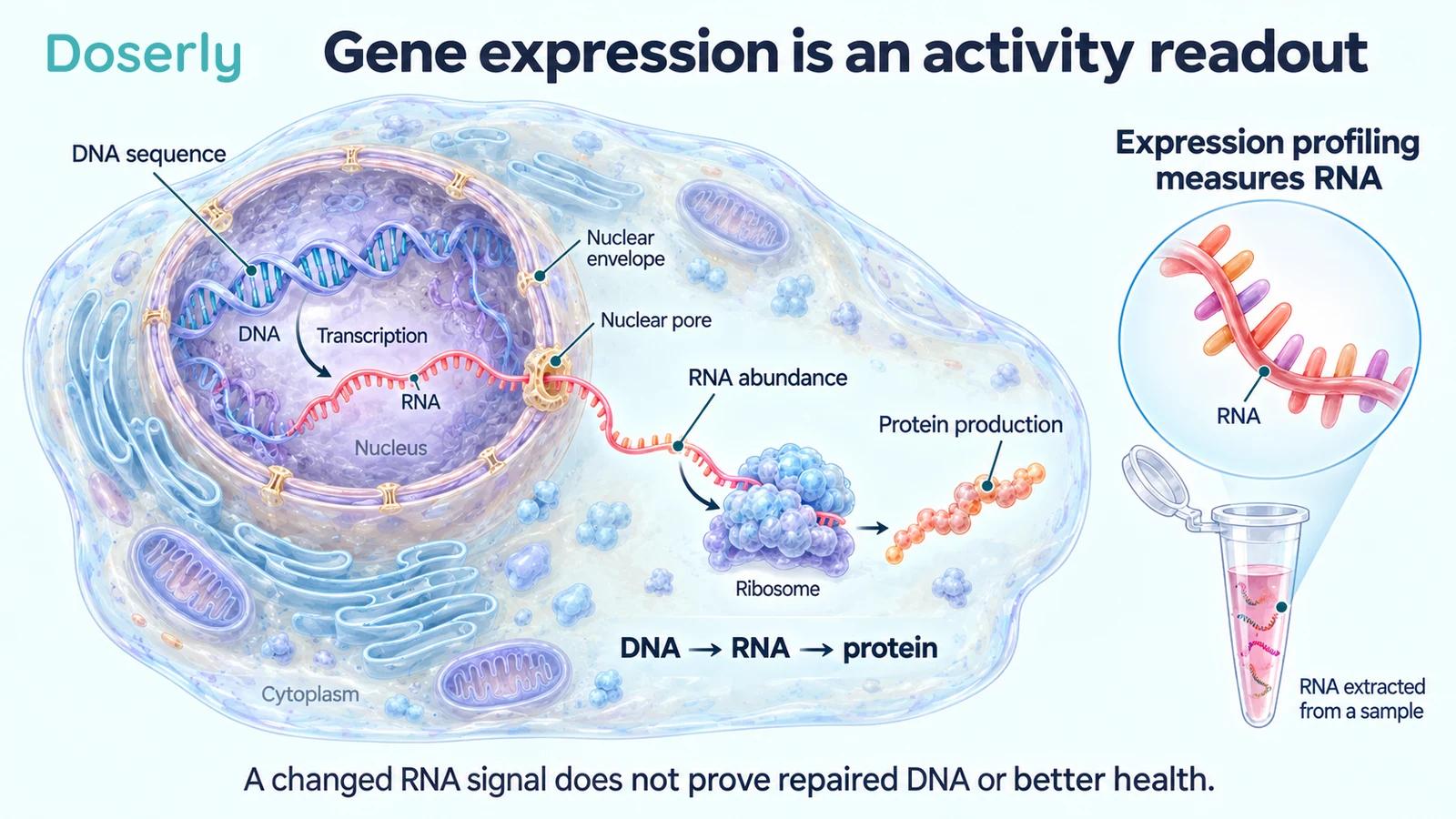
Read articleTrace GHK’s 4,000-genes claim to its cell-line data and learn why RNA changes, functional cell tests, and human treatment benefits are different evidence.
Read articleEarly human studies, overlapping cohorts and mouse pituitary findings leave important questions about prolonged CJC-1295 exposure.
Read articleThe early diabetes trial lowered HbA1c and weight, but its experimental schedules and short follow-up matter when interpreting the results.
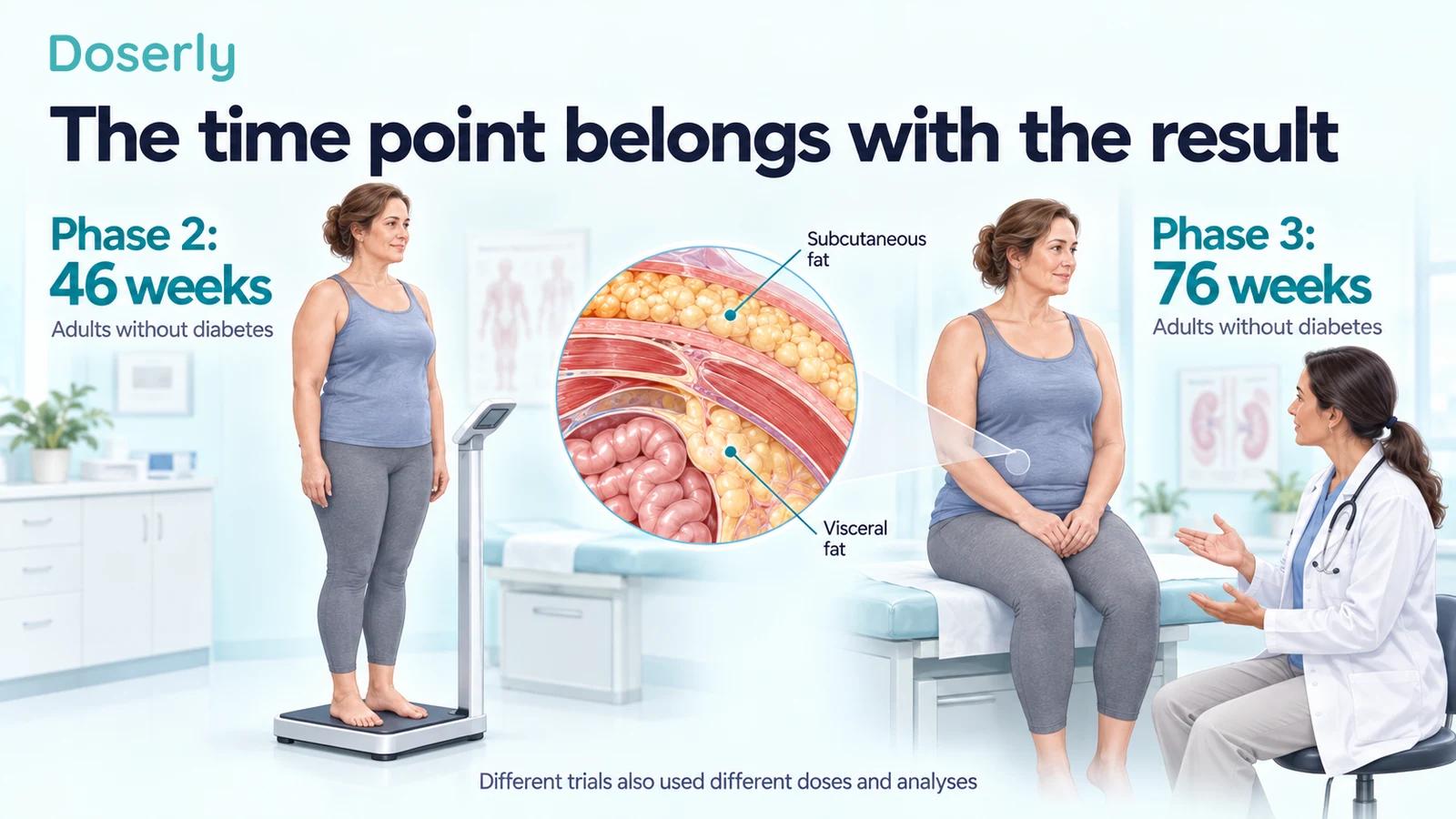
Read articleWhy survodutide's 46-week and 76-week results differ, including actual versus assigned dose, placebo response and analysis methods.
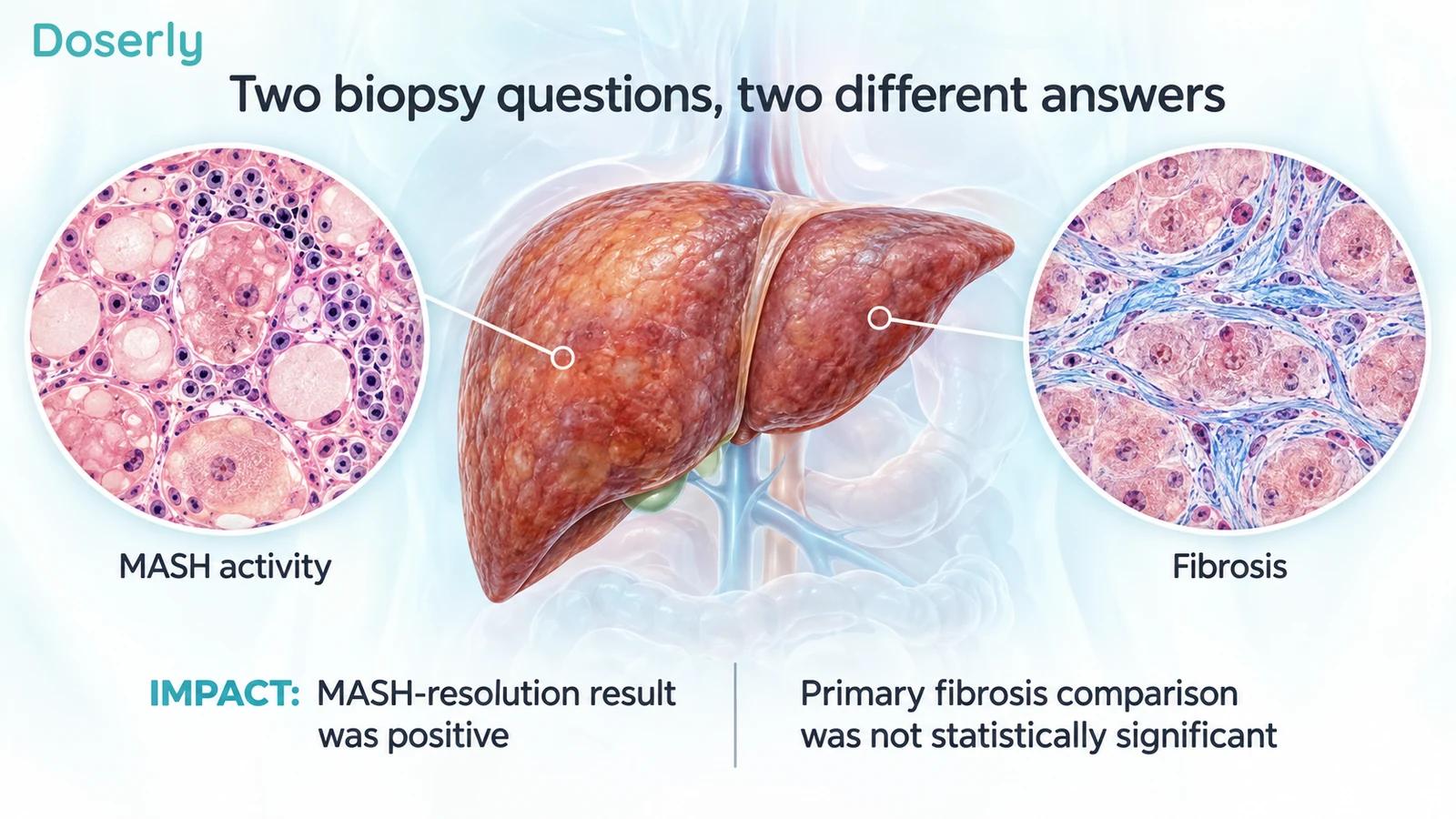
Read articleFollow the IMPACT announcements from topline results to the full paper, while keeping biopsy endpoints, digital analyses and later follow-up distinct.
Read articleThe next eloralintide questions concern durability, diabetes, physical function and safety—not simply a larger weight-loss percentage.
Read articleThe early 8.6% weight-loss finding came from a small sixteen-week cohort. Its comparator, analysis and exposure explain how to interpret it.
Read article181–192 of 323 articles