Peptides8 min read
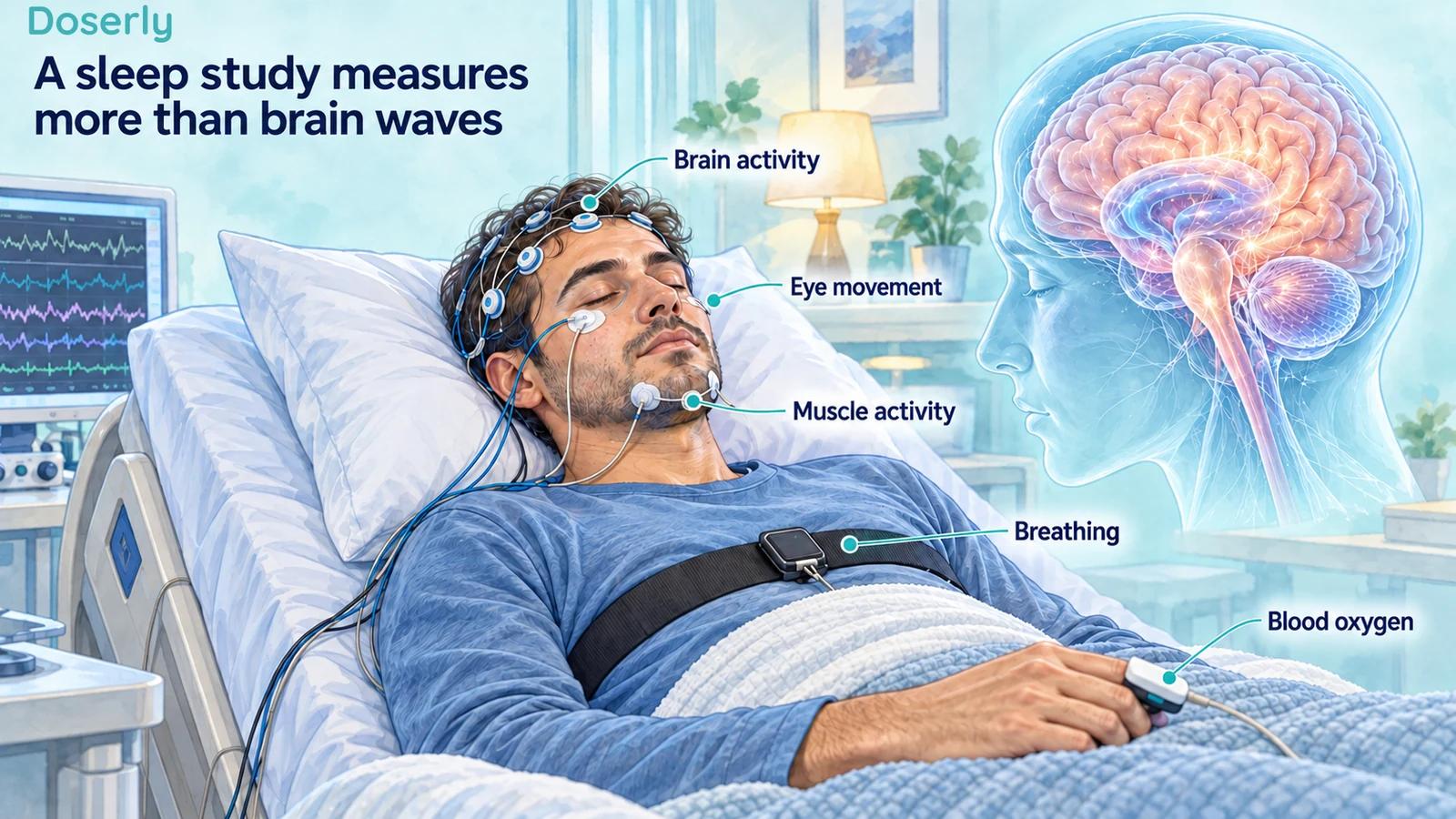
DSIP and deep sleep: what an EEG can actually establish
What scalp EEG, deep-sleep staging and a small anaesthesia experiment can tell us about DSIP and restorative sleep.
Read articleFor informational and research purposes only.
Research, explained. Explore peptides, supplements, hormone health, longevity and red light therapy with clear, practical breakdowns of what the studies actually tell us.
Metabolism, recovery and emerging research
What scalp EEG, deep-sleep staging and a small anaesthesia experiment can tell us about DSIP and restorative sleep.
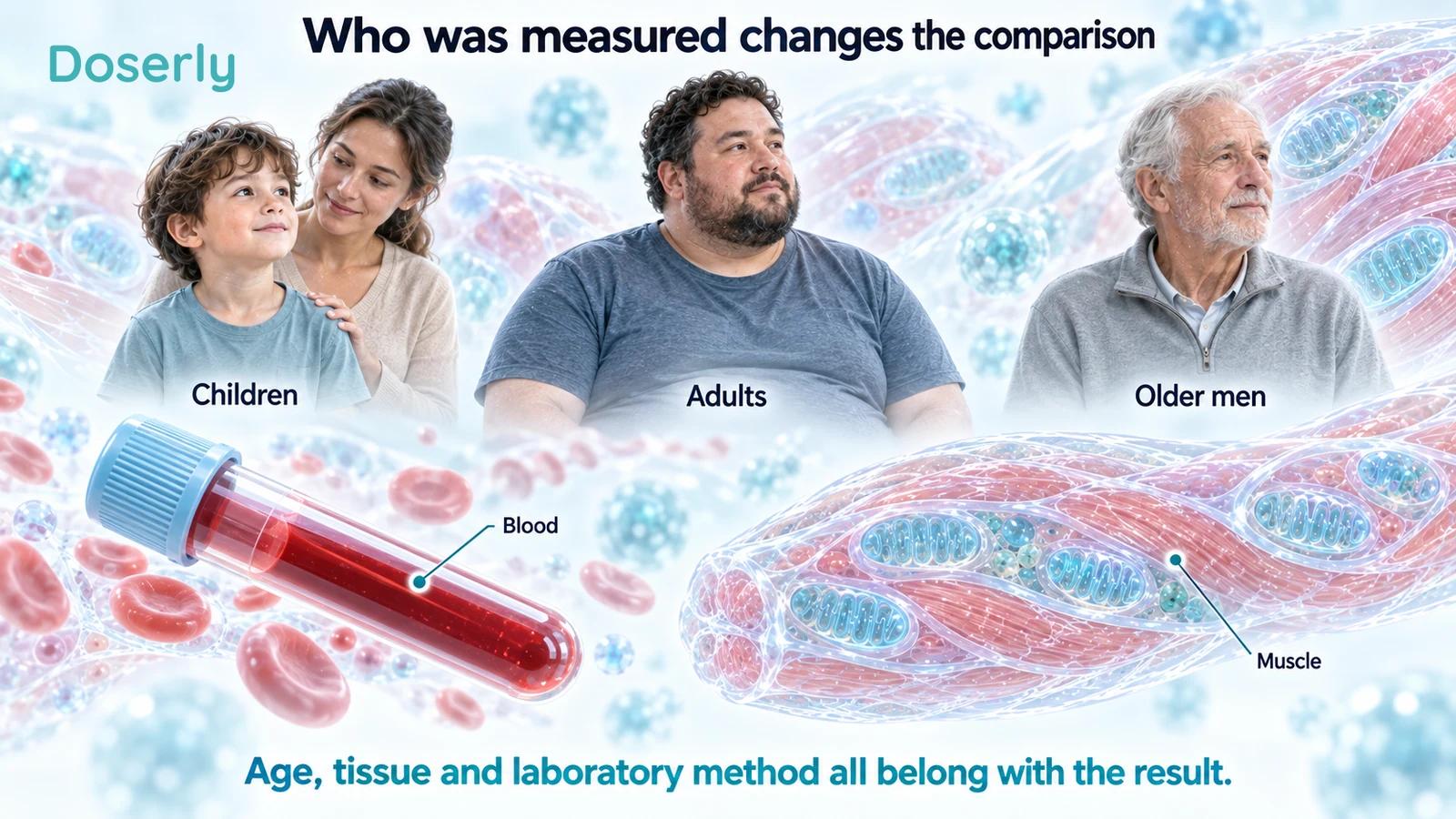
Read articleDifferent obesity and aging studies report different MOTS-c patterns. Population, tissue, timing, units and assay methods explain why comparisons need care.
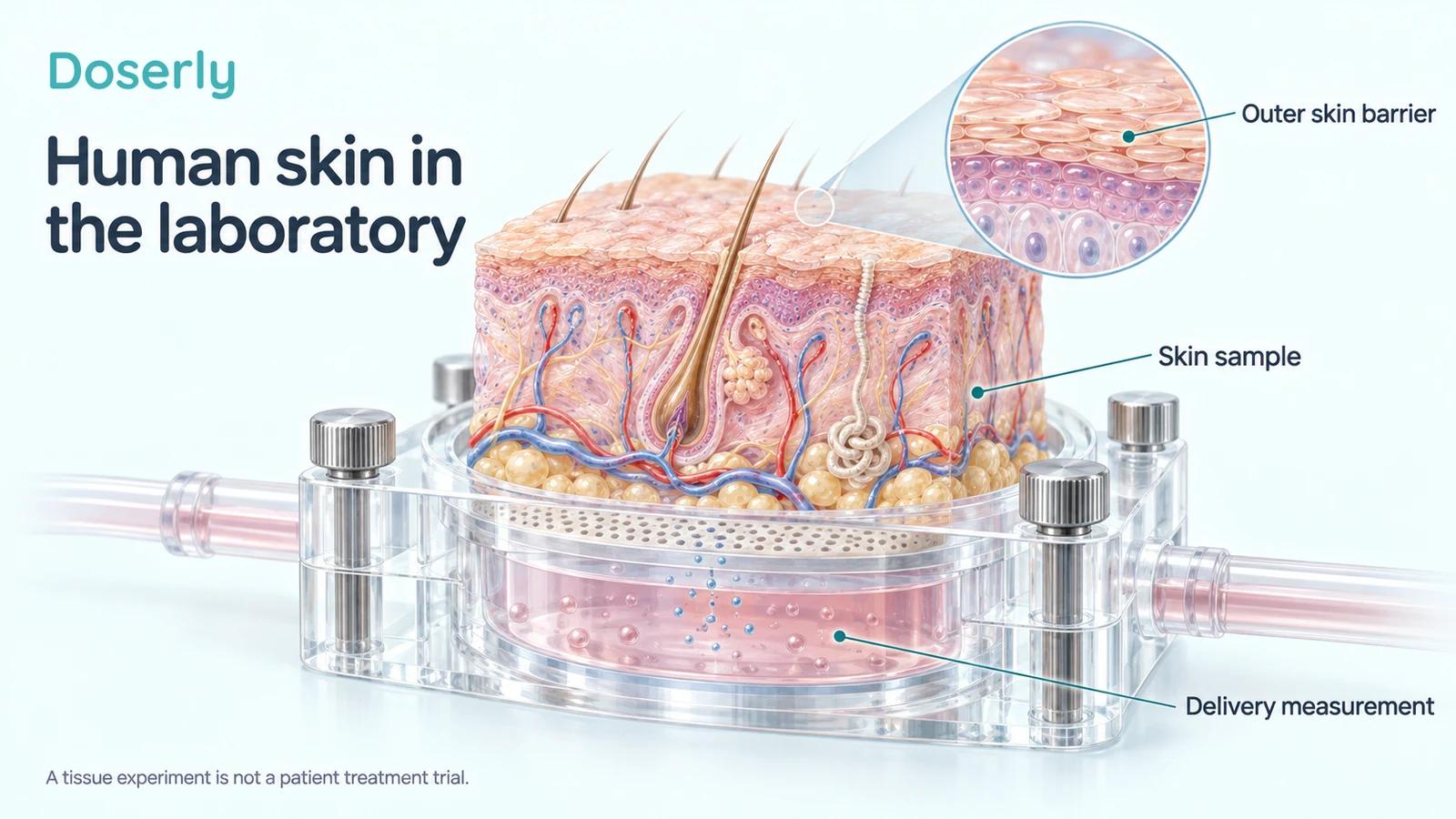
Read articleWhat KPV's intestinal and skin research shows, how the K(D)PT trial differs, and which patient questions remain after the 2026 discussion.
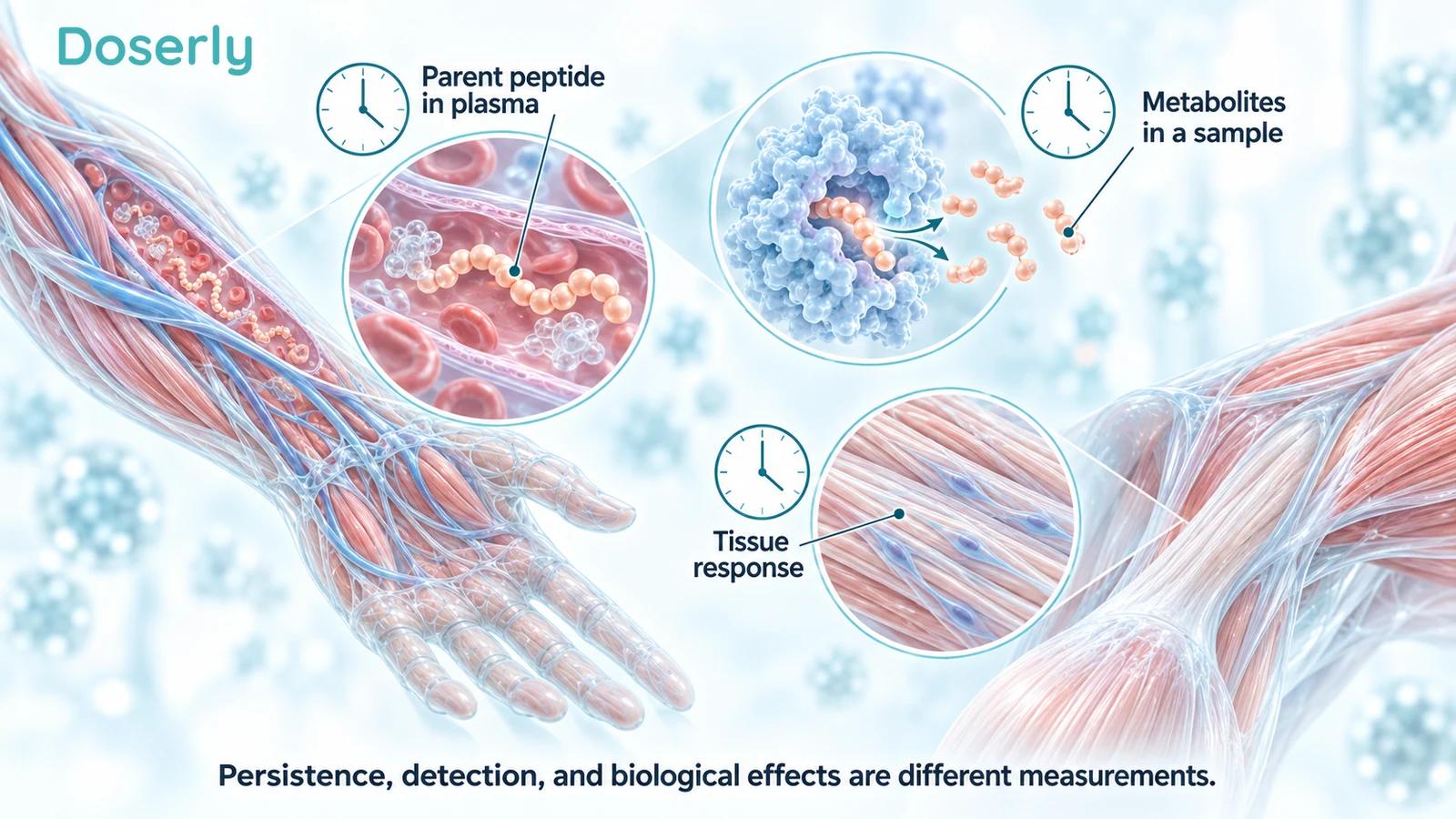
Read articleRat metabolites, horse detection studies, and human thymosin beta-4 trials answer different questions. None supplies a dosing timetable for the TB-500 fragment.
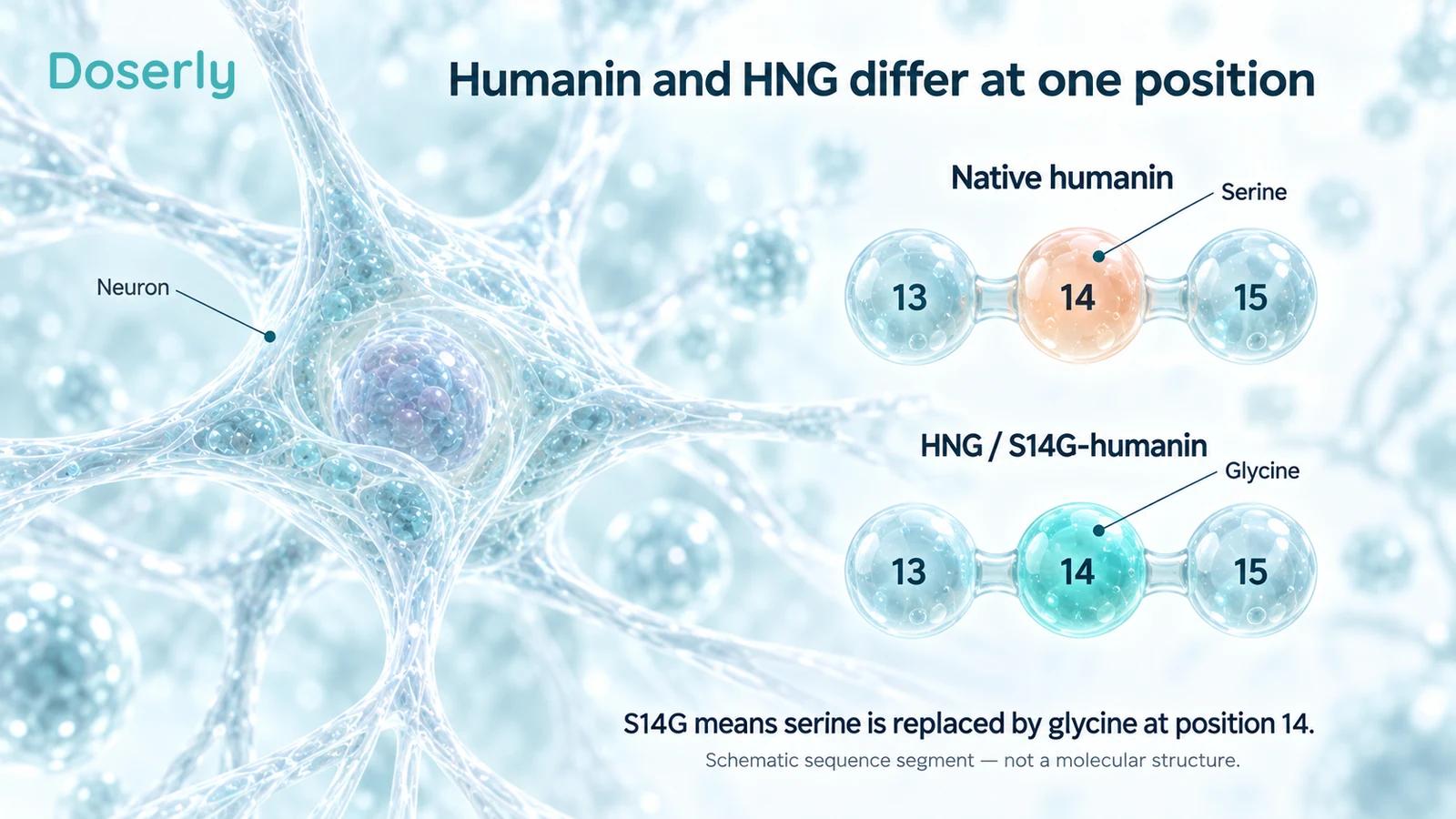
Read articleNative humanin, HNG, HNGF6A and colivelin differ in structure and experimental behavior. Understand why laboratory potency is not a clinical conversion ratio.
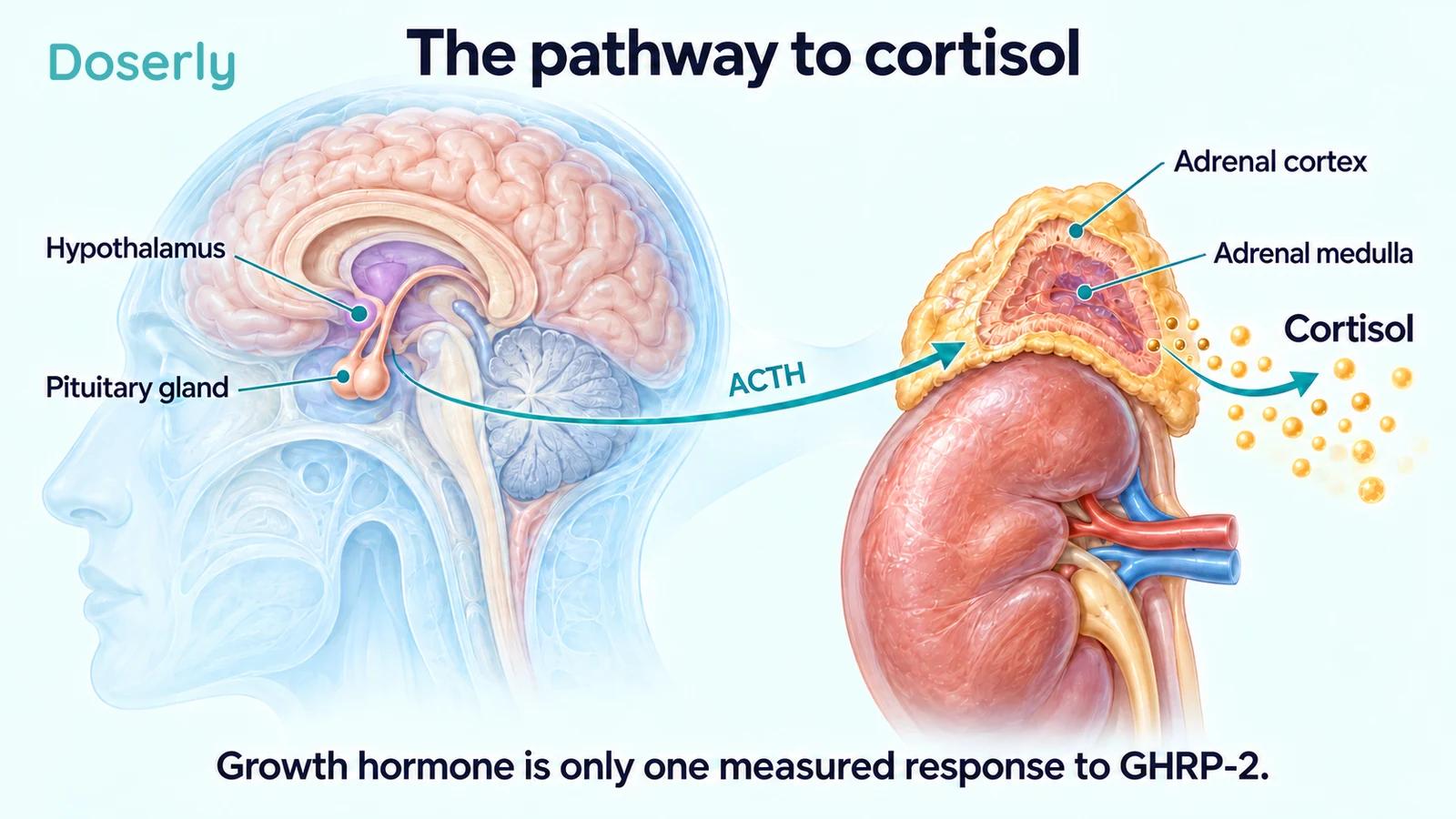
Read articleHuman experiments show that GHRP-2 can affect ACTH, cortisol and prolactin as well as growth hormone. Here is what those findings mean—and what remains unknown.
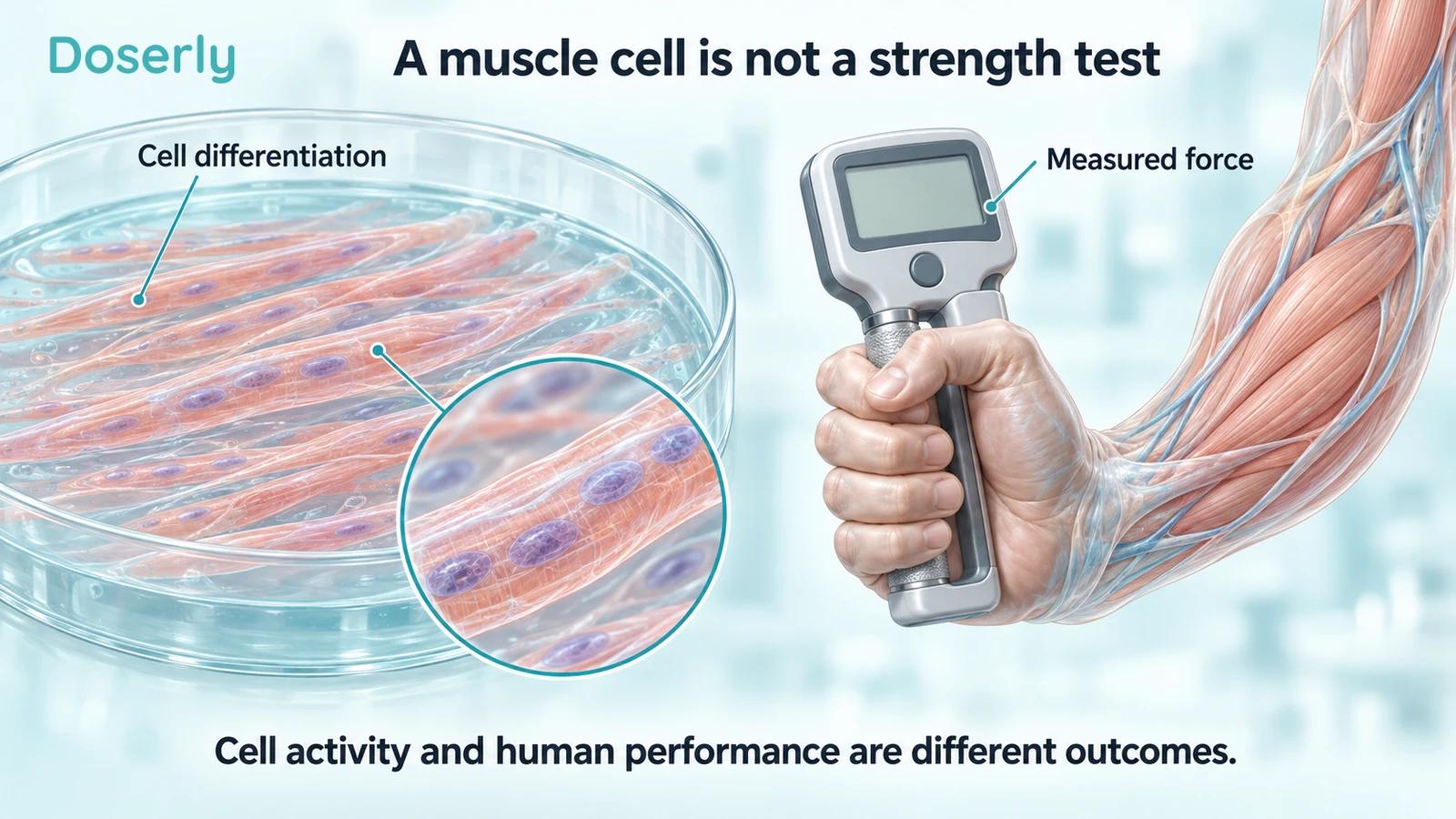
Read articleCell differentiation, tissue weight and strength are different outcomes. Primary LR3 studies show why the distinctions matter.
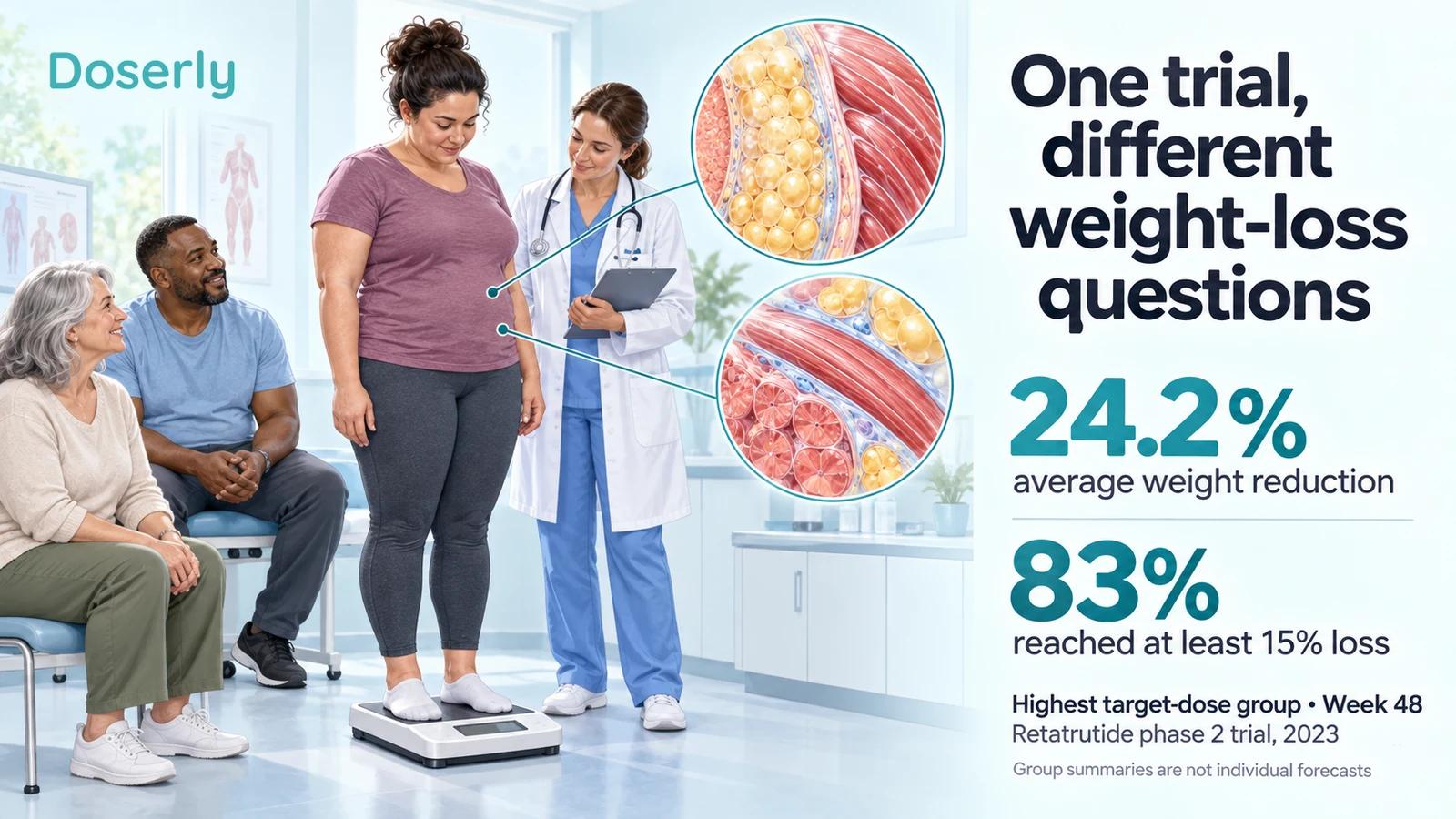
Read articleWhat retatrutide's trial averages, responder thresholds and weight curves can tell you—and why they cannot forecast your personal result.
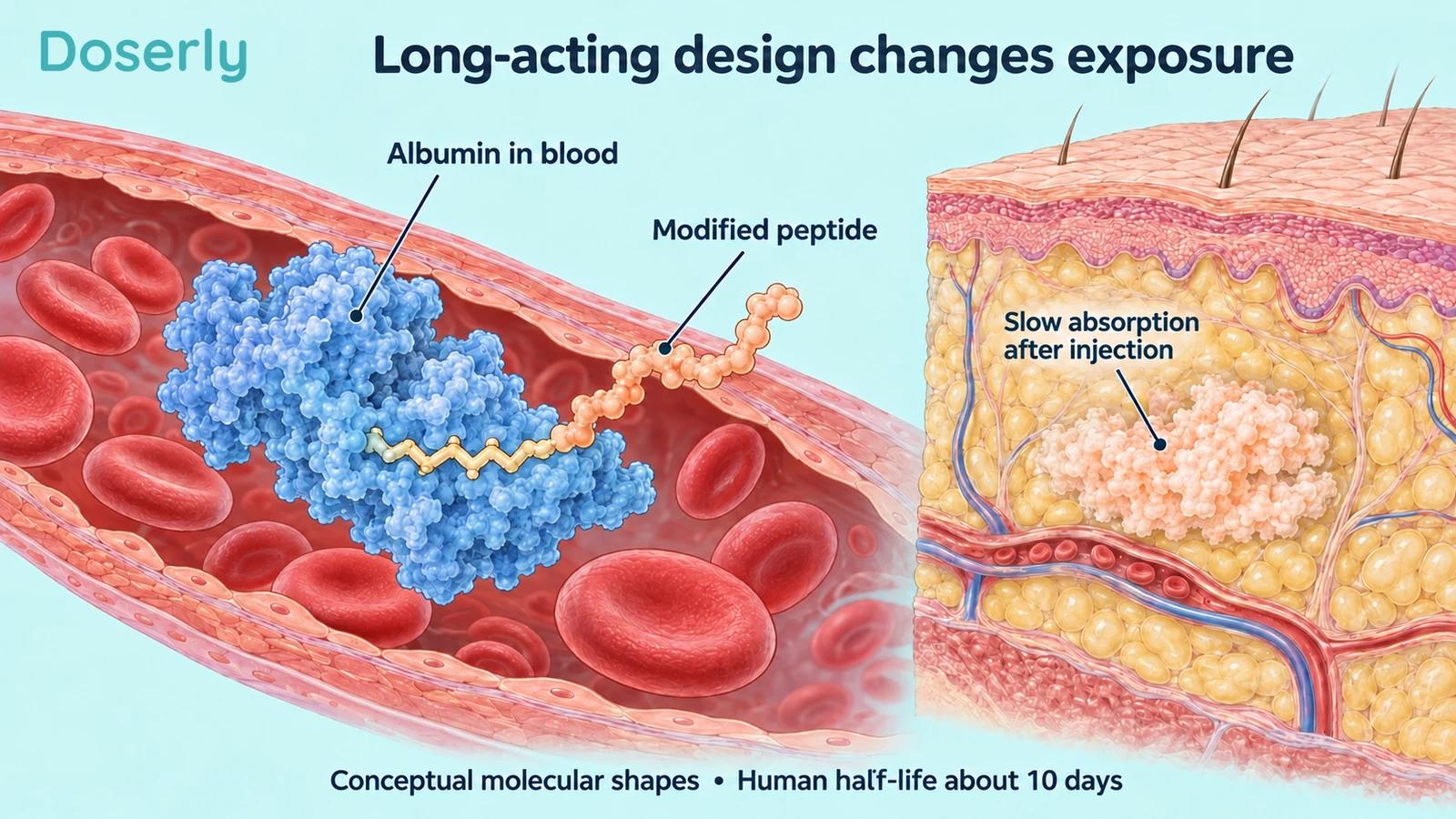
Read articleA roughly ten-day half-life helps explain weekly development, but absorption, accumulation, tolerability and formulation stability answer different questions.
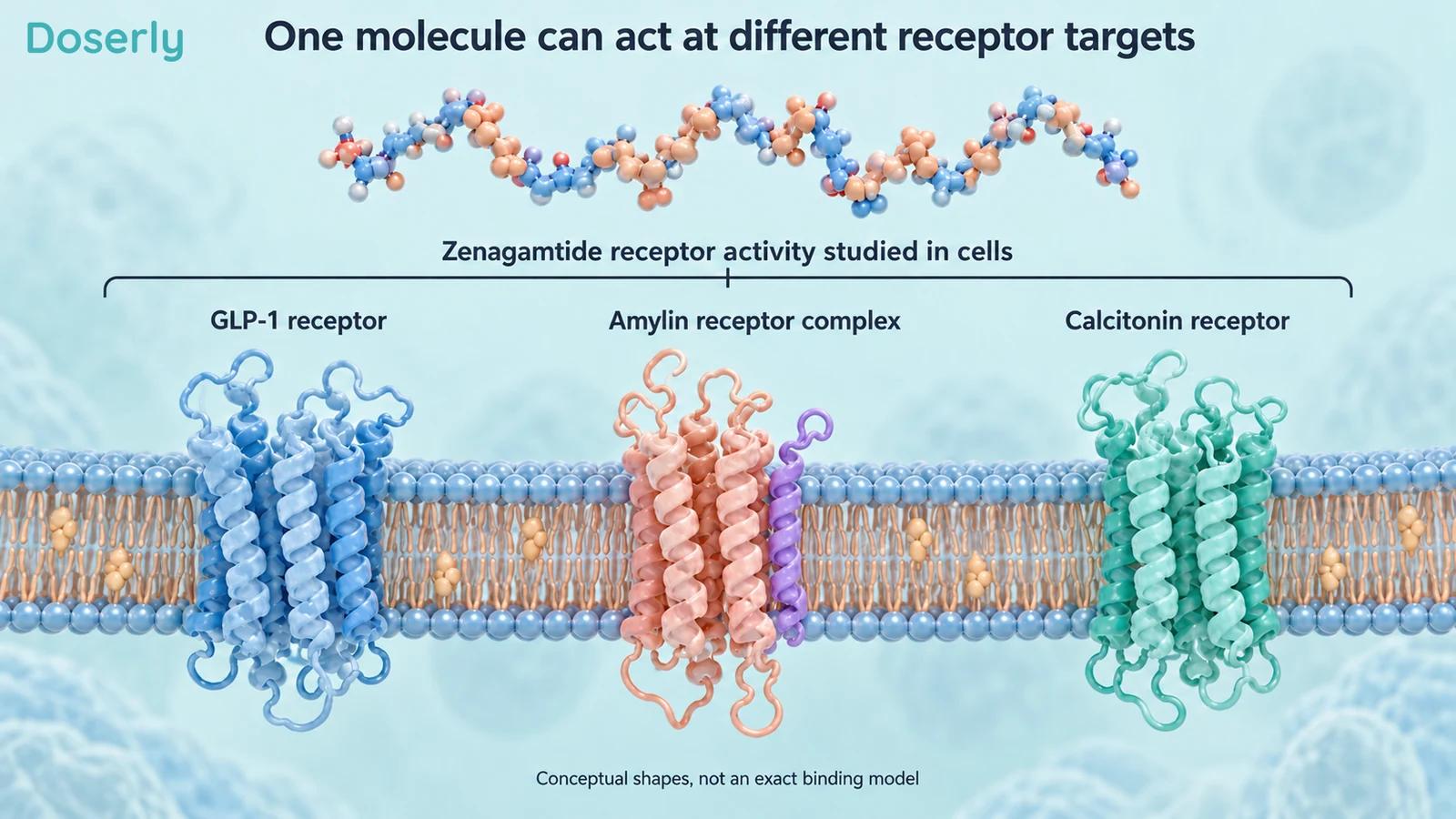
Read articleA single peptide can activate more than one receptor system. That makes zenagamtide scientifically distinct from giving cagrilintide and semaglutide together.
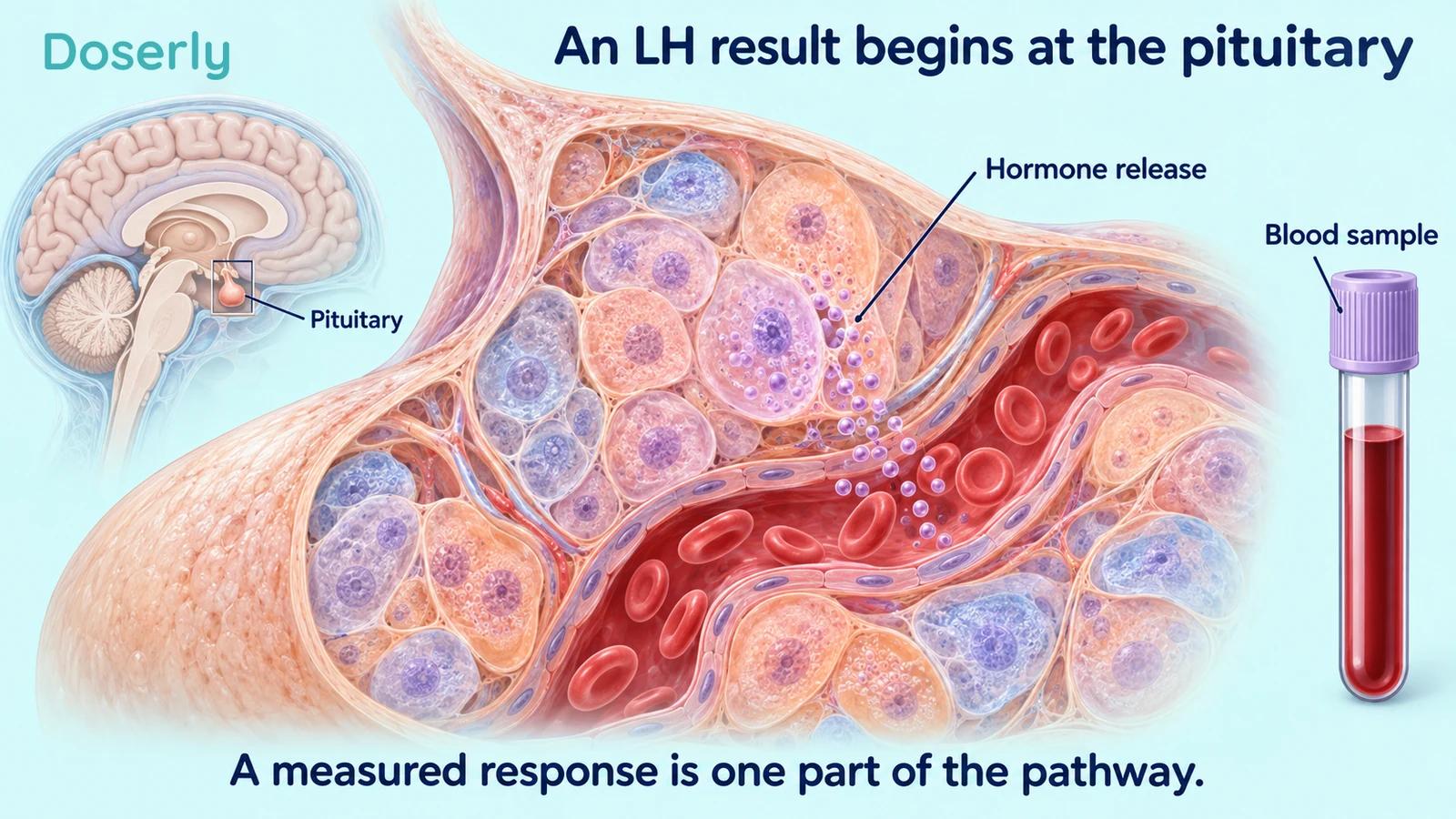
Read articleAn LH rise after gonadorelin is a pituitary response, not a complete fertility result. Timing, baseline values, cycle phase and treatment context shape its meaning.
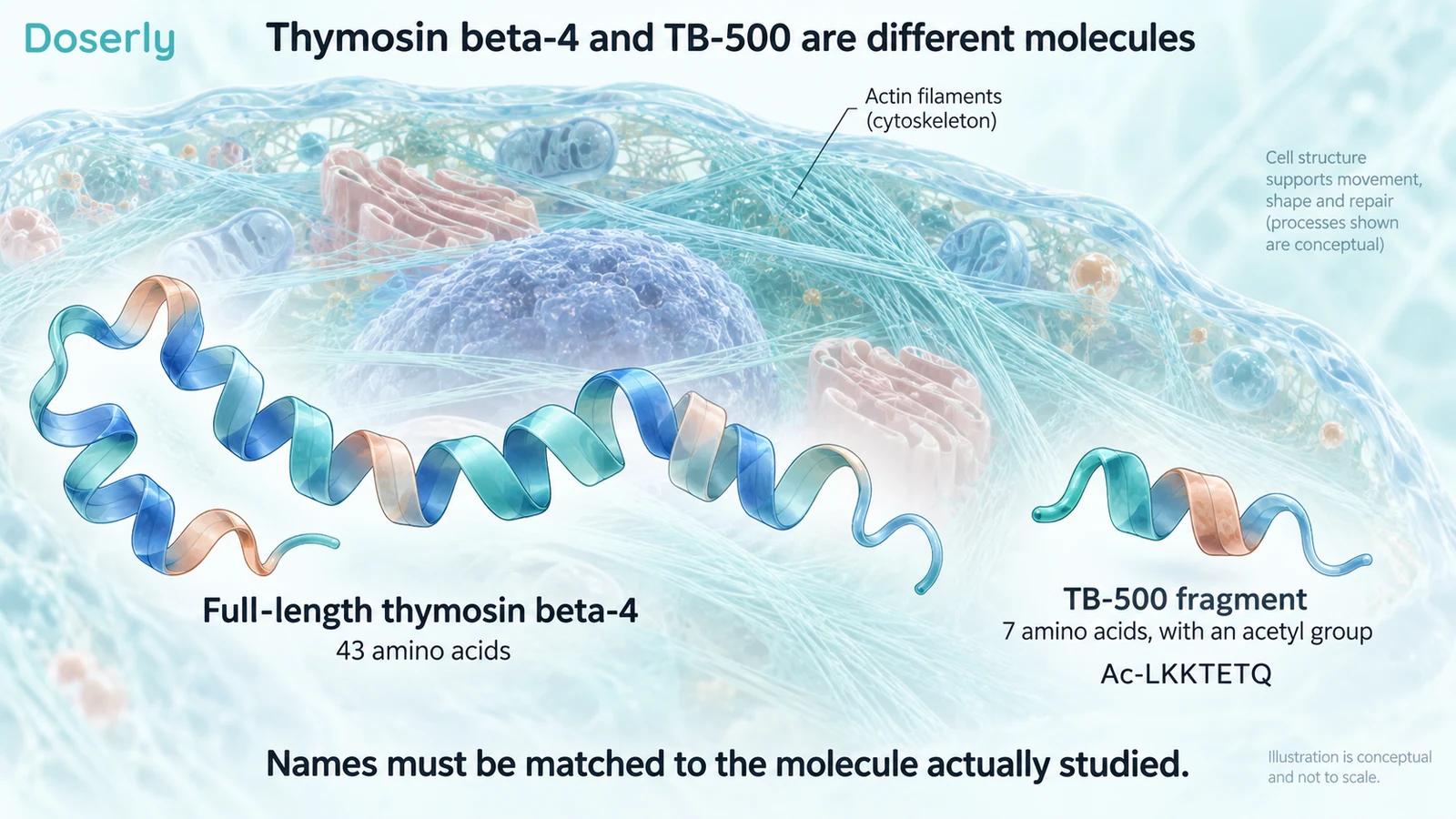
Read articleFull-length thymosin beta-4 and the TB-500 fragment share a sequence region, but their names, laboratory findings and human trials should not be merged.
Read article253–264 of 323 articles