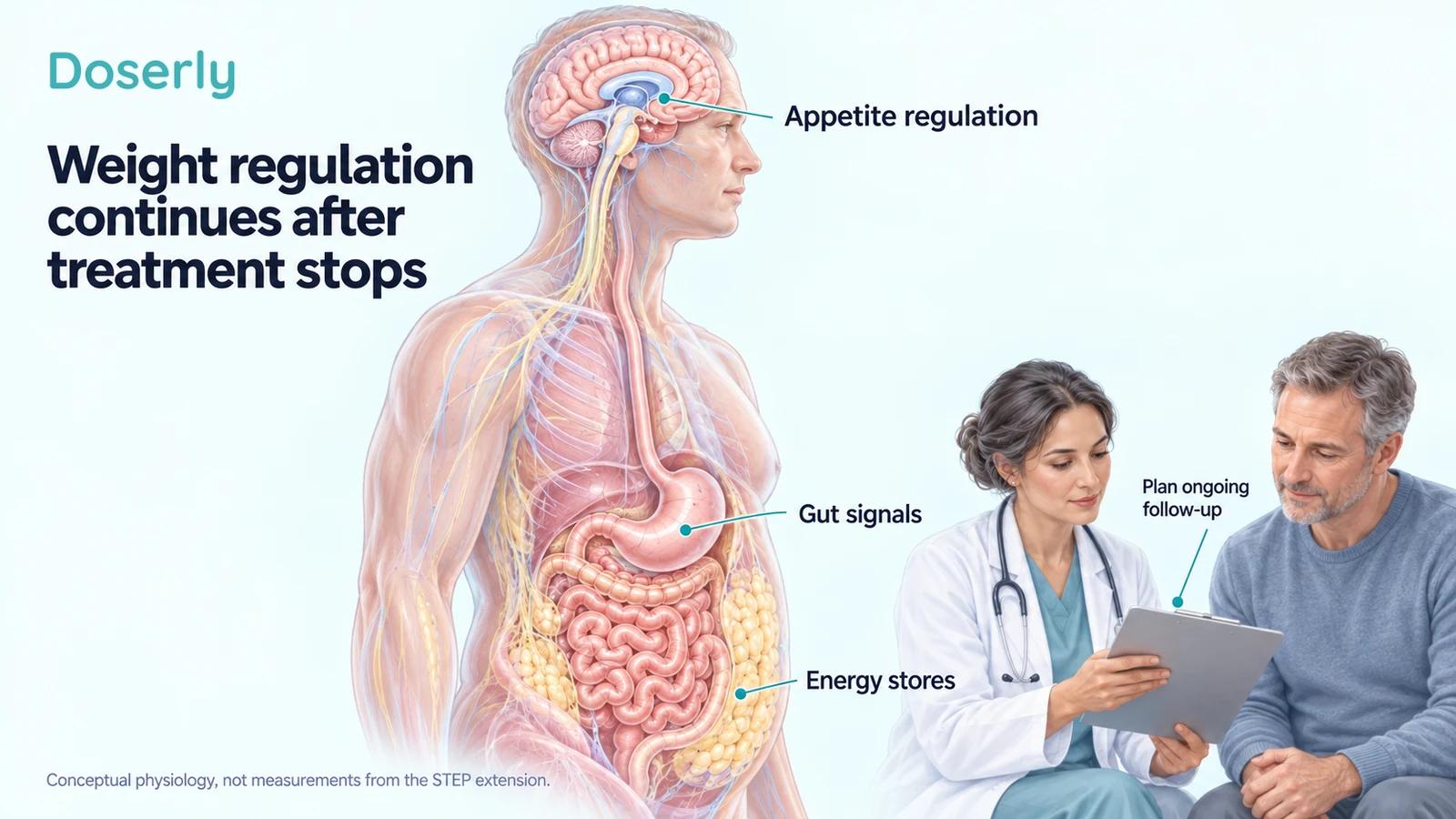
Weight regain after semaglutide: what the STEP extension tells us
The STEP extension found substantial average weight regain after treatment ended. Learn what the numbers mean and how maintenance trials change the interpretation.
Read articleFor informational and research purposes only.
Research, explained. Explore peptides, supplements, hormone health, longevity and red light therapy with clear, practical breakdowns of what the studies actually tell us.
Metabolism, recovery and emerging research
The STEP extension found substantial average weight regain after treatment ended. Learn what the numbers mean and how maintenance trials change the interpretation.
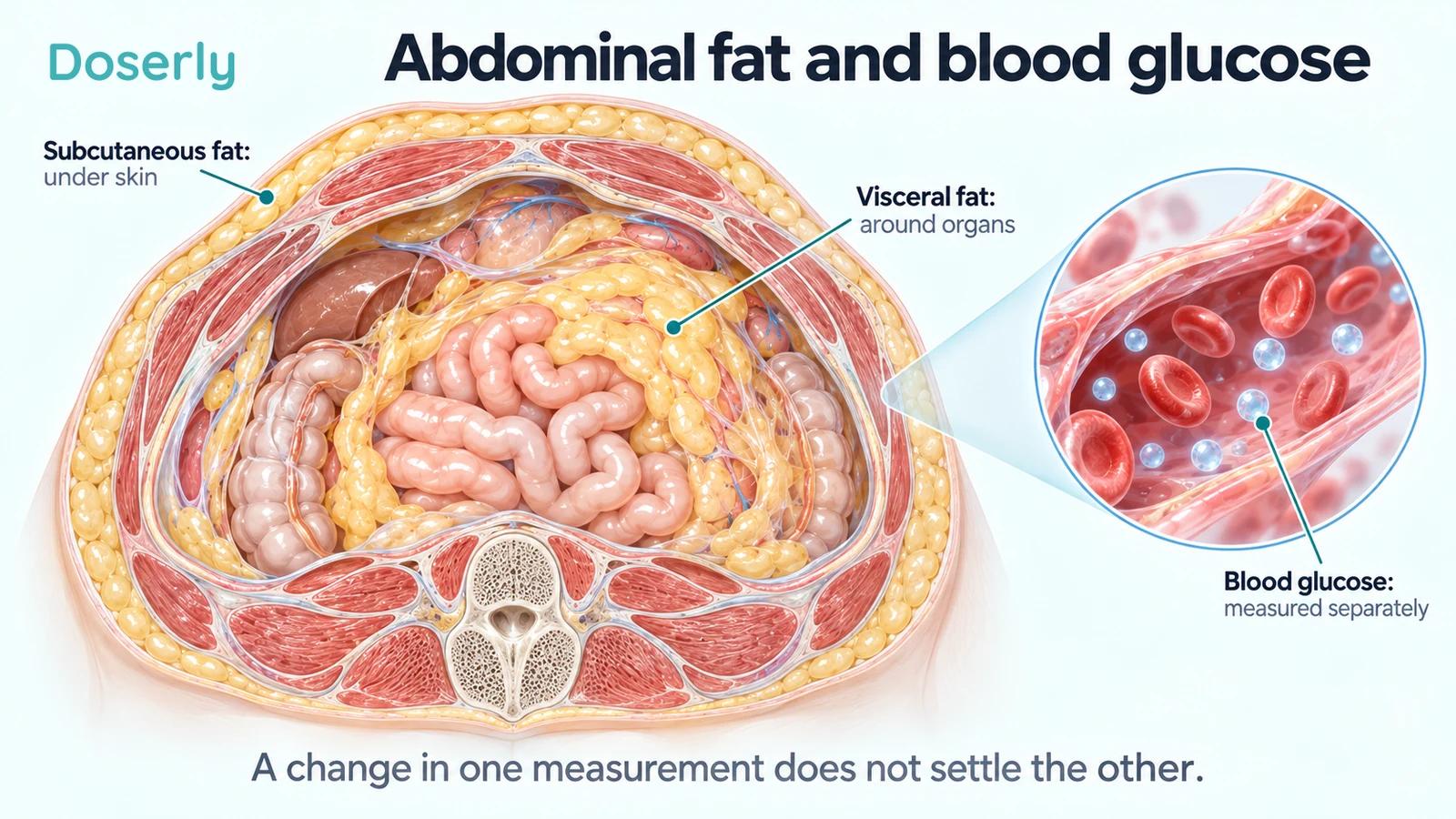
Read articleTesamorelin can reduce visceral fat while glucose still needs attention. Here is how the trials, diabetes signal and different blood tests fit together.
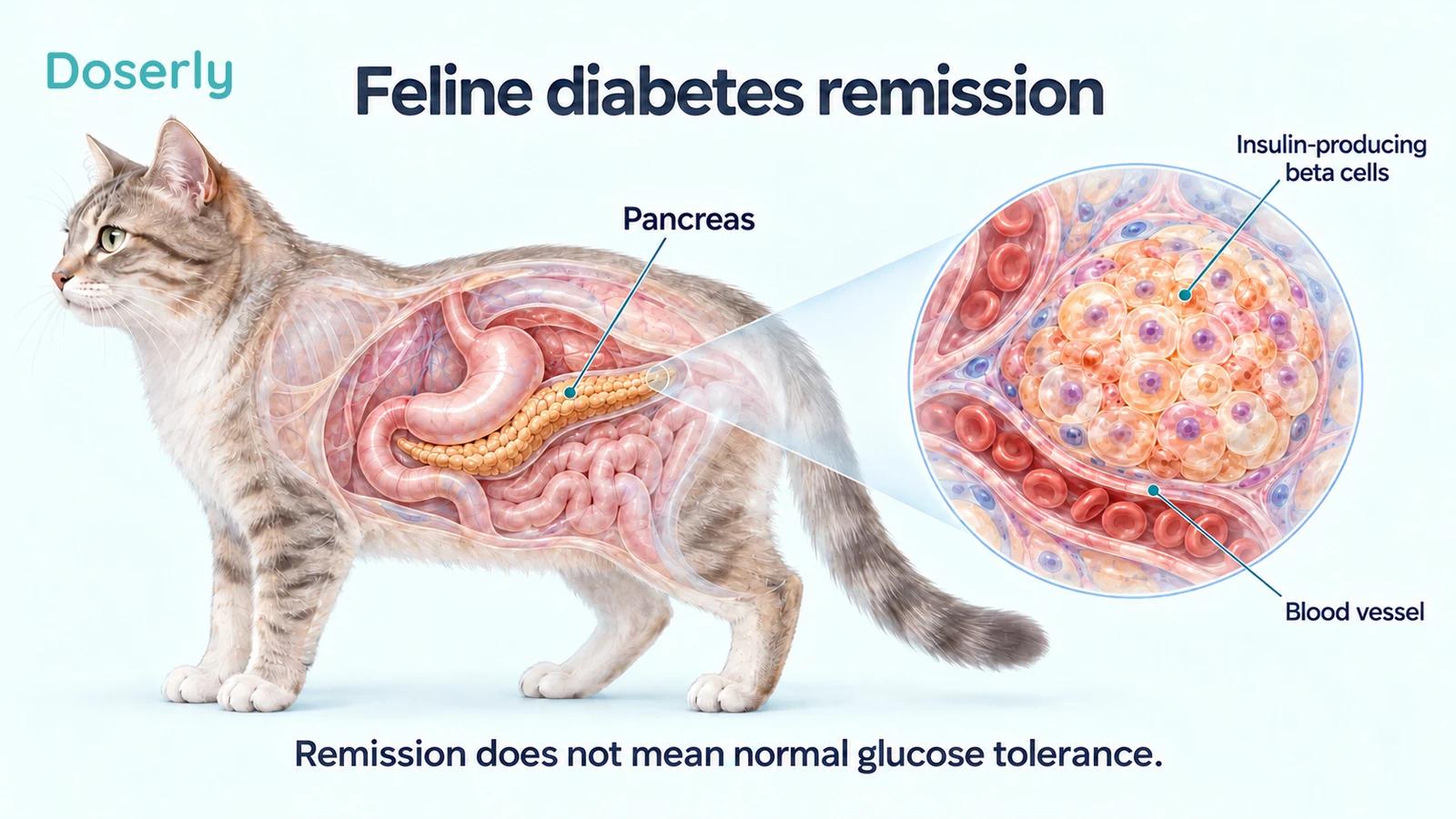
Read articleA 2025 feline trial separates changes in a blood marker from the outcome owners care about: remaining free of insulin treatment.
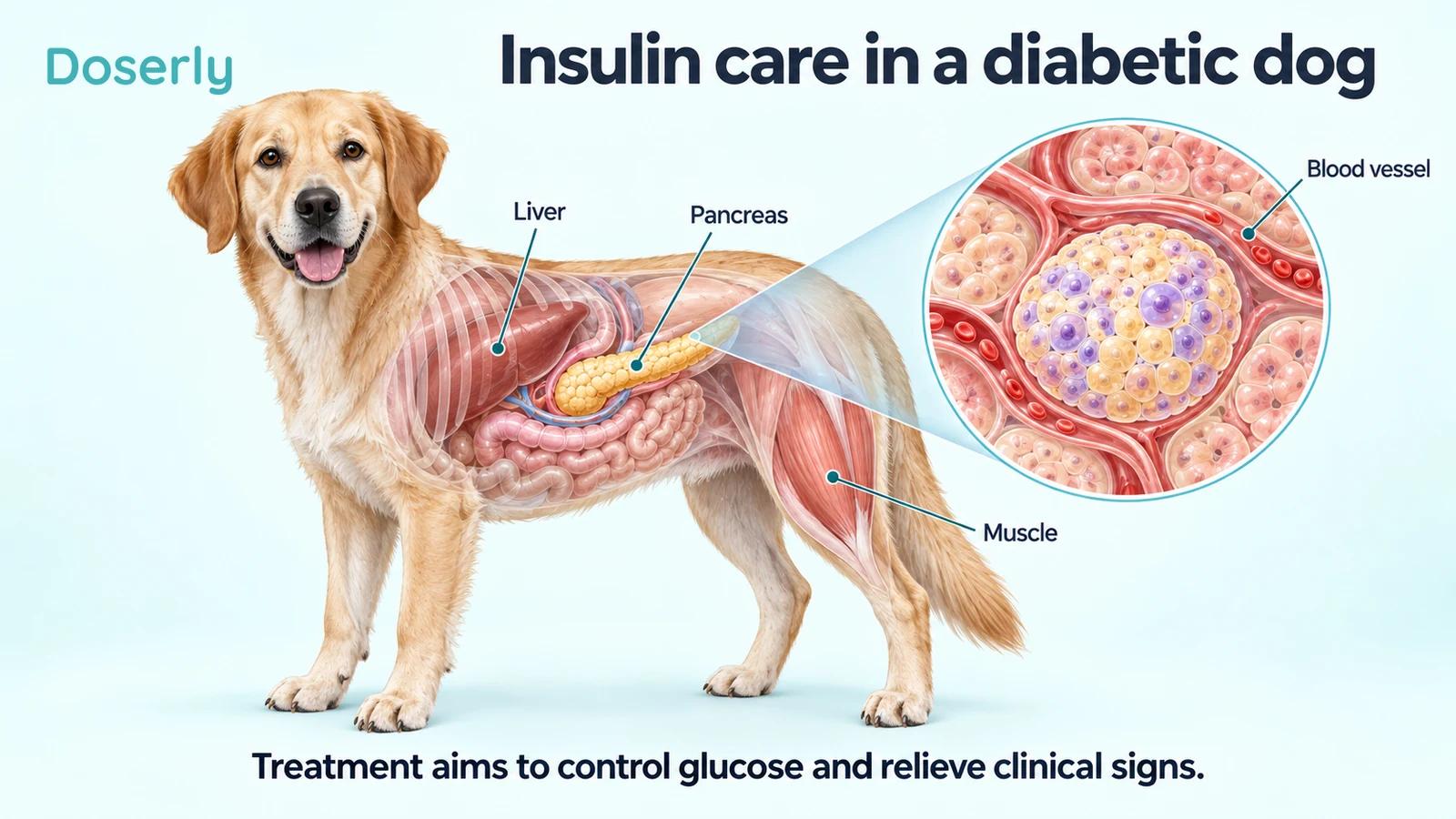
Read articleA randomized dog study supports two insulin options, while current guidance explains why the individual response and matching device still matter.
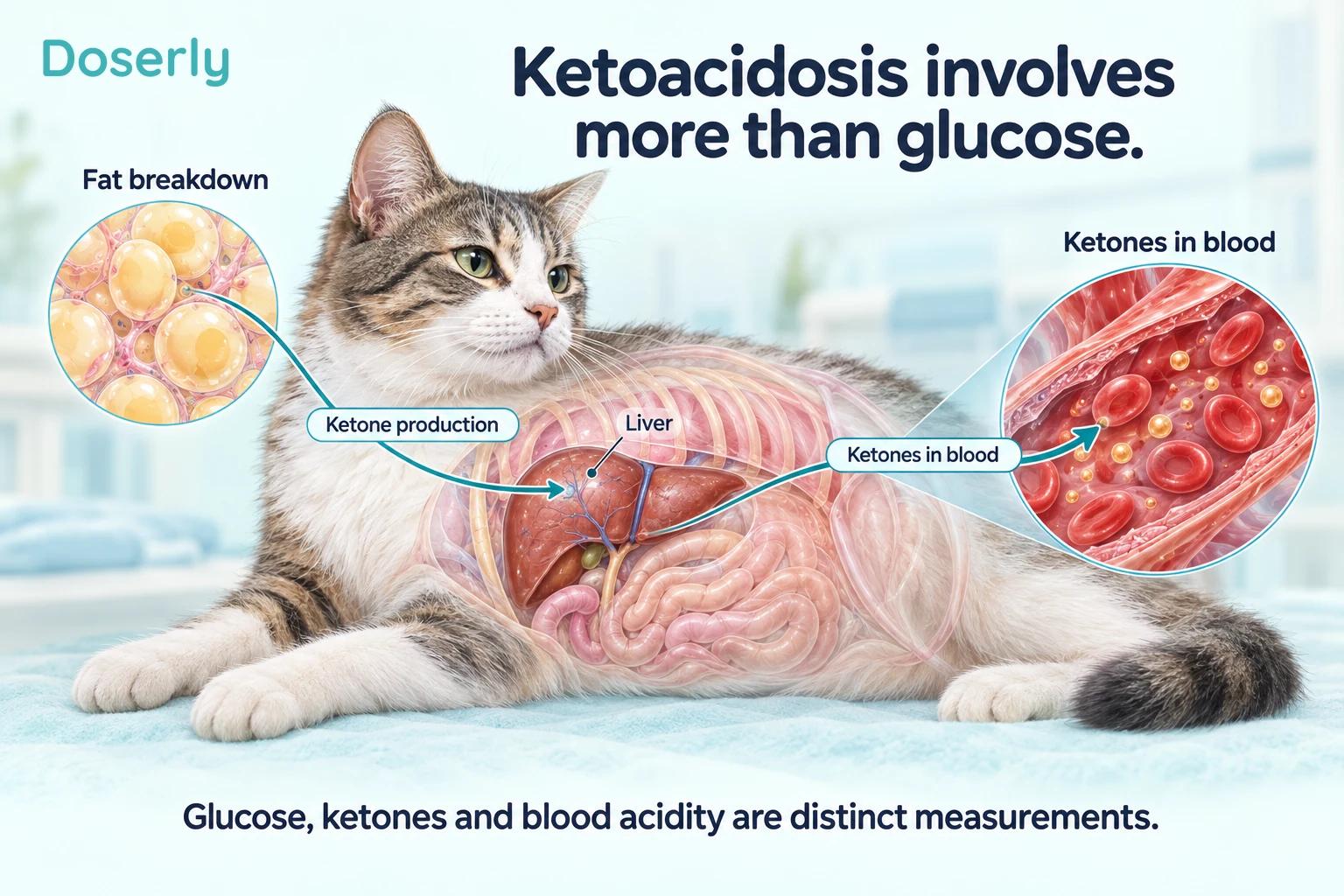
Read articleA small randomized trial supports studying different hospital insulin regimens for feline ketoacidosis. Its findings depend on intensive monitoring and cannot be reduced to a home injection schedule.
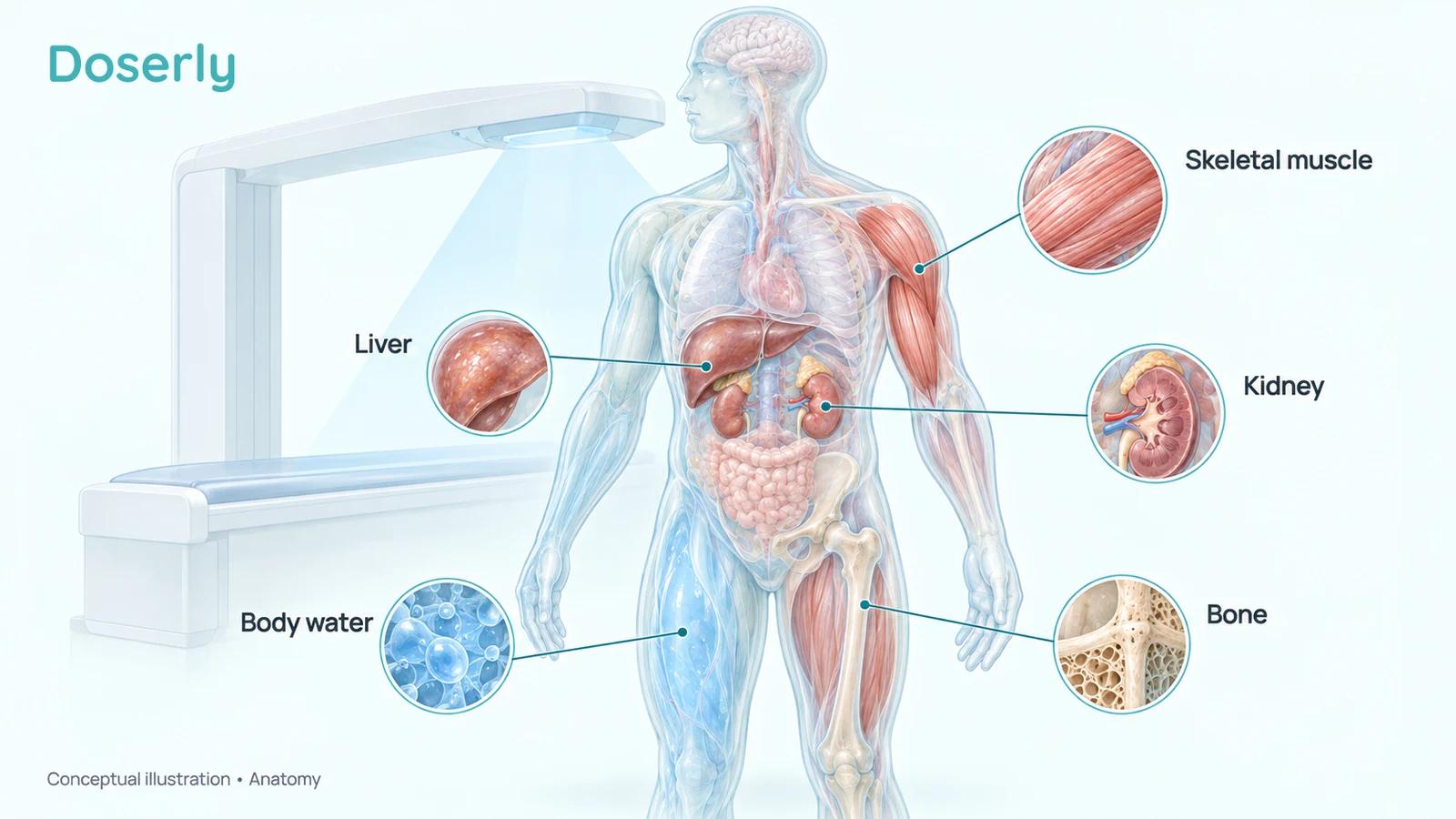
Read articleLean mass, skeletal muscle and strength are different measurements. Read the semaglutide and tirzepatide studies without turning scan results into muscle diagnoses.
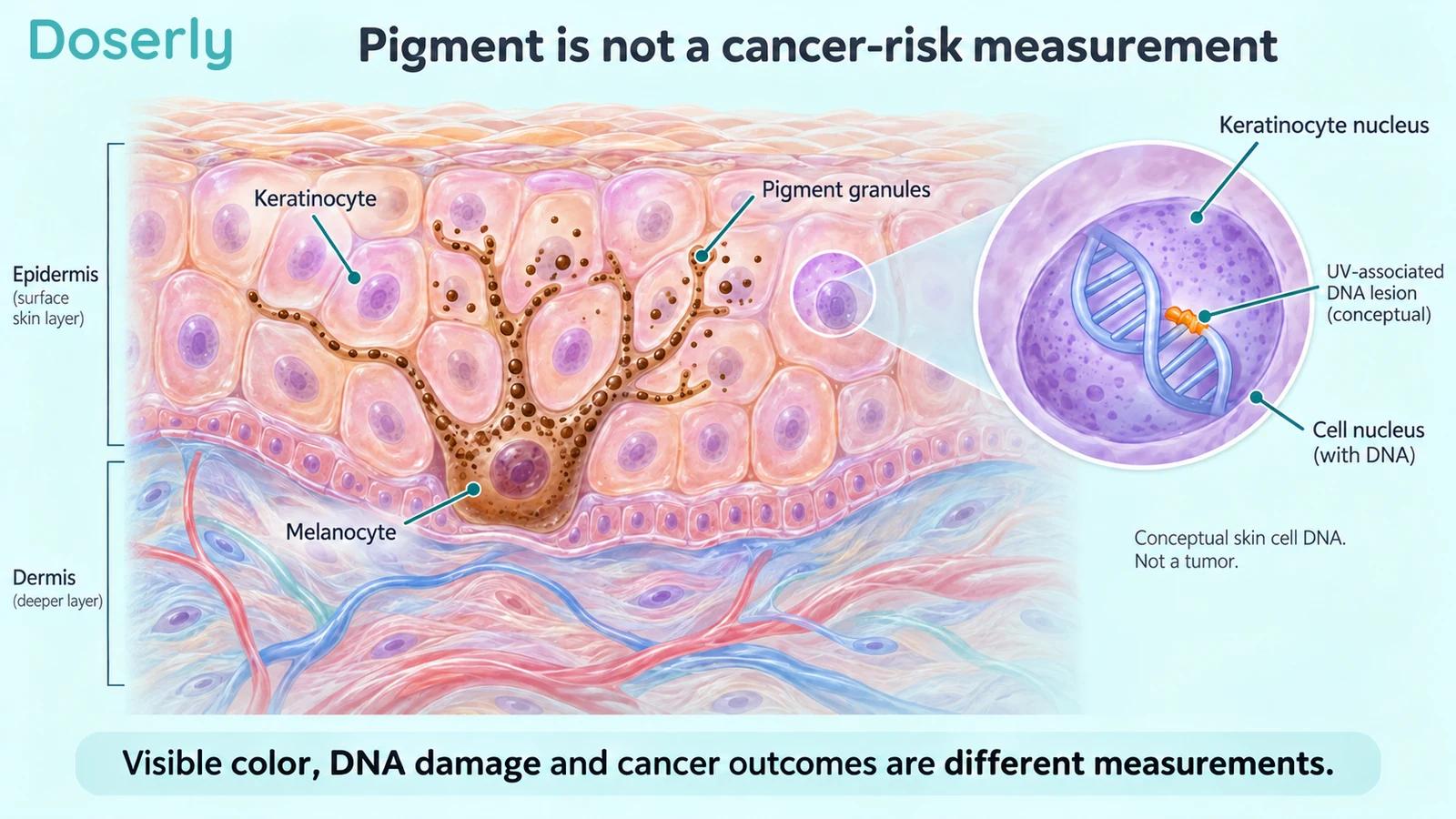
Read articleAfamelanotide can change pigmentation and short-term UV responses. Those findings do not establish that tanning peptides prevent skin cancer.
Read articleWhy REDEFINE 1 reports 20.4% and 22.7% weight reduction, what each analysis includes, and how dose flexibility changes the interpretation.
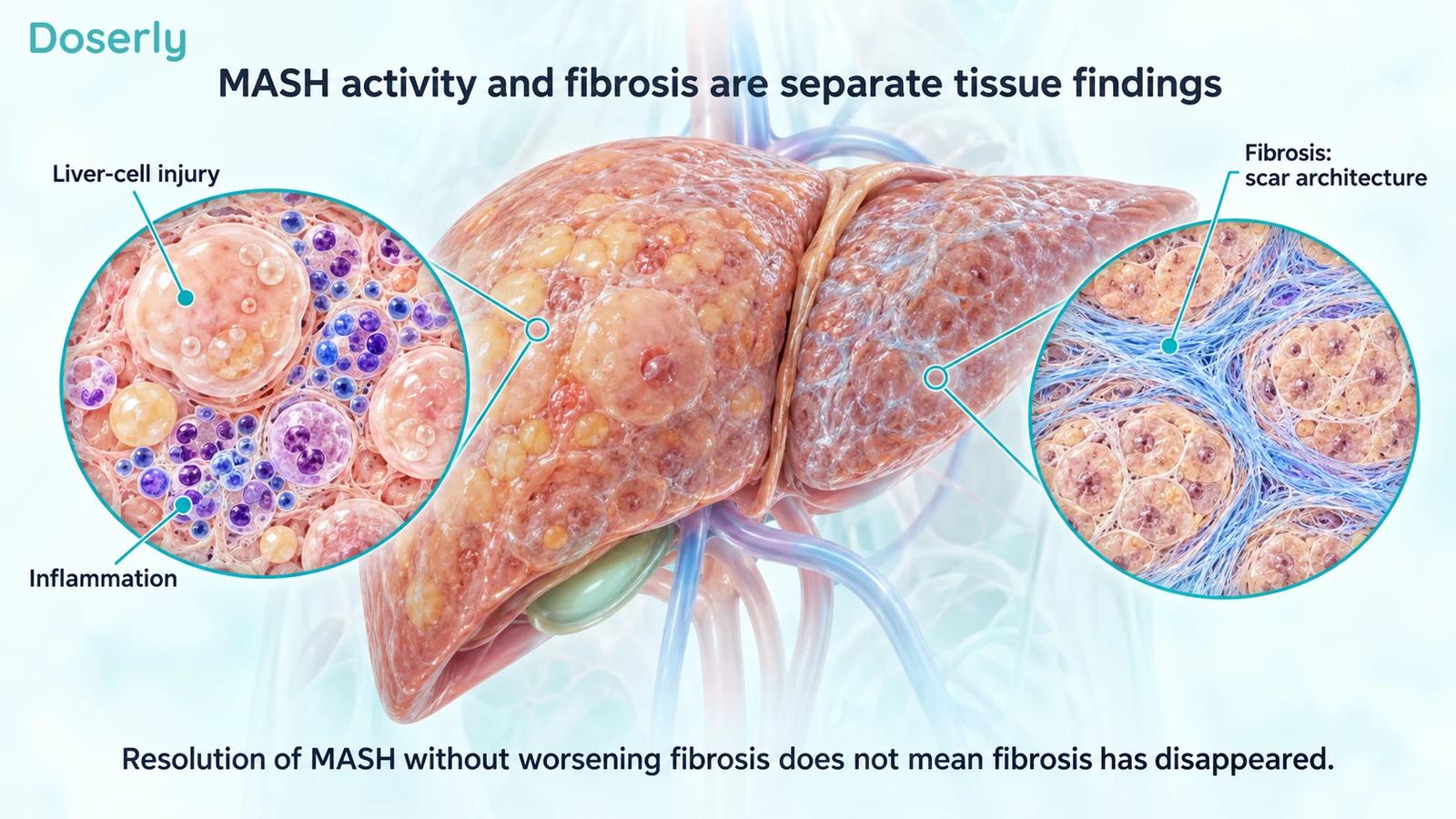
Read articleIMPACT showed a MASH-resolution signal at 24 weeks, while its primary fibrosis comparison remained inconclusive. Later tests answer different questions.
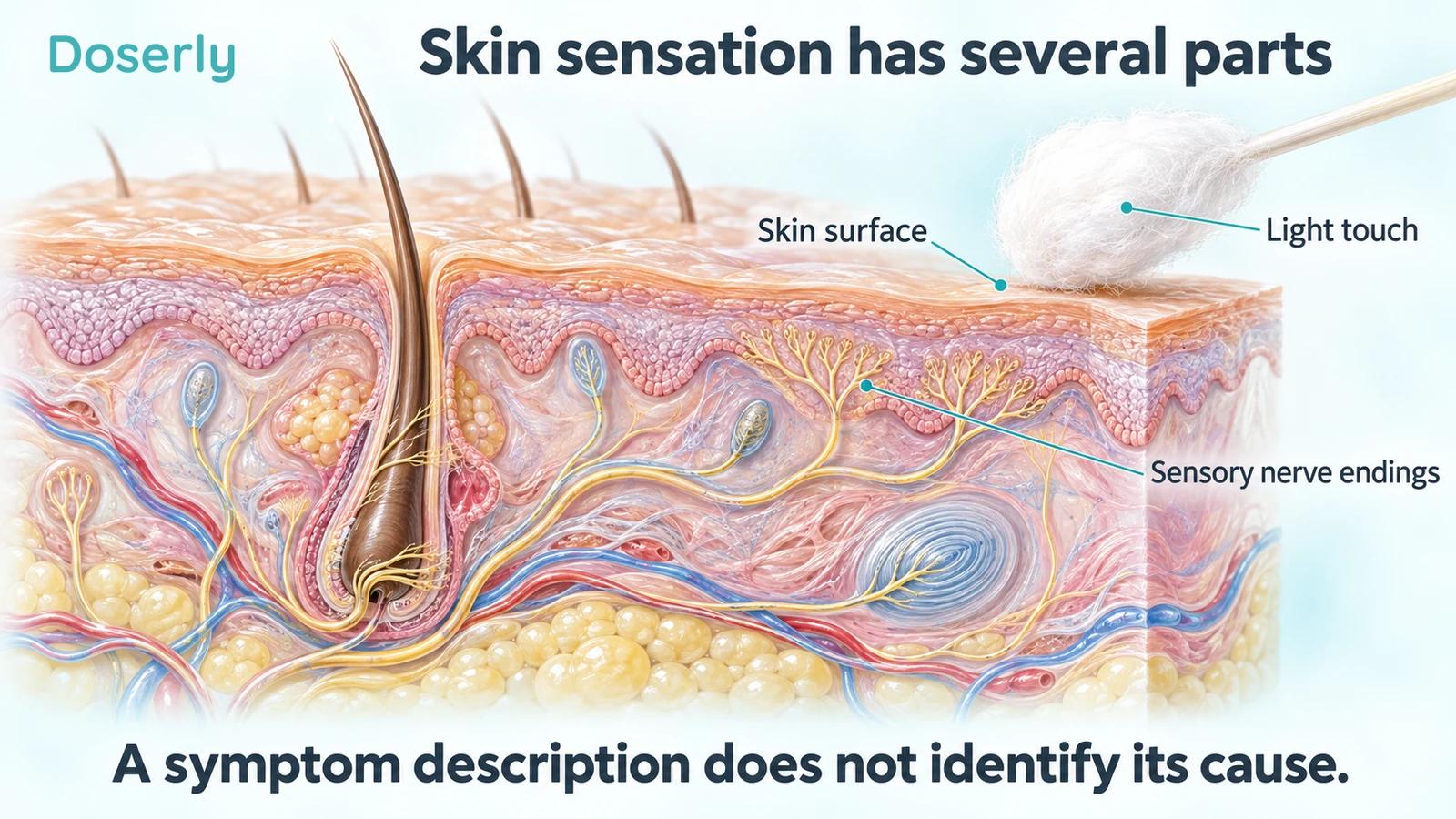
Read articleRetatrutide trials report unpleasant skin sensations, but a symptom label is not a diagnosis of nerve damage. Here is what the data and terminology mean.
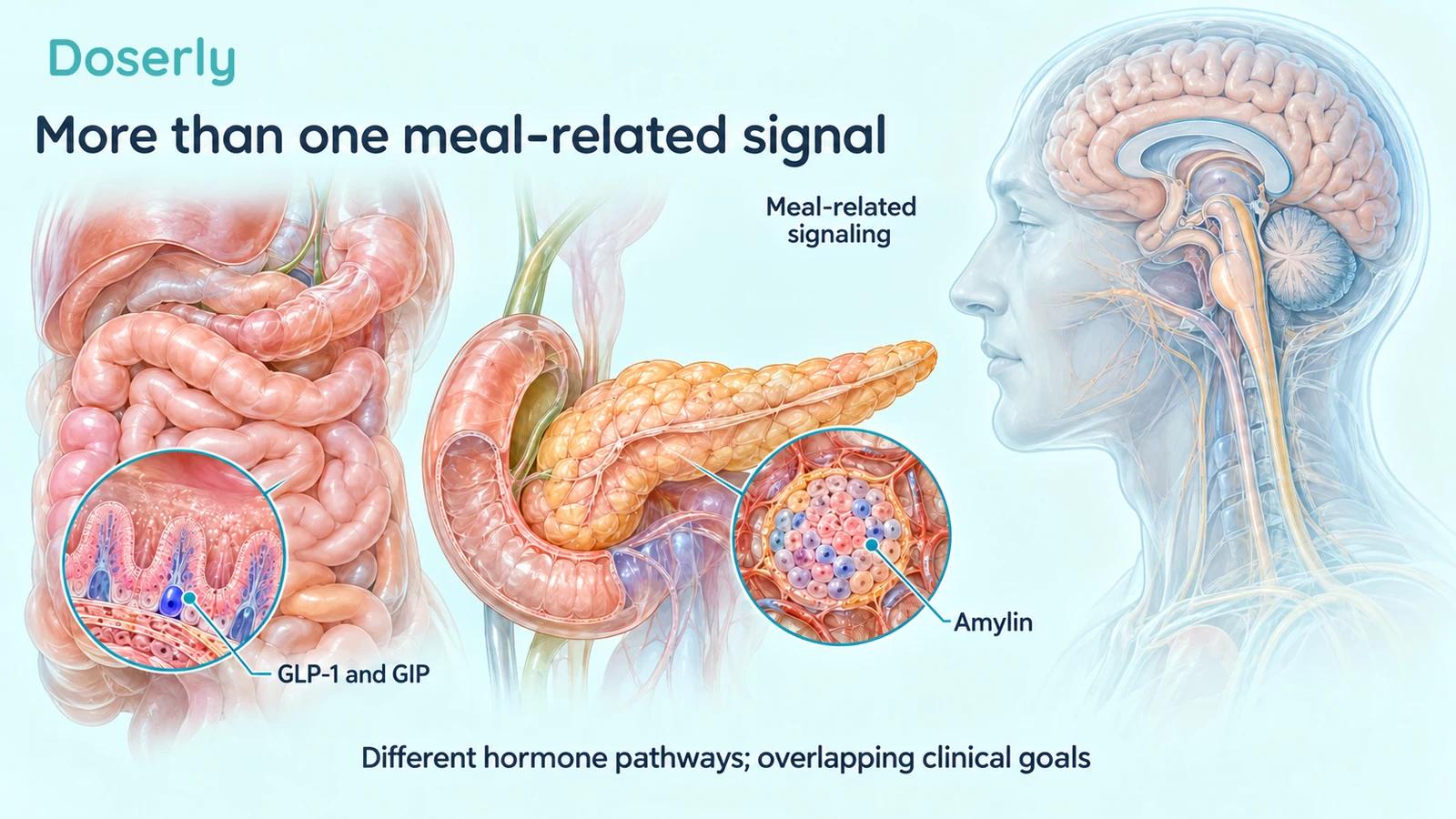
Read articleAmylin research offers a distinct biological approach and several clinical strategies. The evidence depends on the exact drug, combination and population.
Read articleEarly petrelintide studies reported mostly mild symptoms. The larger phase 2 publication adds a more detailed, and more qualified, safety picture.
Read article25–36 of 323 articles