
In this guide
What is Caffeine?
Caffeine can improve alertness and selected exercise performance, but dose, timing and habitual use determine whether sleep disruption, anxiety, palpitations or withdrawal dominate. Health Canada recommends no more than 400 mg/day for adults and 300 mg/day during pregnancy, breastfeeding or pregnancy planning. FDA also cites 400 mg/day for most adults as an amount not generally associated with negative effects; these are population references, not performance targets. [1][2]
Typical Caffeine Protocols
| Source and population | Form and amount each time | Frequency | Total exposure | Duration or boundary |
|---|---|---|---|---|
| Xue 2025 · 48 time-trial studies | Caffeine capsules, gum or other studied forms | Usually a single pre-exercise administration | Low ≤3 mg/kg or moderate 4–6 mg/kg | Acute time trials; both capsule ranges improved mean results |
| Drake 2013 · 12 healthy habitual users | 400 mg caffeine | Single administration at bedtime, 3 h or 6 h before | 400 mg once | Each timing condition disrupted sleep |
| Gardiner 2025 · 23 men | 100 mg or 400 mg caffeine | Single administration 4, 8 or 12 h before bed | One test dose per condition | 400 mg affected sleep even 12 h before bed |
These rows reproduce sources. Do not average them into one universal regimen.
From source to outcome
Coffee + supplements + medicines.
Low-dose capsules can work.
400 mg can reach far into the day.
Which forms and label details matter?
Add milligrams from coffee, tea, energy drinks, pre-workouts, tablets, gum, chocolate and medicines. A serving, scoop or cup is not a stable caffeine unit; brewed beverages vary and proprietary blends can hide the total.
How should it be stored?
Follow the label, close the container and protect it from heat, light and moisture.
Read the label before the claim
Extract mass is not active-compound mass.
Keep amount, frequency and duration together.
Weight, alertness and safety are separate outcomes.
What is it commonly used for?
Caffeine is used for wakefulness, headache medicines and exercise performance. It can reduce time-trial completion time on average, but individual response and sleep cost vary.
What does human research show?
A 2025 network meta-analysis included 48 studies and 612 participants. Low-dose capsules around 3 mg/kg and moderate-dose capsules at 4–6 mg/kg improved time-trial outcomes on average, without proving one dose works for every athlete. [3] Drake gave 400 mg at bedtime, three hours before or six hours before in a small randomized crossover study; all three conditions reduced sleep relative to placebo. [4] A newer 23-man crossover trial tested 100 mg and 400 mg at 4, 8 and 12 hours before bed. The 400 mg dose impaired sleep even 12 hours before bedtime, while 100 mg produced a narrower timing effect. [5] Repeated use creates tolerance and abrupt stopping can cause headache, fatigue, drowsiness and difficulty concentrating. [6]
How might it act?
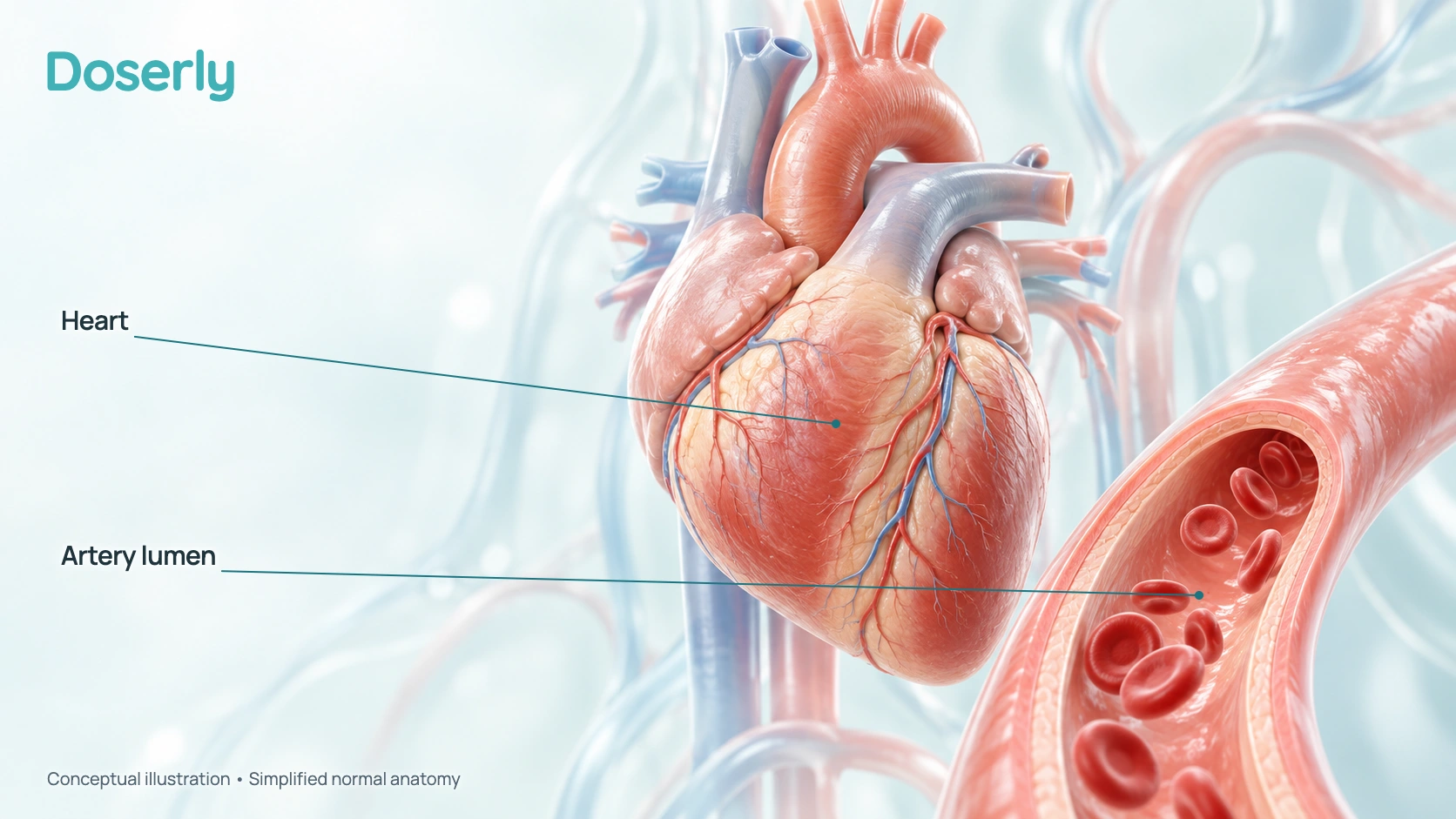
Caffeine blocks adenosine receptors, reducing the brain’s sleep-pressure signal and changing perceived effort. Its average half-life is several hours but varies with pregnancy, smoking, medicines, genetics and liver function.
How does it compare with related products?
| Ingredient | Label identity | Main evidence boundary |
|---|---|---|
| Green tea extract | EGCG, total catechins and caffeine | Small weight signals; concentrated extract can injure the liver |
| Caffeine | Milligrams from every source | Alertness and exercise effects trade off against sleep and withdrawal |
| Garcinia cambogia | Extract mass and hydroxycitric acid | Weight effect is absent or small; liver and psychiatric reports matter |
| Forskolin | Extract mass and standardized forskolin | Two small sex-specific trials do not establish weight loss |
What are the risks and interactions?
Too much caffeine can cause insomnia, anxiety, tremor, nausea, higher blood pressure and palpitations. Concentrated powders and liquids are easy to mismeasure and can be dangerous. Chest pain, fainting, severe agitation, seizure or a sustained rapid rhythm needs urgent care.
Which medicines require review?
Have the product reviewed with medicines, before surgery, and during pregnancy or breastfeeding. No universal separation interval is established.
Regulatory status: In the United States, supplements generally lack premarket efficacy approval. In Canada, verify the finished product’s NPN or DIN-HM and licensed conditions. [7], [8]
What should be monitored?
Record product, lot, form, amount per administration, frequency, daily total, co-ingredients, meals, symptoms, medicines, chosen outcome and review date.
What happens when it is stopped?
Withdrawal commonly begins 12–24 hours after reduction, peaks around 20–51 hours and can last several days. A gradual reduction may be easier, but no single taper fits every intake pattern.
Seek prompt care for a serious allergic reaction, unusual bleeding, persistent palpitations, chest pain or another severe symptom.
What do public communities report?
Public reports can suggest questions to track, but they do not verify the product, dose or causality. This update did not newly quantify a community sample.
Common questions about Caffeine
Is 400 mg a target?
No. It is a population-level daily reference for most adults, not a dose goal.
How much was used for exercise?
Research commonly tests body-mass-based acute doses; about 3 mg/kg can improve time-trial performance.
Can morning caffeine affect sleep?
A large dose can. Timing depends on dose and individual clearance.
Does caffeine dehydrate everyone?
Habitual moderate intake does not automatically create net dehydration, but it does not replace fluid planning.
Why do I get a headache when I stop?
Withdrawal after repeated exposure can cause headache, fatigue and concentration problems.
What should I track?
Source, milligrams, clock time, sleep, anxiety, blood pressure symptoms and performance context.
Glossary
Terms for reading the evidence.
- Active amount
- The amount of the named active compound, distinct from total extract mass.
- Daily total
- The sum across administrations, which does not reveal the amount each time.
- Randomized trial
- A study assigning an intervention and comparator by chance.
- Surrogate outcome
- A measure such as energy expenditure that is not weight loss itself.
- Withdrawal
- Symptoms after reducing or stopping repeated exposure.
- Hepatotoxicity
- Liver injury caused by a substance or product.
How this guide was researched
Accessible official sources and human reports were read on October 9, 2026. Titles, authors, journals, DOI, PMID and visible corrections were checked. An unreported frequency was not guessed.
How this guide was made
Research and drafting were AI-assisted. This draft awaits Doserly editorial review and independent clinical review. See the editorial policy.
Explore the sources
Sources preserve form, amount, frequency, population, duration and outcome.
Showing 8 sources
- 01
Caffeine in Foods ↗
Official intake reference
Current page or report reviewed; scope and limits retained.
Detail: 400 mg/day adults; 300 mg/day pregnancy-related groups.
- 02
Spilling the Beans: How Much Caffeine is Too Much? ↗
Official safety overview
Current page or report reviewed; scope and limits retained.
Detail: 400 mg/day cited for most adults; sensitivity varies.
- 03
Effects of Caffeine Dose and Administration Method on Time-Trial Performance: A Systematic Review and Network Meta-Analysis. ↗
Network meta-analysis
Current page or report reviewed; scope and limits retained.
Detail: 48 studies, 612 participants; low and moderate capsule doses improved time trials.
- 04
Caffeine effects on sleep taken 0, 3, or 6 hours before going to bed. ↗
Randomized crossover trial
Current page or report reviewed; scope and limits retained.
Detail: 400 mg once; sleep disruption at all three timings.
- 05
Dose and timing effects of caffeine on subsequent sleep: a randomized clinical crossover trial. ↗
Randomized crossover trial
Current page or report reviewed; scope and limits retained.
Detail: 23 men; 100 or 400 mg at 4, 8 or 12 hours before bed.
- 06
Caffeine supplementation in the hospital: Potential role for the treatment of caffeine withdrawal. ↗
Withdrawal review
Current page or report reviewed; scope and limits retained.
Detail: Symptoms and exposure patterns associated with withdrawal.
- 07
Questions and Answers on Dietary Supplements ↗
U.S. regulatory overview
Current page or report reviewed; scope and limits retained.
Detail: Supplements generally lack efficacy preapproval.
- 08
Product Licensing ↗
Canadian licensing overview
Current page or report reviewed; scope and limits retained.
Detail: Finished natural health products require licensing and authorized labels.
No matching sources
Try a different term or show the full list.