
In this guide
What is a sport or performance multivitamin?
It is a multivitamin/mineral product marketed to athletes or active people. The label may contain ordinary nutrients, unusually high amounts, or added caffeine, herbs, amino acids and other compounds. The category itself defines neither composition nor performance effect.
Athletes can develop specific shortfalls through low energy availability, restricted diets, menstrual blood loss, indoor training or other circumstances. Assessment should identify the nutrient and cause. A broad formula can obscure that question while duplicating fortified foods, gels, drink mixes and recovery products.
Typical Sport Multivitamin Protocols
| Purpose or population | Form and amount each time | Frequency | Total per day | Duration |
|---|---|---|---|---|
| Performance RCT · 22 healthy physically active men | High-potency multivitamin/mineral supplement or placebo | Daily | One trial-assigned regimen | 90 days |
| IOC supplement decision process | Complete nutrition assessment, then a specific evidence-based product if justified | Before use; trial in training | Product- and scenario-specific | Reassess across training and competition phases |
| Tested athlete risk control | Exact product and batch with recognized sport certification | Check every purchase and batch | One audited exposure record | Repeat when product, batch or rules change |
The trial abstract does not provide a transferable retail serving composition, so this guide does not invent one. The IOC and certification rows are decision and risk-control processes, not dosing recommendations. [2]–[4]
Where these schedules come from
Need → evidence → batch
Each gate answers a different question.
A passing batch-control step cannot repair an unnecessary formula or prove a performance effect.
Should sport multivitamins be cycled?
No category-wide cycle is evidence based. Competition calendars can change diet and exposure risk, but planned breaks do not correct an excessive formula or contaminated batch. Reassess need, product and certification when training phase, diet, medicines or rules change.
What happens when it is stopped?
No general withdrawal syndrome is established. Caffeine or another added compound may have its own stopping effects. If the product was the only source correcting a deficiency, status can decline again unless the cause is fixed.
Can food meet an athlete's nutrient needs?
An energy-adequate, varied eating pattern can meet most athletes’ micronutrient needs while also supplying carbohydrate, protein and fluid. Low energy availability, vegan diets, food allergy, altitude, heavy menstrual losses and travel may create targeted risks. A sports dietitian can connect the training load to the actual diet rather than using the word “performance” as a diagnosis. [2]
How should a sport multivitamin label be read?
Record every nutrient, chemical form, serving count and added ingredient. Add exposure from sports drinks, bars, pre-workouts, fortified foods and single nutrients. Watch B6, niacin, preformed vitamin A, zinc, iron, selenium and vitamins D and E.
For tested sport, verify the exact product and batch in the certifier’s own database. A logo image on a marketplace listing is insufficient. Certification does not establish efficacy, safety for a medical condition or zero doping risk. Global DRO is a medication checker and does not approve finished supplements. [4], [5]
How should it be stored and transported?
Keep the original container and batch identifier, protect it from heat and moisture, and avoid loose pills in an unlabeled travel bag. Do not share products between athletes.
What are sport multivitamins commonly used for?
They are marketed for energy, recovery, immunity, training adaptation and nutritional insurance. Repletion can matter when an athlete is deficient. Direct ergogenic evidence for a broad formula in an adequately nourished athlete is weak, and added ingredients make product-level evidence essential.
What does human research show?
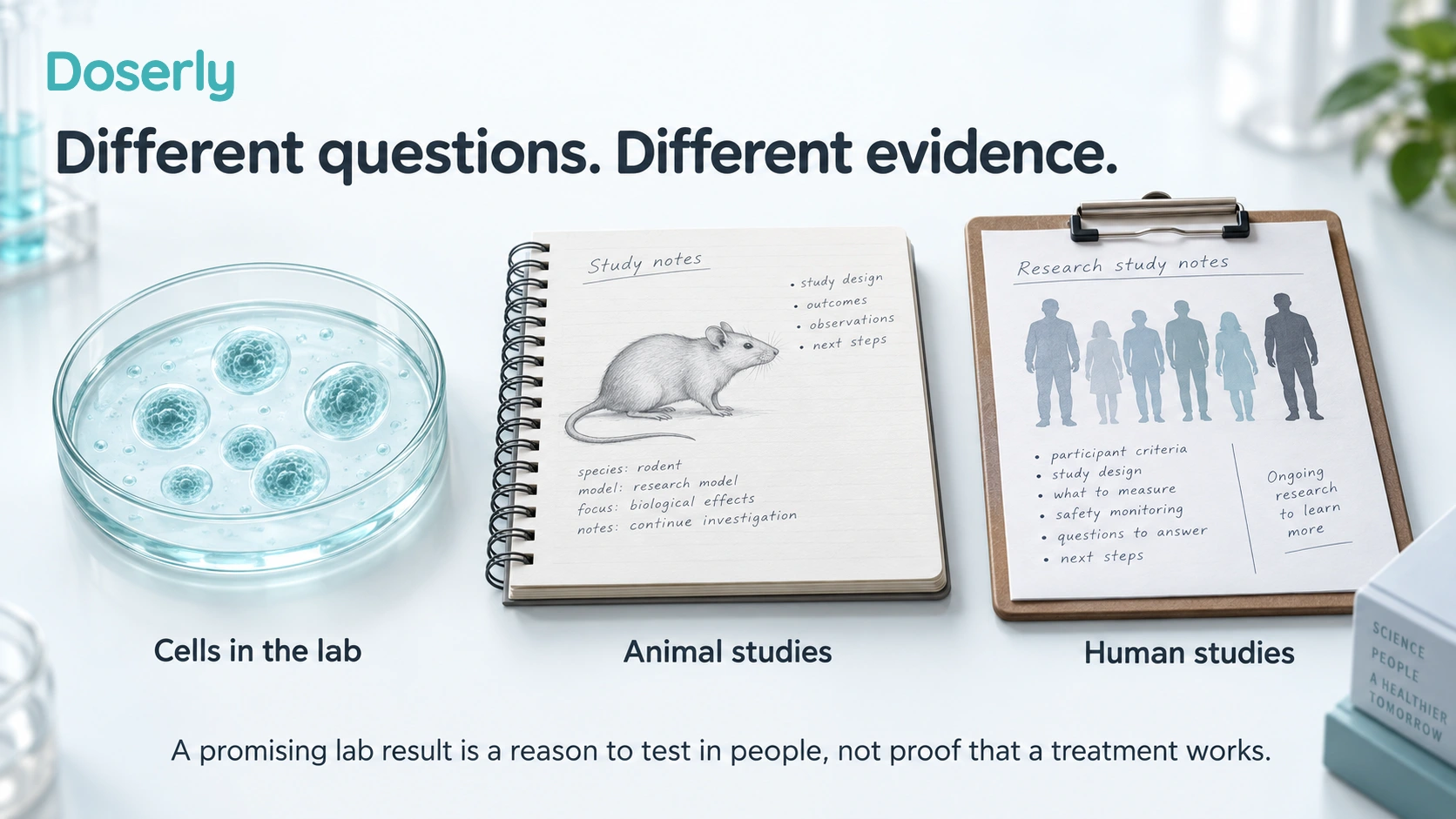
A 1992 double-blind randomized placebo-controlled trial assigned 22 healthy, physically active men to a high-potency multivitamin/mineral or placebo for 90 days. The supplement did not improve maximal oxygen consumption, treadmill time, a 90-minute endurance run, strength or muscular endurance. It was small and historical, but it directly contradicts the assumption that a high-potency formula automatically enhances performance in well-nourished active adults. [3]
The IOC consensus distinguishes correction of micronutrient deficiency from direct performance supplementation. It identifies only a small number of specific compounds with good evidence in defined scenarios, advises a complete nutrition assessment, and warns that supplements can harm health, performance and eligibility. Even ordinary vitamins and multivitamins have rarely been found with prohibited contaminants. [2]
How do sport multivitamins work?
Vitamins and minerals support energy metabolism, oxygen transport, bone, muscle and immune function. A deficiency can impair those systems. Once intake and status are adequate, adding many nutrients does not necessarily increase energy production or adaptation; the limiting factor may be training, sleep, carbohydrate, protein or total energy.
What are the risks and interactions?
High-potency formulas can exceed nutrient-specific limits, and added stimulants or botanicals add their own effects. Chronic B6 excess can cause neuropathy; niacin can flush; iron can be harmful without need; antioxidants at high doses may alter exercise signaling. Contamination or an undeclared ingredient can also produce an anti-doping violation. [2], [4]
In the United States, supplements generally lack FDA premarket approval for safety or efficacy. In Canada, natural health products require licensing and authorized labels carry an NPN or DIN-HM. Neither status certifies a product for sport. [6], [7]
Which medicines interact with sport multivitamins?
Vitamin K can oppose warfarin. Iron, calcium and magnesium can reduce absorption of levothyroxine and selected antibiotics. Biotin can distort laboratory tests. Added caffeine or botanicals widen the interaction list; review the entire label.
What should be monitored?
Define the indication and endpoint before use. For deficiency, use clinician-selected symptoms and laboratory follow-up. For performance, use a prespecified repeatable training measure and trial the product away from important competition. Record adverse effects, product, batch, serving, certification check date and rule context.
What do public communities report?
Athletes discuss energy, recovery, bright urine, stomach upset and trust in certification logos. Such reports rarely preserve dietary adequacy, the exact batch, training load or blinded performance outcomes. This overhaul did not independently recrawl or quantify community posts.
How do sport multivitamins compare with nearby guides?
| Guide | Main question | Key difference |
|---|---|---|
| B-complex | Multiple B-vitamin exposure | No minerals or sport-certification decision |
| Iron | Diagnosed need and elemental dose | Targeted deficiency management can matter to performance |
| Vitamin D3 | Status and total vitamin D | Targeted nutrient with its own intake and upper limit |
| Men's multivitamins | Gender-marketed category | Long PHS II chronic-disease outcomes, not sport performance |
Common questions about sport multivitamins
Does hard training prove I need a multivitamin?
No. It changes nutrition planning, but need should be connected to diet, risk and status.
Did a 90-day trial improve performance?
No. Aerobic, endurance, strength and muscular-endurance outcomes did not improve in 22 well-nourished active men. [3]
Does certification mean the product works?
No. Certification addresses selected content and contamination risks, not efficacy.
Does certification eliminate doping risk?
No. USADA describes it as risk reduction, not a guarantee. [4]
Can Global DRO clear my multivitamin?
No. Global DRO states that supplements and vitamins are not included and that ingredient searches cannot establish finished-product safety. [5]
Are sport formulas better than ordinary formulas?
The label may differ, but a sport name does not prove a better nutrient match or performance effect.
Should I first use the product at competition?
No. IOC guidance advises thoroughly trialing performance supplements in training or simulated competition first. [2]
Glossary
Plain explanations of sport supplement evidence terms.
- Ergogenic
- Capable of improving a defined aspect of exercise or sport performance.
- Low energy availability
- Too little dietary energy remains for normal physiology after exercise expenditure.
- Third-party certification
- Independent product testing that can reduce selected quality or contamination risks without eliminating them.
- Strict liability
- The anti-doping principle that athletes are responsible for prohibited substances found in their samples.
- Batch or lot
- A defined manufacturing run; certification status may be batch-specific.
- Global DRO
- A medication-status database that does not clear finished dietary supplements.
How this guide was researched
This draft uses the current NIH multivitamin monograph, the primary 90-day performance RCT, the IOC consensus, current USADA and Global DRO guidance, and U.S./Canadian regulatory pages. Relevant source text was retrieved and read on October 9, 2026.
How this guide was made
Research and drafting were AI-assisted. This draft awaits Doserly editorial and independent sports-medicine review. Doserly makes a tracking app and operates Doserly Academy, both promoted here. Read the editorial policy.
Explore the sources
Performance, nutrition, certification and regulation require different sources.
Showing 7 sources
- 01
Multivitamin/mineral Supplements — Health Professional Fact Sheet ↗
Official multivitamin monograph
Current product variability, nutrient overlap and safety sections reviewed.
Detail: Multivitamins have no standard composition; products may include non-vitamin ingredients.
- 02
IOC consensus statement: dietary supplements and the high-performance athlete. ↗
International expert consensus
Assessment, evidence, training-trial and contamination sections reviewed.
Detail: Nutrition assessment comes first; few specific supplements have good performance evidence, and contamination can threaten health and eligibility.
- 03
Chronic multivitamin-mineral supplementation does not enhance physical performance. ↗
Randomized placebo-controlled trial
Primary abstract, schedule, population and performance outcomes reviewed.
Detail: 22 active men, high-potency MVM or placebo for 90 days; no improvement in aerobic, endurance or strength outcomes.
- 04
Supplement Connect ↗
Official athlete risk guidance
Current certification and risk-reduction language reviewed.
Detail: USADA recommends recognized third-party certification to reduce risk, while stating that no supplement is 100% risk-free.
- 05
Global DRO FAQs ↗
Official medication-database guidance
Current supplement exclusion and undeclared-ingredient cautions reviewed.
Detail: Supplements and vitamins are not included; checking label ingredients cannot establish finished-product safety.
- 06
Questions and Answers on Dietary Supplements ↗
Regulatory overview
Current official page reviewed.
Detail: General U.S. supplement framework.
- 07
Product Licensing ↗
Regulatory overview
Current official page reviewed.
Detail: Canadian natural-health-product licensing and NPN or DIN-HM.
No matching sources
Try a different term or show the full list.