
I3C (Indole-3-Carbinol): The Complete Supplement Guide
On this page
Quick Reference Card
Attribute
Common Name
- Detail
- I3C (Indole-3-Carbinol)
Attribute
Other Names / Aliases
- Detail
- Indole-3-carbinol, indole-3-methanol, 3-indolylcarbinol, indolylmethanol, I3C
Attribute
Category
- Detail
- Phytochemical / cruciferous vegetable indole
Attribute
Primary Forms & Variants
- Detail
- Plain I3C capsules or tablets; cruciferous-food intake; related alternative product is DIM (Diindolylmethane), the main downstream metabolite formed after I3C reaches stomach acid
Attribute
Typical Dose Range
- Detail
- 200-400 mg/day in most human efficacy studies; 200 mg twice daily in one long-term disease-specific follow-up; much higher doses used in pharmacokinetic research
Attribute
RDA / AI / UL
- Detail
- Not established
Attribute
Common Delivery Forms
- Detail
- Capsules, tablets
Attribute
Best Taken With / Without Food
- Detail
- Often taken with food for routine tolerance, but human data are insufficient to define a clearly superior meal strategy
Attribute
Key Cofactors
- Detail
- No required cofactors established; commonly discussed companion approaches include cruciferous-rich diet, Sulforaphane, and Calcium D-Glucarate when broader estrogen-metabolism support is being targeted
Attribute
Storage Notes
- Detail
- Store tightly closed in a cool, dry place away from heat, light, and excess humidity
Overview
The Basics
I3C is a plant compound associated with cruciferous vegetables like broccoli, cabbage, kale, cauliflower, and Brussels sprouts [2]. It is one of the reasons cruciferous vegetables are often discussed in conversations about hormone metabolism and cancer-prevention research. In supplement form, I3C is usually marketed for "estrogen balance," menopausal symptoms, cervical-health follow-up, and broad detox support.
The most important practical point is that supplemental I3C does not stay as I3C for very long. In acidic conditions, it rapidly condenses into other compounds, and the main measurable product in human plasma is DIM rather than intact I3C [3]. That means many people buying I3C are effectively buying a precursor that turns into a mixture of downstream indole compounds after ingestion.
Human research exists, but it is narrow. The strongest clinical signals come from small studies in cervical intraepithelial neoplasia, recurrent respiratory papillomatosis, and estrogen-metabolism biomarker work, not from large modern trials showing broad benefits in the general population [4][5][6]. That makes I3C more of a specialized, evidence-limited supplement than a broadly proven wellness staple.
The Science
Indole-3-carbinol is an indole phytochemical generated from glucobrassicin-containing Brassica vegetables after plant tissue is disrupted and enzymatic breakdown occurs [1][2]. Interest in I3C rose because preclinical models suggested effects on carcinogen metabolism, estrogen signaling, inflammation, and cell proliferation. However, the translational picture remains mixed: Memorial Sloan Kettering describes both anti-carcinogenic and tumor-promoting signals in preclinical literature, while also emphasizing that I3C has not been shown to treat cancer in humans [2].
The compound's modern supplement identity is complicated by its instability. Human pharmacokinetic work shows no detectable parent I3C in plasma after oral dosing, with DIM as the only detectable I3C-derived product in circulation [3]. This matters because I3C is often discussed as if it acts as a stable ingredient with its own clean dose-response curve. In practice, supplemental I3C behaves more like a reactive precursor whose downstream biology is shaped by stomach chemistry, dose, and interindividual variation [3].
Chemical & Nutritional Identity
Property
Chemical Name
- Value
- Indole-3-carbinol
Property
Molecular Formula
- Value
- C9H9NO
Property
Molecular Weight
- Value
- 147.17 g/mol
Property
PubChem CID
- Value
- 3712
Property
IUPAC Name
- Value
- 1H-indol-3-ylmethanol
Property
InChIKey
- Value
- IVYPNXXAYMYVSP-UHFFFAOYSA-N
Property
Common Synonyms
- Value
- Indole-3-methanol, 3-indolylcarbinol, indolylmethanol, I3C
Property
Category
- Value
- Non-essential dietary phytochemical
Property
Food Sources
- Value
- Cruciferous vegetables including broccoli, Brussels sprouts, cabbage, cauliflower, kale, collards, rutabaga, turnips, and related Brassica plants
Property
RDA / AI / UL
- Value
- None established
Property
FDA Classification
- Value
- Marketed as a dietary supplement under DSHEA rather than as an FDA-approved drug [7]
I3C is not a vitamin, mineral, or essential nutrient. There are no established intake targets, deficiency syndromes, or upper tolerable intake limits for it. Its relevance comes from being a reactive food-derived phytochemical that can form multiple downstream condensation products in acidic conditions, especially DIM [1][3].
Mechanism of Action
The Basics
The simplest way to think about I3C is that it influences signaling around hormones and detoxification, but it does so indirectly and somewhat messily. It is often described as helping the body process estrogen in a more favorable direction, especially by shifting the balance of estrogen metabolites in biomarker studies [4][5].
It also appears to affect enzymes involved in how the body handles chemicals more broadly. Sources like MSKCC describe effects on detoxifying enzymes in the liver and gut, aromatase-related pathways, and several other systems that matter in cancer biology and inflammation research [2]. That helps explain why I3C is discussed in both hormone-support and chemoprevention language.
The catch is that this biology is not uniformly reassuring. Some preclinical models point toward potentially beneficial effects, while others suggest tumor-promotion risk depending on timing, dose, or disease context [2]. So the mechanism story is scientifically interesting, but not settled enough to justify sweeping claims.
The Science
I3C and its acid-condensation products interact with multiple pathways relevant to xenobiotic metabolism and hormone signaling. Reported mechanisms include modulation of estrogen-related pathways, effects on aromatase expression, induction of detoxifying enzymes, matrix metalloproteinase regulation, and anti-inflammatory or antiangiogenic actions in preclinical systems [2]. Human biomarker studies also support changes in urinary estrogen-metabolite patterns, particularly the 2-hydroxyestrone to 16-alpha-hydroxyestrone ratio [4][5].
The mechanistic interpretation is limited by pharmacokinetics. Reed et al. found that oral I3C itself was not detectable in plasma across 400-1,200 mg doses, while DIM was readily measurable and peaked around 2 hours post-dose [3]. That suggests the in vivo mechanism for an I3C supplement is partly a mechanism of its downstream products rather than of intact I3C exposure.
This distinction is more than academic. If a supplement's parent compound is chemically unstable and its main circulating product is something else, then clinical expectations should be anchored to human outcome data, not to an overly tidy molecular narrative. For I3C, that human outcome data remains limited and indication-specific [3][4][6].
Absorption & Bioavailability
The Basics
I3C has one of the less intuitive absorption stories in the supplement space. When people swallow an I3C capsule, they are not simply absorbing I3C into the bloodstream as-is. In human studies, intact I3C was not detectable in plasma. Instead, DIM showed up as the measurable downstream product [3].
Practically, this means three things. First, I3C is acting as a precursor rather than a stable circulating ingredient. Second, blood exposure varies substantially from person to person. Third, there seems to be a ceiling where increasing the dose does not keep increasing blood exposure in a clean linear way, at least in the available phase I data [3].
This is one reason some people choose DIM (Diindolylmethane) instead of I3C: DIM gives a more direct and predictable exposure target. I3C may still have use, but it is a less straightforward product from a bioavailability standpoint.
The Science
In a phase I clinical study, oral I3C doses of 400, 600, 800, 1,000, and 1,200 mg produced no detectable parent I3C in plasma; DIM was the only detectable I3C-derived compound in circulation [3]. Mean DIM Cmax increased from 61 ng/mL at 400 mg I3C to 607 ng/mL at 1,000 mg, with no further Cmax increase at 1,200 mg, suggesting a plateau in systemic exposure at the top end of the studied range [3].
DIM Tmax was approximately 2 hours, and levels were near or below the assay limit by 24 hours after single dosing [3]. After repeated twice-daily 400 mg dosing for 8 weeks, some but not all participants had measurable predose DIM more than 12 hours after the prior dose, indicating meaningful between-person variability in exposure and clearance [3].
For consumers, the main takeaway is that I3C is not a cleanly bioavailable "what you swallow is what circulates" supplement. It is a precursor whose downstream exposure depends on conversion chemistry, formulation, dose, and individual variability [3].
Research & Clinical Evidence
Cervical Dysplasia
The Basics
The most clinically meaningful I3C study is a small placebo-controlled trial in cervical intraepithelial neoplasia (CIN II-III) [4]. This matters because it looked at an actual disease-adjacent outcome rather than only a lab biomarker.
In that trial, neither dose was a guaranteed success, but both I3C groups performed better than placebo over 12 weeks [4]. That makes this one of the few areas where I3C has human outcome data stronger than "it changed a ratio in urine."
The Science
Bell et al. randomized 30 patients with biopsy-proven CIN II-III to placebo, 200 mg/day I3C, or 400 mg/day I3C for 12 weeks [4]. Complete regression occurred in 0 of 10 placebo participants, 4 of 8 participants in the 200 mg/day group, and 4 of 9 participants in the 400 mg/day group [4]. The urinary 2:16 estrogen-metabolite ratio also changed in a dose-dependent fashion [4].
This was a small study with a narrow indication and short follow-up. It supports biological activity and potential clinical relevance in a specific gynecologic setting, but it does not justify generalizing I3C as a proven broad-spectrum cancer-prevention supplement [4].
Recurrent Respiratory Papillomatosis
The Basics
Another notable clinical signal comes from recurrent respiratory papillomatosis, a difficult HPV-related condition where patients often need repeated surgery [6]. In this context, I3C was used after surgical treatment rather than as a stand-alone cure.
The results were mixed but not trivial. Some patients had remission, some had less frequent recurrence, and some had no clear response [6]. That pattern is more credible than miracle-claim language because it shows partial response rather than universal benefit.
The Science
Rosen and Bryson followed 33 evaluable patients in a prospective open-label study with adult dosing at 200 mg twice daily after surgical papilloma removal [6]. Mean follow-up was 4.8 years. Eleven patients had remission with no further surgery, 10 had slower papilloma growth and less frequent surgery, and 12 had no clinical response [6]. No immediate or long-term side effects related to I3C were reported in that cohort [6].
This is one of the few longer-duration human outcome datasets for I3C, but it lacks placebo control and remains highly disease-specific. It supports the idea that I3C can have meaningful biologic effects in some niche HPV-related settings while still leaving its general-wellness value unresolved [6].
Estrogen-Metabolism Biomarkers
The Basics
A lot of I3C marketing traces back to biomarker studies rather than direct symptom or disease outcomes. The main example is the urinary 2-hydroxyestrone to 16-alpha-hydroxyestrone ratio, often framed as a marker of more favorable estrogen metabolism [4][5].
The available data suggest that very low supplement doses may do little, while 300 mg/day or more is where short-term biomarker changes become easier to detect [5]. That is useful for dose framing, but it is still not the same as proving symptom relief or disease prevention.
The Science
In a placebo-controlled, dose-ranging study in women at increased breast-cancer risk, Wong et al. tested 50, 100, 200, 300, and 400 mg/day I3C for 4 weeks [5]. The 50-200 mg/day range produced little change relative to control, while the 300 and 400 mg/day groups showed significantly greater biomarker shifts. The authors concluded that 300 mg/day was the minimum effective dose schedule in that short-term biomarker context [5].
These data are helpful because they temper common supplement-label assumptions. A capsule dose can look substantial on a bottle while still being below the range that moved the main biomarker the product is often promoted around [5].
General Cancer-Prevention and Wellness Claims
The Basics
This is where the evidence gets much weaker. I3C has a large amount of mechanistic and preclinical literature, which is why the supplement often sounds more proven in marketing than it really is [2]. But there are no modern large randomized trials showing that I3C broadly prevents cancer, fixes menopause, or reliably improves general hormonal health in the average supplement user.
That does not mean it is useless. It means claims should stay narrow and conditional. The human data are real, but they belong to a few specific research pockets rather than to sweeping lifestyle claims.
The Science
MSKCC summarizes I3C as having cancer-preventive effects in preclinical work while emphasizing that it has not been shown to treat cancer in humans [2]. The same source also flags the unresolved concern that some animal models suggest tumor promotion under certain conditions [2]. Combined with the pharmacokinetic finding that supplemental I3C behaves mainly as a precursor to DIM [3], the broad interpretation is that human efficacy claims should remain conservative unless and until better trials appear.
Evidence & Effectiveness Matrix
Category
Hormonal Symptoms
- Evidence Strength
- 6/10
- Reported Effectiveness
- 7/10
- Summary
- Small human studies support biologic activity around estrogen-metabolism markers and a narrow cervical-dysplasia signal, while community discussion is mostly positive for estrogen-related symptom narratives.
Category
Temperature Regulation
- Evidence Strength
- 3/10
- Reported Effectiveness
- 6/10
- Summary
- Human evidence for hot flashes specifically is thin, but review-platform anecdotes repeatedly mention menopause-symptom support.
Category
Pain Management
- Evidence Strength
- 2/10
- Reported Effectiveness
- 5/10
- Summary
- Clinical pain data are effectively absent. Community reports mention breast discomfort, migraines, and cyst-related pain, but attribution is weak.
Category
Side Effect Burden
- Evidence Strength
- 5/10
- Reported Effectiveness
- 5/10
- Summary
- Small studies generally describe good short-term tolerability and one long-term open-label cohort reported no major treatment-related harms, but formal long-term safety evidence is still limited.
Category
Treatment Adherence
- Evidence Strength
- 2/10
- Reported Effectiveness
- 8/10
- Summary
- Research does not directly study adherence outcomes, yet user reviews consistently describe I3C capsules as easy to take and simple to keep in a daily routine.
Categories scored: 5
Categories with community data: 5
Categories not scored (insufficient data): Fat Loss, Muscle Growth, Weight Management, Appetite & Satiety, Food Noise, Energy Levels, Sleep Quality, Focus & Mental Clarity, Memory & Cognition, Mood & Wellbeing, Anxiety, Stress Tolerance, Motivation & Drive, Emotional Aliveness, Emotional Regulation, Libido, Sexual Function, Joint Health, Inflammation, Recovery & Healing, Physical Performance, Gut Health, Digestive Comfort, Nausea & GI Tolerance, Skin Health, Hair Health, Heart Health, Blood Pressure, Heart Rate & Palpitations, Fluid Retention, Body Image, Immune Function, Bone Health, Longevity & Neuroprotection, Cravings & Impulse Control, Social Connection, Withdrawal Symptoms, Daily Functioning, Other
Benefits & Potential Effects
The Basics
The realistic benefit case for I3C is narrower than the label language often suggests. The best-supported use cases are those connected to estrogen-metabolism biomarkers and a few condition-specific human studies, especially cervical dysplasia and recurrent respiratory papillomatosis [4][6].
For general supplement users, the most common hoped-for benefit is hormone-related symptom support. Community reports often describe hot flashes, breast tenderness, or "estrogen balance" improvements, but those reports are not a substitute for strong clinical trials [2][5]. A fair summary is that I3C shows enough activity to be interesting, but not enough broad evidence to be treated like a proven hormone-optimization staple.
The Science
Potential benefits supported by the current dossier include:
- Modulation of estrogen-metabolism biomarkers, especially at 300 mg/day and above in short-term studies [4][5]
- A small placebo-controlled CIN II-III trial showing regression signals at 200 mg/day and 400 mg/day [4]
- Long-term open-label improvement or remission in a subset of recurrent respiratory papillomatosis patients using 200 mg twice daily after surgery [6]
Benefits not firmly established by current evidence include broad cancer prevention in healthy adults, routine menopause management, generalized "detox" outcomes, and predictable symptom improvement across typical supplement users [2][5][6].
Reading about potential benefits gives you a framework. Seeing whether those benefits are showing up in your own body turns knowledge into confidence. Doserly lets you track the specific health markers relevant to this supplement, building a personal dataset that captures what's actually changing week over week.
The app's AI analytics go further than simple logging. By correlating your supplement intake with the biomarkers and health outcomes you're tracking, Doserly surfaces patterns you might miss on your own, like whether a dose adjustment three weeks ago corresponds to the improvement you're noticing now. When it's time to evaluate whether a supplement is earning its place in your stack, you have your own data to guide the decision.
Capture changes while they are still fresh.
Log symptoms, energy, sleep, mood, and other observations alongside protocol events so patterns do not live only in memory.
Trend view
Symptom timeline
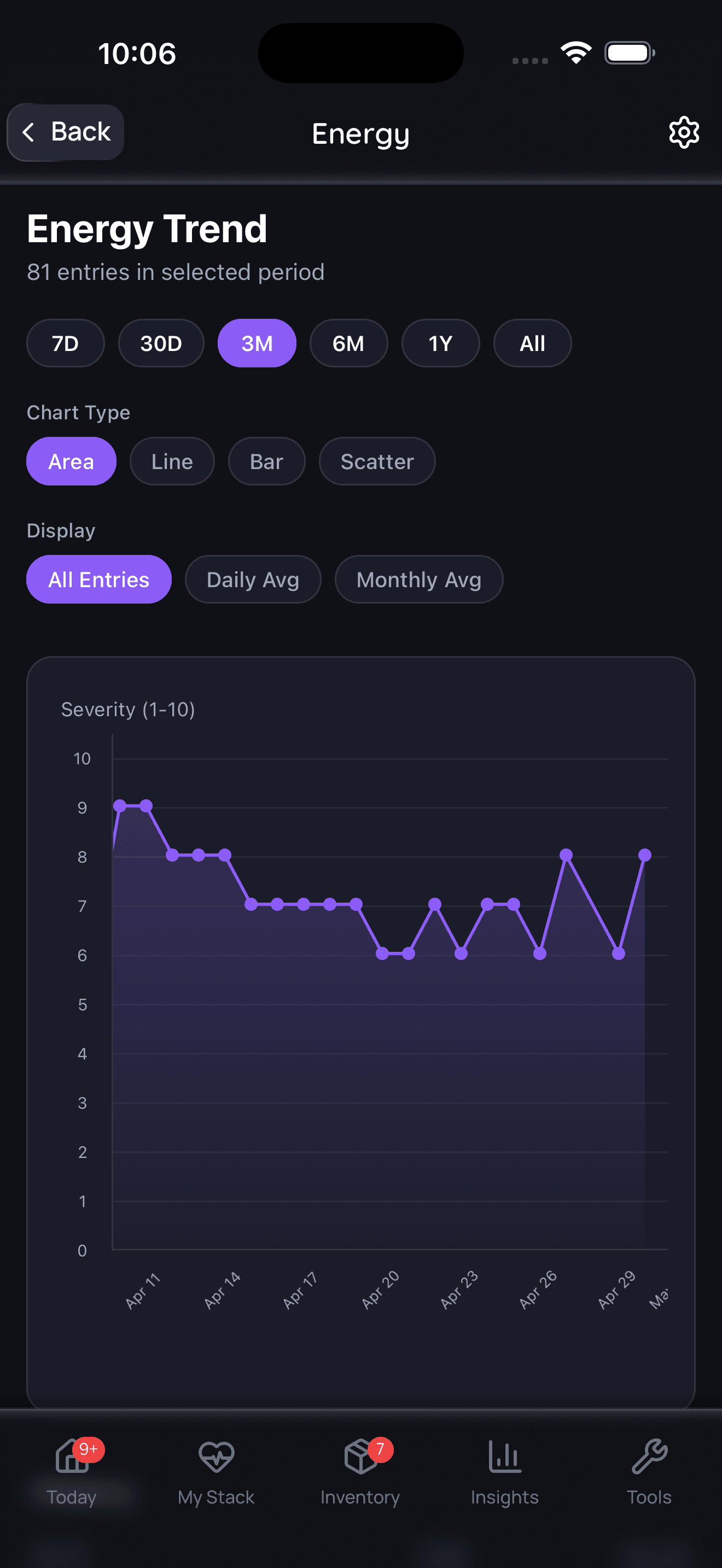
Symptom tracking is informational and should be interpreted with a qualified clinician.
Side Effects & Safety
The Basics
Short-term human studies and one longer open-label cohort suggest I3C is often tolerated reasonably well, but "usually tolerated" is not the same as "well proven safe" [2][6]. The formal safety database is still small, and the supplement is being used partly because of hormone-related effects, which makes cautious use important.
Reported issues include rash, digestive upset, and small liver-enzyme elevations in limited settings [2]. Community reports also add scattered concerns like unpleasant smell, mild stomach sensitivity, and one alarming bloody-urine anecdote that cannot be confidently attributed but should not be ignored [2]. In other words, the safety picture is mixed rather than clearly problematic: most users seem fine, but the evidence base is too thin for casual overconfidence.
People using hormone-sensitive medications, dealing with active hormone-sensitive conditions, or hoping to self-manage abnormal cervical findings without clinician follow-up should be especially cautious. I3C is a supplement with real biologic activity, not just a neutral vegetable extract in capsule form.
The Science
MSKCC notes that oral I3C has generally been well tolerated in small human studies, while also listing skin rash, rare small ALT increases, and theoretical drug interaction concerns through CYP1A2 induction [2]. The recurrent respiratory papillomatosis follow-up reported no immediate or long-term side effects attributable to I3C in its cohort, but that was an open-label disease-specific study rather than a dedicated safety trial [6].
The longer-term safety question remains underdeveloped because much of the enthusiasm around I3C comes from mechanistic and preclinical work, not from large adverse-event datasets [2][6]. The preclinical literature also includes the uncomfortable point that some models suggest tumor-promoting effects depending on context [2]. Even though that does not establish human harm, it is a strong reason to avoid simplistic "natural equals safe" messaging.
Knowing the possible side effects is the first step. Catching them early in your own experience is what keeps a supplement routine safe. Doserly lets you log any symptoms as they arise, tagging them with severity, timing relative to your dose, and whether they resolve on their own or persist.
The app's interaction checker cross-references everything in your stack, supplements and medications alike, flagging known interactions before they become a problem. It also monitors your total intake against established upper limits, alerting you if your combined sources of a nutrient are approaching thresholds where risk increases. Think of it as a safety net that works quietly in the background while you focus on the benefits.
Connect protocol changes to labs and health markers.
Doserly can keep lab results, biomarkers, symptoms, and dose history close together so follow-up conversations have better context.
Insights
Labs and trends
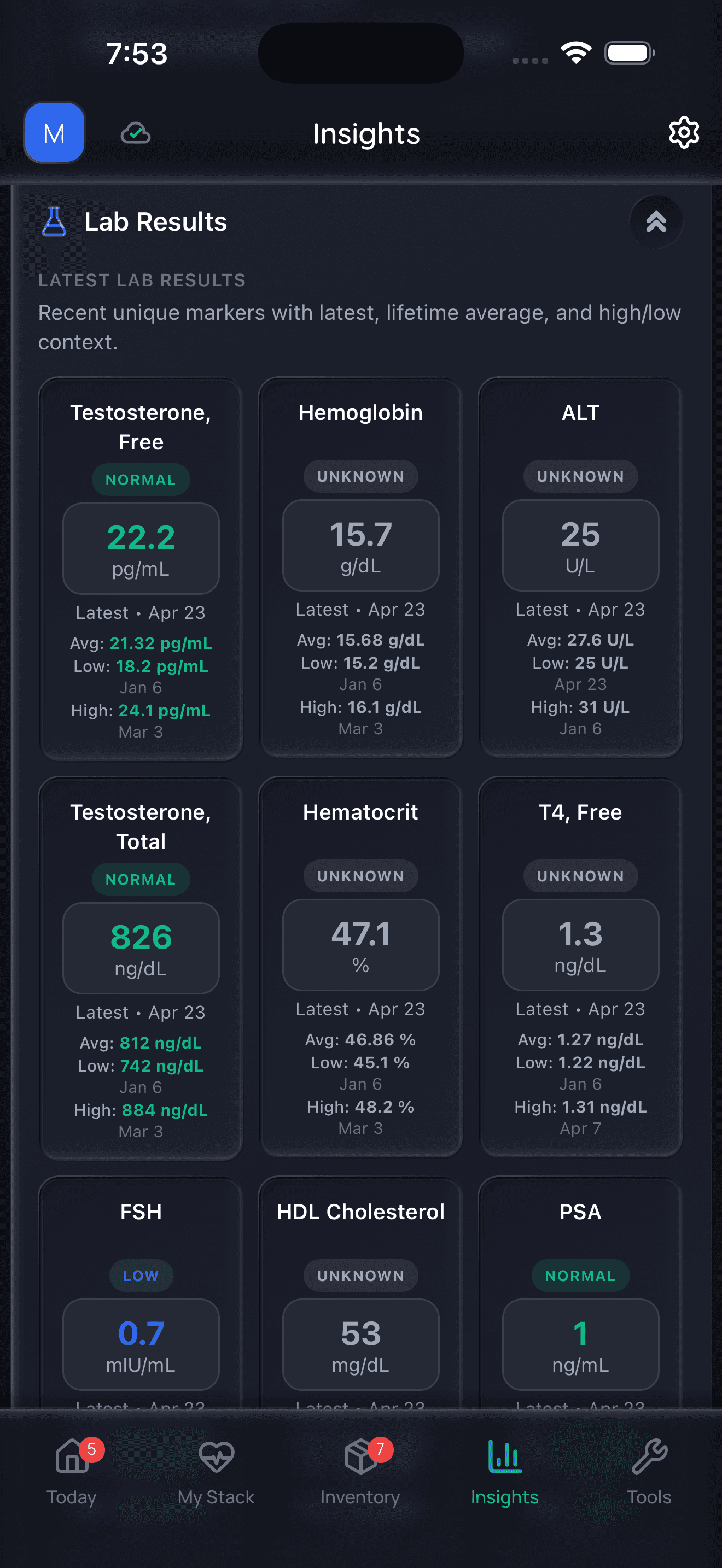
Doserly organizes data; it does not diagnose or interpret labs for you.
Dosing & Usage Protocols
The Basics
If someone is taking I3C based on the available human literature, the most evidence-relevant range is usually 200-400 mg/day [4][5]. That is where the small cervical-dysplasia trial operated and where biomarker studies began showing clearer estrogen-metabolism changes.
This matters because many lower commercial doses may be too small to reproduce the biomarker shifts that made I3C attractive in the first place [5]. On the other hand, more is not automatically better. The phase I pharmacokinetic study pushed much higher doses for research purposes and showed variable exposure with a plateau pattern near the top end [3]. That is not a strong argument for routine megadosing.
For long-term disease-specific use, one open-label recurrent respiratory papillomatosis study used 200 mg twice daily after surgery [6]. That regimen is interesting as a clinical precedent, but it should not be copied casually into general wellness use without clinician oversight.
The Science
Context
Estrogen-metabolism biomarker study
- Dose
- 50-400 mg/day
- Duration
- 4 weeks
- What the study showed
- Little change at 50-200 mg/day; clearer biomarker movement at 300-400 mg/day [5]
Context
CIN II-III trial
- Dose
- 200 mg/day or 400 mg/day
- Duration
- 12 weeks
- What the study showed
- Both active groups outperformed placebo in complete regression counts [4]
Context
Recurrent respiratory papillomatosis follow-up
- Dose
- 200 mg twice daily in adults
- Duration
- Mean 4.8 years follow-up
- What the study showed
- About one-third remission, one-third partial response, one-third no response [6]
Context
Phase I pharmacokinetics
- Dose
- 400-1,200 mg oral doses; repeated 400 mg twice daily arm
- Duration
- Single dose and 8-week repeated-dose work
- What the study showed
- Parent I3C absent from plasma; DIM exposure rose with dose and then plateaued [3]
There is no RDA, AI, or UL for I3C [7]. For practical supplement use, starting in the lower part of the evidence-relevant range and reassessing tolerance is more defensible than copying the highest pharmacokinetic study doses. I3C should also be treated as a pathway-focused supplement rather than a "more is more" general tonic [3][5].
Getting the dose right matters more than most people realize. Too little may be ineffective, too much wastes money or introduces risk, and inconsistency undermines both. Doserly tracks every dose you take, across every form, giving you a clear record of what you're actually consuming versus what you planned.
The app helps you compare RDA recommendations against therapeutic ranges discussed in the research, so you can see exactly where your intake falls. If you switch forms, say from a standard capsule to a liposomal liquid, Doserly adjusts your tracking to account for different bioavailabilities. Pair that with smart reminders that keep your timing consistent, and the precision that makes a real difference in outcomes becomes effortless.
Turn symptom and safety notes into a clearer timeline.
Doserly helps you log doses, symptoms, and safety observations side by side so patterns are easier to discuss with a qualified clinician.
Pattern view
Logs and observations

Pattern visibility is informational and should be reviewed with a clinician.
What to Expect (Timeline)
Days 1-7: Most people should not expect a dramatic felt effect. I3C is not an acute-stimulation supplement. Early changes are more likely to be neutral, mildly gastrointestinal, or simply unnoticed.
Weeks 2-4: This is the window where short biomarker studies began detecting more meaningful estrogen-metabolism shifts at higher doses such as 300-400 mg/day [5]. Some community users describe early changes in hot flashes or hormone-related discomfort during this period, but those reports are anecdotal.
Weeks 4-12: This is the most realistic window for judging whether the supplement is doing anything useful in non-acute settings. The CIN study ran 12 weeks [4]. If a user notices no benefit and only cost or side effects by this point, the case for continuing usually weakens.
Months 3+: Long-term disease-specific use has been described in recurrent respiratory papillomatosis, where benefit was uneven and clearly not universal [6]. For ordinary supplement users, long-term use should be re-evaluated periodically rather than assumed to be necessary forever.
Interactions & Compatibility
Synergistic
- Sulforaphane: Another cruciferous-derived compound that is often discussed in the same food-first, detox-enzyme, and chemoprevention context. The mechanisms are not identical, but the conceptual pairing is coherent.
- Calcium D-Glucarate: Sometimes used alongside I3C in estrogen-metabolism protocols because it targets a different part of hormone handling and elimination.
- Vitex/Chasteberry: In some hormone-focused protocols, vitex is used for cycle-related symptom support while I3C is used for metabolism-focused goals. The mechanisms differ, so the pairing is more complementary than redundant.
Caution / Avoid
- DIM (Diindolylmethane): DIM is the main measurable downstream metabolite of I3C. Taking both together can make exposure less predictable and may duplicate the same intended pathway.
- CYP1A2 substrate medications: MSKCC notes a theoretical interaction concern because laboratory data suggest I3C may induce CYP1A2, which could reduce the effectiveness of certain drugs metabolized through that pathway [2].
- Hormone-sensitive medication regimens: Because I3C is used specifically for hormone-pathway modulation, combining it with oral contraceptives, hormone therapy, SERMs, or aromatase-directed strategies should be done only with qualified medical guidance.
- Pregnancy and breastfeeding: Safety is not well established, and biologic activity around hormone pathways makes casual use hard to justify.
- Active evaluation of abnormal cervical findings without clinician follow-up: I3C should never replace standard diagnostic follow-up or recommended treatment because the evidence base is too small and disease-specific to support self-management.
How to Take / Administration Guide
For routine use, I3C is usually taken as capsules in divided or once-daily dosing depending on the total amount. Doses at the 200-400 mg/day level are the most evidence-relevant for the current human literature [4][5].
Taking it with food is a reasonable practical approach if stomach sensitivity is a concern, although the current source set does not prove a superior food-versus-empty-stomach strategy. Consistency matters more than ritual precision.
Do not treat I3C and DIM (Diindolylmethane) as clearly additive. Because I3C already converts into DIM-related downstream products, doubling up can make the regimen harder to interpret and harder to troubleshoot.
If the goal is simply "better cruciferous intake," a food-first approach may be more defensible than defaulting to a supplement. If the goal is a specific clinician-guided experiment around biomarker or disease-context literature, then supplement use should be framed like a monitored trial rather than casual self-optimization.
Choosing a Quality Product
Third-party certifications: Look for products verified by USP, NSF, ConsumerLab, or reputable equivalent testing programs. For athletes, NSF Certified for Sport or Informed Sport adds contamination screening.
Single-ingredient clarity matters: I3C is easier to evaluate when the label clearly states the amount of indole-3-carbinol per serving and does not hide it inside proprietary blends.
Red flags:
- Products that market I3C as a proven cancer-prevention or cancer-treatment supplement
- Blends that include I3C plus high-dose DIM without explaining the overlap
- Vague "detox" claims with no amount disclosure
- No lot testing, no GMP language, and no third-party verification
Formulation note: Because I3C is chemically unstable and acts mainly as a precursor, transparency about ingredient amount and manufacturing quality matters more than flashy marketing language. If someone wants more predictable downstream exposure, DIM (Diindolylmethane) may be the more straightforward product to compare against.
Storage & Handling
Store I3C in a cool, dry place with the bottle tightly closed. Avoid prolonged heat, direct sunlight, and bathroom-level humidity. Standard capsule and tablet products do not typically require refrigeration.
Because I3C is a reactive compound, it makes sense to take expiration dates and packaging integrity seriously. If capsules smell strongly degraded, are clumped from moisture, or have been stored poorly for long periods, replacement is safer than guessing.
Lifestyle & Supporting Factors
The most obvious lifestyle pairing is a cruciferous-rich diet. Food sources provide I3C-related chemistry in a broader nutritional context that also includes fiber, minerals, and other phytochemicals [2].
If the goal is hormone-related symptom support, the supplement should not be evaluated in isolation. Sleep, stress, body composition, alcohol intake, and other parts of the stack can all influence the same symptom clusters. That makes tracking more valuable than intuition alone.
For people using I3C in a disease-specific context, follow-up matters more than supplementation itself. Cervical lesions, recurrent respiratory papillomatosis, or persistent hormone-related symptoms should be monitored with standard clinical care rather than treated like ordinary wellness experimentation [4][6].
Useful monitoring targets depend on the reason for use, but can include symptom diaries, menstrual-pattern tracking, clinician-ordered hormone testing where appropriate, and condition-specific follow-up rather than general supplement enthusiasm.
Regulatory Status & Standards
United States (FDA): I3C is sold under the general dietary-supplement framework, not as an FDA-approved treatment. FDA does not preapprove supplements for efficacy before sale; manufacturer quality systems, labeling compliance, adverse-event reporting, and claim substantiation do most of the practical regulatory work [7].
Canada, European Union, and Australia: This KB pass did not surface a dedicated supplement-specific I3C monograph or modern harmonized regulatory summary for these jurisdictions. The honest position is that market status may vary by product and local rules, and product-specific verification is more useful than broad assumption.
Active clinical-trial environment: The current dossier supports interest in niche gynecologic, HPV-related, and biomarker-oriented research, but does not show a large current clinical-evidence program that would justify strong general claims [4][5][6].
Athlete & Sports Regulatory Status: WADA's 2026 Prohibited List took effect on 2026-01-01. During this review, a search of WADA resources and the prohibited-list interface did not surface indole-3-carbinol as a named prohibited-list entry [8]. That is reassuring only in a narrow sense. It does not eliminate contamination risk from commercial supplements.
Athlete certification programs: Athletes should prioritize NSF Certified for Sport, Informed Sport, or equivalent batch-tested programs when available, because contamination risk matters more than the ingredient's apparent status on a list page.
GlobalDRO and practical athlete caution: GlobalDRO is more useful for medication-style status checks than for proving a supplement product is safe. Athletes still need product-specific contamination control and should confirm rules with their governing body.
Regulatory status and prohibited substance classifications change frequently. Athletes should always verify the current status of any supplement with their sport's governing body, their national anti-doping agency, and a qualified sports medicine professional before use. Third-party certification (Informed Sport, NSF Certified for Sport) reduces but does not eliminate the risk of contamination with prohibited substances.
FAQ
Is I3C the same thing as DIM?
No. I3C is the precursor compound, while DIM is the main detectable downstream product measured in human plasma after I3C ingestion [3].
Does I3C have better evidence than DIM?
Not clearly. I3C has a few meaningful human studies, but the evidence is still narrow. DIM is often preferred when people want a more direct and predictable downstream compound.
Is 200 mg enough for I3C to do anything?
It may be enough for some contexts, including the small cervical-dysplasia trial, but biomarker studies suggest 300 mg/day may be the threshold where short-term estrogen-metabolism effects become easier to detect [4][5].
Can I take I3C and DIM together?
It is usually better to choose one strategy first. Using both together can make dose interpretation and side-effect troubleshooting harder because I3C already converts into DIM-related products [3].
How long should I try I3C before judging it?
A fair first checkpoint is roughly 4 to 12 weeks, depending on the goal. That matches the time horizon of the main biomarker and CIN studies [4][5].
Can I3C replace eating cruciferous vegetables?
No. A supplement can isolate one pathway-focused compound, but it does not replace the broader nutritional value of cruciferous foods.
Is I3C safe to take every day?
Daily use is common, but robust long-term safety data are limited. The current evidence supports caution rather than blanket reassurance [2][6].
Does I3C clearly help hot flashes or menopause symptoms?
Community reports sometimes say yes, but formal human evidence for menopause symptom relief is still thin. That claim is much weaker than the marketing around it suggests.
Should athletes worry about I3C?
Mostly from a contamination perspective. The ingredient itself was not surfaced as a named WADA prohibited-list entry in this review, but supplement quality control is still the bigger issue [8].
Can men use I3C?
Some do, usually for hormone-metabolism reasons, but the evidence base is still limited and highly context-dependent. Men should not assume it is a simple testosterone-support supplement.
Myth vs. Fact
Myth: I3C is basically just a concentrated serving of broccoli.
Fact: It comes from cruciferous-vegetable chemistry, but a supplement dose is not nutritionally equivalent to eating the vegetables themselves. It is a more pathway-focused and less balanced intervention [2].
Myth: I3C itself circulates through the bloodstream and does the work directly.
Fact: In human pharmacokinetic work, parent I3C was not detectable in plasma; DIM was the measurable downstream product [3].
Myth: Any I3C dose marketed online is probably enough to shift estrogen metabolism.
Fact: In a dose-ranging biomarker study, the clearest movement appeared at 300-400 mg/day rather than at the lower tested doses [5].
Myth: I3C is proven for broad cancer prevention.
Fact: It has interesting preclinical and small human-condition-specific data, but no large modern clinical trial base proving broad cancer prevention in everyday supplement users [2][4][6].
Myth: Natural hormone-modulating supplements are automatically low risk.
Fact: Hormone-pathway activity is exactly why caution is needed. I3C may interact with medications, alter how other therapies behave, and is not backed by strong long-term safety data [2].
Myth: If I3C helped in cervical dysplasia research, it should work for any hormone-related issue.
Fact: Disease-specific results should stay disease-specific until broader trials show they generalize. That has not happened yet [4].
Sources & References
Clinical Trials & Human Studies
[3] Reed GA, Peterson KS, Smith HJ, et al. A phase I study of indole-3-carbinol in women: tolerability and pharmacokinetics. Cancer Epidemiology, Biomarkers and Prevention. 2006. https://pubmed.ncbi.nlm.nih.gov/17164373/
[4] Bell MC, Crowley-Nowick P, Bradlow HL, et al. Placebo-controlled trial of indole-3-carbinol in the treatment of CIN. Gynecologic Oncology. 2000. https://pubmed.ncbi.nlm.nih.gov/10926790/
[5] Wong GY, Bradlow L, Sepkovic D, et al. Dose-ranging study of indole-3-carbinol for breast-cancer risk biomarker modulation. Journal of Cellular Biochemistry Supplement. 1997/1998 indexed record. https://pubmed.ncbi.nlm.nih.gov/9589355/
[6] Rosen CA, Bryson PC. Indole-3-carbinol for recurrent respiratory papillomatosis: long-term follow-up. Otolaryngology-Head and Neck Surgery. 2004. https://pubmed.ncbi.nlm.nih.gov/15193659/
Government and Institutional Sources
[1] PubChem. Indole-3-carbinol compound record. https://pubchem.ncbi.nlm.nih.gov/compound/3712
[2] Memorial Sloan Kettering Cancer Center. Indole-3-carbinol. https://mskcc.org/cancer-care/integrative-medicine/herbs/indole-3-carbinol
[7] U.S. Food and Drug Administration. Dietary supplements guidance documents and regulatory information. https://www.fda.gov/food/guidance-documents-regulatory-information-topic-food-and-dietary-supplements/dietary-supplements-guidance-documents-regulatory-information
[8] World Anti-Doping Agency. Prohibited List resources. https://www.wada-ama.org/en/resources/world-anti-doping-code-and-international-standards/prohibited-list
Related Supplement Guides
Same Category
- DIM (Diindolylmethane) - The main downstream metabolite formed after I3C reaches stomach acid.
- Sulforaphane - Another cruciferous-derived phytochemical often discussed in overlapping detoxification and chemoprevention contexts.
Common Stacks / Pairings
- Calcium D-Glucarate - Often paired in estrogen-metabolism support protocols because it targets a different part of hormone elimination.
- Vitex/Chasteberry - Sometimes used alongside metabolism-focused supplements when cycle-related symptom support is also a goal.
Related Health Goal
- DIM (Diindolylmethane) - Often chosen instead of I3C when a more direct indole-metabolite strategy is preferred.
- Vitex/Chasteberry - Relevant for users focused on hormone-related symptom tracking rather than general wellness claims.