
Calcium D-Glucarate: The Complete Supplement Guide
On this page
Quick Reference Card
Attribute
Common Name
- Detail
- Calcium D-Glucarate
Attribute
Other Names / Aliases
- Detail
- Calcium-D-saccharate, calcium saccharate, glucarate, D-glucaric acid calcium salt, CDG
Attribute
Category
- Detail
- Detoxification Support / Hormone Modulator
Attribute
Primary Forms & Variants
- Detail
- Calcium D-glucarate (most common supplement form), potassium hydrogen D-glucarate (research form with similar bioactivity)
Attribute
Typical Dose Range
- Detail
- 200-1,500 mg per day (supplement market range); animal research suggests much higher doses (200 mg/kg+) for measurable beta-glucuronidase inhibition
Attribute
RDA / AI / UL
- Detail
- No RDA, AI, or UL established by IOM or EFSA
Attribute
Common Delivery Forms
- Detail
- Capsule, tablet
Attribute
Best Taken With / Without Food
- Detail
- Can be taken with or without food; some practitioners suggest with meals for convenience
Attribute
Key Cofactors
- Detail
- Often combined with DIM (Diindolylmethane) for estrogen metabolism support; Vitamin D3 and Calcium for general health context
Attribute
Storage Notes
- Detail
- Store in a cool, dry place. Keep tightly closed. No special refrigeration required.
Overview
The Basics
Calcium D-glucarate is a supplement that supports one of your body's natural waste-removal systems. Specifically, it helps ensure that substances your liver has already tagged for removal actually leave your body instead of being recycled back into circulation.
Here is the simple version of how it works. Your liver runs a tagging system called glucuronidation, where it attaches a chemical "shipping label" (a glucuronide group) to things it wants to get rid of, including used hormones like estrogen, environmental toxins, and certain byproducts from cooked foods. Once tagged, these substances travel to your intestines and should be excreted. The problem is that certain gut bacteria produce an enzyme called beta-glucuronidase, which rips off those labels and allows tagged substances to be reabsorbed. Calcium D-glucarate inhibits that enzyme, helping the labels stay on so the removal process completes.
Glucaric acid, the active component, is not something exotic. It occurs naturally in fruits and vegetables, with the highest concentrations found in oranges, apples, grapefruit, and cruciferous vegetables like broccoli and cabbage [1][2]. Your body also produces small amounts of it on its own. The supplement form is simply a calcium salt of this naturally occurring acid, designed to deliver it at higher concentrations than you would get from diet alone.
Most supplement interest in calcium D-glucarate falls into two categories: supporting estrogen metabolism (particularly in women dealing with estrogen dominance or perimenopause) and general detoxification support. There is also a body of animal research on cancer prevention, though human clinical data remains extremely limited [3][4].
The Science
Calcium D-glucarate (CAS not assigned as a distinct entity; parent compound D-glucaric acid CAS 87-73-0) is the calcium salt of D-glucaric acid (also known as saccharic acid), a six-carbon dicarboxylic sugar acid that is endogenously synthesized in humans and other mammals via oxidation of D-glucuronic acid. D-glucaric acid is also present in dietary plant foods, with measured concentrations ranging from 4.63 +/- 0.58 mg/100g in peeled oranges to 0.74 +/- 0.08 mg/100g in peeled potatoes [1].
The supplement was developed primarily based on the work of Walaszek and colleagues at the AMC Cancer Research Center in the 1980s-1990s, who characterized its pharmacology and chemopreventive potential in multiple animal cancer models [5][6][7]. The commercial form has been available as a dietary supplement since the 1990s, protected by U.S. Patents 4,845,123; 5,364,644; and 5,561,160 (originally licensed through Applied Food Sciences, LLC).
Epidemiological observations have noted that smokers with indicators of DNA damage (K-ras mutations) have circulating glucaric acid levels that are approximately 34% lower than those of controls, suggesting a potential relationship between glucaric acid status and carcinogen exposure [1]. This observation contributed to interest in supplementation, though the causal relationship remains unestablished.
The clinical evidence base consists predominantly of in vitro studies, animal carcinogenesis models, and a single preliminary human trial. A 2002 monograph in the Alternative Medicine Review remains the most cited clinical reference for the compound [4]. Despite two decades of commercial availability, no large-scale randomized controlled trials have been conducted in humans.
Chemical & Nutritional Identity
Property
Active Component
- Value
- D-glucaric acid (saccharic acid)
Property
Supplement Form
- Value
- Calcium salt of D-glucaric acid
Property
Molecular Formula (D-glucaric acid)
- Value
- C6H10O8
Property
Molecular Weight (D-glucaric acid)
- Value
- 210.14 g/mol
Property
CAS Number (D-glucaric acid)
- Value
- 87-73-0
Property
Primary Metabolite
- Value
- D-glucaro-1,4-lactone (active beta-glucuronidase inhibitor)
Property
Secondary Metabolite
- Value
- D-glucaro-6,3-lactone
Property
Ki of D-glucaro-1,4-lactone against beta-glucuronidase
- Value
- 1.6 micromolar
Property
Category
- Value
- Non-vitamin, non-mineral; detoxification support compound
Property
RDA / AI / UL
- Value
- None established
Property
FDA Classification
- Value
- Dietary supplement under DSHEA
Property
Calcium Content
- Value
- Approximately 12% calcium by weight (varies by manufacturer)
Metabolite Conversion
Upon ingestion, calcium D-glucarate is hydrolyzed by stomach acid into free calcium and D-glucaric acid. D-glucaric acid is then metabolized into three fractions: approximately 30% converts to D-glucaro-1,4-lactone (the primary bioactive metabolite), approximately 30% converts to D-glucaro-6,3-lactone, and the remaining 40% stays as parent D-glucaric acid [5]. Slightly lower conversion rates for D-glucaro-1,4-lactone (17-22% of total D-glucaric acid in bile and urine) have been reported in some pharmacokinetic analyses [5].
The calcium content of this supplement is minimal and is not a meaningful source of dietary calcium. The glucarate component, not the calcium, accounts for essentially all biological activity [3].
Mechanism of Action
The Basics
To understand calcium D-glucarate, you need to understand one specific waste-management process in your body: glucuronidation.
Your liver acts like a sorting facility. When it identifies something that needs to go (a used hormone, a toxin, a drug metabolite), it attaches a water-soluble tag called a glucuronide to it. This tag essentially marks the substance as "ready for disposal" and makes it water-soluble enough to be flushed out through your kidneys or intestines. This process is handled by an enzyme called glucuronosyltransferase, and it is one of the major detoxification pathways in your body [1][8].
The complication is that certain bacteria in your gut produce a counter-enzyme called beta-glucuronidase, which strips those tags right back off. When that happens, substances your liver was trying to eliminate get reabsorbed into your bloodstream. This creates a recycling loop, particularly relevant for estrogen: your liver tags estrogen for removal, it travels to your gut, beta-glucuronidase strips the tag, and the estrogen re-enters circulation [3][9].
Calcium D-glucarate's active metabolite (D-glucaro-1,4-lactone) inhibits beta-glucuronidase. By blocking the enzyme that removes the disposal tags, it helps ensure that tagged substances actually leave your body. Think of it as locking the recycling bin so the tagged items stay on their way out.
The Science
The pharmacological activity of calcium D-glucarate is mediated primarily through its metabolite D-glucaro-1,4-lactone (1,4-GL), which functions as a competitive inhibitor of beta-glucuronidase (EC 3.2.1.31) with a Ki of 1.6 micromolar [1].
Glucuronidation pathway: Glucuronidation is a major Phase II hepatic detoxification reaction catalyzed by the UDP-glucuronosyltransferase (UGT) enzyme family. UGT enzymes conjugate glucuronic acid to hydrophobic substrates, increasing their water solubility and facilitating biliary and renal excretion. Endogenous substrates include steroid hormones (estrogens, androgens, corticosteroids), bilirubin, thyroid hormones, and bile acids. Exogenous substrates include polycyclic aromatic hydrocarbons (PAHs), benzo[a]pyrene compounds, nitrosamines, and numerous pharmaceutical drugs [1][8].
Beta-glucuronidase inhibition: Beta-glucuronidase is produced by colonic microflora (particularly Escherichia coli, Bacteroides, and Clostridium species) and catalyzes the hydrolysis of glucuronide conjugates in the intestinal lumen. This deconjugation allows reabsorption of the parent compound through the enterohepatic cycle. Elevated beta-glucuronidase activity has been associated epidemiologically with increased risk for hormone-dependent cancers, including breast, prostate, and colon cancers [4][9].
In rat studies, a single dose of 4.5 mmol/kg calcium D-glucarate inhibited beta-glucuronidase in the lung (37%), liver (44%), serum (57%), and intestines (39%). The inhibitory effect lasted approximately 5 hours following oral administration [1].
Antioxidant activity: In vitro studies have demonstrated that calcium D-glucarate and related glucose derivatives significantly inhibit thrombin-induced arachidonic acid peroxidation, superoxide anion production, and platelet protein oxidation/nitration induced by peroxynitrite, suggesting ancillary antioxidant mechanisms beyond beta-glucuronidase inhibition [10].
In silico modeling: A 2023 computational systems biology study modeled the effects of D-glucaric acid on liver detoxification through four molecular pathways: ROS production, glucuronide deconjugation, hepatocyte apoptosis, and beta-glucuronidase synthesis. The model predicted reductions in all four pathways with D-glucaric acid supplementation [11]. These findings are theoretical and require experimental validation.
Absorption & Bioavailability
The Basics
When you swallow a calcium D-glucarate capsule, your stomach acid breaks it into two parts: free calcium (a small amount) and D-glucaric acid (the active component). From there, D-glucaric acid gets further processed into several metabolites, the most important of which is D-glucaro-1,4-lactone. This is the molecule that actually does the work of blocking beta-glucuronidase.
The conversion is not perfectly efficient. Roughly 30% of the D-glucaric acid becomes the active metabolite, while another 30% becomes a different lactone form, and 40% stays as the parent acid [5]. Once formed, D-glucaro-1,4-lactone is absorbed from the gastrointestinal tract, carried through the blood to various organs (including the liver, lungs, and intestines), and eventually excreted through urine and, to a lesser extent, bile [5].
One important practical detail: the active metabolite appears to work for about 5 hours after a dose. This is part of why some practitioners suggest dividing doses throughout the day rather than taking everything at once, to maintain more consistent inhibition of beta-glucuronidase [1].
There are no data comparing bioavailability between different supplemental forms of calcium D-glucarate (e.g., different manufacturers or formulations). The supplement exists essentially as a single standard form.
The Science
Pharmacokinetic data for calcium D-glucarate come primarily from a radiolabeled study in Sprague-Dawley rats using potassium hydrogen D-[14C]glucarate [5]. Following oral administration, D-glucaro-1,4-lactone was confirmed to form in the stomach from the glucarate salt. The metabolite was absorbed from the gastrointestinal tract, distributed to internal organs via systemic circulation, and excreted primarily in urine with a minor biliary component. No significant sex-based differences in metabolism were observed between male and female rats [5].
D-glucaric acid is also endogenously produced in humans and is normally present in urine. Supplementation increases urinary glucarate excretion above baseline levels [1].
The duration of beta-glucuronidase inhibition following a single oral dose has been estimated at approximately 5 hours in animal models [1]. This relatively short duration of action has implications for dosing frequency, particularly for individuals seeking sustained enzyme inhibition.
No human pharmacokinetic studies with detailed plasma concentration-time curves, bioavailability calculations, or dose-response data have been published.
Research & Clinical Evidence
The Basics
The research picture for calcium D-glucarate has an unusual shape: the preclinical evidence (animal and lab studies) is extensive, but human clinical evidence is nearly nonexistent. Understanding this gap is important for setting realistic expectations.
Cancer prevention is the area with the most research, virtually all of it in animals. Multiple studies have shown that calcium D-glucarate can reduce tumor formation in rats exposed to specific carcinogens, including breast, lung, colon, skin, and oral cancer models. In one striking example, tumor occurrence dropped from 100% to 30% in rats given calcium D-glucarate before exposure to the carcinogen DMBA [1][6]. However, these are toxin-induced cancer models, and calcium D-glucarate does not appear to have any inherent anti-cancer effects. It works by speeding up the removal of specific carcinogens that happen to be glucuronidated. If a toxin is not processed through the glucuronidation pathway, calcium D-glucarate would not be expected to offer protection [1].
Estrogen metabolism is where most consumer interest lies. In rats given high doses of dietary calcium D-glucarate (10% of the diet), serum estrogen was reduced by 23%. Urinary excretion of 17-ketosteroids (a group that includes DHEA, androstenedione, androsterone, and estrone) increased approximately 200% after 2 days but attenuated to 50% above baseline after two weeks [1]. The key caveat: these are very high doses that do not directly translate to typical supplement doses.
Cholesterol reduction has been mentioned in the literature. The 2002 monograph references preliminary data suggesting total cholesterol reduction of up to 12% and LDL cholesterol reduction of up to 28% [4]. However, the source data for these claims have not been independently published or verified.
Human data is limited to one preliminary study (Heerdt et al., 1995) which found that calcium D-glucarate supplementation suppressed serum beta-glucuronidase levels while increasing serum glucaric acid levels [12]. The study was small and has not been followed up with larger trials. A phase I trial description, referenced indirectly through an editorial, noted that escalating doses of 1.5-9g over 4 weeks inhibited serum beta-glucuronidase, but detailed results have never been published [1].
The Science
Mammary carcinogenesis: Abou-Issa et al. (1995) demonstrated that calcium D-glucarate reduced the incidence of DMBA-induced mammary tumors in rats, with effects observed in both the initiation and promotion phases of carcinogenesis [13]. Acute dosing of 9 mmol/kg (administered 3 hours before and 30 minutes before DMBA injection) reduced tumor occurrence from 100% to 30% [1].
Lung carcinogenesis: Walaszek et al. (2004) reported that dietary calcium D-glucarate reduced the quantity of benzo[a]pyrene-induced lung lesions with mutated K-ras and p53 genes in the post-initiation phase, via DNA adduct removal, mutagenic suppression, and anti-inflammatory activity [7].
Colon carcinogenesis: Yoshimi et al. (2000) and Wargovich et al. (2000) demonstrated that potassium hydrogen D-glucarate (140 mmol/kg feed) reduced azoxymethane-induced colon tumor size and multiplicity to approximately 60% of control in rats [14][15].
Skin carcinogenesis: Singh and Gupta (2003) showed that topical calcium D-glucarate inhibited DMBA-induced mouse skin tumor development through induction of transglutaminase activity (a marker of cell differentiation) and suppression of DNA synthesis (a marker of proliferation) [16]. Enhanced chemopreventive effects were observed with combinations including butyric acid and nicotinamide [17].
Hepatocarcinogenesis: Oredipe et al. (1992) demonstrated that dietary calcium D-glucarate inhibited the initiation phase of diethylnitrosamine-induced hepatocarcinogenesis in rats, with maximal inhibition when administered by gavage prior to the carcinogen [18].
Steroid hormone effects: Dietary calcium D-glucarate at 10% of the rat diet (approximately 1,000 mg/kg bodyweight) reduced serum estrogen by 23% and increased urinary 17-ketosteroid excretion by approximately 200% at 2 days (attenuating to 50% above baseline at 2 weeks), indicating that all steroid hormones subject to glucuronidation are affected, not just estrogen [1].
Lipid effects: The 2002 monograph cites preliminary human data suggesting total cholesterol reduction of up to 12% and LDL cholesterol reduction of up to 28% [4]. These figures have not been reproduced in published peer-reviewed studies.
Human evidence: The most-cited human study is Heerdt et al. (1995), which reported that calcium D-glucarate supplementation suppressed beta-glucuronidase levels and increased serum glucaric acid levels in a preliminary study of breast cancer patients. No toxicity was reported [12]. This study has been referenced across multiple review articles but has not been followed by larger or more rigorous trials in the subsequent three decades.
Evidence & Effectiveness Matrix
Category
Hormonal Symptoms
- Evidence Strength
- 5/10
- Reported Effectiveness
- 7/10
- Summary
- Strong preclinical evidence for estrogen excretion enhancement. Community reports consistently positive for estrogen-related symptoms (PMS, hot flashes, acne). However, human clinical data are minimal. Animal doses far exceed supplement doses.
Category
Skin Health
- Evidence Strength
- 3/10
- Reported Effectiveness
- 6/10
- Summary
- Community reports of hormonal acne improvement, but nearly always combined with DIM. No clinical studies on skin outcomes in humans. Animal data limited to topical application in cancer models.
Category
Heart Health
- Evidence Strength
- 3/10
- Reported Effectiveness
- 4/10
- Summary
- Preliminary, unreplicated data suggesting cholesterol reduction (12% total, 28% LDL). One in vitro study on antiplatelet effects. Insufficient evidence for meaningful scoring.
Category
Gut Health
- Evidence Strength
- 4/10
- Reported Effectiveness
- 5/10
- Summary
- Mechanism directly involves gut bacterial beta-glucuronidase. Potential to alter enterohepatic cycling and estrobolome. No direct gut health outcome studies.
Category
Immune Function
- Evidence Strength
- 3/10
- Reported Effectiveness
- Not Scored
- Summary
- Indirect via enhanced elimination of carcinogens and toxins. No direct immune outcome studies.
Category
Mood & Wellbeing
- Evidence Strength
- 2/10
- Reported Effectiveness
- 5/10
- Summary
- No direct evidence. Community reports are mixed, with mood changes attributed to secondary hormone effects. Some users report anxiety from CDG.
Category
Nausea & GI Tolerance
- Evidence Strength
- 4/10
- Reported Effectiveness
- 6/10
- Summary
- Generally well-tolerated. Phase I trial reported no toxicity at 1.5-9g/day. Community reports minimal GI complaints.
Category
Side Effect Burden
- Evidence Strength
- 4/10
- Reported Effectiveness
- 5/10
- Summary
- Generally favorable safety profile in animal studies. Human data limited but no toxicity reported. Community notes bimodal pattern: most tolerate well, some sensitive individuals report anxiety, lethargy.
Category
Treatment Adherence
- Evidence Strength
- N/A
- Reported Effectiveness
- 6/10
- Summary
- Simple oral dosing. No complex timing. Community reports long-term compliance.
Category
Libido
- Evidence Strength
- 2/10
- Reported Effectiveness
- 5/10
- Summary
- Theoretical concern that lowering all steroid hormones (including testosterone) could impact libido. Limited community reports are mixed.
Categories not scored (insufficient data): Fat Loss, Muscle Growth, Weight Management, Appetite & Satiety, Food Noise, Energy Levels, Sleep Quality, Focus & Mental Clarity, Memory & Cognition, Anxiety, Stress Tolerance, Motivation & Drive, Emotional Aliveness, Emotional Regulation, Sexual Function, Joint Health, Inflammation, Pain Management, Recovery & Healing, Physical Performance, Digestive Comfort, Hair Health, Blood Pressure, Heart Rate & Palpitations, Temperature Regulation, Fluid Retention, Body Image, Bone Health, Longevity & Neuroprotection, Cravings & Impulse Control, Social Connection, Withdrawal Symptoms, Daily Functioning
Benefits & Potential Effects
The Basics
The benefits of calcium D-glucarate are primarily tied to one mechanism: supporting the body's glucuronidation-based elimination pathway. This means the potential benefits are mostly about helping your body remove things it is already trying to get rid of, not about adding new capabilities.
Estrogen metabolism support is the most commonly discussed benefit. For individuals whose bodies are recycling too much estrogen (a state sometimes called estrogen dominance), calcium D-glucarate may help by allowing more estrogen to be successfully excreted. Community reports frequently describe improvements in PMS symptoms, hot flashes, hormonal acne, and breast tenderness, though these reports almost always involve CDG combined with DIM [3][4].
Detoxification support is the broader application. By inhibiting the enzyme that reverses your liver's tagging work, calcium D-glucarate theoretically supports the removal of various toxins that are processed through the glucuronidation pathway. This includes polycyclic aromatic hydrocarbons from grilled or smoked meats, certain environmental chemicals, and endogenous waste products like bilirubin [1][8].
Potential cardiovascular effects have been mentioned in the literature, with preliminary data suggesting possible reductions in total and LDL cholesterol. These findings have not been confirmed in rigorous human trials [4].
It is important to set expectations accurately. The evidence supporting these benefits in humans is preliminary at best, and the doses used in animal studies are dramatically higher than what typical supplements provide. Calcium D-glucarate appears to be a reasonable, low-risk supplement for individuals with specific concerns about estrogen metabolism or detoxification support, but it is not a proven treatment for any condition.
The Science
The putative benefits of calcium D-glucarate derive from its inhibition of beta-glucuronidase and the consequent enhancement of glucuronide conjugate excretion. The evidence base is summarized by target system:
Estrogen excretion: In rats, 10% dietary calcium D-glucarate reduced serum estrogen by 23% and increased urinary 17-ketosteroid excretion [1]. This is consistent with enhanced glucuronidation-mediated clearance. The estrobolome (the collection of gut bacteria that metabolize estrogen via beta-glucuronidase) represents a direct target for CDG's mechanism of action [9].
Carcinogen clearance: Multiple animal models demonstrate reduced tumor formation when calcium D-glucarate is administered before or during carcinogen exposure, including DMBA (mammary, skin, oral), benzo[a]pyrene (lung), azoxymethane (colon), and diethylnitrosamine (liver) [6][7][13][14][15][16][18]. The mechanism is enhanced excretion of glucuronidated carcinogens rather than direct antiproliferative activity [1].
Lipid modulation: The 2002 monograph reports preliminary human data showing total cholesterol reduction of up to 12% and LDL reduction of up to 28% [4]. The mechanism is not fully characterized but may involve enhanced excretion of cholesterol metabolites that undergo glucuronidation.
Antioxidant effects: In vitro, calcium D-glucarate and related glucose derivatives inhibit thrombin-induced platelet oxidation and peroxynitrite-mediated protein nitration [10]. Synergy with resveratrol has been observed for both antiplatelet and anti-carcinogenic effects in preclinical models [1].
When you're taking multiple supplements, it's hard to know which one is doing the heavy lifting. The benefits described above may overlap with effects from other items in your stack, lifestyle changes, or seasonal variation. Doserly helps you untangle that by keeping everything in one place, with timestamps, doses, and outcomes logged together.
Over time, this builds something more valuable than any product review: your personal evidence record. You can see exactly when you started this supplement, what else was in your routine at the time, and how your tracked health markers responded. That clarity makes the difference between guessing and knowing, whether you're talking to a healthcare provider or simply deciding if it's worth reordering.
Connect protocol changes to labs and health markers.
Doserly can keep lab results, biomarkers, symptoms, and dose history close together so follow-up conversations have better context.
Insights
Labs and trends
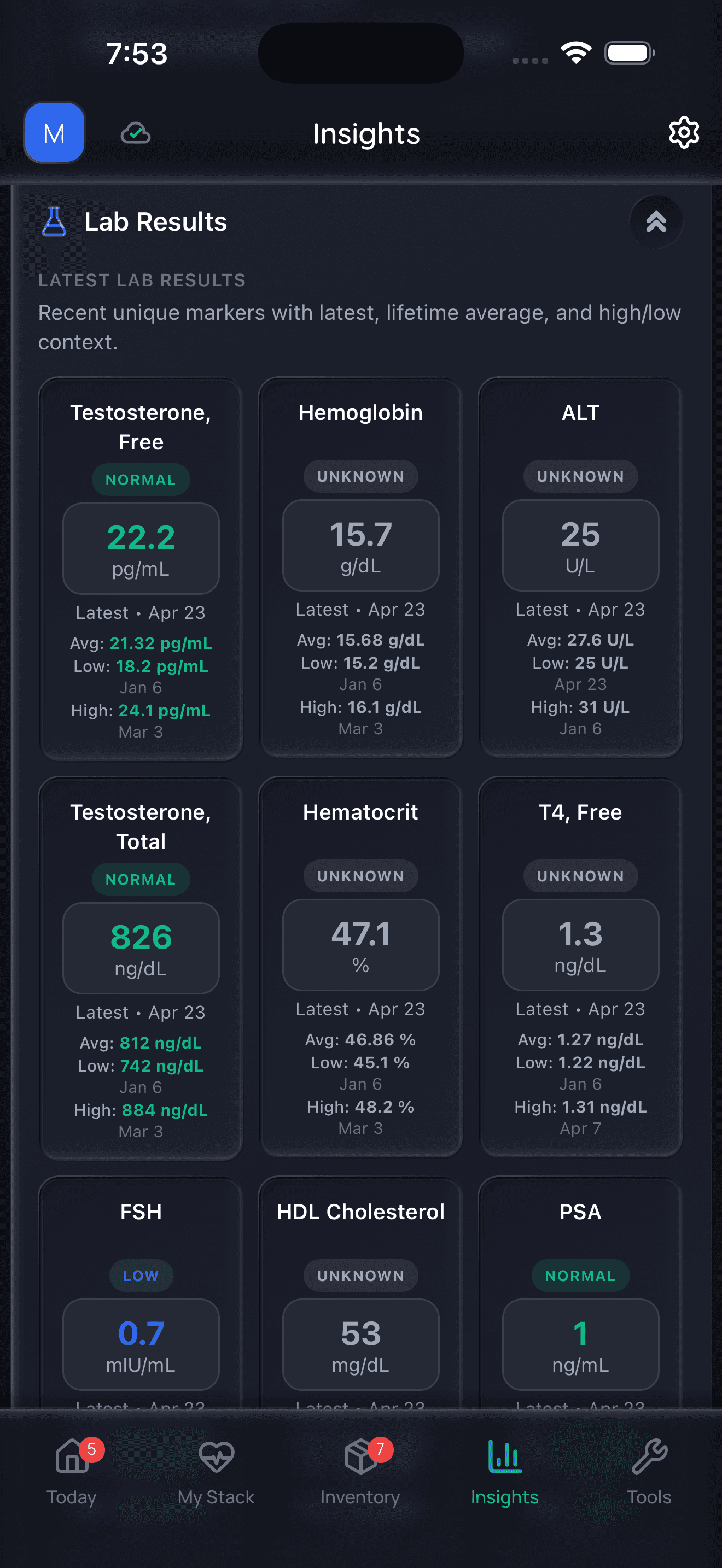
Doserly organizes data; it does not diagnose or interpret labs for you.
Side Effects & Safety
The Basics
Calcium D-glucarate has a favorable safety profile based on available data, though it is worth noting that the available data is mostly from animals rather than humans.
In animal studies, even very high doses (far above what humans take in supplement form) have not produced toxic effects. Rats fed calcium D-glucarate at concentrations of 70-350 mmol/kg of the diet across three generations showed no adverse effects and no changes in food intake [1]. The one phase I human trial mentioned in the literature, using doses up to 9g per day over 4 weeks, reported no toxicity [1].
That said, there are several considerations that go beyond what the formal safety data capture:
Hormone reduction is not selective. Because calcium D-glucarate enhances the excretion of all glucuronidated steroid hormones, it does not just lower estrogen. Testosterone, DHEA, androstenedione, and other steroid hormones may all be affected [1]. For individuals who do not have excess estrogen, or who are already low in other steroid hormones, this could be counterproductive.
Sensitive individuals may react. Community reports describe cases where even low doses (100-250 mg) triggered anxiety, lethargy, low energy, and heart palpitations, particularly in individuals with certain genetic variants affecting catecholamine metabolism (slow COMT/MAOA). While these are anecdotal, the pattern is consistent enough to warrant caution.
Drug interactions are possible. Because calcium D-glucarate enhances the glucuronidation pathway, it could theoretically accelerate the clearance of any drug that is metabolized via glucuronidation. This includes some statins, NSAIDs, acetaminophen, and certain hormone medications. If you take prescription medications, consulting a healthcare provider before starting calcium D-glucarate is particularly important.
Not appropriate during pregnancy or lactation. The hormonal effects of calcium D-glucarate have not been studied in pregnant or lactating women. Given its ability to alter steroid hormone levels, use during pregnancy or breastfeeding is not recommended without medical supervision.
The Science
Acute and chronic toxicity: In rats, no toxic effects were observed with dietary calcium D-glucarate at concentrations of 70-350 mmol/kg of the diet across multiple studies and up to three generations [1]. A phase I human trial using escalating doses of 1.5-9g over 4 weeks was described as well-tolerated with no toxicity, though detailed results have not been published in the peer-reviewed literature [1][4].
Hormonal effects: The nonselective nature of enhanced glucuronidation means all steroid hormones subject to this pathway are affected. In rats, urinary 17-ketosteroid excretion (encompassing DHEA, androstenedione, androsterone, and estrone) increased approximately 200% after 2 days on a high-dose calcium D-glucarate diet, attenuating to 50% above baseline after 2 weeks [1]. Although testosterone has not been directly measured in CDG studies, it is a glucuronidated hormone, and serum reductions are plausible at pharmacologically active doses [1].
Drug interaction potential: The mechanism of action (enhancement of glucuronidation-mediated clearance) creates theoretical interaction potential with any drug that undergoes UGT-mediated metabolism. Clinically significant interactions have not been documented, but the possibility warrants attention for individuals on narrow-therapeutic-index medications.
Adverse event reports: The Memorial Sloan Kettering monograph notes that in a preliminary study, calcium glucarate was well-tolerated with no toxicity reported [3]. No post-market surveillance data or adverse event reporting databases specific to calcium D-glucarate supplements have been published.
Managing side effect risks across a multi-supplement stack can feel overwhelming, especially when interactions between supplements, medications, and foods add layers of complexity. Doserly brings all of that into a single safety view so nothing falls through the cracks.
Rather than researching every possible interaction yourself, the app checks your full stack automatically and flags supplement-drug and supplement-supplement interactions that warrant attention. If you do experience something unexpected, logging it takes seconds, and over time the app helps you spot patterns: whether symptoms correlate with specific doses, timing, or combinations. One place for the safety picture that matters most when your stack grows beyond a few bottles.
Capture changes while they are still fresh.
Log symptoms, energy, sleep, mood, and other observations alongside protocol events so patterns do not live only in memory.
Trend view
Symptom timeline
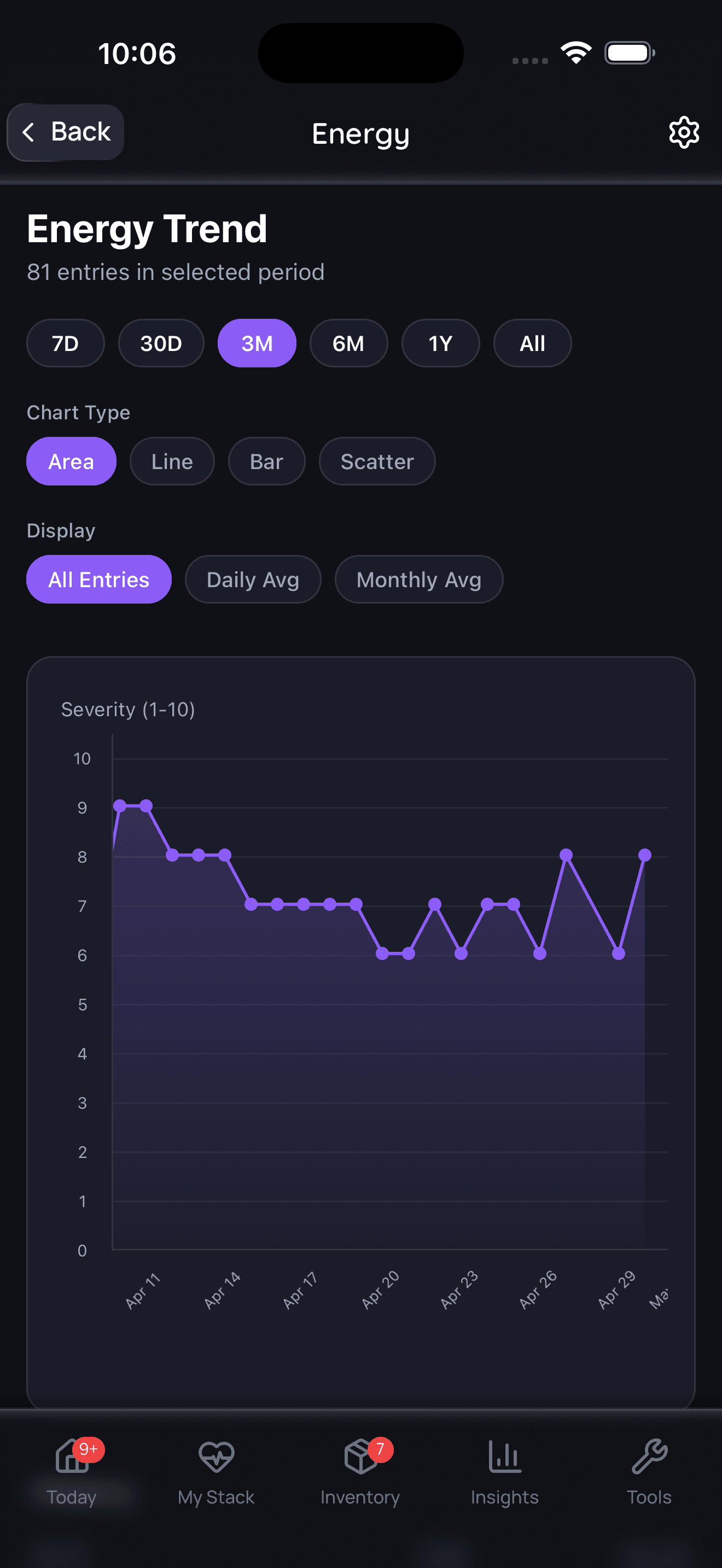
Symptom tracking is informational and should be interpreted with a qualified clinician.
Dosing & Usage Protocols
The Basics
Dosing calcium D-glucarate is complicated by a significant disconnect between what animal research uses and what supplements typically provide. Understanding this gap helps set realistic expectations.
Most supplement products provide 200-500 mg per capsule, with typical daily recommendations of 200-1,500 mg. Some products recommend up to 3,000 mg per day, usually divided into two or three doses.
The animal research, however, used dramatically higher amounts. The minimum dose shown to meaningfully inhibit beta-glucuronidase in rats was approximately 100 mg/kg of bodyweight, with near-maximal effects at 200 mg/kg [1]. For a 70 kg (154 lb) human, even the minimum dose would be 7,000 mg per day, and the optimal dose would be around 14,000 mg per day. These amounts are far above what any supplement product provides.
Does this mean standard supplement doses are useless? Not necessarily. The one phase I human trial described in the literature found that doses of 1.5-9g per day over 4 weeks did inhibit serum beta-glucuronidase [1]. This suggests some activity at lower doses, though the degree of inhibition at typical supplement doses (200-1,500 mg) has never been formally measured.
For general detoxification support, most practitioners and supplement labels suggest 1,500 mg per day, divided into 500 mg three times daily with meals. For estrogen metabolism support, similar doses are commonly cited, often in combination with DIM at 100-400 mg per day.
Since the active metabolite (D-glucaro-1,4-lactone) appears to work for about 5 hours after each dose, dividing the daily dose into multiple servings may provide more consistent enzyme inhibition throughout the day than a single dose [1].
The Science
Animal dose-response data: In rats, dose-response studies established that 2% of the diet as calcium D-glucarate (approximately 2,000 mg/kg bodyweight) produced near-maximal serum beta-glucuronidase inhibition (approximately 50%), with 4% of the diet producing 54-70% inhibition in the intestinal tract. Increasing from 4% to 10% of the diet did not provide additional inhibition, suggesting a ceiling effect [1]. Converting the 2% threshold to human-equivalent doses based on allometric scaling yields approximately 320 mg/kg, or approximately 22,000 mg for a 70 kg adult.
Human dose data: The phase I trial (described indirectly) used escalating doses of 1.5-9g (1,500-9,000 mg) daily over 4 weeks and reported effective serum beta-glucuronidase inhibition [1]. The 2002 monograph suggests that the commonly recommended range of 1,500-3,000 mg daily may have clinical utility [4].
Pharmacodynamic considerations: The 5-hour duration of beta-glucuronidase inhibition after a single dose supports divided dosing strategies (e.g., 500 mg three times daily) to maintain more consistent enzyme inhibition [1].
Combination protocols: In community and clinical practice, calcium D-glucarate is frequently combined with DIM (100-400 mg/day) for estrogen metabolism support. The rationale is complementary mechanisms: DIM shifts estrogen metabolism toward favorable metabolite ratios, while CDG enhances estrogen excretion [3].
When your stack includes several supplements, each with its own dose, form, and timing requirements, the logistics alone can derail consistency. Doserly consolidates all of it into one protocol view, so every dose across your entire routine is accounted for without spreadsheets or guesswork.
The app also tracks cumulative intake for nutrients that appear in multiple products. If your multivitamin, standalone supplement, and fortified protein shake all contain the same nutrient, Doserly adds them up and shows you the total alongside recommended and upper limits. Managing a thoughtful supplement protocol shouldn't require a degree in nutrition science. The app handles the complexity so you can focus on staying consistent.
Track injection timing, draw notes, and site rotation.
Doserly helps keep syringe-related notes, injection site history, reminders, and reconstitution context together for easier review.
Injection log
Site rotation
Injection logs support record-keeping; follow clinician instructions for administration.
What to Expect (Timeline)
Weeks 1-2: Most users report no immediate noticeable effects. Calcium D-glucarate is not a fast-acting supplement. Some individuals in community reports describe mild "detox" symptoms (headaches, mild fatigue, skin breakouts), which may represent enhanced excretion of stored compounds, though this has not been scientifically validated. The supplement itself is generally well-tolerated from day one.
Weeks 3-4: Those taking CDG for estrogen-related symptoms (hormonal acne, PMS, breast tenderness) may begin noticing improvements around this timeframe, particularly if taking consistent daily doses of 1,000-1,500 mg. Community reports suggest that the DIM + CDG combination tends to show effects within the first menstrual cycle of consistent use.
Weeks 5-8: Hormonal effects, if they are going to occur, are typically established by this point. Users report stabilized menstrual cycles, reduced PMS intensity, and improved skin clarity as the most commonly cited benefits. The one phase I trial reference described beta-glucuronidase inhibition within 4 weeks at doses of 1.5-9g/day.
8+ weeks: Long-term users in community reports describe sustained benefits, particularly for estrogen-related symptoms. There are no published data on long-term tolerance, tachyphylaxis (diminishing effect over time), or whether benefits plateau. One community report noted initial improvement in libido that faded after continued use, suggesting possible adaptation effects in some individuals.
Important note: Effects are highly dependent on individual starting conditions. Someone with genuinely elevated beta-glucuronidase activity or estrogen dominance is more likely to notice benefits than someone with normal hormone levels and enzyme activity. Practitioners consistently recommend hormone testing (such as a DUTCH test) before and during supplementation to objectively measure changes.
Interactions & Compatibility
Synergistic
- DIM (Diindolylmethane): The most commonly discussed combination. DIM shifts estrogen metabolism toward favorable metabolite ratios (increasing 2-hydroxy estrogen relative to 16-alpha-hydroxy estrogen), while CDG enhances overall estrogen excretion via glucuronidation support. Complementary mechanisms targeting different phases of estrogen processing.
- Resveratrol: In vitro data show synergistic effects between D-glucaro-1,4-lactone and resveratrol for antiplatelet activity and suppression of DMBA-induced skin carcinogenesis [1][10].
- Sulforaphane: Glucosinolate from cruciferous vegetables that induces Phase II detoxification enzymes including UGTs. Mechanistically complementary with CDG's beta-glucuronidase inhibition. Community reports discuss using both for estrogen support.
- Vitamin D3: General health cofactor. No direct interaction, but vitamin D metabolism involves hydroxylation and glucuronidation, making adequate vitamin D status contextually relevant.
Caution / Avoid
- Prescription medications metabolized via glucuronidation: CDG may theoretically accelerate clearance of drugs metabolized by UGT enzymes. This is a broad category including some statins (atorvastatin), NSAIDs (ibuprofen, naproxen), acetaminophen, certain antidepressants, anticonvulsants, and hormone medications (oral contraceptives, HRT). Consult a healthcare provider before combining.
- Hormone replacement therapy (HRT): CDG may reduce circulating estrogen levels by enhancing estrogen excretion, potentially counteracting the effects of exogenous estrogen therapy. Individuals on HRT should be cautious.
- Oral contraceptives: Similar concern as HRT. Enhanced glucuronidation could theoretically reduce the efficacy of oral contraceptives that are metabolized via this pathway.
- Thyroid medications: Thyroid hormones undergo glucuronidation. Enhanced clearance could theoretically affect circulating levels, though this has not been documented clinically.
- Individuals with already low estrogen or steroid hormones: CDG does not selectively lower estrogen. All glucuronidated steroid hormones are affected. For individuals with low estrogen (postmenopausal without HRT, or those with low steroid production), CDG could worsen hormone deficiency symptoms.
How to Take / Administration Guide
Recommended forms: Calcium D-glucarate is available primarily as capsules and tablets. There is no meaningful form variation (chelated, glycinated, etc.) as there is with mineral supplements. The compound exists essentially as a single standardized ingredient.
Timing: Can be taken with or without food. Some practitioners recommend taking it with meals for convenience and to align with the enterohepatic cycling that occurs after eating. Given the approximately 5-hour duration of action, dividing doses throughout the day (e.g., with breakfast, lunch, and dinner) provides more consistent beta-glucuronidase inhibition than a single daily dose.
Common protocols:
- General support: 500 mg once or twice daily
- Estrogen metabolism support: 500 mg three times daily (1,500 mg total), often combined with DIM 100-200 mg daily
- Higher-dose protocols: Some practitioners recommend up to 3,000 mg daily, divided into two or three doses
Stacking guidance: When combining with DIM, both can be taken at the same time. If also taking prescription medications, space CDG at least 2 hours away from medications as a precautionary measure, particularly for drugs with narrow therapeutic windows.
Cycling: There is no established guidance on cycling calcium D-glucarate. Most users in community reports take it continuously without breaks. There are no data suggesting that breaks are necessary or beneficial, nor is there evidence of tolerance development at typical supplement doses.
Reconstitution: Not applicable. Calcium D-glucarate is available only in solid oral forms (capsules, tablets).
Choosing a Quality Product
Third-party certifications: Look for products tested by USP, NSF International, or ConsumerLab. GMP (Good Manufacturing Practice) certification from the manufacturer is a baseline expectation. NSF Certified for Sport or Informed Sport certification is available for some products and relevant for athletes.
Active form clarity: The ingredient should be listed as "calcium D-glucarate" or "calcium-D-glucarate" on the supplement facts panel. Some products may list the calcium content separately. Verify the actual calcium D-glucarate dose (not just the calcium content, which is a small fraction of the compound weight).
Proprietary blend concerns: Some combination products include CDG in proprietary blends alongside DIM, sulforaphane, or other ingredients without disclosing individual doses. Avoid these; knowing the exact CDG dose matters because the dose-response relationship is not well-characterized at typical supplement levels.
Red flags:
- Products claiming calcium D-glucarate can "cure" cancer, "flush toxins," or "balance hormones" are making unsupported claims
- Mega-dose products exceeding 3,000 mg per capsule (not per day) without clear dosing guidance
- Products marketed primarily as calcium supplements that happen to contain D-glucarate
Excipient considerations: Standard inactive ingredients (vegetable cellulose capsules, microcrystalline cellulose, silica, stearic acid) are common and generally well-tolerated. Some products use ascorbyl palmitate as a preservative. Check for allergen statements if sensitive to common fillers.
Patent/licensed forms: Some products use calcium D-glucarate licensed from Applied Food Sciences, LLC, which holds several U.S. patents on the ingredient. Patented forms are not necessarily superior but indicate ingredient traceability.
Storage & Handling
Calcium D-glucarate should be stored in a cool, dry place at room temperature, away from direct sunlight and excessive moisture. Keep the container tightly closed between uses. No refrigeration is required.
The compound is relatively stable under normal storage conditions. There are no known light-sensitivity or heat-sensitivity concerns at standard room temperatures, though extreme heat (above 40 degrees C / 104 degrees F) should be avoided as with most supplements.
Shelf life is typically 2-3 years from manufacture when stored properly. Follow the expiration date on the product label. Powdered or opened products may have reduced shelf life due to moisture exposure.
Lifestyle & Supporting Factors
Dietary sources: Glucaric acid occurs naturally in fruits and vegetables, with the highest concentrations in oranges (4.63 mg/100g), carrots (2.45 mg/100g), spinach (1.58 mg/100g), apples (1.57 mg/100g), and broccoli (1.32 mg/100g) [1][2]. A diet rich in cruciferous vegetables and citrus fruits provides a baseline of dietary glucaric acid, though the amounts are substantially lower than supplement doses.
Fiber and gut health: Because beta-glucuronidase is produced by gut bacteria, overall gut microbiome composition influences baseline enzyme activity. A high-fiber diet supports a diverse microbiome that may naturally keep beta-glucuronidase levels in check. Fermented foods and probiotics may also influence gut beta-glucuronidase activity, though the direction of effect depends on the specific bacterial strains involved.
Alcohol and liver load: Heavy alcohol consumption places significant demands on liver detoxification pathways. Individuals with high toxic burden from alcohol, medications, or environmental exposures may have greater need for glucuronidation support, though CDG should not be viewed as a remedy for poor liver health.
Exercise: Regular physical activity supports healthy hormone metabolism and liver function. Exercise-induced improvements in insulin sensitivity and body composition may also reduce estrogen dominance, complementing CDG's mechanism.
Body weight: Adipose tissue is a significant source of aromatase activity (converting androgens to estrogen). Excess body fat can contribute to elevated circulating estrogen. Weight management through diet and exercise addresses estrogen balance at the source, while CDG supports elimination at the excretion step.
Caloric restriction: Interestingly, caloric restriction has been shown to suppress beta-glucuronidase activity independently [1]. This suggests that fasting or caloric restriction may have a synergistic relationship with CDG's mechanism, though this has not been directly studied.
Regulatory Status & Standards
United States (FDA): Calcium D-glucarate is marketed as a dietary supplement under the Dietary Supplement Health and Education Act (DSHEA) of 1994. It is not classified as a drug. The ingredient has been commercially available since the 1990s. No New Dietary Ingredient (NDI) notification issues have been publicly reported. As with all dietary supplements, manufacturers cannot legally claim that CDG diagnoses, treats, cures, or prevents any disease.
Canada (Health Canada): Calcium D-glucarate may be available as a natural health product. Specific NPN (Natural Product Number) status varies by product. Health Canada monographs do not currently include a dedicated calcium D-glucarate entry.
European Union (EFSA): Calcium D-glucarate does not have specific EFSA-authorized health claims. Its regulatory status varies by EU member state. It has not been classified as a Novel Food.
Australia (TGA): Regulatory status for calcium D-glucarate in Australia is not well-documented in available sources. Products may be available as listed medicines.
Active clinical trials: As of the knowledge cutoff, no registered clinical trials for calcium D-glucarate on ClinicalTrials.gov have been identified for human therapeutic outcomes.
Athlete & Sports Regulatory Status:
- WADA: Calcium D-glucarate does not appear on the current WADA Prohibited List (2026). It is not classified as a prohibited substance in or out of competition.
- National Anti-Doping Agencies: No specific alerts or guidance regarding calcium D-glucarate have been issued by USADA, UKAD, Sport Integrity Canada, or Sport Integrity Australia.
- Professional Sports Leagues: No league-specific restrictions on calcium D-glucarate have been identified for NFL, NBA, MLB, NHL, MLS, or NCAA.
- Athlete Certification Programs: Some calcium D-glucarate products may carry NSF Certified for Sport or Informed Sport certification. Athletes should verify individual product certification status.
- GlobalDRO: Athletes can check calcium D-glucarate status at GlobalDRO.com for their specific sport and jurisdiction.
Regulatory status and prohibited substance classifications change frequently. Athletes should always verify the current status of any supplement with their sport's governing body, their national anti-doping agency, and a qualified sports medicine professional before use. Third-party certification (Informed Sport, NSF Certified for Sport) reduces but does not eliminate the risk of contamination with prohibited substances.
Frequently Asked Questions
What does calcium D-glucarate actually do?
Calcium D-glucarate supports your body's glucuronidation pathway, a natural detoxification process. Its active metabolite inhibits an enzyme (beta-glucuronidase) that would otherwise reverse your liver's tagging of substances for elimination. This helps ensure that used hormones, environmental toxins, and other tagged substances are actually excreted rather than reabsorbed.
Will calcium D-glucarate lower my estrogen?
Based on animal data, high doses of calcium D-glucarate reduced serum estrogen by 23% in rats. However, the doses used in animal studies are dramatically higher than typical supplement doses. Whether standard supplement doses (200-1,500 mg/day) meaningfully reduce estrogen in humans has not been directly measured. Practitioners recommend hormone testing before and during use to track any changes.
Is calcium D-glucarate the same as regular calcium?
No. While calcium D-glucarate contains a small amount of calcium (about 12% by weight), it is not a meaningful calcium source and is not taken for bone health. The active component is D-glucaric acid, not calcium. The calcium is simply part of the salt form used for stability.
Can I take calcium D-glucarate with DIM?
This is one of the most common supplement combinations. DIM (diindolylmethane) works on estrogen metabolism at a different step than CDG, shifting the ratio of estrogen metabolites. CDG then helps the body excrete the processed estrogen. Many users and practitioners combine both. They can be taken at the same time.
Should I take calcium D-glucarate with food?
It can be taken with or without food. Some practitioners recommend taking it with meals for convenience and because enterohepatic cycling (the process CDG targets) is active after eating. Dividing doses throughout the day may provide more consistent effects than a single daily dose.
Can calcium D-glucarate interfere with my medications?
Potentially, yes. Because CDG enhances the glucuronidation pathway, it could theoretically speed up the clearance of medications that are metabolized through this same pathway. This includes some statins, NSAIDs, acetaminophen, oral contraceptives, and hormone therapies. Consult your healthcare provider before taking CDG alongside prescription medications.
How long does it take to work?
Most community reports suggest 3-4 weeks of consistent use before noticing effects on estrogen-related symptoms. The one described phase I trial found beta-glucuronidase inhibition within 4 weeks. Some individuals report initial "detox" symptoms in the first 1-2 weeks.
Will calcium D-glucarate lower my testosterone?
This is theoretically possible. Testosterone is glucuronidated and could be affected by enhanced glucuronidation. However, no studies have directly measured testosterone changes from CDG supplementation. The effect, if any, would be expected to be proportional to the dose and would affect testosterone alongside all other steroid hormones.
Is calcium D-glucarate safe for long-term use?
Animal studies using high doses across three generations showed no toxic effects. The limited human data available also report no toxicity. However, long-term human safety studies have not been conducted. Given the theoretical potential to lower steroid hormones, periodic hormone testing is advisable for long-term users.
Does calcium D-glucarate prevent cancer?
Animal studies show impressive reductions in carcinogen-induced tumors, but these results have not been replicated in human clinical trials. No human study has demonstrated cancer prevention from calcium D-glucarate. The supplement should not be used as a cancer prevention or treatment strategy outside of medical supervision.
Myth vs. Fact
Myth: Calcium D-glucarate is a powerful detox supplement that "cleanses" your body.
Fact: CDG supports one specific step of one specific detoxification pathway (glucuronidation). It inhibits an enzyme that reverses your liver's work, helping tagged substances leave the body. This is a real mechanism, but it is not a full-body "cleanse" or "detox." It does not address liver health directly, does not remove heavy metals, and does not enhance Phase I liver detoxification [1][4].
Myth: The doses in supplements are clinically proven to work.
Fact: Most animal studies used doses equivalent to 7,000-14,000+ mg per day for a human, while supplements typically provide 200-1,500 mg per day. The one phase I human trial reference found beta-glucuronidase inhibition at 1,500-9,000 mg/day, but detailed data were never published. Whether standard supplement doses produce clinically meaningful effects is genuinely unknown [1].
Myth: Calcium D-glucarate selectively lowers estrogen.
Fact: CDG's mechanism enhances the excretion of all substances that undergo glucuronidation, including all steroid hormones (estrogen, testosterone, DHEA, androstenedione, corticosteroids), bilirubin, and certain drugs. It does not distinguish between "good" and "bad" estrogen, nor does it target estrogen specifically. Anyone with already-low steroid hormone levels could be negatively affected [1].
Myth: Calcium D-glucarate prevents cancer.
Fact: Animal studies show reduced tumor formation when CDG is given alongside specific carcinogens, but CDG has no inherent anticancer properties. It works only by enhancing excretion of carcinogens that happen to be processed through glucuronidation. Cancers arising from inflammation, oxidative damage, or carcinogens not processed through this pathway would not be expected to be affected. No human cancer prevention trials have been conducted [1][3].
Myth: You can get enough glucaric acid from diet alone.
Fact: While glucaric acid is found in oranges, apples, broccoli, and other produce, the concentrations are very low (less than 5 mg per 100g even in the richest sources). Researchers have specifically noted that dietary concentrations are unlikely to confer sufficient biological activity for the effects observed in research [1][2].
Myth: Calcium D-glucarate is a good source of calcium.
Fact: The calcium content of CDG is approximately 12% by weight, meaning a 500 mg capsule contains roughly 60 mg of calcium. This is less than 5% of the daily recommended calcium intake. CDG is not a calcium supplement and should not be relied upon for calcium nutrition [2].
Myth: Everyone with hormonal issues should take calcium D-glucarate.
Fact: CDG is specifically relevant for individuals with elevated beta-glucuronidase activity or impaired estrogen excretion. Many hormonal issues (low progesterone, thyroid dysfunction, adrenal insufficiency) are not related to glucuronidation and would not be addressed by CDG. Practitioners consistently recommend hormone testing before supplementing to determine whether CDG is appropriate for an individual's specific hormonal profile.
Sources & References
Reviews & Monographs
[1] Walaszek Z, Szemraj J, Hanausek M, Adams AK, Sherman U. "D-glucaric acid content of various fruits and vegetables and cholesterol-lowering effects of dietary D-glucarate in the rat." Nutr Res. 1996;16(4):673-681. Also: Walaszek Z. "Potential use of D-glucaric acid derivatives in cancer prevention." Cancer Lett. 1990;54(1-2):1-8. Multiple publications from Walaszek and colleagues (1986-2004) establishing pharmacology, dosing, and safety of calcium D-glucarate.
[2] Dwivedi C, et al. "Effect of calcium glucarate on beta-glucuronidase activity and glucarate content of certain vegetables and fruits." Biochem Med Metab Biol. 1990;43:83-92.
[3] Memorial Sloan Kettering Cancer Center. "Calcium Glucarate." About Herbs database. Last updated March 22, 2022. https://www.mskcc.org/cancer-care/integrative-medicine/herbs/calcium-glucarate
[4] "Calcium-D-glucarate." Alternative Medicine Review. 2002;7(4):336-339. PMID: 12197785.
Preclinical Pharmacokinetic Studies
[5] Walaszek Z, et al. "Metabolism, uptake, and excretion of a D-glucaric acid salt and its potential use in cancer prevention." Cancer Detect Prev. 1997;21:178-90. PMID: 9101079.
Animal Cancer Prevention Studies
[6] Walaszek Z, et al. "Dietary glucarate-mediated reduction of sensitivity of murine strains to chemical carcinogenesis." Cancer Lett. 1986;33(1):25-32. PMID: 3768860.
[7] Walaszek Z, Hanausek M, Narog M, et al. "Mechanisms of lung cancer chemoprevention by D-glucarate." Chest. 2004;125(5 Suppl):149s-150s.
[8] Mackenzie PI, et al. "The UDP glycosyltransferase gene superfamily: recommended nomenclature update based on evolutionary divergence." Pharmacogenet Genomics. 2005;15(10):677-685.
[9] Ervin SM, et al. "Gut microbial beta-glucuronidases reactivate estrogens as components of the estrobolome that reactivate estrogens." J Biol Chem. 2019;294(49):18586-18599.
[10] Saluk-Juszczak J. "A comparative study of antioxidative activity of calcium-D-glucarate, sodium D-gluconate and D-glucono-1,4-lactone in a human blood platelet model." Rocz Panstw Zakl Hig. 2010;61(4):367-71. PMID: 20873960.
[11] Ayyadurai VAS, Deonikar P, Fields C. "Mechanistic Understanding of D-Glucaric Acid to Support Liver Detoxification Essential to Muscle Health Using a Computational Systems Biology Approach." Nutrients. 2023;15(3):733. PMID: 36771439.
Human Studies
[12] Heerdt AS, et al. "Calcium glucarate as a chemopreventive agent in breast cancer." Isr J Med Sci. 1995;31:101-5.
Animal Carcinogenesis Studies
[13] Abou-Issa H, et al. "Relative efficacy of glucarate on the initiation and promotion phases of rat mammary carcinogenesis." Anticancer Res. 1995;15:805-10.
[14] Yoshimi N, et al. "Inhibition of azoxymethane-induced rat colon carcinogenesis by potassium hydrogen D-glucarate." Int J Oncol. 2000;16:43-8.
[15] Wargovich MJ, Jimenez A, McKee K, et al. "Efficacy of potential chemopreventive agents on rat colon aberrant crypt formation and progression." Carcinogenesis. 2000;21(6):1149-1155.
[16] Singh J, Gupta KP. "Calcium glucarate prevents tumor formation in mouse skin." Biomed Environ Sci. 2003;16(1):9-16. PMID: 12747003.
[17] Tiwari P, Sahay S, Pandey M, et al. "Combinatorial chemopreventive effect of butyric acid, nicotinamide and calcium glucarate against DMBA-induced mouse skin tumorigenesis." Chem Biol Interact. 2015;226:1-11.
[18] Oredipe OA, Barth RF, Dwivedi C, Webb TE. "Dietary glucarate-mediated inhibition of initiation of diethylnitrosamine-induced hepatocarcinogenesis." Toxicology. 1992;74(2-3):209-22. PMID: 1519243.
[19] Walaszek Z. "Potential use of D-glucaric acid derivatives in cancer prevention." Cancer Lett. 1990;54(1-2):1-8. PMID: 2208084.
Related Supplement Guides
Same Category (Detoxification / Hormone Support)
- DIM (Diindolylmethane) — Estrogen metabolite ratio modulation; frequently combined with CDG
- Sulforaphane — Phase II detoxification enzyme inducer from cruciferous vegetables
- N-Acetyl Cysteine (NAC) — Glutathione precursor, liver detoxification support
- Milk Thistle — Silymarin for liver antioxidant support
Common Stacks / Pairings
- Resveratrol — Synergistic antiplatelet and chemopreventive effects with CDG
- Vitamin D3 — General health cofactor; metabolism involves glucuronidation
- Probiotics (Lactobacillus) — Gut microbiome support may influence beta-glucuronidase activity
Related Health Goal (Hormone Balance)
- Inositol — Hormone regulation, particularly for PCOS
- Vitex (Chaste Tree Berry) — Progesterone support for menstrual cycle regulation
- Black Cohosh — Menopausal symptom relief
- Maca Root — Adaptogenic hormone balance support