
In this guide
What is L-Methionine?
L-methionine is an indispensable sulfur-containing amino acid and a methyl-group precursor. WHO reports both methionine alone and the combined methionine-plus-cysteine requirement because cysteine can spare some methionine demand. The dietary requirement describes total intake from foods and supplements combined; it does not prescribe a powder. [1]
Typical L-Methionine Research Protocols
| Source and population | Form and amount per administration | Frequency | Total exposure | Duration or window |
|---|---|---|---|---|
| Ditscheid 2005 · 20 women, including 8 with chronic urinary tract infection | L-methionine 500 mg per administration | Three times daily | 1.5 g/day | 4 weeks, double-blind crossover |
These rows reproduce studies. Do not average their populations, forms, frequencies or durations into one regimen.
From dietary requirement to claim
Units, mixture, timing and endpoint stay attached to their source.
Should L-Methionine be cycled?
No verified trial establishes a cycle. A review point can limit indefinite use, but it does not prove a physiological reset.
What happens when it is stopped?
No withdrawal syndrome is established. An acute or short study cannot predict persistence after stopping.
Which foods provide it?
Meat, fish, eggs, dairy, soy and other legumes provide indispensable amino acids within complete protein matrices. Portions and digestibility vary; a value in mg/kg/day concerns total dietary intake. [1]
Which forms and label details matter?
Products may contain free L-methionine or include it inside an EAA blend. Do not confuse the WHO figure of 10 mg/kg/day for methionine alone with the 15 mg/kg/day combined methionine-plus-cysteine requirement, and do not turn either dietary value into a capsule target.
How should it be stored?
Follow the finished-product label, close the container and protect it from moisture and heat. Keep the lot number and discard a product with a broken seal or unexplained change.
What is L-Methionine commonly used for?
Methionine is promoted for methylation, liver support and antioxidant pathways. A precursor role is biochemical context, not evidence that adding methionine improves those clinical outcomes in replete people.
What does human research show?
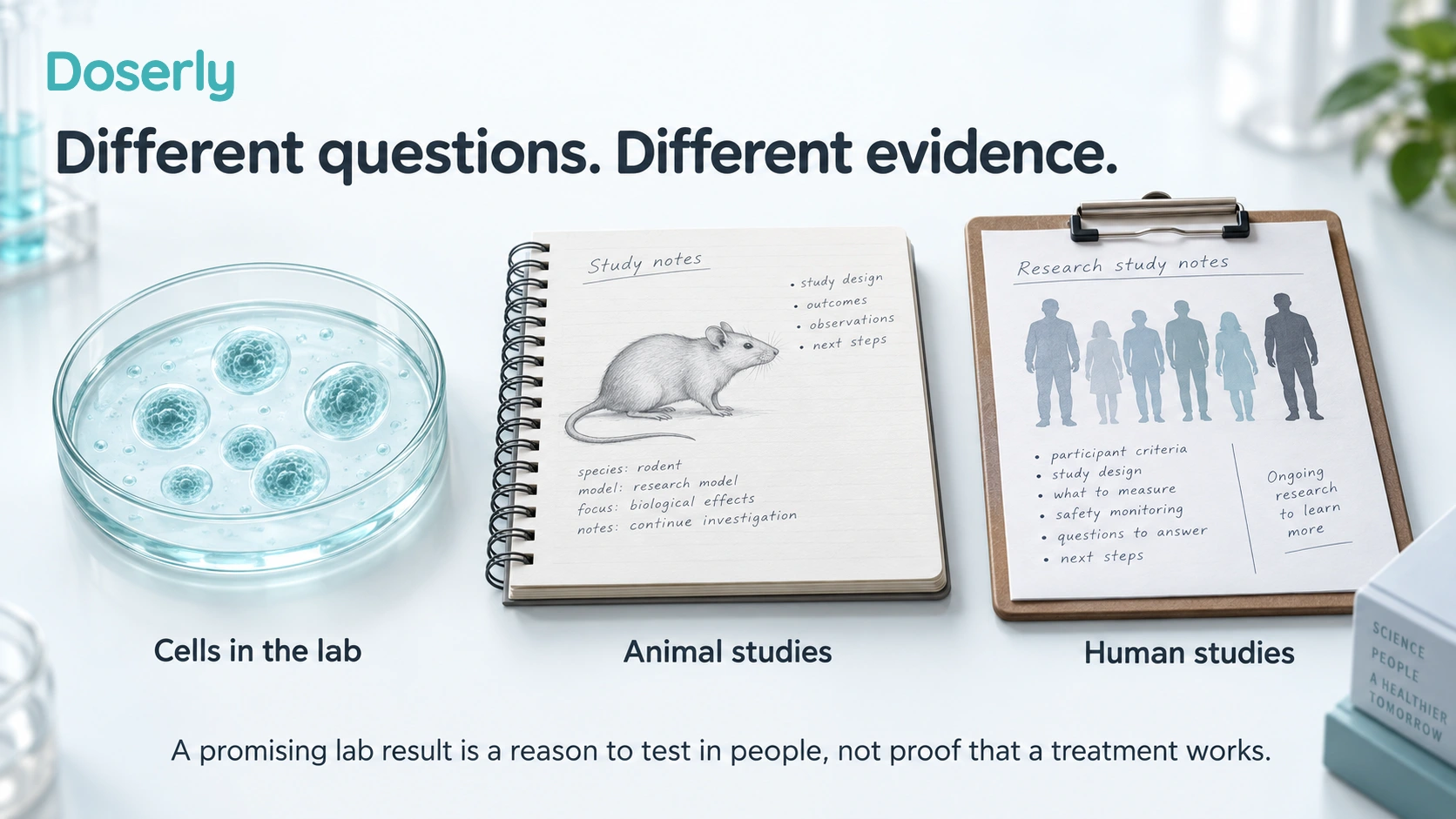
In the placebo-controlled crossover study, 500 mg of L-methionine three times daily for four weeks raised plasma homocysteine by about 2.0 µmol/L despite adequate vitamin status. This is a biomarker and safety signal, not proof of clinical harm, but it directly challenges casual claims that more methionine is automatically beneficial. The authors’ discussion of vitamin prevention was a hypothesis; the trial did not establish a protective folate regimen. [2]
How might it act?
As an indispensable amino acid, L-Methionine contributes to protein synthesis and specific metabolic pathways. A normal biochemical role does not establish that a concentrated dose improves symptoms in someone whose intake is adequate.
What are the risks and interactions?
Supplemental methionine can alter homocysteine. Do not add folate, B6 or B12 as an improvised antidote; review the indication and complete regimen with a clinician. Kidney or liver disease, pregnancy, breastfeeding and homocystinuria require individualized medical advice.
Which medicines can interact?
Product-specific interaction data are limited. Have the complete formula reviewed by a pharmacist when taking medicines, especially for neurologic, psychiatric, metabolic, kidney or liver conditions. Do not invent a universal separation interval.
Regulatory status: In the United States, supplements are not routinely approved for efficacy before sale. In Canada, check the NPN or DIN-HM and licensed label conditions. [3], [4]
What should be monitored?
Record product, lot, form, amount per administration, frequency, daily total, co-ingredients, dietary context, symptoms and intended outcome. Set a review date before starting.
Stop and seek advice for an allergic reaction, persistent vomiting, unusual weakness, confusion or another severe symptom.
What do public communities report?
Public discussions often emphasize taste, timing and felt effects while omitting lot, total diet and validated outcomes. This update did not independently recrawl or quantify those posts.
How does L-Methionine compare?
| Option | What it supplies | Limit |
|---|---|---|
| L-Methionine | One defined amino acid | Does not replace complete protein |
| EAAs | All nine indispensable amino acids | Formula varies |
| BCAAs | Leucine, isoleucine and valine | Six EAAs are absent |
| Complete protein | All EAAs in a protein matrix | Portion and digestibility vary |
Common questions about L-Methionine
Is methionine the same target as methionine plus cysteine?
No. WHO reports 10 mg/kg/day for methionine alone and 15 mg/kg/day for the combined sulfur amino acids; both concern total diet.
Does extra methionine improve methylation?
A biochemical methyl-donor role does not prove a clinical benefit in replete people.
What happened in the 1.5 g/day trial?
Five hundred milligrams three times daily for four weeks raised plasma homocysteine by about 2.0 µmol/L.
Does that homocysteine rise prove harm?
No. It is a biomarker and safety signal, not a measured clinical event.
Should folate or B vitamins be added to offset methionine?
The trial did not establish a protective vitamin regimen. Review the reason for methionine and the complete regimen instead.
What should I track?
Record free methionine, 500 mg administrations, meal timing, total diet, relevant laboratory context, medicines and review date.
Glossary
Plain terms for interpreting the evidence.
- Indispensable amino acid
- An amino acid the diet must provide.
- Dietary requirement
- Total required intake; not a supplement dose.
- Amount per administration
- Amount consumed at one time, distinct from daily total.
- NOAEL
- Highest tested level without an observed adverse effect in one study; not automatically a UL.
- UL
- Tolerable Upper Intake Level established by an authority.
- Biomarker
- Biological measure that is not necessarily a felt or clinical benefit.
How this guide was researched
The complete WHO report, accessible primary human studies and live NCBI metadata were read on October 9, 2026. Titles, authors, journals, DOI, PMID, available PMCID and CommentsCorrections were checked. Open full text supplied methods details; an unreported frequency was not guessed. [1], [2], [3], [4]
How this guide was made
Research and drafting were AI-assisted. This draft awaits Doserly editorial review and independent clinical review. See the editorial policy.
Explore the sources
Sources preserve form, dose, frequency, population, duration and outcome.
Showing 4 sources
- 01
Protein and amino acid requirements in human nutrition: report of a joint WHO/FAO/UNU expert consultation ↗
Official expert report
Current primary source and identity checked; limitations are retained in the text.
Detail: Adult dietary requirement: 10 mg/kg/day; it is not a supplement dose.
- 02
Effect of L-methionine supplementation on plasma homocysteine and other free amino acids: a placebo-controlled double-blind cross-over study. ↗
Double-blind crossover study
Current primary source and identity checked; limitations are retained in the text.
Detail: 500 mg three times daily for four weeks; plasma homocysteine increased.
- 03
Questions and Answers on Dietary Supplements ↗
U.S. regulatory overview
Current primary source and identity checked; limitations are retained in the text.
Detail: Dietary supplements are not routinely FDA-approved for efficacy before sale.
- 04
Product Licensing ↗
Canadian licensing overview
Current primary source and identity checked; limitations are retained in the text.
Detail: Canadian authorization attaches to the licensed finished product and label conditions.
No matching sources
Try a different term or show the full list.