
L-Leucine: The Complete Supplement Guide
On this page
Quick Reference Card
Attribute
Common Name
- Detail
- L-Leucine
Attribute
Other Names / Aliases
- Detail
- Leucine, 2-Amino-4-methylpentanoic acid, L-alpha-aminoisocaproic acid, Leucinum
Attribute
Category
- Detail
- Essential Amino Acid (Branched-Chain Amino Acid / BCAA)
Attribute
Primary Forms & Variants
- Detail
- Free-form L-Leucine powder (most common supplement form); L-Leucine capsules; Leucine as part of BCAA blends (typically 2:1:1 ratio with isoleucine and valine); Dileucine (DL-185, dipeptide form); Leucine-enriched whey protein. Free-form leucine has rapid absorption but lower overall anabolic sustainability compared to leucine within intact protein.
Attribute
Typical Dose Range
- Detail
- 2-5 g per meal or serving (to reach the leucine threshold for muscle protein synthesis activation); up to 10-15 g/day total from supplements
Attribute
RDA / AI / UL
- Detail
- No RDA or AI established for leucine individually by the IOM/National Academies. Estimated Average Requirement for total leucine: approximately 42 mg/kg/day (WHO/FAO/UNU). Tolerable Upper Intake Level: approximately 500 mg/kg/day (35 g/day for young adults, 30 g/day for elderly adults) based on dose-response studies [1]
Attribute
Common Delivery Forms
- Detail
- Powder (bulk, unflavored), capsules, BCAA blend powders, essential amino acid (EAA) blends, leucine-enriched protein powders
Attribute
Best Taken With / Without Food
- Detail
- Best taken with a protein-containing meal or protein shake. Leucine requires the presence of other essential amino acids for muscle protein synthesis. Can be taken on an empty stomach but may cause mild GI discomfort at higher doses.
Attribute
Key Cofactors
- Detail
- Other essential amino acids (particularly the remaining 8 EAAs); carbohydrates (synergistic with leucine for insulin secretion); Vitamin B6 (leucine metabolism may increase B6 requirements); Vitamin B3/Niacin (excessive leucine may interfere with B3 synthesis)
Attribute
Storage Notes
- Detail
- Store in a cool, dry place away from direct sunlight and moisture. Powder form is hygroscopic and can clump if exposed to humidity. Keep container tightly sealed.
Overview
The Basics
L-Leucine is one of nine essential amino acids, meaning your body cannot make it on its own and must get it from food or supplements. It belongs to a group of three amino acids called branched-chain amino acids (BCAAs), alongside isoleucine and valine, named for their branching molecular structure.
What makes leucine stand out from all other amino acids is its unique ability to signal your body to start building muscle protein. Think of it like turning a key in an ignition: leucine activates a molecular switch (called mTOR) that tells your cells it is time to begin assembling new proteins. No other single amino acid flips this switch as powerfully as leucine does.
Leucine is naturally present in virtually all protein-containing foods. Dairy products, meat, poultry, fish, eggs, soy, and legumes all contain meaningful amounts. A typical serving of chicken breast (around 170 grams) provides roughly 3.5 grams of leucine, which is enough to activate muscle protein synthesis. For most people eating a balanced diet with adequate protein (1.6 g/kg body weight per day or more), additional leucine supplementation may offer minimal extra benefit. However, certain groups, including older adults who become less responsive to leucine's effects, individuals eating lower protein diets, and people recovering from illness or surgery, may benefit from targeted supplementation [2][3].
The Science
L-Leucine (2-Amino-4-methylpentanoic acid; CAS 61-90-5) is an essential branched-chain amino acid (BCAA) that serves dual roles as both a substrate for protein synthesis and a nutrient signal that activates anabolic pathways [4]. Among the three BCAAs (leucine, isoleucine, valine), leucine is the most potent activator of the mechanistic target of rapamycin complex 1 (mTORC1), a central regulator of cell growth and protein synthesis [5].
Leucine is exclusively ketogenic, meaning its carbon skeleton is metabolized into ketone bodies (acetoacetate and acetyl-CoA) rather than glucose. This distinguishes it from valine (glucogenic) and isoleucine (both ketogenic and glucogenic) [4]. The initial step in leucine catabolism is reversible transamination by branched-chain aminotransferase (BCAT) to alpha-ketoisocaproic acid (KIC), which is then irreversibly oxidized by the branched-chain alpha-keto acid dehydrogenase (BCKDH) complex. Approximately 5% of ingested leucine is converted to beta-hydroxy-beta-methylbutyrate (HMB) via the cytosolic KIC dioxygenase pathway [4].
Leucine accounts for approximately 7-9% of amino acid residues in average body proteins and roughly 35% of the essential amino acid content of muscle protein [6]. The WHO/FAO/UNU estimated average requirement is 39 mg/kg/day (approximately 42 mg/kg/day in more recent analyses), though requirements may be higher in older adults due to anabolic resistance [1][3].
Chemical & Nutritional Identity
Property
Chemical Name
- Value
- L-Leucine (2-Amino-4-methylpentanoic acid)
Property
Molecular Formula
- Value
- C6H13NO2
Property
Molecular Weight
- Value
- 131.17 g/mol
Property
CAS Number
- Value
- 61-90-5
Property
PubChem CID
- Value
- 6106
Property
Category
- Value
- Essential Amino Acid, Branched-Chain Amino Acid (BCAA)
Property
Configuration
- Value
- L-isomer (biologically active)
Property
FEMA Number
- Value
- 3297
Property
FDA GRAS Regulations
- Value
- 21 CFR 172.320, 172.804
Property
JECFA Flavor Number
- Value
- 1423
Property
Estimated Average Requirement
- Value
- 42 mg/kg/day (WHO/FAO/UNU)
Property
Tolerable Upper Intake Level (Young adults)
- Value
- Approximately 500 mg/kg/day (35 g/day for 70 kg individual) [1]
Property
Tolerable Upper Intake Level (Elderly)
- Value
- Approximately 430 mg/kg/day (30 g/day for 70 kg individual) [1]
There is no formally established RDA or Adequate Intake (AI) for leucine as an individual amino acid. The IOM/National Academies set dietary reference intakes for total protein, not individual amino acids. The UL values cited above come from dose-response clinical trials specifically designed to establish safe upper limits in healthy adult men [1].
Mechanism of Action
The Basics
Leucine works primarily by activating a protein complex in your cells called mTOR (mechanistic target of rapamycin). Think of mTOR as your body's master growth switch. When leucine levels rise in your blood after eating protein or taking a supplement, it signals mTOR to "turn on" the protein-building machinery inside your muscle cells.
This is different from how exercise stimulates muscle growth. Exercise activates mTOR through mechanical stress on the muscle fibers, with a delay of an hour or two. Leucine activates it through a chemical signal, working in all cells, not just the ones being exercised. When you combine exercise with leucine-rich protein intake, the two signals stack together for a stronger anabolic response than either one alone.
Leucine also stimulates your pancreas to release insulin, which further supports the muscle-building process. In the presence of glucose (carbohydrates), leucine and glucose work synergistically to produce a stronger insulin response than either one would alone. On an equimolar basis, leucine's insulin-stimulating potency is approximately two-thirds that of glucose itself [7].
Beyond muscle, leucine's metabolites (particularly KIC and HMB) activate longevity-related proteins called sirtuins (SIRT1 and SIRT3), which are involved in mitochondrial health and energy production. This activation has been compared in potency to resveratrol, though it requires higher concentrations [4].
The Science
Leucine activates mTORC1 through a pathway distinct from insulin signaling. While insulin activates mTOR via the PI3K/Akt cascade, leucine signals through human vacuolar protein sorting 34 (hVPS34), a class III PI3K. The proposed signaling cascade proceeds: SHP-2 (tyrosine phosphatase) triggers intracellular calcium mobilization, which promotes hVPS34 binding to calmodulin, leading to mTORC1 activation (possibly via Rheb GTPase), subsequent S6K1 phosphorylation, and ultimately enhanced muscle protein synthesis [4].
mTORC1 activation by leucine stimulates protein synthesis through two parallel downstream effectors: (1) phosphorylation of p70S6 kinase (p70S6K) via PDK1, which enhances ribosomal protein synthesis, and (2) phosphorylation of 4E-BP1 (eukaryotic initiation factor 4E-binding protein 1), releasing eIF4E to initiate cap-dependent mRNA translation [4][8]. Both pathways have been confirmed in human skeletal muscle following oral leucine supplementation [9].
Notably, leucine does not activate Akt/PKB in human skeletal muscle despite stimulating pancreatic insulin release, suggesting that the insulin secretion induced by leucine is insufficient to meaningfully activate the Akt arm of the mTOR pathway in vivo [4][9].
Leucine's insulin secretagogue activity operates through two mechanisms: (1) allosteric activation of glutamate dehydrogenase (GDH), increasing ATP/ADP ratio in beta cells, and (2) KIC-mediated inhibition of K-ATP channels and calcium oscillations, with subsequent mTOR-dependent suppression of alpha-2A adrenergic receptor expression in pancreatic beta cells. The mTOR-dependent pathway appears dominant, as rapamycin abolishes leucine-induced insulin secretion [4][7].
Leucine metabolites KIC and HMB activate SIRT1 at 0.5 mM with 30-100% stimulation above baseline, comparable in magnitude to resveratrol at 2-10 microM. This activation promotes mitochondrial biogenesis through PGC-1alpha signaling, with synergistic effects observed when leucine or HMB is combined with resveratrol in both adipocyte and skeletal muscle cell models [4][10].
Absorption & Bioavailability
The Basics
Free-form leucine supplements are absorbed rapidly, typically reaching peak blood levels within 30 to 60 minutes after ingestion. This fast absorption is both an advantage and a limitation. The quick spike in blood leucine levels is effective at triggering the mTOR signal for muscle protein synthesis, but the signal may not be sustained long enough to maximize the overall anabolic response.
By comparison, leucine consumed as part of whole protein (like whey, casein, or a chicken breast) is released more gradually as the protein is digested. This slower, sustained release appears to maintain elevated blood amino acid levels for longer, which may better support extended periods of protein synthesis, particularly in the 3 to 5 hour post-exercise window [11].
The form you choose matters less for the initial mTOR activation (which requires reaching a threshold of approximately 2.5 to 3 grams of leucine at one time) and more for the overall quality and duration of the anabolic response. This is why many nutrition researchers suggest that getting leucine from high-quality protein sources, rather than as an isolated supplement, may produce better long-term outcomes [11][12].
The Science
Free-form L-leucine is transported across the intestinal epithelium via the L-type amino acid transporter (LAT1/SLC7A5), a sodium-independent large neutral amino acid transporter that also mediates blood-brain barrier transport [4]. Leucine shares this transporter with other large neutral amino acids including the other BCAAs, tryptophan, phenylalanine, and tyrosine, creating competitive dynamics at the absorption level [12].
Oral bioavailability of free-form leucine is high, though precise figures are less well-characterized than for many other nutrients. Peak plasma leucine concentrations following 25 g whey protein (containing approximately 3 g leucine) are reached within 60-90 minutes, while free-form leucine may peak within 30-45 minutes [11]. The faster absorption kinetics of free-form leucine produce a higher but shorter-duration plasma leucine spike compared to protein-bound leucine.
A critical distinction exists between acute mTORC1 activation (which correlates with peak leucine concentration) and sustained muscle protein synthesis (which requires continued availability of all essential amino acids). A suboptimal 6.25 g dose of whey protein supplemented with leucine (to match the leucine content of 25 g whey) equivalently stimulated muscle protein synthesis at 1-3 hours post-exercise, but only the full 25 g whey dose sustained elevated rates at 3-5 hours (184% vs. 55%) [11]. This suggests that leucine's triggering effect requires the full complement of EAAs for sustained protein synthesis.
All three BCAAs share the BCKDH enzyme complex for irreversible degradation, and leucine is the primary activator of this enzyme. High-dose leucine supplementation (above approximately 17.5 g/day in young adults, 10.5 g/day in elderly adults) significantly reduces plasma concentrations of isoleucine and valine through enhanced BCKDH activity, a phenomenon termed BCAA antagonism [1]. This metabolic interaction is a key consideration for isolated leucine supplementation protocols.
Research & Clinical Evidence
The Basics
The research on leucine supplementation tells a nuanced story. At the molecular level, leucine is unquestionably the most powerful amino acid signal for muscle protein synthesis. However, translating this molecular potency into real-world muscle gains from supplementation has proven far more complicated.
For younger adults already eating enough protein (roughly 1.6 g/kg body weight per day or more), adding extra leucine on top of that diet consistently fails to produce additional muscle mass or strength gains. A well-controlled 12-week study in trained young men found that 10 grams of daily leucine supplementation produced no additional benefit over a placebo when protein intake was already adequate [13].
The picture changes for older adults. As people age, their muscles become less responsive to the anabolic signal from leucine, a phenomenon called "anabolic resistance." Research suggests that older adults may need a higher leucine dose per meal (around 3 g or more) to activate muscle protein synthesis to the same degree as younger adults. One study in older women found that a lower-protein supplement matched for leucine content (10 g milk protein with 3 g leucine) stimulated muscle protein synthesis as effectively as 25 g of whey protein, suggesting that leucine content, rather than total protein, may be the primary driver in this population [3].
For people recovering from illness, surgery, or prolonged inactivity, preliminary evidence suggests leucine-enriched amino acids may help slow muscle wasting. Some data in advanced cancer patients showed improved handgrip strength with leucine-rich supplementation, though overall physical functioning improvements were limited [14][15].
The Science
Muscle Protein Synthesis (Acute Studies)
Leucine activates mTORC1 signaling in human skeletal muscle following oral supplementation. A randomized controlled trial in 20 healthy young men demonstrated that 5 g of leucine-enriched essential amino acids (LEAA) augmented post-exercise phosphorylation of mTOR (+77.1%), p70S6K (+1067.4%), rpS6 (+171.3%), and 4EBP1 (+33.4%) compared to placebo, without affecting catabolic markers (MuRF-1, Atrogin-1) or inflammatory cytokines (IL-1beta, IL-6) [8].
A systematic review examining the association between dietary leucine and postprandial post-exercise muscle protein synthesis (MPS) found that ingested leucine dose was associated with MPS response magnitude in older adults over both acute (0-2h, r2 = 0.64, p = 0.02) and extended postprandial periods (>2h, r2 = 0.18, p = 0.01), but this association was not significant in younger adults [2].
Long-Term Supplementation Studies
In trained young males consuming 1.8 g/kg/day protein, 10 g/day leucine supplementation over 12 weeks produced no additional gains in leg-press 1RM (LEU: 19.0% +/- 9.4% vs. PLA: 21.0% +/- 10.4%, p = 0.31) or muscle cross-sectional area (LEU: 8.0% +/- 5.6% vs. PLA: 8.4% +/- 5.1%, p = 0.77) [13].
In contrast, in healthy older women, a lower-protein leucine-matched supplement (10 g milk protein + 3 g leucine) produced acute myofibrillar protein synthesis rates comparable to 25 g whey protein (3 g leucine), with the leucine-matched supplement showing a greater increase in the exercised leg (46% greater, p = 0.04) [3].
Sarcopenia and Aging
A systematic review and meta-analysis of leucine-rich protein supplements in the elderly found inconsistent results on anthropometric parameters and muscle strength, citing heterogeneity in study designs and formulations [16]. The PROVIDE Study (randomized, double-blind, placebo-controlled) demonstrated that vitamin D and leucine-enriched whey protein improved measures of sarcopenia in older adults [17].
Cancer-Related Muscle Wasting
Essential amino acid mixtures with high leucine content showed potential for preventing muscle loss in advanced non-small cell lung cancer patients [14]. A leucine-rich supplement added to multimodal therapy improved handgrip strength but not other measures of physical functioning in advanced cancer patients [15].
Critical Review: BCAAs and Muscle Protein Synthesis
A comprehensive review by Wolfe (2017) concluded that "the claim that consumption of dietary BCAAs stimulates muscle protein synthesis or produces an anabolic response in human subjects is unwarranted." Both intravenous BCAA infusion studies found that BCAAs decreased muscle protein synthesis as well as protein breakdown, and the catabolic state persisted during BCAA infusion [12]. This finding is specific to BCAAs given in isolation (without other EAAs) and should not be conflated with leucine-enriched complete protein, which has demonstrated clear anabolic effects.
Evidence & Effectiveness Matrix
Category
Muscle Growth
- Evidence Strength (1-10)
- 7
- Reported Effectiveness (1-10)
- 6
- Summary
- Strong acute MPS signaling data; long-term supplementation studies show benefit primarily in elderly/protein-insufficient populations. No benefit in young trained adults with adequate protein intake [2][3][13].
Category
Physical Performance
- Evidence Strength (1-10)
- 5
- Reported Effectiveness (1-10)
- 5
- Summary
- Mixed evidence. Acute studies show enhanced mTOR signaling; long-term RCTs show no additional strength gains in trained young men. May benefit recovery/exercise tolerance in specific clinical populations [8][13].
Category
Recovery & Healing
- Evidence Strength (1-10)
- 6
- Reported Effectiveness (1-10)
- 6
- Summary
- Leucine-enriched amino acids reduce exercise-induced muscle damage and soreness in trained individuals. Animal data supports connective tissue repair. Limited human long-term data [18][19].
Category
Weight Management
- Evidence Strength (1-10)
- 4
- Reported Effectiveness (1-10)
- 5
- Summary
- Animal data showing improved leptin sensitivity and fat metabolism. Limited human evidence for leucine as a standalone weight management intervention [20].
Category
Energy Levels
- Evidence Strength (1-10)
- 3
- Reported Effectiveness (1-10)
- 4
- Summary
- Indirect via improved mitochondrial biogenesis (SIRT1 activation) and metabolic function. No direct human trials on leucine for energy. Community reports are sparse and confounded [4].
Category
Joint Health
- Evidence Strength (1-10)
- 3
- Reported Effectiveness (1-10)
- 4
- Summary
- Single animal study showing connective tissue repair. One community report of reduced joint achiness. Insufficient evidence for scoring with confidence [19].
Category
Side Effect Burden
- Evidence Strength (1-10)
- 8
- Reported Effectiveness (1-10)
- 7
- Summary
- Well-tolerated at doses up to 35 g/day in young adults. Primary concerns are BCAA antagonism (depleting valine/isoleucine), potential B3/B6 interference, and taste/palatability issues [1][21].
Category
Treatment Adherence
- Evidence Strength (1-10)
- 5
- Reported Effectiveness (1-10)
- 5
- Summary
- Taste of unflavored leucine powder is a significant barrier. Capsule forms improve adherence but require multiple pills for therapeutic doses. Integration into protein sources is most practical [Community data].
Categories scored: 8
Categories with community data: 8
Categories not scored (insufficient data): Fat Loss, Appetite & Satiety, Food Noise, Sleep Quality, Focus & Mental Clarity, Memory & Cognition, Mood & Wellbeing, Anxiety, Stress Tolerance, Motivation & Drive, Emotional Aliveness, Emotional Regulation, Libido, Sexual Function, Inflammation, Pain Management, Gut Health, Digestive Comfort, Nausea & GI Tolerance, Skin Health, Hair Health, Heart Health, Blood Pressure, Heart Rate & Palpitations, Hormonal Symptoms, Temperature Regulation, Fluid Retention, Body Image, Immune Function, Bone Health, Longevity & Neuroprotection, Cravings & Impulse Control, Social Connection, Withdrawal Symptoms, Daily Functioning
Benefits & Potential Effects
The Basics
Leucine's primary benefit is its role as the key trigger for muscle protein synthesis. When enough leucine reaches your muscles (typically 2.5 to 3 grams from a single meal or serving), it activates the mTOR pathway and signals your body to start building new muscle protein. This "leucine threshold" concept is one of the most well-established findings in sports nutrition research.
For most healthy adults eating enough total protein, leucine works behind the scenes in every protein-containing meal without needing supplementation. The benefits of targeted leucine supplementation become most relevant in specific situations: older adults experiencing age-related muscle loss, people on restricted or lower-protein diets, individuals recovering from surgery or illness, and potentially during caloric restriction when preserving lean mass is a priority.
Leucine also plays a role in blood sugar management. It stimulates insulin release from the pancreas and, when consumed with carbohydrates, produces a synergistic insulin response that helps clear glucose from the blood. This effect has been studied in both healthy individuals and those with type 2 diabetes, though it did not translate to improved glycemic control in elderly diabetic men over extended supplementation [22][7].
There is also emerging interest in leucine's effects on cellular health through SIRT1 activation. The metabolites produced when your body breaks down leucine (KIC and HMB) activate sirtuin proteins involved in mitochondrial health, energy production, and cellular maintenance. While this is primarily supported by cell and animal studies, it may partly explain the longevity associations observed with dairy-rich diets [4][10].
The Science
Muscle Protein Synthesis: Leucine is the most potent nutrient-based activator of mTORC1 in human skeletal muscle. Oral leucine supplementation activates mTOR, p70S6K, and eIF4E while suppressing 4E-BP1, collectively enhancing cap-dependent mRNA translation [4][8][9]. The anabolic effect favors skeletal muscle over hepatic tissue and is augmented by prior resistance exercise [4].
Anti-Catabolic Effects: In disease states characterized by muscular wasting (cancer cachexia, sepsis, burns, trauma), leucine demonstrates dose-dependent muscle-preserving effects through both enhanced synthesis and reduced proteasomal degradation [4][14]. Leucine supplementation speeds connective tissue repair and muscle regeneration via attenuation of TGF-beta type I receptor and activation of Smad2/3. These antiatrophic effects are independent of its metabolite HMB and are not observed in dexamethasone-treated models [19].
Insulin Secretion: Leucine is the most potent BCAA insulin secretagogue, with potency approximately 73% that of glucose on an equimolar basis at 10 mM. Leucine and glucose are synergistic for insulin release: individual increases of 170% (leucine) and 240% (glucose) produce a combined 450% increase [7]. However, prolonged supplementation did not improve glycemic control in elderly type 2 diabetic men [22].
SIRT1/Mitochondrial Biogenesis: KIC and HMB activate SIRT1 at 30-100% above baseline (0.5 mM), with synergistic effects when combined with resveratrol. This promotes PGC-1alpha-mediated mitochondrial biogenesis in both adipocytes and myocytes [10]. Serum from dairy-rich diet consumers stimulated SIRT1 activity by 13% (adipose) and 43% (muscle) in vitro [4].
Atherogenesis: Preliminary data suggests leucine may attenuate macrophage foam-cell formation through mechanisms related to cholesterol, triglyceride, and energy metabolism, though this finding requires human validation [23].
When you're taking multiple supplements, it's hard to know which one is doing the heavy lifting. The benefits described above may overlap with effects from other items in your stack, lifestyle changes, or seasonal variation. Doserly helps you untangle that by keeping everything in one place, with timestamps, doses, and outcomes logged together.
Over time, this builds something more valuable than any product review: your personal evidence record. You can see exactly when you started this supplement, what else was in your routine at the time, and how your tracked health markers responded. That clarity makes the difference between guessing and knowing, whether you're talking to a healthcare provider or simply deciding if it's worth reordering.
Capture changes while they are still fresh.
Log symptoms, energy, sleep, mood, and other observations alongside protocol events so patterns do not live only in memory.
Trend view
Symptom timeline
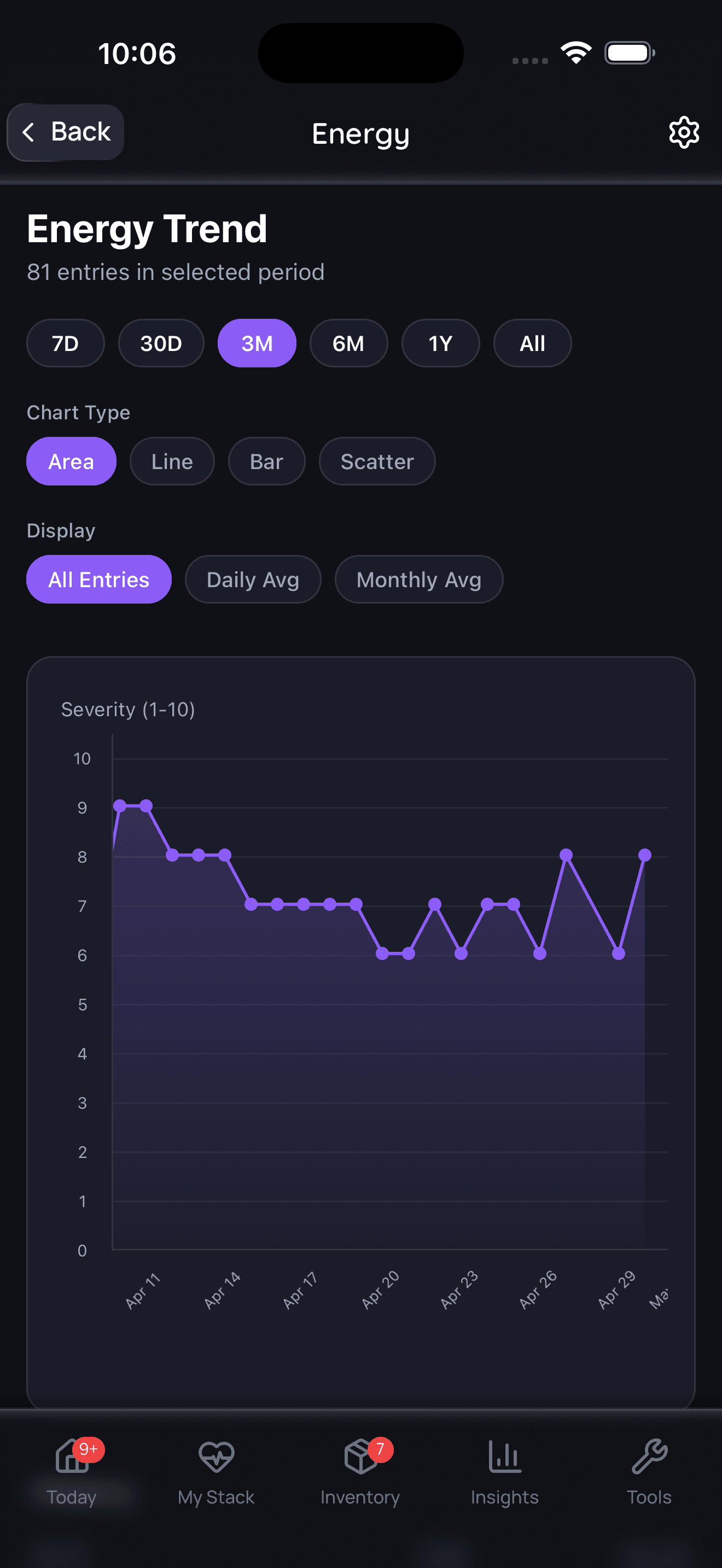
Symptom tracking is informational and should be interpreted with a qualified clinician.
Side Effects & Safety
The Basics
Leucine is generally considered safe, and most people tolerate it well at normal supplemental doses (2 to 10 grams per day). It is a naturally occurring amino acid present in all protein-containing foods, so your body is well-equipped to handle it.
The most commonly reported practical issue with leucine supplementation is taste. Unflavored leucine powder has an intensely bitter flavor that many users find difficult to tolerate. This is not a safety concern but is a legitimate barrier to consistent use.
At very high doses (above approximately 17 grams per day in younger adults, or 10 grams per day in older adults), leucine can begin to deplete blood levels of the other two branched-chain amino acids, isoleucine and valine. This happens because all three BCAAs share the same breakdown enzyme, and leucine accelerates its activity. This "BCAA antagonism" effect is why some researchers caution against very high isolated leucine supplementation without concurrent valine and isoleucine intake [1].
Excessive leucine intake may also interfere with the body's production of vitamin B3 (niacin) and vitamin B6, potentially contributing to deficiencies if leucine supplementation is high and these vitamins are not adequately supplied through diet [21].
People with maple syrup urine disease (MSUD) must strictly avoid leucine supplementation, as they cannot properly metabolize branched-chain amino acids. Accumulation can lead to serious neurological damage [21].
The Science
Tolerable Upper Intake Level: Dose-response studies in healthy men established the UL at approximately 500 mg/kg/day (35 g/day for a 70 kg young adult) and approximately 430 mg/kg/day (30 g/day for a 70 kg elderly adult), based on plasma ammonia increases as the adverse endpoint [1]. At the UL, serum ammonia concentration showed a clear inflection point, indicating saturation of leucine clearance mechanisms.
BCAA Antagonism: At leucine intakes above approximately 17.5 g/day (young adults) and 10.5 g/day (elderly adults), plasma isoleucine and valine concentrations decreased significantly relative to normal leucine intake of approximately 3.5 g/day. This occurs because leucine is the primary regulator of BCKDH, the rate-limiting enzyme in irreversible BCAA degradation. Upregulation by excess leucine increases the catabolism of all three BCAAs, disproportionately reducing isoleucine and valine availability [1]. In young growing animal models, BCAA antagonism has been shown to cause growth deficits, though the long-term implications in adult humans remain unclear [1].
Vitamin B3/B6 Interference: Excessive dietary leucine intake may contribute to pellagra-like symptoms through interference with niacin synthesis from tryptophan. Leucine has been reported to inhibit quinolinate phosphoribosyltransferase, a key enzyme in the kynurenine pathway of tryptophan-to-niacin conversion [21][24]. Separate studies have noted effects on vitamin B6 metabolism, particularly at intakes substantially exceeding dietary norms [21].
Contraindications: Maple syrup urine disease (MSUD) is an absolute contraindication. In MSUD, deficiency of the BCKDH enzyme complex prevents catabolism of all three BCAAs, leading to toxic accumulation with neuronal dysfunction [21].
Drug Interactions:
- PDE5 inhibitors (sildenafil, tadalafil): Animal models indicate leucine may have synergistic effects; clinical significance unknown [20]
- Insulin and antidiabetic medications: Leucine stimulates insulin secretion and may produce additive hypoglycemic effects [7][22]
Blood Glucose Effects: In healthy subjects, co-ingestion of leucine with glucose synergistically lowered blood glucose levels through enhanced insulin secretion. This interaction warrants monitoring in individuals using glucose-lowering medications [7].
Dosing & Usage Protocols
The Basics
The concept of a "leucine threshold" is central to understanding how to use this supplement effectively. Research suggests that approximately 2.5 to 3 grams of leucine per meal is needed to maximally stimulate muscle protein synthesis. If your meal already contains a substantial serving of high-quality protein (25 to 30 grams from sources like chicken, fish, eggs, or whey), you are likely reaching this threshold without supplementation.
For people who might benefit from supplementation, commonly reported approaches include adding 2 to 5 grams of free-form leucine to meals that fall below the threshold, such as plant-based meals with lower leucine content, smaller protein servings between main meals, or pre/post-workout nutrition. Some practitioners suggest splitting supplemental leucine across meals rather than taking it all at once.
Total daily supplemental leucine in studies typically ranges from 3 to 15 grams per day, with most positive outcomes in older adults and clinical populations seen at around 3 to 5 grams per serving, two to three times daily. Going beyond 10 to 15 grams per day from supplements offers diminishing returns and increases the risk of BCAA antagonism.
The Science
Evidence-Based Dosing Ranges:
Population
Young adults (adequate protein)
- Typical Dose per Serving
- Not recommended beyond dietary intake
- Daily Total
- N/A
- Supporting Evidence
- No benefit over adequate protein intake (1.6-2.0 g/kg/day) [13]
Population
Older adults (>65 years)
- Typical Dose per Serving
- 3-5 g per meal
- Daily Total
- 9-15 g/day
- Supporting Evidence
- Leucine content, not total protein, drives acute MPS response [3]
Population
Older adults (sarcopenia risk)
- Typical Dose per Serving
- 3 g with each protein-containing meal
- Daily Total
- 9-12 g/day
- Supporting Evidence
- Enrichment of meals to overcome anabolic resistance [2][17]
Population
Post-exercise (suboptimal protein)
- Typical Dose per Serving
- 2.5-5 g with protein source
- Daily Total
- Per serving
- Supporting Evidence
- Augments MPS from suboptimal protein bolus [11]
Population
Cancer/cachexia patients
- Typical Dose per Serving
- As part of leucine-enriched EAA mixtures
- Daily Total
- Study-specific
- Supporting Evidence
- Preliminary evidence for muscle-sparing effects [14][15]
Critical Dosing Considerations:
- Leucine alone is insufficient for sustained muscle protein synthesis. It must be consumed alongside the full complement of essential amino acids [11][12]
- At leucine intakes above 17.5 g/day (young) or 10.5 g/day (elderly), significant BCAA antagonism occurs [1]
- The UL of 35 g/day (young) and 30 g/day (elderly) represents the limit beyond which serum ammonia increases to concerning levels [1]
- Supplemental leucine may lower blood glucose; individuals on antidiabetic medications should consult their healthcare provider before use [7][22]
When your stack includes several supplements, each with its own dose, form, and timing requirements, the logistics alone can derail consistency. Doserly consolidates all of it into one protocol view, so every dose across your entire routine is accounted for without spreadsheets or guesswork.
The app also tracks cumulative intake for nutrients that appear in multiple products. If your multivitamin, standalone supplement, and fortified protein shake all contain the same nutrient, Doserly adds them up and shows you the total alongside recommended and upper limits. Managing a thoughtful supplement protocol shouldn't require a degree in nutrition science. The app handles the complexity so you can focus on staying consistent.
Track injection timing, draw notes, and site rotation.
Doserly helps keep syringe-related notes, injection site history, reminders, and reconstitution context together for easier review.
Injection log
Site rotation
Injection logs support record-keeping; follow clinician instructions for administration.
What to Expect (Timeline)
Weeks 1-2: The molecular effects of leucine on mTOR signaling occur within hours of ingestion. Most users report no dramatic changes in the first week or two, though some anecdotal reports describe reduced post-exercise soreness during this period. Any visible changes in muscle fullness during this window likely reflect increased intramuscular water retention rather than actual muscle growth.
Weeks 3-4: Some users report gradually improving recovery between workouts and the ability to train more frequently without accumulated soreness. These reports are most common among people who were previously under-consuming protein or among older adults.
Weeks 5-8: If leucine supplementation is addressing a genuine gap in leucine or protein intake, subtle improvements in body composition or strength progression may begin to appear. For individuals already consuming adequate protein, no additional changes should be expected beyond what their training and nutrition program would normally produce.
Weeks 8-12+: Long-term outcomes from leucine supplementation alone, independent of adequate total protein and resistance training, have not been convincingly demonstrated in controlled studies of young, trained adults [13]. In older adults, continued supplementation as part of a leucine-enriched diet strategy may support maintenance of muscle mass over months [17]. Sarcopenia interventions typically require 12 or more weeks to demonstrate measurable effects on muscle function.
Important context: Many positive anecdotal reports of leucine supplementation come from individuals who simultaneously changed other variables (increased total protein intake, began morning protein consumption after fasting, changed training programs). The independent contribution of supplemental leucine in these scenarios is difficult to isolate.
Interactions & Compatibility
Synergistic
- Other Essential Amino Acids — Leucine requires the full complement of EAAs for sustained muscle protein synthesis. Taking leucine alone produces an acute mTOR signal but cannot sustain protein building without the other amino acid substrates [11][12]. Combine with complete protein sources.
- Whey Protein — Whey is naturally rich in leucine (approximately 10-12% leucine by weight) and provides a complete amino acid profile. The combination is considered the gold standard for post-exercise muscle protein synthesis.
- Carbohydrates — Leucine and glucose produce synergistic insulin secretion, with the combined response exceeding either stimulus alone [7]. Taking leucine with a carbohydrate-containing meal enhances both the anabolic and glucose-clearing effects.
- L-Citrulline — Citrulline may augment mTOR signaling in an mTORC1-dependent manner and could theoretically be synergistic with leucine, though direct human combination studies have not been conducted [4].
- Creatine Monohydrate — While not directly interacting with leucine at a molecular level, creatine and leucine address complementary pathways for muscle performance (energy metabolism vs. protein synthesis) and are commonly stacked.
- Resveratrol — Leucine (via KIC) and resveratrol synergistically activate SIRT1 and SIRT3, promoting mitochondrial biogenesis and fat oxidation beyond what either compound achieves alone [10].
- Vitamin D3 — The PROVIDE Study demonstrated benefits of vitamin D and leucine-enriched whey protein for sarcopenia outcomes, suggesting complementary effects [17].
Caution / Avoid
- Insulin and Antidiabetic Medications — Leucine stimulates pancreatic insulin secretion. Concurrent use with insulin or oral hypoglycemics may produce additive glucose-lowering effects. Blood glucose monitoring is advised [7][22].
- PDE5 Inhibitors (Sildenafil, Tadalafil) — Animal studies indicate leucine may potentiate PDE5 inhibitor effects on lipid metabolism and glycemic control. Clinical significance in humans is unknown [20].
- Excessive Isolated BCAA Supplementation — Taking additional BCAAs on top of leucine supplementation can create amino acid imbalances. Conversely, taking leucine without the other two BCAAs at high doses depletes isoleucine and valine [1].
- Vitamin B3 (Niacin) and Vitamin B6 — Excessive leucine may interfere with the synthesis of these vitamins. Individuals supplementing with high-dose leucine should ensure adequate B3 and B6 intake [21][24].
How to Take / Administration Guide
Recommended Forms: Free-form L-leucine powder is the most common standalone supplement form and allows flexible dosing. Capsules are available but typically require 4 to 6 capsules to reach a 3 g dose, which some users find impractical. Leucine-enriched whey protein or EAA blends offer leucine in a more complete amino acid context, which research suggests produces better sustained anabolic outcomes than isolated leucine [11].
Timing Considerations: For post-exercise nutrition, leucine is most commonly taken within 30 to 60 minutes after training, alongside a protein source. Some practitioners suggest pre-exercise supplementation, as some data indicate preloading leucine before a workout may acutely enhance protein synthesis rates compared to other timing approaches [4]. For age-related muscle maintenance, distributing leucine-enriched protein across all meals (rather than concentrating it in one meal) appears to be the more effective strategy.
Mixing and Palatability: Unflavored leucine powder has a strong, bitter taste that is widely regarded as unpleasant. Mixing with flavored protein shakes, fruit smoothies, or flavored BCAA blends can mask the taste. Some users prefer capsules specifically to avoid the flavor. Leucine powder does not dissolve easily in water and tends to float or clump; thorough mixing in a blender or shaker bottle is recommended.
Cycling Guidance: No evidence suggests that leucine requires cycling or periodic breaks. It is a dietary amino acid, not a pharmacological compound. However, continuous high-dose isolated supplementation (above 10 g/day) may warrant periodic assessment of valine and isoleucine status if not consuming these concurrently.
Stacking Notes: When stacking leucine with other BCAAs, common ratios are 2:1:1 (leucine:isoleucine:valine). When adding leucine to a protein shake, typical supplemental additions are 2 to 3 grams on top of the leucine already present in the protein powder.
Choosing a Quality Product
Third-Party Certifications: Look for products tested by independent certification bodies such as USP (U.S. Pharmacopeia), NSF International, or Informed Sport. For athletes subject to anti-doping testing, NSF Certified for Sport or Informed Sport certification is important to minimize contamination risk.
Form Quality: L-leucine supplements should contain the L-isomer (the biologically active form). Reputable manufacturers specify "L-Leucine" rather than "DL-Leucine" (a racemic mixture). High-purity L-leucine (99%+ pharmaceutical grade) is widely available from established manufacturers. Products listing "leucine" without the L-prefix may still contain the correct isomer but lack transparency.
Red Flags:
- Proprietary blends that do not disclose individual leucine content
- "BCAA" blends with undisclosed ratios (the actual leucine per serving may be inadequate to reach the threshold)
- Products making specific muscle-gain or fat-loss claims, which cannot be legally made for dietary supplements
- Added artificial sweeteners or fillers in bulk leucine powder (pure leucine should list only "L-Leucine" as an ingredient)
Excipient/Filler Considerations: Bulk leucine powder typically has minimal additives. Capsulated forms may contain flow agents (magnesium stearate, silicon dioxide). These are generally considered safe at the levels used, but some consumers prefer to avoid them.
Brand Transparency: Look for products that provide a Certificate of Analysis (COA), specify the amino acid as "L-Leucine," and list the exact amount per serving. Heavy metal testing and microbial testing results should be available upon request from reputable brands.
Storage & Handling
L-Leucine powder should be stored at room temperature in a tightly sealed container, away from direct sunlight, heat, and moisture. The powder is hygroscopic (absorbs moisture from the air), which can cause clumping over time. Using a desiccant packet in the container may help maintain powder quality.
Capsules are generally more stable in storage than bulk powder and are less sensitive to humidity. Store capsules in their original container with the lid tightly closed.
Leucine does not require refrigeration. Under proper storage conditions, leucine supplements typically maintain potency for 2 to 3 years. Discard any product that has changed color, developed an unusual odor, or shown visible signs of moisture damage.
Lifestyle & Supporting Factors
Leucine supplementation does not function in isolation. Its effects on muscle protein synthesis are critically dependent on the broader context of diet, exercise, and overall health.
Dietary Protein Adequacy: This is the single most important factor. If your total daily protein intake is at or above 1.6 g/kg body weight from quality sources, supplemental leucine offers minimal additional benefit for muscle growth [13]. The primary dietary strategy should be ensuring adequate total protein, distributed across 3 to 5 meals, each containing approximately 25 to 40 grams of protein (providing roughly 2.5 to 3.5 grams of leucine naturally).
Dietary Sources of Leucine: Leucine is abundant in animal proteins. Approximate leucine content per serving: chicken breast (170g, approximately 3.5g leucine), beef (170g, approximately 3.8g), eggs (2 large, approximately 1.1g), whey protein (25g scoop, approximately 2.5-3g), Greek yogurt (200g, approximately 1.5g). Plant proteins generally provide leucine at lower concentrations but still contribute meaningful amounts: soybeans, lentils, and peanuts are among the richest plant sources.
Resistance Exercise: Leucine's anabolic signaling is augmented by mechanical stress from resistance training. Exercise primes skeletal muscle tissue for enhanced sensitivity to leucine for up to 24 hours post-exercise. The combination of resistance exercise and adequate leucine intake produces a meaningfully greater anabolic response than either stimulus alone [4][9].
Age-Related Considerations: Adults over 40, and particularly those over 65, may benefit from higher leucine intake per meal due to anabolic resistance. Strategies include choosing leucine-rich protein sources at every meal and potentially supplementing with 2 to 3 grams of leucine alongside lower-protein meals or snacks [2][3].
Sleep and Recovery: Adequate sleep supports hormonal conditions (growth hormone, testosterone) that work alongside leucine-driven mTOR signaling to promote muscle protein synthesis. Sleep deprivation may blunt the anabolic response to nutrition.
Hydration: Amino acid metabolism produces nitrogenous waste products. Adequate hydration supports renal clearance, particularly at higher supplemental leucine doses.
Supplements are one piece of a larger health picture, and tracking them in isolation misses the interactions that matter most. Doserly brings your supplements, nutrition, exercise, sleep, and biomarkers into a single dashboard, so you can see how all the pieces fit together rather than managing them in separate apps and spreadsheets.
When everything lives in one place, the connections become clear. You can see whether weeks with better nutrition and exercise correlate with stronger biomarker trends, whether stress undermines the benefits you're supplementing for, or whether a specific combination of lifestyle inputs and supplements produces your best results. One unified view of your health, with the context that makes every data point meaningful.
Connect protocol changes to labs and health markers.
Doserly can keep lab results, biomarkers, symptoms, and dose history close together so follow-up conversations have better context.
Insights
Labs and trends
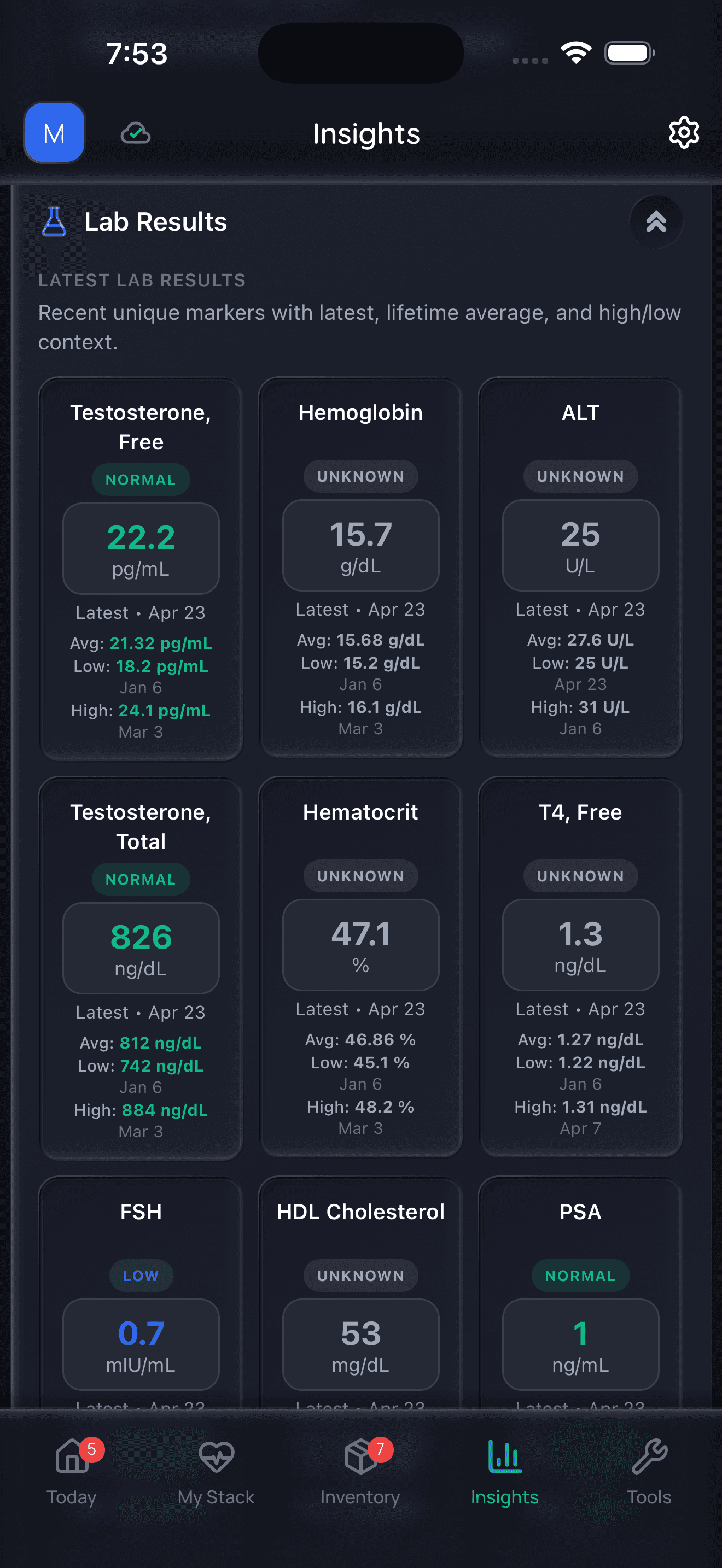
Doserly organizes data; it does not diagnose or interpret labs for you.
Regulatory Status & Standards
United States (FDA): L-Leucine is listed in the FDA Substances Added to Food database (formerly EAFUS) with CAS Registry Number 61-90-5. It holds GRAS (Generally Recognized as Safe) status under 21 CFR Parts 172.320 and 172.804 for use as a flavor enhancer, flavoring agent or adjuvant, and nutrient supplement. It is regulated as a dietary supplement under DSHEA (Dietary Supplement Health and Education Act of 1994). No New Dietary Ingredient (NDI) notification is required for L-leucine as it was marketed prior to the 1994 DSHEA cutoff.
Canada (Health Canada): L-Leucine is available as a natural health product (NHP). Products containing L-leucine require a Natural Product Number (NPN) and compliance with relevant Health Canada monographs for amino acid supplements.
European Union (EFSA): L-Leucine is authorized for use in food supplements within the EU. EFSA has assessed BCAAs collectively but has not established separate maximum permitted levels for individual amino acids in supplements. L-leucine is listed in the EU positive list of substances permitted in food supplements (Directive 2002/46/EC).
Australia (TGA): L-Leucine is a permitted ingredient in Listed Medicines in Australia. Products must comply with TGA complementary medicine regulations.
Athlete & Sports Regulatory Status:
L-Leucine is not on the WADA Prohibited List and is not prohibited by any major national anti-doping agency (USADA, UKAD, Sport Integrity Canada, Sport Integrity Australia, NADA Germany). It is a naturally occurring amino acid present in food and is permitted at all times, in and out of competition.
No professional sports league (NFL, NBA, MLB, NHL, MLS, NCAA) prohibits leucine. However, the NCAA requires that supplements provided by athletic departments carry NSF Certified for Sport or Informed Sport certification to minimize risk of contamination with prohibited substances.
Third-party tested leucine products are available through Informed Sport (sport.wetestyoutrust.com), NSF Certified for Sport (nsfsport.com), and the Cologne List (koelnerliste.com). Athletes can verify supplement status at GlobalDRO.com.
Regulatory status and prohibited substance classifications change frequently. Athletes should always verify the current status of any supplement with their sport's governing body, their national anti-doping agency, and a qualified sports medicine professional before use. Third-party certification (Informed Sport, NSF Certified for Sport) reduces but does not eliminate the risk of contamination with prohibited substances.
Frequently Asked Questions
Do I need to supplement with leucine if I already eat enough protein?
Based on available evidence, most healthy adults consuming 1.6 g/kg body weight or more of quality protein per day are likely meeting their leucine needs through diet alone. Studies in young, trained adults found no additional muscle-building benefit from leucine supplementation at these protein intake levels [13]. However, older adults or those eating lower-protein meals may benefit from ensuring adequate leucine per meal (approximately 2.5-3 g).
How much leucine is in common foods?
Leucine content varies by food source. Approximate amounts per serving: chicken breast (170g) contains about 3.5g, beef (170g) about 3.8g, two large eggs about 1.1g, a 25g scoop of whey protein about 2.5-3g, and 200g of Greek yogurt about 1.5g. Plant sources like soybeans, lentils, and peanuts also contain leucine but at lower concentrations per gram of total protein.
What is the leucine threshold?
The leucine threshold refers to the minimum amount of leucine per meal needed to maximally stimulate muscle protein synthesis. Commonly cited figures range from 2.5 to 3.5 grams per meal, with variation depending on age, protein source, and exercise status. This threshold may be higher in older adults [2][3].
Is leucine better than BCAAs?
Leucine is the primary active component of BCAA supplements for mTOR activation and muscle protein synthesis signaling. However, a critical review found that BCAAs given in isolation (without other essential amino acids) failed to stimulate net muscle protein synthesis in human studies [12]. Whether you choose leucine alone or as part of a BCAA blend, the full spectrum of essential amino acids must be available for meaningful muscle-building effects.
Can leucine help with age-related muscle loss (sarcopenia)?
Research supports a potential role for leucine-enriched nutrition in addressing anabolic resistance associated with aging. A leucine-matched lower-protein supplement stimulated muscle protein synthesis comparably to a higher-protein supplement in older women [3]. The PROVIDE Study showed benefits of leucine-enriched whey protein with vitamin D for sarcopenia measures [17]. However, results across studies remain heterogeneous.
Does leucine lower blood sugar?
Leucine stimulates insulin secretion from the pancreas, and when consumed with glucose, the two produce a synergistic glucose-lowering effect [7]. However, prolonged leucine supplementation did not improve glycemic control in elderly men with type 2 diabetes [22]. Individuals taking insulin or antidiabetic medications should discuss leucine supplementation with their healthcare provider.
What are the side effects of leucine?
At commonly supplemented doses (2-10 g/day), leucine is generally well-tolerated. The main practical issue is taste: unflavored leucine powder is widely described as bitter and unpalatable. At higher doses (above approximately 17 g/day), leucine can deplete blood levels of isoleucine and valine through BCAA antagonism [1]. Excessive intake may interfere with niacin and vitamin B6 synthesis [21][24]. Leucine is contraindicated in people with maple syrup urine disease.
When is the best time to take leucine?
Research suggests leucine is most effective when taken with protein-containing meals or within 30-60 minutes after resistance exercise. Some data indicate pre-exercise leucine may acutely enhance protein synthesis [4]. For sarcopenia management, distributing leucine-enriched protein evenly across all daily meals is the approach most supported by current evidence.
Is the taste of leucine powder really that bad?
Community feedback consistently describes unflavored leucine powder as one of the worst-tasting supplement powders available. It is bitter, does not dissolve easily in water, and tends to coat the mouth. Capsules, flavored BCAA blends, or adding leucine to strongly flavored protein shakes are commonly recommended solutions.
Can I take leucine while on a keto diet?
Leucine is an exclusively ketogenic amino acid, meaning its metabolism produces ketone bodies rather than glucose. It will not interfere with ketosis. However, leucine does stimulate insulin secretion, which may transiently affect ketone levels in some individuals. Most keto dieters report no issues with leucine supplementation at typical doses.
Myth vs. Fact
Myth: Leucine alone is enough to build muscle.
Fact: Leucine is the most potent single amino acid signal for activating muscle protein synthesis via mTOR, but it cannot build muscle by itself. Full protein synthesis requires all nine essential amino acids as building blocks. Studies show that leucine alone or with only the other two BCAAs fails to sustain muscle protein synthesis beyond 1 to 3 hours [11][12]. Consuming leucine as part of complete protein is consistently more effective for long-term muscle outcomes.
Myth: More leucine means more muscle growth, with no upper limit to the benefit.
Fact: The muscle protein synthesis response to leucine plateaus once the signaling threshold is met (approximately 2.5-3 g per meal). Doses above this level do not produce proportionally greater muscle protein synthesis. Excessive leucine (above 17 g/day) can actually deplete the other BCAAs through antagonism, potentially impairing overall amino acid availability for protein synthesis [1][4].
Myth: BCAA supplements (including leucine) are essential for everyone who exercises.
Fact: A comprehensive review concluded that the claim that BCAAs alone stimulate muscle protein synthesis in humans is "unwarranted" [12]. For individuals consuming adequate total protein from quality sources, additional BCAA or leucine supplementation has not demonstrated meaningful benefit for muscle growth or strength in controlled trials [13].
Myth: You need leucine supplements if you're a vegetarian or vegan.
Fact: While plant proteins generally contain less leucine per gram of total protein compared to animal proteins, the difference is smaller than often claimed. For example, 15 grams of protein from black beans provides approximately 1.2 g of leucine versus 1.3 g from eggs [Community data]. Vegans and vegetarians consuming adequate total protein from varied sources (soy, legumes, grains, nuts) typically meet leucine needs without supplementation. However, those struggling to meet protein targets may benefit from leucine supplementation.
Myth: Leucine prevents all muscle loss during dieting.
Fact: While leucine activates anabolic signaling during caloric restriction, it cannot fully prevent muscle loss during a significant energy deficit. The muscle-sparing effect of leucine is most pronounced when combined with adequate total protein and resistance exercise. Leucine alone, without these accompanying factors, has limited ability to counteract the catabolic effects of severe caloric restriction.
Myth: Leucine supplements work immediately, with benefits noticeable within days.
Fact: While leucine activates mTOR signaling within hours of ingestion, this acute molecular effect does not translate to visible muscle changes in days. Controlled long-term studies show that even 12 weeks of high-dose leucine supplementation (10 g/day) produced no measurable advantage over placebo in muscle size or strength when protein intake was already sufficient [13]. Rapid subjective improvements reported by some users likely reflect placebo effects, coincident dietary changes, or water retention.
Myth: The leucine in BCAA supplements is just as good as leucine from whole protein.
Fact: Leucine from BCAAs and leucine from whole protein activate the same initial mTOR signaling pathway. However, BCAAs in isolation decrease protein breakdown alongside decreased protein synthesis, maintaining a net catabolic state, because they lack the other essential amino acids needed to actually build new protein [12]. Whole protein sources provide the full amino acid complement necessary for sustained net muscle protein accretion.
Sources & References
Clinical Trials & RCTs
[1] Pencharz PB, Elango R, Ball RO. Determination of the tolerable upper intake level of leucine in adult men. J Nutr. 2012 Dec;142(12):2220S-4S. See also: Tolerable Upper Intake Level for Individual Amino Acids in Humans: A Narrative Review of Recent Clinical Studies. Adv Nutr. 2023;14(4):PMC10334138.
[2] Wilkinson K, et al. Association of postprandial postexercise muscle protein synthesis rates with dietary leucine: A systematic review. Physiol Rep. 2023 Aug;11(15):e15764. PMID: 37537134.
[3] Devries MC, et al. Leucine, Not Total Protein, Content of a Supplement Is the Primary Determinant of Muscle Protein Anabolic Responses in Healthy Older Women. J Nutr. 2018 Jul;148(7):1088-1095. PMID: 29901760.
[7] Kalogeropoulou D, et al. Leucine, when ingested with glucose, synergistically stimulates insulin secretion and lowers blood glucose. Metabolism. 2008 Dec;57(12):1747-1752.
[8] Morishita S, et al. The Effect of Leucine-Enriched Essential Amino Acid Supplementation on Anabolic and Catabolic Signaling in Human Skeletal Muscle after Acute Resistance Exercise. Nutrients. 2020 Aug;12(8). PMID: 32806711.
[9] Dreyer HC, et al. Leucine-enriched essential amino acid and carbohydrate ingestion following resistance exercise enhances mTOR signaling and protein synthesis in human muscle. Am J Physiol Endocrinol Metab. 2008 Feb;294(2):E392-400.
[11] Churchward-Venne TA, et al. Supplementation of a suboptimal protein dose with leucine or essential amino acids: effects on myofibrillar protein synthesis at rest and following resistance exercise in men. J Physiol. 2012 Jun;590(11):2751-2765. PMID: 22451437.
[13] Morton RW, et al. Leucine Supplementation Has No Further Effect on Training-Induced Muscle Adaptations. Med Sci Sports Exerc. 2021 Jan;53(1):247. PMID: 32079916.
[15] Storck LJ, et al. Effect of a leucine-rich supplement in combination with nutrition and physical exercise in advanced cancer patients: A randomized controlled intervention trial. Clin Nutr. 2020 Dec;39(12):3637-3644.
[17] Bauer JM, et al. Effects of a Vitamin D and Leucine-Enriched Whey Protein Nutritional Supplement on Measures of Sarcopenia in Older Adults, the PROVIDE Study. J Am Med Dir Assoc. 2015 Sep;16(9):740-7.
[22] Leenders M, et al. Prolonged leucine supplementation does not augment muscle mass or affect glycemic control in elderly type 2 diabetic men. J Nutr. 2011 Jun;141(6):1070-1076.
Systematic Reviews & Meta-Analyses
[6] Tamanna N, Mahmood N. Emerging Roles of Branched-Chain Amino Acid Supplementation in Human Diseases. Int Immunopharmacol. 2017;PMC4897441.
[12] Wolfe RR. Branched-chain amino acids and muscle protein synthesis in humans: myth or reality? J Int Soc Sports Nutr. 2017;14:30. PMC5568273.
[16] Komar B, Schwingshackl L, Hoffmann G. Effects of leucine-rich protein supplements on anthropometric parameter and muscle strength in the elderly: a systematic review and meta-analysis. J Nutr Health Aging. 2015 Apr;19(4):437-446.
[18] Weber MG, et al. The use of BCAA to decrease delayed-onset muscle soreness after a single bout of exercise: A systematic review and meta-analysis. Amino Acids. 2021;53:1663-1678.
Mechanistic & Animal Studies
[4] Anthony JC, Anthony TG, Kimball SR, Jefferson LS. Orally administered leucine stimulates protein synthesis in skeletal muscle of postabsorptive rats in association with increased eIF4F formation. J Nutr. 2000;130:139-145. Also: Anthony JC, et al. Leucine supplementation enhances skeletal muscle recovery in rats following exercise. J Nutr. 1999;129:1102-1106. Also: Glynn EL, et al. Excess leucine intake enhances muscle anabolic signaling but not net protein anabolism in young men and women. J Nutr. 2010;140(11):1970-1976.
[5] Kimball SR, Jefferson LS. Signaling pathways and molecular mechanisms through which branched-chain amino acids mediate translational control of protein synthesis. J Nutr. 2006;136(1 Suppl):227S-231S.
[10] Bruckbauer A, Zemel MB. Synergistic effects of metformin, resveratrol, and hydroxymethylbutyrate on insulin sensitivity. Diabetes Metab Syndr Obes. 2013;6:93-102. Also: Fu L, et al. Interaction between leucine and phosphodiesterase 5 inhibition in modulating insulin sensitivity and lipid metabolism. Diabetes Metab Syndr Obes. 2015;8:227-239.
[19] Pereira MG, et al. Leucine supplementation accelerates connective tissue repair of injured tibialis anterior muscle. Nutrients. 2014 Oct;6(10):3981-4001.
[20] Fu L, et al. Interaction between leucine and phosphodiesterase 5 inhibition in modulating insulin sensitivity and lipid metabolism. Diabetes Metab Syndr Obes. 2015;8:227-239.
[23] Grajeda-Iglesias C, et al. Leucine supplementation attenuates macrophage foam-cell formation: Studies in humans, mice, and cultured macrophages. Biofactors. 2018 May;44(3):245-262.
Government/Institutional Sources
[14] Engelen MP, et al. High anabolic potential of essential amino acid mixtures in advanced nonsmall cell lung cancer. Ann Oncol. 2015 Sep;26(9):1960-6.
[21] Memorial Sloan Kettering Cancer Center. Leucine Monograph. About Herbs database. Adverse Reactions: Bapurao S, Krishnaswamy K. Vitamin B6 nutritional status of pellagrins and their leucine tolerance. Am J Clin Nutr. 1978 May;31(5):819-824. Bender DA. Effects of a dietary excess of leucine on the metabolism of tryptophan in the rat. Br J Nutr. 1983 Jul;50(1):25-32.
[24] Bender DA. Effects of a dietary excess of leucine on the metabolism of tryptophan in the rat: a mechanism for the pellagragenic action of leucine. Br J Nutr. 1983 Jul;50(1):25-32.