
In this guide
What does this guide compare?
Caffeine-related alertness should be separated from nutritional B12 replacement and other proposed effects.
This collection compares products discussed around one topic. It is not a protocol to take in full. Links to individual profiles appear after the article.
| Reference point | Context |
|---|---|
| Products compared | 4 |
| Evidence scope | Ingredient, formulation, population and measured outcome |
| Complete combination | The cited studies do not automatically validate all members together |
Which products are compared?
| Ingredient | Relevant question | Boundary |
|---|---|---|
| Caffeine | Acute alertness and tolerability | Total exposure and sleep effects matter; not a dementia-prevention intervention [2] |
| L-theanine | Selected attention-task results when paired with caffeine | A small acute combination trial does not prove a universal ratio or long-term benefit [1] |
| L-carnitine | Exact form and indication-specific evidence | ALCAR and LCLT are different formulations; this cited caffeine trial did not include either |
| Vitamin B12 | Nutritional status and deficiency context | Higher blood levels did not produce cognitive benefit in the cited asymptomatic older-adult trial [3] |
How do their roles differ?
Caffeine can influence alertness over hours. L-theanine has been studied with caffeine in small acute tasks; that is different from proving long-term memory protection. Vitamin B12 is essential, but a metabolic role does not establish a cognitive benefit from extra intake. L-carnitine has different forms and cannot inherit the caffeine results. [1][2][3]
What does the research show?
A small acute caffeine–theanine study
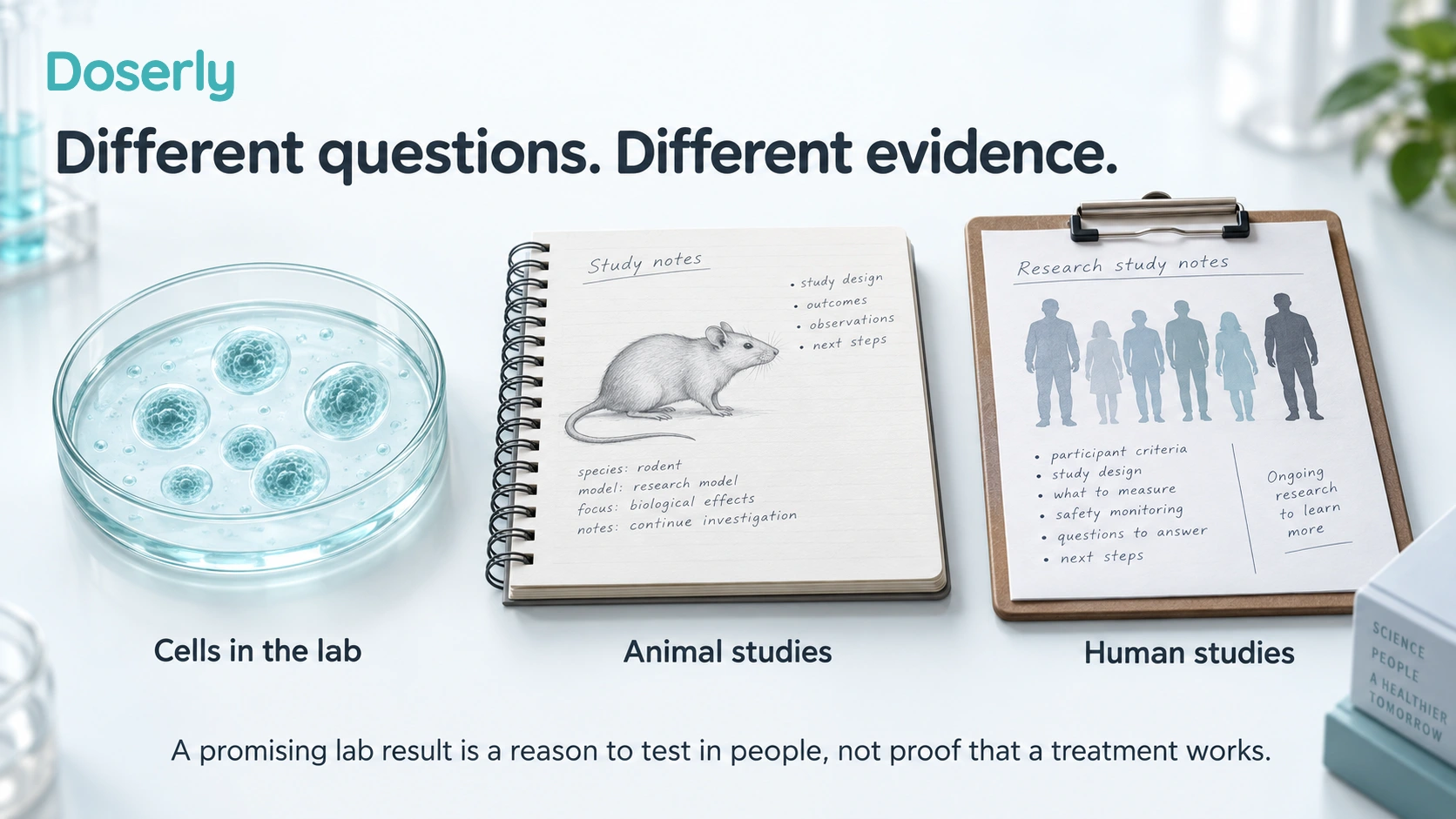
Owen and colleagues compared 50 mg caffeine, the same caffeine amount with 100 mg L-theanine, and placebo in 27 healthy participants. Testing occurred at baseline and 60 and 90 minutes after each treatment, with seven days between sessions. The combination improved selected attention-switching and distractibility outcomes, while caffeine alone improved some alertness and attention outcomes. These were short task measurements, not sustained work productivity, prevention of cognitive decline, or a test of adding carnitine and B12. The study does not establish that a 2:1 theanine-to-caffeine ratio is optimal for everyone. [1]
B12: correcting a marker did not improve cognition in this trial
Dangour and colleagues randomized 201 adults aged 75 or older with moderate biochemical B12 deficiency but no anemia or neurologic/cognitive signs to oral crystalline B12 1 mg daily or placebo for 12 months. B12 status improved without a detectable neurologic or cognitive benefit. This does not argue against treating symptomatic deficiency; it limits the claim that supplementation automatically improves cognition in the studied population. [3]
The complete four-ingredient combination has not been tested by either cited trial. More ingredients can change tolerability and obscure whether sleep loss, caffeine withdrawal or a product change explains an apparent effect.
Which overlaps and risks matter?
Total caffeine includes coffee, tea, energy drinks, pre-workout products and tablets. FDA cites 400 mg/day for most adults as an amount not generally associated with negative effects, not an intake target or a guarantee for everyone. Sensitivity, medications, pregnancy and health conditions change the assessment. Palpitations, anxiety and disrupted sleep can outweigh an alertness benefit; L-theanine does not erase caffeine exposure. [2]
Regulatory status
In the United States, FDA does not approve dietary supplements for safety and effectiveness before marketing. In Canada, a natural health product requires a product licence before sale; its NPN or DIN-HM must match the finished product. An ingredient name or inclusion in this collection does not establish that every product or claim is authorized. Authorization also does not validate the complete combination. [4], [5]
What should be recorded and how should changes be interpreted?
Doserly brings dose logs, symptoms and routine changes together. For this collection, useful observations include a consistent task or functional goal, sleep, caffeine exposure, product changes and adverse effects.
- Doses and adherence: record the formulation, amount actually taken, timing and missed doses so observations have context.
- Potential benefits and tolerability: compare consistent symptoms or measurements over time alongside sleep, food and activity changes. Personal trends help evaluate the experience without proving causal efficacy.
- Product list: maintain the full product list for review with a pharmacist or clinician.
- AI monthly reports: summarize recorded doses, symptoms and trends to prepare for a discussion. Reports depend on the data entered and are not a diagnosis or an instruction to change treatment.
Explore the topic further
Common questions
Is the 2:1 theanine-to-caffeine ratio proven best?
No. The cited study tested one combination for short task outcomes. It did not compare all ratios or establish the best daily routine. [1]
Does theanine cancel the effect of late caffeine on sleep?
The cited trial did not establish that. Total caffeine and its timing still matter, including caffeine in drinks and other products. [1][2]
Will B12 improve focus if I am not deficient?
The cited trial does not support that claim; even biochemical improvement in selected older adults with low B12 did not improve cognition. Assessment and treatment of symptomatic deficiency are separate. [3]
What should I record when evaluating this routine?
All caffeine sources and times, sleep duration, palpitations or anxiety, and the exact carnitine formulation. Keep task or symptom measures consistent; Doserly records trends but cannot determine causality.
Glossary
Terms for interpreting the comparisons.
- Formulation
- The exact preparation, including its ingredients, their forms and labeled amounts.
- Study population
- The people included in a study; their characteristics limit where its result applies.
- Comparator
- The placebo, treatment or condition used as the comparison.
- Measured outcome
- What the study evaluates, such as a symptom, laboratory result or clinical event.
- Overlap
- The same ingredient appearing in more than one product used together.
How was this guide researched?
Sources and limits
This AI-assisted educational guide compares the cited public references. Findings remain tied to the ingredients, preparations and populations studied. It is not a systematic review or independent medical peer review. Doserly develops a commercial tracking app. Illustrations explain concepts; app screens show example data. Report a correction with its source to Doserly support.
Explore the sources
The references below provide context for the claims and their limits.
Showing 5 sources
- 01
The combined effects of L-theanine and caffeine on cognitive performance and mood. ↗
Primary trial or official guidance
Acute 27-person trial; 50 mg caffeine with or without 100 mg L-theanine.
- 02
FDA — Spilling the Beans: How Much Caffeine is Too Much? ↗
Primary trial or official guidance
Total caffeine exposure, individual sensitivity and excess effects.
- 03
Effects of vitamin B-12 supplementation on neurologic and cognitive function in older people: a randomized controlled trial. ↗
Primary trial or official guidance
Biochemical response without neurologic or cognitive benefit in selected older adults.
- 04
FDA — Questions and Answers on Dietary Supplements ↗
Regulatory reference
United States dietary supplement regulation.
- 05
No matching sources
Try a different term or show the full list.