
L-Carnitine (ALCAR, LCLT): The Complete Supplement Guide
On this page
Quick Reference Card
Attribute
Common Name
- Detail
- L-Carnitine
Attribute
Other Names / Aliases
- Detail
- Carnitine, Levocarnitine, ALCAR (Acetyl-L-Carnitine), LCLT (L-Carnitine L-Tartrate), PLC / GPLC (Propionyl-L-Carnitine / Glycine Propionyl-L-Carnitine), Vitamin BT
Attribute
Category
- Detail
- Conditionally Essential Amino Acid Derivative
Attribute
Primary Forms & Variants
- Detail
- L-Carnitine (base form, ~14-18% oral bioavailability); Acetyl-L-Carnitine / ALCAR (acetylated, crosses blood-brain barrier more readily); L-Carnitine L-Tartrate / LCLT (commonly used in exercise research); Propionyl-L-Carnitine / PLC (studied for cardiovascular and PAD)
Attribute
Typical Dose Range
- Detail
- 500-3,000 mg per day (oral); most studies use 1,000-2,000 mg per day
Attribute
RDA / AI / UL
- Detail
- No formal RDA, AI, or UL established. Endogenous synthesis meets needs in healthy individuals. Body requires ~15 mg/day from diet + synthesis combined.
Attribute
Common Delivery Forms
- Detail
- Capsules, tablets, powder, liquid
Attribute
Best Taken With / Without Food
- Detail
- Can be taken with or without food. Taking with carbohydrates may enhance muscle uptake via insulin-mediated transport.
Attribute
Key Cofactors
- Detail
- Vitamin C, Iron, Vitamin B6 (required for endogenous synthesis); Coenzyme Q10 (synergistic for mitochondrial function)
Attribute
Storage Notes
- Detail
- Store at room temperature in a dry place away from direct sunlight. Liquid forms should be refrigerated after opening. Powder is generally stable.
Overview
The Basics
L-Carnitine is a naturally occurring compound that your body uses to turn fat into energy. Think of it as a shuttle bus for your cells: it picks up long-chain fatty acids and carries them into the mitochondria, the tiny power plants inside each cell where those fats are burned for fuel. Without enough carnitine, your cells cannot efficiently access one of their primary energy sources.
Your body makes carnitine on its own from the amino acids lysine and methionine, and you also get it from food, particularly red meat, poultry, fish, and dairy. A typical meat-containing diet provides 24 to 145 mg per day, while a vegan diet provides roughly 1.2 mg. For most healthy people, the combination of dietary intake and internal production is more than enough. This is why carnitine is classified as "conditionally essential," meaning supplementation is typically only necessary under specific circumstances such as certain genetic conditions, kidney disease, or possibly vegetarian/vegan diets [1][2].
People supplement with L-Carnitine for a wide variety of reasons. It is popular in fitness communities for its purported effects on fat burning, exercise performance, and recovery. Others use it for energy, cognitive function (particularly the ALCAR form), or cardiovascular health. The evidence behind these uses varies considerably. The strongest research support exists for peripheral artery disease, male infertility, and certain metabolic conditions. Its effectiveness for fat loss and exercise performance in healthy individuals remains largely inconclusive [1][3][4].
An important detail that often gets overlooked: L-Carnitine comes in several distinct forms, and they are not interchangeable. Acetyl-L-Carnitine (ALCAR) is better suited for cognitive applications because it crosses the blood-brain barrier more easily. L-Carnitine L-Tartrate (LCLT) is the form most studied for exercise recovery. Propionyl-L-Carnitine (PLC) has the strongest evidence for cardiovascular applications. Choosing the right form matters significantly [3].
The Science
L-Carnitine (L-3-hydroxytrimethylamminobutanoate) is a quaternary ammonium compound synthesized endogenously in the liver, kidneys, and brain from the essential amino acids L-lysine and L-methionine. The biosynthetic pathway requires vitamin C, iron, vitamin B6, and niacin as cofactors, progressing through trimethyllysine, beta-hydroxy-trimethyllysine, gamma-trimethylaminobutyraldehyde, and gamma-butyrobetaine before reaching L-carnitine [1][2].
Approximately 95% of the body's total carnitine pool is stored in cardiac and skeletal muscle, with the liver and kidneys storing most of the remainder. Circulating plasma contains only about 0.5% of total body carnitine, and excess plasma carnitine is excreted renally [1]. Plasma free carnitine concentrations below 20 micromol/L, or total carnitine below 30 micromol/L, are considered abnormally low. An acyl-carnitine to free carnitine ratio exceeding 0.4 suggests carnitine insufficiency [1].
In 1989, the Food and Nutrition Board concluded that carnitine is not an essential nutrient, and no Dietary Reference Intakes (DRIs) have been established [1][5]. However, several populations may have suboptimal carnitine status, including premature infants (limited synthetic capacity), individuals with end-stage renal disease (impaired synthesis and increased urinary losses during hemodialysis), strict vegetarians and vegans (minimal dietary intake), and the elderly (declining synthetic capacity and lean mass-related stores) [1][6].
Chemical & Nutritional Identity
Property
Chemical Name
- Value
- L-3-hydroxytrimethylamminobutanoate (beta-hydroxy-gamma-trimethyl-amino-butyric acid)
Property
Molecular Formula
- Value
- C₇H₁₅NO₃
Property
Molecular Weight
- Value
- 161.20 g/mol (free base)
Property
CAS Number
- Value
- 541-15-1 (L-Carnitine)
Property
PubChem CID
- Value
- 10917
Property
Category
- Value
- Conditionally essential amino acid derivative (quaternary ammonium compound)
Property
RDA / AI / UL
- Value
- Not established. Body requires ~15 mg/day from diet + endogenous synthesis combined.
L-Carnitine exists in two stereoisomeric forms: the biologically active L-isomer and the inactive D-isomer. Only the L-isomer is utilized in human metabolism. D-carnitine is not present in supplements but can be an impurity in low-quality racemic carnitine products, where it may competitively inhibit L-carnitine transport [3].
Common supplement forms include:
- L-Carnitine (free base or as tartrate salt): The most common and affordable form. Primarily studied for exercise recovery (as LCLT), metabolic health, and weight management.
- Acetyl-L-Carnitine (ALCAR): An acetylated ester that crosses the blood-brain barrier more readily than the free form. Primarily studied for neuroprotection, cognitive function, diabetic neuropathy, and mood. Donates acetyl groups for acetylcholine synthesis.
- Propionyl-L-Carnitine (PLC): An ester form with the strongest evidence for peripheral artery disease and cardiovascular applications. Also marketed as GPLC (Glycine Propionyl-L-Carnitine).
- L-Carnitine L-Tartrate (LCLT): A salt form commonly used in exercise performance and recovery research. Generally well-absorbed.
Mechanism of Action
The Basics
Carnitine's primary job is straightforward: it acts as a molecular shuttle. Your cells need to burn fat for energy, but long-chain fatty acids cannot cross the inner membrane of your mitochondria on their own. Carnitine grabs onto those fatty acids, carries them across the membrane, drops them off for burning, and heads back out to pick up more. Without this shuttle system, fat accumulates outside the mitochondria and your cells lose access to a major energy source.
Beyond fat transport, carnitine also serves as a kind of cellular cleanup crew. It helps remove toxic byproducts of metabolism from the mitochondria and acts as a buffer for acetyl groups, helping to maintain the balance of a key molecule called acetyl-CoA. When acetyl-CoA levels get too high (during intense exercise, for example), carnitine absorbs the excess, preventing a metabolic bottleneck [1][3].
The ALCAR form has an additional trick: because it carries an acetyl group, it can donate that group to help produce acetylcholine, a neurotransmitter critical for memory, learning, and muscle control. This is why ALCAR, but not regular L-Carnitine, shows up in research on cognitive function and neuroprotection [3][7].
The Science
L-Carnitine's primary biochemical role is facilitating the transport of long-chain fatty acids (C14-C20) across the inner mitochondrial membrane for beta-oxidation. This process occurs through the carnitine shuttle system: carnitine palmitoyltransferase I (CPT-I) on the outer mitochondrial membrane conjugates carnitine to fatty acyl-CoA, forming acylcarnitine; carnitine-acylcarnitine translocase (CACT) moves acylcarnitine across the inner membrane; and carnitine palmitoyltransferase II (CPT-II) on the inner membrane releases the fatty acid into the mitochondrial matrix while regenerating free carnitine [1][3].
Additional metabolic functions include:
- Acetyl-CoA buffering: Carnitine acetyltransferase (CrAT) reversibly transfers acetyl groups between acetyl-CoA and carnitine, maintaining the free CoA/acetyl-CoA ratio critical for pyruvate dehydrogenase complex (PDC) activity and glucose oxidation [3].
- Toxic metabolite removal: Carnitine conjugates with potentially toxic acyl groups, facilitating their export from mitochondria and eventual renal excretion [1].
- Antioxidant activity: Carnitine supplementation has been shown to reduce oxidative stress markers and ameliorate mitochondrial dysfunction in multiple study models [7][8].
- Anti-inflammatory effects: Meta-analyses of randomized controlled trials demonstrate that L-carnitine supplementation reduces inflammatory markers including CRP, IL-6, and TNF-alpha [9].
- ALCAR-specific neurotransmission: Acetyl-L-Carnitine donates its acetyl moiety for acetylcholine synthesis and modulates cholinergic, serotonergic, dopaminergic, and GABAergic neurotransmission. ALCAR also influences nerve growth factor receptor expression and may support neuronal membrane phospholipid remodeling [3][7].
One significant metabolic consideration is the gut microbiota-mediated conversion of L-carnitine to trimethylamine (TMA), which is subsequently oxidized to trimethylamine-N-oxide (TMAO) in the liver. TMAO is a proatherogenic compound associated with increased cardiovascular disease risk in observational studies. Omnivores produce significantly more TMAO from carnitine than vegans or vegetarians, reflecting differences in gut microbial composition [10][11].
Absorption & Bioavailability
The Basics
How much carnitine your body actually absorbs depends dramatically on how you get it. From food, your body absorbs roughly 63 to 75% of the carnitine present. From supplements, that number drops to just 14 to 18%. This is a significant difference and one of the most debated topics in the L-Carnitine community.
This low oral bioavailability means that out of a typical 1,000 mg supplement dose, only about 140 to 180 mg actually makes it into your bloodstream. The rest passes through your digestive system unabsorbed, where gut bacteria can convert it to TMAO, a compound that has raised cardiovascular concerns in research settings [1][3].
Some evidence suggests that taking L-Carnitine with carbohydrates may boost muscle uptake. One study found that 24 weeks of L-Carnitine supplementation combined with a carbohydrate drink increased muscle carnitine content, whereas L-Carnitine alone did not achieve the same effect. The theory is that the insulin spike from carbohydrates activates carnitine transporters in muscle tissue [3][12].
The different forms also absorb differently. ALCAR may have slightly different pharmacokinetics due to its acetylated structure, though this has not been extensively studied in humans. Food-sourced carnitine is generally better absorbed because it comes in smaller quantities consumed across multiple meals throughout the day, and lower individual doses tend to have higher percentage absorption [1][3].
The Science
Oral L-carnitine absorption occurs primarily in the small intestine via both active (sodium-dependent organic cation transporter OCTN2, encoded by SLC22A5) and passive diffusion mechanisms. The relatively low oral bioavailability of supplemental L-carnitine (14-18%) compared to dietary carnitine (54-87%) is attributed to saturation kinetics of the active transport system: lower doses achieve proportionally higher absorption rates [1][3].
After absorption, carnitine is distributed to tissues primarily via OCTN2-mediated active transport, with cardiac and skeletal muscle achieving intracellular concentrations 50-200 times higher than plasma levels. Skeletal muscle contains approximately 95% of total body carnitine stores [1].
Unabsorbed oral L-carnitine is subject to microbial metabolism in the large intestine. The gut microbiome converts carnitine to trimethylamine (TMA) via a two-step process involving gamma-butyrobetaine as an intermediate. TMA is subsequently oxidized to trimethylamine-N-oxide (TMAO) by hepatic flavin-containing monooxygenase 3 (FMO3). TMAO concentrations are dose-dependently associated with carnitine intake and are significantly higher in omnivores compared to vegans/vegetarians, reflecting differences in the microbial gbu gene cluster expression [10][11][13].
One notable study demonstrated that chronic oral L-carnitine supplementation (2g/day) combined with a carbohydrate solution (80g) for 24 weeks increased total muscle carnitine content by approximately 21% in recreational athletes, whereas L-carnitine without carbohydrate co-ingestion did not significantly alter muscle stores [12]. This finding supports the role of insulin in stimulating OCTN2-mediated carnitine uptake into skeletal muscle.
Plasma carnitine half-life is approximately 17 hours, and excess circulating carnitine is efficiently cleared by the kidneys through a combination of glomerular filtration and variable tubular reabsorption [1].
Managing absorption timing across multiple supplements gets complicated fast. Some need to be taken with food, others on an empty stomach. Some compete for the same absorption pathways, others enhance each other. Doserly organizes all of this into a single schedule that accounts for the interactions between everything in your stack.
Instead of juggling mental notes about which supplements to separate and which to pair, the app handles the coordination for you. It flags timing conflicts, suggests optimal windows based on the forms you're using, and builds a daily routine that gives each supplement its best chance of being absorbed effectively. One place for all the details that are easy to forget.
Turn symptom and safety notes into a clearer timeline.
Doserly helps you log doses, symptoms, and safety observations side by side so patterns are easier to discuss with a qualified clinician.
Pattern view
Logs and observations

Pattern visibility is informational and should be reviewed with a clinician.
Research & Clinical Evidence
The Basics
The research on L-Carnitine spans a surprisingly wide range of health topics, from heart disease to infertility to Alzheimer's disease. The quality and consistency of evidence varies significantly across these areas.
Peripheral artery disease (PAD) has perhaps the strongest evidence base. People with PAD experience cramping leg pain during walking due to restricted blood flow. Propionyl-L-Carnitine at 2 g per day has shown improvements in walking distance and pain reduction in clinical trials, though results are not universally positive [1][14].
Cardiovascular health presents a complex picture. On the positive side, a meta-analysis of 13 trials including over 3,600 heart attack survivors found that L-Carnitine reduced all-cause mortality, ventricular arrhythmias, and new angina episodes. However, the TMAO pathway raises a counterbalancing concern: L-carnitine consumption feeds gut bacteria that produce a compound linked to accelerated atherosclerosis in observational studies [1][10][11].
Male infertility is an area with encouraging but preliminary data. Carnitine supplementation has improved sperm motility and morphology in some trials, though effects on actual pregnancy rates and live births remain unproven [1][15].
Metabolic health data are moderately positive. A large meta-analysis of 41 trials found that L-Carnitine supplementation reduced fasting blood glucose, insulin resistance markers, and HbA1c in people with conditions like type 2 diabetes, obesity, and PCOS [1][16].
Exercise performance is where expectations most often exceed reality. Despite its theoretical role in fat burning, L-Carnitine supplementation has produced highly inconsistent results in athletic performance studies. Some trials show modest benefits in recovery and perceived exertion; many show no measurable effect [1][3].
Cognitive function research centers on ALCAR rather than L-Carnitine. Early meta-analyses in people with mild Alzheimer's showed short-term benefits (12-24 weeks) that faded with longer use. A Cochrane Review concluded that routine clinical use was not justified based on available evidence [1][7].
The Science
Cardiovascular disease and peripheral artery disease: A meta-analysis of 13 RCTs (n=3,629) in patients with acute myocardial infarction found that L-carnitine supplementation (2.7-6 g/day for 5 days to 12 months) significantly reduced all-cause mortality (RR 0.73, 95% CI 0.54-0.99), ventricular arrhythmias (RR 0.35), and new-onset angina (RR 0.60), without affecting heart failure or reinfarction risk [8]. A separate meta-analysis of 17 RCTs (n=1,625) in chronic heart failure demonstrated improvements in left ventricular ejection fraction (+4.14%), stroke volume (+8.21 mL), and cardiac output (+0.88 L/min) [17].
However, a 2022 RCT (n=157, metabolic syndrome, 1g BID for 6 months) raised concerns: L-carnitine supplementation was associated with increased total cholesterol, LDL cholesterol, and 9.3% greater carotid arterial plaque stenosis in a subgroup of males with lower baseline stenosis [11].
For peripheral artery disease, a systematic review of 3 RCTs (n=456) evaluating propionyl-L-carnitine 2 g/day for 4-6 months found improved peak walking time and reduced pain in one trial, with two trials showing no benefit [1][14].
Metabolic health: A 2023 meta-analysis of 41 RCTs (n=2,900) found that L-carnitine supplementation (0.25-4 g/day for 2-52 weeks) significantly reduced fasting blood glucose (WMD -5.21 mg/dL), insulin resistance (HOMA-IR WMD -0.75), and HbA1c (WMD -0.27%) but did not affect serum insulin levels [16]. A focused meta-analysis of 5 RCTs in insulin-resistant adults (2-3 g/day) demonstrated improved insulin sensitivity with greater benefits at 12 months versus 3 months [18].
Infertility: A meta-analysis of 3 RCTs (n=201 infertile men) found improved sperm motility (+7.84%) and morphology (+4.91%) but no change in sperm concentration with 1-3 g/day L-carnitine or ALCAR for 2-6 months [15]. A 2022 Cochrane Review (6 RCTs, n=1,089 subfertile men, 1-3 g/day for 8 weeks to 6 months) confirmed improved motility and concentration at some timepoints but no effect on live birth or pregnancy rates [19]. In women with PCOS, 3 g/day L-carnitine with clomiphene citrate improved ovulation rates by 64.4% and pregnancy rates versus placebo in a 26-month RCT (n=170) [20].
Exercise performance: A systematic review of 11 RCTs (n=203) found mixed results for L-carnitine supplementation (1-4 g/day) on exercise performance. Some studies demonstrated improvements in VO2max, peak power, and perceived exertion, while others showed no effect. Moderate-intensity exercise performance was not improved in any study [21]. A 24-week study demonstrated that L-carnitine tartrate with carbohydrate co-ingestion reduced perceived exertion and heart rate during cycling in recreational athletes [12].
Cognition and neuroprotection: A 2003 meta-analysis of 21 RCTs (n=1,204) in mild cognitive impairment or mild Alzheimer's found that ALCAR 1.5-3 g/day for 3-12 months improved clinical assessment scores [22]. However, a Cochrane Review of 15 RCTs found symptom severity improvements at 12 and 24 weeks that were not sustained at 52 weeks, concluding that routine clinical use was not justified [7]. ALCAR has also been studied for diabetic neuropathy, with two RCTs demonstrating improvements in pain scores and nerve regeneration [23].
Important safety note regarding ALCAR in cancer patients: A randomized trial found that ALCAR increased the incidence and severity of chemotherapy-induced peripheral neuropathy (CIPN), with effects persisting at 2-year follow-up. Current oncology guidelines explicitly recommend against ALCAR for CIPN prevention [24][25].
Evidence & Effectiveness Matrix
Category
Energy Levels
- Evidence Strength
- 5/10
- Reported Effectiveness
- 7/10
- Summary
- Modest clinical evidence for fatigue reduction in specific populations (CFS, cancer, dialysis). Community reports are strongly positive, especially for ALCAR, though tolerance development is noted.
Category
Focus & Mental Clarity
- Evidence Strength
- 5/10
- Reported Effectiveness
- 7/10
- Summary
- ALCAR shows short-term cognitive improvements in mild Alzheimer's trials. Community reports consistent cognitive benefits from ALCAR, particularly for brain fog and CFS.
Category
Physical Performance
- Evidence Strength
- 5/10
- Reported Effectiveness
- 5/10
- Summary
- Mixed clinical trial results. Some studies show improved VO2max and perceived exertion with LCLT; many show no effect in healthy athletes. Community sentiment equally split.
Category
Fat Loss
- Evidence Strength
- 4/10
- Reported Effectiveness
- 5/10
- Summary
- Meta-analysis shows modest ~1.33 kg additional weight loss. Confounding in most studies (co-interventions). Community reports mixed, with debate about oral bioavailability.
Category
Recovery & Healing
- Evidence Strength
- 6/10
- Reported Effectiveness
- 6/10
- Summary
- Multiple trials show reduced exercise-induced muscle damage markers. LCLT form most studied. Moderately consistent positive community reports.
Category
Heart Health
- Evidence Strength
- 7/10
- Reported Effectiveness
- —
- Summary
- Strong meta-analytic evidence for mortality reduction post-MI and cardiac function improvement in CHF. Counterbalanced by TMAO concerns. Community data not yet collected for this category.
Category
Blood Pressure
- Evidence Strength
- 5/10
- Reported Effectiveness
- —
- Summary
- Dose-response meta-analysis found no significant impact on blood pressure. Community data not yet collected.
Category
Mood & Wellbeing
- Evidence Strength
- 4/10
- Reported Effectiveness
- 5/10
- Summary
- ALCAR comparable to fluoxetine in elderly dysthymic patients (single study). Community reports positive for ALCAR mood effects but negative for high-dose L-Carnitine (agitation).
Category
Anxiety
- Evidence Strength
- 3/10
- Reported Effectiveness
- 5/10
- Summary
- Minimal clinical evidence. Community reports bidirectional: ALCAR reduces anxiety for some, increases it for others.
Category
Nausea & GI Tolerance
- Evidence Strength
- 7/10
- Reported Effectiveness
- 4/10
- Summary
- Well-documented GI side effects at 3g+/day across clinical sources. Community strongly confirms GI issues and fishy body odor as common complaints.
Category
Side Effect Burden
- Evidence Strength
- 7/10
- Reported Effectiveness
- 4/10
- Summary
- Consistent evidence for fishy odor, GI distress, and TMAO elevation. Community extensively reports these side effects.
Category
Sleep Quality
- Evidence Strength
- 3/10
- Reported Effectiveness
- 4/10
- Summary
- Limited clinical data. Community reports disrupted sleep from stimulatory effects, especially with ALCAR.
Category
Heart Rate & Palpitations
- Evidence Strength
- 3/10
- Reported Effectiveness
- 4/10
- Summary
- Limited clinical data. Multiple independent community reports of palpitations, particularly at higher doses.
Category
Weight Management
- Evidence Strength
- 5/10
- Reported Effectiveness
- 5/10
- Summary
- Meta-analysis of 9 RCTs shows average 1.33 kg extra weight loss. Community highly skeptical about oral form effectiveness.
Category
Hormonal Symptoms
- Evidence Strength
- 5/10
- Reported Effectiveness
- —
- Summary
- Evidence for improved ovulation and pregnancy rates in PCOS. Community data not yet collected.
Benefits & Potential Effects
The Basics
L-Carnitine's benefits vary significantly depending on the form used, the population studied, and the specific health goal. Here is where the evidence is strongest and where it remains uncertain.
For people with peripheral artery disease, propionyl-L-carnitine has shown meaningful improvements in walking ability and leg pain during exercise. This is one of the most well-supported uses, though even here, not every trial shows benefit [1][14].
On the metabolic side, L-Carnitine supplementation has demonstrated the ability to improve markers of insulin resistance, reduce fasting blood sugar, and lower HbA1c across multiple large meta-analyses. These effects are most pronounced in people who already have metabolic conditions like type 2 diabetes or PCOS, not in healthy individuals [1][16].
For exercise recovery specifically, L-Carnitine L-Tartrate has the most promising data. Several studies show reduced markers of muscle damage, less soreness, and faster recovery after resistance exercise. The effect on actual performance metrics like strength, speed, or endurance is much less consistent [3][12][21].
Male infertility is another area worth noting. Carnitine supplementation has improved sperm quality markers (motility, morphology) in clinical trials, though the critical outcome of whether this translates to more live births has not been convincingly demonstrated [15][19].
ALCAR stands apart for its cognitive and neurological applications. It may support acetylcholine production, provide neuroprotective effects, and has shown short-term cognitive improvements in people with mild Alzheimer's disease. It has also been studied for diabetic neuropathy with some positive results [7][23].
The Science
Peripheral artery disease: Propionyl-L-carnitine 2 g/day improved peak walking time and reduced claudication symptoms in PAD patients across multiple trials. The mechanism likely involves improved skeletal muscle energy metabolism under ischemic conditions and enhanced endothelial NO bioavailability [1][14].
Metabolic syndrome and diabetes: L-carnitine supplementation (0.25-4 g/day) across 41 RCTs significantly improved fasting glucose (WMD -5.21 mg/dL), HOMA-IR (WMD -0.75), and HbA1c (WMD -0.27%). Proposed mechanisms include enhanced mitochondrial fatty acid oxidation reducing lipotoxicity-induced insulin resistance, and carnitine's role in maintaining the acetyl-CoA/CoA ratio critical for glucose oxidation [16][18].
Exercise recovery: LCLT supplementation reduced markers of purine catabolism (hypoxanthine), muscle damage (myoglobin), and muscle soreness following high-repetition squat protocols. The mechanism involves carnitine's role in maintaining cellular membrane integrity during exercise-induced hypoxia and its buffering of excess acetyl-CoA during high-intensity exercise [3][12].
NAFLD: L-carnitine and ALCAR can lower liver enzymes (ALT, AST) in patients with nonalcoholic fatty liver disease, consistent with carnitine's role in hepatic fatty acid oxidation and its anti-inflammatory properties [3][4].
Neuroprotection (ALCAR-specific): ALCAR crosses the blood-brain barrier via the organic cation transporter system. It supports acetylcholine synthesis by donating acetyl groups, modulates nerve growth factor (NGF) receptor expression, and may attenuate age-related mitochondrial dysfunction in neurons. Two RCTs in diabetic neuropathy demonstrated improved pain scores and nerve fiber regeneration with ALCAR 2-3 g/day [7][23].
Critical limitation: ALCAR increased the incidence and severity of chemotherapy-induced peripheral neuropathy in a randomized trial (SWOG S0715), with persistence at 2-year follow-up. Current ASCO and SIO guidelines recommend against ALCAR for CIPN prevention [24][25].
Side Effects & Safety
The Basics
L-Carnitine is generally well tolerated at typical supplemental doses, but there are several side effects worth knowing about before starting.
The most infamous side effect is fishy body odor. When your body cannot fully break down all the carnitine you consume, a compound called trimethylamine (TMA) is produced. TMA is released through sweat, breath, and urine, and it smells strongly of fish. This is dose-dependent and more common at doses above 2-3 g per day. Reducing the dose or stopping the supplement resolves it, though it may take a few days to clear [1][3].
GI issues are also common at higher doses. Nausea, vomiting, abdominal cramps, and diarrhea have been reported, particularly at doses above 3 g per day [1].
The most scientifically debated concern involves TMAO (trimethylamine-N-oxide). When you take oral L-Carnitine, gut bacteria convert some of the unabsorbed carnitine into TMA, which your liver then converts to TMAO. Multiple observational studies have linked higher TMAO levels to increased cardiovascular disease risk, including accelerated atherosclerosis. However, whether this relationship is causal or merely correlational remains an active area of research. Notably, this effect is more pronounced in people who regularly eat meat, as their gut bacteria are more adapted to metabolize carnitine [1][10][11].
Other reported side effects include headache, flu-like symptoms, and, less commonly, elevated blood pressure. People on blood thinners (warfarin, clopidogrel, apixaban, rivaroxaban) should consult their healthcare provider, as carnitine may have additive anticoagulant effects [7][8].
A critical distinction: L-carnitine and acetyl-L-carnitine (ALCAR) have different safety profiles. ALCAR can cause insomnia and stimulatory effects that some individuals cannot tolerate. Most importantly, a randomized trial found that ALCAR increased chemotherapy-induced peripheral neuropathy. Current clinical guidelines recommend against using ALCAR for neuropathy prevention in cancer patients [24][25].
The Science
Gastrointestinal effects: Doses approximating 3 g/day are associated with nausea, vomiting, abdominal cramps, and diarrhea. These effects are dose-dependent and generally self-limiting upon dose reduction [1][6].
Trimethylamine and body odor: Intestinal microbial metabolism of unabsorbed L-carnitine produces TMA, which is excreted via sweat glands, urine, and exhaled breath. TMA has a characteristic pungent "fishy" odor. Individuals with reduced FMO3 enzyme activity (which converts TMA to odorless TMAO) may be particularly susceptible [1][3].
TMAO and cardiovascular risk: Koeth et al. (2013) demonstrated in 2,595 adults undergoing cardiac evaluation that L-carnitine is metabolized by intestinal microbiota to TMAO, a proatherogenic compound that accelerated atherosclerosis in animal models. Dose-dependent associations between fasting plasma L-carnitine and coronary artery disease, PAD, and CVD were observed, but only in participants with concurrently elevated TMAO levels [10]. A subsequent study identified gamma-butyrobetaine as a proatherogenic intermediate in this pathway [13]. A 2022 RCT in metabolic syndrome patients (1g BID, 6 months) found increased LDL cholesterol and greater carotid plaque stenosis with L-carnitine supplementation [11]. The clinical significance of carnitine-derived TMAO remains under active investigation, with some researchers questioning whether TMAO is a causal agent or a biomarker of underlying metabolic dysfunction [10].
Drug interactions: L-carnitine may potentiate the anticoagulant effects of warfarin and similar agents [7][8]. Pivalate-conjugated antibiotics can deplete carnitine stores through formation of pivaloylcarnitine, which is renally excreted [1][26]. Anticonvulsants (valproic acid, phenobarbital, phenytoin, carbamazepine) reduce blood carnitine levels. Intravenous L-carnitine may be used to treat valproic acid toxicity [1][27].
ALCAR-specific adverse effects: ALCAR increased chemotherapy-induced peripheral neuropathy (CIPN) in the SWOG S0715 randomized trial, with effects persisting at 2-year follow-up. Current ASCO-SIO guidelines and Cochrane evidence recommend against ALCAR for CIPN prevention [24][25].
Contraindications: Individuals with seizure disorders (potential for increased seizure frequency), untreated hypothyroidism (carnitine acts as a peripheral thyroid hormone antagonist), and those with uremia (risk of muscle weakness) should exercise particular caution [1][6][7].
Managing side effect risks across a multi-supplement stack can feel overwhelming, especially when interactions between supplements, medications, and foods add layers of complexity. Doserly brings all of that into a single safety view so nothing falls through the cracks.
Rather than researching every possible interaction yourself, the app checks your full stack automatically and flags supplement-drug and supplement-supplement interactions that warrant attention. If you do experience something unexpected, logging it takes seconds, and over time the app helps you spot patterns: whether symptoms correlate with specific doses, timing, or combinations. One place for the safety picture that matters most when your stack grows beyond a few bottles.
Capture changes while they are still fresh.
Log symptoms, energy, sleep, mood, and other observations alongside protocol events so patterns do not live only in memory.
Trend view
Symptom timeline
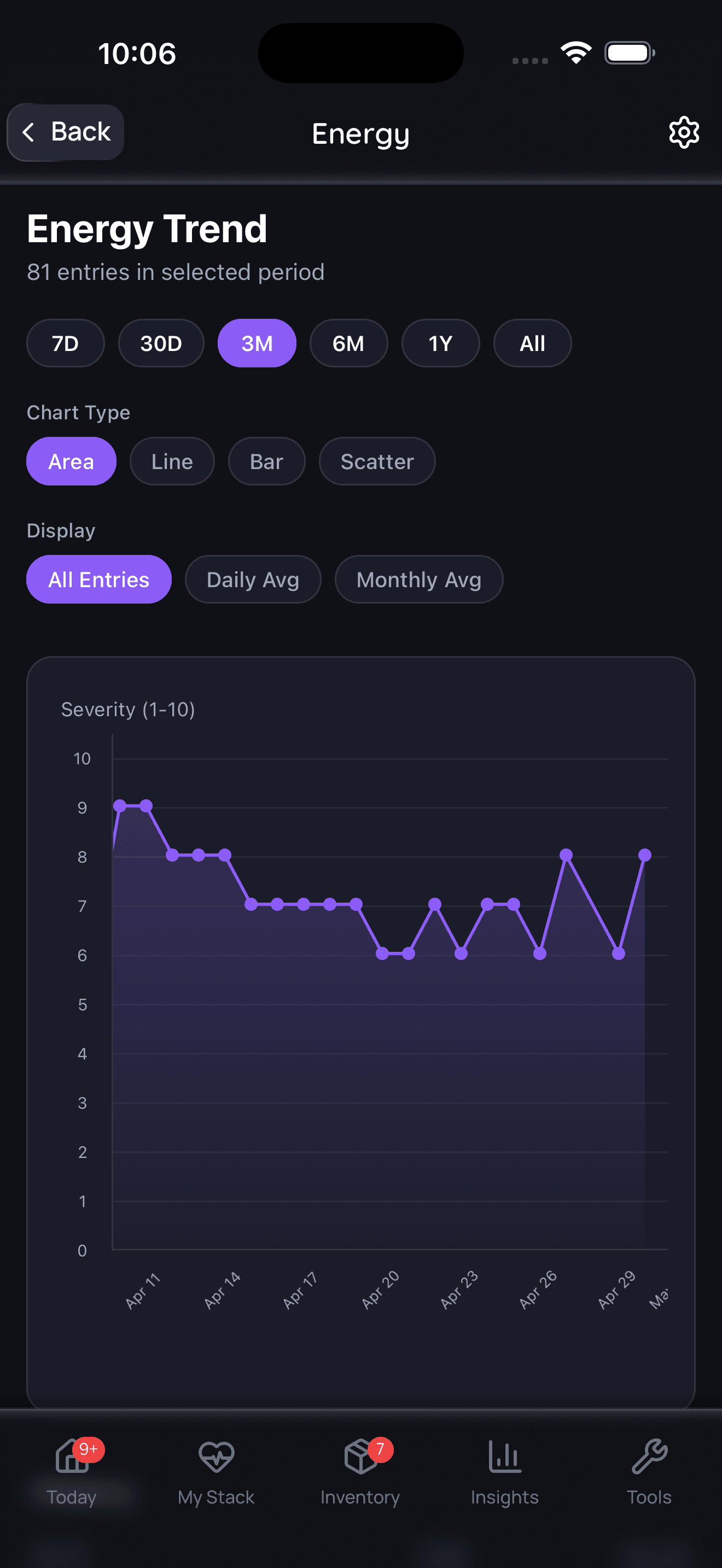
Symptom tracking is informational and should be interpreted with a qualified clinician.
Dosing & Usage Protocols
The Basics
L-Carnitine dosing varies depending on the form, the health goal, and the individual. Most clinical studies have used doses between 1,000 and 3,000 mg per day, often split into two or three doses. Here is what the research generally shows across different applications:
For general wellness and energy support, commonly cited doses range from 500 to 2,000 mg per day. For exercise recovery, LCLT is typically studied at 1,000 to 2,000 mg daily, often taken 60 to 90 minutes before exercise. For cognitive support (ALCAR), doses of 1,500 to 3,000 mg per day are most commonly used in clinical trials. For peripheral artery disease, propionyl-L-carnitine has been studied at 2,000 mg per day. For metabolic health support, most trials use 1,000 to 3,000 mg per day [1][3][4].
The low oral bioavailability (14-18%) means that only a fraction of each dose reaches the bloodstream. Some practitioners recommend taking L-Carnitine with carbohydrates to enhance muscle uptake via insulin signaling, though this adds calories and complexity to the protocol [3][12].
It is worth keeping in mind that the body needs approximately 15 mg per day from the combination of diet and internal production. Supplemental doses of 1,000+ mg per day are many times this amount, which is why the majority of the supplement is not absorbed and passes through the digestive system.
The Science
Dosing protocols from clinical trials organized by application:
Application
Peripheral artery disease
- Form
- PLC
- Dose
- 2,000 mg/day
- Duration
- 4-6 months
- Evidence Level
- Moderate (systematic review, 3 RCTs)
Application
Post-MI secondary prevention
- Form
- L-Carnitine
- Dose
- 2,700-6,000 mg/day
- Duration
- 5 days to 12 months
- Evidence Level
- Moderate (meta-analysis, 13 RCTs)
Application
Chronic heart failure
- Form
- L-Carnitine
- Dose
- 1,000-6,000 mg/day
- Duration
- 7 days to 3 years
- Evidence Level
- Moderate (meta-analysis, 17 RCTs)
Application
Insulin resistance / T2DM
- Form
- L-Carnitine
- Dose
- 1,000-3,000 mg/day
- Duration
- 12-52 weeks
- Evidence Level
- Moderate (meta-analysis, 41 RCTs)
Application
Male infertility
- Form
- L-Carnitine/ALCAR
- Dose
- 1,000-3,000 mg/day
- Duration
- 2-6 months
- Evidence Level
- Low-Moderate (meta-analysis, 3 RCTs)
Application
Female infertility (PCOS)
- Form
- L-Carnitine
- Dose
- 3,000 mg/day
- Duration
- Until pregnancy
- Evidence Level
- Low (2 RCTs)
Application
Exercise recovery
- Form
- LCLT
- Dose
- 1,000-2,000 mg/day
- Duration
- 3-24 weeks
- Evidence Level
- Mixed (systematic review, 11 RCTs)
Application
Mild cognitive impairment
- Form
- ALCAR
- Dose
- 1,500-3,000 mg/day
- Duration
- 3-12 months
- Evidence Level
- Low-Moderate (meta-analysis, 21 RCTs)
Application
Diabetic neuropathy
- Form
- ALCAR
- Dose
- 2,000-3,000 mg/day
- Duration
- Variable
- Evidence Level
- Low (2 RCTs)
Application
Weight management
- Form
- L-Carnitine
- Dose
- 1,800-4,000 mg/day
- Duration
- 30-360 days
- Evidence Level
- Low (meta-analysis, 9 RCTs)
Dose-response relationships have been explored in the metabolic context, with benefits on glycemic markers observed across a wide range (0.25-4 g/day). Gastrointestinal side effects and body odor increase substantially above 3 g/day [1][16].
When your stack includes several supplements, each with its own dose, form, and timing requirements, the logistics alone can derail consistency. Doserly consolidates all of it into one protocol view, so every dose across your entire routine is accounted for without spreadsheets or guesswork.
The app also tracks cumulative intake for nutrients that appear in multiple products. If your multivitamin, standalone supplement, and fortified protein shake all contain the same nutrient, Doserly adds them up and shows you the total alongside recommended and upper limits. Managing a thoughtful supplement protocol shouldn't require a degree in nutrition science. The app handles the complexity so you can focus on staying consistent.
Track injection timing, draw notes, and site rotation.
Doserly helps keep syringe-related notes, injection site history, reminders, and reconstitution context together for easier review.
Injection log
Site rotation
Injection logs support record-keeping; follow clinician instructions for administration.
What to Expect (Timeline)
Weeks 1-2: Most users report minimal noticeable effects during the first week. Some may experience GI adjustment (mild nausea, loose stools) as the body adapts. Fishy taste or body odor may appear in the first few days, particularly at higher doses. ALCAR users may notice subtle energy or focus changes within the first few days, though this can also manifest as stimulatory side effects (difficulty sleeping, mild agitation).
Weeks 2-4: Energy and recovery benefits, if they occur, typically begin to become noticeable. Users taking LCLT before exercise may notice reduced soreness 1-2 days after training. ALCAR users often report improved mental clarity and reduced brain fog during this period. Physical effects continue to build as tissue levels rise, though oral supplementation raises muscle carnitine levels slowly compared to dietary intake.
Weeks 4-8: Full benefits, if present, are generally apparent by this time. Metabolic effects (improved insulin sensitivity, glucose regulation) may take 4-12 weeks to manifest in lab work. Exercise recovery benefits are typically consistent by week 4-6 for regular exercisers.
Months 2-6: Long-term carnitine supplementation with carbohydrate co-ingestion may increase muscle carnitine stores over 3-6 months. Fertility-related applications require 2-6 months of consistent use for spermatogenesis cycle effects. Some community reports suggest that initial dramatic effects (especially energy) may diminish with continued use, suggesting tolerance development.
Important note: Some community reports indicate that stopping supplementation after regular use can lead to a noticeable return of fatigue or muscle soreness symptoms, suggesting some degree of adaptation rather than permanent improvement.
Interactions & Compatibility
Synergistic
- Coenzyme Q10: Both support mitochondrial energy production through complementary mechanisms. L-Carnitine shuttles fatty acids into mitochondria; CoQ10 facilitates electron transport within them. Often co-supplemented in cardiovascular and fatigue protocols.
- Vitamin C: Required cofactor for endogenous carnitine synthesis. Adequate vitamin C status supports the body's ability to produce its own carnitine.
- Iron: Required cofactor for carnitine biosynthesis enzymes (trimethyllysine hydroxylase and gamma-butyrobetaine hydroxylase).
- Vitamin B6: Involved in the carnitine synthesis pathway. Deficiency may impair endogenous carnitine production.
- Alpha-Lipoic Acid: Both support mitochondrial function and energy metabolism. Some community and clinical reports suggest synergistic effects on energy and neuroprotection.
- Carbohydrate co-ingestion: Insulin response from carbohydrates may enhance skeletal muscle carnitine uptake via OCTN2 transporter stimulation.
Caution / Avoid
- Warfarin and anticoagulants: L-carnitine may potentiate anticoagulant effects. Monitor INR closely if combining [7][8].
- Valproic acid (and other anticonvulsants): Valproic acid, phenobarbital, phenytoin, and carbamazepine can deplete carnitine stores. Conversely, carnitine supplementation may be used therapeutically to treat valproic acid toxicity under medical supervision [1][27].
- Pivalate-conjugated antibiotics: Chronic use can deplete carnitine stores [1][26].
- Thyroid hormone medications: L-Carnitine has been shown to act as a peripheral antagonist of thyroid hormone action. This may be therapeutic in hyperthyroidism but counterproductive for individuals taking levothyroxine for hypothyroidism [7][28].
- ALCAR + chemotherapy: ALCAR increased chemotherapy-induced peripheral neuropathy. Avoid ALCAR in patients undergoing chemotherapy unless specifically directed by an oncologist [24][25].
How to Take / Administration Guide
Recommended forms by goal:
- Cognitive support and neuroprotection: ALCAR (Acetyl-L-Carnitine)
- Exercise recovery: LCLT (L-Carnitine L-Tartrate)
- Cardiovascular and PAD: PLC (Propionyl-L-Carnitine)
- General metabolic support: L-Carnitine base form or LCLT
Timing considerations: L-Carnitine can be taken at any time, but for exercise-related goals, taking LCLT 60-90 minutes before training is the most common approach in research. ALCAR is often taken in the morning due to its mild stimulatory effects; taking it late in the day may disrupt sleep in sensitive individuals. Splitting the total daily dose across 2-3 servings may improve tolerability and maintain more consistent blood levels.
Food pairing: Research suggests that taking L-Carnitine with a carbohydrate-containing meal (approximately 80g of carbohydrates) may significantly enhance muscle uptake. This is attributed to insulin-mediated stimulation of the OCTN2 carnitine transporter in skeletal muscle. For those following low-carb diets, this presents a practical challenge.
Powder mixing: L-Carnitine powder dissolves readily in water. Some users mix it into a pre-workout drink or morning beverage. L-Carnitine Tartrate has a mildly tart taste that is generally well-tolerated. ALCAR powder may have a slightly bitter taste.
Cycling: There is no strong evidence that L-Carnitine requires cycling (periodic breaks). However, some community users report diminishing returns after 2-3 months of continuous use. Taking periodic breaks (e.g., 1 week off every 8-12 weeks) is a common anecdotal approach, though not clinically validated.
TMAO mitigation: Some users co-supplement with raw garlic or allicin supplements based on preliminary research suggesting that garlic compounds may inhibit TMA production by gut bacteria. This practice is common in community discussions but not well-validated in clinical trials.
Choosing a Quality Product
Third-party certifications to look for:
- USP Verified Mark (identity, strength, purity, performance testing)
- NSF Certified for Sport (screens for 280+ banned substances; important for athletes)
- Informed Sport certification (batch testing for WADA-banned substances)
- GMP (Good Manufacturing Practices) certification
Form quality indicators:
- Products should specify which form of carnitine they contain (L-Carnitine, ALCAR, LCLT, PLC). Products listing only "carnitine" without specifying the form are less transparent.
- Look for products made with Carnipure (Lonza), a branded L-Carnitine ingredient verified for purity and the correct L-isomer. Racemic (DL-) carnitine products should be avoided, as D-carnitine can competitively inhibit L-carnitine transport.
- Liquid L-Carnitine products may contain added sugars, artificial flavors, or preservatives. Check ingredient labels.
Red flags:
- Products claiming "pharmaceutical-grade" L-Carnitine without third-party verification
- Proprietary blends that do not disclose the amount of carnitine per serving
- Products combining L-Carnitine with stimulants in "fat burner" formulations at undisclosed doses
- Extremely low-priced products that may contain racemic carnitine or impurities
Excipient considerations: Common fillers include magnesium stearate, silicon dioxide, and cellulose. These are generally safe. Individuals with sensitivities should look for products free of major allergens (gluten, soy, dairy). Vegetarian/vegan capsules are widely available.
Storage & Handling
L-Carnitine supplements should be stored at room temperature (15-25 C / 59-77 F) in a dry place away from direct sunlight and moisture. Most capsule and tablet forms do not require refrigeration and remain stable for 2-3 years when properly stored.
Liquid L-Carnitine products should be refrigerated after opening and typically have a shorter shelf life (check manufacturer recommendations). Powder forms are generally stable but should be kept in a tightly sealed container to prevent moisture absorption.
L-Carnitine is water-soluble and not particularly sensitive to heat or light degradation under normal storage conditions. However, prolonged exposure to high humidity can cause powder clumping.
Lifestyle & Supporting Factors
Dietary sources: Red meat is the richest dietary source of carnitine (beef steak provides 42-122 mg per 3-ounce serving). Poultry, fish, and dairy provide smaller amounts. Vegetables, fruits, and grains contain negligible carnitine. Vegetarians and especially vegans have significantly lower carnitine intake and may benefit more from supplementation than omnivores [1].
Exercise: Regular exercise may increase the body's carnitine utilization for fatty acid oxidation. Athletes with high training volumes may have higher carnitine turnover. Taking L-Carnitine alongside a structured exercise program may produce more noticeable results than supplementation alone.
Diet composition: High-carbohydrate meals consumed with L-Carnitine may enhance muscle carnitine uptake through insulin-mediated transport. Conversely, very-low-carbohydrate diets may limit this uptake mechanism, potentially reducing the effectiveness of oral L-Carnitine supplementation for muscle storage.
Hydration: Adequate water intake is recommended, particularly at higher doses, to support renal clearance of excess carnitine and its metabolites.
Signs that may indicate low carnitine status: Persistent fatigue, muscle weakness, exercise intolerance, and carnitine-related lab values below reference ranges. Strict vegetarians/vegans, dialysis patients, and individuals taking certain anticonvulsants may be at higher risk for suboptimal carnitine status.
Gut health consideration: Because gut bacteria mediate the conversion of carnitine to TMA/TMAO, gut microbiome composition may influence both the cardiovascular risk profile and the side effect profile (body odor) of L-Carnitine supplementation. Omnivores tend to have gut bacteria more adapted to metabolize carnitine than vegans/vegetarians.
Regulatory Status & Standards
United States (FDA): L-Carnitine (as levocarnitine) is available both as a prescription drug (Carnitor, for treatment of primary and secondary carnitine deficiency) and as a dietary supplement under DSHEA. When sold as a supplement, it is not evaluated by the FDA for efficacy in treating any disease. It holds GRAS status for use in food.
Canada (Health Canada): L-Carnitine is available as a Natural Health Product (NHP) with assigned NPN numbers. Licensed for uses including support of energy production and fat metabolism.
European Union (EFSA): L-Carnitine is permitted in food supplements. EFSA has evaluated health claims related to carnitine and has approved claims related to its contribution to normal fatty acid metabolism (when consumed at levels providing at least 390 mg/day of L-carnitine tartrate).
Australia (TGA): Listed as a complementary medicine ingredient.
Athlete & Sports Regulatory Status:
- WADA: L-Carnitine is NOT on the WADA Prohibited List and is permitted both in-competition and out-of-competition at oral supplemental doses. However, intravenous infusions of L-carnitine exceeding 100 mL per 12-hour period are prohibited under method M2 (Chemical and Physical Manipulation) unless medically justified.
- USADA, UKAD, Sport Integrity Canada, Sport Integrity Australia: No specific alerts or restrictions on oral L-Carnitine supplementation. Athletes are advised to use third-party tested products to avoid contamination risk.
- NCAA: L-Carnitine is not on the NCAA banned substance list. However, NCAA guidelines require that supplements provided by athletic departments carry NSF Certified for Sport or Informed Sport certification.
- Professional leagues (NFL, NBA, MLB, NHL): L-Carnitine is not prohibited by any major North American professional sports league.
- Certification programs: Informed Sport, NSF Certified for Sport, and Cologne List all offer testing programs for L-Carnitine products. Athletes should select products bearing these certifications to minimize contamination risk.
- GlobalDRO: Athletes can verify L-Carnitine supplement status at GlobalDRO.com across US, UK, Canada, Australia, Japan, Switzerland, and New Zealand.
Regulatory status and prohibited substance classifications change frequently. Athletes should always verify the current status of any supplement with their sport's governing body, their national anti-doping agency, and a qualified sports medicine professional before use. Third-party certification (Informed Sport, NSF Certified for Sport) reduces but does not eliminate the risk of contamination with prohibited substances.
Frequently Asked Questions
Does L-Carnitine actually help with fat loss?
Based on available research, the evidence for L-Carnitine as a standalone fat loss supplement is modest. A meta-analysis of 9 randomized controlled trials found an average additional weight loss of approximately 1.33 kg in supplement users compared to placebo, regardless of dose or study duration. However, many of these studies involved concurrent caloric restriction or exercise programs, making it difficult to isolate carnitine's contribution. The low oral bioavailability of supplemental L-Carnitine (14-18%) further limits how much reaches the tissues where fat oxidation occurs [1][3].
What is the difference between L-Carnitine, ALCAR, and LCLT?
These are different chemical forms of carnitine with distinct properties. L-Carnitine is the base form used in most metabolic and cardiovascular studies. ALCAR (Acetyl-L-Carnitine) carries an acetyl group that allows it to cross the blood-brain barrier more readily, making it the form most studied for cognitive function and neuroprotection. LCLT (L-Carnitine L-Tartrate) is a salt form commonly used in exercise performance and recovery research. PLC (Propionyl-L-Carnitine) has the strongest evidence for peripheral artery disease. Choosing the right form depends on the intended application [3].
Is the TMAO concern serious enough to avoid L-Carnitine?
This remains an active area of scientific debate. Observational studies have linked TMAO (a metabolite of L-Carnitine produced by gut bacteria) to increased cardiovascular risk. However, whether TMAO directly causes cardiovascular disease or is merely a marker of other risk factors has not been definitively established. The effect is more pronounced in regular meat-eaters than in vegetarians or vegans. Individuals with existing cardiovascular risk factors should discuss this concern with their healthcare provider before supplementing [10][11].
Why does L-Carnitine cause a fishy body odor?
Unabsorbed L-Carnitine is converted by gut bacteria to trimethylamine (TMA), a volatile compound with a strong fishy odor. TMA is released through sweat, breath, and urine. This effect is dose-dependent and more common at doses above 2-3 g per day. Reducing the dose typically resolves the issue within a few days [1][3].
Do vegetarians need L-Carnitine supplements?
Vegetarians and vegans have significantly lower dietary carnitine intake (roughly 1.2 mg/day vs. 24-145 mg/day for omnivores) and tend to have lower plasma carnitine levels. However, the body compensates through endogenous synthesis, and there is limited clinical evidence demonstrating clear health benefits of supplementation in this population. One study found that L-Carnitine supplementation increased skeletal muscle carnitine stores by approximately 13% in vegetarians but not in omnivores, suggesting vegetarians may be more responsive to supplementation [1][3][21].
Can I take L-Carnitine with other supplements?
L-Carnitine is commonly stacked with Coenzyme Q10 (complementary mitochondrial support), alpha-lipoic acid, and B vitamins. It is important to note that L-Carnitine may interact with blood-thinning medications and certain anticonvulsants. Individuals on thyroid medication should also exercise caution, as carnitine can act as a peripheral thyroid hormone antagonist [1][7][8].
What is the best time to take L-Carnitine?
Timing depends on the form and goal. For exercise recovery (LCLT), many research protocols use doses 60-90 minutes before training, often with a carbohydrate-containing meal or drink. ALCAR is commonly taken in the morning due to its mild stimulatory properties; late-day dosing may interfere with sleep. General L-Carnitine can be taken at any time, though splitting the dose across meals may improve tolerability [3][12].
How long does it take for L-Carnitine to work?
Effects vary by application. ALCAR may produce subtle cognitive or energy effects within the first week. Exercise recovery benefits typically emerge within 2-4 weeks of consistent use. Metabolic effects (glucose regulation, insulin sensitivity) may take 4-12 weeks to appear in lab work. Full muscle carnitine loading with chronic oral supplementation may take 3-6 months, especially when combined with carbohydrate co-ingestion [12][16].
Is L-Carnitine safe for long-term use?
L-Carnitine from food sources is considered safe with no established upper intake limit. For supplemental carnitine, doses up to 2 g per day have been used in clinical trials lasting up to 12 months without serious adverse events. The primary long-term concern is the TMAO pathway and its potential cardiovascular implications, which remain under investigation. Periodic monitoring of cardiovascular risk markers may be prudent for long-term users [1][10].
Does L-Carnitine help with chronic fatigue?
Preliminary evidence suggests L-Carnitine may provide some benefit for certain types of fatigue. An exploratory open-label study found acetyl- and propionyl-carnitine improved symptoms of chronic fatigue syndrome. L-Carnitine has also shown benefit for fatigue in hemodialysis patients and some cancer patients. However, evidence is limited, and current clinical guidelines do not recommend L-Carnitine for cancer-related fatigue [1][7][8].
Myth vs. Fact
Myth: L-Carnitine is a powerful fat burner that will significantly accelerate weight loss.
Fact: While L-Carnitine plays a real role in fat metabolism by transporting fatty acids into mitochondria, supplementation produces modest weight loss at best. The largest meta-analysis on the topic found an average of just 1.33 kg additional weight loss compared to placebo across 9 trials, and many of those studies included concurrent diet or exercise interventions. L-Carnitine does not bypass the fundamental requirement of a caloric deficit for fat loss [1][3].
Myth: Oral L-Carnitine supplements are useless because of low bioavailability.
Fact: It is true that oral L-Carnitine has a bioavailability of only 14-18%, compared to 54-87% from dietary sources. However, "low bioavailability" does not mean "no effect." Multiple meta-analyses using oral supplementation have demonstrated measurable clinical outcomes in insulin resistance, cardiovascular function, and exercise recovery. The key is that higher oral doses compensate for the lower absorption rate. Taking L-Carnitine with carbohydrates may also enhance muscle uptake [1][3][12].
Myth: All forms of L-Carnitine are the same and interchangeable.
Fact: L-Carnitine, ALCAR, LCLT, and PLC have meaningfully different properties, tissue targets, and evidence bases. ALCAR crosses the blood-brain barrier and is the form studied for cognitive applications. PLC has the strongest evidence for peripheral artery disease. LCLT is the form most studied for exercise recovery. Using the wrong form for a given goal may result in suboptimal outcomes [3].
Myth: L-Carnitine supplementation is necessary for everyone.
Fact: Healthy individuals with adequate dietary protein intake (particularly meat-eaters) synthesize and consume sufficient carnitine to meet physiological needs. The body requires approximately 15 mg per day from diet and synthesis combined, and a typical omnivorous diet provides 24-145 mg. Supplementation is most relevant for specific populations: strict vegetarians/vegans, individuals with carnitine deficiency disorders, dialysis patients, and certain clinical conditions [1].
Myth: TMAO from L-Carnitine definitively causes heart disease.
Fact: While observational studies have associated higher TMAO levels with increased cardiovascular risk, the causal relationship remains unestablished. TMAO may be a marker of underlying metabolic dysfunction rather than a direct causative agent. Fish, which is widely considered heart-healthy, also produces significant TMAO. The clinical implications of carnitine-derived TMAO are an active area of research, and no regulatory body has issued warnings against supplemental L-Carnitine on the basis of TMAO data [10][11].
Myth: You need to inject L-Carnitine for it to be effective.
Fact: While injectable L-Carnitine does achieve higher bioavailability, oral supplementation has demonstrated clinical benefits across numerous meta-analyses and RCTs. The injectable vs. oral debate is popular in bodybuilding communities but is not supported by the clinical evidence base, which overwhelmingly uses oral dosing. Injectable supplementation also carries additional risks (injection site reactions, sourcing quality concerns) and is not necessary for the therapeutic applications studied in clinical trials [1][3].
Myth: ALCAR is just a better version of L-Carnitine for everything.
Fact: ALCAR and L-Carnitine serve different purposes. ALCAR is better suited for cognitive and neurological applications due to its ability to cross the blood-brain barrier. However, ALCAR has been shown to increase chemotherapy-induced peripheral neuropathy in cancer patients, a serious adverse effect not seen with regular L-Carnitine. For exercise recovery, metabolic health, and cardiovascular applications, L-Carnitine or its other forms (LCLT, PLC) may be more appropriate [3][7][24][25].
Sources & References
Government / Institutional Sources
[1] National Institutes of Health, Office of Dietary Supplements. "Carnitine: Fact Sheet for Health Professionals." Updated April 17, 2023. https://ods.od.nih.gov/factsheets/carnitine-HealthProfessional/
[2] Ferreira GC, McKenna MC. "L-carnitine and acetyl-L-carnitine roles and neuroprotection in developing brain." Neurochem Res. 2017;42:1661-75.
[5] National Research Council, Food and Nutrition Board. "Recommended Dietary Allowances," 10th ed. National Academy Press, 1989.
[6] Rebouche CJ. "Carnitine." In: Modern Nutrition in Health and Disease, 11th ed. 2014:252-3.
Systematic Reviews & Meta-Analyses
[8] DiNicolantonio JJ, Lavie CJ, Fares H, et al. "L-carnitine in the secondary prevention of cardiovascular disease: systematic review and meta-analysis." Mayo Clin Proc. 2013;88:544-51.
[9] Haghighatdoost F, Jabbari M, Hariri M. "The effect of L-carnitine on inflammatory mediators: a systematic review and meta-analysis of randomized clinical trials." Eur J Clin Pharmacol. 2019;75:1037-46.
[14] Tama B, Fabara SP, Zarrate D, et al. "Effectiveness of propionyl-L-carnitine supplementation on exercise performance in intermittent claudication: a systematic review." Cureus. 2021;13:e17592.
[15] Salas-Huetos A, Rosique-Esteban N, Becerra-Tomas N, et al. "The effect of nutrients and dietary supplements on sperm quality parameters: a systematic review and meta-analysis of randomized clinical trials." Adv Nutr. 2018;9:833-48.
[16] Zamani M, Pahlavani N, Nikbaf-Shandiz M, et al. "The effects of L-carnitine supplementation on glycemic markers in adults: A systematic review and dose-response meta-analysis." Front Nutr. 2023;9:1082097.
[17] Song X, Qu H, Yang Z, et al. "Efficacy and safety of l-carnitine treatment for chronic heart failure: a meta-analysis of randomized controlled trials." Biomed Res Int. 2017;2017:6274854.
[18] Xu Y, Jiang W, Chen G, et al. "L-carnitine treatment of insulin resistance: A systematic review and meta-analysis." Adv Clin Exp Med. 2017;26:333-8.
[19] de Ligny W, Smits RM, Mackenzie-Proctor R, et al. "Antioxidants for male subfertility." Cochrane Database Syst Rev. 2022;5:CD007411.
[21] Mielgo-Ayuso J, Pietrantonio L, Viribay A, et al. "Effect of acute and chronic oral l-carnitine supplementation on exercise performance based on the exercise intensity: A systematic review." Nutrients. 2021;13:4359.
[22] Montgomery SA, Thal LJ, Amrein R. "Meta-analysis of double blind randomized controlled clinical trials of acetyl-L-carnitine versus placebo in the treatment of mild cognitive impairment and mild Alzheimer's disease." Int Clin Psychopharmacol. 2003;18:61-71.
Clinical Trials & RCTs
[10] Koeth RA, Wang Z, Levison BS, et al. "Intestinal microbiota metabolism of L-carnitine, a nutrient in red meat, promotes atherosclerosis." Nat Med. 2013;19:576-85.
[11] Johri AM, Hetu MF, Heyland DK, et al. "Progression of atherosclerosis with carnitine supplementation: a randomized controlled trial in the metabolic syndrome." Nutr Metab (Lond). 2022;19:26.
[12] Wall BT, Stephens FB, Constantin-Teodosiu D, et al. "Chronic oral ingestion of L-carnitine and carbohydrate increases muscle carnitine content and alters muscle fuel metabolism during exercise in humans." J Physiol. 2011;589:963-73.
[13] Koeth RA, Levison BS, Culley MK, et al. "Gamma-butyrobetaine is a proatherogenic intermediate in gut microbial metabolism of L-carnitine to TMAO." Cell Metab. 2014;20:799-812.
[20] Ismail AM, Hamed AH, Saso S, et al. "Adding L-carnitine to clomiphene resistant PCOS women improves the quality of ovulation and the pregnancy rate." Eur J Obstet Gynecol Reprod Biol. 2014;180:148-52.
[23] Sima AA, Calvani M, Mehra M, et al. "Acetyl-L-carnitine improves pain, nerve regeneration, and vibratory perception in patients with chronic diabetic neuropathy." Diabetes Care. 2005;28:89-94.
[24] Hershman DL, Unger JM, Crew KD, et al. "Randomized double-blind placebo-controlled trial of acetyl-L-carnitine for the prevention of taxane-induced neuropathy in women undergoing adjuvant breast cancer therapy." J Clin Oncol. 2013;31:2627-33.
[25] Hershman DL, Unger JM, Crew KD, et al. "Two-year trends of taxane-induced neuropathy in women enrolled in a randomized trial of acetyl-L-carnitine (SWOG S0715)." J Natl Cancer Inst. 2018;110:669-676.
[26] Brass EP. "Pivalate-generating prodrugs and carnitine homeostasis in man." Pharmacol Rev. 2002;54:589-98.
[27] Lheureux PE, Hantson P. "Carnitine in the treatment of valproic acid-induced toxicity." Clin Toxicol (Phila). 2009;47:101-11.
[28] Benvenga S, et al. "Usefulness of L-carnitine, a naturally occurring peripheral antagonist of thyroid hormone action, in iatrogenic hyperthyroidism." J Clin Endocrinol Metab. 2001;86:3579-94.
Monographs & Reviews
[3] Examine.com Research Team. "L-Carnitine Research Breakdown." Last updated February 10, 2026. (Traced to primary sources cited above.)
[4] Memorial Sloan Kettering Cancer Center. "Carnitine: Purported Benefits, Side Effects & More." Updated September 12, 2024. (Traced to primary sources cited above.)
[7] Hudson S, Tabet N. "Acetyl-L-carnitine for dementia." Cochrane Database Syst Rev. 2003;2003(2):CD003158.
Related Supplement Guides
Same Category (Amino Acid Derivatives)
Common Stacks / Pairings
- Coenzyme Q10
- Alpha-Lipoic Acid
- Alpha-GPC (often paired with ALCAR for cognitive stacks)
- Vitamin C
- Iron
- Vitamin B6
Related Health Goal
- Fish Oil (EPA/DHA) (cardiovascular support)
- Magnesium (energy production, muscle function)
- B-Complex (mitochondrial energy support)
- NMN (mitochondrial function, longevity)
- Choline (related nutrient, ALCAR supports acetylcholine production)