
In this guide
What is vitamin B5?
Vitamin B5, or pantothenic acid, is a water-soluble nutrient used to make coenzyme A and acyl carrier protein. These molecules help transfer carbon units in fatty-acid metabolism and many other reactions. [1]
Pantothenic acid is present across the food supply, so deficiency is rare. The practical challenge is separating the 5 mg adult nutrition reference from products containing hundreds of milligrams and from pantethine, a related derivative studied for lipid markers.
Typical Vitamin B5 Protocols
| Purpose or population | Form and amount each time | Frequency | Total per day | Duration |
|---|---|---|---|---|
| AI, adults 19+ | Pantothenic acid from all sources | Daily | 5 mg | Ongoing reference intake |
| AI, pregnancy | Pantothenic acid from all sources | Daily | 6 mg | During pregnancy |
| AI, lactation | Pantothenic acid from all sources | Daily | 7 mg | During lactation |
| Lipid-marker trial, 32 adults at low-to-moderate cardiovascular risk | Pantethine; per-dose allocation not reported in the abstract | Daily | 600 mg weeks 1–8; 900 mg weeks 9–16 | 16 weeks |
The final row is not a B5 intake target. It tested a specific derivative, escalated the total daily amount, and measured lipids rather than heart attacks or strokes. [2]
Where these amounts come from
One family name, different evidence
Identity and purpose must stay attached to the amount.
Pantethine findings do not establish cardiovascular benefit from ordinary B5.
Does vitamin B5 need to be cycled?
No nutrition authority defines a B5 cycle. The 16-week pantethine study duration is study design, not a general schedule.
What happens when vitamin B5 is stopped?
There is no recognized withdrawal syndrome. Stopping removes that source; diet continues to provide pantothenic acid. A lipid change after stopping pantethine should be interpreted with the clinician managing cardiovascular risk.
Which foods provide pantothenic acid?
Pantothenic acid occurs in almost all plant and animal foods. Beef, poultry, organ meats, whole grains, mushrooms, avocado, potatoes, broccoli, eggs, milk, peanuts, sunflower seeds and chickpeas contribute. Processing can reduce content. [1]
Which forms are on labels?
Supplements often use calcium pantothenate. Some use pantethine, a dimeric derivative. ODS reports no studies comparing the relative bioavailability of supplement forms. A pantethine lipid trial cannot be assigned to calcium pantothenate or ordinary food pantothenic acid. [1], [2]
How should vitamin B5 be stored?
Follow the label for temperature, moisture and expiry. Keep the original container closed and away from children.
What is vitamin B5 commonly used for?
Pantothenic acid prevents deficiency and supports normal coenzyme A biology. It is marketed for energy, stress, skin and hair, but essential metabolism does not show that extra intake improves those outcomes in a replete person. Pantethine has separate lipid-marker research.
What does human research show?
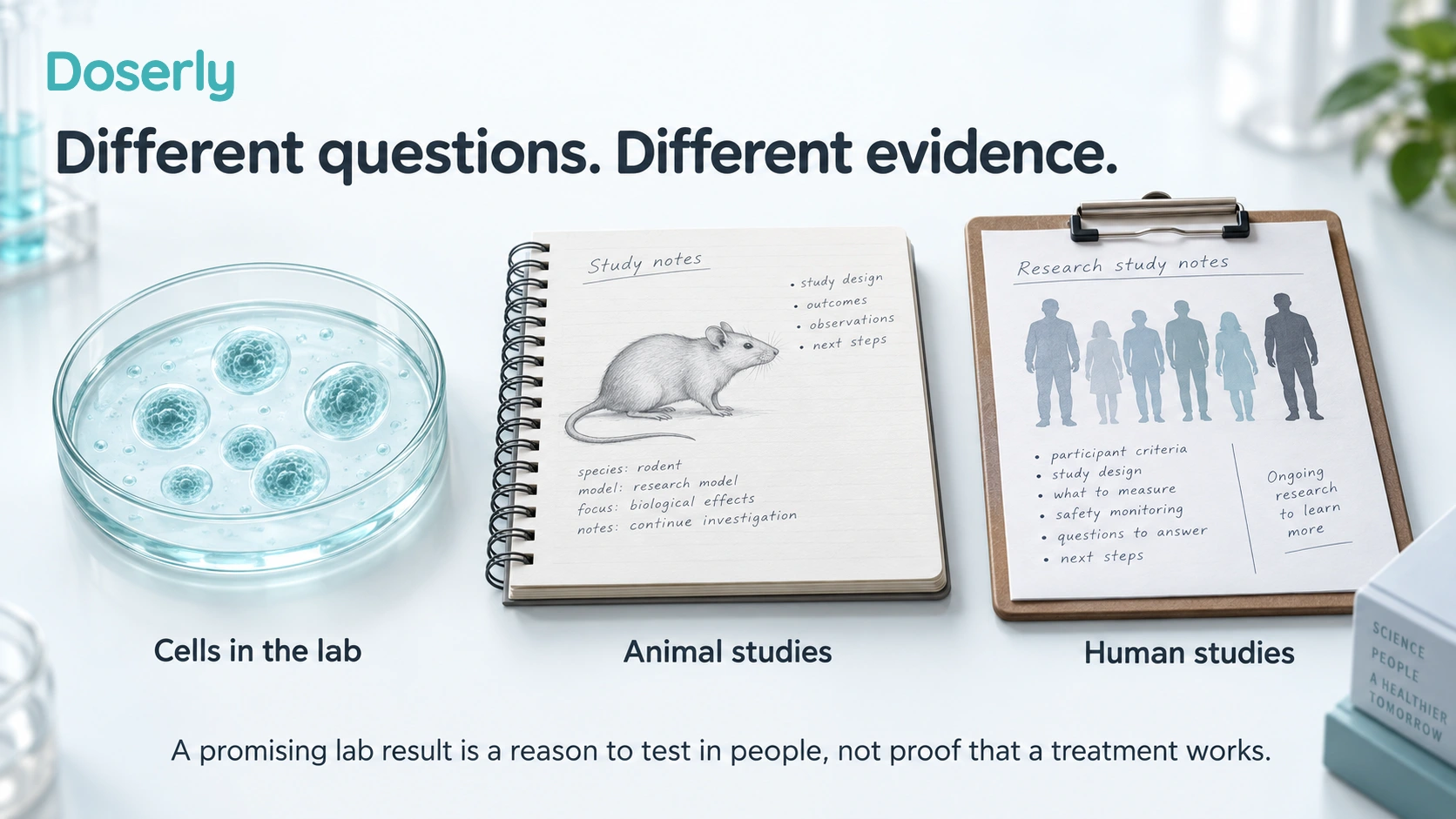
The pantethine trial randomized 32 North American adults at low-to-moderate cardiovascular risk who were eligible for statin therapy. The active group received 600 mg/day during weeks 1–8 and 900 mg/day during weeks 9–16. Total cholesterol at week 16 and LDL cholesterol at weeks 8 and 16 were lower than placebo; the reported LDL change was about 11% below baseline. [2]
The trial was small, used a derivative, and measured lipid markers. It did not test cardiovascular events and does not establish a high-dose pantothenic-acid regimen. [2]
How does vitamin B5 work?
Pantothenic acid is incorporated into coenzyme A and acyl carrier protein. These support synthesis and breakdown of fatty acids and transfer of acetyl and acyl groups. Pantethine can be metabolized into pantetheine-related compounds, but its lipid mechanism and exposure are not equivalent to meeting the B5 AI. [1]
What are the risks and interactions?
No U.S. UL was established because available human toxicity reports were insufficient. That is not a safety guarantee. ODS notes mild diarrhea and gastrointestinal distress with very high intake such as 10 g/day. [1]
In the United States, supplements generally lack FDA premarket approval for safety or efficacy. In Canada, natural health products require a product licence and authorized labels carry an NPN or DIN-HM. [3], [4]
Which medicines interact with vitamin B5?
ODS reports no known clinically relevant medication interactions for pantothenic acid. This does not mean every high-dose pantethine regimen or multi-ingredient combination has been tested. Lipid treatment should not be replaced based on a small supplement trial. [1], [2]
What should be monitored?
Most people do not need a B5 biomarker or standalone supplement. Count duplicate amounts across B complexes, multivitamins and standalone products. For clinician-reviewed pantethine use, track the stated lipid outcome, adverse effects, concurrent medicines and the planned review point.
What do public communities report?
People discuss energy, acne, hair or cholesterol, often without naming the B5 form. These reports cannot establish benefits or rates because product identity, dose and co-interventions vary. This overhaul did not independently recrawl or quantify community posts.
How does vitamin B5 compare with nearby options?
| Guide | What it is | Key difference |
|---|---|---|
| Vitamin B3 | Niacin family nutrient | Has RDAs in niacin equivalents and a source-limited UL |
| Vitamin B2 | Riboflavin coenzyme precursor | Different coenzymes and evidence |
| Biotin | Vitamin B7 | High supplemental intake can interfere with laboratory tests |
| B complex | Multi-B product | Can already contain large B5 amounts |
Common questions about vitamin B5
Is the adult target 5 mg or 500 mg?
The U.S. adult AI is 5 mg/day from total intake. A 500 mg product is 100 times that reference and is not the nutrition target. [1]
Is pantethine the same as pantothenic acid?
It is a related derivative. Evidence from pantethine should not be assigned automatically to calcium pantothenate or food B5. [1], [2]
Does no UL mean any amount is safe?
No. It means evidence was insufficient to establish a U.S. UL; 10 g/day has caused gastrointestinal effects. [1]
Does B5 increase energy?
It is essential to energy metabolism, but that role does not demonstrate a stimulant or performance benefit from extra intake in replete people.
Did pantethine prevent heart attacks?
No. The 32-person trial measured lipid markers over 16 weeks, not cardiovascular events. [2]
Are calcium pantothenate and pantethine proven to absorb better?
No comparative bioavailability studies establish a superior supplement form. [1]
Glossary
Plain explanations of vitamin B5 terms.
- Adequate Intake (AI)
- A reference used when evidence is insufficient to establish an RDA; the adult B5 AI is 5 mg/day.
- Coenzyme A
- A pantothenic-acid-derived coenzyme that transfers acetyl and acyl groups.
- Pantethine
- A related dimeric derivative studied at hundreds of milligrams for lipid markers.
- Calcium pantothenate
- A common stable supplemental form of pantothenic acid.
- Tolerable Upper Intake Level (UL)
- A chronic intake boundary; no U.S. UL is established for pantothenic acid.
- Biomarker
- A measurable signal such as LDL cholesterol that does not by itself prove fewer clinical events.
How this guide was researched
This draft uses the current NIH ODS pantothenic-acid monograph, the primary Evans pantethine trial and current U.S. and Canadian regulatory pages. Relevant source text was retrieved and read on October 9, 2026.
How this guide was made
Research and drafting were AI-assisted. This draft awaits Doserly editorial and independent clinical review. Doserly makes a tracking app and operates Doserly Academy, both promoted here. Read the editorial policy.
Explore the sources
Official nutrition, derivative-trial and regulatory sources answer different questions.
Showing 4 sources
- 01
Pantothenic Acid - Health Professional Fact Sheet ↗
Official nutrient monograph
Current full page reviewed.
Detail: Coenzyme A biology, AIs, foods, forms, deficiency, no-UL context, gastrointestinal effects and interactions.
- 02
Pantethine, a derivative of vitamin B5, favorably alters total, LDL and non-HDL cholesterol in low to moderate cardiovascular risk subjects eligible for statin therapy: a triple-blinded placebo and diet-controlled investigation. ↗
Randomized triple-blind trial
Primary abstract and bibliographic record read.
Detail: 32 adults; pantethine 600 mg/day weeks 1–8 then 900 mg/day weeks 9–16; lipid markers, not cardiovascular events.
- 03
Questions and Answers on Dietary Supplements ↗
Regulatory overview
Current official page reviewed.
Detail: General U.S. supplement framework.
- 04
Product Licensing ↗
Regulatory overview
Current official page reviewed.
Detail: Canadian licensing and NPN or DIN-HM.
No matching sources
Try a different term or show the full list.