
Bifidobacterium Species: The Complete Supplement Guide
On this page
Quick Reference Card
Attribute
Common Name
- Detail
- Bifidobacterium Species
Attribute
Other Names / Aliases
- Detail
- Bifido, Bifidobacteria, Bifidus; specific species include B. longum, B. lactis, B. breve, B. bifidum, B. infantis, B. adolescentis, B. animalis
Attribute
Category
- Detail
- Probiotic (non-spore-forming, anaerobic)
Attribute
Primary Forms & Variants
- Detail
- B. animalis subsp. lactis BB-12 (most documented strain, 400+ studies; immune and GI focus); B. longum 35624 (Bifantis, studied for IBS); B. longum 1714 (studied for stress/anxiety); B. breve (infant gut and allergy research); B. bifidum (gut barrier and immune modulation); B. infantis 35624 (IBS and bloating)
Attribute
Typical Dose Range
- Detail
- 100 million to 100 billion CFU/day, depending on strain and indication; most general-use products provide 1 to 10 billion CFU/day
Attribute
RDA / AI / UL
- Detail
- No established RDA, AI, or UL. Probiotics are dosed in colony-forming units (CFU), not by weight.
Attribute
Common Delivery Forms
- Detail
- Capsule (standard and enteric-coated), powder, sachet, chewable, gummy, fermented food products (yogurt, kefir)
Attribute
Best Taken With / Without Food
- Detail
- Can be taken with or without food. Enteric-coated forms may be taken on an empty stomach. Separate from antibiotics by at least 2 hours.
Attribute
Key Cofactors
- Detail
- Prebiotic fibers (GOS, FOS, XOS, HMO) provide fermentable substrates that support Bifidobacterium growth and activity
Attribute
Storage Notes
- Detail
- Many Bifidobacterium products require refrigeration due to anaerobic sensitivity. Check product labels. Shelf-stable formulations with encapsulation technology are available. Store in a cool, dry place away from heat and moisture.
Overview
The Basics
Bifidobacterium is a genus of beneficial bacteria that naturally live in your gut. They are among the very first microbes to colonize your intestinal tract at birth, and they play a foundational role in shaping your immune system and digestive health from day one. Think of them as the original tenants of your gut, the ones that set up the neighborhood before everyone else moves in [1][2].
In healthy adults, Bifidobacterium species make up a meaningful portion of the gut microbiome, though their numbers tend to decline with age, antibiotic use, and processed-food-heavy diets. This decline has attracted significant research interest, because lower Bifidobacterium levels are consistently associated with various health problems, from digestive disorders to weakened immunity [2].
As a probiotic supplement, Bifidobacterium products contain live cultures of one or more species (most commonly B. lactis, B. longum, B. breve, and B. bifidum). These supplements have been studied for digestive health, immune support, mood and stress management through the gut-brain axis, and even modest effects on body weight and metabolic markers. One key point the research makes clear: effects are strain-specific. A benefit demonstrated for B. longum 35624 does not automatically apply to B. lactis BB-12 or any other strain [1][2].
The probiotic market has expanded rapidly, with over 3,200 probiotic dietary supplements available in the United States alone. Bifidobacterium strains appear in many of these products, either as single-strain formulations or as part of multi-strain blends [1].
The Science
Bifidobacterium is a genus of Gram-positive, anaerobic, non-motile bacteria belonging to the phylum Actinomycetota (formerly Actinobacteria), family Bifidobacteriaceae [2]. Over 80 species have been described within the genus, of which approximately 10-12 are commonly found in the human gastrointestinal tract [2].
Bifidobacterium species are saccharolytic organisms that ferment complex carbohydrates, oligosaccharides, and dietary fiber through a unique metabolic pathway called the "bifid shunt" (fructose-6-phosphate phosphoketolase pathway). This pathway produces acetate and lactate as primary end products, distinguishing Bifidobacterium from homofermentative lactic acid bacteria [2].
The genus was first described by Henry Tissier in 1899, who isolated a Y-shaped bacterium from the feces of breastfed infants. Tissier observed that infants with diarrheal illness had fewer of these organisms, establishing one of the earliest documented links between Bifidobacterium abundance and health status [2].
Key species used in probiotic applications include B. animalis subsp. lactis (strains BB-12, HN019, Bi-07), B. longum subsp. longum (strain 35624), B. longum subsp. infantis, B. breve, B. bifidum, and B. adolescentis. The BB-12 strain is the most extensively documented probiotic Bifidobacterium, with over 400 scientific publications [3]. GRAS (Generally Recognized As Safe) status has been granted by the FDA for multiple Bifidobacterium strains, and EFSA has designated several species under Qualified Presumption of Safety (QPS) [2][4].
Chemical & Nutritional Identity
Property
Classification
- Detail
- Domain Bacteria; Phylum Actinomycetota; Class Actinomycetia; Order Bifidobacteriales; Family Bifidobacteriaceae
Property
Genus
- Detail
- Bifidobacterium
Property
Key Probiotic Species
- Detail
- B. animalis subsp. lactis, B. longum, B. breve, B. bifidum, B. adolescentis, B. infantis
Property
Cell Morphology
- Detail
- Gram-positive, Y-shaped or V-shaped rods, non-motile, anaerobic
Property
Key Metabolites
- Detail
- Acetate and lactate (primary), short-chain fatty acids (via cross-feeding), GABA (gamma-aminobutyric acid), bacteriocins (bifidocin, bifidin), conjugated linoleic acid (CLA, strain-dependent)
Property
Metabolic Pathway
- Detail
- Fructose-6-phosphate phosphoketolase pathway (bifid shunt)
Property
Dosing Unit
- Detail
- Colony-forming units (CFU), not milligrams
Property
RDA / AI / UL
- Detail
- None established by IOM or EFSA for any probiotic species
Property
Oxygen Sensitivity
- Detail
- Obligate anaerobes; sensitivity varies by species (B. animalis subsp. lactis is the most oxygen-tolerant)
Property
GRAS / QPS Status
- Detail
- Multiple strains granted FDA GRAS status and EFSA QPS designation
Bifidobacterium species are living microorganisms rather than chemical compounds, so traditional chemical identifiers (molecular formula, CAS number, PubChem CID) do not apply. Their probiotic activity derives from living metabolic processes: fermentation of dietary carbohydrates, production of organic acids and antimicrobial peptides, modulation of immune signaling, and direct interactions with the intestinal epithelium [2][4].
Mechanism of Action
The Basics
Bifidobacterium species work through several overlapping mechanisms, and understanding them helps explain why these bacteria are associated with so many different health outcomes.
First, they produce acids. When Bifidobacterium digest fiber and other carbohydrates in your gut, they release acetic acid and lactic acid. This lowers the pH of your intestinal environment, creating conditions that are hostile to many harmful bacteria while being comfortable for other beneficial microbes. It is a form of neighborhood management, where the good bacteria make the environment unpleasant for troublemakers [2].
Second, they strengthen your gut barrier. The lining of your intestine is a single-cell-thick wall that has to let nutrients through while keeping pathogens out. Bifidobacterium species help tighten the connections between those cells (called tight junctions) and stimulate the production of protective mucus. When this barrier weakens, substances that should stay inside the gut can leak into the bloodstream, triggering inflammation. Maintaining barrier integrity is one of the most fundamental things a healthy microbiome does [2].
Third, they communicate with your immune system. A large portion of your immune tissue sits right next to your gut lining. Bifidobacterium species interact with this tissue to help calibrate immune responses, stimulating protective defenses (like IgA antibodies) while also encouraging the development of regulatory immune cells that prevent overreaction and excessive inflammation [2][3].
Finally, and this is a newer area of research, some Bifidobacterium species produce neuroactive molecules like GABA (gamma-aminobutyric acid), a calming neurotransmitter. This production, combined with their effects on the vagus nerve and inflammatory signaling, forms part of what researchers call the gut-brain axis, a communication highway between your gut and your brain that may influence mood, stress resilience, and even cognitive function [2].
The Science
Gut barrier reinforcement: Bifidobacterium species strengthen intestinal epithelial tight junctions by modulating the expression of tight junction proteins including ZO-1, occludin, and claudins. They increase mucin production from goblet cells and compete with pathogens for adhesion sites on the intestinal epithelium [2][3].
Short-chain fatty acid (SCFA) production: Through the bifid shunt pathway, Bifidobacterium produces acetate and lactate as primary fermentation products. These metabolites serve as substrates for cross-feeding relationships with butyrate-producing bacteria, notably Faecalibacterium prausnitzii. Butyrate is the primary energy source for colonocytes and exerts anti-inflammatory effects through inhibition of NF-kappa B activation and histone deacetylase (HDAC) activity [2].
Immunomodulation: Bifidobacterium species modulate both innate and adaptive immune responses through gut-associated lymphoid tissue (GALT). Demonstrated mechanisms include induction of T-regulatory cells, attenuation of NF-kappa B signaling (reducing pro-inflammatory gene expression), stimulation of mucosal IgA production, enhancement of natural killer (NK) cell activity (strain-dependent), and modulation of cytokine balance with reductions in TNF-alpha and IL-6 and increases in IL-10 [2][4]. B. longum subspecies have been shown to prevent Salmonella infection in murine models through T-regulatory cell induction [4].
Antimicrobial peptide production: Select species produce bacteriocins including bifidocin and bifidin, as well as organic acids (lactic and acetic acid) that lower intestinal pH. These peptides demonstrate direct antimicrobial activity against Gram-positive pathogens and contribute to competitive exclusion [2].
Neuroactive molecule production: Certain Bifidobacterium strains produce gamma-aminobutyric acid (GABA) through glutamate decarboxylation [2]. Signaling through the gut-brain axis involves vagal afferent nerve stimulation, modulation of tryptophan metabolism, and alteration of circulating inflammatory cytokines. B. longum 1714 has been specifically studied for effects on stress resilience and hypothalamic-pituitary-adrenal (HPA) axis modulation [2].
Absorption & Bioavailability
The Basics
The concept of "absorption" works differently for probiotics compared to vitamins or minerals. With Bifidobacterium, the question is not how much gets into your bloodstream. Instead, what matters is how many bacteria survive the journey from your mouth to your intestines, arrive alive, and remain active long enough to deliver benefits.
This is a real challenge for Bifidobacterium because these bacteria are obligate anaerobes, meaning they are naturally sensitive to oxygen. They also need to pass through stomach acid and bile salts before reaching the large intestine where they primarily work. Different species handle this gauntlet differently. B. animalis subsp. lactis is the most oxygen-tolerant and acid-resistant Bifidobacterium, which is a major reason it dominates the supplement market. Other species like B. longum and B. breve are more fragile and benefit significantly from protective delivery technologies like enteric coating or microencapsulation [3].
Once in the gut, Bifidobacterium species do not typically establish permanent colonies in adults. Their effects are transient, meaning they exert their benefits while you are taking the supplement, but populations decline after you stop. This is why consistent daily supplementation is generally needed to maintain effects. The one exception is in early infancy, where Bifidobacterium can become a dominant and persistent member of the developing microbiome [2].
Community experience aligns with this: several users report that benefits disappear within days to weeks of discontinuing supplementation. Enteric-coated formulations are preferred among experienced users specifically because they protect the fragile bacteria through stomach acid [5].
The Science
Gastrointestinal survival: Bifidobacterium species face multiple physiological barriers during gastrointestinal transit: gastric acid (pH 1.5-3.5), pepsin, pancreatic enzymes, and bile salts (0.1-0.5% w/v). Survival rates are highly strain-dependent. B. animalis subsp. lactis BB-12 has demonstrated approximately 70-80% survival through simulated gastric conditions, while more oxygen-sensitive species may show substantially lower viability [3].
Acid and bile tolerance mechanisms: BB-12 has developed specific defense mechanisms for gastrointestinal survival, including F0F1-ATPase proton pump activity for pH homeostasis and bile salt hydrolase activity for bile resistance. Adhesion to intestinal epithelial cells has been demonstrated in cell culture models [3].
Colonization dynamics: Bifidobacterium supplementation in adults is generally transient. Supplemented strains can be detected in fecal samples during active use but decline to undetectable levels within 1-4 weeks of cessation [1][2]. Colonization persistence is influenced by the existing microbiome composition, diet (particularly prebiotic fiber availability), and individual host factors. Infants represent the primary exception, where vertically transmitted Bifidobacterium strains can establish stable, long-term colonization [2].
Delivery technology impact: Enteric coating, microencapsulation, and freeze-drying with cryoprotectants significantly improve viability through gastric transit for oxygen-sensitive species. Products standardized for "CFU at expiration" rather than "CFU at manufacture" provide more reliable potency estimates [3].
Prebiotic co-administration: Galacto-oligosaccharides (GOS), fructo-oligosaccharides (FOS), xylo-oligosaccharides (XOS), and human milk oligosaccharides (HMOs) selectively promote Bifidobacterium growth in the colon. Co-administration with prebiotic substrates may extend the residence time and metabolic activity of supplemented strains [2][5].
Research & Clinical Evidence
The Basics
Bifidobacterium and Digestive Health
The strongest clinical evidence for Bifidobacterium centers on digestive conditions. For irritable bowel syndrome (IBS), a meta-analysis pooling data from 10 randomized controlled trials found that probiotics containing Bifidobacterium species (B. breve, B. longum, or B. infantis) significantly reduced abdominal pain scores [1]. A larger analysis of 35 RCTs including over 3,400 adults confirmed that probiotic formulations improved overall IBS symptoms, bloating, and flatulence [1].
For constipation, multiple trials have shown that specific strains like B. lactis BB-12, B. lactis HN019, and B. longum BB536 can improve stool frequency and consistency. These are well-designed studies, and the constipation evidence is among the most consistent in probiotic research [2].
For antibiotic-associated diarrhea, a major meta-analysis of 82 RCTs found that probiotic formulations (many including Bifidobacterium) reduced the risk of diarrhea by approximately 42%. Bifidobacterium species were included in 32 of the 82 studies [1].
Bifidobacterium and the Immune System
Several strains demonstrate measurable immune effects. Enhanced NK cell activity, increased IgA production, and improved vaccination responses have been reported. The BB-12 strain has shown protective effects against common infections and enhanced immune responsiveness to viral challenges in human studies [3].
Bifidobacterium and Mental Health
This is an emerging area sometimes called "psychobiotics." B. longum 1714 has been studied for stress resilience, and B. breve CCFM1025 has been studied for depression. The results are promising but still early-stage, and the effects appear modest in healthy populations [2].
Bifidobacterium and Metabolic Health
A meta-analysis of 21 randomized controlled trials found that Bifidobacterium supplementation in overweight or obese adults produced a small but statistically significant reduction in body weight (approximately 0.6 kg) and BMI (approximately 0.2 kg/m2). A separate analysis found significant reductions in body fat mass, body fat percentage, waist circumference, and visceral fat area. Effects on lipid profiles were not significant [6].
The Science
Irritable bowel syndrome: A meta-analysis of 10 RCTs (n=877) demonstrated that probiotics containing B. breve, B. longum, or L. acidophilus significantly reduced pain scores in IBS patients. A separate meta-analysis of 35 RCTs (n=3,452) found that single-strain or multistrain probiotics improved overall IBS symptoms (SMD -0.19, 95% CI -0.34 to -0.04), abdominal pain, bloating scores, and flatulence scores [1]. Evidence for recommending a specific strain, dose, or treatment regimen remains insufficient [1].
Antibiotic-associated diarrhea: A Cochrane-level meta-analysis of 82 RCTs found probiotics reduced the relative risk of AAD by approximately 42%. Bifidobacterium-containing formulations were included in 32/82 studies, typically combined with Lactobacillus species. The NNT (number needed to treat) was approximately 12 [1].
Inflammatory bowel disease: Data support effectiveness for pouchitis and for inducing/maintaining remission in mild to moderately active ulcerative colitis. Findings for Crohn's disease are not promising [1][4].
Necrotizing enterocolitis (NEC): Enteral probiotic supplementation is effective in preventing severe NEC in preterm infants, with significant reduction in acute diarrhea in children independent of bacterial strain employed [1][4].
Immune function: BB-12 supplementation enhanced NK cell activity, increased phagocyte activity, increased mucosal IgA production, and modulated T-cell responses in human clinical trials [3]. Enhanced vaccination responses were demonstrated by Ringel-Kulka et al. (2015). BB-12 reduced impacts of antibiotic treatment on gut microbiota composition (Merenstein et al., 2021) [3].
Metabolic parameters in overweight/obesity (2025 meta-analysis): Cheng & Huang analyzed 21 RCTs and found Bifidobacterium supplementation significantly decreased body weight (WMD: -0.607 kg; 95% CI: -0.910 to -0.303; I2=11.9%) and BMI (WMD: -0.214 kg/m2; 95% CI: -0.259 to -0.169; I2=4.1%). Beneficial effects on insulin levels were observed. No significant changes in total cholesterol, triglycerides, HDL-C, or LDL-C [6].
Body composition (2024 meta-analysis, Hamed Riveros et al.): In 11 studies (n=911), significant reductions were observed in body fat mass (MD: -0.64 kg, P=0.006), body fat percentage (MD: -0.64%, P=0.02), waist circumference (MD: -1.39 cm, P<0.00001), and visceral fat area (MD: -4.38 cm2, P=0.003) [6].
Cancer-related applications: A Bifidobacterium strain enhanced antitumor immunity in a murine melanoma model. Gut microbiome composition modulates responses to anti-PD-1 immunotherapy in melanoma patients. Perioperative probiotic treatment reduced surgical site infections in colorectal cancer patients. Supplementation reduced severity and frequency of treatment-associated diarrhea and may help prevent chemo-related cognitive impairment [4].
Gut-brain axis (psychobiotic effects): B. longum 1714 has been studied for stress resilience and HPA-axis modulation. B. breve CCFM1025 has shown promise for depressive symptoms. Effects are mediated through GABA production, vagal nerve signaling, tryptophan metabolism modulation, and anti-inflammatory cytokine shifts. Evidence is promising but primarily from small early-phase trials [2].
Evidence & Effectiveness Matrix
Category
Gut Health
- Evidence Strength
- 8/10
- Reported Effectiveness
- 7/10
- Summary
- Multiple meta-analyses demonstrate significant effects on IBS symptoms, constipation, AAD prevention, and gut barrier function. Community reports consistently positive for gut restoration and regularity.
Category
Digestive Comfort
- Evidence Strength
- 8/10
- Reported Effectiveness
- 6/10
- Summary
- Meta-analysis of 35 RCTs confirms improvement in bloating, gas, and IBS symptom severity. Community reports are positive but note strain-dependent variation and initial adjustment period.
Category
Immune Function
- Evidence Strength
- 7/10
- Reported Effectiveness
- 5/10
- Summary
- BB-12 demonstrates enhanced NK cell activity, IgA production, and vaccination responses in human RCTs. Community discussion is moderate, primarily in post-COVID microbiome restoration contexts.
Category
Mood & Wellbeing
- Evidence Strength
- 5/10
- Reported Effectiveness
- 6/10
- Summary
- Early-phase trials show promise for B. longum 1714 (stress) and B. breve CCFM1025 (depression). Community reports of mood improvement are notably consistent, though confounding is high.
Category
Anxiety
- Evidence Strength
- 4/10
- Reported Effectiveness
- 6/10
- Summary
- Limited but promising clinical data on psychobiotic effects. Community reports are positive for anxiety reduction but mixed for histamine-sensitive individuals.
Category
Weight Management
- Evidence Strength
- 7/10
- Reported Effectiveness
- Community data not yet collected
- Summary
- Meta-analysis of 21 RCTs demonstrates statistically significant but modest reductions in body weight and BMI in overweight/obese populations.
Category
Fat Loss
- Evidence Strength
- 6/10
- Reported Effectiveness
- Community data not yet collected
- Summary
- Meta-analysis shows significant reductions in body fat mass, body fat percentage, waist circumference, and visceral fat area. Effect sizes are small but consistent.
Category
Energy Levels
- Evidence Strength
- 3/10
- Reported Effectiveness
- 5/10
- Summary
- Limited clinical data directly addressing energy. Community reports associate energy improvements with microbiome restoration, particularly post-antibiotics or post-COVID.
Category
Stress Tolerance
- Evidence Strength
- 4/10
- Reported Effectiveness
- 5/10
- Summary
- B. longum 1714 studied for stress resilience with modest positive results. Community reports are limited but directionally positive.
Category
Nausea & GI Tolerance
- Evidence Strength
- 7/10
- Reported Effectiveness
- 5/10
- Summary
- Clinical trials consistently report good tolerability with mild transient GI effects. Community reports are mixed, with most tolerating well but a minority reporting histamine-related adverse effects.
Category
Side Effect Burden
- Evidence Strength
- 7/10
- Reported Effectiveness
- 5/10
- Summary
- Extensive safety data including FDA GRAS and EFSA QPS designations. Community highlights strain-dependent tolerability and histamine sensitivity as important variables.
Category
Skin Health
- Evidence Strength
- 4/10
- Reported Effectiveness
- 4/10
- Summary
- Pediatric data on eczema prevention. Limited adult skin health evidence. Community reports are sparse, with some negative histamine-related skin reactions noted.
Category
Inflammation
- Evidence Strength
- 5/10
- Reported Effectiveness
- Community data not yet collected
- Summary
- Mechanistic evidence is strong (NF-kB attenuation, anti-inflammatory cytokine shifts). Clinical evidence in disease-specific inflammation is moderate.
Categories scored: 13
Categories with community data: 10
Categories not scored (insufficient data): Muscle Growth, Appetite & Satiety, Food Noise, Sleep Quality, Focus & Mental Clarity, Memory & Cognition, Motivation & Drive, Emotional Aliveness, Emotional Regulation, Libido, Sexual Function, Joint Health, Pain Management, Recovery & Healing, Physical Performance, Hair Health, Heart Health, Blood Pressure, Heart Rate & Palpitations, Hormonal Symptoms, Temperature Regulation, Fluid Retention, Body Image, Bone Health, Longevity & Neuroprotection, Cravings & Impulse Control, Social Connection, Treatment Adherence, Withdrawal Symptoms, Daily Functioning
Benefits & Potential Effects
The Basics
The best-supported benefit of Bifidobacterium supplementation is digestive health improvement. For people dealing with IBS symptoms like bloating, gas, abdominal pain, and irregular bowel habits, the clinical evidence is fairly strong. Multiple pooled analyses of randomized trials confirm that Bifidobacterium-containing probiotics can meaningfully reduce these symptoms, though the research also makes clear that no single strain or dose can be universally recommended [1][2].
Constipation relief is another well-documented benefit. Specific strains, particularly B. lactis BB-12 and HN019, have shown improvements in stool frequency and consistency across several controlled trials. For people who struggle with regularity, this is one of the more reliable applications [2].
Immune support is a growing area of interest. The BB-12 strain has demonstrated enhanced natural killer cell activity, increased protective antibody production at mucosal surfaces, and improved immune responses to vaccination. These effects may translate to fewer or shorter bouts of common infections, though the practical magnitude of this benefit in healthy adults is still being defined [3].
For antibiotic-associated diarrhea, adding a Bifidobacterium-containing probiotic during and after a course of antibiotics may reduce the risk by roughly 42%, based on a large meta-analysis [1]. This is one of the most practical and well-supported uses.
Metabolic effects represent a newer finding. Across 21 controlled trials, Bifidobacterium supplementation produced a small but statistically significant reduction in body weight and BMI in overweight and obese individuals. The effect is modest (roughly 0.6 kg), so it is best understood as a potential supporting factor rather than a standalone weight loss intervention [6].
The Science
Established benefits (strong evidence):
- IBS symptom reduction: meta-analytic support across 35+ RCTs for pain, bloating, flatulence, and overall symptom severity [1]
- Constipation improvement: multiple RCTs demonstrating increased stool frequency and improved consistency with B. lactis strains [2]
- AAD risk reduction: approximately 42% relative risk reduction in meta-analysis of 82 RCTs [1]
- NEC prevention in preterm infants: significant reduction in incidence and severity [1][4]
Moderate evidence:
- Immune enhancement: BB-12 increases NK cell activity, IgA, phagocyte activity, T-cell modulation, and vaccination responses in human trials [3]
- Ulcerative colitis remission maintenance: some evidence for mild-to-moderate disease [1][4]
- Metabolic parameters: significant reductions in body weight (WMD: -0.607 kg) and BMI (WMD: -0.214 kg/m2) in overweight/obese (21 RCTs) [6]
- Body composition: significant reductions in body fat mass, fat percentage, waist circumference, and visceral fat area (11 studies, n=911) [6]
Emerging/preliminary benefits:
- Psychobiotic effects: B. longum 1714 for stress resilience, B. breve CCFM1025 for depression (small early-phase trials) [2]
- Helicobacter pylori adjunctive therapy: may improve eradication rates and reduce side effects of triple therapy [2]
- Cancer immunotherapy support: gut microbiome modulation may influence responses to anti-PD-1 therapy (observational/preclinical) [4]
- Lipid metabolism: some evidence for LDL and total cholesterol reduction (moderate evidence, inconsistent findings) [4]
- Rheumatoid arthritis symptom improvement: preliminary evidence for some Bifidobacterium species [2]
Reading about potential benefits gives you a framework. Seeing whether those benefits are showing up in your own body turns knowledge into confidence. Doserly lets you track the specific health markers relevant to this supplement, building a personal dataset that captures what's actually changing week over week.
The app's AI analytics go further than simple logging. By correlating your supplement intake with the biomarkers and health outcomes you're tracking, Doserly surfaces patterns you might miss on your own, like whether a dose adjustment three weeks ago corresponds to the improvement you're noticing now. When it's time to evaluate whether a supplement is earning its place in your stack, you have your own data to guide the decision.
Connect protocol changes to labs and health markers.
Doserly can keep lab results, biomarkers, symptoms, and dose history close together so follow-up conversations have better context.
Insights
Labs and trends
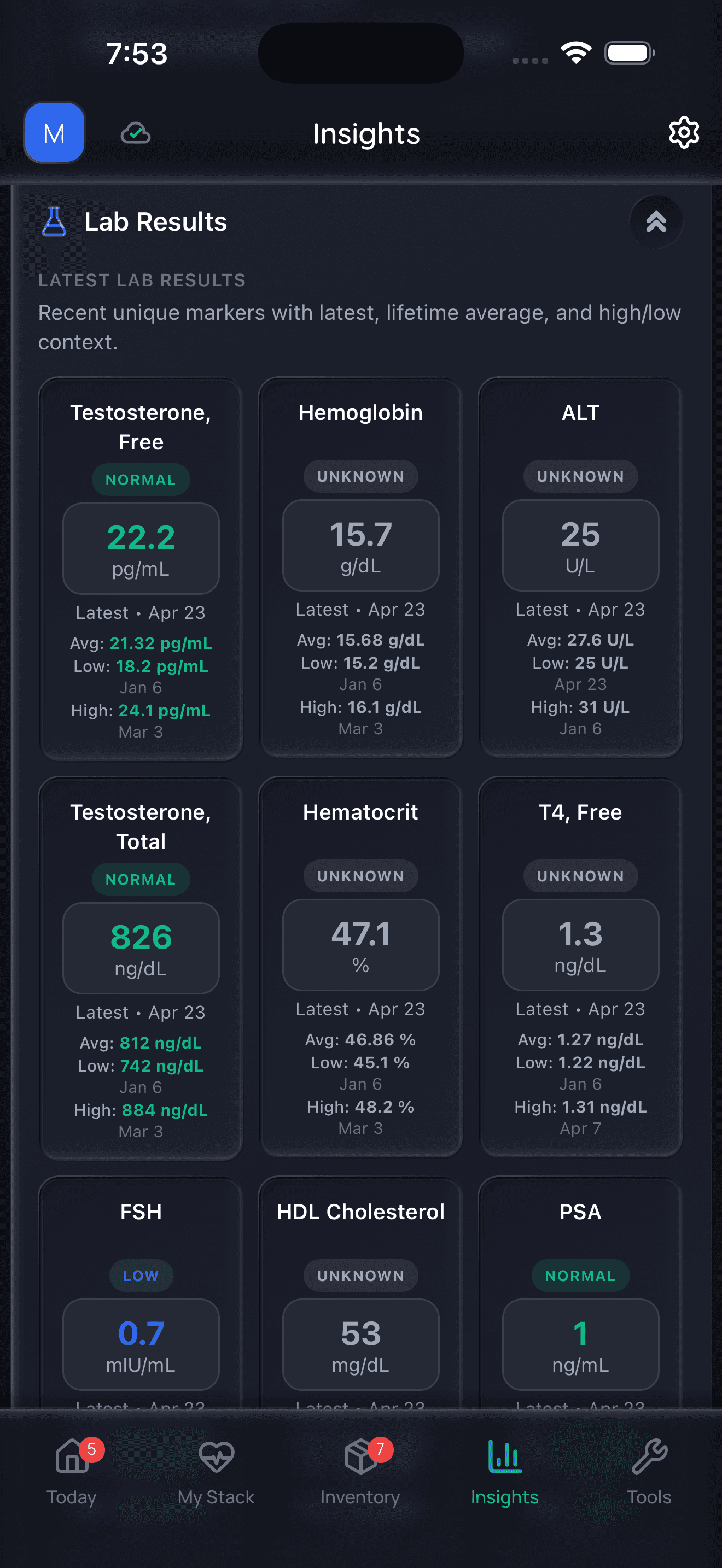
Doserly organizes data; it does not diagnose or interpret labs for you.
Side Effects & Safety
The Basics
Bifidobacterium species have a long history of safe use, and serious adverse events are rare, particularly in healthy individuals. The most common side effects are mild digestive symptoms: gas, bloating, and temporary changes in bowel habits. These tend to appear during the first week or two and generally resolve on their own as your gut adjusts to the new bacterial population [1][2].
Community experience adds an important nuance that clinical trial summaries sometimes understate: histamine sensitivity. Some Bifidobacterium strains may influence histamine metabolism, and a subset of users (particularly those with histamine intolerance, mast cell issues, or certain gut conditions) report increased anxiety, skin itching, or emotional distress with specific strains. This does not mean all Bifidobacterium strains cause histamine problems, but it does highlight the importance of strain selection and paying attention to individual responses [5].
The community also widely reports an initial "adjustment period" that can include a temporary worsening of symptoms before improvement begins. This is sometimes described as a die-off reaction, though the precise mechanism is debated. The consensus practical advice is to start with a lower dose and gradually increase over one to two weeks [5].
For most healthy adults, the safety profile is excellent. The FDA has granted GRAS status to multiple Bifidobacterium strains, and EFSA has given QPS (Qualified Presumption of Safety) designation in Europe [2][4].
Populations that require caution include immunocompromised individuals, critically ill patients, those with central venous catheters, and very low birth weight preterm infants. Rare cases of Bifidobacterium bacteremia and septicemia have been reported in these vulnerable groups [1][4]. Pregnant and breastfeeding women should consult a healthcare provider, though the general safety profile of Bifidobacterium probiotics is considered favorable [1].
The Science
Common adverse effects (generally transient): Mild gas, bloating, and digestive discomfort during initiation. These effects are typically self-limiting and resolve within 1-2 weeks of continued use [1][2].
BB-12 safety meta-analysis (Kumar et al., 2025): A systematic review and meta-analysis of 181 studies (35 qualifying for meta-analysis) found no statistically significant difference in adverse event rates between BB-12 and placebo groups. Adverse event rates: BB-12 15.2% vs. placebo 14% (OR: 1.10, 95% CI: 0.88-1.36, P=0.40). Adjusted AE rates: 43% vs. 41%. Relative risk: 1.05 (95% CI: 0.94-1.15). The analysis concluded that the data support the safety of wide usage of BB-12, though half of RCTs analyzed did not report AE data [3].
Serious adverse events in vulnerable populations:
- Bifidobacterium septicemia reported in neonates with omphalocele (case report) [4]
- B. longum bacteremia in preterm infants receiving probiotic therapy [4]
- Septicemia in extremely low-birthweight infants under probiotic supplementation [4]
- These events are rare and restricted to profoundly vulnerable populations with compromised gut barriers or immune systems
Drug-metabolizing enzyme interactions: In murine studies, administration of a multi-strain probiotic (VSL#3, which includes Bifidobacterium strains) modified the expression of hepatic drug-metabolizing enzymes including Cyp4v3, alcohol dehydrogenase 1, carboxyesterase 2a, and multiple phase II glutathione-S-transferases. Human data on this interaction pathway are currently lacking [1][4].
Antibiotic interaction: Concurrent antibiotic use reduces Bifidobacterium viability. Administration should be separated by at least 2 hours. Bifidobacterium supplementation during antibiotic therapy may help preserve microbiome diversity despite this interaction [1].
Knowing the possible side effects is the first step. Catching them early in your own experience is what keeps a supplement routine safe. Doserly lets you log any symptoms as they arise, tagging them with severity, timing relative to your dose, and whether they resolve on their own or persist.
The app's interaction checker cross-references everything in your stack, supplements and medications alike, flagging known interactions before they become a problem. It also monitors your total intake against established upper limits, alerting you if your combined sources of a nutrient are approaching thresholds where risk increases. Think of it as a safety net that works quietly in the background while you focus on the benefits.
Capture changes while they are still fresh.
Log symptoms, energy, sleep, mood, and other observations alongside protocol events so patterns do not live only in memory.
Trend view
Symptom timeline
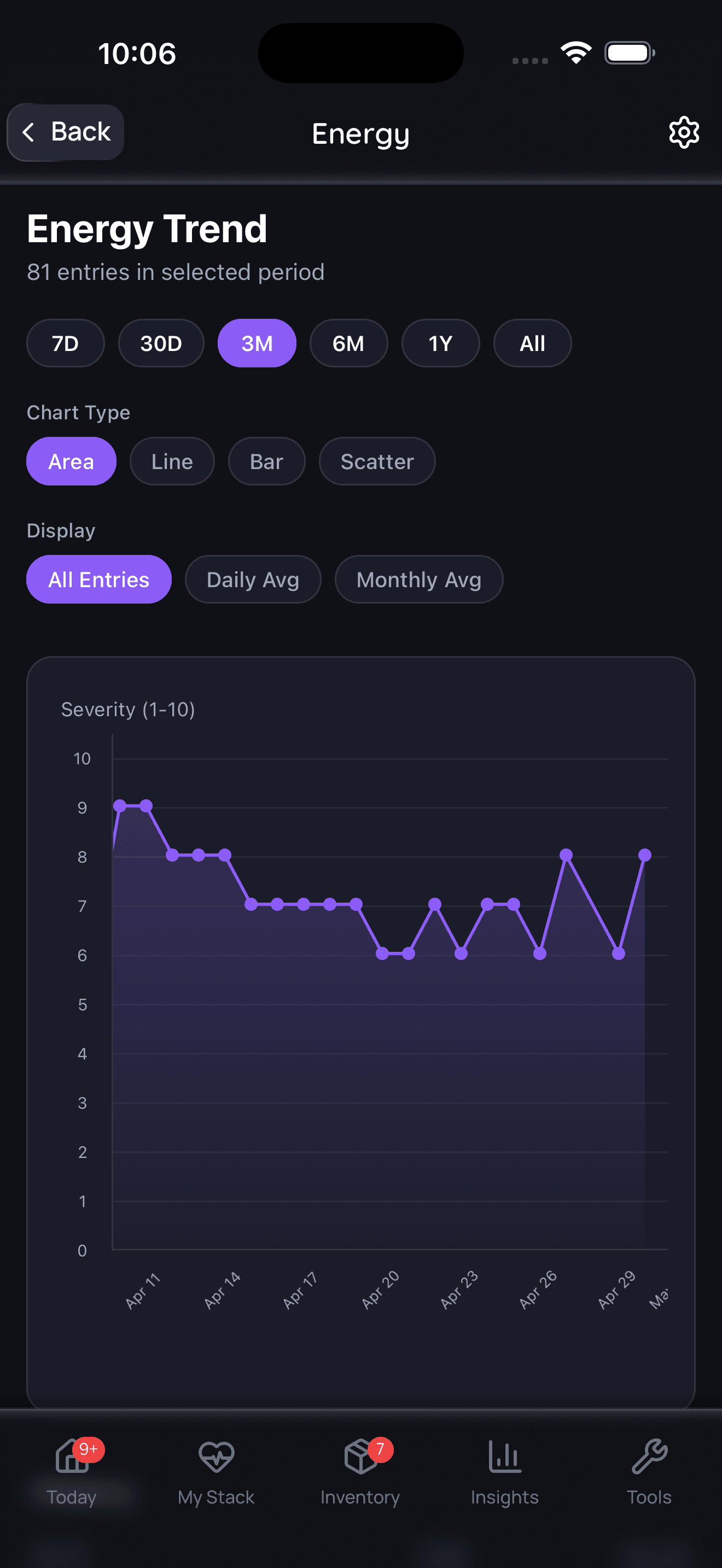
Symptom tracking is informational and should be interpreted with a qualified clinician.
Dosing & Usage Protocols
The Basics
Probiotic dosing is measured in colony-forming units (CFU), not milligrams. A product label showing "500 mg" of Bifidobacterium powder is not directly comparable to one showing "10 billion CFU." The CFU count tells you how many viable organisms are in each dose, and this is the number that matters [1].
Dosing ranges for Bifidobacterium vary widely depending on the strain and the health goal. For general health and immune support, clinical trials have commonly used doses in the range of 100 million (10^8) to 10 billion (10^10) CFU per day. For specific gastrointestinal conditions like IBS, studies have used somewhat higher doses, typically 1 billion to 100 billion CFU per day. For antibiotic-associated diarrhea prevention, 1 to 10 billion CFU per day during antibiotic therapy and for 1-2 weeks after is the most commonly studied range [2].
One important caution: dosing recommendations from one Bifidobacterium strain cannot be generalized to another. The dose that was effective for B. longum 35624 in IBS trials may have no relevance to the optimal dose of BB-12 for immune support. Always look for products that identify the specific strain and reference clinical evidence for that strain's dosing [1][2].
For infants, doses are strain-specific and product-specific, typically in the range of 10 million (10^7) to 1 billion (10^9) CFU per day. Pediatric dosing should always be guided by a healthcare provider [2].
Duration also matters. Clinical improvements in IBS typically become measurable at 4 weeks, with physician-assessed global improvements reaching significance by 8 weeks. Immune effects have been studied over 4 to 12 week periods. Most practitioners suggest committing to at least 4 to 8 weeks of consistent daily use before evaluating effectiveness [1][2].
The Science
General maintenance/immune support: 1 x 10^8 to 1 x 10^10 CFU/day is the most commonly cited range across clinical literature [2].
IBS and gastrointestinal conditions: 1 x 10^9 to 1 x 10^11 CFU/day. Evidence supports efficacy across this range, but optimal dosing remains strain-specific. A meta-analysis of 35 RCTs found significant benefit without identifying a single optimal dose [1].
Antibiotic-associated diarrhea prevention: 1 x 10^9 to 1 x 10^10 CFU/day during antibiotic therapy and 1-2 weeks after completion [2].
Infant dosing: Strain and product-specific; typically 1 x 10^7 to 1 x 10^9 CFU/day. Safety in preterm infants requires careful clinical supervision [2].
Duration of clinical benefit onset:
- Abdominal pain: improvement may reach statistical significance from week 2 onward [1]
- Overall IBS symptom severity: physician-assessed improvement typically significant at 8 weeks [1]
- Immune markers (NK cell activity, IgA): measured at 4-12 weeks [3]
- Metabolic parameters: studies typically run 8-12 weeks [6]
- Microbiome composition changes: detectable within days, but functional impact develops over weeks [3]
Cycling: No established need for cycling or periodic breaks. The transient colonization nature of supplemented Bifidobacterium means effects are maintained only with continuous use [1][2].
Getting the dose right matters more than most people realize. Too little may be ineffective, too much wastes money or introduces risk, and inconsistency undermines both. Doserly tracks every dose you take, across every form, giving you a clear record of what you're actually consuming versus what you planned.
The app helps you compare RDA recommendations against therapeutic ranges discussed in the research, so you can see exactly where your intake falls. If you switch forms, say from a standard capsule to a liposomal liquid, Doserly adjusts your tracking to account for different bioavailabilities. Pair that with smart reminders that keep your timing consistent, and the precision that makes a real difference in outcomes becomes effortless.
Track injection timing, draw notes, and site rotation.
Doserly helps keep syringe-related notes, injection site history, reminders, and reconstitution context together for easier review.
Injection log
Site rotation
Injection logs support record-keeping; follow clinician instructions for administration.
What to Expect (Timeline)
Days 1-7: The most common initial experience is either no noticeable change or mild digestive adjustment. Transient gas, bloating, or slight changes in stool consistency are normal as the new bacteria begin interacting with your existing microbiome. Some community members report that these adjustment symptoms are more pronounced when starting with higher doses, which supports the practical strategy of beginning with a lower dose and gradually increasing [5]. A subset of users report rapid positive responses (improved mood, gut comfort) within the first few days, though this is more commonly described among people with significant existing dysbiosis [5].
Weeks 2-4: Digestive comfort typically improves during this period. Bloating and gas from the adjustment phase usually resolve. Stool regularity and consistency often stabilize. Clinical data suggests that abdominal pain reduction may begin to reach statistical significance by week 2 in IBS populations [1]. Users supplementing for post-antibiotic or post-illness gut restoration may begin noticing clearer improvements in this window.
Weeks 4-8: This is the period where most clinical endpoints reach statistical significance. For IBS, physician-assessed global improvement scores reach significance at 8 weeks [1]. Immune function markers (NK cell activity, IgA production) are typically measured over this timeframe. People using Bifidobacterium for general wellness may notice more consistent energy and reduced frequency of minor digestive complaints.
Weeks 8-12+: Metabolic effects, if they occur, develop over this longer timeframe. Studies measuring body weight and composition changes in overweight/obese populations used supplementation periods of 8-12 weeks [6]. Immune modulation effects may continue to develop or stabilize. Long-term community users (months to years) generally describe sustained benefit with consistent use.
After discontinuation: Bifidobacterium is a transient colonizer in adults. Supplemented strains decline to undetectable levels in stool within 1-4 weeks of stopping [1][2]. Community reports suggest that for many users, digestive benefits diminish relatively quickly after discontinuation, often within days to weeks [5]. This pattern supports the understanding that ongoing supplementation is generally needed to maintain effects.
Interactions & Compatibility
Synergistic
- Prebiotic Fibers (Inulin, FOS, GOS): Fructo-oligosaccharides, galacto-oligosaccharides, xylo-oligosaccharides, and human milk oligosaccharides (HMOs) selectively promote Bifidobacterium growth and metabolic activity. This is the most well-established synergy [2][5].
- Lactobacillus Species: Combining Bifidobacterium with Lactobacillus strains is the most common multi-strain probiotic approach. They occupy different ecological niches and provide complementary mechanisms [1][2].
- Saccharomyces boulardii: Yeast-based probiotic with a different mechanism of action (does not compete for bacterial niches). Frequently combined in clinical AAD prevention studies [1].
- Bacillus coagulans: Spore-forming probiotic with lactic acid production. Combining spore-forming and non-spore-forming probiotics may provide complementary benefits and broader gut coverage [2].
- Postbiotics (Butyrate/SCFAs): Exogenous butyrate supplementation may complement the SCFA production pathway that Bifidobacterium supports through cross-feeding relationships.
- Polyphenol-rich foods and supplements: Community experience suggests that polyphenols (from berries, green tea, grape seed) support Bifidobacterium growth. Mechanistic research supports selective stimulation of Bifidobacterium by certain polyphenolic compounds [5].
- Vitamin D3: Some research suggests interactions between vitamin D status and gut microbiome composition. Co-supplementation is common in community protocols.
Caution / Avoid
- Antibiotics: Concurrent antibiotic use significantly reduces Bifidobacterium viability. Separate probiotic dosing from antibiotics by at least 2 hours. Continue probiotic for 1-2 weeks after completing the antibiotic course [1][2].
- Immunosuppressant medications (tacrolimus, cyclosporine, biologics, chemotherapy): Theoretical and documented risk of opportunistic infection in profoundly immunosuppressed patients. Use only under specialist supervision [1][4].
- Proton pump inhibitors (PPIs): May alter gastric pH, potentially affecting probiotic survival dynamics. Clinical significance is unclear, but awareness is warranted.
How to Take / Administration Guide
Recommended forms: Capsules (standard or enteric-coated) and powders are the most common supplement forms. Enteric-coated capsules are preferred for oxygen-sensitive species because they protect the bacteria from stomach acid. Fermented food products (yogurt, kefir) also provide Bifidobacterium, though the CFU content and strain specificity vary considerably [1][2].
Timing considerations: Bifidobacterium can be taken at any consistent time of day. Some practitioners suggest taking probiotics with food to buffer stomach acid, while others recommend an empty stomach. Enteric-coated formulations are less dependent on food timing since the coating provides acid protection. The most critical timing rule is separation from antibiotics by at least 2 hours [1].
Starting dose strategy: Based on community experience and clinical safety data, starting with a lower dose (around 1-5 billion CFU/day) and gradually increasing over 1-2 weeks may reduce the likelihood and severity of initial adjustment symptoms. This approach is particularly relevant for people with known gut sensitivity or histamine intolerance [5].
Stacking guidance: Bifidobacterium can be taken alongside other supplements without general concerns. It pairs particularly well with prebiotic fibers (GOS, FOS, XOS), which provide fermentable substrates that support Bifidobacterium growth [2]. Combining with other probiotic genera (Lactobacillus, Saccharomyces) is common and supported by clinical protocols that use multi-strain formulations [1].
Cycling guidance: No evidence supports the need for cycling or periodic breaks. Because Bifidobacterium supplementation is transient (populations decline after stopping), continuous daily use is the standard approach for maintaining effects [1][2].
Choosing a Quality Product
Strain identification is essential. The single most important quality factor for a Bifidobacterium product is whether the label identifies the specific species and strain, not just the genus. Clinically studied strains include B. animalis subsp. lactis BB-12, B. longum 35624, B. longum 1714, B. lactis HN019, B. lactis Bi-07, and B. infantis 35624. Products that list only "Bifidobacterium" or "Bifidobacterium blend" without strain designations cannot be matched to any clinical evidence [1][2].
CFU guarantees matter. Look for products that guarantee CFU count at end of shelf life, not at time of manufacture. Bifidobacterium species (particularly oxygen-sensitive ones) lose viability over time, so "at expiration" guarantees provide more meaningful potency assurance.
Delivery technology for anaerobic species. Because Bifidobacterium species are anaerobic, products that use enteric coating, microencapsulation, or nitrogen-flushed packaging demonstrate greater attention to viability. Blister packs are preferable to open bottles for maintaining anaerobic conditions [3].
Third-party certifications. USP Verified, NSF International, ConsumerLab approved, or Informed Sport certification provide independent verification of identity, potency, purity, and absence of contaminants. For multi-strain products, verify that the CFU count listed is the total or per-strain, as some products list an impressive total CFU but contain only small amounts of each individual strain.
Red flags to watch for:
- Products listing only "Bifidobacterium" with no species or strain identification
- CFU guarantees at manufacture only (not at expiration)
- Proprietary blends that hide individual strain amounts
- No information about storage requirements for non-shelf-stable formulations
- Disease treatment claims (probiotics are dietary supplements, not drugs)
- Products without evidence of oxygen-protection technology for anaerobic strains
Excipient considerations: Some Bifidobacterium products contain prebiotic fibers (FOS, GOS, inulin) as ingredients, which is generally positive for bifido activity but may cause digestive discomfort in people with FODMAP sensitivity. Check for common allergens (dairy, soy) and unnecessary fillers.
Storage & Handling
Many Bifidobacterium products require refrigeration, which is a significant difference from shelf-stable spore-forming probiotics like Bacillus coagulans. Bifidobacterium species are obligate anaerobes, and while some strains (particularly B. animalis subsp. lactis) are more oxygen-tolerant than others, exposure to heat, moisture, and air accelerates viability loss [2][3].
Refrigerated products: Store at 2-8 degrees C (standard refrigerator temperature). Keep the container tightly sealed. Avoid leaving the bottle out at room temperature for extended periods. When traveling, use a cooler or insulated bag for transport.
Shelf-stable formulations: Some Bifidobacterium products use advanced encapsulation or freeze-drying technologies that confer reasonable shelf stability. These typically specify "no refrigeration required" on the label. Even for these products, storing in a cool, dry place below 25 degrees C is advisable. Avoid direct sunlight and high-heat environments (car dashboards, bathroom cabinets near showers).
Moisture is the primary enemy. Keep all probiotic products away from moisture. Do not transfer capsules to pill organizers that lack individual sealed compartments. If using a powder form, avoid introducing wet utensils into the container.
Shelf life awareness: Viability declines over time regardless of storage conditions. Use products before the expiration date and prefer those with "guaranteed CFU at expiration" labeling.
Lifestyle & Supporting Factors
Dietary support: A fiber-rich diet provides the prebiotic substrates that Bifidobacterium and other beneficial gut bacteria use as fuel. Polyphenol-rich foods (berries, green tea, dark chocolate, colorful vegetables) have been associated with increased Bifidobacterium abundance. Fermented foods like yogurt, kefir, kimchi, miso, and tempeh introduce additional microbial diversity that may complement Bifidobacterium supplementation [4][5].
Prebiotic co-supplementation: GOS, FOS, XOS, and HMO prebiotics selectively feed Bifidobacterium. Community experience strongly endorses prebiotic co-supplementation as a strategy to enhance Bifidobacterium levels and activity [2][5].
Hydration: Adequate water intake supports healthy bowel function and optimal conditions for probiotic activity in the gut.
Stress management: Chronic psychological stress negatively affects gut microbiome composition and intestinal barrier function. Stress reduction practices may create a more hospitable environment for beneficial bacteria including Bifidobacterium [2].
Antibiotic awareness: If starting a course of antibiotics, maintaining Bifidobacterium supplementation (separated by at least 2 hours from each antibiotic dose) may help preserve microbiome diversity and reduce the risk of antibiotic-associated diarrhea. Continue the probiotic for at least 1-2 weeks after the antibiotic course ends [1][2].
Microbiome testing: Community experience suggests that microbiome testing (e.g., stool analysis panels) before supplementation can identify whether Bifidobacterium levels are genuinely low, which helps personalize the supplementation decision and track progress objectively [5].
Monitoring: Tracking digestive symptoms (bloating frequency, stool consistency, pain episodes, regularity) over the recommended 4-8 week trial period provides useful data for evaluating whether the probiotic is delivering measurable benefits.
Regulatory Status & Standards
United States (FDA): Bifidobacterium probiotic products are regulated as dietary supplements under the Dietary Supplement Health and Education Act (DSHEA). They do not require FDA pre-market approval. Several Bifidobacterium strains have been granted GRAS (Generally Recognized As Safe) status. The FDA has not approved any health claims for probiotics. Probiotic products must comply with current Good Manufacturing Practices (cGMP) for dietary supplements. The FDA issued guidance regarding probiotic use in preterm neonates in September 2023 [1][2].
European Union (EFSA): Multiple Bifidobacterium species hold Qualified Presumption of Safety (QPS) designation from EFSA with standard qualifications regarding toxin production and antibiotic resistance genes. Regulation falls under the Novel Foods framework. No specific authorized health claims have been approved for Bifidobacterium under EU health claims regulations [2].
Canada (Health Canada): Bifidobacterium probiotic products are available as Natural Health Products (NHPs) and require a Natural Product Number (NPN) for legal sale. Monograph compliance is required for specific health claims [2].
Australia (TGA): Bifidobacterium is available as a listed complementary medicine under the Therapeutic Goods Administration [2].
Athlete & Sports Regulatory Status:
Bifidobacterium is not on the WADA Prohibited List and is not a prohibited substance under any major national anti-doping agency (USADA, UKAD, Sport Integrity Canada, Sport Integrity Australia, NADA Germany). No professional sports league (NFL, NBA, MLB, NHL, MLS) or the NCAA prohibits probiotic supplementation.
Athletes should verify product purity, as the concern is not with the probiotic itself but with potential contamination during manufacturing. Informed Sport (sport.wetestyoutrust.com), NSF Certified for Sport (nsfsport.com), Cologne List (koelnerliste.com), and BSCG (bscg.org) certifications provide batch testing for banned substances. GlobalDRO (globaldro.com) can be used to check supplement status across multiple jurisdictions.
Regulatory status and prohibited substance classifications change frequently. Athletes should always verify the current status of any supplement with their sport's governing body, their national anti-doping agency, and a qualified sports medicine professional before use. Third-party certification (Informed Sport, NSF Certified for Sport) reduces but does not eliminate the risk of contamination with prohibited substances.
Frequently Asked Questions
What is the difference between Bifidobacterium and Lactobacillus?
Bifidobacterium and Lactobacillus are two distinct genera of beneficial bacteria commonly found in probiotic supplements. They belong to different bacterial phyla (Actinomycetota and Bacillota, respectively), occupy somewhat different ecological niches in the gut, and produce different metabolic profiles. Bifidobacterium species primarily produce acetate and lactate, while Lactobacillus species primarily produce lactic acid. Many multi-strain probiotic products combine both genera because they provide complementary mechanisms.
Which Bifidobacterium strain is best?
There is no single "best" strain because benefits are strain-specific. B. animalis subsp. lactis BB-12 has the most extensive research documentation (400+ studies) and is well-studied for immune support and digestive health. B. longum 35624 and B. infantis 35624 have strong IBS data. B. longum 1714 has been studied for stress resilience. The best strain depends on the health goal. Products that identify their specific strain allow consumers to match the product to the relevant clinical evidence.
Do I need to refrigerate Bifidobacterium probiotics?
It depends on the product formulation. Many Bifidobacterium products do require refrigeration because the bacteria are oxygen-sensitive anaerobes. However, some products use advanced encapsulation or freeze-drying technologies that confer shelf stability. Always follow the storage instructions on the product label. When in doubt, refrigeration will not harm any probiotic product and may extend viability.
Can I take Bifidobacterium with antibiotics?
Based on available evidence, Bifidobacterium supplementation during antibiotic therapy may help preserve microbiome diversity and reduce the risk of antibiotic-associated diarrhea. However, antibiotics reduce probiotic viability, so the probiotic dose should be separated from the antibiotic by at least 2 hours. Continuing the probiotic for 1-2 weeks after finishing the antibiotic course is commonly recommended by practitioners.
How long does it take for Bifidobacterium to work?
Response timelines vary by health goal and individual. Some people report improvements in digestive comfort within the first 1-2 weeks, while others need 4-8 weeks of consistent use. Clinical trials for IBS show that physician-assessed global improvement typically reaches statistical significance at 8 weeks. Immune effects have been studied over 4-12 week periods. Metabolic effects may take 8-12 weeks to manifest.
Will Bifidobacterium permanently colonize my gut?
In adults, supplemented Bifidobacterium strains are generally transient colonizers. They exert their benefits while you are taking the supplement, but populations decline to undetectable levels within 1-4 weeks after stopping. This means consistent daily supplementation is typically needed to maintain effects. The exception is early infancy, where Bifidobacterium can become a persistent and dominant member of the developing microbiome.
Can Bifidobacterium help with anxiety or depression?
Early research on the gut-brain axis suggests that specific Bifidobacterium strains (particularly B. longum 1714 for stress and B. breve CCFM1025 for depression) may have modest effects on mood and stress resilience. Community reports are mixed but directionally positive. This is a promising but still early area of research, and anyone dealing with clinical anxiety or depression should work with a mental health professional rather than relying on probiotic supplementation alone.
Is Bifidobacterium safe during pregnancy?
Bifidobacterium probiotics are generally considered to have a favorable safety profile, and many pregnant women take probiotic supplements. However, specific safety data for Bifidobacterium in pregnancy is limited. As with all supplements during pregnancy and breastfeeding, consulting a healthcare provider before starting is advisable.
Can Bifidobacterium cause histamine reactions?
Some community members, particularly those with histamine intolerance or mast cell conditions, report that certain Bifidobacterium strains can exacerbate histamine-related symptoms (anxiety, itching, skin flushing). Not all strains appear to have this effect, and the relationship is strain-dependent. If histamine sensitivity is a concern, starting with a very low dose and monitoring closely is a reasonable approach. Consulting with a healthcare provider familiar with histamine intolerance may help with strain selection.
What is the difference between CFU and mg on probiotic labels?
CFU (colony-forming units) measures the number of viable, living bacteria in a dose. This is the meaningful number for probiotics. Milligrams (mg) measures the total weight of the probiotic powder, which includes both living bacteria and inactive material (cryoprotectants, fillers, carrier powders). A product listing "500 mg" of Bifidobacterium powder may contain anywhere from 1 billion to 100 billion CFU depending on the formulation. Always evaluate probiotic products based on their CFU count rather than weight.
Myth vs. Fact
Myth: All probiotics are basically the same.
Fact: Probiotic effects are highly strain-specific. A benefit demonstrated for B. animalis subsp. lactis BB-12 does not apply to B. longum 35624 or any other strain without independent evidence. Even within the same species, different strains can have meaningfully different effects. The NIH explicitly notes that evidence for a specific strain, dose, or treatment regimen is not sufficient to make a universal probiotic recommendation [1][2].
Myth: Probiotics permanently colonize your gut and change your microbiome forever.
Fact: In adults, supplemented Bifidobacterium strains are transient colonizers. They can be detected in stool during active supplementation but typically decline to undetectable levels within 1-4 weeks of stopping. Probiotics act more as temporary residents that influence the gut environment while present rather than permanent immigrants that reshape it forever [1][2].
Myth: Higher CFU counts are always better.
Fact: More is not necessarily better with probiotics. Clinical trials have demonstrated benefits across a wide range of doses (100 million to 100 billion CFU/day). The optimal dose depends on the specific strain, the health condition being targeted, and individual factors. Some strains are effective at relatively low doses (500 million CFU/day), while others require higher amounts. Exceeding studied dose ranges has not been shown to provide additional benefit [1][2].
Myth: You can get all the Bifidobacterium you need from yogurt.
Fact: While yogurt and other fermented foods can contain Bifidobacterium species, the strain identity, CFU count, and viability in food products are highly variable and often unspecified. A cup of yogurt may contain millions of bacteria, but this is typically orders of magnitude less than a clinical-dose probiotic supplement, and the specific strains may differ from those studied in clinical trials. Fermented foods provide complementary microbial diversity but are generally not a substitute for targeted probiotic supplementation at clinical doses [1].
Myth: Bifidobacterium supplements are dangerous and can cause infections.
Fact: Bifidobacterium species have an extensive history of safe use and serious adverse events are extremely rare. The cases of bacteremia and septicemia in the literature are almost exclusively confined to severely immunocompromised individuals, critically ill patients, or very low birth weight preterm infants. For healthy adults, the safety profile is excellent, supported by FDA GRAS status and EFSA QPS designation [1][2][3].
Myth: If a probiotic makes you feel worse initially, it's not working.
Fact: An initial adjustment period (increased gas, bloating, or temporary symptom worsening) is commonly reported during the first 1-2 weeks of Bifidobacterium supplementation. This is generally understood as a sign that the probiotic is interacting with the existing microbiome. Community experience consistently advises starting with a lower dose and gradually increasing. However, persistent or severe symptoms beyond the first two weeks warrant reassessment, as strain-specific intolerance is a real phenomenon [5].
Myth: Probiotics don't need to be refrigerated because they are "natural."
Fact: Many Bifidobacterium species are obligate anaerobes that are sensitive to oxygen, heat, and moisture. Improper storage can significantly reduce viability, meaning you may be consuming dead bacteria with little to no probiotic activity. While some shelf-stable formulations exist using advanced encapsulation, many Bifidobacterium products do require refrigeration. Always follow the specific storage instructions on the product label [2][3].
Sources & References
Government/Institutional Sources
[1] NIH Office of Dietary Supplements. "Probiotics: Fact Sheet for Health Professionals." National Institutes of Health. https://ods.od.nih.gov/factsheets/Probiotics-HealthProfessional/
Systematic Reviews & Meta-Analyses
[6] Cheng H, Huang J. "Effects of Bifidobacterium on metabolic parameters in overweight or obesity adults: a systematic review and meta-analysis." Frontiers in Microbiology, 2025. Including referenced meta-analysis by Hamed Riveros et al. (2024) on body composition.
Clinical Reviews & Monographs
[2] Bocchio F, Mancabelli L, Milani C, et al. "Compendium of Bifidobacterium-based probiotics: characteristics and therapeutic impact on human diseases." PMC, 2024. PMCID: PMC11977362.
[3] "Understanding the probiotic health benefits of Bifidobacterium animalis subsp. lactis, BB-12." Frontiers in Microbiology, 2025. PMCID: PMC12265310. Including referenced safety meta-analysis by Kumar et al. (2025).
[4] Memorial Sloan Kettering Cancer Center. "Probiotics." About Herbs database. https://www.mskcc.org/cancer-care/integrative-medicine/herbs/probiotics-01
Community Sources
[5] Reddit community discussions. r/Microbiome, r/Supplements, r/Longcovidgutdysbiosis, r/covidlonghaulers. Multiple threads on Bifidobacterium experience reports, strain selection, tolerability, and practical use. Accessed March 2026.
Related Supplement Guides
Same Category (Probiotics/Prebiotics)
- Lactobacillus Species
- Saccharomyces boulardii
- Bacillus coagulans
- Bacillus subtilis
- Soil-Based Organisms/Spore-Based Probiotics
- Prebiotic Fibers (Inulin, FOS, GOS)
- Resistant Starch
- Postbiotics (Butyrate/SCFAs)
- Synbiotics
Common Stacks/Pairings
- Prebiotic Fibers (Inulin, FOS, GOS) (selective feeding of Bifidobacterium)
- Vitamin D3 (immune and microbiome support)
- L-Glutamine (gut barrier support)
Related Health Goals
- Digestive Enzyme Blends (digestive comfort)
- Peppermint Oil (IBS symptom management)
- Slippery Elm (gut mucosal support)
- L-Theanine (stress and anxiety, complementary to gut-brain axis approach)