
Digestive Enzyme Blends: The Complete Supplement Guide
On this page
Quick Reference Card
Attribute
Common Name
- Detail
- Digestive Enzyme Blends
Attribute
Other Names / Aliases
- Detail
- Digestive enzymes, multi-enzyme supplements, pancreatic enzyme supplements, enzyme complexes, digestive aids
Attribute
Category
- Detail
- Digestive Health Supplement (Enzyme Complex)
Attribute
Primary Forms & Variants
- Detail
- Multi-enzyme blends (protease, amylase, lipase, cellulase, lactase); targeted enzyme supplements (lactase-only for lactose intolerance, alpha-galactosidase for bean/vegetable gas); plant-derived blends (bromelain, papain); fungal-derived blends (Aspergillus oryzae, Aspergillus niger); animal-derived (porcine pancreatin); prescription PERT (pancrelipase)
Attribute
Typical Dose Range
- Detail
- Varies by formulation and enzyme type. OTC blends: typically 1-2 capsules per meal. Prescription PERT: 25,000-50,000 U lipase per meal (adults). Lactase: 3,000-9,000 IU per dairy serving. Alpha-galactosidase: 150-400 GalU per serving.
Attribute
RDA / AI / UL
- Detail
- No RDA, AI, or UL established for digestive enzymes. Enzyme activity measured in standardized units (USP, FCC, HUT, LU, SKB, GalU) rather than weight.
Attribute
Common Delivery Forms
- Detail
- Capsules (most common), tablets, chewable tablets, powder, liquid drops
Attribute
Best Taken With / Without Food
- Detail
- Immediately before or with meals. Enzymes need to be present in the small intestine when food arrives.
Attribute
Key Cofactors
- Detail
- Adequate stomach acid (for protein digestion); bile salts (for fat digestion); probiotics (may complement enzyme function); ginger, peppermint, fennel (traditional digestive support herbs often included in blends)
Attribute
Storage Notes
- Detail
- Store in a cool, dry place away from heat and moisture. Enzymes are proteins that can denature with heat exposure. Check expiration dates, as enzymatic activity may decrease over time. Some formulations require refrigeration.
Overview
The Basics
Digestive enzymes are proteins your body naturally produces to break down the food you eat into smaller components that can be absorbed and used for energy, growth, and repair. Your mouth, stomach, pancreas, and small intestine all contribute different enzymes to this process [1][2].
Most healthy people produce plenty of digestive enzymes on their own. The trouble starts when the body falls short, either because of a medical condition like chronic pancreatitis or cystic fibrosis, or because of a specific intolerance such as difficulty processing lactose in dairy products. In these situations, supplemental enzymes can fill the gap [1][2][3].
Digestive enzyme blends are over-the-counter supplements that combine several enzymes into a single product. A typical blend might include protease (for proteins), lipase (for fats), amylase (for starches), cellulase (for plant fiber), and lactase (for dairy sugars). The idea is to provide broad-spectrum digestive support for a range of food types. Some blends also include herbal ingredients like ginger, peppermint, or fennel, which have a long traditional history of supporting digestive comfort [4][5].
It is worth noting the important distinction between prescription pancreatic enzyme replacement therapy (PERT), which is FDA-regulated and prescribed for diagnosed enzyme insufficiency, and over-the-counter enzyme blends, which are classified as dietary supplements without FDA evaluation for efficacy. This distinction matters because the quality, potency, and clinical evidence behind these two categories are substantially different [1][2][3].
The Science
Digestive enzymes belong to the hydrolase class of enzymes and function by catalyzing the hydrolysis of macronutrients into absorbable units. The principal digestive enzymes are classified by substrate specificity: proteases (EC 3.4) cleave peptide bonds in proteins, lipases (EC 3.1.1.3) hydrolyze ester bonds in triglycerides, amylases (EC 3.2.1.1) cleave alpha-1,4-glycosidic bonds in starch, and disaccharidases (lactase, sucrase, maltase) hydrolyze specific disaccharides at the brush border of the small intestine [1][6].
Endogenous enzyme production is distributed across multiple organs. Salivary glands produce alpha-amylase, initiating carbohydrate digestion in the oral cavity. Gastric chief cells secrete pepsinogen, which is activated to pepsin in the acidic stomach environment (pH 1.5-3.5). The pancreas produces the majority of digestive enzymes, secreting them as inactive zymogens (trypsinogen, chymotrypsinogen, procarboxypeptidase) along with active lipase, amylase, and nucleases into the duodenum. The small intestinal brush border contributes lactase, sucrase, maltase, and peptidases [1][6].
Exogenous enzyme supplementation has been an established therapeutic intervention since the development of pancreatic enzyme replacement therapy (PERT) for exocrine pancreatic insufficiency (EPI). Since 2010, the FDA has required clinical trials for the approval of prescription PERT products. Six products have obtained FDA approval in the US: Creon and Zenpep (2009), Pancreaze (2010), Ultresa, Viokace, and Pertzye (2012) [6]. Over-the-counter enzyme supplements are regulated as dietary supplements under DSHEA and do not require FDA approval for safety or efficacy.
Chemical & Nutritional Identity
Property
Category
- Value
- Enzyme complex (multiple hydrolase enzymes)
Property
Primary Components
- Value
- Protease, lipase, amylase, cellulase, lactase, alpha-galactosidase
Property
Enzyme Sources
- Value
- Porcine pancreas (pancreatin), fungal (Aspergillus oryzae, A. niger, Rhizopus arrhizus), plant (bromelain from pineapple, papain from papaya), bacterial (Bacillus subtilis)
Property
Activity Measurement Units
- Value
- USP (U.S. Pharmacopoeia), FCC (Food Chemical Codex), HUT (Hemoglobin Units on Tyrosine basis), LU (Lipase Units), SKB (Sandstedt-Kneen-Blish), GalU (Galactosidase Units), ALU (Acid Lactase Units)
Property
RDA / AI / UL
- Value
- Not established
Digestive enzyme blends are not single chemical compounds but mixtures of multiple enzymes, each with its own molecular identity, substrate specificity, and optimal pH range. The complexity of these blends makes standardization challenging, and enzyme activity (measured in units of catalytic function) is more clinically relevant than weight (measured in milligrams) [6].
Key enzyme sources differ in their characteristics:
- Porcine pancreatin: Contains trypsin, chymotrypsin, amylase, and lipase. Enzymatic activity levels are approximately 30-50% higher than bovine sources. However, lipase is irreversibly denatured at pH 4 or below, requiring enteric coating for gastric acid protection [6].
- Fungal-derived enzymes (Aspergillus oryzae, A. niger): Require lower dosages and have a broader pH range of activity compared to animal-derived enzymes. Comparative data suggest that fungal amylase (100 SKB, equivalent to approximately 4,800 USP) substantially exceeds pancreatic amylase (approximately 89 USP) per equivalent dose [6].
- Plant-derived enzymes: Bromelain (from pineapple stem) is a mixture of thiol endopeptidases, phosphatases, glucosidases, and peroxidases. Papain (from papaya) is a cysteine protease. Both are absorbed intact from the intestine and retain enzymatic activity in circulation [7].
Mechanism of Action
The Basics
Digestive enzyme supplements work by doing the same job your body's natural enzymes do, just from an external source. When you swallow a capsule with a meal, the enzymes mix with your food and begin breaking it down into smaller pieces that your intestines can absorb [1][2].
Different enzymes target different types of food. Protease works on proteins, breaking them into amino acids. Lipase tackles fats, splitting them into fatty acids and glycerol. Amylase handles starches, converting them into simple sugars. Lactase specifically breaks down the milk sugar lactose, which is why lactase supplements are so effective for people with lactose intolerance [1][2].
The reason enzyme blends are popular is the same reason a toolbox has multiple tools: most meals contain a mixture of proteins, fats, carbohydrates, and fiber, so having a range of enzymes available simultaneously can help ensure more thorough digestion [6]. Alpha-galactosidase, an enzyme that the human body does not produce at all, breaks down a type of fiber called galactooligosaccharides (GOS) found in beans and certain vegetables. This is why products containing alpha-galactosidase can reduce gas and bloating from these foods [2][3].
The Science
The mechanisms of exogenous digestive enzyme supplementation operate at multiple levels:
1. Macronutrient Hydrolysis
Supplemental enzymes directly catalyze the hydrolysis of dietary macronutrients in the gastrointestinal lumen. Protease supplements (including trypsin, chymotrypsin, bromelain, and papain) cleave peptide bonds to generate absorbable dipeptides and amino acids. Lipase hydrolyzes dietary triglycerides into monoglycerides and free fatty acids. Amylase degrades starch polymers into maltose and glucose [1][6].
2. Lactose Hydrolysis
Exogenous lactase (beta-galactosidase), derived from yeast (Kluyveromyces lactis) or fungal (Aspergillus niger) sources, hydrolyzes the disaccharide lactose into glucose and galactose in the small intestinal lumen. This prevents undigested lactose from reaching the colon, where bacterial fermentation produces hydrogen, carbon dioxide, and short-chain fatty acids, causing the characteristic symptoms of lactose intolerance [6]. Clinical studies demonstrate that 6,000 IU of exogenous lactase significantly reduces breath hydrogen production and symptoms with a 20 g lactose load (P < 0.05), though efficacy is dose-dependent and diminishes at higher lactose loads (50 g) [6].
3. Oligosaccharide Degradation
Alpha-galactosidase catalyzes the hydrolysis of alpha-linked galactose residues in raffinose, stachyose, and verbascose, the non-absorbable oligosaccharides abundant in legumes and cruciferous vegetables. Since humans lack endogenous alpha-galactosidase, these oligosaccharides pass intact to the colon where they undergo bacterial fermentation, producing gas. Supplementation with alpha-galactosidase effectively reduces breath hydrogen and prevents gas formation in the colon [4][5].
4. Immunomodulatory Effects (Proteolytic Enzymes)
Systemic enzyme therapy with proteolytic enzyme mixtures (pancreatin, bromelain, trypsin, papain) has demonstrated immunomodulatory effects, including increased release of reactive oxygen species by polymorphonuclear leukocytes and production of TNF-alpha and interleukins IL-6 and IL-1beta [7]. These effects are thought to result from degradation of abnormal immune complexes.
Absorption & Bioavailability
The Basics
Digestive enzyme supplements do not need to be absorbed into your bloodstream to do their primary job. They work locally, inside your digestive tract, where they break down food as it passes through. This is fundamentally different from vitamins or minerals, which need to reach your blood and tissues to be effective [1][6].
That said, one of the biggest challenges for enzyme supplements is surviving the trip through your stomach. Stomach acid is harsh, with a pH low enough to denature (destroy) many enzymes, particularly lipase. This is why many quality enzyme supplements use enteric coating, a protective shell that resists stomach acid and only dissolves when the capsule reaches the less acidic environment of the small intestine, where the enzymes are needed most [3][6].
The form of enzyme matters. Fungal-derived enzymes tend to be more acid-stable than animal-derived ones, meaning they can function across a wider pH range without enteric coating. Porcine-derived lipase, on the other hand, is irreversibly denatured at pH 4 or below, making enteric coating essential for its effectiveness [6].
The Science
The bioavailability of exogenous digestive enzymes must be considered in the context of their site of action. Unlike systemic supplements, digestive enzymes exert their primary effects within the gastrointestinal lumen rather than the systemic circulation [6].
Gastric Survival and Enteric Coating
The acidic gastric environment (pH 1.5-3.5) poses a significant barrier to enzyme delivery. Pancreatic lipase is irreversibly denatured at pH 4 or below [6]. Enteric-coated formulations address this by using pH-sensitive polymers that resist dissolution in gastric acid but dissolve at the higher pH (5.5-6.0) of the duodenum. The timing of enzyme release is critical: enzymes must arrive in the small intestine simultaneously with the meal's nutrient content for optimal hydrolysis [3][6].
Fungal vs. Animal-Derived Enzyme Stability
Enzymes derived from Aspergillus oryzae and related fungal species demonstrate greater acid stability than porcine-derived counterparts. Comparative data show fungal amylase activity of 100 SKB (approximately 4,800 USP) versus pancreatic amylase at approximately 89 USP per equivalent dose, and fungal protease at 500 HUT (approximately 3,250 USP) versus pancreatic protease at approximately 197 USP [6]. This broader pH range of activity means fungal-derived enzyme blends may not require enteric coating to maintain efficacy.
Systemic Absorption of Proteolytic Enzymes
While the primary action of digestive enzymes is intraluminal, some evidence exists for systemic absorption of proteolytic enzymes. Bromelain has been detected in plasma after oral supplementation and appears to retain enzymatic activity after crossing the intestinal barrier and cell membranes [7]. The clinical significance of this systemic absorption for digestive enzyme blends remains unclear.
Research & Clinical Evidence
The Basics
The research landscape for digestive enzymes is split into two very different worlds. Prescription pancreatic enzyme replacement therapy (PERT) has a solid evidence base for people with diagnosed conditions like exocrine pancreatic insufficiency, cystic fibrosis, and chronic pancreatitis. These are FDA-approved medications that have gone through clinical trials [6][8].
Over-the-counter digestive enzyme blends, the kind you find on supplement store shelves, have much less clinical evidence behind them. A few targeted enzymes have strong support for specific uses: lactase supplements reliably reduce symptoms of lactose intolerance, and alpha-galactosidase (the active ingredient in products marketed for bean-related gas) effectively reduces gas from non-absorbable oligosaccharides [5][6].
For broad-spectrum enzyme blends marketed for general digestive comfort, the evidence is more limited. A 2024 randomized crossover study found that a multi-enzyme blend with herbal ingredients significantly reduced abdominal distension (measured by waist circumference) at 30 minutes (58% reduction, P=0.04) and 90 minutes (68% reduction, P=0.007) compared to placebo in 20 healthy adults with post-meal bloating [4]. While promising, this study was small and industry-funded.
A systematic review of multiple clinical trials found that broad-spectrum enzyme therapy showed benefits for post-meal complaints including bloating and abdominal distension [4][9]. However, major medical institutions including Johns Hopkins and Cleveland Clinic note that more large-scale trials are needed to establish effectiveness for conditions like functional dyspepsia and IBS [1][2].
The Science
Prescription PERT for Exocrine Pancreatic Insufficiency
A Cochrane systematic review (Shafiq et al., 2009) of 10 trials (361 participants) evaluating pancreatic enzymes for chronic pancreatitis found that while individual studies reported beneficial effects on pain, steatorrhea, and analgesic consumption, pooled results were equivocal. The review observed a significant reduction in fecal fat but a non-significant benefit for weight loss (SMD 0.06; 95% CI -0.23 to 0.34) [8].
A systematic review by Taylor et al. (2010) of 12 randomized crossover trials found that two small placebo-controlled trials (n=65) demonstrated superiority of pancreatic enzyme supplements over placebo for fat absorption. However, no specific branded product or delivery system was superior [8]. A separate meta-analysis (Yaghoobi et al., 2016) found that pancreatic enzyme supplements did not significantly relieve abdominal pain in chronic pancreatitis (mean difference: 0.09, 95% CI -1.57 to 1.39, p=0.91) [8].
OTC Multi-Enzyme Blends
Martin-Biggers (2024) conducted a randomized, placebo-controlled, crossover study (NCT05520411) of a multi-enzyme blend (18 enzymes plus ginger, fennel, and peppermint) in 20 healthy adults with daily post-meal bloating. Participants experienced 58% less abdominal distension at 30 minutes (0.93 cm vs 1.50 cm, P=0.04) and 68% less at 90 minutes (0.94 cm vs 2.12 cm, P=0.007). No adverse events were reported. While 80% of participants had less distension with the test product, subjective symptom ratings (bloating, gas, indigestion) did not reach statistical significance [4].
Ran et al. (2009) evaluated Combizym (Aspergillus oryzae extract plus cellulase, protease, amylase, and pancreatin) in a multicenter randomized trial of 151 patients with dyspepsia. After 2 weeks of supplementation three times daily with meals, there was a significant improvement in abdominal distension, belching, and abdominal pain [4].
Lactase Supplementation
Multiple studies confirm the efficacy of exogenous lactase in reducing symptoms of lactose intolerance. Lin et al. demonstrated that all tested lactase formulations (6,000 IU) significantly decreased breath hydrogen production and improved symptoms with a 20 g lactose load. However, neither 3,000 nor 6,000 IU was effective at the higher 50 g lactose load [6].
Alpha-Galactosidase
Di Stefano et al. (2007) demonstrated that oral alpha-galactosidase effectively reduced intestinal gas production and gas-related symptoms after consumption of meals containing non-absorbable oligosaccharides. Di Nardo et al. (2013) confirmed efficacy and tolerability in a randomized, double-blind, placebo-controlled trial in pediatric patients [4].
Evidence & Effectiveness Matrix
Category
Digestive Comfort
- Evidence Strength
- 6/10
- Reported Effectiveness
- 7/10
- Summary
- Multiple small trials show reduction in bloating and distension. Community reports consistently positive for targeted enzymes (lactase, alpha-galactosidase). Broad-spectrum blends have more variable results.
Category
Gut Health
- Evidence Strength
- 5/10
- Reported Effectiveness
- 6/10
- Summary
- Established evidence for prescription PERT in EPI. OTC enzyme blends have limited controlled evidence for general gut health improvement. Community reports positive but confounded.
Category
Nausea & GI Tolerance
- Evidence Strength
- 4/10
- Reported Effectiveness
- 5/10
- Summary
- Mixed evidence. Enzymes generally well-tolerated, but formulations with HCL/bile carry higher GI side effect risk. Community reports split between improved and worsened symptoms.
Category
Energy Levels
- Evidence Strength
- 2/10
- Reported Effectiveness
- 5/10
- Summary
- Theoretical basis through improved nutrient absorption. No direct clinical evidence for energy improvement from OTC enzyme supplementation. Sparse community reports.
Category
Weight Management
- Evidence Strength
- 2/10
- Reported Effectiveness
- 3/10
- Summary
- No evidence supporting weight loss from digestive enzymes. Improved digestion increases nutrient absorption (caloric uptake), which is the opposite of a weight loss mechanism. Community weight-related reports reflect bloating reduction, not fat loss.
Category
Side Effect Burden
- Evidence Strength
- 5/10
- Reported Effectiveness
- 6/10
- Summary
- Generally well-tolerated in clinical trials. Most common side effects are mild GI discomfort. Pure enzyme blends have better safety profile than HCL/bile-containing products.
Category
Treatment Adherence
- Evidence Strength
- 3/10
- Reported Effectiveness
- 6/10
- Summary
- Limited formal adherence data. Community reports suggest convenience of taking with meals supports adherence. Cost cited as barrier for specialty products.
Category
Focus & Mental Clarity
- Evidence Strength
- 1/10
- Reported Effectiveness
- 4/10
- Summary
- No clinical evidence. Sparse community reports in SIBO population, heavily confounded.
Categories scored: 8
Categories with community data: 8
Categories not scored (insufficient data): Fat Loss, Muscle Growth, Appetite & Satiety, Food Noise, Sleep Quality, Memory & Cognition, Mood & Wellbeing, Anxiety, Stress Tolerance, Motivation & Drive, Emotional Aliveness, Emotional Regulation, Libido, Sexual Function, Joint Health, Inflammation, Pain Management, Recovery & Healing, Physical Performance, Skin Health, Hair Health, Heart Health, Blood Pressure, Heart Rate & Palpitations, Hormonal Symptoms, Temperature Regulation, Fluid Retention, Body Image, Immune Function, Bone Health, Longevity & Neuroprotection, Cravings & Impulse Control, Social Connection, Withdrawal Symptoms, Daily Functioning
Benefits & Potential Effects
The Basics
The primary benefit of digestive enzyme blends is straightforward: they help break down food that your body might struggle with on its own. For people with specific intolerances or enzyme deficiencies, this can make a meaningful difference in daily comfort and nutrition.
The best-documented benefits are for targeted enzyme supplementation. Lactase supplements reliably reduce symptoms of lactose intolerance, including bloating, gas, diarrhea, and abdominal pain after dairy consumption. Alpha-galactosidase reliably reduces gas and bloating from beans, lentils, and certain vegetables. These are among the most evidence-supported over-the-counter digestive aids available [2][3][5][6].
For broader digestive comfort, multi-enzyme blends may help reduce post-meal bloating and abdominal distension, though the evidence is still building. Some people with functional dyspepsia (persistent indigestion without a clear medical cause) report improvement, and a few clinical trials support this observation [4][9].
Improved nutrient absorption is another potential benefit, particularly for individuals with conditions that impair enzyme production. When the body cannot adequately break down food, nutrients pass through unabsorbed, potentially leading to deficiencies over time. Supplemental enzymes can help close this gap [1][6].
The Science
Lactose Intolerance Management
Exogenous lactase (beta-galactosidase) supplementation is well-supported for managing lactose intolerance, which affects an estimated 75% of the global population through primary hypolactasia. Clinical studies demonstrate significant reduction in breath hydrogen production (a marker of colonic lactose fermentation) and symptomatic improvement at doses of 6,000 IU with moderate lactose loads (20 g). The dose-response relationship is important: higher lactose loads (50 g) may overwhelm exogenous enzyme capacity [6].
Oligosaccharide Intolerance
Alpha-galactosidase supplementation has demonstrated efficacy in reducing flatulence from non-absorbable galactooligosaccharides (raffinose, stachyose, verbascose) found in legumes and cruciferous vegetables. Clinical trials in both adult and pediatric populations confirm that alpha-galactosidase reduces breath hydrogen production and gas-related symptoms [4][5].
Post-Meal Bloating and Distension
Emerging evidence from clinical trials supports the role of multi-enzyme blends in reducing post-meal abdominal distension. A randomized crossover trial of an 18-enzyme blend (NCT05520411) demonstrated statistically significant reduction in waist circumference increase at 30 and 90 minutes post-meal compared to placebo (P=0.04 and P=0.007, respectively) [4]. A systematic review of enzyme therapy for post-prandial distress found overall supportive data for enzyme supplementation in managing bloating and distension [4][9].
Fat Malabsorption in EPI
Prescription PERT consistently improves the coefficient of fat absorption (CFA) in patients with exocrine pancreatic insufficiency, as demonstrated across multiple systematic reviews [6][8]. This represents the strongest evidence base for digestive enzyme supplementation, though it applies specifically to diagnosed EPI rather than general population use.
Side Effects & Safety
The Basics
Digestive enzyme supplements are generally considered safe for most people when taken as directed. The most commonly reported side effects are mild and digestive in nature: stomach cramps, nausea, diarrhea, or constipation [1][2][3].
One important distinction that often gets overlooked is between pure enzyme products and blends that also contain betaine hydrochloride (HCL), pepsin, or ox bile. These additional ingredients directly affect stomach acidity and bile secretion, and they carry a meaningfully different risk profile. Reports of gastric irritation, acid rebound, and even ulcer formation are more frequently associated with HCL-containing blends than with enzyme-only products [2][3].
People with allergies should check enzyme supplement ingredients carefully. Some products are derived from porcine (pig) sources, which may be relevant for dietary or religious reasons. Plant-derived enzymes like bromelain come from pineapple and papain from papaya, which could trigger reactions in people allergic to these fruits. Products containing alpha-galactosidase derived from fungal sources may cause issues for people with mold allergies or alpha-gal syndrome [3].
The Science
Adverse Reaction Profile
Clinical trial data indicate that digestive enzyme supplements are generally well-tolerated. In the Martin-Biggers (2024) crossover trial, no product-related adverse events or discomfort were reported [4]. The MSKCC monograph on proteolytic enzymes notes mild to moderate gastrointestinal symptoms as the primary adverse effect [7].
Drug Interactions
Bromelain, a proteolytic enzyme present in many blends, has demonstrated antithrombotic effects in preclinical studies, with theoretical potential to increase bleeding risk when combined with anticoagulants (warfarin, heparin) or antiplatelet agents. Clinical relevance has not been established [7].
Contraindications and Precautions
- Patients with known allergy to porcine products should avoid porcine-derived enzyme products
- Patients with alpha-gal syndrome or mold allergies should exercise caution with alpha-galactosidase derived from fungal sources [3]
- Patients with galactosemia should not take alpha-galactosidase supplements [3]
- Betaine HCL-containing blends are contraindicated in patients with active peptic ulcer disease, gastritis, or NSAID use
- Pregnant or nursing women should consult a healthcare provider before use
Managing side effect risks across a multi-supplement stack can feel overwhelming, especially when interactions between supplements, medications, and foods add layers of complexity. Doserly brings all of that into a single safety view so nothing falls through the cracks.
Rather than researching every possible interaction yourself, the app checks your full stack automatically and flags supplement-drug and supplement-supplement interactions that warrant attention. If you do experience something unexpected, logging it takes seconds, and over time the app helps you spot patterns: whether symptoms correlate with specific doses, timing, or combinations. One place for the safety picture that matters most when your stack grows beyond a few bottles.
Capture changes while they are still fresh.
Log symptoms, energy, sleep, mood, and other observations alongside protocol events so patterns do not live only in memory.
Trend view
Symptom timeline
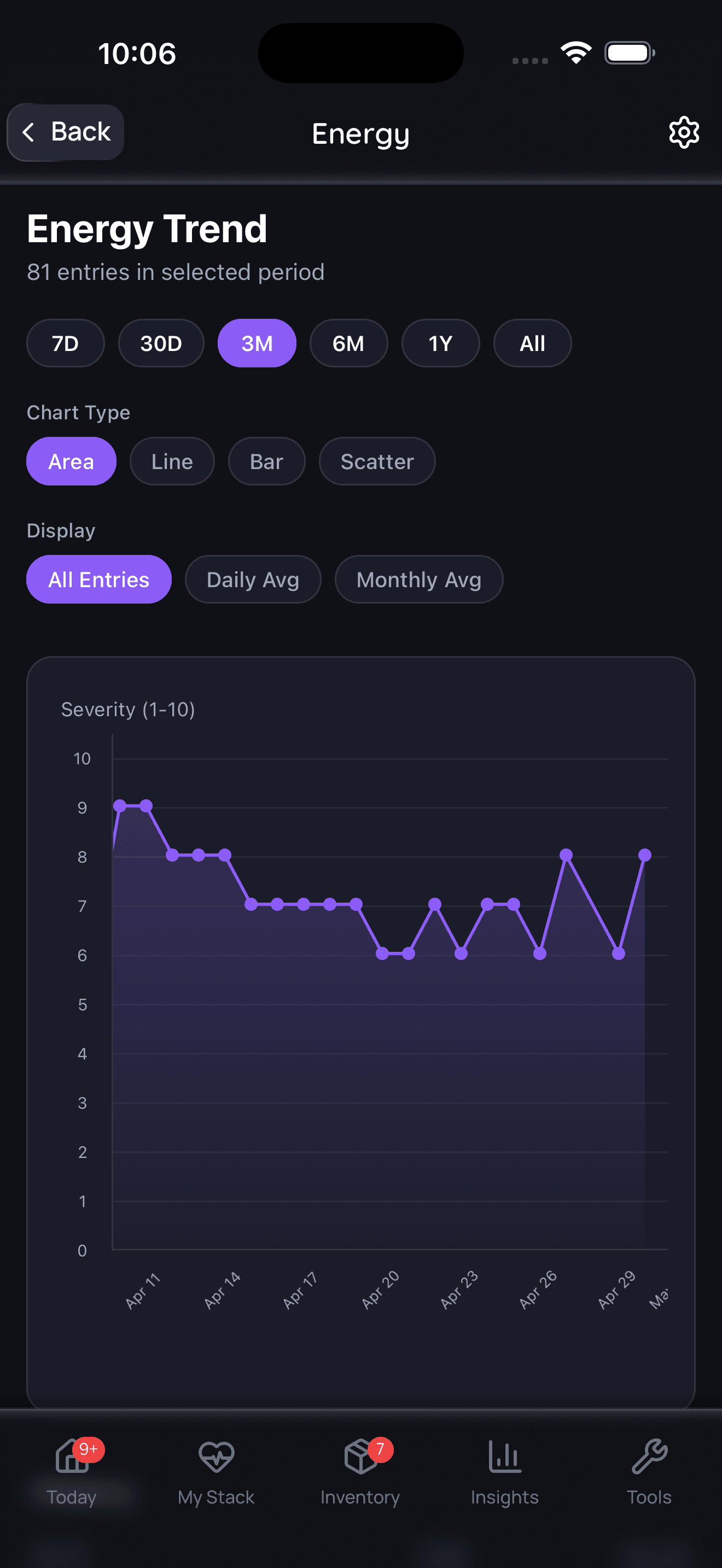
Symptom tracking is informational and should be interpreted with a qualified clinician.
Dosing & Usage Protocols
The Basics
Dosing digestive enzymes is different from dosing most supplements because what matters is not milligrams but enzyme activity units. A capsule containing 500 mg of an enzyme blend tells you almost nothing about its potency. What matters is how many units of each enzyme type are present and whether those units match your needs [6].
For most over-the-counter multi-enzyme blends, typical protocols involve taking 1-2 capsules immediately before or at the start of each meal. Some practitioners suggest increasing the dose for larger meals or meals higher in the food types you have difficulty digesting [1][2].
For targeted enzyme use, the protocols are more specific:
- Lactase: 3,000-9,000 IU per dairy-containing meal. Higher lactose loads may require higher doses. Clinical data show that 6,000 IU handles a moderate lactose load (about what you would get from a glass of milk), but larger amounts of lactose may overwhelm this dose [6].
- Alpha-galactosidase: 150-400 GalU per serving of beans, lentils, or cruciferous vegetables. Taken immediately before the first bite for best results [4][5].
For prescription PERT (which applies to people with diagnosed enzyme insufficiency, not general supplementation), doses are substantially higher: 25,000-50,000 U of lipase per meal for adults, and 500-3,000 U lipase/kg per meal for children with cystic fibrosis [6].
The Science
Dosing for digestive enzyme supplementation is guided by enzyme activity units rather than mass, reflecting the functional nature of these proteins [6].
OTC Multi-Enzyme Blends
No standardized dosing guidelines exist for OTC multi-enzyme blends. Manufacturer recommendations typically suggest 1-2 capsules per meal. The Martin-Biggers (2024) clinical trial used a single capsule of an 18-enzyme blend taken immediately before a test meal and demonstrated statistically significant reduction in post-meal distension [4].
Lactase Supplementation
Clinical evidence supports a dose-response relationship: 6,000 IU of lactase significantly reduces breath hydrogen and symptoms with a 20 g lactose load (P < 0.05), while 3,000 IU shows reduced efficacy. At 50 g lactose loads, neither dose adequately manages symptoms [6]. This suggests that lactase dosing should be matched to anticipated lactose intake.
Prescription PERT Dosing
Guidelines recommend a minimum of 25,000-50,000 U lipase per meal to reduce steatorrhea below 15 g fecal fat per day in adults with EPI. For cystic fibrosis, 500-3,000 U lipase/kg per meal is recommended, with a maximum of 6,000-10,000 U lipase/kg/day in children [6].
When your stack includes several supplements, each with its own dose, form, and timing requirements, the logistics alone can derail consistency. Doserly consolidates all of it into one protocol view, so every dose across your entire routine is accounted for without spreadsheets or guesswork.
The app also tracks cumulative intake for nutrients that appear in multiple products. If your multivitamin, standalone supplement, and fortified protein shake all contain the same nutrient, Doserly adds them up and shows you the total alongside recommended and upper limits. Managing a thoughtful supplement protocol shouldn't require a degree in nutrition science. The app handles the complexity so you can focus on staying consistent.
Track injection timing, draw notes, and site rotation.
Doserly helps keep syringe-related notes, injection site history, reminders, and reconstitution context together for easier review.
Injection log
Site rotation
Injection logs support record-keeping; follow clinician instructions for administration.
What to Expect (Timeline)
Weeks 1-2: For targeted enzymes (lactase, alpha-galactosidase), effects are typically immediate, often within the same meal. Multi-enzyme blends may show gradual improvement in post-meal comfort over the first 1-2 weeks of consistent use. Some individuals report initial mild GI adjustment (increased gas or loose stools) as the digestive environment adapts.
Weeks 3-4: Consistent users of multi-enzyme blends commonly report a noticeable reduction in post-meal bloating, gas, and overall digestive discomfort by this point. Food tolerance may improve, allowing a broader range of foods to be consumed comfortably.
Weeks 5-8: If digestive enzymes are providing benefit, the effects should be well-established and consistent. Some community reports describe improved energy and reduced post-meal fatigue, potentially reflecting better nutrient absorption. For individuals with genuine enzyme insufficiency, improvements in stool consistency and reduced steatorrhea (oily stools) may become apparent.
8-12+ Weeks: Long-term use patterns emerge. For targeted enzymes (lactase, alpha-galactosidase), efficacy remains stable with continued use, as these address a structural deficiency rather than a temporary condition. For broad-spectrum blends, some users report sustained benefit while others find diminishing returns. A minority of users experience onset of new GI symptoms with long-term use of HCL-containing blends, warranting re-evaluation with a healthcare provider.
Interactions & Compatibility
SYNERGISTIC
- Probiotics: Digestive enzymes and probiotics complement each other through different mechanisms. Enzymes break down food substrates while probiotics support healthy gut microbiome. The combination may be particularly beneficial in conditions where enzyme deficiency coexists with bacterial overgrowth, which has been observed in 25-50% of EPI cases [6].
- Ginger Root: Traditional digestive support herb that stimulates saliva flow and digestive secretions. Often included in multi-enzyme blends for complementary gastric comfort [4][7].
- Vitamin D3: Fat-soluble vitamin whose absorption depends on adequate fat digestion. Enzyme supplementation (particularly lipase) may improve absorption of fat-soluble vitamins in individuals with impaired fat digestion [6].
- Fish Oil (EPA/DHA): High-fat supplement that benefits from adequate lipase activity for optimal absorption.
- Iron: Protein-bound iron requires adequate protease activity for release and absorption.
CAUTION / AVOID
- Anticoagulants (warfarin, heparin): Bromelain, a common component of enzyme blends, has demonstrated antithrombotic effects in preclinical studies. Theoretical risk of increased bleeding when combined with blood-thinning medications. Clinical relevance not established, but caution warranted [7].
- NSAIDs (ibuprofen, aspirin): Combined use with betaine HCL-containing enzyme blends may increase risk of gastric irritation or ulceration.
- Proton pump inhibitors (omeprazole, pantoprazole): PPIs raise gastric pH, which may affect the performance of non-enteric-coated enzyme supplements that rely on acidic conditions for activation. Conversely, PPIs may improve efficacy of some enzyme preparations by preventing acid denaturation [6].
- Acarbose and other alpha-glucosidase inhibitors: Amylase in enzyme blends could theoretically counteract the mechanism of these diabetes medications, which work by slowing carbohydrate digestion.
- NAC (N-Acetyl Cysteine): High-dose NAC may thin mucus throughout the GI tract; combined with enzymes, this could theoretically alter digestive conditions, though clinical significance is unclear.
How to Take / Administration Guide
Digestive enzyme supplements are most effective when taken immediately before or at the very start of a meal. The enzymes need to be present in the small intestine when food arrives for optimal mixing and digestion [1][2][3].
Timing considerations:
- Take capsules with a few sips of water just before eating, not after the meal
- For targeted enzymes (lactase, alpha-galactosidase), timing is critical: take within a few minutes of the first bite
- For multi-enzyme blends taken for general digestive support, consistency with each meal is more important than precise timing
Form-specific guidance:
- Capsules: Swallow whole with water. Do not open enteric-coated capsules, as the coating protects the enzymes from stomach acid
- Chewable tablets: Chew thoroughly before swallowing. Often used for lactase and alpha-galactosidase products
- Powder: Mix into food or beverages at room temperature or below. Enzymes denature with heat, so avoid mixing with hot liquids or food
Stacking considerations:
- Digestive enzymes can generally be taken alongside most other supplements
- If you take probiotics, there is no need to separate them from enzymes; they work through different mechanisms
- If using betaine HCL with enzymes, monitor for gastric discomfort and discontinue if symptoms of acid irritation develop
- Separate enzyme supplements from acid-sensitive medications by at least 30 minutes
Cycling guidance:
- Most experts and manufacturers do not recommend cycling digestive enzyme supplements. For individuals with genuine enzyme insufficiency (lactose intolerance, EPI), ongoing daily use is typically necessary
- For occasional digestive discomfort without a diagnosed deficiency, using enzymes only when consuming trigger foods (beans, dairy, large or fatty meals) is a reasonable approach
Coordinating the administration details for one supplement is straightforward enough. Coordinating them across an entire stack, where some need an empty stomach, others need fat, and several compete for the same absorption window, is where things get complicated. Doserly takes your full supplement list and builds a conflict-free daily schedule automatically.
Instead of mentally juggling timing rules each morning, you open the app and see exactly what to take, when, and with what. If you add a new supplement or change a dose, the schedule adjusts. The goal is simple: remove the friction that makes complex supplement protocols hard to maintain, so the only thing you have to think about is showing up.
Keep multi-step protocols organized from start to finish.
Use Doserly to map compounds, timing, cycle windows, notes, and review points so complex protocols stay readable in one place.
Plan view
Protocol schedule
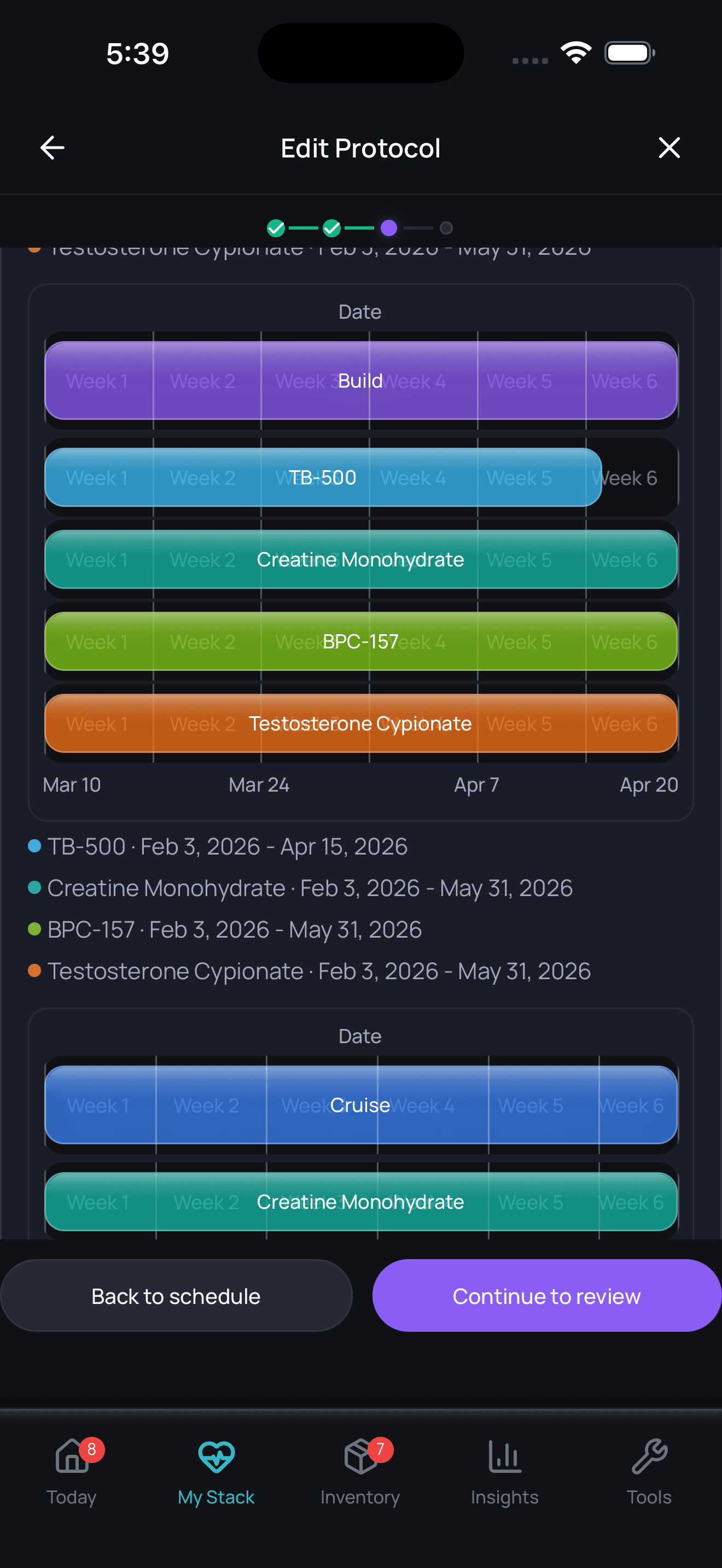
Planning views are organizational and should be aligned with professional guidance.
Choosing a Quality Product
Third-party certifications to look for:
- USP Verified Mark: Tests identity, strength, purity, and performance
- NSF International certification: NSF/ANSI standards
- ConsumerLab approval: Independent testing with detailed reviews
- GMP (Good Manufacturing Practices) certification: Manufacturing quality standard
Active vs. cheap forms:
- Look for enzyme activity listed in standardized units (USP, FCC, HUT, LU, SKB, GalU) rather than just milligrams. A product listing only weight without activity units may be underdosed.
- Fungal-derived enzymes (Aspergillus oryzae) offer broader pH stability than animal-derived enzymes
- Enteric-coated products protect acid-sensitive enzymes (particularly lipase) from gastric denaturation
- Lactase from K. lactis displays higher efficacy than from A. niger at equivalent doses [6]
Red flags:
- Products listing enzyme content only in milligrams without activity units
- Proprietary blends that hide individual enzyme quantities
- Weight loss claims (digestive enzymes do not promote weight loss)
- "Cure" claims for conditions like IBS, GERD, or Crohn's disease
- Mega-doses without clinical justification
Excipient and allergen considerations:
- Check for porcine-derived ingredients if vegetarian, vegan, or for religious dietary reasons
- Fungal-sourced enzymes may affect those with mold allergies
- Some products contain wheat or soy, which should be noted by those with allergies
- Alpha-galactosidase may cause reactions in people with alpha-gal syndrome [3]
Quality markers:
- Certificate of Analysis (COA) availability
- Expiration date with guaranteed enzyme activity through that date
- Clear labeling of all enzyme types and their activity units
- Transparent listing of enzyme sources (porcine, fungal, plant)
Storage & Handling
Store digestive enzyme supplements in a cool, dry place away from direct sunlight and excessive heat. Enzymes are proteins that can denature (lose their functional shape and activity) when exposed to high temperatures or moisture.
Specific considerations:
- Keep the bottle or container tightly closed between uses to prevent moisture exposure
- Do not store in bathrooms or kitchens where humidity levels are high
- Some liquid enzyme preparations and certain probiotic-enzyme combination products require refrigeration; check the label
- Enzyme activity may gradually decline after the expiration date, so using products before their expiration is important
- If you travel with enzyme supplements, avoid leaving them in hot cars or direct sunlight
- Powder formulations should be mixed with cold or room-temperature liquids immediately before consumption; do not premix and store
Lifestyle & Supporting Factors
Dietary approaches that complement enzyme supplementation:
- Eating a variety of whole, minimally processed foods naturally supports the body's enzyme production
- Chewing food thoroughly is the first and most often overlooked step in digestion; it mechanically breaks food into smaller particles and mixes it with salivary amylase
- Eating at a moderate pace rather than rushing allows your digestive system to keep up with food intake
- Managing portion sizes can reduce the enzymatic burden per meal
- For lactose intolerance, consuming smaller amounts of dairy spread throughout the day may be better tolerated than a large single serving
Foods naturally rich in digestive enzymes:
- Pineapple (bromelain), papaya (papain), mango, kiwi, honey, ginger, sauerkraut, kefir, bananas, avocados
- While these foods contain enzymes, there is no strong evidence that consuming them meaningfully aids digestion beyond their general nutritional benefits [1][2]
Lifestyle factors affecting digestion:
- Stress directly impacts digestive function by reducing blood flow to the digestive tract and suppressing enzyme secretion. Stress management practices (deep breathing before meals, avoiding eating while anxious) can meaningfully support digestion
- Regular physical activity promotes healthy gut motility and may support overall digestive function
- Adequate hydration supports the digestive process but avoid excessive fluid intake with meals, as it may dilute digestive enzymes
- Sleep quality affects gut health; disrupted sleep is associated with increased GI symptoms
Signs you may benefit from professional evaluation:
- Persistent bloating, gas, or abdominal pain that does not respond to dietary changes or OTC enzymes
- Unexplained weight loss, oily or foul-smelling stools (possible signs of EPI)
- Symptoms that worsen despite enzyme supplementation
- Family history of cystic fibrosis, chronic pancreatitis, or other pancreatic conditions
Regulatory Status & Standards
United States (FDA)
Prescription pancreatic enzyme replacement therapy (PERT) products are FDA-regulated as drugs. Since April 2010, the FDA has required clinical trials and Investigational New Drug (IND) applications for approval. Six products currently hold FDA approval: Creon, Zenpep, Pancreaze, Ultresa, Viokace, and Pertzye [6]. OTC digestive enzyme supplements are regulated as dietary supplements under DSHEA. They do not require FDA approval for safety or efficacy before marketing. The FDA does not guarantee the dosage, ingredients, or enzyme concentration of OTC products [1][2][3].
Canada (Health Canada)
Digestive enzyme products may be classified as Natural Health Products (NHPs) and require a Natural Product Number (NPN) before sale. Health Canada maintains monographs for specific enzyme ingredients.
European Union (EFSA)
Digestive enzyme supplements are available as food supplements. EFSA evaluates health claims but has not authorized specific health claims for most digestive enzyme ingredients in supplement form.
Australia (TGA)
Digestive enzyme supplements may be listed as complementary medicines under the Australian Register of Therapeutic Goods.
Athlete & Sports Regulatory Status
Digestive enzyme supplements are not prohibited by WADA and do not appear on any major national anti-doping agency prohibited substance lists. They are not performance-enhancing substances. However, as with all supplements, athletes should be aware that OTC products may carry a risk of contamination with undeclared banned substances. Third-party testing programs (Informed Sport, NSF Certified for Sport) can reduce but not eliminate this risk. Athletes are encouraged to verify the status of any supplement with their sport's governing body and use GlobalDRO.com for medication/supplement status checking across jurisdictions.
Regulatory status and prohibited substance classifications change frequently. Athletes should always verify the current status of any supplement with their sport's governing body, their national anti-doping agency, and a qualified sports medicine professional before use. Third-party certification (Informed Sport, NSF Certified for Sport) reduces but does not eliminate the risk of contamination with prohibited substances.
Frequently Asked Questions
Do I need digestive enzyme supplements if I'm healthy?
Based on available medical sources, most healthy individuals produce sufficient digestive enzymes on their own. Major medical centers including Johns Hopkins Medicine and Cleveland Clinic note that healthy people generally do not need digestive enzyme supplements. However, specific conditions like lactose intolerance or difficulty digesting beans and cruciferous vegetables may benefit from targeted enzyme supplementation (lactase, alpha-galactosidase). Consulting a healthcare provider can help determine whether supplementation is appropriate for your situation.
What is the difference between prescription and over-the-counter digestive enzymes?
Prescription digestive enzymes (PERT) are FDA-regulated medications prescribed for diagnosed conditions like exocrine pancreatic insufficiency and cystic fibrosis. They undergo clinical trials for safety and efficacy. OTC enzyme supplements are regulated as dietary supplements under DSHEA and do not require FDA approval. The potency, quality, and consistency of OTC products are not guaranteed by regulatory agencies.
Can digestive enzymes help with IBS?
Research on digestive enzymes for irritable bowel syndrome is ongoing but inconclusive. Some gastroenterologists note that "there's no definitive evidence to suggest that enzymes can help with this condition." However, some individuals with IBS report subjective improvement, particularly with FODMAP-specific enzyme products. A healthcare provider can advise on whether enzyme supplementation is worth trying as part of an IBS management strategy.
Will digestive enzymes help me lose weight?
There is no credible evidence that digestive enzymes promote weight loss. In fact, by improving nutrient digestion and absorption, enzymes theoretically increase the calories your body extracts from food. Claims linking digestive enzymes to weight loss are not supported by clinical evidence and should be viewed skeptically.
How long does it take for digestive enzymes to work?
For targeted enzymes (lactase, alpha-galactosidase), effects are typically immediate, occurring within the same meal. For multi-enzyme blends used for general digestive support, some users report improvement within days, while others may take 2-4 weeks of consistent use to notice a difference. If no improvement is observed after 4-6 weeks of consistent use, re-evaluation with a healthcare provider is advisable.
Can I take digestive enzymes with other supplements?
Digestive enzymes can generally be taken alongside most other supplements without issues. They may actually improve absorption of fat-soluble vitamins (A, D, E, K) and fatty acid supplements (fish oil) by enhancing fat digestion. However, enzyme blends containing bromelain should be used with caution alongside blood-thinning medications.
Are plant-based enzyme supplements as effective as animal-derived ones?
Fungal-derived enzymes (from Aspergillus oryzae and A. niger) demonstrate broader pH stability and may require lower doses for equivalent enzyme activity compared to porcine-derived pancreatin. Plant-derived enzymes like bromelain and papain have different substrate specificities. The best choice depends on your specific digestive needs and dietary preferences.
Should I take digestive enzymes before, during, or after meals?
Available sources consistently recommend taking digestive enzymes immediately before or at the start of a meal, not after. The enzymes need to arrive in the small intestine at the same time as the food for optimal mixing and digestion. Taking enzymes after a meal is less effective because the food may have already passed the optimal digestion window.
Can long-term use of digestive enzymes cause my body to produce fewer enzymes naturally?
This is a common concern, but for the most common enzyme supplements (lactase, alpha-galactosidase, general enzyme blends), there is no evidence that supplementation reduces endogenous enzyme production. For prescription PERT, long-term use is the standard of care for chronic conditions like EPI and cystic fibrosis. However, this question warrants discussion with a healthcare provider, especially for prolonged use.
Are there any foods I should eat more of instead of taking enzyme supplements?
Several foods naturally contain digestive enzymes, including pineapple (bromelain), papaya (papain), mango, kiwi, kefir, sauerkraut, ginger, and honey. However, major medical sources note there is no strong evidence that these foods meaningfully aid digestion beyond their general nutritional benefits. A balanced, whole-food diet with adequate fiber, along with thorough chewing and moderate portion sizes, supports optimal natural digestion.
Myth vs. Fact
Myth: Digestive enzyme supplements will help you lose weight.
Fact: No clinical evidence supports weight loss from digestive enzyme supplementation. Enzymes improve digestion and nutrient absorption, which means your body extracts more calories from food, not fewer. Marketing claims linking enzymes to weight loss or a "flatter stomach" are not supported by science [1][2][3].
Myth: Everyone should take digestive enzyme supplements for better health.
Fact: Most healthy people produce sufficient digestive enzymes naturally. Medical experts at Johns Hopkins Medicine and Cleveland Clinic state that a healthy person generally does not need enzyme supplements. They are most beneficial for individuals with diagnosed enzyme deficiencies or specific intolerances [1][2].
Myth: All digestive enzyme supplements are the same.
Fact: Enzyme supplements vary enormously in their enzyme types, sources, activity levels, and quality. Porcine-derived, fungal-derived, and plant-derived enzymes each have different pH stability, substrate specificity, and potency. The activity units (USP, FCC, HUT, LU) listed on the label are far more meaningful than the milligram weight [6].
Myth: Digestive enzymes can cure IBS, GERD, or Crohn's disease.
Fact: While some individuals with these conditions report symptomatic improvement with enzyme supplements, no clinical evidence supports enzymes as a treatment or cure for these disorders. These conditions have complex pathophysiology that extends beyond enzyme deficiency. Proper medical treatment should not be replaced or delayed by reliance on OTC enzyme supplements [1][2][7].
Myth: Taking digestive enzymes long-term will make your body "lazy" and stop producing its own enzymes.
Fact: There is no evidence that supplemental digestive enzymes cause downregulation of endogenous enzyme production for the types of enzymes commonly found in OTC supplements. In conditions like EPI and cystic fibrosis, lifelong enzyme supplementation is the standard of care without evidence of worsening native production [6].
Myth: Enzyme-rich foods like pineapple and papaya are just as effective as enzyme supplements.
Fact: While pineapple (bromelain) and papaya (papain) do contain active enzymes, there is no strong evidence that eating these foods meaningfully aids human digestion. The concentration of enzymes in food portions is much lower than in supplement doses, and the enzymes may be substantially degraded by stomach acid before reaching the small intestine [1][2].
Myth: More enzymes is always better.
Fact: Dosing should be matched to need. For lactase supplementation, clinical data show a clear dose-response relationship, but effectiveness plateaus and higher doses do not overcome very large lactose loads. For OTC multi-enzyme blends, there is no evidence that taking more capsules than recommended provides additional benefit, and excess protease or HCL supplementation can cause gastric irritation [6].
Sources & References
Institutional Sources
[1] Morgan Denhard, MS, RD, LDN. "Digestive Enzymes and Digestive Enzyme Supplements." Johns Hopkins Medicine. Available at: https://www.hopkinsmedicine.org/health/wellness-and-prevention/digestive-enzymes-and-digestive-enzyme-supplements
[2] Alison Schneider, MD. "Digestive Enzymes 101: Why They're Important." Cleveland Clinic Health Essentials. September 5, 2025. Available at: https://health.clevelandclinic.org/digestive-enzymes-101-why-theyre-important
[3] Jenette Restivo. "Digestive Enzymes: How Supplements Like Lactaid and Beano Can Help with Digestion." Harvard Health Publishing. November 13, 2024. Available at: https://www.health.harvard.edu/healthy-aging-and-longevity/digestive-enzymes-how-supplements-like-lactaid-and-beano-can-help-with-digestion
Clinical Trials & Studies
[4] Martin-Biggers J. "A Multi-Digestive Enzyme and Herbal Dietary Supplement Reduces Bloating in a Single Use in Healthy Adults: A Randomized, Placebo-Controlled, Cross Over Study." Nutrition and Dietary Supplements. 2024;16:51-57. DOI: 10.2147/NDS.S453377. ClinicalTrials.gov: NCT05520411.
[5] Di Stefano M, Miceli E, Gotti S, Missanelli A, Mazzocchi S, Corazza GR. "The effect of oral alpha-galactosidase on intestinal gas production and gas-related symptoms." Dig Dis Sci. 2007;52(1):78-83. DOI: 10.1007/s10620-006-9296-9.
Systematic Reviews & Meta-Analyses
[6] Ianiro G, Pecere S, Giorgio V, Gasbarrini A, Cammarota G. "Digestive Enzyme Supplementation in Gastrointestinal Diseases." Curr Drug Metab. 2016;17(2):187-193. DOI: 10.2174/138920021702160114150137. PMC4923703.
[7] "Proteolytic Enzymes." Memorial Sloan Kettering Cancer Center About Herbs. Last Updated February 2, 2022. Available at: https://www.mskcc.org/cancer-care/integrative-medicine/herbs/proteolytic-enzymes
[8] Shafiq N, Rana S, Bhasin D, et al. "Pancreatic enzymes for chronic pancreatitis." Cochrane Database Syst Rev. 2009;(4):CD006302. Taylor JR, Gardner TB, Waljee AK, Dimagno MJ, Schoenfeld PS. "Systematic review: efficacy and safety of pancreatic enzyme supplements for exocrine pancreatic insufficiency." Aliment Pharmacol Ther. 2010;31(1):57-72. Yaghoobi M, McNabb-Baltar J, Bijarchi R, et al. "Pancreatic Enzyme Supplements Are Not Effective for Relieving Abdominal Pain in Patients with Chronic Pancreatitis." Dig Dis Sci. 2016;61(5):1322-1328.
[9] Graham DY, Ketwaroo GA, Money ME, Opekun AR. "Enzyme therapy for functional bowel disease-like post-prandial distress." J Dig Dis. 2018;19(11):650-656. Ran ZH, Yuan YZ, Li ZS, et al. "The efficacy of Combizym in the treatment of Chinese patients with dyspepsia." J Dig Dis. 2009;10(1):41-48.
Related Supplement Guides
Same Category
Common Stacks / Pairings
- Probiotics (general) (Note: no dedicated probiotics page in registry; B-Complex linked as placeholder)
- L-Glutamine (gut health support)
- Vitamin D3 (fat-soluble vitamin absorption)
- Fish Oil (EPA/DHA) (benefits from lipase support)
Related Health Goal
- Ginger Root (digestive comfort, nausea relief)
- Turmeric/Curcumin (GI inflammation)
- Peppermint (if available; traditional digestive aid)
- L-Glutamine (gut barrier integrity)