
Oregano Oil: The Complete Supplement Guide
On this page
Quick Reference Card
Attribute
Common Name
- Detail
- Oregano Oil (Oil of Oregano)
Attribute
Other Names / Aliases
- Detail
- Origanum vulgare oil, Carvacrol oil, Wild Marjoram oil, European Oregano oil, Origanum oil
Attribute
Category
- Detail
- Herbal Antimicrobial / Essential Oil Extract
Attribute
Primary Forms & Variants
- Detail
- Emulsified oregano oil capsules (standardized to 50-85% carvacrol, best studied); liquid oil of oregano (diluted in carrier oil); oregano essential oil (concentrated, not for internal use); oregano leaf tea/extract (lower potency, different active profile)
Attribute
Typical Dose Range
- Detail
- 100-600 mg/day of emulsified oil in capsule form; liquid: 2-4 drops diluted in carrier oil, 1-2 times daily
Attribute
RDA / AI / UL
- Detail
- No established RDA, AI, or UL (herbal supplement, not an essential nutrient)
Attribute
Common Delivery Forms
- Detail
- Softgel capsule, liquid oil in dropper bottle, enteric-coated capsule, tea
Attribute
Best Taken With / Without Food
- Detail
- Take with food to reduce GI irritation. Never take undiluted liquid oil on an empty stomach.
Attribute
Key Cofactors
- Detail
- No established cofactors. Often combined with a carrier oil (olive oil, coconut oil) for dilution. Some formulations include flaxseed oil or lecithin.
Attribute
Storage Notes
- Detail
- Store in a cool, dry place away from direct sunlight. Dark glass bottles preferred for liquid forms. No refrigeration required unless product label specifies.
Overview
The Basics
Oregano oil is a concentrated extract from the leaves and flowers of Origanum vulgare, the same plant used as a culinary herb. But while the dried oregano on your spice rack is relatively mild, the essential oil extracted from the plant is far more potent and contains concentrated levels of bioactive compounds, particularly carvacrol and thymol [1].
People have used oregano medicinally for thousands of years. In traditional Mediterranean and Middle Eastern medicine, it was taken with meals to ease digestive discomfort, brewed as a tea for respiratory congestion, and used as a topical antiseptic for wounds and skin conditions [1]. In modern supplement form, oregano oil is most commonly marketed as a natural antimicrobial, sometimes labeled "nature's antibiotic," though this characterization is far stronger than the available clinical evidence supports.
The honest picture is this: oregano oil has demonstrated strong antimicrobial activity in laboratory settings. Its primary active compound, carvacrol, can kill or inhibit a wide range of bacteria, fungi, and some viruses in test tubes and petri dishes [2][3]. Translating that into proven benefits for human health is a different matter. Human clinical trials of oregano oil supplementation are extremely limited. Only a handful of small studies exist, and the largest areas of clinical evidence involve purified carvacrol (not whole oregano oil) for respiratory conditions like asthma [4][5].
This means that while oregano oil is a legitimate subject of scientific interest, the gap between its laboratory profile and its proven clinical utility remains large. Most of the benefit claims circulating online are extrapolations from in vitro data, animal studies, or single uncontrolled trials.
The Science
Origanum vulgare L. belongs to the family Lamiaceae and is native to the Mediterranean region, with Turkey, Greece, and Israel producing much of the world's supply of high-quality essential oil [1]. The genus Origanum contains approximately 44 species, and the chemical composition of the essential oil varies substantially depending on species, subspecies, geographic origin, harvest timing, and extraction method [6].
The essential oil is obtained primarily through steam distillation of the aerial parts of the plant. Its composition is dominated by monoterpenic phenols, with carvacrol (2-methyl-5-(1-methylethyl)phenol) typically constituting the largest fraction. However, the carvacrol content of commercial oregano essential oils ranges widely. One analysis found carvacrol at 14.5% with thymol at 12.6% in a standard sample [1], while commercial supplements marketed for health purposes often claim 50-85% carvacrol content. Other significant components include gamma-terpinene, p-cymene (the biosynthetic precursor to carvacrol), beta-fenchyl alcohol, delta-terpineol, and alpha-terpinene [1].
The non-essential-oil components of oregano leaves are also pharmacologically active and differ substantially from the essential oil fraction. The water-soluble constituents include rosmarinic acid (123.22 mg/g in water extract), ursolic acid (10.04 mg/g dry leaf weight), oleanolic acid, caffeic acid, and various flavonoids including eriocitrin, apigenin, luteolin, and naringenin [1]. These polyphenolic compounds contribute to the antioxidant activity of oregano tea preparations but are largely absent from essential oil products.
A critical distinction exists between different oregano subspecies. The pink-flowered variant (Origanum vulgare subsp. vulgare) has a markedly different essential oil profile, dominated by beta-caryophylline (15.6-17.2%) and sabinene (2.5-9.1%), with negligible carvacrol and thymol content [1]. This means that not all oregano oil supplements contain the bioactive compounds responsible for the antimicrobial properties typically attributed to oregano oil.
Chemical & Nutritional Identity
Property
Botanical Name
- Value
- Origanum vulgare L.
Property
Plant Family
- Value
- Lamiaceae (mint family)
Property
Part Used
- Value
- Aerial parts (leaves and flowers)
Property
Primary Active Compound
- Value
- Carvacrol (2-methyl-5-(1-methylethyl)phenol)
Property
Carvacrol CAS Number
- Value
- 499-75-2
Property
Carvacrol Molecular Formula
- Value
- C10H14O
Property
Carvacrol Molecular Weight
- Value
- 150.22 g/mol
Property
Carvacrol PubChem CID
- Value
- 10364
Property
Secondary Active Compound
- Value
- Thymol (isomer of carvacrol)
Property
Thymol CAS Number
- Value
- 89-83-8
Property
Other Notable Constituents
- Value
- gamma-terpinene, p-cymene, beta-fenchyl alcohol, rosmarinic acid (in leaf/water extracts), ursolic acid, oleanolic acid
Property
FDA Status
- Value
- GRAS as food flavoring; supplement form regulated under DSHEA
Common Supplement Forms
Form
Emulsified oil capsule
- Typical Carvacrol Content
- 50-85% (standardized)
- Profile
- Most common oral supplement form; emulsification improves tolerability
Form
Liquid oil of oregano
- Typical Carvacrol Content
- 50-80% (variable)
- Profile
- Requires dilution in carrier oil before internal use; strongest taste
Form
Oregano essential oil
- Typical Carvacrol Content
- 14-90% (highly variable)
- Profile
- Concentrated aromatic oil; intended for aromatherapy/topical use, NOT oral ingestion
Form
Oregano leaf extract capsule
- Typical Carvacrol Content
- Variable
- Profile
- Contains water-soluble compounds (rosmarinic acid, flavonoids) with different activity profile
Form
Oregano tea (leaf infusion)
- Typical Carvacrol Content
- Minimal carvacrol
- Profile
- Primarily delivers rosmarinic acid, polyphenols; traditional carminative use
Important Distinction: Oregano Oil vs. Oregano Essential Oil
Oregano essential oil is a pure, undiluted extract that is extremely concentrated and should never be ingested without proper formulation. "Oil of oregano" supplements intended for oral use are typically diluted in a carrier oil (olive oil, coconut oil) and formulated into capsules at controlled concentrations. Confusing these two products is a common source of adverse reactions [7].
Mechanism of Action
The Basics
Oregano oil works primarily through its main compound, carvacrol, which has several different ways of attacking harmful microorganisms. Think of carvacrol as a molecule that punches holes in the outer walls of bacteria and fungi. When these organisms lose the integrity of their protective membranes, they can no longer maintain their internal environment and they die [2][3].
This is why oregano oil shows such broad-spectrum antimicrobial activity in laboratory tests: the membrane-disruption mechanism is not species-specific. It affects bacteria, fungi, and even some viruses, though the potency varies depending on the target organism and the concentration used [2][3].
Beyond direct antimicrobial action, oregano oil has anti-inflammatory effects. Carvacrol can reduce the production of inflammatory signaling molecules like TNF-alpha, IL-6, and prostaglandin E2, which are involved in swelling, pain, and immune activation [8]. There is also preliminary evidence of antioxidant activity, with compounds in oregano neutralizing reactive oxygen species and reducing oxidative damage to cells [9].
In the gut, oregano oil's antimicrobial effects are the basis for its use in small intestinal bacterial overgrowth (SIBO) protocols, where the goal is to reduce overgrown bacterial populations in the small intestine. However, this same mechanism means it can also affect beneficial gut bacteria, which is why short-term, targeted use is generally emphasized over long-term supplementation.
The Science
Membrane disruption: Carvacrol's antimicrobial mechanism centers on its interaction with microbial cell membranes. As a hydrophobic phenolic compound, carvacrol integrates into the lipid bilayer of bacterial membranes, increasing membrane permeability and causing leakage of ions (particularly K+ and H+), ATP, and other cellular contents [2][3]. This disrupts the proton motive force essential for energy production and ultimately leads to cell lysis. The minimum inhibitory concentrations (MICs) of carvacrol against common pathogenic bacteria range from 0.005 to 0.04 mg/mL, with higher potency than thymol across most tested strains [3].
Antibacterial spectrum: Oregano essential oil demonstrates activity against both Gram-positive and Gram-negative bacteria, including Bacillus cereus and B. subtilis (MIC 1.56 mcg/mL), Staphylococcus aureus (MIC 3.12 mcg/mL), Salmonella enterica, Listeria monocytogenes, and Escherichia coli (MIC 3.12 mcg/mL) [1][3]. Synergistic effects have been demonstrated between carvacrol and conventional antibiotics, particularly tobramycin, suggesting potential as an adjunctive antimicrobial agent [3].
Anti-inflammatory pathways: Carvacrol dose-dependently reduces the release of pro-inflammatory mediators in multiple experimental models. In carrageenan- and dextran-induced paw edema models, carvacrol at 50 mg/kg reduced edema by 46% and 35% respectively [8]. The mechanism involves suppression of cyclooxygenase-2 (COX-2) expression and reduction of IL-1beta and prostaglandin E2 levels, while simultaneously increasing anti-inflammatory IL-10 [8][10].
Antiviral mechanisms: Oregano oil and carvacrol inhibit HIV-1 cell fusion by altering cholesterol content in viral membrane lipid rafts, independent of viral tropism [11]. Against murine norovirus (a human norovirus surrogate), carvacrol achieves 3.87-log10 reductions in infectivity within 1 hour by acting directly on the viral capsid and subsequently the RNA [12].
GABAergic modulation: Water extracts of oregano interact with GABAergic neurotransmission in animal models. Intracerebral injections produce analgesic effects that are augmented by GABAB agonism and blocked by GABAB antagonism [1]. The relevance of this observation to oral supplementation in humans has not been established.
Anti-ulcer activity: Carvacrol demonstrated healing capacity on acetic acid-induced gastric lesions in animal models, with reductions of 60%, 91%, and 81% at doses of 25, 50, and 100 mg/kg respectively after 14 days of treatment [8].
Absorption & Bioavailability
The Basics
Detailed pharmacokinetic data for oregano oil in humans are limited. What is known suggests that carvacrol is absorbed from the gastrointestinal tract, but the extent and rate of absorption depend heavily on the formulation. Emulsified preparations (where the oil is mixed with emulsifiers or encapsulated in softgels with carrier oils) are generally better tolerated and likely better absorbed than raw essential oil, because they help the oil disperse in the aqueous environment of the digestive tract.
One practical factor that matters more than raw bioavailability for oregano oil is tolerability. Taking oregano oil with food significantly reduces the burning sensation and GI irritation that many users report. This likely reflects both dilution of the concentrated oil and slower transit through the stomach when food is present.
Carvacrol is metabolized in the body and excreted primarily through the kidneys. Animal studies suggest it is distributed to tissues relatively quickly, but comprehensive human pharmacokinetic studies mapping absorption, distribution, metabolism, and excretion (ADME) have not been published.
The Science
Formal human pharmacokinetic studies for oral oregano oil are sparse. A Phase I clinical safety study of carvacrol in healthy subjects established tolerability at oral doses of 1.2 mg/kg/day [13], but detailed ADME data from this study are not widely available in the published literature.
Animal pharmacokinetic data suggest that carvacrol is rapidly absorbed from the GI tract. It undergoes phase I and phase II metabolism, primarily glucuronidation and sulfation, yielding conjugated metabolites that are excreted renally. The parent compound has a relatively short plasma half-life, which is consistent with the clinical trial dosing regimens that use divided doses (2-3 times daily) [4][5].
The emulsification of oregano oil in supplement formulations serves two purposes: improving dispersion in aqueous digestive contents (potentially improving absorption) and reducing direct contact between concentrated essential oil and mucosal surfaces (improving tolerability). No head-to-head human bioavailability studies comparing emulsified vs. non-emulsified oregano oil have been published.
The bioavailability of non-carvacrol components of oregano (such as rosmarinic acid and flavonoids from leaf extracts) follows different pharmacokinetic pathways. Rosmarinic acid has documented oral bioavailability in humans and is primarily absorbed from the small intestine, but this is relevant only to tea or leaf extract preparations, not to essential oil products [1].
Research & Clinical Evidence
The Basics
The clinical evidence for oregano oil supplementation in humans is extremely limited. This is one of the most important things to understand about this supplement: despite a large body of impressive laboratory data showing antimicrobial, anti-inflammatory, and antioxidant effects, very few rigorous human trials have been conducted.
The strongest human evidence comes not from oregano oil per se, but from purified carvacrol (oregano oil's primary active compound) in asthma patients. Two randomized controlled trials found that carvacrol at 1.2 mg/kg/day for two months improved lung function, reduced respiratory symptoms, and decreased inflammatory markers in moderate asthmatic patients [4][5]. These are promising findings, but they used purified carvacrol as an add-on to standard asthma medications, not oregano oil supplements.
For chronic rhinosinusitis, one RCT found that oregano oil nasal spray (64 mg daily) produced clinically meaningful symptom improvements that exceeded both fluticasone nasal spray and placebo over four weeks [14]. This is notable but used a nasal spray formulation, not oral supplementation.
The only published study of oral oregano oil for gut infections used 600 mg daily for six weeks in adults with intestinal parasites and found that 77% experienced complete parasite elimination [1]. However, this study had no placebo control and was funded by an oregano oil manufacturer, which significantly limits the reliability of its conclusions.
In summary: laboratory evidence is strong and wide-ranging, but clinical evidence in humans is thin, preliminary, and largely confined to purified carvacrol rather than whole oregano oil supplements.
The Science
Respiratory conditions (carvacrol RCTs):
Khazdair et al. (2017) conducted a Phase II double-blind, placebo-controlled RCT in 23 moderate asthmatic patients. The carvacrol group (n=12) received 1.2 mg/kg/day for 2 months alongside routine medications. Pulmonary function test values significantly increased (p <0.05 to p <0.001), most respiratory symptoms significantly decreased, and hs-CRP was significantly reduced (p <0.001) [4].
Ghorani et al. (2021) expanded this with a larger RCT (n=33) using the same carvacrol dose and duration. FEV1, FVC, and FEV1/FVC significantly increased. Oxidative stress markers improved (p <0.05 to p <0.001). Pro-inflammatory cytokines IL-4, IL-13, and TGF-beta decreased, while IFN-gamma increased (p <0.001). No significant changes occurred in the placebo group [5].
Rhinosinusitis (oregano oil nasal spray RCT):
Kamaneh et al. (2020) randomized 75 adults with chronic rhinosinusitis without nasal polyps to oregano oil nasal spray (64 mg daily), fluticasone nasal spray, or sesame oil placebo for 4 weeks. SNOT-22 score reductions were 51.52 points (oregano), 21.60 points (fluticasone), and 11.84 points (placebo). The mean difference between oregano and placebo was 39.68 points (95% CI: -45.54 to -33.81), a clinically and statistically significant improvement [14].
Intestinal parasites (open-label study):
Force et al. (2000) administered 600 mg emulsified oregano oil daily for 6 weeks to 14 adults with intestinal parasites (Blastocystis hominis, Entamoeba hartmanni, Endolimax nana). Seventy-seven percent experienced complete parasite elimination, with concurrent reduction in fatigue and GI symptoms [1]. Study limitations include absence of placebo control and industry funding.
Antibacterial evidence (primarily in vitro):
Liang et al. (2025) demonstrated that oregano essential oils from white-flowered varieties show potent antibacterial activity against both Gram-positive and Gram-negative bacteria, with MICs of 0.25-1 mg/mL. Carvacrol alone showed MICs of 0.005-0.04 mg/mL, confirming it as the most potent antibacterial component. Carvacrol combined with tobramycin exhibited synergistic effects in both checkerboard assays and systemic infection mouse models [3].
Antiviral evidence (in vitro):
Mediouni et al. (2020) showed oregano oil and carvacrol inhibit HIV-1 fusion into target cells by altering cholesterol in viral membrane lipid rafts. Carvacrol additively cooperated with antiretroviral therapy [11]. Gilling et al. (2014) demonstrated carvacrol achieves 3.87-log10 reductions in murine norovirus infectivity within 1 hour [12]. Both studies are in vitro; no human antiviral trials have been conducted.
Evidence & Effectiveness Matrix
Category
Immune Function
- Evidence Strength
- 3/10
- Reported Effectiveness
- 6/10
- Summary
- Strong in vitro antimicrobial data, but no human immune function trials. Community reports positive for acute cold/flu symptom management, though anecdotal and subject to placebo effect.
Category
Gut Health
- Evidence Strength
- 3/10
- Reported Effectiveness
- 5/10
- Summary
- One uncontrolled human study on intestinal parasites. Community reports polarized between SIBO symptom relief and microbiome disruption concerns.
Category
Inflammation
- Evidence Strength
- 5/10
- Reported Effectiveness
- 5/10
- Summary
- Two carvacrol RCTs in asthma showed reduced inflammatory markers. Animal models show anti-inflammatory effects. Limited community reports specific to inflammation.
Category
Digestive Comfort
- Evidence Strength
- 2/10
- Reported Effectiveness
- 3/10
- Summary
- No clinical evidence for digestive comfort; oregano oil commonly causes GI irritation as a side effect. Community reports overwhelmingly describe GI discomfort.
Category
Nausea & GI Tolerance
- Evidence Strength
- 2/10
- Reported Effectiveness
- 3/10
- Summary
- GI side effects (nausea, burning, acid reflux) are among the most consistently reported adverse effects in both clinical and community settings.
Category
Skin Health
- Evidence Strength
- 2/10
- Reported Effectiveness
- 5/10
- Summary
- In vitro evidence for antimicrobial and skin-whitening effects. Community reports mixed: positive for fungal skin conditions, negative for irritation and allergic reactions. Topical application only.
Category
Side Effect Burden
- Evidence Strength
- 3/10
- Reported Effectiveness
- 4/10
- Summary
- Phase I safety study established short-term tolerability. Community reports high side effect burden, especially GI symptoms. Short-term use is consensus recommendation.
Category
Energy Levels
- Evidence Strength
- 2/10
- Reported Effectiveness
- 4/10
- Summary
- No direct evidence. Some community reports of improved energy secondary to resolving underlying gut infections. Confounded by treatment of underlying conditions.
Categories scored: 8
Categories with community data: 8
Categories not scored (insufficient data): Fat Loss, Muscle Growth, Weight Management, Appetite & Satiety, Food Noise, Sleep Quality, Focus & Mental Clarity, Memory & Cognition, Mood & Wellbeing, Anxiety, Stress Tolerance, Motivation & Drive, Emotional Aliveness, Emotional Regulation, Libido, Sexual Function, Joint Health, Pain Management, Recovery & Healing, Physical Performance, Hair Health, Heart Health, Blood Pressure, Heart Rate & Palpitations, Hormonal Symptoms, Temperature Regulation, Fluid Retention, Body Image, Bone Health, Longevity & Neuroprotection, Cravings & Impulse Control, Social Connection, Treatment Adherence, Withdrawal Symptoms, Daily Functioning
Benefits & Potential Effects
The Basics
Oregano oil's most well-documented property is its antimicrobial activity. In laboratory settings, it can kill or inhibit the growth of a wide range of bacteria, fungi, and some viruses. This is the foundation for its traditional use as a natural antiseptic and its modern use in SIBO protocols and acute infection support [1][2][3].
For respiratory health, purified carvacrol (the main compound in oregano oil) has shown genuine promise. Two clinical trials found it improved lung function and reduced inflammation in asthmatic patients, though these used purified carvacrol as a supplement to standard medications, not as a standalone treatment [4][5].
Some people use oregano oil at the first sign of a cold or sore throat and report that it seems to shorten the duration or severity of illness. While this is a common anecdotal claim, no controlled clinical trials have tested this specific use.
Oregano oil also has antioxidant properties. The phenolic compounds in oregano (both in the essential oil and the leaf) can neutralize free radicals and reduce oxidative stress markers, though the clinical significance of this for healthy individuals taking normal supplement doses is unclear [9].
For gut health specifically, oregano oil's antimicrobial effects are a double-edged sword. While it may help reduce pathogenic bacteria or parasites in certain cases, it also affects beneficial gut bacteria, which is why practitioners who use it typically recommend short courses with concurrent or follow-up probiotic supplementation.
The Science
Antimicrobial activity (in vitro): Oregano oil demonstrates broad-spectrum antimicrobial activity with MICs ranging from 1.56 to 3.12 mcg/mL against common food-borne and pathogenic bacteria [1][3]. Carvacrol is the primary driver of this activity, with MICs of 0.005-0.04 mg/mL against tested strains, approximately 2-8 times more potent than thymol on a weight basis [3].
Respiratory benefits (clinical): The two carvacrol RCTs in asthmatic patients represent the strongest clinical evidence for any oregano-derived compound. Improvements in FEV1, FVC, respiratory symptoms, hs-CRP, and cytokine profiles were statistically significant and dose-dependent across 2-month treatment periods [4][5].
Antiparasitic activity (clinical, limited): The single human study showed 77% complete elimination of intestinal parasites (Blastocystis hominis, Entamoeba hartmanni, Endolimax nana) with 600 mg daily emulsified oregano oil over 6 weeks [1]. The absence of placebo control and industry funding are significant methodological limitations.
Antioxidant activity: Oregano oil and its water extracts inhibit LDL oxidation in vitro at concentrations of 0.2-240 mg/L [1]. Rosmarinic acid in oregano leaf extracts contributes substantial antioxidant capacity (123.22 mg/g in tea preparations) [1]. The 2021 carvacrol RCT demonstrated improvement in most oxidative stress markers in asthmatic patients (p <0.05 to p <0.001) [5].
Side Effects & Safety
The Basics
Oregano oil is one of the more potent herbal supplements available, and its side effect profile reflects that potency. The most common complaints involve the gastrointestinal tract: stomach burning, nausea, acid reflux, and diarrhea, particularly when taken on an empty stomach or in undiluted form [7][15]. These are not rare reactions; they are reported frequently enough to be considered expected at typical supplement doses.
Allergic reactions are possible, especially in people with allergies to plants in the Lamiaceae (mint) family, which includes basil, sage, lavender, marjoram, and thyme. Contact dermatitis has been reported with topical application, and undiluted oregano oil should never be applied directly to skin [15].
Oregano oil may increase bleeding risk. It appears to affect blood clotting, which means it should be stopped at least two weeks before any scheduled surgery and used with caution by anyone taking blood-thinning medications such as warfarin, heparin, or aspirin [15][16].
The tannins in oregano can interfere with the absorption of certain minerals, including iron, copper, and zinc. If you are taking supplements for any of these minerals, practitioners generally recommend separating them from oregano oil by at least two hours [7].
Oregano oil may lower blood sugar levels, which could be problematic for people taking diabetes medications. The combined effect could potentially cause blood sugar to drop too low [7][15].
During pregnancy, oregano oil in medicinal amounts is generally considered potentially unsafe due to the risk of increased uterine contractions and possible miscarriage. It should also be avoided during breastfeeding due to insufficient safety data [15][16].
An important safety consideration involves the distinction between oil of oregano supplements (formulated for oral use) and oregano essential oil (concentrated aromatic oil). Essential oils should never be ingested unless specifically formulated and labeled for internal use. Accidental ingestion of concentrated essential oil has caused severe mucosal burns and toxicity [7].
In animal studies, high doses of carvacrol (60 mg/kg, equivalent to approximately 4,200 mg for a 70 kg human) caused decreased white blood cell counts and hematological changes [17]. The human-studied dose of 600 mg is well below this threshold, but it underscores the importance of staying within studied dose ranges.
The Science
Phase I safety data: Ghorani et al. (2021) conducted a Phase I clinical study establishing safety and tolerability of carvacrol in healthy human subjects at 1.2 mg/kg/day [13]. The RCTs in asthmatic patients using this dose for 2 months reported that mean corpuscular hemoglobin concentration and hematocrit changed in the carvacrol group (p <0.05 and p <0.01), while other parameters remained within normal ranges [4].
Gastrointestinal effects: Direct contact between concentrated carvacrol and gastric mucosa causes irritation. The anti-ulcer effects observed in animal models at controlled doses (50-100 mg/kg) [8] contrast with the mucosal irritation reported at higher concentrations, suggesting a dose-dependent transition from therapeutic to irritant effects.
Drug interactions: Oregano oil may interact with anticoagulant/antiplatelet medications (warfarin, heparin, dalteparin, enoxaparin) by increasing bleeding risk [15][16]. It may also interact with antidiabetic medications by additive blood sugar lowering effects [7][15]. Potential CYP450 enzyme interactions have been suggested based on in vitro data but have not been characterized in human pharmacokinetic studies.
Animal toxicology: At 60 mg/kg in animal models, carvacrol caused decreased white blood cell counts and other hematological changes. At 20 mg/kg, protective (hepatoprotective) effects were observed [17]. This supports a therapeutic window that narrows significantly at higher doses.
Managing side effect risks across a multi-supplement stack can feel overwhelming, especially when interactions between supplements, medications, and foods add layers of complexity. Doserly brings all of that into a single safety view so nothing falls through the cracks.
Rather than researching every possible interaction yourself, the app checks your full stack automatically and flags supplement-drug and supplement-supplement interactions that warrant attention. If you do experience something unexpected, logging it takes seconds, and over time the app helps you spot patterns: whether symptoms correlate with specific doses, timing, or combinations. One place for the safety picture that matters most when your stack grows beyond a few bottles.
Keep side effects, flags, and follow-up notes visible.
Doserly helps you document safety observations, side effects, medication changes, and follow-up questions so important context is not scattered.
Safety log
Flags and notes
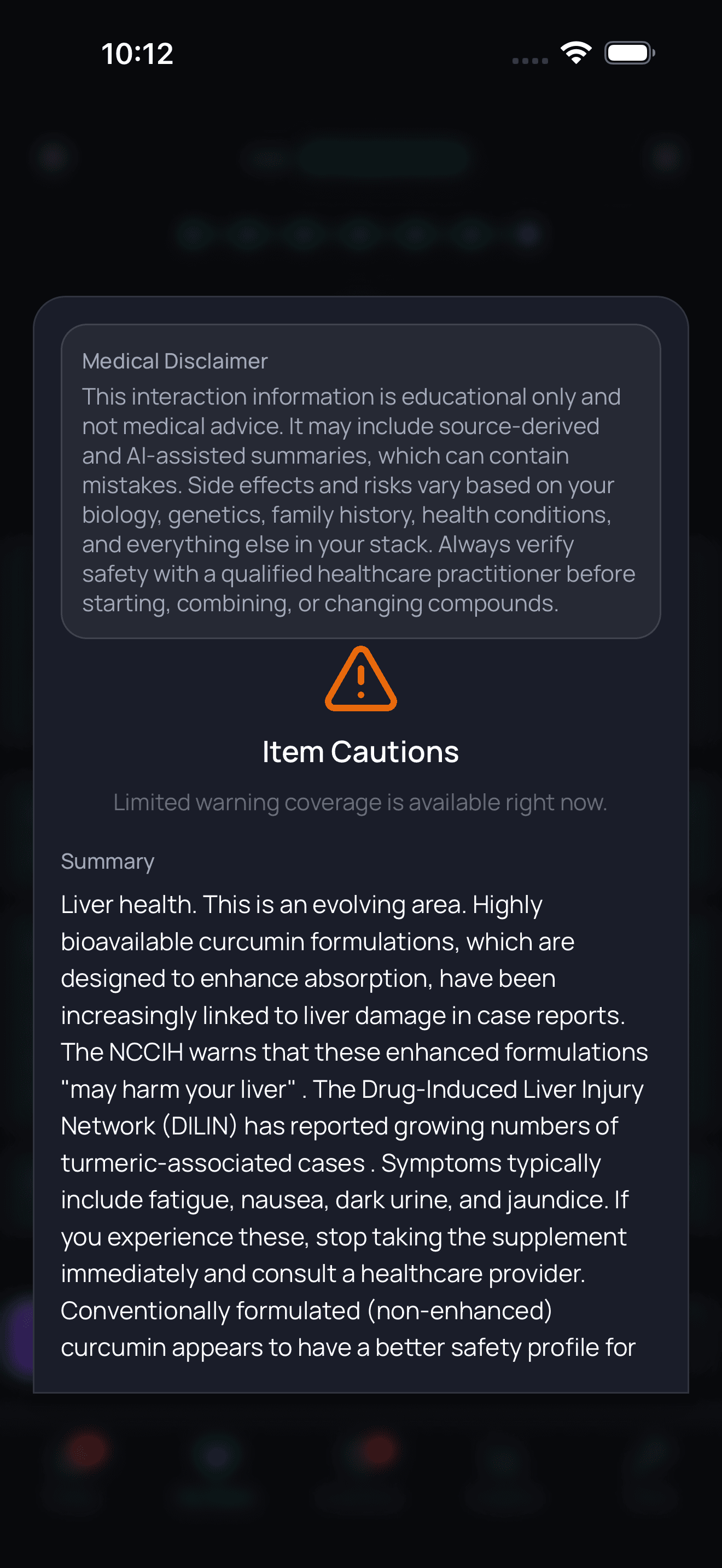
Safety notes are not emergency guidance; seek medical help when appropriate.
Dosing & Usage Protocols
The Basics
Dosing oregano oil is complicated by the wide variability between products. Two bottles labeled "oregano oil" may contain dramatically different concentrations of carvacrol, different carrier oils, and different formulation types (emulsified vs. raw oil). This makes product-specific label instructions particularly important to follow rather than relying on general dose recommendations.
That said, the limited human clinical data provides some reference points. The only oral supplementation study used 600 mg per day of emulsified oregano oil for six weeks [1]. The carvacrol clinical trials used 1.2 mg/kg/day (approximately 84 mg for a 70 kg person) of purified carvacrol [4][5]. These represent the only dose ranges that have been studied in humans, and they are different compounds (whole oil vs. purified carvacrol).
Most commercial oregano oil supplements provide 100-600 mg per day, typically divided into 1-3 doses. The general community and practitioner consensus leans toward short-term use (2-6 weeks) followed by a break, rather than continuous daily supplementation. Cycling protocols of 2-3 weeks on followed by 1-2 weeks off are commonly discussed, particularly in gut health contexts.
For liquid oil of oregano, typical use involves 2-4 drops diluted in a carrier oil or water, taken 1-2 times daily. Undiluted use is strongly discouraged due to mucosal irritation risk.
The Science
Clinically studied doses:
Study
Force et al. (2000)
- Compound
- Emulsified oregano oil
- Dose
- 600 mg/day
- Duration
- 6 weeks
- Route
- Oral
Study
Khazdair et al. (2017)
- Compound
- Purified carvacrol
- Dose
- 1.2 mg/kg/day
- Duration
- 2 months
- Route
- Oral (capsule, 3x/day)
Study
Ghorani et al. (2021)
- Compound
- Purified carvacrol
- Dose
- 1.2 mg/kg/day
- Duration
- 2 months
- Route
- Oral (capsule, 3x/day)
Study
Kamaneh et al. (2020)
- Compound
- Oregano oil
- Dose
- 64 mg/day
- Duration
- 4 weeks
- Route
- Nasal spray
Animal toxicology reference points:
- 20 mg/kg: Hepatoprotective effects observed
- 60 mg/kg: Hematological changes (decreased WBC) observed
- For a 70 kg human, these translate to approximately 1,400 mg and 4,200 mg respectively, though animal-to-human dose translation is imprecise
Form-dependent dosing considerations: Because carvacrol content varies from 14% to 85%+ between products, a 600 mg dose of one product may deliver anywhere from 84 mg to 510 mg of carvacrol. This makes standardization to carvacrol content, when available, a more reliable basis for dosing than total oil weight.
When your stack includes several supplements, each with its own dose, form, and timing requirements, the logistics alone can derail consistency. Doserly consolidates all of it into one protocol view, so every dose across your entire routine is accounted for without spreadsheets or guesswork.
The app also tracks cumulative intake for nutrients that appear in multiple products. If your multivitamin, standalone supplement, and fortified protein shake all contain the same nutrient, Doserly adds them up and shows you the total alongside recommended and upper limits. Managing a thoughtful supplement protocol shouldn't require a degree in nutrition science. The app handles the complexity so you can focus on staying consistent.
Build reminders around the routine, not just the compound.
Doserly can keep timing, skipped doses, and schedule changes organized so the plan you read about becomes easier to follow and review.
Today view
Upcoming reminders

Reminder tracking supports consistency; it does not select a protocol for you.
What to Expect (Timeline)
Oregano oil is not a slow-building supplement like magnesium or ashwagandha. Its effects, both intended and unintended, tend to be noticed relatively quickly.
Days 1-3: The most common initial experience is GI awareness. Many users report stomach warmth or mild burning, especially if they have not taken oregano oil before or take it on an empty stomach. Some describe an oregano taste that returns when they burp, which can persist for several hours after each dose. If these effects are severe, the dose may be too high or the product may need to be taken with more food.
Days 3-7: If being used for gut health purposes (SIBO, parasites, candida), some users report what is often described as "die-off" symptoms: increased fatigue, mild headache, temporary worsening of GI symptoms. Whether these truly represent microbial die-off (Herxheimer-like reactions) or simply side effects of the oil itself is debated. Either way, they typically peak in the first week and diminish.
Weeks 1-3: Users who tolerate the oil well and are using it for a specific purpose (gut infection, respiratory support) often report noticeable changes by this point. For gut-related use, reduced bloating, more regular bowel movements, and improved energy are commonly cited. For respiratory use (acute cold/flu), effects are typically reported within the first few days. Some users report that the GI side effects improve as the body adjusts.
Weeks 3-6: This is generally considered the upper end of a continuous-use course. Practitioner guidance commonly suggests taking a break after 2-3 weeks to allow gut microbiome recovery, then resuming if needed. Extended use beyond 6 weeks without breaks is not well studied and may increase the risk of microbiome disruption or GI irritation.
After stopping: Some users in gut health communities report that benefits persist after completing a course, particularly if the underlying issue (bacterial overgrowth, parasites) was successfully addressed. Others report symptom recurrence, suggesting the underlying condition was managed but not resolved.
Interactions & Compatibility
Synergistic
- Probiotics (Probiotics): Often recommended concurrently or immediately following oregano oil courses to replenish beneficial gut bacteria
- Carrier oils (olive oil, coconut oil): Required for dilution of liquid oregano oil; improve tolerability and may enhance absorption
- N-Acetylcysteine (NAC) (NAC): Sometimes combined in SIBO protocols; NAC may help break down biofilms that protect pathogenic bacteria
- Berberine (Berberine): Used alongside or alternated with oregano oil in gut health protocols; berberine may be more selective against pathogenic bacteria
Caution / Avoid
- Anticoagulant/antiplatelet medications (warfarin, heparin, aspirin, clopidogrel, enoxaparin, dalteparin): Oregano oil may increase bleeding risk [15][16]
- Antidiabetic medications (metformin, insulin, sulfonylureas): May cause additive blood sugar lowering, potentially leading to hypoglycemia [7][15]
- Iron supplements (Iron): Tannins in oregano may reduce iron absorption; separate by at least 2 hours [7]
- Zinc supplements (Zinc): Tannins may reduce zinc absorption; separate by at least 2 hours [7]
- Copper supplements (Copper): Tannins may reduce copper absorption; separate by at least 2 hours [7]
- Other antimicrobial herbs (garlic, grapefruit seed extract, berberine): Combining multiple antimicrobial agents may increase the risk of gut microbiome disruption and GI side effects
Supplement-Food Interactions
- Food (general): Taking oregano oil with food improves tolerability and reduces GI irritation
- Dietary fat: May improve absorption of fat-soluble essential oil components
How to Take / Administration Guide
Oregano oil administration requires more attention to form and preparation than most supplements. The difference between safe, tolerable use and a painful experience often comes down to dilution, timing, and form selection.
Capsules (emulsified oil): The simplest and most controlled method. Swallow with food, ideally a meal containing some fat. Most products provide 150-250 mg per capsule, taken 1-3 times daily depending on the product and intended use. Follow label instructions for the specific product.
Liquid oil of oregano: Always dilute before internal use. The common approach is 2-4 drops in a small amount of carrier oil (olive oil or coconut oil) or mixed into food or juice. Never place undiluted oregano oil directly on the tongue or in water (it is not water-soluble and will float on the surface, concentrating contact with oral and esophageal mucosa). Some users place drops in an empty capsule to avoid the intense taste.
Oregano tea: Steep 15g of dried oregano leaves in 250 mL of hot water for 5-10 minutes. This delivers primarily water-soluble compounds (rosmarinic acid, flavonoids) rather than the essential oil's carvacrol and thymol. Tea is a gentler preparation with a different pharmacological profile than oil supplements.
Topical use: For skin applications, dilute oregano oil heavily in a carrier oil (typically 1% concentration or less). Test a small patch of skin before wider application. Never apply to broken skin, mucous membranes, or sensitive areas.
Cycling and breaks: Many practitioners recommend cycling protocols for oregano oil, particularly for gut health applications. A common pattern is 2-3 weeks of daily use followed by 1-2 weeks off. This approach aims to balance antimicrobial benefits against the risk of disrupting beneficial gut bacteria.
Concurrent probiotic support: When using oregano oil for gut health, many practitioners recommend taking a probiotic supplement, either separated by several hours from the oregano oil dose or starting probiotics after completing the oregano oil course. The rationale is to replenish beneficial bacteria that may be affected by the oil's broad-spectrum antimicrobial activity.
Coordinating the administration details for one supplement is straightforward enough. Coordinating them across an entire stack, where some need an empty stomach, others need fat, and several compete for the same absorption window, is where things get complicated. Doserly takes your full supplement list and builds a conflict-free daily schedule automatically.
Instead of mentally juggling timing rules each morning, you open the app and see exactly what to take, when, and with what. If you add a new supplement or change a dose, the schedule adjusts. The goal is simple: remove the friction that makes complex supplement protocols hard to maintain, so the only thing you have to think about is showing up.
See where a dose, cycle, or change fits in time.
Doserly gives each protocol a timeline so dose changes, pauses, restarts, and observations are easier to compare later.
Timeline
Cycle history
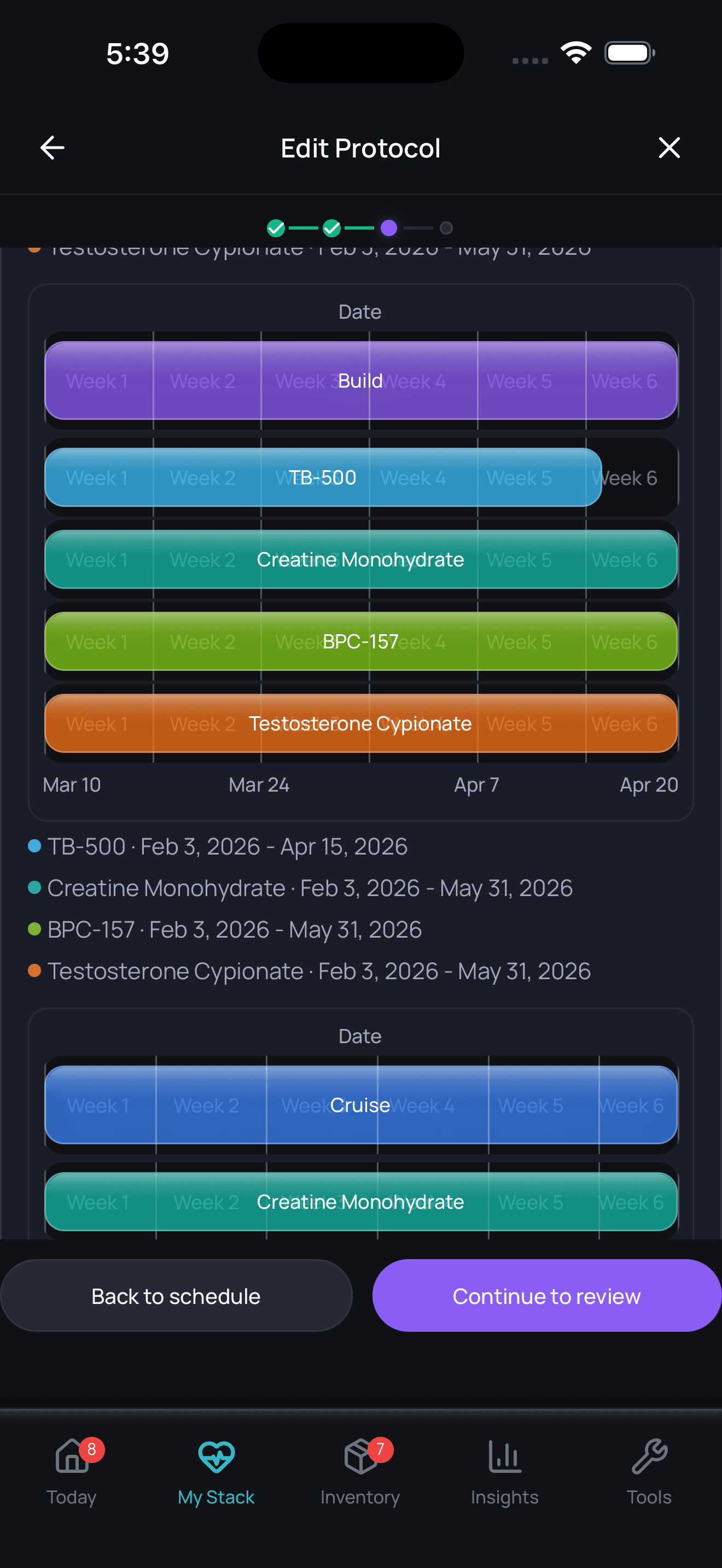
Timeline tracking helps with recall; it is not a treatment recommendation.
Choosing a Quality Product
Product quality is particularly important for oregano oil because the active compound content varies dramatically between products, and the difference between a standardized supplement and a concentrated essential oil has significant safety implications.
Species verification: Ensure the product uses Origanum vulgare, preferably from Mediterranean sources (Turkey, Greece, Israel). Some products use Origanum majorana (marjoram) or other species with very different chemical profiles. The pink-flowered subspecies of O. vulgare contains little to no carvacrol [1].
Carvacrol standardization: Look for products that disclose carvacrol content as a percentage or absolute amount. Supplements standardized to 50-85% carvacrol are common. A product that does not disclose carvacrol content may contain very little of the compound primarily responsible for antimicrobial activity [1].
Formulation type: Emulsified oil in softgels or enteric-coated capsules is generally better tolerated than raw liquid oil. Enteric coating can reduce stomach irritation by delaying release until the small intestine.
Carrier oil disclosure: Quality products disclose the carrier oil (olive oil, coconut oil, flaxseed oil) and other ingredients. Avoid products with excessive fillers, artificial colors, or undisclosed ingredients.
Third-party testing: Look for products tested by independent laboratories. Third-party certification programs (USP Verified Mark, NSF International, independent consumer testing organizations) provide verification of carvacrol content and absence of contaminants, which is particularly valuable given the variability in essential oil composition.
Essential oil vs. supplement grade: Never purchase a product labeled "essential oil" or "aromatherapy use only" with the intention of oral supplementation. These are not formulated for internal use and may be dangerously concentrated.
Red flags:
- No carvacrol percentage disclosed
- Claims of treating, curing, or preventing specific diseases
- "100% pure essential oil" marketed for internal use without carrier oil or capsule formulation
- Excessively cheap products from unverified sources (essential oil adulteration is common in the industry)
Storage & Handling
Oregano oil is a volatile essential oil preparation that degrades with exposure to light, heat, and oxygen.
Storage conditions: Keep in a cool, dry place away from direct sunlight. Dark glass bottles (amber or cobalt) are preferred for liquid forms because they reduce light-induced degradation of carvacrol and thymol. Room temperature (15-25 degrees C) is generally adequate; refrigeration is not required unless the product label specifies it.
Shelf life: Sealed, properly stored oregano oil typically maintains potency for 2-3 years. Once opened, liquid forms should be used within 6-12 months. Capsule forms are generally more stable than liquid due to reduced oxygen exposure.
Handling precautions: Undiluted oregano oil can stain surfaces and irritate skin on contact. Handle liquid forms carefully, wash hands after use, and keep away from eyes and mucous membranes. Keep all forms out of reach of children. Accidental ingestion of concentrated essential oil by children requires immediate medical attention.
Travel: Capsules are the most convenient travel format. Liquid bottles should be tightly sealed and stored upright to prevent leakage. The strong odor of oregano oil may be noticeable if it leaks.
Lifestyle & Supporting Factors
Diet: A diet rich in fiber, fermented foods, and prebiotic-containing vegetables supports gut microbiome health, which is particularly relevant during and after oregano oil courses. Since oregano oil can affect beneficial bacteria, dietary support for microbiome recovery is prudent.
Hydration: Adequate water intake supports general digestive function and may help dilute oregano oil in the GI tract, reducing mucosal irritation.
Probiotic foods and supplements: Yogurt, kefir, sauerkraut, kimchi, and other fermented foods can support microbiome diversity. Dedicated probiotic supplements (particularly Saccharomyces boulardii and Lactobacillus/Bifidobacterium blends) are commonly recommended during or after oregano oil protocols.
Timing with medications: Because oregano oil may interact with anticoagulants and antidiabetic medications, individuals taking these drugs should discuss oregano oil use with their healthcare provider and may need to adjust medication timing or monitor more frequently.
Lab monitoring: No routine lab monitoring is established for oregano oil use. However, individuals using it for extended periods or at higher doses may wish to monitor complete blood count (given animal data suggesting hematological effects at high doses) and liver function markers.
Regulatory Status & Standards
United States (FDA): Oregano and oregano essential oil have FDA GRAS (Generally Recognized as Safe) status as food flavorings. As a dietary supplement, oregano oil is regulated under DSHEA and is not evaluated by the FDA for safety or efficacy in treating any disease. Carvacrol is recognized as a food additive (FEMA GRAS) [11].
Canada (Health Canada): Oregano oil products may be regulated as Natural Health Products (NHPs) with appropriate NPN numbers. Monograph compliance varies by product claim.
European Union (EFSA): Oregano essential oil is used as a food flavoring. Carvacrol and thymol are registered food additives. Oregano oil supplements are subject to Novel Food and traditional herbal medicinal product regulations depending on claims and formulation.
Australia (TGA): Oregano oil may be classified as a Listed Medicine or Complementary Medicine depending on the specific product and claims.
Athlete & Sports Regulatory Status:
Oregano oil and carvacrol are not on the WADA Prohibited List. They are not banned by USADA, UKAD, Sport Integrity Canada, Sport Integrity Australia, or any major national anti-doping agency. Oregano oil does not appear on NCAA banned substance lists.
However, athletes should be aware that supplement contamination is a general risk. Third-party tested products (Informed Sport, NSF Certified for Sport, Cologne List, BSCG) are recommended for any supplement used by competitive athletes. As of this writing, the availability of third-party sport-certified oregano oil products is limited.
Athletes can check GlobalDRO.com to verify the status of any supplement in their jurisdiction.
Regulatory status and prohibited substance classifications change frequently. Athletes should always verify the current status of any supplement with their sport's governing body, their national anti-doping agency, and a qualified sports medicine professional before use. Third-party certification (Informed Sport, NSF Certified for Sport) reduces but does not eliminate the risk of contamination with prohibited substances.
Frequently Asked Questions
Is oregano oil a natural antibiotic?
Oregano oil has demonstrated antimicrobial activity against a wide range of bacteria, fungi, and some viruses in laboratory settings. However, the term "natural antibiotic" overstates the current evidence. Unlike pharmaceutical antibiotics, oregano oil has not been tested in rigorous clinical trials for most infectious conditions. Its antimicrobial effects in a petri dish do not directly translate to reliable clinical outcomes in the human body [1][2][3].
Can I take oregano oil every day?
Long-term daily use of oregano oil is generally not recommended by most practitioners. The concern is that its broad-spectrum antimicrobial properties may disrupt the balance of beneficial gut bacteria over time. Short courses of 2-6 weeks with breaks in between are more commonly discussed in practitioner guidance. Consult a healthcare professional for advice specific to your situation.
How long does it take for oregano oil to work?
This depends on the intended purpose. For acute respiratory support, some users report noticing effects within 1-3 days. For gut health applications (SIBO, parasites), meaningful changes are typically reported after 1-3 weeks. The one human study on intestinal parasites used a 6-week course [1].
Does oregano oil kill good bacteria?
The available evidence suggests that carvacrol's antimicrobial mechanism is not selective; it disrupts microbial membranes broadly [2][3]. This means beneficial bacteria can be affected alongside pathogenic ones. One animal study showed that dietary oregano essential oil promoted the enrichment of certain beneficial bacteria (Ruminococcus, Bifidobacterium, Enterococcus), but this has not been confirmed in human supplementation studies.
Is oregano oil safe during pregnancy?
Oregano oil in medicinal/supplement amounts is generally considered potentially unsafe during pregnancy due to the risk of increased uterine contractions. It should be avoided during pregnancy and breastfeeding [15][16]. Using oregano as a culinary spice in normal food amounts is considered safe.
What is the difference between oregano oil and oregano essential oil?
"Oil of oregano" supplements are diluted preparations formulated for oral use, typically containing oregano oil in a carrier oil (olive oil, coconut oil) within capsules or softgels. "Oregano essential oil" is a concentrated, undiluted product intended for aromatherapy or topical use (properly diluted) and should not be ingested [7].
Can oregano oil interact with medications?
Yes. Oregano oil may increase bleeding risk when combined with anticoagulant medications (warfarin, heparin, aspirin) and may enhance the blood sugar-lowering effects of diabetes medications. The tannins in oregano can also interfere with absorption of iron, zinc, and copper supplements [7][15][16].
Should I take oregano oil with food?
Yes. Taking oregano oil with food, ideally a meal containing some fat, significantly reduces the risk of stomach burning, nausea, and other GI side effects that are commonly reported with this supplement [7].
How do I choose between liquid and capsule forms?
Capsules (emulsified oil in softgels) are generally more convenient, easier to dose accurately, and better tolerated than liquid oil. Liquid forms offer dose flexibility but require careful dilution in a carrier oil and have a strong taste. For most people, capsules are the simpler and safer choice.
What should I look for on the label?
Look for the species (Origanum vulgare), carvacrol content as a percentage or milligram amount, the carrier oil used, and any third-party testing certifications. Products that do not disclose carvacrol content may vary widely in potency [1].
Myth vs. Fact
Myth: Oregano oil is a proven natural antibiotic that can replace pharmaceutical antibiotics.
Oregano oil has strong antimicrobial activity in laboratory settings, but "natural antibiotic" is a marketing term, not a scientific classification. Unlike pharmaceutical antibiotics, oregano oil has not undergone the clinical trials necessary to establish it as a reliable treatment for bacterial infections in humans. Using oregano oil as a replacement for prescribed antibiotics for a serious infection could lead to inadequate treatment and dangerous complications [1][2][3].
Myth: The higher the carvacrol percentage, the better the product.
Higher carvacrol content means higher antimicrobial potency per milligram, but also higher potential for GI irritation and side effects. A product with 85% carvacrol requires lower dosing than one with 50% carvacrol to achieve similar effects. The "best" product depends on the intended use and individual tolerability, not simply the highest carvacrol number.
Myth: Oregano oil only kills bad bacteria and leaves good bacteria alone.
Carvacrol's antimicrobial mechanism involves disrupting microbial cell membranes, a mechanism that is not selective for pathogenic vs. beneficial organisms [2][3]. This is why practitioners typically recommend short courses with probiotic support, and why continuous long-term use raises microbiome disruption concerns.
Myth: "Die-off" symptoms (nausea, fatigue, headache) always mean the oregano oil is working.
While Herxheimer-like reactions are theoretically possible when pathogenic organisms are rapidly eliminated, the same symptoms (nausea, GI distress, fatigue) are also common side effects of oregano oil itself due to its direct irritant effects on the GI mucosa. There is currently no reliable way for users to distinguish between genuine die-off and simple side effects [7].
Myth: Oregano oil can prevent or treat COVID-19.
While oregano oil and carvacrol have demonstrated antiviral activity against certain viruses in laboratory settings (HIV-1, murine norovirus) [11][12], there are no clinical trials supporting its use for COVID-19 prevention or treatment. Extrapolating in vitro antiviral data to clinical recommendations for specific viral diseases is scientifically unsupported.
Myth: All oregano oils are the same.
Oregano oil composition varies enormously depending on the species, subspecies, geographic origin, and extraction method. The pink-flowered subspecies of Origanum vulgare contains virtually no carvacrol [1]. Products may use different species entirely (such as Origanum majorana) with different active compound profiles. Standardization to carvacrol content is the most reliable indicator of antimicrobial potency.
Myth: Oregano oil is completely safe because it's natural.
Oregano oil is a potent botanical preparation with documented side effects, drug interactions, and dose-dependent toxicity in animal models [15][16][17]. It can cause significant GI irritation, increase bleeding risk, interfere with mineral absorption, and potentially disrupt the gut microbiome. "Natural" does not mean free of risk. Concentrated essential oils in particular can cause severe harm if misused.
Sources & References
Clinical Trials & RCTs
[4] Khazdair MR, Boskabady MH. A double-blind, randomized, placebo-controlled, Phase II clinical trial on the effect of carvacrol on pulmonary function tests and respiratory symptoms in asthmatic patients. Phytother Res. 2017. PMID: 29193478.
[5] Ghorani V, Alavinezhad A, Rajabi O, Boskabady MH. Carvacrol improves pulmonary function tests, oxidant/antioxidant parameters and cytokine levels in asthmatic patients: A randomized, double-blind, clinical trial. Phytomedicine. 2021;85:153539. PMID: 33773189.
[13] Ghorani V, Alavinezhad A, Rajabi O, Mohammadpour AH, Boskabady MH. Safety and tolerability of carvacrol in healthy subjects: A phase I clinical study. Drug Chem Toxicol. 2021;44(2):177-189.
[14] Kamaneh SA, Qaraaty M, Tabarrai M, et al. Effect of oregano oil (Origanum Vulgare L.) on chronic rhinosinusitis: A randomized, double-blind, clinical trial. Indian J Tradit Know. 2020;19(2):341-349. DOI: 10.56042/IJTK.V19I2.35368.
In Vitro & Animal Studies
[2] Liang Y, Wang X, et al. Antibacterial activities of oregano essential oils and their active components. Front Pharmacol. 2025;16:1579283. (Referenced as [3] in text)
[3] See [2] above. (Liang et al., 2025 — antibacterial activities)
[8] Silva FV, Guimaraes AG, et al. Anti-inflammatory and anti-ulcer activities of carvacrol, a monoterpene present in the essential oil of oregano. J Med Food. 2012;15(11). DOI: 10.1089/jmf.2012.0102.
[11] Mediouni S, Jablonski JA, Tsuda S, et al. Oregano oil and its principal component, carvacrol, inhibit HIV-1 fusion into target cells. J Virol. 2020;94:e00147-20. PMID: 32461309.
[12] Gilling DH, Kitajima M, Torrey J, Bright KR. Antiviral efficacy and mechanisms of action of oregano essential oil and its primary component carvacrol against murine norovirus. J Appl Microbiol. 2014;116(5):1149-1163. PMID: 24779581.
Systematic Reviews & Comprehensive Reviews
[6] Leyva-Lopez N, et al. Essential oils of oregano: biological activity beyond their antimicrobial properties. Molecules. 2017;22(6):989. PMC: PMC6152729.
[9] Asghar Z, et al. Therapeutic application of carvacrol: a comprehensive review. Food Sci Nutr. 2022. PMC: PMC9632228.
[10] Han X, Parker TL. Anti-inflammatory, tissue remodeling, immunomodulatory, and anticancer activities of oregano (Origanum vulgare) essential oil in a human skin disease model. Biochimie Open. 2017;4:73-77. PMC: PMC5801825.
Evidence Summaries & Institutional Sources
[1] Origanum vulgare research compilation. Sources include peer-reviewed studies on oregano composition, pharmacology, and traditional use as cited throughout this guide.
[7] Cleveland Clinic. 8 Potential Health Benefits of Oregano. August 28, 2025.
[15] Natural Medicines Comprehensive Database. Oregano professional monograph: safety, interactions, and dosing. 2021.
[16] MedicinePlus / Natural Standard. Oregano safety profile data.
[17] Safety literature on dose-dependent carvacrol toxicology in animal models. Referenced in multiple review articles including [9].
Related Supplement Guides
Same Category (Herbal Antimicrobials)
Common Stacks / Pairings
- Probiotics — microbiome support during/after oregano oil courses
- NAC (N-Acetylcysteine) — biofilm disruption in SIBO protocols
- Saccharomyces Boulardii — probiotic yeast resilient to antimicrobial herbs
Related Health Goal
- Digestive Enzymes — digestive support
- Slippery Elm — GI mucosal support
- Marshmallow Root — GI soothing
- Peppermint Oil — digestive comfort, also from Lamiaceae family