
Red Clover: The Complete Supplement Guide
On this page
Quick Reference Card
Attribute
Common Name
- Detail
- Red Clover
Attribute
Other Names / Aliases
- Detail
- Trifolium pratense, Purple Clover, Meadow Clover, Cow Clover, Wild Clover, Cow Grass, Beebread, Trefoil, Trebol Rojo
Attribute
Category
- Detail
- Herbal Extract (Legume family, Fabaceae) / Phytoestrogen
Attribute
Primary Forms & Variants
- Detail
- Standardized isoflavone extract (e.g., Promensil, Menoflavon; ~50% biochanin A, 35% formononetin, 3% genistein, 1% daidzein); dried flower/aerial parts (whole herb capsules); tincture (liquid extract); topical cream/ointment
Attribute
Typical Dose Range
- Detail
- 40-80 mg/day of standardized isoflavones (80 mg may be more effective); 430-900 mg/day of whole herb powder
Attribute
RDA / AI / UL
- Detail
- No RDA, AI, or UL established. Not an essential nutrient.
Attribute
Common Delivery Forms
- Detail
- Capsules, tablets, tincture (liquid extract), tea (dried blossoms), topical cream
Attribute
Best Taken With / Without Food
- Detail
- Most sources suggest taking with meals
Attribute
Key Cofactors
- Detail
- No strict cofactor requirements established. Gut microbiome composition may influence isoflavone metabolism (conversion of formononetin to daidzein, biochanin A to genistein)
Attribute
Storage Notes
- Detail
- Store in a cool, dry place away from direct sunlight. Dried herb and extracts should be kept sealed to prevent moisture exposure.
Overview
The Basics
Red clover is a flowering herb in the same plant family as peas and beans, native to Europe, central Asia, and northern Africa. It has been used in traditional herbal medicine for centuries, with applications ranging from skin conditions to respiratory ailments. In the modern supplement market, red clover is primarily marketed for menopausal symptom relief, specifically hot flashes and night sweats [1][2].
The reason red clover shows up in menopause conversations is its isoflavone content. Isoflavones are plant compounds that bear a structural resemblance to estrogen, the hormone that declines during menopause. The idea is straightforward: as natural estrogen levels drop, these plant-derived compounds might partially fill the gap and ease some of the resulting symptoms. Red clover contains four primary isoflavones (biochanin A, formononetin, genistein, and daidzein), which are also found in soy, though in different proportions [3].
The evidence supporting red clover for hot flashes is real but modest. Multiple meta-analyses have found a statistically significant reduction in hot flash frequency, roughly 1.5 to 1.7 fewer hot flashes per day compared to placebo over a period of about three months [4][5]. Whether that translates into a meaningful improvement in daily life depends on the individual. For someone experiencing 10 or more hot flashes daily, a reduction of nearly 2 could be noticeable. For someone experiencing only a few, the effect might not register as significant. Beyond hot flashes, the evidence for other menopause-related outcomes (mood, sleep, vaginal health, bone density) remains inconclusive [2][6].
The Science
Trifolium pratense L. (Fabaceae) is a perennial herbaceous plant characterized by its distinctive trifoliate leaves and globular flower heads ranging from pink to purple. The pharmacological interest in red clover centers on its isoflavone content, a class of polyphenolic compounds classified as phytoestrogens due to their structural similarity to 17-beta-estradiol. The total phytoestrogen content of red clover is approximately 0.17%, with estrogenic activity estimated at roughly 0.25% that of 17-beta-estradiol in vitro [3][7].
The four principal isoflavones in red clover are biochanin A (a methylated precursor of genistein), formononetin (a methylated precursor of daidzein), genistein, and daidzein. The methylated forms (biochanin A and formononetin) are the predominant isoflavones in the intact plant and undergo demethylation during metabolism to yield genistein and daidzein, respectively. This metabolic conversion is influenced by gut microbiome composition, which may account for some of the inter-individual variability observed in clinical responses [3][8].
Additional chemical constituents include carbohydrates, flavonins, saponins, coumaric acid, minerals, vitamins, and a volatile oil containing methyl salicylate (from the flowers) [7]. The plant also contains coumarin derivatives, which are relevant to its interaction profile with anticoagulant medications [9].
Historical use spans European folk medicine, where red clover was employed as a "blood purifier" and cough suppressant, and North American indigenous traditions, where topical preparations were applied to skin sores and burns. In Traditional Chinese Medicine, red clover has been used for its perceived cooling and detoxifying properties [1].
Chemical & Nutritional Identity
Property
Chemical Name
- Value
- Trifolium pratense (isoflavone extract)
Property
Botanical Family
- Value
- Fabaceae (Leguminosae)
Property
Category
- Value
- Herbal supplement / Phytoestrogen
Property
Key Bioactive Compounds
- Value
- Biochanin A, Formononetin, Genistein, Daidzein
Property
CAS Number (Biochanin A)
- Value
- 491-80-5
Property
CAS Number (Formononetin)
- Value
- 485-72-3
Property
CAS Number (Genistein)
- Value
- 446-72-0
Property
CAS Number (Daidzein)
- Value
- 486-66-8
Property
PubChem CID (Biochanin A)
- Value
- 5280373
Property
PubChem CID (Formononetin)
- Value
- 5280378
Property
PubChem CID (Genistein)
- Value
- 5280961
Property
PubChem CID (Daidzein)
- Value
- 5281708
Property
Total Phytoestrogen Content
- Value
- ~0.17% of plant material
Property
Estrogenic Potency
- Value
- ~0.25% of 17-beta-estradiol (in vitro)
Property
RDA / AI / UL
- Value
- Not established (not a nutrient)
Common supplement forms and their characteristics:
- Standardized isoflavone extract (e.g., Promensil, Menoflavon): The most-studied form. Standardized to contain approximately 50% biochanin A, 35% formononetin, 3% genistein, and 1% daidzein. Typical dose: 40-80 mg isoflavones/day. This is the form used in the majority of clinical trials on menopausal symptoms.
- Whole herb powder (dried aerial parts/flowers): Contains the full spectrum of plant compounds including isoflavones, saponins, coumarins, and volatile oils. Typical dose: 430-900 mg/day in capsules. Less studied than standardized extracts.
- Tincture (liquid extract): Concentrated herbal liquid, typically alcohol-based. Dosing varies by preparation.
- Dried blossoms (tea): Traditional preparation, typically 4 g of dried blossoms steeped. Isoflavone content is variable and not standardized.
- Topical cream/ointment: Used for skin conditions. Few clinical studies have evaluated this route.
Mechanism of Action
The Basics
Red clover works primarily because its isoflavones resemble estrogen closely enough to interact with estrogen receptors in the body. Think of estrogen receptors as locks that only estrogen-shaped molecules can open. Red clover isoflavones are not an exact copy of the key, but they are close enough to fit into the lock and partially turn it. This means they can mimic some of estrogen's effects, but at a much weaker level [3][10].
This matters during menopause because natural estrogen levels drop significantly. With less estrogen available to activate those receptors, symptoms like hot flashes, mood changes, and bone loss can emerge. Red clover isoflavones may partially fill that gap, providing a low-level estrogenic stimulus that takes the edge off some symptoms. However, because their estrogenic potency is only about 0.25% of actual estrogen, the effects tend to be subtle rather than dramatic [7].
There is an interesting twist: red clover isoflavones appear to behave differently in different tissues. They show a preference for beta-estrogen receptors over alpha-estrogen receptors, which means they may have stronger effects in certain tissues (like bone and the cardiovascular system) and weaker effects in others (like breast and uterine tissue) [3][6]. This tissue selectivity is part of why researchers have been interested in phytoestrogens as a potentially safer alternative to hormone replacement, though the evidence remains mixed.
Beyond estrogen receptor activity, some red clover compounds (particularly biochanin A) can inhibit aromatase, the enzyme that converts androgens into estrogens, which adds a layer of complexity to its hormonal effects [11].
The Science
The biological activity of red clover isoflavones is mediated primarily through estrogen receptor (ER) binding, with preferential affinity for ER-beta over ER-alpha. This selectivity profile classifies them as selective estrogen receptor modulators (SERMs), exhibiting agonist activity in some tissues and antagonist activity in others [3][6].
Estrogenic Pathways:
Formononetin and biochanin A, the predominant isoflavones in red clover, are prodrug forms that undergo hepatic and intestinal demethylation to yield the bioactive metabolites daidzein and genistein, respectively. Further gut microbial metabolism can convert daidzein to equol, a metabolite with enhanced estrogenic activity. Equol-producing status (present in approximately 30-50% of Western populations) may influence individual clinical response to isoflavone supplementation [8].
Aromatase Inhibition:
Biochanin A has demonstrated inhibition of aromatase (CYP19A1) activity and gene expression in vitro, reducing the conversion of androgens to estrogens [11]. This dual activity (weak ER agonism combined with aromatase inhibition) creates a complex pharmacological profile.
Neuroprotective Effects:
An isoflavone-enriched fraction demonstrated neuroprotective activity in human cortical neurons against glutamate-induced excitotoxicity, possibly mediated through antioxidant and estrogenic mechanisms [12]. Biochanin A protected dopaminergic neurons against lipopolysaccharide-induced damage by inhibiting microglial activation and proinflammatory cytokine production (TNF-alpha, IL-1beta, NO) [13].
Anti-proliferative and Pro-apoptotic Effects:
Formononetin induced apoptosis in ER-positive human breast cancer cells via Ras-p38 MAPK pathway activation [14]. In osteosarcoma cells, formononetin inhibited proliferation by downregulating miR-375 and Bcl-2 while upregulating the pro-apoptotic protein Bax [15]. These findings are mechanistically interesting but their clinical relevance in supplement users has not been established.
Dermatological Effects:
In ovariectomized mice (a model of estrogen deprivation), red clover isoflavones reduced skin aging markers, including collagen loss, suggesting potential dermatological applications related to estrogen decline [16].
Absorption & Bioavailability
The Basics
How well your body absorbs and uses red clover isoflavones depends on several factors, and this is one area where individual variation can be significant. The isoflavones in red clover supplements need to pass through your digestive system, get absorbed into your bloodstream, and then reach the tissues where they can interact with estrogen receptors. Each of these steps introduces variability [8][17].
One of the most important factors is your gut bacteria. The isoflavones in red clover (particularly formononetin and biochanin A) are converted by intestinal bacteria into more active metabolites (daidzein and genistein, respectively). Some people's gut microbiomes can further convert daidzein into a compound called equol, which has stronger estrogenic effects. Only about 30-50% of people in Western populations produce equol, which may partly explain why some people respond better to red clover supplementation than others [8].
The form of the supplement also matters. Standardized extracts that contain pre-formed genistein and daidzein (already in their active forms) may bypass some of the gut conversion step. However, most commercial red clover extracts provide the parent compounds (biochanin A and formononetin), which require metabolic activation.
Taking red clover with food is generally recommended, as food may enhance absorption by slowing transit time and increasing contact with the intestinal absorptive surface.
The Science
Pharmacokinetic data for red clover isoflavones in humans remain limited. A long-term pharmacokinetic study of a standardized red clover isoflavone extract found that steady-state plasma concentrations were achieved within several days of daily dosing, with elimination half-lives consistent with other isoflavone supplements [17].
Biochanin A and formononetin undergo extensive first-pass metabolism. Hepatic and intestinal CYP450 enzymes (notably CYP1A2 and CYP2C9) catalyze O-demethylation of biochanin A to genistein and formononetin to daidzein. These metabolites are further conjugated via glucuronidation and sulfation, yielding water-soluble conjugates that are excreted renally [8][17].
The gut microbiome plays a critical role in determining the metabolic fate of absorbed isoflavones. The ability to produce equol from daidzein (mediated by specific bacterial strains including Slackia isoflavoniconvertens and Adlercreutzia equolifaciens) varies widely between individuals and populations. Equol has approximately 10-fold greater ER-beta binding affinity compared to daidzein, which has led some researchers to hypothesize that equol-producer status may serve as a biomarker for clinical response to isoflavone supplementation [8].
Preclinical data indicate that red clover isoflavones can inhibit multiple CYP450 isoforms (1A2, 2C8, 2C9, 2C19, 2D6, and 3A4) in vitro, although the clinical relevance of these findings at typical supplementation doses has not been established [18].
Research & Clinical Evidence
The Basics
The research picture for red clover is more developed than for many herbal supplements, but the overall conclusions remain cautious. Multiple systematic reviews and meta-analyses have examined red clover for menopausal symptoms, and the signal is consistent: a modest, statistically significant reduction in hot flash frequency, but with questions about whether the effect size is large enough to matter in everyday life [4][5][19].
The headline finding across meta-analyses is roughly 1.5 to 1.7 fewer hot flashes per day compared to placebo, with treatment periods typically lasting 3 months. For context, many of the study participants were experiencing 5 or more hot flashes daily, so a reduction of roughly 2 represents about a 30% improvement. However, several reviews noted that more than half of the included studies were at least partially funded by the red clover manufacturer, which introduces potential bias [4][5].
For cholesterol, there is a small signal. A 2020 meta-analysis of 10 studies found a significant reduction in total cholesterol in postmenopausal women, but the effects on LDL and HDL cholesterol individually were not significant [20]. A 2022 analysis found more favorable results, including an increase in HDL cholesterol, but the effect sizes were small enough that they likely would not change overall cardiovascular risk [21].
For bone health, the evidence is thin. A single trial found that red clover isoflavones combined with probiotics attenuated bone mineral density loss in osteopenic postmenopausal women, but this was a combination intervention, and other studies have shown inconsistent results [22][23].
The Science
Hot Flashes and Vasomotor Symptoms:
A 2021 systematic review and meta-analysis by Kanadys et al. (8 RCTs, 10 comparisons) found a statistically significant weighted mean difference in daily hot flash frequency favoring red clover over placebo. The effect was more pronounced with formulations containing a higher proportion of biochanin A. However, the effect was not sustained in trials with 12-month follow-up, and over half the included trials had industry funding [4].
An earlier meta-analysis by Coon et al. (2007, 5 RCTs) reported a weighted mean difference of -1.5 hot flashes daily (95% CI: -2.94 to 0.03, p=0.05), describing the effect as "marginally significant" [5]. Myers and Vigar (2017) focused specifically on the standardized Promensil extract at 80 mg and found support for efficacy, though noted heterogeneity [19].
A 12-week RCT by Shakeri et al. (2015) found red clover alleviated menopausal symptoms compared to placebo [24]. Lipovac et al. (2012) similarly reported improvements in vasomotor and general menopausal symptoms [25].
Lipid Profile:
Kanadys et al. (2020, 10 studies, n=910) found a significant reduction in total cholesterol associated with red clover extract in perimenopausal and postmenopausal women, but effects on HDL-C and LDL-C individually were not significant [20]. Blaszczuk et al. (2022) found a significant reduction in total cholesterol and significant increase in HDL-C when analyzing phytoestrogen-rich substances including red clover [21].
Bone Health:
Lambert et al. (2017) conducted an RCT in osteopenic postmenopausal women using a red clover extract enriched with aglycone isoflavones and combined with probiotics. The combination attenuated estrogen-deficiency-induced bone mineral density loss and improved bone turnover markers [22]. Atkinson et al. (2004) found no significant effect of red clover isoflavones on bone density in a double-blind RCT [23]. The overall evidence for bone health remains inconsistent.
Arterial Compliance:
Nestel et al. (1999) found that red clover isoflavones improved systemic arterial compliance in menopausal women but did not affect plasma lipids [26].
Skin Health:
Preclinical evidence (murine ovariectomy model) demonstrates that red clover isoflavones reduced skin aging markers induced by estrogen deprivation, including improvement in collagen content [16].
Evidence & Effectiveness Matrix
Category
Temperature Regulation
- Evidence Strength
- 7/10
- Reported Effectiveness
- 5/10
- Summary
- Multiple meta-analyses demonstrate statistically significant reduction in hot flash frequency (~1.5-1.7/day). Community response is mixed; many users report modest or no improvement.
Category
Hormonal Symptoms
- Evidence Strength
- 5/10
- Reported Effectiveness
- 4/10
- Summary
- Phytoestrogenic mechanism well-characterized. Clinical outcomes on broader hormonal symptoms (beyond hot flashes) are inconsistent. Community views red clover as a weak alternative to HRT.
Category
Heart Health
- Evidence Strength
- 5/10
- Reported Effectiveness
- 4/10
- Summary
- Meta-analyses show small reductions in total cholesterol. Clinical significance questionable. No community reports on cardiovascular effects.
Category
Bone Health
- Evidence Strength
- 4/10
- Reported Effectiveness
- 3/10
- Summary
- Limited and inconsistent clinical evidence. One positive combination trial (isoflavones + probiotics). No community discussion.
Category
Skin Health
- Evidence Strength
- 3/10
- Reported Effectiveness
- 5/10
- Summary
- Preclinical evidence only (murine model). One community anecdote (rosacea flushing). Promising mechanism but unvalidated in humans.
Category
Mood & Wellbeing
- Evidence Strength
- 3/10
- Reported Effectiveness
- 4/10
- Summary
- Limited clinical evidence for mood specifically. One community report (combination product). Insufficient standalone data.
Category
Side Effect Burden
- Evidence Strength
- 7/10
- Reported Effectiveness
- 7/10
- Summary
- Clinical trials up to 2 years show good tolerability. No estrogenic stimulation of endometrium or vaginal tissue observed. Community confirms good tolerability.
Categories scored: 7
Categories with community data: 5
Categories not scored (insufficient data): Fat Loss, Muscle Growth, Weight Management, Appetite & Satiety, Food Noise, Energy Levels, Sleep Quality, Focus & Mental Clarity, Memory & Cognition, Anxiety, Stress Tolerance, Motivation & Drive, Emotional Aliveness, Emotional Regulation, Libido, Sexual Function, Joint Health, Inflammation, Pain Management, Recovery & Healing, Physical Performance, Gut Health, Digestive Comfort, Nausea & GI Tolerance, Hair Health, Blood Pressure, Heart Rate & Palpitations, Fluid Retention, Body Image, Immune Function, Longevity & Neuroprotection, Cravings & Impulse Control, Social Connection, Treatment Adherence, Withdrawal Symptoms, Daily Functioning
Benefits & Potential Effects
The Basics
Red clover's benefits are concentrated in a narrow range, primarily centered around menopausal symptom management. If you are looking for a supplement with broad-spectrum effects across many body systems, red clover is probably not the right fit. Its strength lies in its specific phytoestrogenic activity, and even in that domain, the effects tend to be subtle rather than transformative.
The most supported benefit is a reduction in hot flash frequency. Clinical trials consistently show that women taking red clover isoflavones experience fewer hot flashes compared to those taking a placebo. The improvement averages about 1.5 to 1.7 fewer hot flashes per day, which may be meaningful for women experiencing frequent episodes. However, this benefit appears to diminish or plateau after about 3 months, and some reviewers question whether the effect size is clinically relevant [4][5].
There may be a modest benefit for cholesterol levels, with meta-analyses suggesting small reductions in total cholesterol in postmenopausal women. However, the changes are generally too small to significantly alter cardiovascular risk on their own [20][21].
Potential benefits for bone health have been explored, but the evidence is too inconsistent to draw firm conclusions. One promising trial used a combination of red clover isoflavones with probiotics and showed reduced bone mineral density loss, but this was a combination intervention rather than red clover alone [22].
Preclinical research hints at neuroprotective properties and potential skin health benefits (related to collagen maintenance during estrogen decline), but these have not been confirmed in human studies [12][13][16].
The Science
Vasomotor Symptom Reduction:
The mechanism underlying hot flash reduction is presumed to involve ER-beta agonism in the thermoregulatory center of the hypothalamus, where declining estrogen levels narrow the thermoneutral zone during menopause. Phytoestrogens may partially restore this zone, reducing the frequency and severity of vasomotor events. The clinical evidence supports a mean reduction of approximately 1.5-1.7 episodes/day at doses of 40-80 mg isoflavones/day, with some evidence that 80 mg/day may be more effective than 40 mg/day [4][5][19].
Lipid Modulation:
The lipid-modifying potential is likely mediated through hepatic ER activation, which upregulates LDL receptor expression and enhances cholesterol clearance. The magnitude of effect observed in meta-analyses (significant reduction in total cholesterol, variable effects on HDL-C and LDL-C sub-fractions) suggests modest clinical relevance in isolation [20][21].
Bone Metabolism:
Phytoestrogens may exert osteoprotective effects through ER-beta-mediated stimulation of osteoblast activity and inhibition of osteoclast-mediated resorption. Lambert et al. (2017) demonstrated that the combination of bioavailable isoflavone aglycones with probiotics (which may enhance equol production and isoflavone bioavailability) attenuated BMD loss and improved bone turnover markers in osteopenic postmenopausal women [22].
When you're taking multiple supplements, it's hard to know which one is doing the heavy lifting. The benefits described above may overlap with effects from other items in your stack, lifestyle changes, or seasonal variation. Doserly helps you untangle that by keeping everything in one place, with timestamps, doses, and outcomes logged together.
Over time, this builds something more valuable than any product review: your personal evidence record. You can see exactly when you started this supplement, what else was in your routine at the time, and how your tracked health markers responded. That clarity makes the difference between guessing and knowing, whether you're talking to a healthcare provider or simply deciding if it's worth reordering.
Keep sensitive protocol records in a purpose-built app.
Doserly is designed for private health tracking with structured records, offline-ready workflows, and exportable history when you need it.
Privacy
Health records
Privacy controls help you manage records; keep clinical records where required.
Side Effects & Safety
The Basics
Red clover has a favorable safety profile at the doses used in clinical research. Trials lasting up to 2 years have reported no significant adverse effects, and the isoflavones appear to be well tolerated by most people [2][6]. This is one area where the data is reassuring: unlike some herbal supplements with known toxicity risks, red clover at standard doses does not appear to cause the kind of problems that keep researchers up at night.
That said, there are important caveats. The most significant concern relates to its estrogenic activity. Because red clover isoflavones act on estrogen receptors, people with hormone-sensitive conditions (certain breast cancers, endometriosis, uterine fibroids) should avoid red clover supplements unless specifically cleared by their healthcare provider [1][7][27].
There have been rare case reports linking red clover to bleeding events: a subdural hematoma in a 65-year-old woman with no other bleeding risk factors, and a subarachnoid hemorrhage in a 53-year-old woman taking a multi-herb supplement containing red clover, dong quai, and Siberian ginseng [9][28]. Whether red clover was the sole cause in these cases is uncertain (especially in the multi-herb case), but they highlight a potential interaction with blood clotting mechanisms.
Red clover should not be taken during pregnancy or breastfeeding due to insufficient safety data and potential estrogenic effects [2][7].
The Science
Clinical Trial Safety Data:
Systematic reviews report no significant adverse effects in clinical trials using red clover isoflavone supplementation at doses of 40-80 mg/day for durations up to 2 years. Importantly, no estrogenic stimulation of the endometrium or vaginal tissue has been observed at these doses, which addresses a key theoretical concern about phytoestrogen safety [6][19].
Hormone-Sensitive Conditions:
In vitro evidence presents a complex picture. Red clover extract has demonstrated estrogen agonist activity and stimulated proliferation of ER-positive breast cancer cells in some assays [27]. Conversely, biochanin A inhibits aromatase activity [11], and formononetin has induced apoptosis in ER-positive breast cancer cells via Ras-p38 MAPK activation [14]. A systematic review found no significant association between red clover isoflavone consumption (at less than 100 mg/day) and breast cancer risk [29]. Despite this, standard clinical guidance recommends avoidance in patients with hormone-sensitive cancers until further clarification [1][27].
Bleeding Risk:
Case reports of subdural hematoma [28] and subarachnoid hemorrhage [30] in users of red clover supplements suggest a potential anticoagulant effect, possibly mediated by coumarin derivatives in the plant. Preclinical data suggest red clover may increase the effects of anticoagulant and antiplatelet medications [9].
CYP450 Interactions:
In vitro studies demonstrate inhibition of CYP1A2, CYP2C8, CYP2C9, CYP2C19, CYP2D6, and CYP3A4 by red clover isoflavones [18]. The clinical relevance at standard supplementation doses remains to be determined, but this profile suggests theoretical potential for interactions with medications metabolized by these enzyme systems.
Methotrexate Interaction:
A case report documented apparent red clover-induced methotrexate toxicity (severe vomiting and epigastric pain) in a patient receiving methotrexate injections for psoriasis [31]. This interaction warrants particular caution.
Prostate Health Concern:
One in vitro study found that red clover inhibited the growth of normal prostate cells while increasing resistance of prostate cancer cells to high-dose radiation [32]. The clinical implications of this finding are unclear, but it merits awareness.
Managing side effect risks across a multi-supplement stack can feel overwhelming, especially when interactions between supplements, medications, and foods add layers of complexity. Doserly brings all of that into a single safety view so nothing falls through the cracks.
Rather than researching every possible interaction yourself, the app checks your full stack automatically and flags supplement-drug and supplement-supplement interactions that warrant attention. If you do experience something unexpected, logging it takes seconds, and over time the app helps you spot patterns: whether symptoms correlate with specific doses, timing, or combinations. One place for the safety picture that matters most when your stack grows beyond a few bottles.
Keep side effects, flags, and follow-up notes visible.
Doserly helps you document safety observations, side effects, medication changes, and follow-up questions so important context is not scattered.
Safety log
Flags and notes
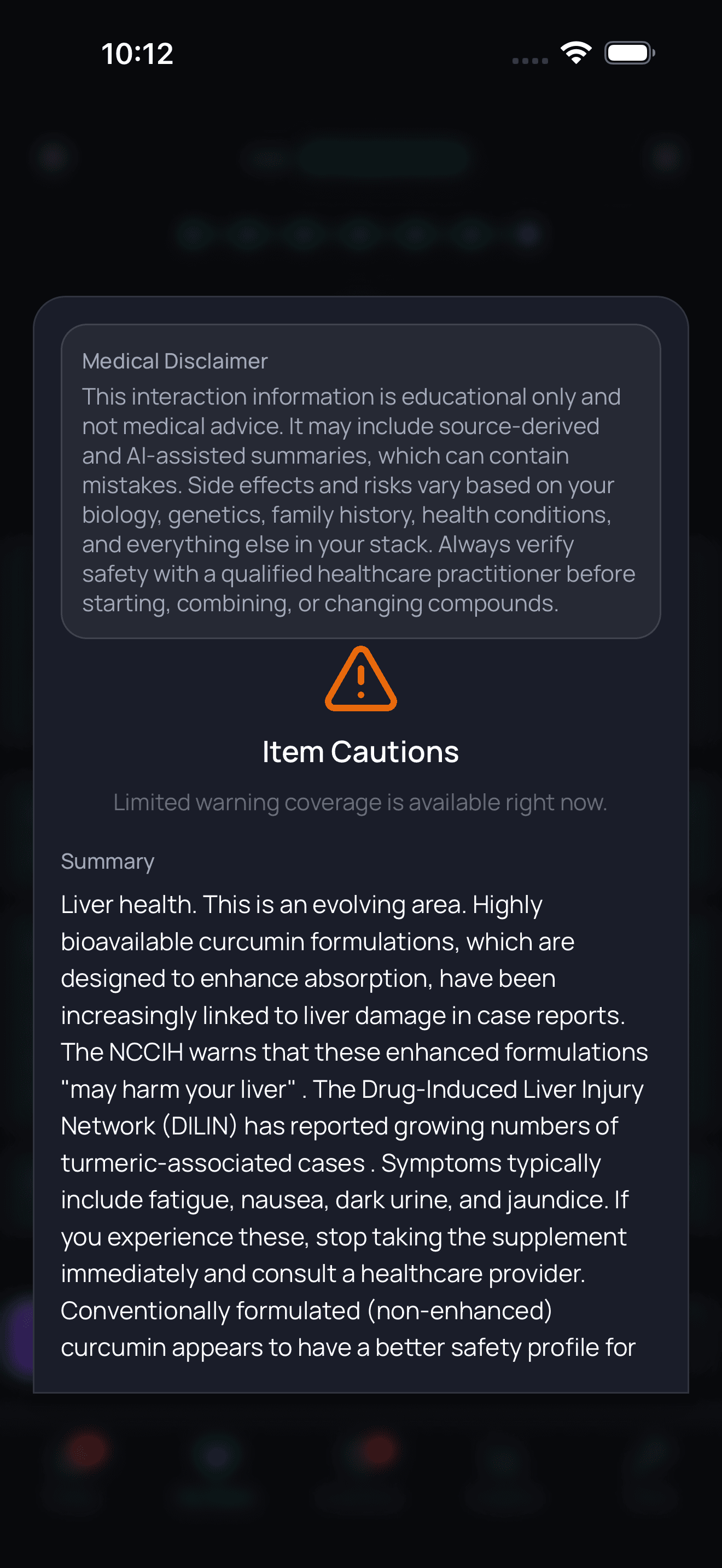
Safety notes are not emergency guidance; seek medical help when appropriate.
Dosing & Usage Protocols
The Basics
Red clover dosing depends entirely on which form you are using, and the difference between forms is substantial enough that getting this wrong means either underdosing or overdosing on the active compounds.
The most commonly studied form is a standardized isoflavone extract, dosed at 40 to 80 mg of total isoflavones per day. Some data suggest that the higher end of this range (80 mg/day) may be more effective, though this is not firmly established [3][19]. This is the form used in almost all of the clinical trials examining menopausal symptoms.
If you are using whole herb capsules (dried red clover flowers or aerial parts), the dosing is very different: typically 430 to 900 mg per day, sometimes split across multiple doses taken with meals. This form has not been as rigorously studied as standardized extracts, and the isoflavone content can vary significantly between products and batches [7].
Traditional preparations, such as teas from dried blossoms (approximately 4 g of dried herb), provide variable and generally lower isoflavone content compared to standardized extracts.
An important point about red clover dosing: the specific isoflavone composition of the extract matters. Different growing conditions and extraction methods produce different ratios of biochanin A, formononetin, genistein, and daidzein. The most-studied standardized extract (Promensil/Menoflavon) contains roughly 50% biochanin A, 35% formononetin, 3% genistein, and 1% daidzein. Results from one formulation may not translate to another [3].
The Science
Clinical dosing data derive primarily from RCTs using standardized isoflavone extracts:
- Promensil/Menoflavon standard dose: 40 mg isoflavones/day (most common in earlier trials)
- Promensil/Menoflavon enhanced dose: 80 mg isoflavones/day (associated with potentially greater efficacy in some analyses) [19]
- Whole herb powder: 430-900 mg/day, isoflavone content variable and not standardized
- Traditional tea preparation: ~4 g dried blossoms, isoflavone content highly variable
The isoflavone composition profile of the standardized extract (biochanin A ~50%, formononetin ~35%, genistein ~3%, daidzein ~1%) is relevant because meta-analytic data suggest that formulations with higher biochanin A content may produce more pronounced effects on hot flash frequency [4].
Duration of use in clinical trials has typically ranged from 12 weeks to 2 years, with most positive efficacy data emerging within the first 3 months. Of note, at least one meta-analysis found that the effect on hot flash frequency was not sustained in trials with 12-month follow-up [4], raising questions about whether the acute benefit persists or represents a transient response.
No established loading protocol or cycling schedule exists for red clover supplementation. Based on available pharmacokinetic data, steady-state plasma concentrations of isoflavone metabolites are achieved within several days of consistent daily dosing [17].
When your stack includes several supplements, each with its own dose, form, and timing requirements, the logistics alone can derail consistency. Doserly consolidates all of it into one protocol view, so every dose across your entire routine is accounted for without spreadsheets or guesswork.
The app also tracks cumulative intake for nutrients that appear in multiple products. If your multivitamin, standalone supplement, and fortified protein shake all contain the same nutrient, Doserly adds them up and shows you the total alongside recommended and upper limits. Managing a thoughtful supplement protocol shouldn't require a degree in nutrition science. The app handles the complexity so you can focus on staying consistent.
Build reminders around the routine, not just the compound.
Doserly can keep timing, skipped doses, and schedule changes organized so the plan you read about becomes easier to follow and review.
Today view
Upcoming reminders

Reminder tracking supports consistency; it does not select a protocol for you.
What to Expect (Timeline)
Weeks 1-2:
Most users do not notice significant changes in the first two weeks. Red clover isoflavones need time to reach steady-state plasma concentrations and for metabolic conversion to active forms. Some users report subtle effects, but placebo response is high in this time frame. Take this period to establish a consistent dosing routine.
Weeks 3-4:
Some users begin to notice a reduction in hot flash frequency or intensity around the 3-4 week mark. This aligns with the pharmacokinetic data showing steady-state achievement and the early time points in clinical trials where separation from placebo begins to emerge.
Weeks 5-8:
This is the window where the most reliable effects are typically reported. Clinical trial data show the greatest separation from placebo at the 8-12 week mark. If red clover is going to work for you, most users report noticing improvement within this period. Cholesterol effects, if present, would also begin to appear on blood work at this stage.
Weeks 8-12+:
Peak effect window based on clinical trial data. Meta-analyses show significant hot flash reduction at the 3-month mark. Beyond 12 weeks, the evidence becomes less clear. At least one meta-analysis noted that effects were not sustained in trials with 12-month follow-up, suggesting the possibility that the benefit may plateau or diminish over longer periods. This is an area where individual tracking becomes particularly valuable.
Long-term (6+ months):
Safety data from trials lasting up to 2 years are reassuring, with no evidence of endometrial stimulation or other concerning hormonal effects. Whether efficacy is maintained long-term is less certain, and periodic reassessment with a healthcare provider is advisable.
Interactions & Compatibility
Synergistic
- Black Cohosh: Frequently combined with red clover in menopause formulations. Different mechanisms (black cohosh is not a phytoestrogen) may provide complementary effects on vasomotor symptoms.
- Probiotics: One clinical trial found that combining red clover isoflavones with specific probiotic strains enhanced bone health outcomes, possibly by improving isoflavone bioavailability through enhanced equol production [22].
- Vitamin D3: For bone health support alongside phytoestrogen effects. Standard cofactor for calcium absorption and bone metabolism.
- Calcium: Complementary to potential bone-protective effects of red clover isoflavones.
- Soy Isoflavones: Related phytoestrogen source; some practitioners combine soy and red clover isoflavones, though this increases total phytoestrogen exposure.
Caution / Avoid
- Anticoagulants (warfarin, heparin, enoxaparin): Red clover may increase anticoagulant effects, potentially increasing bleeding risk. Preclinical evidence and case reports support this interaction [9][28].
- Antiplatelet drugs (aspirin, clopidogrel): Similar bleeding risk concern as with anticoagulants [9].
- Hormone replacement therapy (estrogen, progesterone): Additive estrogenic effects may occur. Combining red clover with exogenous hormones should only be done under medical supervision [7].
- Oral contraceptives: Red clover isoflavones may theoretically interfere with hormonal contraception efficacy [7].
- Tamoxifen and aromatase inhibitors: Red clover's estrogenic activity may counteract anti-estrogen therapies used in breast cancer treatment [27].
- Methotrexate: Case report of toxicity (severe vomiting and epigastric pain) when red clover was used concurrently with methotrexate injections [31].
- Medications metabolized by CYP1A2, CYP2C8, CYP2C9, CYP2C19, CYP2D6, CYP3A4: In vitro inhibition of these enzymes has been demonstrated. Clinical relevance at supplemental doses is undetermined but warrants awareness [18].
- Dong Quai: Both have potential anticoagulant effects; the combination may compound bleeding risk. A case report of subarachnoid hemorrhage involved a product containing both red clover and dong quai [30].
How to Take / Administration Guide
Red clover supplements are exclusively oral or topical. The standardized isoflavone extract form (40-80 mg isoflavones/day) is the most studied and generally the form most practitioners reference when discussing red clover for menopausal symptoms.
Recommended forms based on intended use:
- For menopausal symptom support: Standardized isoflavone extract (look for products specifying total isoflavone content and composition, ideally with a biochanin A-dominant profile)
- For general traditional herbal use: Whole herb capsules or tea from dried blossoms
Timing considerations:
- Taking with food is generally suggested, as it may enhance absorption
- No specific time-of-day requirement established in the literature
- Consistent daily dosing (same time each day) supports steady-state maintenance
Stacking guidance:
- If combining with other phytoestrogen sources (soy), be aware of cumulative isoflavone intake
- Separate from iron-containing supplements if using tea form, as tannins in herbal teas can reduce iron absorption
- If taking alongside calcium and vitamin D for bone support, standard spacing practices for mineral supplements apply
Cycling guidance:
- No established cycling protocol exists for red clover
- Clinical trials have used continuous daily dosing for periods ranging from 12 weeks to 2 years
- Some practitioners suggest periodic breaks (e.g., 3 months on, 1 month off), but this is not evidence-based and may reduce efficacy since steady-state levels need time to re-establish
Choosing a Quality Product
Third-party certifications to look for:
- USP Verified Mark for identity, strength, purity, and performance
- NSF International certification
- GMP-certified manufacturing facility
- ConsumerLab approval provides independent testing verification
Active vs. cheap forms:
- Standardized isoflavone extracts with specified isoflavone composition (biochanin A, formononetin, genistein, daidzein ratios) indicate higher quality manufacturing
- Products that specify total isoflavone content per dose are preferable to those listing only total plant extract weight
- Whole herb products should specify the plant part used (flower/aerial parts vs. roots)
Red flags:
- Products claiming to "cure" or "treat" menopausal symptoms (this is a regulatory violation for supplements)
- Proprietary blends that hide the actual isoflavone content behind a blend total
- Products combining red clover with numerous other herbs at undisclosed doses, making it impossible to determine whether meaningful amounts of any single ingredient are present
- Mega-dosing beyond 80 mg isoflavones/day without clinical justification
Excipient/filler considerations:
- Gelatin capsules are common; vegetarian/vegan alternatives (cellulose capsules) are available
- Some products contain rice flour, calcium silicate, or other flow agents, which are generally inert
- Alcohol-based tinctures are not suitable for individuals avoiding alcohol
Supplement-specific quality markers:
- Isoflavone standardization percentage and composition breakdown
- Specification of plant part used (flowers preferred for higher isoflavone content)
- Batch testing for heavy metals and microbial contamination
- Organic certification (USDA Organic or equivalent) for whole herb products
Storage & Handling
Red clover supplements should be stored in a cool, dry location away from direct sunlight and excessive heat. Most capsule and tablet forms are stable at room temperature when kept in sealed containers.
Dried herb products (loose flowers, tea preparations) are more susceptible to moisture degradation and should be stored in airtight containers. Exposure to humidity can promote mold growth and reduce isoflavone content over time.
Tinctures (liquid extracts) should be stored in dark glass bottles to minimize light-induced degradation. The alcohol base provides inherent preservation, but the product should still be kept sealed when not in use.
Most commercially available red clover products have shelf lives of 2-3 years from manufacturing when stored properly. Check expiration dates and discard products that show signs of discoloration, unusual odor, or clumping.
Lifestyle & Supporting Factors
Dietary sources: Red clover flowers can be consumed as a tea or added to salads, though dietary intake provides substantially lower isoflavone levels compared to standardized supplements. Other dietary phytoestrogen sources include soy products (tofu, tempeh, edamame), flaxseeds, and other legumes. A diet rich in these foods may provide complementary phytoestrogenic support.
Gut health: Since isoflavone metabolism depends heavily on gut bacteria (particularly equol production), maintaining a healthy gut microbiome may enhance the effectiveness of red clover supplementation. Fermented foods, dietary fiber, and probiotic foods or supplements may support the bacterial populations involved in isoflavone conversion [8][22].
Exercise: Regular physical activity, particularly weight-bearing exercise, complements any potential bone-protective effects of red clover isoflavones. Exercise also independently reduces hot flash frequency and severity in some studies, and may synergize with phytoestrogen supplementation.
Calcium and vitamin D intake: For those using red clover with bone health in mind, adequate calcium (1,000-1,200 mg/day from diet and supplements) and vitamin D (600-800 IU/day, or more based on blood levels) are foundational requirements that should not be overlooked.
Alcohol and caffeine: Both can exacerbate hot flashes in some individuals. Reducing intake may improve outcomes for those using red clover to manage vasomotor symptoms.
Signs that may indicate isoflavone supplementation is worth considering: History of menopausal symptoms, particularly hot flashes; difficulty tolerating or unwillingness to use conventional HRT; postmenopausal cholesterol changes; family history of osteoporosis. These are factors to discuss with a healthcare provider, not indications for self-treatment.
Regulatory Status & Standards
United States (FDA):
Red clover is regulated as a dietary supplement under the Dietary Supplement Health and Education Act (DSHEA). It does not require pre-market approval from the FDA. It is not GRAS-listed specifically for isoflavone supplementation. Products must comply with GMP requirements for dietary supplements (21 CFR Part 111). The FDA has not approved any health claims for red clover supplements.
Canada (Health Canada):
Red clover is available as a Licensed Natural Health Product (NHP). Products require Natural Product Numbers (NPNs) and must comply with Health Canada's monograph requirements for quality and safety.
European Union (EFSA):
Red clover isoflavone supplements are available in EU member states. EFSA has not authorized specific health claims for red clover isoflavones. Some EU countries have established maximum permitted isoflavone levels for supplements.
Australia (TGA):
Available as a Listed Medicine (AUST L) on the Australian Register of Therapeutic Goods. Must comply with complementary medicine regulatory requirements.
Athlete & Sports Regulatory Status:
Red clover (Trifolium pratense) and its isoflavone constituents do not appear on the current WADA Prohibited List. Red clover is not classified as a prohibited substance by any major national anti-doping agency (USADA, UKAD, Sport Integrity Canada, Sport Integrity Australia).
No specific professional league restrictions (NFL, NBA, MLB, NHL, NCAA) apply to red clover supplements. However, the NCAA and all major sport organizations recommend that athletes only use supplements certified by third-party testing programs (NSF Certified for Sport, Informed Sport) to minimize contamination risk.
Athletes can verify the status of red clover supplements through GlobalDRO.com for multi-country checking.
Regulatory status and prohibited substance classifications change frequently. Athletes should always verify the current status of any supplement with their sport's governing body, their national anti-doping agency, and a qualified sports medicine professional before use. Third-party certification (Informed Sport, NSF Certified for Sport) reduces but does not eliminate the risk of contamination with prohibited substances.
Frequently Asked Questions
Does red clover really help with hot flashes?
Based on available clinical data from multiple meta-analyses, red clover isoflavone supplementation is associated with a modest reduction in hot flash frequency, roughly 1.5 to 1.7 fewer hot flashes per day compared to placebo over about 3 months. Whether this constitutes a clinically meaningful improvement varies by individual. Some reviewers have noted that study quality is variable and that a high proportion of studies received manufacturer funding.
Is red clover safe for long-term use?
Clinical trials have evaluated red clover isoflavone supplementation for up to 2 years with no significant adverse effects reported. No estrogenic stimulation of endometrial or vaginal tissue has been observed at standard doses (40-80 mg isoflavones/day). However, long-term safety data beyond 2-3 years are limited. Periodic reassessment with a healthcare provider is advisable.
Can men take red clover?
Limited evidence exists regarding red clover use in men. While there are theoretical concerns about estrogenic effects, no definitive data show adverse effects in men at typical supplementation doses. However, one in vitro study raised concerns about effects on prostate cells (inhibition of normal prostate cell growth and increased radiation resistance in prostate cancer cells), which warrants caution.
Should I avoid red clover if I have a history of breast cancer?
Standard clinical guidance recommends that individuals with hormone-sensitive cancers (including ER-positive breast cancer) avoid red clover supplements due to their estrogenic activity. The in vitro evidence is mixed (some compounds show pro-proliferative effects while others show anti-proliferative effects), but until more definitive clinical data are available, avoidance is the conservative approach. This decision should be made in consultation with an oncologist.
Is red clover the same as soy isoflavones?
Red clover and soy both contain isoflavones, but in different proportions. Red clover is richer in the methylated isoflavones biochanin A and formononetin, while soy contains more genistein and daidzein directly. The methylated forms in red clover require metabolic conversion to yield the same active compounds found in soy. Whether this leads to meaningful differences in clinical effects is not well established.
Can I take red clover with blood thinners?
Red clover contains coumarin derivatives and has been associated with case reports of bleeding events. Preclinical data suggest it may increase the effects of anticoagulants and antiplatelet medications. If you are taking blood thinners such as warfarin, heparin, aspirin, or clopidogrel, discuss red clover supplementation with your healthcare provider before starting.
What is the best form of red clover supplement?
The most-studied form is a standardized isoflavone extract providing 40-80 mg of total isoflavones daily, with a composition of approximately 50% biochanin A, 35% formononetin, 3% genistein, and 1% daidzein. This is the form used in the majority of clinical trials. Whole herb products provide lower and more variable isoflavone content.
Does red clover affect fertility?
Limited and conflicting data exist. One user report documented apparent ovulation suppression at higher isoflavone doses. The estrogenic mechanism could theoretically affect reproductive function. Anyone actively trying to conceive should discuss phytoestrogen supplementation with their reproductive healthcare provider.
Can red clover help with cholesterol?
Meta-analyses suggest a small but statistically significant reduction in total cholesterol associated with red clover isoflavone supplementation in postmenopausal women. However, the effect sizes are generally too small to meaningfully alter overall cardiovascular risk. Red clover should not be considered a substitute for established cholesterol management strategies.
How long does it take for red clover to start working?
Based on clinical trial timelines, measurable effects on hot flash frequency typically emerge within 4-8 weeks of consistent daily supplementation. The greatest separation from placebo is seen at the 8-12 week mark. If no improvement is noticed after 12 weeks of consistent use at an appropriate dose, the supplement may not be effective for that individual.
Myth vs. Fact
Myth: Red clover is a natural alternative to hormone replacement therapy (HRT) that provides the same benefits.
Fact: Red clover isoflavones have estrogenic activity that is approximately 0.25% the potency of 17-beta-estradiol. While they may modestly reduce hot flash frequency, the effect is substantially smaller than that achieved with conventional HRT. Clinical trials show a reduction of about 1.5-1.7 hot flashes per day versus placebo, compared to the more substantial reductions typically seen with estrogen therapy. Red clover is not pharmacologically equivalent to HRT [3][4][7].
Myth: Red clover causes breast cancer because it contains estrogen.
Fact: Red clover contains phytoestrogens, not human estrogen. The relationship between phytoestrogen intake and breast cancer risk is complex. A systematic review found no significant association between red clover isoflavone consumption (at less than 100 mg/day) and breast cancer risk [29]. Some red clover compounds (biochanin A) actually inhibit aromatase, an enzyme involved in estrogen production [11]. However, because the in vitro evidence is mixed and some preclinical data show ER-positive cell stimulation, patients with hormone-sensitive cancers should still consult their oncologist before use [27].
Myth: All red clover supplements are the same.
Fact: Red clover products vary enormously in isoflavone content and composition. Different growing conditions, plant parts used, and extraction methods produce different isoflavone profiles. A standardized extract with known isoflavone composition and content per dose is not equivalent to a whole-herb capsule with variable and unspecified isoflavone levels. Results from clinical trials using one formulation may not apply to another [3].
Myth: Red clover is completely safe for everyone since it is natural.
Fact: While red clover has shown good tolerability in clinical trials lasting up to 2 years, it is not universally safe. It is contraindicated for individuals with hormone-sensitive cancers, and should be avoided during pregnancy and breastfeeding. It may interact with anticoagulants, hormonal medications, and methotrexate. Case reports have linked it to bleeding events [9][27][28][31].
Myth: Red clover works immediately for hot flashes.
Fact: Clinical trial data suggest that measurable improvements in hot flash frequency typically require 4-8 weeks of consistent daily supplementation, with peak effects observed around the 8-12 week mark. Red clover isoflavones need time to reach steady-state plasma concentrations and for metabolic conversion to active forms to occur. Expecting immediate results is inconsistent with the pharmacology [4][5][17].
Myth: Taking more red clover means better results.
Fact: The clinical evidence supports dosing in the range of 40-80 mg of standardized isoflavones per day. There is limited evidence that 80 mg may be slightly more effective than 40 mg [19], but no data support doses substantially higher than this range. Exceeding 100 mg/day of isoflavones is not recommended and has not been shown to improve outcomes. Higher doses of phytoestrogens may carry increased theoretical risk of hormonal effects [7].
Myth: Red clover builds stronger bones.
Fact: The evidence for red clover and bone health is inconsistent. One trial found a positive effect when red clover isoflavones were combined with probiotics [22], but another well-designed RCT found no effect on bone density [23]. The current evidence does not support taking red clover specifically for bone health. Standard bone-support measures (calcium, vitamin D, weight-bearing exercise) have far stronger evidence.
Sources & References
Systematic Reviews & Meta-Analyses
[1] NCCIH. Red Clover: Usefulness and Safety. National Center for Complementary and Integrative Health. Updated April 2025. https://www.nccih.nih.gov/health/red-clover
[4] Kanadys W, Baranska A, Blaszczuk A, et al. Evaluation of clinical meaningfulness of red clover (Trifolium pratense L.) extract to relieve hot flushes and menopausal symptoms in peri- and post-menopausal women: a systematic review and meta-analysis of randomized controlled trials. Nutrients. 2021;13(4):1258.
[5] Coon JT, Pittler MH, Ernst E. Trifolium pratense isoflavones in the treatment of menopausal hot flushes: a systematic review and meta-analysis. Phytomedicine. 2007;14(2-3):153-159.
[6] Lethaby AE, Brown J, Marjoribanks J, et al. Phytoestrogens for vasomotor menopausal symptoms. Cochrane Database Syst Rev. 2007;(4):CD001395.
[19] Myers SP, Vigar V. Effects of a standardised extract of Trifolium pratense (Promensil) at a dosage of 80mg in the treatment of menopausal hot flushes: a systematic review and meta-analysis. Phytomedicine. 2017;24:141-147.
[20] Kanadys W, Baranska A, Jedrych M, et al. Effects of red clover (Trifolium pratense) isoflavones on the lipid profile of perimenopausal and postmenopausal women: a systematic review and meta-analysis. Maturitas. 2020;132:7-16.
[21] Blaszczuk A, Baranska A, Kanadys W, et al. Role of phytoestrogen-rich bioactive substances in cardiovascular disease prevention in postmenopausal women: a systematic review and meta-analysis. Nutrients. 2022;14(12):2467.
[29] Fritz H, Seely D, Flower G, et al. Soy, red clover, and isoflavones and breast cancer: a systematic review. PLoS One. 2013.
Clinical Trials & RCTs
[22] Lambert MNT, Thybo CB, Lykkeboe S, et al. Combined bioavailable isoflavones and probiotics improve bone status and estrogen metabolism in postmenopausal osteopenic women: a randomized controlled trial. Am J Clin Nutr. 2017;106(3):909-920.
[23] Atkinson C, Compston JE, Day NE, et al. The effects of phytoestrogen isoflavones on bone density in women: a double-blind, randomized, placebo-controlled trial. Am J Clin Nutr. 2004;79(2):326-333.
[24] Shakeri F, Taavoni S, Goushegir A, Haghani H. Effectiveness of red clover in alleviating menopausal symptoms: a 12-week randomized, controlled trial. Climacteric. 2015;18(4):568-73.
[25] Lipovac M, Chedraui P, Gruenhut C, et al. The effect of red clover isoflavone supplementation over vasomotor and menopausal symptoms in postmenopausal women. Gynecol Endocrinol. 2012;28(3):203-7.
[26] Nestel PJ, Pomeroy S, Kay S, et al. Isoflavones from red clover improve systemic arterial compliance but not plasma lipids in menopausal women. J Clin Endocrinol Metab. 1999;84(3):895-898.
Mechanistic & Preclinical Studies
[3] Booth NL, Overk CR, Yao P, et al. The chemical and biologic profile of a red clover (Trifolium pratense L.) phase II clinical extract. J Altern Complement Med. 2006;12(2):133-9.
[10] Howes J, Waring M, Huang L, Howes LG. Long-term pharmacokinetics of an extract of isoflavones from red clover (Trifolium pratense). J Altern Complement Med. 2002;8(2):135-42.
[11] Wang Y, Man Gho W, Chan FL, et al. The red clover (Trifolium pratense) isoflavone biochanin A inhibits aromatase activity and expression. Br J Nutr. 2008;99(2):303-310.
[12] Occhiuto F, Zangla G, Samperi S, et al. The phytoestrogenic isoflavones from Trifolium pratense L. (Red clover) protects human cortical neurons from glutamate toxicity. Phytomedicine. 2008.
[13] Chen HQ, Jin ZY, Li GH. Biochanin A protects dopaminergic neurons against lipopolysaccharide-induced damage through inhibition of microglia activation and proinflammatory factors. Neurosci Lett. 2007;417(2):112-117.
[14] Chen J, Sun L. Formononetin-induced apoptosis by activation of Ras/p38 mitogen-activated protein kinase in estrogen receptor-positive human breast cancer cells. Horm Metab Res. 2012;44(13):943-8.
[15] Hu W, Xiao Z. Formononetin induces apoptosis of human osteosarcoma cell line U2OS by regulating the expression of Bcl-2, Bax and MiR-375 in vitro and in vivo. Cell Physiol Biochem. 2015;37(3):933-9.
[16] Circosta C, De Pasquale R, Palumbo DR, et al. Effects of isoflavones from red clover (Trifolium pratense) on skin changes induced by ovariectomy in rats. Phytother Res. 2006;20(12):1096-1099.
[17] Howes J, Waring M, Huang L, Howes LG. Long-term pharmacokinetics of an extract of isoflavones from red clover (Trifolium pratense). J Altern Complement Med. 2002;8(2):135-42.
Drug Interactions & Safety
[7] Drugs.com. Red Clover Uses, Benefits & Dosage. https://www.drugs.com/npp/red-clover.html
[8] Setchell KD, Brown NM, Lydeking-Olsen E. The clinical importance of the metabolite equol: a clue to the effectiveness of soy and its isoflavones. J Nutr. 2002;132(12):3577-3584.
[9] Heck AM, DeWitt BA, Lukes AL. Potential interactions between alternative therapies and warfarin. Am J Health Syst Pharm. 2000;57(13):1221-7.
[18] Unger M, Frank A. Simultaneous determination of the inhibitory potency of herbal extracts on the activity of six major cytochrome P450 enzymes. Rapid Commun Mass Spectrom. 2004;18(19):2273-81.
[27] MSKCC. Red Clover. Memorial Sloan Kettering Cancer Center About Herbs database. https://www.mskcc.org/cancer-care/integrative-medicine/herbs/red-clover
[28] Hall S, Walshe E, Ajayi C, et al. Acute-on-chronic subdural hematoma in a patient taking Red Clover herbal supplement. Surg Neurol Int. 2018;9:43.
[30] Friedman JA, Taylor SA, McDermott W, Alikhani P. Multifocal and recurrent subarachnoid hemorrhage due to an herbal supplement containing natural coumarins. Neurocrit Care. 2007;7(1):76-80.
[31] Orr A, Parker R. Red clover causing symptoms suggestive of methotrexate toxicity in a patient on high-dose methotrexate. Menopause Int. 2013;19(3):133-4.
[32] Hasan Y, Schoenherr D, Martinez AA, et al. Prostate-specific natural health products (dietary supplements) radiosensitize normal prostate cells. Int J Radiat Oncol Biol Phys. 2010;76(3):896-904.
Government & Institutional Sources
[2] Oh MR, Park JH, Park SK, et al. Efficacy of plant-derived dietary supplements in improving overall menopausal symptoms in women: an updated systematic review and meta-analysis. Phytotherapy Research. 2024;38(3):1294-1309.
Related Supplement Guides
Same Category (Phytoestrogens / Herbal Hormonal Support)
Common Stacks / Pairings
- Vitamin D3 (bone health support)
- Calcium (bone health support)
- Magnesium Glycinate (sleep and muscle support during menopause)
- Omega-3 (Fish Oil) (cardiovascular support)