
Black Cohosh: The Complete Supplement Guide
On this page
Quick Reference Card
Attribute
Common Name
- Detail
- Black Cohosh
Attribute
Other Names / Aliases
- Detail
- Actaea racemosa, Cimicifuga racemosa, Snakeroot, Black Bugbane, Rattleweed, Macrotys, Rheumatism Weed, Squawroot, Rattlesnake Root, Black Snakeroot
Attribute
Category
- Detail
- Herbal Extract (Buttercup family, Ranunculaceae)
Attribute
Primary Forms & Variants
- Detail
- Isopropanolic extract (Remifemin/iCR, standardized to 40 mg root/rhizome equivalent per daily dose); ethanolic extract (64-128 mg/day, standardized to triterpene glycosides); powdered whole herb; liquid tinctures
Attribute
Typical Dose Range
- Detail
- Isopropanolic extract: 20-40 mg/day; ethanolic extract: 64-128 mg/day; both delivering approximately 1-2 mg triterpene glycosides
Attribute
RDA / AI / UL
- Detail
- No RDA, AI, or UL established. Not an essential nutrient.
Attribute
Common Delivery Forms
- Detail
- Tablets, capsules, liquid extracts, tinctures, tea (from root/rhizome)
Attribute
Best Taken With / Without Food
- Detail
- Not established. Sometimes recommended with food out of prudence.
Attribute
Key Cofactors
- Detail
- None identified. Sometimes combined with St. John's wort or Dong Quai in traditional use.
Attribute
Storage Notes
- Detail
- Store in a cool, dry place away from direct sunlight and moisture. Keep tightly sealed.
Overview
The Basics
Black cohosh is a perennial plant native to the forests of eastern North America, where it has been used medicinally for centuries. Native Americans relied on it for a broad range of conditions, from musculoskeletal pain and fever to menstrual irregularities and labor support. European settlers adopted it as a women's health tonic, and by the early 20th century it held a place in the U.S. Pharmacopeia [1][2].
Today, black cohosh is the most popular herbal supplement for menopause in North America. Its primary appeal is as a natural option for women experiencing hot flashes, night sweats, and other vasomotor symptoms that accompany the menopausal transition. The supplement is even more widely used in Europe, particularly in Germany, where it has been approved by the German Commission E for use in menopausal and premenstrual complaints since 1989 [1][3].
The evidence for its effectiveness is genuinely mixed. Some clinical trials and meta-analyses report meaningful reductions in hot flashes and overall menopausal symptoms, while others find no significant benefit over placebo. This is not a case where the science has reached a clear verdict. The most current meta-analysis (Sadahiro et al., 2023), drawing on 22 randomized controlled trials with over 2,300 women, found statistically significant improvements in menopausal symptoms overall and in hot flashes specifically, though the effect sizes were modest [4]. Earlier reviews, including the influential Cochrane analysis, arrived at more skeptical conclusions [5].
What makes the evidence picture particularly complicated is that "black cohosh" does not refer to a single standardized product. Different extracts (isopropanolic, ethanolic, aqueous) contain different concentrations of different compounds, and the active ingredients responsible for any therapeutic effect remain unidentified [1].
The Science
Actaea racemosa L. (synonym: Cimicifuga racemosa [L.] Nutt.) is a perennial herb of the family Ranunculaceae native to the temperate deciduous forests of eastern North America. The genus was revised in 1998 to subsume Cimicifuga and Souliea within Actaea, which now contains 28 species: 8 in North America, 19 in Asia, and 1 in Europe [1][6].
The pharmacologically relevant plant material is the root and rhizome (underground stem), which contains a complex phytochemical profile including:
- Triterpene glycosides: Actein, 23-epi-26-deoxyactein, cimicifugoside, cimiracemoside A, and related cycloartane-type triterpenoids [1][7]
- Resins: Cimicifugin (a chromone derivative) [1]
- Aromatic acid derivatives: Caffeic acid, isoferulic acid, fukinolic acid, and piscidic acid esters [1][7]
- Flavonoids: Formononetin (though its presence has been disputed and may reflect adulteration with other species) [6]
- Alkaloids: N-methylcytisine (in trace amounts) [6]
The plant was included in the U.S. Pharmacopeia from the mid-19th century until 1926 and has maintained monograph status in the European Pharmacopoeia and WHO Selected Medicinal Plants series. The German Commission E approved its use in 1989 for premenstrual discomfort, dysmenorrhea, and climacteric neurovegetative symptoms [1][3].
The substantial commercial demand for black cohosh, combined with declining wild populations, has raised sustainability concerns. Since the plant has only recently been brought into cultivation, product authentication is a significant quality issue: DNA barcoding and HPLC studies have identified adulteration with Asian Actaea species in commercial products [6][8].
Chemical & Nutritional Identity
Property
Chemical Name
- Value
- Actaea racemosa L. (root/rhizome extract)
Property
Botanical Family
- Value
- Ranunculaceae (Buttercup family)
Property
Synonyms
- Value
- Cimicifuga racemosa (L.) Nutt.
Property
Category
- Value
- Herbal supplement / Botanical extract
Property
Key Bioactive Compounds
- Value
- Triterpene glycosides (actein, 23-epi-26-deoxyactein, cimicifugoside), Cimicifugin (chromone resin), Caffeic/isoferulic/fukinolic acids
Property
CAS Number (Actein)
- Value
- 18642-44-9
Property
PubChem CID (Actein)
- Value
- 15558955
Property
RDA / AI / UL
- Value
- Not established (not a nutrient)
Property
Standardization
- Value
- Products typically standardized to 1 mg triterpene glycosides per daily dose, or equivalent to 40 mg dried root/rhizome
Common supplement forms and their characteristics:
- Isopropanolic extract (iCR/Remifemin): The most extensively studied form. Extracted using isopropyl alcohol. Standardized to be equivalent to 40 mg root/rhizome per daily dose of two tablets. Not standardized to triterpene glycoside content specifically. Most clinical safety data available for this form.
- Ethanolic extract: Extracted using ethanol at varying concentrations (70-75%). Typically dosed at 64-128 mg/day, standardized to contain 2.5-5.7% triterpene glycosides. Used in several major clinical trials.
- Powdered whole herb: Contains the full spectrum of compounds including all triterpenes, resins, and aromatic acids. Less standardized than extracts.
- Liquid tincture: Alcohol-based liquid preparation. Dosing is less standardized.
- Tea preparation: Made from crushed or powdered root/rhizome. Notably bitter. Less concentrated than extracts.
Mechanism of Action
The Basics
How black cohosh works is, frankly, still an open question. For decades, it was assumed to work like a weak plant estrogen (phytoestrogen), relieving menopausal symptoms by partially replacing the declining estrogen levels in menopausal women. This made intuitive sense but turned out to be largely wrong, or at least incomplete [3][9].
Multiple studies have now shown that black cohosh does not raise blood levels of estrogen, luteinizing hormone (LH), follicle-stimulating hormone (FSH), or prolactin. It does not appear to stimulate estrogen receptors in breast or uterine tissue the way actual estrogen does [9][10]. This is actually reassuring from a safety perspective, as it suggests black cohosh is unlikely to carry the breast cancer and endometrial risks associated with hormone replacement therapy.
The current leading theory is that black cohosh works primarily through the brain. Its compounds appear to interact with neurotransmitter systems that regulate body temperature, mood, and sleep. Specifically, it has demonstrated effects on serotonin receptors, dopamine pathways, and the GABA system. Think of hot flashes as a glitch in the brain's thermostat (the hypothalamus); black cohosh may work by tweaking the neurotransmitter signals that control that thermostat, rather than by replacing the estrogen that originally kept it calibrated [3][9].
The Science
The mechanism of action of black cohosh remains incompletely characterized, though the weight of evidence has shifted substantially away from estrogenic hypotheses:
Neurotransmitter modulation (current leading hypothesis):
Black cohosh relieves menopausal symptoms likely by modulating central neurotransmitter systems. Demonstrated effects include dopaminergic, noradrenergic, serotonergic, and GABAergic activity [3][9]. The serotonergic component is particularly relevant given the established role of serotonin in thermoregulatory control: SSRIs and SNRIs are FDA-approved for vasomotor symptoms, and black cohosh may operate through a partially overlapping pathway.
Non-estrogenic mechanism:
Clinical studies consistently demonstrate no effect on serum LH, FSH, prolactin, or estradiol levels [9][10]. A six-month clinical study using a unique extract of Cimicifuga racemosa rhizome demonstrated no systemic estrogenic effect [10]. However, selective estrogen receptor modulator (SERM) activity has not been entirely excluded, as some in vitro data show both antiproliferative and antiestrogenic effects in ER-negative cells, possibly mediated through HER-2 signaling rather than classical estrogen receptor pathways [3][11].
Anticancer activity (preclinical):
Black cohosh extracts repressed cyclin D1 and ID3 expression and inhibited proliferation of HepG2 p53-positive liver cells [3]. In prostate cancer cells, antiproliferative effects occurred via impaired equilibrative nucleoside transporter activity, resulting in hindered nucleoside uptake [3][12]. Black cohosh also induced apoptosis and suppressed estradiol-induced cell proliferation in human endometrial adenocarcinoma cells [3]. However, one animal study found increased incidence of metastatic mammary cancer in transgenic mice, introducing a conflicting signal [3][13].
Hepatotoxicity mechanism:
The mechanism of potential liver injury remains poorly understood. Evaluation of liver biopsies from two patients who took black cohosh showed pathological injury identical to toxic necrosis seen during autoimmune hepatitis, suggesting an immune-mediated mechanism rather than direct toxicity [3][14].
Absorption & Bioavailability
The Basics
The absorption profile of black cohosh is not well characterized in humans. Unlike many supplements where we can point to specific absorption rates and half-lives, the science on black cohosh has been more focused on whether it works at all rather than on precisely how its compounds travel through the body. The compounds believed to be most important (triterpene glycosides like actein) are large, complex molecules that are generally not well absorbed through the gut, which is a common challenge with plant-derived saponins and glycosides [1][6].
What is known is that something does get absorbed, because clinical effects (when they occur) are well documented, and liver toxicity reports confirm that active compounds reach systemic circulation. The two main extract types (isopropanolic and ethanolic) likely deliver different profiles of absorbable compounds, which may partly explain why clinical results vary between studies using different formulations.
Taking black cohosh with food is sometimes recommended as a precautionary measure, though there is no direct evidence that food improves or inhibits its absorption [1].
The Science
Detailed human pharmacokinetic data for black cohosh constituents are notably sparse in the published literature. The available information includes:
- Triterpene glycosides (actein, 23-epi-26-deoxyactein): As large, amphiphilic glycosides, these compounds face inherent bioavailability limitations typical of saponin-class molecules: poor intestinal permeability, potential hydrolysis by gut microbiota, and possible first-pass hepatic metabolism. Preclinical data suggest actein reaches hepatic tissue in sufficient concentrations to modulate cholesterol biosynthesis pathways and synergize with simvastatin [15].
- Aromatic acid derivatives (caffeic acid, isoferulic acid, fukinolic acid): These phenolic compounds are generally better absorbed than triterpenes. Caffeic acid is well-characterized pharmacokinetically from dietary sources (absorption primarily in the small intestine, extensive Phase II metabolism) [1].
- CYP3A4 interaction: Black cohosh components have demonstrated CYP3A4 inhibition in vitro, suggesting they reach hepatic concentrations sufficient to interact with drug-metabolizing enzymes, though clinical significance has not been established [3][16].
- Extract type matters: The isopropanolic and ethanolic extraction processes yield chemically distinct profiles. Since the active ingredients are unknown, it cannot be assumed that bioavailability findings for one extract type apply to another [1][6].
Research & Clinical Evidence
Menopausal Vasomotor Symptoms
This is where the bulk of the research exists, and where the evidence is most divided. The central question, whether black cohosh reliably reduces hot flashes and night sweats, has been studied in dozens of clinical trials over more than six decades without reaching a definitive answer [1][4][5].
The most encouraging evidence comes from a 2023 meta-analysis that pooled data from 22 randomized controlled trials involving over 2,300 menopausal women. This analysis found that black cohosh extracts significantly reduced overall menopausal symptoms, hot flashes specifically, and somatic symptoms compared to placebo. The effect sizes were moderate but statistically significant [4].
However, earlier and equally rigorous analyses told a different story. The 2012 Cochrane Review of 16 RCTs (2,027 women) concluded that the evidence was insufficient to either support or oppose black cohosh for menopausal symptoms. Two large, well-designed individual trials (Newton et al., 2006, with 351 women, and Geller et al., 2009, with 88 women) both found no significant benefit over placebo [1][5][17][18].
The professional consensus reflects this uncertainty. The American College of Obstetricians and Gynecologists (2015) concluded that data do not support black cohosh for vasomotor symptoms, and the North American Menopause Society advises clinicians against recommending it [1][19].
Key individual trials:
- Newton et al. (2006): 351 women, 12 months. 160 mg/day ethanolic extract (2.5% triterpene glycosides). No significant difference from placebo in hot flash frequency or intensity [17].
- Geller et al. (2009): 88 women, 12 months. 128 mg/day ethanolic extract (5.7% triterpene glycosides). No significant difference from placebo, with black cohosh showing worse symptom intensity at 6 and 9 months [18].
- Tanmahasamut et al. (2014): Randomized controlled trial of Cimicifuga racemosa extract for menopausal symptom relief showing positive results [20].
- Bai et al. (2007): Isopropanolic extract compared to tibolone in Chinese women; efficacy comparable to tibolone with better tolerability [21].
It is noteworthy that black cohosh was not significantly better than placebo for psychological symptoms (Hedges' g = 0.406, 95% CI -0.121-0.932, P = 0.131) in the Sadahiro meta-analysis, suggesting its primary effect, if present, is on somatic and vasomotor rather than psychological dimensions of menopause [4].
Sleep Quality
Sleep disturbances are a hallmark of the menopausal transition, and some evidence suggests black cohosh may help. One study specifically found that black cohosh improved objective sleep measures in postmenopausal women with sleep disturbance. Whether this is a direct effect on sleep or an indirect benefit of reducing night sweats (which disrupt sleep) is unclear [22].
Jiang et al. (2015) demonstrated that black cohosh improved objective sleep parameters in postmenopausal women with sleep disturbance in a controlled study [22]. The serotonergic and GABAergic activity demonstrated for black cohosh provides a plausible biological mechanism for direct sleep effects independent of vasomotor symptom relief. However, this represents a single study, and the evidence base is insufficient to draw firm conclusions.
Bone Health
Preliminary data suggest black cohosh may have antiosteoporotic effects and may enhance bone formation. This is a potentially important finding given that postmenopausal women face accelerated bone loss. However, clinical trial data have not confirmed bone density improvements, and one randomized study specifically found no enhancement of bone mineral density with black cohosh supplementation [3][23].
Preclinical data demonstrate that a black cohosh extract potentiated bone nodule formation in MC3T3-E1 preosteoblast cells [24]. However, the Bebenek et al. (2010) randomized controlled trial (TRACE study) found that Cimicifuga racemosa extract (CR BNO 1055) did not improve bone mineral density or 10-year coronary heart disease risk in early postmenopausal women [23]. The disconnect between preclinical promise and clinical reality is a common pattern in supplement research.
Breast Cancer Considerations
The relationship between black cohosh and breast cancer is complicated and not fully resolved. Because menopausal symptoms are common in breast cancer survivors (especially those on anti-estrogen therapies), there is natural interest in whether black cohosh could provide symptom relief without promoting cancer. The evidence is mixed but generally cautious [3][13].
Investigations of black cohosh for hot flashes due to breast cancer treatment have yielded mixed results [3][25][26]. A retrospective observational study of breast cancer patients found that isopropanolic black cohosh extract enhanced disease-free survival [27]. However, an animal study found increased incidence of metastatic mammary cancer in transgenic mice expressing c-erbB2 [13]. In vitro, black cohosh extract had antiproliferative and antiestrogenic effects in ER-negative cells [11], and growth inhibitory activity was observed to be mediated through estrogen and progesterone receptor-independent pathways [3].
Given the conflicting evidence, patients with breast cancer or at risk of breast cancer should consult with their physicians before taking black cohosh [3].
Evidence & Effectiveness Matrix
Category
Hormonal Symptoms
- Evidence Strength
- 6/10
- Reported Effectiveness
- 5/10
- Summary
- Extensive clinical trial data with genuinely mixed results. Recent meta-analysis (22 RCTs) positive; earlier reviews inconclusive. Community reports highly polarized.
Category
Temperature Regulation
- Evidence Strength
- 6/10
- Reported Effectiveness
- 6/10
- Summary
- Hot flashes are the primary studied endpoint. Moderate-to-mixed clinical evidence. Community reports split but some dramatic positive outcomes reported.
Category
Sleep Quality
- Evidence Strength
- 4/10
- Reported Effectiveness
- 5/10
- Summary
- Single positive controlled study on objective sleep measures. Community reports occasional sleep improvement, often secondary to reduced night sweats.
Category
Mood & Wellbeing
- Evidence Strength
- 3/10
- Reported Effectiveness
- 4/10
- Summary
- Neurotransmitter modulation provides plausible mechanism. Meta-analysis found no significant effect on psychological symptoms. Some positive community reports, one report of rage.
Category
Pain Management
- Evidence Strength
- 2/10
- Reported Effectiveness
- 5/10
- Summary
- Traditional use for musculoskeletal pain and menstrual cramps. Limited clinical evidence. Anecdotal reports of menstrual migraine prevention.
Category
Anxiety
- Evidence Strength
- 3/10
- Reported Effectiveness
- 3/10
- Summary
- GABAergic and serotonergic activity suggest theoretical anxiolytic potential. No dedicated clinical trials. Extremely thin community signal.
Category
Bone Health
- Evidence Strength
- 3/10
- Reported Effectiveness
- Community data not yet collected
- Summary
- Preclinical bone formation data promising. Clinical trial (TRACE) found no bone density improvement.
Category
Emotional Regulation
- Evidence Strength
- 2/10
- Reported Effectiveness
- 3/10
- Summary
- No clinical data. Community reports contradictory: one user reported reduced irritability, another reported rage.
Category
Side Effect Burden
- Evidence Strength
- 7/10
- Reported Effectiveness
- 4/10
- Summary
- Well-documented safety profile from multiple clinical trials. Hepatotoxicity is the dominant concern (83+ case reports worldwide). Community highly aware of liver risk.
Category
Treatment Adherence
- Evidence Strength
- 3/10
- Reported Effectiveness
- 5/10
- Summary
- Clinical trial dropout rates comparable to placebo. Community reports suggest many users abandon after inadequate results, and multiple reports of effectiveness fading over time.
Category
Nausea & GI Tolerance
- Evidence Strength
- 5/10
- Reported Effectiveness
- 4/10
- Summary
- GI upset is the most commonly reported side effect in clinical trials (mild and transient). Community confirms occasional stomach issues.
Categories not scored (insufficient data): Fat Loss, Muscle Growth, Weight Management, Appetite & Satiety, Food Noise, Energy Levels, Focus & Mental Clarity, Memory & Cognition, Stress Tolerance, Motivation & Drive, Emotional Aliveness, Libido, Sexual Function, Joint Health, Inflammation, Recovery & Healing, Physical Performance, Gut Health, Digestive Comfort, Skin Health, Hair Health, Heart Health, Blood Pressure, Heart Rate & Palpitations, Fluid Retention, Body Image, Immune Function, Longevity & Neuroprotection, Cravings & Impulse Control, Social Connection, Withdrawal Symptoms, Daily Functioning
Benefits & Potential Effects
The Basics
Black cohosh's most discussed benefit is the reduction of menopausal vasomotor symptoms, particularly hot flashes and night sweats. For some women, the effects can be meaningful: community reports include descriptions of hot flashes stopping entirely within 2-3 weeks of starting supplementation. For others, months of use produce no discernible change. This wide range of individual response is one of black cohosh's defining characteristics [1][4].
Beyond hot flashes, there is preliminary evidence that black cohosh may improve sleep quality in postmenopausal women, reduce menstrual pain (dysmenorrhea), and alleviate premenstrual symptoms such as bloating, mood swings, and irritability. These secondary benefits are supported by far less evidence than the menopause indication [3][22].
One area of active investigation is whether black cohosh can serve as a non-hormonal option for breast cancer survivors experiencing treatment-induced menopausal symptoms. Because black cohosh does not appear to be estrogenic, it could theoretically be used where estrogen replacement is contraindicated, though the evidence for efficacy in this population is mixed and the safety question is not fully resolved [3][25][26].
The Science
The benefit profile of black cohosh, organized by strength of evidence:
Moderate evidence (multiple RCTs/meta-analyses):
- Reduction in overall menopausal symptom scores (Hedges' g = 0.575 across 22 RCTs) [4]
- Reduction in hot flash frequency and intensity (Hedges' g = 0.315) [4]
- Reduction in somatic menopausal symptoms (Hedges' g = 0.418) [4]
- Isopropanolic extract comparable to low-dose transdermal estradiol or tibolone in EU studies [28]
Preliminary evidence (single RCTs or small trials):
- Improvement in objective sleep parameters in postmenopausal women with sleep disturbance [22]
- Reduction in LHRH analogue-induced menopausal syndrome in breast cancer patients [29]
- Improvement in climacteric complaints when combined with St. John's wort [30][31]
Preclinical/mechanistic evidence only:
- Antiosteoporotic effects and enhanced bone nodule formation in osteoblast cell lines [24]
- Antiproliferative effects in prostate cancer, liver cancer, and endometrial cancer cell lines [3][12]
- Antidiabetic effects in ob/ob mice (Ze 450 extract) [32]
Side Effects & Safety
The Basics
In clinical trials, black cohosh has been associated with a low incidence of adverse effects. The most commonly reported side effects are gastrointestinal upset (stomach discomfort, nausea) and rashes, both of which tend to be mild and temporary. Other reported effects include dizziness, headaches, breast pain, and musculoskeletal complaints, though these occurred at similar rates in both black cohosh and placebo groups [1][5].
The safety concern that dominates the conversation around black cohosh is hepatotoxicity (liver damage). At least 83 cases of liver damage have been reported worldwide in association with black cohosh use, including cases of hepatitis, liver failure requiring transplant, and elevated liver enzymes. However, and this is an important distinction, no causal relationship has been established. Meta-analyses of randomized controlled trials have found no evidence of increased liver risk with standardized isopropanolic extract [1][14][33].
The gap between case reports and trial data may be explained by several factors: adulteration with other Actaea species, contamination with hepatotoxic substances, pre-existing liver conditions in the patients, or the use of unstandardized preparations with unknown chemical profiles [1][6][8].
Australia requires a liver damage warning on all black cohosh products. The U.S. Pharmacopeia recommends a cautionary label statement. The FDA does not currently require a warning [1].
Pregnant women should avoid black cohosh, as it has been traditionally used to induce labor and has the potential to act as an abortifacient [3][34].
The Science
Common adverse effects (from clinical trial data):
- Gastrointestinal upset: Most frequently reported, mild and transient [1][5]
- Rashes: Mild and transient [1][5]
- Other: Breast pain/enlargement, infection, vaginal bleeding/spotting, musculoskeletal complaints. Incidence comparable to placebo in controlled trials [5]
Hepatotoxicity (case reports vs. controlled data):
Rare case reports:
- Acute onset mania, likely due to psychopharmacological activities on serotonergic and dopaminergic receptors [35]
- Severe hyponatremia in a woman using black cohosh to induce labor [36]
- Orobuccolingual dyskinesia when combined with ginseng [37]
- Bradycardia [38]
- Transient autoimmune hepatitis with coagulation activation and fluid retention [39]
Long-term safety: Most clinical studies have examined use for 6 months or less. No published studies have assessed long-term safety (beyond 12 months) of black cohosh in humans [1].
Managing side effect risks across a multi-supplement stack can feel overwhelming, especially when interactions between supplements, medications, and foods add layers of complexity. Doserly brings all of that into a single safety view so nothing falls through the cracks.
Rather than researching every possible interaction yourself, the app checks your full stack automatically and flags supplement-drug and supplement-supplement interactions that warrant attention. If you do experience something unexpected, logging it takes seconds, and over time the app helps you spot patterns: whether symptoms correlate with specific doses, timing, or combinations. One place for the safety picture that matters most when your stack grows beyond a few bottles.
Connect protocol changes to labs and health markers.
Doserly can keep lab results, biomarkers, symptoms, and dose history close together so follow-up conversations have better context.
Insights
Labs and trends
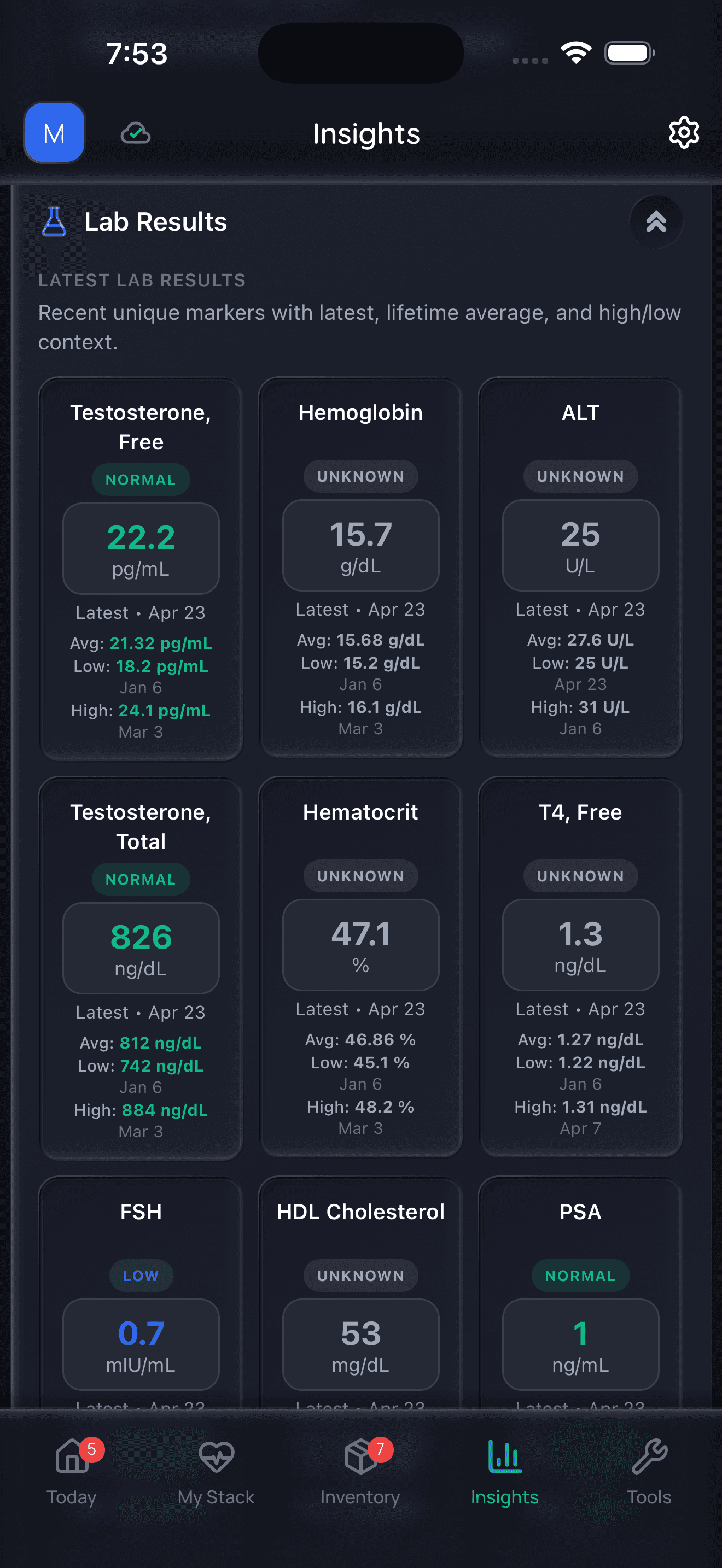
Doserly organizes data; it does not diagnose or interpret labs for you.
Dosing & Usage Protocols
The Basics
The dosing of black cohosh is complicated by the fact that different extract types require different doses, and the most important factor may be which form of extract you choose rather than the exact milligram amount. The two main approaches are:
Isopropanolic extract (Remifemin-type): 20-40 mg per day, taken as 20 mg once or twice daily. This is the form with the most clinical safety data and the best-studied benefit-risk profile. A daily dose delivers approximately 1-2 mg of triterpene glycosides [1][40].
Ethanolic extract: 64-128 mg per day, usually taken in two divided doses. This delivers a roughly similar amount of triterpene glycosides (1-2 mg) to the isopropanolic extract despite the higher absolute milligram dose, because the ethanolic extraction process yields a different concentration profile [1][40].
Some products are sold as powdered whole herb at much higher doses (500+ mg). These are not directly comparable to standardized extracts and may carry different safety considerations. Community members have flagged products at 540 mg as seeming "too much" compared to the well-studied 20-40 mg extract dose.
Most sources recommend using black cohosh for limited periods (typically 6 months or less) due to the absence of long-term safety data. Cycling on and off has been suggested by some practitioners, though there is no formal evidence base for cycling protocols.
The Science
Standardized dosing from clinical literature:
Extract Type
Isopropanolic (iCR)
- Daily Dose
- 20-40 mg
- Triterpene Glycoside Content
- ~1-2 mg (not specifically standardized)
- Study Context
- Most RCTs using Remifemin
Extract Type
Ethanolic (70%)
- Daily Dose
- 160 mg
- Triterpene Glycoside Content
- 2.5% = ~4 mg
- Study Context
- Newton et al. (2006)
Extract Type
Ethanolic (75%)
- Daily Dose
- 128 mg
- Triterpene Glycoside Content
- 5.7% = ~7.3 mg
- Study Context
- Geller et al. (2009)
Extract Type
Ethanolic
- Daily Dose
- 64-128 mg
- Triterpene Glycoside Content
- ~1-2 mg
- Study Context
- Examine dosing summary
Products are frequently standardized to provide at least 1 mg triterpene glycosides per daily dose, though the relevance of triterpene glycoside content to efficacy is unproven since the active ingredients remain unknown [1].
Duration considerations: The median study duration in the Cochrane Review was 22.8 weeks (approximately 5.5 months), with the longest study at 54 weeks [5]. No safety data exist beyond approximately 12 months of continuous use.
Timing: No evidence-based guidance on timing relative to meals, time of day, or other supplements. Food co-administration is sometimes recommended for GI tolerance [40].
When your stack includes several supplements, each with its own dose, form, and timing requirements, the logistics alone can derail consistency. Doserly consolidates all of it into one protocol view, so every dose across your entire routine is accounted for without spreadsheets or guesswork.
The app also tracks cumulative intake for nutrients that appear in multiple products. If your multivitamin, standalone supplement, and fortified protein shake all contain the same nutrient, Doserly adds them up and shows you the total alongside recommended and upper limits. Managing a thoughtful supplement protocol shouldn't require a degree in nutrition science. The app handles the complexity so you can focus on staying consistent.
Turn symptom and safety notes into a clearer timeline.
Doserly helps you log doses, symptoms, and safety observations side by side so patterns are easier to discuss with a qualified clinician.
Pattern view
Logs and observations

Pattern visibility is informational and should be reviewed with a clinician.
What to Expect (Timeline)
Based on clinical trial data and community reports, the following timeline represents a general pattern for women using standardized black cohosh extract for menopausal symptoms. Individual responses vary significantly.
Week 1-2: Initial adjustment period
Most users report no noticeable changes during the first one to two weeks. Some may experience mild GI discomfort as the body adjusts. Clinical trial data are consistent with this, as most studies report no measurable effects at the earliest time points.
Week 2-4: Possible early response
Some responders begin noticing a reduction in hot flash frequency or intensity during weeks 2-4. Community reports describe a "gradual realization" that symptoms have decreased rather than a sudden change. Non-responders typically see no change at this point either.
Month 1-3: Full effect window
For women who respond to black cohosh, the maximum benefit appears within the first 1-3 months of consistent use. Clinical trials typically measure outcomes at 3-month intervals, and the benefits observed in positive studies are established by this time frame. If no benefit is observed after 3 months of consistent use, it is unlikely that continued use will produce a different result.
Month 3-6: Maintenance or plateau
Responders generally maintain their improvement during this period. However, multiple community reports describe a pattern of benefits fading after several months of continuous use ("helped for months and then stopped working"). This possible tolerance development is not well-documented in clinical literature but appears as a recurring theme in user reports.
Beyond 6 months: Uncertain territory
Long-term safety data are limited. Most clinical studies last 6 months or less. Several advisory bodies recommend limiting use duration due to hepatotoxicity concerns. If continuing beyond 6 months, periodic liver function monitoring may be prudent, per USP recommendations.
One of the hardest parts of any supplement routine is knowing whether it's working when results unfold gradually over weeks or months. Without a record, it's easy to abandon something too early or keep taking something that isn't delivering. Doserly solves that by giving you a visual timeline of your entire supplementation history mapped against the outcomes you care about.
When everything is in one view, you can compare how different supplements in your stack are performing over the same period. You can see whether adding this supplement coincided with the improvement you've noticed, or whether the timing points to something else entirely. That kind of clarity turns patience into a strategy rather than a gamble.
Capture changes while they are still fresh.
Log symptoms, energy, sleep, mood, and other observations alongside protocol events so patterns do not live only in memory.
Trend view
Symptom timeline
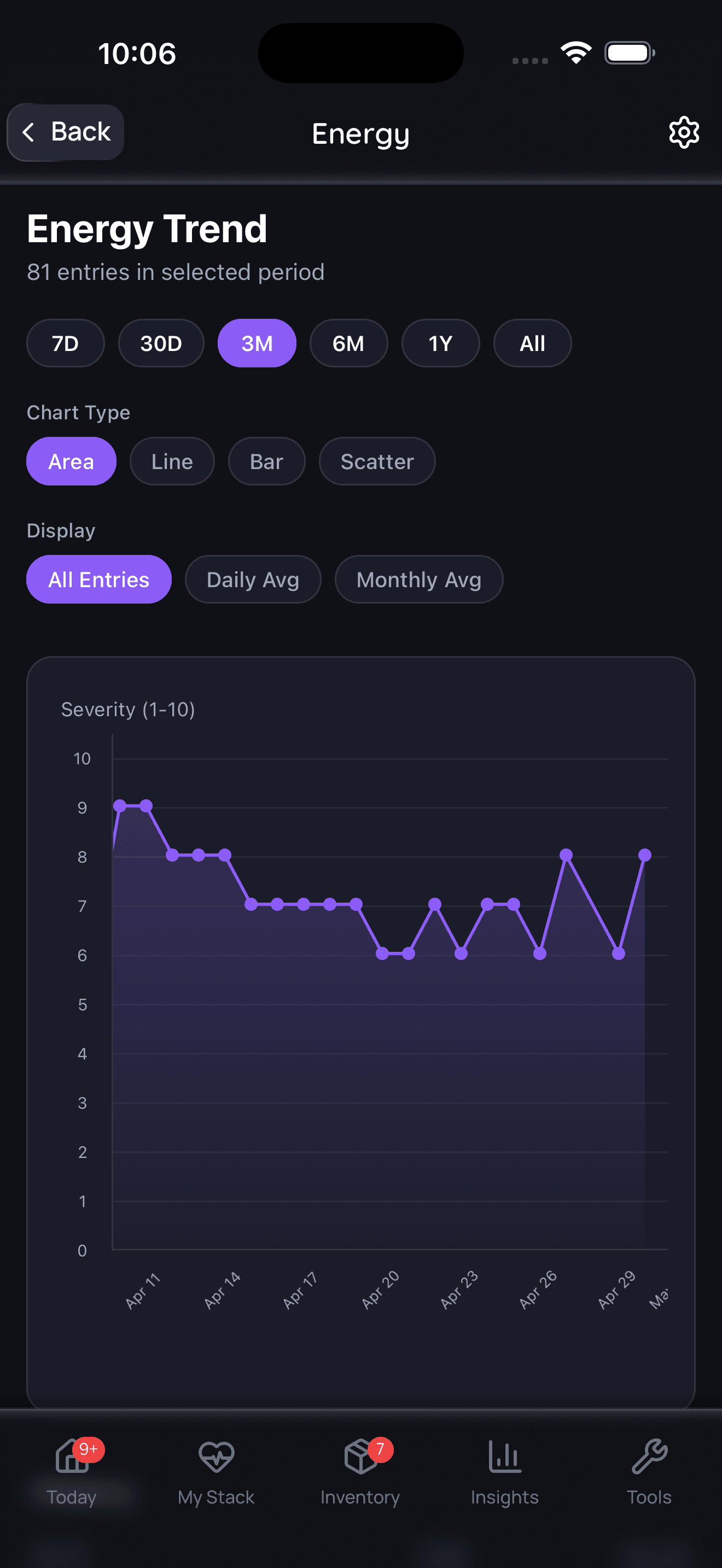
Symptom tracking is informational and should be interpreted with a qualified clinician.
Interactions & Compatibility
Synergistic
- St. John's Wort: Observational studies and one RCT suggest the combination may be more effective for climacteric complaints than either herb alone [30][31]. However, St. John's wort has its own significant drug interaction profile (CYP enzyme induction).
- Dong Quai: Traditional combination in women's health formulations. Community reports suggest the combination may help with menstrual migraines. Limited clinical evidence.
- Red Clover: Often used alongside black cohosh for menopausal symptoms, though the Geller et al. (2009) trial found neither alone significantly outperformed placebo [18].
- Soy Isoflavones: A 2025 RCT found the combination of black cohosh, soy isoflavones, and SDG lignans significantly reduced menopausal symptoms with a favorable safety profile [41].
Caution / Avoid
- Tamoxifen: Black cohosh may interfere with the action of tamoxifen via CYP2D6 and CYP3A4 inhibition [3][42]. Clinical relevance is uncertain, but caution is warranted in breast cancer patients on anti-estrogen therapy.
- Doxorubicin / Docetaxel: Black cohosh may increase toxicity of these chemotherapy drugs [3][43]. Avoid concurrent use during chemotherapy.
- CYP3A4-metabolized drugs: In vitro CYP3A4 inhibition has been demonstrated [16]. Relevant medications include many statins, calcium channel blockers, immunosuppressants, and some antibiotics. Clinical significance not established but warrants monitoring.
- Simvastatin: Synergistic effects between black cohosh (actein) and simvastatin may enhance both activity and side effects [15]. Exercise caution with concurrent use.
- Hepatotoxic medications: Given the unresolved hepatotoxicity concern, combining black cohosh with other potentially hepatotoxic substances (acetaminophen at high doses, statins, certain antifungals, alcohol) warrants extra caution [1][3].
- Estrogen / Hormone replacement therapy: While mechanistic conflict is unlikely (black cohosh appears non-estrogenic), some healthcare providers recommend discontinuing black cohosh when starting HRT. Some community members report their doctors advise against combining them.
How to Take / Administration Guide
Black cohosh is taken orally in all commercially available forms. The following practical guidance applies:
Form selection:
- Standardized extracts (isopropanolic or ethanolic) are preferred over powdered whole herb due to more consistent dosing and the stronger evidence base. The isopropanolic extract has the most safety data available.
- Liquid tinctures offer dosing flexibility but less standardization.
- Tea prepared from root/rhizome is traditional but notably bitter in taste. One community recommendation: "brew it strong, maybe with rooibos for taste, and then drink a small amount at a time."
Timing:
- No evidence-based guidance on optimal timing. Some users take it in the evening given its potential sleep-promoting effects.
- Can be taken once daily (20 mg extract) or split into two doses (20 mg twice daily for 40 mg total).
- No established requirement for food co-administration, though taking with a small meal may reduce GI discomfort.
Duration and cycling:
- Most clinical evidence supports use for periods of 6 months or less.
- Some practitioners recommend cycling (for example, 3 months on, 1 month off) to reduce theoretical hepatotoxicity risk, though no formal evidence supports specific cycling protocols.
- If no benefit is observed after 3 months of consistent use, discontinuation is reasonable.
Stacking considerations:
- The combination with St. John's wort has some clinical support for enhanced menopausal symptom relief [30][31].
- Avoid combining with hepatotoxic substances.
- Inform your healthcare provider about all concurrent medications due to potential CYP3A4 interactions.
Choosing a Quality Product
Product quality is a particularly important consideration for black cohosh. Studies have documented significant quality control problems across commercial products, including adulteration with other Actaea species and wide variation in actual content versus label claims [6][8].
What to look for:
- Extract type: Standardized isopropanolic or ethanolic extract with clearly stated triterpene glycoside content or milligram equivalence to dried root/rhizome
- Species verification: Products should specify Actaea racemosa (or Cimicifuga racemosa). Be wary of products that simply say "black cohosh" without botanical identification, as adulteration with Asian Actaea species has been documented
- Third-party testing: Look for USP Verified, NSF International, or ConsumerLab certification. Given the documented quality control issues with black cohosh, third-party verification is more important for this supplement than for most
- GMP compliance: Current Good Manufacturing Practice certification
- Dose clarity: Label should specify extract type, amount per serving, and standardization metric
Red flags:
- Doses significantly exceeding the well-studied range (20-40 mg isopropanolic extract or 64-128 mg ethanolic extract)
- Products combining multiple herbs without individual dosing information
- No botanical species identification
- No third-party testing certification
- Proprietary blend listings that obscure individual amounts
- Products marketed with therapeutic claims (which are not permitted under DSHEA)
Specific quality note: A survey has reported poor quality control of several black cohosh products [8]. The American Botanical Council has published guidance documents on authentication, and DNA barcoding has been recommended as a verification method for species identity [6].
Storage & Handling
- Store in a cool, dry place away from direct sunlight and excessive heat
- Keep container tightly sealed to prevent moisture exposure
- Liquid extracts and tinctures may have specific temperature requirements; check label
- Shelf life varies by form: sealed tablets and capsules typically 2-3 years; liquid preparations may have shorter shelf lives once opened
- No special refrigeration required for standard extract capsules and tablets
- Discard any products past their expiration date, as degradation of active compounds may alter the benefit-risk profile
Lifestyle & Supporting Factors
Several lifestyle factors may influence the severity of menopausal symptoms and could interact with black cohosh's effects:
Diet: Some evidence suggests that plant-based diets rich in phytoestrogens (soy, flaxseed) may complement black cohosh's effects on menopausal symptoms. A 2025 RCT found the combination of black cohosh with soy isoflavones and SDG lignans significantly reduced menopausal symptoms [41]. Caffeine and alcohol may exacerbate hot flashes and could work against black cohosh's benefits.
Exercise: Regular physical activity has been associated with reduced severity of menopausal symptoms in some studies. Exercise does not appear to interact negatively with black cohosh supplementation.
Stress management: Given black cohosh's proposed mechanism through serotonergic and GABAergic pathways, stress management practices (meditation, yoga, deep breathing) may complement its effects on mood-related menopausal symptoms.
Sleep hygiene: For women using black cohosh partly for sleep improvement, standard sleep hygiene practices (consistent bedtime, cool sleeping environment, limited screen exposure before bed) are likely to enhance any sleep-related benefits. A cool sleeping environment may be particularly important for reducing night sweats.
Liver health monitoring: If using black cohosh, periodic monitoring of liver function (AST, ALT) may be prudent, particularly for use beyond 3 months. Avoid excessive alcohol consumption and other hepatotoxic substances during supplementation.
Lab monitoring: No specific biomarkers are routinely recommended for black cohosh monitoring beyond liver function. Since black cohosh does not appear to affect estrogen, LH, FSH, or prolactin levels, hormonal monitoring is not necessary specifically for this supplement [9][10].
Regulatory Status & Standards
United States (FDA):
Black cohosh is regulated as a dietary supplement under DSHEA. It is not FDA-approved for any medical indication. The FDA does not require liver damage warnings on black cohosh product labels, though the USP recommends them. No NDI (New Dietary Ingredient) notification is required as black cohosh was marketed prior to DSHEA's 1994 enactment.
Canada (Health Canada):
Black cohosh has been assessed as a Natural Health Product. Products require a Natural Product Number (NPN). Health Canada has issued safety advisories regarding potential hepatotoxicity.
European Union (EFSA/EMA):
Isopropanolic black cohosh extract (iCR) is approved as a traditional herbal medicinal product in multiple EU member states, most notably Germany. The German Commission E approved black cohosh in 1989 for premenstrual discomfort, dysmenorrhea, and climacteric neurovegetative symptoms. It has well-established use status in the EU. The European Medicines Agency (EMA) has issued an assessment report.
Australia (TGA):
Black cohosh is regulated as a complementary medicine. Since 2007, all black cohosh products must carry the warning: "Warning: Black cohosh may harm the liver in some individuals. Use under the supervision of a healthcare professional."
WHO:
Black cohosh is included in the WHO Monographs on Selected Medicinal Plants.
Athlete & Sports Regulatory Status:
Black cohosh does not appear on the WADA Prohibited List and is not known to be prohibited by any major national anti-doping agency (USADA, UKAD, Sport Integrity Canada, Sport Integrity Australia) or professional sports league (NFL, NBA, MLB, NHL, NCAA). It is not a performance-enhancing substance. However, as with all supplements, athletes should verify current status through GlobalDRO.com and consider using products certified by Informed Sport, NSF Certified for Sport, or the Cologne List to minimize contamination risk.
Regulatory status and prohibited substance classifications change frequently. Athletes should always verify the current status of any supplement with their sport's governing body, their national anti-doping agency, and a qualified sports medicine professional before use. Third-party certification (Informed Sport, NSF Certified for Sport) reduces but does not eliminate the risk of contamination with prohibited substances.
Frequently Asked Questions
Is black cohosh the same as blue cohosh?
No. Despite the similar name, black cohosh (Actaea racemosa) and blue cohosh (Caulophyllum thalictroides) are completely different plants from different botanical families with different medicinal profiles and safety considerations. They should not be confused or substituted for one another [3].
Does black cohosh contain estrogen or act as a phytoestrogen?
Current evidence suggests that black cohosh does not act as a phytoestrogen. Multiple clinical studies have found no effect on serum estrogen, LH, FSH, or prolactin levels. It likely works through neurotransmitter pathways (serotonin, dopamine, GABA) rather than through estrogenic mechanisms [9][10].
Is black cohosh safe for breast cancer survivors?
This is an unresolved question. Because black cohosh does not appear to be estrogenic, it could theoretically be safe for breast cancer survivors. One retrospective study even found improved disease-free survival with isopropanolic extract use. However, conflicting preclinical data (one animal study showed increased metastasis) mean that breast cancer patients should consult their oncologist before use [3][13][27].
How long can I safely take black cohosh?
Most clinical studies have examined use for 6 months or less, and no long-term safety data exist beyond about 12 months. Many advisory bodies recommend limited-duration use due to hepatotoxicity concerns. If using beyond 3 months, periodic liver function testing may be prudent [1].
Can I take black cohosh with HRT?
There is limited evidence on combining black cohosh with hormone replacement therapy. Some healthcare providers advise discontinuing black cohosh when starting HRT. Consult your healthcare provider for personalized guidance.
Why didn't black cohosh work for me?
The evidence base genuinely shows that black cohosh does not work for everyone. Major clinical trials have found no benefit over placebo in significant portions of participants. Individual response may depend on extract type, dose, the specific nature of your symptoms, and as-yet-unidentified biological factors [1][4][5].
Does black cohosh cause liver damage?
At least 83 cases of liver damage have been reported worldwide in association with black cohosh use. However, meta-analyses of controlled clinical trials have found no evidence of hepatotoxicity with standardized isopropanolic extract. Product quality (adulteration, contamination) and pre-existing liver conditions may account for some case reports. Monitoring liver function and using third-party tested products is advisable [1][33].
What dose of black cohosh should I take?
Based on available evidence, the best-studied doses are 20-40 mg/day of isopropanolic extract (Remifemin-type) or 64-128 mg/day of ethanolic extract. Both deliver approximately 1-2 mg of triterpene glycosides. Higher doses have not been shown to be more effective and may increase risk. Consult a healthcare provider for personalized dosing guidance [1][40].
Can I take black cohosh during pregnancy?
Black cohosh should be avoided during pregnancy. It has traditionally been used to induce labor and has the potential to act as an abortifacient. The American Herbal Products Association recommends that pregnant women not take black cohosh except under healthcare provider supervision [1][3][34].
Is the German brand (Remifemin) better than other black cohosh products?
Remifemin uses a specific isopropanolic extract (iCR) that has been used in the largest number of clinical studies and has the most safety data available. While this does not necessarily make it "better," it does mean there is more evidence supporting its safety profile compared to other formulations [1][28].
Myth vs. Fact
Myth: Black cohosh is a plant estrogen that raises estrogen levels.
Fact: Despite decades of assumption, clinical studies consistently show that black cohosh does not raise estrogen, LH, FSH, or prolactin levels. A six-month clinical study specifically designed to assess this question demonstrated no systemic estrogenic effect [9][10]. Current evidence points to neurotransmitter modulation (serotonin, dopamine, GABA) as the primary mechanism.
Myth: Black cohosh is a proven treatment for menopausal hot flashes.
Fact: The evidence is genuinely mixed. While a 2023 meta-analysis of 22 RCTs found significant benefits for overall menopausal symptoms and hot flashes, the 2012 Cochrane Review found insufficient evidence, and two large individual RCTs found no benefit over placebo. The American College of Obstetricians and Gynecologists and the North American Menopause Society do not recommend it [1][4][5][19].
Myth: Black cohosh will definitely damage your liver.
Fact: While 83+ case reports of liver damage exist worldwide, meta-analyses of controlled clinical trials found no evidence of hepatotoxicity with standardized isopropanolic extract. Many case reports may be related to product adulteration, contamination with other species, or pre-existing liver conditions. The risk, while not zero, appears to be rare and may be product-quality dependent [1][33].
Myth: All black cohosh products are the same.
Fact: Different extraction methods (isopropanolic, ethanolic, aqueous) produce chemically distinct profiles. Product surveys have documented significant quality control problems, including adulteration with other Actaea species and wide variation in actual versus labeled content. The specific extract type matters for both efficacy and safety [6][8].
Myth: If black cohosh doesn't work in the first few days, it won't work at all.
Fact: Clinical trials typically measure outcomes at 3-month intervals, and community reports suggest most responders notice effects after 2-4 weeks of consistent use. Giving it at least 4-8 weeks before concluding it is ineffective is reasonable [4].
Myth: Natural supplements like black cohosh are always safer than HRT.
Fact: "Natural" does not automatically mean safer. Hormone replacement therapy has been extensively studied with well-characterized risks and benefits. Black cohosh has less safety data, no identified active ingredients, and an unresolved hepatotoxicity signal. Both options have tradeoffs that should be discussed with a healthcare provider [1][19].
Myth: Black cohosh is only for women.
Fact: While its primary use is for menopausal symptoms in women, preclinical research has investigated black cohosh for prostate cancer cell inhibition and other non-gender-specific applications. However, there is essentially no clinical evidence supporting its use in men [3][12].
Sources & References
Systematic Reviews & Meta-Analyses
- Mahady GB, Low Dog T, Barrett ML, et al. United States Pharmacopeia review of the black cohosh case reports of hepatotoxicity. Menopause. 2008;15:628-38.
- NIH Office of Dietary Supplements. Black Cohosh Fact Sheet for Health Professionals. Updated June 3, 2020.
- Memorial Sloan Kettering Cancer Center. Black Cohosh monograph. Updated May 26, 2022.
- Sadahiro R, et al. Black cohosh extracts in women with menopausal symptoms: an updated pairwise meta-analysis. Menopause. 2023 Jul;30(7). PMID: 37192826.
- Leach MJ, Moore V. Black cohosh (Cimicifuga spp.) for menopausal symptoms. Cochrane Database Syst Rev. 2012;9:CD007244.
Clinical Trials & RCTs
- Betz JM, Anderson L, Avigan MI, et al. Black cohosh: considerations of safety and benefit. Nutr Today. 2009;44(4):155-162.
- Kruse SO, Lohning A, Pauli GF, et al. Fukiic and piscidic acid esters from the rhizome of Cimicifuga racemosa and the in vitro estrogenic activity of fukinolic acid. Planta Med. 1999;65:763-4.
- Foster S. Exploring the peripatetic maze of black cohosh adulteration. HerbalGram. 2013;May-July:32-51.
- Wuttke W, Jarry H, Haunschild J, et al. The non-estrogenic alternative for the treatment of climacteric complaints: Black cohosh (Cimicifuga or Actaea racemosa). J Steroid Biochem Mol Biol. 2014;139:302-10.
- Liske E, Hanggi W, Henneicke-von Zepelin HH, et al. Physiological investigation of a unique extract of black cohosh (Cimicifugae racemosae rhizoma): a 6-month clinical study demonstrates no systemic estrogenic effect. J Women Health Gend Based Med. 2002;11:163-74.
- Zierau O, Bodinet C, Kolba S, et al. Antiestrogenic activities of Cimicifuga racemosa extracts. J Steroid Biochem Mol Biol. 2002;80:125-30.
- Jarry H, Stromeier S, Wuttke W, Nahrstedt A. Petasiphenone, a phenol isolated from Cimicifuga racemosa, in vitro inhibits proliferation of the human prostate cancer cell line LNCaP. Planta Med. 2007;73(2):184-187.
- Davis VL, Jayo MJ, Ho A, et al. Black cohosh increases metastatic mammary cancer in transgenic mice expressing c-erbB2. Cancer Res. 2008;68(20):8377-83.
- Enbom ET, Le MD, Oesterich L, et al. Mechanism of hepatotoxicity due to black cohosh (Cimicifuga racemosa): histological, immunohistochemical and electron microscopy analysis of two liver biopsies with clinical correlation. Exp Mol Pathol. 2014;96(3):279-83.
- Einbond LS, Soffritti M, Esposti DD, et al. A transcriptomic analysis of black cohosh: Actein alters cholesterol biosynthesis pathways and synergizes with simvastatin. Food Chem Toxicol. 2018;120:356-366.
- Tsukamoto S, Aburatani M, Ohta T. Isolation of CYP3A4 Inhibitors from the Black Cohosh (Cimicifuga racemosa). Evid Based Complement Alternat Med. 2005;2(2):223-226.
- Newton KM, Reed SD, LaCroix AZ, et al. Treatment of vasomotor symptoms of menopause with black cohosh, multibotanicals, soy, hormone therapy, or placebo: a randomized trial. Ann Intern Med. 2006;145:869-79.
- Geller SE, Shulman LP, van Breemen RB, et al. Safety and efficacy of black cohosh and red clover for the management of vasomotor symptoms: a randomized controlled trial. Menopause. 2009;16(6):1156-66.
- The North American Menopause Society. Nonhormonal management of menopause-associated vasomotor symptoms: 2015 position statement. Menopause. 2015;22:1155-72.
- Tanmahasamut P, et al. Cimicifuga racemosa extract for relieving menopausal symptoms: a randomized controlled trial. Climacteric. 2014.
- Bai W, Henneicke-von Zepelin HH, Wang S, et al. Efficacy and tolerability of a medicinal product containing an isopropanolic black cohosh extract in Chinese women with menopausal symptoms. Maturitas. 2007;58(1):31-41.
- Jiang K, Jin Y, Huang L, et al. Black cohosh improves objective sleep in postmenopausal women with sleep disturbance. Climacteric. 2015;18(4):559-67.
- Bebenek M, Kemmler W, von Stengel S, et al. Effect of exercise and Cimicifuga racemosa (CR BNO 1055) on bone mineral density, 10-year coronary heart disease risk, and menopausal complaints: the TRACE study. Menopause. 2010;17(4):791-800.
- Chan BY, Lau KS, Jiang B, et al. Ethanolic extract of Actaea racemosa (black cohosh) potentiates bone nodule formation in MC3T3-E1 preosteoblast cells. Bone. 2008;43(3):567-73.
- Pockaj BA, Gallagher JG, Loprinzi CL, et al. Phase III double-blind, randomized, placebo-controlled crossover trial of black cohosh in the management of hot flashes: NCCTG Trial N01CC1. J Clin Oncol. 2006;24(18):2836-41.
- Jacobson JS, Troxel AB, Evans J, et al. Randomized trial of black cohosh for the treatment of hot flashes among women with a history of breast cancer. J Clin Oncol. 2001;19:2739-45.
- Zepelin HH, Meden H, Kostev K, et al. Isopropanolic black cohosh extract and recurrence-free survival after breast cancer. Int J Clin Pharmacol Ther. 2007;45(3):143-154.
- Castelo-Branco C, Gambacciani M, Cano A, et al. Review & meta-analysis: isopropanolic black cohosh extract iCR for menopausal symptoms. Climacteric. 2021;24(2):109-119.
- Wang C, Huang Q, Liang CL, et al. Effect of Cimicifuga racemosa on menopausal syndrome caused by LHRH-a in breast cancer. J Ethnopharmacol. 2019;238:111840.
- Briese V, Stammwitz U, Friede M, Henneicke-von Zepelin HH. Black cohosh with or without St. John's wort for symptom-specific climacteric treatment. Maturitas. 2007;57(4):405-414.
- Uebelhack R, Blohmer JU, Graubaum HJ, et al. Black cohosh and St. John's wort for climacteric complaints: a randomized trial. Obstet Gynecol. 2006;107(2):247-55.
- Moser C, Vickers SP, Brammer R, et al. Antidiabetic effects of the Cimicifuga racemosa extract Ze 450 in vitro and in vivo in ob/ob mice. Phytomedicine. 2014;21(11):1382-9.
- Naser B, Schnitker J, Minkin MJ, et al. Suspected black cohosh hepatotoxicity: no evidence by meta-analysis of randomized controlled clinical trials for isopropanolic black cohosh extract. Menopause. 2011;18(4):366-75.
- Bernstein N, Akram M, Yaniv-Bachrach Z, Daniyal M. Is it safe to consume traditional medicinal plants during pregnancy? Phytother Res. 2020.
- Yalcin M, Oguz A, Bestepe EE, et al. Black cohosh associated mania in a patient with unipolar depression. Int J Psychiatry Med. 2021;56(2):67-72.
- Blitz MJ, Smith-Levitin M, Rochelson B. Severe Hyponatremia Associated with Use of Black Cohosh during Prolonged Labor and Unsuccessful Home Birth. AJP Rep. 2016;6(1):e121-4.
- Sen A. Orobuccolingual dyskinesia after long-term use of black cohosh and ginseng. J Neuropsychiatry Clin Neurosci. 2013;25(4):E50.
- McKenzie SC, Rahman A. Bradycardia in a patient taking black cohosh. Med J Aust. 2010;193(8):479-81.
- Zimmermann R, Witte A, Voll RE, et al. Coagulation activation and fluid retention associated with the use of black cohosh: a case study. Climacteric. 2010;13(2):187-91.
- Examine.com. Black Cohosh: benefits, dosage, and side effects. Last updated October 5, 2023.
- Pokushalov E, et al. Assessing the combined effects of Black Cohosh, Soy Isoflavones, and SDG Lignans on menopausal symptoms. Eur J Nutr. 2025;64:138.
- Li J, Godecke T, Chen SN, et al. In vitro metabolic interactions between black cohosh (Cimicifuga racemosa) and tamoxifen via inhibition of cytochromes P450 2D6 and 3A4. Xenobiotica. 2011.
- Rockwell S, Liu Y, Higgins SA. Alteration of the effects of cancer therapy agents on breast cancer cells by the herbal medicine black cohosh. Breast Cancer Res Treat. 2005;90(3):233-9.
Government/Institutional Sources
- NIH Office of Dietary Supplements. Black Cohosh Fact Sheet for Health Professionals. 2020.
- American College of Obstetricians and Gynecologists. ACOG Practice Bulletin No. 141: Management of Menopausal Symptoms. 2014.
- German Commission E. Monograph: Cimicifugae racemosae rhizoma (Black Cohosh). 1989.
- Australian Department of Health, Therapeutic Goods Administration. Labelling requirements for black cohosh products. 2007.
- U.S. Pharmacopeia. Black cohosh cautionary labelling recommendation. 2008.
Related Supplement Guides
Same Category (Herbal - Women's Health):
Common Stacks/Pairings:
- St. John's Wort (studied in combination for climacteric symptoms)
- Evening Primrose Oil (commonly paired for menopausal symptom relief)
- Soy Isoflavones (2025 RCT tested the combination)
Related Health Goals:
- Melatonin (sleep support during menopause)
- Magnesium Glycinate (sleep, mood, and bone health)
- Calcium (bone health during menopause)
- Vitamin D3 (bone health, mood support)
- Ashwagandha (stress and mood support)
- Valerian Root (sleep support)