
In this guide
What does this guide compare?
Source tissue, nutrient content and clinical benefit are separate questions.
This collection compares products discussed around one topic. It is not a protocol to take in full. Links to individual profiles appear after the article.
| Reference point | Context |
|---|---|
| Products compared | 8 |
| Evidence scope | Ingredient, formulation, population and measured outcome |
| Complete combination | The cited studies do not automatically validate all members together |
Which products are compared?
| Product group | What to compare | Main evidence boundary |
|---|---|---|
| Desiccated beef liver and mixed beef organs | Actual vitamin A, iron and other nutrient declarations, serving size and source tissues | Grams of tissue do not disclose a reliable nutrient dose or prove organ repair [1][2][3] |
| Bone marrow | Finished-product composition and food versus supplement format | The source tissue alone does not establish a treatment for human bone or marrow disease |
| Bovine colostrum and lactoferrin | Whole colostrum versus a specified isolated protein, processing and milk allergens | A colostrum immune-marker result cannot be transferred to every lactoferrin product [6] |
| Bee pollen | Botanical pollen composition and allergy history | Bee-collected pollen can cause severe allergic reactions; natural origin does not remove that risk [8] |
| Deer antler velvet | Extract versus powder and trial-specific outcomes | A small mixed performance trial does not establish testosterone or aerobic enhancement [7] |
| Oyster extract | Product composition, declared nutrients and mollusc origin | An extract name does not disclose its zinc dose or validate a testosterone claim |
How do their roles differ?
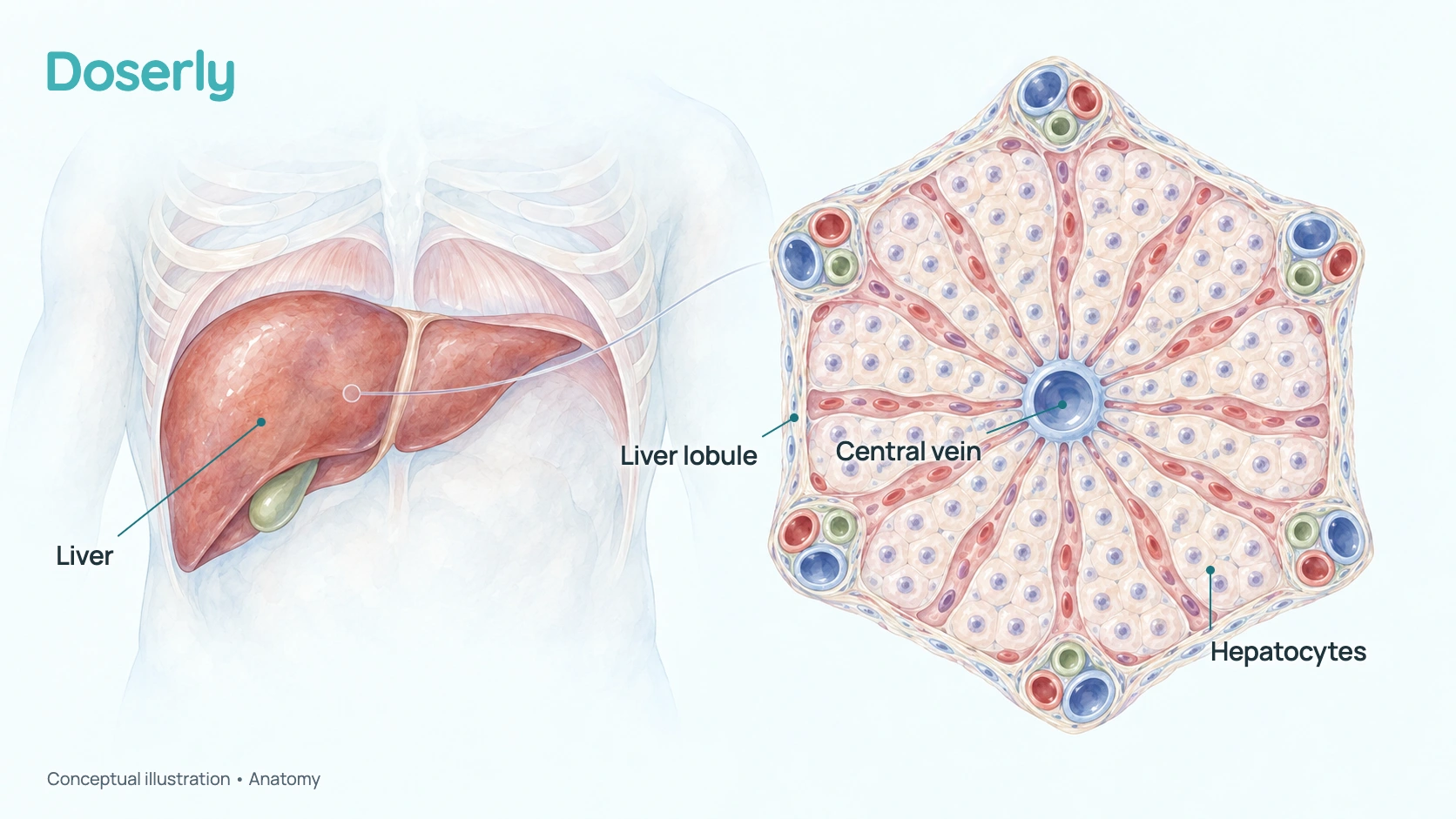
Animal-derived products may provide nutrients or proteins, but source tissue does not establish targeted delivery to the matching human organ. Liver products, colostrum, lactoferrin and oyster extracts are compositionally different. An organ label is not a standardized nutrient declaration. [1][2][3]
What does the research show?
Colostrum: an immune-marker result is not proof of fewer infections
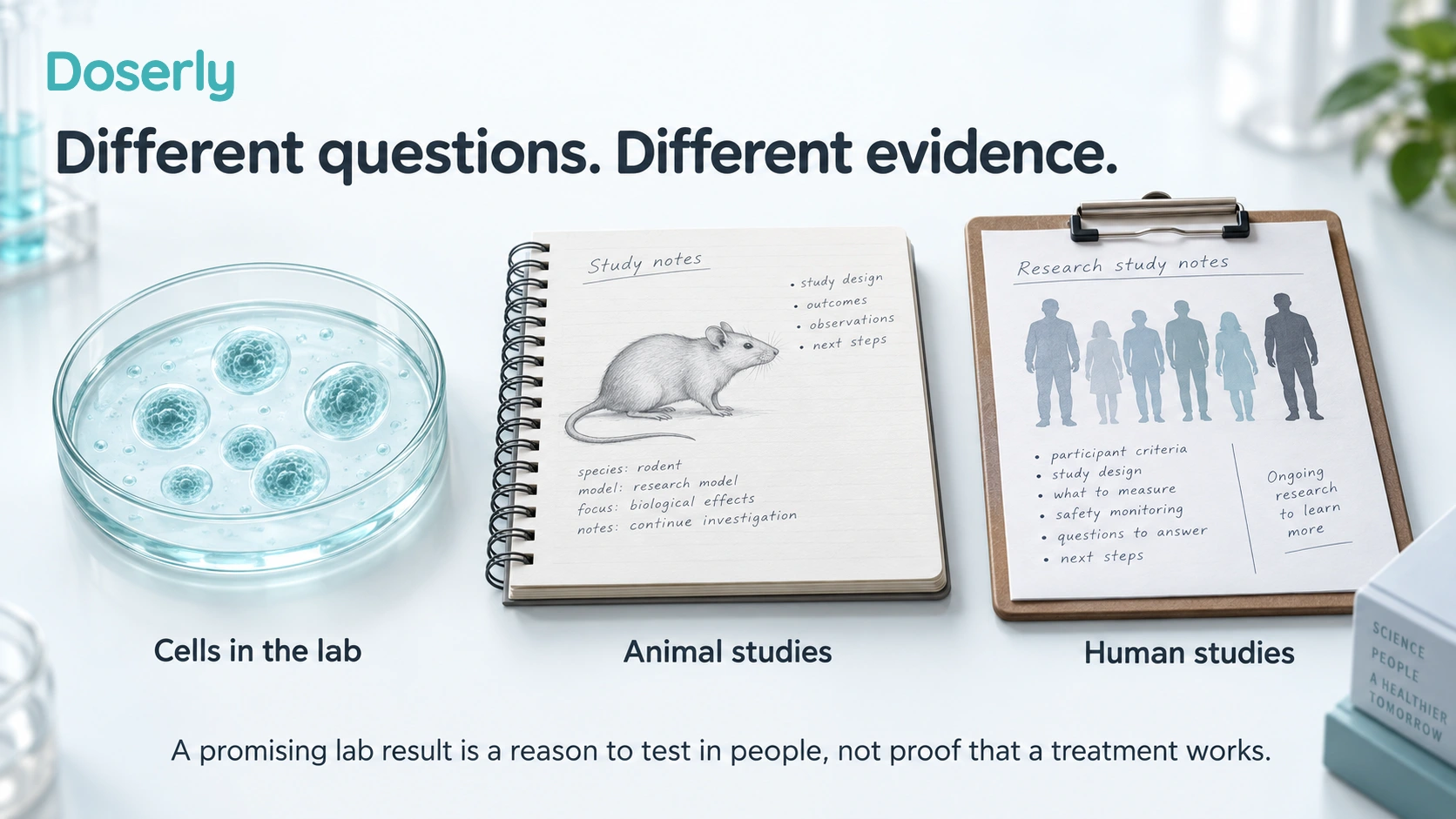
A 2024 randomized crossover trial analyzed 28 male endurance athletes who completed both treatment periods; 30 people dropped out of the study protocol. The specified colostrum powder was taken as 12.5 g in the morning and 12.5 g in the afternoon, each dissolved in 250 mL water, for 12 weeks per active period, against a matched milk-protein control. The highlighted salivary IgA finding compared post-exercise and recovery values with resting values after supplementation. The abstract reported no effect on blood IgA, IgE, IgD, IgG or IgM. This biomarker study did not establish fewer clinical infections, and its substantial attrition and trained-male population limit generalization. It is not a dose instruction for other products. [6]
Deer antler: mixed small-study findings, not a hormone claim
The 2003 primary abstract reports 38 active men in extract, powder and placebo groups alongside a ten-week strength program. All groups improved the six-repetition-maximum strength test similarly. Some knee-extension strength and endurance findings favored powder, but endocrine measures, red-cell mass and maximal aerobic capacity did not change. The authors explicitly noted inconsistent strength findings and the possibility of a chance result. The abstract does not supply a reproducible dosing schedule, so none is inferred here. [7]
Nutrient content does not prove targeted organ repair
Iron and vitamin A have established nutritional functions, but that does not make a tissue blend a proven treatment for fatigue, anemia or organ disease. Nutrient adequacy, excess exposure and the particular finished product are separate questions. Pregnancy makes preformed vitamin A exposure especially important; overlapping iron products require a clear reason for use. [1][2][3]
Which overlaps and risks matter?
Cautions and interactions
Preformed vitamin A exposure matters particularly in pregnancy, and iron-containing products can overlap with other supplements. Allergens, processing and batch composition require attention. A food-derived product does not replace evaluation of unexplained fatigue or anemia. [1][2][3]
A complete product list includes prescription medicines, nonprescription products and supplements. Combination formulas can conceal duplicate ingredients. Timing and spacing from a medicine should follow its labeling and pharmacist guidance; this collection does not supply a universal timetable.
A published case describes anaphylaxis after bee-pollen ingestion in a person with seasonal pollen allergy. This establishes a possible serious reaction, not a population incidence or a safe threshold. Review milk allergens for colostrum and bovine lactoferrin and mollusc allergens for oyster products. [8]
Regulatory status
In the United States, FDA does not approve dietary supplements for safety and effectiveness before marketing. In Canada, a natural health product requires a product licence before sale; its NPN or DIN-HM must match the finished product. An ingredient name or inclusion in this collection does not establish that every product or claim is authorized. Authorization also does not validate the complete combination. [4], [5]
What should be recorded and how should changes be interpreted?
Doserly brings dose logs, symptoms and routine changes together. For this collection, useful observations include declared nutrient amounts, animal source, allergy history, gastrointestinal symptoms and relevant clinical tests.
- Doses and adherence: record the formulation, amount actually taken, timing and missed doses so observations have context.
- Potential benefits and tolerability: compare consistent symptoms or measurements over time alongside sleep, food and activity changes. Personal trends help evaluate the experience without proving causal efficacy.
- Product list: maintain the full product list for review with a pharmacist or clinician.
- AI monthly reports: summarize recorded doses, symptoms and trends to prepare for a discussion. Reports depend on the data entered and are not a diagnosis or an instruction to change treatment.
Explore the topic further
Common questions
Does eating an organ supplement target that organ in my body?
The tissue name does not demonstrate targeted delivery or repair. The useful questions concern the declared nutrients, the finished preparation and evidence for the intended outcome.
Is colostrum the same intervention as lactoferrin?
No. Colostrum is a mixture; lactoferrin is one protein that may be isolated and formulated separately. Evidence for one preparation cannot be assigned to the other. [6]
Can liver capsules replace an evaluated iron treatment?
Not without a defined iron content and a reason to treat. Fatigue is not specific to iron deficiency, and liver-derived products can also add preformed vitamin A. [1][2][3]
Is bee pollen suitable simply because it is natural?
No. Severe allergic reactions have been reported, including in people with seasonal pollen allergy. A case report cannot identify a universally safe dose. [8]
Glossary
Terms for interpreting the comparisons.
- Formulation
- The exact preparation, including its ingredients, their forms and labeled amounts.
- Study population
- The people included in a study; their characteristics limit where its result applies.
- Comparator
- The placebo, treatment or condition used as the comparison.
- Measured outcome
- What the study evaluates, such as a symptom, laboratory result or clinical event.
- Overlap
- The same ingredient appearing in more than one product used together.
How was this guide researched?
Sources and limits
This AI-assisted educational guide compares the cited public references. Findings remain tied to the ingredients, preparations and populations studied. It is not a systematic review or independent medical peer review. Doserly develops a commercial tracking app. Illustrations explain concepts; app screens show example data. Report a correction with its source to Doserly support.
Explore the sources
The references below provide context for the claims and their limits.
Showing 8 sources
- 01
- 02
NIH ODS — Vitamin A and Carotenoids ↗
Official nutrient reference
Preformed vitamin A, liver sources and pregnancy cautions.
- 03
- 04
FDA — Questions and Answers on Dietary Supplements ↗
Regulatory reference
United States dietary supplement regulation.
- 05
- 06
Durkalec-Michalski et al. — Colostrum and immune markers in endurance athletes ↗
Human research
Crossover trial; 28 completers and biomarker outcomes, not a clinical infection endpoint.
- 07
The effects of deer antler velvet extract or powder supplementation on aerobic power, erythropoiesis, and muscular strength and endurance characteristics. ↗
Human research
Primary abstract reviewed; mixed strength outcomes and null hormone/aerobic findings.
- 08
Bee Pollen-Induced Anaphylaxis: A Case Report and Literature Review. ↗
Human research
Case evidence demonstrates a possible severe reaction, not its frequency.
No matching sources
Try a different term or show the full list.