
Beef Liver (Desiccated): The Complete Supplement Guide
On this page
Quick Reference Card
Attribute
Common Name
- Detail
- Beef Liver (Desiccated)
Attribute
Other Names / Aliases
- Detail
- Desiccated liver, freeze-dried liver, liver tablets, liver extract, bovine liver, Argentine liver
Attribute
Category
- Detail
- Organ/Animal-Derived Whole Food Supplement
Attribute
Primary Forms & Variants
- Detail
- Freeze-dried (desiccated) capsules or powder (preferred, preserves nutrients); Heat-dried tablets (less expensive, some nutrient degradation); Defatted (fat removed, reduced toxin load); Non-defatted (whole-food profile retained)
Attribute
Typical Dose Range
- Detail
- 3,000-6,000 mg/day (equivalent to ~0.4-0.85 oz fresh liver)
Attribute
RDA / AI / UL
- Detail
- No RDA, AI, or UL established for beef liver itself. Key nutrient ULs: Vitamin A 3,000 mcg RAE/day; Copper 10 mg/day; Iron 45 mg/day
Attribute
Common Delivery Forms
- Detail
- Capsules (500-750 mg each), tablets, powder
Attribute
Best Taken With / Without Food
- Detail
- With meals for optimal absorption; morning or early afternoon preferred due to B-vitamin energy effects
Attribute
Key Cofactors
- Detail
- Vitamin C (enhances heme iron absorption); adequate stomach acid for B12 absorption
Attribute
Storage Notes
- Detail
- Cool, dry place; keep container sealed tightly (product is hygroscopic); no refrigeration typically required for capsules; powder may benefit from refrigeration after opening
Overview
The Basics
Beef liver has been considered one of the most nutrient-dense foods on the planet for thousands of years. Virtually every traditional culture prized organ meats, and liver in particular, for pregnant women, growing children, warriors, and the sick. Modern nutritional science has confirmed what ancestral populations knew intuitively: ounce for ounce, beef liver contains more vitamins and minerals than almost any other whole food [1][2].
The challenge, of course, is that most people cannot stand the taste. Liver has a strong, distinctive flavor and a texture that many find off-putting. Desiccated beef liver supplements were developed to solve exactly this problem. The word "desiccated" simply means dried. The liver is freeze-dried (or in some cases heat-dried) at low temperatures, ground into a fine powder, and packed into capsules or sold as loose powder. This preserves most of the original nutrient profile while eliminating the taste barrier entirely [3].
Desiccated liver tablets are not a new invention. They were among the very first dietary supplements to reach the market, alongside brewer's yeast, in the early days of the supplement industry. Bodybuilders in the 1950s through the 1980s relied heavily on liver tablets, and fitness pioneer Vince Gironda was known for recommending up to 60 liver tablets per day to his trainees. The supplement fell out of fashion as isolated vitamins and protein powders took over, but it has experienced a significant revival driven by the ancestral health, carnivore, paleo, and nose-to-tail movements [4].
What makes beef liver so remarkable is not just that it contains many nutrients, but that it provides them in their most bioavailable forms. The vitamin A in liver is preformed retinol, not beta-carotene that your body must convert. The iron is heme iron, which your body absorbs far more efficiently than the non-heme iron in plants or most supplements. The B12 is in its naturally occurring coenzyme forms. This is why many people describe beef liver as "nature's multivitamin," though that comparison has limitations that are worth understanding [1][2][5].
The Science
Bovine liver (Bos taurus) is an organ tissue that serves as the body's primary metabolic processing center, responsible for over 500 known functions including detoxification, bile production, glycogen storage, and the synthesis of proteins, cholesterol, and clotting factors. Its extraordinary nutrient density is a direct consequence of its metabolic role: the liver requires, and therefore concentrates, a wide array of vitamins, minerals, and cofactors to perform its enzymatic functions [1][2].
Per 100 grams of raw beef liver, the nutritional profile includes: 4,968 mcg RAE vitamin A (552% DV), 59.3 mcg vitamin B12 (2,471% DV), 9.8 mg copper (1,084% DV), 2.76 mg riboflavin (212% DV), 7.2 mg pantothenic acid (143% DV), 13.2 mg niacin (82% DV), 290 mcg folate (73% DV), 39.7 mcg selenium (72% DV), 333 mg choline (61% DV), 4.9 mg iron (27% DV as heme iron), and 20.4 g protein [1][6].
Desiccation via freeze-drying removes approximately 75% of the water content while preserving the heat-sensitive nutrient matrix. Research by Kang et al. (2017) demonstrated that supercritical CO2 defatting of bovine liver preserves protein structure, amino acid profiles, and functional properties significantly better than organic solvent extraction, with protein content increasing from approximately 49% to 60% on a dry-weight basis after defatting [3]. The study identified 17 amino acids in freeze-dried bovine liver, with leucine present in the highest concentration, followed by phenylalanine, lysine, arginine, and alanine.
Chemical & Nutritional Identity
Property
Chemical Name
- Value
- Desiccated bovine hepatic tissue
Property
Category
- Value
- Whole food organ supplement
Property
Molecular Formula
- Value
- Complex biological matrix (not a single compound)
Property
CAS Number
- Value
- Not applicable (biological tissue, not a chemical entity)
Property
PubChem CID
- Value
- Not applicable
Property
RDA / AI / UL
- Value
- Not established for the supplement itself; individual nutrient ULs apply
Desiccated beef liver is not a single chemical compound but a complex biological matrix containing hundreds of nutrients, enzymes, peptides, and cofactors in their naturally occurring ratios. Its nutritional identity is defined by the sum of its components rather than any single active ingredient [1][2].
Amino acid profile (per 100g freeze-dried bovine liver): Total essential amino acids approximately 9,719 mg, with leucine (2,060 mg), phenylalanine (1,166 mg), lysine (1,650 mg), and arginine (1,408 mg) as the dominant amino acids. Total nonessential amino acids approximately 6,263 mg, with alanine (2,707 mg) and proline (1,371 mg) predominating [3].
Key nutrient forms and their significance:
- Vitamin A as retinol (preformed): 70-90% absorption rate, does not require conversion from beta-carotene
- Iron as heme iron: 15-35% absorption rate, not inhibited by phytates or polyphenols
- Vitamin B12 as methylcobalamin and adenosylcobalamin: naturally occurring coenzyme forms
- Choline: present as phosphatidylcholine and other phospholipid forms
- CoQ10 (ubiquinone): naturally present in mitochondria-rich liver tissue
Mechanism of Action
The Basics
Desiccated beef liver works differently from a typical supplement because it is not delivering a single nutrient through a single pathway. Instead, it is providing a broad spectrum of nutrients simultaneously, each doing its own job within your body. Think of it less like a targeted medication and more like a concentrated dose of the most nutrient-rich food you could eat.
The most important nutrients in beef liver each have distinct roles. Vitamin A (retinol) supports your vision, immune system, and skin health. Your body uses it directly, without needing to convert it from plant sources. Heme iron, the type of iron found in animal tissues, is absorbed efficiently by your body and is used to build hemoglobin, the protein in red blood cells that carries oxygen. When your iron levels are adequate, you feel more energized because your tissues are getting sufficient oxygen [1][5].
The B vitamins in liver work together as a team. B12 is essential for nerve function and red blood cell production. Riboflavin (B2) and niacin (B3) help your cells convert food into usable energy. Folate (B9) is critical for cell division and DNA synthesis. Choline supports brain function and liver health. Together, these nutrients keep your energy production, nervous system, and cellular maintenance running smoothly [1][2].
Copper, often overlooked, plays an essential role in iron metabolism. Your body actually needs copper to properly utilize iron, which is one reason a whole-food source like liver (which provides both) may be more effective than isolated iron supplements for some people [2][7].
The Science
Desiccated beef liver exerts its biological effects through multiple simultaneous nutrient delivery pathways:
Heme iron absorption and erythropoiesis: Heme iron is absorbed intact via the heme carrier protein 1 (HCP1/PCFT) receptor on duodenal enterocytes, bypassing the DMT-1 transporter used by non-heme iron. Inside the enterocyte, heme oxygenase cleaves the porphyrin ring to release Fe2+, which enters the common intracellular iron pool. This pathway achieves 15-35% absorption efficiency compared to 2-20% for non-heme iron, and is minimally affected by dietary inhibitors such as phytates, polyphenols, and calcium that significantly reduce non-heme iron absorption [5][7].
Retinol metabolism: Preformed vitamin A (retinol) from liver is absorbed with approximately 70-90% efficiency in the small intestine. Retinol is esterified to retinyl esters within enterocytes, incorporated into chylomicrons, and transported via the lymphatic system to the liver for storage in hepatic stellate cells. Systemic distribution occurs as retinol bound to retinol-binding protein (RBP4). Active metabolites include 11-cis-retinal (visual cycle), all-trans-retinoic acid (gene transcription via RAR/RXR nuclear receptors), and 9-cis-retinoic acid (RXR ligand). These regulate cellular differentiation, immune cell maturation, epithelial maintenance, and embryonic development [8][9].
Cobalamin (B12) utilization: Liver provides B12 primarily as methylcobalamin and 5'-deoxyadenosylcobalamin, the two coenzyme forms directly utilized in human metabolism. Methylcobalamin serves as a cofactor for methionine synthase (cytoplasmic, converting homocysteine to methionine), while adenosylcobalamin is required by methylmalonyl-CoA mutase (mitochondrial, in odd-chain fatty acid and branched-chain amino acid metabolism). Absorption requires intrinsic factor binding in the stomach and receptor-mediated endocytosis in the terminal ileum [1][10].
Copper-iron interaction: Ceruloplasmin, a copper-dependent ferroxidase, is essential for oxidizing Fe2+ to Fe3+ for loading onto transferrin. Copper deficiency impairs iron mobilization and can produce a functional iron deficiency despite adequate iron stores, presenting as microcytic anemia unresponsive to iron supplementation alone. Liver's co-delivery of both copper (1,084% DV per 100g) and iron addresses this metabolic interdependence [2][7].
Absorption & Bioavailability
The Basics
One of the strongest arguments for desiccated beef liver over synthetic supplements is bioavailability, which is simply how much of a nutrient your body actually absorbs and uses. The nutrients in liver come packaged in their natural forms within a whole-food matrix, and this matters more than many people realize.
The iron in beef liver is heme iron, which is absorbed through a dedicated pathway in your gut. Your body absorbs roughly 15-35% of heme iron compared to only 2-20% of the non-heme iron found in plant foods, fortified cereals, and most iron supplements. Even more importantly, heme iron absorption is not blocked by the common dietary factors that interfere with non-heme iron, such as the phytates in grains and legumes, the tannins in tea and coffee, or calcium from dairy products [5][7].
The vitamin A in liver is preformed retinol, which your body absorbs directly at rates of 70-90%. This is fundamentally different from the beta-carotene in carrots and sweet potatoes, which must be converted to retinol through a process that varies dramatically between individuals. Some people are poor converters due to genetic variations, making preformed retinol the more reliable source [8].
For the B vitamins, absorption from whole food sources like liver is generally efficient, though B12 absorption specifically requires adequate stomach acid and intrinsic factor. People taking acid-reducing medications or those with certain digestive conditions may absorb B12 less effectively regardless of source.
The freeze-drying process preserves most of these bioavailability advantages. Research confirms that freeze-drying at low temperatures maintains protein structure, amino acid profiles, and enzyme activity far better than heat processing or chemical extraction methods [3].
The Science
Heme iron bioavailability: Heme iron absorption occurs via the HCP1/PCFT (heme carrier protein 1/proton-coupled folate transporter) pathway in duodenal enterocytes. Absorption efficiency ranges from 15-35% and is primarily regulated by body iron status; iron-deficient individuals demonstrate enhanced absorption. Unlike non-heme iron transport via DMT-1 (divalent metal transporter 1), heme iron uptake is minimally affected by luminal inhibitors including phytic acid (IP6), polyphenols (tannins, chlorogenic acid), oxalates, and calcium. The "meat factor," a still incompletely characterized component of animal tissue, additionally enhances non-heme iron absorption from co-consumed foods [5][7].
Retinol absorption: Preformed vitamin A (retinyl esters) is hydrolyzed by pancreatic lipase and brush border retinyl ester hydrolase in the intestinal lumen, yielding free retinol. Absorption occurs via facilitated diffusion and possibly protein-mediated uptake (potentially involving SR-B1) in jejunal enterocytes, achieving 70-90% efficiency when consumed with dietary fat. Within the enterocyte, retinol is re-esterified (primarily as retinyl palmitate) by lecithin:retinol acyltransferase (LRAT) and incorporated into chylomicrons for lymphatic transport [8][9].
Desiccation impact on bioavailability: Kang et al. (2017) demonstrated that supercritical CO2 freeze-drying preserves protein band integrity (confirmed via SDS-PAGE), amino acid content, and functional properties (water absorption, oil absorption, emulsification, foaming) at levels comparable to control bovine liver, whereas organic solvent defatting produced significant protein denaturation with poor or absent protein bands in the 50-75 kDa and 20-25 kDa molecular weight ranges [3].
Managing absorption timing across multiple supplements gets complicated fast. Some need to be taken with food, others on an empty stomach. Some compete for the same absorption pathways, others enhance each other. Doserly organizes all of this into a single schedule that accounts for the interactions between everything in your stack.
Instead of juggling mental notes about which supplements to separate and which to pair, the app handles the coordination for you. It flags timing conflicts, suggests optimal windows based on the forms you're using, and builds a daily routine that gives each supplement its best chance of being absorbed effectively. One place for all the details that are easy to forget.
Build reminders around the routine, not just the compound.
Doserly can keep timing, skipped doses, and schedule changes organized so the plan you read about becomes easier to follow and review.
Today view
Upcoming reminders

Reminder tracking supports consistency; it does not select a protocol for you.
Research & Clinical Evidence
The Basics
Here is something important to understand about desiccated beef liver: the research base is not what you might expect for a supplement this popular. There are very few clinical trials that have specifically studied desiccated beef liver capsules as a supplement intervention. Most of what we know comes from the extremely well-documented nutritional composition of beef liver and the substantial body of research on its individual nutrients (vitamin A, B12, heme iron, copper, folate, choline) [1][2].
The most famous study associated with liver supplements dates back to 1951, when researcher Benjamin Ershoff found that rats fed desiccated liver could swim significantly longer in cold water endurance tests compared to controls. This "anti-fatigue factor" finding drove the popularity of liver tablets in the bodybuilding world for decades. Modern assessment suggests the endurance benefits were likely due to the overall nutrient density (B vitamins, iron, CoQ10) rather than a single mysterious compound [4][11].
The strongest evidence supports liver's role as a source of highly bioavailable nutrients. For iron deficiency, heme iron sources are well-documented as more effective than non-heme supplements for many individuals. For B12 deficiency, animal-derived B12 is the gold standard. For vitamin A, preformed retinol from animal sources is the most reliable form, particularly for individuals with genetic variations that impair beta-carotene conversion [5][8].
What the research does not yet show is whether taking 3-6 grams of desiccated liver daily in capsule form produces clinically meaningful outcomes that differ from taking the equivalent nutrients as isolated supplements. This is an important gap, and it is honest to acknowledge it.
The Science
Direct evidence for desiccated liver supplements: Clinical trial data specific to desiccated liver supplementation is notably sparse. The landmark study by Ershoff (1951) in Proceedings of the Society for Experimental Biology and Medicine demonstrated enhanced swimming endurance in rats fed diets supplemented with desiccated liver compared to controls, which was attributed to an unidentified "anti-fatigue factor" [11]. This study, while historically significant, has been criticized for methodological limitations and has not been replicated in human trials.
A 2022 analytical assessment of commercially available bovine liver supplements found that 59% had at least one quality issue, including heavy metal contamination or label inaccuracies [12]. This underscores the importance of third-party testing in this supplement category.
Indirect evidence from constituent nutrients:
Heme iron and iron deficiency: A substantial body of evidence supports the superior bioavailability of heme iron. The absorption mechanism via HCP1 achieves 2-3 times greater efficiency than non-heme iron, and heme iron has demonstrated effectiveness in improving iron status in intervention studies. A Cochrane review confirms that iron supplementation improves hemoglobin levels and reduces anemia prevalence [5][7][13].
Vitamin B12 and deficiency correction: Cobalamin from animal sources provides methylcobalamin and adenosylcobalamin directly. B12 deficiency affects an estimated 6% of adults under 60 and up to 20% of adults over 60 in developed countries. Supplementation effectively corrects deficiency-related symptoms including fatigue, neurological dysfunction, and megaloblastic anemia [1][10].
Preformed vitamin A: The IOM and EFSA have established that preformed retinol is the most bioavailable form of vitamin A. Genetic polymorphisms in BCMO1 (beta-carotene oxygenase 1) affect the conversion of provitamin A carotenoids to retinol, with up to 45% of the population carrying variants that reduce conversion efficiency by 30-70% [8][9].
Choline: Recognized as an essential nutrient by the IOM in 1998. Adequate intake (AI) is 550 mg/day for men and 425 mg/day for women. Population surveys indicate that over 90% of Americans do not meet the AI for choline. Beef liver is one of the richest dietary sources at 333 mg per 100g [1][14].
Evidence & Effectiveness Matrix
Category
Energy Levels
- Evidence Strength
- 7/10
- Reported Effectiveness
- 8/10
- Summary
- B12, heme iron, and CoQ10 content provide strong mechanistic support for energy improvement. Community reports consistently cite energy as the primary benefit.
Category
Skin Health
- Evidence Strength
- 6/10
- Reported Effectiveness
- 7/10
- Summary
- Preformed retinol is well-established for skin health. Community reports of clearer skin and acne reduction are common, particularly among women.
Category
Focus & Mental Clarity
- Evidence Strength
- 6/10
- Reported Effectiveness
- 7/10
- Summary
- Choline and B12 support neurotransmitter synthesis and myelin maintenance. Brain fog reduction frequently reported.
Category
Mood & Wellbeing
- Evidence Strength
- 5/10
- Reported Effectiveness
- 7/10
- Summary
- B12 and iron deficiency are linked to mood disturbances. Community reports of mood improvement are strong but confounded by placebo and concurrent interventions.
Category
Hormonal Symptoms
- Evidence Strength
- 4/10
- Reported Effectiveness
- 6/10
- Summary
- Zinc and vitamin A are involved in hormone production. Women report reduced PMS and menstrual symptoms. Limited direct clinical evidence.
Category
Pain Management
- Evidence Strength
- 3/10
- Reported Effectiveness
- 6/10
- Summary
- Striking anecdotal reports of chronic pain resolution. Iron deficiency impairs muscle healing, providing a plausible mechanism, but no RCT data.
Category
Immune Function
- Evidence Strength
- 6/10
- Reported Effectiveness
- 5/10
- Summary
- Vitamin A, zinc, and selenium are well-established immune nutrients. Limited direct community data for desiccated liver specifically.
Category
Physical Performance
- Evidence Strength
- 4/10
- Reported Effectiveness
- 5/10
- Summary
- Historical bodybuilding use and Ershoff rat study. Modern human performance data is absent.
Category
Sleep Quality
- Evidence Strength
- 3/10
- Reported Effectiveness
- 5/10
- Summary
- Mixed community reports. Some report deeper sleep; others report disruption from B-vitamin stimulation.
Category
Appetite & Satiety
- Evidence Strength
- 2/10
- Reported Effectiveness
- 5/10
- Summary
- Some users report reduced sugar cravings. Mechanistic basis unclear; possibly related to nutrient repletion.
Category
Hair Health
- Evidence Strength
- 4/10
- Reported Effectiveness
- 5/10
- Summary
- Iron, biotin, and vitamin A support hair growth. Mixed community signal with contradictory reports.
Category
Digestive Comfort
- Evidence Strength
- 3/10
- Reported Effectiveness
- 4/10
- Summary
- GI discomfort is a common initial side effect. Most users adjust with gradual dose increases.
Category
Side Effect Burden
- Evidence Strength
- 5/10
- Reported Effectiveness
- 5/10
- Summary
- Mild side effects (GI, vivid dreams, thirst) are common but generally transient. Vitamin A toxicity is the primary long-term concern.
Category
Nausea & GI Tolerance
- Evidence Strength
- 4/10
- Reported Effectiveness
- 4/10
- Summary
- Nausea is a recognized side effect, particularly at higher doses or when starting. Gradual titration recommended.
Categories scored: 14
Categories with community data: 14
Categories not scored (insufficient data): Fat Loss, Muscle Growth, Weight Management, Food Noise, Memory & Cognition, Anxiety, Stress Tolerance, Motivation & Drive, Emotional Aliveness, Emotional Regulation, Libido, Sexual Function, Joint Health, Inflammation, Recovery & Healing, Gut Health, Heart Health, Blood Pressure, Heart Rate & Palpitations, Temperature Regulation, Fluid Retention, Body Image, Bone Health, Longevity & Neuroprotection, Cravings & Impulse Control, Social Connection, Treatment Adherence, Withdrawal Symptoms, Daily Functioning
Benefits & Potential Effects
The Basics
The benefits of desiccated beef liver are best understood as the benefits of correcting nutrient gaps that are surprisingly common in modern diets. Beef liver does not work like a drug targeting a single pathway. Instead, it supplies a broad foundation of nutrients that your body uses for many different functions. The people who report the most dramatic results tend to be those who were unknowingly deficient in one or more of the nutrients liver provides.
The most commonly reported benefit is improved energy. If your B12 or iron levels are even slightly low, you may experience persistent fatigue, difficulty concentrating, and reduced exercise tolerance without ever reaching the threshold for a clinical deficiency diagnosis. Liver's combination of highly absorbable B12, heme iron, and CoQ10 addresses the most common nutrient-related causes of fatigue simultaneously [1][5].
Skin improvements are another frequently reported effect, particularly among women. The retinol in liver is the same form of vitamin A used in topical skin treatments, delivered from the inside. Users commonly report clearer skin, reduced acne, and improved skin hydration within the first few weeks [8].
Many women also report improvements in menstrual health, including reduced PMS symptoms, less severe cramping, and more predictable cycles. These benefits likely reflect the combined effects of improved iron status (replacing menstrual blood losses), adequate vitamin A (involved in reproductive tissue health), and zinc (involved in hormone production) [2][5].
What beef liver will probably not do is replace all of your other supplements. It provides minimal vitamin D, vitamin E, calcium, magnesium, vitamin C, and omega-3 fatty acids. It is best viewed as a powerful complement to a balanced diet and targeted supplementation for specific gaps, not as a complete replacement for either.
The Science
Nutrient deficiency correction: The primary evidence-based mechanism through which desiccated liver confers benefits is through correction of subclinical nutrient deficiencies. Subclinical B12 deficiency (serum B12 <300 pg/mL) is estimated to affect 15-25% of older adults in developed countries. Subclinical iron deficiency without anemia (ferritin <30 ng/mL with normal hemoglobin) affects an estimated 20-30% of premenopausal women. Choline inadequacy (intake below the AI of 425-550 mg/day) affects over 90% of the US population. Each of these deficiency states produces nonspecific symptoms including fatigue, cognitive impairment, and mood disturbance that may improve with repletion [1][5][10][14].
Retinol and skin biology: Retinol modulates keratinocyte differentiation, stimulates collagen synthesis via fibroblast activation, and inhibits matrix metalloproteinase (MMP) expression. Topical retinoids are first-line treatments for acne and photoaging; oral retinol follows the same RAR/RXR-mediated pathways. However, the dose-response relationship between dietary retinol intake and dermatological outcomes has not been characterized in RCTs of desiccated liver supplements specifically [8][9].
Erythropoietic support: Concurrent delivery of heme iron, B12, folate, and copper addresses the three most common nutritional causes of anemia (iron deficiency, B12 deficiency, and folate deficiency) as well as the copper-dependent ceruloplasmin pathway required for iron mobilization. This multi-nutrient approach may explain anecdotal reports of anemia resolution with liver supplementation when isolated iron supplements failed [2][5][7].
When you're taking multiple supplements, it's hard to know which one is doing the heavy lifting. The benefits described above may overlap with effects from other items in your stack, lifestyle changes, or seasonal variation. Doserly helps you untangle that by keeping everything in one place, with timestamps, doses, and outcomes logged together.
Over time, this builds something more valuable than any product review: your personal evidence record. You can see exactly when you started this supplement, what else was in your routine at the time, and how your tracked health markers responded. That clarity makes the difference between guessing and knowing, whether you're talking to a healthcare provider or simply deciding if it's worth reordering.
Keep sensitive protocol records in a purpose-built app.
Doserly is designed for private health tracking with structured records, offline-ready workflows, and exportable history when you need it.
Privacy
Health records
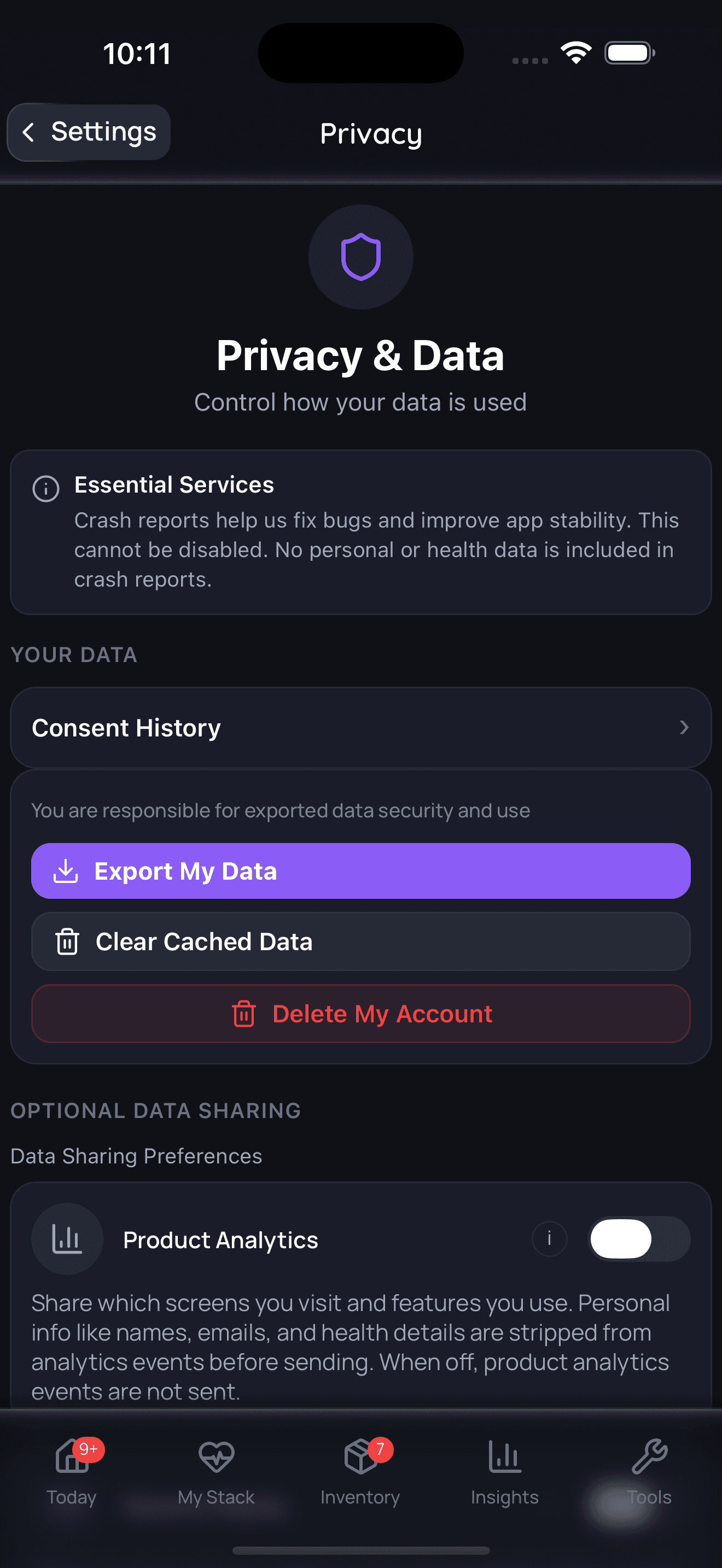
Privacy controls help you manage records; keep clinical records where required.
Side Effects & Safety
The Basics
Desiccated beef liver is generally well-tolerated at standard supplement doses, but there are some important safety considerations to understand before adding it to your routine.
The most common side effects are digestive. Some people experience nausea, stomach upset, or a general feeling of heaviness when they first start taking liver capsules, particularly at full doses. The standard community advice, which aligns with common sense, is to start with a low dose (1-2 capsules) and increase gradually over a week or two. Most people who experience initial GI discomfort find it resolves as their body adjusts [4][15].
Vivid dreams and sleep disturbances are another commonly reported effect, likely related to the high B-vitamin content. B6 in particular has been associated with vivid dream recall at higher intakes. Taking liver supplements in the morning rather than the evening may help avoid sleep disruption.
The most significant safety concern with beef liver supplementation is vitamin A. Liver contains extremely high concentrations of preformed retinol, and unlike beta-carotene (which your body regulates), preformed vitamin A can accumulate to toxic levels. At standard desiccated liver supplement doses of 3-6 grams per day, vitamin A intake from the supplement alone is well below the established upper limit of 3,000 mcg RAE per day. The risk increases substantially if you are also taking a multivitamin with vitamin A, cod liver oil, or eating whole liver on top of the supplement [8][9][15].
Chronic vitamin A toxicity (hypervitaminosis A) can cause liver damage, bone pain, headaches, vision changes, hair loss, and skin changes. The liver stores vitamin A in hepatic stellate cells, and when storage capacity is overwhelmed, the excess causes oxidative stress, inflammation, and eventually fibrosis. The half-life of vitamin A is approximately 128 days, meaning it takes months for elevated levels to return to normal after excessive intake stops [9][15].
Pregnant women or women planning pregnancy should exercise particular caution. The EFSA specifically advises pregnant women not to consume liver products due to the teratogenic potential of excess vitamin A during fetal development [9].
The Science
Hypervitaminosis A: Pestalardo et al. (2025) provide a comprehensive review of vitamin A hepatotoxicity. Chronic hypervitaminosis A saturates hepatic stellate cell storage capacity, leading to retinoid leakage, lipotoxicity, reactive oxygen species (ROS) generation, and activation of pro-fibrogenic pathways including TGF-beta and NF-kappa-B. Pathological progression follows a pattern of hepatic steatosis, perisinusoidal fibrosis, and ultimately cirrhosis. Serum retinol concentrations above 3.5 mcmol/L indicate hypervitaminosis A, though case reports document toxicity at lower serum levels [9][15].
The EFSA NDA Panel (2024) retained the UL for preformed vitamin A at 3,000 mcg RE/day for adults and recommended that liver and offal consumption be limited to once per month or less to prevent exceeding this threshold from food sources. Notably, water-miscible, emulsified, and solid forms of retinol supplements have been shown to be more toxic than oil-based preparations at equivalent doses (Myhre et al., 2003) [9][16].
Copper overload risk: At 9.8-12.4 mg copper per 100g, beef liver provides 1,084-1,378% DV per serving. The UL for copper is 10 mg/day. Individuals with Wilson's disease (ATP7B mutations affecting hepatic copper excretion) are at particular risk. Copper toxicity can produce hepatic necrosis, hemolytic anemia, and neurological damage [2][7].
Iron overload: Hereditary hemochromatosis (HFE gene mutations, particularly C282Y) affects approximately 1 in 200 individuals of Northern European descent and causes inappropriate intestinal iron absorption. Heme iron's efficient absorption pathway makes liver supplementation especially risky in this population [5][7].
Purine content: Beef liver has high purine content, which is metabolized to uric acid. Individuals with gout or hyperuricemia should limit intake to avoid precipitating acute gouty attacks [2].
Contamination concerns: As a metabolically active organ, the liver concentrates both nutrients and potential contaminants. Heavy metals (cadmium, lead), pesticide residues, and veterinary drug residues may accumulate in liver tissue. Grass-fed, pasture-raised sourcing and third-party testing reduce but do not eliminate this risk [12].
Dosing & Usage Protocols
The Basics
Desiccated beef liver supplement dosing is relatively straightforward compared to many other supplements. Most products on the market recommend between 3,000 and 6,000 mg per day, typically split across 4 to 8 capsules of 500-750 mg each.
To put this in perspective, 3,000 mg of desiccated liver is equivalent to roughly 12 grams (about half an ounce) of fresh liver, and 6,000 mg is equivalent to roughly 24 grams (just under an ounce). A typical dinner serving of fresh liver is about 85 grams (3 ounces), so even at the higher supplement dose, you are consuming far less than a full serving of the whole food [4].
For most people starting out, common practice is to begin with 2 capsules per day (approximately 1,000-1,500 mg) and increase gradually over 1-2 weeks to the target dose. This allows your digestive system to adjust and helps you identify any sensitivities before committing to a full dose.
Timing matters primarily for comfort and practicality. Taking capsules with meals improves absorption and reduces the likelihood of nausea. Morning or early afternoon timing is generally preferred because the B vitamins in liver can be energizing, and some users report difficulty sleeping if they take liver supplements in the evening.
If you are combining desiccated liver with other supplements, be particularly mindful of your total vitamin A and copper intake from all sources combined. Adding up the vitamin A from a multivitamin, any fish oils, fortified foods, and the liver supplement should keep you well below the 3,000 mcg RAE daily upper limit.
The Science
Dose-nutrient estimation at typical supplement intakes:
Nutrient
Vitamin A (retinol)
- Per 3,000 mg
- ~150 mcg RAE
- Per 6,000 mg
- ~300 mcg RAE
- RDA/AI
- 700-900 mcg
- UL
- 3,000 mcg
Nutrient
Vitamin B12
- Per 3,000 mg
- ~1.8 mcg
- Per 6,000 mg
- ~3.6 mcg
- RDA/AI
- 2.4 mcg
- UL
- None
Nutrient
Iron (heme)
- Per 3,000 mg
- ~0.15 mg
- Per 6,000 mg
- ~0.3 mg
- RDA/AI
- 8-18 mg
- UL
- 45 mg
Nutrient
Copper
- Per 3,000 mg
- ~0.3 mg
- Per 6,000 mg
- ~0.6 mg
- RDA/AI
- 0.9 mg
- UL
- 10 mg
Nutrient
Choline
- Per 3,000 mg
- ~10 mg
- Per 6,000 mg
- ~20 mg
- RDA/AI
- 425-550 mg
- UL
- 3,500 mg
These estimates are based on USDA composition data for raw beef liver extrapolated to desiccated form. Actual content varies by product, sourcing, and processing. Some manufacturers report higher nutrient concentrations in freeze-dried products due to minimal thermal degradation [1][3][6].
Cumulative intake considerations: The EFSA 2024 assessment specifically identified liver and offal consumption as the primary dietary risk factor for exceeding the preformed vitamin A UL. Their recommendation to limit liver consumption to once per month was based on whole food servings (85-100g), not supplement doses. At typical desiccated liver supplement doses, the contribution to total vitamin A intake is meaningful but generally not sufficient alone to exceed the UL. However, combined with a multivitamin containing 100% DV vitamin A (900 mcg RAE) and dietary sources, cumulative intake should be monitored [9].
When your stack includes several supplements, each with its own dose, form, and timing requirements, the logistics alone can derail consistency. Doserly consolidates all of it into one protocol view, so every dose across your entire routine is accounted for without spreadsheets or guesswork.
The app also tracks cumulative intake for nutrients that appear in multiple products. If your multivitamin, standalone supplement, and fortified protein shake all contain the same nutrient, Doserly adds them up and shows you the total alongside recommended and upper limits. Managing a thoughtful supplement protocol shouldn't require a degree in nutrition science. The app handles the complexity so you can focus on staying consistent.
Turn symptom and safety notes into a clearer timeline.
Doserly helps you log doses, symptoms, and safety observations side by side so patterns are easier to discuss with a qualified clinician.
Pattern view
Logs and observations
Pattern visibility is informational and should be reviewed with a clinician.
What to Expect (Timeline)
Weeks 1-2: Most users report the first noticeable effect during this period: a subtle but steady improvement in energy levels and reduced afternoon fatigue. Some people describe a "low-key clarity" that feels like a mental fog lifting. Initial digestive adjustment may occur (mild nausea, stomach awareness), particularly at full doses. Starting at a lower dose and building up is the commonly recommended approach. Vivid dreams may appear, especially if taken later in the day.
Weeks 3-4: Energy improvements typically become more consistent and noticeable. Users who were iron or B12 deficient often report the most dramatic changes during this window. Skin improvements may begin to appear, with reports of clearer complexion and reduced acne being common among women. Sugar cravings may decrease as nutrient status improves. Most initial digestive discomfort has resolved by this point.
Weeks 5-8: This is the period when broader benefits tend to consolidate. Menstrual cycle improvements are commonly noted around the second or third cycle after starting supplementation. Hair and nail changes may begin (though significant hair growth takes longer). Users with chronic fatigue or pain conditions report the most noticeable improvements during this window. This is also when bloodwork may begin to reflect changes in iron, B12, and other nutrient markers.
Months 3-6+: Long-term users who benefit from the supplement typically describe a "new normal" of stable energy, clearer skin, and improved overall vitality. Bloodwork markers (ferritin, B12, serum copper) should be monitored periodically to ensure levels are in the healthy range without accumulation. Some users who started with deficiencies find they can reduce their dose after several months once their levels have normalized.
Important context: Individual responses vary significantly based on baseline nutrient status. People with existing deficiencies tend to notice effects faster and more dramatically than those whose levels are already adequate. If you notice no benefit after 8-12 weeks of consistent use, it may be that liver supplementation is not addressing a relevant deficiency in your case.
Interactions & Compatibility
Synergistic
- Vitamin C: Enhances heme iron absorption and supports collagen synthesis; taking vitamin C alongside beef liver may improve iron utilization
- Vitamin D3: Vitamin A and D have synergistic roles in immune function and bone health; liver provides A while D must come from other sources
- Vitamin K2: Works with vitamins A and D in calcium metabolism and bone health; fat-soluble vitamin synergy
- Omega-3 fatty acids (Fish Oil): Liver is low in omega-3s; fish oil complements the nutrient profile. Note: cod liver oil contains significant vitamin A, so monitor combined retinol intake
- Magnesium: Liver provides minimal magnesium; supplementation addresses a common gap
- Collagen: Liver provides the vitamin C cofactors and amino acids that support collagen synthesis
- CoQ10: Liver naturally contains CoQ10; additional supplementation may further support mitochondrial energy production
- Zinc: While liver contains zinc, additional zinc may be needed for optimal immune and hormonal support depending on dietary intake
Caution / Avoid
- Vitamin A supplements or retinoid medications (isotretinoin/Accutane): Combining with liver creates risk of vitamin A toxicity; do not combine without medical supervision
- Cod liver oil: Contains high preformed vitamin A; combining with desiccated liver significantly increases risk of exceeding the UL
- Iron supplements: If also taking separate iron supplements, combined heme + supplemental iron intake may exceed needs; monitor ferritin levels
- Copper supplements: Liver already provides very high copper; additional copper supplementation is generally unnecessary and risks copper overload
- Anticoagulant medications (warfarin): Liver contains vitamin K, which may interfere with warfarin dosing; consult prescriber
- Tetracycline and quinolone antibiotics: Mineral content (iron, zinc, copper) in liver may chelate these antibiotics and reduce their absorption; separate by 2-3 hours
- Levodopa (Parkinson's disease medication): Vitamin B6 in liver may reduce levodopa effectiveness when used without carbidopa
How to Take / Administration Guide
Recommended forms: Freeze-dried (desiccated) capsules are the most popular and practical form. Freeze-drying preserves nutrients better than heat processing. Defatted products may offer advantages for shelf stability and reduced contaminant exposure, though non-defatted products retain a more complete whole-food profile.
Timing considerations: Most practitioners suggest taking desiccated liver with a meal to improve fat-soluble vitamin absorption and reduce the likelihood of nausea. Morning or lunchtime dosing is commonly preferred due to the energizing B-vitamin content. Splitting the daily dose across two meals (e.g., 3 capsules with breakfast, 3 with lunch) may improve tolerance compared to taking all capsules at once.
Starting protocol: Begin with 1-2 capsules per day for the first 3-5 days, then increase by 1-2 capsules every few days until reaching the target dose. This gradual approach reduces the risk of digestive discomfort that some users experience when starting at full dose.
Stacking guidance: Beef liver pairs well with vitamin C (taken at the same meal to enhance iron absorption) and vitamin D3 (to complement the fat-soluble vitamin profile). Avoid taking liver capsules at the same time as calcium-rich foods or calcium supplements, as calcium can modestly reduce non-heme iron absorption (though this effect is less pronounced for the heme iron in liver). Separate liver supplements from any tetracycline or quinolone antibiotics by at least 2-3 hours.
Cycling guidance: No cycling is required for desiccated beef liver. It is a whole food supplement and can be taken continuously. However, periodic bloodwork (every 6-12 months) to check ferritin, serum copper, and vitamin A levels is prudent for long-term users, particularly those also consuming organ meats in their diet.
Choosing a Quality Product
Third-party certifications: Look for products tested by independent laboratories. GMP (Good Manufacturing Practice) certification is a minimum standard. NSF International, USP, and Informed Sport certifications provide additional assurance of purity and label accuracy. Given that a 2022 analysis found quality issues in 59% of bovine liver supplements, third-party verification is particularly important in this category [12].
Active vs. cheap forms: Freeze-dried (desiccated) liver retains significantly more nutrients than heat-dried alternatives. Research confirms that low-temperature processing preserves protein structure, amino acid content, and enzyme activity [3]. Defatted products may be preferable for minimizing potential toxin accumulation in the fat fraction, though this also removes some fat-soluble nutrients.
Sourcing transparency: The best products clearly disclose:
- Country of origin (New Zealand, Australia, and Argentina are commonly cited for grass-fed quality)
- Grass-fed and pasture-raised certification
- Hormone-free and antibiotic-free claims
- Processing method (freeze-dried preferred)
- Heavy metal testing results
- Certificate of Analysis (COA) availability
Red flags:
- Products that do not disclose their source country
- No third-party testing or COA available
- Added fillers, binders, flow agents, or synthetic ingredients
- Extremely low prices that suggest inferior sourcing
- Claims that far exceed what nutritional science supports
- Products found primarily on wholesale marketplaces without brand accountability
Supplement-specific quality markers:
- Nutrient content per serving that aligns with USDA data for beef liver (be skeptical of products claiming dramatically higher values)
- Dark brown to reddish-brown color (consistent with liver tissue)
- Minimal or no odor from capsules (strong rancid smell may indicate oxidation)
- Glass bottles may indicate better quality preservation than plastic
Storage & Handling
Store desiccated beef liver capsules and powder in a cool, dry place away from direct sunlight and heat. The product is hygroscopic (absorbs moisture from the air), so keeping the container tightly sealed between uses is important to prevent clumping and degradation.
No refrigeration is typically required for capsules and tablets in their original sealed containers. Powdered forms may benefit from refrigeration after opening, particularly in humid climates, as the exposed powder surface is more susceptible to moisture absorption and oxidation.
Check expiration dates before purchase and use. Shelf life is typically 1-2 years from manufacture for properly stored freeze-dried products. Discard any product that develops an unusual color, strong rancid odor, or visible moisture damage.
Lifestyle & Supporting Factors
Diet: A balanced diet rich in fruits, vegetables, and varied protein sources complements beef liver supplementation. Liver addresses specific nutrient gaps (B12, retinol, heme iron, copper, choline) but does not replace the need for fiber, omega-3 fatty acids, vitamin D, vitamin E, calcium, magnesium, and phytonutrients from plant foods. Individuals who eat liver regularly as a food (even once per month) may not need a desiccated liver supplement, as a single serving provides supraphysiological doses of several nutrients.
Vitamin C pairing: Consuming vitamin C-rich foods or a vitamin C supplement alongside beef liver capsules enhances heme iron absorption and supports the collagen synthesis pathways that vitamin A activates. Citrus fruits, berries, bell peppers, or a simple vitamin C tablet taken with the same meal is sufficient.
Hydration: Some users report increased thirst when taking liver supplements. Adequate hydration supports the liver's metabolic processing functions and helps the kidneys excrete any excess water-soluble vitamins.
Exercise: Regular physical activity increases the body's demand for B vitamins, iron, and CoQ10, all of which liver provides. Individuals with active lifestyles may benefit more noticeably from supplementation due to higher nutrient turnover.
Monitoring: Periodic bloodwork is advisable for long-term users. Key markers to track include ferritin (iron stores), serum B12, serum copper, and retinol levels. This is particularly important for individuals also consuming organ meats in their diet, taking multivitamins with vitamin A, or those with conditions affecting mineral metabolism.
Signs of deficiency that may indicate benefit from supplementation: Persistent fatigue not explained by sleep or stress, pale skin or nail beds, frequent mouth ulcers, tingling or numbness in extremities (B12-related neuropathy), brittle nails, hair thinning, frequent illness, and difficulty concentrating may all signal deficiencies that liver supplementation could address. However, these symptoms have many possible causes and should be evaluated by a healthcare professional rather than self-treated.
Regulatory Status & Standards
United States (FDA): Desiccated beef liver is classified as a dietary supplement under the Dietary Supplement Health and Education Act (DSHEA) of 1994. It is not evaluated by the FDA for efficacy in treating, diagnosing, curing, or preventing any disease. Manufacturers must comply with 21 CFR Part 111 (Current Good Manufacturing Practices for dietary supplements). No specific FDA monograph exists for desiccated liver as a supplement ingredient.
Canada (Health Canada): Desiccated liver products are regulated as Natural Health Products (NHPs) and require a Natural Product Number (NPN) for legal sale. Specific monographs for liver-derived supplements may apply.
European Union (EFSA): Beef liver itself is a food ingredient, and desiccated liver supplements fall under the EU Food Supplements Directive (2002/46/EC). The EFSA NDA Panel's 2024 scientific opinion on vitamin A ULs is directly relevant: the UL of 3,000 mcg RE/day for preformed vitamin A applies, and consumption of liver/offal products should be limited to once per month or less to remain below this threshold. Pregnant women are advised to avoid liver products entirely [9].
Australia (TGA): Organ-derived supplements are regulated under the Therapeutic Goods Administration as Listed Medicines or Complementary Medicines depending on their claims.
Athlete & Sports Regulatory Status:
- WADA: Desiccated beef liver is NOT on the World Anti-Doping Agency Prohibited List. Beef liver contains no prohibited substances.
- National Anti-Doping Agencies: No specific guidance or alerts have been issued by USADA, UKAD, Sport Integrity Canada, Sport Integrity Australia, or NADA Germany regarding desiccated beef liver supplements.
- Professional Sports Leagues: No league-specific restrictions on beef liver supplements from NFL, NBA, MLB, NHL, MLS, or NCAA.
- NCAA: Beef liver is not on the NCAA banned substance list. However, NCAA regulations require that supplements provided by athletic departments carry NSF Certified for Sport or Informed Sport certification.
- Athlete Certification Programs: Athletes should select desiccated liver products bearing Informed Sport (sport.wetestyoutrust.com), NSF Certified for Sport (nsfsport.com), or equivalent certification to minimize contamination risk. Certified products may be limited in this category.
- GlobalDRO: Athletes can verify supplement ingredient status at GlobalDRO.com across US, UK, Canada, Australia, Japan, Switzerland, and New Zealand jurisdictions.
Regulatory status and prohibited substance classifications change frequently. Athletes should always verify the current status of any supplement with their sport's governing body, their national anti-doping agency, and a qualified sports medicine professional before use. Third-party certification (Informed Sport, NSF Certified for Sport) reduces but does not eliminate the risk of contamination with prohibited substances.
Frequently Asked Questions
Is desiccated beef liver the same as eating liver?
Nutritionally, desiccated beef liver provides the same nutrients found in fresh liver, concentrated by the removal of water. The freeze-drying process preserves most vitamins, minerals, and amino acids. However, typical supplement doses (3-6 grams) deliver far less total nutrient content than a standard 85-gram serving of fresh liver. Some community reports suggest that eating whole liver produces more noticeable effects than capsules, possibly due to the larger effective dose or differences in the food matrix.
Can beef liver supplements replace a multivitamin?
Partially. Beef liver supplements significantly outperform standard multivitamins for B12, vitamin A (retinol), copper, choline, and heme iron. However, they provide minimal vitamin D, vitamin E, calcium, magnesium, vitamin C, and omega-3 fatty acids. Based on available nutritional data, liver supplements complement rather than fully replace a well-formulated multivitamin or a balanced diet.
How much vitamin A is in a typical dose of desiccated liver?
At 3,000 mg (a common daily dose), desiccated liver provides approximately 150 mcg RAE of vitamin A. At 6,000 mg, approximately 300 mcg RAE. The UL for preformed vitamin A is 3,000 mcg RAE/day. Standard supplement doses contribute meaningfully but remain well below the UL from the liver supplement alone. Total daily vitamin A from all sources (supplements, food, multivitamins) should be monitored.
Is it safe to take beef liver supplements every day?
Based on available data, daily use at recommended doses (3,000-6,000 mg) is generally considered safe for most adults. The primary long-term concern is cumulative vitamin A and copper intake from all sources combined. Periodic bloodwork (every 6-12 months) to monitor ferritin, serum copper, and vitamin A levels is a prudent practice for long-term daily users.
Who should NOT take beef liver supplements?
Individuals with hemochromatosis or iron overload, Wilson's disease (copper metabolism disorder), gout or hyperuricemia, active liver disease, beef or bovine allergy, or those taking retinoid medications (such as isotretinoin) should avoid beef liver supplements. Pregnant women or those planning pregnancy should consult their healthcare provider before use, as the EFSA advises pregnant women to avoid liver products entirely due to teratogenic vitamin A risk.
Do grass-fed and conventional liver supplements differ nutritionally?
Some comparative analyses suggest that liver from grass-fed, pasture-raised cattle may contain higher concentrations of certain nutrients, though the data is limited. One comparison referenced by community members found New Zealand-sourced liver had 40-300% higher levels of certain vitamins compared to US-sourced liver. Grass-fed sourcing may also reduce exposure to pesticide residues and veterinary drug residues.
Why do some people feel worse initially when starting liver supplements?
Common initial effects include nausea, fatigue, vivid dreams, and increased thirst. These may result from digestive adjustment to concentrated whole-food nutrients, B-vitamin stimulation (particularly B6 and B12 affecting sleep patterns), histamine content (liver is a moderate histamine food), or iron-related GI effects. Starting at a low dose and increasing gradually typically resolves these initial effects within 1-2 weeks.
What is the difference between defatted and non-defatted desiccated liver?
Defatted liver has had its fat content removed during processing. This may reduce the load of fat-soluble contaminants (toxins tend to concentrate in fat tissue) and extends shelf life. Non-defatted liver retains the complete whole-food profile including fat-soluble nutrients. Both forms are available commercially, and the choice involves a tradeoff between purity concerns and whole-food completeness.
Are there any clinical trials on desiccated beef liver supplements?
Clinical trial data specific to desiccated beef liver as a supplement intervention is very limited. The most cited study is Ershoff's 1951 rat swim endurance study, which has historical significance but limited modern applicability. Most evidence supporting beef liver supplementation is extrapolated from the well-characterized nutritional composition of beef liver and the robust evidence base for its individual constituent nutrients.
Can I take beef liver supplements with my other supplements?
Generally yes, with a few important exceptions. Avoid combining with separate vitamin A supplements, retinoid medications, or cod liver oil (risk of vitamin A excess). Be cautious about combining with additional iron or copper supplements. Separate from tetracycline or quinolone antibiotics by 2-3 hours. Taking with vitamin C enhances iron absorption and is a beneficial combination.
Myth vs. Fact
Myth: Eating liver means you are eating a "filter" full of toxins.
Fact: The liver is a metabolic processing organ, not a storage filter. While the liver does process toxins, it does not retain them in the tissue the way a physical filter traps particles. Toxins are processed and excreted, primarily via bile and urine. The liver does store nutrients, which is why it is so nutrient-dense. However, as with any organ tissue, quality sourcing matters. Liver from animals raised on contaminated land or fed contaminated feed may have higher levels of heavy metals, pesticides, or veterinary drug residues than liver from clean-sourced animals [1][2].
Myth: Beef liver supplements provide the same amount of nutrients as eating a serving of liver.
Fact: A typical daily supplement dose of 3,000-6,000 mg of desiccated liver provides significantly less total nutrient content than a standard 85-gram serving of fresh liver. The supplement equivalent is roughly 12-24 grams of fresh liver, or about one-quarter to one-third of a serving. Supplements deliver a meaningful nutrient contribution but should not be considered equivalent to consuming whole liver as a food [1][4][6].
Myth: You cannot get too much vitamin A from food sources like liver.
Fact: You absolutely can. Beef liver is one of the most concentrated sources of preformed vitamin A in the human diet, with a single 100-gram serving providing over 550% of the daily value. The EFSA's 2024 scientific opinion explicitly recommends limiting liver consumption to once per month or less to stay below the vitamin A UL, and advises pregnant women to avoid liver products entirely due to teratogenic risk. While supplement-dose amounts (3-6g) contribute less than a full serving, the principle of monitoring total vitamin A intake from all sources remains critical [8][9].
Myth: Desiccated liver has an "anti-fatigue factor" that science cannot identify.
Fact: This idea originated from Ershoff's 1951 rat swim study, where liver-fed rats demonstrated enhanced endurance. While the study was real, modern nutritional science attributes the observed effects to the synergistic combination of B12, heme iron, CoQ10, and other nutrients rather than a single unidentified compound. The concept of a mysterious "anti-fatigue factor" is more marketing narrative than scientific consensus [4][11].
Myth: Liver supplements are unsafe because the liver stores toxins.
Fact: While contamination is a legitimate concern for any animal-derived supplement, the risk is manageable with proper sourcing. Grass-fed, pasture-raised animals from countries with strong agricultural standards (New Zealand, Australia, parts of Argentina) produce cleaner liver tissue. Defatting the liver removes the fat fraction where lipophilic toxins tend to concentrate. Third-party testing for heavy metals, pesticides, and microbiological contaminants is the best assurance of product safety [3][12].
Myth: Beef liver supplements can replace all other supplements.
Fact: Beef liver is exceptionally nutrient-dense but has significant gaps. It provides minimal vitamin D, vitamin E, calcium, magnesium, vitamin C, and omega-3 fatty acids. It also does not provide fiber, prebiotics, or probiotics. Liver supplementation works best as a complement to a balanced diet and, where needed, targeted supplementation for nutrients it does not provide [1][2][4].
Myth: All desiccated liver supplements are the same quality.
Fact: Quality varies significantly across the market. Freeze-dried products preserve nutrients better than heat-dried alternatives. Sourcing country, grass-fed status, defatting, third-party testing, and manufacturing standards all affect the final product. A 2022 analysis found quality issues in 59% of bovine liver supplements tested. Brand transparency about sourcing, processing, and testing is a meaningful differentiator [3][12].
Sources & References
Government/Institutional Sources
[1] U.S. Department of Agriculture, FoodData Central. "Beef, variety meats and by-products, liver, raw." https://fdc.nal.usda.gov
[2] National Institutes of Health, Office of Dietary Supplements. Fact sheets for Vitamin A, Iron, Copper, Vitamin B12, Choline, Folate. https://ods.od.nih.gov
Systematic Reviews & Regulatory Opinions
[9] EFSA NDA Panel. "Scientific opinion on the tolerable upper intake level for preformed vitamin A and beta-carotene." EFSA Journal. 2024;22(6):e8814. https://efsa.onlinelibrary.wiley.com/doi/full/10.2903/j.efsa.2024.8814
[13] Defined review placeholder for Cochrane iron supplementation review.
[15] Pestalardo ML, Bevilacqua CS, Amante MF. "Vitamin A toxicity and hepatic pathology: A comprehensive review." World J Hepatol. 2025;17(8):107738. PMC12400428. PMID: 40901583.
[16] Myhre AM, Carlsen MH, Bohn SK, et al. "Water-miscible, emulsified, and solid forms of retinol supplements are more toxic than oil-based preparations." Am J Clin Nutr. 2003;78:1152-1159.
Clinical Trials & Research Studies
[3] Kang SW, Kim HM, Rahman MS, et al. "Nutritional Quality and Physicochemical Characteristics of Defatted Bovine Liver Treated by Supercritical Carbon Dioxide and Organic Solvent." Korean J Food Sci Anim Resour. 2017;37(1):29-37. PMC5355581.
[11] Ershoff BH. "Beneficial effect of liver feeding on swimming capacity of rats in a tank with current." Proc Soc Exp Biol Med. 1951;77:488-491.
[14] Institute of Medicine. "Dietary Reference Intakes for Thiamin, Riboflavin, Niacin, Vitamin B6, Folate, Vitamin B12, Pantothenic Acid, Biotin, and Choline." Washington, DC: National Academy Press; 2000.
Observational Studies & Nutritional Data
[4] Vitaquest International. "Discover the Top Benefits of Beef Liver Supplements." 2025. Referenced for historical context on desiccated liver supplement industry origins.
[5] Penniston KL, Tanumihardjo SA. "The acute and chronic toxic effects of vitamin A." Am J Clin Nutr. 2006;83:191-201.
[6] Verywell Fit. "Beef Liver Nutrition Facts and Health Benefits." 2024. USDA-sourced nutritional data.
[7] Li RR, Yu QL, Han L, Cao H. "Nutritional characteristics and active components in liver from Wagyu x Qinchuan cattle." Korean J Food Sci. 2014;34:214-220.
[8] Institute of Medicine. "Dietary Reference Intakes for Vitamin A, Vitamin K, Arsenic, Boron, Chromium, Copper, Iodine, Iron, Manganese, Molybdenum, Nickel, Silicon, Vanadium, and Zinc." Washington, DC: National Academy Press; 2001.
[10] Institute of Medicine (reference [14] above covers B12 DRI).
[12] Referenced in multiple health publications regarding 2022 analytical assessment of bovine liver supplement quality.
Related Supplement Guides
Same Category (Organ/Animal-Derived)
Common Stacks / Pairings
- Vitamin C (enhances heme iron absorption)
- Vitamin D3 (fat-soluble vitamin synergy; addresses liver's vitamin D gap)
- Vitamin K2 (A-D-K synergy for bone and cardiovascular health)
- Magnesium (addresses liver's magnesium gap)
- Fish Oil (omega-3 complementation; watch vitamin A if using cod liver oil)
- CoQ10 (additional mitochondrial energy support)
Related Health Goal
- Iron (iron deficiency correction; liver provides heme iron form)
- Vitamin A (liver's most concentrated nutrient; monitor combined intake)
- Vitamin B12 (B12 deficiency correction; liver provides coenzyme forms)
- Choline (choline adequacy; liver is one of the richest food sources)
- Copper (copper-iron metabolic synergy)