
Colostrum (Bovine): The Complete Supplement Guide
On this page
Quick Reference Card
Attribute
Common Name
- Detail
- Bovine Colostrum
Attribute
Other Names / Aliases
- Detail
- First milk, cow colostrum, bovine immunoglobulin, hyperimmune bovine colostrum, CLMWF (colostrum low molecular weight fraction)
Attribute
Category
- Detail
- Specialty (Ancestral/Traditional, Immune Support, Dairy-Derived)
Attribute
Primary Forms & Variants
- Detail
- Whole colostrum powder (most common), colostrum capsules, liquid colostrum, colostrum low molecular weight fraction (CLMWF), hyperimmune bovine colostrum (HBC, from vaccinated cows); IgG content is the key quality marker (typically 20-40% of protein)
Attribute
Typical Dose Range
- Detail
- 500 mg to 60 g per day depending on form and goal; most supplement capsules provide 500 mg to 3 g per day; research studies commonly use 10-60 g of whole colostrum powder
Attribute
RDA / AI / UL
- Detail
- No established RDA, AI, or UL. Colostrum is classified as a food/dietary supplement, not a nutrient with reference intake values.
Attribute
Common Delivery Forms
- Detail
- Powder, capsules, tablets, liquid, lozenges
Attribute
Best Taken With / Without Food
- Detail
- Often taken on an empty stomach (to minimize acid degradation of immunoglobulins); some sources suggest taking with meals for GI protection applications
Attribute
Key Cofactors
- Detail
- Sodium bicarbonate (may reduce stomach acid degradation of immunoglobulins); probiotics may complement gut health effects
Attribute
Storage Notes
- Detail
- Store in a cool, dry place. Freeze-dried and spray-dried products are shelf-stable. Liquid colostrum should be refrigerated. Avoid exposure to heat, which can denature immunoglobulins and growth factors.
Overview
The Basics
Bovine colostrum is the thick, yellowish milk that cows produce during the first two to three days after giving birth. It is fundamentally different from regular milk. While cow's milk is designed to feed a growing calf over months, colostrum is packed with a concentrated dose of antibodies, growth factors, and immune-boosting proteins that help a newborn calf survive its first critical days of life.
Humans have consumed colostrum for centuries across various cultures, including in India and Scandinavia, where it has been used in traditional foods and folk medicine. In supplement form, bovine colostrum has gained significant popularity in recent years, driven by both emerging research and aggressive social media marketing. The core appeal is straightforward: if colostrum can prime a newborn's immune system and heal a developing gut, perhaps it can do something similar for adults.
The honest picture is more nuanced. There is genuine clinical evidence supporting colostrum for certain gastrointestinal applications, particularly reducing diarrhea and protecting the intestinal lining. The evidence for immune enhancement and athletic performance in adults is less consistent. One important caveat is that the IGF-1 and other growth factors in colostrum, while present at much higher levels than in regular milk, do not appear to be absorbed intact by the adult digestive system [1][2]. This means the mechanism of action in adults is likely different from what happens in newborn calves.
The Science
Bovine colostrum is the mammary secretion produced by cows (Bos taurus) during the first 24 to 72 hours post-partum. It is compositionally distinct from mature bovine milk, with substantially higher concentrations of immunoglobulins, growth factors, cytokines, and antimicrobial peptides [1][2].
The protein content of colostrum is approximately 14-16% by weight, compared to 3.2% in mature milk, with immunoglobulins constituting up to 70-80% of total protein [1]. The predominant immunoglobulin class in bovine colostrum is IgG (specifically IgG1, comprising 70-75% of total immunoglobulins), followed by IgM, IgA, and IgG2 in descending concentrations. This differs from human breast milk, which is predominantly IgA [1].
Key bioactive components include lactoferrin (1.5 g/L vs. 100 mg/L in milk), epidermal growth factor (EGF), transforming growth factor beta (TGF-beta1 and TGF-beta2), and insulin-like growth factor 1 (IGF-1) at approximately 10-fold higher concentrations than mature milk [1][2]. Despite the elevated IGF-1 content, labeling studies have demonstrated that orally ingested IGF-1 is degraded during digestion in the adult gastrointestinal tract and does not reach the systemic circulation intact [1][3].
A comprehensive review in Nutrients (Arslan et al., 2021) characterized bovine colostrum as a complex biological fluid with considerable potential for human health applications, while noting that clinical evidence for benefits beyond basic nutritional contribution remains limited and inconsistent across many proposed applications [2]. The supplement has been the subject of at least 37 clinical trials encompassing over 1,400 participants [1].
Chemical & Nutritional Identity
Property
Product Type
- Value
- Mammary secretion (first 24-72 hours post-partum)
Property
Species Source
- Value
- Bos taurus (domestic cow)
Property
Category
- Value
- Dairy-derived protein supplement
Property
Total Solids
- Value
- ~27.6% w/w (vs. 12.3% in mature milk)
Property
Total Protein
- Value
- ~14.9% (vs. 2.8% in mature milk)
Property
Total Fat
- Value
- ~6.7% (vs. 4.4% in mature milk)
Property
Lactose
- Value
- ~2.5% (vs. 4.0% in mature milk)
Key Bioactive Components
Component
Immunoglobulin G (IgG)
- Concentration in Colostrum
- 20-150 g/L
- Concentration in Mature Milk
- 0.5-1 g/L
Component
Lactoferrin
- Concentration in Colostrum
- 1.5 g/L
- Concentration in Mature Milk
- 100 mg/L
Component
IGF-1
- Concentration in Colostrum
- ~213-3,700 ng/g
- Concentration in Mature Milk
- ~35-370 ng/g
Component
TGF-beta2
- Concentration in Colostrum
- 441 ng/g
- Concentration in Mature Milk
- Lower
Component
TGF-beta1
- Concentration in Colostrum
- 113 ng/g
- Concentration in Mature Milk
- Lower
Component
EGF
- Concentration in Colostrum
- Present (variable)
- Concentration in Mature Milk
- Lower
Component
Lysozyme
- Concentration in Colostrum
- 0.14-0.70 mg/L
- Concentration in Mature Milk
- Similar
Component
Glycomacropeptide (GMP)
- Concentration in Colostrum
- 2.5 g/L
- Concentration in Mature Milk
- 1.2 g/L
Component
alpha-Lactalbumin
- Concentration in Colostrum
- 3.0 g/L
- Concentration in Mature Milk
- 1.3 g/L
Component
beta-Lactoglobulin
- Concentration in Colostrum
- 8.0 g/L
- Concentration in Mature Milk
- 3.3 g/L
Component
Vitamin A
- Concentration in Colostrum
- 55 mg/kg
- Concentration in Mature Milk
- 4.90 mg/kg
Reported IGF-1 concentrations vary substantially across analyses, but the broader conclusion is consistent: bovine colostrum contains materially more IGF-1 than mature milk, typically on the order of about 10-fold higher concentration, with absolute values shifting based on breed, time post-partum, vaccination status, and processing method [1][2].
Colostrum also contains trace amounts of naturally occurring steroid hormones, including estrogen [4][5]. This is relevant for individuals with hormone-sensitive conditions.
Mechanism of Action
The Basics
Colostrum works primarily in the gut, not by getting absorbed into the bloodstream like many supplements. Think of it as a protective coating and repair crew for your intestinal lining. The immunoglobulins (antibodies) in colostrum can bind to harmful bacteria and viruses in your digestive tract, essentially tagging them for destruction before they can cause problems. This is called passive immunity, because the antibodies are doing the work rather than your own immune system having to mount a full response.
The growth factors in colostrum (proteins that tell cells to grow and repair) appear to help maintain the integrity of the intestinal wall. Your gut lining is constantly being replaced, and when it gets damaged (from stress, certain medications, intense exercise, or illness), gaps can form that allow things to leak through that shouldn't. Colostrum's growth factors may help speed up the repair of these gaps.
One important thing to understand is that the growth factors like IGF-1 in colostrum are broken down during digestion in adults. They do not enter your bloodstream the way they would for a newborn calf. This means colostrum's effects in adults are primarily local, concentrated in the digestive tract, rather than systemic [1][2].
The Science
The bioactivity of bovine colostrum in adult humans operates through several distinct but interrelated mechanisms:
Passive Intestinal Immunity: Bovine immunoglobulins, particularly IgG1, demonstrate antigen-binding activity against several human pathogenic bacteria within the gastrointestinal tract [1]. Despite undergoing partial hydrolysis in the gastric environment, a fraction of ingested immunoglobulins retains functional antibody activity in the intestines. Nitrogen absorption studies indicate that 79% of directly administered immunoglobulins are absorbed, compared to 94-97% for typical animal protein, suggesting partial resistance to digestion that may preserve functional antibody fragments [1].
Intestinal Barrier Support: Growth factors present in colostrum, including EGF, TGF-beta, and IGF-1, promote proliferation and repair of intestinal epithelial cells [6][7]. In vitro studies demonstrate that colostrum induces expression of heat shock protein 70 (HSP70) in intestinal cells at elevated temperatures (39 degrees C), mediated through EGF receptor signaling [1]. This mechanism may explain the attenuation of exercise-induced intestinal permeability observed in clinical trials.
Anti-inflammatory Activity: Bovine colostrum has been shown to inhibit NF-kappaB-mediated proinflammatory cytokine expression in intestinal epithelial cells in vitro [8]. This anti-inflammatory mechanism may contribute to its observed effects in inflammatory bowel conditions.
Lactoferrin-Mediated Antimicrobial Activity: Lactoferrin, present at substantially higher concentrations in colostrum than mature milk, exhibits direct antimicrobial properties through iron-sequestration and membrane-disrupting mechanisms [2]. It also demonstrates immunomodulatory effects independent of the immunoglobulin fraction.
Immunomodulation: While colostrum does not appear to significantly alter total systemic immune cell counts, it has been shown to amplify specific antibody responses. One study demonstrated increased IgA antibodies against Salmonella typhi vaccination antigens in subjects consuming colostrum alongside vaccination [1].
Absorption & Bioavailability
The Basics
How colostrum works in your body is quite different from most supplements. Rather than being absorbed into your bloodstream, most of colostrum's active ingredients work locally in your digestive tract. The antibodies (immunoglobulins) are large proteins that are partially broken down by stomach acid, but enough survives to provide some protective activity in the intestines.
The form of colostrum matters for how much of it remains active. Powder mixed into a cool liquid is generally considered more effective than capsules, particularly for gut-related applications. Interestingly, one study found that enteric-coated capsules (designed to protect contents from stomach acid) were actually less effective than uncoated colostrum at preventing E. coli-induced diarrhea [1]. This suggests that some of colostrum's protective effects may begin in the stomach rather than the intestines.
Taking colostrum on an empty stomach or with a small amount of sodium bicarbonate may help reduce acid degradation of immunoglobulins. However, for applications related to NSAID-induced gut damage, taking it with or around meals may be more appropriate to provide protection at the time when the gut lining is exposed to the damaging agent.
The Science
The pharmacokinetics of bovine colostrum are unique among dietary supplements, as its primary bioactive components operate through local (intestinal) rather than systemic mechanisms:
Immunoglobulin Fate: Bovine IgG undergoes rapid hydrolysis in the acidic gastric environment, but a functionally significant fraction survives transit to the small intestine. When immunoglobulins were placed directly into the intestines (100 mL solution containing 6.1 g immunoglobulins), nitrogen absorption was 79%, lower than the 94-97% expected for animal protein, consistent with partial resistance to enzymatic digestion [1]. This incomplete digestion may preserve antibody binding activity.
Growth Factor Fate: IGF-1, despite being present at approximately 10-fold higher concentrations in colostrum than in mature milk, does not appear to be absorbed intact in the adult gastrointestinal tract [1][3]. Labeling experiments indicate degradation to inactive peptide fragments during digestion. This contrasts with neonatal mammals, which absorb dietary IGF-1 due to increased intestinal permeability in early life.
Format Considerations: The delivery format significantly affects functional bioavailability. Freeze-dried preparations better preserve immunoglobulin activity compared to spray-dried products, though both are used commercially [2]. Notably, enteric-coated capsules containing hyperimmune colostrum failed to protect against E. coli challenge in a controlled trial, while uncoated preparations from the same source were effective [1]. This suggests that immunoglobulin activity in the proximal GI tract (stomach and duodenum) may be important for at least some applications.
Interaction with Stomach Acid: Sodium bicarbonate co-administration has been used to reduce gastric acid degradation of immunoglobulins. While a trend toward improved protection was observed with buffered colostrum (400 mg colostrum plus bicarbonate vs. colostrum alone), the difference did not reach statistical significance [1].
Research & Clinical Evidence
The Basics
The research picture for bovine colostrum is a tale of two stories. For gut-related benefits, particularly reducing diarrhea and protecting the intestinal lining, the evidence is genuinely promising. For other commonly marketed benefits like boosting athletic performance or broadly enhancing immune function, the evidence is much less convincing.
The strongest clinical evidence supports colostrum for infectious diarrhea, especially when colostrum is produced from cows that have been specifically vaccinated against the pathogen causing the illness. For NSAID-related gut damage, the evidence from a well-designed human trial shows meaningful protection. For exercise-induced intestinal permeability (sometimes called "leaky gut" in athletes), several studies support a real protective effect.
Where the evidence gets weaker is in athletic performance itself. While some studies show modest improvements in sprint speed or recovery between exercise bouts, many others find that colostrum performs no better than regular whey protein. For general immune enhancement in healthy adults, meta-analyses have found insufficient evidence to support a clear benefit [9][10].
The Science
Diarrhea (Examine Evidence Grade: A)
The most robust evidence for bovine colostrum relates to diarrheal conditions. A systematic review encompassing 22 clinical trials with 1,427 patients found that colostrum supplementation decreased diarrhea frequency in 15 of 20 interventional arms evaluating this endpoint, and consistently reduced stool frequency across all 7 studies measuring this specific outcome [11].
Hyperimmune bovine colostrum (HBC), prepared by immunizing cows against specific pathogens, has demonstrated efficacy in controlled trials against rotavirus-induced diarrhea in children [12], enterotoxigenic E. coli in human challenge models [13][14], and Cryptosporidium parvum-associated diarrhea in AIDS patients [15]. In an open-label study of HIV-associated diarrhea, 32 g colostrum (2-4 g immunoglobulins) administered as porridge reduced bowel movements from 7 to 1.6 times daily after four weeks, with effects sustained for two weeks after cessation [1].
The main limitation is that the improvement appears stronger for stool frequency than for episode duration. In practice, the evidence supports colostrum as a way to reduce how often diarrhea occurs or how severe it feels, but not as a reliably faster way to end each diarrheal episode [11].
Intestinal Permeability (Examine Evidence Grade: B)
A systematic review of 9 eligible studies confirmed that bovine colostrum supplementation helps reverse exercise-induced gut permeability in athletes [16]. In one controlled trial, 20 g colostrum daily for two weeks attenuated a 2.5-fold exercise-induced increase in intestinal permeability by 80% compared to placebo [1].
Colostrum (125 mL thrice daily) also significantly reduced the acute increase in intestinal permeability caused by NSAID administration in non-habitual NSAID users [7]. The proposed mechanism involves EGF receptor-mediated induction of HSP70 in intestinal epithelial cells [1].
Inflammatory Bowel Disease
In patients with distal colitis, colostrum solution (100 mL) administered twice daily via enema for four weeks produced a 50% improvement in symptoms as assessed by the Powell-Tuck scale, with effects visible within two weeks [17].
Athletic Performance (Mixed Evidence)
Colostrum has been studied extensively for athletic performance outcomes, with inconsistent results. A study using 20 g colostrum versus 20 g whey daily for 8 weeks reported a significant increase in lean body mass in the colostrum group only [1]. Sprint performance in elite field hockey players improved significantly with 60 g daily colostrum over 8 weeks [1]. However, colostrum generally failed to improve VO2 max, 1RM strength, or time-to-exhaustion in multiple other studies, performing comparably to whey protein [1][9].
A meta-analysis of immunological outcomes in trained and physically active adults found a lack of sufficient evidence to support colostrum for immune enhancement in this population [9].
Taken together, the sports nutrition literature suggests that any body-composition advantage over whey is uncertain rather than established. A few trials show small benefits, but the larger pattern is that colostrum performs similarly to whey for most performance and lean-mass outcomes unless a study targets a narrow population or outcome window [1][9].
Upper Respiratory Tract Infections
Pooled data from previously conducted trials indicated that 60 g daily colostrum over 8 weeks was associated with a 32% occurrence of URTI symptoms versus 48% for whey control, though this did not extend to symptom duration [1]. In IgA-deficient children, colostrum lozenges (14 mg) for one week significantly reduced URTI severity relative to placebo [1].
Perioperative Applications
Small studies suggest oral bovine colostrum may reduce endotoxemia during abdominal surgery and decrease postoperative C-reactive protein levels following coronary bypass surgery [5].
Evidence & Effectiveness Matrix
Category
Gut Health
- Evidence Strength
- 8/10
- Community-Reported Effectiveness
- 8/10
- Summary
- Strongest evidence area. Grade A for diarrhea symptoms from systematic reviews. Consistently positive community reports for IBS and digestive issues.
Category
Digestive Comfort
- Evidence Strength
- 7/10
- Community-Reported Effectiveness
- 7/10
- Summary
- Multiple clinical studies show reduced stool frequency and GI symptoms. Community strongly reports reduced bloating and improved regularity.
Category
Immune Function
- Evidence Strength
- 6/10
- Community-Reported Effectiveness
- 7/10
- Summary
- Clinical evidence for pathogen-specific protection (HBC). IgA amplification with vaccination. Meta-analysis lacking for general immune enhancement. Community reports fewer colds.
Category
Recovery & Healing
- Evidence Strength
- 6/10
- Community-Reported Effectiveness
- 5/10
- Summary
- Consistent evidence for intestinal barrier repair. Modest evidence for exercise recovery. Community reports limited but positive.
Category
Physical Performance
- Evidence Strength
- 5/10
- Community-Reported Effectiveness
- 4/10
- Summary
- Mixed clinical results. Some sprint improvements, but generally comparable to whey protein. Community does not prioritize colostrum for performance.
Category
Nausea & GI Tolerance
- Evidence Strength
- 4/10
- Community-Reported Effectiveness
- 5/10
- Summary
- Colostrum itself can cause initial GI discomfort. Mixed direction in community. Dairy-sensitive individuals report negative effects.
Category
Skin Health
- Evidence Strength
- 3/10
- Community-Reported Effectiveness
- 6/10
- Summary
- No clinical evidence for skin benefits. Community reports both positive (softer skin) and negative (acne breakouts) effects. Growth factor content theoretically relevant but unproven.
Category
Hair Health
- Evidence Strength
- 2/10
- Community-Reported Effectiveness
- 6/10
- Summary
- No clinical evidence. Anecdotal community reports of reduced hair thinning. Too early and too few reports to be reliable.
Category
Inflammation
- Evidence Strength
- 6/10
- Community-Reported Effectiveness
- N/A
- Summary
- In vitro evidence of NF-kappaB inhibition. Reduced CRP post-surgery. No direct community outcome data for this category.
Category
Side Effect Burden
- Evidence Strength
- 5/10
- Community-Reported Effectiveness
- 5/10
- Summary
- Generally well-tolerated in non-dairy-sensitive individuals. Acne, GI cramping, and potential hormonal effects noted.
Category
Hormonal Symptoms
- Evidence Strength
- 3/10
- Community-Reported Effectiveness
- 4/10
- Summary
- Contains trace estrogen, so caution is warranted for hormone-sensitive cancers and estrogen-sensitive conditions. Community reports of hormonal disruption are limited but notable.
Category
Energy Levels
- Evidence Strength
- 3/10
- Community-Reported Effectiveness
- 5/10
- Summary
- Minimal clinical evidence. Some community members mention improved energy, but not a dominant theme.
Categories with community data: 10
Categories not scored (insufficient data): Fat Loss, Muscle Growth, Weight Management, Appetite & Satiety, Food Noise, Sleep Quality, Focus & Mental Clarity, Memory & Cognition, Mood & Wellbeing, Anxiety, Stress Tolerance, Motivation & Drive, Emotional Aliveness, Emotional Regulation, Libido, Sexual Function, Joint Health, Pain Management, Blood Pressure, Heart Health, Heart Rate & Palpitations, Temperature Regulation, Fluid Retention, Body Image, Bone Health, Longevity & Neuroprotection, Cravings & Impulse Control, Social Connection, Treatment Adherence, Withdrawal Symptoms, Daily Functioning
Benefits & Potential Effects
The Basics
The best-established benefit of bovine colostrum is its ability to support gut health. If you are dealing with digestive issues, particularly diarrhea or general intestinal discomfort, colostrum has the most evidence behind it in this area. Multiple clinical trials support its use for reducing diarrhea frequency, and the community experience is strongly aligned with this finding.
Colostrum may also offer some protection against increased intestinal permeability ("leaky gut") caused by intense exercise, NSAID medications, or inflammatory conditions. For athletes who experience GI distress during or after hard training, this is one of the more evidence-backed applications.
For immune support, colostrum may provide a modest protective effect against upper respiratory infections, though the evidence is not strong enough to call it a reliable preventive measure. Its immunoglobulins work primarily in the gut, so the immune benefits are largely related to GI immunity rather than systemic immune boosting.
Other marketed benefits such as improved athletic performance, skin health, and hair growth have either weak or no clinical evidence supporting them. Some community members report positive effects in these areas, but the scientific backing is not yet there.
The Science
Well-established benefits (strong evidence):
- Reduction in diarrhea frequency, particularly with hyperimmune preparations targeting specific enteric pathogens (rotavirus, E. coli, C. parvum) [11][12][13][14][15]
- Attenuation of NSAID-induced intestinal permeability in non-habitual users [7]
- Attenuation of exercise-induced intestinal permeability, with 80% reduction in one controlled trial [1][16]
- Improvement in symptoms of distal colitis via enema administration [17]
Emerging benefits (moderate evidence):
- Modest protective effect against upper respiratory tract infection incidence (32% vs. 48% with whey) [1]
- Amplification of specific antibody responses alongside vaccination [1]
- Possible increase in lean body mass relative to whey protein (one study) [1]
- Reduction in endotoxemia and CRP in perioperative settings [5]
Preliminary benefits (limited evidence):
- Reduction of oral mucositis severity in children with acute lymphoblastic leukemia undergoing chemotherapy [18]
- Sprint performance improvements in elite athletes [1]
- Increased blood buffering capacity in female rowers [1]
When you're taking multiple supplements, it's hard to know which one is doing the heavy lifting. The benefits described above may overlap with effects from other items in your stack, lifestyle changes, or seasonal variation. Doserly helps you untangle that by keeping everything in one place, with timestamps, doses, and outcomes logged together.
Over time, this builds something more valuable than any product review: your personal evidence record. You can see exactly when you started this supplement, what else was in your routine at the time, and how your tracked health markers responded. That clarity makes the difference between guessing and knowing, whether you're talking to a healthcare provider or simply deciding if it's worth reordering.
Keep sensitive protocol records in a purpose-built app.
Doserly is designed for private health tracking with structured records, offline-ready workflows, and exportable history when you need it.
Privacy
Health records

Privacy controls help you manage records; keep clinical records where required.
Side Effects & Safety
The Basics
For most people who are not allergic to dairy, bovine colostrum is generally well tolerated. The most common complaint is mild digestive discomfort in the first few days, which often resolves as the body adjusts. However, there are a few important safety considerations to be aware of.
If you have a dairy allergy or lactose intolerance, colostrum may cause problems. It contains lactose and dairy proteins, and allergic reactions, including serious ones, have been documented. Some manufacturers offer casein-free or lactose-reduced colostrum products for sensitive individuals, but these do not eliminate all dairy allergens.
A less discussed but important concern is that bovine colostrum contains trace amounts of naturally occurring estrogen. For individuals with hormone-sensitive conditions such as certain cancers, endometriosis, or fibroids, this warrants a conversation with a healthcare provider before use. Community reports include at least one case of worsened menstrual irregularity and fibroid symptoms that the user attributed to colostrum use.
Some community members report acne breakouts with colostrum supplementation. This is plausible given the growth factor content (IGF-1, EGF, TGF-beta), though clinical evidence specifically linking supplemental colostrum to acne is lacking.
The Science
Allergic reactions: A case report documents anaphylaxis in a 16-year-old boy with cow's milk allergy following cutaneous application of a bovine colostrum-based cream [19]. Individuals with diagnosed or suspected cow's milk allergy should avoid bovine colostrum entirely.
Estrogen content: Bovine colostrum contains trace amounts of naturally occurring steroid hormones, including estrogen, as confirmed by liquid chromatography-tandem mass spectrometry analysis [4][5]. People with hormone-sensitive cancers or estrogen-sensitive conditions should discuss colostrum use with their clinicians before supplementation [5].
GI side effects: Initial gastrointestinal discomfort, including cramping and increased stool frequency, has been reported in community settings, particularly during the first few days of supplementation. One clinical study noted that 60 g daily colostrum actually increased intestinal permeability relative to placebo under non-exercising conditions, though this was in a model where exercise did not increase permeability, making interpretation difficult [1].
Acne: Community reports of acne breakouts are consistent with the theoretical effects of IGF-1 and other growth factors on sebaceous gland activity, though direct clinical evidence for colostrum-induced acne is currently absent.
Lactose content: Colostrum contains approximately 2.5% lactose (lower than mature milk at 4.0%), which may still be sufficient to cause symptoms in lactose-intolerant individuals [2].
Populations requiring caution:
- Individuals with dairy allergy or cow's milk protein sensitivity
- Individuals with hormone-sensitive cancers (breast, ovarian, endometrial, prostate)
- Individuals with endometriosis or estrogen-sensitive fibroids
- Lactose-intolerant individuals (lower lactose than milk but still present)
Dosing & Usage Protocols
The Basics
There is no standardized dose for bovine colostrum, and the amounts used in research vary enormously depending on the application. Most supplement capsules provide 500 mg to 3 g per day, which is at the low end of what has been studied clinically. Research studies have commonly used 10 to 60 g of whole colostrum powder daily, which is substantially more than what a typical capsule product provides.
For general gut health support, commonly reported doses in the community range from 500 mg to 5 g per day. For athletic applications such as intestinal permeability protection, the research literature typically uses 20 to 60 g daily. The gap between supplement-dose and research-dose colostrum is one of the larger discrepancies in the supplement world.
The form of colostrum also matters. Powdered colostrum dissolved in a cool liquid appears to be more effective than capsules for gut-related applications, possibly because it provides broader coverage of the gastrointestinal surface. Taking colostrum on an empty stomach is commonly recommended to minimize acid exposure to the immunoglobulins, though some research used colostrum with meals.
Most studies supplemented for 2 to 14 weeks. Effects on intestinal permeability have been observed as early as 2 weeks, while immunoglobulin changes in saliva may take 4 to 14 weeks to become apparent.
The Science
Dosing protocols from clinical trials span a wide range:
Application
Exercise-induced intestinal permeability
- Dose
- 20 g/day powder
- Duration
- 2 weeks
- Key Finding
- 80% attenuation of permeability increase [1]
Application
NSAID-induced intestinal permeability
- Dose
- 125 mL thrice daily (liquid)
- Duration
- Acute
- Key Finding
- Blunted permeability increase [7]
Application
Distal colitis
- Dose
- 100 mL enema twice daily
- Duration
- 4 weeks
- Key Finding
- 50% symptom reduction [17]
Application
URTI prevention
- Dose
- 60 g/day powder
- Duration
- 8 weeks
- Key Finding
- 32% vs 48% symptom occurrence [1]
Application
Lean body mass
- Dose
- 20 g/day powder
- Duration
- 8 weeks
- Key Finding
- Significant increase vs whey [1]
Application
HIV diarrhea (C. parvum)
- Dose
- 32 g/day (2-4 g immunoglobulins)
- Duration
- 4 weeks
- Key Finding
- Bowel movements reduced from 7 to 1.6/day [1]
Application
Sprint performance
- Dose
- 60 g/day powder
- Duration
- 8 weeks
- Key Finding
- Significant improvement vs whey [1]
Application
Salivary IgA increase
- Dose
- 20-26 g/day
- Duration
- 2-14 weeks
- Key Finding
- 33-79% increase from baseline [1]
Application
Immune enhancement (vaccine)
- Dose
- 1,200 mg (500 mg immunoglobulins)
- Duration
- 10 weeks
- Key Finding
- Increased antigen-specific IgA [1]
Application
IgA-deficient children (URTI)
- Dose
- 14 mg lozenge thrice daily
- Duration
- 1 week
- Key Finding
- Reduced URTI severity [1]
Application
IGF-1 increase
- Dose
- 20 g/day
- Duration
- 2 weeks
- Key Finding
- 17% increase vs maltodextrin [1]
Application
Blood glucose
- Dose
- 60 g/day
- Duration
- Acute
- Key Finding
- No difference vs whey [1]
One of the biggest practical issues with colostrum is that commercial dosing often does not resemble clinical dosing. Many capsule products provide 500 mg to 3 g daily, whereas much of the human research showing measurable gut or immune effects used 10 g to 60 g daily of whole colostrum powder or condition-specific immunoglobulin concentrates [1][6][11]. That gap does not prove low-dose products are ineffective, but it does mean consumer expectations should be conservative unless the product is clearly standardized for immunoglobulin content.
Immunoglobulin standardization: The IgG content varies significantly between products (20-40% of protein is common). A product standardized to higher IgG content may be effective at lower total doses than unstandardized whole colostrum. Studies specifically using concentrated immunoglobulin preparations (500 mg immunoglobulins) have shown effects at much lower total colostrum doses [1].
When your stack includes several supplements, each with its own dose, form, and timing requirements, the logistics alone can derail consistency. Doserly consolidates all of it into one protocol view, so every dose across your entire routine is accounted for without spreadsheets or guesswork.
The app also tracks cumulative intake for nutrients that appear in multiple products. If your multivitamin, standalone supplement, and fortified protein shake all contain the same nutrient, Doserly adds them up and shows you the total alongside recommended and upper limits. Managing a thoughtful supplement protocol shouldn't require a degree in nutrition science. The app handles the complexity so you can focus on staying consistent.
Turn symptom and safety notes into a clearer timeline.
Doserly helps you log doses, symptoms, and safety observations side by side so patterns are easier to discuss with a qualified clinician.
Pattern view
Logs and observations

Pattern visibility is informational and should be reviewed with a clinician.
What to Expect (Timeline)
Week 1-2: Some users report digestive changes within the first few days, including initial GI discomfort (cramping, changes in stool frequency) that typically resolves within the first week. Those with existing digestive issues sometimes notice improvement in bloating and nausea within the first 1-2 weeks. Intestinal permeability protection has been demonstrated after 2 weeks of supplementation in clinical trials [1].
Week 2-4: Digestive benefits, if they are going to occur, are generally well established by this point. Community reports suggest that gut health improvements become more consistent and noticeable. One clinical trial showed 50% symptom reduction in distal colitis within 2 weeks [17]. Salivary IgA levels do not typically show measurable changes at this early timepoint [1].
Week 4-8: This is the period where immune-related effects may become apparent. Salivary IgA increases of 33% have been observed at the 2-week mark, but more robust increases (79% over baseline) develop over 8-14 weeks [1]. URTI protective effects were observed over an 8-week supplementation period [1]. Any changes in lean body mass or athletic performance take the full 8-week period to manifest in research settings.
Week 8+: Longer-term users in community forums report sustained digestive benefits. Immune protective effects may continue to build. Athletic performance changes, where observed, tend to appear in this timeframe. One study showed testosterone preservation during intense multi-day competition after 8 weeks of colostrum supplementation [1].
Important note: Individual response to colostrum is highly variable. Some users report dramatic improvements within days, while others notice no effect after months. Baseline gut health status, dairy tolerance, and the specific product used all appear to influence outcomes.
Interactions & Compatibility
Synergistic
- Probiotics (Lactobacillus, Bifidobacterium, Bacillus coagulans, Spore-Based Probiotics): Colostrum supports the intestinal lining while probiotics colonize the gut microbiome. Complementary mechanisms for overall gut health.
- Prebiotic Fibers (Inulin, FOS, GOS): Prebiotics feed beneficial gut bacteria while colostrum provides immunoglobulins and growth factors for gut lining integrity.
- L-Glutamine: Primary fuel for intestinal epithelial cells. Commonly stacked with colostrum for gut repair protocols. Complementary mechanisms (glutamine feeds enterocytes; colostrum provides growth factors and passive immunity).
- Zinc: Essential for immune function and intestinal barrier integrity. May complement colostrum's immune and gut-protective effects.
- Vitamin D3: Supports immune regulation and intestinal tight junction integrity. Synergistic with colostrum's immune-modulatory actions.
- Sodium Bicarbonate: May reduce gastric acid degradation of colostrum immunoglobulins, potentially improving functional delivery. Trend toward improved efficacy but not statistically significant [1].
- Lactoferrin: Present naturally in colostrum; supplemental lactoferrin may augment the antimicrobial and iron-modulatory effects. Some users report improvement in iron absorption when combining colostrum with lactoferrin.
- Whey Protein: Not truly synergistic but compatible. Colostrum is often compared against whey in studies; the two can be taken together without negative interactions.
Caution / Avoid
- NSAIDs (Ibuprofen, Naproxen, Aspirin): While colostrum may protect against NSAID-induced intestinal permeability, the interaction is complex. Colostrum should not be considered a license to use NSAIDs without caution. Individuals routinely using NSAIDs did not show the same protective benefit as non-habitual users [7].
- Dairy-Containing Supplements: Individuals with dairy sensitivity should be cautious when combining colostrum with other dairy-derived supplements (whey, casein) to avoid cumulative allergen exposure.
- Immunosuppressant Medications: Colostrum's immunomodulatory effects may theoretically interact with immunosuppressive therapies. Individuals on immunosuppressants should consult their healthcare provider.
- Hormone-Sensitive Medications: Due to trace estrogen content, individuals taking hormone-modulating medications (tamoxifen, aromatase inhibitors, hormone replacement therapy) should consult their healthcare provider [4][5].
How to Take / Administration Guide
Most practitioners and community members recommend taking colostrum on an empty stomach, typically 30 minutes before a meal, to reduce acid exposure to the immunoglobulins. For gut-protective applications (such as NSAID protection), taking it around mealtimes may be more appropriate to provide coverage when the gut lining is being challenged.
Powder form: Dissolve in cool or room-temperature water or other cool liquid. Avoid hot liquids, which can denature the immunoglobulins and growth factors. Community members report that hot liquid causes colostrum to coagulate. Some users mix it directly into the mouth without liquid ("dry scoop") to avoid dilution.
Capsule form: Take with a glass of water on an empty stomach. Capsules typically provide lower doses (500 mg to 3 g) than the amounts used in most clinical research (10-60 g). Enteric-coated capsules may actually be less effective than uncoated forms for some applications [1].
Lozenge form: Dissolve slowly in the mouth. May be particularly relevant for oral and upper respiratory immunity (salivary IgA support).
Starting protocol: Some practitioners suggest starting with a lower dose (500 mg to 1 g) for the first few days and gradually increasing, particularly for individuals with sensitive digestion or those new to dairy-derived supplements. Initial GI discomfort is commonly reported and typically resolves within a week.
Cycling: There is no established need for cycling bovine colostrum. Most research protocols use continuous daily supplementation. No tolerance or diminishing effects have been reported in studies lasting up to 14 weeks.
Choosing a Quality Product
When evaluating bovine colostrum products, the following quality markers deserve attention:
Immunoglobulin content: This is the most important quality indicator. Look for products that disclose the percentage of IgG (ideally 20-40% of total protein). Products standardized to specific immunoglobulin levels are more likely to deliver consistent bioactivity. Terms like "IgG standardized" or "20% IgG" on the label indicate quality-conscious manufacturing.
First milking vs. later collections: Colostrum collected within the first 6-12 hours post-calving has the highest immunoglobulin concentration. The label term "first milking" or "6-hour colostrum" indicates the highest quality raw material.
Processing method: Freeze-drying (lyophilization) preserves more bioactive components than spray-drying. Low-temperature processing is preferable to high-heat processing, which can denature immunoglobulins and growth factors [2].
Source quality: Grass-fed, pasture-raised sourcing is commonly marketed but has limited direct evidence of superior bioactivity. However, the overall health and vaccination status of the cow does affect colostrum composition, particularly immunoglobulin diversity.
Third-party testing: Look for products with third-party verification for purity and potency. Standard supplement certifications include USP Verified, NSF Certified, and ConsumerLab Approved. Informed Sport certification is relevant for athletes concerned about banned substance contamination.
Red flags to avoid:
- Products that do not disclose IgG content or percentage
- Products claiming "proprietary blend" without specifying actual colostrum content
- Products with excessive fillers, artificial flavors, or unnecessary additives
- Claims that colostrum can cure or treat specific diseases (regulatory violation)
- Products claiming bovine IGF-1 will increase your growth hormone or IGF-1 levels (not supported by evidence in adults)
Lactose and casein considerations: Some manufacturers offer casein-free or reduced-lactose colostrum for individuals with dairy sensitivities. If dairy is a concern, look for products that specifically address allergen content.
Storage & Handling
Powdered/freeze-dried colostrum: Store in a cool, dry place away from direct sunlight and heat. Keep the container tightly sealed to prevent moisture absorption, which can degrade the product. Shelf life is typically 1-2 years when properly stored at room temperature.
Liquid colostrum: Must be refrigerated and used within the timeframe specified by the manufacturer. Frozen liquid colostrum should be thawed in the refrigerator, not at room temperature or in hot water.
Temperature sensitivity: Immunoglobulins and growth factors in colostrum are heat-sensitive proteins. Avoid exposing the product to temperatures above 40 degrees C (104 degrees F). Never mix colostrum powder into hot liquids. Do not store near heat sources or in a car during warm weather.
Travel considerations: Powdered colostrum in sealed containers travels well without refrigeration. Single-serve packets are available from some manufacturers for convenience. Avoid checked luggage in hot climates if possible.
Moisture sensitivity: Powdered colostrum is hygroscopic (absorbs moisture from the air). Always reseal the container promptly after use. If the powder clumps excessively or develops an off odor, it may have degraded.
Lifestyle & Supporting Factors
Colostrum works within the broader context of gut and immune health, and several lifestyle factors can influence its effectiveness:
Diet: A diet rich in diverse fiber sources feeds the beneficial gut bacteria that complement colostrum's intestinal barrier support. Reducing processed food intake, excessive alcohol, and foods that trigger individual GI symptoms creates a better environment for colostrum to work. Adequate protein intake supports overall intestinal epithelial cell turnover.
Exercise: Intense exercise is one of the better-documented causes of increased intestinal permeability. Athletes engaged in high-intensity or prolonged endurance training may benefit the most from colostrum's gut-protective effects [16]. Moderate exercise supports overall immune function.
Stress management: Psychological stress is associated with increased intestinal permeability and altered gut function. Managing stress through sleep, mindfulness, or other approaches may enhance the gut-protective benefits of colostrum supplementation.
Hydration: Adequate water intake is important when taking any supplement that affects gut function. Proper hydration supports intestinal transit and mucous membrane health.
Sleep: Quality sleep supports immune function and gut barrier integrity. Poor sleep has been associated with increased intestinal permeability, potentially undermining the benefits of colostrum supplementation.
Biomarkers to monitor: For those tracking health outcomes, relevant markers include salivary IgA (immune), stool frequency and consistency (gut health), markers of intestinal permeability if clinically tested (lactulose-mannitol ratio), and general frequency of illness episodes.
Supplements are one piece of a larger health picture, and tracking them in isolation misses the interactions that matter most. Doserly brings your supplements, nutrition, exercise, sleep, and biomarkers into a single dashboard, so you can see how all the pieces fit together rather than managing them in separate apps and spreadsheets.
When everything lives in one place, the connections become clear. You can see whether weeks with better nutrition and exercise correlate with stronger biomarker trends, whether stress undermines the benefits you're supplementing for, or whether a specific combination of lifestyle inputs and supplements produces your best results. One unified view of your health, with the context that makes every data point meaningful.
Capture changes while they are still fresh.
Log symptoms, energy, sleep, mood, and other observations alongside protocol events so patterns do not live only in memory.
Trend view
Symptom timeline
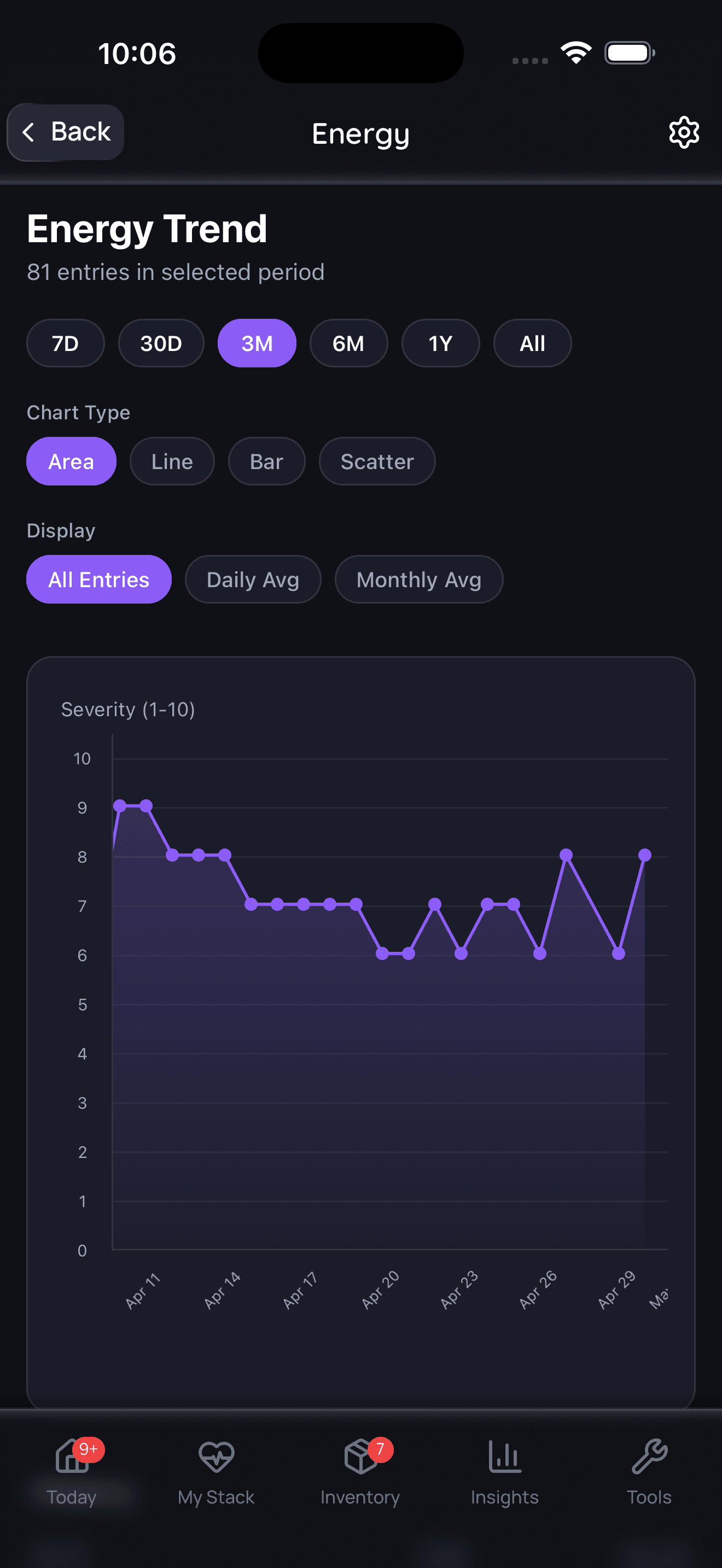
Symptom tracking is informational and should be interpreted with a qualified clinician.
Regulatory Status & Standards
United States (FDA)
Bovine colostrum is regulated as a dietary supplement under the Dietary Supplement Health and Education Act (DSHEA) of 1994. It is not evaluated by the FDA for efficacy in diagnosing, treating, curing, or preventing any disease. Colostrum is also used as a food ingredient and is generally considered GRAS (Generally Recognized as Safe) in food applications [2].
Canada (Health Canada)
Bovine colostrum-based products are available as Natural Health Products (NHPs) and require a Natural Product Number (NPN) for legal sale. Monograph requirements apply.
European Union (EFSA)
Colostrum is generally classified as a food ingredient in the EU. EFSA has not issued specific authorized health claims for bovine colostrum supplements. Dried colostrum supplements are commercially available in multiple EU member states.
Australia (TGA)
Bovine colostrum products are available as complementary medicines in Australia under TGA regulation.
Active Clinical Trials
Ongoing research continues to investigate bovine colostrum for intestinal barrier function, immune modulation, athletic recovery, and neonatal applications. ClinicalTrials.gov can be searched for current studies.
Athlete & Sports Regulatory Status
WADA: Bovine colostrum is not specifically listed as a prohibited substance on the WADA Prohibited List. However, WADA has issued guidance noting that colostrum contains growth factors, including IGF-1, and that while these are not well absorbed in adults, there is a theoretical risk of contamination or batch variation that could affect drug testing results. WADA previously recommended athletes exercise caution with colostrum products.
National Anti-Doping Agencies: USADA, UKAD, and other national agencies generally follow WADA's position. Athletes are advised to use third-party tested products to minimize contamination risk.
NCAA: The NCAA does not specifically ban colostrum but requires that any supplements provided by athletic departments carry NSF Certified for Sport or Informed Sport certification.
Athlete Certification Programs: Informed Sport and NSF Certified for Sport programs test for banned substances. Athletes should verify that their specific colostrum product has been batch-tested by one of these programs: Informed Sport (sport.wetestyoutrust.com), NSF Certified for Sport (nsfsport.com), Cologne List (koelnerliste.com), or BSCG (bscg.org).
GlobalDRO: Athletes can check the status of specific products at GlobalDRO.com across US, UK, Canada, Australia, Japan, Switzerland, and New Zealand.
Regulatory status and prohibited substance classifications change frequently. Athletes should always verify the current status of any supplement with their sport's governing body, their national anti-doping agency, and a qualified sports medicine professional before use. Third-party certification (Informed Sport, NSF Certified for Sport) reduces but does not eliminate the risk of contamination with prohibited substances.
FAQ
Is bovine colostrum safe for people with lactose intolerance?
Colostrum contains approximately 2.5% lactose, which is lower than mature cow's milk (4.0%) but may still cause symptoms in highly lactose-intolerant individuals. Some manufacturers offer reduced-lactose or casein-free formulations. Starting with a small dose and monitoring tolerance is commonly suggested by practitioners. Individuals with severe lactose intolerance should discuss colostrum use with their healthcare provider.
Does colostrum really boost the immune system?
The research is nuanced. Colostrum provides passive immunity in the gut through immunoglobulins that can bind to pathogens. It may increase salivary IgA over time and has shown modest protective effects against upper respiratory infections in some studies. However, a meta-analysis of immunological outcomes in physically active adults found insufficient evidence for broad immune enhancement [9]. The immune benefits appear to be primarily gut-related rather than systemic.
Can I take colostrum if I am allergic to dairy?
No. Bovine colostrum contains dairy proteins (including casein and whey proteins) and should be avoided by individuals with a diagnosed cow's milk allergy. Severe allergic reactions, including anaphylaxis, have been reported [19]. If dairy sensitivity rather than true allergy is the concern, casein-free colostrum products may be an option, but this should be discussed with a healthcare provider.
Is the IGF-1 in colostrum absorbed by adults?
Based on available research, IGF-1 from bovine colostrum does not appear to be absorbed intact by the adult gastrointestinal tract. It is degraded to inactive peptide fragments during digestion [1][2][3]. This is in contrast to neonatal calves, whose more permeable gut allows large peptides to pass through. Claims that supplemental colostrum will increase your blood IGF-1 levels are not well supported.
How much colostrum should I take?
Commonly reported ranges in research vary widely: 500 mg to 60 g per day depending on the application. Most supplement products provide 500 mg to 3 g per day, which is substantially lower than the 10-60 g daily doses used in most clinical trials. Individuals interested in colostrum supplementation should discuss appropriate dosing with their healthcare provider, keeping in mind the gap between typical supplement doses and research doses.
Does colostrum affect hormones?
Bovine colostrum contains trace amounts of naturally occurring estrogen [4][5]. For most people, this is not expected to have clinically significant hormonal effects. However, individuals with hormone-sensitive cancers, endometriosis, or estrogen-sensitive conditions should discuss colostrum use with their healthcare provider. One study showed colostrum attenuated exercise-induced testosterone declines in male cyclists, but no consistent hormonal effects have been demonstrated [1].
Is hyperimmune colostrum better than regular colostrum?
Hyperimmune bovine colostrum (HBC), produced by vaccinating cows against specific pathogens, has stronger evidence for treating specific infections (E. coli diarrhea, rotavirus, Cryptosporidium). For general gut health and immune support, standard colostrum has also shown benefits. HBC products are typically more expensive and targeted for specific therapeutic applications.
Can I take colostrum while pregnant or breastfeeding?
There is insufficient safety data for bovine colostrum supplementation during pregnancy or breastfeeding. The trace estrogen content is a particular concern during pregnancy. Pregnant or breastfeeding individuals should consult their healthcare provider before using colostrum supplements.
Does colostrum cause acne?
Some community members report acne breakouts while taking colostrum. This is theoretically plausible due to the growth factor content (IGF-1, EGF), which may stimulate sebaceous gland activity. However, no clinical studies have specifically investigated this association. If acne develops after starting colostrum, discontinuation for a trial period may help determine causation.
Is powder or capsule form better?
For gut-related applications, powdered colostrum dissolved in cool liquid may be preferable, as it provides broader coverage of the gastrointestinal surface. One study found that enteric-coated capsules were actually less effective than uncoated colostrum for preventing E. coli diarrhea [1]. Capsules offer convenience and consistent dosing but typically provide lower amounts than powdered forms.
Myth vs. Fact
Myth: "Bovine colostrum boosts your IGF-1 levels and promotes muscle growth through growth hormones."
Fact: While bovine colostrum contains IGF-1 at approximately 10-fold higher concentrations than mature milk, research demonstrates that dietary IGF-1 is degraded during digestion in adults and does not reach the bloodstream intact [1][2][3]. Short-term increases in serum IGF-1 (17% over 2 weeks) have been observed in one study [1], but this effect is inconsistent across the literature and is not attributed to direct absorption of colostrum-derived IGF-1.
Myth: "Colostrum is a superfood that can cure gut issues, prevent all infections, and reverse aging."
Fact: Colostrum has genuine evidence supporting specific gut-protective and anti-diarrheal effects. However, the marketing often far outpaces the science. Meta-analyses have found insufficient evidence for broad immune enhancement in healthy adults [9]. There is no evidence for anti-aging effects. It is a promising supplement for specific applications, not a cure-all.
Myth: "Enteric-coated colostrum capsules are better because they protect the immunoglobulins from stomach acid."
Fact: Counterintuitively, one controlled trial found that enteric-coated bovine colostrum capsules failed to protect against E. coli challenge, while uncoated preparations from the same source were effective [1]. This suggests that some of colostrum's protective effects may require immunoglobulin activity in the stomach and proximal intestine, not just the lower intestine.
Myth: "Taking colostrum from cows deprives the calves of essential nutrition."
Fact: Standard dairy industry practice collects surplus colostrum only after the calf's needs have been met. Healthy dairy cows typically produce more colostrum than a single calf requires during the critical first-milking period. However, ethical sourcing varies by manufacturer, and consumers concerned about this issue should seek transparent supply chain information from the brand.
Myth: "All colostrum supplements are the same."
Fact: Colostrum composition varies significantly based on the cow's breed, health status, vaccination history, time of collection post-partum, and processing method [2]. First-milking colostrum has the highest immunoglobulin concentration. Freeze-dried products preserve more bioactivity than spray-dried products. Immunoglobulin standardization (e.g., 20% IgG, 40% IgG) can vary several-fold between brands. These differences likely translate to meaningful differences in effectiveness.
Myth: "Colostrum is dangerous because it contains hormones."
Fact: Bovine colostrum does contain trace amounts of naturally occurring steroid hormones including estrogen [4][5]. For the general population, these levels are not expected to cause clinical effects. However, the concern is legitimate for individuals with hormone-sensitive conditions. The appropriate response is informed caution, not blanket avoidance or dismissal.
Myth: "If you're not lactose intolerant, you'll definitely tolerate colostrum."
Fact: While colostrum has lower lactose content than mature milk (2.5% vs 4.0%), it still contains dairy proteins that can trigger reactions in individuals with milk protein sensitivities beyond lactose intolerance alone. Casein and whey proteins in colostrum can cause allergic reactions independently of lactose. True cow's milk allergy (IgE-mediated) is a contraindication for colostrum use [19].
Sources & References
Systematic Reviews & Meta-Analyses
- Examine.com Research Team. Research Breakdown on Colostrum. Based on 37 trials, 1,443 participants. Evidence grades: A (Diarrhea Symptoms), B (Intestinal Permeability). Last Updated: August 28, 2025. Primary source citations within are independently verified against PubMed.
- Arslan A, Kaplan M, Duman H, et al. Bovine Colostrum and Its Potential for Human Health and Nutrition. Nutrients. 2021;13(7):2194. doi:10.3390/nu13072194. PMID: 34235166.
- Costa A, Sneddon NW, Goi A, et al. Invited review: Bovine colostrum, a promising ingredient for humans and animals. J Dairy Sci. 2023;106:5197-5217. PMID: 37268582.
- Farke C, Rattenberger E, Roiger SU, et al. Bovine colostrum: determination of naturally occurring steroid hormones by LC-MS/MS. J Agric Food Chem. 2011;59(4):1423-7. PMID: 21226457.
- Memorial Sloan Kettering Cancer Center. Bovine Colostrum. About Herbs database. Last updated December 2021. References internally: Barreiro R et al. 2015, Farke C et al. 2011.
Clinical Trials & RCTs
- Chandwe K, Kelly P. Colostrum Therapy for Human Gastrointestinal Health and Disease. Nutrients. 2021;13(6):1956. doi:10.3390/nu13061956. PMID: 34200282.
- Playford RJ, Macdonald CE, Calnan DP, et al. Co-administration of the health food supplement, bovine colostrum, reduces the acute non-steroidal anti-inflammatory drug-induced increase in intestinal permeability. Clin Sci. 2001;100(6):627-33.
- An MJ, Cheon JH, Kim SW, et al. Bovine colostrum inhibits nuclear factor kappaB-mediated proinflammatory cytokine expression in intestinal epithelial cells. Nutr Res. 2009;29(4):275-80.
- Główka N, Durkalec-Michalski K, Woźniewicz M. Immunological Outcomes of Bovine Colostrum Supplementation in Trained and Physically Active People: A Systematic Review and Meta-Analysis. Nutrients. 2020;12(4). PMID: 32290424.
- Panchal H, Athalye-Jape G, Patole S. Oropharyngeal Colostrum for Preterm Infants: A Systematic Review and Meta-Analysis. Adv Nutr. 2019;10(6):1152-1162.
- Hajihashemi P, Haghighatdoost F, Kassaian N, et al. Therapeutic effects of bovine colostrum applications on gastrointestinal diseases: a systematic review. J Res Med Sci. 2024. PMID: 38409162.
- Mitra AK, et al. Hyperimmune cow colostrum reduces diarrhoea due to rotavirus: a double-blind, controlled clinical trial. Acta Paediatr. 1995;84(9):996-1001.
- Otto W, Najnigier B, Stelmasiak T, Robins-Browne RM. Randomized control trials using a tablet formulation of hyperimmune bovine colostrum to prevent diarrhea caused by enterotoxigenic Escherichia coli in volunteers. Scand J Gastroenterol. 2011;46(7-8):862-8.
- Savarino SJ, McKenzie R, Tribble DR, et al. Hyperimmune Bovine Colostral Anti-CS17 Antibodies Protect Against Enterotoxigenic Escherichia coli Diarrhea in a Randomized, Doubled-Blind, Placebo-Controlled Human Infection Model. J Infect Dis. 2019;220(3):505-513.
- Nord J, et al. Treatment with bovine hyperimmune colostrum of cryptosporidial diarrhea in AIDS patients. AIDS. 1990;4(6):581-84.
- Dziewiecka H, Buttar HS, Kasperska A, et al. A Systematic Review of the Influence of Bovine Colostrum Supplementation on Leaky Gut Syndrome in Athletes. Nutrients. 2022;14(12):2512. PMID: 35745242.
- Khan Z, et al. Use of the 'nutriceutical', bovine colostrum, for the treatment of distal colitis. Aliment Pharmacol Ther. 2002;16(11):1917-22.
- Rathe M, De Pietri S, Wehner PS, et al. Bovine Colostrum Against Chemotherapy-Induced Gastrointestinal Toxicity in Children With Acute Lymphoblastic Leukemia. JPEN. 2020;44(2):337-347.
- Porcaro F, Caminiti L, Crisafulli G, et al. Anaphylaxis to cutaneous exposure to bovine colostrum based cream. Asian Pac J Allergy Immunol. 2019;37(1):9-11.
Government/Institutional Sources
- Eslamian G, Ardehali SH, Baghestani AR, et al. Effects of early enteral bovine colostrum supplementation on intestinal permeability in critically ill patients: A randomized, double-blind, placebo-controlled study. Nutrition. 2019;60:106-111.
- Kelly GS. Bovine colostrums: a review of clinical uses. Altern Med Rev. 2003;8(4):378-94.
Related Supplement Guides
Same Category (Specialty / Ancestral)
Common Stacks / Pairings
- L-Glutamine (gut barrier support)
- Probiotics (Lactobacillus) (gut microbiome)
- Prebiotic Fibers (microbiome support)
- Zinc (immune + gut barrier)
- Vitamin D3 (immune regulation)
Related Health Goals
- Whey Protein (dairy protein comparison)
- Beta-Glucans (immune support)
- Echinacea (immune support)
- Elderberry (immune support)
- Slippery Elm (GI mucosal support)
- Marshmallow Root (GI mucosal support)
- DGL Licorice (GI mucosal support)