
In this guide
What is vitamin E?
Vitamin E names eight fat-soluble compounds: four tocopherols and four tocotrienols. The liver preferentially retains alpha-tocopherol, and it is the only form recognized to meet human vitamin E requirements. Other family members can have laboratory activity, but they are not interchangeable with alpha-tocopherol for the RDA or for trial results. [1]
Alpha-tocopherol helps stop lipid-peroxidation chain reactions in membranes. That established nutrient role does not mean that increasingly high supplement doses prevent cardiovascular disease, cancer or cognitive decline. Trials test a particular form, dose, population and outcome; their results must stay inside that frame.
Typical Vitamin E Protocols
| Purpose or source | Form and amount each time | Frequency | Total per day | Duration |
|---|---|---|---|---|
| U.S. RDA, adults 14+ including pregnancy | Alpha-tocopherol from all sources | Daily | 15 mg | Ongoing reference intake |
| U.S. RDA, lactation age 14+ | Alpha-tocopherol from all sources | Daily | 19 mg | Ongoing reference intake |
| Adult U.S. UL | Supplemental alpha-tocopherol | Daily | 1,000 mg maximum | Chronic safety boundary |
| SELECT prostate-cancer prevention trial | Synthetic all-rac-alpha-tocopheryl acetate, 400 IU (180 mg) | Once daily | 400 IU (180 mg) | Supplements stopped after median about 5.5 years; follow-up continued |
The SELECT row is a harm-generating research exposure, not a protocol recommendation. Eligible participants were men age 50 or older if Black and 55 or older otherwise, with trial-specific PSA and examination criteria. [2]
Where these amounts come from
The current NIH ODS monograph supplies U.S. RDAs, the supplemental alpha-tocopherol UL, forms, conversions, food sources, deficiency and interaction context. [1] The 400 IU/day synthetic intervention and prostate-cancer outcome come from the updated primary SELECT report. [2]
Amounts in milligrams cannot be converted from old-label IU without knowing whether alpha-tocopherol is natural or synthetic.
One nutrient, three evidence frames
Keep the unit, form and question attached.
Natural and synthetic alpha-tocopherol use different mg↔IU conversions.
Does vitamin E need to be cycled?
No public-health authority defines a routine vitamin E cycle. Cycling a high-dose product does not erase cumulative exposure, interaction risk or the evidence limits of that dose.
What happens when vitamin E is stopped?
Vitamin E does not produce a withdrawal syndrome. Blood alpha-tocopherol can decline after a supplement is stopped, but the change depends on diet, fat absorption, lipid concentrations and baseline status. A rare malabsorption or genetic deficiency needs clinician-directed care rather than an improvised taper.
Which foods provide vitamin E?
Wheat-germ, sunflower, safflower and other vegetable oils; sunflower seeds; almonds; hazelnuts; peanuts; spinach and broccoli contribute alpha-tocopherol. Many American diets also contain substantial gamma-tocopherol from soybean, canola and corn oils, but gamma-tocopherol does not replace alpha-tocopherol in the RDA. [1]
Which vitamin E form and unit matter?
Naturally sourced RRR-alpha-tocopherol is commonly labelled d-alpha-tocopherol. Synthetic all-rac-alpha-tocopherol is commonly labelled dl-alpha-tocopherol and contains eight stereoisomers. One milligram of alpha-tocopherol equals 1 mg RRR-alpha-tocopherol or 2 mg all-rac-alpha-tocopherol for requirement calculations. [1]
For old IU labels, 1 mg equals 1.49 IU natural or 2.22 IU synthetic; in reverse, 1 IU equals 0.67 mg natural or 0.45 mg synthetic. An IU number without the form is therefore incomplete. Tocopheryl acetate and succinate are shelf-stable esters that the body hydrolyzes before absorption. [1]
How should vitamin E be stored?
Follow the label for heat, light, moisture and expiry. Keep oils sealed and away from light and keep supplements away from children. Rancid-smelling oil is a quality problem, not a sign of higher activity.
What is vitamin E commonly used for?
Vitamin E supplements can correct inadequate alpha-tocopherol intake or treat deficiency in specialized clinical settings. Overt deficiency is uncommon in healthy people and is more associated with fat-malabsorption disorders or rare defects in alpha-tocopherol transfer. High-dose products are also marketed for heart, cancer, eye and brain health, but those claims require outcome-specific evidence.
What does human evidence show?
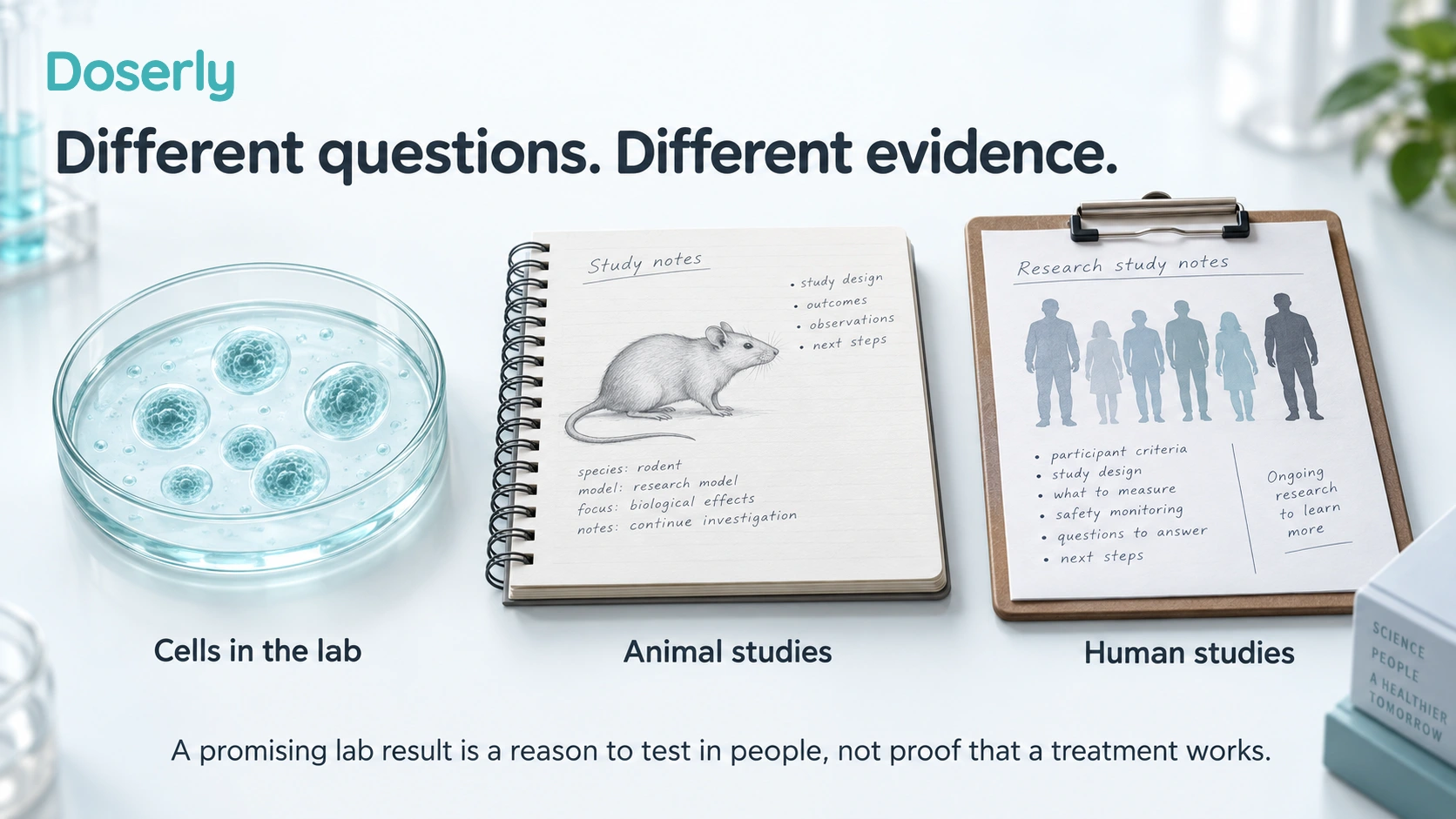
Large randomized trials have generally not shown that routine high-dose vitamin E prevents major cardiovascular events or cancer. Some individual subgroup or secondary findings exist, but they do not support a universal prevention regimen. Antioxidant activity in a test tube is upstream biology, not clinical-outcome evidence. [1]
SELECT randomized 35,533 men at 427 sites in the United States, Canada and Puerto Rico; the updated analysis included 34,887. The vitamin E-only arm used 400 IU/day of synthetic all-rac-alpha-tocopheryl acetate. Compared with placebo, prostate-cancer incidence increased: hazard ratio 1.17 (99% CI 1.004–1.36), an absolute increase of 1.6 cases per 1,000 person-years. [2]
The result applies to that synthetic high-dose intervention and eligible male population. It does not show that vitamin E-rich foods cause prostate cancer, and it should not be generalized to every tocopherol or tocotrienol product.
How does vitamin E work?
Alpha-tocopherol sits in lipid environments and donates a hydrogen to lipid peroxyl radicals, interrupting propagation of lipid oxidation. The resulting tocopheroxyl radical can be recycled by other redox systems. Vitamin E also influences cell signaling and platelet biology, but these mechanisms can support both plausible benefits and bleeding concerns; they do not predict the net result of a clinical trial. [1]
What are the risks and interactions?
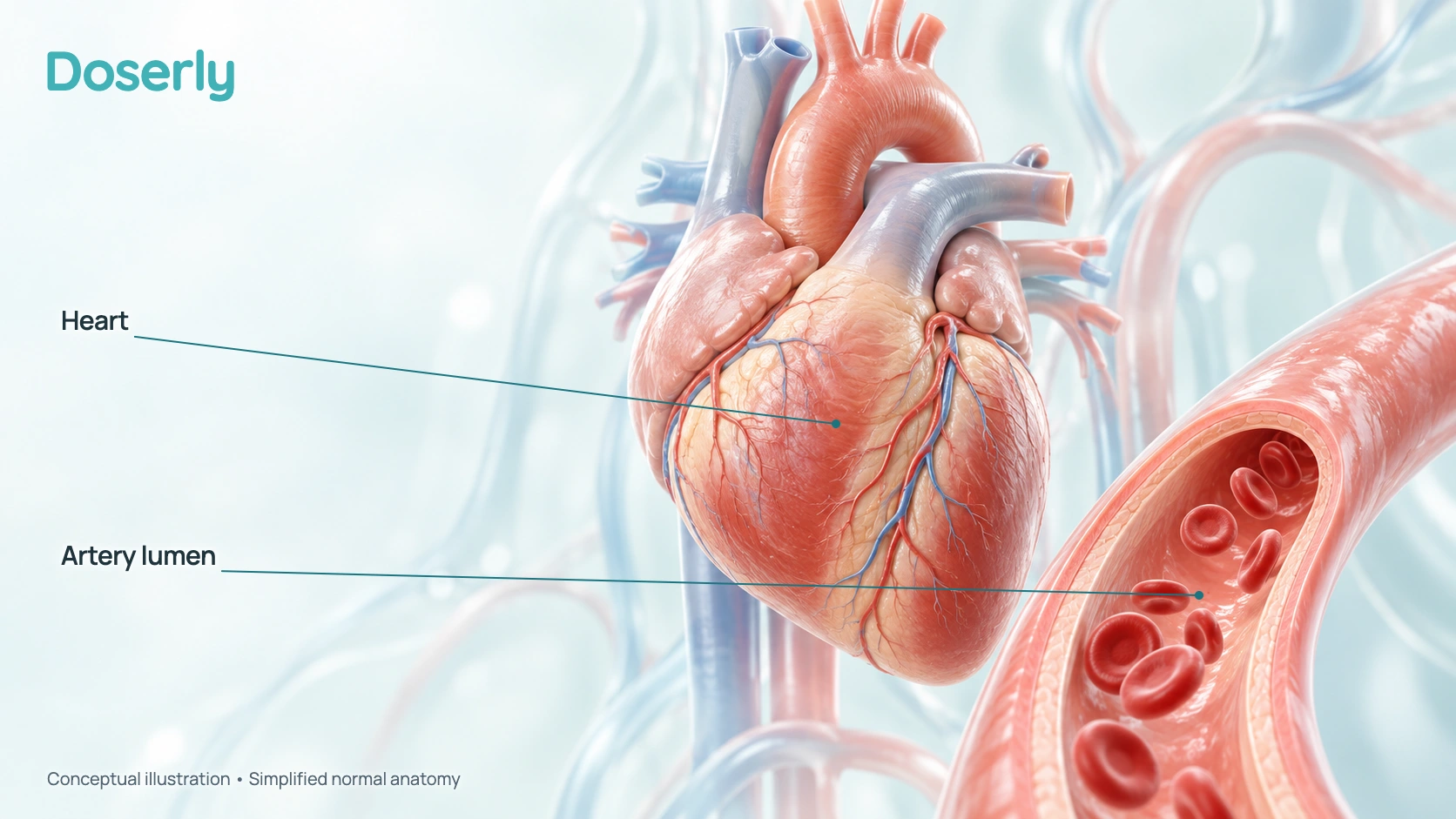
High supplemental alpha-tocopherol can inhibit platelet aggregation and vitamin K-dependent clotting. The U.S. adult UL of 1,000 mg/day is based on hemorrhagic risk and applies to supplemental forms, including natural and synthetic stereoisomers. Harm can occur below a UL in susceptible people or with interacting medicines. [1]
In the United States, dietary supplements generally lack FDA premarket approval for safety or effectiveness. In Canada, natural health products require a licence and authorized labels carry an NPN or DIN-HM. [3], [4]
Which medicines interact with vitamin E?
Anticoagulant and antiplatelet medicines can compound bleeding risk. ODS also describes uncertainty around concurrent antioxidant supplements during chemotherapy or radiotherapy and a trial in which an antioxidant combination blunted the HDL response to simvastatin plus niacin; that combination study cannot isolate vitamin E. Bring the exact product and dose to the relevant clinician. [1]
What should be monitored?
In ordinary nutrition, intake and clinical context matter more than chasing one serum number. Serum alpha-tocopherol depends on circulating lipids, so interpretation may use lipid-adjusted measures. Neuropathy, ataxia, retinopathy or myopathy in a person with fat malabsorption requires clinical assessment. For high-dose use, track bruising or bleeding and the full anticoagulant/antiplatelet list.
What do public communities report?
Public discussions often treat “natural” vitamin E as inherently safe, compare products only by IU, or infer benefit from antioxidant language. Such reports rarely preserve form, concurrent medicines or a defined outcome. The prior Doserly dossier reviewed community material; this overhaul did not independently recrawl it.
How does vitamin E compare with nearby options?
| Guide | What it is | Key difference |
|---|---|---|
| Vitamin C | Water-soluble antioxidant nutrient | Different absorption, UL and trial evidence |
| Selenium | Trace element in antioxidant enzymes | Distinct RDA, narrow UL and SELECT arm |
| Vitamin K1 | Coagulation-related fat-soluble vitamin | Central warfarin consistency issue |
| Vitamin A | Retinoids and provitamin carotenoids | Different pregnancy and smoking-trial harms |
Common questions about vitamin E
Is natural vitamin E the same as synthetic vitamin E?
No. RRR/d-alpha and all-rac/dl-alpha have different biological activity by weight and different IU conversions. [1]
Is 1,000 mg/day a recommended amount?
No. It is the adult U.S. upper safety boundary for supplemental alpha-tocopherol, not a target. [1]
Does the RDA apply to mixed tocopherols?
The RDA is expressed as alpha-tocopherol. Other tocopherols and tocotrienols do not count as interchangeable alpha-tocopherol. [1]
Did SELECT test foods rich in vitamin E?
No. It tested 400 IU/day synthetic alpha-tocopheryl acetate as a supplement. [2]
Can vitamin E increase bleeding?
Yes, especially at high supplemental amounts or with anticoagulant or antiplatelet medicines. [1]
Should a person stop vitamin E before a procedure?
Ask the procedural team with the exact form, amount and timing. Do not make an anticoagulant-related change from a generic webpage alone.
Glossary
Plain explanations of vitamin E forms, units and safety terms.
- Alpha-tocopherol
- The vitamin E form retained by the liver and used to define human requirements.
- RRR-alpha-tocopherol
- Naturally sourced alpha-tocopherol, commonly labelled d-alpha.
- All-rac-alpha-tocopherol
- Synthetic alpha-tocopherol mixture, commonly labelled dl-alpha.
- International unit (IU)
- An older vitamin E activity unit whose milligram conversion depends on form.
- Recommended Dietary Allowance (RDA)
- A total intake intended to meet nearly all healthy people’s needs in a group.
- Tolerable Upper Intake Level (UL)
- A chronic safety boundary, not a recommended intake or guarantee of safety.
How this guide was researched
This draft uses the current NIH ODS vitamin E monograph, the updated primary SELECT report and current FDA and Health Canada regulatory pages. Relevant source text was read on October 9, 2026.
How this guide was made
Research and drafting were AI-assisted. This draft awaits Doserly editorial and independent clinical review. Doserly makes a tracking app and operates Doserly Academy, both promoted here. Read the editorial policy.
Explore the sources
Official nutrient, primary trial and regulatory sources answer different questions.
Showing 4 sources
- 01
Vitamin E - Health Professional Fact Sheet ↗
Official nutrient monograph
Current relevant sections reviewed.
Detail: forms, RDAs, conversions, supplemental UL, deficiency, clinical evidence, bleeding and interactions.
- 02
Vitamin E and the risk of prostate cancer: the Selenium and Vitamin E Cancer Prevention Trial (SELECT). ↗
Randomized prevention trial
Primary abstract and bibliographic record read.
Detail: eligibility, synthetic 400 IU/day arm, follow-up, hazard ratio and absolute risk increase.
- 03
Questions and Answers on Dietary Supplements ↗
Regulatory overview
Current official page reviewed.
Detail: U.S. supplement framework.
- 04
Product Licensing ↗
Regulatory overview
Current official page reviewed.
Detail: Canadian licensing and NPN or DIN-HM.
No matching sources
Try a different term or show the full list.