
Vitamin C: The Complete Supplement Guide
On this page
Quick Reference Card
Attribute
Common Name
- Detail
- Vitamin C
Attribute
Other Names / Aliases
- Detail
- L-Ascorbic Acid, Ascorbate, Ascorbic Acid, Dehydroascorbic Acid
Attribute
Category
- Detail
- Water-Soluble Vitamin
Attribute
Primary Forms & Variants
- Detail
- Ascorbic Acid (standard, most studied), Sodium Ascorbate (buffered, gentler on stomach), Calcium Ascorbate (buffered), Ascorbyl Palmitate (fat-soluble derivative), Ester-C (calcium ascorbate with metabolites), Liposomal Vitamin C (phospholipid-encapsulated for higher plasma levels). All forms are considered equipotent for vitamin activity.
Attribute
Typical Dose Range
- Detail
- 75-90 mg/day (RDA); 250-1,000 mg/day (common supplemental range); up to 2,000 mg/day (UL)
Attribute
RDA / AI / UL
- Detail
- RDA: 90 mg/day (adult males), 75 mg/day (adult females), +35 mg for smokers. UL: 2,000 mg/day (adults). AI for infants: 40-50 mg/day.
Attribute
Common Delivery Forms
- Detail
- Capsule, tablet, chewable tablet, effervescent tablet, powder, gummy, liquid drops, liposomal liquid
Attribute
Best Taken With / Without Food
- Detail
- Can be taken with or without food. Taking with food may reduce GI side effects at higher doses.
Attribute
Key Cofactors
- Detail
- Iron (vitamin C enhances nonheme iron absorption 2-4x), Vitamin E (vitamin C regenerates oxidized vitamin E), Bioflavonoids (may enhance absorption and utilization)
Attribute
Storage Notes
- Detail
- Store in a cool, dry place away from light. Ascorbic acid is sensitive to heat, light, and moisture. Liquid forms and powders degrade faster once opened.
Overview
The Basics
Vitamin C is one of the most familiar nutrients in the world and among the most widely supplemented. It is a water-soluble vitamin that your body cannot produce on its own, so you need to get it regularly from food or supplements. Humans lost the ability to make vitamin C millions of years ago due to a genetic mutation, which makes it an essential nutrient that you must obtain through your diet.
Your body uses vitamin C for a remarkable number of tasks. It is critical for building collagen, the protein that gives structure to your skin, tendons, ligaments, and blood vessels. It also helps your immune system function properly, aids in wound healing, and acts as a powerful antioxidant that protects your cells from damage. Perhaps most visibly, a severe deficiency leads to scurvy, a condition characterized by bleeding gums, poor wound healing, and fatigue, though this is rare today in developed countries.
Vitamin C has been a household name since the 1970s when Nobel laureate Linus Pauling popularized the idea that large doses could prevent the common cold. While the science on that claim has been more nuanced than Pauling suggested, vitamin C remains one of the most popular and affordable supplements worldwide. Most people get adequate vitamin C from fruits and vegetables, but supplementation is common among those seeking higher intakes for immune support, skin health, or antioxidant protection [1][2].
The Science
Vitamin C (L-ascorbic acid, 2-oxo-L-threo-hexono-1,4-lactone-2,3-enediol) is a six-carbon lactone that is synthesized from glucose by most plant and animal species. Humans, along with other primates, guinea pigs, and a few other species, lack functional L-gulonolactone oxidase (GULO) due to mutations in the GULO gene, rendering endogenous synthesis impossible [1].
The vitamin was first structurally identified by Szent-Gyorgyi, Waugh, and King in 1932-1935 and first synthesized by Haworth and Hirst in 1933. It exists in two biologically active forms: L-ascorbic acid (the reduced form) and dehydroascorbic acid (the oxidized form). The body maintains a total pool of approximately 1,500-2,000 mg, with symptoms of scurvy appearing when total body stores fall below approximately 300 mg [1][2].
Vitamin C serves as an essential cofactor for multiple enzymatic reactions involving iron- and copper-containing oxygenases. Its primary biochemical roles include collagen biosynthesis (as a cofactor for prolyl and lysyl hydroxylases), carnitine biosynthesis, neurotransmitter synthesis (particularly the conversion of dopamine to norepinephrine via dopamine beta-hydroxylase), and peptide hormone amidation [1][3]. Its antioxidant function derives from its role as an electron donor, with the ascorbate/dehydroascorbate redox couple maintaining cellular redox homeostasis [2].
Chemical & Nutritional Identity
Property
Chemical Name
- Value
- L-Ascorbic Acid; (5R)-[(1S)-1,2-Dihydroxyethyl]-3,4-dihydroxy-2(5H)-furanone
Property
Molecular Formula
- Value
- C6H8O6
Property
Molecular Weight
- Value
- 176.12 g/mol
Property
CAS Number
- Value
- 50-81-7
Property
PubChem CID
- Value
- 54670067
Property
Category
- Value
- Water-soluble vitamin; Antioxidant
Property
RDA (Adults)
- Value
- Males 19+: 90 mg/day; Females 19+: 75 mg/day; Pregnancy: 85 mg/day; Lactation: 120 mg/day
Property
UL (Adults)
- Value
- 2,000 mg/day
The RDA values established by the IOM (now NASEM) are based on the amount needed to maintain near-maximal neutrophil concentrations with minimal urinary loss [1]. Smokers require an additional 35 mg/day due to increased oxidative turnover.
Five compounds are recognized as "Vitamin C" in supplement labeling: L-Ascorbic Acid, Sodium-L-Ascorbate, Potassium-L-Ascorbate, Calcium-L-Ascorbate, and L-Ascorbyl-6-Palmitate. For vitamin activity purposes, these are considered equivalent, though they differ in pH, mineral content, and solubility characteristics [2].
Vitamin C is stable at pH 4-6 in food. It is highly sensitive to oxidation, heat, light, and alkaline conditions. The vitamin degrades during cooking, processing, and prolonged storage, which is why raw fruits and vegetables are the most reliable dietary sources [1][2].
Mechanism of Action
The Basics
Vitamin C works as a versatile helper molecule throughout your body. Its most important job is serving as a building block for collagen. Without enough vitamin C, your body simply cannot produce the collagen needed to maintain healthy skin, blood vessels, bones, and connective tissues. This is why scurvy, the disease of vitamin C deficiency, causes bleeding gums, poor wound healing, and weakened blood vessels.
Beyond collagen, vitamin C functions as one of the body's most important antioxidants. Think of antioxidants as cellular bodyguards that neutralize harmful molecules called free radicals before they can damage your cells. Vitamin C is especially effective because it works in the watery parts of your cells and can also recharge vitamin E, another antioxidant that protects the fatty parts of your cells.
Vitamin C also plays a supporting role in your immune system. Your immune cells, particularly neutrophils and other white blood cells, actively accumulate vitamin C at concentrations 10 to 100 times higher than what is found in your blood. These cells use vitamin C to carry out their pathogen-killing activities and to protect themselves from the oxidative damage they generate during the process [1][2][3].
The Science
Vitamin C serves as a cofactor for a family of biosynthetic and gene regulatory enzymes classified as Fe2+- and 2-oxoglutarate-dependent dioxygenases [1][2].
Key enzymatic roles include:
- Collagen biosynthesis: Cofactor for prolyl 4-hydroxylase, prolyl 3-hydroxylase, and lysyl hydroxylase, which catalyze the hydroxylation of proline and lysine residues in procollagen. These post-translational modifications are essential for proper triple-helix formation and cross-linking of collagen fibers [1][3].
- Carnitine biosynthesis: Required by two dioxygenases involved in the synthesis of L-carnitine from lysine and methionine. Carnitine is essential for fatty acid transport into mitochondria for beta-oxidation [1].
- Neurotransmitter synthesis: Cofactor for dopamine beta-hydroxylase (DBH), which converts dopamine to norepinephrine. Also required for peptidylglycine alpha-amidating monooxygenase (PAM), which amidate neuropeptide hormones [2][3].
- Gene regulation: Cofactor for the TET (ten-eleven translocation) family of dioxygenases, which catalyze the oxidation of 5-methylcytosine, a key step in DNA demethylation and epigenetic regulation [2].
As an antioxidant, ascorbic acid donates two electrons sequentially, first forming the ascorbyl radical (semidehydroascorbate) and then dehydroascorbic acid. The ascorbyl radical is relatively stable and unreactive, making this a particularly "clean" antioxidant reaction. Vitamin C regenerates alpha-tocopherol (vitamin E) from its tocopheroxyl radical form at the lipid-aqueous interface of cell membranes [1][2].
In immune function, ascorbate accumulates in phagocytic cells via sodium-dependent vitamin C transporter 2 (SVCT2). It supports epithelial barrier function, enhances neutrophil chemotaxis and phagocytosis, supports reactive oxygen species generation for microbial killing, facilitates apoptosis of spent neutrophils, and may modulate B-cell and T-cell differentiation and proliferation [4].
Absorption & Bioavailability
The Basics
How much vitamin C your body actually absorbs depends heavily on how much you take at once. At moderate doses (30-180 mg), your body absorbs 70-90% of what you consume. But at higher doses, absorption drops dramatically. If you take a 1,000 mg supplement all at once, you are absorbing less than half of it. The rest passes through and is excreted.
This happens because your intestines use a specific transport system (called SVCT1) that has a limited capacity. Once those transporters are saturated, extra vitamin C simply cannot get in. This is one of the reasons why spreading doses throughout the day, rather than taking one large dose, may be more effective for maintaining higher blood levels.
Your body also regulates blood levels tightly. Plasma concentrations plateau at around 60-80 micromoles per liter with oral doses of about 200-400 mg per day. Taking more than this produces diminishing returns because your kidneys increase excretion to bring levels back down. This built-in regulation is why vitamin C toxicity from oral supplements is rare; your body has effective mechanisms to prevent accumulation [1][2].
The form of vitamin C you take does not dramatically affect absorption in most cases. Standard ascorbic acid, sodium ascorbate, and calcium ascorbate are all absorbed similarly. Liposomal vitamin C may achieve somewhat higher plasma concentrations by bypassing the SVCT1 transporter and being absorbed through lipid-mediated pathways, though it cannot match intravenous delivery [2].
The Science
Intestinal absorption of ascorbic acid occurs primarily in the distal small intestine through sodium-dependent vitamin C transporter 1 (SVCT1, encoded by the SLC23A1 gene). This is an active, saturable transport process. Absorption efficiency is dose-dependent: approximately 70-90% at intakes of 30-180 mg/day, declining to less than 50% at doses exceeding 1 g/day, and further declining at higher doses [1].
Dehydroascorbic acid (the oxidized form) enters cells via facilitated glucose transporters (GLUT1, GLUT3, GLUT4), where it is rapidly reduced back to ascorbic acid by glutathione-dependent and thioredoxin-dependent reductases [2].
Pharmacokinetic modeling by Padayatty et al. demonstrates that oral dosing reaches a plasma ceiling of approximately 220 micromoles/L even at maximally tolerated doses of 3 g every 4 hours. In contrast, intravenous administration can achieve plasma concentrations of 300-20,000 micromoles/L, which is why pharmacologic (as opposed to nutritional) effects of vitamin C require parenteral delivery [5].
Renal excretion is the primary regulatory mechanism for plasma ascorbate homeostasis. At plasma concentrations above approximately 50 micromoles/L, renal reabsorption (via SVCT1 in the proximal tubule) becomes saturated, and excess ascorbate is excreted in urine. This tight physiological regulation explains both the safety of oral vitamin C and its limited utility for achieving pharmacologic plasma concentrations via the oral route [1][5].
Tissue distribution is uneven: the adrenal glands, pituitary gland, brain, and leukocytes maintain the highest concentrations (1-15 mM), while plasma typically contains 40-80 micromoles/L. The body's total pool is approximately 1,500-2,000 mg in well-nourished individuals [1][2].
Understanding how your body absorbs a supplement is only useful if you can act on it. Doserly lets you log exactly when you take each form, whether it's a capsule with a meal, a sublingual tablet on an empty stomach, or a liquid taken with a cofactor, so you can see how timing and form choices affect your results over time.
The app also tracks cofactor pairings that influence absorption. If a supplement works better alongside vitamin C, fat, or black pepper extract, Doserly reminds you to take them together and logs both. Over weeks, your personal data reveals whether those pairing strategies are translating into measurable differences in the biomarkers you're tracking.
Turn symptom and safety notes into a clearer timeline.
Doserly helps you log doses, symptoms, and safety observations side by side so patterns are easier to discuss with a qualified clinician.
Pattern view
Logs and observations

Pattern visibility is informational and should be reviewed with a clinician.
Research & Clinical Evidence
Common Cold
The Basics
The relationship between vitamin C and the common cold is probably the most studied and most debated topic in vitamin C research. Despite decades of belief that vitamin C can prevent colds, the evidence tells a more nuanced story.
For the general population, taking vitamin C every day does not prevent you from catching a cold. However, if you do take it regularly (not just when you get sick), it may shorten your cold by about 8% in adults and 14% in children. Starting vitamin C after symptoms appear does not seem to help. The exception is people under intense physical stress: marathon runners, skiers, and soldiers in extreme conditions saw their risk of catching a cold cut roughly in half with regular vitamin C supplementation [6].
The Science
A 2013 Cochrane meta-analysis by Hemila and Chalker examined 29 trials (11,306 participants) of regular vitamin C supplementation for cold prevention and 31 trials for cold treatment. Regular supplementation (200 mg or more daily) did not reduce cold incidence in the general population (RR 0.97, 95% CI 0.94-1.00). However, it reduced cold duration by 8% in adults (95% CI 3-12%) and 14% in children (95% CI 7-21%). Cold severity was also modestly reduced [6].
Five trials in participants under heavy short-term physical stress (marathon runners, skiers, soldiers in subarctic conditions) showed a pooled relative risk of 0.48 (95% CI 0.35-0.64) for cold incidence, representing a 52% reduction. This benefit did not extend to the general population [6].
Therapeutic supplementation (starting vitamin C after cold onset) showed no consistent benefit in seven trials [6].
Cardiovascular Disease
The Basics
Population-based studies consistently link higher vitamin C intake from food with lower cardiovascular risk. However, the large clinical trials that specifically tested vitamin C supplements found no benefit for preventing heart attacks or cardiovascular death. This disconnect may mean that vitamin C from food serves as a marker of an overall healthy diet rather than being directly protective on its own. Some smaller studies have found that vitamin C supplementation modestly reduces blood pressure, particularly in people with hypertension.
The Science
The Physicians' Health Study II (14,641 male physicians, 8 years) found no significant reduction in major cardiovascular events with 500 mg/day vitamin C [7]. The Women's Antioxidant Cardiovascular Study similarly found no cardiovascular benefit from vitamin C supplementation [8].
A meta-analysis of short-term trials found vitamin C supplementation reduced systolic blood pressure by 3.84 mmHg (95% CI 1.29-6.40) and diastolic by 1.48 mmHg (95% CI 0.20-2.76), with larger effects in hypertensive participants [2].
Vitamin C improves endothelium-dependent vasodilation, likely by increasing nitric oxide bioavailability and reducing oxidative inactivation of NO [9].
Cancer
The Basics
The role of vitamin C in cancer prevention remains uncertain. Some population studies suggest that people who eat more vitamin C-rich foods have lower cancer risks, but this likely reflects the broader benefits of a fruit-and-vegetable-rich diet. Clinical trials of vitamin C supplements have not shown consistent cancer prevention benefits. High-dose intravenous vitamin C is being investigated as a potential complementary cancer therapy, but this is distinct from oral supplementation and should be considered experimental [10][11].
The Science
The Women's Health Study (WHS) and Physicians' Health Study II found no significant reduction in cancer incidence with oral vitamin C supplementation [7][8]. However, epidemiological data from European and Asian cohorts suggest inverse associations between dietary vitamin C intake and cancers of the stomach, lung, and breast [10].
Intravenous high-dose vitamin C achieves pharmacologic plasma concentrations (0.3-20 mM) that generate hydrogen peroxide selectively within interstitial fluids, inducing DNA damage and ATP depletion in cancer cells via mechanisms involving iron-dependent Fenton chemistry [5][11]. This mechanism is not achievable through oral supplementation. Clinical trial results for IV vitamin C have been mixed, with the VITALITY trial finding no survival benefit in metastatic colorectal cancer [11].
Age-Related Eye Disease
The Basics
The Age-Related Eye Disease Study (AREDS) found that a specific combination supplement containing 500 mg vitamin C, along with vitamin E, beta-carotene, zinc, and copper, reduced the risk of advanced age-related macular degeneration (AMD) by about 25% in high-risk individuals. It is worth noting that this was a combination therapy, and the individual contribution of vitamin C is not clear from this trial [1].
The Science
The AREDS trial (n=3,640, median follow-up 6.3 years) demonstrated that the antioxidant-zinc combination reduced the risk of developing advanced AMD by approximately 25% (OR 0.72, 99% CI 0.52-0.98) in participants with intermediate AMD or advanced AMD in one eye [1].
Evidence & Effectiveness Matrix
Category
Immune Function
- Evidence Strength
- 8/10
- Reported Effectiveness
- 6/10
- Summary
- Strong RCT evidence from Cochrane meta-analysis. Modest benefit for cold duration (8% adults, 14% children). Strong benefit for athletes under physical stress (52% reduced incidence). Community reports are enthusiastic but often exceed what data supports.
Category
Skin Health
- Evidence Strength
- 6/10
- Reported Effectiveness
- 6/10
- Summary
- Mechanistic evidence for collagen synthesis is strong. Clinical evidence for oral vitamin C improving skin is moderate. Community reports are mixed, with topical use showing more consistent subjective results than oral.
Category
Recovery & Healing
- Evidence Strength
- 7/10
- Reported Effectiveness
- 6/10
- Summary
- Collagen synthesis mechanism is well-established. Clinical evidence supports role in wound healing, particularly in deficient populations. Community reports of faster wound healing are consistent with mechanism.
Category
Energy Levels
- Evidence Strength
- 4/10
- Reported Effectiveness
- 5/10
- Summary
- Limited clinical evidence for energy improvement in non-deficient populations. Deficiency correction restores energy. Community reports are mixed, with notable positive reports from users with CFS/chronic conditions.
Category
Inflammation
- Evidence Strength
- 5/10
- Reported Effectiveness
- 5/10
- Summary
- Moderate evidence for antioxidant and anti-inflammatory effects. Community reports from MCAS/CFS populations are positive but may not generalize.
Category
Anxiety
- Evidence Strength
- 4/10
- Reported Effectiveness
- 5/10
- Summary
- Limited clinical evidence. Some studies on cortisol reduction support plausibility. Community reports are sparse but some are compelling, particularly via histamine pathways.
Category
Stress Tolerance
- Evidence Strength
- 5/10
- Reported Effectiveness
- 5/10
- Summary
- Clinical evidence supports cortisol reduction in stressed populations. Community reports align but are limited in volume.
Category
Joint Health
- Evidence Strength
- 5/10
- Reported Effectiveness
- 5/10
- Summary
- Collagen synthesis mechanism supports joint/connective tissue health. Limited dedicated clinical trials. Community reports from athletes are positive but sparse.
Category
Mood & Wellbeing
- Evidence Strength
- 4/10
- Reported Effectiveness
- 5/10
- Summary
- Limited evidence. Low vitamin C status associated with depressive symptoms. Some intervention data. Community reports are bidirectional (both improvement and anhedonia reported).
Category
Focus & Mental Clarity
- Evidence Strength
- 3/10
- Reported Effectiveness
- 5/10
- Summary
- Very limited clinical data for cognitive effects in non-deficient adults. Brain maintains high vitamin C concentrations suggesting importance, but supplementation trials are lacking.
Category
Heart Health
- Evidence Strength
- 7/10
- Reported Effectiveness
- Community data not yet collected
- Summary
- Large RCTs found no cardiovascular event reduction with supplementation. Meta-analysis shows modest blood pressure reduction. Epidemiological data positive for dietary intake.
Category
Blood Pressure
- Evidence Strength
- 6/10
- Reported Effectiveness
- Community data not yet collected
- Summary
- Meta-analysis supports modest systolic reduction (~3.8 mmHg). Larger effect in hypertensive individuals.
Category
Nausea & GI Tolerance
- Evidence Strength
- 7/10
- Reported Effectiveness
- 4/10
- Summary
- Well-documented dose-dependent GI effects. UL of 2,000 mg based on osmotic diarrhea threshold. Community consistently reports GI issues at higher doses. Score reflects negative direction (higher = more side effects).
Category
Side Effect Burden
- Evidence Strength
- 8/10
- Reported Effectiveness
- 6/10
- Summary
- Well-characterized safety profile with low side effect burden at recommended doses. High-dose risks (kidney stones, GI effects) are well-documented. Community reports confirm good tolerability at moderate doses.
Benefits & Potential Effects
The Basics
Vitamin C offers several well-supported benefits, though many of its popularized claims are more modest than marketing suggests.
The strongest evidence supports its role in collagen production and wound healing. If you have adequate vitamin C, your body can maintain healthy connective tissue, heal wounds efficiently, and keep your skin, gums, and blood vessels in good shape. For people who are deficient, correcting that deficiency produces rapid and noticeable improvements.
For immune health, the evidence is real but measured. Regular vitamin C supplementation modestly shortens cold duration and may reduce severity, but it will not prevent you from catching a cold in most circumstances. The notable exception is people under heavy physical stress, where the data is more impressive.
Vitamin C's antioxidant properties are well-established at a biochemical level. It protects cells from oxidative damage and regenerates vitamin E. Whether this translates into specific long-term health benefits from supplementation (beyond what a nutrient-rich diet provides) is less certain.
Other areas where vitamin C may play a supporting role include iron absorption (significant for people with iron deficiency), blood pressure management (modest reduction shown in meta-analyses), and skin health (through collagen synthesis support) [1][2].
The Science
The established benefits of vitamin C supplementation, supported by clinical trial data, include:
- Scurvy prevention and treatment: Doses as low as 10 mg/day prevent scurvy. RDA levels maintain adequate tissue stores [1].
- Enhanced nonheme iron absorption: Co-administration of 25-100 mg vitamin C with meals increases nonheme iron absorption 2-4 fold by reducing Fe3+ to Fe2+ [1][3].
- Common cold duration reduction: Regular supplementation reduces cold duration by 8% in adults (95% CI 3-12%) and 14% in children [6].
- Cold prevention in athletes: Regular supplementation halves cold incidence in individuals under extreme physical stress [6].
- Blood pressure reduction: Meta-analyses report systolic reductions of approximately 3.84 mmHg with supplementation [2].
- Collagen biosynthesis support: Essential cofactor role in proline and lysine hydroxylation during collagen formation [1][3].
Emerging research areas with preliminary evidence include epigenetic regulation via TET enzyme function, potential adjunctive roles in cancer therapy (IV administration only), and immune modulation beyond simple cold prevention [2][11].
Reading about potential benefits gives you a framework. Seeing whether those benefits are showing up in your own body turns knowledge into confidence. Doserly lets you track the specific health markers relevant to this supplement, building a personal dataset that captures what's actually changing week over week.
The app's AI analytics go further than simple logging. By correlating your supplement intake with the biomarkers and health outcomes you're tracking, Doserly surfaces patterns you might miss on your own, like whether a dose adjustment three weeks ago corresponds to the improvement you're noticing now. When it's time to evaluate whether a supplement is earning its place in your stack, you have your own data to guide the decision.
Capture changes while they are still fresh.
Log symptoms, energy, sleep, mood, and other observations alongside protocol events so patterns do not live only in memory.
Trend view
Symptom timeline
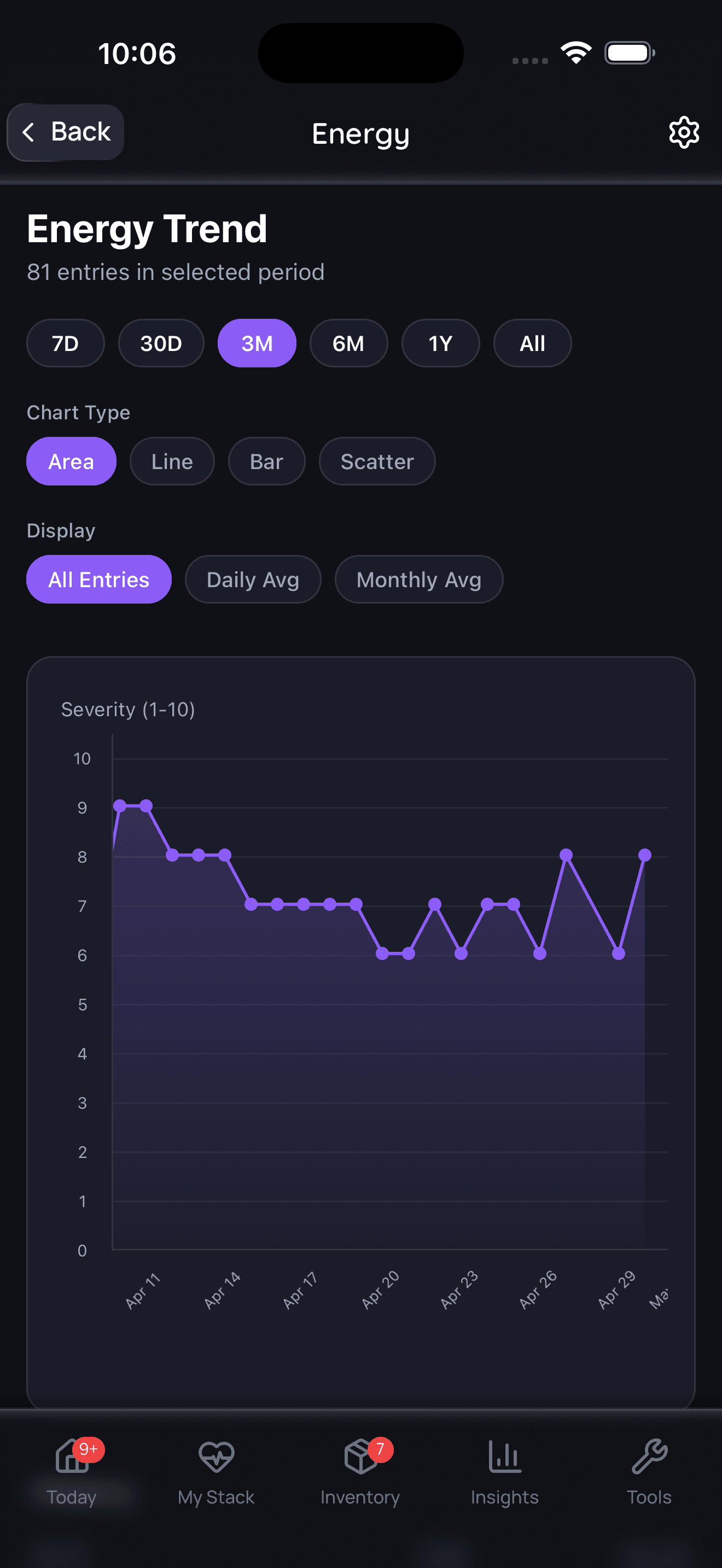
Symptom tracking is informational and should be interpreted with a qualified clinician.
Side Effects & Safety
The Basics
Vitamin C is generally considered one of the safest supplements available, largely because your body cannot store excess amounts and excretes what it does not need through urine. At standard supplemental doses (250-1,000 mg/day), most people experience no side effects.
The most common issue at higher doses is gastrointestinal discomfort: nausea, stomach cramps, and diarrhea. These effects are dose-dependent and are the reason the Upper Tolerable Intake Level is set at 2,000 mg per day for adults. The diarrhea is osmotic, meaning it occurs because unabsorbed vitamin C draws water into the intestines, not because of toxicity.
A more serious concern at chronically high doses is kidney stone formation. Vitamin C is metabolized to oxalate, and high vitamin C intake can increase urinary oxalate excretion. This is particularly relevant for men (who have higher baseline kidney stone risk) and for anyone with a history of kidney stones or renal impairment.
People with hemochromatosis (iron overload) should be cautious because vitamin C increases iron absorption, which could worsen their condition. People with glucose-6-phosphate dehydrogenase (G6PD) deficiency are at risk for hemolytic anemia with very high-dose vitamin C, particularly intravenous forms [1][10].
The Science
The UL of 2,000 mg/day was established by the IOM based on the onset of osmotic diarrhea as the critical adverse effect [1]. At this threshold, intraluminal osmotic effects of unabsorbed ascorbate draw water into the intestinal lumen.
Oxalate nephropathy is the most clinically significant potential adverse effect. Ascorbic acid is metabolized to oxalate, and supplementation at doses of 1,000 mg/day or higher has been associated with increased urinary oxalate excretion. A prospective study of men (Thomas et al., JAMA Intern Med, 2013) found that vitamin C supplement use was associated with approximately double the risk of kidney stone formation [12].
In patients with G6PD deficiency, high-dose ascorbic acid (particularly intravenous) can cause hemolytic anemia by overwhelming the glutathione-dependent reduction capacity of red blood cells [10].
Additional reported adverse effects include:
- Erosion of tooth enamel with excessive use of chewable tablets [10]
- Interference with blood glucose monitoring (both falsely elevated and falsely low readings with high-dose IV vitamin C) [10]
- False-negative guaiac-based occult blood tests [10]
- Theoretical concern for pro-oxidant effects at very high concentrations in the presence of free iron or copper [2]
Dosing & Usage Protocols
The Basics
The amount of vitamin C you need depends on your goals. For basic nutritional adequacy, the RDA (75-90 mg for adults) is easily achievable through diet alone. A single orange or a half cup of red bell pepper provides more than the daily requirement.
For supplementation aimed at immune support, common ranges discussed in the research literature span from 200 mg to 1,000 mg per day. The 200 mg level is roughly where plasma concentrations begin to plateau, meaning this represents a reasonable threshold for ensuring tissue saturation. Doses above 400 mg produce progressively smaller increases in blood levels due to decreased absorption and increased urinary excretion.
For addressing the common cold, the research has primarily used doses of 200 mg to 2,000 mg per day taken consistently (not just at symptom onset). Since absorption is dose-dependent, splitting higher doses across the day (for example, 500 mg twice daily rather than 1,000 mg once) may be more efficient.
Smokers require an additional 35 mg/day above standard requirements due to increased oxidative stress. Pregnant and breastfeeding women have modestly higher requirements (85 mg and 120 mg, respectively) [1][2].
The Science
Pharmacokinetic data demonstrate plasma saturation kinetics with oral dosing. Complete plasma saturation occurs at approximately 200-400 mg/day from dietary and supplemental sources combined. At intakes of 200 mg/day, plasma concentrations reach approximately 60-80 micromoles/L. Doses above 500 mg/day provide diminishing pharmacokinetic returns due to decreased intestinal absorption (via SVCT1 saturation) and increased renal clearance [1][5].
The AREDS protocol used 500 mg/day in combination with other antioxidants. Cold prevention trials have typically used 200 mg to 1,000 mg/day [6]. The UL of 2,000 mg/day represents the highest intake level likely to pose no risk of adverse health effects for most adults [1].
A 2022 pharmacokinetic study proposed body-weight-adjusted dosing, starting at 110 mg/day and adding 10 mg per 10 kg of body weight above 60 kg [2].
Getting the dose right matters more than most people realize. Too little may be ineffective, too much wastes money or introduces risk, and inconsistency undermines both. Doserly tracks every dose you take, across every form, giving you a clear record of what you're actually consuming versus what you planned.
The app helps you compare RDA recommendations against therapeutic ranges discussed in the research, so you can see exactly where your intake falls. If you switch forms, say from a standard capsule to a liposomal liquid, Doserly adjusts your tracking to account for different bioavailabilities. Pair that with smart reminders that keep your timing consistent, and the precision that makes a real difference in outcomes becomes effortless.
Track injection timing, draw notes, and site rotation.
Doserly helps keep syringe-related notes, injection site history, reminders, and reconstitution context together for easier review.
Injection log
Site rotation
Injection logs support record-keeping; follow clinician instructions for administration.
What to Expect (Timeline)
Days 1-3: No noticeable effects for most people. If severely deficient, early energy improvements and reduced gum bleeding may begin. GI tolerance effects (loose stools) may appear if starting at high doses.
Weeks 1-2: Plasma levels begin to stabilize with consistent daily supplementation. Users with deficiency may notice improved energy, reduced fatigue, and better wound healing. Some community reports describe feeling "more energized" within the first week, though this is more common among users who were deficient.
Weeks 3-4: Tissue saturation improves. Benefits related to collagen synthesis (skin texture, wound healing) begin to manifest. Immune function support is establishing. Users who have been supplementing consistently through cold season may notice colds are slightly shorter or less severe when they do occur.
Weeks 5-8: Consistent supplementation at this point has built stable tissue stores. Any blood pressure effects (in hypertensive individuals) would typically be measurable. Skin improvements from increased collagen synthesis may become more noticeable.
Months 3+: Long-term benefits are maintenance-focused rather than dramatic. The primary value at this stage is sustained antioxidant protection, ongoing collagen support, and iron absorption enhancement. Many users at this point describe vitamin C as a supplement they "take but don't really notice," which aligns with the community sentiment that it works more as preventative insurance than a supplement with obvious subjective effects.
Interactions & Compatibility
Synergistic
- Iron: Vitamin C dramatically enhances nonheme iron absorption (2-4x increase). Taking vitamin C alongside iron supplements or iron-rich plant foods is one of the most well-established nutrient synergies.
- Vitamin E: Vitamin C regenerates oxidized vitamin E, and the two work together to provide antioxidant protection across both aqueous and lipid compartments.
- Vitamin D3: No direct absorption interaction, but both support immune function through complementary mechanisms.
- Zinc: Used together in the AREDS formulation. Complementary immune support. No absorption interference at standard doses.
- Collagen: Vitamin C is required for collagen synthesis. Taking vitamin C with collagen peptide supplements supports the body's ability to incorporate dietary collagen.
- Calcium: Calcium ascorbate provides both vitamin C and calcium. No significant interactions.
- Selenium: Both function as antioxidants through different mechanisms and may work synergistically.
Caution / Avoid
- Copper: High-dose vitamin C may increase copper excretion and decrease absorption. Separate timing if supplementing both.
- Warfarin (medication): High-dose vitamin C (>1,000 mg) may reduce warfarin effectiveness. Patients on anticoagulants should consult their physician.
- Chemotherapy drugs: Vitamin C may reduce effectiveness of some chemotherapy agents (vincristine, doxorubicin, methotrexate, cisplatin) due to antioxidant effects counteracting ROS-dependent cytotoxicity. Avoid supplementation during active chemotherapy without oncologist approval.
- Bortezomib (medication): Vitamin C reduces the antitumor activity of bortezomib.
- Acetaminophen/Paracetamol (medication): Vitamin C may increase paracetamol absorption and side effect risk.
- Aluminum-containing antacids (medication): Vitamin C can increase aluminum absorption. Avoid taking together, especially in kidney disease.
How to Take / Administration Guide
Standard oral supplementation is the most common approach. Most research has used doses of 200-1,000 mg per day in single or divided doses.
Form selection considerations:
- Ascorbic acid is the most common and most studied form. It is acidic (pH 2-3), which may cause GI discomfort in sensitive individuals.
- Buffered forms (sodium ascorbate, calcium ascorbate) have a higher pH and are generally better tolerated by those with acid-sensitive stomachs, though they contribute sodium or calcium.
- Liposomal vitamin C encapsulates ascorbic acid in phospholipid vesicles and may achieve higher plasma concentrations than standard oral forms for those seeking doses above typical dietary ranges.
- Ester-C (calcium ascorbate with vitamin C metabolites) is marketed as having superior absorption, though the clinical significance of any difference is debated.
Timing considerations:
- Vitamin C can be taken at any time of day. There is no strong evidence favoring morning vs. evening dosing.
- Taking with food may reduce GI side effects, particularly at doses above 500 mg.
- If pairing with iron for absorption enhancement, take vitamin C at the same time as your iron source.
- If taking high doses, splitting into 2-3 doses throughout the day improves overall absorption versus a single large dose, due to SVCT1 transporter saturation.
Cycling: Vitamin C does not require cycling. There is no tolerance or diminishing return from continuous daily use. Consistent intake is preferable, as tissue stores deplete within 2-3 months if intake ceases entirely.
Choosing a Quality Product
Active forms to look for: L-Ascorbic Acid (the reference standard), Sodium Ascorbate, Calcium Ascorbate. All provide equivalent vitamin C activity.
Third-party certifications: Look for products verified by USP, NSF International, or ConsumerLab. These certifications confirm identity, potency, purity, and the absence of contaminants. For athletes, NSF Certified for Sport or Informed Sport testing provides additional assurance against banned substance contamination.
Red flags to avoid:
- Proprietary blends that obscure the actual amount of vitamin C
- Mega-dose formulations far exceeding the UL (2,000 mg) without clear rationale
- Products claiming "500x better absorption" or similar unsubstantiated superiority claims
- Ascorbic acid sourced from unknown origins without COA (Certificate of Analysis) availability
Excipient considerations: Chewable tablets may contain sugars and acids that can erode tooth enamel with frequent use. Effervescent tablets contain sodium bicarbonate, which may be relevant for sodium-restricted diets.
Supplement-specific quality markers:
- For ascorbic acid powders: pharmaceutical-grade (BP/USP) is preferable
- For liposomal products: look for third-party testing confirming actual liposomal encapsulation (many "liposomal" products are not truly liposomal)
- For timed-release formulations: limited evidence that these provide meaningful advantage over standard forms
Storage & Handling
Vitamin C is one of the more unstable vitamins, sensitive to heat, light, moisture, and air exposure.
- Store in a cool, dry place away from direct sunlight. Room temperature (15-25 degrees C / 59-77 degrees F) is appropriate.
- Keep containers tightly sealed to minimize air exposure.
- Powder forms are particularly susceptible to moisture and may clump or discolor (turning yellow/brown) when exposed to humidity.
- Liquid forms and reconstituted powders should be refrigerated and used promptly.
- Do not store in bathrooms or near stoves where heat and humidity fluctuate.
- Discolored or degraded vitamin C (orange or brown color in products that were originally white) has lost potency and should be replaced.
- Typical shelf life is 1-2 years for sealed tablets/capsules stored properly, shorter for powders and liquids.
Lifestyle & Supporting Factors
Dietary sources: A diet rich in fruits and vegetables provides significant vitamin C. Top sources include red bell peppers (95 mg per half cup), oranges (70 mg per medium fruit), kiwifruit (64 mg per medium fruit), broccoli (51 mg per half cup cooked), and strawberries (49 mg per half cup). Five servings of fruits and vegetables daily typically provide 200+ mg of vitamin C.
Factors that increase vitamin C needs:
- Smoking (increases oxidative stress; smokers need 35 mg more per day)
- Chronic stress (adrenal glands have highest vitamin C concentration and deplete it under stress)
- Frequent intense exercise (increases oxidative turnover)
- Exposure to environmental pollutants
- Alcohol consumption
- Certain medications (aspirin, oral contraceptives, some antibiotics may lower vitamin C levels)
Exercise interactions: Moderate exercise is generally compatible with vitamin C supplementation. However, high-dose vitamin C supplementation (1,000 mg or more daily) during endurance training may blunt some exercise-induced adaptations, particularly mitochondrial biogenesis, by dampening the ROS signaling that drives these adaptations [13]. Athletes pursuing training adaptations may wish to time supplementation away from training or use moderate doses.
Lab monitoring: Plasma vitamin C levels can be measured but are not commonly included in standard blood panels. Levels above 50 micromoles/L are considered adequate. Suboptimal levels (23-50 micromoles/L) and deficiency (below 11 micromoles/L) can be identified through testing.
Signs of possible deficiency: Fatigue, frequent infections, slow wound healing, dry or rough skin, easy bruising, bleeding gums, and joint pain may suggest inadequate vitamin C intake.
Regulatory Status & Standards
United States (FDA): Vitamin C is classified as a dietary supplement under DSHEA. It has GRAS (Generally Recognized as Safe) status as a food additive. Ascorbic acid is an approved food ingredient and is widely used as a preservative and antioxidant in processed foods.
Canada (Health Canada): Vitamin C is approved as a Natural Health Product (NHP). Multiple monograph-compliant products are available with NPN numbers. Approved health claims include support for connective tissue formation, antioxidant protection, and immune function.
European Union (EFSA): Vitamin C has multiple authorized health claims under EU regulation, including contributions to normal immune function, collagen formation, energy-yielding metabolism, and protection of cells from oxidative stress. Maximum permitted levels in supplements vary by member state.
Australia (TGA): Vitamin C is listed as an approved active ingredient in Listed Medicines (AUST L). Available widely as a complementary medicine.
Athlete & Sports Regulatory Status:
- WADA: Vitamin C is NOT on the WADA Prohibited List and is permitted at all times, both in-competition and out-of-competition. It is considered a standard nutritional supplement.
- National Anti-Doping Agencies: No major NADO (USADA, UKAD, Sport Integrity Canada, Sport Integrity Australia, NADA Germany) has issued specific warnings or restrictions regarding vitamin C.
- NCAA: Vitamin C is not on the NCAA banned substance list. Athletic departments may provide vitamin C supplements without restriction. NCAA still recommends NSF Certified for Sport or Informed Sport certification for all supplements provided to athletes.
- Professional Sports Leagues: No league-specific restrictions on vitamin C across NFL, NBA, MLB, NHL, or MLS.
- Athlete Certification Programs: Vitamin C supplements are widely available with Informed Sport (sport.wetestyoutrust.com), NSF Certified for Sport (nsfsport.com), and Cologne List (koelnerliste.com) certification.
- GlobalDRO: Athletes can verify vitamin C supplement status at GlobalDRO.com across US, UK, Canada, Australia, Japan, Switzerland, and New Zealand.
Regulatory status and prohibited substance classifications change frequently. Athletes should always verify the current status of any supplement with their sport's governing body, their national anti-doping agency, and a qualified sports medicine professional before use. Third-party certification (Informed Sport, NSF Certified for Sport) reduces but does not eliminate the risk of contamination with prohibited substances.
Frequently Asked Questions
Does vitamin C prevent the common cold?
Based on available research, regular vitamin C supplementation does not prevent colds in the general population. However, it may reduce cold duration by approximately 8% in adults and 14% in children when taken consistently. People under heavy physical stress (athletes, soldiers in extreme conditions) may see approximately 50% reduction in cold incidence with regular supplementation.
How much vitamin C should I take?
The RDA ranges from 75 mg for adult women to 90 mg for adult men, with smokers needing 35 mg more. These amounts are easily obtained from diet. For supplementation, commonly reported ranges in the research are 200-1,000 mg per day. The UL is 2,000 mg/day. Consult a healthcare professional for personalized guidance.
Is it true that your body just excretes extra vitamin C?
Partially. Your body tightly regulates vitamin C blood levels. Absorption decreases at higher doses, and excess is excreted through urine. However, this does not mean extra vitamin C is entirely "wasted," as higher intake can increase tissue stores up to a point and support short-term antioxidant demand.
Can I take too much vitamin C?
Doses above the UL of 2,000 mg/day can cause GI distress (diarrhea, nausea, cramps). Chronically high doses may increase kidney stone risk, particularly in men and those with a history of kidney stones. People with hemochromatosis, G6PD deficiency, or kidney disease should be especially cautious with high doses.
Is liposomal vitamin C worth the extra cost?
Liposomal formulations may achieve somewhat higher plasma concentrations than standard ascorbic acid by using a different absorption pathway. Whether this translates into meaningful clinical benefits over standard forms has not been established in large clinical trials. For most people at standard supplemental doses, standard ascorbic acid is effective and much less expensive.
Does vitamin C interact with medications?
Vitamin C can interact with warfarin (high doses may reduce effectiveness), chemotherapy drugs (may interfere with ROS-dependent mechanisms), and acetaminophen (may increase absorption and side effects). It significantly enhances iron absorption, which is beneficial for iron deficiency but potentially harmful in iron overload conditions. Always inform your healthcare provider about vitamin C supplementation.
Should I take vitamin C with food?
Vitamin C can be taken with or without food. Taking it with food may reduce stomach upset, particularly at higher doses. If using vitamin C to enhance iron absorption, take it at the same time as iron-containing foods or supplements.
Is natural vitamin C better than synthetic?
L-ascorbic acid is chemically identical whether derived from natural sources or synthesized. Research has not demonstrated meaningful differences in bioavailability or effectiveness between natural and synthetic forms. "Natural" vitamin C supplements from acerola, camu camu, or rose hips provide the same active molecule, though they may contain additional bioflavonoids.
Can vitamin C cause kidney stones?
High-dose vitamin C supplementation (above 1,000 mg/day) may increase urinary oxalate excretion, which could contribute to calcium oxalate kidney stone formation. This risk is most relevant for men, people with a history of kidney stones, and those with impaired kidney function. At standard supplemental doses, the risk is low for most people.
Does cooking destroy vitamin C?
Vitamin C is sensitive to heat, light, and water. Cooking can significantly reduce vitamin C content in foods, particularly boiling (where vitamin C leaches into water). Steaming and microwaving preserve more vitamin C than boiling. Raw fruits and vegetables provide the most reliable dietary vitamin C.
Myth vs. Fact
Myth: Mega-doses of vitamin C (10,000 mg or more) can cure cancer and prevent virtually all diseases.
Fact: This claim, popularized by Linus Pauling, has not been supported by subsequent clinical trials. Two well-designed trials by Moertel et al. at the Mayo Clinic found no benefit from 10 g/day oral vitamin C in advanced cancer patients [14][15]. Pharmacologic effects of high-dose vitamin C require intravenous administration to achieve plasma levels unattainable through oral dosing.
Myth: You should take vitamin C as soon as you feel a cold coming on.
Fact: Multiple trials show that starting vitamin C supplementation after cold symptoms appear does not meaningfully reduce duration or severity. The modest cold-shortening benefit (8% in adults) requires consistent daily supplementation before the cold begins [6].
Myth: All vitamin C supplements are the same.
Fact: While all recognized forms of vitamin C provide equivalent vitamin activity, they differ in pH, mineral content, and tolerability. Buffered forms are gentler on the stomach. Liposomal forms may achieve higher plasma concentrations. However, for basic nutritional purposes, standard ascorbic acid is effective and well-studied.
Myth: You can never get too much vitamin C because it is water-soluble.
Fact: While water solubility limits accumulation and reduces toxicity risk compared to fat-soluble vitamins, excessive vitamin C intake (above 2,000 mg/day) can cause GI distress and may increase kidney stone risk. The UL exists for a reason [1].
Myth: Vitamin C megadosing can replace vaccines for disease prevention.
Fact: Vitamin C supports immune function as a cofactor and antioxidant, but it does not confer specific immunity against pathogens. It cannot substitute for vaccination. A high-dose vitamin C trial during the SARS-CoV-2 pandemic found no reduction in symptoms compared to usual care [10].
Myth: You need to supplement vitamin C because modern food is depleted of nutrients.
Fact: While some agricultural practices may modestly affect nutrient content in produce, the primary dietary sources of vitamin C (citrus fruits, peppers, kiwi, broccoli) still contain substantial amounts. A single medium orange provides approximately 78% of the adult male RDA. Most Americans meet their vitamin C requirements through diet alone [1].
Myth: Vitamin C boosts your immune system above normal.
Fact: Vitamin C is essential for normal immune function, and deficiency impairs immunity. However, supplementing beyond what is needed to prevent deficiency does not "supercharge" the immune system in healthy, well-nourished individuals. The benefits of supplementation are most apparent when correcting insufficiency or under conditions of heightened oxidative stress [4][6].
Sources & References
Government/Institutional Sources
[1] National Institutes of Health, Office of Dietary Supplements. "Vitamin C: Fact Sheet for Health Professionals." Updated July 2025. https://ods.od.nih.gov/factsheets/VitaminC-HealthProfessional/
[2] Institute of Medicine (US) Panel on Dietary Antioxidants and Related Compounds. "Dietary Reference Intakes for Vitamin C, Vitamin E, Selenium, and Carotenoids." Washington (DC): National Academies Press; 2000.
Systematic Reviews & Meta-Analyses
[6] Hemila H, Chalker E. "Vitamin C for preventing and treating the common cold." Cochrane Database Syst Rev. 2013;1:CD000980.
Clinical Trials & RCTs
[5] Padayatty SJ, Sun H, Wang Y, et al. "Vitamin C pharmacokinetics: implications for oral and intravenous use." Ann Intern Med. 2004;140(7):533-537.
[7] Sesso HD, Buring JE, Christen WG, et al. "Vitamins E and C in the prevention of cardiovascular disease in men: the Physicians' Health Study II randomized controlled trial." JAMA. 2008;300(18):2123-2133.
[8] Cook NR, Albert CM, Gaziano JM, et al. "A randomized factorial trial of vitamins C and E and beta carotene in the secondary prevention of cardiovascular events in women." Arch Intern Med. 2007;167(15):1610-1618.
[12] Thomas LD, Elinder CG, Tiselius HG, et al. "Ascorbic acid supplements and kidney stone incidence among men: a prospective study." JAMA Intern Med. 2013;173(5):386-388.
[13] Gomez-Cabrera MC, Domenech E, Romagnoli M, et al. "Oral administration of vitamin C decreases muscle mitochondrial biogenesis and hampers training-induced adaptations in endurance performance." Am J Clin Nutr. 2008;87(1):142-149.
[14] Moertel CG, Fleming TR, Creagan ET, et al. "High-dose vitamin C versus placebo in the treatment of patients with advanced cancer who have had no prior chemotherapy." N Engl J Med. 1985;312(3):137-141.
[15] Creagan ET, Moertel CG, O'Fallon JR, et al. "Failure of high-dose vitamin C (ascorbic acid) therapy to benefit patients with advanced cancer." N Engl J Med. 1979;301(13):687-690.
Observational Studies
[3] Carr AC, Maggini S. "Vitamin C and Immune Function." Nutrients. 2017;9(11):1211.
[4] Hemila H. "Vitamin C and Infections." Nutrients. 2017;9(4):339.
Monographs & Reference Sources
[9] Taddei S, Virdis A, Ghiadoni L, et al. "Vitamin C improves endothelium-dependent vasodilation by restoring nitric oxide activity in essential hypertension." Circulation. 1998;97(22):2222-2229.
[10] Memorial Sloan Kettering Cancer Center. "Vitamin C: About Herbs, Botanicals & Other Products." Updated August 2024. https://www.mskcc.org/cancer-care/integrative-medicine/herbs/vitamin-c
[11] Chen Q, Espey MG, Krishna MC, et al. "Pharmacologic ascorbic acid concentrations selectively kill cancer cells: action as a pro-drug to deliver hydrogen peroxide to tissues." Proc Natl Acad Sci U S A. 2005;102(38):13604-13609.
Related Supplement Guides
Same Category (Water-Soluble Vitamins)
- Vitamin B1 (Thiamine)
- Vitamin B2 (Riboflavin)
- Vitamin B3 (Niacin)
- Vitamin B5 (Pantothenic Acid)
- Vitamin B6
- Biotin (Vitamin B7)
- Vitamin B9 (Folate)
- Vitamin B12
- B-Complex
Common Stacks / Pairings
- Iron — Vitamin C enhances nonheme iron absorption 2-4x
- Vitamin E — Vitamin C regenerates oxidized vitamin E; synergistic antioxidant defense
- Zinc — Complementary immune support; used together in AREDS formulation
- Vitamin D3 — Complementary immune function support
- Collagen — Vitamin C is required for collagen synthesis
Related Health Goal
- Vitamin A — Antioxidant defense
- Selenium — Antioxidant mineral
- Vitamin K1 — Co-supplemented for overall nutritional support
- Vitamin K2 — Often included in comprehensive vitamin regimens
- Magnesium — Commonly stacked for general health