
Acacia Fiber: The Complete Supplement Guide
On this page
Quick Reference Card
Attribute
Common Name
- Detail
- Acacia Fiber
Attribute
Other Names / Aliases
- Detail
- Gum Arabic, Gum Acacia, Acacia Gum, Acacia Senegal Fiber, Hashab Gum (A. senegal), Talah Gum (A. seyal), E414 (food additive code)
Attribute
Category
- Detail
- Dietary Fiber (Soluble, Prebiotic)
Attribute
Primary Forms & Variants
- Detail
- Acacia senegal powder (Grade 1, higher protein content, better emulsifying properties); Acacia seyal powder (Grade 2, lower protein, different fermentation profile); Spray-dried food-grade powder (most common supplement form)
Attribute
Typical Dose Range
- Detail
- 5-30 g per day (prebiotic efficacy demonstrated at 10 g/day; clinical trials commonly use 20-30 g/day)
Attribute
RDA / AI / UL
- Detail
- Not established for acacia fiber specifically. General dietary fiber AI: 25 g/day (women), 38 g/day (men). No UL established for dietary fiber.
Attribute
Common Delivery Forms
- Detail
- Powder (bulk, sachets), capsules (less common due to high dose requirement)
Attribute
Best Taken With / Without Food
- Detail
- Can be taken with or without food. Often mixed into hot water, tea, milk, smoothies, or added to meals. Taking with food may enhance satiety effects.
Attribute
Key Cofactors
- Detail
- Adequate water intake (essential for all fiber supplements); Probiotics (may enhance prebiotic effects synergistically)
Attribute
Storage Notes
- Detail
- Store in a cool, dry place away from moisture. Powder is hygroscopic and may clump in humid conditions. Seal container tightly after use. No refrigeration required.
Overview
The Basics
Acacia fiber is a natural, soluble fiber derived from the sap of Acacia trees, primarily Acacia senegal and Acacia seyal, which grow across central and west Africa, with Sudan being the largest producer. If you have ever eaten a piece of candy, sipped a soft drink, or chewed gum, you have likely consumed acacia fiber already. It has been used as a food ingredient for thousands of years, with records of its use dating back roughly 5,000 years [1].
What makes acacia fiber interesting as a supplement is its role as a prebiotic. Unlike some fibers that simply add bulk to your stool, acacia fiber passes through your stomach and small intestine undigested, then arrives in your large intestine where it becomes food for your beneficial gut bacteria. These bacteria ferment it slowly, producing short-chain fatty acids (SCFAs) that support gut barrier health, reduce inflammation, and may benefit metabolic health [2][3].
One of acacia fiber's most notable practical advantages is its exceptional tolerance. While many fiber supplements cause bloating, gas, or cramping (especially at higher doses), acacia fiber is consistently reported as one of the gentlest options available. This is because it ferments slowly throughout the entire colon rather than rapidly in the proximal region, spreading gas production across a longer timeframe and avoiding the sudden bloating associated with faster-fermenting fibers like inulin [4][5].
The Science
Acacia fiber (gum arabic) is a complex arabinogalactan-protein (AGP) polysaccharide exudate obtained from the stems and branches of Acacia senegal and Acacia seyal trees. Structurally, it consists of a highly branched arrangement of galactose, arabinose, rhamnose, and glucuronic acid residues, with a small protein component (approximately 2% by weight) covalently linked to the carbohydrate backbone [1][6].
The compound is classified as a non-viscous, soluble dietary fiber with a molecular weight ranging from approximately 250,000 to 750,000 Da for A. senegal and up to 1.5 million Da for A. seyal fractions. Despite its high molecular weight and solubility, acacia fiber produces low-viscosity solutions compared to other hydrocolloids, a property that distinguishes it from viscous fibers such as psyllium or beta-glucan [7].
Acacia fiber resists enzymatic digestion in the human small intestine and undergoes complete fermentation in the cecum and colon [8]. This fermentation is mediated primarily by Bifidobacterium, Lactobacillus, and Prevotella species, producing SCFAs including acetate, propionate, and butyrate. The slow, progressive fermentation pattern of acacia fiber, extending into the distal colon, has been identified as a key differentiator from rapidly fermented prebiotics such as fructooligosaccharides (FOS) and inulin, which are fermented predominantly in the proximal colon [9][10].
The FDA granted GRAS (Generally Recognized As Safe) status to acacia fiber in the 1970s and formally recognized it as a dietary fiber in 2021, following a citizen petition [11].
Chemical & Nutritional Identity
Property
Chemical Name
- Value
- Arabinogalactan-protein complex (heteropolysaccharide)
Property
Synonyms
- Value
- Gum Arabic, Gum Acacia, Acacia Gum, E414, Hashab (A. senegal), Talah (A. seyal)
Property
Molecular Formula
- Value
- Complex polysaccharide (no single formula; repeating units of galactose, arabinose, rhamnose, glucuronic acid)
Property
Molecular Weight
- Value
- ~250,000-750,000 Da (A. senegal); up to ~1,500,000 Da (A. seyal)
Property
CAS Number
- Value
- 9000-01-5
Property
PubChem CID
- Value
- N/A (natural complex polymer)
Property
Category
- Value
- Soluble dietary fiber; Prebiotic; Arabinogalactan-protein complex
Property
Primary Natural Source
- Value
- Acacia senegal and Acacia seyal trees (Sub-Saharan Africa)
Property
RDA / AI / UL
- Value
- Not established for acacia fiber specifically
Acacia fiber contains approximately 85% dietary fiber by weight. Per 20 g dose, it provides roughly 1.8 kcal, 17.1 g total dietary fiber, 0.4 g protein, negligible fat, and notable mineral content including calcium (214.8 mg), potassium (182.8 mg), and magnesium (78.0 mg) [12].
The two primary species yield chemically distinct products. A. senegal gum has a higher arabinogalactan-protein content, making it a more effective emulsifier and the preferred grade for pharmaceutical and supplement applications. A. seyal gum has lower protein content and different branching patterns, resulting in distinct fermentation kinetics and a characteristically darker color in solution [6].
The glucuronic acid component of the polysaccharide backbone can impart a mildly sour taste in concentrated solutions, though most users describe supplement-grade acacia fiber powder as essentially flavorless [6].
Mechanism of Action
The Basics
Acacia fiber works primarily by feeding the beneficial bacteria in your large intestine. Think of it as a specialized fertilizer for your gut garden. When you consume acacia fiber, it passes through your stomach and small intestine completely intact because human digestive enzymes cannot break it down. Once it reaches your large intestine, your resident gut bacteria begin to ferment it.
This fermentation process produces short-chain fatty acids (SCFAs), with a particular emphasis on propionic acid. SCFAs are like fuel for the cells lining your intestines. They strengthen the gut barrier (helping prevent "leaky gut"), reduce local inflammation, and send signals to other parts of your body that influence blood sugar regulation, appetite, and immune function [2][3].
What makes acacia fiber different from many other prebiotic fibers is the speed at which it ferments. Faster-fermenting fibers like inulin or FOS get consumed quickly in the first section of your colon, which can produce a sudden burst of gas and discomfort. Acacia fiber ferments gradually across the entire length of the colon, including the distal (far) end where many chronic colon diseases originate. This slow release is both gentler on your system and potentially more beneficial, because it reaches regions of the colon that other prebiotics often miss [9][10].
The Science
The prebiotic mechanism of acacia fiber operates through selective modulation of the colonic microbiota. In vitro and in vivo studies demonstrate that acacia fiber supplementation significantly increases populations of Bifidobacterium spp. and Lactobacillus spp. while suppressing Clostridium spp., establishing a bifidogenic effect at doses as low as 10 g/day [3][4].
The fermentation pathway proceeds via bacterial glycoside hydrolases that cleave the arabinogalactan backbone. Prevotella ruminicola has been identified as a predominant bacterium in the initial fermentation stages. The progressive fermentation model, extending from the proximal to distal colon, is attributed to the high molecular weight and complex branching structure of the acacia polysaccharide, which requires sequential enzymatic processing by multiple bacterial species [10].
SCFA production from acacia fiber fermentation includes acetate, propionate, and butyrate. Propionate production is notably elevated relative to other prebiotic substrates [9]. Butyrate serves as the primary energy source for colonocytes and modulates TGF-beta1 generation, with potential implications for renal health via reduction of renal fibrosis pathways [13]. The ammonia-lowering effect of acacia fermentation, mediated by bacterial uptake of luminal ammonia as a nitrogen source during fermentation, provides a mechanistic basis for the observed benefits in chronic kidney disease populations [14].
Additional mechanisms include antioxidant activity (increased superoxide dismutase, catalase, and glutathione peroxidase activity), anti-inflammatory effects (reduction of TNF-alpha and C-reactive protein), and immunomodulatory properties [15][16][17].
Absorption & Bioavailability
The Basics
Acacia fiber's "absorption" works differently from most supplements. Unlike a vitamin or mineral that needs to enter your bloodstream to be effective, acacia fiber is valuable precisely because it is not absorbed. It passes through your upper digestive tract unchanged and arrives in your large intestine where it does its work. This is actually a feature, not a limitation.
Once in the colon, acacia fiber is completely fermented by gut bacteria over an extended period. The beneficial compounds produced during fermentation (SCFAs) are then absorbed through the intestinal wall and enter circulation. So while acacia fiber itself is not absorbed, its metabolic products are.
One practical consideration: because acacia fiber works in your colon through bacterial fermentation, you will not feel its effects immediately. Unlike a stimulant laxative or a viscous fiber like psyllium that bulks stool mechanically, acacia fiber's benefits develop gradually as your gut microbiome adapts to the new substrate. Most people notice changes in digestive regularity within 1 to 4 weeks of consistent use [4][12].
The Science
Acacia fiber is resistant to hydrolysis by human digestive enzymes (amylase, maltase, isomaltase) in the small intestine. Intestinal transit delivers the intact polysaccharide to the cecum and ascending colon, where bacterial fermentation begins. Complete fermentation has been demonstrated in both rat models and human studies [8][18].
The fermentation kinetics of acacia fiber are notably slower than those of fructooligosaccharides (FOS), inulin, or galactooligosaccharides (GOS). Using the Simulator of the Human Intestinal Microbial Ecosystem (SHIME) technology, Daguet et al. (2015) demonstrated that acacia gum fermentation extends into the distal colon compartment, whereas FOS is primarily fermented in the proximal colon [9]. Duysburgh et al. (2024) confirmed this using the SHIME model, showing that even at a dose as low as 2.5 g/day, Arabic gum had significant effects on microbial composition and metabolite production in the distal colon, including enhanced serotonin and spermidine levels [10].
SCFA absorption from the colonic lumen occurs primarily via monocarboxylate transporters (MCT1) and sodium-coupled monocarboxylate transporters (SMCT1) on the apical membrane of colonocytes. Approximately 95% of SCFAs produced in the colon are absorbed, with butyrate preferentially utilized by colonocytes and acetate and propionate entering portal circulation for hepatic and systemic effects [2].
Managing absorption timing across multiple supplements gets complicated fast. Some need to be taken with food, others on an empty stomach. Some compete for the same absorption pathways, others enhance each other. Doserly organizes all of this into a single schedule that accounts for the interactions between everything in your stack.
Instead of juggling mental notes about which supplements to separate and which to pair, the app handles the coordination for you. It flags timing conflicts, suggests optimal windows based on the forms you're using, and builds a daily routine that gives each supplement its best chance of being absorbed effectively. One place for all the details that are easy to forget.
Turn symptom and safety notes into a clearer timeline.
Doserly helps you log doses, symptoms, and safety observations side by side so patterns are easier to discuss with a qualified clinician.
Pattern view
Logs and observations

Pattern visibility is informational and should be reviewed with a clinician.
Research & Clinical Evidence
Gut Microbiome & Prebiotic Effects
The Basics
The most well-established benefit of acacia fiber is its ability to shift your gut bacteria in a favorable direction. Multiple studies in healthy adults have shown that supplementing with acacia fiber at doses of 10 g per day or more increases populations of beneficial bacteria, particularly Bifidobacterium and Lactobacillus species, while reducing less desirable species like Clostridium [3][4].
This prebiotic effect is dose-dependent: higher doses produce more pronounced shifts in bacterial populations. At the same time, acacia fiber's slow fermentation means it can be taken in relatively large amounts (up to 30 g/day in clinical trials) without causing the digestive upset that often accompanies other prebiotic fibers at much lower doses [4][5].
The Science
Calame et al. (2008) conducted a dose-response study in healthy human volunteers demonstrating that gum arabic at 10 g/day significantly increased fecal Bifidobacterium and Lactobacillus counts in a dose-dependent manner [3]. Cherbut et al. (2003) confirmed the bifidogenic effect and established high digestive tolerance, reporting that acacia gum augmented stool water content and stool output without adverse GI effects [4].
In the SHIME model, Duysburgh et al. (2024) demonstrated that Arabic gum supplementation, even at 2.5 g/day in combination with baobab fiber, significantly affected microbial diversity, increased Bifidobacteriaceae and Faecalibacterium prausnitzii abundance, and synergistically enhanced propionate production and Akkermansiaceae populations in the distal colon [10].
Metabolic Syndrome & Cardiovascular Risk
The Basics
Clinical trials have examined acacia fiber's effects on several risk factors for heart disease and metabolic syndrome (a cluster of conditions including high blood pressure, elevated blood sugar, and abnormal cholesterol levels). The results are encouraging, though the research is still relatively early-stage.
In a 12-week randomized controlled trial, adults at risk of metabolic syndrome who took 20 g of acacia fiber daily showed significant reductions in both systolic and diastolic blood pressure, fasting blood sugar, and calorie intake, along with increased feelings of fullness [12]. A separate trial in patients with type 2 diabetes found that 30 g/day for 3 months reduced BMI by 2%, visceral fat by approximately 24%, and systolic blood pressure by nearly 8% [19].
The Science
Jarrar et al. (2021) conducted a single-blind RCT (n=61 completers) of 20 g/day GA-AS versus 1 g pectin placebo for 12 weeks in adults with or at risk of metabolic syndrome. The intervention group demonstrated significant reductions in systolic blood pressure (p=0.008), diastolic blood pressure (p=0.009), fasting plasma glucose (p=0.046), energy intake (p=0.014), and carbohydrate intake (p=0.008), with increased dietary fiber consumption (p<0.001) and increased satiety scores at 60 minutes post-ingestion (p=0.011) [12].
Babiker et al. (2018) randomized 91 type 2 diabetes patients to 30 g/day GA or 5 g placebo for 3 months. The GA group showed significant decreases in BMI (2%), visceral adiposity index (23.7%), body adiposity index (3.9%), and systolic blood pressure (7.6%) [19]. Larson et al. (2021) demonstrated that acacia gum increased satiety and lowered peak blood glucose response in healthy subjects [20]. Bongartz et al. (2022) confirmed that 20 g and 40 g doses significantly reduced post-prandial insulin and glucose concentrations [21].
Kidney Disease
The Basics
Acacia fiber has been studied as a supportive intervention for chronic kidney disease (CKD), based on the idea that its fermentation in the colon can divert nitrogen waste from the bloodstream into the feces. This could theoretically reduce the burden on damaged kidneys. Some studies have shown reduced urea levels and decreased inflammatory markers in CKD patients taking acacia fiber [14][22].
However, results have been mixed. A key 2017 trial found that while acacia fiber significantly reduced C-reactive protein (an inflammation marker) in CKD patients, it did not affect urea or creatinine levels [22]. This area of research is still developing, and acacia fiber should not be considered a treatment for kidney disease.
The Science
Bliss et al. (1996) demonstrated that GA supplementation (25 g/day) increased fecal nitrogen excretion and lowered serum urea nitrogen in CKD patients on a low-protein diet, supporting the colonic nitrogen salvage hypothesis [14]. Elamin et al. (2017) randomized 36 CKD patients to receive 10, 20, or 40 g/day of GA for 4 weeks. Contrary to the earlier findings, no effect on serum urea or creatinine was observed. However, GA supplementation was associated with a significant reduction in C-reactive protein (3.5 to 2.8 ng/mL, p=0.02), even at the 10 g/day dose [22].
Inflammatory Conditions
The Basics
The anti-inflammatory properties of acacia fiber have been explored in rheumatoid arthritis (RA) and sickle cell anemia. In a Phase II trial, RA patients who took 30 g of acacia fiber daily for 12 weeks showed significant reductions in TNF-alpha (a key inflammatory marker), erythrocyte sedimentation rate, and overall disease severity scores. The same study also demonstrated protective effects on liver and kidney function [16][17].
In sickle cell anemia patients, 12 weeks of acacia fiber supplementation reduced direct bilirubin levels, improved liver enzyme markers, and decreased total cholesterol, triglycerides, and LDL cholesterol [23][24].
The Science
Kamal et al. (2018) enrolled 40 RA patients (ages 18-70) in a Phase II trial (NCT02804581) using 30 g/day GA for 12 weeks. Significant decreases were observed in serum TNF-alpha (p=0.05), ESR (p=0.011), and DAS-28 disease severity score (p=0.00). The same cohort showed decreased liver enzymes and urea levels, with increased serum albumin (Kamal et al. 2021) [16][17].
Kaddam et al. (2014, 2019) studied 47 sickle cell anemia patients (ages 5-42) receiving 30 g/day GA for 12 weeks (NCT02467257). GA significantly decreased direct bilirubin (p=0.04), ALT (sustained from weeks 4-8), total cholesterol (p=0.006), triglycerides (p=0.04), and LDL (p=0.02) [23][24].
Evidence & Effectiveness Matrix
Category
Gut Health
- Evidence Strength
- 8/10
- Community-Reported Effectiveness
- 7/10
- Direction
- Positive
Category
Digestive Comfort
- Evidence Strength
- 7/10
- Community-Reported Effectiveness
- 7/10
- Direction
- Positive
Category
Nausea & GI Tolerance
- Evidence Strength
- 8/10
- Community-Reported Effectiveness
- 8/10
- Direction
- Positive
Category
Appetite & Satiety
- Evidence Strength
- 7/10
- Community-Reported Effectiveness
- 5/10
- Direction
- Positive
Category
Heart Health
- Evidence Strength
- 6/10
- Community-Reported Effectiveness
- 3/10
- Direction
- Positive
Category
Blood Pressure
- Evidence Strength
- 6/10
- Community-Reported Effectiveness
- Not Scored
- Direction
- Positive
Category
Weight Management
- Evidence Strength
- 5/10
- Community-Reported Effectiveness
- 4/10
- Direction
- Positive
Category
Inflammation
- Evidence Strength
- 6/10
- Community-Reported Effectiveness
- Not Scored
- Direction
- Positive
Category
Immune Function
- Evidence Strength
- 4/10
- Community-Reported Effectiveness
- Not Scored
- Direction
- Preliminary
Scoring Notes:
- Evidence Strength reflects quality and volume of clinical trial data from KB sources
- Community-Reported Effectiveness reflects sentiment analysis of user experience discussions
- Categories not scored in community reflect insufficient discussion volume for that specific category
- Acacia fiber's strongest combined signal is in GI tolerance, gut health, and digestive comfort
- Metabolic and cardiovascular benefits are clinically documented but not yet reflected in community awareness
Benefits
The Basics
Acacia fiber offers a broad range of potential benefits that extend well beyond simple digestive regularity. The most consistent and well-supported benefits include:
Gut microbiome support. Acacia fiber selectively feeds beneficial bacteria while suppressing less desirable species. This prebiotic effect is dose-dependent and has been demonstrated in multiple human studies [3][4].
Exceptional GI tolerance. Among fiber supplements, acacia fiber stands out for producing minimal gas, bloating, or cramping, even at relatively high doses. This makes it particularly suitable for people with IBS or general fiber sensitivity [4][5].
Satiety and appetite regulation. Multiple studies show that acacia fiber increases feelings of fullness and decreases subsequent calorie intake. This effect appears within an hour of consumption [12][20].
Blood sugar support. Acacia fiber has been shown to reduce both fasting blood glucose and post-prandial (after-meal) glucose and insulin spikes in clinical trials [12][19][21].
Blood pressure support. Clinical trials in metabolic syndrome and type 2 diabetes populations have demonstrated reductions in both systolic and diastolic blood pressure with regular acacia fiber supplementation [12][19].
Anti-inflammatory effects. Reductions in TNF-alpha and C-reactive protein have been documented in clinical trials, with potential implications for conditions involving chronic inflammation [16][17][22].
The Science
The mechanistic basis for acacia fiber's benefits is multi-pathway. Prebiotic-driven SCFA production, particularly butyrate, strengthens the intestinal epithelial barrier via promotion of tight junction protein expression and modulates immune function through regulatory T-cell differentiation. Propionate production contributes to hepatic gluconeogenesis regulation and has been implicated in appetite suppression via free fatty acid receptor 2 (FFAR2) and FFAR3 signaling in enteroendocrine L-cells, stimulating GLP-1 and PYY release [2][3].
The hypoglycemic effect may be mediated through slowed gastric emptying (despite acacia's low viscosity, the high fiber content still contributes to delayed nutrient absorption) and through prebiotic modulation of gut-derived incretin signaling [12][25]. Blood pressure effects may relate to SCFA-mediated vasodilation and the mineral content of acacia gum itself (calcium, magnesium, potassium) [12].
When you're taking multiple supplements, it's hard to know which one is doing the heavy lifting. The benefits described above may overlap with effects from other items in your stack, lifestyle changes, or seasonal variation. Doserly helps you untangle that by keeping everything in one place, with timestamps, doses, and outcomes logged together.
Over time, this builds something more valuable than any product review: your personal evidence record. You can see exactly when you started this supplement, what else was in your routine at the time, and how your tracked health markers responded. That clarity makes the difference between guessing and knowing, whether you're talking to a healthcare provider or simply deciding if it's worth reordering.
Capture changes while they are still fresh.
Log symptoms, energy, sleep, mood, and other observations alongside protocol events so patterns do not live only in memory.
Trend view
Symptom timeline
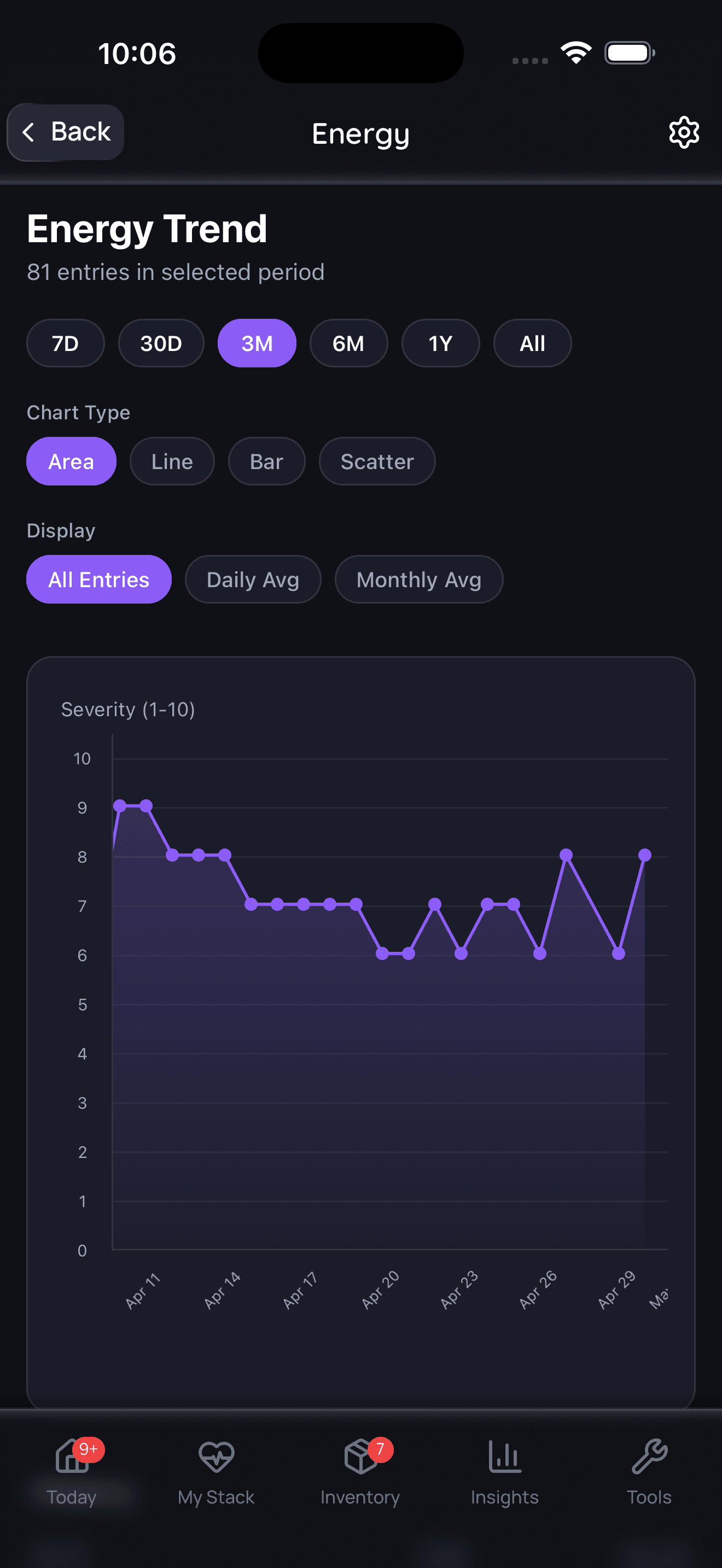
Symptom tracking is informational and should be interpreted with a qualified clinician.
Side Effects & Safety
The Basics
Acacia fiber has an excellent safety and tolerability profile, which is one of its primary selling points as a fiber supplement. The FDA classified it as GRAS in the 1970s, and EFSA has confirmed its safety for all population groups, including infants under 16 weeks of age [11][26].
Common side effects (generally mild, especially at higher doses):
- Mild gas or flatulence (much less than other fiber supplements)
- Temporary changes in stool consistency or frequency
- Very mild bloating during the initial adaptation period
Rare or uncommon:
- Allergic reactions (rare; more commonly reported with inhalation of dry powder during handling rather than oral consumption)
- Mild reduction in serum sodium at high doses (40 g/day) observed in one study [22]
Important considerations:
- Like all fiber supplements, acacia fiber may reduce or slow the absorption of certain medications if taken at the same time. Separate dosing by at least 2 hours.
- Start with a lower dose (5 g/day) and increase gradually to allow your gut microbiome to adapt.
- Ensure adequate water intake when supplementing with fiber.
The Science
Across the 29 clinical trials reviewed by Al-Jubori et al. (2023), no serious adverse events were attributed to acacia fiber supplementation at doses of 5-40 g/day for durations of up to 12 weeks [15]. Cherbut et al. (2003) specifically characterized acacia gum as having "high digestive tolerance" in healthy humans [4]. Larson et al. (2021) confirmed that acacia gum is "well tolerated" while increasing satiety and lowering peak blood glucose [20].
Elamin et al. (2017) noted a small but statistically significant reduction in serum sodium (138 to 136 mmol/L, p=0.002) in CKD patients receiving 10-40 g/day for 4 weeks, without affecting other electrolytes or urine volume [22]. The clinical relevance of this finding is uncertain.
Inhalation of acacia fiber powder during handling can trigger allergic reactions in sensitized individuals, including respiratory symptoms. This is an occupational exposure concern rather than an oral supplementation risk [6].
Dosing & Usage
The Basics
Acacia fiber dosing is straightforward but varies depending on your goal:
For prebiotic support (gut microbiome): 10 g/day is the minimum effective dose for measurable prebiotic effects, based on clinical data showing significant increases in Bifidobacterium and Lactobacillus at this level [3][4].
For metabolic and cardiovascular support: Clinical trials have used 20-30 g/day for periods of 3 months. Jarrar et al. (2021) used 20 g/day; Babiker et al. (2018) and the RA/SCA trials used 30 g/day [12][16][19].
Starting dose: Begin with 5 g/day for the first week, then increase by 5 g every few days until you reach your target dose. This gradual increase allows your gut bacteria to adapt and minimizes any temporary gas or digestive changes.
Timing: Can be taken at any time of day. Many users split larger doses (20-30 g) into two servings. Taking it with meals may enhance satiety effects.
Duration: Clinical trials have run for 4 to 12 weeks. There is no established limit on duration of use; acacia fiber has a long history of dietary consumption.
The Science
The dose-response relationship for acacia fiber's prebiotic effects was established by Calame et al. (2008), who demonstrated statistically significant increases in fecal bifidobacteria at 10 g/day with greater effects at higher doses [3]. Metabolic effects appear to require higher doses: significant blood pressure, glucose, and body composition changes were observed at 20-30 g/day in trials lasting 12 weeks [12][19].
The split-dose approach used in the Jarrar et al. (2021) trial (20 g/day divided into two daily doses, mixed into beverages or food) demonstrated good compliance and tolerability [12]. Dropout rates in clinical trials are generally attributed to compliance logistics rather than adverse effects.
When your stack includes several supplements, each with its own dose, form, and timing requirements, the logistics alone can derail consistency. Doserly consolidates all of it into one protocol view, so every dose across your entire routine is accounted for without spreadsheets or guesswork.
The app also tracks cumulative intake for nutrients that appear in multiple products. If your multivitamin, standalone supplement, and fortified protein shake all contain the same nutrient, Doserly adds them up and shows you the total alongside recommended and upper limits. Managing a thoughtful supplement protocol shouldn't require a degree in nutrition science. The app handles the complexity so you can focus on staying consistent.
Track injection timing, draw notes, and site rotation.
Doserly helps keep syringe-related notes, injection site history, reminders, and reconstitution context together for easier review.
Injection log
Site rotation
Injection logs support record-keeping; follow clinician instructions for administration.
What to Expect (Timeline)
Timeframe
Days 1-3
- Typical Experience
- Minimal noticeable changes. If starting at higher doses, mild gas is possible as gut bacteria begin to adapt.
Timeframe
Week 1-2
- Typical Experience
- Gradual improvement in bowel regularity and stool consistency. Initial microbiome shifts beginning.
Timeframe
Week 2-4
- Typical Experience
- Prebiotic effects becoming measurable (increased Bifidobacterium, Lactobacillus). Improved digestive comfort, reduced bloating reported. Satiety effects often noticed at this stage.
Timeframe
Week 4-8
- Typical Experience
- Clinical studies show significant changes in blood glucose, blood pressure, and inflammatory markers beginning to emerge at this timeframe [12][16].
Timeframe
Week 8-12
- Typical Experience
- Full metabolic effects, including body composition changes and sustained blood pressure improvements, observed in 12-week trials [12][19].
Important: Individual responses will vary based on baseline gut microbiome composition, diet, dose, and other factors. The timeline above is based on clinical trial data and represents typical, not guaranteed, response patterns.
How to Take / Administration Guide
Preparation: Mix the powder into any liquid (water, tea, coffee, milk, smoothies, juice). Stir or blend until dissolved. Acacia fiber produces a low-viscosity solution, so it will not significantly thicken your drink unlike psyllium or guar gum.
With food: Can be added to yogurt, oatmeal, soups, sauces, or baked goods without significantly altering taste or texture.
Split dosing: For doses above 10 g, consider dividing into two daily servings to optimize tolerance and sustained prebiotic delivery throughout the day.
Hydration: Drink adequate water throughout the day. While acacia fiber is non-viscous and does not form gels in the GI tract like psyllium, adequate hydration supports overall digestive health and fiber function.
Cycling: No cycling is required or recommended. Acacia fiber is a food-grade ingredient with a long history of continuous dietary consumption.
Stacking considerations:
- Compatible with probiotic supplements (prebiotic + probiotic combination may offer synergistic benefits)
- Separate from medications by at least 2 hours, as fiber may slow drug absorption
- Compatible with other fiber supplements, though introduce gradually to avoid GI distress from combined fiber load
Choosing a Quality Product
When selecting an acacia fiber supplement, consider the following quality markers:
Species identification: Look for products that specify Acacia senegal (preferred for supplements) rather than Acacia seyal. A. senegal has a more favorable composition for prebiotic effects and has been used in the majority of clinical trials [6].
Purity: Choose products with acacia fiber as the sole or primary ingredient. Avoid products with added sugars, artificial sweeteners, or unnecessary fillers.
Processing: Spray-dried powder is the standard for supplement-grade acacia fiber. Mechanical processing (kibbling, milling) followed by spray drying produces a microbiologically stable, food-grade powder [1].
Certifications to look for:
- FDA GRAS status (most commercial acacia fiber products carry this)
- Organic certification (available from some manufacturers)
- NutraStrong Prebiotic Verified certification (specific to prebiotic fiber products)
- NSF or USP verification (not commonly found for fiber products but valuable if present)
Red flags:
- Products that do not specify the Acacia species
- Extremely low-priced products that may use lower-grade A. seyal gum
- Products with excessive fillers, maltodextrin, or other bulking agents mixed in
- Proprietary blends that do not disclose the amount of acacia fiber per serving
Common supplement forms available:
- Bulk powder (most common and cost-effective)
- Pre-measured sachets (convenient for travel)
- Capsules (available but require many capsules per serving to reach effective doses)
Population-Specific Considerations
Adults
Acacia fiber is well-suited for adults seeking to increase fiber intake, support gut health, or manage metabolic risk factors. Clinical trials have enrolled adults ages 18-50 with metabolic syndrome risk factors, type 2 diabetes, and rheumatoid arthritis, showing benefits and good tolerability across these populations [12][16][19].
Older Adults
No specific contraindications for older adults. The low-viscosity, non-gelling nature of acacia fiber makes it easier to consume than viscous fibers for individuals with swallowing difficulties. Its gentle fermentation profile may be particularly suitable for older adults with sensitive digestion.
Pregnant & Lactating Women
EFSA has confirmed the safety of acacia fiber as a food additive for all population groups [26]. However, no specific clinical trials have been conducted in pregnant or lactating women using supplemental doses. Consult a healthcare provider before supplementing during pregnancy or lactation.
Children & Adolescents
EFSA has confirmed safety for use in foods for infants below 16 weeks of age [26]. GA has been studied for managing malnutrition in children aged 6-59 months. However, pediatric supplemental dosing has not been extensively studied. Consult a pediatric healthcare provider.
Individuals with IBS
Acacia fiber is specifically positioned as a low-FODMAP, IBS-friendly fiber. A 4-week RCT demonstrated that 10 g/day significantly improved stool frequency in IBS-C patients compared to placebo [5]. Its slow fermentation profile makes it one of the better-tolerated fiber options for IBS sufferers.
Individuals with CKD
Acacia fiber has been studied in CKD populations with mixed results. While anti-inflammatory effects (CRP reduction) are consistent, the nitrogen-lowering effect is not reliably reproduced. CKD patients should consult their nephrologist before supplementing, particularly given the observed mild sodium reduction at higher doses [14][22].
Regulatory Status & Standards
FDA (United States)
Acacia fiber (gum arabic) has been classified as GRAS (Generally Recognized As Safe) by the FDA since the 1970s. In 2021, the FDA formally recognized acacia gum as a dietary fiber following a citizen petition, affirming its role as a legitimate fiber source for nutrition labeling purposes [11].
Acacia fiber is also approved as a food additive (E414) for use as an emulsifier, stabilizer, and thickening agent in a wide range of food products.
EFSA (European Union)
EFSA re-evaluated acacia gum (E 414) as a food additive in 2017, confirming its safety for all population groups. A follow-up opinion in 2019 specifically confirmed safety for use in foods for infants below 16 weeks of age [26]. EFSA's FEEDAP panel also confirmed safety as an animal feed additive (2022).
Health Canada
Acacia gum is listed as an approved food additive in Canada.
WADA & Athletic Use
Acacia fiber is not included on the WADA Prohibited List. It is a food-grade dietary fiber with no pharmacological properties that would warrant restriction in competitive sports. No specific Informed Sport, NSF Certified for Sport, or Cologne List certifications are commonly found for acacia fiber products, as it is not a performance supplement in the traditional sense and carries no doping risk. Athletes can use acacia fiber without concern for anti-doping violations.
FAQ
Q: What is the difference between acacia fiber and gum arabic?
A: They are the same thing. "Acacia fiber" emphasizes its role as a dietary fiber supplement, while "gum arabic" refers to the same substance in its traditional food-industry context as an emulsifier and stabilizer.
Q: Is acacia fiber low-FODMAP?
A: Yes. Acacia fiber is considered low-FODMAP and is frequently recommended for individuals following a low-FODMAP diet. Its slow fermentation profile produces less gas and bloating than high-FODMAP fibers like inulin, FOS, or GOS.
Q: Can I take acacia fiber with probiotics?
A: Yes. Acacia fiber is a prebiotic (food for beneficial bacteria), so combining it with probiotic supplements is a logical synergistic approach. The prebiotic substrate from acacia fiber may help the probiotic organisms establish and thrive in the gut.
Q: How does acacia fiber compare to psyllium husk?
A: Psyllium is a viscous, gel-forming fiber that primarily works by bulking stool and adding moisture. Acacia fiber is a non-viscous, fermentable prebiotic that primarily works by feeding beneficial gut bacteria. Psyllium has stronger evidence for cholesterol lowering and constipation relief. Acacia fiber has stronger evidence for prebiotic effects and is generally better tolerated, especially by people with IBS or fiber sensitivity.
Q: Will acacia fiber cause gas and bloating?
A: Acacia fiber is one of the least gas-producing fiber supplements available. Its slow fermentation rate spreads SCFA and gas production across the entire colon, rather than producing a sudden burst of gas in the proximal colon. Most clinical trials report no significant GI side effects even at doses up to 30 g/day. Starting with a lower dose and increasing gradually further minimizes this risk.
Q: Can acacia fiber help with weight loss?
A: Based on available clinical data, acacia fiber has been associated with modest reductions in BMI and body fat percentage in some trials, likely mediated through increased satiety and reduced calorie intake. However, it should not be considered a weight loss supplement. Any weight management benefits are secondary to its primary prebiotic function.
Q: Is acacia fiber safe for long-term use?
A: Yes. Acacia fiber has a very long history of dietary consumption (thousands of years as a food ingredient), FDA GRAS status since the 1970s, and EFSA safety confirmation for all population groups including infants. Clinical trials of up to 12 weeks have shown no safety concerns, and there is no physiological reason to expect long-term issues with a food-grade, non-viscous dietary fiber.
Q: Can acacia fiber interact with my medications?
A: Like all fiber supplements, acacia fiber may slow the absorption of medications taken at the same time. As a general precaution, separate acacia fiber from medications by at least 2 hours. Consult your healthcare provider or pharmacist about specific medication interactions.
Q: How much acacia fiber should I take for gut health?
A: Based on the research, 10 g per day is the minimum effective dose for measurable prebiotic effects (increases in Bifidobacterium and Lactobacillus). Many clinical trials have used 20-30 g per day for broader metabolic benefits. Start with 5 g per day and increase gradually.
Q: Does acacia fiber dissolve in cold water?
A: Acacia fiber dissolves in both hot and cold water, though it dissolves more easily in warm or hot liquids. In cold water, vigorous stirring or blending may be needed to avoid clumping. A blender or shaker bottle works well for cold preparations.
Myth vs. Fact
Myth: All fiber supplements are basically the same.
Fact: Fiber supplements vary dramatically in their viscosity, fermentability, fermentation rate, SCFA production profile, and tolerability. Acacia fiber is a non-viscous, slowly fermented prebiotic that behaves very differently from viscous bulk-forming fibers like psyllium or rapidly fermented fibers like inulin. These differences translate into meaningful differences in GI tolerance, prebiotic efficacy, and the types of health outcomes they support [4][9].
Myth: Acacia fiber is just a food additive, not a real supplement.
Fact: While acacia fiber has a long history as a food additive (emulsifier, stabilizer), its prebiotic properties and clinical trial data support its use as a functional dietary supplement. The FDA recognized it as a dietary fiber in 2021, and multiple RCTs have demonstrated measurable health benefits at supplemental doses [3][11][12].
Myth: You need a huge dose of acacia fiber for any benefit.
Fact: Prebiotic effects have been demonstrated at just 10 g/day. While some clinical trials use 20-30 g/day for metabolic outcomes, meaningful gut microbiome changes can be achieved at modest doses [3][4]. In vitro studies have even shown effects at 2.5 g/day in combination with other fibers [10].
Myth: Acacia fiber will cause the same gas and bloating as other fiber supplements.
Fact: Acacia fiber is consistently reported as one of the most tolerable fiber supplements available. Its slow fermentation rate, which extends across the entire colon rather than concentrating in the proximal section, dramatically reduces gas production compared to rapidly fermented fibers. Clinical trials using doses up to 30 g/day report no significant GI adverse effects [4][5][15].
Myth: Acacia fiber can treat kidney disease.
Fact: While some clinical studies have shown interesting effects on inflammation markers and nitrogen balance in CKD patients, results on core kidney biomarkers (urea, creatinine) have been mixed and inconsistent. Acacia fiber is not a treatment for kidney disease and should not replace medical management. It may serve as a supportive dietary intervention under medical supervision [14][22].
Myth: Acacia senegal and Acacia seyal are interchangeable.
Fact: While both species produce gum arabic, they have distinct chemical compositions. A. senegal has higher protein content, different branching patterns, and has been the species used in most clinical trials. A. seyal tends to be darker in color, less effective as an emulsifier, and has a different fermentation profile. For supplement purposes, A. senegal is generally preferred [6].
Interactions & Compatibility
Synergistic
- Probiotics (e.g., Lactobacillus, Bifidobacterium strains): Prebiotic + probiotic synergy. Acacia fiber provides substrate for the probiotic organisms to ferment and thrive.
- Psyllium Husk: Complementary mechanisms. Psyllium provides viscous bulk-forming effects while acacia provides prebiotic fermentation. Different fermentation sites (proximal vs distal colon).
- Magnesium: Acacia fiber itself contains magnesium (78 mg per 20 g dose). Compatible and may support GI motility alongside fiber effects.
- Vitamin D3: General health synergy. Fiber intake supports gut health, which may improve vitamin D absorption and metabolism.
- Fish Oil: Anti-inflammatory synergy. Both acacia fiber (via SCFA production) and omega-3 fatty acids reduce systemic inflammation through complementary pathways.
Caution / Avoid
- Oral medications (general): Like all fiber supplements, acacia fiber may slow the absorption of co-administered medications. Separate by at least 2 hours.
- Iron supplements: Fiber may reduce iron absorption if taken simultaneously. Separate dosing recommended.
- High-dose calcium supplements: Potential for reduced absorption with concurrent fiber intake. Space doses by 2 hours.
- Rapidly fermented prebiotics (inulin, FOS): While not contraindicated, combining high doses of multiple fermentable fibers simultaneously may increase GI discomfort. Introduce combinations gradually.
How to Stack
Acacia fiber integrates well into most supplement protocols due to its food-grade nature and minimal interaction potential.
Basic gut health stack:
- Acacia fiber (10-15 g/day)
- Multi-strain probiotic
- Adequate hydration (2+ liters water/day)
Metabolic support stack:
- Acacia fiber (20 g/day)
- Berberine or Chromium (for blood sugar support)
- Magnesium (for blood pressure and metabolic health)
- Fish Oil (for lipid and inflammation support)
IBS-friendly fiber stack:
- Acacia fiber (5-10 g/day, start low)
- L-Glutamine (for gut barrier support)
- Probiotic (targeted IBS-specific strains)
Lifestyle & Complementary Factors
Diet: A diverse, plant-rich diet provides a wider range of substrates for gut bacteria and complements the prebiotic effects of acacia fiber. Dietary diversity is associated with greater microbiome diversity, which may amplify acacia fiber's benefits [3].
Hydration: Adequate water intake is essential when supplementing with any fiber. While acacia fiber does not form viscous gels like psyllium, water supports optimal colonic fermentation and stool formation.
Exercise: Regular physical activity has been independently associated with improved gut microbiome diversity and SCFA production. Exercise and prebiotic supplementation may work synergistically to support gut and metabolic health.
Sleep: Emerging research connects gut microbiome health with sleep quality. While no direct studies link acacia fiber to sleep improvements, supporting a healthy microbiome may have downstream effects on sleep architecture via the gut-brain axis.
Stress management: Chronic stress negatively impacts gut microbiome diversity and gut barrier integrity. Managing stress through appropriate strategies may enhance the benefits of prebiotic supplementation.
Sources & References
Clinical Trials & RCTs
- Patel S, Goyal A. Applications of Natural Polymer Gum Arabic: A Review. Int J Food Properties. 2015;18(5):986-998.
- den Besten G, van Eunen K, Groen AK, Venema K, Reijngoud DJ, Bakker BM. The role of short-chain fatty acids in the interplay between diet, gut microbiota, and host energy metabolism. J Lipid Res. 2013;54:2325-2340.
- Calame W, Weseler AR, Viebke C, Flynn C, Siemensma AD. Gum arabic establishes prebiotic functionality in healthy human volunteers in a dose-dependent manner. Br J Nutr. 2008;100(6):1269-1275.
- Cherbut C, Michel C, Raison V, Kravtchenko T, Severine M. Acacia gum is a bifidogenic dietary fibre with high digestive tolerance in healthy humans. Microb Ecol Health Dis. 2003;15(1):43-50.
- de Wit N, et al. Acacia fiber or probiotic supplements to relieve gastrointestinal complaints in patients with constipation-predominant IBS: a 4-week randomized double-blinded placebo-controlled intervention trial. Eur J Clin Nutr. 2024;63:1983-1994.
- Ashour MA, Fatima W, Imran M, Ghoneim MM, Alshehri S, Shakeel F. A Review on the Main Phytoconstituents, Traditional Uses, Inventions, and Patent Literature of Gum Arabic Emphasizing Acacia seyal. Molecules. 2022;27(4):1171.
- Phillips AO, Phillips GO. Biofunctional behaviour and health benefits of a specific gum Arabic. Food Hydrocoll. 2011;25:165-169.
- Ross AHM, Eastwood MA, Brydon WG, Busuttil A, McKay LF, Anderson DM. A study of the effects of dietary gum arabic in the rat. Br J Nutr. 1984;51:47-56.
- Daguet D, Pinheiro I, Verhelst A, Possemiers S, Marzorati M. Acacia gum improves the gut barrier functionality in vitro. Agro Food Industry Hi-Tech. 2015;26(4):29-33.
- Duysburgh C, Govaert M, Marzorati M, et al. Co-Supplementation of Baobab Fiber and Arabic Gum Synergistically Modulates the In Vitro Human Gut Microbiome. Nutrients. 2024;16(11):1570.
Government / Institutional Sources
- U.S. Food and Drug Administration. FDA Grants Citizen Petition on Acacia (Gum Arabic) as a Dietary Fiber. 2021.
- Jarrar AH, Stojanovska L, Apostolopoulos V, Feehan J, Bataineh MF, Ismail LC, Al Dhaheri AS. The Effect of Gum Arabic (Acacia senegal) on Cardiovascular Risk Factors and Gastrointestinal Symptoms in Adults at Risk of Metabolic Syndrome: A Randomized Clinical Trial. Nutrients. 2021;13(1):194.
- Matsumoto N, Riley S, Fraser D, et al. Butyrate modulates TGF-beta1 generation and function: Potential renal benefit for Acacia (sen) SUPERGUM (gum arabic)? Kidney Int. 2006;69:257-265.
Systematic Reviews & Meta-Analyses
- Bliss DZ, Stein TP, Schleifer CR, Settle RG. Supplementation with gum Arabic fiber increases fecal nitrogen excretion and lowers serum urea nitrogen concentration in chronic renal failure patients consuming a low-protein diet. Am J Clin Nutr. 1996;63(3):392-398.
- Al-Jubori Y, Ahmed NTB, Albusaidi R, Madden J, Das S, Sirasanagandla SR. The Efficacy of Gum Arabic in Managing Diseases: A Systematic Review of Evidence-Based Clinical Trials. Biomolecules. 2023;13(1):138.
- Kamal E, Kaddam LA, Dahawi M, et al. Gum Arabic fibers decreased inflammatory markers and disease severity score among rheumatoid arthritis patients, Phase II Trial. Int J Rheumatol. 2018;2018:4197537.
- Kamal E, Kaddam LA, Alagib A, Saeed A. Dietary Fibers (Gum Arabic) Supplementation Modulates Hepatic and Renal Profile Among Rheumatoid Arthritis Patients, Phase II Trial. Front Nutr. 2021;8:552049.
Observational Studies
- Walter D, Eastwood M, Brydon W, Elton R. Fermentation of wheat bran and gum arabic in rats fed on an elemental diet. Br J Nutr. 1988;60:225-232.
- Babiker R, Elmusharaf K, Keogh MB, Saeed AM. Effect of Gum Arabic (Acacia Senegal) supplementation on visceral adiposity index (VAI) and blood pressure in patients with type 2 diabetes mellitus. Lipids Health Dis. 2018;17:56.
- Larson R, Nelson C, Korczak R, Willis H, Erickson J, Wang Q, Slavin J. Acacia Gum Is Well Tolerated While Increasing Satiety and Lowering Peak Blood Glucose Response in Healthy Human Subjects. Nutrients. 2021;13(2):618.
- Bongartz U, Erlenbeck C, Wohlfahrt I. The Effect of Gum Acacia on Post-Prandial Glucose and Insulin Levels in Healthy Subjects. Food Nutr Sci. 2022;13:424-438.
- Elamin S, et al. Gum Arabic Reduces C-Reactive Protein in Chronic Kidney Disease Patients without Affecting Urea or Indoxyl Sulfate Levels. Int J Nephrol. 2017;2017:9789071.
- Kaddam LA, et al. Biochemical effects and safety of Gum arabic (Acacia Senegal) supplementation in patients with sickle cell anemia. Blood Res. 2019;54:31-37.
- Kaddam L, et al. Acacia Senegal (Gum Arabic) Supplementation Modulate Lipid Profile and Ameliorated Dyslipidemia among Sickle Cell Anemia Patients. J Lipids. 2019;2019:3129461.
- Elnour AAM, Abdurahman NH, Musa KH, Rasheed Z. Prebiotic potential of gum Arabic for gut health. Int J Health Sci (Qassim). 2023;17(6):4-5.
- European Food Safety Authority. Re-evaluation of acacia gum (E 414) as a food additive. EFSA Journal. 2017;15(4):4741.