
Chromium: The Complete Supplement Guide
On this page
Quick Reference Card
Attribute
Common Name
- Detail
- Chromium
Attribute
Other Names / Aliases
- Detail
- Chromium (III), Trivalent Chromium, Cr(III), Chromium Picolinate, GTF Chromium (Glucose Tolerance Factor)
Attribute
Category
- Detail
- Trace Mineral
Attribute
Primary Forms & Variants
- Detail
- Chromium picolinate (most common, 12.4% elemental chromium); Chromium chloride (0.4% absorption); Chromium nicotinate/polynicotinate (niacin-bound); Chromium histidinate; Chromium-enriched yeast (GTF chromium)
Attribute
Typical Dose Range
- Detail
- 200-1,000 mcg/day in research; multivitamins typically provide 35-120 mcg
Attribute
RDA / AI / UL
- Detail
- AI (IOM 2001): Males 19-50: 35 mcg/day; Males 51+: 30 mcg/day; Females 19-50: 25 mcg/day; Females 51+: 20 mcg/day; Pregnancy: 30 mcg/day; Lactation: 45 mcg/day. No RDA established. No UL established. EFSA (2014): declined to set any intake recommendation. FDA Daily Value: 35 mcg.
Attribute
Common Delivery Forms
- Detail
- Capsule, tablet, multivitamin/mineral formulations
Attribute
Best Taken With / Without Food
- Detail
- Can be taken with or without food; absorption is very low regardless (0.4-2.5%); ascorbic acid (vitamin C) may enhance absorption
Attribute
Key Cofactors
- Detail
- Vitamin C (enhances absorption); Biotin (studied as combination for glycemic control); Insulin (chromium potentiates insulin action)
Attribute
Storage Notes
- Detail
- Store in a cool, dry place away from moisture and direct sunlight. Standard shelf-stable mineral supplement; no special storage requirements.
Overview
The Basics
Chromium is a trace mineral found in small amounts in a wide range of foods, from meats and whole grains to fruits and brewer's yeast. It has been one of the more debated minerals in nutrition science, with a history that has shifted significantly over the past two decades. For years, chromium was classified as an essential nutrient, meaning the body was thought to need it for normal function. More recent evaluations have challenged that classification, and whether chromium is truly essential remains an open question [1][2].
What most people care about is whether supplementing with chromium does anything useful. The short answer is that the evidence is modest at best for the general population. The primary interest in chromium supplements revolves around blood sugar management, particularly for people with type 2 diabetes or insulin resistance. Some people also take it hoping for weight loss, reduced cravings, or improved body composition. The science on these uses is mixed: there are some positive signals, especially in people who already have metabolic issues, but the effects tend to be small and inconsistent across studies [1][3].
The average person eating a reasonably balanced diet likely gets enough chromium from food without supplementing. The amounts needed are tiny (measured in micrograms, not milligrams), and true chromium deficiency has only been documented in people receiving all their nutrition intravenously [1].
The Science
Chromium exists in two primary oxidation states: trivalent chromium, Cr(III), is the biologically relevant form found in foods and supplements, while hexavalent chromium, Cr(VI), is an industrial toxin unrelated to supplementation [1]. This guide addresses only trivalent chromium.
The Food and Nutrition Board (FNB) of the National Academies classified chromium as an essential nutrient in 2001, based on its apparent role in insulin potentiation [1][2]. However, subsequent research has challenged this designation. In 2014, the European Food Safety Authority (EFSA) concluded that no convincing evidence supports chromium's essentiality, declining to establish any intake recommendations [2][4]. The key issue is that no clearly defined chromium deficiency state has been identified in healthy populations, and the earlier case reports of deficiency in TPN patients have been reappraised as inconclusive [1][5].
Chromium's proposed biological role centers on insulin potentiation. It is hypothesized to bind to an oligopeptide called chromodulin (also known as low-molecular-weight chromium-binding substance), which then interacts with insulin-stimulated insulin receptors to enhance intracellular tyrosine kinase activity [1][6]. Through this mechanism, chromium may amplify rather than replace insulin signaling. Additional proposed mechanisms include activation of AMP-activated protein kinase (AMPK) to increase cellular glucose uptake, modulation of PPAR-gamma and NF-kB proteins, and antioxidant effects [3][7].
Chemical & Nutritional Identity
Property
Chemical Name
- Value
- Chromium (trivalent)
Property
Symbol
- Value
- Cr
Property
Atomic Number
- Value
- 24
Property
Atomic Weight
- Value
- 51.996 g/mol
Property
CAS Number
- Value
- 7440-47-3 (elemental)
Property
Category
- Value
- Trace mineral
Property
AI (IOM 2001, Males 19-50)
- Value
- 35 mcg/day
Property
AI (IOM 2001, Females 19-50)
- Value
- 25 mcg/day
Property
AI (Pregnancy)
- Value
- 30 mcg/day
Property
AI (Lactation)
- Value
- 45 mcg/day
Property
UL
- Value
- Not established
Property
FDA Daily Value
- Value
- 35 mcg
Property
EFSA Position (2014)
- Value
- Declined to set recommendations; essentiality not established
Common supplement forms and elemental chromium content:
- Chromium picolinate: 12.4% elemental chromium by weight (most widely studied form)
- Chromium chloride: lower elemental content; approximately 0.4% absorption rate
- Chromium nicotinate/polynicotinate: niacin-bound forms
- Chromium-enriched yeast: sometimes marketed as "GTF chromium"
- Chromium histidinate: less commonly studied
The Supplement Facts label on products declares the amount of elemental chromium, not the total weight of the chromium compound [1].
Mechanism of Action
The Basics
Chromium appears to work by helping insulin do its job more effectively. Insulin is the hormone your body uses to move sugar from your bloodstream into your cells, where it can be used for energy. Think of insulin as a key that unlocks cell doors, and chromium as something that makes the lock work more smoothly. When chromium levels are adequate, insulin may work a bit more efficiently, potentially leading to better blood sugar control [1][6].
This is why most of the interest in chromium supplementation centers on people with insulin resistance or type 2 diabetes, where insulin is present but not working as well as it should. In people whose insulin signaling is already functioning normally, adding more chromium may not produce noticeable effects. This distinction likely explains why some people swear by chromium supplements while others notice absolutely nothing [1][3].
Chromium may also have effects on brain chemistry. Animal studies suggest it can influence serotonin signaling, which is one reason researchers have explored it for mood-related conditions like atypical depression [7][8]. There is also preliminary evidence suggesting chromium may activate an enzyme called AMPK, which helps cells take up glucose, though this has been studied primarily in laboratory and animal models [7].
The Science
The primary proposed mechanism for chromium's biological activity involves chromodulin, a low-molecular-weight chromium-binding oligopeptide found inside cells. When insulin binds to its receptor on the cell surface and triggers receptor autophosphorylation, chromium ions are taken up from the bloodstream into the cell. Intracellularly, these chromium ions bind to apochromodulin, forming holochromodulin, which then binds to and amplifies the tyrosine kinase activity of the insulin receptor [1][6]. This amplification cascade is proposed to enhance downstream insulin signaling, including glucose transporter (GLUT4) translocation and cellular glucose uptake.
Additional molecular targets include:
- AMPK activation: Chromium has been shown in vitro and in animal models to enhance AMP-activated protein kinase (AMPK) activity, increasing cellular glucose uptake independent of the insulin receptor pathway [7]
- PPAR-gamma modulation: Chromium may modulate peroxisome proliferator-activated receptor gamma, affecting adipocyte differentiation and insulin sensitivity [7]
- NF-kB modulation: Potential attenuation of NF-kB-mediated inflammatory signaling, which may contribute to improved insulin sensitivity in inflammatory states [7]
- Serotonergic effects: Chromium has been demonstrated to modify brain 5-HT (serotonin) function in animal models, with evidence of increased serotonergic and noradrenergic neurotransmission. In humans, proposed antidepressant mechanisms include 5-HT2A receptor downregulation and improved insulin sensitivity in the central nervous system [7][8]
- HPA axis modulation: Animal studies show chromium may lower plasma corticosterone levels via reversal of hypothalamic-pituitary-adrenal (HPA) axis overactivity, contributing to anxiolytic effects [7]
Absorption & Bioavailability
The Basics
Chromium is one of the most poorly absorbed minerals you can take as a supplement. Only about 0.4% to 2.5% of the chromium you consume actually makes it into your bloodstream, whether it comes from food or a supplement [1][2]. To put that in perspective, if you take a 200 mcg chromium picolinate capsule, your body absorbs somewhere between 0.8 and 5 mcg.
The form of chromium does not dramatically change this picture. Despite marketing claims, chromium picolinate does not appear to have meaningfully superior absorption compared to other forms. One study suggesting superior absorption used unreliable methods and was funded by a chromium picolinate manufacturer [2]. The practical differences between forms are small relative to the overall low absorption rate.
A few things can influence how much chromium you absorb. Vitamin C (ascorbic acid) and aspirin appear to enhance absorption modestly. On the other hand, antacids and oxalate-containing foods can reduce absorption further [1]. Once absorbed, chromium is carried through the bloodstream bound to a protein called transferrin (the same protein that carries iron), and it accumulates primarily in the liver, spleen, and bone [1].
The Science
Chromium absorption occurs primarily in the small intestine via mechanisms that are not fully characterized. The overall absorption efficiency of 0.4-2.5% is substantially lower than most dietary minerals. Absorption rates for specific forms include approximately 1.2% for chromium picolinate and 0.4% for chromium chloride, values that fall within the same general range as dietary chromium from food [1][5].
Factors modulating absorption:
- Enhancers: Ascorbic acid increases chromium absorption, possibly through reduction to a more absorbable form or pH modification. Prostaglandin inhibitors (e.g., aspirin) also enhance absorption [1]
- Inhibitors: Antacids reduce absorption, likely through pH changes. Oxalate also inhibits absorption. Notably, phytate does not appear to significantly affect chromium absorption [1][2]
In blood, approximately 95% of chromium is bound to plasma proteins, predominantly transferrin, with only about 5% circulating in unbound form [2][5]. This shared binding to transferrin raises a theoretical concern about competition with iron at high chromium doses, though clinical significance has not been established.
Tissue distribution favors the liver, spleen, soft tissue, and bone [1][2]. Elimination is primarily renal, with urinary chromium excretion reflecting recent intake rather than total body stores. No validated biomarker for chromium status currently exists, and serum chromium levels are not reliable indicators of body stores [1][5].
Research & Clinical Evidence
Blood Sugar and Diabetes
The Basics
The relationship between chromium and blood sugar control has been studied more than any other potential benefit, and the results tell a nuanced story. Some studies show meaningful improvements in blood sugar markers for people with type 2 diabetes, while others show no effect at all. The overall picture, drawn from dozens of trials, is that chromium may produce small, statistically significant reductions in fasting blood sugar and HbA1c (a long-term blood sugar marker) when used alongside standard diabetes treatment [1][9]. Whether these reductions matter enough to change health outcomes is where experts disagree.
The people most likely to notice a difference appear to be those with the poorest blood sugar control to begin with. Several researchers have noted that individuals with more severe insulin resistance and higher baseline blood sugar levels seem to respond better to chromium supplementation than those with mild or no metabolic issues [1][10]. For healthy people without blood sugar concerns, chromium supplements do not appear to help moderate glucose levels [1][11].
The American Diabetes Association has concluded that evidence is insufficient to recommend chromium supplementation for people with diabetes, and the FDA allows only a heavily qualified health claim for chromium picolinate [1][12].
The Science
The most frequently cited positive trial is Anderson et al. (1997), a randomized controlled trial of 180 adults (age 35-65) with type 2 diabetes receiving 200 mcg/day, 1,000 mcg/day chromium (as picolinate), or placebo for 4 months. At 4 months, mean fasting serum glucose was 7.1 mmol/L (128 mg/dL) in the 1,000 mcg group versus 8.8 mmol/L (159 mg/dL) for placebo. HbA1c was 6.6% (1,000 mcg) versus 8.5% (placebo) [9].
A 2019 review synthesizing 8 meta-analyses and systematic reviews covering 58 clinical trials (durations 3 weeks to 6 months, doses 1.28 to 1,000 mcg daily) concluded that chromium as adjuvant treatment lowered fasting plasma glucose and HbA1c levels slightly in people with diabetes, but the clinical significance remains unclear [1].
Cefalu et al. (2010) demonstrated in a randomized trial of 137 participants with type 2 diabetes that 1,000 mcg/day chromium picolinate for 24 weeks did not significantly affect group-level insulin sensitivity, fasting glucose, or HbA1c. However, responders had significantly lower baseline insulin sensitivity (3.98 vs. 5.91 mg/kg fat-free mass/min) and higher fasting glucose (8.5 vs. 6.7 mmol/L) than non-responders, suggesting metabolic phenotype may determine response [10].
The FDA permits only a qualified health claim: "One small study suggests that chromium picolinate may reduce the risk of insulin resistance, and therefore possibly may reduce the risk of type 2 diabetes. FDA concludes, however, that the existence of such a relationship between chromium picolinate and either insulin resistance or type 2 diabetes is highly uncertain" [12].
Weight and Body Composition
The Basics
Chromium has been marketed for weight loss since the early 1990s, and the evidence has had decades to accumulate. The verdict is that chromium supplements produce weight loss so small it is unlikely to be noticeable. A comprehensive meta-analysis pooling data from 21 trials found that people taking chromium lost about 0.75 kg (roughly 1.6 pounds) more than those taking a placebo over study periods of 9 to 24 weeks [13]. A Cochrane Review characterized this effect as of "debatable clinical relevance" with low overall evidence quality [14].
There is no strong evidence that chromium improves muscle mass or body composition in healthy people. Multiple clinical trials in athletes and exercising adults have failed to show benefits for lean body mass or strength [1][3].
The Science
Tsang et al. (2019) conducted a meta-analysis of 21 RCTs including 1,316 participants with overweight or obesity (trial durations 9-24 weeks, doses 200-1,000 mcg/day). Chromium supplementation resulted in significantly greater weight loss (-0.75 kg, p < 0.05), BMI reduction (-0.40 kg/m2), and body fat percentage reduction (-0.68%) compared to placebo. No significant effect on waist circumference or waist-to-hip ratio was observed [13].
The 2013 Cochrane Review by Tian et al. evaluated chromium picolinate specifically and reached similar conclusions regarding minimal weight loss, noting that the quality of available evidence was low [14].
Proposed mechanisms for any weight effect include enhanced insulin-mediated glucose disposal (reducing glucose-to-fat conversion), increased satiety signaling, and reduced food cravings. However, no mechanism has been conclusively demonstrated to produce clinically meaningful body composition changes [1].
Polycystic Ovary Syndrome (PCOS)
The Basics
Because insulin resistance is a central feature of PCOS, researchers have tested whether chromium supplements might help women with this condition. The results are mixed. Some studies found modest improvements in BMI and free testosterone levels, while others showed no meaningful changes in key hormonal or metabolic markers. The consensus from multiple meta-analyses is that any effect of chromium on PCOS is small, and its clinical relevance is uncertain [1][15].
The Science
A meta-analysis of 7 RCTs (351 participants, 200-1,000 mcg/day chromium picolinate, 8-24 weeks) found chromium supplementation had no significant effect on fasting blood glucose, total testosterone, DHEA, FSH, or LH, but did significantly reduce BMI by 2.37 kg/m2 and free testosterone by 0.52 pg/mL compared to placebo [15]. A separate meta-analysis of 5 RCTs (268 women) found no significant effect on fasting insulin or insulin sensitivity, concluding the magnitude of chromium's effect was small with uncertain clinical relevance [16].
Jamilian et al. (2016) found that in women with PCOS, chromium supplementation reduced acne, hirsutism, C-reactive protein, and malondialdehyde levels, though endocrine profiles and glutathione levels were unaffected [3].
Lipid Profile
The Basics
The evidence on chromium and cholesterol is inconclusive. Most meta-analyses find no significant changes in total cholesterol or LDL ("bad") cholesterol. However, some analyses suggest chromium may modestly increase HDL ("good") cholesterol and decrease triglycerides, though the clinical importance of these small changes is debatable [1].
The Science
Meta-analyses examining chromium supplementation in people with diabetes and PCOS have shown no significant changes in total cholesterol or LDL cholesterol. However, some analyses have demonstrated modest increases in HDL cholesterol (1.73-4.64 mg/dL) and decreases in triglycerides (11.71-26.57 mg/dL) [1].
Mood and Depression
The Basics
One of the more intriguing areas of chromium research involves mood disorders. A small number of studies have explored chromium for atypical depression, a subtype characterized by increased appetite, weight gain, excessive sleepiness, and a heavy feeling in the limbs. The results are preliminary but interesting, with one placebo-controlled trial showing benefit from 600 mcg/day of chromium picolinate [8]. This potential mood effect is thought to relate to chromium's influence on serotonin signaling and insulin sensitivity in the brain. Community reports also describe improvements in anhedonia, brain fog, and energy when taking chromium, though these are anecdotal and confounded by concurrent medications [7][8].
The Science
Davidson et al. (2003) conducted a placebo-controlled trial of chromium picolinate (600 mcg/day) in atypical depression and found significant improvement compared to placebo [8]. Proposed mechanisms include 5-HT2A receptor downregulation, enhanced serotonergic and noradrenergic neurotransmission, and improved central insulin sensitivity [7].
Krikorian et al. (2010) found improved cognitive-cerebral function in older adults supplemented with 1,000 mcg/day chromium for 12 weeks, suggesting possible neuroprotective or cognitive benefits, though this finding requires replication [17].
Animal models demonstrate antidepressant and anxiolytic properties through reversal of HPA axis overactivity and lowered plasma corticosterone levels [7].
Evidence & Effectiveness Matrix
Category
Cravings & Impulse Control
- Evidence Strength
- 4/10
- Reported Effectiveness
- 6/10
- Summary
- Limited clinical evidence for appetite/craving reduction, but one of the most consistently reported community benefits. Plausible mechanism via insulin signaling.
Category
Fat Loss
- Evidence Strength
- 5/10
- Reported Effectiveness
- 4/10
- Summary
- Multiple meta-analyses show statistically significant but clinically trivial weight loss (~0.75 kg). Cochrane Review rates evidence quality as low.
Category
Appetite & Satiety
- Evidence Strength
- 3/10
- Reported Effectiveness
- 5/10
- Summary
- Limited clinical evidence. Chromium picolinate may increase satiety in some studies, but data are sparse. Community reports are mixed.
Category
Mood & Wellbeing
- Evidence Strength
- 3/10
- Reported Effectiveness
- 6/10
- Summary
- One small placebo-controlled trial supports benefit in atypical depression. Striking but low-volume community reports of mood improvement.
Category
Focus & Mental Clarity
- Evidence Strength
- 2/10
- Reported Effectiveness
- 5/10
- Summary
- Single study shows cognitive improvement in older adults. Community reports positive but very low volume.
Category
Energy Levels
- Evidence Strength
- 2/10
- Reported Effectiveness
- 5/10
- Summary
- No dedicated clinical trials. Anecdotal community reports of improved energy, primarily in context of mood improvement.
Category
Hormonal Symptoms
- Evidence Strength
- 4/10
- Reported Effectiveness
- 6/10
- Summary
- Multiple PCOS meta-analyses show modest effects on BMI and free testosterone. Community reports of restored menstrual cycles in PCOS.
Category
Skin Health
- Evidence Strength
- 1/10
- Reported Effectiveness
- 4/10
- Summary
- No clinical evidence for skin. Single anecdotal report of psoriasis improvement.
Category
Heart Health
- Evidence Strength
- 3/10
- Reported Effectiveness
- Community data not yet collected
- Summary
- Some evidence for modest HDL increase and triglyceride decrease, but total cholesterol and LDL unaffected.
Category
Side Effect Burden
- Evidence Strength
- 5/10
- Reported Effectiveness
- 7/10
- Summary
- Generally well-tolerated at typical supplement doses. Rare case reports of serious adverse effects at high doses. Community consistently reports minimal side effects.
Category
Treatment Adherence
- Evidence Strength
- 3/10
- Reported Effectiveness
- 6/10
- Summary
- Simple oral dosing. Long-term use reported by community without issues. Some concern about maximum duration of use.
Categories not scored (insufficient data): Sleep Quality, Memory & Cognition, Anxiety, Stress Tolerance, Motivation & Drive, Emotional Aliveness, Emotional Regulation, Libido, Sexual Function, Joint Health, Inflammation, Pain Management, Recovery & Healing, Physical Performance, Muscle Growth, Weight Management, Gut Health, Digestive Comfort, Nausea & GI Tolerance, Hair Health, Blood Pressure, Heart Rate & Palpitations, Temperature Regulation, Fluid Retention, Body Image, Immune Function, Bone Health, Longevity & Neuroprotection, Cravings & Impulse Control (behavioral), Social Connection, Withdrawal Symptoms, Daily Functioning
Benefits & Potential Effects
The Basics
Chromium's potential benefits are modest and appear to depend heavily on who is taking it. For the general healthy population, supplementation is unlikely to produce noticeable effects. The most promising applications involve blood sugar management in people with existing insulin resistance or type 2 diabetes, where it may serve as a supportive addition to conventional treatment, not a replacement.
The most commonly reported subjective benefit in community use is a reduction in sugar and carbohydrate cravings. While clinical evidence for this specific effect is limited, it aligns with chromium's proposed role in insulin signaling and may be meaningful for people struggling with food noise and metabolic cravings.
For women with PCOS, chromium supplementation has shown some promise in reducing BMI and free testosterone levels, though the effects are small. The most enthusiastic community reports come from this population, where some women describe breakthrough weight loss and restored menstrual cycles after adding chromium to their supplement regimen. These reports are encouraging but heavily confounded by concurrent dietary changes and other supplements [1][15].
There is also preliminary evidence that chromium may benefit mood, particularly in atypical depression. This application remains underexplored but is one of the more scientifically interesting potential uses [8].
The Science
Evidence-supported potential benefits of chromium supplementation:
- Glycemic support (adjunctive): Modest reductions in fasting glucose and HbA1c in type 2 diabetes when used alongside conventional treatment. Effect size is small and clinical significance debated. More likely to benefit individuals with severe insulin resistance [1][9][10].
- Body weight reduction: Statistically significant but clinically minimal weight loss of approximately 0.75 kg over 9-24 weeks in people with overweight/obesity [13][14].
- PCOS symptom modulation: Modest reduction in BMI (-2.37 kg/m2), free testosterone (-0.52 pg/mL), and some inflammatory markers in women with PCOS [15].
- Lipid profile modification: Possible modest HDL increase (1.73-4.64 mg/dL) and triglyceride decrease (11.71-26.57 mg/dL), though total cholesterol and LDL are generally unaffected [1].
- Mood support: Preliminary evidence for efficacy in atypical depression via serotonergic modulation [8].
- Satiety enhancement: Limited evidence that chromium picolinate may increase post-meal satiety signaling [3].
Reading about potential benefits gives you a framework. Seeing whether those benefits are showing up in your own body turns knowledge into confidence. Doserly lets you track the specific health markers relevant to this supplement, building a personal dataset that captures what's actually changing week over week.
The app's AI analytics go further than simple logging. By correlating your supplement intake with the biomarkers and health outcomes you're tracking, Doserly surfaces patterns you might miss on your own, like whether a dose adjustment three weeks ago corresponds to the improvement you're noticing now. When it's time to evaluate whether a supplement is earning its place in your stack, you have your own data to guide the decision.
Connect protocol changes to labs and health markers.
Doserly can keep lab results, biomarkers, symptoms, and dose history close together so follow-up conversations have better context.
Insights
Labs and trends
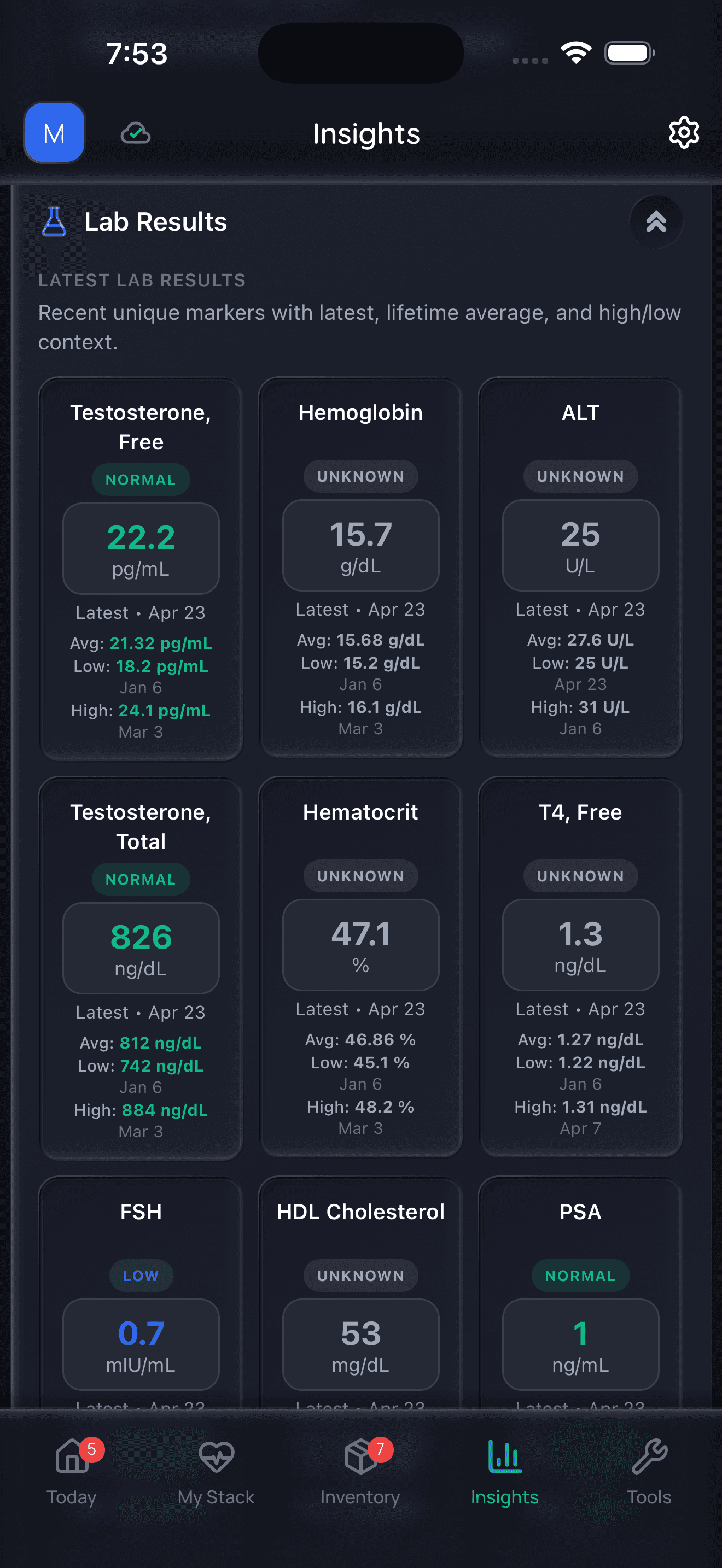
Doserly organizes data; it does not diagnose or interpret labs for you.
Side Effects & Safety
The Basics
At typical supplement doses (200-1,000 mcg/day), chromium is generally considered safe for most healthy adults. The body absorbs very little of what you take orally and efficiently excretes the rest through the kidneys. No Tolerable Upper Intake Level (UL) has been established, primarily because adverse effects from food and supplement sources have not been consistently observed in studies [1].
That said, "no UL established" does not mean "safe at any dose." There are isolated case reports of serious adverse effects with chromium supplements, including kidney damage and liver problems, though these cases typically involved high doses, prolonged use, or people with pre-existing conditions [1][3]. People with kidney disease or liver disease may be at higher risk for adverse effects and should exercise particular caution [1].
The most important safety consideration with chromium is its potential to interact with diabetes medications. Because chromium may enhance insulin sensitivity, combining it with insulin or sulfonylureas could lower blood sugar more than expected, creating a risk of hypoglycemia. Anyone taking diabetes medications should discuss chromium supplementation with their healthcare provider before starting [1][3].
The Science
The FNB did not establish a UL for chromium due to insufficient evidence of adverse effects from oral intake, while noting that caution is warranted due to limited data [1]. Trivalent chromium (the supplemental form) has low oral toxicity, partly because of its extremely low absorption rate (0.4-2.5%) [2].
Documented adverse events from case reports include:
- Renal failure: Reported in two patients using chromium picolinate for weight loss (one at chronic high doses, one at 600 mcg/day for 6 weeks) [3]
- Rhabdomyolysis: In one patient taking chromium picolinate alongside other dietary supplements (causation uncertain) [3]
- Hepatic toxicity: Rare reports of liver dysfunction [3]
- Acute generalized exanthematous pustulosis: Characterized by erythematous lesions, fever, edema, and leukocytosis [3]
- Hypoglycemia: In a 29-year-old man with diabetes taking 1,000 mcg/day chromium with insulin [3]
In vitro studies suggest trivalent chromium has toxic effects at concentrations above 20 mcg/mL, but typical oral supplementation produces plasma levels far below this threshold [2].
Populations requiring additional caution:
- Individuals with renal insufficiency (reduced chromium clearance)
- Individuals with hepatic insufficiency
- Individuals taking insulin, sulfonylureas, or other glucose-lowering medications
- Individuals taking levothyroxine (timing interaction)
Knowing the possible side effects is the first step. Catching them early in your own experience is what keeps a supplement routine safe. Doserly lets you log any symptoms as they arise, tagging them with severity, timing relative to your dose, and whether they resolve on their own or persist.
The app's interaction checker cross-references everything in your stack, supplements and medications alike, flagging known interactions before they become a problem. It also monitors your total intake against established upper limits, alerting you if your combined sources of a nutrient are approaching thresholds where risk increases. Think of it as a safety net that works quietly in the background while you focus on the benefits.
Capture changes while they are still fresh.
Log symptoms, energy, sleep, mood, and other observations alongside protocol events so patterns do not live only in memory.
Trend view
Symptom timeline
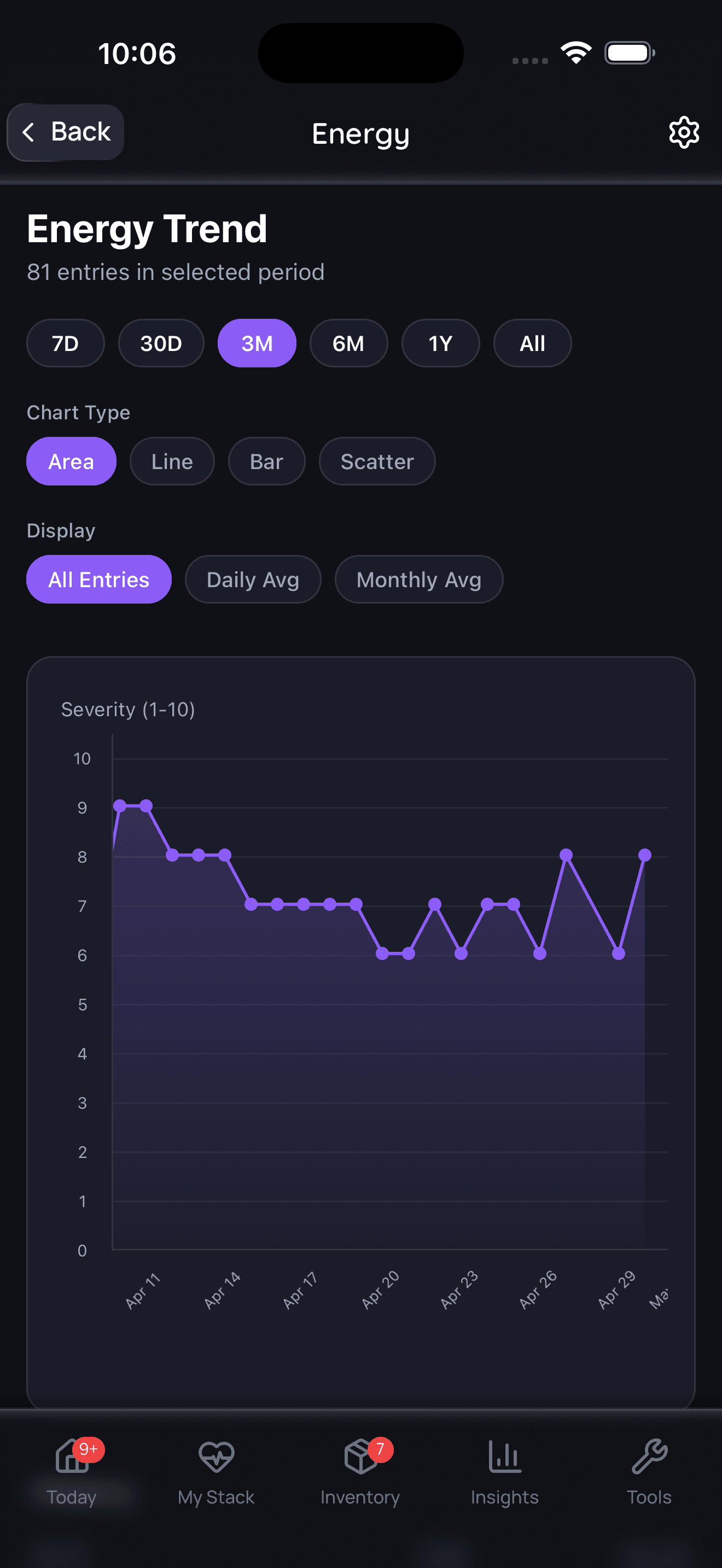
Symptom tracking is informational and should be interpreted with a qualified clinician.
Dosing & Usage Protocols
The Basics
Chromium dosing in research has ranged widely, from 200 mcg to 1,000 mcg per day, without a clear dose-response relationship. That is, taking more does not reliably produce better results, and researchers have not identified an optimal dose [2]. Most multivitamin and mineral supplements contain 35 to 120 mcg, which is around the Adequate Intake level [1].
For people specifically supplementing chromium (rather than getting it incidentally in a multivitamin), commonly used doses fall in the 200 to 500 mcg range for general use, with some studies testing up to 1,000 mcg per day in type 2 diabetes [1][9]. The form most commonly studied is chromium picolinate, though no form has been convincingly shown to be superior to another for clinical outcomes [2].
It is worth noting that the Adequate Intake values (20-35 mcg/day depending on age and sex) were based on estimated average intakes in healthy American populations, not on dose-response data [1][2]. They reflect "what people seem to consume without getting sick" rather than "what you need for optimal health."
The Science
Dosing considerations from the clinical literature:
Adequate Intake reference values (IOM, 2001):
- Adult males 19-50: 35 mcg/day
- Adult males 51+: 30 mcg/day
- Adult females 19-50: 25 mcg/day
- Adult females 51+: 20 mcg/day
- Pregnancy: 30 mcg/day
- Lactation: 45 mcg/day
Research dosing ranges by indication:
- General supplementation: 200-400 mcg/day
- Type 2 diabetes (adjunctive): 200-1,000 mcg/day, most commonly as chromium picolinate [1][9]
- PCOS: 200-1,000 mcg/day as chromium picolinate [15][16]
- Weight management: 200-1,000 mcg/day (minimal effect observed at any dose) [13][14]
- Depression (atypical): 600 mcg/day chromium picolinate in the single positive trial [8]
Elemental chromium content varies by form. Chromium picolinate is 12.4% elemental chromium by weight, meaning a 1,000 mcg "chromium picolinate" supplement actually provides 124 mcg of elemental chromium. However, supplement labels typically declare the elemental chromium content [1].
Getting the dose right matters more than most people realize. Too little may be ineffective, too much wastes money or introduces risk, and inconsistency undermines both. Doserly tracks every dose you take, across every form, giving you a clear record of what you're actually consuming versus what you planned.
The app helps you compare RDA recommendations against therapeutic ranges discussed in the research, so you can see exactly where your intake falls. If you switch forms, say from a standard capsule to a liposomal liquid, Doserly adjusts your tracking to account for different bioavailabilities. Pair that with smart reminders that keep your timing consistent, and the precision that makes a real difference in outcomes becomes effortless.
Track injection timing, draw notes, and site rotation.
Doserly helps keep syringe-related notes, injection site history, reminders, and reconstitution context together for easier review.
Injection log
Site rotation
Injection logs support record-keeping; follow clinician instructions for administration.
What to Expect (Timeline)
Weeks 1-2: Most people report no noticeable effects. Some community members describe reduced sugar cravings within the first few days, though this may reflect expectation effects. One r/Nootropics user reported mood and cognitive improvements within the first week. If effects on appetite or cravings are going to occur, early signs may emerge in this window.
Weeks 3-4: If chromium is going to affect blood sugar management, early changes in fasting glucose may begin appearing (though significant changes typically require longer). Some individuals in the PCOS community report noticing body composition changes beginning in this window, though concurrent lifestyle changes confound these reports.
Weeks 5-8: Clinical studies typically measure outcomes at this point. If no subjective benefits have been noticed, continuing supplementation is unlikely to produce new effects. The Anderson et al. trial measured significant changes at 2 months in the 1,000 mcg group [9]. Any weight-related effects, to the extent they occur, would be expected to become apparent by this point.
8-12+ weeks: This is the timeframe used in most clinical trials evaluating chromium for glycemic control and PCOS. The 1997 Anderson trial showed the most robust effects at 4 months. Studies on PCOS effects have ranged from 8 to 24 weeks [15][16]. Long-term maintenance of any observed benefits has not been well studied.
Important caveat: Many community users who report no effect note that they tried chromium for weeks or months without result. The subset of users who do respond tends to report noticing changes relatively early (within 1-4 weeks). If no response is apparent after 8-12 weeks of consistent use, the available data suggests that chromium is unlikely to be beneficial for that individual.
Interactions & Compatibility
SYNERGISTIC
- Biotin: Studied in combination with chromium for glycemic control in type 2 diabetes. The combination may improve glucose metabolism more than either alone [3].
- Vitamin C: Ascorbic acid enhances chromium absorption. Taking chromium with vitamin C may increase the already-low absorption rate [1].
- Inositol: Combination studied in PCOS context. Both compounds target insulin resistance through different mechanisms [2].
- Cinnamon: Popular community combination. Cinnamon may independently support blood sugar management, and some users combine it with chromium picolinate [community data].
- Grape Seed Extract: Some preliminary research has explored chromium and grape seed extract in combination for metabolic benefits [2].
CAUTION / AVOID
- Insulin: Chromium may enhance insulin sensitivity. Concurrent use with insulin could increase the risk of hypoglycemia. Blood glucose monitoring is essential [1][3].
- Sulfonylureas and other oral antidiabetic medications: Additive blood glucose-lowering effect possible. Healthcare provider monitoring recommended [1][3].
- Metformin: Similar concern about additive glucose-lowering effects, though this combination is used in some studies without reported adverse events. Still warrants monitoring [1].
- Levothyroxine: Chromium picolinate has been shown to decrease levothyroxine absorption by approximately 17% when taken simultaneously. These two supplements should be taken several hours apart [1][3].
- Iron: Chromium and iron may compete for transferrin binding sites in the bloodstream. The clinical significance of this interaction is uncertain, but excessive chromium supplementation could theoretically affect iron status [2].
- Antacids: Reduce chromium absorption. Separate dosing by at least 2 hours [1].
How to Take / Administration Guide
Recommended forms: Chromium picolinate is the most widely studied and commonly available form. Other forms (chromium chloride, chromium nicotinate, chromium-enriched yeast) do not appear to differ substantially in efficacy, though absorption rates may vary slightly [1][2]. There is no convincing evidence that any single form is superior for clinical outcomes.
Timing considerations: Chromium can be taken with or without food. Given its very low absorption rate, taking it alongside vitamin C may modestly enhance uptake. If taking levothyroxine, chromium should be taken at least 4 hours apart to avoid reducing thyroid medication absorption [1][3]. Some community members recommend taking chromium with meals to align with insulin signaling, though this is not supported by specific research.
Daily dosing: Commonly taken as a single daily dose (200-500 mcg) or split into two doses with meals. Some studies used twice-daily dosing (e.g., 500 mcg with breakfast and dinner) [1][9]. There is no established advantage to split versus single dosing.
Stacking guidance: Chromium is often combined with other blood-sugar-supporting nutrients like berberine, cinnamon, and inositol, particularly in the PCOS and insulin resistance communities. If stacking with other glucose-lowering compounds, start conservatively and monitor blood sugar, especially if also taking prescription glucose-lowering medications.
Cycling guidance: There is no established need for cycling chromium supplements. Some supplement labels recommend limiting use to 6 months, though this is a precautionary measure rather than evidence-based. Long-term community users report taking chromium for years without issues, though periodic blood work (kidney and liver function) is prudent for long-term users [3].
Choosing a Quality Product
Third-party certifications: Look for products verified by USP (United States Pharmacopeia), NSF International, or ConsumerLab. These certifications confirm the product contains what the label claims and is free from harmful contaminants. For athletes, NSF Certified for Sport or Informed Sport certification provides additional assurance against banned substance contamination.
Active vs. cheap forms: All common forms of supplemental chromium (picolinate, chloride, nicotinate, yeast-based) are relatively inexpensive. Chromium picolinate is the most studied form and a reasonable default choice. Claims of dramatically superior absorption for any particular form should be viewed skeptically, as overall absorption remains very low (0.4-2.5%) regardless of form [1][2].
Red flags:
- Products claiming chromium is a weight loss miracle or diabetes cure
- Mega-doses far exceeding 1,000 mcg without clear justification
- Proprietary blends where chromium is listed but the actual amount is hidden
- Products combining chromium with stimulants or unproven weight loss ingredients
Elemental content: Be aware that supplement labels should declare elemental chromium content, not the weight of the entire compound. For chromium picolinate, elemental chromium is only 12.4% of the total compound weight [1].
Excipient considerations: Standard considerations apply. Look for products free from unnecessary fillers, artificial colors, and common allergens if sensitive. Most chromium supplements have simple formulations.
Storage & Handling
Chromium supplements are stable under standard storage conditions. Store in a cool, dry place away from direct sunlight and moisture. No refrigeration is required. Keep containers tightly sealed to prevent moisture absorption. Standard shelf life for chromium capsules and tablets is typically 2-3 years from manufacture when stored properly. No special handling precautions are needed.
Lifestyle & Supporting Factors
Dietary sources: Chromium is present in many foods, though amounts are highly variable depending on soil conditions, processing, and cooking methods. Relatively good dietary sources include brewer's yeast, meats (ham, beef, turkey), whole grain products, broccoli, and some fruit juices. Most dairy products and high-sugar foods are low in chromium [1].
Using stainless steel cookware can transfer small amounts of chromium to food during cooking, modestly increasing dietary intake [1].
Dietary patterns that increase need: Diets high in refined sugars and simple carbohydrates may increase urinary chromium excretion, potentially increasing requirements [1]. A whole-food diet emphasizing vegetables, lean meats, and whole grains is likely to provide adequate chromium for most people.
Signs of potential insufficiency: There are no well-established signs of chromium deficiency in free-living populations. The only documented deficiency cases were in long-term TPN patients. However, some practitioners suggest that insulin resistance, persistent carbohydrate cravings, and difficulty managing blood sugar despite lifestyle modifications may warrant investigation of chromium status, though no reliable clinical test exists [1][5].
Exercise: Regular physical activity improves insulin sensitivity through mechanisms independent of chromium. Exercise and chromium supplementation may have complementary effects on glucose management, though this has not been directly studied in well-designed trials.
Monitoring: No validated blood test for chromium status exists in routine clinical practice. Serum chromium reflects recent intake rather than body stores. For people supplementing at high doses long-term, periodic monitoring of kidney function (creatinine, BUN) and liver function (ALT, AST) is prudent given the rare but documented case reports of renal and hepatic toxicity [1][3].
Regulatory Status & Standards
United States (FDA): Chromium is classified as a dietary supplement under DSHEA. It is available over-the-counter without a prescription. The FDA has approved a limited, qualified health claim for chromium picolinate regarding insulin resistance and type 2 diabetes risk, with extensive hedging language about the uncertainty of the evidence [12]. The FDA Daily Value is 35 mcg for adults and children age 4+.
Canada (Health Canada): Chromium supplements are available as Natural Health Products (NHPs). Licensed products carry an NPN (Natural Product Number).
European Union (EFSA): EFSA's 2014 opinion declined to establish dietary reference values for chromium, concluding no convincing evidence of essentiality [4]. Chromium supplements are available in EU markets.
Australia (TGA): Chromium is available as a complementary medicine under the TGA's Listed Medicines framework.
Athlete & Sports Regulatory Status:
WADA: Chromium is not on the World Anti-Doping Agency Prohibited List. It is not classified as a prohibited substance in-competition or out-of-competition.
National Anti-Doping Agencies: No major national anti-doping organization (USADA, UKAD, Sport Integrity Canada, Sport Integrity Australia) has issued specific warnings or alerts about chromium as a standalone substance.
Professional Sports Leagues: Chromium is not banned by any major professional sports league (NFL, NBA, MLB, NHL, MLS, NCAA).
NCAA: Chromium is not on the NCAA banned substance list. However, NCAA rules require that supplements provided by athletic departments carry NSF Certified for Sport or Informed Sport certification.
Athlete Certification Programs: Chromium products certified by Informed Sport, NSF Certified for Sport, or the Cologne List are available. Athletes should verify specific products through these programs.
GlobalDRO: Athletes can verify chromium's status in their specific country and sport through GlobalDRO.com.
Regulatory status and prohibited substance classifications change frequently. Athletes should always verify the current status of any supplement with their sport's governing body, their national anti-doping agency, and a qualified sports medicine professional before use. Third-party certification (Informed Sport, NSF Certified for Sport) reduces but does not eliminate the risk of contamination with prohibited substances.
Frequently Asked Questions
Is chromium an essential mineral?
This is actively debated. The U.S. Food and Nutrition Board classified chromium as essential in 2001 and set Adequate Intake values, but in 2014 the European Food Safety Authority concluded there is no convincing evidence of essentiality and declined to set intake recommendations. The core issue is that no clear chromium deficiency state has been identified in healthy, free-living populations [1][2][4].
Does chromium picolinate help with weight loss?
Based on available meta-analyses, chromium supplementation produces a statistically significant but clinically trivial amount of weight loss, approximately 0.75 kg (1.6 pounds) more than placebo over 9-24 weeks. The Cochrane Review characterized this as of "debatable clinical relevance." Most individuals should not expect meaningful weight loss from chromium alone [13][14].
Can chromium help control blood sugar in type 2 diabetes?
Some studies show modest improvements in fasting glucose and HbA1c in people with type 2 diabetes, particularly those with poorer glycemic control. However, the American Diabetes Association has concluded that evidence is insufficient to recommend chromium supplementation for diabetes management. It should not replace conventional treatment [1][11][12].
Is one form of chromium better than another?
Despite marketing claims, no form of supplemental chromium has been conclusively shown to be superior to another for clinical outcomes. Chromium picolinate is the most studied form. Claims of dramatically superior absorption for picolinate have been questioned due to methodological concerns and funder bias in the original study [2].
How much chromium should I take?
Based on available research, commonly used supplemental doses range from 200 to 1,000 mcg per day, with 200-500 mcg being the most typical for general use. There is no established dose-response relationship, meaning more is not necessarily better. Anyone considering chromium supplementation should discuss appropriate dosing with a healthcare provider, especially if taking diabetes medications [1][2].
Can I take chromium with my thyroid medication?
Chromium picolinate has been shown to reduce levothyroxine absorption by approximately 17% when taken at the same time. If you take thyroid medication, take chromium at least 4 hours apart from your levothyroxine dose [1][3].
Does chromium help with sugar cravings?
This is one of the most commonly reported subjective benefits in community use, and it has some biological plausibility through chromium's role in insulin signaling. However, clinical evidence specifically for craving reduction is limited. Some people report significant effects, while others notice nothing [community data].
Is chromium safe for long-term use?
At typical supplement doses (200-500 mcg/day), chromium appears safe for most healthy adults. No UL has been established. However, rare case reports of kidney and liver problems have been associated with chromium supplements, particularly at high doses or in people with pre-existing conditions. Periodic monitoring of kidney and liver function is advisable for long-term high-dose users [1][3].
Should athletes take chromium?
Chromium is not banned by WADA or any major sports organization. However, clinical trials have not shown benefits for muscle mass, strength, or athletic performance in healthy exercising adults. Athletes are unlikely to benefit from chromium supplementation unless they have a specific metabolic indication [1].
Does chromium interact with other supplements?
Chromium may compete with iron for transferrin binding sites, though the clinical significance is uncertain. It pairs well with vitamin C (which enhances absorption) and biotin (studied together for glycemic control). It can be stacked with other blood-sugar-supporting supplements (berberine, inositol, cinnamon), but caution is warranted if also taking prescription glucose-lowering medications [1][2].
Myth vs. Fact
Myth: Chromium picolinate is dramatically better absorbed than other forms of chromium.
Fact: The study most frequently cited to support this claim used unreliable measurement methods and was funded by a chromium picolinate manufacturer. Independent research shows all supplemental forms have similarly low absorption rates (0.4-2.5%), with only modest differences between forms [2].
Myth: Chromium supplements will help you lose significant weight.
Fact: Meta-analyses consistently show that chromium supplementation produces approximately 0.75 kg (1.6 pounds) more weight loss than placebo over 9-24 weeks. The Cochrane Review called this of "debatable clinical relevance." Chromium is not an effective weight loss tool for the general population [13][14].
Myth: Everyone is deficient in chromium.
Fact: True chromium deficiency has never been documented in a healthy, free-living population. The only confirmed cases occurred in patients receiving all nutrition intravenously (TPN). Most people eating a varied diet consume adequate amounts [1][5].
Myth: Chromium supplements are completely harmless because no UL has been set.
Fact: The absence of a UL reflects limited data, not proven safety at all doses. Rare but serious adverse effects (kidney failure, liver damage) have been reported in case studies, typically involving high doses or pre-existing conditions. People with kidney or liver disease should exercise particular caution [1][3].
Myth: Chromium can replace diabetes medications.
Fact: The American Diabetes Association has concluded that evidence is insufficient to recommend chromium supplementation for diabetes management. The FDA allows only a heavily qualified health claim, explicitly stating the relationship is "highly uncertain." Chromium should never replace prescribed diabetes treatment [1][11][12].
Myth: Chromium builds muscle.
Fact: Multiple clinical trials in athletes and exercising adults have failed to show any benefit for lean body mass, strength, or body composition from chromium supplementation. This claim has been marketed since the 1990s without substantiation [1][3].
Myth: Chromium is definitely an essential nutrient.
Fact: This classification is disputed. The U.S. Food and Nutrition Board designated chromium as essential in 2001, but the European Food Safety Authority declined to do so in 2014, finding no convincing evidence of essentiality. The question remains open and reflects genuinely evolving science [1][2][4].
Sources & References
Government/Institutional Sources
[1] Institute of Medicine, Food and Nutrition Board. Dietary Reference Intakes for Vitamin A, Vitamin K, Arsenic, Boron, Chromium, Copper, Iodine, Iron, Manganese, Molybdenum, Nickel, Silicon, Vanadium, and Zinc. Washington, DC: National Academy Press; 2001.
[2] National Institutes of Health, Office of Dietary Supplements. Chromium: Fact Sheet for Health Professionals. Updated June 2, 2022. https://ods.od.nih.gov/factsheets/Chromium-HealthProfessional/
[3] Memorial Sloan Kettering Cancer Center. Chromium: Purported Benefits, Side Effects & More. Updated February 24, 2022. https://www.mskcc.org/cancer-care/integrative-medicine/herbs/chromium
[4] European Food Safety Authority NDA Panel. Scientific Opinion on Dietary Reference Values for chromium. EFSA Journal. 2014;12(10):3845.
[5] Vincent JB. New evidence against chromium as an essential trace element. J Nutr. 2017;147:2212-2219.
Clinical Trials & RCTs
[6] Vincent JB. Is the pharmacological mode of action of chromium(III) as a second messenger? Biol Trace Elem Res. 2015;166:7-12.
[7] Hua Y, Clark S, Ren J, et al. Molecular mechanisms of chromium in alleviating insulin resistance. J Nutr Biochem. 2012;23(4):313-319.
[8] Davidson JR, Abraham K, Connor KM, et al. Effectiveness of chromium in atypical depression: a placebo-controlled trial. Biol Psychiatry. 2003;53(3):261-264.
[9] Anderson RA, Cheng N, Bryden NA, et al. Elevated intakes of supplemental chromium improve glucose and insulin variables in individuals with type 2 diabetes. Diabetes. 1997;46:1786-1791.
[10] Cefalu WT, Rood J, Pinsonat P, et al. Characterization of the metabolic and physiologic response to chromium supplementation in subjects with type 2 diabetes mellitus. Metabolism. 2010;59:755-762.
[11] Costello RB, Dwyer JT, Bailey RL. Chromium supplements for glycemic control in type 2 diabetes: limited evidence of effectiveness. Nutr Rev. 2016;74:455-468.
Systematic Reviews & Meta-Analyses
[12] Trumbo PR, Ellwood KC. Chromium picolinate intake and risk of type 2 diabetes: an evidence-based review by the United States Food and Drug Administration. Nutr Rev. 2006;64:357-363.
[13] Tsang C, Taghizadeh M, Aghabagheri E, et al. A meta-analysis of the effect of chromium supplementation on anthropometric indices of subjects with overweight or obesity. Clin Obes. 2019;9:e12313.
[14] Tian H, Guo X, Wang X, et al. Chromium picolinate supplementation for overweight or obese adults. Cochrane Database Syst Rev. 2013:CD010063.
[15] Fazelian S, Rouhani MH, Bank SS, et al. Chromium supplementation and polycystic ovary syndrome: A systematic review and meta-analysis. J Trace Elem Med Biol. 2017;42:92-96.
[16] Heshmati J, Omani-Samani R, Vesali S, et al. The effects of supplementation with chromium on insulin resistance indices in women with polycystic ovarian syndrome: a systematic review and meta-analysis of randomized clinical trials. Horm Metab Res. 2018;50:193-200.
Observational Studies
[17] Krikorian R, Eliassen JC, Boespflug EL, et al. Improved cognitive-cerebral function in older adults with chromium supplementation. Nutr Neurosci. 2010;13(3):116-122.
Related Supplement Guides
Same Category (Trace Minerals)
Common Stacks / Pairings
- Biotin (studied in combination for glycemic control)
- Vitamin C (enhances chromium absorption)
- Inositol (PCOS insulin resistance support)
- Berberine (complementary blood sugar support)
- Magnesium (mineral cofactor, insulin sensitivity)
Related Health Goal
- Cinnamon (blood sugar support)
- Alpha-Lipoic Acid (insulin sensitizer)
- Vitamin D3 (metabolic health, PCOS support)
- Fish Oil (Omega-3) (metabolic and cardiovascular support)