
Glucomannan: The Complete Supplement Guide
On this page
Quick Reference Card
Attribute
Common Name
- Detail
- Glucomannan
Attribute
Other Names / Aliases
- Detail
- Konjac mannan, Konjac glucomannan (KGM), Konjac fiber, Konjac root fiber, Amorphophallus konjac extract, Konnyaku, Shirataki fiber
Attribute
Category
- Detail
- Soluble dietary fiber (polysaccharide)
Attribute
Primary Forms & Variants
- Detail
- Konjac glucomannan powder (standard); Konjac flour (lower purity, ~65% glucomannan); Refined konjac glucomannan (up to 96.9% purity); PGX (PolyGlycopleX, a proprietary blend containing konjac with alginate and xanthan gum)
Attribute
Typical Dose Range
- Detail
- 1-4 g/day (most common: 3 g/day split into 1 g doses before meals)
Attribute
RDA / AI / UL
- Detail
- No RDA, AI, or UL established. Not an essential nutrient. EFSA-approved dose for weight loss: 3 g/day; for cholesterol: 4 g/day. Maximum practical dose considered ~10 g/day of soluble fiber.
Attribute
Common Delivery Forms
- Detail
- Capsules, powder, konjac noodles (shirataki), konjac flour, konjac jelly
Attribute
Best Taken With / Without Food
- Detail
- Taken 30-60 minutes BEFORE meals with 1-2 full glasses of water (236-473 mL). Must be taken with adequate water to prevent choking or esophageal obstruction.
Attribute
Key Cofactors
- Detail
- Water (essential for gel formation and safety); adequate fluid intake throughout the day
Attribute
Storage Notes
- Detail
- Store in a cool, dry place away from moisture. Glucomannan is hygroscopic and will absorb ambient moisture. Keep container tightly sealed.
Overview
The Basics
Glucomannan is a soluble dietary fiber extracted from the root of the konjac plant (Amorphophallus konjac), a tuber native to East and Southeast Asia. The konjac plant has been used in traditional Asian cuisine for centuries, most commonly in the form of shirataki noodles, konjac jelly, and konnyaku (a firm, gelatinous food block). In supplement form, glucomannan is typically sold as capsules or powder and marketed primarily for weight management and cholesterol support [1][2].
What makes glucomannan distinctive among dietary fibers is its extraordinary water absorption capacity. It can absorb up to 50 times its weight in water, forming a thick, viscous gel in your stomach [1]. This gel-forming property is the basis of its primary mechanism: it expands in your digestive tract, slows gastric emptying, and creates a sense of fullness that can help reduce calorie intake when taken before meals.
Glucomannan is one of the few dietary supplements with health claims formally authorized by the European Food Safety Authority (EFSA). The EFSA has approved claims for both weight loss (in the context of an energy-restricted diet) and maintenance of normal blood cholesterol levels, subject to specific dosing conditions [3]. This regulatory distinction is relatively uncommon for dietary supplements and reflects the strength of the evidence base for glucomannan's cholesterol-lowering effects in particular.
The supplement is generally well-tolerated, but it carries a unique safety consideration that sets it apart from most other supplements: a choking and esophageal obstruction risk if taken without adequate water. This risk has led to product bans in some countries (specifically for konjac jelly products) and requires particular attention when using glucomannan in capsule or powder form [4].
The Science
Glucomannan is a high-molecular-weight water-soluble polysaccharide composed of D-glucose and D-mannose residues in a molar ratio of approximately 1:1.6, polymerized by beta-1,4-pyranoside bonds with acetyl group side chains occurring approximately every 10-19 sugar units [2][5]. The mean molecular weight of native konjac glucomannan is approximately 5.83 x 10^5 g/mol, though commercial preparations vary depending on extraction and processing methods [5].
The compound exists in two native conformations (alpha-amorphous and beta-crystalline) and exhibits pseudoplastic fluid behavior with shear-thinning properties. At 1% (w/w) concentration, konjac glucomannan achieves an apparent viscosity of approximately 30,000 centipoise, making it the most viscous naturally occurring polysaccharide [5]. This exceptional viscosity is central to its physiological effects, as it creates a highly viscous gel matrix in the gastrointestinal lumen that physically impedes nutrient absorption and delays gastric emptying.
In fresh konjac tubers, glucomannan content is approximately 30% of dry weight. Refined konjac flour can achieve purities up to 96.9% glucomannan [5]. The compound is stable in acidic environments (relevant to gastric conditions) but becomes unstable in alkaline conditions, and its gel strength remains essentially unchanged after repeated heating at 100 degrees Celsius [5].
Glucomannan is not hydrolyzed by human digestive enzymes, as humans lack the endo-1,4-beta-mannanase required for its degradation. It transits the upper gastrointestinal tract intact and reaches the colon, where it is fermented by intestinal microbiota into short-chain fatty acids (SCFAs) [2][5]. This fermentation pattern classifies it as a prebiotic fiber.
Chemical & Nutritional Identity
Property
Chemical Name
- Value
- Konjac glucomannan (beta-1,4-linked D-glucose and D-mannose polysaccharide)
Property
Monomer Ratio
- Value
- D-glucose:D-mannose approximately 1:1.6
Property
Bond Type
- Value
- Beta-1,4-pyranoside bonds with acetyl side chains
Property
Molecular Weight
- Value
- ~5.83 x 10^5 g/mol (average; varies by source and processing)
Property
CAS Number
- Value
- 37220-17-0
Property
Category
- Value
- Soluble dietary fiber / Water-soluble polysaccharide
Property
Source Organism
- Value
- Amorphophallus konjac (elephant yam, konjac plant)
Property
RDA / AI / UL
- Value
- Not established (not an essential nutrient)
Property
E Number (EU)
- Value
- E 425 ii (konjac glucomannan)
Property
Water Absorption
- Value
- Up to 50x its weight
Property
Viscosity (1% w/w)
- Value
- ~30,000 cps
Property
Solubility
- Value
- Soluble in water (forms viscous gel); stable in acid, unstable in alkaline conditions
Property
Caloric Value
- Value
- Negligible (not digested by human enzymes; fermented by gut bacteria)
Common supplement and food forms:
- Konjac glucomannan capsules: Standardized powder in gelatin or vegetable capsules, typically 500-665 mg per capsule. Most common supplement form.
- Konjac glucomannan powder: Bulk powder for mixing with water or food. Requires careful measurement and immediate consumption due to rapid gel formation.
- Konjac flour: Lower purity (~65% glucomannan), used primarily in food applications.
- Shirataki noodles: Translucent, gelatinous noodles made from konjac flour. Very low calorie (~10 calories per serving). Popular as a pasta substitute.
- Konjac jelly/candy: Gel products made with konjac. Subject to choking risk restrictions in several countries.
- PGX (PolyGlycopleX): Proprietary blend of konjac glucomannan, sodium alginate, and xanthan gum. Designed for enhanced viscosity and glycemic effects.
Mechanism of Action
The Basics
Glucomannan works through a straightforward physical mechanism rather than a complex biochemical pathway. When you swallow glucomannan with water, it absorbs that water and swells into a thick, gel-like substance in your stomach and small intestine. This gel does several useful things at once [1][2].
First, it physically takes up space in your stomach, which triggers stretch receptors that signal fullness to your brain. This is why timing matters: taken 30-60 minutes before a meal with plenty of water, glucomannan can reduce the amount you eat by making you feel full sooner.
Second, the thick gel slows down how quickly food moves through your stomach (a process called gastric emptying). Slower emptying means nutrients, including glucose from carbohydrates, enter your bloodstream more gradually rather than all at once. This can help prevent the sharp blood sugar spikes that follow a high-carbohydrate meal [2][5].
Third, glucomannan appears to reduce cholesterol through a different mechanism. In your small intestine, the viscous gel binds to bile acids and cholesterol, trapping them and carrying them out of your body through your stool. Your liver then has to pull more cholesterol from your blood to make new bile acids, which lowers your overall cholesterol levels [1][6].
Finally, because glucomannan passes through your stomach and small intestine undigested, it reaches your large intestine intact. There, beneficial gut bacteria ferment it into short-chain fatty acids, which serve as fuel for the cells lining your colon and may contribute to improved gut health [5].
The Science
Glucomannan exerts its physiological effects through multiple interconnected mechanisms:
Viscosity-mediated satiety and gastric emptying delay:
The formation of a highly viscous gel in the gastric and intestinal lumen reduces the rate of gastric emptying and increases the viscosity of the chyme. This delays nutrient contact with the absorptive epithelium, reducing the rate of glucose and lipid absorption. The gel also creates a physical barrier (an "unstirred water layer") at the mucosal surface that impedes diffusion of nutrients to the brush border [1][2][5].
Bile acid sequestration and cholesterol metabolism:
Glucomannan binds bile acids in the intestinal lumen, increasing their fecal excretion. This triggers hepatic upregulation of bile acid synthesis from cholesterol via the classical pathway (CYP7A1), drawing down circulating LDL cholesterol. Additionally, the compound up-regulates lipid metabolism-related genes including PPARalpha, CPT1, and Hs1, while decreasing lipid synthesis-related genes including SREBP1, PPARgamma, and FAS [5][6].
Glucose metabolism modulation:
Beyond simple slowing of glucose absorption, glucomannan influences insulin signaling. Studies demonstrate upregulation of insulin receptor substrate 1 (IRS1) and phosphatidylinositol 3-kinase (PI3K), restoration of pancreatic beta-cell proliferation, and increased hexokinase activity (the rate-limiting enzyme of glycolysis). It also downregulates branched-chain amino acid (BCAA)-synthesizing bacteria, reducing BCAA-mediated mTOR pathway activation that can promote insulin resistance [5].
Prebiotic fermentation:
In the colon, glucomannan is fermented by intestinal microbiota (particularly lactic acid bacteria and bifidobacteria) into short-chain fatty acids (SCFAs) including butyrate, propionate, and acetate. These SCFAs serve as energy substrates for colonocytes, modulate inflammatory signaling, and may contribute to systemic metabolic improvements. Glucomannan supplementation has been shown to increase gut microbial diversity and promote beneficial bacterial populations while reducing pathogenic species including Bacteroides, E. coli, and Desulfovibrio [5].
Anti-inflammatory effects:
Glucomannan reduces circulating levels of TNF-alpha, IL-6, and monocyte chemoattractant protein-1 (MCP-1) through modulation of aromatic amino acid metabolism in the gut microbiome. Increased abundance of Lactobacillus, Ruminococcus-1, and Bifidobacterium species elevates aromatic amino acid metabolites including kynurenic acid and hippuric acid, which exert systemic anti-inflammatory effects [5].
Absorption & Bioavailability
The Basics
Glucomannan is unusual among supplements because it is not absorbed into your bloodstream at all. Instead, it works locally within your digestive tract, where its physical properties (gel formation, viscosity, and bulk) produce its effects [2][5].
After you swallow glucomannan with water, the fiber rapidly hydrates and expands in your stomach. It passes through your stomach and small intestine as a viscous gel, slowing digestion and trapping bile acids along the way. Your body does not have the enzymes needed to break down glucomannan into absorbable units, so the fiber reaches your large intestine essentially intact.
In your large intestine, gut bacteria ferment the glucomannan into short-chain fatty acids, which are then absorbed and used as an energy source by the cells lining your colon. These fermentation products may also enter the bloodstream and contribute to some of the systemic benefits observed with glucomannan supplementation [5].
This "non-absorbed" nature means that glucomannan does not have a traditional pharmacokinetic profile with blood levels, half-life, or tissue distribution. Its effects are determined by the dose taken, the amount of water consumed with it, and how long the viscous gel remains in the gastrointestinal tract.
The Science
Glucomannan is a non-absorbable polysaccharide classified as a soluble dietary fiber. Human digestive enzymes lack endo-1,4-beta-mannanase activity, rendering the polymer resistant to hydrolysis in the upper gastrointestinal tract [5]. Consequently, glucomannan does not undergo classical absorption, distribution, metabolism, or excretion (ADME) through hepatic pathways.
The compound's physiological activity depends entirely on its in-lumen behavior. Upon hydration, glucomannan transitions from a powder or capsule form to a highly viscous gel with shear-thinning (pseudoplastic) rheological properties. The viscosity achieved in the gastrointestinal lumen is dose-dependent and influenced by concurrent food and water intake [1][5].
Transit through the upper GI tract occurs without chemical modification. In the cecum and colon, bacterial fermentation proceeds over approximately 24-48 hours, yielding primarily butyrate, propionate, and acetate. Less than 30% of ingested glucomannan is recovered in feces, indicating substantial microbial utilization [5]. The remaining SCFA products are absorbed by colonocytes (butyrate primarily) or enter portal circulation (propionate, acetate), where they may influence hepatic glucose and lipid metabolism.
The NOEL (no-observed-effect level) established by EFSA safety evaluation in rats is 1,250 mg konjac glucomannan/kg body weight per day [3]. The compound is not genotoxic, and no numerical acceptable daily intake (ADI) was deemed necessary.
Research & Clinical Evidence
The Basics
Glucomannan has been studied in human clinical trials for several health areas, with the strongest evidence supporting its cholesterol-lowering effects. The weight loss evidence is more mixed, and the blood sugar data comes primarily from studies in people with type 2 diabetes.
Cholesterol: A meta-analysis of 12 randomized controlled trials (370 participants, including both adults and children) found that glucomannan at approximately 3 g/day reduced LDL cholesterol by about 10% and non-HDL cholesterol by about 7% compared to placebo [6]. This is a meaningful reduction, roughly half of what some statin medications achieve, and it was consistent enough for the EFSA to authorize a health claim for cholesterol maintenance at 4 g/day [3].
Blood sugar: A separate meta-analysis of 6 RCTs (440 participants with type 2 diabetes) found that glucomannan significantly reduced fasting blood glucose, postprandial blood glucose, fasting insulin, and serum fructosamine compared to controls [7]. The glucose-lowering effects appear most relevant for people who already have elevated blood sugar rather than for healthy individuals.
Weight loss: The evidence here is genuinely mixed. Some trials show modest weight loss (1-4 kg over 4-8 weeks) when glucomannan is combined with caloric restriction or exercise. However, a well-designed 8-week RCT in overweight adults found no significant difference in weight loss between glucomannan (3.99 g/day) and placebo when participants maintained their usual diets and activity levels [1]. The EFSA approved a weight loss claim but only in the context of an energy-restricted diet at 3 g/day [3].
The Science
Cholesterol (Meta-analyses):
Ho et al. (2017) conducted a systematic review and meta-analysis of 12 RCTs (n=370) examining konjac glucomannan's effects on lipid parameters. LDL cholesterol was reduced by a mean of -0.35 mmol/L (95% CI: -0.46, -0.25; approximately 10% reduction). Non-HDL cholesterol was reduced by -0.32 mmol/L (95% CI: -0.46, -0.19; approximately 7% reduction). No significant effect on apolipoprotein B was observed [6].
Glycemic control (Meta-analysis):
A 2023 meta-analysis of 6 RCTs (n=440) in type 2 diabetes patients found statistically significant reductions across multiple glycemic markers. Fasting blood glucose: MD -1.08 mmol/L (95% CI: -1.65, -0.50; p=0.0002). Two-hour postprandial glucose: MD -1.92 mmol/L (95% CI: -3.19, -0.65; p=0.003). Fasting insulin: MD -1.59 mU/L (95% CI: -2.69, -0.50; p=0.004). Serum fructosamine: SMD -1.19 (95% CI: -1.74, -0.64; p<0.0001). No significant effects on body weight or blood pressure were observed [7].
Weight loss (Individual trials):
Keithley et al. (2013) conducted a rigorous double-blind, placebo-controlled RCT (n=47) using 3.99 g/day glucomannan in overweight/moderately obese adults without dietary or exercise interventions. No significant differences in weight loss, body composition, hunger/fullness, or metabolic parameters were observed between glucomannan and placebo groups at 8 weeks. The authors attributed the negative result to the absence of caloric restriction, the healthy metabolic profile of participants (floor effects), and the relatively low dose [1].
In contrast, earlier trials incorporating caloric restriction showed greater effect sizes. Birketvedt et al. (2005) reported significant weight loss with glucomannan plus dietary modification. Walsh et al. (1984) reported significant weight loss with glucomannan (3 g/day) over 8 weeks, though the study design had limitations [1][8].
Gut microbiome effects:
Konjac glucomannan supplementation increases gut microbial diversity, stimulates lactic acid bacteria and bifidobacteria proliferation, and reduces pathogenic species including Bacteroides, E. coli, and Desulfovibrio [5]. These prebiotic effects are mediated through fermentation to SCFAs in the colon.
Evidence & Effectiveness Matrix
Category
Heart Health
- Evidence Strength
- 8/10
- Community-Reported Effectiveness
- 5/10
- Summary
- Multiple meta-analyses demonstrate consistent LDL reduction (~10%) and non-HDL reduction (~7%) at 3-4 g/day. EFSA-authorized health claim. Community rarely discusses cholesterol effects specifically.
Category
Weight Management
- Evidence Strength
- 5/10
- Community-Reported Effectiveness
- 4/10
- Summary
- Mixed RCT results. Effective only in context of caloric restriction. Standalone use shows no significant weight loss. Community reports are divided.
Category
Appetite & Satiety
- Evidence Strength
- 6/10
- Community-Reported Effectiveness
- 6/10
- Summary
- Mechanism-driven (viscous gel, gastric distension). Some RCTs show reduced food intake; others do not. Community reports generally positive for short-term fullness.
Category
Gut Health
- Evidence Strength
- 6/10
- Community-Reported Effectiveness
- 5/10
- Summary
- Prebiotic fermentation to SCFAs well-documented. Increases microbial diversity. Limited community discussion of gut-specific benefits.
Category
Digestive Comfort
- Evidence Strength
- 4/10
- Community-Reported Effectiveness
- 5/10
- Summary
- Mixed evidence. May improve constipation via bulking. Can cause bloating and gas in initial days. Community reports split.
Category
Nausea & GI Tolerance
- Evidence Strength
- 5/10
- Community-Reported Effectiveness
- 5/10
- Summary
- Generally well-tolerated. Transient GI symptoms (bloating, belching, fullness) in first 1-3 days, resolving spontaneously.
Category
Side Effect Burden
- Evidence Strength
- 6/10
- Community-Reported Effectiveness
- 4/10
- Summary
- Mild and transient GI effects. Unique choking/obstruction risk with inadequate water. Well-characterized safety profile in clinical trials.
Category
Treatment Adherence
- Evidence Strength
- 4/10
- Community-Reported Effectiveness
- 5/10
- Summary
- Three-times-daily pre-meal dosing with large water volumes is a practical barrier. Limited clinical data on long-term adherence.
Categories Not Scored: Fat Loss, Muscle Growth, Food Noise, Energy Levels, Sleep Quality, Focus & Mental Clarity, Memory & Cognition, Mood & Wellbeing, Anxiety, Stress Tolerance, Motivation & Drive, Emotional Aliveness, Emotional Regulation, Libido, Sexual Function, Joint Health, Inflammation, Pain Management, Recovery & Healing, Physical Performance, Skin Health, Hair Health, Blood Pressure, Heart Rate & Palpitations, Hormonal Symptoms, Temperature Regulation, Fluid Retention, Body Image, Immune Function, Bone Health, Longevity & Neuroprotection, Cravings & Impulse Control, Social Connection, Withdrawal Symptoms, Daily Functioning
Benefits & Potential Effects
The Basics
Glucomannan's best-established benefit is its ability to lower LDL cholesterol. At a dose of about 3 g per day, clinical trials consistently show approximately a 10% reduction in LDL cholesterol, which is meaningful enough that the EFSA has formally approved a health claim for this effect [3][6]. For context, this represents a reduction comparable to dietary changes like the DASH diet, though considerably less than statin medications.
For weight management, glucomannan may provide a modest assist when used alongside a calorie-restricted diet. The supplement works by helping you feel full sooner and eat less at meals, not by burning fat or boosting metabolism. If you are not also reducing your overall calorie intake, the research suggests glucomannan alone is unlikely to produce meaningful weight loss [1][3].
Blood sugar regulation is another area where glucomannan shows promise, particularly for people with type 2 diabetes or prediabetes. By slowing the absorption of carbohydrates from your meals, it can help smooth out the blood sugar spikes that follow eating. Clinical trials in diabetic populations show significant reductions in fasting blood glucose, postprandial glucose, and fasting insulin [7].
Less well-established but emerging benefits include prebiotic support for gut bacteria, improved bowel regularity (particularly for constipation), and potential anti-inflammatory effects through the production of short-chain fatty acids in the colon [5].
The Science
Established benefits (strong evidence):
LDL cholesterol reduction: Consistent across multiple meta-analyses. Ho et al. (2017): MD -0.35 mmol/L (95% CI: -0.46, -0.25) across 12 RCTs [6]. Mechanism: bile acid sequestration, upregulation of CYP7A1-mediated cholesterol-to-bile-acid conversion, modulation of hepatic lipid metabolism genes [5][6].
Probable benefits (moderate evidence):
Glycemic control in T2DM: Meta-analysis of 6 RCTs (n=440) demonstrating significant reductions in FBG (MD -1.08 mmol/L, p=0.0002), 2h-PPG (MD -1.92 mmol/L, p=0.003), and fasting insulin (MD -1.59 mU/L, p=0.004) [7]. Mechanism: viscosity-mediated delay in glucose absorption, modulation of insulin signaling pathways (IRS1, PI3K), BCAA pathway regulation [5].
Weight loss adjunct (diet-dependent): EFSA-approved in context of energy-restricted diet (3 g/day). Mechanism: satiety via gastric distension, delayed gastric emptying [3].
Emerging benefits (preliminary evidence):
Prebiotic effects: Increased microbial diversity, promotion of Lactobacillus and Bifidobacterium species, SCFA production [5]. Anti-inflammatory modulation: reduction in TNF-alpha, IL-6, MCP-1 via gut microbiome-mediated pathways [5]. Hepatoprotective effects: normalization of ALT, AST, increased SOD activity in animal models [5].
When you're taking multiple supplements, it's hard to know which one is doing the heavy lifting. The benefits described above may overlap with effects from other items in your stack, lifestyle changes, or seasonal variation. Doserly helps you untangle that by keeping everything in one place, with timestamps, doses, and outcomes logged together.
Over time, this builds something more valuable than any product review: your personal evidence record. You can see exactly when you started this supplement, what else was in your routine at the time, and how your tracked health markers responded. That clarity makes the difference between guessing and knowing, whether you're talking to a healthcare provider or simply deciding if it's worth reordering.
Capture changes while they are still fresh.
Log symptoms, energy, sleep, mood, and other observations alongside protocol events so patterns do not live only in memory.
Trend view
Symptom timeline
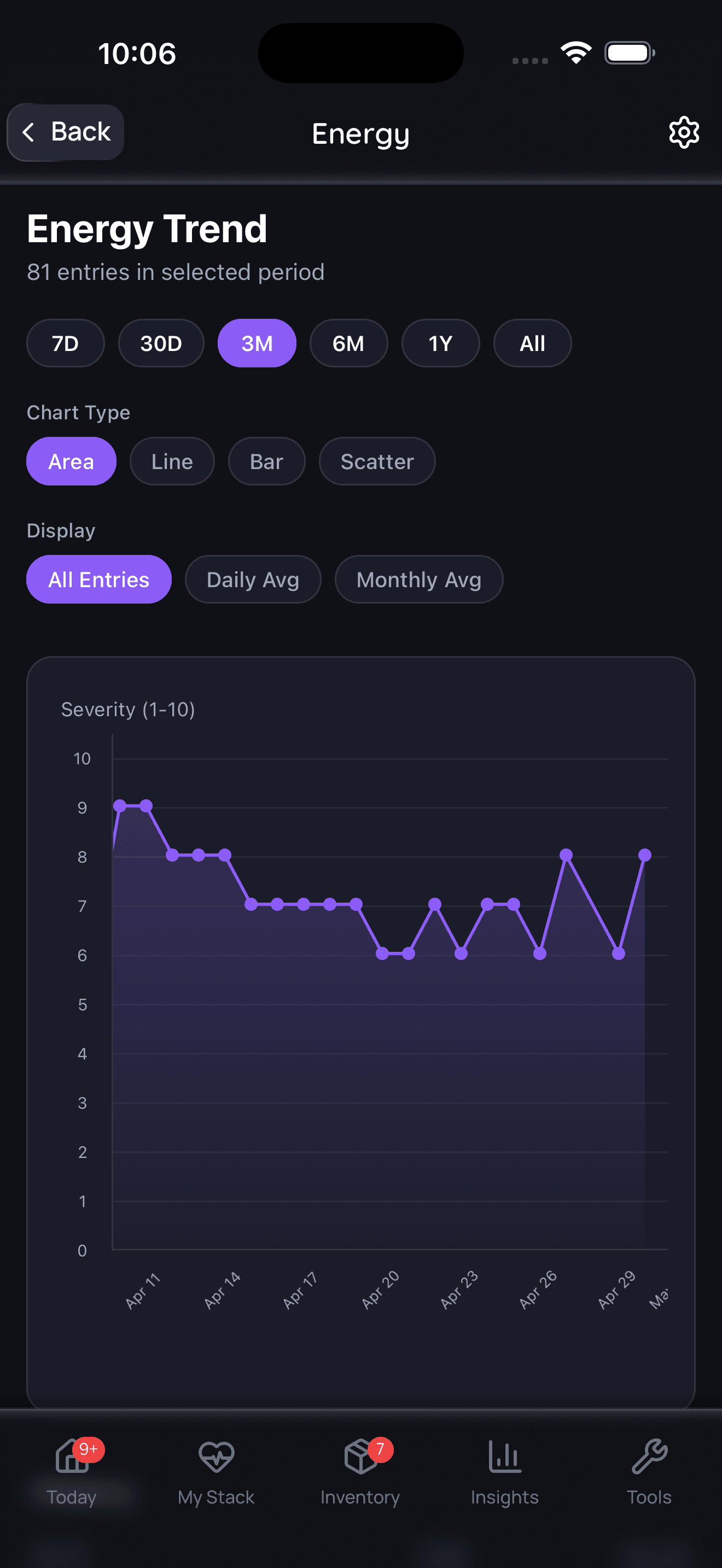
Symptom tracking is informational and should be interpreted with a qualified clinician.
Side Effects & Safety
The Basics
Glucomannan is generally well-tolerated, and serious side effects are uncommon when it is taken correctly. The most frequently reported issues are mild digestive symptoms: bloating, gas, belching, and a sense of stomach fullness. In clinical trials, these symptoms affected roughly 12-13% of glucomannan users compared to about 4% on placebo, but they were transient, typically lasting only 1-2 hours after the first few doses and resolving within the first three days of use [1].
The most distinctive safety concern with glucomannan is the choking and esophageal obstruction risk. Because the fiber absorbs water so aggressively and expands rapidly, taking glucomannan capsules or powder without enough water can cause the fiber to swell in the throat or esophagus before reaching the stomach. This risk is most relevant for elderly individuals, people with swallowing difficulties (dysphagia), and children. Konjac jelly products have been linked to deaths from choking, primarily in children and elderly people, leading to bans on these products in several countries [4].
At higher doses, some users may experience diarrhea, hiccups, or abdominal discomfort [5]. These effects are dose-related and typically manageable by reducing the dose or increasing water intake.
Long-term use may theoretically affect the absorption of fat-soluble vitamins (A, D, E, K) and some minerals, though this has not been well-documented in clinical studies. Taking glucomannan separately from other supplements and medications (at least 1 hour apart) is a reasonable precaution [1][4].
Glucomannan should not be used by people with esophageal narrowing, difficulty swallowing, or gastrointestinal obstruction.
The Science
Common adverse effects (RCT data):
Keithley et al. (2013) documented the following in a placebo-controlled trial: belching (13.4% vs 4.1% placebo), bloating (12.7% vs 3.7%), stomach fullness (11.9% vs 2.4%). All symptoms were transient (1-2 hours post-dose) and limited to the first 1-3 days. No participants discontinued due to adverse effects. Hepatic function (AST, ALT) and renal function (serum creatinine) remained normal throughout the 8-week study [1].
Choking and esophageal obstruction:
Case reports of esophageal obstruction have been documented with glucomannan tablets and products that maintain shape in the oropharynx. The FDA issued warnings in 2001 regarding konjac candy products following six pediatric deaths in the US [4]. The mechanism involves rapid hydration and gel formation of dry glucomannan before reaching the stomach. The EU has banned konjac jelly candies in small cup formats. The FDA requires OTC products in dry or incompletely hydrated form to carry warnings about adequate water intake.
EFSA safety assessment:
The EFSA Panel on Food Additives and Nutrient Sources concluded (2017): no relevant adverse effects in 90-day feeding studies in rats and dogs; NOEL of 1,250 mg/kg bw/day in rats; no genotoxicity concern; no numerical ADI required. Abdominal discomfort (diarrhea or constipation) was observed in some adults at 3,000 mg/day for 12 weeks [3].
Populations at risk:
Individuals with dysphagia, esophageal strictures, or gastrointestinal obstruction are contraindicated from glucomannan use. Pregnancy and breastfeeding safety data are insufficient; caution is advised. Pediatric use should be supervised, particularly regarding choking risk.
Managing side effect risks across a multi-supplement stack can feel overwhelming, especially when interactions between supplements, medications, and foods add layers of complexity. Doserly brings all of that into a single safety view so nothing falls through the cracks.
Rather than researching every possible interaction yourself, the app checks your full stack automatically and flags supplement-drug and supplement-supplement interactions that warrant attention. If you do experience something unexpected, logging it takes seconds, and over time the app helps you spot patterns: whether symptoms correlate with specific doses, timing, or combinations. One place for the safety picture that matters most when your stack grows beyond a few bottles.
Connect protocol changes to labs and health markers.
Doserly can keep lab results, biomarkers, symptoms, and dose history close together so follow-up conversations have better context.
Insights
Labs and trends
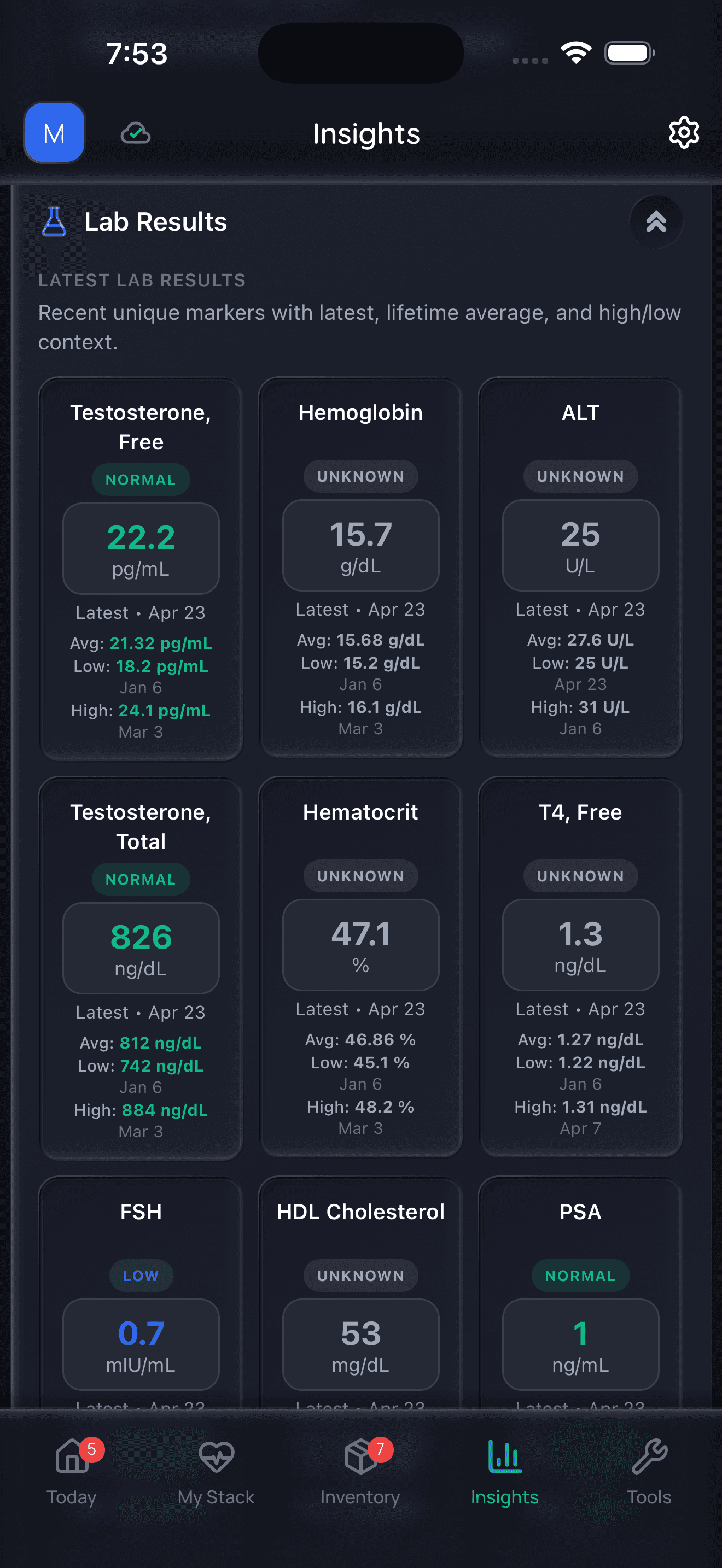
Doserly organizes data; it does not diagnose or interpret labs for you.
Dosing & Usage Protocols
The Basics
The most commonly studied and recommended dose of glucomannan is 3 grams per day, split into three doses of 1 gram each, taken 30-60 minutes before meals with 1-2 full glasses of water [1][3][6].
The EFSA has authorized two specific dose-based health claims:
- For weight loss (in context of energy-restricted diet): 3 g/day, taken as three 1 g doses before meals
- For cholesterol maintenance: 4 g/day [3]
Timing is essential. Glucomannan needs 30-60 minutes to hydrate and form its gel in the stomach before food arrives. Taking it with or immediately before a meal significantly reduces its ability to promote fullness and slow gastric emptying.
Water is non-negotiable. Each dose must be accompanied by at least 8 ounces (236 mL) of water, and ideally more. Insufficient water creates a choking hazard and reduces the fiber's effectiveness. Continue drinking water throughout the day when using glucomannan.
There is no established loading phase, cycling protocol, or need for periodic breaks with glucomannan.
The Science
Dose-response relationships:
The effective dose range for lipid outcomes appears to be 3-4 g/day based on meta-analytic evidence [6]. For glycemic parameters in T2DM, effective doses in clinical trials range from 1.2 to 15 g/day, with most studies using 3-4 g/day [7].
The EFSA authorized dose conditions:
- Weight loss: 3 g/day as 3 x 1 g before meals with 1-2 glasses water (in energy-restricted diet context)
- Cholesterol: 4 g/day [3]
The practical maximum for soluble fiber supplementation is approximately 10 g/day; higher doses are associated with increased gastrointestinal discomfort and potential nutrient absorption interference [1].
Form considerations:
Capsules: Most common supplement form. Typically 500-665 mg per capsule, requiring 2-4 capsules per dose. Must be swallowed immediately with water; do not allow capsules to dissolve in mouth.
Powder: Requires careful dosing and immediate consumption after mixing with water, as gel formation is rapid. More flexible dosing but less convenient than capsules.
Konjac food products (shirataki noodles, konjac flour): Provide glucomannan in food matrix. Doses delivered per serving are typically lower and more variable than supplements. May be useful as part of a dietary strategy but less precise for therapeutic dosing.
When your stack includes several supplements, each with its own dose, form, and timing requirements, the logistics alone can derail consistency. Doserly consolidates all of it into one protocol view, so every dose across your entire routine is accounted for without spreadsheets or guesswork.
The app also tracks cumulative intake for nutrients that appear in multiple products. If your multivitamin, standalone supplement, and fortified protein shake all contain the same nutrient, Doserly adds them up and shows you the total alongside recommended and upper limits. Managing a thoughtful supplement protocol shouldn't require a degree in nutrition science. The app handles the complexity so you can focus on staying consistent.
Turn symptom and safety notes into a clearer timeline.
Doserly helps you log doses, symptoms, and safety observations side by side so patterns are easier to discuss with a qualified clinician.
Pattern view
Logs and observations

Pattern visibility is informational and should be reviewed with a clinician.
What to Expect (Timeline)
Glucomannan has both immediate and gradual effects. Here is what the evidence and community experience suggest for each phase:
Day 1-3 (Adjustment Phase):
You may notice increased fullness after taking glucomannan before meals, even on the first dose. This satiety effect is the most immediate and noticeable outcome. Some users experience mild bloating, belching, or stomach fullness during this initial period as the digestive system adjusts. These symptoms are transient and typically resolve within the first three days [1].
Weeks 1-2 (Initial Phase):
If you are using glucomannan alongside a calorie-restricted diet, you may begin to notice reduced portion sizes at meals and slightly lower overall calorie intake. Blood sugar fluctuations after meals may become less pronounced. Digestive regularity may begin to improve if constipation was a pre-existing concern.
Weeks 3-4 (Establishment Phase):
Cholesterol-lowering effects begin to become measurable. Clinical trials with follow-up as early as 3 weeks have detected significant LDL reductions [6]. Weight changes, if they occur, typically become noticeable in this window when combined with dietary modification.
Weeks 5-8+ (Sustained Phase):
Cholesterol benefits are well-established by this point. The full magnitude of LDL reduction (~10%) seen in meta-analyses reflects study durations of 3 or more weeks [6]. For glycemic parameters in people with type 2 diabetes, improvements in fasting glucose and insulin sensitivity are generally observed by week 3-4 and sustained through 16 weeks of available trial data [7]. Weight loss benefits, where present, continue to accrue as long as caloric restriction is maintained alongside supplementation.
What NOT to expect:
Glucomannan is not a rapid weight loss supplement. It does not boost metabolism, burn fat, or suppress appetite through neurological pathways. Its effects are mechanical (gel formation) and metabolic (cholesterol and glucose modulation). Without concurrent dietary changes, the weight loss evidence suggests negligible results [1].
One of the hardest parts of any supplement routine is knowing whether it's working when results unfold gradually over weeks or months. Without a record, it's easy to abandon something too early or keep taking something that isn't delivering. Doserly solves that by giving you a visual timeline of your entire supplementation history mapped against the outcomes you care about.
When everything is in one view, you can compare how different supplements in your stack are performing over the same period. You can see whether adding this supplement coincided with the improvement you've noticed, or whether the timing points to something else entirely. That kind of clarity turns patience into a strategy rather than a gamble.
Keep sensitive protocol records in a purpose-built app.
Doserly is designed for private health tracking with structured records, offline-ready workflows, and exportable history when you need it.
Privacy
Health records
Privacy controls help you manage records; keep clinical records where required.
Interactions & Compatibility
SYNERGISTIC
- Psyllium Husk: Both are soluble fibers with complementary viscosity profiles. May provide additive cholesterol-lowering and satiety effects when combined, though total soluble fiber intake should remain under approximately 10 g/day.
- Prebiotic Fibers (Inulin, FOS, GOS): Complementary prebiotic mechanisms. Glucomannan feeds different microbial populations than fructo-oligosaccharides, potentially broadening the spectrum of gut bacteria supported.
- Chromium: Both support blood sugar regulation through different mechanisms (glucomannan via viscosity, chromium via insulin signaling). Commonly combined in blood sugar support protocols.
- Berberine: Complementary glucose and lipid-lowering effects. Berberine acts through AMPK activation while glucomannan works via viscosity and bile acid binding. Note: take at separate times to avoid absorption interference.
- Fish Oil (EPA/DHA): Complementary lipid profile support. Fish oil primarily targets triglycerides while glucomannan targets LDL cholesterol. Note: take at separate times.
- Energy-restricted diet: Glucomannan's weight loss benefits are specifically contingent on concurrent caloric restriction per EFSA evaluation [3].
CAUTION / AVOID
Supplement-Drug Interactions:
- Oral diabetes medications (sulfonylureas, metformin): Glucomannan can both reduce blood sugar independently and decrease absorption of oral medications. May increase hypoglycemia risk. Take diabetes medications at least 1 hour before or 4 hours after glucomannan. Monitor blood sugar closely [4].
- Thyroid medications (levothyroxine): Glucomannan can significantly decrease circulating T3, T4, and FT3 levels. Contraindicated for concurrent use without medical supervision. Take thyroid medications at least 1 hour before or 4 hours after glucomannan [4].
- All oral medications: Glucomannan forms a viscous gel that can trap and reduce absorption of co-administered oral drugs. General recommendation: take all oral medications at least 1 hour before or 4 hours after glucomannan [4].
- Orlistat: Can be combined (some evidence of synergy for weight loss), but may increase GI side effects. Monitor carefully [5].
Supplement-Supplement Interactions:
- Fat-soluble vitamins (A, D, E, K): Glucomannan may reduce absorption. Documented decrease in Vitamin E absorption. Take fat-soluble vitamins at separate times [4].
- Iron, Calcium, Zinc: Fiber supplements may theoretically reduce mineral absorption. Separate dosing by at least 1-2 hours.
Supplement-Food Interactions:
- High-fiber meals: Combining glucomannan with an already high-fiber meal may amplify GI side effects (bloating, gas, diarrhea). Adjust total fiber intake accordingly.
How to Take / Administration Guide
Step-by-step administration for capsules (most common form):
- Take 2-4 capsules (totaling approximately 1 g glucomannan) exactly 30-60 minutes before each main meal.
- Swallow capsules immediately with at least 8 ounces (one full glass, 236 mL) of water. Do not let capsules sit in your mouth or dissolve partially before swallowing.
- Drink additional water throughout the day. Adequate hydration is essential for both safety and effectiveness.
- Repeat before lunch and dinner for a total of approximately 3 g/day.
For powder form:
- Measure approximately 1 g of glucomannan powder.
- Stir quickly into a full glass of water and drink immediately. The powder begins forming a gel within seconds.
- Follow with an additional glass of water.
- Do not prepare powder mixtures in advance; they will solidify.
For konjac food products (shirataki noodles, konjac rice):
- Rinse thoroughly (shirataki noodles have a distinct smell when first opened).
- Prepare according to package directions.
- Note that the glucomannan content per serving of food products is typically lower and more variable than supplemental doses.
Practical tips:
- Set alarms or reminders 30-60 minutes before your usual meal times.
- Keep a water bottle accessible when taking glucomannan.
- Start with a lower dose (1-2 g/day) for the first few days if you are sensitive to fiber, then increase to the full 3 g/day.
- If you experience persistent GI discomfort, reduce the dose before discontinuing entirely.
Do NOT:
- Take glucomannan right before bed (choking risk if lying down)
- Take glucomannan without water
- Take capsules if you have difficulty swallowing
- Give konjac jelly products to children (choking hazard)
Choosing a Quality Product
When selecting a glucomannan supplement, consider the following quality markers:
Active form and purity:
- Look for products listing "konjac glucomannan" or "Amorphophallus konjac root extract" as the active ingredient.
- Purity matters. Refined konjac glucomannan (90%+ purity) is preferred over crude konjac flour (~65% purity), which contains more starch and fewer active fibers.
- Avoid products that list "konjac root powder" without specifying glucomannan content, as potency can vary significantly.
Third-party certifications:
- USP (U.S. Pharmacopeia) verified mark
- NSF International certification
- ConsumerLab.com approved quality
- These certifications verify identity, purity, and accurate label claims.
Red flags to avoid:
- Products making dramatic weight loss claims (e.g., "lose 10 pounds in a week") without mentioning the need for dietary modification.
- Proprietary blends that obscure the actual glucomannan dose.
- Products without clear dosing instructions or water intake warnings.
- Tablet forms (higher choking risk than capsules; capsules disintegrate faster in the stomach).
- Products with excessive fillers or unnecessary additives.
Label verification:
- Confirm the glucomannan dose per capsule/serving.
- Check for a choking hazard warning (required by FDA for dry/incompletely hydrated forms).
- Verify capsule type (vegetable capsules preferred for dissolution profile; gelatin capsules are acceptable).
PGX (PolyGlycopleX):
This is a proprietary blend of konjac glucomannan with sodium alginate and xanthan gum, designed for enhanced viscosity. It has its own body of clinical research but is a distinct product from standard glucomannan supplements.
Storage & Handling
Glucomannan is hygroscopic, meaning it readily absorbs moisture from the environment. Proper storage is important to prevent the powder or capsules from absorbing ambient humidity and becoming clumped, degraded, or ineffective.
- Temperature: Store at room temperature, away from heat sources.
- Moisture: Keep in a tightly sealed container. Avoid storing in bathrooms or kitchens where humidity is high.
- Light: No significant light sensitivity, but general practice is to store away from direct sunlight.
- Shelf life: Follow the expiration date on the product label. Properly stored, konjac glucomannan products are stable for extended periods due to the compound's thermal stability (gel strength unchanged after repeated heating at 100 degrees C) [5].
- Travel: Keep capsules in their original container with desiccant packet if included. Powder should be kept sealed. In humid climates, consider double-bagging powder products.
- Opened vs. sealed: Once opened, ensure the container is resealed tightly after each use. Exposure to moisture will cause the powder to begin hydrating and clumping.
Lifestyle & Supporting Factors
Diet:
Glucomannan works best as part of a structured dietary approach rather than as a standalone intervention. For weight management specifically, the EFSA authorized its health claim only in the context of an energy-restricted diet [3]. Consider:
- Maintaining a consistent meal schedule (three meals per day) to align with the pre-meal dosing protocol.
- Monitoring total daily fiber intake from all sources (food + supplements) to stay within comfortable levels and avoid excessive GI symptoms.
- Ensuring adequate intake of fat-soluble vitamins (A, D, E, K) through diet or timed supplementation, as glucomannan may reduce their absorption.
Hydration:
Adequate water intake is both a safety requirement and an effectiveness factor. Beyond the 8 oz taken with each dose, maintain normal daily hydration (approximately 2-3 liters of total fluid intake). Dehydration combined with a highly viscous fiber supplement can worsen constipation and increase obstruction risk.
Exercise:
Some evidence suggests that combining glucomannan with resistance and endurance exercise enhances body composition outcomes beyond either intervention alone [1]. Exercise is not required for the cholesterol-lowering effects but supports the weight management application.
Lab monitoring:
If using glucomannan for cholesterol or blood sugar management, periodic lab work can provide objective feedback:
- Lipid panel (total cholesterol, LDL, HDL, triglycerides): baseline and at 4-8 weeks.
- Fasting blood glucose and HbA1c (for diabetic users): per your healthcare provider's schedule.
- Thyroid function (TSH, T3, T4): if taking thyroid medications concurrently.
Regulatory Status & Standards
United States (FDA):
- Glucomannan is regulated as a dietary supplement under DSHEA.
- In 2020, the FDA approved glucomannan for labeling as a dietary fiber.
- GRAS (Generally Recognized as Safe) designation for use as a food additive and thickening agent.
- FDA issued warnings in 2001 regarding konjac candy/jelly products due to choking deaths in children (Import Alert 33-15).
- OTC products in dry or incompletely hydrated form must carry warnings about adequate water intake and swallowing difficulty risk.
European Union (EFSA):
- Classified as food additive E 425 ii (konjac glucomannan).
- EFSA NDA Panel authorized two health claims (Commission Regulation EU No. 432/2012):
- Weight loss in context of energy-restricted diet (3 g/day, three 1 g doses before meals)
- Maintenance of normal blood cholesterol concentrations (4 g/day)
- Maximum permitted level as food additive: 10 g/kg in all food categories.
- EFSA safety assessment: no numerical ADI required; no safety concern at current use levels [3].
- Konjac jelly in mini-cup format is banned in the EU due to choking risk.
Canada (Health Canada):
- Licensed as a Natural Health Product (NHP).
- Available with Natural Product Numbers (NPN).
- Recognized as a source of dietary fiber.
Australia (TGA):
- Listed under complementary medicines.
- Konjac jelly products subject to restrictions.
Active clinical trials:
- Multiple registered trials on ClinicalTrials.gov examining glucomannan for obesity, diabetes management, and gut health.
Athlete & Sports Regulatory Status:
- WADA: Glucomannan is NOT on the WADA Prohibited List. It is a dietary fiber with no pharmacological properties relevant to performance enhancement.
- National Anti-Doping Agencies (USADA, UKAD, Sport Integrity Canada, Sport Integrity Australia): No specific guidance or alerts regarding glucomannan.
- Professional Sports Leagues (NFL, NBA, MLB, NHL, NCAA): Glucomannan does not appear on any professional league banned substance list. As a dietary fiber, it has no performance-enhancing properties.
- Athlete Certification Programs: Athletes seeking certified products can look for Informed Sport, NSF Certified for Sport, Cologne List, or BSCG certifications on glucomannan supplements to reduce contamination risk.
- GlobalDRO: Athletes can verify supplement ingredient status at GlobalDRO.com across US, UK, Canada, Australia, Japan, Switzerland, and New Zealand.
Regulatory status and prohibited substance classifications change frequently. Athletes should always verify the current status of any supplement with their sport's governing body, their national anti-doping agency, and a qualified sports medicine professional before use. Third-party certification (Informed Sport, NSF Certified for Sport) reduces but does not eliminate the risk of contamination with prohibited substances.
Frequently Asked Questions
Does glucomannan actually work for weight loss?
The evidence is mixed. Glucomannan alone, without changes to diet or exercise, has not reliably produced significant weight loss in clinical trials. However, when combined with a calorie-restricted diet, the European Food Safety Authority has authorized a health claim for weight loss at 3 g/day. The mechanism is primarily through increased fullness and reduced calorie intake at meals, not through fat burning or metabolism boosting. Setting realistic expectations is important: modest additional weight loss of 1-4 kg over several weeks is what the evidence supports, and only with concurrent dietary changes [1][3].
How much water should I drink with glucomannan?
At minimum, 8 ounces (about 236 mL) of water with each dose. Many practitioners recommend 1-2 full glasses (16 oz). Adequate water is both a safety measure (to prevent choking and esophageal obstruction) and an effectiveness factor (the fiber needs water to form its gel). Continue drinking water throughout the day beyond just what you take with your doses.
Can glucomannan lower cholesterol?
This is actually glucomannan's strongest evidence-based benefit. Multiple meta-analyses of randomized controlled trials show approximately a 10% reduction in LDL cholesterol at doses of 3-4 g/day. The European Food Safety Authority has authorized a health claim for cholesterol maintenance at 4 g/day. The mechanism involves binding bile acids in the intestine, forcing the liver to use cholesterol to make new bile acids [3][6].
Is glucomannan safe?
Glucomannan is generally well-tolerated when taken as directed with adequate water. The primary safety concern is choking or esophageal obstruction if taken without sufficient water, particularly in people with swallowing difficulties. Mild GI symptoms (bloating, gas, fullness) are common in the first few days but typically resolve quickly. Clinical trials have shown normal liver and kidney function markers throughout supplementation periods [1][3].
When should I take glucomannan relative to my medications?
Take all oral medications at least 1 hour before or 4 hours after glucomannan. The viscous gel formed by glucomannan can reduce the absorption of co-administered medications. This is especially important for diabetes medications, thyroid medications, and any time-sensitive medications [4].
How long does it take for glucomannan to work?
The satiety effect is noticeable from the first dose. Cholesterol-lowering effects typically become measurable within 3-4 weeks. Blood sugar improvements in diabetic populations are generally observed by weeks 3-4. Weight management effects (if diet is also restricted) may take 4-8 weeks to become apparent [6][7].
Can I take glucomannan if I have diabetes?
Glucomannan may benefit people with type 2 diabetes by improving blood sugar control, but it requires medical supervision. The supplement can lower blood sugar and may also interfere with the absorption of diabetes medications. Discuss with your healthcare provider before starting, and monitor blood sugar levels more frequently when beginning supplementation [5][7].
Is konjac noodle (shirataki) the same as taking glucomannan supplements?
Shirataki noodles are made from konjac flour, which contains glucomannan. However, the glucomannan content per serving of noodles is lower and more variable than supplemental doses. Eating shirataki noodles is a reasonable way to include glucomannan in your diet, but it is unlikely to deliver the consistent 3-4 g/day doses used in clinical trials.
Can glucomannan cause choking?
Yes, this is a documented safety risk. Glucomannan can absorb up to 50 times its weight in water and swell rapidly. If capsules or powder begin to expand before reaching the stomach (in the throat or esophagus), obstruction can occur. Konjac jelly products have been linked to choking deaths, primarily in children and elderly individuals. Always take glucomannan with plenty of water, swallow capsules promptly, and never take it lying down [4].
Does glucomannan affect nutrient absorption?
Glucomannan may reduce the absorption of fat-soluble vitamins (A, D, E, K) and some minerals. One study documented decreased Vitamin E absorption. To minimize this risk, take other supplements and vitamins at least 1-2 hours apart from glucomannan doses [4].
Myth vs. Fact
Myth: Glucomannan is a powerful fat burner.
Fact: Glucomannan does not burn fat, increase metabolic rate, or have any thermogenic properties. It is a soluble fiber that absorbs water and forms a gel in the stomach, promoting fullness. Any weight loss it contributes to comes from reduced calorie intake at meals, not from fat metabolism. Without caloric restriction, clinical trials show no significant weight loss [1].
Myth: You can lose significant weight with glucomannan alone, without changing your diet.
Fact: A rigorous 8-week randomized controlled trial found no significant weight loss when overweight adults took 3.99 g/day of glucomannan while maintaining their usual diets and activity levels [1]. The EFSA only approved the weight loss health claim in the explicit context of an energy-restricted diet [3]. Glucomannan may help you eat less, but it is a tool that works alongside dietary changes, not a replacement for them.
Myth: More glucomannan is always better.
Fact: The evidence-based dose range is 3-4 g/day. Higher doses increase the risk of GI side effects (bloating, diarrhea, cramping) without proven additional benefit. The maximum practical daily intake of soluble fiber supplements is approximately 10 g/day [1].
Myth: Glucomannan is unsafe because of choking reports.
Fact: The choking incidents are almost exclusively associated with konjac jelly candy products (small, firm, cup-shaped gels), not with glucomannan capsules or powder taken as directed. When capsules are swallowed promptly with at least 8 ounces of water, the risk of esophageal obstruction is very low. The safety concern is real but manageable with proper use [4].
Myth: Glucomannan can replace cholesterol-lowering medication.
Fact: While glucomannan reduces LDL cholesterol by approximately 10% (roughly half what dietary interventions like the DASH diet achieve and a fraction of statin effects), it is not a substitute for prescribed medication. It may complement a heart-healthy diet and medical treatment plan, but any changes to medication should be discussed with a healthcare provider [6].
Myth: Shirataki noodles deliver the same benefits as glucomannan supplements.
Fact: Shirataki noodles contain glucomannan, but at lower and more variable concentrations than supplements. A serving of shirataki noodles may provide a fraction of the 3-4 g/day dose used in clinical trials. Noodles can be part of a dietary strategy but should not be relied upon as the sole source of therapeutic glucomannan doses.
Myth: Glucomannan has no real scientific evidence behind it.
Fact: Glucomannan has been studied in multiple randomized controlled trials and meta-analyses. It is one of the few dietary supplements with health claims formally authorized by the EFSA, a regulatory body known for its stringent evidence requirements. The cholesterol-lowering evidence (10% LDL reduction across 12 RCTs) is particularly robust [3][6].
Sources & References
Systematic Reviews & Meta-Analyses
[6] Ho HVT, Sievenpiper JL, Zurbau A, et al. A systematic review and meta-analysis of randomized controlled trials of the effect of konjac glucomannan, a viscous soluble fiber, on LDL cholesterol and the new lipid targets non-HDL cholesterol and apolipoprotein B. Am J Clin Nutr. 2017;105(5):1239-1247.
[7] Zhang Y, Liu W, Liu D, et al. Effects of glucomannan supplementation on type II diabetes mellitus in humans: a meta-analysis. Nutrients. 2023;15(3):601. PMC9919128.
[8] Sood N, Baker WL, Coleman CI. Effect of glucomannan on plasma lipid and glucose concentrations, body weight, and blood pressure: systematic review and meta-analysis. Am J Clin Nutr. 2008;88(4):1167-1175.
Clinical Trials & RCTs
[1] Keithley JK, Swanson B, Mikolaitis SL, et al. Safety and efficacy of glucomannan for weight loss in overweight and moderately obese adults. J Obesity. 2013;2013:610908. PMC3892933.
[9] Chen HL, Sheu WH, Tai TS, Liaw Y, Chen Y. Konjac supplement alleviated hypercholesterolemia and hyperglycemia in type 2 diabetic subjects: a randomized double-blind trial. J Am Coll Nutr. 2003;22(1):36-42.
[10] Vuksan V, Jenkins DJA, Spadafora P, et al. Konjac-mannan (glucomannan) improves glycemia and other associated risk factors for coronary heart disease in type 2 diabetes: a randomized controlled metabolic trial. Diabetes Care. 1999;22(6):913-919.
[11] Vuksan V, Sievenpiper JL, Owen R, et al. Beneficial effects of viscous dietary fiber from Konjac-Mannan in subjects with the insulin resistance syndrome: results of a controlled metabolic trial. Diabetes Care. 2000;23(1):9-14.
[12] Gallaher DD, Gallaher CM, Mahrt GJ, et al. A glucomannan and chitosan fiber supplement decreases plasma cholesterol and increases cholesterol excretion in overweight normocholesterolemic humans. J Am Coll Nutr. 2002;21(5):428-433.
[13] Kraemer WJ, Vingren JL, Silvestre R, et al. Effect of adding exercise to a diet containing glucomannan. Metabolism. 2007;56(8):1149-1158.
[14] Walsh DE, Yaghoubian V, Behforooz A. Effect of glucomannan on obese patients: a clinical study. Int J Obesity. 1984;8(4):289-293.
Government/Institutional Sources
[3] EFSA Panel on Dietetic Products, Nutrition and Allergies. Scientific Opinion on the substantiation of health claims related to konjac mannan (glucomannan) and reduction of body weight, reduction of post-prandial glycaemic responses, maintenance of normal blood glucose concentrations, maintenance of normal blood cholesterol concentrations, maintenance of normal bowel function. EFSA Journal. 2010;8(10):1798.
[4] U.S. Food and Drug Administration. Import Alert 33-15: Detention Without Physical Examination of Konjac Candy. FDA. 2001. / FDA Center for Food Safety and Applied Nutrition enforcement actions.
[15] EFSA Panel on Food Additives and Nutrient Sources. Re-evaluation of konjac gum (E 425 i) and konjac glucomannan (E 425 ii) as food additives. EFSA Journal. 2017;15(6):4864. PMC7009929.
Comprehensive Reviews
[2] Comprehensive review: Konjac glucomannan: A comprehensive review of its extraction, health benefits, and pharmaceutical applications. Carbohydr Polym. 2024;339:122266. PMID: 38823930.
[5] Comprehensive review: Konjac Glucomannan: An Emerging Specialty Medical Food to Aid in the Treatment of Type 2 Diabetes Mellitus. Front Nutr. 2023;9:1027228. PMC9858196.
Related Supplement Guides
Same Category
- Psyllium Husk - Soluble fiber with similar cholesterol-lowering and satiety mechanisms
- Prebiotic Fibers (Inulin, FOS, GOS) - Prebiotic fibers supporting gut microbiome health
- Acacia Fiber - Soluble fiber with prebiotic properties
- Pectin - Soluble fiber from fruit sources
Common Stacks / Pairings
- Chromium - Often combined for blood sugar regulation support
- Berberine - Complementary glucose and lipid-lowering effects
- Fish Oil (EPA/DHA) - Complementary lipid profile support (triglycerides + LDL)
- Green Tea Extract (EGCG) - Combined in weight management protocols
- Caffeine - Combined in some weight management formulations
Related Health Goal
- Garcinia Cambogia - Weight management supplement (different mechanism)
- CLA (Conjugated Linoleic Acid) - Weight management and body composition
- Bitter Orange (Synephrine) - Thermogenic weight management
- Apple Cider Vinegar - Weight management and blood sugar support
- Red Yeast Rice - Cholesterol management (contains naturally occurring statins)
- Resistant Starch - Prebiotic fiber with blood sugar benefits