
Aloe Vera (Oral): The Complete Supplement Guide
On this page
Quick Reference Card
Attribute
Common Name
- Detail
- Aloe Vera (Oral)
Attribute
Other Names / Aliases
- Detail
- Aloe barbadensis Miller, Aloe vera, Aloe capensis, Aloe africana, Aloe arborescens, Kumari (Ayurvedic), Lu Hui (Chinese), Cape Aloe
Attribute
Category
- Detail
- Herbal / Digestive / Demulcent
Attribute
Primary Forms & Variants
- Detail
- Inner leaf gel (decolorized, most common oral form); whole leaf extract (contains latex, higher risk profile); aloe latex (anthraquinone-rich, laxative); acemannan extract (purified polysaccharide); aloe juice/beverage (diluted gel)
Attribute
Typical Dose Range
- Detail
- 100 to 300 mg aloe vera gel extract per day (capsule); 30 to 60 mL aloe vera juice per day; no standardized optimal dose established
Attribute
RDA / AI / UL
- Detail
- Not established (herbal supplement, not an essential nutrient)
Attribute
Common Delivery Forms
- Detail
- Capsules, soft gels, juice/beverage, liquid extract, powder
Attribute
Best Taken With / Without Food
- Detail
- Commonly taken on an empty stomach or 30 minutes before meals for GI benefits. Juice may be taken with meals.
Attribute
Key Cofactors
- Detail
- None established. Sometimes combined with slippery elm, DGL licorice, or marshmallow root for GI support stacks. Aloe vera gel may enhance the absorption of co-administered vitamins (notably vitamin C, vitamin E).
Attribute
Storage Notes
- Detail
- Store capsules in a cool, dry place away from direct sunlight. Aloe vera juice should be refrigerated after opening and consumed within the timeframe specified on the label. Powders should be kept sealed and dry.
Overview
The Basics
Aloe vera is one of the most widely recognized plants in the world, with a history of use stretching back thousands of years across ancient Greece, Rome, Babylonia, China, and Ayurvedic medicine. Most people know it as the clear gel inside the thick, succulent leaves, commonly applied to sunburns and skin irritations. But aloe vera also has a long tradition of oral use, primarily for digestive support and, more recently, for blood sugar management.
The plant produces several distinct substances, and understanding the difference matters for oral use. The clear inner leaf gel is the part most commonly taken by mouth today. The yellow latex found just under the leaf skin contains anthraquinones (primarily aloin) and was historically used as a powerful laxative, though the FDA removed aloe latex from over-the-counter laxative products in 2002 due to insufficient safety data [1]. Whole leaf extracts contain both gel and latex components and carry a different safety profile than purified inner leaf gel alone.
Today, oral aloe vera products are most commonly used for digestive comfort (particularly acid reflux and general GI support), blood sugar management in people with prediabetes or type 2 diabetes, and general wellness. It is classified as an herbal supplement under DSHEA in the United States and is available as juice, capsules, soft gels, and liquid extracts.
The Science
Aloe vera (Aloe barbadensis Miller) is a perennial succulent plant belonging to the family Asphodelaceae (formerly Liliaceae). It comprises over 360 species, with Aloe barbadensis being the most commonly used for supplementation. The plant has been used therapeutically for millennia, with documentation in the Ebers Papyrus (1550 BCE) and in the materia medica traditions of numerous cultures [2].
The aloe leaf contains three pharmacologically distinct regions: (1) the inner parenchyma (gel), composed primarily of water (>98%) with polysaccharides, glycoproteins, vitamins, minerals, and enzymes; (2) the latex (yellow exudate), containing anthraquinone glycosides (aloin A and B, aloe-emodin, barbaloin); and (3) the outer rind. For oral supplementation, the distinction between these fractions is clinically significant, as they carry different bioactive profiles and safety considerations [3][4].
The gel fraction contains over 75 identified bioactive constituents, including the acetylated polysaccharide acemannan (the primary bioactive compound for oral use), phytosterols (lophenol, cycloartanol, 24-methyl-lophenol, 24-ethyl-lophenol), vitamins (A, C, E, B12, folic acid), minerals (calcium, chromium, selenium, magnesium, manganese, potassium, sodium, zinc), enzymes (amylase, lipase, bradykinase, alkaline phosphatase, catalase, peroxidase), amino acids, lignin, saponins, and salicylic acid [3][5].
Chemical & Nutritional Identity
Property
Botanical Name
- Value
- Aloe barbadensis Miller (syn. Aloe vera L.)
Property
Family
- Value
- Asphodelaceae (formerly Liliaceae)
Property
Common Names
- Value
- Aloe vera, cape aloe, aloe gel, kumari, lu hui
Property
CAS Registry Number
- Value
- 85507-69-3 (aloe vera gel); 8001-97-6 (aloe extract)
Property
PubChem CID
- Value
- 166571 (aloin A)
Property
Primary Bioactive Compound
- Value
- Acemannan (beta-(1,4)-linked acetylated polymannose, MW 140,000 to >1,000,000 daltons)
Property
Key Anthraquinones
- Value
- Aloin A, aloin B, aloe-emodin, barbaloin (primarily in latex fraction)
Property
Key Phytosterols
- Value
- Lophenol, cycloartanol, 24-methyl-lophenol, 24-ethyl-lophenol
Property
Enzymes
- Value
- Amylase, lipase, bradykinase, alkaline phosphatase, catalase, peroxidase
Property
RDA / AI / UL
- Value
- Not established
Property
Category
- Value
- Herbal demulcent / digestive support
Common supplement forms include:
- Inner leaf gel extract (decolorized): The most common oral form. Activated carbon treatment removes anthraquinones (aloin reduced to <10 ppm). Available as capsules, juice, or liquid.
- Whole leaf extract (non-decolorized): Contains both gel and latex components including anthraquinones. The International Agency for Research on Cancer (IARC) classified non-decolorized whole leaf extract as a possible carcinogen (Group 2B) [6].
- Acemannan extract: Purified polysaccharide fraction. Concentrated form used in some capsule products (e.g., 200:1 concentrates).
- Aloe vera juice/beverage: Diluted inner leaf gel, typically consumed as a drink. Commercially available products generally contain <10 ppm aloin.
- Aloe latex: Anthraquinone-rich fraction from under the leaf skin. No longer approved for OTC laxative use in the US since 2002 [1].
Mechanism of Action
The Basics
Aloe vera works through several different pathways depending on which part of the plant you take and what you are using it for.
For digestive support, the primary mechanism is straightforward: acemannan, the main polysaccharide in aloe vera gel, forms a gel-like coating in the stomach and digestive tract. Think of it as a soothing blanket over irritated tissue. This coating can help protect the esophagus and stomach lining from acid, which is why many people with acid reflux report relief. The gel also has mild anti-inflammatory properties that can help calm irritated tissue [7].
For blood sugar management, the picture is a bit more complex. Aloe vera contains compounds that appear to help the body use insulin more effectively and may support the pancreatic cells that produce insulin. Chromium and certain phytosterols found in the plant have been studied for their roles in glucose metabolism, and the gel may slow down the rate at which sugars are released from food during digestion [8].
In the gut, acemannan also acts as a prebiotic. When it reaches the large intestine, gut bacteria break it down into short-chain fatty acids (SCFAs) like butyrate, which nourish the cells lining the colon and support overall gut health. This is a secondary benefit that occurs over time with consistent use [9].
The Science
The pharmacological activity of oral aloe vera is mediated through multiple mechanisms, with the primary bioactive compound being the acetylated polysaccharide acemannan [9][10].
Gastrointestinal mechanisms:
- Acemannan forms a bioadhesive mucilaginous layer over mucosal surfaces, providing mechanical protection against gastric acid and irritants [7]
- A polymer fraction of aloe vera protects the gastric mucosa against ethanol-induced damage by decreasing mRNA expression levels of inducible nitric oxide synthase (iNOS), neuronal nitric oxide synthase (nNOS), and matrix metalloproteinase-9 (MMP-9), three critical biomarkers in gastric ulceration [11]
- In the colon, acemannan undergoes bacterial fermentation into short-chain fatty acids (acetate, propionate, butyrate), conferring prebiotic benefits including enhanced epithelial barrier function and modulation of the gut immune response [9]
Glycemic control mechanisms:
- Phytosterols (lophenol, cycloartanol) regulate glucose metabolism through modulation of gluconeogenesis pathways [8]
- Aloe vera has been shown to trigger insulin secretion from pancreatic beta cells [12]
- Chromium and alprogen found in aloe vera may support repair of damaged insulin-producing cells [12]
- Inhibition of dipeptidyl peptidase-4 (DPP-4), pancreatic lipase, sucrase, and maltase enzymes has been demonstrated in vitro [13]
Immunomodulatory mechanisms:
- Acemannan stimulates cytokine production (TNF-alpha, IL-1) in macrophages [14]
- Acemannan induces maturation of dendritic cells through mannose receptor agonism [15]
- Aloeride, a high-molecular-weight polysaccharide from aloe vera juice, enhances NF-kappa B activities as a potent immunostimulator [16]
Anti-inflammatory mechanisms:
- Inhibition of TNF-alpha-induced proliferation of keratinocytes [17]
- Suppression of pro-inflammatory mediator release (IL-6, TNF-alpha) from activated macrophages [17]
- Antioxidant activity through free radical scavenging, attributed to phenolic acid content [18]
Absorption & Bioavailability
The Basics
Aloe vera works differently from many supplements because its primary active component, acemannan, is not well absorbed into the bloodstream. Instead, it does most of its work locally in the digestive tract. When you drink aloe vera juice or take a gel capsule, the polysaccharides coat and interact directly with the tissue they contact, particularly in the esophagus, stomach, and intestines.
This local action is actually an advantage for digestive uses. If you are looking for acid reflux relief or GI soothing, you want the active compounds right at the site of irritation, not circulating systemically. This is also why juice and liquid forms are often preferred for digestive complaints, because they coat more tissue surface area than a capsule.
One interesting property of aloe vera is that it can enhance the absorption of other nutrients and medications taken alongside it. Studies have shown that aloe vera gel can significantly increase the bioavailability of co-administered vitamins, including a nearly 4-fold increase in vitamin E absorption in one study [19]. This is a double-edged sword, however, because it means aloe vera can also increase absorption of medications in unintended ways.
The Science
Acemannan is a high-molecular-weight polysaccharide that is largely resistant to gastrointestinal enzymatic degradation. Its primary therapeutic mechanism is topical (mucosal adhesion and interaction) rather than systemic [9][10].
Absorption characteristics:
- Acemannan demonstrates limited systemic bioavailability via the oral route due to its large molecular weight (140,000 to >1,000,000 daltons)
- Primary effects occur through direct interaction with the gastrointestinal epithelium and gut-associated lymphoid tissue (GALT)
- Smaller molecular weight constituents (flavonoids, phenolic acids, phytosterols) undergo conventional GI absorption and may exert systemic effects [17]
Enhancement of co-administered compound bioavailability:
- A. vera gel product achieved a 3.69-fold increase in the area under the curve (AUC) of vitamin E (tocopherol) when co-administered with 60 mL of the gel product in human subjects [19]
- Precipitated polysaccharide fraction of A. vera gel increased maximum plasma concentration (Cmax) of indinavir by approximately 2.5-fold in Sprague Dawley rats [20]
- The mechanism of absorption enhancement has been identified as tight junction modulation across the intestinal epithelium [20]
Processing impact on bioactivity:
- Acemannan content and bioactivity are significantly affected by processing methods. Cold processing preserves acemannan structure better than heat-based methods [10]
- Spray drying, industrial freeze-drying, and refractance window drying can degrade polysaccharide components
- The degree of acetylation is a critical determinant of biological activity; breakage of acemannan chains into smaller fragments can paradoxically enhance certain biological effects including immunomodulatory activity [9]
Colonic metabolism:
- Acemannan reaching the colon undergoes fermentation by gut microbiota, producing short-chain fatty acids (SCFAs) including acetate, propionate, and butyrate [9]
- This prebiotic function represents a secondary mechanism of action that occurs with consistent oral intake
Research & Clinical Evidence
Blood Glucose and Diabetes
The Basics
The most robust clinical evidence for oral aloe vera supports its use in blood sugar management. Several studies have found that aloe vera gel taken orally can modestly reduce fasting blood glucose and HbA1c (a marker of long-term blood sugar control) in people with prediabetes and type 2 diabetes. The effects are not dramatic, but they are consistent enough that a meta-analysis found statistically significant reductions compared to placebo [21].
Most of the positive studies used aloe vera gel capsules in the range of 200 to 300 mg per day, typically taken for 8 to 12 weeks. The effects appear to be more pronounced in people who are overweight (but not severely obese) and in those with type 2 diabetes rather than prediabetes alone. One study found that aloe vera gel may also modestly reduce body weight and fat mass in people with prediabetes or early diabetes [22].
It is important to note that aloe vera is not a substitute for diabetes medication or medical management. The blood sugar reductions observed in studies are modest, and anyone with diabetes should work closely with their healthcare provider.
The Science
A systematic review and meta-analysis by Budiastutik et al. (2022) analyzed 25 trials from 13 publications involving 642 patients with prediabetes or type 2 diabetes. The pooled analysis demonstrated that aloe vera significantly reduced fasting blood glucose (standardized mean difference: -0.35; 95% CI: -1.454 to -0.616; p<0.001) compared to controls [21].
Subgroup analysis revealed more pronounced effects in: males, individuals with BMI of 30 or below, those with type 2 diabetes mellitus (vs. prediabetes), supplementation duration of 8 weeks or more, dosing at 200 mg, and capsule administration [21].
Huseini et al. administered 300 mg aloe vera gel capsules every 12 hours to 35 patients with type 2 diabetes for 8 weeks and observed significant reductions in fasting blood glucose and glycosylated hemoglobin (HbA1c) without significant impact on blood lipids or liver/kidney function [23].
Choi et al. (2013) conducted a randomized controlled trial demonstrating that an aloe gel complex reduced body weight and insulin resistance in obese individuals with prediabetes or early untreated diabetes mellitus [22].
Heart Failure / Quality of Life
The Basics
One carefully designed study found that taking standardized aloe vera gel capsules improved quality of life in patients with a type of heart failure. This is a preliminary finding from a single study and should not be interpreted as evidence that aloe vera treats heart disease. It does, however, suggest that the anti-inflammatory and antioxidant properties of aloe vera gel may have benefits beyond the digestive tract.
The Science
Sabbaghzadegan et al. (2023) conducted a randomized, double-blind, placebo-controlled clinical trial examining standardized capsules of Aloe vera gel in patients with systolic heart failure. The study demonstrated significant improvement in quality of life scores in the aloe vera group compared to placebo [24].
Irritable Bowel Syndrome (IBS)
The Basics
Some evidence suggests that aloe vera may help improve symptoms of irritable bowel syndrome, though the evidence base is not strong. A meta-analysis found a potential benefit, but the studies included were small and used varying preparations, making it difficult to draw firm conclusions. Community anecdotal reports are mixed, with some people finding significant digestive improvement and others experiencing worsening symptoms.
The Science
One meta-analysis found that aloe vera may be effective in improving symptoms of IBS, though the quality of evidence was rated as low. The mechanism is plausibly linked to acemannan's prebiotic effects and the demulcent properties of aloe gel on the intestinal mucosa. Further well-designed trials with standardized preparations are needed [25].
Oral Health
The Basics
Aloe vera has shown promise for oral health when used as a mouthwash or topical gel. Studies have found that aloe vera mouthwash can reduce plaque buildup and gum inflammation about as well as chlorhexidine, a commonly used antiseptic. Aloe vera preparations have also shown benefit against oral ulcers and oral submucous fibrosis. These are topical applications rather than oral supplementation, but they represent an area where the evidence is relatively consistent.
The Science
Systematic reviews have confirmed the efficacy of aloe vera mouthwash in reducing plaque and gingivitis, with effects comparable to chlorhexidine [26][27]. A meta-analysis by Zou et al. (2022) found that topical preparations of aloe vera gel had better therapeutic effect and shorter therapy duration for the treatment of oral ulcers compared to controls, though effects on ulcer size and subjective pain did not differ significantly [28]. Systematic reviews have also determined benefits against oral submucous fibrosis [29][30].
Evidence & Effectiveness Matrix
Category
Gut Health
- Evidence Strength
- 5/10
- Community-Reported Effectiveness
- 6/10
- Summary
- Moderate mechanistic evidence for mucosal protection via acemannan. Community reports consistent improvement in GI function. Limited RCT data for general gut health.
Category
Digestive Comfort
- Evidence Strength
- 5/10
- Community-Reported Effectiveness
- 7/10
- Summary
- Mechanistic support for demulcent action on GI mucosa. Strong community reports of acid reflux relief. Few controlled trials specifically for GERD.
Category
Nausea & GI Tolerance
- Evidence Strength
- 4/10
- Community-Reported Effectiveness
- 4/10
- Summary
- Aloe vera can both soothe and irritate the GI tract depending on the preparation and individual. Mixed community and clinical reports.
Category
Weight Management
- Evidence Strength
- 5/10
- Community-Reported Effectiveness
- 3/10
- Summary
- One RCT showed modest body weight reduction in prediabetic/obese individuals. Very limited community discussion of weight effects.
Category
Skin Health
- Evidence Strength
- 4/10
- Community-Reported Effectiveness
- 4/10
- Summary
- Limited evidence for oral aloe on skin. One study showed wrinkle improvement via MMP-1 modulation. Sparse community reports.
Category
Inflammation
- Evidence Strength
- 5/10
- Community-Reported Effectiveness
- 5/10
- Summary
- Anti-inflammatory mechanisms well-characterized in vitro (IL-6, TNF-alpha suppression). Clinical evidence for systemic anti-inflammatory effects via oral route is limited.
Category
Immune Function
- Evidence Strength
- 4/10
- Community-Reported Effectiveness
- N/A
- Summary
- Acemannan, aloeride demonstrate immunomodulatory activity in vitro and animal models. No controlled human trials for oral immune supplementation. Community data not yet collected for this category.
Category
Heart Health
- Evidence Strength
- 3/10
- Community-Reported Effectiveness
- N/A
- Summary
- Single RCT showing QOL improvement in systolic heart failure. Preliminary; requires replication. Community data not yet collected.
Benefits & Potential Effects
The Basics
Oral aloe vera is primarily valued for its digestive support properties. The most commonly reported benefits include soothing an irritated stomach and esophagus, supporting regularity, and providing gentle digestive comfort. For people dealing with acid reflux, the demulcent (coating) action of aloe vera gel is often described as one of the most noticeable benefits.
Beyond digestion, there is growing interest in aloe vera for blood sugar support. The available research suggests that consistent use of aloe vera gel extracts may modestly help with fasting blood glucose and long-term blood sugar markers in people with prediabetes or type 2 diabetes. This is not a replacement for medical treatment, but may complement an existing plan under healthcare guidance.
Some users also report improvements in skin quality and overall inflammatory markers with regular oral use, though these benefits are less well documented than the digestive and glycemic effects.
The Science
Well-supported benefits (moderate evidence):
- Modest fasting blood glucose reduction in prediabetes and type 2 diabetes (meta-analysis level evidence, though with high heterogeneity) [21]
- Body weight and insulin resistance reduction in obese individuals with prediabetes (single RCT) [22]
- Oral health improvements when used as mouthwash/topical gel (multiple systematic reviews) [26][27][28]
Emerging/preliminary benefits:
- Quality of life improvement in systolic heart failure (single RCT) [24]
- IBS symptom improvement (low-quality evidence) [25]
- Prebiotic effects through acemannan fermentation in the colon producing SCFAs [9]
- Potential skin quality improvement through oral intake (limited data on MMP-1 modulation) [31]
- Enhancement of co-administered nutrient bioavailability (vitamin C, vitamin E) [19]
Insufficient evidence:
- Cancer prevention or treatment (in vitro data on emodin, acemannan, and aloeride, but no human clinical trials supporting anticancer effects via oral supplementation)
- Weight loss as a standalone intervention
- Ulcerative colitis or inflammatory bowel disease
When you're taking multiple supplements, it's hard to know which one is doing the heavy lifting. The benefits described above may overlap with effects from other items in your stack, lifestyle changes, or seasonal variation. Doserly helps you untangle that by keeping everything in one place, with timestamps, doses, and outcomes logged together.
Over time, this builds something more valuable than any product review: your personal evidence record. You can see exactly when you started this supplement, what else was in your routine at the time, and how your tracked health markers responded. That clarity makes the difference between guessing and knowing, whether you're talking to a healthcare provider or simply deciding if it's worth reordering.
Keep sensitive protocol records in a purpose-built app.
Doserly is designed for private health tracking with structured records, offline-ready workflows, and exportable history when you need it.
Privacy
Health records
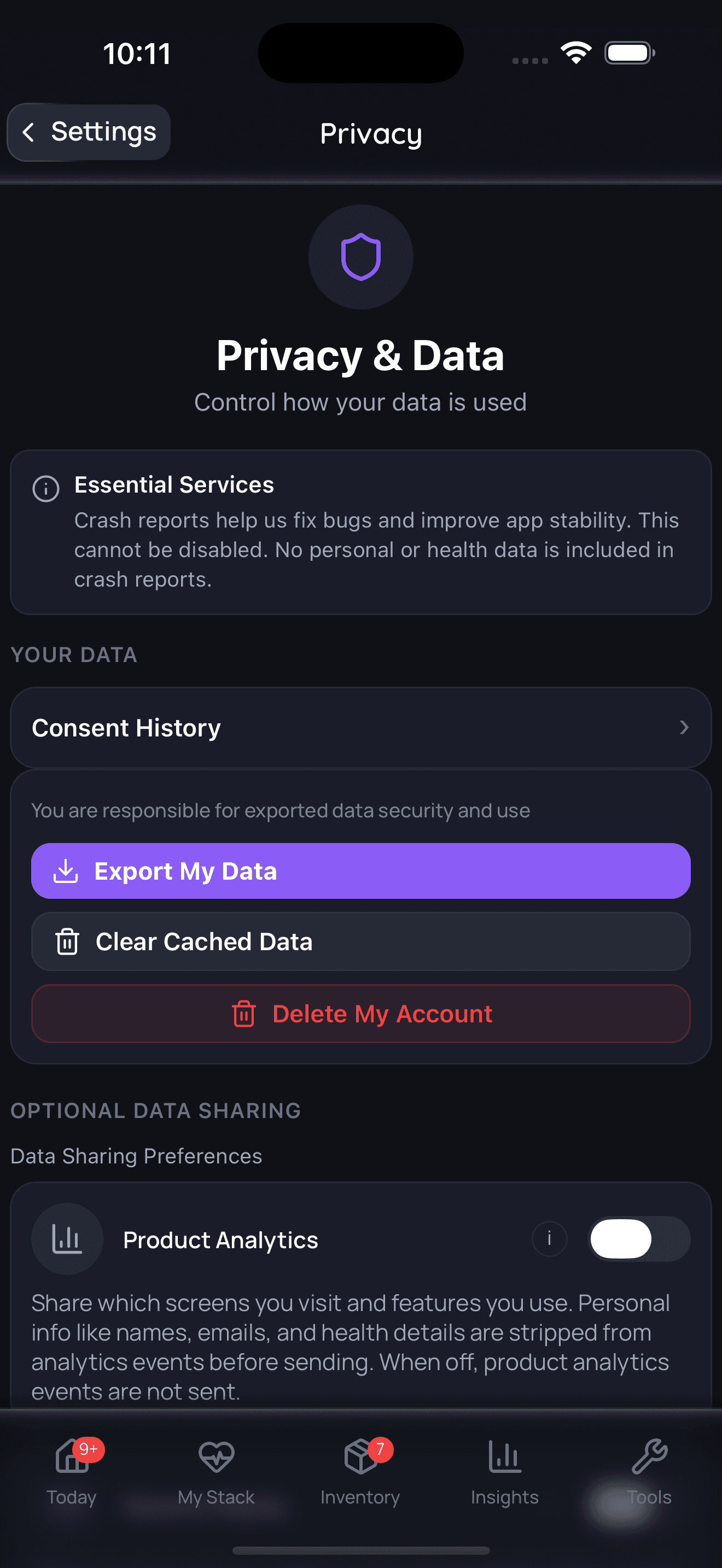
Privacy controls help you manage records; keep clinical records where required.
Side Effects & Safety
The Basics
The safety of oral aloe vera depends heavily on which part of the plant you are consuming. Inner leaf gel (decolorized, with low aloin content) has a generally favorable short-term safety profile, with studies suggesting that up to 42 days of use is safe for most adults. However, there are important cautions to be aware of.
The most common side effects from oral aloe vera are GI-related: abdominal cramping, diarrhea, and stomach discomfort. These are more likely with products containing aloe latex (the anthraquinone-rich yellow substance) or whole leaf extracts. Community reports confirm that a meaningful minority of users experience GI distress, and some people find that symptoms worsen before improving.
More serious concerns include liver toxicity. There have been documented cases of acute hepatitis and toxic hepatitis associated with oral aloe vera use, occurring as early as 3 weeks and as late as 5 years of use. Liver enzymes have normalized after discontinuation in reported cases, but this is a genuine risk that warrants monitoring [32][33].
The IARC has classified non-decolorized whole leaf extract of aloe vera as a possible carcinogen in humans (Group 2B), based primarily on animal studies showing an association with gastrointestinal tumors. However, commercially available decolorized products with 10 ppm or less of aloin appear to be non-genotoxic based on a 2023 review of the evidence [6][34].
Oral aloe vera should not be used during pregnancy or breastfeeding.
The Science
Common adverse effects:
- Abdominal pain, cramps, and diarrhea (primarily associated with aloe latex/anthraquinone content) [1]
- Gastrointestinal distress with initial use, sometimes resolving with continued use
Serious adverse effects (rare but documented):
- Toxic hepatitis: Documented in multiple case reports, occurring after weeks to years of aloe vera preparation use. Liver enzymes normalized upon discontinuation [32][33]
- Hypokalemia: Reported in a patient using aloe vera during chemotherapy. Resolved after discontinuation [35]
- Thyroid dysfunction: Case reports associated with inappropriate use of aloe supplements [36]
- Acute hepatitis: Related to oral consumption of aloe leaf extracts for as short as 3 weeks [3]
Carcinogenicity:
- The IARC classified non-decolorized whole leaf extract as a possible carcinogen (Group 2B) based on the National Toxicology Program (NTP) study showing evidence of carcinogenic activity in F344/N rats (large intestine tumors) and B6C3F1 mice [6][37]
- The NTP study used non-decolorized whole leaf extract, which is not commonly used by consumers
- A 2023 review concluded that commercially available food-grade drinkable aloe vera products containing no more than 10 ppm aloin are not genotoxic [34]
- Some laboratory research suggests that even decolorized extract might have some potential to damage DNA or chromosomes [3]
Pregnancy and breastfeeding: Contraindicated. Safety data is insufficient and multiple authoritative sources recommend avoidance [38].
Drug interactions:
- CYP3A4 and CYP2D6 inhibition by aloe juice, potentially affecting the intracellular concentration of drugs metabolized by these enzymes (clinical relevance unknown) [39]
- Sevoflurane: Excessive intraoperative bleeding reported after oral consumption of aloe vera tablets [40]
- Cardiac glycosides (digoxin): Hypokalemia from overuse of aloe latex may potentiate toxicity [3]
- Co-administered medications: Aloe vera's tight junction modulation can enhance absorption of co-administered drugs, which may alter effective dosing [20]
Managing side effect risks across a multi-supplement stack can feel overwhelming, especially when interactions between supplements, medications, and foods add layers of complexity. Doserly brings all of that into a single safety view so nothing falls through the cracks.
Rather than researching every possible interaction yourself, the app checks your full stack automatically and flags supplement-drug and supplement-supplement interactions that warrant attention. If you do experience something unexpected, logging it takes seconds, and over time the app helps you spot patterns: whether symptoms correlate with specific doses, timing, or combinations. One place for the safety picture that matters most when your stack grows beyond a few bottles.
Keep side effects, flags, and follow-up notes visible.
Doserly helps you document safety observations, side effects, medication changes, and follow-up questions so important context is not scattered.
Safety log
Flags and notes
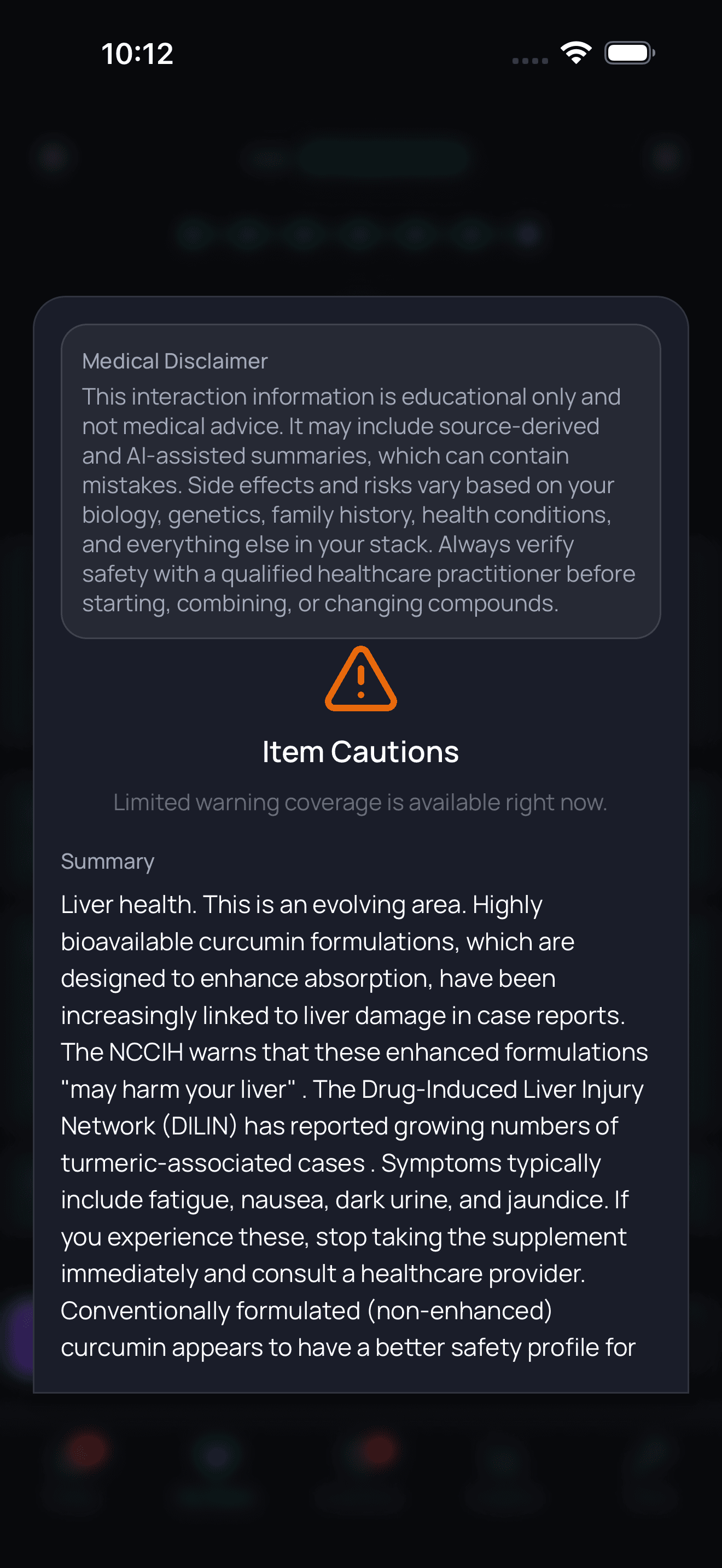
Safety notes are not emergency guidance; seek medical help when appropriate.
Dosing & Usage Protocols
The Basics
One of the challenges with aloe vera supplementation is the lack of a standardized dose. Studies have used a wide range of preparations at different concentrations, making it difficult to pinpoint a single recommended amount. The form of aloe vera you choose (juice, capsule, extract) also matters, as the concentration of active compounds varies considerably between products.
For digestive support, many people report using 30 to 60 mL of aloe vera juice (inner leaf gel) taken once or twice daily, typically before meals. For blood sugar support, the clinical studies that showed positive results generally used capsules containing 200 to 300 mg of aloe vera gel extract, taken once or twice daily for 8 to 12 weeks.
The key guideline is to start with a lower dose and observe how your body responds. GI-related side effects are the most common issue, and they tend to occur more frequently with higher doses or with products containing aloe latex. Inner leaf gel products with low aloin content (<10 ppm) are generally better tolerated than whole leaf products.
Based on available data, short-term use of oral aloe gel (up to 42 days) appears to be safe for most adults. Longer-term use should be discussed with a healthcare provider, particularly given the rare but documented cases of hepatotoxicity.
The Science
Dosing from clinical studies:
- 200 to 300 mg aloe vera gel extract per day in capsule form (diabetes studies) [21][23]
- 300 mg every 12 hours for 8 weeks (Huseini et al.) [23]
- 30 to 60 mL aloe vera juice per day (GI support, no standardized clinical dosing)
- 500 to 800 mg acemannan daily (early HIV/AIDS studies, historical reference only) [10]
Duration considerations:
- Most clinical trials for glycemic endpoints lasted 8 to 12 weeks
- Short-term safety data supports use up to 42 days [3]
- Long-term safety (>3 months) is not well established, and hepatotoxicity has been reported with both short-term and long-term use
Form-specific dosing notes:
- Capsules/extracts: Typically standardized to a specific weight of aloe vera gel concentrate. Look for products specifying aloin content (<10 ppm)
- Juice: Variable concentration. Products differ significantly in how much gel is present per serving
- 200:1 concentrates: 500 mg of a 200:1 extract is equivalent to approximately 100 g of fresh leaf gel
When your stack includes several supplements, each with its own dose, form, and timing requirements, the logistics alone can derail consistency. Doserly consolidates all of it into one protocol view, so every dose across your entire routine is accounted for without spreadsheets or guesswork.
The app also tracks cumulative intake for nutrients that appear in multiple products. If your multivitamin, standalone supplement, and fortified protein shake all contain the same nutrient, Doserly adds them up and shows you the total alongside recommended and upper limits. Managing a thoughtful supplement protocol shouldn't require a degree in nutrition science. The app handles the complexity so you can focus on staying consistent.
Build reminders around the routine, not just the compound.
Doserly can keep timing, skipped doses, and schedule changes organized so the plan you read about becomes easier to follow and review.
Today view
Upcoming reminders

Reminder tracking supports consistency; it does not select a protocol for you.
What to Expect (Timeline)
Week 1-2:
Most people who respond to oral aloe vera for digestive support report noticing some degree of change within the first one to two weeks. This may include reduced acid reflux symptoms, improved digestive comfort after meals, or changes in bowel regularity. Some users report an immediate soothing effect from drinking aloe vera juice. However, a subset of people may experience initial GI discomfort (cramping, loose stools) as their system adjusts, particularly with higher doses or products containing more aloin.
Week 3-4:
By this point, the initial adjustment period has typically resolved for most people. Those using aloe vera for digestive comfort often report more consistent relief. Some community members note that initial worsening of symptoms subsides around this time and is replaced by improvement.
Week 5-8:
For blood sugar support, this is the window where clinical studies begin to show measurable changes. Reductions in fasting blood glucose have been observed in studies lasting 8 weeks or longer. Digestive benefits tend to stabilize and become more predictable during this phase.
Beyond 8 weeks:
Long-term benefits, if they are going to manifest, are generally established by this point. Studies showing HbA1c changes typically ran for 8 to 12 weeks. For ongoing use beyond 12 weeks, periodic check-ins with a healthcare provider are advisable given the rare but documented cases of liver effects. Some community members report using aloe vera for months or years with sustained benefit, while others find it most useful as a periodic intervention during GI flare-ups rather than a daily supplement.
Important caveat: Individual responses to aloe vera are highly variable. Community reports range from "heaven-sent" to "made things worse," often with the same products. Factors that influence response include the specific product form (inner leaf vs. whole leaf), individual GI sensitivity, dosing, and the underlying condition being addressed.
Interactions & Compatibility
SYNERGISTIC
- Slippery Elm: Fellow demulcent herb. Often stacked with aloe vera for combined GI mucosal protection. Complementary mechanisms (both coat irritated tissue).
- Marshmallow Root: Another demulcent herb frequently combined with aloe vera for digestive support. Works through similar mucilage-based mechanisms.
- DGL Licorice: Commonly paired with aloe vera in GI support stacks. DGL stimulates mucus production while aloe provides direct mucosal coating.
- Vitamin E: Aloe vera gel may enhance vitamin E bioavailability by up to 3.69-fold through tight junction modulation [19].
- Vitamin C: Co-administration with aloe vera gel may enhance vitamin C absorption [19].
- L-Glutamine: Amino acid that supports intestinal mucosal integrity. Often combined with aloe vera in gut repair protocols.
- Probiotics: Acemannan's prebiotic properties may complement probiotic supplementation for synergistic gut health support.
CAUTION / AVOID
- Cardiac glycosides (Digoxin): Aloe latex-induced hypokalemia can potentiate the effects of cardiac glycosides, increasing the risk of toxicity. Avoid concurrent use of aloe latex products with digoxin [3].
- Sevoflurane (anesthetic): A case report documented excessive intraoperative bleeding after oral aloe vera tablet consumption. Discontinue aloe vera at least 2 weeks before scheduled surgery [40].
- CYP3A4 substrates: Aloe vera juice inhibits CYP3A4 and CYP2D6 in vitro, potentially increasing plasma concentrations of drugs metabolized by these enzymes. Clinical significance is unclear but caution is warranted [39].
- Diabetes medications (insulin, metformin, sulfonylureas): Additive blood sugar lowering effects may increase hypoglycemia risk. Blood sugar monitoring is important if combining [21].
- Diuretics / potassium-depleting drugs: May compound aloe-induced hypokalemia risk.
- Anticoagulants/antiplatelets: Potential bleeding risk, particularly given the sevoflurane interaction case report.
- Other medications taken simultaneously: Aloe vera's ability to enhance absorption through tight junction modulation means it can alter the effective dose of co-administered medications. Consider spacing [20].
How to Take / Administration Guide
Recommended forms for oral use:
- Inner leaf gel juice (decolorized): The most common oral form for digestive support. Look for products that specify inner leaf or fillet only, with aloin content below 10 ppm. Commonly taken as 30 to 60 mL per serving.
- Gel extract capsules: Convenient and more standardized than juice. Common capsule sizes range from 200 to 500 mg. Some products use highly concentrated extracts (e.g., 200:1).
- Aloe vera juice/beverage: Diluted form, widely available. Check that it uses decolorized inner leaf gel. Some products contain added sugars or flavors.
Timing considerations:
- For digestive support, many practitioners suggest taking aloe vera on an empty stomach or 30 minutes before meals to maximize contact with the esophageal and stomach lining
- For blood sugar support, timing relative to meals may be less critical, though clinical studies generally dosed separately from meals
- Space aloe vera at least 2 hours apart from medications to minimize absorption-enhancing interactions
Stacking guidance:
- Commonly combined with slippery elm, DGL licorice, and marshmallow root in GI support stacks
- If combining with vitamins (especially vitamin E), be aware that aloe vera may significantly increase their absorption
- Take at a different time from iron supplements, as enhanced absorption effects are not always desirable
Cycling guidance:
- No established cycling protocol exists
- Given the rare hepatotoxicity cases, some practitioners suggest periodic breaks (e.g., 4-6 weeks on, 2 weeks off) for long-term use
- Short-term use (up to 6 weeks) appears to have the best safety support
- Some community members report using aloe vera only during GI flare-ups rather than continuously
Choosing a Quality Product
Third-party certifications to look for:
- USP Verified, NSF International, or GMP certification
- Products tested by independent labs for aloin content (should be <10 ppm for decolorized products)
- IASC (International Aloe Science Council) certification, which verifies aloe vera content and quality
Active vs. concerning forms:
- Preferred: Inner leaf gel (decolorized), with aloin content specified at <10 ppm
- Use with caution: Whole leaf extract (contains latex components including anthraquinones)
- Avoid for supplementation: Aloe latex products, non-decolorized whole leaf extract (IARC Group 2B classification)
Red flags:
- Products that do not specify whether they use inner leaf gel vs. whole leaf extract
- No aloin content specification on label or third-party testing documentation
- Products marketed as laxatives containing aloe latex (FDA removed from approved OTC laxatives in 2002)
- Mega-dosing claims without supporting evidence
- Products containing aloe vera gel intended for topical use being marketed for oral consumption
Excipient/filler considerations:
- For capsules, check for common fillers and allergens (gluten, soy, dairy)
- For juice products, check for added sugars, artificial flavors, and preservatives
- Preservative-free products may have a shorter shelf life after opening
Quality markers specific to aloe vera:
- Acemannan content specification (higher is generally better for biological activity)
- Aloin content specification (lower is safer for oral use)
- Processing method disclosure (cold-processed retains more bioactive compounds than heat-processed)
- IASC seal of quality (industry-specific certification)
Storage & Handling
Capsules and tablets: Store in a cool, dry place away from direct sunlight and moisture. Room temperature is generally sufficient. Keep the container tightly sealed. Typical shelf life is 2 to 3 years when stored properly.
Aloe vera juice (opened): Refrigerate after opening. Most manufacturers recommend consuming within 2 to 4 weeks after opening. Check the product label for specific guidance. Juice that develops an off odor, unusual color, or visible mold should be discarded.
Aloe vera juice (unopened): Store in a cool, dry place. Shelf life varies by product but is typically 1 to 2 years.
Powder: Keep sealed in a cool, dry place. Moisture is the primary concern for powdered aloe vera products. Use a dry scoop and reseal immediately after use.
General notes: Aloe vera products are not particularly sensitive to temperature within normal household ranges, but prolonged exposure to heat or direct sunlight can degrade the polysaccharide content and reduce potency over time.
Lifestyle & Supporting Factors
Diet considerations:
- A balanced diet that supports gut health (adequate fiber, fermented foods, adequate hydration) may complement the digestive benefits of oral aloe vera
- For those using aloe vera for blood sugar support, combining it with a diet that manages glycemic load (lower refined carbohydrate intake, adequate protein and fiber) is important
- Aloe vera enhances absorption of some nutrients, so timing meals and other supplements around aloe vera intake may be relevant
Hydration:
- Adequate water intake is important, particularly if aloe vera has a laxative effect. Dehydration can worsen electrolyte imbalances (particularly potassium) associated with excessive aloe use.
Exercise:
- No specific exercise interactions are documented. General physical activity supports the metabolic health goals (blood sugar management) that aloe vera may complement.
Monitoring:
- For those using aloe vera for blood sugar management, regular monitoring of fasting blood glucose and HbA1c is advisable
- Periodic liver function tests may be prudent for long-term users, given the documented cases of hepatotoxicity
- Monitoring potassium levels may be relevant for individuals taking aloe vera alongside diuretics or cardiac glycosides
Signs that aloe vera supplementation may be warranted:
- Persistent digestive discomfort or acid reflux not fully managed by dietary changes
- Interest in complementary blood sugar support alongside medical management
- Recurrent mild GI irritation
Signs of potential deficiency (dietary aloe vera):
- Not applicable. Aloe vera is not an essential nutrient and there is no deficiency state.
Regulatory Status & Standards
United States (FDA):
- Aloe vera gel products are marketed as dietary supplements under DSHEA
- The FDA removed aloe latex from approved OTC laxative ingredients in 2002 due to insufficient safety data [1]
- Aloe vera gel is generally recognized as safe (GRAS) for use in food when used as a flavoring agent (21 CFR 172.510)
- No FDA-approved health claims for aloe vera supplements
Canada (Health Canada):
- Aloe vera gel preparations are available as Licensed Natural Health Products
- Some aloe-based products carry Natural Product Numbers (NPNs)
European Union (EFSA):
- EFSA has evaluated aloe vera for health claims. Hydroxyanthracene derivatives from aloe (aloin, aloe-emodin) in food supplements have been subject to restrictions due to genotoxicity concerns
- In 2021, the European Commission implemented a ban on food supplements containing hydroxyanthracene derivatives (including aloin and aloe-emodin) above specified levels
Australia (TGA):
- Aloe vera preparations are available as Listed Medicines on the Australian Register of Therapeutic Goods
IARC Classification:
- Non-decolorized whole leaf extract of Aloe vera is classified as a possible carcinogen to humans (Group 2B) by the International Agency for Research on Cancer [6]
Athlete & Sports Regulatory Status:
- WADA: Aloe vera is not on the WADA Prohibited List. It is permitted both in-competition and out-of-competition.
- National Anti-Doping Agencies: No specific guidance or alerts have been issued by USADA, UKAD, Sport Integrity Canada, or Sport Integrity Australia regarding aloe vera supplements.
- NCAA: Aloe vera is not on the NCAA banned substance list. However, athletes should ensure their chosen product is from a reputable manufacturer and ideally carries third-party certification.
- Athlete Certification Programs: Athletes concerned about contamination can look for products carrying Informed Sport, NSF Certified for Sport, Cologne List, or BSCG certification, though certified aloe vera products may be limited compared to more common sport supplements.
- GlobalDRO: Athletes can verify the current status of aloe vera products at GlobalDRO.com.
Regulatory status and prohibited substance classifications change frequently. Athletes should always verify the current status of any supplement with their sport's governing body, their national anti-doping agency, and a qualified sports medicine professional before use. Third-party certification (Informed Sport, NSF Certified for Sport) reduces but does not eliminate the risk of contamination with prohibited substances.
Frequently Asked Questions
Is aloe vera juice the same as aloe vera gel supplements?
Not exactly. Aloe vera juice is typically a diluted form of inner leaf gel mixed with water, while gel supplements (capsules) contain concentrated gel extract. Both originate from the same plant component, but the concentration of active compounds, particularly acemannan, can differ substantially. Juice products also vary widely in quality and composition between brands.
Can I drink aloe vera juice every day?
Based on available research, short-term daily use of decolorized inner leaf gel products (up to about 6 weeks) appears to be safe for most adults. For longer daily use, the safety data is less clear, and periodic liver function monitoring may be advisable. Individuals should consult a healthcare provider for personalized guidance on duration.
What is the difference between inner leaf gel and whole leaf aloe vera?
Inner leaf gel (the clear substance from inside the leaf) contains primarily polysaccharides, vitamins, and minerals. Whole leaf products also contain the latex fraction from under the leaf skin, which is rich in anthraquinones (aloin, aloe-emodin). The IARC has classified non-decolorized whole leaf extract as a possible carcinogen, while decolorized inner leaf gel products (with aloin below 10 ppm) appear to have a more favorable safety profile.
Does aloe vera help with acid reflux?
Community reports strongly suggest that many people experience relief from acid reflux symptoms when using inner leaf aloe vera juice or gel. The demulcent (coating) action of acemannan on the esophageal and stomach lining provides a plausible mechanism. However, large-scale controlled clinical trials specifically for GERD are lacking, so the evidence remains largely anecdotal and mechanistic.
Is aloe vera safe for people with diabetes?
Aloe vera has been studied in the context of type 2 diabetes and prediabetes, with meta-analyses showing modest reductions in fasting blood glucose. However, because it can lower blood sugar, people taking diabetes medications should exercise caution to avoid additive hypoglycemia. Blood sugar monitoring and consultation with a healthcare provider are strongly recommended.
Can aloe vera damage the liver?
There are documented case reports of hepatotoxicity (toxic hepatitis, acute hepatitis) associated with oral aloe vera use. These are rare events but have occurred with use as short as 3 weeks and as long as 5 years. Liver enzymes normalized after discontinuation in reported cases. Individuals with pre-existing liver conditions should consult their healthcare provider before use.
Is it safe to take aloe vera during pregnancy?
Oral aloe vera is not recommended during pregnancy or breastfeeding. Multiple authoritative sources, including the EMA and MSKCC, advise against consumption during pregnancy due to insufficient safety data and potential risks.
How long does it take for aloe vera to work?
Response timelines vary depending on the intended use. For digestive comfort, some people notice effects within the first week. For blood sugar management, clinical studies typically show measurable changes after 8 weeks of consistent use. Individual responses are highly variable.
What should I look for on an aloe vera supplement label?
Key things to verify: (1) whether the product uses inner leaf gel or whole leaf extract (inner leaf is preferred for safety); (2) aloin content specification (look for <10 ppm); (3) third-party testing or certification; (4) processing method (cold-processed is preferable); (5) the IASC (International Aloe Science Council) seal of quality.
Can I take aloe vera with other supplements?
Aloe vera is commonly combined with other digestive support supplements like slippery elm, marshmallow root, and DGL licorice. It may enhance the absorption of co-administered vitamins (particularly vitamin E). However, this absorption-enhancing effect means it should be spaced apart from medications to avoid altering their effective doses.
Myth vs. Fact
Myth: Aloe vera cures acid reflux and can replace acid-blocking medications.
Fact: While many people report symptomatic relief from acid reflux with aloe vera juice, there are no large-scale clinical trials demonstrating that it can replace PPIs, H2 blockers, or other acid-blocking medications. Its demulcent properties may soothe symptoms, but it does not address the underlying causes of GERD (such as lower esophageal sphincter dysfunction). It should be considered a complementary approach, not a replacement for medical treatment.
Myth: All aloe vera products are the same.
Fact: There are critical differences between aloe vera inner leaf gel, whole leaf extract, and aloe latex. These contain different compounds with different safety profiles. Non-decolorized whole leaf extract has been classified as a possible carcinogen (IARC Group 2B), while properly processed inner leaf gel products with low aloin content (<10 ppm) appear to have a more favorable safety profile [6][34]. The product you choose matters significantly.
Myth: Aloe vera is a natural product, so it is completely safe for long-term use.
Fact: "Natural" does not equal "safe." Oral aloe vera has been associated with documented cases of hepatotoxicity (liver damage), hypokalemia, and thyroid dysfunction [32][33][35][36]. The FDA removed aloe latex from approved OTC laxative products specifically because of safety concerns [1]. Short-term use of decolorized inner leaf gel appears to be safe, but long-term safety data is limited.
Myth: Aloe vera detoxifies the body.
Fact: There is no scientific evidence that aloe vera has detoxifying properties. The concept of "detoxification" through supplements is not supported by clinical research. The liver and kidneys perform detoxification naturally. Aloe vera's documented effects relate to GI mucosal protection, immunomodulation, and modest glycemic support, not detoxification.
Myth: The more aloe vera you take, the better.
Fact: Higher doses of aloe vera are associated with increased risk of side effects, particularly GI distress and potentially hepatotoxicity. The latex and anthraquinone content in less refined products makes dose-dependent side effects more likely. Clinical studies have used modest doses (200-300 mg gel extract or 30-60 mL juice per day), and there is no evidence that exceeding these amounts provides additional benefit [21].
Myth: Aloe vera juice from the grocery store is the same as therapeutic aloe vera supplements.
Fact: Commercially available aloe vera beverages vary enormously in quality, concentration, and processing. Many grocery store products are heavily diluted, flavored, and may contain added sugars. Therapeutic use in clinical studies has typically involved standardized gel preparations with known acemannan content and controlled aloin levels. The product quality and composition matter substantially for any intended health benefit.
Myth: Aloe vera is an effective cancer treatment.
Fact: While certain aloe vera constituents (emodin, acemannan, aloeride) have shown immunomodulating and anticancer effects in laboratory and animal studies, there is no clinical evidence supporting the use of oral aloe vera as a cancer treatment. Aloe vera injections have been associated with severe adverse effects including death. This is an area where misinformation can be genuinely dangerous [3].
Sources & References
Systematic Reviews & Meta-Analyses
[21] Budiastutik I, Subagio HW, Kartasurya MI, et al. The effect of Aloe vera on fasting blood glucose levels in pre-diabetes and type 2 diabetes mellitus: A systematic review and meta-analysis. J Pharm Pharmacogn Res. 2022;10(4):737-747.
[25] (IBS meta-analysis referenced in NCCIH and Examine sources)
[26] Kamath DG, Nadimpalli H, Nayak SU, et al. Comparison of antiplaque and anti-gingivitis effects of aloe vera mouthwash with chlorhexidine in fixed orthodontic patients. Int J Dent Hyg. 2023;21(1):211-218.
[27] Kamath NP, Tandon S, Nayak R, et al. The effect of aloe vera and tea tree oil mouthwashes on the oral health of school children. Eur Arch Paediatr Dent. 2020;21(1):61-66.
[28] Zou H, Liu Z, Wang Z, Fang J. Effects of Aloe Vera in the Treatment of Oral Ulcers: A Systematic Review and Meta-Analysis of Randomised Controlled Trials. Oral Health Prev Dent. 2022;20(1):509-516.
[29] Al-Maweri SA, Ashraf S, Lingam AS, et al. Aloe vera in treatment of oral submucous fibrosis: a systematic review and meta-analysis. J Oral Pathol Med. 2019;48(2):99-107.
[30] Rai A, Shrivastava PK, Kumar A, et al. Comparative effectiveness of medicinal interventions for oral submucous fibrosis: A network meta-analysis. J Stomatol Oral Maxillofac Surg. 2023;124(3):101423.
Clinical Trials & RCTs
[22] Choi HC, Kim SJ, Son KY, Oh BJ, Cho BL. Metabolic effects of aloe vera gel complex in obese prediabetes and early non-treated diabetic patients: randomized controlled trial. Nutrition. 2013;29(9):1110-1114.
[23] Huseini HF, Kianbakht S, Hajiaghaee R, Dabaghian FH. Anti-hyperglycemic and anti-hypercholesterolemic effects of Aloe vera leaf gel in hyperlipidemic type 2 diabetic patients: a randomized double-blind placebo-controlled clinical trial. Planta Med. 2012;78(4):311-316.
[24] Sabbaghzadegan S, Soltani MH, Kamalinejad M, et al. The effect of a standardized capsule of Aloe vera gel on the quality of life in patients with systolic heart failure: A randomized double-blind placebo-controlled clinical trial. Phytother Res. 2023;37(7):2800-2810.
[31] Cho S, Lee S, Lee MJ, et al. Dietary Aloe Vera Supplementation Improves Facial Wrinkles and Elasticity and It Increases the Type I Procollagen Gene Expression in Human Skin in vivo. Ann Dermatol. 2009;21(1):6-11.
Government/Institutional Sources
[1] Food and Drug Administration. Status of Certain Additional Over-the-Counter Drug Category II and III Active Ingredients. Fed Regist. 2002;67(90):31125-31127.
[3] NCCIH (National Center for Complementary and Integrative Health). Aloe Vera. Updated February 2025. https://www.nccih.nih.gov/health/aloe-vera
[6] International Agency for Research on Cancer (IARC). Some Drugs and Herbal Products. IARC Monographs on the Evaluation of Carcinogenic Risks to Humans, No. 108. Lyon, France: IARC; 2016.
[34] Kim ST, Pressman P, Clemens R, et al. The absence of genotoxicity of aloe vera beverages: a review of the literature. Food Chem Toxicol. 2023;174:113628.
[37] Boudreau MD, Beland FA, Nichols JA, Pogribna M. Toxicology and Carcinogenesis Studies of a Nondecolorized Whole Leaf Extract of Aloe Barbadensis Miller (Aloe Vera) in F344/N Rats and B6C3F1 Mice. Natl Toxicol Program Tech Rep Ser. 2013;(577):1-266.
Observational Studies & Reviews
[2] Rodriguez S, Dentali S, Powell D. Aloe vera. In: Coates PM, Betz JM, Blackman MR, et al., eds. Encyclopedia of Dietary Supplements. 2nd ed. New York, NY: Informa Healthcare; 2010:7-14.
[4] Guo X, Mei N. Aloe vera: a review of toxicity and adverse clinical effects. J Environ Sci Health C. 2016;34(2):77-96.
[5] Hamman JH. Composition and applications of Aloe vera leaf gel. Molecules. 2008;13(8):1599-1616.
[9] Sadgrove NJ, Ahl LI. Pharmacodynamics of Aloe vera and acemannan in therapeutic applications for skin, digestion, and immunomodulation. Phytother Res. 2021;35(12):6572-6584.
[10] Liu C, Cui Y, Pi F, et al. Extraction, Purification, Structural Characteristics, Biological Activities and Pharmacological Applications of Acemannan, a Polysaccharide from Aloe vera: A Review. Molecules. 2019;24(8):1554.
[13] Ahmad M, et al. Therapeutic potential of Aloe vera in diabetes mellitus treatment: an update. Saudi Pharm J. 2026;34:11.
[19] Vinson JA, Al Kharrat H, Andreoli L. Effect of Aloe vera preparations on the human bioavailability of vitamins C and E. Phytomedicine. 2005;12(10):760-765.
[20] Laux A, et al. Aloe vera gel and whole leaf extract: functional and versatile excipients for drug delivery? Expert Opin Drug Deliv. 2019;16(12):1283-1285.
Case Reports & Adverse Effect Documentation
[32] Yang HN, Kim DJ, Kim YM, et al. Aloe-induced toxic hepatitis. J Korean Med Sci. 2010;25(3):492-495.
[33] Rabe C, Musch A, Schirmacher P, Kruis W, Hoffmann R. Acute hepatitis induced by an Aloe vera preparation: a case report. World J Gastroenterol. 2005;11(2):303-304.
[35] Baretta Z, Ghiotto C, Marino D, Jirillo A. Aloe-induced hypokalemia in a patient with breast cancer during chemotherapy. Ann Oncol. 2009;20(8):1445-1446.
[36] Pigatto PD, Guzzi G. Aloe linked to thyroid dysfunction. Arch Med Res. 2005;36(5):608.
[38] Bernstein N, Akram M, Yaniv-Bachrach Z, Daniyal M. Is it safe to consume traditional medicinal plants during pregnancy? Phytother Res. 2021;35(4):1908-1924.
[39] Djuv A, Nilsen OG. Aloe Vera Juice: IC(50) and Dual Mechanistic Inhibition of CYP3A4 and CYP2D6. Phytother Res. 2011.
[40] Lee A, Chui PT, Aun CS, Gin T, Lau AS. Possible interaction between sevoflurane and Aloe vera. Ann Pharmacother. 2004;38(10):1651-1654.
Additional References
[7] Park CH, Nam DY, Son HU, et al. Polymer fraction of Aloe vera exhibits a protective activity on ethanol-induced gastric lesions. Int J Mol Med. 2011;27(4):511-518.
[8] Pothuraju R, Sharma RK, Onteru SK, Singh S, Hussain SA. Hypoglycemic and hypolipidemic effects of Aloe vera extract preparations: A review. Phytother Res. 2016;30(2):200-207.
[11] Park CH, Nam DY, Son HU, et al. Polymer fraction of Aloe vera exhibits a protective activity on ethanol-induced gastric lesions. Int J Mol Med. 2011;27(4):511-518.
[12] Kumar R, et al. Antidiabetic activity of Aloe vera: a review. J Med Plants Stud. 2019.
[14] Zhang L, Tizard IR. Activation of a mouse macrophage cell line by acemannan: the major carbohydrate fraction from Aloe vera gel. Immunopharmacology. 1996;35(2):119-128.
[15] Lee JK, Lee MK, Yun YP, et al. Acemannan purified from Aloe vera induces phenotypic and functional maturation of immature dendritic cells. Int Immunopharmacol. 2001;1(7):1275-1284.
[16] Pugh N, Ross SA, ElSohly MA, Pasco DS. Characterization of Aloeride, a new high-molecular-weight polysaccharide from Aloe vera with potent immunostimulatory activity. J Agric Food Chem. 2001;49(2):1030-1034.
[17] Leng H, Pu L, Xu L, et al. Effects of aloe polysaccharide on TNF-alpha-induced HaCaT cell proliferation and the underlying mechanism in psoriasis. Mol Med Rep. 2018;18(3):3537-3543.
[18] Yagi A, Kabash A, Okamura N, Haraguchi H, Moustafa SM, Khalifa TI. Antioxidant, free radical scavenging and anti-inflammatory effects of aloesin derivatives in Aloe vera. Planta Med. 2002;68(11):957-960.
Related Supplement Guides
Same Category (Digestive/Herbal)
Common Stacks / Pairings
- Vitamin E (absorption enhancement)
- Vitamin C (absorption enhancement)
- Probiotics (gut health synergy)
Related Health Goal
- Chromium (blood sugar support)
- Berberine (blood sugar support)
- Ceylon Cinnamon (blood sugar support)
- Bitter Melon (blood sugar support)
- Fenugreek (blood sugar support)
- Psyllium Husk (digestive health)