
Bromelain: The Complete Supplement Guide
On this page
Quick Reference Card
Attribute
Common Name
- Detail
- Bromelain
Attribute
Other Names / Aliases
- Detail
- Pineapple extract, Pineapple enzyme, Stem bromelain, Ananase, Bromelin, EC 3.4.22.32
Attribute
Category
- Detail
- Proteolytic enzyme (herbal extract)
Attribute
Primary Forms & Variants
- Detail
- Stem bromelain (EC 3.4.22.32, most common in supplements); Fruit bromelain (EC 3.4.22.33, different enzymatic composition). Stem bromelain is the standard supplemental form.
Attribute
Typical Dose Range
- Detail
- Digestive support: 200-2,000 mg with meals; Anti-inflammatory/systemic: 200-800 mg between meals
Attribute
RDA / AI / UL
- Detail
- None established. Bromelain is not an essential nutrient.
Attribute
Common Delivery Forms
- Detail
- Capsule, tablet, chewable tablet, powder
Attribute
Best Taken With / Without Food
- Detail
- Depends on goal: WITH food for digestive support; BETWEEN meals (empty stomach) for anti-inflammatory/systemic effects
Attribute
Key Cofactors
- Detail
- Quercetin (synergistic anti-inflammatory), Turmeric/Curcumin (complementary anti-inflammatory pathways), Trypsin and Rutin (used together in Phlogenzym formulation)
Attribute
Storage Notes
- Detail
- Store in a cool, dry place away from moisture. Enzymatic activity may degrade with heat exposure.
Overview
The Basics
Bromelain is a mixture of protein-digesting enzymes extracted from the stem and fruit of pineapples. While people have eaten pineapple for centuries across tropical regions, the concentrated enzyme extract has been studied as a supplement since the 1950s. It is one of the few plant-derived enzymes that can survive your digestive tract and enter your bloodstream while still active, which is what makes it more interesting than a simple digestive aid.
Think of bromelain as a molecular pair of scissors. In your stomach, it helps cut proteins into smaller pieces your body can absorb more easily. When taken on an empty stomach, those same scissors enter your bloodstream and get to work on a different set of targets: they help reduce inflammation, support your immune system, and may even help break down unwanted protein buildup in tissues. This dual functionality is why the timing of when you take bromelain matters as much as how much you take.
Bromelain has been used in clinical settings for post-surgical recovery, sinusitis, and osteoarthritis, though the quality of evidence varies across these applications. It is freely available as a dietary supplement in the United States and Europe and is generally considered safe, even at relatively high doses [1][2].
The Science
Bromelain (EC 3.4.22.32) is a crude aqueous extract obtained primarily from pineapple stems (Ananas comosus, family Bromeliaceae), comprising a mixture of thiol endopeptidases along with phosphatases, glucosidases, peroxidases, cellulases, escharase, glycoproteins, and several protease inhibitors [1][2]. Stem bromelain and fruit bromelain (EC 3.4.22.33) are distinct preparations with different enzymatic compositions, though "bromelain" in the supplement context almost universally refers to the stem-derived extract [1].
The enzymatic activity of bromelain spans a pH range of 5.5 to 8.0, and the extract is commercially produced by cooling pineapple juice followed by centrifugation, ultrafiltration, and lyophilization, yielding a yellowish powder [1]. Enzymatic potency is typically standardized using gelatin digesting units (GDU), milk clotting units (MCU), or FIP units, which measure proteolytic activity rather than simple mass [3].
Bromelain has been known since 1875 and has accumulated a substantial body of preclinical and clinical research supporting anti-inflammatory, antiedematous, antithrombotic, and fibrinolytic activities [1][2]. It is classified as a food supplement under DSHEA in the United States and is widely available in pharmacies and health food stores in both the US and Europe [1].
Chemical & Nutritional Identity
Property
Chemical Class
- Value
- Cysteine protease (thiol endopeptidase mixture)
Property
EC Number (Stem)
- Value
- EC 3.4.22.32
Property
EC Number (Fruit)
- Value
- EC 3.4.22.33
Property
Source Organism
- Value
- Ananas comosus (pineapple)
Property
Active pH Range
- Value
- 5.5-8.0
Property
Category
- Value
- Proteolytic enzyme complex / Herbal extract
Property
RDA / AI / UL
- Value
- None established (not an essential nutrient)
Property
Standardization
- Value
- GDU (Gelatin Digesting Units), MCU (Milk Clotting Units), FIP units
Property
Key Enzyme Components
- Value
- Stem bromelain, ananain, comosain (thiol endopeptidases)
Property
Non-Enzyme Components
- Value
- Phosphatases, glucosidases, peroxidases, cellulases, escharase, glycoproteins, protease inhibitors (cystatin)
Bromelain is not a single molecule with a defined molecular formula but a complex mixture of enzymes and other bioactive compounds. The primary active constituents are thiol endopeptidases, including stem bromelain, ananain, and comosain, which cleave peptide bonds at analyl, glycyl, and leucyl residues [1][2]. Because bromelain is an enzyme complex rather than a discrete chemical compound, its potency is measured in activity units rather than milligrams of a single active ingredient. A 500 mg capsule with 2,400 GDU/g delivers more enzymatic activity than a 500 mg capsule with 1,200 GDU/g, despite containing the same mass of powder [3].
Mechanism of Action
The Basics
Bromelain works in your body through several distinct pathways, and most of its benefits trace back to its ability to break down proteins. When it reaches your bloodstream, it starts modifying proteins on the surface of immune cells, essentially changing how your immune system responds to inflammation signals.
One of the most practical effects is how bromelain reduces swelling. It does this by lowering the production of certain pro-inflammatory chemicals (prostaglandins and thromboxane) and by preventing immune cells called neutrophils from rushing to the site of inflammation. Think of it like reducing both the alarm volume and the number of responders to a fire that is already under control.
Bromelain also has mild blood-thinning properties. It helps break down fibrin (a protein involved in blood clots) and reduces platelet stickiness, which is why it has attracted interest for cardiovascular health. This same property is why people taking blood-thinning medications need to exercise caution [2][4].
The Science
Bromelain's pharmacological activities are attributed to several interconnected mechanisms:
Anti-inflammatory pathways: Bromelain reduces levels of prostaglandin E2 (PGE2) and thromboxane A2 (TXA2), key mediators of inflammation and platelet aggregation [4]. It inhibits neutrophil migration in response to IL-8 by proteolytically removing the chemokine receptors CD128a/CXCR1 and CD128b/CXCR2 from the neutrophil surface [5]. Additionally, bromelain downregulates NF-kappaB-driven COX-2 expression by blocking MAPK and Akt/protein kinase B signaling pathways [6][7].
Immunomodulation: Bromelain proteolytically removes specific surface adhesion molecules from T cells (CD6-8, CD44, CD45RA, Leu8/LAM1, E2/MIC2), while leaving CD2-3 and CD28 intact [8]. This selective receptor modification alters immune cell signaling, reducing CD4+ T cell activation and CD25 expression [9]. It also eliminates CD36 from macrophages, reducing foam cell formation, which is relevant to atherogenesis [3].
Fibrinolytic and antithrombotic effects: Bromelain stimulates the conversion of plasminogen to plasmin, increasing fibrinolysis [10]. At higher concentrations, it prolongs both prothrombin time (PT) and activated partial thromboplastin time (APTT) in a dose-dependent manner in rats [1]. It also reduces platelet aggregation and adhesion to vascular endothelial cells in vitro [4].
Apoptosis modulation (preclinical): In animal and in vitro models, bromelain increases expression of p53 and Bax (pro-apoptotic proteins) while decreasing activity of cell survival regulators Akt and Erk [6][7]. It has also induced expression of autophagy-related proteins in mammary carcinoma cells [7]. These effects are entirely preclinical and have not been studied in human cancer trials.
Absorption & Bioavailability
The Basics
One of the most remarkable things about bromelain is that it can be absorbed through your intestinal wall as a large, intact protein complex and still remain active in your bloodstream. Most proteins you eat get completely broken down during digestion, but bromelain appears to resist this, with roughly 40% being absorbed in its functional form [1][11].
Once in the blood, bromelain binds to two protective carrier proteins (alpha-2-macroglobulin and alpha-1-antichymotrypsin). These carriers reduce but do not eliminate bromelain's enzymatic activity, essentially giving it a protective shield while it circulates through your body. The circulating half-life is estimated at 6 to 9 hours, meaning it stays active in your system for a meaningful period after each dose [3][11].
Your stomach's acid does not completely destroy bromelain. Studies have shown that bromelain remains stable in simulated stomach juice for at least 4 hours [1]. Taking it with food provides additional buffering (sodium bicarbonate from antacids has been shown to preserve proteolytic activity in the GI tract), though this is a trade-off: food-based dosing directs the enzyme toward digestive functions rather than systemic absorption [1].
The Science
Bromelain absorption from the gastrointestinal tract has been confirmed in multiple studies. Castell et al. (1997) demonstrated the presence of enzymatically active bromelain in human plasma after oral intake, confirming that this large protein complex traverses the intestinal barrier in a functionally intact form [11]. Approximately 40% of orally administered labeled bromelain is absorbed in high molecular weight form [1].
Pharmacokinetic data indicate circulating concentrations of approximately 5,000 pg/mL of enzymatically active bromelain at 48 hours following oral ingestion of 8.6 g, with an estimated AUC of 2.5-4 mcg between 3-51 hours post-dose [3]. In artificial stomach juice, 3.66 mg/mL of bromelain remained stable after 4 hours of incubation, and 2.44 mg/mL persisted in artificial blood after 4 hours [1].
In serum, bromelain associates with the antiproteinases alpha-2-macroglobulin and alpha-1-antichymotrypsin. This binding attenuates but does not abolish proteolytic activity [11]. Bromelain also demonstrates the ability to traverse cell membranes while retaining enzymatic function [3].
Research & Clinical Evidence
The Basics
Bromelain has been studied for a wide range of health applications, and the evidence varies significantly depending on what you are looking at. The strongest evidence exists for wound debridement (removing dead tissue from burns), where a bromelain-based product has been used successfully in clinical settings. For post-surgical pain and swelling, small clinical trials have shown encouraging results, though most are modest in size and design quality.
For osteoarthritis, the picture is mixed. Some studies suggest bromelain, especially in combination with trypsin and rutin, may reduce knee pain comparably to the anti-inflammatory drug diclofenac. Other studies have been less convincing. The data is enough to consider bromelain as a potential complementary approach, but not enough to call it a proven treatment.
For cancer, all evidence is preclinical (lab and animal studies). While bromelain has shown intriguing anti-tumor properties in these settings, no human cancer trials have been conducted. Similarly, cardiovascular benefits have been demonstrated in animal models, but human studies are limited and of lower quality [2][4].
The Science
Post-surgical recovery: Majid and Al-Mashhadani (2014) conducted a randomized, double-blind, placebo-controlled trial (n=40) demonstrating that perioperative bromelain significantly reduced pain (VAS scores), swelling, and trismus after mandibular third molar surgery compared to placebo [12]. A meta-analysis by de A C Almeida et al. (2018) evaluated bromelain for pain and inflammation control after impacted third molar surgery and found a positive trend, though study heterogeneity limited conclusions [13].
Osteoarthritis: A double-blind RCT by Akhtar et al. (2004) compared a combination of bromelain, trypsin, and rutin to diclofenac in 103 patients with knee osteoarthritis; after six weeks, both groups showed significant and comparable reductions in pain and inflammation [14]. Klein et al. (2006) found similar results comparing an oral enzyme combination to diclofenac for hip osteoarthritis [15]. However, Brien et al. (2006) found bromelain alone provided only modest benefit in moderate-to-severe knee OA in a pilot study, and Kerkhoffs et al. (2004) found oral enzyme therapy did not significantly improve acute ankle sprain outcomes [16][17].
Wound debridement: Rosenberg et al. (2015) reviewed seven clinical studies of a bromelain-based debriding enzyme (NexoBrid) for burn wounds, demonstrating rapid and selective removal of necrotic tissue with preservation of viable tissue [18]. Shoham et al. (2021) confirmed effectiveness in chronic wound debridement via a multicenter RCT [19].
Sinusitis: A clinical study found that 83% of persons using bromelain experienced reductions in nasal inflammation compared to 52% in the placebo group, with significantly reduced time to symptom resolution [3].
Inflammatory markers: A systematic review by Pereira et al. (2023) evaluated bromelain supplementation and inflammatory markers across clinical trials and found evidence of anti-inflammatory effects, though study quality and heterogeneity limited the strength of conclusions [20].
Cardiovascular effects: A meta-analysis identified 4 human trials investigating bromelain and cardiovascular health, but noted that only one was double-blinded and placebo-controlled, and internal validity was generally low [3]. Ley et al. (2016) found bromelain did not significantly reduce fibrinogen or influence cardiovascular disease risk factors in a placebo-controlled trial in diabetic patients [21].
Cancer (preclinical only): Bromelain demonstrated antitumoral activity in multiple in vivo models (P-388 leukemia, sarcoma S-37, Ehrlich ascitic tumor, Lewis lung carcinoma, ADC-755 mammary adenocarcinoma) via intraperitoneal administration [1][6][7]. A case report found that adjunctive use of bromelain with immunotherapy reduced PSA levels in prostate cancer patients [22]. No RCTs for cancer outcomes exist in humans.
Evidence & Effectiveness Matrix
Category
Inflammation
- Evidence Strength
- 7/10
- Community-Reported Effectiveness
- 7/10
- Summary
- Multiple clinical trials demonstrate anti-inflammatory effects comparable to NSAIDs in some animal models. Human RCT data is moderate quality. Community consistently reports reduced inflammation.
Category
Pain Management
- Evidence Strength
- 6/10
- Community-Reported Effectiveness
- 7/10
- Summary
- Small RCTs show post-surgical pain reduction (VAS score improvements). Clinical data for chronic pain is limited. Community strongly endorses for surgical recovery pain.
Category
Recovery & Healing
- Evidence Strength
- 7/10
- Community-Reported Effectiveness
- 7/10
- Summary
- Strong evidence for burn wound debridement (multicenter RCT). Moderate evidence for post-surgical recovery. Community reports faster bruising resolution and reduced swelling.
Category
Digestive Comfort
- Evidence Strength
- 5/10
- Community-Reported Effectiveness
- 6/10
- Summary
- Mechanism well-understood (proteolytic activity). Limited controlled clinical trials for digestive support. Community reports are mixed, with dose-dependent GI side effects at higher doses.
Category
Joint Health
- Evidence Strength
- 5/10
- Community-Reported Effectiveness
- 5/10
- Summary
- Two RCTs show bromelain combinations comparable to diclofenac for OA. Bromelain alone showed modest benefit. Community signal is thin.
Category
Gut Health
- Evidence Strength
- 4/10
- Community-Reported Effectiveness
- 6/10
- Summary
- Animal studies show benefit for colonic inflammation (IBD model). No human RCTs for gut health specifically. Community reports improvement in leaky gut and motility.
Category
Immune Function
- Evidence Strength
- 5/10
- Community-Reported Effectiveness
- 5/10
- Summary
- Well-characterized immunomodulatory mechanisms in vitro. Limited human data on clinical immune outcomes. Community discussion is indirect.
Category
Focus & Mental Clarity
- Evidence Strength
- 2/10
- Community-Reported Effectiveness
- 6/10
- Summary
- No clinical evidence for cognitive effects. Community reports of mental clarity improvement likely reflect anti-inflammatory effects in histamine-sensitive individuals.
Category
Heart Health
- Evidence Strength
- 4/10
- Community-Reported Effectiveness
- N/A
- Summary
- Preclinical data on antithrombotic and fibrinolytic effects. Human cardiovascular trials are limited and of low quality. Community data not yet collected.
Category
Side Effect Burden
- Evidence Strength
- 7/10
- Community-Reported Effectiveness
- 3/10 (low burden)
- Summary
- Excellent safety profile established in toxicology studies (LD50 > 10 g/kg). GI side effects dose-dependent. Low side effect burden reported by community.
Category
Skin Health
- Evidence Strength
- 4/10
- Community-Reported Effectiveness
- 4/10
- Summary
- Clinical evidence for burn debridement (topical). One small study for pityriasis lichenoides chronica. Community reports limited.
Categories not scored (insufficient data): Fat Loss, Muscle Growth, Weight Management, Appetite & Satiety, Food Noise, Energy Levels, Sleep Quality, Memory & Cognition, Mood & Wellbeing, Anxiety, Stress Tolerance, Motivation & Drive, Emotional Aliveness, Emotional Regulation, Libido, Sexual Function, Physical Performance, Nausea & GI Tolerance, Hair Health, Blood Pressure, Heart Rate & Palpitations, Hormonal Symptoms, Temperature Regulation, Fluid Retention, Body Image, Bone Health, Longevity & Neuroprotection, Cravings & Impulse Control, Social Connection, Treatment Adherence, Withdrawal Symptoms, Daily Functioning
Benefits & Potential Effects
The Basics
Bromelain's benefits fall into two broad categories depending on how you take it. With food, it acts as a digestive enzyme, helping your body break down protein more efficiently. On an empty stomach, it enters your bloodstream and exerts systemic effects, primarily reducing inflammation and supporting recovery.
The best-supported benefits include reducing swelling and pain after surgery or injury. Multiple studies, and a large body of anecdotal reports, suggest bromelain can speed up the resolution of bruising and edema following dental procedures, orthopedic surgery, and cosmetic procedures. Some surgeons actively recommend it to their patients before and after operations.
For people with osteoarthritis, bromelain (particularly in combination with trypsin and rutin) has shown pain relief comparable to certain NSAIDs in some studies, offering a potential complementary approach for those seeking to reduce their reliance on conventional anti-inflammatory drugs. It may also help with nasal congestion and sinus inflammation, with one study showing bromelain outperformed placebo for reducing sinusitis symptoms.
Less established but emerging areas of interest include cardiovascular support (through its effects on blood clotting and platelet aggregation), immune modulation, and potential roles in managing inflammatory bowel conditions [1][2][3].
The Science
Anti-inflammatory and antiedematous effects: Bromelain's anti-inflammatory activity has been compared to dexamethasone at doses around 10 mg/kg in animal models, and to standard NSAIDs (aspirin, diclofenac) in both animal and in vitro systems [3]. Mechanistically, this is attributed to inhibition of PGE2 and TXA2 synthesis, neutrophil migration blockade via CXCR1/CXCR2 removal, COX-2 suppression via NF-kappaB pathway inhibition, and reduced pro-inflammatory cytokine secretion (IL-1beta, IL-6, TNF-alpha modulation) [4][5][6].
Post-surgical recovery: The RCT by Majid and Al-Mashhadani (2014) demonstrated statistically significant reductions in pain (VAS), swelling, and trismus compared to placebo following mandibular third molar surgery [12]. Burn wound debridement using bromelain-based products (NexoBrid) has been evaluated in multiple clinical settings with positive outcomes for selective tissue removal [18][19].
Osteoarthritis: The Akhtar et al. (2004) RCT demonstrated non-inferiority of a bromelain-trypsin-rutin combination versus diclofenac for knee OA symptoms over 6 weeks [14]. Walker et al. (2002) found dose-dependent reductions in mild acute knee pain in otherwise healthy adults in an open study [23].
Sinusitis: Clinical data indicate 83% of bromelain-treated subjects experienced reduced nasal inflammation versus 52% in the placebo group, with significantly shorter symptom duration [3].
Fibrinolytic and cardiovascular: Bromelain stimulates plasminogen-to-plasmin conversion, enhancing fibrinolysis [10]. In vitro studies confirm reduced platelet aggregation and reduced platelet adhesion to endothelial cells [4]. Cardioprotective effects via Akt/FOXO pathway activation have been demonstrated in rat ischemia-reperfusion models [24]. However, a controlled human trial found no significant effects on fibrinogen or other CVD risk factors [21].
When you're taking multiple supplements, it's hard to know which one is doing the heavy lifting. The benefits described above may overlap with effects from other items in your stack, lifestyle changes, or seasonal variation. Doserly helps you untangle that by keeping everything in one place, with timestamps, doses, and outcomes logged together.
Over time, this builds something more valuable than any product review: your personal evidence record. You can see exactly when you started this supplement, what else was in your routine at the time, and how your tracked health markers responded. That clarity makes the difference between guessing and knowing, whether you're talking to a healthcare provider or simply deciding if it's worth reordering.
Connect protocol changes to labs and health markers.
Doserly can keep lab results, biomarkers, symptoms, and dose history close together so follow-up conversations have better context.
Insights
Labs and trends
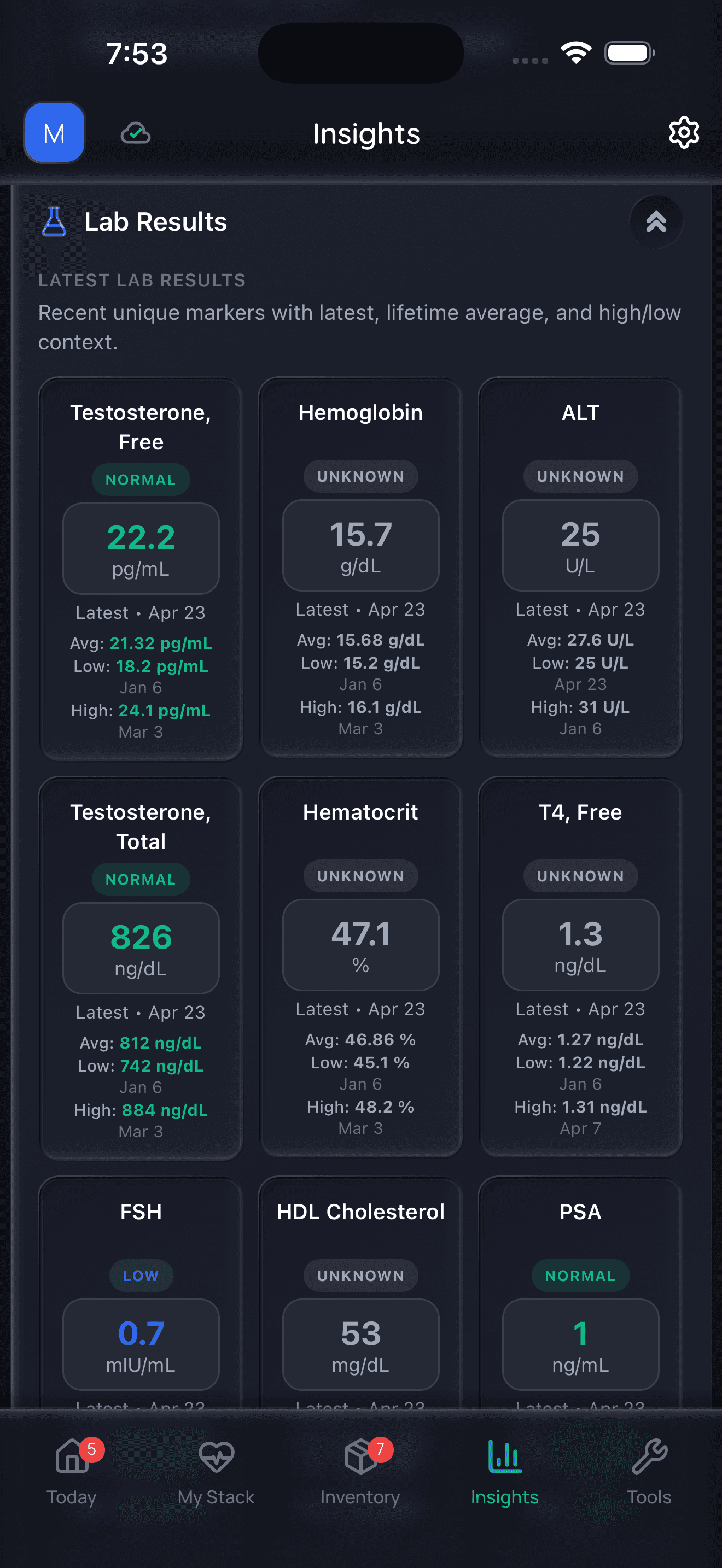
Doserly organizes data; it does not diagnose or interpret labs for you.
Side Effects & Safety
The Basics
Bromelain has an excellent safety profile overall. Animal toxicology studies have found no lethal dose below 10 g/kg of body weight (for context, that would be like a 70 kg person consuming 700 grams at once, a dose no one would ever take). Dogs given up to 750 mg/kg daily for six months showed no toxic effects [1].
For humans, the most common side effects at typical doses (200-800 mg) are mild and gastrointestinal in nature: softer stools, gas, and occasional stomach discomfort. These effects become more pronounced at higher doses, particularly above 1,000 mg per day. Some community reports describe significant digestive disruption at very high doses (1,200 mg+), including diarrhea and cramping.
The most important safety consideration is bromelain's blood-thinning potential. Because it reduces platelet aggregation and enhances fibrinolysis, it could theoretically increase bleeding risk. This is particularly relevant for people taking anticoagulant medications (warfarin, heparin) or antiplatelet drugs. It may also increase menstrual bleeding in some individuals. Anyone scheduled for surgery should discuss bromelain use with their surgical team, even though some surgeons actively recommend it for post-operative recovery.
Allergic reactions have been reported, including IgE-mediated allergy and contact dermatitis. People with pineapple allergies should avoid bromelain entirely [2][4].
The Science
Toxicology: Taussig et al. (1975) established an LD50 greater than 10 g/kg in mice, rats, and rabbits. Chronic toxicity testing in dogs at escalating doses up to 750 mg/kg daily for 6 months revealed no toxic effects [1]. Dosages of 1,500 mg/kg/day in rats produced no carcinogenic or teratogenic effects and no alterations in food intake, histology (heart, spleen, kidney), growth, or hematological parameters [1]. Eckert et al. found no significant changes in blood coagulation parameters in humans receiving 3,000 FIP units/day over 10 days [1].
GI effects: Side effects at moderate to higher dosages (400-800 mg) tend to be gastrointestinal, including pasty feces and flatulence [3]. Oral administration of 500 mg/kg bodyweight in rats was not associated with general side effects [3].
Bleeding risk: Preclinical studies suggest bromelain may increase bleeding risk through antithrombotic effects, including dose-dependent prolongation of PT and APTT in rats [1]. Clinical relevance has not been conclusively established, but caution is warranted in patients on anticoagulant or antiplatelet therapy [4].
Drug interactions: In vitro studies suggest bromelain inhibits CYP2C9 activity, potentially affecting metabolism of substrate drugs including warfarin, diclofenac, and phenytoin [4]. Bromelain may increase blood and urine levels of tetracycline antibiotics by enhancing intestinal absorption [25]. These interactions have limited clinical confirmation but warrant awareness.
Allergic reactions: IgE-mediated allergy to bromelain has been documented (Nettis et al., 2001), as has allergic contact cheilitis (Raison-Peyron et al., 2003) and fixed drug eruption (Kutlu et al., 2021) [4].
Contraindications: People with pineapple allergy, those on anticoagulant therapy, and individuals with bleeding disorders should consult a healthcare professional before using bromelain [4].
Managing side effect risks across a multi-supplement stack can feel overwhelming, especially when interactions between supplements, medications, and foods add layers of complexity. Doserly brings all of that into a single safety view so nothing falls through the cracks.
Rather than researching every possible interaction yourself, the app checks your full stack automatically and flags supplement-drug and supplement-supplement interactions that warrant attention. If you do experience something unexpected, logging it takes seconds, and over time the app helps you spot patterns: whether symptoms correlate with specific doses, timing, or combinations. One place for the safety picture that matters most when your stack grows beyond a few bottles.
Capture changes while they are still fresh.
Log symptoms, energy, sleep, mood, and other observations alongside protocol events so patterns do not live only in memory.
Trend view
Symptom timeline
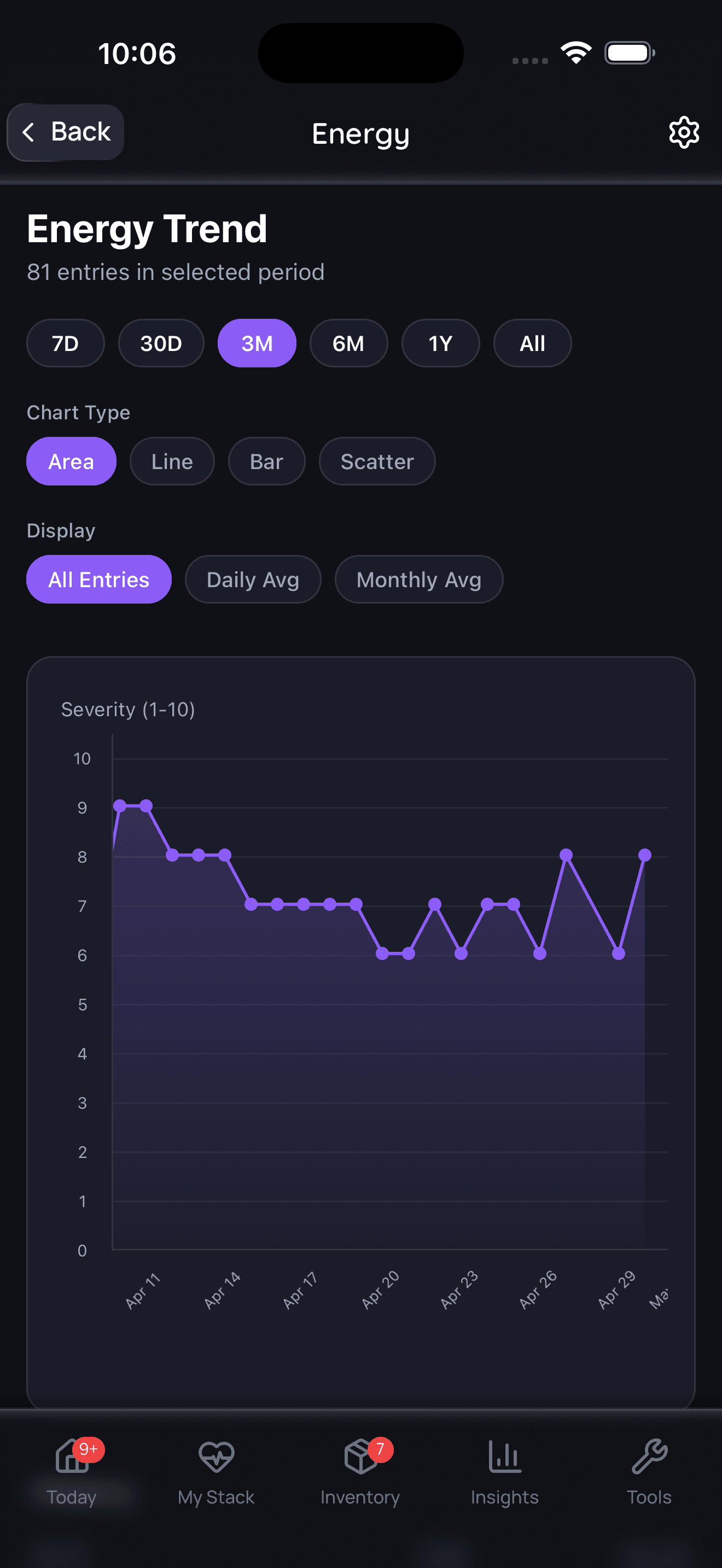
Symptom tracking is informational and should be interpreted with a qualified clinician.
Dosing & Usage Protocols
The Basics
How much bromelain to take depends entirely on what you are trying to accomplish. The two main use cases call for different doses and, critically, different timing.
For digestive support, the commonly cited range is 200 to 2,000 mg taken with meals. The wide range exists because enzymatic potency varies between products. A product with 2,400 GDU per gram delivers more active enzyme than one with 1,200 GDU per gram, so the milligram dose alone does not tell the full story. Checking the GDU or MCU value on the label is more informative than the milligram count.
For systemic effects (anti-inflammatory, recovery support, cardiovascular), the commonly reported range is 200 to 800 mg taken between meals on an empty stomach. Taking it away from food allows more of the enzyme to be absorbed intact into the bloodstream rather than being consumed by protein digestion in the stomach.
Higher doses (up to 2,000 mg daily) have been used in research settings without serious adverse effects, though GI discomfort becomes more common above 800 mg. The body can handle up to approximately 12 g per day based on animal extrapolation, but there is no established clinical reason to go that high [1][3].
The Science
Dosing by purpose:
Goal
Digestive support
- Dose Range
- 200-2,000 mg
- Timing
- With meals
- Notes
- Higher doses for larger protein-rich meals
Goal
Anti-inflammatory
- Dose Range
- 200-800 mg
- Timing
- Between meals
- Notes
- Empty stomach for systemic absorption
Goal
Post-surgical recovery
- Dose Range
- 200-1,000 mg
- Timing
- Between meals
- Notes
- Often started 1-2 weeks pre-surgery in studies
Goal
Sinusitis support
- Dose Range
- 200-500 mg
- Timing
- Between meals
- Notes
- Clinical studies used moderate doses
Goal
Osteoarthritis (combination)
- Dose Range
- 90 mg bromelain + 48 mg trypsin + 100 mg rutoside
- Timing
- Per Phlogenzym formulation
- Notes
- Enteric-coated capsule
Standardization note: Enzymatic activity (GDU, MCU, FIP units) is more relevant than milligram weight. Products with 2,400 GDU/g are considered high-potency; 1,200 GDU/g is standard. Some products express activity in MCU (milk clotting units) or FCCPU (FCC papain units), making direct comparison between products challenging without standardized labeling [3].
Duration: No established cycling protocol exists. Bromelain is generally used continuously during the period of need (e.g., 2-4 weeks around surgery, ongoing for digestive support, or as needed for inflammatory conditions). Long-term use studies (up to 6 months in animals) have shown no adverse effects [1].
When your stack includes several supplements, each with its own dose, form, and timing requirements, the logistics alone can derail consistency. Doserly consolidates all of it into one protocol view, so every dose across your entire routine is accounted for without spreadsheets or guesswork.
The app also tracks cumulative intake for nutrients that appear in multiple products. If your multivitamin, standalone supplement, and fortified protein shake all contain the same nutrient, Doserly adds them up and shows you the total alongside recommended and upper limits. Managing a thoughtful supplement protocol shouldn't require a degree in nutrition science. The app handles the complexity so you can focus on staying consistent.
Track injection timing, draw notes, and site rotation.
Doserly helps keep syringe-related notes, injection site history, reminders, and reconstitution context together for easier review.
Injection log
Site rotation
Injection logs support record-keeping; follow clinician instructions for administration.
What to Expect (Timeline)
Week 1-2:
For digestive purposes, effects may be noticeable within the first few days, as the enzyme begins assisting with protein breakdown during meals. Some users report improved digestive comfort and reduced bloating within the first week. For systemic anti-inflammatory effects, changes are typically more gradual. Post-surgical users who started bromelain before their procedure often report less swelling and bruising in the first week compared to expectations, though isolating bromelain's contribution from other recovery factors is difficult.
Week 2-4:
Anti-inflammatory effects become more apparent with consistent dosing. Users targeting joint discomfort or sinusitis tend to notice improvement during this window. Clinical studies evaluating post-surgical recovery typically measured outcomes at 1-3 weeks, with significant improvements noted by the study endpoints. Some community members report a noticeable difference in nasal congestion within 2-3 weeks of regular use.
Week 4-8+:
For chronic conditions like osteoarthritis, clinical trials measured outcomes at 6 weeks, with both bromelain combinations and diclofenac showing significant and comparable improvements by that point. Long-term use appears safe based on animal data (6 months) and human studies (10 days at high doses), though extended human trials beyond a few weeks are limited. Users taking bromelain for ongoing digestive support typically report stable benefits with continued use.
Acute use (injuries, surgery):
For acute situations (post-surgery, injury, sinus infection), bromelain tends to produce its most noticeable effects within the first 1-2 weeks, with benefits diminishing as the acute condition resolves. Users in surgical recovery communities frequently describe noticeable differences in bruising and swelling within days of starting supplementation.
Interactions & Compatibility
Synergistic
- Quercetin: Frequently combined for enhanced anti-inflammatory effects. Quercetin is a flavonoid with complementary anti-inflammatory pathways. Some supplements combine these two ingredients specifically.
- Turmeric/Curcumin: Complementary anti-inflammatory mechanisms. Bromelain may also enhance curcumin absorption by modifying intestinal tight junctions. Community reports frequently describe using both together.
- Boswellia Serrata: Used together in formulations for joint health and post-surgical recovery. A clinical study evaluated a combination of alpha-lipoic acid, boswellia, methylsulfonylmethane, and bromelain for aromatase inhibitor-associated arthralgia with positive results [22].
- Papain: Fellow proteolytic enzyme (from papaya). Often combined in digestive enzyme formulations. Combined protease supplementation has shown benefits for exercise-induced muscle damage.
- Nattokinase: Complementary fibrinolytic enzyme. Some users combine these for cardiovascular support, though the additive blood-thinning effect requires caution.
- Vitamin C: Sometimes combined for immune support and recovery.
Caution / Avoid
- Anticoagulant medications (warfarin, heparin): Bromelain's antithrombotic effects may increase bleeding risk. Consult a healthcare provider before combining [4].
- Antiplatelet drugs (aspirin, clopidogrel): Additive antiplatelet effects could increase bruising or bleeding risk [4].
- Tetracycline antibiotics: Bromelain may increase blood and urine levels of tetracyclines by enhancing intestinal absorption [25].
- CYP2C9 substrate medications (warfarin, diclofenac, phenytoin): In vitro evidence suggests bromelain may inhibit CYP2C9, potentially affecting metabolism of these drugs. Clinical relevance is uncertain [4].
- Serrapeptase: Another proteolytic enzyme with fibrinolytic properties. Combining multiple fibrinolytic enzymes could theoretically increase bleeding risk.
Supplement-Food Interactions
- Pineapple: Consuming pineapple alongside bromelain supplements provides additional enzyme but also introduces fruit sugars and acids. Fresh, unpasteurized pineapple juice contains active bromelain; pasteurization (heat) destroys enzymatic activity.
- Protein-rich meals: Taking bromelain with protein-rich food directs its activity toward digestion rather than systemic absorption.
How to Take / Administration Guide
For digestive support:
Most practitioners recommend taking bromelain with meals, particularly protein-heavy meals, to assist with protein digestion. Capsules or tablets are the most common delivery forms. Chewable tablets are available for those who prefer not to swallow capsules.
For systemic/anti-inflammatory effects:
The general recommendation is to take bromelain on an empty stomach, typically 30 minutes before meals or 2 hours after eating. This timing allows more of the enzyme to be absorbed intact into the bloodstream rather than being consumed by protein digestion in the stomach.
For post-surgical recovery:
Some research protocols and surgeons recommend starting bromelain 1-2 weeks before a scheduled procedure and continuing for 2-4 weeks post-surgery. The typical protocol involves 200-500 mg taken 2-3 times daily between meals. Always confirm this approach with your surgical team, as some surgeons may have concerns about bleeding risk.
Stacking considerations:
Bromelain is frequently combined with quercetin for anti-inflammatory purposes, or included in broader digestive enzyme blends alongside papain and other proteases. When using combination products, check the GDU/MCU activity to ensure adequate bromelain potency. The Phlogenzym formulation (90 mg bromelain + 48 mg trypsin + 100 mg rutoside trihydrate in an enteric capsule) has the most clinical trial support for anti-inflammatory and musculoskeletal applications.
Form considerations:
Enteric-coated capsules may provide better systemic absorption by protecting bromelain through the stomach. Standard capsules and tablets are adequate for digestive purposes. Powdered bromelain can self-digest in solution, so aqueous preparations should include alpha-macroglobulin as a stabilizer [1].
Choosing a Quality Product
When selecting a bromelain supplement, enzymatic activity is the most important specification to evaluate, more so than milligram weight alone. Look for the following:
Activity standardization:
- GDU (Gelatin Digesting Units) per gram is the most common standardization. Products typically range from 1,200 to 3,000 GDU/g.
- Higher GDU values indicate greater enzymatic potency per milligram of powder.
- MCU (Milk Clotting Units) is an alternative measure. 1 GDU is approximately equal to 1.5 MCU.
- Some labels express activity in FIP or FCCPU units. Direct comparison across different unit systems requires conversion.
Source verification:
- Verify the product specifies stem bromelain (the well-studied form) rather than fruit bromelain.
- Pineapple stem origin should be stated on the label.
Third-party testing:
- Look for products tested by independent labs for potency, purity, and contaminant levels (heavy metals, solvent residues).
- USP, NSF, or ConsumerLab verification provides additional quality assurance.
- For athletes, Informed Sport or NSF Certified for Sport certification helps reduce contamination risk.
Red flags:
- Products that list only milligram weight without activity units (GDU/MCU) may have low or variable enzymatic potency.
- Proprietary blends that obscure the bromelain content within a larger enzyme complex.
- Products containing bromelain from unknown plant parts (should specify stem).
- Unusually low-priced products relative to GDU activity levels.
Delivery form:
- Enteric-coated capsules may offer better protection through stomach acid for systemic use.
- Standard capsules or chewable tablets are appropriate for digestive use.
- Liquid or powder forms should be consumed promptly after preparation due to self-digestion risk.
Storage & Handling
Bromelain supplements should be stored in a cool, dry place away from direct sunlight and moisture. Heat is the primary enemy of enzymatic activity, so avoid storing supplements in warm locations (near stoves, in cars, in direct sunlight).
Most bromelain products maintain stability at room temperature when kept in sealed containers. Refrigeration is not typically necessary but may extend shelf life, particularly in hot climates. Once a bottle is opened, aim to use it within the timeframe indicated by the manufacturer, as exposure to humidity can degrade enzymatic activity.
Powdered bromelain is particularly sensitive to moisture and should be kept in airtight containers. If you notice clumping or discoloration, enzymatic activity may have diminished. Bromelain can self-digest in aqueous solution, so powdered forms should not be pre-mixed with water for later use [1].
Lifestyle & Supporting Factors
Dietary considerations: Bromelain works as a protein-digesting enzyme, so its digestive benefits are most relevant when consuming protein-rich meals. Eating fresh pineapple provides additional bromelain, though the concentration in the edible fruit is much lower than in stem-derived supplements. Pasteurized pineapple juice and canned pineapple contain minimal active bromelain due to heat denaturation.
Anti-inflammatory diet synergy: Bromelain's anti-inflammatory effects may be enhanced by an overall anti-inflammatory dietary pattern rich in omega-3 fatty acids, colorful fruits and vegetables, and low in processed foods and refined sugars. Combining bromelain with other anti-inflammatory compounds like quercetin and turmeric is a common community practice.
Exercise considerations: Preliminary research suggests protease supplementation (including bromelain) may attenuate exercise-induced muscle damage and preserve power output. Athletes considering bromelain for recovery should be aware of its blood-thinning properties and discuss use with a sports medicine professional, particularly if training involves contact sports or high injury risk.
Hydration: Adequate hydration supports digestive enzyme function and overall supplement absorption. There are no specific hydration requirements unique to bromelain.
Lab monitoring: There are no routine lab tests associated with bromelain supplementation. However, individuals on anticoagulant therapy who add bromelain should discuss monitoring coagulation parameters (PT/INR) with their healthcare provider.
Regulatory Status & Standards
United States (FDA): Bromelain is classified as a dietary supplement under DSHEA. It has GRAS (Generally Recognized as Safe) status as a food ingredient. A topical bromelain-based product (anacaulase-bcdb, brand name NexoBrid) has received FDA approval for burn wound debridement, but oral bromelain supplements are regulated as dietary supplements, not drugs.
Canada (Health Canada): Bromelain is available as a Natural Health Product (NHP). Products require an NPN (Natural Product Number) for legal sale.
European Union (EFSA): Bromelain is available as a food supplement. It is also approved as a food enzyme in the EU. The topical enzymatic debridement product NexoBrid is approved for clinical use.
Australia (TGA): Bromelain is listed in the Australian Register of Therapeutic Goods as a complementary medicine ingredient.
Athlete & Sports Regulatory Status:
WADA: Bromelain is NOT on the World Anti-Doping Agency Prohibited List. It is not classified as a prohibited substance in any WADA category (S0-S9, M1-M3, P1). Athletes may use bromelain supplements without risk of a doping violation from the substance itself.
National Anti-Doping Agencies: No major NADOs (USADA, UKAD, Sport Integrity Canada, Sport Integrity Australia, NADA Germany) have issued specific warnings or alerts about bromelain.
Professional Sports Leagues: Bromelain is not prohibited by NFL, NBA, MLB, NHL, MLS, or NCAA substance policies.
NCAA: Bromelain is not on the NCAA banned substance list. However, the NCAA recommends that any supplements provided by athletic departments carry NSF Certified for Sport or Informed Sport certification to minimize contamination risk.
Athlete Certification Programs: Bromelain products with Informed Sport (sport.wetestyoutrust.com), NSF Certified for Sport (nsfsport.com), Cologne List (koelnerliste.com), or BSCG (bscg.org) certification are available for athletes seeking third-party verified options.
GlobalDRO: Athletes can verify bromelain supplement status on GlobalDRO.com for US, UK, Canada, Australia, Japan, Switzerland, and New Zealand.
Regulatory status and prohibited substance classifications change frequently. Athletes should always verify the current status of any supplement with their sport's governing body, their national anti-doping agency, and a qualified sports medicine professional before use. Third-party certification (Informed Sport, NSF Certified for Sport) reduces but does not eliminate the risk of contamination with prohibited substances.
Frequently Asked Questions
What is bromelain and where does it come from?
Bromelain is a mixture of protein-digesting enzymes extracted primarily from pineapple stems. While pineapple fruit also contains bromelain, the stem has much higher concentrations and is the standard source for supplements.
Should I take bromelain with food or on an empty stomach?
It depends on your goal. For digestive support, take it with meals so it can help break down protein in your food. For anti-inflammatory or systemic effects, take it on an empty stomach (30 minutes before or 2 hours after eating) so more of the enzyme reaches your bloodstream intact.
Is bromelain safe to take before surgery?
Some surgeons recommend bromelain before and after surgery to reduce swelling and bruising, and clinical studies support this use. However, because bromelain has mild blood-thinning properties, you should always discuss its use with your surgical team before any procedure. Do not start or stop bromelain near surgery without professional guidance.
Can I just eat pineapple instead of taking supplements?
Fresh pineapple does contain bromelain, particularly near the core and stem, but the concentration is much lower than in concentrated supplements. Pasteurized juice and canned pineapple contain minimal active bromelain because heat destroys the enzyme. For therapeutic doses, supplements are generally more practical, though some people report digestive benefits from eating fresh pineapple regularly.
How long does it take for bromelain to work?
For digestive effects, the benefits may be noticeable within days. For anti-inflammatory or post-surgical effects, most clinical studies measured outcomes at 1-3 weeks, with significant improvements typically seen by 2-4 weeks of consistent use.
Can bromelain interact with medications?
Yes. Bromelain may increase the effects of blood thinners (warfarin, heparin) and antiplatelet drugs. It may increase absorption of certain antibiotics, particularly tetracyclines. It may also inhibit CYP2C9, an enzyme involved in metabolizing several common medications. Always inform your healthcare provider if you are taking bromelain alongside prescription medications.
What do GDU and MCU mean on the label?
GDU (Gelatin Digesting Units) and MCU (Milk Clotting Units) measure enzymatic activity rather than simple weight. A higher GDU or MCU value means more active enzyme per gram of product. This is more informative than milligram weight alone when comparing products.
Is bromelain an antihistamine?
Bromelain is not technically an antihistamine, but some people with histamine intolerance report significant symptom relief. This may be related to its anti-inflammatory properties, its ability to modify immune cell receptors, or its potential effects on gut barrier integrity. The mechanism is not fully understood.
Can bromelain cause digestive problems?
While bromelain is used for digestive support, higher doses (above 800-1,000 mg) can cause GI side effects including softer stools, gas, cramping, and diarrhea. These effects are dose-dependent and typically resolve with dose reduction. Starting at a lower dose and increasing gradually is a common approach.
Is bromelain safe for long-term use?
Animal studies of up to 6 months at high doses show no adverse effects, and bromelain has been used as a food supplement for decades. However, long-term controlled human studies beyond a few weeks are limited. Based on available data, ongoing use at standard doses appears safe for most people, but periodic reassessment with a healthcare provider is advisable.
Myth vs. Fact
Myth: Bromelain is just a digestive enzyme with no systemic effects.
Fact: While bromelain does function as a digestive enzyme when taken with food, approximately 40% of it can be absorbed through the intestinal wall in an enzymatically active form. Once in the bloodstream, it binds to carrier proteins and exerts anti-inflammatory, antithrombotic, and immunomodulatory effects. It is one of the few plant-derived enzymes proven to maintain biological activity in human plasma after oral ingestion [11].
Myth: You can get enough bromelain by eating pineapple.
Fact: Fresh pineapple contains bromelain, but the concentration is much higher in the stem than in the edible fruit. Supplemental bromelain is extracted from stems and concentrated. Additionally, pasteurized pineapple juice and canned pineapple contain minimal active bromelain because heat denatures the enzyme. For therapeutic doses used in clinical studies (200-2,000 mg), supplements are the practical delivery method [1][3].
Myth: Higher milligram doses always mean more potent bromelain.
Fact: Enzymatic activity (measured in GDU or MCU) is more important than milligram weight. A 500 mg capsule with 2,400 GDU/g delivers significantly more enzymatic activity than a 500 mg capsule with 1,000 GDU/g. Always check the activity units on the label rather than relying on milligram count alone [3].
Myth: Bromelain is a proven cancer treatment.
Fact: Bromelain has shown anticancer properties in laboratory and animal studies, including induction of apoptosis and inhibition of tumor growth in multiple cell lines. However, no human clinical trials for cancer treatment have been conducted. The preclinical evidence is interesting but far from establishing bromelain as a cancer therapy [1][6][7].
Myth: Bromelain is dangerous because it thins the blood.
Fact: Bromelain does have mild antithrombotic and fibrinolytic properties, but at typical supplement doses, these effects are modest. Animal studies using very high doses show prolonged clotting times, and a 10-day human study at 3,000 FIP units/day found no significant changes in blood coagulation parameters. The blood-thinning concern is primarily relevant for people already taking anticoagulant medications, not for healthy individuals at standard doses [1][4].
Myth: All enzyme supplements are the same.
Fact: Bromelain, papain (from papaya), serrapeptase (from bacteria), and nattokinase (from fermented soy) are all proteolytic enzymes, but they have different substrate specificities, pharmacokinetic profiles, and clinical applications. Bromelain's unique characteristics include its specific immunomodulatory receptor effects and its documented ability to be absorbed intact from the GI tract. These enzymes are not interchangeable [1][2][3].
Myth: Bromelain supplements are not regulated.
Fact: Bromelain supplements are regulated under DSHEA in the United States. The FDA regulates their manufacturing under Good Manufacturing Practice (cGMP) guidelines and monitors for safety and labeling accuracy. While the FDA does not pre-approve supplement efficacy claims (as it does for drugs), bromelain products are subject to regulatory oversight including facility inspections and adverse event reporting requirements.
Sources & References
Clinical Trials & RCTs
[12] Majid OW, Al-Mashhadani BA. Perioperative bromelain reduces pain and swelling and improves quality of life measures after mandibular third molar surgery: a randomized, double-blind, placebo-controlled clinical trial. J Oral Maxillofac Surg. 2014;72(6):1043-8.
[14] Akhtar NM, Naseer R, Farooqi AZ, et al. Oral enzyme combination versus diclofenac in the treatment of osteoarthritis of the knee: a double-blind prospective randomized study. Clin Rheumatol. 2004;23(5):410-415.
[15] Klein G, Kullich W, Schnitker J, et al. Efficacy and tolerance of an oral enzyme combination in painful osteoarthritis of the hip. A double-blind, randomised study comparing oral enzymes with non-steroidal anti-inflammatory drugs. Clin Exp Rheumatol. 2006;24(1):25-30.
[16] Brien S, Lewith G, Walker AF, et al. Bromelain as an adjunctive treatment for moderate-to-severe osteoarthritis of the knee: a randomized placebo-controlled pilot study. QJM. 2006;99(12):841-850.
[17] Kerkhoffs GM, Struijs PA, de Wit C, et al. A double blind, randomised, parallel group study on the efficacy and safety of treating acute lateral ankle sprain with oral hydrolytic enzymes. Br J Sports Med. 2004;38(4):431-435.
[21] Ley CM, Ni Q, Liao X, et al. Bromelain and cardiovascular risk factors in diabetes: An exploratory randomized, placebo controlled, double blind clinical trial. Chin J Integr Med. 2016;22(10):728-37.
[23] Walker AF, et al. Bromelain reduces mild acute knee pain and improves well-being in a dose-dependent fashion in an open study of otherwise healthy adults. Phytomedicine. 2002;9(8):681-6.
Systematic Reviews & Meta-Analyses
[13] de A C Almeida R, de Sousa Lima FCM, do E Vasconcelos BC. Is bromelain an effective drug for the control of pain and inflammation associated with impacted third molar surgery? Systematic review and meta-analysis. Int J Oral Maxillofac Surg. 2019;48(9):1188-1197.
[18] Rosenberg L, Shoham Y, Krieger Y, et al. Minimally invasive burn care: a review of seven clinical studies of rapid and selective debridement using a bromelain-based debriding enzyme (Nexobrid). Ann Burns Fire Disasters. 2015;28(4):264-274.
[20] Pereira IC, Sátiro Vieira EE, de Oliveira Torres LR, et al. Bromelain supplementation and inflammatory markers: A systematic review of clinical trials. Clin Nutr ESPEN. 2023;55:116-127.
Observational & Mechanistic Studies
[5] Fitzhugh DJ, Shan S, Dewhirst MW, et al. Bromelain treatment decreases neutrophil migration to sites of inflammation. Clin Immunol. 2008;128(1):66-74.
[6] Kalra N, Bhui K, Roy P, et al. Regulation of p53, nuclear factor kappaB and cyclooxygenase-2 expression by bromelain through targeting mitogen-activated protein kinase pathway in mouse skin. Toxicol Appl Pharmacol. 2008;226(1):30-7.
[7] Bhui K, Prasad S, George J, Shukla Y. Bromelain inhibits COX-2 expression by blocking the activation of MAPK regulated NF-kappa B against skin tumor-initiation triggering mitochondrial death pathway. Cancer Lett. 2009;282(2):167-176.
[8] Hale LP, Haynes BF. Bromelain treatment of human T cells removes CD44, CD45RA, E2/MIC2, CD6, CD7, CD8, and Leu 8/LAM1 surface molecules and markedly enhances CD2-mediated T cell activation. J Immunol. 1992;149(12):3809-3816.
[9] Secor ER Jr, Singh A, Guernsey LA, et al. Bromelain treatment reduces CD25 expression on activated CD4+ T cells in vitro. Int Immunopharmacol. 2009;9(3):340-346.
[10] Taussig SJ, Batkin S. Bromelain, the enzyme complex of pineapple (Ananas comosus) and its clinical application: an update. J Ethnopharmacol. 1988;22(2):191-203.
[19] Shoham Y, Shapira E, Haik J, et al. Bromelain-based enzymatic debridement of chronic wounds: Results of a multicentre randomized controlled trial. Wound Repair Regen. 2021;29(6):899-907.
[22] Dalgleish AG, Liu WM. The role of immune modulation and anti-inflammatory agents in the management of prostate cancer: A case report. Oncol Lett. 2022;24(2):247.
[24] Juhasz B, Thirunavukkarasu M, Pant R, et al. Bromelain induces cardioprotection against ischemia-reperfusion injury through Akt/FOXO pathway in rat myocardium. Am J Physiol Heart Circ Physiol. 2008;294(3):H1365-1370.
[25] Bradbrook IK, Morrison PJ, Rogers HJ. The effect of bromelain on the absorption of orally administered tetracycline. Br J Clin Pharmacol. 1978;6:552-4.
Government/Institutional Sources
[4] Memorial Sloan Kettering Cancer Center. Bromelain. About Herbs, Botanicals & Other Products. Updated December 19, 2023. https://www.mskcc.org/cancer-care/integrative-medicine/herbs/bromelain
Reviews & Monographs
[1] Pavan R, Jain S, Shraddha, Kumar A. Properties and Therapeutic Application of Bromelain: A Review. Biotechnol Res Int. 2012;2012:976203. doi:10.1155/2012/976203.
[2] Chakraborty AJ, Mitra S, Tallei TE, et al. Bromelain a Potential Bioactive Compound: A Comprehensive Overview from a Pharmacological Perspective. Life (Basel). 2021;11(4):317.
[3] Examine.com. Bromelain: Research Breakdown. Last updated August 28, 2025. (Synthesis of primary sources; individual studies cited where applicable.)
[11] Castell JV, Friedrich G, Kuhn CS, Poppe GE. Intestinal absorption of undegraded proteins in men: presence of bromelain in plasma after oral intake. Am J Physiol. 1997;273(1):G139-G146.
Related Supplement Guides
Same Category (Proteolytic Enzymes)
Common Stacks / Pairings
- Quercetin (anti-inflammatory synergy)
- Turmeric/Curcumin (complementary anti-inflammatory pathways)
- Boswellia Serrata (joint health and inflammation support)
Related Health Goals
- Vitamin C (immune and recovery support)
- Zinc (immune function, wound healing)
- Magnesium (muscle relaxation, anti-inflammatory)
- Iron (note: bromelain may affect mineral absorption)