
L-Arginine: The Complete Supplement Guide
On this page
Quick Reference Card
Attribute
Common Name
- Detail
- L-Arginine
Attribute
Other Names / Aliases
- Detail
- Arginine, Arg, 2-amino-5-guanidinovaleric acid, L-Arg, Arginine HCl, AAKG (Arginine Alpha-Ketoglutarate)
Attribute
Category
- Detail
- Conditionally Essential Amino Acid
Attribute
Primary Forms & Variants
- Detail
- L-Arginine HCl (most common); L-Arginine free base; Arginine Alpha-Ketoglutarate (AAKG, enhanced absorption); Arginine Ethyl Ester; L-Arginine Aspartate
Attribute
Typical Dose Range
- Detail
- 2,000-6,000 mg per day (general); up to 9,000 mg as a single bolus; split dosing of 2-3g three times daily for sustained levels
Attribute
RDA / AI / UL
- Detail
- No formal RDA, AI, or UL established. Observed safety limit: 20g/day from supplements. Conditionally essential during illness, trauma, or stress.
Attribute
Common Delivery Forms
- Detail
- Capsules, tablets, powder, topical
Attribute
Best Taken With / Without Food
- Detail
- Can be taken with or without food. Empty stomach may enhance absorption but increases GI side effect risk at higher doses.
Attribute
Key Cofactors
- Detail
- Vitamin B6 (supports NOS enzyme function); Vitamin C and E (antioxidant support for NO preservation); Folic acid (supports endothelial function); L-Citrulline (recycling pathway); Tetrahydrobiopterin (BH4, NOS cofactor)
Attribute
Storage Notes
- Detail
- Store in a cool, dry place away from direct sunlight and moisture. No refrigeration required. Powder form is hygroscopic; seal container tightly after use.
Overview
The Basics
L-Arginine is a versatile amino acid that your body uses for several important functions, the most notable being the production of nitric oxide (NO), a molecule that helps your blood vessels relax and widen. Think of nitric oxide as a traffic controller for your circulatory system: it opens up the highways so blood can flow more freely to your muscles, organs, and tissues.
Your body typically makes enough L-Arginine on its own, and it is also found in many protein-rich foods like red meat, poultry, fish, dairy, nuts, and legumes. However, during periods of illness, injury, or heavy physical stress, your body may not produce enough to keep up with demand. That is why it is classified as "conditionally essential," meaning it becomes more important to get from your diet or supplements under certain circumstances [1][2].
People supplement with L-Arginine for a wide range of reasons. It is popular among those looking to support cardiovascular health, improve blood flow, address erectile dysfunction, or enhance exercise performance. The evidence behind these uses varies considerably. Blood pressure reduction and erectile function have some of the strongest research support, while exercise performance benefits remain inconsistent. One important consideration is that L-Citrulline, another amino acid that converts to arginine in the body, may actually be more effective at raising arginine levels over sustained periods due to differences in how the two are absorbed [3][4].
The Science
L-Arginine (2-amino-5-guanidinovaleric acid) is a semi-essential (conditionally essential) amino acid with a guanidinium group on its side chain. It occupies a unique position in human biochemistry as an intermediate in both the urea cycle and the nitric oxide cycle, and serves as a precursor for the synthesis of creatine, agmatine, and polyamines [1][2].
Arginine is classified as conditionally essential because, while endogenous synthesis occurs primarily via the intestinal-renal axis (citrulline produced by enterocytes is converted to arginine in proximal renal tubular cells), this de novo production may be insufficient during catabolic states, sepsis, trauma, burns, or in neonates [2]. Plasma arginine concentrations in healthy fasted adults range from approximately 50 to 120 micromol/L, with dietary sources contributing 40-60% of circulating arginine [3].
The arginase enzyme, which converts arginine to ornithine and urea, is notably overexpressed in type II diabetes and is considered a risk factor for the cardiovascular complications observed in this population. This overexpression diverts arginine away from the nitric oxide synthase (NOS) pathway, reducing NO bioavailability and contributing to endothelial dysfunction [2][3]. This finding has generated significant interest in arginine supplementation as a potential intervention for diabetic vascular disease.
Arginine is one of the more popular amino acid supplements in athletic populations. Survey data indicate that approximately 5% of female and 8% of male NCAA-level athletes supplement with L-Arginine, primarily for its purported effects on blood flow and exercise performance [3].
Chemical & Nutritional Identity
Property
Chemical Name
- Value
- 2-amino-5-guanidinovaleric acid
Property
Synonyms
- Value
- L-Arginine, Arg, R
Property
Molecular Formula
- Value
- C₆H₁₄N₄O₂
Property
Molecular Weight
- Value
- 174.20 g/mol (free base); 210.66 g/mol (hydrochloride salt)
Property
CAS Number
- Value
- 74-79-3 (L-Arginine); 1119-34-2 (L-Arginine HCl)
Property
PubChem CID
- Value
- 6322
Property
Category
- Value
- Conditionally essential amino acid
Property
pI (Isoelectric Point)
- Value
- 10.76
Property
RDA / AI / UL
- Value
- Not formally established
L-Arginine is a basic amino acid with a guanidinium group (pKa ~12.5) that is positively charged at physiological pH. It is the most basic of the standard amino acids. The guanidinium group enables arginine's unique role as the sole biological precursor for nitric oxide synthesis [1].
Common supplement forms include:
- L-Arginine Hydrochloride (HCl): The most widely available form. Readily soluble in water.
- Arginine Alpha-Ketoglutarate (AAKG): A salt form pairing arginine with alpha-ketoglutarate. Some evidence suggests enhanced intestinal uptake compared to the hydrochloride salt, though performance data are mixed [3].
- L-Arginine Aspartate: A salt form used in some formulations, particularly for growth hormone studies.
- Arginine Ethyl Ester: A modified form designed to improve absorption, though clinical data are limited.
No formal Dietary Reference Intakes (DRIs) have been established for arginine. Typical dietary intake from a mixed diet is estimated at 3.5 to 5.0 g per day [1][2].
Mechanism of Action
The Basics
L-Arginine's most important job in your body is serving as the raw material for making nitric oxide (NO). Imagine your blood vessels have tiny muscles that can squeeze or relax. Nitric oxide is the signal that tells those muscles to relax, widening the vessel and allowing more blood to flow through. This is why arginine is associated with improved blood flow, lower blood pressure, and better cardiovascular function.
Your body uses three different versions of an enzyme called nitric oxide synthase (NOS) to convert arginine into nitric oxide and citrulline. One version (eNOS) works primarily in blood vessel linings, another (nNOS) operates in nerve cells, and a third (iNOS) is activated during immune responses and inflammation [1][5].
Beyond nitric oxide, arginine plays a central role in the urea cycle, which is your body's main system for removing ammonia, a toxic waste product of protein metabolism. Arginine is also one of the three amino acids (along with glycine and methionine) needed to make creatine, an energy compound critical for high-intensity muscle contractions [1][2].
Interestingly, there is something researchers call the "L-arginine paradox." Under normal conditions, your cells already have far more arginine than the NOS enzymes need to work at full speed. In theory, adding more arginine should not increase NO production, yet sometimes it does. Scientists believe this paradox may involve arginine's interaction with specific membrane transporters or its ability to displace ADMA (asymmetric dimethylarginine), a natural inhibitor of NOS [5][6].
The Science
L-Arginine serves as the exclusive biological substrate for nitric oxide synthase (NOS) enzymes, which catalyze the conversion of L-arginine to L-citrulline and nitric oxide (NO). NOS enzymes exist in three isoforms: endothelial NOS (eNOS/NOS3), neuronal NOS (nNOS/NOS1), and inducible NOS (iNOS/NOS2). All three are NADPH-requiring flavoproteins that also depend on heme, tetrahydrobiopterin (BH4), calmodulin, FMN, and FAD for catalytic activity [5].
The production of NO and subsequent activation of soluble guanylyl cyclase to produce cyclic GMP (cGMP) underlies the vasodilatory, anti-platelet, and anti-atherogenic effects attributed to arginine supplementation. NO-mediated cGMP signaling relaxes vascular smooth muscle, inhibits platelet activation, reduces monocyte and leukocyte adhesion to the endothelium, and suppresses smooth muscle cell proliferation [5][6].
The "L-arginine paradox" refers to the observation that supplemental arginine sometimes increases NO production despite intracellular arginine concentrations (up to 800 micromol/L) vastly exceeding the Km of eNOS (3-29 micromol/L). Several hypotheses have been proposed: (1) the colocalization of the CAT1 cationic amino acid transporter with eNOS may create a functional microdomain where extracellular arginine availability directly influences eNOS activity, independent of bulk intracellular concentrations [5]; (2) displacement of ADMA, an endogenous competitive NOS inhibitor that is elevated in cardiovascular disease, diabetes, and renal failure, may restore NOS function when the arginine:ADMA ratio is increased [6]; (3) arginine may directly activate alpha-2-adrenergic receptors to stimulate NO release independently of its role as a NOS substrate [5].
Additional metabolic pathways for L-arginine include:
- Conversion to ornithine and urea via arginase (urea cycle)
- Decarboxylation to agmatine via mitochondrial arginine decarboxylase (ADC), producing a neuromodulatory signaling molecule active at alpha-2-adrenoceptors and imidazoline receptors [2]
- Contribution to creatine biosynthesis via arginine:glycine amidinotransferase (AGAT), generating guanidinoacetate as an intermediate [1]
- Generation of polyamines (putrescine, spermidine, spermine) via the ornithine pathway, which regulate cell growth and differentiation [2]
Absorption & Bioavailability
The Basics
How much L-Arginine your body actually absorbs depends largely on the dose. At moderate doses (around 5-6 grams), roughly 60-70% of what you swallow makes it into your bloodstream. But as you take more, the percentage absorbed drops significantly. At 10 grams, absorption may fall to as low as 20%, and at 13 grams, your intestines may reject much of it entirely, causing GI distress without meaningfully raising blood levels [3].
This happens because your gut has a limited capacity to transport arginine. Once those transport channels are saturated, extra arginine just sits in your intestines, drawing water in and potentially causing diarrhea. This is a meaningful practical limitation, because many of the cardiovascular benefits seen in research use doses that push against these absorption limits.
An important alternative is L-Citrulline, which bypasses much of this intestinal bottleneck. Citrulline is absorbed through different pathways and then converted to arginine in the kidneys. When researchers compared the two head-to-head, 3 grams of citrulline and 3 grams of arginine produced similar peak blood levels, but citrulline delivered nearly 50% more total arginine exposure over time [3][4]. This makes citrulline a more efficient way to sustain elevated arginine levels throughout the day.
The Science
L-Arginine is absorbed in the small intestine via several cationic amino acid transport systems: system y+ (CAT family, sodium-independent, handling lysine, ornithine, and arginine preferentially), system y+L (via y+LAT1, sodium-independent but requiring neutral amino acid cooperation), system B0,+ (sodium-dependent, handling lysine, arginine, valine, and alanine), and system b0,+ (via b0,+AT, handling lysine, arginine, and leucine) [3].
Pharmacokinetic parameters for oral L-Arginine:
- 6g oral dose: Bioavailability approximately 68% (range 51-87%). Peak plasma concentration (Cmax) of 310+/-152 micromol/L, representing a 336% increase from baseline. Half-life of 76+/-9 minutes [3].
- 5g oral dose: Increases AUC by 64% relative to placebo over 5 hours. Tmax approximately 1 hour in fasted state [3].
- 9g oral dose: Increases AUC by 181% relative to placebo [3].
- 10g oral dose: Plasma increase from 15.1+/-2.6 microg/mL to 50.0+/-13.4 microg/mL (331%) at Tmax of 1 hour [3].
- 13g oral dose: Failed to significantly increase serum levels due to intestinal distress and osmolytic diarrhea [3].
First-pass metabolism is substantial. Enterocytes consume or interconvert a significant portion of ingested arginine to citrulline or ornithine before it reaches the systemic circulation. Hepatic extraction further reduces bioavailability. This splanchnic metabolism explains why supplemental L-ornithine achieves twice the serum concentration and L-citrulline 9.3 times the serum concentration relative to equimolar L-arginine doses [3].
Direct comparison with L-citrulline: at 3g oral doses, both achieve comparable Cmax values (citrulline: 79+/-8 micromol/L; arginine: 84+/-9 micromol/L), but citrulline produces 48.7% greater AUC, attributed to citrulline's resistance to first-pass metabolism and lack of renal elimination upregulation even at doses up to 15g [3][4].
Research & Clinical Evidence
The Basics
The most robust evidence for L-Arginine centers on cardiovascular effects and erectile dysfunction, with more mixed results for exercise performance and immune function.
Blood pressure is perhaps the best-studied outcome. A large meta-analysis combining 22 clinical trials found that L-Arginine supplementation reduced systolic blood pressure by about 6.4 mmHg and diastolic blood pressure by about 2.6 mmHg on average. These reductions occurred across healthy people, those with hypertension, both sexes, and various body weights. The effective dose appeared to be 4 grams or more per day [7][8].
Erectile dysfunction has solid supporting evidence, particularly for mild to moderate cases with a vascular cause. A well-designed clinical trial found that 6 grams per day for 3 months significantly improved erectile function in men with vasculogenic ED, as measured by both questionnaire scores and blood flow measurements [9]. A meta-analysis of multiple trials supports the use of doses between 1,500 and 5,000 mg [10]. The combination of L-arginine with Pycnogenol (pine bark extract) has shown promising results in additional studies [11].
Exercise performance results are disappointing overall. While the theory is sound (more NO equals more blood flow to muscles), the evidence does not consistently support this in practice. Reviews and meta-analyses have noted that L-arginine is "promising but lacks enough consensus to recommend as an ergogenic" supplement [3]. Some acute studies show modest benefits like improved time to exhaustion in cyclists, but others show no benefit at all for weight training or other sports.
The Science
Hypertension: A 2022 systematic review and dose-response meta-analysis of 22 RCTs (Shiraseb et al., Advances in Nutrition) demonstrated significant reductions in both SBP (WMD: -6.40 mmHg; 95% CI: -8.74, -4.05; P < 0.001) and DBP (WMD: -2.64 mmHg; 95% CI: -3.94, -1.40; P < 0.001) with L-arginine supplementation. Subgroup analyses revealed significant effects regardless of baseline blood pressure category, sex, and health status. Nonlinear dose-response analysis identified 4 g/day or more as the effective threshold for SBP reduction (P = 0.034). Notably, no significant changes were observed with dosages exceeding 9 g/day, possibly due to absorption limitations at higher doses [7].
Erectile dysfunction: A multicentre, double-blind, placebo-controlled RCT (Menafra et al., 2022; N=98) demonstrated that 6 g/day L-arginine for 3 months significantly improved IIEF-6 scores and peak systolic velocity on dynamic penile duplex ultrasonography in patients with mild-to-moderate vasculogenic ED. In patients with severe vasculogenic ED, IIEF-6 scores improved but ultrasonographic parameters did not reach significance [9]. A systematic review and meta-analysis (Rhim et al., 2019) including 540 males with ED confirmed efficacy at doses of 1,500-5,000 mg [10]. An RCT in women with major depressive disorder found that 2 g/day improved sexual function, particularly lubrication and orgasm domains [12].
Peripheral artery disease: Short-term infusion data are compelling, with arginine (30g over 30 minutes) doubling blood flow to extremities and matching the vasodilating drug prostaglandin E1 [3]. However, the only long-term oral supplementation trial (Wilson et al., 2007; 3g/day for 6 months) found reduced flow-mediated vasodilation and impaired endurance, suggesting potential tolerance or adverse vascular remodeling with prolonged use [13].
Glucose metabolism: Long-term supplementation (6.4g for 18 months) improved glucose handling and increased the likelihood of regression from impaired glucose tolerance to normal glucose tolerance. In type II diabetics, 21 days of 8.3g/day added to diet and exercise improved endothelial function and oxidative stress markers [3][14].
Exercise performance: Meta-analyses and reviews consistently characterize L-arginine as "promising but lacking consensus" for ergogenic effects. Acute studies (3-6g) show inconsistent results: no benefit for weight training with 3g AAKG, no modification of cycle ergometer results in judo athletes with 6g, but improved time to exhaustion (25.8%) in trained cyclists with 6g [3]. The unreliability correlates with inconsistent NO production: when NO biomarkers are not increased (which occurs frequently despite increased plasma arginine), performance benefits do not materialize [3].
Growth hormone: At rest, 5-9g L-arginine acutely increases peak GH concentrations by 34-120%. Paradoxically, arginine taken before exercise suppresses the exercise-induced GH spike. High-dose arginine (17.5g as aspartate) enhances the slow-wave sleep GH pulse by approximately 60%. However, 24-hour GH measurements show no significant alterations, likely due to autonegative feedback [3].
Evidence & Effectiveness Matrix
Category
Blood Pressure
- Evidence Strength
- 8/10
- Reported Effectiveness
- 6/10
- Summary
- Strong meta-analytic evidence (22 RCTs) showing SBP reduction of ~6.4 mmHg and DBP reduction of ~2.6 mmHg. Community reports are positive but often confounded.
Category
Sexual Function
- Evidence Strength
- 7/10
- Reported Effectiveness
- 7/10
- Summary
- Multiple RCTs including one large placebo-controlled trial support efficacy for mild-moderate vasculogenic ED. Community reports consistently mention improved erection quality.
Category
Libido
- Evidence Strength
- 4/10
- Reported Effectiveness
- 5/10
- Summary
- Limited direct evidence; improvements in sexual function may secondarily improve desire. Community reports are mixed.
Category
Heart Health
- Evidence Strength
- 6/10
- Reported Effectiveness
- 6/10
- Summary
- Short-term cardiovascular benefits are well-documented, but long-term data raise concerns. Community anecdotes from AFIB users are positive but heavily confounded.
Category
Physical Performance
- Evidence Strength
- 4/10
- Reported Effectiveness
- 3/10
- Summary
- Inconsistent clinical evidence. Community consensus is that L-arginine is not an effective performance enhancer; L-citrulline widely preferred.
Category
Energy Levels
- Evidence Strength
- 3/10
- Reported Effectiveness
- 4/10
- Summary
- Limited evidence for reduced oxygen cost of exercise. Minimal community data.
Category
Nausea & GI Tolerance
- Evidence Strength
- N/A
- Reported Effectiveness
- 3/10
- Summary
- GI side effects are the most consistently reported negative outcome. Dose-dependent, occurring primarily above 10g bolus.
Category
Side Effect Burden
- Evidence Strength
- N/A
- Reported Effectiveness
- 4/10
- Summary
- Documented adverse effects include GI distress, herpes reactivation, and rare esophagitis. Community reports align with clinical literature.
Category
Treatment Adherence
- Evidence Strength
- N/A
- Reported Effectiveness
- 3/10
- Summary
- Poor taste of powder, GI side effects, and community perception of citrulline superiority contribute to low adherence.
Category
Immune Function
- Evidence Strength
- 4/10
- Reported Effectiveness
- N/A
- Summary
- Animal and in vitro evidence for immune enhancement; limited human supplementation data. Community data not yet collected for this category.
Category
Skin Health
- Evidence Strength
- 3/10
- Reported Effectiveness
- 2/10
- Summary
- Mechanistic evidence for wound healing via NO-mediated lymphocyte proliferation. Community reports are sparse and mixed.
Categories scored: 11
Categories with community data: 10
Categories not scored (insufficient data): Fat Loss, Muscle Growth, Weight Management, Appetite & Satiety, Food Noise, Sleep Quality, Focus & Mental Clarity, Memory & Cognition, Mood & Wellbeing, Anxiety, Stress Tolerance, Motivation & Drive, Emotional Aliveness, Emotional Regulation, Joint Health, Inflammation, Pain Management, Recovery & Healing, Gut Health, Digestive Comfort, Hair Health, Heart Rate & Palpitations, Hormonal Symptoms, Temperature Regulation, Fluid Retention, Body Image, Bone Health, Longevity & Neuroprotection, Cravings & Impulse Control, Social Connection, Withdrawal Symptoms, Daily Functioning
Benefits & Potential Effects
The Basics
L-Arginine's benefits stem primarily from its role in producing nitric oxide, which improves blood flow throughout the body. The most consistently supported benefits include:
Cardiovascular support. By helping blood vessels relax and widen, L-Arginine may help maintain healthy blood pressure levels. The effect is modest but has been demonstrated across multiple well-designed studies, with reductions averaging about 6 points systolic and 3 points diastolic [7].
Erectile function. Erections depend on blood flow, and L-Arginine's ability to increase nitric oxide production directly supports this process. For men whose erectile difficulties have a vascular cause (rather than a psychological one), supplementation at 3-6 grams daily has shown measurable improvements in clinical trials [9][10].
Wound healing and immune support. Your body uses more arginine when you are under physical stress, recovering from surgery, or fighting infection. Arginine supports immune cell proliferation and has been studied in surgical recovery and burn care settings, though more research is needed to establish clear supplementation guidelines for these uses [1][15].
Blood sugar regulation. In people with impaired glucose tolerance or type 2 diabetes, arginine supplementation has shown protective effects on pancreatic beta cells and improvements in insulin sensitivity over extended supplementation periods [3][14].
The Science
Vasodilation and endothelial function: L-Arginine supplementation increases NO bioavailability in populations with endothelial dysfunction (hypertensives, diabetics, smokers), as demonstrated by elevated urinary nitrate/nitrite, improved flow-mediated dilation, and reduced peripheral vascular resistance. A systematic review and meta-analysis of RCTs confirmed association of L-arginine supplementation with improved markers of endothelial function in patients with cardiovascular or metabolic disorders [6][16]. Short-term supplementation also reversed smoking-induced endothelial impairment in young individuals [17].
Insulin secretion and glucose handling: Arginine is a direct insulin secretagogue via NO-mediated stimulation of pancreatic beta-cell insulin release. An 18-month RCT of 6.4g/day demonstrated improved postprandial insulin dynamics and increased regression from impaired glucose tolerance to normal glucose tolerance [3][14]. Protective effects on beta-cell integrity have been demonstrated in animal models, mediated through NO pathways [3].
Immune modulation and wound healing: Arginine enhances lymphocyte proliferation and wound healing rates through NO-dependent mechanisms. Perioperative enteral nutrition enriched with arginine has shown potential to reduce complications and hospital length of stay in surgical oncology patients, though results across studies are mixed [15][18].
When your stack includes several supplements, each with its own dose, form, and timing requirements, the logistics alone can derail consistency. Doserly consolidates all of it into one protocol view, so every dose across your entire routine is accounted for without spreadsheets or guesswork.
The app also tracks cumulative intake for nutrients that appear in multiple products. If your multivitamin, standalone supplement, and fortified protein shake all contain the same nutrient, Doserly adds them up and shows you the total alongside recommended and upper limits. Managing a thoughtful supplement protocol shouldn't require a degree in nutrition science. The app handles the complexity so you can focus on staying consistent.
Capture changes while they are still fresh.
Log symptoms, energy, sleep, mood, and other observations alongside protocol events so patterns do not live only in memory.
Trend view
Symptom timeline
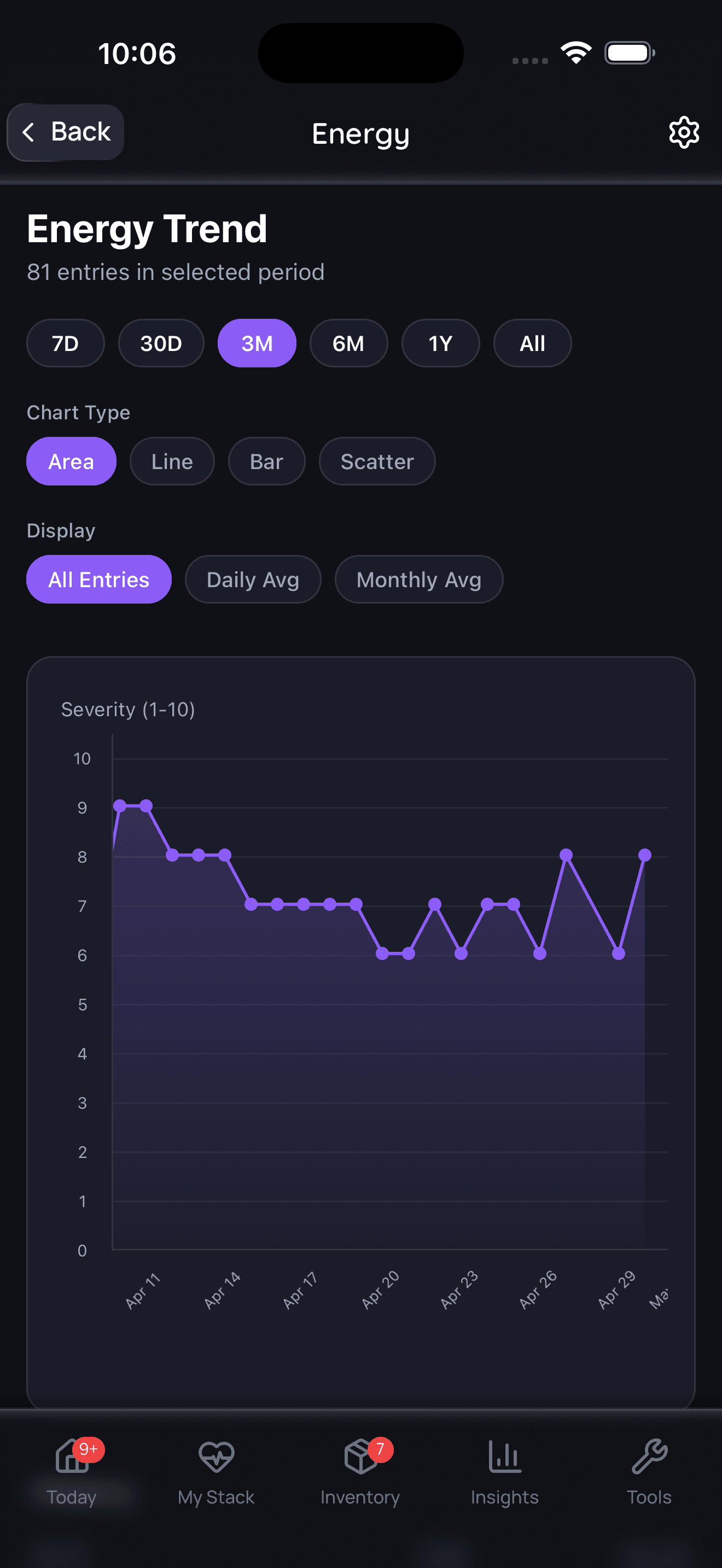
Symptom tracking is informational and should be interpreted with a qualified clinician.
Side Effects & Safety
The Basics
L-Arginine is generally considered safe at reasonable doses, but it comes with several important caveats. The most common side effects are gastrointestinal: bloating, nausea, abdominal pain, and diarrhea. These tend to be dose-dependent and are most likely to occur when taking more than 10 grams at once, particularly on an empty stomach. Single doses of 5-9 grams typically do not cause GI problems for most people [3][19].
There are some serious safety concerns to be aware of. People who have recently had a heart attack should not take L-Arginine. A clinical trial (the VINTAGE MI trial) found that supplementation in this population may increase the risk of death [20]. This is one of the strongest warnings associated with any amino acid supplement.
People with a history of cold sores or genital herpes should also exercise caution. The herpes simplex virus uses arginine to replicate, and increasing arginine levels in the body may trigger outbreaks. This is one of the most widely known side effects in the supplement community [19].
Other reported but less common side effects include worsening of asthma symptoms, headache, gout, allergic reactions, and a facial rash in some individuals. The observed safety limit, the highest dose at which no side effects are expected over a lifetime, has been estimated at 20 grams per day from supplements [3][19].
The Science
Gastrointestinal effects: L-arginine acts as an osmolytic absorbagogue, stimulating NO-mediated release of water and electrolytes into the gut lumen. This mechanism is shared with several osmolytic laxatives. D-arginine, which cannot produce NO, does not cause diarrhea, confirming the NO-dependent mechanism. The GI threshold appears to be approximately 10g as a single bolus on an empty stomach; doses of 5-9g are typically well tolerated [3].
Post-myocardial infarction risk: The VINTAGE MI randomized clinical trial (Schulman et al., 2006; JAMA) found that L-arginine supplementation in patients with acute ST-elevation myocardial infarction did not improve vascular stiffness or ejection fraction, and six participants in the arginine group died during the study compared to none in the placebo group. Although the difference did not reach statistical significance due to small sample size (N=153), the safety signal was sufficient to terminate the study early and establish a contraindication [20].
Herpes simplex reactivation: Arginine is essential for HSV replication, and the lysine:arginine ratio influences viral activity. Increasing systemic arginine without concurrent lysine supplementation may lower this ratio and promote viral reactivation. This interaction is particularly relevant given that L-Lysine supplementation is a common strategy for herpes management [19].
CRP elevation: A meta-analysis of RCTs found that arginine supplementation may increase circulating C-reactive protein in specific subpopulations: cancer patients, individuals older than 60 years, those with elevated baseline CRP, and when administered via enteral formulas [15].
Case reports: Esophagitis associated with L-arginine pill ingestion has been documented, as has acute pancreatitis attributed to high-dose arginine-containing products [15].
Managing side effect risks across a multi-supplement stack can feel overwhelming, especially when interactions between supplements, medications, and foods add layers of complexity. Doserly brings all of that into a single safety view so nothing falls through the cracks.
Rather than researching every possible interaction yourself, the app checks your full stack automatically and flags supplement-drug and supplement-supplement interactions that warrant attention. If you do experience something unexpected, logging it takes seconds, and over time the app helps you spot patterns: whether symptoms correlate with specific doses, timing, or combinations. One place for the safety picture that matters most when your stack grows beyond a few bottles.
Connect protocol changes to labs and health markers.
Doserly can keep lab results, biomarkers, symptoms, and dose history close together so follow-up conversations have better context.
Insights
Labs and trends
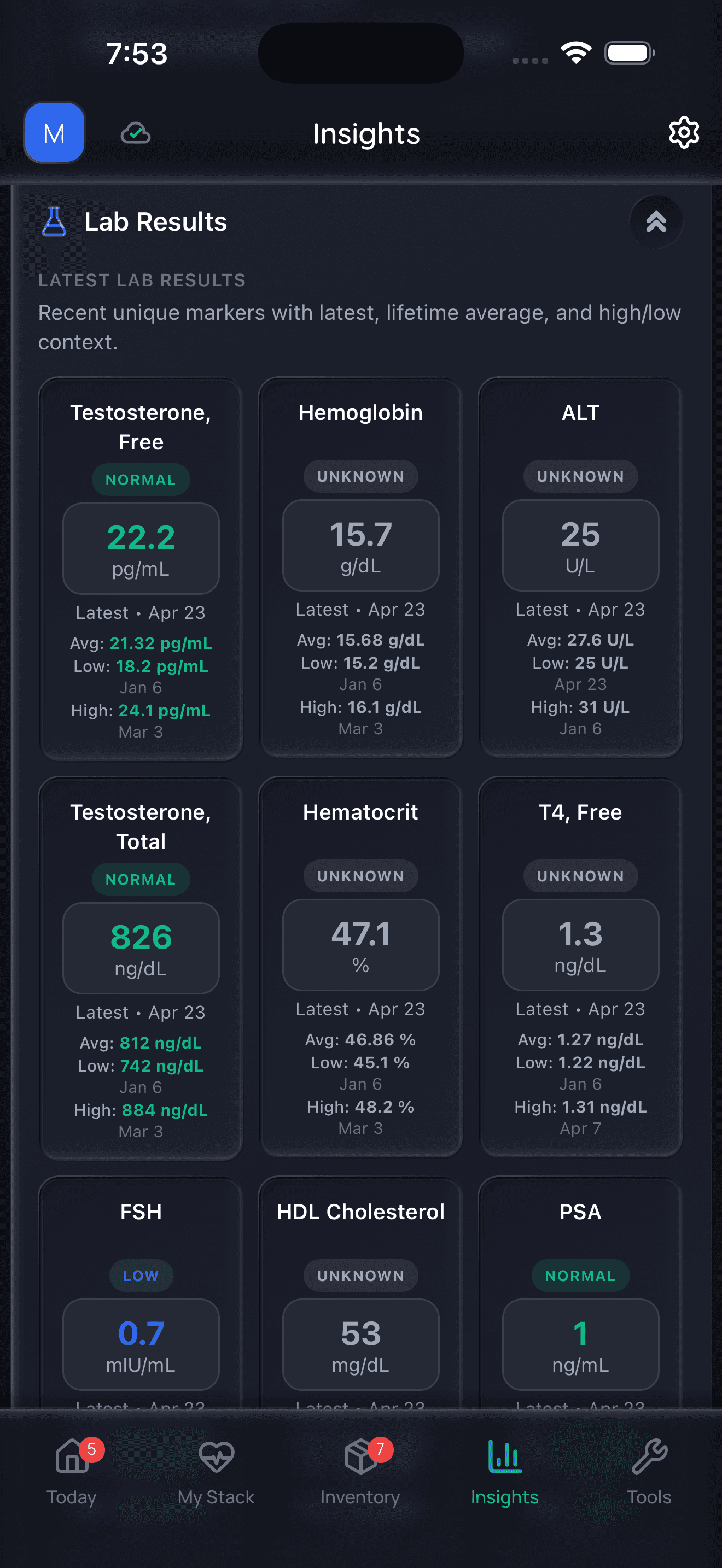
Doserly organizes data; it does not diagnose or interpret labs for you.
Dosing & Usage Protocols
The Basics
L-Arginine dosing varies considerably depending on the intended purpose. Based on the available research, the most commonly cited ranges fall between 2 and 9 grams per day, with the specific amount depending on what you are trying to achieve.
For general cardiovascular support and blood pressure, research suggests that 4 grams or more per day appears to be the effective threshold, with many studies using 3-6 grams daily. Taking the dose in divided portions (such as 2-3 grams two or three times per day) may help maintain more stable blood levels and reduce the risk of GI side effects [7][8].
For erectile dysfunction, clinical trials have used doses ranging from 1,500 mg to 6,000 mg daily, with 3,000-5,000 mg being the most commonly studied range. The one well-designed long-term trial that showed clear benefit used 6,000 mg per day for 3 months [9][10].
A key practical consideration is that single doses above 9-10 grams on an empty stomach are likely to cause diarrhea and may not actually increase blood levels beyond what a 6-9 gram dose achieves. If higher total daily intake is desired, splitting into multiple doses is the more practical approach [3].
The Science
Pharmacokinetic considerations constrain effective dosing strategies for L-arginine. The dose-dependent decline in oral bioavailability (from approximately 68% at 6g to approximately 20% at 10g) establishes practical ceiling effects for single-bolus dosing [3]. The half-life of approximately 76 minutes at the 6g dose suggests that divided dosing (2-3g, three times daily) may be necessary for sustained elevation of plasma arginine throughout the day [3].
Evidence-based dosing by condition:
- Blood pressure: 4-9 g/day in divided doses (based on dose-response meta-analysis) [7]
- Erectile dysfunction: 1,500-6,000 mg/day; 6,000 mg/day for 3 months demonstrated efficacy in a placebo-controlled RCT [9][10]
- Pre-exercise (acute): 3-6g taken 60-90 minutes before exercise, though benefits are inconsistent [3]
- Growth hormone stimulation (at rest): 5-9g as a single bolus [3]
- Peripheral artery disease (short-term): 8g twice daily (16g/day) showed benefit; however, long-term supplementation (6 months) at 3g/day worsened outcomes [3][13]
- Observed safety limit: 20g/day from supplements over a lifetime [3]
For sustained arginine elevation, supplemental L-Citrulline at 3-6g/day may be more effective due to its 48.7% greater AUC compared to equimolar arginine doses and the absence of the intestinal absorption ceiling [3][4].
When your stack includes several supplements, each with its own dose, form, and timing requirements, the logistics alone can derail consistency. Doserly consolidates all of it into one protocol view, so every dose across your entire routine is accounted for without spreadsheets or guesswork.
The app also tracks cumulative intake for nutrients that appear in multiple products. If your multivitamin, standalone supplement, and fortified protein shake all contain the same nutrient, Doserly adds them up and shows you the total alongside recommended and upper limits. Managing a thoughtful supplement protocol shouldn't require a degree in nutrition science. The app handles the complexity so you can focus on staying consistent.
Turn symptom and safety notes into a clearer timeline.
Doserly helps you log doses, symptoms, and safety observations side by side so patterns are easier to discuss with a qualified clinician.
Pattern view
Logs and observations

Pattern visibility is informational and should be reviewed with a clinician.
What to Expect (Timeline)
Weeks 1-2: Most people notice very little in terms of subjective changes during the first two weeks, though acute effects on blood flow (such as increased warmth in extremities or improved "pump" during exercise) may be apparent within 1-2 hours of each dose. GI tolerance is being established during this period; starting at a lower dose and titrating up can help minimize discomfort.
Weeks 3-4: For those using L-Arginine for erectile function, some improvement may begin to emerge by the third or fourth week, though the clinical trial demonstrating the strongest results used a 3-month supplementation period [9]. Blood pressure effects, if they are going to occur, may begin to manifest, particularly for individuals with elevated baseline blood pressure.
Weeks 5-8: This is the window where blood pressure reductions are most consistently observed in clinical trials. The meta-analytic data suggest meaningful effects within study durations of 4 to 24 days, but individual responses vary [7]. Users taking arginine for erectile function may notice more consistent improvements as NO-dependent vascular remodeling accumulates.
Months 3+: The 3-month mark represents the timepoint at which the strongest ED trial demonstrated significant benefit [9]. However, for peripheral artery disease, the long-term picture is less encouraging. One 6-month trial actually found worsened outcomes compared to baseline, raising questions about whether tolerance or adverse vascular remodeling develops with extended use [13]. Long-term users should be aware of this nuance and discuss continued supplementation with a healthcare provider.
Interactions & Compatibility
SYNERGISTIC
- L-Citrulline: Citrulline converts to arginine in the kidneys, providing a complementary pathway for sustained arginine elevation. The combination may offer both acute (arginine) and sustained (citrulline) benefits. Citrulline also recycles the citrulline produced when NOS converts arginine to NO, supporting the NO cycle [3][4].
- L-Lysine: 1,200 mg each of lysine and arginine together acutely increased growth hormone secretion to 7.94-fold baseline in one study; neither compound alone at the same dose achieved this effect. However, this synergism did not translate to increased 24-hour GH levels [3].
- Taurine: Community and preliminary clinical reports suggest a synergistic cardiovascular effect, particularly for heart rhythm support. Multiple community members report improved heart health when combining arginine with taurine [3].
- Pycnogenol (Pine Bark Extract): A meta-analysis supports the combination of L-arginine and Pycnogenol for improving erectile function in men. Pycnogenol may enhance eNOS activity, amplifying arginine's NO-producing effects [11].
- Vitamin C and E: As antioxidants, they may help preserve NO from oxidative degradation, potentially extending the duration of arginine's vasodilatory effects.
- Folic acid / Vitamin B6 / B12: Supporting cofactors for endothelial function. L-arginine may work better for cardiovascular outcomes when combined with B vitamins [8].
- Alpha-Ketoglutarate: When arginine is paired with this Krebs cycle intermediate (as AAKG), intestinal uptake may be enhanced compared to the hydrochloride salt form [3].
CAUTION / AVOID
- Sildenafil (Viagra) and other PDE5 inhibitors: Both arginine (via NO) and PDE5 inhibitors (via cGMP preservation) promote vasodilation. Combining them may cause excessive blood pressure reduction [19].
- Nitrates (Nitroglycerin, Isosorbide): Additive hypotensive effect. Combining L-arginine with nitrate medications for angina or chest pain may cause dangerously low blood pressure [19].
- Antihypertensive medications: Additive blood pressure lowering effect. Dose adjustments may be necessary. Monitor blood pressure closely if combining [8][19].
- Potassium-sparing diuretics (Amiloride, Spironolactone, Triamterene): L-arginine may increase potassium levels, compounding the hyperkalemia risk of these medications [19].
- Anticoagulants and anti-platelet drugs (Warfarin, Aspirin): L-arginine may have additional anti-platelet effects via NO-mediated inhibition of platelet activation, potentially increasing bleeding risk [19].
- Diabetes medications: L-arginine may decrease blood sugar levels. Combining with diabetes drugs may require dosage adjustments to avoid hypoglycemia [19].
- Isoproterenol: Additive hypotensive effect [19].
- L-Lysine: While synergistic for GH, high-dose intravenous arginine can increase urinary excretion of lysine. For herpes management, increasing arginine without proportionally increasing lysine may promote HSV reactivation [15].
How to Take / Administration Guide
Recommended forms: L-Arginine HCl is the most widely available and well-studied form. Arginine Alpha-Ketoglutarate (AAKG) may offer modestly improved absorption. For sustained arginine elevation throughout the day, supplemental L-Citrulline is pharmacokinetically superior and increasingly preferred by practitioners and the supplement community alike.
Timing considerations: For pre-exercise use, most sources suggest taking L-Arginine 60-90 minutes before training for acute blood flow effects. For cardiovascular or erectile function support, consistent daily dosing matters more than timing, though splitting into 2-3 doses per day helps maintain elevated plasma levels given the approximately 75-minute half-life.
Food pairing: L-Arginine can be taken with or without food. Taking it on an empty stomach may enhance absorption speed but increases the risk of GI side effects, especially at doses above 5 grams. Taking it with a small meal can improve tolerability.
Powder form: L-Arginine powder has an intensely bitter, sulfurous taste frequently described as extremely unpleasant. Mixing with strongly flavored beverages (tart cherry juice, citrus juice, or flavored water enhancers) can help mask the taste. Capsule or tablet forms avoid this issue entirely.
Stacking guidance: If taking with L-Citrulline, a common approach is to use arginine for acute effects (pre-workout or before desired activity) and citrulline for sustained daily elevation. Arginine and L-Lysine compete for the same intestinal transporters, so separating their intake by at least 1-2 hours may optimize absorption of both.
Cycling: There is no strong evidence establishing the need for cycling L-Arginine supplementation. However, the long-term PAD study showing worsened outcomes at 6 months raises theoretical concerns about tolerance development or adverse vascular remodeling with uninterrupted long-term use [13]. Some practitioners recommend periodic breaks (4-6 weeks on, 1-2 weeks off), though this is based on precautionary reasoning rather than established protocols.
Choosing a Quality Product
Third-party certifications: Look for products certified by USP (United States Pharmacopeia), NSF International, or tested by ConsumerLab. For athletes, Informed Sport or NSF Certified for Sport certifications provide additional assurance against contamination with banned substances.
Active vs. cheap forms: L-Arginine HCl is the standard and well-studied form. AAKG (Alpha-Ketoglutarate) is a premium form with theoretical absorption advantages, though clinical superiority over HCl has not been conclusively demonstrated. Avoid "proprietary blends" that do not disclose the actual arginine content, as you cannot verify dosing adequacy.
Red flags:
- Products claiming arginine will produce dramatic muscle gains or act as a "natural Viagra" are overstating the evidence
- Mega-doses per serving exceeding 10g in a single bolus (this exceeds the GI tolerance threshold for most people)
- Pre-workout formulas listing arginine but using proprietary blends that may contain trivially small amounts
- Products combining arginine with stimulants without clear labeling
Excipient/filler considerations: Capsule forms should ideally contain minimal fillers. Check for common allergens (gluten, soy, dairy) if relevant. Powder forms are typically purer but present the significant taste challenge.
Supplement-specific quality markers: Look for products specifying "L-Arginine" (the biologically active L-form) rather than "Arginine" unspecified. The fermentation-derived L-form is standard; synthetic racemic mixtures (D/L-Arginine) are inferior. Certificate of Analysis (COA) availability from the manufacturer indicates transparency and commitment to quality.
Storage & Handling
L-Arginine supplements should be stored in a cool, dry place at room temperature, away from direct sunlight and excessive heat. No refrigeration is required for any standard form (capsules, tablets, or powder).
Powder form is somewhat hygroscopic (absorbs moisture from the air), so containers should be sealed tightly after each use. Exposure to moisture can cause clumping and may accelerate degradation. A silica gel desiccant packet inside the container can help maintain dryness.
Shelf life is typically 2-3 years from the date of manufacture for properly stored products. Check expiration dates and discard products that show signs of discoloration, unusual odor, or excessive clumping.
L-Arginine is stable in most standard supplement formulations. It does not require special handling beyond general supplement storage practices.
Lifestyle & Supporting Factors
Dietary sources: Red meat is the richest dietary source of L-Arginine (approximately 1.4g per 100g cooked beef). Other good sources include turkey, chicken, pork, dairy products, pumpkin seeds, soybeans, peanuts, lentils, and chickpeas. A typical omnivorous diet provides approximately 3.5-5.0g of arginine per day [1][2].
Signs of deficiency or increased need: True arginine deficiency is rare in healthy individuals eating a varied diet. However, conditionally increased needs may manifest as poor wound healing, increased susceptibility to infection, impaired immune function, or hair loss. Populations at higher risk include those recovering from surgery or trauma, individuals with severe burns, people with chronic kidney disease, and those with type 2 diabetes (due to elevated arginase activity) [2][3].
Exercise: Regular cardiovascular exercise independently increases eNOS expression and NO production. Combining exercise with arginine supplementation may be complementary for cardiovascular health, though arginine may suppress the exercise-induced growth hormone spike, a consideration for some users [3].
Hydration: Adequate hydration is important when supplementing with L-Arginine, particularly at higher doses, due to its osmolytic effects in the gut. Drinking a full glass of water with each dose is commonly recommended.
Monitoring: For individuals using arginine for blood pressure management, regular blood pressure monitoring is advisable. Those combining arginine with antihypertensive medications should work with their healthcare provider to monitor for excessive blood pressure reduction. Blood sugar monitoring is relevant for those with diabetes using arginine alongside glucose-lowering medications.
Regulatory Status & Standards
United States (FDA): L-Arginine is regulated as a dietary supplement under DSHEA. It is Generally Recognized as Safe (GRAS) as a direct food substance. No New Dietary Ingredient (NDI) notification is required as arginine has been marketed as a dietary supplement prior to October 15, 1994.
Canada (Health Canada): L-Arginine is classified as a Natural Health Product (NHP). Licensed products carry a Natural Product Number (NPN).
European Union (EFSA): L-Arginine is permitted as a food supplement ingredient. EFSA has evaluated and authorized certain health claims related to amino acids but has not established specific maximum permitted levels for arginine supplementation.
Australia (TGA): L-Arginine is available as a Listed Medicine (AUST L number) for oral use.
Athlete & Sports Regulatory Status:
- WADA: L-Arginine is NOT on the WADA Prohibited List. It is a permitted nutritional supplement for athletes at all times, both in-competition and out-of-competition.
- National Anti-Doping Agencies: No major NADOs (USADA, UKAD, Sport Integrity Canada, Sport Integrity Australia, NADA Germany) have issued specific warnings or restrictions regarding L-Arginine itself. However, pre-workout supplements containing arginine may also contain banned stimulants or SARMs as contaminants.
- NCAA: L-Arginine is not on the NCAA banned substance list. However, NCAA rules require supplements provided by athletic departments to carry NSF Certified for Sport or Informed Sport certification. Survey data indicate 5% of female and 8% of male NCAA athletes supplement with L-Arginine.
- Professional Sports Leagues: L-Arginine is permitted across NFL, NBA, MLB, NHL, and MLS. No league-specific restrictions exist for arginine as a standalone amino acid.
- GlobalDRO: Athletes can verify L-Arginine's permitted status across US, UK, Canada, Australia, Japan, Switzerland, and New Zealand via GlobalDRO.com.
- Third-party certification programs: Informed Sport, NSF Certified for Sport, Cologne List, and BSCG-certified L-Arginine products are available for athletes seeking additional contamination assurance.
Regulatory status and prohibited substance classifications change frequently. Athletes should always verify the current status of any supplement with their sport's governing body, their national anti-doping agency, and a qualified sports medicine professional before use. Third-party certification (Informed Sport, NSF Certified for Sport) reduces but does not eliminate the risk of contamination with prohibited substances.
Frequently Asked Questions
Is L-Arginine or L-Citrulline better?
Both increase plasma arginine levels, but through different pathways. Based on pharmacokinetic data, L-Citrulline produces comparable peak arginine levels but approximately 49% greater total arginine exposure (AUC) than equimolar doses of L-Arginine due to better absorption and resistance to first-pass metabolism. For sustained daily arginine elevation (cardiovascular health, erectile function), many practitioners now prefer citrulline. For acute effects (pre-workout, growth hormone stimulation), arginine may have a slight edge due to a faster peak [3][4].
Can L-Arginine help with erectile dysfunction?
Based on available clinical evidence, L-Arginine supplementation at doses of 1,500-6,000 mg/day has shown potential to improve erectile function, particularly in cases of mild-to-moderate vasculogenic ED. The strongest evidence comes from a placebo-controlled trial using 6,000 mg/day for 3 months. The combination with Pycnogenol may enhance effects. As with any health concern, consulting a healthcare professional for personalized guidance is recommended [9][10][11].
Does L-Arginine lower blood pressure?
Meta-analytic data from 22 randomized controlled trials suggest that L-Arginine supplementation at doses of 4 grams or more per day may reduce systolic blood pressure by approximately 6.4 mmHg and diastolic blood pressure by approximately 2.6 mmHg. Individual responses vary, and those taking blood pressure medications should consult their healthcare provider before adding arginine to avoid excessive blood pressure reduction [7].
Can L-Arginine trigger cold sore outbreaks?
The herpes simplex virus requires arginine for replication. Increasing systemic arginine levels without proportionally increasing lysine may lower the lysine:arginine ratio and potentially trigger HSV reactivation in individuals who carry the virus. Many supplement community members and healthcare providers advise caution for anyone with a history of cold sores or genital herpes [19].
How much L-Arginine is safe to take?
The observed safety limit has been estimated at 20 grams per day from supplements over a lifetime. Single bolus doses above 10 grams commonly cause gastrointestinal distress. Doses of 5-9 grams as a single serving are typically well tolerated. For most purposes, 3-6 grams per day in divided doses balances efficacy and tolerability [3].
Does L-Arginine build muscle?
The evidence does not strongly support L-Arginine as a muscle-building supplement. While in vitro studies show arginine can enhance muscle cell development via NO, human supplementation studies have not consistently demonstrated increased muscle protein synthesis or improved strength outcomes. L-Arginine is not recommended as a primary ergogenic aid [3].
Should I take L-Arginine before or after a workout?
For those choosing to use L-Arginine as a pre-workout supplement, most sources suggest taking it 60-90 minutes before exercise for acute blood flow effects. However, evidence for exercise performance benefits is inconsistent, and arginine taken before exercise may actually suppress the exercise-induced growth hormone spike [3].
Does L-Arginine increase growth hormone?
At rest, doses of 5-9 grams acutely increase peak growth hormone by 34-120%. However, this is a transient spike, and 24-hour growth hormone measurements show no significant change, likely due to autonegative feedback mechanisms. The acute spike is unlikely to produce the anabolic effects many users seek. High-dose arginine before sleep may enhance the slow-wave sleep GH pulse by approximately 60%, but the practical significance of this is uncertain [3].
Is L-Arginine safe after a heart attack?
No. The VINTAGE MI clinical trial found that L-Arginine supplementation in patients who had experienced an acute myocardial infarction may be associated with increased mortality risk. L-Arginine is contraindicated in individuals who have had a recent heart attack [20].
Can I take L-Arginine with Viagra or other ED medications?
This combination requires medical supervision. Both L-Arginine (via NO production) and PDE5 inhibitors like sildenafil (via cGMP preservation) promote vasodilation. Taking them together may cause excessive blood pressure reduction. A healthcare provider can help determine whether combining them is appropriate for your situation [19].
Myth vs. Fact
Myth: L-Arginine is the best supplement for increasing nitric oxide.
Fact: While L-Arginine is the direct precursor to nitric oxide, its poor oral bioavailability at higher doses limits its effectiveness as a NO booster. L-Citrulline, which is converted to arginine in the kidneys, bypasses intestinal and hepatic first-pass metabolism and produces 49% greater total arginine exposure at equivalent doses. For sustained NO enhancement, citrulline is pharmacokinetically superior [3][4].
Myth: More L-Arginine means more nitric oxide.
Fact: The "L-arginine paradox" demonstrates that intracellular arginine concentrations already far exceed what NOS enzymes need to function at maximal capacity (Km of 3-29 micromol/L vs. intracellular concentrations up to 800 micromol/L). Additional arginine does not always translate to more NO production. When studies fail to see increased NO biomarkers despite 300% increases in plasma arginine, the expected downstream benefits also fail to materialize [5].
Myth: L-Arginine is a proven muscle-builder and performance enhancer.
Fact: Despite widespread marketing claims, meta-analyses and systematic reviews characterize L-Arginine as "promising but lacking consensus" for ergogenic effects. The evidence is inconsistent, with some studies showing modest endurance benefits and others showing no effect on any performance metric. It is not recommended as a primary sports supplement [3].
Myth: L-Arginine will dramatically increase growth hormone and transform your physique.
Fact: While L-Arginine can acutely increase peak growth hormone levels by 34-120% at doses of 5-9 grams, this is a transient spike lasting roughly an hour. Twenty-four-hour growth hormone measurements show no significant change with supplementation. The brief spike is subject to autonegative feedback and does not produce the sustained GH elevation needed for meaningful body composition changes [3].
Myth: L-Arginine is safe for everyone with heart problems.
Fact: L-Arginine is contraindicated in individuals who have had a recent heart attack. The VINTAGE MI trial found potential increased mortality risk in this population. Additionally, long-term supplementation (6 months) in patients with peripheral artery disease actually worsened blood flow measurements and exercise endurance compared to placebo. Short-term cardiovascular benefits should not be assumed to persist long-term [13][20].
Myth: The GI side effects of L-Arginine mean it's not working.
Fact: GI side effects (particularly diarrhea at doses above 10g) occur because arginine stimulates NO-mediated water and electrolyte secretion into the gut, not because of toxicity. Ironically, doses high enough to cause significant GI distress (13g+) may actually fail to increase blood arginine levels because the gut rejects absorption. The GI threshold is a pharmacokinetic limitation, not a safety signal per se [3].
Myth: L-Arginine and L-Lysine should never be taken together.
Fact: While lysine and arginine do compete for intestinal absorption and they have opposing effects in the context of herpes simplex virus (lysine inhibits and arginine promotes HSV replication), the two amino acids can be taken together safely. In fact, their combination (1,200 mg each) has shown synergistic effects on acute growth hormone secretion. The key consideration is for HSV carriers, who should ensure lysine intake equals or exceeds arginine intake [3].
Sources & References
Clinical Trials & RCTs
[1] Wu G, Morris SM Jr. Arginine metabolism: nitric oxide and beyond. Biochem J. 1998;336(Pt 1):1-17. doi:10.1042/bj3360001
[2] Morris SM Jr. Arginine metabolism revisited. J Nutr. 2016;146(12):2579S-2586S. doi:10.3945/jn.115.226621
[3] Solomon T, Shkayeva M, et al. Research Breakdown on Arginine. Updated September 4, 2025. (Compiled research review with 100+ primary source citations)
[4] Schwedhelm E, Maas R, Freese R, et al. Pharmacokinetic and pharmacodynamic properties of oral L-citrulline and L-arginine: impact on nitric oxide metabolism. Br J Clin Pharmacol. 2008;65(1):51-59. doi:10.1111/j.1365-2125.2007.02990.x
[5] Gambardella J, Khondkar W, Morelli MB, et al. Arginine and Endothelial Function. Biomedicines. 2020;8(8):277. doi:10.3390/biomedicines8080277
[6] Boger RH, Bode-Boger SM. The clinical pharmacology of L-arginine. Annu Rev Pharmacol Toxicol. 2001;41:79-99. doi:10.1146/annurev.pharmtox.41.1.79
Systematic Reviews & Meta-Analyses
[7] Shiraseb F, Asbaghi O, Bagheri R, et al. Effect of l-Arginine Supplementation on Blood Pressure in Adults: A Systematic Review and Dose-Response Meta-analysis of Randomized Clinical Trials. Advances in Nutrition. 2022;13(4):1226-1242. doi:10.1093/advances/nmac021
[8] Dong JY, Qin LQ, Zhang Z, et al. Effect of oral L-arginine supplementation on blood pressure: a meta-analysis of randomized, double-blind, placebo-controlled trials. Am Heart J. 2011;162(6):959-965. doi:10.1016/j.ahj.2011.09.012
[9] Menafra D, de Angelis C, Garifalos F, et al. Long-term high-dose l-arginine supplementation in patients with vasculogenic erectile dysfunction: a multicentre, double-blind, randomized, placebo-controlled clinical trial. Int J Impot Res. 2022;34:187-194. doi:10.1038/s41443-021-00491-0
[10] Rhim HC, Kim MS, Park YJ, et al. The Potential Role of Arginine Supplements on Erectile Dysfunction: A Systemic Review and Meta-Analysis. J Sex Med. 2019;16(2):223-234. doi:10.1016/j.jsxm.2018.12.011
[11] Tian Y, Zhou Q, Li W, et al. Efficacy of L-arginine and Pycnogenol in the treatment of male erectile dysfunction: a systematic review and meta-analysis. Front Endocrinol. 2023;14:1211720. doi:10.3389/fendo.2023.1211720
[12] Effect of l-arginine compared to placebo on sexual function in women with major depressive disorder: a randomized controlled trial. BMC Psychiatry. 2024;24:358.
Observational Studies & Trials
[13] Wilson AM, Harada R, Nair N, et al. L-arginine supplementation in peripheral arterial disease: no benefit and possible harm. Circulation. 2007;116(2):188-195. doi:10.1161/CIRCULATIONAHA.106.657056
[14] Lucotti P, Setola E, Monti LD, et al. Beneficial effects of a long-term oral L-arginine treatment added to a hypocaloric diet and exercise training program in obese, insulin-resistant type 2 diabetic patients. Am J Physiol Endocrinol Metab. 2006;291(5):E906-912. doi:10.1152/ajpendo.00002.2006
Government/Institutional Sources
[15] Memorial Sloan Kettering Cancer Center. Arginine. About Herbs database. Updated February 10, 2022.
[16] Rodrigues-Krause J, Krause M, Rocha I, et al. Association of l-Arginine Supplementation with Markers of Endothelial Function in Patients with Cardiovascular or Metabolic Disorders: A Systematic Review and Meta-Analysis. Nutrients. 2018;11(1). doi:10.3390/nu11010015
[17] Siasos G, Tousoulis D, Vlachopoulos C, et al. Short-term treatment with L-arginine prevents the smoking-induced impairment of endothelial function and vascular elastic properties in young individuals. Int J Cardiol. 2008;126(3):394-399. doi:10.1016/j.ijcard.2007.04.057
[18] Chen J, Wollman Y, Chernichovsky T, et al. Effect of oral administration of high-dose nitric oxide donor L-arginine in men with organic erectile dysfunction: results of a double-blind, randomized, placebo-controlled study. BJU Int. 1999;83(3):269-273.
Safety & Toxicology
[19] Mayo Clinic. L-arginine. Drugs and Supplements. Updated March 16, 2026.
[20] Schulman SP, Becker LC, Kass DA, et al. L-arginine therapy in acute myocardial infarction: the Vascular Interaction With Age in Myocardial Infarction (VINTAGE MI) randomized clinical trial. JAMA. 2006;295(1):58-64. doi:10.1001/jama.295.1.58
[21] McNeal CJ, Meininger CJ, Wilborn CD, Tekwe CD, Wu G. Safety and effectiveness of arginine in adults. J Nutr. 2016;146(12):2587S-2593S. doi:10.3945/jn.116.234740
Related Supplement Guides
Same Category
- L-Lysine — Essential amino acid that competes with arginine for absorption; synergistic for GH, antagonistic for HSV
- L-Citrulline — Converts to arginine in the kidneys; pharmacokinetically superior for sustained arginine elevation
- L-Ornithine — Urea cycle intermediate produced from arginine via arginase; involved in ammonia detoxification
- Taurine — Conditionally essential amino acid; synergistic cardiovascular effects when combined with arginine
Common Stacks / Pairings
- Creatine — Arginine is one of three amino acid precursors for creatine synthesis
- Nitric Oxide Boosters — Category overview covering arginine, citrulline, and beetroot-based NO precursors
Related Health Goal
- L-Citrulline — Often preferred alternative for cardiovascular and erectile function support
- L-Lysine — Relevant for HSV management in the context of arginine:lysine ratio management
- Creatine — Shares the arginine precursor pathway; independently supported for performance