
Ox Bile: The Complete Supplement Guide
On this page
Quick Reference Card
Attribute
Common Name
- Detail
- Ox Bile
Attribute
Other Names / Aliases
- Detail
- Bile salts, bovine bile, oxgall, bile extract, bile acid supplement, ox gall
Attribute
Category
- Detail
- Digestive Aid / Bile Salt Supplement
Attribute
Primary Forms & Variants
- Detail
- Ox bile capsules (125 mg, 500 mg); ox bile combined with pancreatic enzymes (pancreatin, lipase, protease, amylase); ox bile powder; enteric-coated ox bile (limited availability)
Attribute
Typical Dose Range
- Detail
- 125-500 mg per meal, taken 1-3 times daily with meals containing fat; some protocols use up to 1,000 mg per meal for high-fat meals
Attribute
RDA / AI / UL
- Detail
- No RDA, AI, or UL established. Bile acids are not classified as essential nutrients.
Attribute
Common Delivery Forms
- Detail
- Capsules, tablets, powder (less common)
Attribute
Best Taken With / Without Food
- Detail
- Take at the beginning of or during meals containing fat. Some practitioners suggest taking on an empty stomach for antimicrobial support, though this may increase risk of reflux.
Attribute
Key Cofactors
- Detail
- Lipase (enhances fat breakdown after bile emulsifies fats); taurine (supports bile acid conjugation); phosphatidylcholine (supports bile flow); betaine HCL (supports stomach acid for proper bile release signaling)
Attribute
Storage Notes
- Detail
- Store in a cool, dry place away from direct sunlight. Keep tightly sealed. No refrigeration required.
Overview
The Basics
Ox bile is a digestive supplement derived from the bile of cattle. It provides bile acids that closely mirror the bile your own liver produces, making it one of the most direct ways to support fat digestion when your body's natural bile supply falls short.
Your liver produces bile continuously, around 400 to 1,000 mL per day. This greenish fluid gets stored and concentrated in the gallbladder, then released in a controlled burst when you eat something fatty. Bile acts as a biological detergent: it breaks large fat globules into tiny droplets so that your digestive enzymes can actually work on them. Without enough bile at the right time, fats pass through your system only partially digested, leading to greasy stools, bloating, and poor absorption of fat-soluble vitamins like A, D, E, and K [1][2].
Ox bile supplementation is most commonly used by people who have had their gallbladder removed (cholecystectomy), as well as those with conditions that reduce bile production or flow. Without a gallbladder to store and concentrate bile, the body loses its ability to deliver a concentrated burst of bile during meals, and fat digestion can become inconsistent [3]. Ox bile is also gaining attention in the context of small intestinal bacterial overgrowth (SIBO), where bile's natural antimicrobial properties may help keep bacterial populations in the upper gut in check [4].
It is worth noting that ox bile is a niche supplement with limited large-scale clinical trial evidence. The mechanistic rationale is strong (bile acid physiology is well-established science), but most direct evidence for over-the-counter ox bile products comes from case reports and clinical observations rather than randomized controlled trials [5][6].
The Science
Ox bile (oxgall) is a purified extract derived from the gallbladder of Bos taurus (domesticated cattle). Its composition is biochemically similar to human bile, containing a mixture of conjugated and unconjugated bile acids, with cholic acid (CA), deoxycholic acid (DCA), and chenodeoxycholic acid (CDCA) as primary components. Conjugated forms include glycocholic acid (GCA), taurocholic acid (TCA), glycodeoxycholic acid (GDCA), taurodeoxycholic acid (TDCA), glycochenodeoxycholic acid (GCDCA), and taurochenodeoxycholic acid (TCDCA) [7].
The bile acid profile of bovine bile approximates human biliary bile acids, which consist of approximately 96% GCA, GCDCA, GDCA, TCA, TCDCA, and TDCA in a molar ratio of roughly 6:6:4:3:3:2 [7]. This compositional similarity underpins the rationale for ox bile as a replacement therapy in bile-deficient states.
Bile acids are steroid acids synthesized from cholesterol in hepatocytes via two pathways: the classical (neutral) pathway catalyzed by CYP7A1 and the alternative (acidic) pathway catalyzed by CYP27A1. In humans, the total bile acid pool is approximately 2 to 3 grams, cycling through the enterohepatic circulation 6 to 10 times daily, with only approximately 5% (200-600 mg/day) lost in feces and replaced by de novo hepatic synthesis [1][2].
The physiological functions of bile acids extend beyond fat emulsification. Bile acids serve as signaling molecules that activate the farnesoid X receptor (FXR) and the G protein-coupled bile acid receptor 1 (TGR5/GPBAR1), modulating hepatic glucose and lipid metabolism, energy expenditure, and immune function [8]. Additionally, bile acids exert direct antimicrobial effects in the proximal small intestine, contributing to the regulation of small intestinal bacterial ecology [4].
Chemical & Nutritional Identity
Property
Source
- Value
- Bovine (Bos taurus) gallbladder extract
Property
Primary Active Constituent
- Value
- Cholic acid (3alpha,7alpha,12alpha-trihydroxy-5beta-cholan-24-oic acid)
Property
Molecular Formula (Cholic Acid)
- Value
- C24H40O5
Property
Molecular Weight (Cholic Acid)
- Value
- 408.6 g/mol
Property
CAS Number (Cholic Acid)
- Value
- 81-25-4
Property
PubChem CID
- Value
- 303
Property
Category
- Value
- Bile acid mixture / digestive aid
Property
Other Key Bile Acids
- Value
- Chenodeoxycholic acid (CDCA), deoxycholic acid (DCA), taurocholic acid (TCA), glycocholic acid (GCA)
Property
RDA / AI / UL
- Value
- Not established
Property
GRAS Status
- Value
- Yes (as food ingredient)
Property
DrugBank ID
- Value
- DB14016
Common supplement forms and their characteristics:
- Standard capsules (125 mg): Lower-dose format suitable for titration and mild bile insufficiency. Often recommended as a starting dose for post-cholecystectomy patients or those new to ox bile supplementation.
- High-potency capsules (500 mg): Concentrated formula for individuals requiring robust bile acid support, such as those with significant fat maldigestion or higher dietary fat intake.
- Combination formulas (ox bile + pancreatic enzymes): Pair ox bile with pancreatin (containing lipase, protease, and amylase) for comprehensive digestive support. Addresses both emulsification (bile) and enzymatic breakdown (lipase) of dietary fats.
- Ox bile powder: Less common; used for custom dosing or compounding.
Some products standardize cholic acid content (for example, 40% cholic acid), though standardization practices vary across manufacturers.
Mechanism of Action
The Basics
Ox bile works by doing exactly what your own bile does: it acts as a natural soap for the fats you eat. When you consume a meal with fat, the fat arrives in your small intestine as large globules that your digestive enzymes cannot penetrate effectively. Bile acids step in and break these large globules into thousands of tiny droplets, a process called emulsification. This dramatically increases the surface area available for lipase (the enzyme that breaks down fat) to do its work [1][2].
Think of it this way: if you try to wash a greasy pan with just water, the grease beads up and resists. Add dish soap, and the grease breaks apart into tiny particles that wash away easily. Bile acids are your body's dish soap for dietary fat.
Beyond fat digestion, bile serves a second critical purpose: it helps your body absorb fat-soluble vitamins (A, D, E, and K) and essential fatty acids. These nutrients are packaged into tiny structures called micelles (formed by bile acids and phospholipids) that can pass through the intestinal wall into your bloodstream. Without adequate bile, even if you eat enough of these nutrients, your body may not absorb them efficiently [1].
Bile also has natural antibacterial properties. In the upper part of your small intestine, bile helps keep bacterial populations low, preventing overgrowth that could interfere with normal digestion. This is why bile insufficiency has been linked to SIBO in some individuals [4].
The Science
The primary pharmacological action of supplemental ox bile mirrors the physiological role of endogenous bile acids in the gastrointestinal tract. The mechanism proceeds through several key pathways:
1. Fat Emulsification and Micelle Formation
Bile acids are amphipathic molecules possessing both hydrophilic (hydroxyl groups, conjugated amino acid) and hydrophobic (steroid nucleus) domains. At concentrations above their critical micellar concentration (CMC), bile acids spontaneously form micelles. In the intestinal lumen, bile acids adsorb at the oil-water interface of dietary triglyceride droplets, reducing surface tension and facilitating mechanical disruption into emulsion droplets of 1-2 micrometers diameter [1][2]. These emulsified droplets then serve as substrates for pancreatic lipase-colipase complex, with bile acid emulsification increasing lipase efficiency by more than 200% compared to non-emulsified fat [9].
2. Activation of Lipase
Bile salts stimulate the activity of pancreatic lipase, the primary enzyme responsible for triglyceride hydrolysis. Bile acids also prevent the inhibitory adsorption of dietary proteins at the lipid-water interface, maintaining lipase access to its substrate [9].
3. Fat-Soluble Vitamin Transport
Mixed micelles formed by bile acids and phospholipids solubilize fat-soluble vitamins (A, D, E, K), monoglycerides, and free fatty acids, facilitating their transport across the unstirred water layer to the intestinal brush border membrane for absorption [1][8].
4. FXR and TGR5 Signaling
Bile acids activate the nuclear farnesoid X receptor (FXR) in enterocytes, inducing fibroblast growth factor 15/19 (FGF15/19), which provides negative feedback to hepatic bile acid synthesis via suppression of CYP7A1. Bile acids also activate the membrane receptor TGR5 (GPBAR1), which stimulates GLP-1 secretion from enteroendocrine L-cells and modulates energy expenditure in brown adipose tissue [8].
5. Antimicrobial Activity
Conjugated bile acids exhibit bacteriostatic and bactericidal properties in the proximal small intestine through membrane-disrupting detergent effects, dissipation of bacterial transmembrane electrical potential, and direct cytotoxic mechanisms [4][7]. This contributes to maintaining the relatively low bacterial load in the duodenum and jejunum.
Absorption & Bioavailability
The Basics
When you take an ox bile capsule with a meal, the bile acids it contains mix with the food in your small intestine and immediately begin working on fat digestion. Unlike many supplements where you need to worry about how much your body absorbs, ox bile works locally in the gut. The bile acids do their job right in the intestine, emulsifying fats and forming micelles before most of them are reabsorbed.
The timing of your dose matters significantly. Taking ox bile at the start of a meal ensures that bile acids are present in the small intestine when fat arrives from the stomach. Taking it too early on an empty stomach may cause discomfort, while taking it too late means the fat has already moved past the point where bile acids can help.
Naturally produced bile acids are almost entirely recycled by your body. About 95% of bile acids released into the intestine are reabsorbed in the terminal ileum (the last section of the small intestine) and sent back to the liver for reuse. This recycling system, called the enterohepatic circulation, means the same bile acids get used over and over, cycling 6 to 10 times per day [1][8].
The enterohepatic circulation has an important implication for ox bile supplementation: supplemental bile acids follow the same recycling pathway. They are absorbed in the ileum, returned to the liver, and re-secreted, effectively augmenting the body's natural bile acid pool temporarily.
The Science
Exogenous bile acids from ox bile supplements follow the same absorption and recycling pathways as endogenous bile acids. The key pharmacokinetic features include:
Intestinal Action: Bile acids from ox bile capsules are released in the stomach or upper small intestine (depending on capsule formulation). Standard gelatin or HPMC capsules dissolve in the stomach, releasing bile acids that transit to the duodenum with gastric contents. Enteric-coated formulations, where available, bypass the stomach and release directly in the intestinal environment [10].
Active Ileal Absorption: The apical sodium-dependent bile acid transporter (ASBT/SLC10A2), expressed predominantly in the terminal ileum, mediates active reabsorption of approximately 95% of luminal bile acids. This high-efficiency reclamation system means supplemental bile acids transiently increase the intraluminal bile acid concentration during the digestive period before being recaptured [8].
Enterohepatic Recycling: Absorbed bile acids are transported via portal blood bound to albumin, extracted by hepatocytes via the sodium-taurocholate cotransporting polypeptide (NTCP/SLC10A1), reconjugated if necessary, and re-secreted into bile canaliculi. The total bile acid pool (2-3 g) cycles 6-10 times daily. Supplemental bile acids augment this pool temporarily [1][2].
Fecal Loss: Approximately 200-600 mg of bile acids escape ileal reclamation daily and are excreted in feces. Bacterial deconjugation and 7-alpha dehydroxylation in the colon convert primary bile acids to secondary bile acids (deoxycholic acid from cholic acid; lithocholic acid from chenodeoxycholic acid), some of which undergo passive colonic absorption [8].
Implications for Supplementation: In individuals with intact enterohepatic circulation, supplemental bile acids primarily serve to increase the intraluminal concentration during the digestive period. In individuals with ileal resection (>100 cm), the reclamation system is significantly compromised, resulting in a depleted bile acid pool and increased fecal bile acid loss, creating a stronger rationale for supplementation [5][6].
Understanding how your body absorbs a supplement is only useful if you can act on it. Doserly lets you log exactly when you take each form, whether it's a capsule with a meal, a sublingual tablet on an empty stomach, or a liquid taken with a cofactor, so you can see how timing and form choices affect your results over time.
The app also tracks cofactor pairings that influence absorption. If a supplement works better alongside vitamin C, fat, or black pepper extract, Doserly reminds you to take them together and logs both. Over weeks, your personal data reveals whether those pairing strategies are translating into measurable differences in the biomarkers you're tracking.
Build reminders around the routine, not just the compound.
Doserly can keep timing, skipped doses, and schedule changes organized so the plan you read about becomes easier to follow and review.
Today view
Upcoming reminders

Reminder tracking supports consistency; it does not select a protocol for you.
Research & Clinical Evidence
The Basics
The clinical evidence for ox bile supplements is modest in volume but grounded in solid physiology. Most of the research involves case studies and small clinical trials rather than large randomized controlled trials. Here is what the available evidence shows:
Fat Absorption in Bile-Deficient States: The strongest evidence comes from patients with short-bowel syndrome. In a clinical study, ox bile supplementation (2 g per meal) increased fat absorption by approximately 40 g per day and led to significant weight gain (from 80 to 98 pounds over four months) in an emaciated patient, without causing diarrhea [5]. A separate case report demonstrated that ox bile corrected severe steatorrhea (fatty stools) and malnutrition in a patient with Crohn's disease who had undergone ileectomy, also without worsening diarrhea [6].
Post-Cholecystectomy Support: While no large RCTs have specifically tested over-the-counter ox bile supplements in post-cholecystectomy patients, the mechanistic basis is well-established. Approximately 1.2 million cholecystectomies are performed annually in the United States, and an estimated 10 to 40% of patients experience ongoing digestive symptoms [3]. Bile acid physiology clearly explains why supplemental bile acids can compensate for the loss of gallbladder-mediated bile concentration and timed release.
SIBO Support: The antimicrobial role of bile acids in the proximal small intestine is well-documented in basic science. Reduced bile acid delivery to the upper gut is one recognized mechanism for SIBO development. Some integrative practitioners recommend ox bile as part of SIBO management protocols, though direct clinical trial evidence for this specific application is limited [4].
TUDCA (Related Compound): Tauroursodeoxycholic acid (TUDCA), a bile acid found in ox bile and also available as an isolated supplement, has been studied more extensively. TUDCA has shown promise for liver health, neuroprotection, and insulin sensitivity, though most human trials remain small [11].
The Science
Short-Bowel Syndrome
Gruy-Kapral et al. (1999) conducted metabolic balance studies and a 4-month clinical trial in a patient with short-bowel syndrome and ileostomy. Natural conjugated bile acid mixture from ox bile (2 g/meal) increased fat absorption by approximately 40 g/day. Calcium absorption also increased. No clinically significant increase in ileostomy water output was observed. The patient's weight increased from 80 to 98 pounds during the outpatient trial [5].
Hofmann et al. (1982) reported correction of severe steatorrhea and malnutrition with ox bile in a patient with Crohn's disease who had undergone colectomy, partial ileectomy, and ileostomy. Despite concerns that bile salts would worsen diarrhea, ox bile therapy did not increase diarrhea, presumably because the correction of fat malabsorption mitigated the deleterious effects of unabsorbed fatty acids on water and electrolyte absorption [6].
Bile Acid Physiology and Post-Cholecystectomy
Post-cholecystectomy syndrome is estimated to affect 10-40% of patients. Pathophysiologically, the continuous drip of unconcentrated bile from the liver into the duodenum (rather than coordinated release from the gallbladder in response to CCK) results in suboptimal intraluminal bile acid concentrations during the digestive period. This explains fat maldigestion symptoms and impaired absorption of fat-soluble vitamins reported in this population [3].
Bile Acid Antimicrobial Function
Bile acids exhibit antimicrobial activity through multiple mechanisms: membrane-disrupting detergent effects, dissipation of bacterial transmembrane potential, DNA damage via oxidative stress, and activation of FXR-mediated antimicrobial peptide expression. Decreased bile acid delivery to the proximal small intestine is associated with small intestinal bacterial overgrowth [4][7].
Evidence & Effectiveness Matrix
Category
Digestive Comfort
- Evidence Strength
- 6/10
- Reported Effectiveness
- 7/10
- Summary
- Strong mechanistic rationale and clinical case reports for improving fat digestion. Community reports consistently describe reduced bloating and improved post-meal comfort, particularly in post-cholecystectomy population.
Category
Gut Health
- Evidence Strength
- 5/10
- Reported Effectiveness
- 6/10
- Summary
- Bile acid antimicrobial function is well-established in basic science. Community reports in SIBO context are positive but confounded by multi-supplement stacks.
Category
Nausea & GI Tolerance
- Evidence Strength
- 4/10
- Reported Effectiveness
- 5/10
- Summary
- Mixed reports. Some individuals experience relief from fat-related nausea; others experience new reflux or heartburn as a side effect. Dose-dependent.
Category
Energy Levels
- Evidence Strength
- 3/10
- Reported Effectiveness
- 5/10
- Summary
- Indirect evidence through improved nutrient absorption. Limited specific clinical data. Community reports are sparse and confounded.
Category
Hair Health
- Evidence Strength
- 2/10
- Reported Effectiveness
- 5/10
- Summary
- Plausible mechanism via improved fat-soluble vitamin absorption. Very limited community reports (2-3 mentions).
Category
Skin Health
- Evidence Strength
- 2/10
- Reported Effectiveness
- 4/10
- Summary
- Theoretical connection through fat-soluble vitamin absorption. Insufficient data for meaningful scoring.
Category
Weight Management
- Evidence Strength
- 3/10
- Reported Effectiveness
- 4/10
- Summary
- Clinical case study showed weight gain in malnourished patient. Not applicable to general weight management.
Category
Side Effect Burden
- Evidence Strength
- 4/10
- Reported Effectiveness
- 5/10
- Summary
- Generally well tolerated at lower doses. Diarrhea and reflux are dose-dependent concerns.
Category
Treatment Adherence
- Evidence Strength
- 3/10
- Reported Effectiveness
- 6/10
- Summary
- Flexible dosing (adjustable per meal) supports adherence. Long-term users report continued benefit.
Categories scored: 9
Categories with community data: 9
Categories not scored (insufficient data): Fat Loss, Muscle Growth, Appetite & Satiety, Food Noise, Sleep Quality, Focus & Mental Clarity, Memory & Cognition, Mood & Wellbeing, Anxiety, Stress Tolerance, Motivation & Drive, Emotional Aliveness, Emotional Regulation, Libido, Sexual Function, Joint Health, Inflammation, Pain Management, Recovery & Healing, Physical Performance, Heart Health, Blood Pressure, Heart Rate & Palpitations, Hormonal Symptoms, Temperature Regulation, Fluid Retention, Body Image, Immune Function, Bone Health, Longevity & Neuroprotection, Cravings & Impulse Control, Social Connection, Withdrawal Symptoms, Daily Functioning
Benefits & Potential Effects
The Basics
Ox bile supplementation is primarily valued for its digestive benefits, particularly for people whose bile production or delivery is compromised. The core benefits center on fat digestion, nutrient absorption, and gut health support.
Improved Fat Digestion: The most well-supported benefit. By providing the bile acids needed to emulsify dietary fats, ox bile can reduce symptoms like bloating, gas, and fatty stools that occur when fats are poorly digested. This benefit is most pronounced in people who have had their gallbladder removed or who have conditions affecting bile production [5][6].
Better Fat-Soluble Vitamin Absorption: Vitamins A, D, E, and K depend on adequate bile for proper absorption. People with bile insufficiency may develop deficiencies in these vitamins over time, which can affect everything from bone health to immune function to skin quality. Ox bile supplementation may help restore normal absorption of these critical nutrients [1].
Reduced Post-Meal Discomfort: Many people with bile insufficiency experience predictable discomfort after eating fatty meals, including heaviness, bloating, nausea, and right-sided abdominal discomfort. Supplemental bile acids taken with meals can ease these symptoms by supporting more complete fat digestion.
Potential SIBO Support: Bile acids naturally help keep bacterial populations low in the upper small intestine. For individuals whose bile flow is reduced, supplementation may help address one contributing factor to bacterial overgrowth, though this should be part of a broader treatment approach [4].
Liver Workload Reduction: By providing exogenous bile acids, ox bile supplementation may reduce the demand on the liver to produce bile, potentially offering modest support for liver function in individuals whose livers are already under stress.
The Science
The evidence-supported benefits of ox bile supplementation are primarily mediated through restoration of intraluminal bile acid concentrations in bile-deficient states:
Fat Absorption Enhancement: Conjugated bile acid replacement therapy with ox bile increased fat absorption by approximately 40 g/day in metabolic balance studies in short-bowel syndrome. This effect was accompanied by increased calcium absorption, suggesting improved overall nutrient bioavailability [5]. In a separate case, ox bile corrected severe steatorrhea without worsening diarrhea in a post-ileectomy patient [6].
Fat-Soluble Vitamin Bioavailability: Bile acid-mediated micelle formation is the rate-limiting step for intestinal absorption of vitamins A, D, E, and K. Bile acid deficiency results in impaired micellar solubilization of these vitamins, leading to clinically significant deficiencies. This is particularly relevant in the post-cholecystectomy population, where suboptimal bile acid delivery during meals can chronically reduce fat-soluble vitamin absorption [1][8].
Antimicrobial and SIBO-Related Effects: Bile acids exert bacteriostatic effects through membrane disruption and modulation of FXR-dependent antimicrobial peptide expression in the small intestine. Decreased bile acid flow is recognized as a contributing factor to SIBO pathogenesis. While direct clinical trials of ox bile supplementation for SIBO are lacking, the physiological rationale is sound [4].
Side Effects & Safety
The Basics
Ox bile is generally considered safe and well tolerated, particularly at lower doses (125-250 mg per meal). However, like any supplement that affects digestive chemistry, it can cause side effects, especially when the dose is too high or the timing is off.
Common Side Effects:
- Diarrhea is the most frequently reported side effect at higher doses. Bile acids have a natural laxative effect, and excess bile acids reaching the colon can stimulate water secretion and speed up transit time. Starting with a low dose and increasing gradually helps minimize this risk.
- Acid reflux or heartburn can occur because bile acids may relax the lower esophageal sphincter. This is more likely when ox bile is taken on an empty stomach or before meals. Taking it with food, during the meal, or choosing enteric-coated formulations can reduce this risk.
- Mild stomach discomfort including nausea or cramping, particularly when first starting supplementation or at higher doses.
Less Common Side Effects:
- Constipation (reported by some individuals, particularly with combined ox bile and enzyme formulas)
- Abdominal pain or cramping at higher doses (above 1,000 mg per day)
Who Should Avoid Ox Bile:
- Individuals with bile duct obstruction or gallbladder obstruction
- People with active peptic ulcers (bile acids can irritate damaged gastric mucosa)
- Those with severe liver disease (consult a physician)
- Individuals with a known allergy to bovine-derived products
- Pregnant or breastfeeding individuals (insufficient safety data)
Important Distinction: Ox bile supplementation is intended for bile insufficiency (too little bile). If your symptoms are caused by bile acid malabsorption or excess bile (BAM), which causes watery diarrhea, ox bile supplementation would worsen symptoms. Bile acid sequestrants (cholestyramine, colesevelam) are the appropriate intervention for BAM. It is important to work with a healthcare provider to determine whether your symptoms reflect bile deficiency or bile excess.
The Science
The safety profile of ox bile supplements has not been systematically evaluated in large clinical trials, but available evidence from case studies and clinical use suggests a favorable safety profile at therapeutic doses.
Gastrointestinal Effects: Bile acids at supraphysiological intraluminal concentrations can stimulate colonic chloride and water secretion via activation of the cystic fibrosis transmembrane conductance regulator (CFTR), producing secretory diarrhea. This dose-dependent effect establishes the mechanism for the most common adverse effect. Community reports consistently identify 500 mg or higher per dose as the threshold where diarrhea becomes more likely [12].
Esophageal Effects: Bile acids, particularly unconjugated forms, reduce lower esophageal sphincter (LES) pressure and may cause direct mucosal irritation in the esophagus. This explains the heartburn and reflux symptoms reported by some users. Enteric-coated formulations that bypass the stomach may mitigate this effect [10].
Long-Term Safety: Usage of supplemental bile acids (UDCA/TUDCA) at 500 mg daily for one year in post-liver transplant patients was not associated with adverse effects [11]. However, long-term safety data specific to OTC ox bile supplements are lacking.
Cholesterol Metabolism Considerations: Supplemental bile acids may theoretically affect cholesterol metabolism. The liver uses cholesterol as the substrate for bile acid synthesis; exogenous bile acids could reduce endogenous synthesis via FXR-mediated negative feedback (CYP7A1 suppression), potentially increasing circulating cholesterol in some individuals. However, the clinical significance of this effect at supplement doses has not been established [8].
Knowing the possible side effects is the first step. Catching them early in your own experience is what keeps a supplement routine safe. Doserly lets you log any symptoms as they arise, tagging them with severity, timing relative to your dose, and whether they resolve on their own or persist.
The app's interaction checker cross-references everything in your stack, supplements and medications alike, flagging known interactions before they become a problem. It also monitors your total intake against established upper limits, alerting you if your combined sources of a nutrient are approaching thresholds where risk increases. Think of it as a safety net that works quietly in the background while you focus on the benefits.
Connect protocol changes to labs and health markers.
Doserly can keep lab results, biomarkers, symptoms, and dose history close together so follow-up conversations have better context.
Insights
Labs and trends
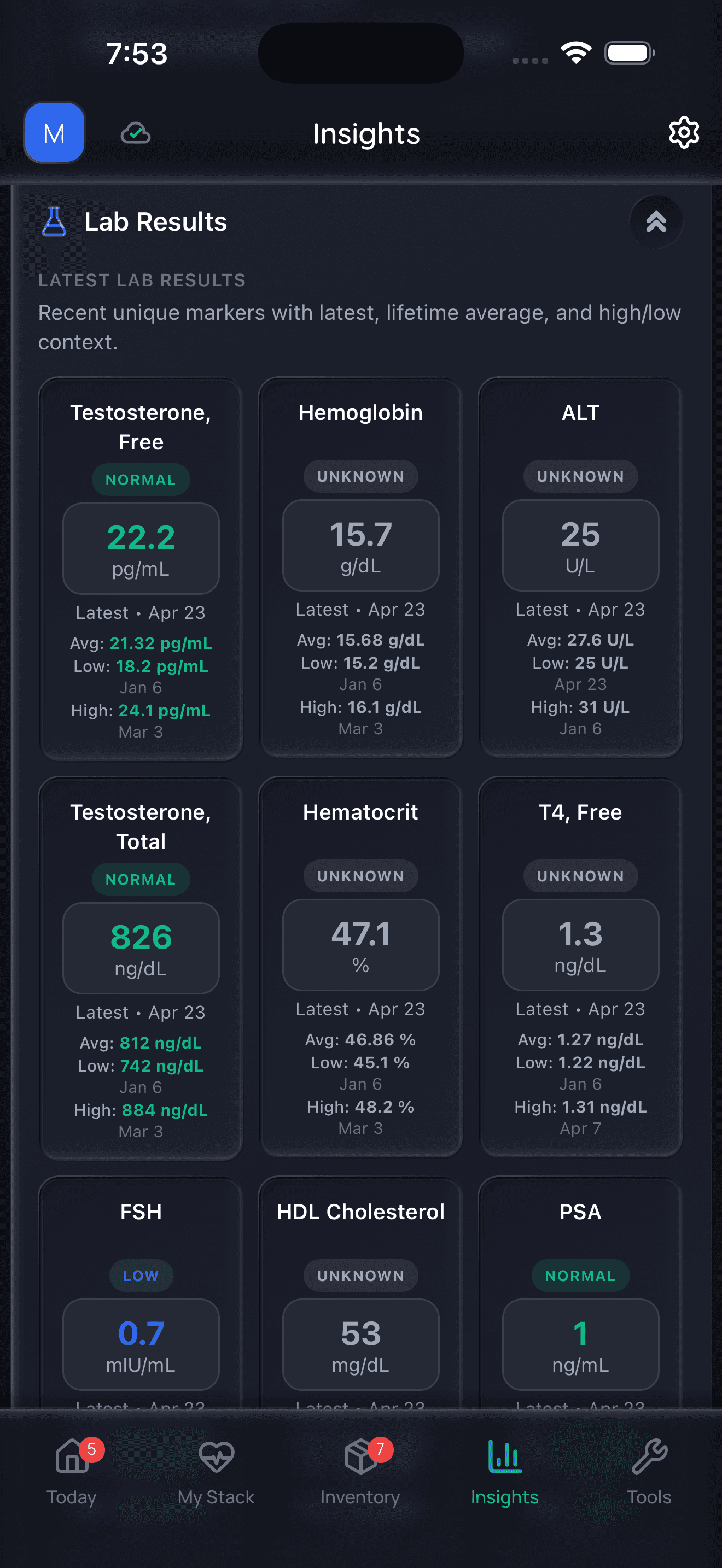
Doserly organizes data; it does not diagnose or interpret labs for you.
Dosing & Usage Protocols
The Basics
There is no standardized dose for ox bile because individual needs vary significantly based on your level of bile insufficiency, the fat content of your meals, and your personal tolerance. Most practitioners suggest a start-low, increase-gradually approach.
Common Dosing Ranges:
- Starting dose: 125 mg with meals containing moderate fat
- Standard dose: 125-500 mg per meal, 1-3 times daily
- Higher doses: Up to 500-1,000 mg per meal for high-fat meals (with practitioner guidance)
- Clinical/therapeutic doses: Up to 2 g per meal (used in clinical studies for short-bowel syndrome; medical supervision required) [5]
Practical Dosing by Meal Type:
- Light meal with minimal fat (salad with vinaigrette): 125 mg may be sufficient
- Moderate meal (chicken with olive oil): 250-500 mg
- High-fat meal (salmon with avocado, steak): 500 mg or potentially higher
Timing: Take ox bile at the beginning of the meal or with the first few bites of food. The goal is to have bile acids present in the small intestine when fat arrives from the stomach. Taking ox bile too early on an empty stomach may increase the risk of reflux or discomfort.
Dose Adjustment Signals:
- If stools become loose or watery, the dose may be too high
- If greasy, floating, or pale stools persist, the dose may be too low
- If heartburn or reflux occurs, try taking with food rather than before, or reduce the dose
The Science
No regulatory body has established standardized dosing for ox bile supplements. Available dosing data derives from clinical case reports, practitioner protocols, and mechanistic extrapolation from bile acid physiology.
Clinical Dosing Evidence:
- Gruy-Kapral et al. (1999): 2 g/meal natural conjugated bile acids from ox bile for short-bowel syndrome, resulting in increased fat absorption of approximately 40 g/day [5]
- Hofmann et al. (1982): Ox bile therapy for post-ileectomy steatorrhea; specific dose not detailed in abstract but described as corrective of severe malabsorption [6]
Practitioner-Derived Protocols:
- Post-cholecystectomy: 125-500 mg per meal, titrated based on stool quality and symptom response
- SIBO support: 125-250 mg between meals or at bedtime (antimicrobial application); some protocols use 500 mg
- General digestive support: 125-250 mg with meals containing more than approximately 10 g of fat
Dose-Response Characteristics:
Community reports suggest a clear dose-response pattern: 125-250 mg is generally well tolerated, while doses exceeding 500 mg per meal increase the likelihood of diarrhea. Maximum tolerated daily doses in community reports cluster around 1,000-1,500 mg, above which gastrointestinal side effects become common.
Getting the dose right matters more than most people realize. Too little may be ineffective, too much wastes money or introduces risk, and inconsistency undermines both. Doserly tracks every dose you take, across every form, giving you a clear record of what you're actually consuming versus what you planned.
The app helps you compare RDA recommendations against therapeutic ranges discussed in the research, so you can see exactly where your intake falls. If you switch forms, say from a standard capsule to a liposomal liquid, Doserly adjusts your tracking to account for different bioavailabilities. Pair that with smart reminders that keep your timing consistent, and the precision that makes a real difference in outcomes becomes effortless.
Turn symptom and safety notes into a clearer timeline.
Doserly helps you log doses, symptoms, and safety observations side by side so patterns are easier to discuss with a qualified clinician.
Pattern view
Logs and observations
Pattern visibility is informational and should be reviewed with a clinician.
What to Expect (Timeline)
Week 1-2: Many people notice improvements in digestive comfort within the first few days of starting ox bile, particularly if they have been experiencing significant fat maldigestion. Reduced bloating after meals, less post-meal heaviness, and improved stool consistency (from greasy or pale stools toward normal brown stools) are commonly reported early responses. Some individuals may need to experiment with dosing during this period. Side effects like mild diarrhea or reflux, if they occur, typically appear during the first week.
Week 3-4: Dosing tends to stabilize as individuals find their optimal amount based on meal composition. Digestive improvements become more consistent. Some users report improved energy levels, which may reflect better absorption of dietary fats and fat-soluble vitamins.
Month 2-3: If fat-soluble vitamin absorption has been an issue, improvements in markers like vitamin D levels may begin to appear on blood tests (though significant changes in stored vitamin levels can take longer). Skin dryness related to fat-soluble vitamin deficiency may begin improving. Hair changes, if bile insufficiency was a contributing factor, may start becoming noticeable for some individuals.
Month 3+: For post-cholecystectomy patients, ox bile often becomes a stable part of the daily routine. Many users continue taking it with meals indefinitely. Some individuals find they can reduce their dose over time as their body adapts, while others maintain a consistent dose long-term. Periodic reassessment with a healthcare provider is advisable to determine ongoing need.
Important Note: The timeline for ox bile is different from many supplements because it addresses an acute physiological need rather than producing cumulative effects. The benefit is largely present-at-the-meal: bile aids digestion in real time during that specific meal. There is no "loading period" or need to build up tissue levels.
Interactions & Compatibility
Synergistic
- Lipase (if available in registry) — Lipase and ox bile work as a natural pair: bile emulsifies fat into small droplets, and lipase then breaks those droplets into absorbable fatty acids and glycerol. Taking both together optimizes fat digestion.
- Vitamin D3 — Ox bile enhances absorption of fat-soluble vitamins including D3. Co-supplementation may improve D3 bioavailability in bile-deficient individuals.
- Vitamin K2 — Another fat-soluble vitamin whose absorption benefits from adequate bile acid levels.
- Vitamin E — Fat-soluble vitamin with bile-dependent absorption.
- Vitamin A — Fat-soluble vitamin requiring bile acid-mediated micelle formation for optimal absorption.
- Fish Oil (EPA/DHA) — As a fat-based supplement, fish oil requires bile for proper emulsification and absorption.
- Taurine — Critical amino acid for bile acid conjugation. Taurine supplementation supports the body's production of taurine-conjugated bile acids, which are more water-soluble and effective.
- Choline — Supports bile flow and liver function. Phosphatidylcholine is a major component of bile and supports bile acid transport.
- Betaine HCL (if available in registry) — Supports stomach acid production, which triggers CCK release and downstream bile secretion. Some practitioners recommend combining with ox bile for comprehensive upper digestive support.
Caution / Avoid
- Bile acid sequestrants (cholestyramine, colesevelam, colestipol) — These medications bind bile acids in the intestine and are used to treat bile acid malabsorption (BAM) or to lower cholesterol. Taking ox bile alongside bile acid sequestrants would be counterproductive, as the sequestrants would bind the supplemental bile acids. Separate by at least 4-6 hours if both are necessary.
- Antacids containing aluminum — May interfere with bile acid function. Separate by 2 hours.
- Proton pump inhibitors (PPIs) — While not directly interacting with ox bile, long-term PPI use can affect bile acid metabolism and may contribute to bile insufficiency. The relationship is complex; discuss with a healthcare provider.
- Fat-soluble medications — Ox bile may enhance the absorption of fat-soluble drugs, potentially increasing their bioavailability and effects. Individuals on medications metabolized by CYP enzymes or absorbed in a fat-dependent manner should consult their healthcare provider.
How to Take / Administration Guide
Recommended Forms: Standard capsules (HPMC or gelatin) are the most common delivery form. Enteric-coated capsules, when available, may reduce the risk of stomach-related side effects by delivering bile acids directly to the intestine. Combination products with pancreatic enzymes offer convenience for individuals who need both bile and enzyme support.
Timing Considerations:
- Take at the start of meals or with the first few bites of food containing fat
- For antimicrobial/SIBO support, some practitioners recommend taking on an empty stomach (such as before bed), though this increases the risk of reflux in sensitive individuals
- Avoid taking long before meals on a completely empty stomach
Stacking Guidance:
- Ox bile pairs well with digestive enzyme supplements containing lipase
- If taking betaine HCL for stomach acid support, take HCL at the beginning of the meal and ox bile during the meal
- Fat-soluble vitamins (A, D, E, K) taken at the same meal benefit from ox bile's emulsifying effects
- If taking taurine for bile acid conjugation support, timing together is not necessary (taurine supports liver-level bile acid production)
Cycling Guidance:
- Ox bile does not typically require cycling. For post-cholecystectomy patients, ongoing use with meals is a common approach.
- Periodic reassessment of need is recommended. Some individuals find their digestive system adapts over time, particularly after cholecystectomy, and they may reduce or discontinue supplementation.
- For SIBO protocols, ox bile may be used for a defined treatment period alongside other interventions, then re-evaluated.
Dose Adjustment:
- Adjust dose based on the fat content of each meal rather than taking a fixed dose at every meal
- If you eat a very low-fat meal, you may not need ox bile at that meal
- Keep capsules accessible during meals; some individuals take an additional capsule mid-meal if eating higher-fat food than anticipated
Choosing a Quality Product
Third-Party Certifications: Due to the niche nature of ox bile supplements, third-party certification (USP Verified, NSF Certified for Sport) is rare for this category. GMP (Good Manufacturing Practice) certification from the manufacturer is a reasonable baseline quality indicator. Some products carry third-party laboratory testing verification.
Sourcing Quality:
- Look for ox bile sourced from free-range, grass-fed cattle
- Products should specify bovine source and ideally note absence of synthetic hormones and antibiotics in the source animals
- Country of origin may affect quality standards (US, New Zealand, and Argentine sourcing tend to have higher animal welfare standards)
Active Content Standardization:
- Better products standardize bile acid content (e.g., 40% cholic acid)
- Products listing only "ox bile" without specification of bile acid content make it difficult to compare potency across brands
Red Flags:
- Proprietary blends that hide the amount of ox bile relative to other ingredients
- Extremely low-priced products with no third-party testing or sourcing information
- Products claiming to "cure" digestive conditions
- Added fillers or excipients that may cause digestive issues (lactose is particularly problematic in a supplement intended for digestive-sensitive individuals)
Form Considerations:
- Standalone ox bile (single ingredient) allows for precise dose control
- Combination products (ox bile + pancreatin/lipase) offer convenience but less dosing flexibility
- Enteric-coated capsules may reduce stomach-related side effects but are currently offered by few manufacturers
Storage & Handling
Store ox bile supplements in a cool, dry place away from direct sunlight. Keep the container tightly sealed to prevent moisture exposure, which can degrade bile acids. No refrigeration is required under normal storage conditions. Check expiration dates, as bile acids may lose potency over time. If the capsules develop an unusually strong or unpleasant odor (beyond the normal slight smell associated with bile-derived products), discontinue use and replace.
Lifestyle & Supporting Factors
Dietary Considerations:
- Ox bile is most beneficial when consumed alongside meals containing dietary fat. Eliminating all fat from the diet removes the primary reason for supplementation.
- A moderate-fat diet (avoiding both extremely low-fat and very high-fat extremes) tends to work best for individuals with bile insufficiency.
- Good fat sources that pair well with ox bile supplementation include avocado, olive oil, fatty fish (salmon, sardines), eggs, and nuts in moderate portions.
- Dietary sources of taurine (seafood, poultry, dark meat) and choline (eggs, liver, soybeans) support the body's natural bile acid production and flow.
Signs of Bile Deficiency That May Indicate Need for Supplementation:
- Greasy, pale, or clay-colored stools
- Stools that float consistently
- Bloating, gas, or nausea after eating fatty foods
- Chronic dry skin or brittle nails (potential sign of fat-soluble vitamin malabsorption)
- Low serum levels of fat-soluble vitamins (A, D, E, K) on blood tests
- History of gallbladder removal or liver disease
Supporting Liver and Bile Health:
- Adequate hydration supports bile flow
- Regular physical activity promotes healthy digestion and liver function
- Bitter foods (arugula, dandelion greens, artichoke) may stimulate bile production
- Beet root and beet greens are traditionally used to support bile flow
- Limiting alcohol consumption supports liver health and bile production
- Managing stress is relevant because chronic stress can affect digestive function including bile release
Monitoring:
- Periodic blood tests for fat-soluble vitamins (particularly vitamin D) can help assess whether supplementation is improving absorption
- Stool consistency is a practical daily indicator of digestive adequacy
- If symptoms persist despite ox bile supplementation, further evaluation for underlying conditions (BAM, pancreatic insufficiency, celiac disease) is warranted
Regulatory Status & Standards
United States (FDA):
Ox bile is classified as a dietary supplement under the Dietary Supplement Health and Education Act (DSHEA). It is not evaluated by the FDA for efficacy in treating any disease. Ox bile holds GRAS (Generally Recognized As Safe) status when used as a food ingredient. It is available over the counter without prescription. No NDI (New Dietary Ingredient) notification is required as ox bile has been in the food supply for decades.
Canada (Health Canada):
Some ox bile products are registered as Natural Health Products (NHPs) with assigned NPN numbers. Health Canada recognizes ox bile as a digestive enzyme supplement.
European Union (EFSA):
Ox bile is not classified as a novel food in the EU, given its long history of traditional use. Specific regulations vary by member state. Health claims related to bile supplements are regulated under EC Regulation 1924/2006.
Australia (TGA):
Ox bile may be included in complementary medicines listed with the TGA. Regulatory classification depends on formulation and therapeutic claims.
Athlete & Sports Regulatory Status:
Ox bile is not on the WADA Prohibited List and is not a substance of concern for competitive athletes. It is a digestive aid without performance-enhancing properties. However, as with any supplement, athletes should verify that products are free from contaminants by choosing brands with third-party testing. NSF Certified for Sport and Informed Sport certifications are not commonly available for ox bile products specifically.
Regulatory status and prohibited substance classifications change frequently. Athletes should always verify the current status of any supplement with their sport's governing body, their national anti-doping agency, and a qualified sports medicine professional before use. Third-party certification (Informed Sport, NSF Certified for Sport) reduces but does not eliminate the risk of contamination with prohibited substances.
Frequently Asked Questions
Q: What is ox bile and where does it come from?
A: Ox bile is a dietary supplement derived from the bile of cattle (bovine source). It contains bile acids that are similar in composition to the bile your liver naturally produces. These bile acids help emulsify and digest dietary fats.
Q: Who typically benefits from ox bile supplementation?
A: The most common users include individuals who have had their gallbladder removed (cholecystectomy), those with conditions affecting bile production or flow, people with fat malabsorption issues, and some individuals with SIBO. It may also be considered by those on high-fat diets who experience digestive discomfort after fatty meals.
Q: Is ox bile safe to take long-term?
A: Based on available evidence, ox bile appears to be well tolerated with ongoing use. Many post-cholecystectomy patients take it for years. However, long-term safety data from controlled studies is limited. Periodic reassessment with a healthcare provider is advisable.
Q: How do I know if I need ox bile or a bile acid binder?
A: This distinction is critical. If your primary symptom is greasy stools, bloating, and poor fat digestion (bile insufficiency), ox bile may help. If your primary symptom is watery diarrhea, especially after meals (which may indicate bile acid malabsorption), bile acid sequestrants like cholestyramine or colesevelam are more appropriate. Taking ox bile when you have excess bile reaching the colon would worsen diarrhea. A healthcare provider can help determine which condition applies.
Q: Can I take ox bile if I still have my gallbladder?
A: Yes, some individuals with intact gallbladders but sluggish bile flow take ox bile. However, if your gallbladder is functioning normally, supplemental bile is generally unnecessary. Consult a healthcare provider if you suspect bile insufficiency despite having your gallbladder.
Q: Does ox bile affect cholesterol levels?
A: The relationship is complex. The liver uses cholesterol to synthesize bile acids. Supplementing with exogenous bile acids could theoretically reduce endogenous bile acid synthesis via negative feedback, which might affect cholesterol metabolism. However, the clinical significance at supplement doses is unclear. If you are managing cholesterol levels, discuss ox bile supplementation with your healthcare provider.
Q: Can I take ox bile with digestive enzymes?
A: Yes, and this is a common combination. Bile emulsifies fats while lipase (a digestive enzyme) breaks those emulsified fats into absorbable components. Many commercial products combine ox bile with pancreatic enzymes for this reason. Taking both at meals provides complementary digestive support.
Q: What dose should I start with?
A: Based on available sources, commonly cited starting doses range from 125 to 250 mg per meal. Starting low allows you to assess tolerance before increasing. Adjust based on the fat content of your meals and your body's response. Consult a healthcare professional for personalized dosing guidance.
Q: Is ox bile the same as TUDCA or UDCA?
A: No, though they are related. Ox bile contains a mixture of bile acids, while TUDCA (tauroursodeoxycholic acid) and UDCA (ursodeoxycholic acid) are specific, individual bile acids. TUDCA and UDCA are available as isolated supplements and are studied for liver health, neuroprotection, and other applications. Ox bile provides a broader spectrum of bile acids similar to what the gallbladder naturally releases.
Q: Is ox bile suitable for vegetarians or vegans?
A: No. Ox bile is derived from bovine (cattle) sources and is an animal product. There are no plant-based alternatives that replicate the same bile acid composition. Vegetarians and vegans who need digestive support may consider plant-based digestive enzyme supplements, though these do not provide bile acids.
Myth vs. Fact
Myth: Your body stops producing bile after gallbladder removal, so you must supplement forever.
Fact: Your liver continues to produce bile after cholecystectomy. What changes is bile storage and delivery: without the gallbladder to store and concentrate bile, it drips continuously into the small intestine rather than being released in a concentrated burst during meals. Many people adapt over time, though some continue to benefit from supplementation [3].
Myth: Ox bile supplements are just as effective as prescription bile acid medications (UDCA/CDCA).
Fact: Prescription bile acids like ursodeoxycholic acid (UDCA) are specific, purified compounds studied extensively for conditions like primary biliary cholangitis and gallstone dissolution. Ox bile is a crude mixture of multiple bile acids and has not been evaluated with the same rigor for these specific conditions. They serve different purposes.
Myth: More ox bile is always better for fat digestion.
Fact: There is a clear dose-response ceiling. Excess bile acids reaching the colon can cause diarrhea by stimulating water and electrolyte secretion. Community reports and clinical understanding both support a titration approach, starting low and adjusting based on individual response rather than assuming higher doses produce better results [12].
Myth: Ox bile cures SIBO.
Fact: While bile acids have antimicrobial properties in the upper small intestine, and bile insufficiency is one recognized contributing factor to SIBO, ox bile alone does not cure SIBO. SIBO is a complex condition with multiple potential root causes. Ox bile may be a useful adjunct in a comprehensive treatment plan, not a standalone cure [4].
Myth: Everyone who has had their gallbladder removed needs ox bile supplements.
Fact: Many people who have had cholecystectomy digest fats adequately without supplementation. The body can adapt to the continuous drip of bile from the liver, and not all individuals experience significant fat maldigestion. Ox bile supplementation is most relevant for those who continue to experience symptoms despite dietary adjustments [3].
Myth: Ox bile supplements are dangerous or "unnatural."
Fact: Ox bile has been used medicinally for over 2,500 years, including extensive use in traditional Chinese medicine. It contains bile acids that are biochemically similar to those your own body produces. At appropriate doses, it is generally well tolerated. Like any supplement, it carries potential side effects and is not appropriate for everyone [7].
Sources & References
Clinical Studies & Case Reports
- Reshetnyak VI. Physiological and molecular biochemical mechanisms of bile formation. World J Gastroenterol. 2013;19(42):7341-7360.
- Hofmann AF, Hagey LR. Key discoveries in bile acid chemistry and biology and their clinical applications: history of the last eight decades. J Lipid Res. 2014;55(8):1553-1595.
- Latenstein CSS, Wennmacker SZ, de Jong JJ, et al. Etiologies of long-term postcholecystectomy syndrome: a systematic review. Gastroenterol Res Pract. 2019;2019:4278373.
- Perino A, Demagny H, Velazquez-Villegas L, Schoonjans K. Molecular physiology of bile acid signaling in health, disease, and aging. Physiol Rev. 2021;101(2):683-731.
- Gruy-Kapral C, Little KH, Fordtran JS, Meziere TL, Hagey LR, Hofmann AF. Conjugated bile acid replacement therapy for short-bowel syndrome. Gastroenterology. 1999;116(1):15-21. PMID: 9869597.
- Hofmann AF, Poley JR. Ox bile treatment of severe steatorrhea in an ileectomy-ileostomy patient. Gastroenterology. 1982;82(3):564-568. PMID: 7054048.
- Shim S, Seo SH, Lee Y, et al. Bile acid patterns in commercially available oxgall powders used for evaluation of bile tolerance ability of probiotic bacteria. J Dairy Sci. 2018;101(9):7761-7766.
- Ticho AL, Malhotra P, Dudeja PK, Gill RK, Alrefai WA. Intestinal absorption of bile acids in health and disease. Compr Physiol. 2019;10(1):21-56. PMID: 31853951.
- Pandol SJ. Pancreatic Secretion. In: Physiology of the Gastrointestinal Tract. IntechOpen; 2011.
- Wang DQ, Tazuma S. Effect of beta-muricholic acid on the prevention and dissolution of cholesterol gallstones in C57L/J mice. Hepatology. 2002;36(2):362-371.
- Paumgartner G, Beuers U. Ursodeoxycholic acid in cholestatic liver disease: mechanisms of action and therapeutic use revisited. Hepatology. 2002;36(3):525-531.
- Wang DQ, Carey MC. Therapeutic uses of animal biles in traditional Chinese medicine: an ethnopharmacological, biophysical chemical and medicinal review. World J Gastroenterol. 2014;20(29):9952-9975.
Government/Institutional Sources
- PubChem. Ox bile extract. Compound CID 303. National Center for Biotechnology Information. https://pubchem.ncbi.nlm.nih.gov/compound/303
- FDA. Dietary Supplement Health and Education Act (DSHEA). https://www.fda.gov/food/dietary-supplements
Related Supplement Guides
Same Category
- TUDCA — Isolated bile acid (tauroursodeoxycholic acid) with liver health and neuroprotective applications
- Digestive Enzymes — Broader digestive enzyme supplementation including lipase, protease, and amylase
Common Stacks / Pairings
- Taurine — Amino acid critical for bile acid conjugation
- Choline — Supports bile flow and liver function via phosphatidylcholine
- Vitamin D3 — Fat-soluble vitamin with bile-dependent absorption
- Vitamin K2 — Fat-soluble vitamin benefiting from adequate bile
- Fish Oil (EPA/DHA) — Fat-based supplement requiring bile for emulsification
- Vitamin A — Fat-soluble vitamin with bile-dependent absorption
- Vitamin E — Fat-soluble vitamin with bile-dependent absorption
Related Health Goal
- Milk Thistle — Liver support and bile flow promotion
- Artichoke Extract — Traditional bile flow stimulant (cholagogue)
- Berberine — Antimicrobial and gut health support sometimes used alongside bile support protocols