
Phenylpiracetam: The Complete Supplement Guide
On this page
Quick Reference Card
Attribute
Common Name
- Detail
- Phenylpiracetam
Attribute
Other Names / Aliases
- Detail
- Fonturacetam (INN), Phenotropil, Carphedon, 4-Phenylpiracetam, Karfedon, Actitropil, Nanotropil
Attribute
Category
- Detail
- Synthetic Nootropic (Racetam)
Attribute
Primary Forms & Variants
- Detail
- Racemic mixture (standard), (R)-Phenylpiracetam (specialty), (S)-Phenylpiracetam (research)
Attribute
Typical Dose Range
- Detail
- 100-200 mg per dose, 200-600 mg per day
Attribute
RDA / AI / UL
- Detail
- Not established (synthetic compound)
Attribute
Common Delivery Forms
- Detail
- Powder, capsule, sublingual
Attribute
Best Taken With / Without Food
- Detail
- Can be taken with or without food; some users report better absorption on an empty stomach
Attribute
Key Cofactors
- Detail
- Alpha-GPC (300 mg) or CDP-Choline (250 mg) to prevent headaches from increased acetylcholine turnover
Attribute
Storage Notes
- Detail
- Store in a cool, dry place away from direct light and moisture. Keep container tightly sealed. Use desiccant packets with powder.
Overview
The Basics
Phenylpiracetam is a synthetic brain-boosting compound that belongs to the racetam family of nootropics. If you have heard of piracetam, one of the oldest and most studied nootropics, phenylpiracetam is essentially a more potent version of it with a small chemical tweak: an extra "phenyl group" attached to its structure. This modification makes it absorb better, cross into the brain more easily, and produce noticeable effects at much lower doses.
Originally developed in Russia in 1983 for cosmonauts working in space, phenylpiracetam was designed to help people maintain mental and physical performance under extreme stress. It is still used today by Russian cosmonauts on the International Space Station. In Russia and some Eastern European countries, it is available by prescription for conditions like stroke recovery, cognitive decline, depression, and fatigue.
Outside of clinical settings, phenylpiracetam has gained a dedicated following among people interested in cognitive enhancement. Users commonly report sharper focus, increased motivation, improved memory, and a clean stimulant-like energy. It is also notable for being the first nootropic ever banned in professional sports, having been on the World Anti-Doping Agency's prohibited list since 1998 due to its performance-enhancing effects.
It is important to understand that phenylpiracetam is not a dietary supplement in the traditional sense. It is a synthetic pharmaceutical compound, and in the United States, the FDA considers it an unapproved drug that falls outside the dietary supplement framework.
The Science
Phenylpiracetam ((RS)-2-(2-oxo-4-phenylpyrrolidin-1-yl)acetamide) is a phenyl-substituted derivative of piracetam, the prototypical racetam nootropic. The addition of a phenyl group at position 4 of the 2-oxopyrrolidine ring confers enhanced lipophilicity, improved blood-brain barrier penetration, and broader pharmacological activity compared to the parent compound [1].
Phenylpiracetam was first described in the scientific literature in 1983 and approved for medical use in Russia in 2003, where it is marketed under the brand names Phenotropil, Actitropil, and Nanotropil [2]. It is classified as a prescription nootropic and stimulant, with documented effects spanning neuroprotection, psychostimulation, cognitive enhancement, anxiolytic activity, anti-depressant properties, anti-inflammatory effects, and anticonvulsant activity [2].
The clinical evidence base, while growing, remains heavily Russia-centric. A review by Malykh and Sadaie (2010) noted that phenylpiracetam "is more potent than piracetam and is used for a wider range of indications" [3]. The indexed literature comprises approximately 646 participants across 5 clinical trials, most published in Russian-language journals with only English abstracts available.
Chemical & Nutritional Identity
Property
IUPAC Name
- Value
- 2-(2-oxo-4-phenylpyrrolidin-1-yl)acetamide
Property
Molecular Formula
- Value
- C12H14N2O2
Property
Molecular Weight
- Value
- 218.25 g/mol
Property
CAS Number
- Value
- 77472-70-9
Property
UNII
- Value
- 99QW5JU66Y
Property
Compound Class
- Value
- Racetam; pyrrolidinone derivative; phenethylamine
Property
Parent Compound
- Value
- Piracetam
Property
Chirality
- Value
- Racemic mixture of (R)- and (S)-enantiomers
Property
Solubility
- Value
- Water-soluble
Property
XLogP3
- Value
- 0.1 (slightly lipophilic)
Property
InChIKey
- Value
- LYONXVJRBWWGQO-UHFFFAOYSA-N
Phenylpiracetam is structurally identical to piracetam with the addition of a phenyl group at the 4-position of the pyrrolidinone ring. This substitution distinguishes it from related racetams like aniracetam or nefiracetam, which have phenyl groups at different positions. The phenyl group also allows phenylpiracetam to be conceptualized as a substituted phenethylamine, which is significant for its dopaminergic activity [12][5].
Due to its chiral center at the fourth position, phenylpiracetam exists as two enantiomers: (R)-phenylpiracetam and (S)-phenylpiracetam. The commercially available form is typically the racemic mixture.
Mechanism of Action
The Basics
Phenylpiracetam works through several brain pathways simultaneously, which is one reason its effects feel broader than simple stimulants. At its core, the compound appears to do three main things:
First, it interacts with your brain's dopamine system. The R-form of phenylpiracetam acts as a dopamine reuptake inhibitor, meaning it allows more dopamine to remain active in the spaces between your brain cells. Dopamine is the neurotransmitter most associated with motivation, reward, and focus. This dopamine connection likely explains the stimulant-like effects and why phenylpiracetam is banned in sports.
Second, it appears to boost the density of certain brain receptors. Research suggests it can increase the number of receptors for GABA (which helps with calmness), acetylcholine (involved in memory and learning), and NMDA glutamate (involved in cognitive processing). More receptors can mean stronger signaling in these systems.
Third, it seems to improve blood flow in the brain and protect brain cells from damage caused by low oxygen or toxins. These neuroprotective properties may explain why it shows particular promise for people recovering from strokes or dealing with age-related cognitive decline.
The Science
The pharmacological profile of phenylpiracetam is multifaceted and has been progressively elucidated through stereoisomer-specific research:
Dopaminergic activity: The mechanism of action was originally poorly understood until Zvejniece et al. (2011) demonstrated stereoselective pharmacological activity. (R)-phenylpiracetam was identified as a selective atypical dopamine reuptake inhibitor (DAT inhibitor), while (S)-phenylpiracetam was subsequently shown to be a selective DAT inhibitor that does not influence norepinephrine or serotonin transporters [6]. The R-isomer demonstrates more potent psychostimulatory and cognition-enhancing effects, while the S-isomer shows selective metabolic effects including reduced body weight gain and improved glucose tolerance in animal models [6].
Receptor modulation: Phenylpiracetam has been reported to increase the density of GABA, NMDA glutamate, and nicotinic acetylcholine receptors [4]. These receptor density changes may underlie the compound's nootropic effects beyond acute stimulation.
Neuroprotective and anti-inflammatory effects: R-phenylpiracetam at 50 mg/kg reached brain tissue within 15 minutes after both intraperitoneal and peroral administration, demonstrating significant attenuation of LPS-induced neuroinflammation through reduction of TNF-alpha, IL-1beta, and iNOS expression. Anti-inflammatory effects were also confirmed in carrageenan-induced paw oedema and formalin-induced paw-licking models [7].
Immunomodulatory effects: Phenylpiracetam injections (25mg/kg for 5 days) normalized LPS-induced alterations in DTHR and phagocytosis without affecting antibody production, while fully abolishing LPS-induced behavioral changes including anxiety and sluggishness [8].
Adaptogenic and mitochondrial protective properties: Gromova and Torshin (2024) reviewed evidence for adaptogenic properties, mitochondrial protective effects, and potential effects on neurotransmitter systems, as well as regulation of carbohydrate and fat metabolism [2].
Absorption & Bioavailability
The Basics
One of the advantages of phenylpiracetam over its parent compound piracetam is how well and quickly your body absorbs it. The phenyl group that distinguishes it from piracetam acts almost like a VIP pass into your bloodstream and brain. Phenylpiracetam is reported to have nearly complete oral absorption (close to 100%), meaning that almost everything you swallow actually makes it into your system.
Once absorbed, it reaches your brain fairly quickly. Effects are typically noticed within an hour of taking it. The compound stays active for roughly 3 to 5 hours, which is why some users take it twice daily. Interestingly, phenylpiracetam does not appear to be broken down by your liver into other compounds. Instead, it is excreted unchanged, with about 40% leaving through urine and 60% through feces.
Some users take phenylpiracetam sublingually (dissolved under the tongue) for faster onset. The powder has a bitter taste but this route may produce effects more quickly than swallowing capsules.
The Science
Phenylpiracetam demonstrates favorable pharmacokinetic properties attributable to the enhanced lipophilicity conferred by its phenyl substituent:
- Bioavailability: Reported as approximately 100% via oral administration
- Onset of action: Less than 1 hour
- Elimination half-life: 2.5-3 hours in rodent models (100mg/kg injection); 3-5 hours reported in general pharmacological references
- Brain penetration: Following 25mg/kg injection in rodents, phenylpiracetam was detected in brain tissue at 67-73 mcg/g at 30 minutes. At 100mg/kg, approximately 1% of injected phenylpiracetam reached the brain [5]
- Metabolism: Reportedly not metabolized; excreted unchanged
- Excretion: Approximately 40% urine, 60% feces
Note: No oral pharmacokinetic studies in humans have been published in English-language journals. The bioavailability and half-life data are derived from manufacturer reports, rodent studies, and general reference sources. This represents a significant evidence gap.
When your stack includes several supplements, each with its own dose, form, and timing requirements, the logistics alone can derail consistency. Doserly consolidates all of it into one protocol view, so every dose across your entire routine is accounted for without spreadsheets or guesswork.
The app also tracks cumulative intake for nutrients that appear in multiple products. If your multivitamin, standalone supplement, and fortified protein shake all contain the same nutrient, Doserly adds them up and shows you the total alongside recommended and upper limits. Managing a thoughtful supplement protocol shouldn't require a degree in nutrition science. The app handles the complexity so you can focus on staying consistent.
Build reminders around the routine, not just the compound.
Doserly can keep timing, skipped doses, and schedule changes organized so the plan you read about becomes easier to follow and review.
Today view
Upcoming reminders

Reminder tracking supports consistency; it does not select a protocol for you.
Research & Clinical Evidence
The Basics
The research on phenylpiracetam comes primarily from Russian clinical studies, many of which are not fully available in English. While the evidence base is more limited than many mainstream supplements, there are consistent signals across the available studies.
Cognitive decline and stroke recovery: This is where phenylpiracetam has the strongest evidence. Multiple studies spanning one month to one year have shown improvements in cognitive function, physical function, and quality of life in people recovering from strokes or dealing with organic causes of cognitive decline (such as dementia or vascular encephalopathy). One study followed stroke patients taking 400mg daily for an entire year and found meaningful improvements in both physical and cognitive recovery.
Depression and fatigue: An open-label trial using 200mg daily found reductions in depressive symptoms and anxiety in people with brain organic lesions. The research on mood effects is limited but generally positive.
Physical performance: Phenylpiracetam has documented effects on physical endurance and cold resistance. These performance-enhancing properties are serious enough that it has been banned by the World Anti-Doping Agency since 1998.
Important limitation: There are no published studies on healthy young adults using phenylpiracetam for cognitive enhancement. The only study in healthy subjects used rats, and interestingly, only the R-isomer (not the commonly sold racemic mixture) showed cognitive benefits.
The Science
Stroke rehabilitation: Koval'chuk et al. (2010) demonstrated efficacy of phenylpiracetam at 400mg daily for one year in stroke rehabilitation, with improvements in both physical and cognitive function [9].
Vascular encephalopathy: Gustov et al. (2006) reported cognitive improvements in patients with vascular encephalopathy treated with phenylpiracetam [10].
Brain organic lesions: Savchenko et al. (2005) observed reductions in depression and anxiety symptoms alongside cognitive improvement in patients treated with 200mg daily phenylpiracetam in an open-label trial [11].
Epilepsy (adjunctive): Lybzikova et al. (2008) noted minor cognitive improvements in youth with epilepsy receiving phenylpiracetam as complex treatment [13].
Traumatic brain injury: Kalinskii and Nazarov (2007) found that phenylpiracetam failed to significantly improve asthenic symptoms over control in patients with mild cranial brain trauma, representing the sole negative outcome in the clinical trial literature [14].
Stereoselective cognition enhancement (preclinical): In the only study examining cognitive effects in otherwise healthy rats, the R-isomer at 1mg/kg and 10mg/kg improved retention latency in a passive avoidance test by 195% and 185% respectively, while the racemic mixture failed to outperform control [5].
Anti-depressant activity (preclinical): Depressive symptoms in a forced-swim test were reduced with 50-100mg/kg phenylpiracetam, with the R-isomer showing greater activity than the S-isomer [5].
Psychostimulatory activity (preclinical): Phenylpiracetam at 10-50mg/kg increased locomotor activity without dose-dependence, primarily attributable to the R-isomer. The stimulant effect of the R-isomer lasted approximately 4 hours versus 2 hours for the racemic mixture [5].
Evidence & Effectiveness Matrix
Category
Focus & Mental Clarity
- Evidence Strength
- 5/10
- Reported Effectiveness
- 8/10
- Summary
- Strong community consensus on focus enhancement. Clinical evidence limited to organic cognitive decline populations; no RCTs in healthy adults.
Category
Memory & Cognition
- Evidence Strength
- 6/10
- Reported Effectiveness
- 6/10
- Summary
- Multiple Russian clinical trials (200-600mg, 1+ month) show cognitive improvement in stroke/dementia patients. No evidence in healthy youth.
Category
Energy Levels
- Evidence Strength
- 5/10
- Reported Effectiveness
- 7/10
- Summary
- Psychostimulatory properties documented in preclinical studies. Widely reported by community. Tolerance develops with continuous use.
Category
Motivation & Drive
- Evidence Strength
- 4/10
- Reported Effectiveness
- 7/10
- Summary
- Mechanistically plausible via DAT inhibition. Frequently reported by community but no direct clinical measurement.
Category
Physical Performance
- Evidence Strength
- 5/10
- Reported Effectiveness
- 7/10
- Summary
- Documented in preclinical models; physical performance enhancement cited as basis for WADA ban. Community reports support.
Category
Mood & Wellbeing
- Evidence Strength
- 5/10
- Reported Effectiveness
- 6/10
- Summary
- Anti-depressant effects in preclinical models and one open-label trial. Community reports mixed (positive mood vs. emotional flatness).
Category
Anxiety
- Evidence Strength
- 4/10
- Reported Effectiveness
- 4/10
- Summary
- Anxiolytic properties in open-label trial and preclinical data. Community reports highly variable; some report increased anxiety at higher doses.
Category
Stress Tolerance
- Evidence Strength
- 4/10
- Reported Effectiveness
- 5/10
- Summary
- Adaptogenic properties described in reviews. Limited direct evidence; community reports sparse.
Category
Sleep Quality
- Evidence Strength
- 3/10
- Reported Effectiveness
- 3/10
- Summary
- Stimulant properties documented to disrupt sleep. Community uniformly reports insomnia with late-day dosing.
Category
Side Effect Burden
- Evidence Strength
- 5/10
- Reported Effectiveness
- 5/10
- Summary
- Moderate side effect profile. Headaches, tolerance, insomnia, emotional changes commonly reported. Generally well-tolerated at recommended doses with cycling.
Category
Treatment Adherence
- Evidence Strength
- N/A
- Reported Effectiveness
- 5/10
- Summary
- Cycling requirements and choline co-supplementation create complexity. Tolerance buildup challenges daily use protocols.
Category
Emotional Regulation
- Evidence Strength
- 3/10
- Reported Effectiveness
- 4/10
- Summary
- Some users report emotional flatness or increased irritability. Limited clinical data on emotional outcomes.
Category
Daily Functioning
- Evidence Strength
- 5/10
- Reported Effectiveness
- 6/10
- Summary
- Clinical trials show functional improvement in stroke/encephalopathy patients. Community reports improved productivity.
Category
Immune Function
- Evidence Strength
- 4/10
- Reported Effectiveness
- Not Scored
- Summary
- Preclinical immunomodulatory data [8]. No community discussion of immune effects.
Categories not scored: Fat Loss, Muscle Growth, Weight Management, Appetite & Satiety, Food Noise, Libido, Sexual Function, Joint Health, Inflammation, Pain Management, Recovery & Healing, Gut Health, Digestive Comfort, Nausea & GI Tolerance, Skin Health, Hair Health, Heart Health, Blood Pressure, Heart Rate & Palpitations, Hormonal Symptoms, Temperature Regulation, Fluid Retention, Body Image, Bone Health, Longevity & Neuroprotection, Cravings & Impulse Control, Social Connection, Emotional Aliveness, Withdrawal Symptoms.
Benefits & Potential Effects
The Basics
Phenylpiracetam offers a distinctive combination of cognitive and physical benefits that sets it apart from most nootropics. Here is what the available evidence and user experience suggest:
Cognitive enhancement in decline: The strongest evidence supports phenylpiracetam for people experiencing cognitive decline from organic causes like strokes, vascular problems, or age-related changes. Multiple studies show improvements in memory, attention, and overall cognitive function when taken consistently for one month or longer.
Focus and mental clarity: Users consistently describe phenylpiracetam as one of the most noticeably effective nootropics for focus. The effect is often compared to a "cleaner" version of stimulant medications, providing sharp concentration without the jitteriness or crash associated with caffeine or prescription stimulants.
Motivation and productivity: The dopamine-related effects translate into a noticeable boost in motivation and willpower. Users report being able to tackle difficult, tedious, or otherwise procrastination-inducing tasks more readily.
Physical performance: Phenylpiracetam can improve physical endurance, stamina, and cold resistance. These effects are significant enough to have earned it a ban from competitive sports. Some users report feeling physically stronger and more capable during workouts.
Mood support: There is evidence for mild anti-depressant and anxiolytic effects, particularly in people with neurological conditions. However, mood effects are inconsistent across individuals.
Neuroprotection: Preclinical research suggests phenylpiracetam may protect brain cells from damage caused by inflammation, low oxygen, or toxins. This aligns with its clinical use in stroke recovery.
The Science
Well-supported benefits (human clinical data):
- Cognitive improvement in organic cognitive decline: 4/7 Russian clinical trials demonstrated significant cognitive enhancement at 200-600mg daily over 1+ month in populations with stroke, vascular encephalopathy, and brain organic lesions
- Stroke rehabilitation: Physical and cognitive improvement at 400mg daily for 12 months [9]
- Anti-asthenic effects: Reduction of fatigue and weakness symptoms in neurological patients [2]
Emerging benefits (preclinical or limited human data):
- Psychostimulatory effects: Increased locomotor activity predominantly via R-isomer at 10-50mg/kg [5]
- Anti-depressant activity: Reduced depressive behavior in forced-swim test, R-isomer more active [5]
- Anti-inflammatory and neuroprotective effects: Attenuation of LPS-induced neuroinflammation, reduction in TNF-alpha and IL-1beta [7]
- Immunomodulatory effects: Normalization of immune function under stress conditions [8]
- Metabolic effects (S-isomer specific): Reduced body weight gain and improved glucose tolerance without locomotor stimulation [6]
When you're taking multiple supplements, it's hard to know which one is doing the heavy lifting. The benefits described above may overlap with effects from other items in your stack, lifestyle changes, or seasonal variation. Doserly helps you untangle that by keeping everything in one place, with timestamps, doses, and outcomes logged together.
Over time, this builds something more valuable than any product review: your personal evidence record. You can see exactly when you started this supplement, what else was in your routine at the time, and how your tracked health markers responded. That clarity makes the difference between guessing and knowing, whether you're talking to a healthcare provider or simply deciding if it's worth reordering.
Keep sensitive protocol records in a purpose-built app.
Doserly is designed for private health tracking with structured records, offline-ready workflows, and exportable history when you need it.
Privacy
Health records
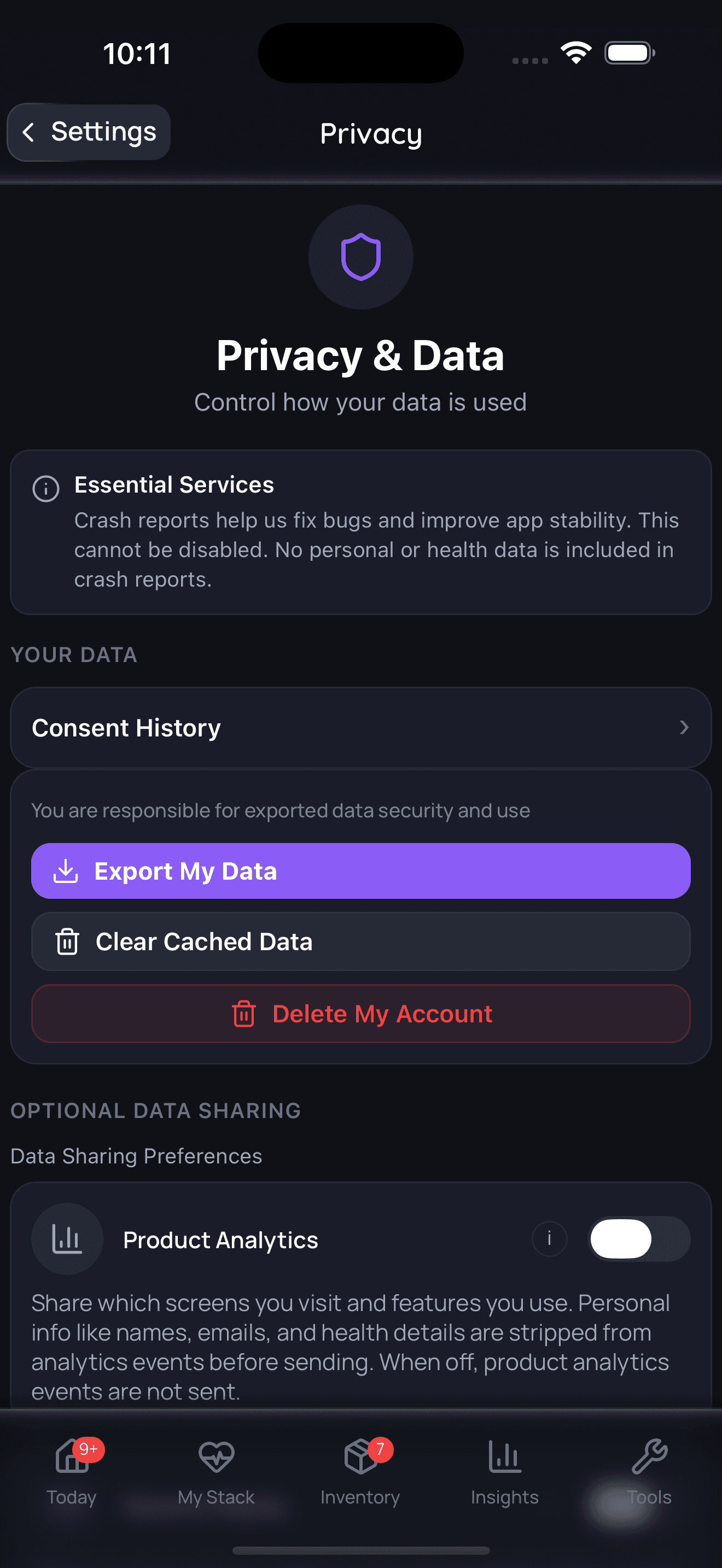
Privacy controls help you manage records; keep clinical records where required.
Side Effects & Safety
The Basics
Phenylpiracetam is generally considered well-tolerated when used at recommended doses and with appropriate cycling. However, there are several side effects to be aware of:
Common side effects:
- Insomnia/sleep disruption: This is the most consistently reported issue. Phenylpiracetam is a stimulant, and taking it in the afternoon or evening can significantly disrupt sleep. Most experienced users avoid dosing after noon.
- Headaches: Particularly common without choline supplementation. Racetams increase acetylcholine turnover, and insufficient choline can lead to tension headaches. This is usually resolved by taking Alpha-GPC or CDP-choline alongside phenylpiracetam.
- Tolerance: The stimulant effects diminish noticeably with daily use, sometimes within a few days. This is the single most discussed limitation in the user community. Cycling protocols (2-3 times per week, or monthly courses) are widely recommended.
Less common side effects:
- Anxiety or overstimulation: Some users experience anxiety, especially at higher doses (200mg+). This appears to be dose-dependent and individual.
- Emotional flatness: A subset of users report feeling emotionally numb or "robotic" while on phenylpiracetam. This effect is more commonly reported with regular use.
- Elevated heart rate: Transient increased heart rate has been reported shortly after ingestion, consistent with stimulant effects.
- Moodiness or irritability: Some users report increased emotional reactivity, particularly during stressful periods.
- Brain fog with extended use: Paradoxically, some users report cognitive dulling after many consecutive days of use, possibly related to choline depletion.
Safety classification: GHS classification lists phenylpiracetam as "Harmful if swallowed" (H302) with potential for skin irritation, eye irritation, and respiratory irritation [12].
The Science
Clinical trial data on adverse effects is limited due to the Russian-language publication barrier. The available evidence suggests:
- Sleep disturbances were reported as a side effect in one study (Sazonov et al., 2006; cited via Malykh and Sadaie, 2010), though other trials did not note this effect [3]
- The psychostimulatory properties are well-documented preclinically and consistent with the mechanism as a DAT inhibitor [5]
- GHS hazard classification data from ECHA indicates Acute Toxicity Category 4 (oral), supporting a moderate acute toxicity profile [12]
- The compound's 3-5 hour half-life suggests that side effects are relatively short-lived per dose
No long-term safety data from controlled trials has been published in English-language literature. The compound's use as a prescription drug in Russia since 2003 provides some reassurance regarding general safety, but Western pharmacovigilance data is absent.
Dosing & Usage Protocols
The Basics
Phenylpiracetam is typically taken at 100-200mg per dose, and this dose may be repeated 2-3 times per day for a total daily range of 200-600mg. However, the dosing approach depends significantly on your goals:
For occasional use (focus/productivity): 100-200mg taken once, as needed. This is the most common approach among nootropic users. Limit to 2-3 times per week to maintain the stimulant effects and avoid tolerance.
For sustained nootropic effects (Russian clinical model): 100mg daily for 30 days, followed by a break. The Russian clinical literature suggests that while the stimulant effects fade within the first week, the cognitive and neuroprotective benefits continue to build with sustained use. This is less commonly practiced in the Western nootropics community.
For physical performance: 100-200mg taken 1-2 hours before activity. Note that this use is banned in competitive sports.
Key practical tips:
- Start with 100mg to assess your response before increasing
- Take earlier in the day (morning or early afternoon) to avoid sleep disruption
- Consider choline supplementation (Alpha-GPC 300mg or CDP-Choline 250mg) to prevent headaches
- Most users find cycling essential: 2-3 days per week, or monthly courses with breaks
The Science
Clinical trial dosing ranges from the indexed literature:
- 200mg daily (100mg BID): Used in organic brain lesion treatment [11]
- 200-600mg daily (100-200mg TID): General therapeutic range across trials
- 400mg daily: Used in the 12-month stroke rehabilitation study [9]
The R-isomer demonstrates greater potency for psychostimulatory (10-50mg/kg in rats, lasting ~4 hours vs ~2 hours for racemic) and cognitive enhancement effects. The S-isomer appears more relevant to metabolic endpoints (body weight, glucose tolerance) without locomotor stimulation [6].
When your stack includes several supplements, each with its own dose, form, and timing requirements, the logistics alone can derail consistency. Doserly consolidates all of it into one protocol view, so every dose across your entire routine is accounted for without spreadsheets or guesswork.
The app also tracks cumulative intake for nutrients that appear in multiple products. If your multivitamin, standalone supplement, and fortified protein shake all contain the same nutrient, Doserly adds them up and shows you the total alongside recommended and upper limits. Managing a thoughtful supplement protocol shouldn't require a degree in nutrition science. The app handles the complexity so you can focus on staying consistent.
Turn symptom and safety notes into a clearer timeline.
Doserly helps you log doses, symptoms, and safety observations side by side so patterns are easier to discuss with a qualified clinician.
Pattern view
Logs and observations
Pattern visibility is informational and should be reviewed with a clinician.
What to Expect (Timeline)
Day 1 (First dose): Most users notice effects within 30-60 minutes. Expect increased alertness, mental clarity, and a clean stimulant-like energy. Some people experience initial brain fog for the first 30 minutes before effects emerge. Mild elevation in heart rate is possible. The acute effects typically last 3-5 hours.
Days 1-3 (Acute phase): The stimulant and focus-enhancing effects are at their peak during the first few days. This is when phenylpiracetam feels most dramatic. Mood elevation and motivation boost are commonly reported. Some users describe this as the "honeymoon phase."
Days 4-7 (Tolerance onset, if using daily): The stimulant effects noticeably diminish for many users. This is normal. According to both the Russian literature and experienced users, the stimulation is considered a side effect rather than the primary benefit. Cognitive clarity and processing speed may continue to improve even as the "energy kick" fades.
Weeks 2-4 (Sustained use, if applicable): Users on the daily 100mg protocol report that while the stimulant effect is gone, they notice improved sharpness, better memory, and more mental stamina. Choline demand may increase during this period. Some users report brain fog if they do not supplement choline adequately.
1-3 months (Clinical timeframe): Russian clinical trials showing cognitive improvement used treatment periods of 1-12 months. The benefits for cognitive decline appear to build over time, particularly in populations with organic neurological conditions.
After discontinuation: Most users report no withdrawal symptoms. The cognitive benefits from sustained courses may persist for some time after stopping, though the stimulant effects return to baseline immediately. The compound is generally described as non-addictive.
One of the hardest parts of any supplement routine is knowing whether it's working when results unfold gradually over weeks or months. Without a record, it's easy to abandon something too early or keep taking something that isn't delivering. Doserly solves that by giving you a visual timeline of your entire supplementation history mapped against the outcomes you care about.
When everything is in one view, you can compare how different supplements in your stack are performing over the same period. You can see whether adding this supplement coincided with the improvement you've noticed, or whether the timing points to something else entirely. That kind of clarity turns patience into a strategy rather than a gamble.
Capture changes while they are still fresh.
Log symptoms, energy, sleep, mood, and other observations alongside protocol events so patterns do not live only in memory.
Trend view
Symptom timeline
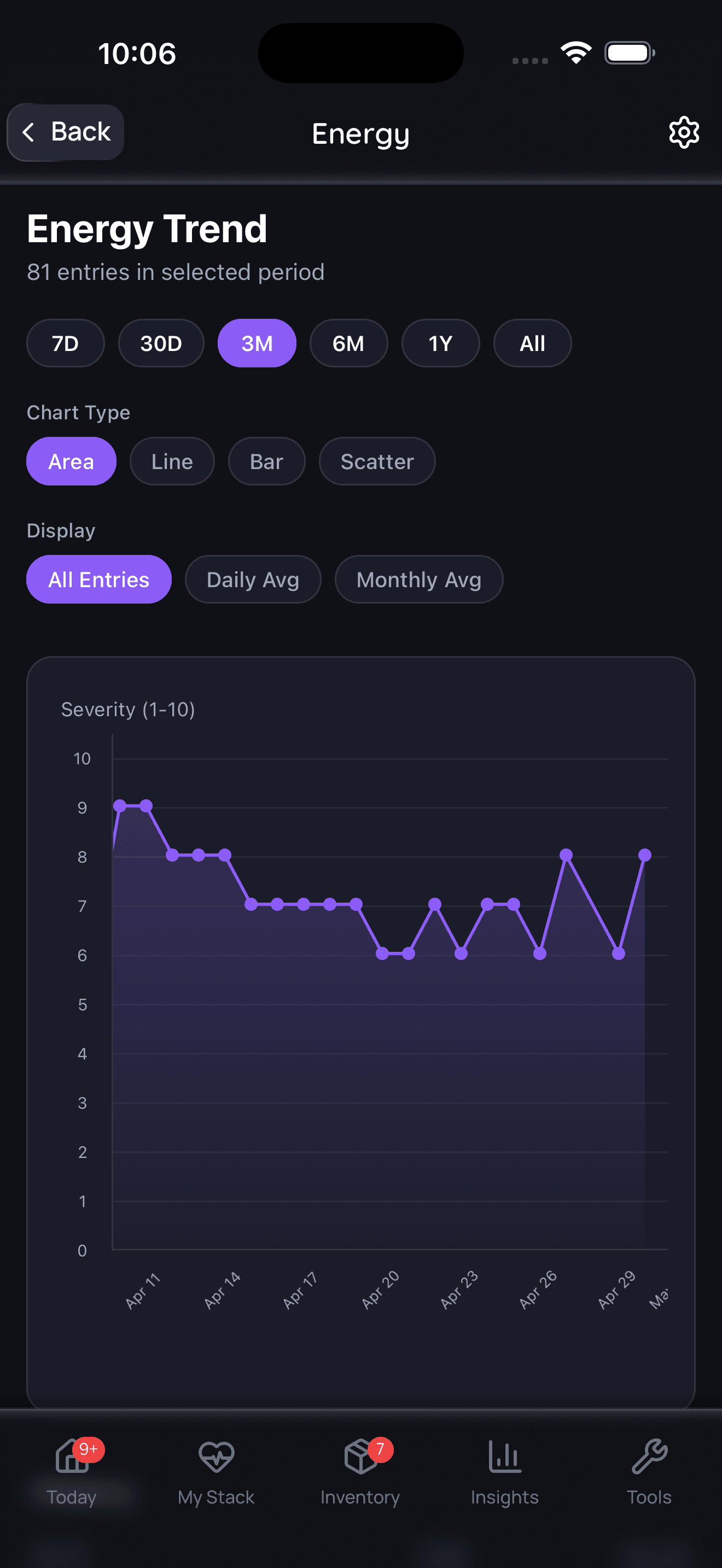
Symptom tracking is informational and should be interpreted with a qualified clinician.
Interactions & Compatibility
Synergistic
- Choline sources (Alpha-GPC, CDP-Choline): Widely recommended to prevent headaches associated with racetam-induced acetylcholine depletion. Alpha-GPC at 300mg or CDP-Choline at 250mg are commonly paired doses.
- Caffeine + L-Theanine: A popular combination. L-theanine may smooth out any stimulant-related anxiety while caffeine complements the alertness effects.
- Piracetam: Some users combine phenylpiracetam with its parent compound for a broader nootropic profile.
- Fasoracetam: Reported by community members to counteract phenylpiracetam-induced anxiety through GABA-B upregulation.
- ALCAR (Acetyl-L-Carnitine): Reported to help maintain the stimulant effects over longer use periods.
Caution / Avoid
- Other stimulants (Adderall, Modafinil, high-dose caffeine): Additive stimulant effects may increase risk of anxiety, insomnia, and cardiovascular strain.
- MAO inhibitors: As a compound with dopaminergic activity, caution is warranted with MAO inhibitors due to potential for excessive dopaminergic tone.
- Other racetams: Combining multiple racetams may increase choline demand beyond what supplementation can easily cover.
- Sleep aids/sedatives: Phenylpiracetam's stimulant effects may counteract sedative medications if taken in temporal proximity.
Contraindications:
- Hypersensitivity to phenylpiracetam or other racetams
- Pregnancy and breastfeeding (safety data not available)
- Competitive athletes subject to WADA testing (prohibited in-competition)
Cross-links will be expanded as more supplement guides are published.
How to Take / Administration Guide
Oral administration (most common): Swallow capsules or measured powder with water. Can be taken with or without food, though some users report better absorption on an empty stomach.
Sublingual administration: Some users dissolve powder under the tongue for faster onset (effects may begin in 15-30 minutes vs. 30-60 minutes oral). The taste is bitter and unpleasant but tolerable.
Timing: Take your dose in the morning or early afternoon. Avoid dosing after 2:00 PM to prevent sleep disruption. If splitting into two doses (e.g., 100mg BID), take the second dose no later than early afternoon.
With choline: Take your choline source (Alpha-GPC or CDP-Choline) at the same time as phenylpiracetam. Some users find that eating eggs (a natural choline source) on dosing days is sufficient.
Cycling protocols:
- Intermittent use: 2-3 times per week for sustained stimulant benefits
- Course protocol: 100mg daily for 14-30 days, then 2-4 weeks off
- Performance use: As-needed, limiting to occasions when peak cognitive or physical performance is required
Do not combine with: Alcohol (may alter pharmacokinetics and increase side effects), or evening administration (insomnia risk).
Choosing a Quality Product
Phenylpiracetam occupies an unusual position in the supplement market. It is a synthetic pharmaceutical compound, not a natural supplement, and its regulatory status varies dramatically by country. Here is what to consider when sourcing it:
Third-party testing: Because phenylpiracetam is not regulated as a dietary supplement in most Western countries, the standard certifications (USP Verified, NSF International, ConsumerLab) do not apply. Instead, look for vendors who provide Certificates of Analysis (COA) with HPLC purity testing. A purity of 99%+ is standard for pharmaceutical-grade phenylpiracetam.
Form guidance: Phenylpiracetam is available as powder or capsules. Powder allows more precise dosing and is typically more cost-effective. Capsules offer convenience and avoid the bitter taste. The racemic mixture is the standard commercially available form. (R)-phenylpiracetam is available from some specialty vendors but is less common and typically more expensive.
Red flags:
- Vendors who do not provide a COA or provide only generic certifications
- Products marketed as dietary supplements (phenylpiracetam is not a legal dietary supplement ingredient in the US)
- Extremely low prices that may indicate lower purity or counterfeit product
- Proprietary blends that obscure the actual phenylpiracetam dose
Storage: Store in an airtight container in a cool, dry location away from direct light. Phenylpiracetam powder can be hygroscopic; dessicant packets help maintain quality.
Important: In the United States, the FDA considers phenylpiracetam an unapproved drug substance. Products containing it may be subject to FDA enforcement action. This is a legal gray area that users should understand before purchasing.
Storage & Handling
- Temperature: Store at room temperature (15-25 degrees C / 59-77 degrees F)
- Light: Keep away from direct sunlight; store in opaque containers when possible
- Moisture: Protect from humidity; use desiccant packets in powder containers
- Container: Airtight glass or HDPE containers preferred
- Shelf life: Generally stable for 2+ years when stored properly
- Travel: Powder form travels well in sealed containers; note that carrying an unapproved drug substance may raise questions at customs in some countries
- Signs of degradation: Clumping, discoloration, or significant change in taste may indicate degradation
Lifestyle & Supporting Factors
Diet and choline: Adequate choline intake is particularly important when using racetams. Dietary sources include eggs (147mg per large egg), liver, fish, and soybeans. If your diet is low in choline, supplementation with Alpha-GPC or CDP-Choline is strongly recommended during phenylpiracetam use.
Sleep: Given phenylpiracetam's stimulant properties, maintaining good sleep hygiene is essential. Take it early in the day, and ensure you are getting adequate sleep on rest days. Sleep deprivation can mask or distort the cognitive benefits.
Exercise: Phenylpiracetam can enhance physical performance, making it a useful pre-workout compound for non-competitive athletes. Timing it 1-2 hours before exercise may maximize this benefit.
Hydration: Stay well-hydrated, as stimulants can increase water turnover. This is especially relevant if combining with caffeine.
Stress management: While phenylpiracetam may support stress tolerance, it works best as part of a broader stress management approach that includes adequate sleep, physical activity, and mindfulness practices.
Monitoring: There are no standard biomarker tests to track phenylpiracetam's effects. Users typically monitor subjective outcomes: focus, energy, mood, sleep quality, and cognitive performance. Keeping a journal or using a tracking app can help identify whether the compound is delivering meaningful benefits for you.
Regulatory Status & Standards
United States: Phenylpiracetam is not FDA-approved for any indication. The FDA classifies racetams as outside the dietary supplement framework under the Dietary Supplement Health and Education Act (DSHEA) of 1994. Per FDA: piracetam is "not a vitamin, mineral, amino acid, herb or other botanical ingredient," and this classification extends to phenylpiracetam as a structural analog. Products marketed as dietary supplements containing phenylpiracetam may be subject to enforcement action. The compound is registered in the FDA's Global Substance Registration System (GSRS) under UNII 99QW5JU66Y [15].
Russia: Approved prescription drug since 2003. Marketed as Phenotropil, Actitropil, and Nanotropil. Used clinically for cerebrovascular disorders, cognitive decline, depression, and asthenia.
European Union: Not authorized as a food supplement ingredient. Piracetam itself is a prescription drug in the EU, and phenylpiracetam would fall under pharmaceutical regulations.
Australia: Schedule 4 (Prescription only).
Athlete-specific considerations:
- WADA: Phenylpiracetam (listed as fonturacetam/4-phenylpiracetam/carphedon) has been classified as a non-specified stimulant under Section S6.a of the WADA Prohibited List since 1998. It is prohibited in-competition only. As a non-specified stimulant, violations carry a standard 4-year ban for first offenses [16].
- Notable doping cases: Olympic biathlete Olga Pyleva was stripped of a silver medal at the 2006 Turin Winter Olympics. Russian cyclist Anton Reshetnikov received a 2-year suspension in 2007 from the International Cycling Union.
- Certified-for-sport programs: Phenylpiracetam is not cleared by any major athlete supplement certification program (NSF Certified for Sport, Informed Sport, Cologne List, BSCG). Athletes subject to anti-doping testing should not use this compound.
- Drug testing review: Jedrejko et al. (2023) conducted a comprehensive review of unauthorized nootropic ingredients in dietary supplements, noting that phenylpiracetam was "the first nootropic prohibited in sport" and highlighting the significant regulatory variability across jurisdictions regarding what qualifies as a legal nootropic [17].
Frequently Asked Questions
Is phenylpiracetam legal in the United States?
Phenylpiracetam occupies a legal gray area. It is not a controlled substance, but the FDA considers it an unapproved drug that cannot be legally marketed as a dietary supplement. It can be purchased online from research chemical vendors, but it is not legal to sell as a food, drug, or supplement.
Will phenylpiracetam show up on a drug test?
Standard workplace drug tests (5-panel, 10-panel) do not screen for phenylpiracetam. However, WADA-accredited laboratory tests specifically screen for it. Athletes subject to anti-doping testing will test positive if phenylpiracetam is present in their system during competition.
How quickly does tolerance develop?
Most users report that the stimulant effects diminish noticeably within 3-7 days of consecutive use. However, according to the Russian literature and experienced users, the cognitive benefits (focus, memory, processing speed) may continue even after the stimulant effect fades. Cycling is the standard approach to managing tolerance.
Do I need to take choline with phenylpiracetam?
It is widely recommended. Racetams increase acetylcholine turnover in the brain, and insufficient choline can lead to headaches and brain fog. Alpha-GPC (300mg) or CDP-Choline (250mg) are the most commonly paired choline sources. Some users find that eating 2-3 eggs on dosing days provides sufficient choline.
How does phenylpiracetam compare to Modafinil?
Both are used for wakefulness and cognitive enhancement, but they work through different mechanisms. Modafinil has a longer duration (12+ hours vs. 3-5 hours for phenylpiracetam), is FDA-approved for specific sleep disorders, and has a much larger evidence base. Phenylpiracetam is typically described as having a "cleaner" feel with more cognitive enhancement but shorter duration.
Can I take phenylpiracetam every day?
While Russian clinical protocols use daily dosing for up to 12 months, most Western nootropic users find that daily use leads to rapid tolerance of the stimulant effects. The cognitive benefits may persist with daily use at 100mg, but many users prefer intermittent dosing (2-3 times per week) to maintain the full spectrum of effects.
Myth vs. Fact
Myth: "Phenylpiracetam is just a stronger version of piracetam with the same effects."
Fact: While structurally derived from piracetam, phenylpiracetam has a significantly different pharmacological profile. The addition of the phenyl group creates dopaminergic activity (DAT inhibition) that piracetam does not possess, giving it stimulant and performance-enhancing properties that piracetam lacks. It is classified as a stimulant by WADA, while piracetam is not prohibited in sports [5].
Myth: "Phenylpiracetam tolerance means it stops working completely."
Fact: Tolerance primarily affects the acute stimulant/euphoric effects. The Russian clinical literature and some experienced users report that the cognitive and neuroprotective benefits continue with sustained use even after the stimulant "kick" fades. The stimulation is actually classified as a side effect in the Russian pharmaceutical literature, not the primary therapeutic effect.
Myth: "Phenylpiracetam is a safe, natural brain supplement."
Fact: Phenylpiracetam is neither natural nor classified as a supplement. It is a synthetic pharmaceutical compound, developed in a laboratory, that is a prescription drug in Russia and an unapproved drug in the United States. While generally well-tolerated, it has documented side effects, is banned in competitive sports, and lacks long-term safety data from Western clinical trials [15].
Myth: "The racemic mixture and the R-isomer of phenylpiracetam are interchangeable."
Fact: Research demonstrates significant differences between the enantiomers. The R-isomer is more potent for cognitive enhancement and psychostimulation, while the S-isomer shows selective effects on metabolism (body weight, glucose tolerance) without locomotor stimulation. The racemic mixture (commonly sold) contains both, but the R-isomer drives most of the cognitive and stimulant effects. In healthy rat cognition tests, only the R-isomer improved performance while the racemic mixture failed to outperform control [5][6].
Sources & References
Clinical Trials & RCTs
[9] Koval'chuk VV, Skoromets AA, et al. "Efficacy of phenotropil in the rehabilitation of stroke patients." Zh Nevrol Psikhiatr Im S S Korsakova. 2010.
[10] Gustov AA, Smirnov AA, Korshunova IuA, Andrianova EV. "Phenotropil in the treatment of vascular encephalopathy." Zh Nevrol Psikhiatr Im S S Korsakova. 2006.
[11] Savchenko AIu, Zakharova NS, Stepanov IN. "The phenotropil treatment of the consequences of brain organic lesions." Zh Nevrol Psikhiatr Im S S Korsakova. 2005.
[13] Lybzikova GN, Iaglova ZhS, Kharlamova IuS. "The efficacy of phenotropil in the complex treatment of epilepsy." Zh Nevrol Psikhiatr Im S S Korsakova. 2008.
[14] Kalinskii PP, Nazarov VV. "Use of phenotropil in the treatment of asthenic syndrome and autonomic disturbances in the acute period of mild cranial brain trauma." Zh Nevrol Psikhiatr Im S S Korsakova. 2007.
Systematic Reviews & Meta-Analyses
[3] Malykh AG, Sadaie MR. "Piracetam and piracetam-like drugs: from basic science to novel clinical applications to CNS disorders." Drugs. 2010;70(3):287-312. PMID: 20166767. https://pubmed.ncbi.nlm.nih.gov/20166767/
[17] Jedrejko K, Catlin O, Stewart T, et al. "Unauthorized ingredients in 'nootropic' dietary supplements." Drug Test Anal. 2023;15(8):803-839. PMID: 37357012. https://pubmed.ncbi.nlm.nih.gov/37357012/
Reviews & Pharmacology
[1] Bobkov IuG, Morozov IS, Glozman OM, et al. "Pharmacological characteristics of a new phenyl analog of piracetam--4-phenylpiracetam." Biull Eksp Biol Med. 1983 Apr.
[2] Gromova OA, Torshin IY. "Pharmacological effects of fonturacetam (Actitropil) and prospects for its clinical use." Zh Nevrol Psikhiatr Im S S Korsakova. 2024;124(8):21-31. PMID: 39269293. https://pubmed.ncbi.nlm.nih.gov/39269293/
[4] "Carphedon at the Crossroads: A Dangerous Drug or a Promising Psychopharmaceutical?" Glob J Pharmaceu Sci. 2019;7(3):555713. https://juniperpublishers.com/gjpps/GJPPS.MS.ID.555713.php
[5] Zvejniece L, Svalbe B, Veinberg G, et al. "Investigation into stereoselective pharmacological activity of phenotropil." Basic Clin Pharmacol Toxicol. 2011 Nov.
[6] Zvejniece L, Svalbe B, Vavers E, et al. "S-phenylpiracetam, a selective DAT inhibitor, reduces body weight gain without influencing locomotor activity." Pharmacol Biochem Behav. 2017;160:21-29. PMID: 28743458. https://pubmed.ncbi.nlm.nih.gov/28743458/
Safety & Adverse Events
[7] "Neuroprotective and anti-inflammatory activity of DAT inhibitor R-phenylpiracetam." (2020). PMID: 32279140. https://pubmed.ncbi.nlm.nih.gov/32279140/
[8] Samotrueva MA, Tyurenkov IN, Teplyi DL, et al. "Psychoimmunomodulatory effect of phenotropil in animals with immune stress." Bull Exp Biol Med. 2011 May.
Government/Institutional Sources
[12] PubChem. "Fonturacetam." CID 132441. https://pubchem.ncbi.nlm.nih.gov/compound/Fonturacetam
[15] FDA Global Substance Registration System (GSRS). "Fonturacetam." UNII: 99QW5JU66Y. https://precision.fda.gov/ginas/app/ui/substances/99QW5JU66Y
[16] WADA. The Prohibited List (2025). https://www.wada-ama.org/en/prohibited-list
Related Supplement Guides
Same Category
- Piracetam — Parent compound with broader evidence base but less potency
- Noopept — Related Russian-developed nootropic with dipeptide structure
- Aniracetam — Fat-soluble racetam with anxiolytic properties
- Fasoracetam — GABA-B modulating racetam used in combination
Common Stacks / Pairings
- Alpha-GPC — Commonly paired choline source
- CDP-Choline (Citicoline) — Alternative choline source
Related Health Goal
- L-Theanine — Often combined for balanced focus and calm
- Caffeine — Complementary alertness support