
Valerian Root: The Complete Supplement Guide
On this page
Quick Reference Card
Attribute
Common Name
- Detail
- Valerian Root
Attribute
Other Names / Aliases
- Detail
- Valeriana officinalis, Garden Valerian, All-Heal, Setwall, Valerianae radix (Latin), Baldrianwurzel (German), Phu (Greek)
Attribute
Category
- Detail
- Herbal Extract (Valerianaceae family)
Attribute
Primary Forms & Variants
- Detail
- Standardized root extract (most common supplement form, standardized to 0.8% valerenic acid), dried root powder (for capsules and teas), aqueous extract (water-based), ethanolic tincture (alcohol-based), whole root (for tea preparation)
Attribute
Typical Dose Range
- Detail
- 300-600 mg standardized extract daily; 2-3 g dried root as tea; up to 900 mg extract studied
Attribute
RDA / AI / UL
- Detail
- No established RDA, AI, or UL (herbal supplement, not an essential nutrient)
Attribute
Common Delivery Forms
- Detail
- Capsule, tablet, tea, tincture, liquid extract
Attribute
Best Taken With / Without Food
- Detail
- Can be taken with or without food. Best taken 30 minutes to 2 hours before bedtime for sleep applications.
Attribute
Key Cofactors
- Detail
- Often combined with hops, passionflower, lemon balm, or chamomile for enhanced calming effects
Attribute
Storage Notes
- Detail
- Store in a cool, dry place away from direct sunlight. Valepotriates degrade during storage. Dried root has a strong, distinctive odor. Tinctures should be kept tightly sealed.
Overview
The Basics
Valerian root is one of the oldest herbal remedies in the Western tradition. Derived from the root of the perennial plant Valeriana officinalis, it has been used for sleep and nervous tension since at least the time of ancient Greece, where Hippocrates described its properties. In the second century, the physician Galen prescribed it specifically for insomnia [1][2].
The plant is native to Europe and Asia and has been naturalized across North America. It is easily identified by its clusters of small white or pink flowers, though the part used medicinally is the root, which has a notably strong and distinctive smell that most people find unpleasant [1][3]. The genus Valeriana includes over 250 species, but V. officinalis is the species most commonly used in supplements sold in the United States and Europe [1][4].
Today, valerian root is one of the most popular herbal sleep aids worldwide. It is widely available as capsules, tablets, teas, and tinctures. During World War II, it was used in England to relieve the stress of air raids [5]. The interest in valerian persists because it offers a gentler alternative to prescription sleep medications, though the scientific evidence for its effectiveness remains a subject of genuine debate [6][7].
What makes valerian interesting from a scientific perspective is that researchers still do not fully agree on its active constituents. Unlike many supplements where a single compound drives the effect, valerian's activity likely comes from the interaction of multiple chemical components working together [8]. This complexity has made it difficult to study and has contributed to inconsistent results across clinical trials.
The Science
Valeriana officinalis is a member of the Valerianaceae family, a perennial herbaceous plant that reaches heights of 1-1.5 meters. The medicinally relevant portion is the rhizome, roots, and stolons, which contain the highest concentration of bioactive compounds [1][4].
The phytochemical profile of valerian root includes several classes of compounds with potential pharmacological activity:
Volatile oils (0.3-0.7% of dried root): These include valerenic acid and its derivatives (acetoxyvalerenic acid, hydroxyvalerenic acid), isovaleric acid, bornyl acetate, and various monoterpenes and sesquiterpenes. Valerenic acid has demonstrated sedative and anxiolytic properties in animal models and is often used as a standardization marker for extracts [9][10].
Iridoids (valepotriates): These include valtrate, isovaltrate, and didrovaltrate. Valepotriates show sedative activity in vivo but are chemically unstable, breaking down during storage and in aqueous environments. Their contribution to the activity of commercial preparations is therefore uncertain [8][10].
Amino acids: Valerian contains GABA (gamma-aminobutyric acid) in concentrations potentially sufficient to contribute to sedative effects, as well as glutamine, which may cross the blood-brain barrier and serve as a GABA precursor [11].
Lignans: Including hydroxypinoresinol and other compounds with potential receptor-binding activity [12].
The European Scientific Cooperative on Phytotherapy (ESCOP) and the German Commission E have both recognized valerian root for the treatment of restlessness and sleeping disorders caused by nervous conditions [4][13].
Chemical & Nutritional Identity
Property
Scientific Name
- Value
- Valeriana officinalis L.
Property
Family
- Value
- Valerianaceae (sometimes classified under Caprifoliaceae)
Property
Common Names
- Value
- Valerian, Garden Valerian, All-Heal, Setwall
Property
Plant Part Used
- Value
- Root, rhizome, stolons
Property
Active Compound Classes
- Value
- Sesquiterpenes (valerenic acid derivatives), iridoids (valepotriates), volatile oils, amino acids (GABA, glutamine), lignans
Property
Key Bioactive
- Value
- Valerenic acid
Property
CAS Number
- Value
- 8057-49-6 (valerian root essential oil)
Property
Valerenic Acid CAS
- Value
- 3569-10-6
Property
Category
- Value
- Herbal sedative/anxiolytic
Property
Standardization Marker
- Value
- Valerenic acid content (typically 0.8% for standardized extracts)
Common Supplement Forms
Form
Standardized extract
- Preparation
- Ethanol or aqueous extraction from dried root
- Standardization
- 0.8% valerenic acid (typical)
- Notes
- Most studied form in clinical trials; most consistent potency
Form
Dried root powder
- Preparation
- Ground dried root in capsules
- Standardization
- Unstandardized
- Notes
- Requires higher doses (2-3 g); preserves full spectrum of compounds
Form
Aqueous extract
- Preparation
- Hot-water extraction
- Standardization
- Variable
- Notes
- Used in clinical studies; removes alcohol-soluble compounds
Form
Tincture
- Preparation
- Alcohol-based extraction
- Standardization
- Variable (typically 1:5 ratio)
- Notes
- Captures both water and alcohol-soluble compounds
Form
Tea
- Preparation
- Dried root steeped in hot water
- Standardization
- Unstandardized
- Notes
- Traditional preparation; 2-3 g root per cup, steeped 10-15 minutes
Form
Combination products
- Preparation
- Valerian + hops, passionflower, lemon balm
- Standardization
- Variable
- Notes
- Many commercial sleep aids use valerian in multi-herb formulas
Mechanism of Action
The Basics
Valerian root works primarily by interacting with your brain's calming system. Think of your nervous system as having two competing signals: one that promotes alertness and activity, and another that promotes relaxation and sleep. Valerian appears to amplify the relaxation signal.
The main way it does this involves a chemical messenger called GABA (gamma-aminobutyric acid). GABA is your brain's primary "off switch," the neurotransmitter responsible for calming neural activity, reducing anxiety, and preparing your body for sleep. Valerian root contains compounds that increase the amount of GABA available in the brain, essentially turning up the volume on your relaxation signal [11][14].
What makes valerian unique among herbal sedatives is that no single compound appears to be responsible for its effects. Instead, it seems to work through the combined action of multiple ingredients, including valerenic acid, valepotriates, and even GABA itself, which is present in the root. This is part of why researchers have had difficulty pinpointing exactly how it works, and why different preparations of valerian can produce different results [8][10].
Beyond sleep, valerian also shows antispasmodic properties, which may explain its traditional use for menstrual cramps and gastrointestinal discomfort. It also shows mild blood pressure-lowering effects through potassium channel activation [15].
The Science
The pharmacological activity of Valeriana officinalis is attributed to multiple interacting constituents rather than a single active compound [8]:
GABAergic mechanisms: Valerenic acid (VA) inhibits the enzyme responsible for central catabolism of GABA (GABA transaminase), increasing synaptic GABA concentrations and decreasing CNS activity. Direct binding of VA to GABAA receptors has been demonstrated, and its interaction with the GABAergic system is pharmacologically similar to that of benzodiazepines [14][16]. In vitro studies using synaptosomes demonstrate that valerian extracts promote GABA release from brain nerve endings and inhibit GABA reuptake [11]. Valerian root also contains exogenous GABA, though whether dietary GABA crosses the blood-brain barrier in pharmacologically relevant quantities remains uncertain [11].
Serotonergic activity: Valerian constituents bind to serotonin receptors (5-HT) implicated in circadian rhythm regulation and anxiety modulation [12][17].
Adenosine receptor modulation: Some evidence suggests partial agonism at adenosine A1 receptors, which could contribute to sedative effects through a mechanism distinct from GABAergic pathways [18].
Antidepressant pathways: Sesquiterpenes and valepotriates demonstrate antidepressant activity in animal models. Chronic administration of valepotriate-rich extracts increases norepinephrine and dopamine levels in rodent brains [19].
Antispasmodic and hypotensive effects: Valerian acts through potassium channel activation, producing smooth muscle relaxation relevant to both gastrointestinal and cardiovascular applications [15].
Cortical modulation: In healthy human volunteers, valerian extract modulated intracortical facilitatory circuits, providing objective evidence of CNS activity [20].
Absorption & Bioavailability
The Basics
How well your body absorbs valerian depends significantly on the form you take. Standardized extracts, which concentrate the active compounds through a controlled extraction process, generally deliver a more consistent and potent dose than raw dried root powder.
The key challenge with valerian is that several of its potentially active compounds are chemically unstable. Valepotriates, one class of compounds thought to contribute to sedative effects, break down during storage and when exposed to water or heat. This means that older products, improperly stored products, or preparations made with boiling water may have lower levels of these specific compounds [8][10].
The form of extraction also matters. Aqueous (water-based) extracts and ethanol (alcohol-based) extracts capture different sets of compounds. Water extracts contain glutamine, which can cross into the brain and be converted to GABA. Alcohol extracts capture valerenic acid more effectively but miss the glutamine. This is one reason why different valerian products can produce different experiences [11].
Peak effects from valerian are generally reported 1-2 hours after ingestion, which is why most guidance suggests taking it 30 minutes to 2 hours before bed [3][7].
The Science
Pharmacokinetic data for valerian root components remain limited compared to pharmaceutical compounds. The available data indicate:
Valerenic acid pharmacokinetics: In rat models, valerenic acid administered intravenously showed rapid distribution (t1/2alpha = 7.3 min) and elimination (t1/2beta = 94.2 min). Oral bioavailability was moderate. The compound undergoes hepatic metabolism, primarily through phase I oxidation reactions [21].
Valepotriate instability: Valepotriates decompose in acidic gastric conditions and during aqueous preparation, producing baldrinals as degradation products. The in vivo relevance of valepotriates in oral preparations is therefore questioned, and their contribution to the activity of aged or water-extracted products is likely minimal [8][10].
GABA absorption: Valerian extracts contain GABA at concentrations of 0.5-10 mM depending on the preparation. Whether exogenous GABA from oral supplements crosses the blood-brain barrier in sufficient quantities to produce central effects remains contested in the literature [11].
Glutamine pathway: Glutamine, present in aqueous but not ethanol extracts, crosses the blood-brain barrier and may serve as a precursor for central GABA synthesis, providing an indirect GABAergic mechanism independent of direct GABA absorption [11].
Extract standardization variability: The content of volatile oils, valerenic acids, and valepotriates varies significantly among plants depending on harvesting time, growing conditions, and extraction methods. This variability in raw material composition is a recognized contributor to inconsistent clinical trial outcomes [22].
Research & Clinical Evidence
The Basics
Valerian root has been studied more extensively than most herbal sleep aids, but the overall picture remains frustratingly unclear. Some studies show modest benefits for sleep quality, while others show no difference from placebo. The most honest summary is that valerian may provide mild improvements in subjective sleep quality for some people, but it is not a reliably effective treatment for clinical insomnia [6][7][23].
A large systematic review published in 2020, encompassing 60 studies and nearly 7,000 participants, performed meta-analyses on both sleep quality (10 studies, n=1,065) and anxiety (8 studies, n=535). The results suggested that whole root/rhizome preparations may produce more reliable effects than isolated extracts, and that combination products (valerian plus hops or other herbs) sometimes outperformed valerian alone [24].
However, a 2024 umbrella review of systematic reviews concluded that while valerian has a good safety profile, there is "no evidence of efficacy for the treatment of insomnia" based on objective measurements. The same review noted that valerian does appear to improve subjective sleep quality, meaning people feel like they sleep better even when objective measurements do not confirm it [23].
When valerian was compared head-to-head with oxazepam (a prescription benzodiazepine), both produced similar improvements in sleep quality, but valerian had fewer side effects [25]. This suggests that for mild sleep difficulties, valerian may offer a gentler alternative with comparable results.
Safety is valerian's strongest suit in the research. Across decades of clinical trials, serious adverse events have been rare. Headaches, dizziness, and gastrointestinal symptoms occur at rates similar to placebo [6][7].
The Science
Sleep Quality (Mixed Evidence):
A meta-analysis by Fernandez-San-Martin et al. (2010) of randomized placebo-controlled trials found a statistically significant improvement in subjective sleep quality with valerian supplementation [26]. The 2020 comprehensive review by Shinjyo et al. (60 studies, n=6,894) confirmed this finding for subjective measures but noted that "inconsistent outcomes were possibly due to the variable quality of herbal extracts" [24].
Conversely, Taibi et al. (2007) conducted a rigorous systematic review of 37 studies and concluded: "None of the most recent studies, which were also the most methodologically rigorous, found significant effects of valerian on sleep" [7]. The 2024 umbrella review by Barata et al. reinforced this conclusion, finding "no evidence of efficacy for the treatment of insomnia" based on objective measurement tools, despite noting improvements in subjective reports [23].
Individual trial highlights:
- Leathwood et al. (1982): Aqueous extract (400 mg, n=128) showed significant subjective improvement in sleep latency, quality, and nighttime awakenings versus placebo [27].
- Leathwood & Chauffard (1985): 450 mg extract reduced average sleep latency from 16 to 9 minutes (n=8), similar to benzodiazepine activity [28].
- Vorbach et al. (1996): 600 mg standardized extract (LI 156) for 28 days (n=121) showed progressive improvement in insomnia symptoms, with differences between valerian and placebo increasing from day 14 to day 28 [29].
- Dorn (2000): 600 mg valerian extract versus 10 mg oxazepam for 28 days (n=75). Both groups had equivalent sleep quality improvement; valerian group reported fewer side effects [25].
- Donath et al. (2000): 600 mg (LI 156) in a crossover study (n=16) showed decreased slow-wave sleep onset latency (13.5 vs. 21.3 minutes) but no other significant effects [30].
- Barton et al. (2011): Valerian failed to improve sleep quality in cancer patients undergoing treatment (NCCTG Phase III trial) [31].
Anxiety (Limited Evidence):
The 2020 meta-analysis included 8 anxiety studies (n=535) and found some evidence of anxiolytic effect [24]. A Cochrane review by Miyasaka et al. (2006) concluded that evidence for valerian as an anxiolytic was insufficient [32]. Benke et al. (2009) demonstrated that valerenic acid acts as an anxiolytic through GABAA receptor modulation in animal models [16].
Other Applications (Preliminary Evidence):
- Hot flashes in postmenopausal women: Small studies suggest modest improvement [33][34].
- Dysmenorrhea: One study found reduced severity and systemic manifestations [35].
- OCD: A small randomized study found improvement versus placebo [36].
- Benzodiazepine withdrawal: Valerian may facilitate supervised tapering [37].
- Restless leg syndrome: Anecdotal community reports suggest benefit, though clinical data is limited.
Evidence & Effectiveness Matrix
The matrix below combines clinical evidence strength with community-reported effectiveness to provide a balanced view of valerian root's profile across health domains.
Category
Sleep Quality
- Evidence Strength
- 5/10
- Community-Reported Effectiveness
- 6/10
- Confidence
- Medium
Category
Anxiety
- Evidence Strength
- 4/10
- Community-Reported Effectiveness
- 6/10
- Confidence
- Low
Category
Stress Tolerance
- Evidence Strength
- 3/10
- Community-Reported Effectiveness
- 5/10
- Confidence
- Low
Category
Mood & Wellbeing
- Evidence Strength
- 3/10
- Community-Reported Effectiveness
- 5/10
- Confidence
- Low
Category
Pain Management
- Evidence Strength
- 2/10
- Community-Reported Effectiveness
- 5/10
- Confidence
- Low
Category
Focus & Mental Clarity
- Evidence Strength
- 2/10
- Community-Reported Effectiveness
- 4/10
- Confidence
- Low
Category
Side Effect Burden
- Evidence Strength
- 7/10 (low burden)
- Community-Reported Effectiveness
- 5/10
- Confidence
- Medium
Category
Treatment Adherence
- Evidence Strength
- N/A
- Community-Reported Effectiveness
- 5/10
- Confidence
- Medium
Category
Nausea & GI Tolerance
- Evidence Strength
- 6/10 (mostly tolerable)
- Community-Reported Effectiveness
- 4/10
- Confidence
- Medium
Category
Withdrawal Symptoms
- Evidence Strength
- 3/10
- Community-Reported Effectiveness
- 4/10
- Confidence
- Low
Evidence Strength reflects the quality and volume of clinical trial data. Community-Reported Effectiveness reflects scored sentiment from community discussions. Confidence reflects the reliability of the combined assessment.
Key Observations:
- Sleep quality scores reflect the genuine inconsistency in the evidence base. Clinical evidence is mixed (some positive, some null), while community reports are polarized (strongly positive for some users, completely ineffective for others).
- The safety profile is valerian's strongest attribute across both clinical evidence and community data. Adverse events in clinical trials were generally comparable to placebo.
- Anxiety and stress tolerance score higher in community reports than in clinical evidence, suggesting either genuine anxiolytic effects that are not well-captured by clinical study designs, or placebo/expectancy effects.
- Community data not yet collected for: Fat Loss, Muscle Growth, Weight Management, Appetite & Satiety, Energy Levels, Memory & Cognition, Libido, Sexual Function, Joint Health, Inflammation, Recovery & Healing, Physical Performance, Gut Health, Digestive Comfort, Skin Health, Hair Health, Heart Health, Blood Pressure, Heart Rate & Palpitations, Hormonal Symptoms, Bone Health, Immune Function, Longevity & Neuroprotection
Benefits
The Basics
Valerian root is primarily used for one purpose: sleep support. While some people also take it for anxiety, relaxation, and stress management, the sleep application drives most of the interest and research.
The most consistently reported benefit is a subjective improvement in sleep quality. People who take valerian often feel that they sleep better, fall asleep somewhat faster, and wake up less during the night. Whether this reflects a genuine pharmacological effect or a placebo response is the central question the research has not definitively answered [6][23][24].
Beyond sleep, valerian has traditional use as a calming agent. Some community members report that it helps with nighttime anxiety and racing thoughts, making it easier to "turn off" mentally at bedtime. This anxiolytic effect has some support from animal studies showing that valerenic acid interacts with the same brain receptors targeted by anti-anxiety medications [16].
Other potential benefits, supported by small or preliminary studies, include relief from menstrual cramps, reduction of hot flashes during menopause, and possible support during supervised benzodiazepine withdrawal [33][35][37]. These applications are far less studied than the sleep indication.
An important practical benefit: valerian is widely regarded as safer than prescription sleep medications, with fewer side effects and minimal risk of dependence when used at standard doses [6][7].
The Science
Sleep Quality Enhancement (Primary Application): Multiple clinical trials demonstrate improvement in subjective sleep parameters including Pittsburgh Sleep Quality Index (PSQI) scores, sleep onset latency, and self-reported number of nighttime awakenings [24][26][27]. The 2010 meta-analysis found a pooled effect favoring valerian over placebo for subjective sleep quality [26]. However, objective polysomnographic measures have not consistently confirmed these subjective improvements [7][23][30].
Anxiolytic Effects (Secondary Application): Valerenic acid demonstrates anxiolytic activity through GABAA receptor modulation in preclinical models, with a mechanism similar to benzodiazepines [16]. A randomized study in healthy volunteers demonstrated modulation of intracortical facilitatory circuits, providing objective evidence of CNS effects [20]. Clinical evidence for anxiety reduction remains insufficient per systematic reviews [32].
Menopausal Symptom Relief (Preliminary): Small randomized trials suggest modest improvement in hot flash frequency and severity in postmenopausal women [33][34].
Dysmenorrhea Relief (Preliminary): Mirabi et al. (2011) reported that valerian reduced the severity and systemic manifestations of menstrual pain in a controlled study [35].
Neuroprotective Properties (Preclinical): In vitro studies demonstrate antioxidant activity against multiple neurotoxic agents, and iridoid compounds show neuroprotective effects [12][38]. Cytoprotective effects were observed in a Parkinson's disease cell model [39].
Side Effects & Safety
The Basics
Valerian root has a remarkably clean safety record across clinical trials. The most commonly reported side effects, including headache, dizziness, and gastrointestinal discomfort, occurred at rates similar to placebo in most studies [6][7]. This means researchers could not reliably distinguish the side effects of valerian from the side effects of taking a sugar pill.
That said, there are a few side effects worth being aware of:
Vivid dreams: This is the most distinctive and frequently reported side effect in community discussions, though it is less prominently featured in clinical literature. In one study, vivid dreams affected 16% of participants taking 600 mg daily for 6 weeks [40]. Some users find these dreams interesting, while others find them disturbing enough to stop taking valerian.
Morning grogginess: At higher doses (above 600 mg), some users report feeling drowsy or less alert the next morning. One study found that 900 mg produced a measurable "hangover" effect, while 600 mg did not significantly impair next-morning reaction time, alertness, or concentration [28][41].
GI effects: Diarrhea is the most consistently documented side effect across meta-analyses. Some users also report stomach upset or nausea [7].
Smell and taste: Valerian root has a strong, distinctive odor that most people find unpleasant. This is not a health concern but affects adherence, particularly for tea preparations.
Rare but serious concerns: Case reports, though uncommon, have documented liver toxicity (hepatotoxicity) in two women using valerian products, as well as a possible association with acute pancreatitis [42][43][44]. These are isolated case reports, and a causal link has not been established. Individuals with existing liver or pancreatic conditions should exercise caution.
Withdrawal effects: Benzodiazepine-like withdrawal symptoms, including cardiac complications and delirium, have been reported in isolated cases of abrupt discontinuation after prolonged, high-dose use [45]. While this is rare, it suggests that gradual tapering is advisable for long-term users.
The Science
Clinical Trial Safety Profile: One analysis determined most adverse effects to be of mild to moderate severity [46]. Across the major systematic reviews, valerian's adverse event profile was not statistically distinguishable from placebo for most reported symptoms [6][7].
Hepatotoxicity: Two case reports documented liver injury in women using valerian products, with symptom resolution after discontinuation [42][43]. A third case involved a "liver cleansing" supplement containing valerian among other ingredients [47]. Causal attribution is complicated by multi-ingredient products and confounders.
Pancreatic Risk: A case-control study identified valerian iridoids' choleretic (bile-flow-stimulating) activity as a potential contributor to idiopathic acute pancreatitis [44].
Encephalopathy: A case report documented encephalopathy in a 48-year-old woman after combined use of valerian and a GABA supplement, with resolution after stopping both [48].
Cytotoxicity: Valepotriates demonstrated cytotoxic activity in vitro but were not carcinogenic in animal studies [49]. A case-control study found a positive association between valerian use and risk of early-onset colorectal cancer, though this requires further investigation [50].
Reproductive Safety: Animal experiments showed reduced levels of essential micronutrients in fetal mouse brain tissue, supporting recommendations against use during pregnancy [51].
Knowing the possible side effects is the first step. Catching them early in your own experience is what keeps a supplement routine safe. Doserly lets you log any symptoms as they arise, tagging them with severity, timing relative to your dose, and whether they resolve on their own or persist.
The app's interaction checker cross-references everything in your stack, supplements and medications alike, flagging known interactions before they become a problem. It also monitors your total intake against established upper limits, alerting you if your combined sources of a nutrient are approaching thresholds where risk increases. Think of it as a safety net that works quietly in the background while you focus on the benefits.
Connect protocol changes to labs and health markers.
Doserly can keep lab results, biomarkers, symptoms, and dose history close together so follow-up conversations have better context.
Insights
Labs and trends
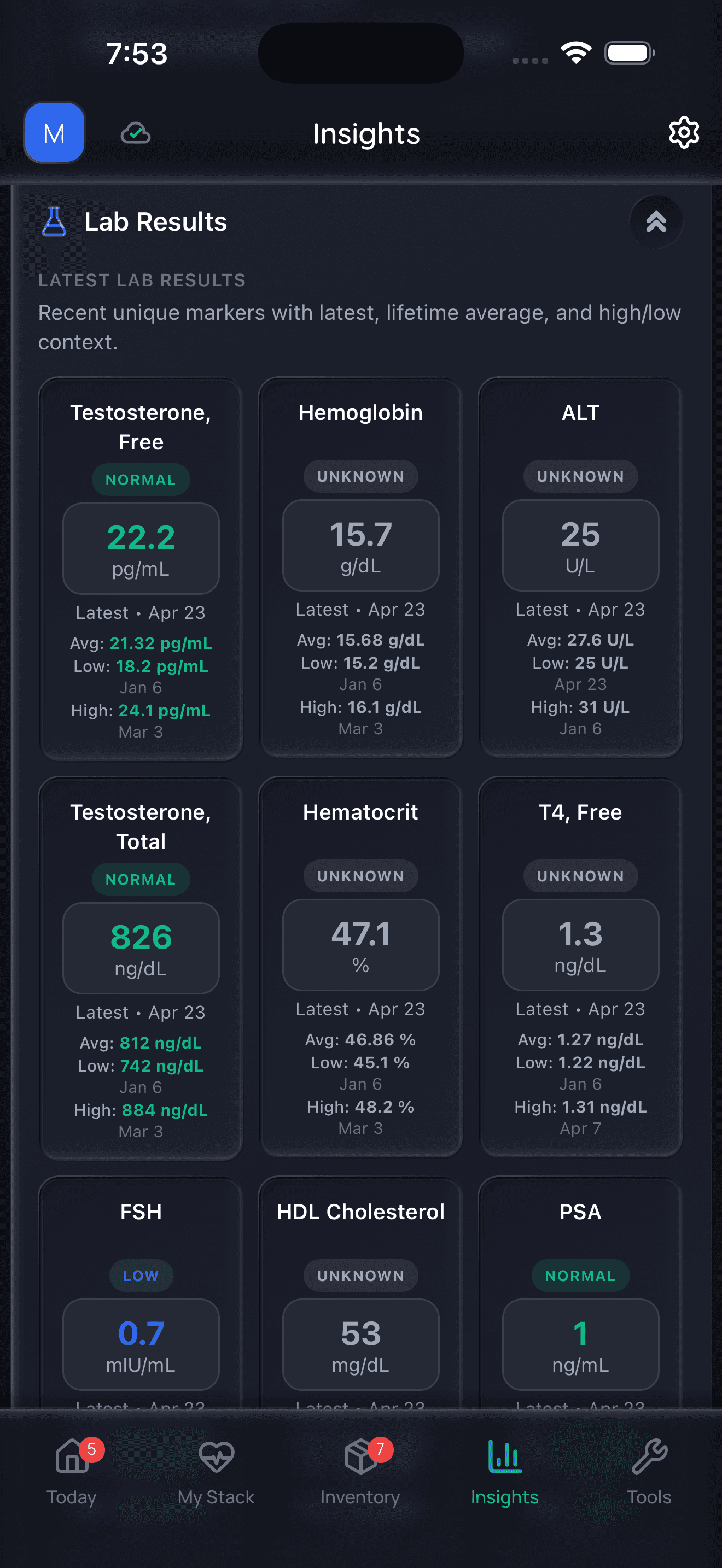
Doserly organizes data; it does not diagnose or interpret labs for you.
Dosing & Usage Protocols
The Basics
Valerian root dosing is straightforward in principle but complicated by the variety of available forms and the lack of standardization across products. The most important thing to understand is that the dose that works depends heavily on which type of valerian product you are using.
For standardized extracts (the most common capsule and tablet form), the most frequently studied dose range is 300 to 600 mg daily, taken 30 minutes to 2 hours before bedtime [3][7]. The European Medicines Agency recommends 400 to 600 mg of valerian extract for nervous tension relief, up to three times daily [3].
For dried root preparations (teas and powdered root capsules), doses of 2 to 3 grams are typical, steeped in hot water for 10 to 15 minutes when preparing tea [3].
A few practical points from the research:
- 600 mg appears to be the sweet spot for many people. This dose was used in several of the better-designed trials and showed consistent subjective benefits without significant next-morning impairment [25][29][30].
- 900 mg may be too much. One study found that while 450 mg reduced sleep latency effectively, 900 mg caused next-morning sleepiness without additional sleep benefits [28].
- Effects may build over time. One of the more encouraging findings in the literature is that valerian's benefits appear to increase with continued use. A 28-day study showed progressive improvement, with differences between valerian and placebo widening from day 14 to day 28 [29].
- Timing matters. Most clinical protocols and community reports suggest taking valerian 30 minutes to 2 hours before bedtime for optimal results [3].
The Science
Clinical dosing evidence:
Indication
Sleep quality (subjective)
- Form
- Aqueous extract
- Dose
- 400 mg
- Duration
- Single dose
- Study
- Leathwood et al. (1982) [27]
Indication
Sleep latency
- Form
- Aqueous extract
- Dose
- 450 mg
- Duration
- 12 nights
- Study
- Leathwood & Chauffard (1985) [28]
Indication
Insomnia (nonorganic)
- Form
- Standardized extract (LI 156)
- Dose
- 600 mg
- Duration
- 28 days
- Study
- Vorbach et al. (1996) [29]
Indication
Insomnia vs. oxazepam
- Form
- Standardized extract (LI 156)
- Dose
- 600 mg
- Duration
- 28 days
- Study
- Dorn (2000) [25]
Indication
Sleep structure
- Form
- Standardized extract (LI 156)
- Dose
- 600 mg
- Duration
- Single dose + 14 days
- Study
- Donath et al. (2000) [30]
Indication
Cancer-related sleep
- Form
- Valerian extract
- Dose
- 450 mg (escalating)
- Duration
- 8 weeks
- Study
- Barton et al. (2011) [31]
Indication
Nervous tension (EMA)
- Form
- Extract or powdered root
- Dose
- 400-600 mg extract or 0.3-3 g powder
- Duration
- Daily, up to 3x/day
- Study
- EMA monograph [3]
Dose-response observations: The evidence does not support a linear dose-response relationship. The 450 mg dose was more effective than 900 mg in one sleep latency study, suggesting an inverted U-shaped curve where excessive dosing produces undesirable sedation without additional therapeutic benefit [28].
Getting the dose right matters more than most people realize. Too little may be ineffective, too much wastes money or introduces risk, and inconsistency undermines both. Doserly tracks every dose you take, across every form, giving you a clear record of what you're actually consuming versus what you planned.
The app helps you compare RDA recommendations against therapeutic ranges discussed in the research, so you can see exactly where your intake falls. If you switch forms, say from a standard capsule to a liposomal liquid, Doserly adjusts your tracking to account for different bioavailabilities. Pair that with smart reminders that keep your timing consistent, and the precision that makes a real difference in outcomes becomes effortless.
Turn symptom and safety notes into a clearer timeline.
Doserly helps you log doses, symptoms, and safety observations side by side so patterns are easier to discuss with a qualified clinician.
Pattern view
Logs and observations

Pattern visibility is informational and should be reviewed with a clinician.
What to Expect (Timeline)
Valerian root does not work like a prescription sleeping pill. There is no immediate "knock-out" effect for most users. Instead, the research and community reports suggest a gradual pattern that unfolds over days to weeks.
Days 1-3: Some users report noticing a mild calming effect on the first evening, while others notice nothing at all. The most commonly reported immediate effect is a subtle sense of relaxation rather than drowsiness. Vivid dreams may begin appearing in the first few nights. Do not expect significant sleep improvement in this window.
Week 1: For those who respond, mild improvements in sleep onset time and the ability to fall back asleep after nighttime waking may start to emerge. The effect is subtle enough that many people are not sure whether it is working or whether they are simply having a good sleep week.
Weeks 2-4: This is where the most encouraging clinical data converges. The Vorbach et al. (1996) study demonstrated progressive improvement over 28 days, with differences between valerian and placebo widening significantly between day 14 and day 28 [29]. If valerian is going to work for you, consistent daily use for at least 2-4 weeks provides the best chance of seeing meaningful results.
Month 2 and beyond: Long-term effects are not well-studied. Some community members report that tolerance develops with extended continuous use and recommend cycling (taking breaks of 1-2 weeks every 4-6 weeks). Others maintain consistent benefit over months without cycling. The literature does not provide clear guidance on optimal long-term use patterns.
Non-responders: A significant portion of users, particularly those with severe or chronic insomnia, report no benefit from valerian at any dose or duration. Community discussions consistently note that valerian appears more effective for mild-to-moderate sleep difficulties than for clinical insomnia.
Timelines in the research give you a general idea of when to expect results, but your body has its own schedule. Doserly tracks your progress against those benchmarks, letting you see whether your experience aligns with typical response curves or whether something in your protocol might need adjusting.
By logging biomarkers and subjective outcomes alongside your supplement intake, you build a personal timeline that shows exactly when changes started appearing and how they've progressed. The app's trend analysis highlights inflection points, weeks where things shifted for better or worse, so you have concrete data when deciding whether to continue, adjust your dose, or try a different form.
Capture changes while they are still fresh.
Log symptoms, energy, sleep, mood, and other observations alongside protocol events so patterns do not live only in memory.
Trend view
Symptom timeline
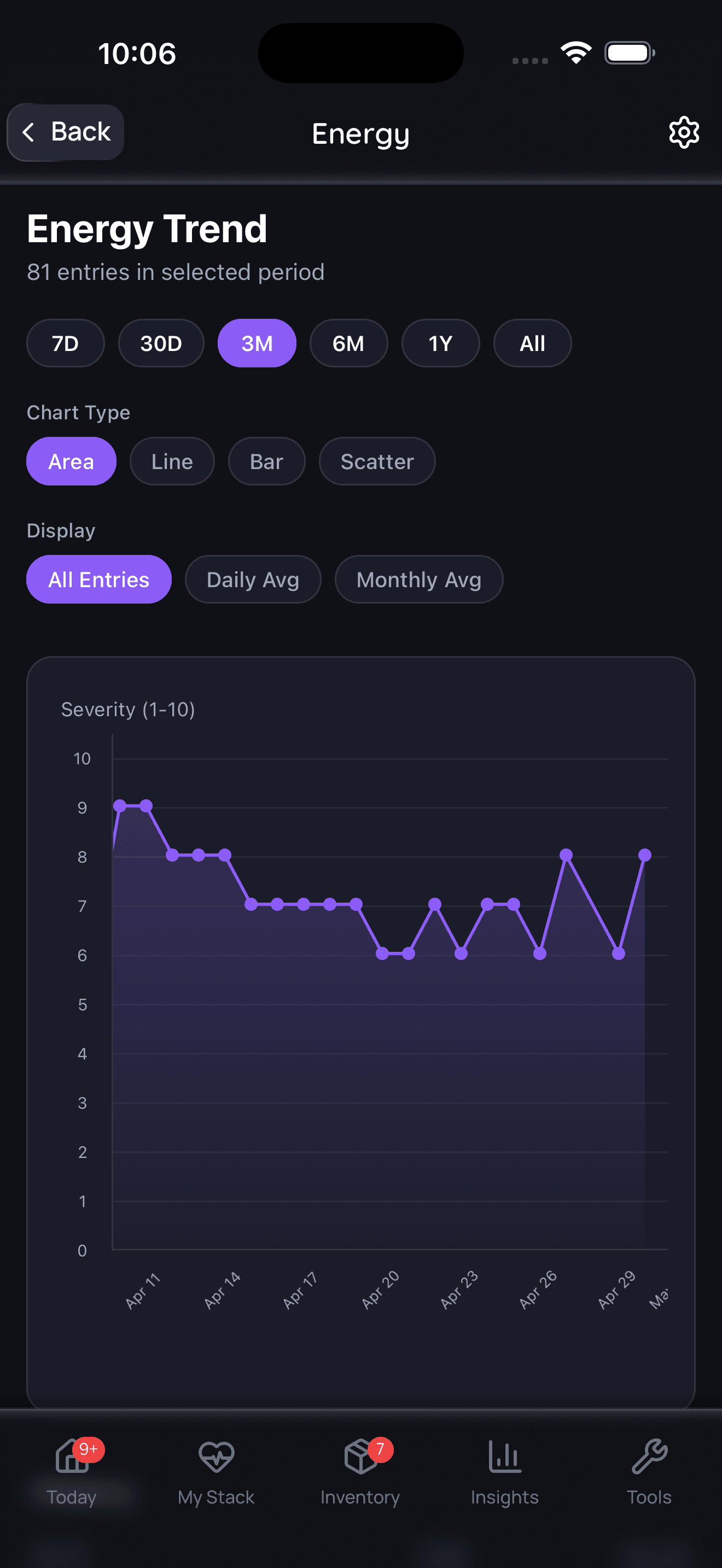
Symptom tracking is informational and should be interpreted with a qualified clinician.
Interactions & Compatibility
Synergistic
- Melatonin: Commonly stacked for sleep support. Valerian's calming/relaxation effect pairs with melatonin's circadian timing action. Community reports frequently cite this combination as effective.
- L-Theanine: Popular pairing for anxiety-related sleep difficulties. L-theanine promotes relaxation without drowsiness, complementing valerian's GABA-mediated sedation.
- Magnesium: Especially magnesium glycinate. Magnesium supports GABA receptor function and muscle relaxation, synergizing with valerian's mechanism. One of the most commonly recommended stacks in sleep-focused communities.
- Passionflower: Traditional pairing for sleep and anxiety. Both herbs act on GABA pathways. Combination products are commercially available.
- Chamomile: Traditional combination in sleepy-time teas. Chamomile adds mild anxiolytic and anti-inflammatory effects.
- Lemon Balm: Pairs with valerian for calming and sleep support. Some combination products include both herbs.
- 5-HTP: Serotonin precursor that may complement valerian's primary GABAergic mechanism by supporting a different neurotransmitter pathway involved in sleep regulation.
- Hops: Frequently combined with valerian in commercial preparations. Some clinical evidence suggests the combination may be more effective than valerian alone [27].
Caution / Avoid
- Benzodiazepines (Xanax, Valium, Ativan, Halcion): Valerian lengthens sedation time and may have synergistic effects with benzodiazepines. Animal studies and case reports support this interaction. Do not combine without medical supervision [52][53].
- Barbiturates (phenobarbital, Luminal): Animal models demonstrate that valerian prolongs barbiturate-induced sleep. Potential for excessive sedation [52].
- Other CNS depressants (morphine, propofol): Additive sedation possible. Valerian should be discontinued at least 1 week before surgery due to potential interaction with anesthesia [54][55].
- Haloperidol: Animal study suggests valerian may increase haloperidol's effects and cause hepatic damage. Clinical relevance has not been established [56].
- St. John's Wort: Theoretical additive sedative effects. Both herbs interact with neurotransmitter systems. Use caution with combination [52].
- Alcohol: Theoretical additive sedation with concurrent use. Avoid combining [52].
- GABA supplements: One case report documented encephalopathy with combined valerian and GABA supplement use [48]. Use caution.
- CYP2D6 and CYP3A4 substrate drugs: In vitro studies suggest valerian may inhibit these enzymes, though in vivo studies suggest clinical interactions are unlikely [57][58].
How to Take / Administration Guide
Recommended forms: Standardized extracts (capsules or tablets) are the most convenient and consistent option. Look for products standardized to valerenic acid content (typically 0.8%). For those who prefer traditional preparations, dried root tea is an effective alternative, though the taste and smell can be challenging.
Timing considerations: Most sources and clinical protocols suggest taking valerian 30 minutes to 2 hours before bedtime for sleep applications. For daytime anxiety use, the European Medicines Agency supports dosing up to three times daily [3].
Stacking guidance: Valerian is commonly paired with magnesium glycinate, L-theanine, and/or melatonin for sleep. When stacking, consider starting with valerian alone for 1-2 weeks before adding other sleep supplements to establish a baseline response.
Tea preparation: Steep 2-3 grams of dried valerian root in one cup of hot water for 10-15 minutes. Cover the cup while steeping to retain volatile oils. The taste is pungent and earthy; adding honey, lemon, or combining with chamomile can improve palatability.
Cycling guidance: Although the clinical literature does not provide clear cycling protocols, community experience suggests cycling 4-6 weeks on, 1-2 weeks off to prevent tolerance development. If using valerian daily for extended periods, some practitioners recommend gradual tapering rather than abrupt cessation due to the theoretical risk of withdrawal-like symptoms [45].
What to avoid: Do not take valerian before driving or operating machinery, as it may impair alertness, particularly in the 1-2 hour window after ingestion [17]. Do not combine with alcohol or prescription sedatives without medical guidance.
Choosing a Quality Product
Third-party certifications: Look for products bearing USP Verified, NSF Certified, or GMP certification stamps. These indicate that the product has been independently tested for identity, potency, purity, and absence of contaminants.
Standardization markers: Quality valerian extracts are typically standardized to valerenic acid content, with 0.8% being a common benchmark. Products that specify their valerenic acid percentage provide more consistent dosing.
Active vs. cheap forms: Standardized extracts (concentrated from dried root) are generally preferable to unstandardized root powder for consistency. However, whole root products preserve the full spectrum of compounds and may be appropriate for those who prefer traditional preparations.
Red flags:
- Products that do not specify whether they contain extract or whole root powder
- Proprietary blends that hide individual ingredient doses
- Claims of "extra strength" without specifying standardization
- Very low-cost products that may use substandard or expired raw material (valepotriates degrade over time)
Excipient/filler considerations: Valerian capsules should ideally avoid unnecessary fillers. Common acceptable excipients include cellulose, silicon dioxide, and magnesium stearate. Check for allergen-free formulations if you have sensitivities to gluten, soy, dairy, or shellfish.
Supplement-specific quality markers:
- Valerenic acid content specified on label
- Extraction method disclosed (aqueous vs. ethanol vs. CO2)
- Harvest and expiration dates (freshness matters for valepotriate content)
- Species specified as Valeriana officinalis (not other Valeriana species unless specifically studied)
Storage & Handling
Store valerian root supplements in a cool, dry place away from direct sunlight and moisture. The volatile oils responsible for valerian's activity (and its distinctive smell) are sensitive to heat and light exposure.
Valepotriates, one class of active compounds, are unstable and degrade during storage. This makes product freshness more important for valerian than for many other supplements. Check expiration dates and avoid stockpiling large quantities.
For dried root intended for tea: store in an airtight container to contain the strong odor and maintain potency. Ground/powdered root degrades faster than whole root pieces.
Tinctures should be kept tightly sealed and stored away from heat. Alcohol-based tinctures generally have longer shelf lives than water-based preparations.
No refrigeration is required for standard supplement forms, though refrigeration can extend the life of tinctures.
Lifestyle & Supporting Factors
Sleep hygiene foundations: Valerian root is not a substitute for good sleep practices. Maintaining a consistent sleep schedule, keeping the bedroom dark and cool, limiting screen exposure before bed, and reducing caffeine intake after midday all create the conditions for any sleep supplement to work most effectively.
Diet and nutritional support: Magnesium deficiency can impair sleep quality and GABA function independently. Ensuring adequate dietary magnesium through foods like dark leafy greens, nuts, seeds, and whole grains creates a synergistic foundation for valerian's GABA-enhancing mechanism.
Exercise: Regular physical activity is one of the most well-established sleep interventions. However, intense exercise within 2-3 hours of bedtime can increase alertness and counteract valerian's calming effects. Morning or early afternoon exercise tends to produce the best sleep outcomes.
Stress management: Since valerian's secondary application is anxiety reduction, pairing supplementation with stress-management techniques such as deep breathing, meditation, or progressive muscle relaxation may amplify its calming effects.
Caffeine and stimulant awareness: As a mild sedative acting through GABA pathways, valerian works against caffeine's stimulant effects. Reducing caffeine intake, particularly in the afternoon and evening, gives valerian the best chance of producing noticeable results.
Alcohol: While some traditional preparations involve valerian tinctures with alcohol bases, combining valerian supplementation with alcoholic beverages is generally discouraged due to additive sedation [52].
Signs of deficiency/need: Valerian is not an essential nutrient, so there is no "deficiency" state. Indicators that suggest valerian might be worth exploring include difficulty falling asleep, nighttime anxiety or racing thoughts, and general nervous tension, particularly if prescription medications are not desired or warranted.
Regulatory Status & Standards
United States (FDA): Valerian is sold as a dietary supplement under DSHEA. It does not require FDA premarket approval. The FDA has not evaluated valerian for efficacy in diagnosing, treating, curing, or preventing any disease. Because dietary supplements are not tested for manufacturing consistency, composition may vary between products [5].
European Union (EFSA/EMA): The European Medicines Agency has issued a Community Herbal Monograph for valerian root, recognizing its traditional use for relief of mild nervous tension and sleep disorders. ESCOP (European Scientific Cooperative on Phytotherapy) and the German Commission E have approved valerian for restlessness and sleeping disorders caused by nervous conditions [4][13].
Canada (Health Canada): Valerian root is recognized as a Natural Health Product (NHP). Licensed NHP products carry a Natural Product Number (NPN) confirming safety, efficacy, and quality review.
Australia (TGA): Valerian is listed as a complementary medicine ingredient. Products may be listed on the Australian Register of Therapeutic Goods (ARTG).
Athlete & Sports Regulatory Status:
Valerian root is not prohibited by the World Anti-Doping Agency (WADA) or any major national anti-doping agency. It does not appear on the WADA Prohibited List, USADA guidance, or NCAA banned substance list. Athletes can generally use valerian without concern for drug testing violations.
However, athletes should be aware that herbal supplements carry a risk of contamination with prohibited substances. For maximum safety, athletes should select products with third-party certification through programs such as Informed Sport (sport.wetestyoutrust.com), NSF Certified for Sport (nsfsport.com), or Cologne List (koelnerliste.com). GlobalDRO (globaldro.com) can be used to check supplement status across multiple jurisdictions.
Regulatory status and prohibited substance classifications change frequently. Athletes should always verify the current status of any supplement with their sport's governing body, their national anti-doping agency, and a qualified sports medicine professional before use. Third-party certification (Informed Sport, NSF Certified for Sport) reduces but does not eliminate the risk of contamination with prohibited substances.
Frequently Asked Questions
Does valerian root actually work for sleep?
The evidence is genuinely mixed. Multiple meta-analyses find modest improvement in subjective sleep quality, meaning people feel like they sleep better when taking valerian. However, objective measurements (polysomnography, actigraphy) have not consistently confirmed these subjective improvements. Based on available data, valerian appears to help some people with mild-to-moderate sleep difficulties but is not a reliable treatment for clinical insomnia. A healthcare professional can help determine whether valerian is appropriate for individual circumstances.
How long does it take for valerian to start working?
Some users report effects within the first few days, while others need 2-4 weeks of consistent daily use. One well-designed clinical trial showed that benefits increased progressively over 28 days, with meaningful improvement becoming apparent around week 2. Patience and consistent timing are important.
Is valerian root safe to take every night?
Clinical trials lasting up to 28 days have shown a favorable safety profile, with adverse events comparable to placebo. However, long-term safety data beyond several weeks is limited. Some practitioners and community members recommend cycling (4-6 weeks on, 1-2 weeks off) to prevent tolerance. Gradual tapering rather than abrupt cessation is advisable for long-term users.
Can valerian root cause vivid dreams or nightmares?
Yes, vivid dreams are one of the most commonly reported side effects in community discussions. In one clinical study, vivid dreams affected 16% of participants taking 600 mg daily. Some users find this effect interesting, while others find it disturbing. If nightmares become problematic, reducing the dose or discontinuing may help.
Does valerian interact with prescription medications?
Valerian may interact with benzodiazepines, barbiturates, and other CNS depressants by increasing sedation. It should be discontinued at least one week before surgery. In vitro studies suggest possible interactions with drugs metabolized by CYP2D6 and CYP3A4 enzymes, though clinical significance is uncertain. Individuals taking any prescription medications should discuss valerian use with their healthcare provider.
Why does valerian root smell so bad?
The strong, pungent odor comes from volatile oils in the root, particularly isovaleric acid (which smells similar to aged cheese or sweaty socks). The odor is a natural characteristic of the plant and is not an indicator of product quality or spoilage. Capsule forms minimize exposure to the smell.
Can I take valerian with melatonin?
Many people combine valerian with low-dose melatonin, and community reports frequently describe this as an effective combination for sleep. There is no established contraindication, though the combination may increase sedation. Starting with one supplement and adding the other after establishing a baseline response is a practical approach.
Is valerian root addictive?
Valerian is generally not considered addictive at standard doses. However, because it acts on GABA receptors similarly to benzodiazepines, prolonged high-dose use could theoretically create some degree of physical dependence. Isolated case reports have described benzodiazepine-like withdrawal symptoms after abrupt cessation of long-term use. Gradual tapering is recommended for those who have been taking valerian daily for extended periods.
Is valerian safe during pregnancy?
No. Animal studies have shown reduced levels of essential micronutrients in fetal brain tissue. Clinical safety data during pregnancy is insufficient. Most medical guidelines recommend avoiding valerian during pregnancy and breastfeeding.
Which form of valerian is most effective?
The most studied form is standardized extract (typically standardized to 0.8% valerenic acid) in capsule or tablet form, at doses of 300-600 mg. Whole root preparations may preserve a broader spectrum of active compounds. A 2020 meta-analysis suggested that whole root/rhizome preparations may produce more reliable effects than isolated extracts. Tea and tincture forms are traditional alternatives.
Myth vs. Fact
Myth: Valerian root is "nature's Valium" and works just like a prescription sedative.
Fact: While valerian and Valium (diazepam) both interact with GABA receptors, their potency, onset, and clinical applications are fundamentally different. Valerian's effects are mild and gradual, typically requiring days to weeks of consistent use. It has never been shown to produce the rapid, potent sedation characteristic of benzodiazepines. The name similarity between "valerian" and "Valium" is coincidental, not pharmacological [6][16].
Myth: If valerian doesn't work the first night, it doesn't work for you.
Fact: Clinical evidence suggests that valerian's benefits may accumulate over time. One well-controlled study showed that improvements continued to increase from day 14 to day 28 of daily use. Dismissing valerian after a single dose or a few days may not give it an adequate trial [29].
Myth: Higher doses of valerian produce better sleep.
Fact: Available evidence does not support a straightforward "more is better" relationship. In one study, 450 mg reduced sleep latency comparably to a benzodiazepine, while 900 mg did not improve sleep further and instead caused next-morning drowsiness [28]. Most sources suggest 300-600 mg of standardized extract as the effective range.
Myth: All valerian supplements are the same.
Fact: Valerian product quality varies enormously. The active compounds (particularly valepotriates) degrade during storage and processing. Different extraction methods capture different sets of compounds. The 2020 meta-analysis identified variable extract quality as a primary driver of inconsistent clinical outcomes [24]. Standardized extracts with specified valerenic acid content offer the most consistent potency.
Myth: Valerian root is completely harmless because it is "natural."
Fact: While valerian has a good safety profile across clinical trials, it is not without risk. Rare case reports have documented liver toxicity, acute pancreatitis, and withdrawal symptoms after abrupt cessation of long-term use. It also interacts with prescription medications including benzodiazepines, barbiturates, and certain anesthetics. "Natural" does not equate to "risk-free" [42][44][45][52].
Myth: Valerian root is proven to cure insomnia.
Fact: No major systematic review or meta-analysis supports valerian as a cure for insomnia. A 2024 umbrella review of all available systematic reviews concluded that valerian "does not have empirical support for insomnia" despite its widespread use. Valerian may modestly improve subjective sleep quality, but it should not be relied upon as a treatment for chronic insomnia [23].
Myth: The vivid dreams from valerian are dangerous.
Fact: Vivid dreams are a commonly reported side effect (affecting approximately 16% of users in one study) but are not associated with any known health risk. They are thought to result from GABA system modulation affecting REM sleep architecture. While some people find vivid dreams unpleasant, they are physiologically harmless and resolve upon discontinuation [40].
Sources & References
Systematic Reviews & Meta-Analyses
[6] Taibi DM, Landis CA, Petry H, et al. A systematic review of valerian as a sleep aid: safe but not effective. Sleep Med Rev. 2007;11(3):209-230.
[7] Stevinson C, Ernst E. Valerian for insomnia: a systematic review of randomized clinical trials. Sleep Medicine. 2000;1:91-99.
[23] Barata IM, et al. Does valerian work for insomnia? An umbrella review of the evidence. Sleep Medicine. 2024. PMID: 38359657.
[24] Shinjyo N, Waddell G, Green J. Valerian root in treating sleep problems and associated disorders: a systematic review and meta-analysis. J Evid Based Integr Med. 2020;25:2515690X20967323. PMID: 33086877.
[26] Fernandez-San-Martin MI, Masa-Font R, Palacios-Soler L, et al. Effectiveness of valerian on insomnia: a meta-analysis of randomized placebo-controlled trials. Sleep Med. 2010;11(6):505-511.
[32] Miyasaka LS, Atallah AN, Soares BG. Valerian for anxiety disorders. Cochrane Database Syst Rev. 2006;(4):CD004515.
Clinical Trials & RCTs
[25] Dorn M. Valerian versus oxazepam: efficacy and tolerability in nonorganic and nonpsychiatric insomniacs: a randomized, double-blind, clinical comparative study. Forschende Komplementarmedizin. 2000;7:79-84.
[27] Leathwood PD, Chauffard F, Heck E, Munoz-Box R. Aqueous extract of valerian root (Valeriana officinalis L.) improves sleep quality in man. Pharmacology, Biochemistry and Behavior. 1982;17:65-71.
[28] Leathwood PD, Chauffard F. Aqueous extract of valerian reduces latency to fall asleep in man. Planta Medica. 1985;2:144-148.
[29] Vorbach EU, Gortelmeyer R, Bruning J. Treatment of insomnia: effectiveness and tolerance of a valerian extract. Psychopharmakotherapie. 1996;3:109-115.
[30] Donath F, Quispe S, Diefenbach K, et al. Critical evaluation of the effect of valerian extract on sleep structure and sleep quality. Pharmacopsychiatry. 2000;33:47-53.
[31] Barton DL, Atherton PJ, Bauer BA, et al. The use of Valeriana officinalis (Valerian) in improving sleep in patients who are undergoing treatment for cancer: a phase III randomized, placebo-controlled, double-blind study (NCCTG Trial, N01C5). J Support Oncol. 2011;9(1):24-31.
[33] Mirabi P, Mojab F. The effects of valerian root on hot flashes in menopausal women. Iran J Pharm Res. 2013;12(1):217-222.
[34] Jenabi E, Shobeiri F, Hazavehei SMM, et al. The effect of Valerian on the severity and frequency of hot flashes: A triple-blind randomized clinical trial. Women Health. 2018;58(3):297-304.
[35] Mirabi P, Dolatian M, Mojab F, et al. Effects of valerian on the severity and systemic manifestations of dysmenorrhea. Int J Gynaecol Obstet. 2011;115(3):285-288.
[36] Pakseresht S, Boostani H, Sayyah M. Extract of valerian root vs. placebo in treatment of obsessive-compulsive disorder: a randomized double-blind study. J Complement Integr Med. 2011;8.
[37] Lopez-Peig C, Mundet X, Casabella B, et al. Analysis of benzodiazepine withdrawal program managed by primary care nurses in Spain. BMC Res Notes. 2012;5:684.
[40] Wheatley D. Kava and valerian in the treatment of stress-induced insomnia. Phytother Res. 2001;15(6):549-551.
[41] Kuhlmann J, Berger W, Podzuweit H, Schmidt U. The influence of valerian treatment on "reaction time, alertness and concentration" in volunteers. Pharmacopsychiatry. 1999;32:235-241.
Observational Studies & Case Reports
[42] Cohen DL, Del Toro Y. A case of valerian-associated hepatotoxicity. J Clin Gastroenterol. 2008;42(8):961-962.
[43] Vassiliadis T, Anagnostis P, Patsiaoura K, et al. Valeriana hepatotoxicity. Sleep Med. 2009;10(8):935.
[44] Douros A, Bronder E, Andersohn F, et al. Drug-induced acute pancreatitis: results from the hospital-based Berlin case-control surveillance study. Aliment Pharmacol Ther. 2013;38(7):825-834.
[45] Garges HP, Varia I, Doraiswamy PM. Cardiac complications and delirium associated with valerian root withdrawal. JAMA. 1998;280:1566-1567.
[46] Hoban CL, Byard RW, Musgrave IF. Analysis of spontaneous adverse drug reactions to echinacea, valerian, black cohosh and ginkgo in Australia from 2000 to 2015. J Integr Med. 2019;17(5):338-343.
[47] Koenig G, Callipari C, Smereck JA. Acute liver injury after long-term herbal "liver cleansing" and "sleep aid" supplement use. J Emerg Med. 2021;60(5):610-614.
[48] Freitas C, Khanal S, Landsberg D, Kaul V. An alternative cause of encephalopathy: valerian root overdose. Cureus. 2021;13(9):e17759.
[49] Bos R, Hendriks H, Scheffer JJC, Woerdenbag HJ. Cytotoxic potential of valerian constituents and valerian tinctures. Phytomedicine. 1998;5:219-225.
[50] Ben-Aharon I, Rotem R, Metzger C, et al. Pharmaceutical agents as potential drivers in the development of early-onset colorectal cancer: a case-control study. JMIR Public Health Surveill. 2023.
[51] Mahmoudian A, Rajaei Z, Haghir H, et al. Effects of valerian consumption during pregnancy on cortical volume and the levels of zinc and copper in the brain tissue of mouse fetus. Zhong Xi Yi Jie He Xue Bao. 2012;10(4):424-429.
Government/Institutional Sources
[1] NIH Office of Dietary Supplements. Valerian Fact Sheet for Health Professionals. Updated March 2013. https://ods.od.nih.gov/factsheets/Valerian-HealthProfessional/
[3] European Medicines Agency. Community Herbal Monograph: Valerianae radix.
[4] European Scientific Cooperative on Phytotherapy. Valerianae radix: valerian root. Monographs on the Medicinal Uses of Plant Drugs. 1997.
[5] Grieve M. Valerian. A Modern Herbal. New York: Hafner Press, 1974:824-830.
[52] NIH ODS. Valerian interactions with sedatives, medications, and supplements. Fact Sheet for Health Professionals.
Monographs & Pharmacological References
[2] Culpeper N. Garden valerian. In: Culpeper's Complete Herbal. 1652 (republished).
[8] Houghton PJ. The scientific basis for the reputed activity of valerian. J Pharm Pharmacol. 1999;51(5):505-512.
[9] Hendriks H, Bos R, Woerdenbag HJ, Koster AS. Central nervous depressant activity of valerenic acid in the mouse. Planta Medica. 1985;1:28-31.
[10] Morazzoni P, Bombardelli E. Valeriana officinalis: traditional use and recent evaluation of activity. Fitoterapia. 1995;66:99-112.
[11] Santos MS, Ferreira F, Cunha AP, et al. An aqueous extract of valerian influences the transport of GABA in synaptosomes. Planta Medica. 1994;60:278-279.
[12] Xu J, Guo Y, Xie C, et al. Isolation and neuroprotective activities of acylated iridoids from Valeriana jatamansi. Chem Biodivers. 2012;9(7):1382-1388.
[13] Blumenthal M, Goldberg A, Brinckmann J, eds. Valerian root. Herbal Medicine: Expanded Commission E Monographs. 2000:394-400.
[14] Cavadas C, Araujo I, Cotrim MD, et al. In vitro study on the interaction of Valeriana officinalis L. extracts and their amino acids on GABAA receptor in rat brain. Arzneimittel-Forschung. 1995;45:753-755.
[15] Gilani AH, Khan AU, Jabeen Q, et al. Antispasmodic and blood pressure lowering effects of Valeriana wallichii are mediated through K+ channel activation. J Ethnopharmacol. 2005;100(3):347-352.
[16] Benke D, Barberis A, Kopp S, et al. GABAA receptors as in vivo substrate for the anxiolytic action of valerenic acid. Neuropharmacology. 2009;56(1):174-181.
[17] Kennedy DO, Wightman EL. Herbal extracts and phytochemicals: plant secondary metabolites and the enhancement of human brain function. Adv Nutr. 2011;2(1):32-50.
[18] Lacher SK, et al. Valerian extract component interaction with adenosine receptors. (Referenced in pharmacological reviews.)
[19] Muller LG, Salles LA, Stein AC, et al. Antidepressant-like effect of Valeriana glechomifolia Meyer in mice. Prog Neuropsychopharmacol Biol Psychiatry. 2012;36(1):101-109.
[20] Mineo L, Concerto C, Patel D, et al. Valeriana officinalis root extract modulates cortical excitatory circuits in humans. Neuropsychobiology. 2017;75(1):46-51.
[21] Sampath C, Haug K, Thanei S, et al. Pharmacokinetics of valerenic acid in rats after intravenous and oral administrations. Planta Med. 2012;78(6):575-581.
[22] Bos R, Woerdenbag HJ, van Putten FMS, et al. Seasonal variation of the essential oil, valerenic acid and derivatives, and valepotriates in Valeriana officinalis roots and rhizomes. Planta Medica. 1998;64:143-147.
[38] de Oliveria DM, Barreto G, De Andrade DV, et al. Cytoprotective effect of Valeriana officinalis extract on Parkinson disease model. Neurochem Res. 2009;34(2):215-220.
[39] Sudati JH, Fachinetto R, Pereira RP, et al. In vitro antioxidant activity of Valeriana officinalis against different neurotoxic agents. Neurochem Res. 2009;34(8):1372-1379.
[53] Bhatt C, Kanaki N, Nayak R, et al. Synergistic potentiation of anti-anxiety activity of valerian and alprazolam by liquorice. Indian J Pharmacol. 2013;45(2):202-203.
[54] Ang-Lee MK, Moss J, Yuan CS. Herbal medicines and perioperative care. JAMA. 2001;286(2):208-216.
[55] Burke H, Jiang S, Chatham P, et al. Delirium after withdrawal from valerian root: a case report. Psychosomatics. 2020;61(6):787-790.
[56] Dalla Corte CL, Fachinetto R, Colle D, et al. Potentially adverse interactions between haloperidol and valerian. Food Chem Toxicol. 2008;46(7):2369-2375.
[57] Hellum BH, Nilsen OG. The in vitro inhibitory potential of trade herbal products on human CYP2D6-mediated metabolism. Basic Clin Pharmacol Toxicol. 2007;101(5):350-358.
[58] Hellum BH, Nilsen OG. In vitro inhibition of CYP3A4 metabolism and P-glycoprotein-mediated transport by trade herbal products. Basic Clin Pharmacol Toxicol. 2008;102(5):466-475.