
Chamomile: The Complete Supplement Guide
On this page
Quick Reference Card
Attribute
Common Name
- Detail
- Chamomile
Attribute
Other Names / Aliases
- Detail
- German Chamomile, Matricaria chamomilla, Matricaria recutita, Chamomilla recutita, Roman Chamomile (Chamaemelum nobile), Manzanilla, Wild Chamomile, Hungarian Chamomile, True Chamomile
Attribute
Category
- Detail
- Herbal Extract
Attribute
Primary Forms & Variants
- Detail
- German Chamomile (Matricaria chamomilla/recutita, most studied and common supplement form); Roman Chamomile (Chamaemelum nobile, milder, less clinical data); Standardized extract (1.2% apigenin-7-glycosides); Dried flower powder; Essential oil (topical use only)
Attribute
Typical Dose Range
- Detail
- 220-1,500 mg/day of extract; up to 3,000 mg/day in some studies; 1-4 cups of tea daily
Attribute
RDA / AI / UL
- Detail
- No RDA, AI, or UL established. Chamomile is not classified as an essential nutrient.
Attribute
Common Delivery Forms
- Detail
- Capsules, tablets, tea (dried flower infusion), tincture/liquid extract, essential oil (topical only), topical gel/cream
Attribute
Best Taken With / Without Food
- Detail
- Can be taken with or without food; tea form commonly consumed between meals or before bed
Attribute
Key Cofactors
- Detail
- No established cofactors; often combined with other calming herbs such as lemon balm, passionflower, or valerian root
Attribute
Storage Notes
- Detail
- Store dried herb and capsules in a cool, dry place away from light and moisture. Tea bags should be sealed to preserve volatile compounds. Tinctures at room temperature. Essential oil in dark glass, away from heat.
Overview
The Basics
Chamomile is one of the oldest and most widely used medicinal herbs in the world, with a history stretching back thousands of years across Greek, Roman, Egyptian, and traditional European medicine. If you have ever sipped a cup of chamomile tea before bed, you have experienced the most common way people use this herb. But chamomile is far more than a bedtime tea. It is one of the most thoroughly studied herbal supplements, with research spanning anxiety, sleep, digestive health, blood sugar regulation, and inflammation.
There are two main types used medicinally. German chamomile (Matricaria chamomilla, sometimes called Matricaria recutita) is the variety most commonly found in supplements and the one with the strongest body of clinical evidence. Roman chamomile (Chamaemelum nobile) is milder and has less research behind it, though it shares many of the same active compounds. When you see "chamomile" on a supplement label without further qualification, it almost always means German chamomile [1].
What makes chamomile interesting from a health perspective is its chemical complexity. The flower heads contain over 300 identified compounds, including flavonoids like apigenin (which interacts with calming receptors in the brain), terpenoids like bisabolol (which has anti-inflammatory properties), and volatile oils that contribute to the characteristic aroma and some of the medicinal effects [2][3]. This broad chemical profile helps explain why chamomile has such a wide range of reported benefits rather than being a single-purpose supplement.
The strongest clinical evidence for chamomile supplementation exists for generalized anxiety disorder, where multiple randomized controlled trials have demonstrated modest but meaningful reductions in anxiety symptoms. Sleep quality and digestive comfort round out the areas where evidence and traditional use converge most clearly [4][5].
The Science
Chamomile (Matricaria chamomilla L., syn. Matricaria recutita L., Chamomilla recutita [L.] Rauschert) is an annual plant in the family Asteraceae, indigenous to southern and eastern Europe and now widely cultivated and naturalized across temperate regions globally. The drug consists of the dried flower heads (capitula), which serve as the source material for teas, extracts, and essential oil preparations [2].
The phytochemical profile of German chamomile is extensive, comprising over 300 identified secondary metabolites across multiple chemical classes [3]:
- Flavonoids (50+ identified): Apigenin, apigenin-7-O-glucoside, luteolin, luteolin-7-O-glucoside, quercetin, kaempferol, and rutin represent the major flavonoid constituents. Apigenin, predominantly present in glycosylated form, is considered the primary bioactive flavonoid responsible for anxiolytic and neuroprotective effects [2][3].
- Terpenoids (70+ identified): Including 39 monoterpenes, 27 sesquiterpenes, 2 diterpenes, and 3 triterpenes. Alpha-bisabolol and its oxide derivatives (bisabolol oxide A, bisabolol oxide B) are the dominant sesquiterpenes with documented anti-inflammatory and hepatoprotective activity. Chamazulene, formed during steam distillation from matricin, contributes to the characteristic blue color of chamomile essential oil [3].
- Coumarins (10 types): Including coumarin, umbelliferone, scopoletin, and daphnin, contributing to anticoagulant and anti-inflammatory properties [3].
- Volatile oil (102 components): Esters including isopentyl isobutyrate and isobutyl isobutyrate with sedative properties [3].
- Other constituents: Organic acids (caffeic, chlorogenic, ferulic, gallic acid), polysaccharides (1.29-3.25%), sterols, trace minerals (Ca, Zn, Fe, Mg, Mn, Na), and notably GABA [3].
A 2016 systematic review by Miraj and Alesaeidi identified clinical evidence spanning anti-inflammatory, antioxidant, anxiolytic, antidepressant, antidiarrheal, antidiabetic, antimicrobial, and wound-healing applications, though the authors noted significant heterogeneity in preparations, dosing, and study quality across the literature [1].
The distinction between German chamomile (M. chamomilla) and Roman chamomile (C. nobile) is analytically confirmed: gas chromatography studies show that alpha-bisabolol is present in German chamomile at approximately 0.045 mg/mL but is not detected in Roman chamomile, while both species contain alpha-bisabolol oxide A and B [3].
Chemical & Nutritional Identity
Property
Chemical Name
- Value
- Not applicable (complex botanical extract)
Property
Botanical Name
- Value
- Matricaria chamomilla L. (syn. Matricaria recutita L., Chamomilla recutita [L.] Rauschert)
Property
Family
- Value
- Asteraceae (Compositae)
Property
Primary Active Compounds
- Value
- Apigenin, apigenin-7-O-glucoside, alpha-bisabolol, bisabolol oxide A/B, chamazulene, luteolin, quercetin, rosmarinic acid
Property
CAS Number
- Value
- 8002-66-2 (essential oil)
Property
Category
- Value
- Herbal Extract, Botanical Supplement
Property
Established Daily Values
- Value
- No RDA, AI, or UL established by IOM or EFSA
Key active compounds and their roles:
- Apigenin (4',5,7-trihydroxyflavone, C15H10O5, MW 270.24): The primary flavonoid of pharmacological interest. Interacts with GABA(A)-benzodiazepine receptors in vitro, contributing to anxiolytic and sedative properties. Present primarily in glycosylated form (apigenin-7-O-glucoside) in the plant; hydrolyzed to active aglycone during digestion [2][6].
- Alpha-bisabolol (C15H26O, MW 222.37): Monocyclic sesquiterpene alcohol with anti-inflammatory, antimicrobial, and gastroprotective activity. Specific to German chamomile; not detected in Roman chamomile [3].
- Chamazulene (C14H16, MW 184.28): Blue-colored sesquiterpene formed from matricin during steam distillation. Potent anti-inflammatory and antioxidant. Higher concentrations correlate with anti-inflammatory activity of the essential oil [3].
- Rosmarinic acid: Phenolic compound with antioxidant and anti-inflammatory activity. Shared with other Lamiaceae family herbs [1].
- Coumarins: Including umbelliferone and scopoletin. Contribute to mild anticoagulant properties, relevant for drug interaction considerations [3].
Standardization:
Commercial chamomile extracts are commonly standardized to apigenin-7-glycosides. The pharmaceutical-grade extract used in the major GAD clinical trials was standardized to 1.2% apigenin-7-glycosides [4][5]. HPLC analysis of commercial products shows apigenin-7-glucoside content of 5.2-5.8 mg/g across different batches [3].
Mechanism of Action
The Basics
Chamomile works through several interconnected pathways, which is why it has traditionally been used for such a wide variety of purposes. Its most distinctive mechanism involves its primary flavonoid, apigenin, which binds to the same calming receptors in your brain that anti-anxiety medications target. Think of these GABA receptors as your brain's "volume knob" for neural activity. When apigenin binds to them, it gently turns down the volume, promoting a feeling of calm without the heavy sedation that prescription medications can produce [6].
Beyond the calming effects, chamomile contains compounds that reduce inflammation throughout the body. Its terpenoids (especially alpha-bisabolol) and flavonoids work by suppressing the production of inflammatory molecules like TNF-alpha and prostaglandins. This is the same general pathway that over-the-counter pain relievers target, though chamomile's effect is considerably milder [1][2].
Chamomile also has notable antioxidant activity. Its phenolic compounds help neutralize free radicals and protect cells from oxidative damage. This antioxidant capacity is particularly relevant to its observed effects on blood sugar control and skin health, where oxidative stress plays a significant role in driving dysfunction [1][3].
For digestive health, chamomile appears to work through a combination of antispasmodic effects (relaxing smooth muscle in the gut wall) and anti-inflammatory actions on the digestive lining. This dual action helps explain why chamomile tea has been a go-to remedy for stomach discomfort across so many cultures for so many centuries [1].
The Science
Chamomile exerts its pharmacological effects through multiple, overlapping molecular mechanisms:
GABAergic Activity:
Apigenin functions as a ligand for GABA(A)-benzodiazepine receptors, exhibiting anxiolytic activity in vitro and in animal models [6]. Unlike classical benzodiazepines, apigenin demonstrates selective binding characteristics that produce anxiolysis without significant sedation, muscle relaxation, or amnesia at pharmacological doses. This selectivity may account for the mild, non-impairing calming effect reported by users. The presence of GABA itself in chamomile extracts may contribute additively to GABAergic activity [3].
Anti-inflammatory Pathways:
Multiple mechanisms contribute to chamomile's anti-inflammatory profile:
- Apigenin inhibits TNF-alpha production following LPS stimulation [1]
- COX-2 inhibition by apigenin reduces prostaglandin E2 synthesis [6]
- Alpha-bisabolol and chamazulene suppress NF-kB-driven transcription of pro-inflammatory genes [3]
- Volatile oil components inhibit TNF-alpha and IL-1-beta production [3]
- Flavonoid constituents inhibit both cyclooxygenase and lipoxygenase pathways [2]
Antioxidant Defense:
Chamomile enhances both enzymatic and non-enzymatic antioxidant systems. Volatile oil, polysaccharides, and total flavonoids scavenge DPPH and hydroxyl free radicals in a dose-dependent manner [3]. Treatment increases superoxide dismutase (SOD) and glutathione peroxidase (GSH-PX) activity. Alpha-bisabolol and chamazulene demonstrate the highest antioxidant capacity among chamomile's chemical constituents [1].
Hypoglycemic Mechanisms:
Chamomile flower extracts demonstrate antidiabetic activity through modulation of peroxisome proliferator-activated receptors (PPARs) and related metabolic transcription factors [1]. Additional mechanisms include improvement in glucose tolerance, reduction in glycated hemoglobin, and decreased fibrinogen levels [3].
Antimicrobial Activity:
Broad-spectrum antimicrobial effects documented against bacteria (including Helicobacter pylori, MIC50: 62.5 mg/mL, MIC90: 125 mg/mL), fungi, and select viral targets. Primary antimicrobial compounds include the volatile oil fraction and coumarins [3].
Neuroprotective Effects:
Chamomile restores brain-derived neurotrophic factor (BDNF) expression, improves scopolamine-induced memory impairment, and inhibits H2O2-induced hippocampal cell death in preclinical models [3]. Apigenin increases antioxidant enzyme activity (SOD, catalase, glutathione) in neural tissue [6].
Cardiovascular Effects:
Antithrombotic activity via prolonged coagulation time and reduced platelet aggregation. Antihypertensive effects demonstrated in animal models through reduction in angiotensin II levels and oxidative stress [3].
Absorption & Bioavailability
The Basics
How much of chamomile's active compounds your body actually absorbs depends heavily on which form you take. This is an important distinction because chamomile tea, dried flower capsules, and standardized extracts deliver very different amounts and types of active compounds.
Chamomile tea primarily delivers water-soluble compounds like rosmarinic acid and flavonoid glycosides into your system. The hot water extraction process captures a portion of the volatile oils (which contribute to the aroma and some calming effects) but leaves behind much of the fat-soluble content. If you are drinking chamomile mainly for relaxation and digestive comfort, tea is a time-tested delivery method, but the active compound concentration is relatively low compared to concentrated supplements.
Standardized extracts in capsule form typically deliver a broader and more concentrated spectrum of active compounds. The major clinical trials for anxiety used a pharmaceutical-grade extract standardized to 1.2% apigenin-7-glycosides, delivering about 6 mg of total apigenin per 1,500 mg daily dose [4][5]. This level of apigenin would be difficult to achieve through tea alone.
One key consideration: apigenin, the primary anxiolytic compound, is present mainly in glycosylated form (attached to a sugar molecule) in the plant. Your digestive enzymes and gut bacteria need to remove the sugar to produce the active aglycone form. This conversion appears to happen efficiently in most people, but there is inherent individual variability in how well this process works.
The Science
Detailed human pharmacokinetic data specific to chamomile extracts are limited. The ADME profiles of individual constituents have been studied to varying degrees:
Apigenin: Present predominantly as apigenin-7-O-glucoside in the plant material. Intestinal beta-glucosidases and gut microbiota hydrolyze the glycoside to release the aglycone form, which is the pharmacologically active species at GABA receptors. Isolated apigenin demonstrates poor aqueous solubility and instability, resulting in limited bioavailability when taken as a pure compound [6]. However, when consumed as part of the whole plant matrix (tea or extract), apigenin absorption is adequate, likely due to the presence of solubilizing co-constituents. Dietary intake of apigenin from food sources is estimated at less than 5 mg/day [6].
Alpha-bisabolol: Lipophilic sesquiterpene with moderate oral bioavailability. Fat-soluble nature suggests enhanced absorption with dietary fat intake. Distributes to multiple tissue types [3].
Volatile oil components: Rapidly absorbed following oral administration. Many volatile components are also absorbed through the olfactory pathway during tea consumption, potentially contributing to acute calming effects independent of GI absorption [3].
Rosmarinic acid: Absorbed from the gastrointestinal tract as intact compound and as methylated, sulfated, and glucuronidated metabolites. Subject to extensive Phase II metabolism, which limits systemic bioavailability [2].
Form-dependent bioavailability considerations:
- Tea infusion: Extracts primarily water-soluble compounds; volatile oil content varies with brewing time and temperature; generally lower active compound concentration
- Dried flower powder capsules: Contains the full spectrum of plant material but without the concentration of standardized extracts
- Standardized extract (1.2% apigenin-7-glycosides): Concentrated form used in major clinical trials; delivers consistent, quantified active compound content
- Essential oil (topical): Delivers terpenes (bisabolol, chamazulene) through dermal absorption; not for oral use
- Tincture/liquid extract: Hydroalcoholic extraction captures both water-soluble and some fat-soluble compounds; alcohol enhances extraction efficiency
Research & Clinical Evidence
The Basics
Anxiety and generalized anxiety disorder: This is chamomile's strongest area of clinical evidence. Two randomized controlled trials conducted at the University of Pennsylvania showed that pharmaceutical-grade chamomile extract (1,500 mg/day, standardized to 1.2% apigenin) produced meaningful reductions in anxiety symptoms compared to placebo [4][5]. The first trial, an 8-week study, found a significant improvement in anxiety rating scores, with about half of participants achieving at least a 50% reduction in symptoms [4]. The longer follow-up study tracked participants for up to 38 weeks and found that those who continued taking chamomile maintained significantly lower anxiety levels, with roughly half the relapse rate of the placebo group (though this relapse difference did not reach statistical significance) [5]. Importantly, these studies found no serious adverse events and a very favorable safety profile.
Sleep quality: A 2024 systematic review and meta-analysis of 10 clinical trials (772 participants) found that chamomile significantly improved overall sleep quality as measured by the Pittsburgh Sleep Quality Index [7]. Looking at specific aspects of sleep, chamomile improved the time it took to fall asleep in three out of four studies and reduced nighttime awakenings in two out of three studies. However, it did not appear to increase total sleep duration or improve sleep efficiency, and daytime functioning was unchanged [7]. This suggests chamomile may help you fall asleep and stay asleep more easily, but it is not a potent sleep aid that dramatically extends sleep time.
Blood sugar and metabolic health: Multiple studies have found that chamomile tea and extracts may modestly improve blood sugar markers in people with type 2 diabetes. Chamomile tea has shown some beneficial effects on fasting blood sugar, lipid profiles, and glycated hemoglobin [1][3]. The mechanisms appear to involve PPAR modulation and antioxidant protection of pancreatic cells. However, the studies in this area tend to be small and some lack rigorous placebo controls, so the evidence, while consistently positive in direction, remains preliminary.
Digestive health: Chamomile has a long history of use for digestive discomfort, and some clinical evidence supports this. A combination product containing chamomile, myrrh, and coffee charcoal was found to be effective and well-tolerated for acute diarrhea, with effects comparable to conventional therapies [1]. Chamomile's antispasmodic and anti-inflammatory properties likely contribute to its digestive benefits, though large-scale trials specifically isolating chamomile for GI endpoints are limited.
Pain and inflammation: Topical chamomile oil has shown analgesic benefit for knee osteoarthritis in a clinical trial, improving physical function and reducing pain [1]. Chamomile extract was also found effective for cyclic mastalgia (breast pain) and demonstrated migraine pain relief [6]. These applications leverage chamomile's anti-inflammatory compounds rather than its calming properties.
The Science
Generalized Anxiety Disorder (GAD):
Amsterdam et al. (2009) conducted the first randomized, double-blind, placebo-controlled trial of chamomile extract for GAD. 57 outpatients with mild-to-moderate GAD received either chamomile extract or placebo for 8 weeks. The chamomile group showed significantly greater reduction in Hamilton Anxiety Rating (HAM-A) total scores compared to placebo (p = 0.047), with positive changes in all secondary outcomes including Beck Anxiety Inventory, Psychological Well-Being, and Clinical Global Impression Severity scores. Approximately 50% of participants achieved at least 50% reduction in HAM-A scores [4].
Mao et al. (2016) extended this work in a larger trial (n = 179) with a two-phase design: 12 weeks of open-label chamomile therapy (1,500 mg/day, standardized to 1.2% apigenin-7-glycosides) followed by 26-week randomized continuation. Among 93 responders who entered the randomized phase, chamomile continuation maintained significantly lower GAD-7 scores compared to placebo (p = 0.0032) and improved Psychological General Well-Being Index scores (p = 0.013). Relapse rates favored chamomile (15.2% vs. 25.5%, HR 0.52), though this did not reach statistical significance (p = 0.16), likely due to a lower-than-expected placebo relapse rate [5]. Notable secondary findings included significant reductions in systolic blood pressure (p = 0.0012) and body weight (p = 0.046) in the chamomile group.
Sleep Quality:
A 2024 systematic review and meta-analysis (10 studies, 772 participants) found a significant reduction in PSQI scores with chamomile treatment (WMD: -1.88, 95% CI: -3.46 to -0.31, I2: 88.4%, n = 5 studies in meta-analysis) [7]. Sub-analysis of individual sleep parameters showed improvement in sleep onset latency (3/4 studies) and nocturnal awakenings (2/3 studies), but no improvement in sleep duration or sleep efficiency. No adverse events were reported across any included studies. The authors noted that only one study verified blinding success and tested product purity/potency, representing a significant methodological limitation [7].
Menopausal Symptoms:
A triple-blind clinical trial (PMID: 39836709) found chamomile intervention shows promise in alleviating menopausal symptoms, though the authors noted that further research is necessary to optimize dosage and mitigate adverse reactions [8].
Metabolic Effects:
Chamomile tea has demonstrated beneficial effects on glycemic control parameters in patients with type 2 diabetes, including reductions in fasting blood glucose, postprandial glucose, and improvements in lipid profiles. Animal studies show glucose-lowering effects mediated through PPAR modulation and antioxidant protection of pancreatic beta cells [1][3].
Musculoskeletal Pain:
Topical chamomile oil application increased analgesic activity and improved physical function in patients with knee osteoarthritis [1]. A pilot RCT also demonstrated efficacy for severe carpal tunnel syndrome [1]. Chamomile extract was reported effective for cyclic mastalgia in a double-blind RCT [6].
Antimicrobial:
In vitro studies confirm broad-spectrum antimicrobial activity against H. pylori (MIC50: 62.5 mg/mL), with the volatile oil fraction and coumarins as primary antimicrobial compounds [3].
Evidence & Effectiveness Matrix
Category
Anxiety
- Evidence Strength
- 7/10
- Reported Effectiveness
- 5/10
- Summary
- Two RCTs demonstrate significant HAM-A and GAD-7 score reductions with 1,500 mg/day standardized extract. Effect described as "modest anxiolytic activity." Community reports mixed, with chamomile viewed as gentle rather than potent.
Category
Sleep Quality
- Evidence Strength
- 6/10
- Reported Effectiveness
- 6/10
- Summary
- Meta-analysis of 10 trials shows significant PSQI improvement; sleep onset and awakenings improve but not duration or efficiency. Consumer reviews report improved sleep, particularly falling asleep faster.
Category
Gut Health
- Evidence Strength
- 4/10
- Reported Effectiveness
- 6/10
- Summary
- Limited clinical trial data isolating chamomile for GI endpoints; combination product effective for acute diarrhea. Strong traditional use; consumer reviews consistently note digestive comfort benefits.
Category
Digestive Comfort
- Evidence Strength
- 4/10
- Reported Effectiveness
- 6/10
- Summary
- Antispasmodic and anti-inflammatory properties support traditional digestive use. Consumer reviews mention easing stomach discomfort.
Category
Stress Tolerance
- Evidence Strength
- 4/10
- Reported Effectiveness
- 5/10
- Summary
- Limited direct clinical evidence for stress (not anxiety) specifically. Some overlap with anxiety trial data. Community reports mention calming effects.
Category
Mood & Wellbeing
- Evidence Strength
- 5/10
- Reported Effectiveness
- 5/10
- Summary
- Secondary outcomes in GAD trials show improved psychological well-being scores. Postpartum depression study positive. Community signal limited.
Category
Inflammation
- Evidence Strength
- 5/10
- Reported Effectiveness
- N/A
- Summary
- Preclinical evidence for COX-2 inhibition, NF-kB suppression, and TNF-alpha reduction is strong. Clinical anti-inflammatory data limited to topical applications. Community data not yet collected for this category.
Category
Pain Management
- Evidence Strength
- 4/10
- Reported Effectiveness
- N/A
- Summary
- Clinical trials for knee osteoarthritis (topical) and mastalgia (oral) show positive results. Limited to specific pain types. Community data not yet collected.
Category
Skin Health
- Evidence Strength
- 3/10
- Reported Effectiveness
- N/A
- Summary
- Some evidence for radiation dermatitis prevention and wound healing. Preclinical antioxidant and anti-inflammatory data relevant. Community data not yet collected.
Category
Hormonal Symptoms
- Evidence Strength
- 3/10
- Reported Effectiveness
- N/A
- Summary
- One triple-blind trial for menopausal symptoms shows promise. PMS study favored chamomile over mefenamic acid. Limited overall evidence. Community data not yet collected.
Category
Heart Health
- Evidence Strength
- 3/10
- Reported Effectiveness
- N/A
- Summary
- Secondary finding in GAD trial: significant systolic BP reduction. Animal data for antihypertensive and antithrombotic effects. No dedicated cardiovascular trials. Community data not yet collected.
Category
Immune Function
- Evidence Strength
- 3/10
- Reported Effectiveness
- N/A
- Summary
- Antimicrobial activity documented in vitro. No human immune function trials specific to chamomile. Community data not yet collected.
Category
Side Effect Burden
- Evidence Strength
- 7/10
- Reported Effectiveness
- 8/10
- Summary
- Clinical trials consistently report mild, infrequent adverse events with no significant difference from placebo. 38-week safety data available. Consumer reviews confirm excellent tolerability.
Categories scored: 13
Categories with community data: 7
Categories not scored (insufficient data): Fat Loss, Muscle Growth, Weight Management, Appetite & Satiety, Food Noise, Energy Levels, Focus & Mental Clarity, Memory & Cognition, Motivation & Drive, Emotional Aliveness, Emotional Regulation, Libido, Sexual Function, Joint Health, Recovery & Healing, Physical Performance, Nausea & GI Tolerance, Hair Health, Blood Pressure, Heart Rate & Palpitations, Temperature Regulation, Fluid Retention, Body Image, Bone Health, Longevity & Neuroprotection, Cravings & Impulse Control, Social Connection, Treatment Adherence, Withdrawal Symptoms, Daily Functioning
Benefits & Potential Effects
The Basics
Chamomile's benefits fall into several categories, with some backed by clinical trials and others supported primarily by traditional use and preliminary research.
Anxiety and nervous tension represent the most evidence-supported benefit. Clinical trials using standardized chamomile extract have demonstrated meaningful reductions in anxiety symptoms for people with generalized anxiety disorder. The effect is typically described as a gentle calming, more like turning down the volume on background worry than producing dramatic sedation. Many practitioners consider chamomile a reasonable first-line option for mild-to-moderate anxiety, particularly for people who prefer to start with an herbal approach [4][5].
Sleep support is perhaps the most well-known traditional use. Research suggests chamomile may help you fall asleep more easily and reduce nighttime awakenings, though it does not appear to significantly extend total sleep time. For people whose sleep difficulties relate to an overactive mind at bedtime rather than a medical sleep disorder, chamomile may offer a gentle nudge toward relaxation [7].
Digestive comfort is another area where traditional use and modern observations align. Chamomile's antispasmodic properties help relax the smooth muscle of the digestive tract, while its anti-inflammatory effects may soothe irritated gut lining. Many people report that chamomile tea or supplements ease stomach discomfort, bloating, and mild digestive upset [1].
Blood sugar support has emerged from research showing that chamomile may modestly improve fasting blood glucose, lipid profiles, and long-term blood sugar markers in people with type 2 diabetes. This is a developing area of evidence that warrants further investigation [1][3].
Anti-inflammatory and pain relief effects have been observed primarily with topical chamomile preparations. Chamomile oil has shown benefit for knee osteoarthritis pain, and oral chamomile has demonstrated efficacy for cyclic breast pain and migraine symptoms [1][6].
The Science
Anxiolytic Effects:
Two phase-controlled RCTs at the University of Pennsylvania provide the strongest evidence base. The Amsterdam et al. (2009) 8-week trial demonstrated significant HAM-A score reduction (p = 0.047) with approximately 50% of participants achieving clinically meaningful response [4]. The Mao et al. (2016) 38-week trial confirmed sustained GAD-7 score maintenance (p = 0.0032) with a trend toward reduced relapse (HR 0.52, 95% CI 0.20-1.33) [5]. The anxiolytic mechanism is mediated primarily through apigenin binding at GABA(A)-benzodiazepine receptor sites [6].
Sleep Quality Enhancement:
Meta-analytic evidence (2024, 10 studies, n = 772) demonstrates statistically significant improvement in global sleep quality (PSQI WMD: -1.88, 95% CI: -3.46 to -0.31) [7]. The effect appears to primarily manifest as reduced sleep onset latency and fewer nocturnal awakenings, consistent with a mild GABAergic sedative effect. The absence of improvement in total sleep duration or efficiency suggests chamomile facilitates sleep initiation rather than modifying sleep architecture.
Glycemic Regulation:
Chamomile flower extracts demonstrate antidiabetic activity through PPAR modulation and antioxidant-mediated pancreatic beta-cell protection [1][3]. Clinical observations include reductions in fasting blood glucose, postprandial glucose, glycated hemoglobin, and improvements in lipid parameters. Study designs have been heterogeneous, and the evidence remains preliminary.
Anti-inflammatory and Analgesic:
Topical chamomile oil application demonstrated increased analgesic activity and improved physical function in knee osteoarthritis (clinical trial) [1]. Oral chamomile extract was effective for cyclic mastalgia in a double-blind RCT, with a safety profile comparable to placebo [6]. The anti-inflammatory mechanisms involve COX-2 inhibition, NF-kB suppression, and reduced TNF-alpha and IL-1-beta production [2][3][6].
Gastrointestinal Protection:
Gastroprotective effects include increased glutathione (GSH) and reduced malondialdehyde (MDA) in ethanol-induced gastric injury models. A myrrh-chamomile-coffee charcoal combination product demonstrated efficacy comparable to conventional therapies for acute diarrhea in a clinical trial [1][3].
Reading about potential benefits gives you a framework. Seeing whether those benefits are showing up in your own body turns knowledge into confidence. Doserly lets you track the specific health markers relevant to this supplement, building a personal dataset that captures what's actually changing week over week.
The app's AI analytics go further than simple logging. By correlating your supplement intake with the biomarkers and health outcomes you're tracking, Doserly surfaces patterns you might miss on your own, like whether a dose adjustment three weeks ago corresponds to the improvement you're noticing now. When it's time to evaluate whether a supplement is earning its place in your stack, you have your own data to guide the decision.
Connect protocol changes to labs and health markers.
Doserly can keep lab results, biomarkers, symptoms, and dose history close together so follow-up conversations have better context.
Insights
Labs and trends
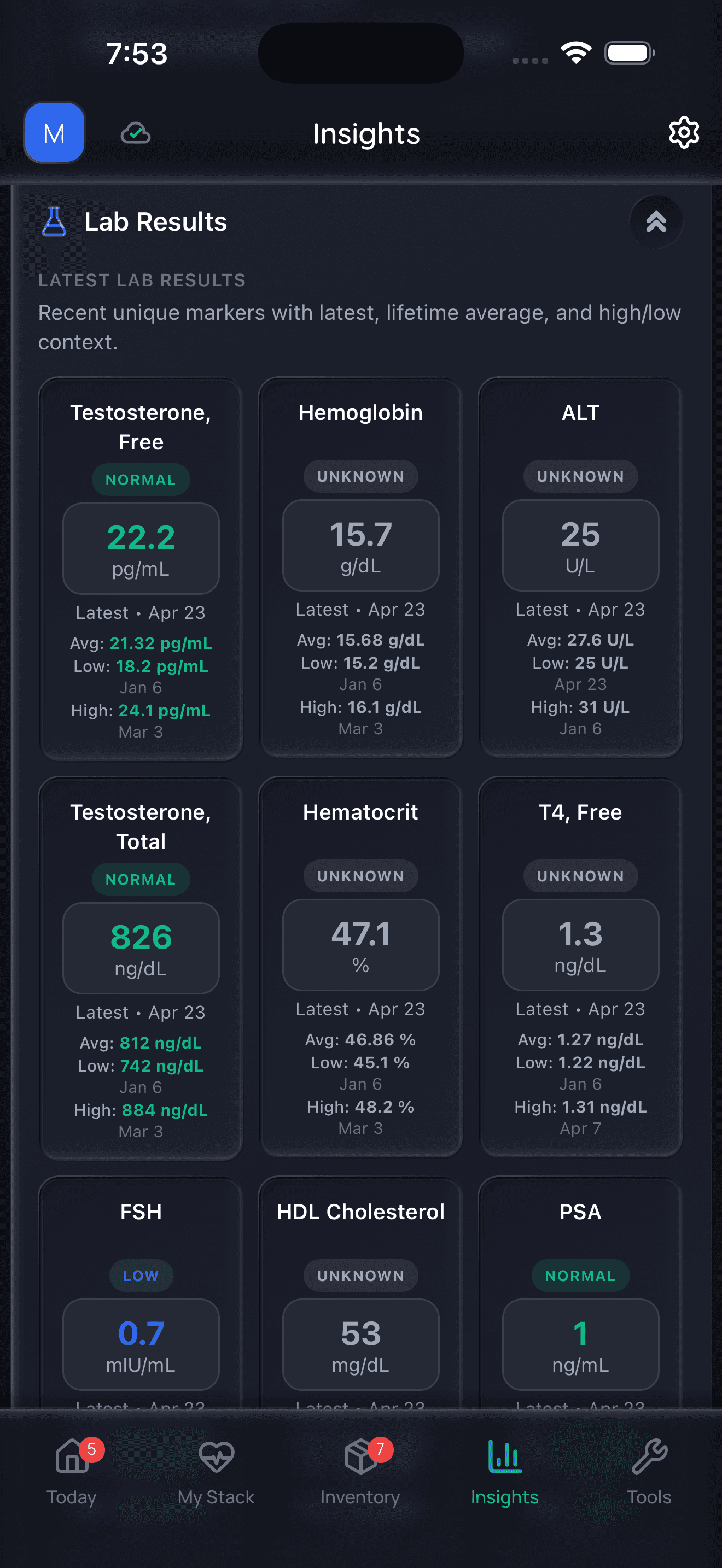
Doserly organizes data; it does not diagnose or interpret labs for you.
Side Effects & Safety
The Basics
Chamomile is widely regarded as one of the safer herbal supplements available, and clinical trial data supports this reputation. In the longest controlled study (38 weeks), adverse events occurred at about the same rate in the chamomile and placebo groups, and all reported side effects were mild [5].
The most commonly reported side effects from chamomile supplements include occasional nausea, dry mouth, dizziness, and drowsiness. Some people notice a lingering herbal taste. These effects are typically mild and transient [5].
The most significant safety concern is allergic reactions. Chamomile belongs to the Asteraceae (daisy) family, and people who are allergic to ragweed, chrysanthemums, marigolds, daisies, or mugwort are at higher risk of cross-reactive allergic responses. In rare cases, severe reactions including anaphylaxis have been documented [6]. If you have known pollen allergies or sensitivities to plants in the daisy family, proceed cautiously and consider starting with a small amount to test tolerance.
Chamomile contains coumarin compounds that have mild blood-thinning properties. This creates a meaningful interaction risk with anticoagulant medications like warfarin. Case reports of internal hemorrhages have been documented when chamomile was used concurrently with warfarin [6]. Anyone taking blood-thinning medications should consult their healthcare provider before using chamomile supplements.
The safety of chamomile during pregnancy and breastfeeding has not been well studied. One case report noted premature fetal ductus arteriosus constriction associated with chamomile use during pregnancy [6]. Given the limited data, most guidelines advise caution during pregnancy.
Standardized extract forms are notably more concentrated than tea and may produce stronger effects. Some users of concentrated extracts have reported a hangover-like feeling and difficulty concentrating when combining chamomile with other sedative herbs or medications.
The Science
Adverse Event Profile (Clinical Trial Data):
In the Mao et al. (2016) 38-week GAD trial, adverse event incidence did not differ significantly between chamomile (17.4%) and placebo (19.1%) groups (p = 0.22) [5]. All reported events were graded as mild. Specific adverse events in the chamomile group included nausea (n = 3), dry mouth (n = 2), taste perversion (n = 1), dizziness, drowsiness, fatigue, flushing, herbal taste, rash/itchy skin, urinary frequency, vivid dreams, and subjective leg weakness. None required medical treatment or caused study discontinuation [5].
The 2024 sleep meta-analysis reported no adverse events across any of the 10 included studies [7].
Allergic and Hypersensitivity Reactions:
Cross-reactivity with Asteraceae family plants (ragweed, chrysanthemum, marigold, daisy, mugwort) is well-documented [6]. Reported reactions include:
- Contact dermatitis (topical exposure)
- Asthma exacerbation
- Allergic conjunctivitis
- Severe anaphylaxis (rare, case reports)
Drug Interactions:
CYP450 enzyme inhibition has been demonstrated in vitro for CYP1A2, CYP2C9, CYP2D6, and CYP3A4 [6]. Clinical significance is uncertain but warrants caution with medications metabolized by these pathways. Specific documented interactions include:
- Warfarin and anticoagulants: Increased bleeding risk via coumarin content and possible CYP2C9 inhibition. Case reports of internal hemorrhage [6].
- Cyclosporine: Increased serum levels reported, potentially via CYP3A4 inhibition [6].
- Sedative medications: Additive sedative effects possible when combined with benzodiazepines, barbiturates, or other CNS depressants [6].
Reproductive Safety:
Limited data. One case report documented premature constriction of the fetal ductus arteriosus associated with maternal chamomile use during pregnancy [6]. Animal studies at high doses suggest teratogenic potential [3]. Current evidence is insufficient to establish safety during pregnancy or lactation.
Toxicology:
Maximum tolerated doses of aqueous and alcohol chamomile extracts in animal studies were 535 and 425 times the standard adult clinical dose, respectively, suggesting a wide therapeutic margin [3]. One study reported genotoxicity in mice, though other studies found aqueous and alcohol extracts safe in murine models [3]. Pyrrolizidine alkaloids have been detected at potentially concerning levels in some commercial chamomile products, raising contamination rather than intrinsic toxicity concerns [3].
Botulism Risk:
Chamomile products have been identified as potential carriers of Clostridium botulinum spores, which is a relevant consideration for immunocompromised individuals or infants [3].
Knowing the possible side effects is the first step. Catching them early in your own experience is what keeps a supplement routine safe. Doserly lets you log any symptoms as they arise, tagging them with severity, timing relative to your dose, and whether they resolve on their own or persist.
The app's interaction checker cross-references everything in your stack, supplements and medications alike, flagging known interactions before they become a problem. It also monitors your total intake against established upper limits, alerting you if your combined sources of a nutrient are approaching thresholds where risk increases. Think of it as a safety net that works quietly in the background while you focus on the benefits.
Capture changes while they are still fresh.
Log symptoms, energy, sleep, mood, and other observations alongside protocol events so patterns do not live only in memory.
Trend view
Symptom timeline
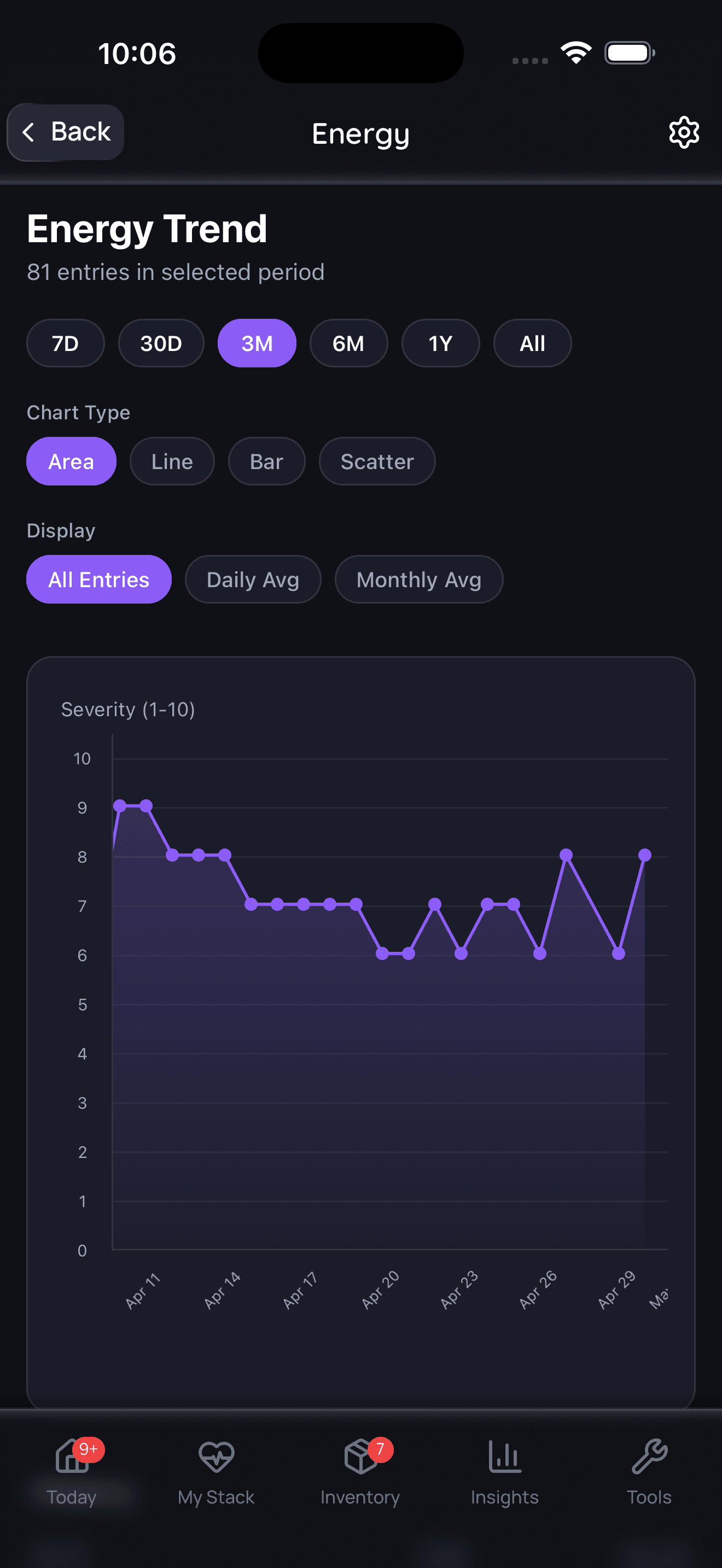
Symptom tracking is informational and should be interpreted with a qualified clinician.
Dosing & Usage Protocols
The Basics
Chamomile dosing varies significantly depending on the form you choose, the reason you are using it, and whether you are drinking tea or taking a concentrated supplement. Understanding these differences is important because a cup of chamomile tea and a high-dose standardized extract capsule are very different products.
For anxiety support, the strongest clinical evidence comes from studies using 1,500 mg per day of a standardized German chamomile extract (containing 1.2% apigenin-7-glycosides, approximately 6 mg total apigenin). This was typically divided into three doses of 500 mg taken throughout the day [4][5]. This standardized extract form is significantly more concentrated than dried flower powder.
For sleep support, commonly reported ranges include 200-400 mg of chamomile extract taken 30-60 minutes before bed, or 1-2 cups of chamomile tea in the evening. The clinical data on sleep used various preparations and doses, so there is no single established protocol. The meta-analysis that found sleep quality improvements included studies using different formulations, which contributes to the variability in reported effective doses [7].
For general wellness and digestive support, chamomile tea (1-4 cups daily, brewed from 1-2 teaspoons of dried flowers per cup) is the most traditional approach. Dried flower powder capsules typically range from 350-700 mg per dose. These are generally less concentrated than standardized extracts.
It is worth noting that no official RDA, AI, or UL exists for chamomile because it is an herbal supplement, not an essential nutrient. The dosing ranges above are derived from clinical trials and traditional practice, not from established nutritional guidelines. A healthcare provider can help determine the appropriate form and dose for individual goals.
The Science
Clinical trial dosing protocols:
Study
Amsterdam et al. 2009 [4]
- Form
- German chamomile extract
- Daily Dose
- Not specified (likely 220-1,100 mg based on protocol)
- Standardization
- Apigenin-7-glycosides
- Duration
- 8 weeks
- Target
- GAD
Study
Mao et al. 2016 [5]
- Form
- German chamomile dry extract
- Daily Dose
- 1,500 mg (3 x 500 mg)
- Standardization
- 1.2% apigenin-7-glycosides (6 mg total)
- Duration
- 38 weeks
- Target
- GAD relapse prevention
Study
Sleep meta-analysis studies [7]
- Form
- Various (extract, tea)
- Daily Dose
- Variable
- Standardization
- Variable
- Duration
- 2-12 weeks
- Target
- Sleep quality
Study
Diabetes studies [1][3]
- Form
- Chamomile tea / extract
- Daily Dose
- 1-3 cups tea daily
- Standardization
- Unstandardized
- Duration
- 4-8 weeks
- Target
- Glycemic control
Standardization considerations:
The pharmaceutical-grade extract used in the major GAD trials was standardized to 1.2% apigenin-7-glycosides. HPLC analysis shows apigenin-7-glucoside content of 5.2-5.8 mg/g in commercial batches [3], meaning most commercial dried flower products deliver substantially less apigenin per milligram than the clinical trial material. Consumers attempting to replicate clinical trial dosing with non-standardized products should be aware of this discrepancy.
Duration of use:
The longest controlled safety data extends to 38 weeks at 1,500 mg/day, with no serious adverse events and compliance rates exceeding 95% [5]. The open-label phase response typically occurred within 8-12 weeks for anxiety endpoints. Sleep benefits may manifest more quickly (2-4 weeks in some studies) [7]. There are no established guidelines on cycling or maximum duration of continuous use.
Getting the dose right matters more than most people realize. Too little may be ineffective, too much wastes money or introduces risk, and inconsistency undermines both. Doserly tracks every dose you take, across every form, giving you a clear record of what you're actually consuming versus what you planned.
The app helps you compare RDA recommendations against therapeutic ranges discussed in the research, so you can see exactly where your intake falls. If you switch forms, say from a standard capsule to a liposomal liquid, Doserly adjusts your tracking to account for different bioavailabilities. Pair that with smart reminders that keep your timing consistent, and the precision that makes a real difference in outcomes becomes effortless.
Track injection timing, draw notes, and site rotation.
Doserly helps keep syringe-related notes, injection site history, reminders, and reconstitution context together for easier review.
Injection log
Site rotation
Injection logs support record-keeping; follow clinician instructions for administration.
What to Expect (Timeline)
Chamomile is not a fast-acting pharmaceutical. Setting realistic expectations about what may change and when can help you evaluate whether it is working for you.
Week 1-2:
If you are using chamomile tea or supplements for relaxation and sleep, you may notice subtle calming effects relatively early. Many people report a gentle easing of nighttime tension and slightly easier sleep onset within the first week or two. Digestive comfort benefits, if relevant, may also appear quickly. These early effects are likely related to the acute GABAergic activity of apigenin and the antispasmodic effects on the gut.
Week 3-4:
Anxiety-related benefits may begin to become noticeable in this timeframe, though the clinical trials showed that full effects took longer to develop. You may notice a gradual reduction in background worry or a slight improvement in how you handle daily stressors. Sleep quality improvements, if they are going to occur, are typically becoming more consistent by this point.
Week 5-8:
The clinical trials demonstrated statistically significant anxiety score reductions within this timeframe [4]. This is when the anxiolytic effects, if present, typically become clearly distinguishable from placebo. Sleep quality should be reasonably stable by now. If you have not noticed any changes by week 8, chamomile may not be effective for your particular situation, and discussing alternatives with a healthcare provider would be reasonable.
Week 8-12+:
For sustained anxiety management, the evidence suggests that continuing chamomile beyond the initial response period helps maintain benefits. The 38-week trial showed that responders who continued chamomile had lower relapse rates compared to those switched to placebo [5]. Blood sugar and metabolic effects, if relevant, may take this longer timeframe to become apparent in lab work. Some benefits, particularly anti-inflammatory and antioxidant effects, are likely cumulative and may not produce subjective awareness even when they are occurring.
Important caveats: Individual responses vary widely. The clinical trial response rate was approximately 50-52% in the open-label phase, meaning roughly half of participants experienced meaningful improvement. Factors that influence response include baseline anxiety or sleep severity, chamomile form and dose, individual metabolism, and concurrent lifestyle factors.
Interactions & Compatibility
Synergistic
- Magnesium: Complementary mechanisms for sleep and relaxation support. Magnesium acts through NMDA receptor antagonism and muscle relaxation, while chamomile acts through GABAergic pathways. Commonly combined in nighttime supplement protocols.
- L-Theanine: Both promote relaxation without sedation. L-theanine modulates alpha brain waves, while chamomile's apigenin targets GABA receptors. The combination may provide broader calming support.
- Lemon Balm: Traditional pairing for calming and digestive support. Both herbs have GABAergic activity and antispasmodic properties. Frequently combined in herbal tea blends.
- Passionflower: Complementary anxiolytic herb with GABA-enhancing properties. Combined in many commercial calming formulations.
- Valerian Root: Traditional sleep-support combination. Valerian has stronger sedative properties; chamomile adds gentle calming. Often found together in nighttime tea blends.
- Melatonin: Chamomile may support sleep onset and quality, while melatonin directly regulates circadian signaling. Complementary timing mechanisms.
- Holy Basil (Tulsi): Both are traditional calming herbs with adaptogenic and anti-inflammatory properties. Different primary mechanisms provide complementary stress support.
- Ginger Root: Complementary digestive support. Ginger addresses nausea and motility; chamomile provides antispasmodic and anti-inflammatory effects on the gut lining.
Caution / Avoid
- Warfarin and anticoagulant medications: Chamomile contains coumarin compounds and may inhibit CYP2C9. Case reports of increased bleeding and internal hemorrhage with concurrent warfarin use [6]. Consult a healthcare provider before combining.
- Benzodiazepines and sedative medications: Additive sedative effects possible. Chamomile's GABAergic activity may compound the effects of prescription sedatives, increasing drowsiness and impairment [6].
- Cyclosporine: Chamomile may increase cyclosporine serum levels via CYP3A4 inhibition, potentially increasing immunosuppressant side effects [6].
- CYP1A2 substrates (caffeine, theophylline, some antidepressants): Chamomile inhibits CYP1A2 in vitro, potentially increasing blood levels of drugs metabolized by this enzyme [6].
- CYP2D6 substrates (codeine, tramadol, some antidepressants): In vitro CYP2D6 inhibition documented; clinical significance uncertain [6].
- Other anticoagulant/antiplatelet supplements (Fish Oil, Ginkgo Biloba, high-dose Vitamin E): Additive blood-thinning effects when combined with chamomile's coumarin content.
How to Take / Administration Guide
Choosing a form:
The form of chamomile you choose should match your goals. For clinical-level anxiety support, standardized extract capsules (delivering quantified apigenin-7-glycosides) align most closely with the research evidence. For general relaxation and sleep, tea or dried flower capsules are traditional and widely used. For topical anti-inflammatory or pain relief, chamomile essential oil diluted in a carrier oil is the appropriate form.
Timing considerations:
- For sleep support, most practitioners suggest taking chamomile 30-60 minutes before bedtime, whether as tea or capsules.
- For anxiety management, the clinical trials used divided dosing (three times daily), which maintains more consistent blood levels of active compounds throughout the day.
- For digestive comfort, chamomile tea between meals or after eating may be most effective.
- Chamomile can be taken with or without food. There is no strong evidence that food timing dramatically affects absorption, though the fat-soluble terpenoids may absorb slightly better with a meal containing some dietary fat.
Tea preparation:
Use 1-2 teaspoons (approximately 2-4 grams) of dried chamomile flowers per cup of water at approximately 200 degrees Fahrenheit (93 degrees Celsius). Steep for 5-10 minutes with a cover to retain volatile compounds. Longer steeping extracts more flavonoids but may also increase bitterness. Strain before drinking.
Stacking guidance:
Chamomile combines well with other calming herbs in traditional practice. If stacking with other GABAergic supplements (valerian, passionflower, kava), start with lower individual doses to assess tolerance before building up. Do not combine with prescription sedatives or anti-anxiety medications without healthcare provider guidance.
Cycling:
No established cycling protocols exist for chamomile. The longest clinical trial ran for 38 weeks continuously with no safety concerns [5]. Most practitioners do not recommend cycling breaks for chamomile, though some suggest periodic reassessment of need rather than indefinite use.
Choosing a Quality Product
Form selection matters:
The most important quality consideration for chamomile is distinguishing between dried flower powder and standardized extract. Many inexpensive products contain ground dried flowers (350-700 mg) without standardization, meaning the active compound content can vary significantly between batches. Standardized extracts (typically to 1.2% apigenin-7-glycosides or specified total flavonoid content) offer more consistent dosing and align with the clinical trial materials.
Species verification:
Confirm the product specifies German chamomile (Matricaria chamomilla or Matricaria recutita). Some products may contain Roman chamomile (Chamaemelum nobile), which has a different phytochemical profile and less clinical evidence. Gas chromatography can differentiate the two species by alpha-bisabolol content [3].
Third-party testing:
Look for products tested by independent laboratories (USP, NSF, ConsumerLab) for identity, purity, potency, and contaminants. This is particularly important for chamomile because some commercial products have been found to contain pyrrolizidine alkaloids at potentially concerning levels [3], which are contaminants rather than natural chamomile constituents.
Red flags:
- Products that do not specify the chamomile species
- "Proprietary blends" that hide the actual chamomile dose
- Claims about curing or treating specific diseases (regulatory red flag)
- Products without third-party testing or Certificate of Analysis availability
- Essential oil products marketed for internal/oral use (essential oils are for topical application only)
Quality markers:
- Standardization to apigenin-7-glycosides or total flavonoid content
- Species identified as Matricaria chamomilla or recutita
- GMP certification
- Third-party testing for heavy metals, pesticides, and microbial contamination
- Organic certification (optional but reduces pesticide exposure concerns)
- Products from established herbal supplement manufacturers with transparent sourcing
Storage & Handling
Chamomile supplements should be stored in a cool, dry place away from direct light and moisture. The volatile compounds responsible for some of chamomile's activity are sensitive to heat, light, and air exposure, so proper storage helps maintain potency.
- Capsules and tablets: Store at room temperature in the original sealed container. Keep away from moisture. Most products have a shelf life of 2-3 years from manufacture.
- Dried flower (loose or tea bags): Store in an airtight container away from light and moisture. Volatile oil content decreases with age, so fresher product is preferred. Use within 1 year for optimal potency.
- Tinctures/liquid extracts: Store at room temperature. Alcohol-based tinctures have a long shelf life (several years) due to the preservative effect of alcohol. Keep bottles tightly closed to prevent evaporation.
- Essential oil: Store in dark glass containers away from heat and light. Oxidation can alter the chemical composition over time. Use within 1-2 years of opening.
Do not freeze chamomile supplements. Avoid storing in bathrooms or kitchens where humidity and temperature fluctuations are common.
Lifestyle & Supporting Factors
Dietary sources:
Chamomile is most commonly consumed as a tea brewed from dried flower heads. While not a food in the traditional sense, chamomile tea is consumed globally as a beverage and represents the most widespread dietary source of chamomile's active compounds. Apigenin, the primary active flavonoid, is also found in other foods including parsley, celery, peppermint, and thyme, though in smaller concentrations than in chamomile [6].
Sleep hygiene:
For those using chamomile for sleep support, its effects are likely to be more noticeable when combined with good sleep hygiene practices. Consistent sleep and wake times, a dark and cool bedroom, limited screen exposure before bed, and reduced caffeine intake in the afternoon and evening create the foundation that chamomile can build on. Chamomile alone is unlikely to overcome poor sleep habits.
Stress management:
Chamomile's anxiolytic effects appear to work best as part of a broader stress management approach. Regular physical activity, mindfulness or relaxation practices, adequate sleep, and social connection all contribute to stress resilience. Chamomile may provide additional support within this framework rather than serving as a standalone solution.
Exercise:
Moderate regular exercise improves both sleep quality and anxiety management, two of chamomile's primary target areas. Exercise and chamomile address these issues through different mechanisms (exercise through endorphins, cortisol regulation, and adenosine accumulation; chamomile through GABAergic modulation), making them complementary rather than redundant.
Nutrient status:
Magnesium deficiency is common in modern diets and contributes independently to anxiety, poor sleep, and muscle tension. Ensuring adequate magnesium intake (through diet or supplementation) may enhance chamomile's calming effects by addressing a parallel pathway. Similarly, adequate B vitamin and vitamin D status support overall nervous system health.
Monitoring recommendations:
If using chamomile for anxiety or sleep support, tracking subjective sleep quality, anxiety levels, and general wellbeing over time can help determine whether it is providing meaningful benefit. A minimum trial period of 4-8 weeks at a consistent dose is recommended before evaluating effectiveness, based on the clinical trial timelines.
Regulatory Status & Standards
United States (FDA):
Chamomile is regulated as a dietary supplement under the Dietary Supplement Health and Education Act (DSHEA) of 1994. German chamomile (Matricaria recutita) has Generally Recognized As Safe (GRAS) status for use in food. As a dietary supplement, chamomile products are not evaluated by the FDA for efficacy and cannot make drug claims. Manufacturers are responsible for ensuring product safety and accurate labeling under Current Good Manufacturing Practices (cGMP). Over 200 preparations containing chamomile are listed in the U.S. National Drug Code [3].
European Union (EFSA):
Chamomile is classified as a traditional herbal medicinal product under the European Union's Traditional Herbal Medicinal Products Directive (2004/24/EC). The European Medicines Agency Committee on Herbal Medicinal Products (HMPC) has issued a monograph for Matricaria recutita covering its traditional use. EFSA has evaluated certain health claims related to chamomile. Chamomile is not classified as a Novel Food.
Canada (Health Canada):
Chamomile is recognized as a Natural Health Product (NHP). Products containing chamomile require a Natural Product Number (NPN) and must comply with the Natural Health Products Regulations, including evidence of safety and efficacy for their labeled claims.
Australia (TGA):
Chamomile is regulated as a complementary medicine under the Therapeutic Goods Administration. Listed medicines containing chamomile must comply with the Listed Medicines Evidence Guidelines.
Germany (Commission E):
The German Commission E approved chamomile for use in treating gastrointestinal spasms and inflammatory diseases of the gastrointestinal tract when taken internally, and for skin and mucous membrane inflammation when used externally. This monograph is considered a significant endorsement of chamomile's traditional medicinal use.
Athlete & Sports Regulatory Status:
Chamomile is not listed on the WADA Prohibited List and is not prohibited by any major national anti-doping agency (USADA, UKAD, Sport Integrity Canada, Sport Integrity Australia, NADA Germany). It is not on the NCAA banned substance list. Athletes may use chamomile supplements without concern about anti-doping violations from the chamomile itself.
However, standard supplement contamination caveats apply. As with any dietary supplement, athletes should select products that have been third-party tested through Informed Sport (sport.wetestyoutrust.com), NSF Certified for Sport (nsfsport.com), Cologne List (koelnerliste.com), or BSCG (bscg.org) to minimize the risk of inadvertent exposure to prohibited substances through contamination.
Athletes can check the status of chamomile and other supplements at GlobalDRO.com.
Regulatory status and prohibited substance classifications change frequently. Athletes should always verify the current status of any supplement with their sport's governing body, their national anti-doping agency, and a qualified sports medicine professional before use. Third-party certification (Informed Sport, NSF Certified for Sport) reduces but does not eliminate the risk of contamination with prohibited substances.
Frequently Asked Questions
Is chamomile tea as effective as chamomile supplements?
Chamomile tea delivers many of the same active compounds as supplements but in lower concentrations. The clinical trials showing anxiety reduction used standardized extract capsules (1,500 mg/day) delivering specific amounts of apigenin, which would be difficult to replicate through tea alone. For general relaxation and digestive comfort, tea has centuries of traditional use supporting its effectiveness. The best choice depends on your goals and how important standardized dosing is for your situation.
Can chamomile help with anxiety disorder, or is it only for mild stress?
Two randomized controlled trials specifically studied chamomile in people diagnosed with generalized anxiety disorder (GAD) and found significant improvements in anxiety scores compared to placebo [4][5]. The effects were described as "modest anxiolytic activity," suggesting chamomile is more than a mild stress reliever but less potent than prescription anti-anxiety medications. A healthcare professional can help determine whether chamomile is appropriate for a specific anxiety condition.
How long does it take for chamomile supplements to work?
For relaxation and sleep support, some people notice subtle effects within the first week or two. For anxiety reduction, the clinical trials measured significant improvements at 8 weeks. The 38-week trial suggested that continued use maintains benefits better than stopping [5]. A reasonable trial period is 4-8 weeks at a consistent dose before evaluating effectiveness.
Can I take chamomile with my prescription medications?
Chamomile inhibits several CYP450 enzymes (CYP1A2, CYP2C9, CYP2D6, CYP3A4) in vitro, which means it could theoretically affect the metabolism of various prescription medications [6]. The most clinically significant interaction is with warfarin and other blood thinners. Anyone taking prescription medications should consult their healthcare provider before adding chamomile supplements to their regimen.
Is it safe to take chamomile every day?
The longest controlled study tracked daily chamomile use for 38 weeks with no serious adverse events [5]. The adverse event profile was indistinguishable from placebo. There are no established guidelines limiting the duration of daily use. However, periodic reassessment with a healthcare provider is sensible for any long-term supplement use.
What is the difference between German and Roman chamomile?
German chamomile (Matricaria chamomilla) and Roman chamomile (Chamaemelum nobile) are different species in the same plant family. German chamomile is the variety used in most clinical research and is the more common supplement form. It contains alpha-bisabolol, a key anti-inflammatory compound not detected in Roman chamomile [3]. Roman chamomile is milder and used primarily in aromatherapy and gentle teas. When purchasing supplements, German chamomile is generally the better-studied choice.
Can chamomile cause allergic reactions?
Yes. Chamomile belongs to the Asteraceae (daisy/ragweed) family, and people with allergies to ragweed, chrysanthemums, marigolds, or daisies may experience cross-reactive allergic responses. Reactions can range from mild skin irritation to, in rare cases, severe anaphylaxis [6]. If you have known plant pollen allergies, start with a small amount and monitor for any reaction.
Does chamomile interact with blood thinners?
Yes. Chamomile contains coumarin compounds and may inhibit the CYP2C9 enzyme involved in warfarin metabolism. Case reports document increased bleeding and internal hemorrhage with concurrent chamomile and warfarin use [6]. Do not use chamomile supplements alongside blood-thinning medications without explicit guidance from a healthcare provider.
Can chamomile help with digestive issues?
Traditional use and some clinical evidence support chamomile for digestive comfort. Its antispasmodic properties may help with cramping and bloating, and its anti-inflammatory effects may soothe irritated gut lining [1]. The German Commission E has approved chamomile for gastrointestinal spasms and inflammatory diseases of the GI tract. For specific digestive conditions, consulting a healthcare professional is recommended.
Is chamomile safe during pregnancy?
Safety data during pregnancy is limited. One case report documented premature fetal ductus arteriosus constriction associated with chamomile use [6]. Animal studies at high doses suggest teratogenic potential [3]. Most healthcare guidelines advise caution with chamomile supplements during pregnancy and breastfeeding. Discuss with an obstetrician or midwife before using chamomile during pregnancy.
Myth vs. Fact
Myth: Chamomile tea and chamomile supplements are the same thing.
Fact: While both come from the same plant, they deliver significantly different amounts of active compounds. Standardized chamomile extract capsules used in clinical trials (1,500 mg/day, 1.2% apigenin-7-glycosides) provide concentrated, quantified doses of active compounds, particularly apigenin. Tea extracts primarily water-soluble compounds at lower concentrations. Both can be beneficial, but they are not interchangeable when trying to match clinical trial dosing [4][5].
Myth: Chamomile is a powerful sleep aid that will knock you out.
Fact: Chamomile's effects on sleep are modest. A meta-analysis of 10 clinical trials found improved overall sleep quality scores and easier sleep onset, but no increase in total sleep duration or sleep efficiency [7]. Chamomile appears to facilitate the transition to sleep rather than produce strong sedation. It is a gentle sleep support, not a replacement for prescription sleep medications for people with clinical insomnia.
Myth: All chamomile is the same.
Fact: German chamomile (Matricaria chamomilla) and Roman chamomile (Chamaemelum nobile) are different species with distinct chemical profiles. German chamomile contains alpha-bisabolol, a key anti-inflammatory compound not detected in Roman chamomile [3]. The vast majority of clinical research has been conducted on German chamomile. Product quality also varies dramatically: standardized extracts deliver consistent active compound levels, while dried flower powder products can vary significantly between batches.
Myth: Chamomile has no side effects because it is natural.
Fact: While chamomile has an excellent safety profile in clinical trials, it can cause allergic reactions in people sensitive to the Asteraceae plant family (ragweed, daisies, chrysanthemums). Severe anaphylaxis has been documented in rare cases [6]. Chamomile also contains coumarin compounds that interact with blood-thinning medications, and it inhibits several CYP450 enzymes that affect drug metabolism [6]. "Natural" does not mean "without risk."
Myth: You need to take massive doses of chamomile for it to work.
Fact: The clinical trials that demonstrated anxiety reduction used 1,500 mg/day of standardized extract, which is a moderate dose. Sleep studies showed benefits with even lower amounts. Higher doses do not necessarily produce better results and may increase the risk of adverse effects. The key factor is consistency and standardization rather than raw dose size [4][5][7].
Myth: Chamomile cures anxiety and insomnia.
Fact: Chamomile does not cure any condition. Clinical trials describe its effects as "modest anxiolytic activity" [4]. It may help manage symptoms of mild-to-moderate generalized anxiety and improve subjective sleep quality, but it is not a substitute for professional treatment of anxiety disorders or clinical insomnia. The response rate in the clinical trials was approximately 50%, meaning about half of participants experienced meaningful benefit.
Myth: Chamomile is safe for everyone, including pregnant women and infants.
Fact: Safety during pregnancy has not been established. One case report linked chamomile use to premature fetal ductus arteriosus constriction [6]. Animal studies at high doses suggest teratogenic potential [3]. Chamomile products have also been identified as potential carriers of Clostridium botulinum spores, which poses a risk for infants [3]. Pregnant and breastfeeding women should consult their healthcare provider before using chamomile supplements.
Sources & References
Clinical Trials & RCTs
[4] Amsterdam JD, Li Y, Soeller I, Rockwell K, Mao JJ, Shults J. A randomized, double-blind, placebo-controlled trial of oral Matricaria recutita (chamomile) extract therapy for generalized anxiety disorder. J Clin Psychopharmacol. 2009;29(4):378-382. https://pubmed.ncbi.nlm.nih.gov/19593179/
[5] Mao JJ, Xie SX, Keefe JR, Soeller I, Li QS, Amsterdam JD. Long-term chamomile (Matricaria chamomilla L.) treatment for generalized anxiety disorder: A randomized clinical trial. Phytomedicine. 2016;23(14):1735-1742. https://pubmed.ncbi.nlm.nih.gov/27912875/
[8] Naser B, Bodinet C, Tegtmeier M, Lindequist U. Efficacy and safety of Matricaria chamomilla intervention in managing menopausal symptoms: a triple-blind clinical trial. Phytother Res. 2025. https://pubmed.ncbi.nlm.nih.gov/39836709/
Systematic Reviews & Meta-Analyses
[1] Miraj S, Alesaeidi S. A systematic review study of therapeutic effects of Matricaria recuitta chamomile (chamomile). Electron Physician. 2016;8(9):3024-3031. https://pmc.ncbi.nlm.nih.gov/articles/PMC5074766/
[7] Systematic review and meta-analysis: Effects of chamomile (Matricaria chamomilla L.) on sleep: A systematic review and meta-analysis of clinical trials. 2024. https://pubmed.ncbi.nlm.nih.gov/39106912/
Comprehensive Reviews
[2] Singh O, Khanam Z, Misra N, Srivastava MK. Chamomile (Matricaria chamomilla L.): An overview. Pharmacogn Rev. 2011;5(9):82-95.
[3] Comprehensive review of chamomile chemical constituents, traditional uses, pharmacological activities, and quality control studies. 2023. https://pmc.ncbi.nlm.nih.gov/articles/PMC9822300/
Government/Institutional Sources
[9] National Center for Complementary and Integrative Health (NCCIH). Chamomile. https://www.nccih.nih.gov/health/chamomile
Clinical Evidence Databases
[6] Memorial Sloan Kettering Cancer Center. About Herbs: Chamomile (German). https://www.mskcc.org/cancer-care/integrative-medicine/herbs/chamomile-german