
Boswellia Serrata: The Complete Supplement Guide
On this page
Quick Reference Card
Attribute
Common Name
- Detail
- Boswellia Serrata
Attribute
Other Names / Aliases
- Detail
- Indian Frankincense, Olibanum, Salai Guggal, Sallaki, H15, Boswellia
Attribute
Category
- Detail
- Herbal Anti-Inflammatory (Burseraceae family)
Attribute
Primary Forms & Variants
- Detail
- Aflapin (20% AKBA, bioavailability-enhanced, most studied), 5-Loxin/Boswellin Super (30% AKBA), Casperome/Phytosome (lecithin-complexed, enhanced absorption), Standard extract (3-5% AKBA), Whole gum resin (traditional form)
Attribute
Typical Dose Range
- Detail
- 100-250 mg/day (Aflapin/5-Loxin); 1,000-2,400 mg/day (standard extract); up to 3,600 mg/day in clinical studies
Attribute
RDA / AI / UL
- Detail
- No established RDA, AI, or UL (herbal supplement, not an essential nutrient)
Attribute
Common Delivery Forms
- Detail
- Capsule, tablet, topical cream, oil, gum resin
Attribute
Best Taken With / Without Food
- Detail
- Take with a meal containing fat. Fatty foods increase AKBA absorption by approximately 55% [1][2].
Attribute
Key Cofactors
- Detail
- Fat (required for absorption), Curcumin (synergistic anti-inflammatory effects) [3]
Attribute
Storage Notes
- Detail
- Store in a cool, dry place away from direct sunlight and moisture. No refrigeration required.
Overview
The Basics
Boswellia serrata is a resinous tree native to India, the Middle East, and North Africa whose gum resin has been used in Ayurvedic medicine for centuries to treat inflammatory conditions. You may know it better by its common name: Indian frankincense. The same substance that has been burned in ceremonial settings for millennia turns out to contain potent anti-inflammatory compounds that are attracting significant clinical interest [4][5].
The primary appeal of boswellia as a supplement lies in its ability to reduce inflammation through a mechanism distinct from common over-the-counter anti-inflammatory drugs like ibuprofen. While NSAIDs primarily target the COX enzymes, boswellia's active compounds (called boswellic acids) primarily inhibit a different enzyme called 5-lipoxygenase (5-LOX), which is responsible for producing inflammatory leukotrienes [5][6]. This means boswellia may offer anti-inflammatory benefits without the gastrointestinal side effects commonly associated with NSAIDs.
The strongest clinical evidence for boswellia supports its use in osteoarthritis, where multiple randomized controlled trials have shown meaningful reductions in joint pain, stiffness, and improved mobility. Some improvements have been observed within as few as 5 days of starting supplementation [7][8]. Preliminary evidence also supports potential benefits for asthma, inflammatory bowel conditions, and exercise recovery, though these areas need larger confirmatory trials [9][10][11].
One important consideration: not all boswellia supplements are created equal. The bioactive compounds, particularly 3-O-acetyl-11-keto-beta-boswellic acid (AKBA), have poor and highly variable oral bioavailability. Standardized extracts enriched for AKBA (such as Aflapin, 5-Loxin, and Boswellin Super) consistently outperform generic boswellia powder in clinical settings [7][8][12].
The Science
Boswellia serrata (family Burseraceae) produces an oleo-gum resin acquired through incisions in the bark. After a traditional month-long hardening period, the raw material consists of 30-60% resin, 5-10% essential oils (predominantly monoterpenes), and 30-55% polysaccharides [5].
The pharmacologically active constituents are the pentacyclic triterpenic acids collectively known as boswellic acids. Six primary boswellic acids have been identified: alpha-boswellic acid, beta-boswellic acid, their respective acetylated forms, 11-keto-beta-boswellic acid (KBA), and 3-O-acetyl-11-keto-beta-boswellic acid (AKBA). AKBA is considered the most potent anti-inflammatory compound, with the 11-keto group critical for 5-LOX inhibition [5][6]. Additional bioactives include incensole acetate (a diterpenic cembrenoid with TRPV3 receptor activity) and the polysaccharide BOS 2000 (with immunomodulatory properties) [5].
The European Medicines Agency (EMA) granted orphan drug status to boswellia gum resin (as H15) in 2002 for the reduction of peritumoral edema, underscoring the compound's recognized pharmacological significance [13]. Clinical data support efficacy in osteoarthritis across multiple meta-analyses and systematic reviews, with the 2020 meta-analysis by Yu et al. confirming statistically significant improvements in pain and functional outcomes [14]. However, evidence against Crohn's disease remission maintenance suggests the anti-inflammatory profile is condition-specific rather than universally applicable [15].
Chemical & Nutritional Identity
Property
Botanical Name
- Value
- Boswellia serrata Roxb.
Property
Plant Family
- Value
- Burseraceae
Property
Part Used
- Value
- Gum resin (oleo-gum exudate)
Property
Active Compounds
- Value
- Boswellic acids (pentacyclic triterpenic acids), incensole acetate, BOS 2000 polysaccharide
Property
Key Boswellic Acids
- Value
- AKBA (3-O-acetyl-11-keto-beta-boswellic acid), KBA (11-keto-beta-boswellic acid), beta-boswellic acid
Property
AKBA Molecular Weight
- Value
- 512.74 g/mol
Property
KBA Molecular Weight
- Value
- 470.70 g/mol
Property
Beta-BA Molecular Weight
- Value
- 456.71 g/mol
Property
Category
- Value
- Herbal anti-inflammatory (5-LOX inhibitor)
Property
Standardization
- Value
- Typically to AKBA content: 3-76% depending on extract type
Common Supplement Forms
Extract
Standard extract
- AKBA Content
- 3-5% AKBA
- Profile
- Basic formulation; requires higher doses (1,000-2,400 mg/day)
Extract
5-Loxin
- AKBA Content
- 30% AKBA
- Profile
- Higher AKBA concentration; effective at 100-250 mg/day
Extract
Aflapin/ApresFlex
- AKBA Content
- 20% AKBA
- Profile
- Bioavailability-enhanced; superior clinical outcomes at 100 mg/day [7]
Extract
Boswellin Super
- AKBA Content
- 30% AKBA + 7.5% beta-BA
- Profile
- Newest formulation; 150-300 mg/day [8]
Extract
Casperome (Phytosome)
- AKBA Content
- Variable
- Profile
- Lecithin-complexed delivery; 7-fold increase in KBA absorption [2]
Extract
LI51202F1 (SBS/AquaLOX)
- AKBA Content
- 76% AKBA
- Profile
- Water-soluble formulation; effective at 60 mg/day for recovery [11]
Extract
Whole gum resin
- AKBA Content
- ~1% AKBA
- Profile
- Traditional form; 2,000-6,000 mg/day required
Mechanism of Action
The Basics
Boswellia works as an anti-inflammatory supplement through a pathway that is fundamentally different from common pain relievers like ibuprofen or aspirin.
Your body produces inflammatory compounds through several enzyme pathways. NSAIDs block the COX enzymes (cyclooxygenase), which is why they help with pain but can irritate your stomach lining (your stomach needs some COX activity to maintain its protective barrier). Boswellia's key compound, AKBA, primarily blocks a different enzyme called 5-lipoxygenase (5-LOX). This enzyme converts omega-6 fatty acids into leukotrienes, which are powerful inflammatory signaling molecules [5][6].
By targeting 5-LOX rather than COX, boswellia reduces inflammation through a complementary but distinct pathway. This is one reason it can be effective for joint inflammation while causing fewer gastrointestinal side effects than NSAIDs [5][16].
Boswellia also blocks NF-kB, a master switch that controls hundreds of inflammatory genes. AKBA can fully shut down NF-kB activation at sufficient concentrations, which is a broad anti-inflammatory effect that goes beyond 5-LOX inhibition alone [5].
A third component called incensole acetate activates TRPV3, a temperature-sensing receptor in your skin and nervous system. This activation produces a mild warming sensation and may contribute to mood-related effects observed in preclinical research [5].
The Science
5-Lipoxygenase (5-LOX) Inhibition: KBA and AKBA are direct, nonredox inhibitors of 5-LOX with IC50 values of 2.8 microM and 1.5 microM respectively [6]. This inhibition reduces biosynthesis of pro-inflammatory leukotrienes (particularly leukotriene B4) and 5-HETE. However, serum albumin binding of AKBA exceeds 95%, and a single 800 mg dose of boswellia failed to reduce plasma leukotriene B4 levels in healthy volunteers, raising questions about the in vivo relevance of this mechanism at standard doses [5].
NF-kB Inhibition: AKBA inhibits NF-kB activation induced by TNF-alpha, IL-1beta, LPS, doxorubicin, PMA, H2O2, okadaic acid, and cigarette smoke. The mechanism involves interference with IkappaBalpha and Akt phosphorylation, upstream of p65 translocation. Complete abolition of NF-kB activity occurs at 50 microM AKBA across all tested cell lines, demonstrating a ubiquitous effect [5].
Cyclooxygenase Activity: Boswellic acids do not significantly inhibit COX-2, the primary target of modern NSAIDs. Some inhibition of COX-1 has been observed (AKBA IC50 of 6 microM in platelets), but this is weak relative to established NSAID potency [5][16]. This selectivity profile (5-LOX without COX-2) distinguishes boswellia from both traditional and selective NSAIDs.
Additional Mechanisms:
- Cathepsin G inhibition: beta-boswellic acid IC50 0.8 microM, AKBA IC50 1.2 microM (anti-inflammatory in neutrophils) [5]
- Human Leukocyte Elastase inhibition: AKBA IC50 15 microM [5]
- RANKL-induced osteoclastogenesis suppression via NF-kB inhibition at 300 nM AKBA (relevant to bone/joint protection) [5]
- Direct LPS sequestration by beta-boswellic acid (IC50 1.8 microM) [5]
- MMP-3, MMP-10, MMP-11 suppression in endothelial cells (relevant to cartilage/joint protection) [5]
- TRPV3 agonism by incensole acetate (EC50 16 microM), mediating thermosensory and potential anxiolytic effects [5]
History & Traditional Use
Boswellia serrata gum resin has been a cornerstone of Ayurvedic medicine for over 2,500 years, where it is known as Salai guggal. Traditional applications centered on arthritis, ulcerative colitis, coughs, sores, wound healing, and asthma [4][5].
The resin of various Boswellia species is the source of frankincense, one of the most historically significant aromatic substances. Frankincense was one of the three gifts presented to Jesus in the Christian nativity narrative, was burned in ancient Egyptian ceremonies, and was used in traditional Ethiopian medicine as a tranquilizer and anxiolytic [5]. The Jewish Talmud references its use to "confuse or lose the mind" of prisoners, suggesting recognized psychoactive properties [5].
In European phytotherapy, Boswellia serrata extract was patented under the name H15 and has been used particularly for inflammatory conditions. The European Medicines Agency granted it orphan drug status in 2002 for peritumoral edema [13].
In India, boswellia was patented under the name Sallaki and has maintained continuous use in traditional and integrative medical practice. German Commission E monographs include assessments of herbal preparations containing boswellia for inflammatory indications.
Absorption & Bioavailability
The Basics
Bioavailability is one of the most critical considerations when choosing a boswellia supplement, and it is where many generic products fall short.
The key active compound, AKBA, is highly fat-soluble and poorly absorbed when taken on an empty stomach. Taking boswellia with a meal containing fat increases AKBA absorption by approximately 55%, and taking it without food can result in undetectable blood levels in some individuals [1][2].
Even with food, blood levels of AKBA vary enormously between individuals. In one study of 14 people taking 4,800 mg of boswellia daily, only one person had detectable AKBA levels in their blood [1]. This extreme variability is a fundamental challenge that has driven the development of enhanced formulations.
Phytosome technology (complexing boswellic acids with lecithin, as in Casperome) dramatically improves the situation, increasing KBA blood levels 7-fold and reducing person-to-person variability [2]. Newer bioavailability-enhanced formulations like Aflapin achieve better clinical outcomes at lower doses (100 mg vs. 1,000+ mg) by getting more AKBA into systemic circulation [7].
The Science
Intestinal Absorption: In Caco-2 cell models, KBA and AKBA demonstrate high intestinal cell retention but limited transcellular transport, consistent with highly lipophilic compounds. When bovine serum albumin is added to the receiving compartment (mimicking physiological conditions), moderate permeability is observed with an estimated absorption rate of 20-70%. P-glycoprotein inhibition does not affect uptake kinetics [5].
Serum Pharmacokinetics: At 4,800 mg/day (1,400 mg three times daily) in free-living conditions, steady-state KBA levels ranged from 6.4-247 ng/mL (0.01-0.5 microM) across 14 participants, with one nonresponder showing no detectable levels. AKBA was detectable in only 1 of 14 subjects at 15.5 ng/mL (0.03 microM). The other four boswellic acids showed ranges spanning from 0.5 ng/mL to 12,000 ng/mL, demonstrating extreme inter-individual variability [1].
Food Effect: Co-administration with fatty foods increased the AKBA response rate from 75% to 92% for KBA detection, with Cmax and AUC increases of 31.2% and 37.2% respectively. The AKBA AUC increased by 55% (72.2 to 112.1 ng/mL) [1].
Phytosome Enhancement: The Casperome delivery system (boswellia-phosphatidylcholine complex) increased KBA serum levels 7-fold and beta-boswellic acid levels 3-fold compared to standard gum capsules with equivalent boswellic acid content. Critically, it also reduced the coefficient of variation in serum levels (e.g., KBA from 164.39 +/- 197.40 ng/mL to 506.33 +/- 233.98 ng/mL for equal boswellic acid content) [2].
Tissue Distribution: All six primary boswellic acids distribute to brain, liver, kidney, retinal, and skeletal muscle tissue in rodent models. Beta-boswellic acid achieves brain concentrations of 2.33 micromol/g wet weight, which falls within the pharmacological range [5].
Half-life: Plasma half-life of a single dose is approximately 5.97 +/- 0.95 hours [17]. Individual boswellic acid half-lives in rodent models range from 0.74 hours (KBA) to 10.12 hours (beta-boswellic acid) [5].
Understanding how your body absorbs a supplement is only useful if you can act on it. Doserly lets you log exactly when you take each form, whether it's a capsule with a meal, a sublingual tablet on an empty stomach, or a liquid taken with a cofactor, so you can see how timing and form choices affect your results over time.
The app also tracks cofactor pairings that influence absorption. If a supplement works better alongside vitamin C, fat, or black pepper extract, Doserly reminds you to take them together and logs both. Over weeks, your personal data reveals whether those pairing strategies are translating into measurable differences in the biomarkers you're tracking.
Turn symptom and safety notes into a clearer timeline.
Doserly helps you log doses, symptoms, and safety observations side by side so patterns are easier to discuss with a qualified clinician.
Pattern view
Logs and observations

Pattern visibility is informational and should be reviewed with a clinician.
Research & Clinical Evidence
The Basics
The research landscape for boswellia is strongest in the area of osteoarthritis, with a growing body of evidence for other inflammatory conditions.
For joint health, multiple randomized controlled trials have shown that standardized boswellia extracts can reduce pain scores by 30-65%, decrease stiffness by 40-62%, and improve physical function by 20-50% over 30-90 days [7][8][12]. In one study, participants noticed improvements as early as day 5 [8]. These are clinically meaningful reductions that rival the effects of some pharmaceutical interventions.
For asthma, a smaller study found that 900 mg/day of boswellia for 6 weeks improved lung function measures and increased the proportion of patients showing significant improvement from 27% to 70% [9].
In inflammatory bowel disease, results are mixed. Boswellia showed some benefit for ulcerative colitis and collagenous colitis, but a well-designed year-long study found no benefit over placebo for maintaining remission in Crohn's disease [10][15].
An important caveat: many of the most well-controlled osteoarthritis studies used patented formulations (Aflapin, 5-Loxin) and were funded by the manufacturer (Laila Nutraceuticals). While the studies appear to have been conducted independently and the results are consistent, this funding relationship should be considered when evaluating the evidence [7].
The Science
Osteoarthritis (Moderate-to-Strong Evidence):
- Sengupta et al. (2008): 5-Loxin (100 mg, 30% AKBA) vs. Aflapin (100 mg) vs. placebo in 60 OA patients over 90 days. 5-Loxin reduced VAS 31.6%, WOMAC pain 30.3%, stiffness 42.2%. Aflapin outperformed on all parameters [7].
- Majeed et al. (2024): Boswellin Super (150 mg or 300 mg, 30% AKBA) vs. placebo in 105 OA patients over 90 days. VAS pain reduction 45.3% (150 mg) and 61.9% (300 mg). Significant reductions in TNF-alpha, hs-CRP, and IL-6. Improvements observed by day 5 [8].
- Yu et al. (2020): Systematic review and meta-analysis confirming effectiveness of Boswellia extracts for OA pain and function [14].
- Bannuru et al. (2018): Meta-analysis of curcumin and Boswellia for knee OA found both effective individually, with potential synergistic effects in combination [3].
Asthma (Preliminary Evidence):
- Gupta et al. (1998): 300 mg three times daily for 6 weeks improved FEV1, FVC, and PEFR. Significant improvement rate increased from 27% to 70% [9].
Inflammatory Bowel Disease (Mixed Evidence):
- Gupta et al. (1997): Positive results in ulcerative colitis [10].
- Madisch et al. (2007): 1,200 mg/day for 6 weeks increased remission in collagenous colitis from 26.7% to 43.8% [18].
- Holtmeier et al. (2011): 1,200 mg/day for 1 year was NOT superior to placebo for maintaining Crohn's disease remission [15].
Exercise Recovery (Preliminary Evidence):
- Ten-day supplementation with water-soluble B. serrata extract (60 mg, 76% AKBA) attenuated soreness and improved recovery after eccentric exercise, with reduced CRP and IL-6 [11].
Neurological Applications (Preliminary Evidence):
- Kirste et al. (2011): 3,600 mg/day for 12 weeks reduced peritumoral cerebral edema in brain tumor patients undergoing radiotherapy [13].
- Case series: 1,050-2,100 mg/day resolved nocturnal cluster headaches in 4 patients with chronic cluster headaches [5].
Cancer-Related (Preclinical/Preliminary):
- Topical boswellia prevented radiation-induced skin damage in breast cancer patients [4].
- AKBA demonstrates VEGFR2 kinase inhibition and anti-angiogenic properties in preclinical models [5].
- Boswellic acids induce apoptosis in glioma, leukemia, and cervical cancer cell lines through multiple pathways [4][5].
Evidence & Effectiveness Matrix
Category
Joint Health
- Evidence Strength
- 8/10
- Community-Reported Effectiveness
- 8/10
- Direction
- Positive
- Confidence
- High
Category
Inflammation
- Evidence Strength
- 8/10
- Community-Reported Effectiveness
- 8/10
- Direction
- Positive
- Confidence
- High
Category
Pain Management
- Evidence Strength
- 7/10
- Community-Reported Effectiveness
- 7/10
- Direction
- Positive
- Confidence
- High
Category
Recovery & Healing
- Evidence Strength
- 5/10
- Community-Reported Effectiveness
- 6/10
- Direction
- Positive
- Confidence
- Medium
Category
Gut Health
- Evidence Strength
- 5/10
- Community-Reported Effectiveness
- Not Scored
- Direction
- Mixed
- Confidence
- Medium
Category
Energy Levels
- Evidence Strength
- 2/10
- Community-Reported Effectiveness
- 5/10
- Direction
- Positive
- Confidence
- Low
Category
Sleep Quality
- Evidence Strength
- 2/10
- Community-Reported Effectiveness
- 4/10
- Direction
- Mixed
- Confidence
- Low
Category
Focus & Mental Clarity
- Evidence Strength
- 2/10
- Community-Reported Effectiveness
- 5/10
- Direction
- Positive
- Confidence
- Low
Category
Mood & Wellbeing
- Evidence Strength
- 2/10
- Community-Reported Effectiveness
- 5/10
- Direction
- Mixed
- Confidence
- Low
Category
Anxiety
- Evidence Strength
- 2/10
- Community-Reported Effectiveness
- 4/10
- Direction
- Mixed
- Confidence
- Low
Category
Bone Health
- Evidence Strength
- 3/10
- Community-Reported Effectiveness
- Not Scored
- Direction
- Positive
- Confidence
- Low
Category
Skin Health
- Evidence Strength
- 3/10
- Community-Reported Effectiveness
- 4/10
- Direction
- Positive
- Confidence
- Low
Category
Immune Function
- Evidence Strength
- 3/10
- Community-Reported Effectiveness
- Not Scored
- Direction
- Positive
- Confidence
- Low
Category
Physical Performance
- Evidence Strength
- 3/10
- Community-Reported Effectiveness
- Not Scored
- Direction
- Positive
- Confidence
- Low
Scoring notes: Evidence Strength is derived from the volume and quality of clinical evidence (RCTs, meta-analyses). Community-Reported Effectiveness is based on sentiment analysis of community discussion platforms. Categories below 3/10 on both scales are omitted. Joint Health, Inflammation, and Pain Management have the strongest convergence between clinical evidence and community reports.
Benefits
The Basics
The most well-supported benefit of boswellia is joint health, where it works as a natural anti-inflammatory that may reduce pain and stiffness without the stomach-related side effects of NSAIDs.
Joint pain and stiffness reduction: Multiple clinical studies show boswellia can reduce joint pain by 30-65% and stiffness by 40-62% over 1-3 months. Some users notice improvements within the first week [7][8].
Exercise recovery: Early research suggests boswellia may reduce post-workout soreness and speed recovery from intense exercise by dampening the inflammatory response [11].
Respiratory support: Limited evidence suggests boswellia may help with asthma symptoms by reducing leukotriene-driven inflammation in the airways [9].
Gut health: Some benefit has been shown for inflammatory bowel conditions (ulcerative colitis, IBS), though it has not been effective for Crohn's disease maintenance [10][15].
The Science
The primary clinical benefits of boswellia are attributable to its multi-target anti-inflammatory profile:
Osteoarthritis management: The mechanism involves 5-LOX inhibition (reducing leukotriene-driven joint inflammation), NF-kB suppression (reducing TNF-alpha and IL-6 at the joint), MMP-3 inhibition in chondrocytes (IC50 31.71 microg/mL with 30% AKBA extract, potentially slowing cartilage degradation), and RANKL-induced osteoclastogenesis suppression (protecting subchondral bone) [5][7][8].
Asthma: Anti-inflammatory effects in the airways are mediated primarily through leukotriene synthesis inhibition via 5-LOX blockade, reducing bronchial inflammation and airway hyperresponsiveness [9].
Gastrointestinal protection: Unlike COX-inhibiting NSAIDs, boswellia's 5-LOX selectivity avoids disruption of prostaglandin-mediated gastroprotection. Boswellia extract also reduces intestinal contractions concentration-dependently without affecting basal motility, and attenuates toxin-induced colonic inflammation and fibrosis in animal models [5].
Neuroprotection: Preclinical evidence demonstrates blood-brain barrier permeability of boswellic acids, with beta-boswellic acid reaching pharmacologically active concentrations in brain tissue. Incensole acetate provided significant neuroprotection in ischemia-reperfusion models, reducing infarct size by up to 69.6% and suppressing pro-inflammatory cytokines (TNF-alpha 88%, IL-1beta 77%, TGF-beta 80%) [5].
Side Effects & Safety
The Basics
Boswellia is generally well tolerated, with a safety profile significantly milder than NSAIDs. Most clinical studies report few or no adverse events at standard doses [4][7][8].
The most commonly reported side effects are mild gastrointestinal symptoms: occasional nausea, acid reflux, or stomach upset. These are typically transient and resolve with continued use or dose adjustment.
Allergic skin reactions have been reported, primarily with topical boswellia preparations (oils and creams) rather than oral supplements [4].
At very high doses (1,000+ mg/day of concentrated extract taken long-term), there is a theoretical concern about kidney or liver stress based on one animal study showing dose-dependent histological changes. However, clinical evidence of organ damage in humans at recommended doses has not been established [5].
One important case report documented a serious adverse reaction (syndrome of inappropriate antidiuretic hormone secretion with hyponatremia and seizures) in a patient who self-increased her dose to 1,000 mg/day (5 times her original 200 mg/day dose). This resolved completely after discontinuation [19]. This underscores the importance of staying within recommended dosage ranges.
The Science
Acute toxicity: The LD50 in rats exceeds 2,000 mg/kg, indicating very low acute toxicity [5]. Boswellic acids are nongenotoxic as assessed by AMES reverse mutation assay [5].
Clinical tolerability: In controlled clinical trials, boswellia has been well tolerated at doses up to 3,600 mg/day for 12 weeks [13] and 1,200 mg/day for one year [15]. The most commonly reported side effects in IBS patients supplemented with Casperome were mild stypsis (constipation) [4].
Antiplatelet effects: Boswellia gum resin extracts inhibit platelet aggregation through inhibition of clotting factors Xa and XIa. At 800 mg, reduced collagen and arachidonic acid-induced clotting was observed in healthy persons, though effects were deemed weak compared to naproxen [5][4]. This is clinically relevant for patients on anticoagulant therapy.
Case reports: Allergic contact dermatitis has been reported from boswellia oil and topical cream containing boswellia extract [4]. One case of gastric bezoar was reported in a teenager with celiac disease after excessive frankincense intake [4].
Dosing & Usage Guide
Goal
Osteoarthritis (mild-moderate)
- Form
- Aflapin/ApresFlex
- Dose
- 100 mg/day
- Duration
- 90+ days
- Notes
- Most evidence-backed dose [7]
Goal
Osteoarthritis (moderate-severe)
- Form
- 5-Loxin/Boswellin Super
- Dose
- 250-300 mg/day
- Duration
- 90+ days
- Notes
- Higher AKBA content for more severe symptoms [8][12]
Goal
Osteoarthritis (standard extract)
- Form
- Generic extract (3-5% AKBA)
- Dose
- 1,000-2,400 mg/day (divided doses)
- Duration
- 90+ days
- Notes
- Higher dose needed due to lower AKBA concentration
Goal
Exercise recovery
- Form
- Water-soluble extract (76% AKBA)
- Dose
- 60 mg/day
- Duration
- 10+ days
- Notes
- Newer formulation showing rapid recovery effects [11]
Goal
Asthma support
- Form
- Gum resin
- Dose
- 300 mg three times daily (900 mg total)
- Duration
- 6+ weeks
- Notes
- Based on single clinical trial [9]
Goal
IBD/Colitis support
- Form
- Extract
- Dose
- 400 mg three times daily (1,200 mg total)
- Duration
- 6+ weeks
- Notes
- Limited evidence; not effective for Crohn's maintenance [10][15]
Goal
Brain edema (clinical setting)
- Form
- H15 extract
- Dose
- 1,200 mg three times daily (3,600 mg total)
- Duration
- 12 weeks
- Notes
- Supervised clinical use only [13]
Important dosing considerations:
- Always take with a fat-containing meal for optimal absorption
- Lower doses of enhanced formulations (Aflapin 100 mg) may outperform higher doses of standard extracts (1,000+ mg) due to superior bioavailability
- Onset of effects can be as rapid as 5 days with high-AKBA formulations, though peak benefits typically develop over 30-90 days [7][8]
When your stack includes several supplements, each with its own dose, form, and timing requirements, the logistics alone can derail consistency. Doserly consolidates all of it into one protocol view, so every dose across your entire routine is accounted for without spreadsheets or guesswork.
The app also tracks cumulative intake for nutrients that appear in multiple products. If your multivitamin, standalone supplement, and fortified protein shake all contain the same nutrient, Doserly adds them up and shows you the total alongside recommended and upper limits. Managing a thoughtful supplement protocol shouldn't require a degree in nutrition science. The app handles the complexity so you can focus on staying consistent.
Build reminders around the routine, not just the compound.
Doserly can keep timing, skipped doses, and schedule changes organized so the plan you read about becomes easier to follow and review.
Today view
Upcoming reminders
Reminder tracking supports consistency; it does not select a protocol for you.
What to Expect: Timeline of Effects
Timeframe
Days 1-5
- What to Expect
- Some individuals notice initial pain reduction, particularly with high-AKBA extracts (250-300 mg). This early response has been documented in clinical trials [8].
Timeframe
Week 1-2
- What to Expect
- Measurable improvements in joint pain (VAS scores) and stiffness become statistically significant in most clinical studies. About 8% reduction with 100 mg 5-Loxin by day 7 [7].
Timeframe
Week 4
- What to Expect
- Substantial improvement in most outcome measures. WOMAC pain subscores show 30-40% improvement at this point [7][8].
Timeframe
Week 8-12
- What to Expect
- Peak benefits typically observed. VAS pain reduction reaches 45-65%, stiffness improvement 40-62%, functional improvement 20-50% [7][8][12].
Timeframe
Month 3+
- What to Expect
- Benefits appear to plateau. Some community reports suggest possible tolerance development after 6-12 months of continuous use, potentially requiring dose adjustment or cycling.
Important notes:
- Response is highly individual, partly due to the extreme variability in boswellic acid absorption
- Enhanced formulations (Aflapin, 5-Loxin) tend to show faster and more consistent onset than standard extracts
- Taking with fatty food is critical for consistent absorption and predictable timelines
- If no noticeable improvement is observed after 4-6 weeks, consider switching to a bioavailability-enhanced formulation before concluding the supplement is ineffective
Timelines in the research give you a general idea of when to expect results, but your body has its own schedule. Doserly tracks your progress against those benchmarks, letting you see whether your experience aligns with typical response curves or whether something in your protocol might need adjusting.
By logging biomarkers and subjective outcomes alongside your supplement intake, you build a personal timeline that shows exactly when changes started appearing and how they've progressed. The app's trend analysis highlights inflection points, weeks where things shifted for better or worse, so you have concrete data when deciding whether to continue, adjust your dose, or try a different form.
Keep sensitive protocol records in a purpose-built app.
Doserly is designed for private health tracking with structured records, offline-ready workflows, and exportable history when you need it.
Privacy
Health records
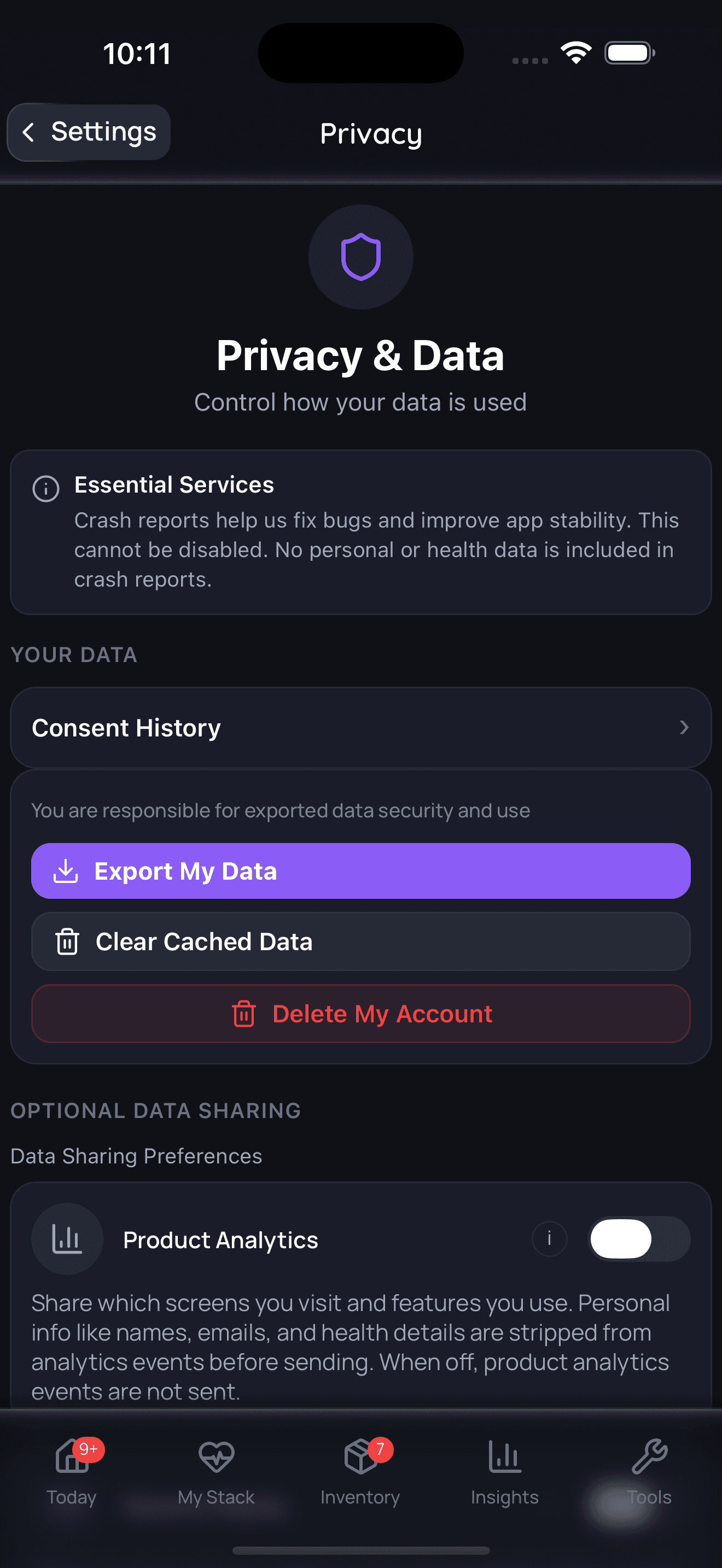
Privacy controls help you manage records; keep clinical records where required.
Interactions & Compatibility
Synergistic
Compound
Curcumin/Turmeric
- Interaction
- Synergistic anti-inflammatory effects; combination showed superior outcomes for OA vs. either compound alone
- Evidence
- Clinical trial (Haroyan et al. 2018) [3]
Compound
Fat (dietary)
- Interaction
- Required for optimal absorption; increases AKBA bioavailability by ~55%
- Evidence
- Pharmacokinetic studies [1]
Compound
Phosphatidylcholine/Lecithin
- Interaction
- Phytosome complexation increases KBA absorption 7-fold
- Evidence
- Pharmacokinetic studies [2]
Compound
Fish Oil
- Interaction
- Complementary anti-inflammatory pathways (5-LOX + COX/resolvin support); Omega-3 + Boswellia combination studied for joint pain
- Evidence
- Clinical trial (Perez-Pinero et al. 2023) [20]
Compound
Ginger
- Interaction
- Both exhibit anti-inflammatory activity; potential additive effects for musculoskeletal pain
- Evidence
- Preclinical and clinical observations
Caution / Avoid
Compound
Anticoagulants (Warfarin, Heparin)
- Interaction
- Boswellia inhibits platelet aggregation and clotting factors Xa/XIa; may increase bleeding risk
- Severity
- Moderate [4][5]
Compound
Antiplatelet drugs (Aspirin, Clopidogrel)
- Interaction
- Additive antiplatelet effects possible
- Severity
- Moderate [4][5]
Compound
P-Glycoprotein substrates
- Interaction
- KBA and AKBA inhibit P-gp in vitro; may increase blood levels of P-gp substrates (digoxin, certain chemotherapeutics)
- Severity
- Low-Moderate (in vitro only) [4]
Compound
CYP substrates (theoretical)
- Interaction
- Boswellic acids interact with hepatic enzymes; potential for altered drug metabolism
- Severity
- Low (theoretical)
Compound
NSAIDs (Ibuprofen, Naproxen)
- Interaction
- While mechanisms differ (5-LOX vs. COX), combined use increases cumulative anti-inflammatory load; no established interaction but monitor for GI effects
- Severity
- Low
How to Take / Administration Guide
Oral capsules/tablets (most common):
- Take with the largest meal of the day containing fat (e.g., dinner with olive oil, avocado, or nuts)
- Divide doses if taking 1,000+ mg/day of standard extract (e.g., 500 mg twice daily with meals)
- Swallow whole with water; do not crush or chew
Timing:
- Morning dose: beneficial if taking for joint stiffness that is worst upon waking
- Pre-workout: some users report benefit when taken 1-2 hours before exercise for joint support
- Evening dose: may be preferred if taking for overnight joint pain relief
Cycling:
- Clinical trials have used continuous dosing for up to 12 months without safety concerns [15]
- Some traditional herbalism practitioners recommend 6-8 weeks on, 2 weeks off
- Community reports suggest possible tolerance after 6-12 months; periodic breaks may help maintain efficacy
Stacking with curcumin:
- If combining with curcumin for enhanced anti-inflammatory effects, take both at the same fat-containing meal
- Both compounds benefit from fat co-ingestion for absorption
Topical application:
- Boswellia creams and oils can be applied directly to affected joints
- Some users report rapid local relief from topical application
- Patch test first to check for contact dermatitis
Choosing a Quality Product
What to look for:
- Standardized AKBA content: Look for extracts standardized to at least 20-30% AKBA (as found in Aflapin, 5-Loxin, Boswellin Super) rather than generic "boswellia extract" with unstated AKBA levels
- Boswellic acid percentage on label: A listing of "boswellia resin" without specifying boswellic acid content is a red flag. Resin contains approximately 1% AKBA, while quality extracts contain 20-76% AKBA
- Third-party testing: Look for USP, NSF, or other independent verification. Independent testing organizations have evaluated boswellia supplements and found some that failed to deliver labeled AKBA content
- Named/patented extracts: Aflapin/ApresFlex, 5-Loxin, Boswellin Super, and Casperome have published clinical data behind them. Generic "boswellia extract" products may not deliver equivalent results
Red flags:
- Products listing only "boswellia powder" or "boswellia resin" without AKBA standardization
- Proprietary blends that hide individual boswellia amounts
- Unrealistic health claims (e.g., "cures arthritis," "anti-cancer supplement")
- Products marketed as frankincense essential oil for internal use (essential oil has a different composition than resin extract)
Form considerations:
- Standard extract (3-5% AKBA): cheapest but requires 1,000-2,400 mg/day
- AKBA-enriched extract (20-30% AKBA): moderate cost, effective at 100-300 mg/day
- Phytosome/lecithin complex: premium cost, superior bioavailability with less variability
- Water-soluble extract (76% AKBA): newest formulation, effective at very low doses (60 mg)
Specific Population Considerations
Population
Pregnant/Breastfeeding
- Consideration
- Insufficient safety data; generally advised to avoid [4]
Population
Children
- Consideration
- Limited clinical data; not routinely recommended for pediatric use
Population
Elderly (65+)
- Consideration
- Well-studied population for OA; generally well tolerated. Monitor for interactions with anticoagulants [7][8]
Population
Surgery patients
- Consideration
- Discontinue at least 2 weeks before planned surgery due to antiplatelet effects [4][5]
Population
Liver/kidney disease
- Consideration
- Use with caution; limited safety data in these populations. One animal study showed dose-dependent histological changes [5]
Population
Athletes
- Consideration
- Not on WADA prohibited list. May support exercise recovery and joint health. Informed Sport or NSF Certified for Sport products recommended for tested athletes
Storage & Stability
- Store in a cool, dry place at room temperature (59-77 degrees F / 15-25 degrees C)
- Keep away from direct sunlight and moisture
- No refrigeration required
- Boswellic acids are relatively stable compounds
- Shelf life typically 2-3 years when properly stored
- Discard if capsules show discoloration, odor changes, or moisture damage
Regulatory Status & Standards
United States:
- Regulated as a dietary supplement under DSHEA
- Not evaluated by the FDA for efficacy in treating, curing, or preventing any disease
- Boswellia serrata has GRAS (Generally Recognized As Safe) status for use as a flavoring agent
- FDA has issued warning letters to companies making unapproved therapeutic claims about boswellia products
European Union:
- European Medicines Agency (EMA) granted orphan drug status to H15 (Boswellia serrata gum) in 2002 for peritumoral edema [13]
- Available as a traditional herbal medicinal product in some EU member states
- EFSA has not approved specific health claims for boswellia
India:
- Approved and widely used in Ayurvedic practice (as Sallaki)
- Registered in the Ayurvedic Pharmacopoeia of India
Athlete/Sports Regulatory Status:
- Not listed on the WADA Prohibited List
- Not prohibited by USADA, UKAD, Sport Integrity Canada, or Sport Integrity Australia
- Not banned by NCAA, NFL, NBA, MLB, or NHL
- GlobalDRO: Not listed as a prohibited substance
- For competitive athletes: use products with Informed Sport or NSF Certified for Sport certification to minimize contamination risk
- Cologne List and BSCG certified products provide additional assurance
FAQ
Q: Is boswellia the same as frankincense?
A: Yes, boswellia resin is the source of frankincense. However, "frankincense essential oil" and "boswellia extract" are different products. Boswellia supplements use standardized resin extracts rich in boswellic acids, while frankincense essential oil is produced by steam distillation and contains primarily volatile aromatic compounds (monoterpenes) rather than the boswellic acids responsible for anti-inflammatory effects.
Q: How long does it take for boswellia to work?
A: Some clinical studies have documented improvements in joint pain within 5-7 days, particularly with high-AKBA extracts at higher doses (250-300 mg). However, peak benefits typically develop over 4-12 weeks of consistent use. Individual response varies significantly, partly due to differences in absorption.
Q: Can I take boswellia instead of NSAIDs like ibuprofen?
A: Boswellia works through a different mechanism (5-LOX inhibition rather than COX inhibition) and has shown anti-inflammatory effects in clinical studies, particularly for osteoarthritis. However, it should not be considered a direct NSAID replacement without discussing with a healthcare provider. The onset is slower than NSAIDs, and evidence supports its use primarily for chronic inflammatory conditions rather than acute pain relief.
Q: Should I take boswellia with food?
A: Yes. Taking boswellia with a fat-containing meal increases absorption of the key active compound AKBA by approximately 55%. Without food, AKBA may be undetectable in your bloodstream even at high doses.
Q: Is it safe to take boswellia long-term?
A: Clinical studies have used boswellia for up to 12 months without serious safety concerns. However, long-term safety data beyond one year are limited. Some traditional practitioners recommend periodic breaks (6-8 weeks on, 2 weeks off). If you are considering long-term use, discuss with your healthcare provider and monitor for any changes.
Q: Does the type of boswellia extract matter?
A: Significantly. Standardized extracts with higher AKBA concentrations (20-30% AKBA, as in Aflapin or 5-Loxin) consistently outperform generic boswellia powder or low-potency extracts in clinical trials. Bioavailability-enhanced formulations (Phytosome/Casperome, water-soluble extracts) further improve outcomes by increasing absorption.
Q: Can boswellia help with Crohn's disease?
A: Based on available evidence, boswellia does not appear to be effective for maintaining remission in Crohn's disease. A well-designed placebo-controlled trial found no significant benefit over one year of treatment. However, there is limited positive evidence for ulcerative colitis and collagenous colitis.
Q: Can I take boswellia with blood thinners?
A: Boswellia has mild antiplatelet properties and may increase bleeding risk when combined with anticoagulant or antiplatelet medications. Consult your healthcare provider before combining boswellia with warfarin, heparin, aspirin, clopidogrel, or similar medications.
Q: Is boswellia safe for athletes?
A: Boswellia is not on the WADA prohibited list and is not banned by any major anti-doping agency or sports league. Competitive athletes should use products with third-party certification (Informed Sport, NSF Certified for Sport) to minimize the risk of contamination with banned substances.
Q: What is the difference between boswellia and curcumin?
A: Both are herbal anti-inflammatory compounds, but they work through different mechanisms. Boswellia primarily inhibits 5-LOX (reducing leukotrienes), while curcumin primarily modulates NF-kB and COX-2 pathways. Clinical evidence suggests they may have synergistic effects when taken together for joint health, and some studies have tested the combination with positive results.
Myth vs. Fact
Myth: Boswellia is a natural cure for arthritis.
Fact: Clinical studies show boswellia can meaningfully reduce osteoarthritis symptoms (pain 30-65%, stiffness 40-62%), but it does not cure arthritis or reverse joint damage. It manages symptoms through anti-inflammatory mechanisms. Additionally, evidence specifically for rheumatoid arthritis is much more limited than for osteoarthritis [7][8][14].
Myth: All boswellia supplements are equally effective.
Fact: There are dramatic differences between formulations. Generic boswellia powder may contain as little as 1% AKBA, while standardized extracts contain 20-76%. Clinical results achieved with Aflapin (100 mg/day) cannot be assumed from unstandardized products, even at much higher doses. Bioavailability also varies enormously, with phytosome formulations showing 7-fold improved absorption [2][7].
Myth: Boswellia works the same way as ibuprofen or aspirin.
Fact: Boswellia primarily inhibits 5-lipoxygenase (5-LOX), while NSAIDs primarily inhibit cyclooxygenase (COX) enzymes. These are different inflammatory pathways. Boswellia does NOT significantly inhibit COX-2 (the main NSAID target). This mechanistic difference is why boswellia is generally better tolerated by the stomach than NSAIDs [5][6].
Myth: Frankincense essential oil provides the same benefits as boswellia supplements.
Fact: Frankincense essential oil is produced by steam distillation and consists primarily of volatile monoterpenes (such as alpha-pinene). The boswellic acids responsible for anti-inflammatory effects are non-volatile triterpenes that are NOT present in meaningful amounts in essential oils. Supplement-grade boswellia is a standardized resin extract [5].
Myth: Boswellia can treat cancer.
Fact: While boswellic acids show anti-cancer properties in laboratory studies (apoptosis induction, angiogenesis inhibition, HIF-1alpha suppression), there is no clinical evidence supporting boswellia as a cancer treatment. The only cancer-adjacent clinical evidence involves reducing radiation-induced side effects (cerebral edema, skin damage) in patients already receiving conventional cancer treatment [4][5][13].
Myth: Boswellia is effective for all inflammatory bowel conditions.
Fact: Evidence is mixed and condition-specific. While there is some positive evidence for ulcerative colitis and collagenous colitis, a well-designed year-long clinical trial found boswellia was NOT effective for maintaining remission in Crohn's disease [10][15][18].
Myth: You need to take very high doses of boswellia for it to work.
Fact: With modern bioavailability-enhanced formulations, effective doses can be as low as 60-100 mg/day. The need for high doses (2,000-6,000 mg/day) applies primarily to traditional unstandardized gum resin, not to modern concentrated extracts [7][8][11].
Sources & References
Clinical Trials & RCTs
[1] Sterk V, et al. Pharmacokinetics of boswellic acids. Planta Med. 2004.
[2] Huesch J, et al. Enhanced absorption of boswellic acids by a lecithin delivery form in healthy volunteers. Eur J Pharm Biopharm. 2013.
[3] Bannuru RR, Osani MC, Al-Eid F, Wang C. Efficacy of curcumin and Boswellia for knee osteoarthritis: Systematic review and meta-analysis. Semin Arthritis Rheum. 2018 Dec;48(3):416-429.
[7] Sengupta K, Alluri KV, Satish AR, et al. A double blind, randomized, placebo controlled study of the efficacy and safety of 5-Loxin for treatment of osteoarthritis of the knee. Arthritis Res Ther. 2008;10(4):R85.
[8] Majeed M, et al. A standardized Boswellia serrata extract shows improvements in knee osteoarthritis within five days. Front Pharmacol. 2024;15:1428440.
[9] Gupta I, Gupta V, Parihar A, et al. Effects of Boswellia serrata gum resin in patients with bronchial asthma. Eur J Med Res. 1998;3(11):511-514.
[10] Gupta I, Parihar A, Malhotra P, et al. Effects of Boswellia serrata gum resin in patients with ulcerative colitis. Eur J Med Res. 1997;2(1):37-43.
[11] Ten days of supplementation with a standardized Boswellia serrata extract attenuates soreness and accelerates recovery. J Int Soc Sports Nutr. 2025.
[12] Sengupta K, et al. Comparative efficacy and tolerability of 5-Loxin and Aflapin against osteoarthritis of the knee. Int J Med Sci. 2010;7(6):366-377.
[13] Kirste S, Treier M, Wehrle SJ, et al. Boswellia serrata acts on cerebral edema in patients irradiated for brain tumors. Cancer. 2011;117(16):3788-95.
[15] Holtmeier W, Zeuzem S, Preiss J, et al. Randomized, placebo-controlled, double-blind trial of Boswellia serrata in maintaining remission of Crohn's disease. Inflamm Bowel Dis. 2011;17(2):573-82.
[17] Prabhavathi K, et al. A randomized, double blind, placebo controlled, crossover study to evaluate the analgesic activity of Boswellia serrata in healthy volunteers using mechanical pain model. Indian J Pharmacol. 2014;46(5):475-479.
[18] Madisch A, Miehlke S, Eichele O, et al. Boswellia serrata extract for the treatment of collagenous colitis. Int J Colorectal Dis. 2007;22(12):1445-1451.
[19] Boswellia serrata intoxication manifesting with syndrome of inappropriate antidiuretic hormone secretion. Clinics (Sao Paulo). 2024;79:100379.
[20] Perez-Pinero S, et al. Efficacy of Boswellia serrata Extract and/or an Omega-3-Based Product for Improving Pain and Function in People Older Than 40 Years with Persistent Knee Pain. Nutrients. 2023;15(17):3848.
Systematic Reviews & Meta-Analyses
[14] Yu G, Xiang W, Zhang T, Zeng L, Yang K, Li J. Effectiveness of Boswellia and Boswellia extract for osteoarthritis patients: a systematic review and meta-analysis. BMC Complement Med Ther. 2020;20(1):225.
Government/Institutional Sources
[4] Memorial Sloan Kettering Cancer Center. Boswellia. https://www.mskcc.org/cancer-care/integrative-medicine/herbs/boswellia. Last updated March 22, 2024.
Monographs & Research Databases
[5] Safayhi H, Mack T, Sabieraj J, et al. Boswellic acids: novel, specific, nonredox inhibitors of 5-lipoxygenase. J Pharmacol Exp Ther. 1992;261(3):1143-1146. Syrovets T, et al. Acetyl-boswellic acids are novel catalytic inhibitors of human topoisomerases I and IIalpha. Mol Pharmacol. 2000;58(1):71-81. Wang H, et al. Targeting NF-kB with a natural triterpenoid alleviates skin inflammation. J Immunol. 2009;183(7):4755-63. Kokkiripati PK, et al. Gum resin of Boswellia serrata inhibited human monocytic cell activation and platelet aggregation. J Ethnopharmacol. 2011;137(1):893-901. Singh GB, Atal CK. Pharmacology of an extract of salai guggal ex-Boswellia serrata. Agents Actions. 1986;18(3-4):407-412.
[6] Safayhi H, Mack T, Sabieraj J, et al. Boswellic acids: novel, specific, nonredox inhibitors of 5-lipoxygenase. J Pharmacol Exp Ther. 1992;261(3):1143-1146.
[16] Siemoneit U, Hofmann B, Kather N, et al. Identification and functional analysis of cyclooxygenase-1 as a molecular target of boswellic acids. Biochem Pharmacol. 2008;75(2):503-13.
Related Supplement Guides
Same Category (Herbal Anti-Inflammatories)
Common Stacks/Pairings
Related Health Goals
- Ashwagandha (adaptogen, joint/inflammation support)
- Vitamin D3 (bone health, inflammation modulation)
- Magnesium (muscle relaxation, anti-inflammatory)
- Quercetin (anti-inflammatory flavonoid)