
Quercetin: The Complete Supplement Guide
On this page
Quick Reference Card
Attribute
Common Name
- Detail
- Quercetin
Attribute
Other Names / Aliases
- Detail
- 3,3',4',5,7-Pentahydroxyflavone, Sophoretin, Meletin, Xanthaurine, quercetin dihydrate, quercetin aglycone
Attribute
Category
- Detail
- Flavonoid (Flavonol subclass) / Polyphenol
Attribute
Primary Forms & Variants
- Detail
- Quercetin aglycone (standard, low bioavailability); Quercetin phytosome (lecithin complex, ~20x improved absorption); Isoquercetin/EMIQ (enzymatically modified isoquercitrin, ~5x improved absorption); Quercetin dihydrate; Rutin (quercetin-3-O-rutinoside, lower bioavailability)
Attribute
Typical Dose Range
- Detail
- 500-1000 mg/day (aglycone); 250-500 mg/day (phytosome); average dietary intake is 16-25 mg/day
Attribute
RDA / AI / UL
- Detail
- No established RDA, AI, or UL. FDA GRAS status at up to 500 mg per serving as a food ingredient
Attribute
Common Delivery Forms
- Detail
- Capsule, tablet, powder, liquid
Attribute
Best Taken With / Without Food
- Detail
- Take with food containing dietary fat for improved absorption. Fat increases bioavailability by approximately 2-fold
Attribute
Key Cofactors
- Detail
- Bromelain (enhances absorption ~1.8x), Vitamin C (often co-supplemented), dietary fats, lecithin/phospholipids
Attribute
Storage Notes
- Detail
- Store in a cool, dry place away from direct sunlight and moisture. No refrigeration required
Overview
The Basics
Quercetin is the most abundant flavonoid in the human diet. You consume it every time you eat onions, apples, berries, citrus fruits, or drink tea. It belongs to a family of plant compounds called flavonols, which give many fruits and vegetables their vivid colors and contribute to their health-promoting reputation.
People have become interested in quercetin supplementation for several reasons. It has documented antioxidant and anti-inflammatory properties, it stabilizes mast cells (the immune cells involved in allergic reactions), and it has attracted attention in longevity research as a senolytic compound, meaning it may help clear damaged, aging cells from the body. More recently, quercetin gained widespread public attention during the COVID-19 pandemic for its potential antiviral and immune-supporting effects, though clinical evidence for that application remains limited [1].
The central challenge with quercetin supplementation is bioavailability. Standard quercetin supplements (the aglycone form) have notoriously poor absorption, with estimates ranging from less than 1% to around 17% depending on the study and formulation [2][3]. This has driven significant innovation in delivery technology. Phytosome formulations (quercetin complexed with phospholipids) can increase absorption by roughly 20-fold, and enzymatically modified forms like EMIQ offer around 5-fold improvement [2]. The form of quercetin you choose matters at least as much as the dose.
Despite its widespread availability in food, the average person gets only about 16 to 25 mg of quercetin per day from diet alone [4]. Supplemental doses are typically 500 to 1000 mg per day, which is far above dietary levels and enters a different pharmacological range.
The Science
Quercetin (IUPAC: 2-(3,4-dihydroxyphenyl)-3,5,7-trihydroxychromen-4-one) is a pentahydroxyflavone belonging to the flavonol subclass of flavonoids. Its molecular formula is C15H10O7, with a molecular weight of 302.24 g/mol (CAS: 117-39-5, PubChem CID: 5280343) [5]. The compound features three rings with five hydroxyl groups, which are responsible for both its antioxidant activity and its poor water solubility (approximately 1 ug/mL) [4].
Quercetin is ubiquitous in the plant kingdom. It occurs in foods predominantly as glycosides (sugar-bound conjugates) rather than as the free aglycone. Onions are considered the richest common dietary source at 60-100 mg per 100g fresh weight, with significant amounts also present in apples, berries, citrus fruits, capers, and various teas [6]. The specific glycoside form influences intestinal absorption: quercetin-3-O-glucoside (isoquercetin) is absorbed more efficiently than quercetin-3-O-rutinoside (rutin), which in turn is better absorbed than the free aglycone in some contexts [2].
In the body, all forms of quercetin are ultimately hydrolyzed and undergo extensive phase II metabolism in the intestinal epithelium and liver, yielding glucuronidated, sulfated, and methylated conjugates. Isorhamnetin (3'-O-methylquercetin) is a major methylated metabolite. Circulating quercetin exists almost exclusively as these conjugated forms, not as free aglycone [6]. Basal plasma quercetin concentrations from dietary intake average approximately 53.6 nM (range 30-163 nM) [6].
The International Agency for Research on Cancer (IARC) evaluated quercetin in 1999 and concluded it is not classifiable as carcinogenic to humans, despite earlier concerns raised by Ames test mutagenicity [7]. The FDA has granted GRAS (Generally Recognized as Safe) status for quercetin as a food ingredient at up to 500 mg per serving [1].
Chemical & Nutritional Identity
Property
Chemical Name
- Value
- 2-(3,4-Dihydroxyphenyl)-3,5,7-trihydroxychromen-4-one; 3,3',4',5,7-pentahydroxyflavone
Property
Molecular Formula
- Value
- C15H10O7
Property
Molecular Weight
- Value
- 302.24 g/mol
Property
CAS Number
- Value
- 117-39-5
Property
PubChem CID
- Value
- 5280343
Property
Category
- Value
- Flavonol (subclass of flavonoids); polyphenol
Property
Solubility
- Value
- Poorly water-soluble (~1 ug/mL); soluble in organic solvents (DMSO, methanol, ethanol)
Property
Key Metabolites
- Value
- Isorhamnetin (3'-O-methylquercetin), quercetin-3-glucuronide, quercetin-3'-sulfate
No RDA, AI, or UL has been established for quercetin. As a non-essential dietary compound, it falls outside the framework of Dietary Reference Intakes set by the Institute of Medicine or EFSA.
Common Supplement Forms
Form
Quercetin aglycone
- Bioavailability (relative to aglycone)
- 1x (baseline, <10% absolute)
- Notes
- Most common supplement form; cheapest; poorest absorption
Form
Quercetin dihydrate
- Bioavailability (relative to aglycone)
- ~1x
- Notes
- Hydrated crystal form; similar absorption to aglycone
Form
Quercetin phytosome (lecithin complex)
- Bioavailability (relative to aglycone)
- ~20x
- Notes
- Phospholipid complex; most studied enhanced formulation
Form
Isoquercetin (quercetin-3-glucoside)
- Bioavailability (relative to aglycone)
- ~5x
- Notes
- Natural glycoside form; better intestinal uptake
Form
EMIQ (enzymatically modified isoquercitrin)
- Bioavailability (relative to aglycone)
- ~5-17x
- Notes
- Enzymatically attached glucose chains; high solubility
Form
Alpha-glycosyl isoquercitrin
- Bioavailability (relative to aglycone)
- ~17x
- Notes
- Multi-glucose modification; excellent dissolution
Form
Rutin (quercetin-3-O-rutinoside)
- Bioavailability (relative to aglycone)
- ~0.05x (lower than aglycone)
- Notes
- Requires colonic bacteria for hydrolysis; slow, variable
Form
Quercetin + bromelain
- Bioavailability (relative to aglycone)
- ~1.8x
- Notes
- Bromelain enhances absorption modestly
Mechanism of Action
The Basics
Quercetin works through several distinct pathways in the body, which is part of what makes it both versatile and complex. Its best-known role is as an antioxidant. The five hydroxyl groups on its structure can donate electrons to neutralize free radicals, forming more stable compounds in the process. Think of it as a molecular sponge that soaks up the reactive oxygen species that would otherwise damage your cells and DNA [5].
Beyond direct antioxidant activity, quercetin has notable anti-inflammatory effects. It blocks a key molecular switch called NF-kB that turns on inflammatory gene expression. When NF-kB is active, your cells produce inflammatory proteins like TNF-alpha, IL-1 beta, and IL-6. Quercetin dials this down, which is why it shows benefit in conditions driven by chronic inflammation [8].
Quercetin is also a mast cell stabilizer. Mast cells are immune cells that release histamine and other inflammatory mediators when triggered. Quercetin helps prevent mast cells from degranulating (dumping their histamine contents), which is the basis for its use in managing allergies and histamine-related conditions [9].
In the longevity field, quercetin has gained attention as a senolytic agent, particularly when combined with the drug dasatinib. Senescent cells are "zombie" cells that stop dividing but refuse to die, accumulating with age and secreting inflammatory signals. Senolytic compounds selectively clear these cells. Preclinical research has shown promising results for this combination in osteoarthritis and other age-related conditions [10].
The Science
Quercetin exerts its biological effects through multiple mechanisms operating at varying concentration thresholds:
Antioxidant activity: The catechol group (3',4'-dihydroxy) on the B-ring and the 3-hydroxyl group on the C-ring are the primary sites for radical scavenging. Quercetin donates hydrogen atoms to free radicals, forming the relatively stable semiquinone radical. It also chelates transition metal ions (Fe2+, Cu2+), preventing Fenton-type reactions that generate hydroxyl radicals [5][11].
NF-kB pathway inhibition: Quercetin inhibits IKK-beta phosphorylation, preventing NF-kB nuclear translocation and subsequent transcription of pro-inflammatory cytokines including TNF-alpha, IL-1 beta, and IL-6. This mechanism operates independently of its antioxidant effects [8].
Mast cell stabilization: Quercetin inhibits mast cell degranulation through multiple pathways, including inhibition of Lyn kinase and PLCgamma signaling downstream of FcepsilonRI crosslinking. It reduces histamine release, leukotriene synthesis, and prostaglandin D2 production from activated mast cells [9].
Enzyme inhibition profile: Quercetin inhibits xanthine oxidase (relevant to uric acid production), catechol-O-methyltransferase (COMT, involved in catecholamine and estrogen metabolism), phosphodiesterases (particularly PDE1), and cytochrome P450 enzymes (CYP3A4, CYP2C19) [6][12]. The COMT inhibition has clinical implications: by slowing the breakdown of dopamine, norepinephrine, and estrogen, quercetin can influence neurotransmitter balance and hormonal status. This effect is genotype-dependent; individuals with already slow COMT activity (Val158Met Met/Met genotype) may be more susceptible to adverse effects from further COMT inhibition.
Adenosine receptor antagonism: Quercetin binds adenosine receptors with a Ki of approximately 2.5 uM, making it roughly 10-fold more potent than caffeine (Ki ~25 uM) at the receptor level. However, poor neural bioavailability (brain concentrations of 0.02-0.22 uM at oral doses of 50-500 mg/kg in animals) limits this activity in vivo [6].
Senolytic activity: Quercetin, particularly in combination with dasatinib, induces apoptosis in senescent cells by transiently disabling their pro-survival networks (including PI3K/AKT, p21, BCL-2/BCL-xL, and serpine pathways). A systematic review of preclinical studies found therapeutic potential for the dasatinib + quercetin combination in osteoarthritis models [10].
Absorption & Bioavailability
The Basics
Bioavailability is the single most important factor to understand about quercetin supplementation. The standard form of quercetin sold in most supplements (the aglycone) is poorly absorbed by the body. Estimates of how much actually makes it into your bloodstream range from less than 1% in capsule form to about 17% in ideal conditions [2][3]. For a 500 mg capsule, that could mean as little as 5 mg actually reaching your circulation.
Why is absorption so poor? Quercetin has very low water solubility, which limits its ability to dissolve in your digestive tract. It also undergoes extensive metabolism in the intestinal wall and liver before it ever reaches your bloodstream. By the time it gets through, most of it has been converted into metabolites rather than remaining as active quercetin [2].
The good news is that absorption can be dramatically improved. Taking quercetin with a meal containing fat roughly doubles its absorption, because the fat helps quercetin dissolve and form micelles in your gut [2]. Lecithin/phospholipid formulations (phytosomes) can improve absorption by approximately 20-fold. Enzymatically modified forms like EMIQ achieve 5 to 17 times better absorption than standard quercetin [2]. Even adding bromelain, a pineapple enzyme, to quercetin provides a modest ~1.8-fold improvement.
Once absorbed, quercetin appears in the blood within 15-30 minutes, peaks at around 1-3 hours, and is largely cleared within 24 hours [6]. This short duration is why most dosing protocols suggest dividing the daily dose into two or three servings rather than taking everything at once.
The Science
Oral bioavailability: A 2025 systematic review and meta-analysis of 31 human intervention studies established a clear hierarchy of quercetin bioavailability by form [2]:
- Quercetin-3-O-oligoglucosides demonstrated approximately 2-fold higher bioavailability than quercetin-3-O-glucoside
- Quercetin-3-O-glucoside was approximately 10-fold more bioavailable than quercetin-3-O-rutinoside
- Quercetin-3-O-rutinoside was approximately 20-fold more bioavailable than quercetin aglycone
- Lecithin phytosome complexes achieved a 20.1-fold increase over aglycone
- Self-emulsifying formulations with fenugreek galactomannans and lecithin encapsulation achieved up to 62-fold increases
Absorption mechanism: Quercetin glycosides are primarily absorbed in the small intestine via sodium-dependent glucose transporter 1 (SGLT1) and lactase-phlorizin hydrolase (LPH) at the brush border membrane. Free aglycone relies on passive diffusion, which is limited by its poor solubility. Unabsorbed quercetin and its glycosides reach the colon where gut microbiota hydrolyze them, producing ring fission products including phenylacetic acids and phenylpropionic acids [2][6].
Metabolism: Absorbed quercetin undergoes rapid phase II conjugation (glucuronidation via UGT1A1/3/8/9/10, sulfation via SULT1A1/2/3, and methylation via COMT) in the intestinal epithelium and liver. The primary circulating metabolites are quercetin-3-glucuronide, quercetin-3'-sulfate, and isorhamnetin (3'-O-methylquercetin). Plasma half-life of the aglycone is 1-2 hours, though conjugated metabolites may persist longer [6].
Pharmacokinetic data: Supplementation of 50, 100, and 150 mg quercetin (as dihydrate) increases blood concentrations to 92.2 nM, 171.8 nM, and 316.2 nM respectively from a basal level of ~53.6 nM. At 730 mg aglycone, plasma levels approximately doubled from 695 to 1419 nM. Acute dosing of 2000 mg aglycone (in food matrix) reached 4.76 uM at 1 hour [6].
Blood-brain barrier penetration: Quercetin can cross in vitro BBB models with approximately 60% efficacy (measured with mixed onion flavonoids). However, in vivo brain concentrations are much lower than plasma levels: 0.02 uM at 50 mg/kg and 0.22 uM at 500 mg/kg in animal studies [6]. This limits the practical significance of quercetin's high-affinity adenosine receptor antagonism.
Understanding how your body absorbs a supplement is only useful if you can act on it. Doserly lets you log exactly when you take each form, whether it's a capsule with a meal, a sublingual tablet on an empty stomach, or a liquid taken with a cofactor, so you can see how timing and form choices affect your results over time.
The app also tracks cofactor pairings that influence absorption. If a supplement works better alongside vitamin C, fat, or black pepper extract, Doserly reminds you to take them together and logs both. Over weeks, your personal data reveals whether those pairing strategies are translating into measurable differences in the biomarkers you're tracking.
Turn symptom and safety notes into a clearer timeline.
Doserly helps you log doses, symptoms, and safety observations side by side so patterns are easier to discuss with a qualified clinician.
Pattern view
Logs and observations

Pattern visibility is informational and should be reviewed with a clinician.
Research & Clinical Evidence
The Basics
The research picture for quercetin is a study in contrasts. In the laboratory, quercetin is one of the most extensively studied flavonoids, with documented antioxidant, anti-inflammatory, anticancer, antiviral, and cardioprotective effects. Translating these findings into clear human benefits has proven more challenging, in large part because of quercetin's poor bioavailability in standard supplement forms [1][5].
The strongest clinical evidence exists for blood pressure reduction. In people with stage I hypertension, 730 mg of quercetin aglycone daily (split into two doses) reduced systolic blood pressure by about 7 mmHg and diastolic by about 5 mmHg over four weeks. Importantly, this benefit was not observed in people with normal blood pressure, and the reductions did not persist after stopping supplementation [6].
For allergies and histamine-related conditions, quercetin's mast cell stabilizing properties have strong preclinical support and promising but limited clinical data. Two clinical trials investigating quercetin as monotherapy for allergic conditions both reported symptom reduction and improved quality of life, but larger randomized trials are needed to confirm these findings [9].
In rheumatoid arthritis, a double-blind randomized controlled trial in women found that quercetin supplementation improved clinical symptoms and disease activity markers [13]. For exercise recovery, several studies have shown quercetin can reduce oxidative damage and muscle weakness following eccentric exercise [14][15].
As a senolytic (in combination with dasatinib), the evidence is still primarily preclinical. A systematic review found therapeutic potential in osteoarthritis models, but human trials on the senolytic combination are in early stages [10].
The Science
Cardiovascular effects: Edwards et al. conducted a double-blind, placebo-controlled, crossover trial in which 730 mg/day quercetin aglycone for 28 days significantly reduced systolic blood pressure by 7 +/- 2 mmHg and diastolic by 5 +/- 2 mmHg in subjects with stage I hypertension (n=19). No effect was observed in prehypertensive or normotensive subjects. The mechanism appears independent of oxidative status changes and is attributed to vasodilatory effects via endothelial nitric oxide production and PDE1 inhibition [6][16].
Anti-inflammatory/RA: Javadi et al. (2017) conducted a double-blind RCT in women with rheumatoid arthritis (n=50). Supplementation with 500 mg/day quercetin for 8 weeks significantly reduced disease activity (DAS-28), hs-TNF-alpha, and morning stiffness compared to placebo [13].
Exercise recovery: Bazzucchi et al. (2019) demonstrated that quercetin supplementation attenuated the severity of muscle weakness caused by eccentric exercise. Duranti et al. (2018) showed chronic quercetin consumption reduced erythrocyte oxidative damage at rest and after eccentric exercise in humans [14][15]. However, studies using quercetin in isolation for acute power output or sprint performance have generally failed to show benefit. Benefits tend to emerge with prolonged supplementation (over one week) and are often confounded by co-administration of other antioxidants [6].
Cognitive effects: The largest RCT on quercetin and cognition (n=941, 12 weeks, 500-1000 mg/day) found no cognitive benefits across any measured domain (memory, psychomotor speed, reaction time, attention, cognitive flexibility) in generally healthy adults [17]. One smaller trial using quercetin-rich onion extract (50 mg/day, 24 weeks, n=70) showed significant improvements in MMSE scores and mood in older adults [17]. The discrepancy may reflect differences in bioavailable forms, study populations, or the gut-brain axis effects of food-matrix quercetin.
Cancer research: Extensive in vitro evidence demonstrates quercetin's anticancer activity via G1 phase arrest, tyrosine kinase inhibition, p53 modulation, and induction of apoptosis across multiple cancer cell lines [5]. However, clinical translation is limited. A systematic review found no evidence that dietary quercetin reduces ovarian cancer risk [18]. Notably, one animal study found quercetin exacerbated estrogen-induced breast tumor development in female rats, raising caution about its role in estrogen-dependent cancers [19].
COVID-19/Antiviral: One open-label trial in Pakistan (n=108) using 200 mg quercetin with sunflower lecithin three times daily showed improved viral clearance in outpatients with mild to moderate COVID-19, but significant baseline differences between groups (age discrepancy) limit the conclusions [1].
Evidence & Effectiveness Matrix
Category
Inflammation
- Evidence Strength
- 7/10
- Reported Effectiveness
- 8/10
- Summary
- Strong preclinical and clinical evidence for anti-inflammatory effects. RCT data in RA patients. Community reports consistently positive for inflammation reduction.
Category
Blood Pressure
- Evidence Strength
- 7/10
- Reported Effectiveness
- Not Scored
- Summary
- Well-designed crossover RCT showing significant BP reduction in hypertensive subjects. Effect limited to hypertensive individuals.
Category
Joint Health
- Evidence Strength
- 6/10
- Reported Effectiveness
- 7/10
- Summary
- RCT in RA, preclinical senolytic data in OA. Community reports strongly positive for joint pain and stiffness.
Category
Immune Function
- Evidence Strength
- 5/10
- Reported Effectiveness
- 6/10
- Summary
- Mast cell stabilization well-documented mechanistically. Clinical allergy data promising but limited. Community reports positive for mast cell conditions.
Category
Energy Levels
- Evidence Strength
- 3/10
- Reported Effectiveness
- 7/10
- Summary
- Limited clinical evidence for energy specifically. Strong community reports, likely reflecting resolution of underlying inflammation.
Category
Focus & Mental Clarity
- Evidence Strength
- 3/10
- Reported Effectiveness
- 7/10
- Summary
- Largest RCT showed no cognitive benefit. Community reports brain fog reduction, possibly mediated by inflammation/COMT pathways.
Category
Pain Management
- Evidence Strength
- 6/10
- Reported Effectiveness
- 6/10
- Summary
- RA trial and exercise recovery studies support analgesic/anti-inflammatory effects. Migraine prevention reported anecdotally.
Category
Mood & Wellbeing
- Evidence Strength
- 4/10
- Reported Effectiveness
- 6/10
- Summary
- Mixed clinical data. COMT inhibition may improve mood in some genotypes while worsening it in others.
Category
Physical Performance
- Evidence Strength
- 4/10
- Reported Effectiveness
- Not Scored
- Summary
- Isolated quercetin fails to improve acute performance. Prolonged use with antioxidant cocktails shows modest benefit.
Category
Gut Health
- Evidence Strength
- 4/10
- Reported Effectiveness
- 5/10
- Summary
- GERD improvement in one formula study. Community reports split between improvement and GI distress.
Category
Sleep Quality
- Evidence Strength
- 2/10
- Reported Effectiveness
- 5/10
- Summary
- Minimal clinical data. Community reports mixed; adenosine antagonism may disrupt sleep.
Category
Skin Health
- Evidence Strength
- 3/10
- Reported Effectiveness
- 4/10
- Summary
- Antioxidant properties theoretically protective. Community reports youthful appearance with long-term use (uncontrolled).
Category
Anxiety
- Evidence Strength
- 3/10
- Reported Effectiveness
- 4/10
- Summary
- Bidirectional effect based on COMT genotype. Can reduce or increase anxiety depending on individual.
Category
Longevity & Neuroprotection
- Evidence Strength
- 5/10
- Reported Effectiveness
- 5/10
- Summary
- Senolytic data (with dasatinib) is promising preclinically. Human longevity data inherently limited.
Category
Heart Health
- Evidence Strength
- 5/10
- Reported Effectiveness
- Not Scored
- Summary
- LDL oxidation inhibition, antiplatelet effects. Clinical data mixed on cardiovascular endpoints beyond BP.
Category
Side Effect Burden
- Evidence Strength
- —
- Reported Effectiveness
- 4/10
- Summary
- More side effect reports than typical for a flavonoid. GI issues, mineral chelation, COMT effects, drug interactions.
Benefits & Potential Effects
The Basics
Quercetin's benefits span several body systems, reflecting its multiple mechanisms of action. The most consistently supported benefit is reducing inflammation. For people dealing with chronic inflammatory conditions, whether that is joint pain, inflammatory bowel symptoms, or systemic inflammation, quercetin may help dial down the inflammatory response that drives these problems.
Allergy management is another well-documented use. Because quercetin stabilizes mast cells and inhibits histamine release, many people use it as a natural support for seasonal allergies, histamine intolerance, and mast cell activation conditions. Some users report it works as well as or better than over-the-counter antihistamines for their symptoms, though individual responses vary significantly [9].
Cardiovascular support comes primarily through blood pressure reduction in hypertensive individuals and through LDL oxidation inhibition. The blood pressure benefit is specific to people who already have elevated blood pressure; it does not appear to lower normal blood pressure further [16].
The anti-aging and longevity angle is one of the more exciting but less proven areas. Quercetin's senolytic properties (clearing damaged cells) and its antioxidant effects have positioned it as a staple in many longevity-focused supplement stacks, particularly when combined with fisetin or dasatinib [10].
The Science
Anti-inflammatory effects: Quercetin inhibits NF-kB-dependent inflammatory gene expression, reduces production of TNF-alpha, IL-1 beta, IL-6, and COX-2, and suppresses nitric oxide synthase activity. In the RA trial by Javadi et al. (2017), 500 mg/day for 8 weeks significantly reduced hs-TNF-alpha and DAS-28 disease activity scores [13].
Mast cell stabilization and anti-allergy: Quercetin inhibits FcepsilonRI-mediated mast cell degranulation through Lyn/PLCgamma pathway suppression, reducing histamine, leukotriene, and prostaglandin release. A 2025 review of clinical and preclinical data concluded quercetin shows consistent mast cell stabilizing activity, with two monotherapy clinical trials reporting symptom reduction in allergic conditions. Bioavailable formulations (phytosome, EMIQ) appear necessary for clinical effect [9].
Cardiovascular protection: Beyond blood pressure reduction, quercetin inhibits LDL oxidation (a key step in atherosclerosis development), reduces platelet aggregation, and improves endothelial function through nitric oxide-mediated vasodilation [5][16]. However, one clinical trial found concomitant quercetin intake did not improve postprandial lipemia, insulinemia, or endothelial dysfunction biomarkers in post-MI patients [18].
Senolytic activity: The dasatinib + quercetin combination has shown selective clearance of senescent cells in multiple preclinical models. A systematic review and meta-analysis of preclinical studies found therapeutic potential in osteoarthritis [10]. Clinical translation is ongoing, with early-phase trials registered on ClinicalTrials.gov.
Antioxidant effects: Quercetin reduces serum homocysteine levels (a cardiovascular risk factor) through pro-oxidant recycling mechanisms and reduces erythrocyte oxidative damage both at rest and following eccentric exercise [14][15].
Reading about potential benefits gives you a framework. Seeing whether those benefits are showing up in your own body turns knowledge into confidence. Doserly lets you track the specific health markers relevant to this supplement, building a personal dataset that captures what's actually changing week over week.
The app's AI analytics go further than simple logging. By correlating your supplement intake with the biomarkers and health outcomes you're tracking, Doserly surfaces patterns you might miss on your own, like whether a dose adjustment three weeks ago corresponds to the improvement you're noticing now. When it's time to evaluate whether a supplement is earning its place in your stack, you have your own data to guide the decision.
Capture changes while they are still fresh.
Log symptoms, energy, sleep, mood, and other observations alongside protocol events so patterns do not live only in memory.
Trend view
Symptom timeline
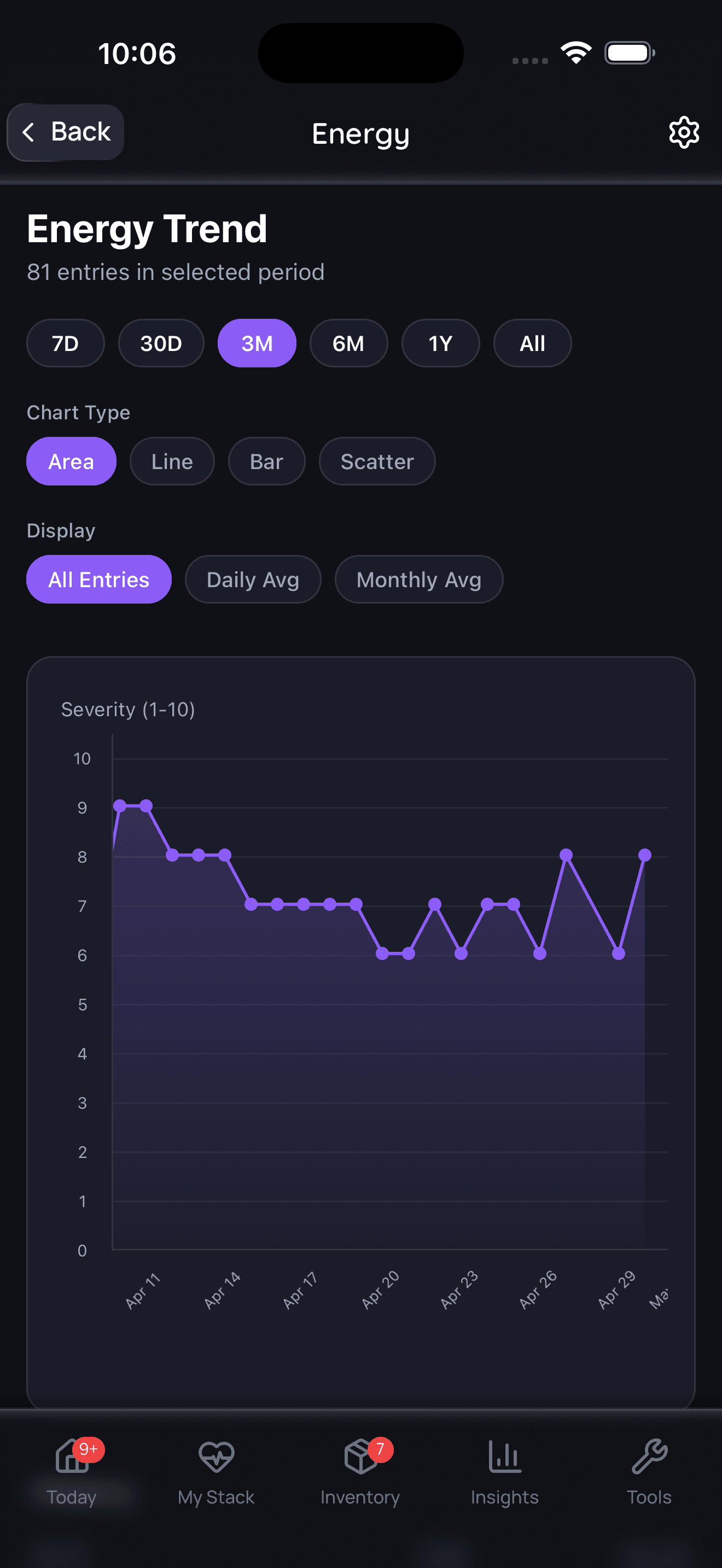
Symptom tracking is informational and should be interpreted with a qualified clinician.
Side Effects & Safety
The Basics
Quercetin has a generally favorable safety profile at commonly used supplemental doses. In clinical trials using up to 1000 mg per day for up to 12 weeks, no serious adverse effects have been reported, and any side effects that did occur were mild [1][7]. The IARC has concluded that quercetin is not carcinogenic to humans, and the FDA has granted it GRAS status as a food ingredient [1][7].
That said, quercetin is more pharmacologically active than many people expect from a "natural" supplement, and there are several safety considerations worth understanding.
The most common side effect is gastrointestinal discomfort. Some people experience stomach cramps, nausea, or diarrhea, particularly with the standard aglycone form taken on an empty stomach. Bioavailable formulations (phytosome, EMIQ) tend to be better tolerated [9].
A less obvious concern is mineral chelation. Quercetin binds to iron, zinc, copper, and other minerals, which can reduce their absorption over time. People on vegetarian or vegan diets, or those with pre-existing mineral deficiencies, should be particularly mindful of this effect [20].
Drug interactions are perhaps the most important safety consideration. Quercetin inhibits CYP3A4 and CYP2C19 enzymes, which are involved in metabolizing many prescription medications. It has been documented to increase the blood levels of warfarin, tamoxifen, losartan, and potentially cyclosporine [12][18]. Anyone taking prescription medications should discuss quercetin supplementation with their healthcare provider before starting.
The COMT inhibition effect means that quercetin can influence neurotransmitter and hormone metabolism. Individuals with genetically slow COMT activity (Met/Met genotype, affecting roughly 25% of the population) may experience anxiety, agitation, insomnia, or estrogen-related symptoms when taking quercetin [12].
Long-term safety data beyond 12 weeks at high supplemental doses (1000 mg or more) are currently not available [20].
The Science
Mutagenicity/Carcinogenicity: Quercetin tests positive in the Ames mutagenicity assay (a bacterial test). However, extensive in vivo studies, including the National Toxicology Program evaluation, have not confirmed carcinogenic effects at relevant doses. IARC classified quercetin as "not classifiable as carcinogenic to humans" (Group 3) in 1999 [7].
Estrogenic concern: One animal study found that dietary quercetin exacerbated the development of estrogen-induced breast tumors in female ACI rats [19]. The clinical significance for human supplementation is unknown, but this finding warrants caution in individuals with a history of or risk factors for estrogen receptor-positive breast cancer.
Nephrotoxicity: Animal studies suggest quercetin may enhance nephrotoxic effects in predamaged kidneys. This has not been confirmed in humans, but caution is advised in individuals with pre-existing kidney disease [20].
Drug interactions (documented):
- Warfarin: Case report of elevated INR in a 79-year-old on stable warfarin therapy after starting quercetin [12]
- Tamoxifen: Preclinical evidence of significantly increased tamoxifen bioavailability [12]
- Losartan: Increased systemic exposure in murine model [12]
- CYP3A4 and CYP2C19 substrates: In vitro inhibition of these major drug-metabolizing enzymes [12]
- COMT substrates: Quercetin's inhibition of COMT may alter levels of L-DOPA, catecholamines, and catechol-estrogens [6]
COMT inhibition: Quercetin is a potent inhibitor of catechol-O-methyltransferase. In individuals with Val/Val COMT genotype (fast metabolizers), COMT inhibition may have beneficial effects (increased dopamine availability, potential mood and focus improvement). In Met/Met individuals (slow metabolizers), further COMT inhibition can lead to catecholamine and estrogen accumulation, potentially causing anxiety, irritability, insomnia, and estrogen dominance symptoms [6][12].
Knowing the possible side effects is the first step. Catching them early in your own experience is what keeps a supplement routine safe. Doserly lets you log any symptoms as they arise, tagging them with severity, timing relative to your dose, and whether they resolve on their own or persist.
The app's interaction checker cross-references everything in your stack, supplements and medications alike, flagging known interactions before they become a problem. It also monitors your total intake against established upper limits, alerting you if your combined sources of a nutrient are approaching thresholds where risk increases. Think of it as a safety net that works quietly in the background while you focus on the benefits.
Connect protocol changes to labs and health markers.
Doserly can keep lab results, biomarkers, symptoms, and dose history close together so follow-up conversations have better context.
Insights
Labs and trends
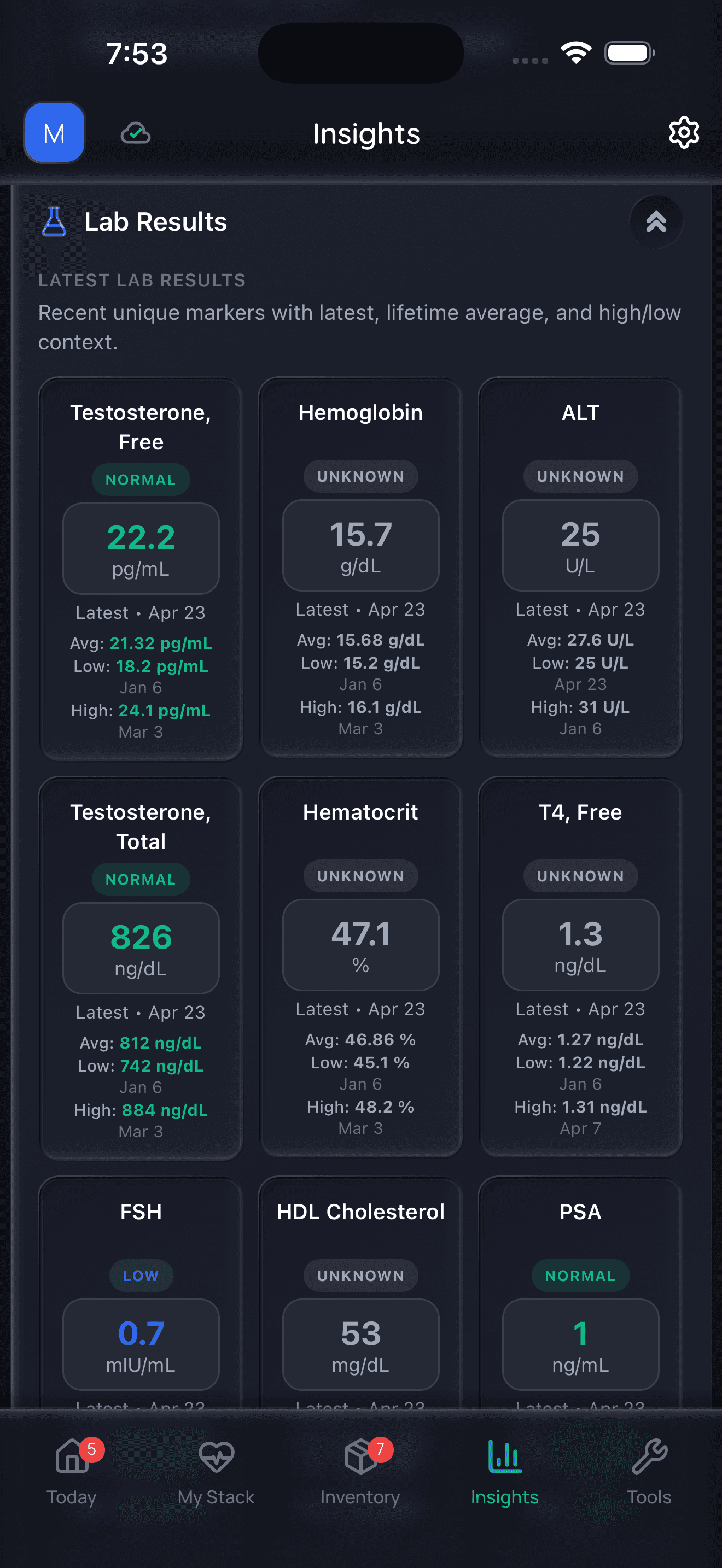
Doserly organizes data; it does not diagnose or interpret labs for you.
Dosing & Usage Protocols
The Basics
There is no officially established dose for quercetin supplementation, and the optimal amount depends heavily on what form you are using and what goal you have in mind. The most commonly cited range for standard quercetin aglycone is 500 to 1000 mg per day, typically divided into two or three doses taken with meals containing some fat [4][6].
Because of the enormous differences in bioavailability between forms, the effective dose varies significantly. If using a phytosome formulation (20x better absorption), 250 to 500 mg per day may achieve equivalent or better blood levels than 1000 mg of standard aglycone. For EMIQ formulations, 100 to 200 mg per day may be sufficient [2].
For blood pressure support in hypertensive individuals, the clinical evidence used 730 mg per day of aglycone in two divided doses [16]. For inflammatory conditions like rheumatoid arthritis, 500 mg per day showed clinical benefit in the primary trial [13]. For allergy and mast cell stabilization, community experience suggests 500 to 1000 mg per day, though clinical trial data is limited.
The FDA considers up to 500 mg per serving to be GRAS as a food ingredient. Clinical trial safety data supports doses up to 1000 mg per day for up to 12 weeks. Data supporting higher doses or longer durations are limited [1][20].
The Science
Dose-response pharmacokinetics: Egert et al. established that daily quercetin supplementation at 50, 100, and 150 mg (as dihydrate) dose-dependently increases plasma quercetin concentrations to 92.2 nM, 171.8 nM, and 316.2 nM respectively. At 730 mg aglycone, plasma levels approximately double from baseline. Acute dosing of 2000 mg (in food matrix) achieves approximately 4.76 uM peak concentrations [6].
Form-adjusted dosing equivalencies (approximate):
Form
Aglycone
- Daily Dose
- 500-1000 mg
- Approximate Plasma Quercetin Achieved
- 170-1420 nM
Form
Phytosome
- Daily Dose
- 250-500 mg
- Approximate Plasma Quercetin Achieved
- Comparable to 1000-2000 mg aglycone
Form
EMIQ
- Daily Dose
- 100-200 mg
- Approximate Plasma Quercetin Achieved
- Comparable to 500-1000 mg aglycone
Form
Isoquercetin
- Daily Dose
- 200-400 mg
- Approximate Plasma Quercetin Achieved
- Comparable to 500-1000 mg aglycone
Senolytic protocol context: In preclinical senolytic research, the dasatinib + quercetin combination typically uses intermittent dosing (e.g., two consecutive days per week or per month) rather than daily supplementation. Quercetin doses in these protocols are generally 500-1000 mg. This intermittent approach is distinct from daily anti-inflammatory or antioxidant supplementation [10].
What to Expect (Timeline)
Week 1-2: Some individuals, particularly those with mast cell activation or histamine-related conditions, may notice improvements in allergic symptoms, brain fog, or energy within the first few days. Others may experience initial GI adjustment (mild stomach discomfort). Anecdotal reports suggest effects can be noticeable as early as day 2-3, though this likely depends on the severity of underlying histamine burden and the bioavailability of the form used.
Week 3-4: Anti-inflammatory effects become more consistent. If quercetin is benefiting joint health or systemic inflammation, improvements in stiffness, pain, and general comfort typically become apparent by this point. Blood pressure reductions in hypertensive individuals were documented at the 4-week mark in clinical trials [16].
Week 5-8: Chronic users often report a stabilization of benefits. In the RA trial, 8 weeks of supplementation was sufficient to show statistically significant improvements in disease activity and inflammatory markers [13]. For allergies, one community report noted that EMIQ took about 8 weeks to build up sufficiently for noticeable mast cell stabilization effects.
Week 8-12+: Long-term users report sustained benefits, with some individuals using quercetin daily for years (reports of 3 to 12 years of continuous use). Effects do not appear to diminish over time based on available reports. However, formal safety data beyond 12 weeks at high doses is limited. Some practitioners suggest periodic cycling (e.g., 8 weeks on, 2 weeks off) for general wellness, though this is not evidence-based. For senolytic purposes, intermittent dosing (rather than daily) is the standard protocol.
Important note: Benefits may be subtle or absent in healthy individuals without pre-existing inflammatory conditions or hypertension. The largest cognitive RCT found no measurable benefit in healthy adults after 12 weeks at standard doses [17].
Interactions & Compatibility
Synergistic
- Bromelain: Commonly paired with quercetin to enhance absorption (~1.8x bioavailability improvement). Also complements quercetin's anti-inflammatory effects through independent protease activity.
- Vitamin C: Often co-supplemented. Vitamin C may regenerate oxidized quercetin, extending its antioxidant lifespan. Also frequently combined in allergy/immune support stacks.
- Fisetin: Fellow flavonol with senolytic properties. Sometimes used alongside quercetin in longevity protocols as an alternative to dasatinib.
- Resveratrol: Complementary polyphenol. Both suppress pro-inflammatory markers TNF-alpha and IL-1alpha at low concentrations. Different primary mechanisms provide additive anti-inflammatory coverage.
- Zinc: Quercetin acts as a zinc ionophore, potentially enhancing intracellular zinc delivery. This property attracted attention during COVID-19 research.
- Vitamin D3: Commonly combined in immune support protocols. Complementary mechanisms (vitamin D for immune regulation, quercetin for mast cell stabilization).
- Curcumin: Fellow anti-inflammatory polyphenol. Different primary targets (NF-kB for both, but via different upstream mechanisms). Both have bioavailability challenges that benefit from enhanced formulations.
- NAC: N-acetyl cysteine provides glutathione support; combined with quercetin's direct radical scavenging, they offer complementary antioxidant coverage.
- Dietary fat: Taking quercetin with fat-containing meals approximately doubles absorption [2].
Caution / Avoid
- Warfarin and other anticoagulants: Case report of elevated INR with concomitant quercetin use. Quercetin may enhance anticoagulant effects [12]. Consult healthcare provider before combining.
- Tamoxifen: Preclinical evidence shows quercetin significantly increases tamoxifen bioavailability, potentially increasing both efficacy and side effects [12].
- Losartan: Quercetin increased losartan systemic exposure in animal models [12].
- CYP3A4 substrate medications: Quercetin inhibits CYP3A4 in vitro, potentially increasing blood levels of medications metabolized by this pathway (statins, calcium channel blockers, immunosuppressants, many others) [12].
- CYP2C19 substrate medications: Similar inhibition may affect proton pump inhibitors, clopidogrel, and certain antidepressants [12].
- Cyclosporine: CYP3A4-mediated interaction may increase cyclosporine levels [20].
- Iron supplements: Quercetin chelates iron and may reduce absorption. Separate dosing by at least 2 hours if taking both [20].
- Chemotherapy drugs: Quercetin's antioxidant effects may theoretically interfere with the action of certain chemotherapy agents that work through oxidative mechanisms [5].
- MAO inhibitor medications: Quercetin has weak MAO-B and moderate MAO-A inhibitory activity. Combining with pharmaceutical MAO inhibitors could theoretically lead to excessive monoamine accumulation.
- Serotonergic medications: One community report described serotonin syndrome when high-dose quercetin was combined with quetiapine (Seroquel). Exercise caution with SSRIs, SNRIs, and other serotonergic drugs.
How to Take / Administration Guide
Recommended forms: For most users, a bioavailable formulation (phytosome, EMIQ, or quercetin with bromelain) is preferable to standard quercetin aglycone due to the large absorption differences. Standard aglycone is the most affordable but delivers the least active compound to the bloodstream.
Timing considerations: Take quercetin with meals containing some dietary fat. Fat-soluble food components help form micelles that enhance absorption. Dividing the daily dose into 2-3 servings with meals is standard practice. Some users prefer taking the last dose earlier in the day (before 3-4 PM) to avoid potential sleep interference from adenosine receptor antagonism, though this effect is generally mild at typical supplemental doses.
Stacking guidance: Quercetin is commonly taken with bromelain (which may enhance absorption and has independent anti-inflammatory effects) and vitamin C. If pairing with iron supplements, separate them by at least 2 hours to minimize quercetin's iron-chelating effect. If using quercetin for mast cell stabilization, some practitioners suggest taking it 20-30 minutes before meals to maximize its presence in the gut before potential food triggers.
Cycling guidance: For general anti-inflammatory and antioxidant use, continuous daily supplementation appears safe for at least 12 weeks based on clinical trial data. Some practitioners recommend periodic breaks. For senolytic purposes (typically with dasatinib), intermittent dosing (e.g., 2 consecutive days per week, or 2 days per month) is the standard protocol and differs fundamentally from daily supplementation.
Powder reconstitution: Quercetin powder has low water solubility and a bitter taste. Mixing with a fat-containing liquid (smoothie with nut butter, milk, etc.) may improve both palatability and absorption. Some users dissolve quercetin powder in warm water with a small amount of lecithin.
Choosing a Quality Product
Third-party certifications: Look for products bearing USP Verified, NSF Certified for Sport, or ConsumerLab Approved seals. These certifications verify identity, potency, purity, and the absence of contaminants. For athletes, NSF Certified for Sport or Informed Sport certification provides additional screening for banned substances.
Active vs. cheap forms: Standard quercetin aglycone is the most affordable but has the lowest bioavailability. Phytosome formulations (quercetin complexed with phospholipids/lecithin) represent the most-studied enhancement, with approximately 20-fold better absorption. EMIQ (enzymatically modified isoquercitrin) offers another well-researched option. Products combining quercetin with bromelain offer a more modest absorption enhancement but at lower cost than phytosome products.
Red flags:
- Products making specific disease treatment claims (violates DSHEA)
- Mega-dosing beyond 1000 mg per serving without clear rationale
- Proprietary blends that obscure the actual quercetin dose
- Claims of "100% bioavailability" or similar exaggerations
- Products containing quercetin rutinoside (rutin) marketed at aglycone-equivalent doses (rutin has lower bioavailability)
Excipient considerations: Quercetin supplements may contain fillers, flow agents (magnesium stearate, silicon dioxide), and capsule materials. Individuals with MCAS or histamine intolerance may react to excipients rather than quercetin itself. Several community reports note that switching to additive-free or clean-label formulations resolved tolerability issues.
Quality markers specific to quercetin: Look for specification of the exact form (aglycone, dihydrate, phytosome, EMIQ, isoquercetin). Products should state the quercetin content per serving in milligrams. HPLC purity testing (minimum 90% by HPLC is standard) indicates good manufacturing practice. Certificate of Analysis (COA) availability for heavy metal testing, purity, and identity is a positive indicator.
Storage & Handling
Quercetin is relatively stable under normal storage conditions. Store in a cool, dry place away from direct sunlight, heat, and moisture. Keep the container tightly sealed between uses.
No refrigeration is required for standard capsule, tablet, or powder forms. However, some liquid or liposomal quercetin preparations may benefit from refrigeration after opening; check product-specific storage instructions.
Quercetin is sensitive to prolonged UV exposure, which can degrade the compound. Amber or opaque containers are preferable.
Shelf life is typically 2-3 years for properly stored capsules and tablets. Powders may have shorter effective shelf life once opened due to oxidation at the surface.
Lifestyle & Supporting Factors
Dietary sources: Increasing quercetin intake through food provides additional fiber, vitamins, and complementary phytochemicals that may enhance quercetin's effects. The richest common dietary sources include red onions (60-100 mg/100g), capers (the richest food source per weight), apples (especially with the skin), berries, citrus fruits, and brewed tea. Cooking reduces quercetin content in some foods, though onion soup retains significant amounts because the quercetin transfers to the broth.
Signs of potential benefit from supplementation: Quercetin supplementation may be particularly relevant for individuals with chronic inflammatory conditions, histamine intolerance or mast cell activation, seasonal allergies, stage I hypertension, or those in the early stages of age-related joint deterioration. It is not considered an essential nutrient, so there is no "deficiency" state.
Exercise: Quercetin's anti-inflammatory and antioxidant effects may support post-exercise recovery, particularly after eccentric exercise. However, taking high-dose antioxidants immediately around exercise may blunt some beneficial adaptive signaling from exercise itself (the "antioxidant paradox"). Some practitioners suggest separating quercetin from the immediate pre/post-exercise window.
Hydration: Standard guidance applies. No specific hydration requirements associated with quercetin supplementation.
Mineral status monitoring: Due to quercetin's metal-chelating properties, individuals on long-term supplementation (particularly at doses above 500 mg/day) should periodically monitor iron, zinc, and copper status through routine blood work, especially if following a plant-based diet.
Regulatory Status & Standards
United States (FDA): Quercetin is marketed as a dietary supplement under DSHEA. It has FDA GRAS status as a food ingredient at up to 500 mg per serving. It is not approved as a drug for any indication. No NDI (New Dietary Ingredient) notification issues exist for quercetin since it has a long history of market presence.
Canada (Health Canada): Quercetin is available as a natural health product. Monograph exists for quercetin-containing products.
European Union (EFSA): Quercetin is available in dietary supplements. No novel food classification issues for standard quercetin. EFSA has not approved specific health claims for quercetin.
Australia (TGA): Available as a listed complementary medicine.
IARC classification: Group 3 (not classifiable as carcinogenic to humans), as determined in 1999 after comprehensive review [7].
Athlete & Sports Regulatory Status:
Quercetin is not prohibited by WADA and does not appear on any current prohibited substance lists (S0-S9, M1-M3, P1). No major national anti-doping agencies (USADA, UKAD, Sport Integrity Canada, Sport Integrity Australia, NADA Germany) have issued specific restrictions or alerts regarding quercetin supplementation.
Quercetin does not appear on the NCAA banned substance list. However, athletes should be aware that quercetin supplements, like any supplement, carry a risk of contamination with undeclared prohibited substances. Third-party tested products (Informed Sport, NSF Certified for Sport, Cologne List, BSCG) are available and recommended for competitive athletes.
Athletes can verify quercetin's current status through GlobalDRO.com for US, UK, Canada, Australia, Japan, Switzerland, and New Zealand jurisdictions.
Regulatory status and prohibited substance classifications change frequently. Athletes should always verify the current status of any supplement with their sport's governing body, their national anti-doping agency, and a qualified sports medicine professional before use. Third-party certification (Informed Sport, NSF Certified for Sport) reduces but does not eliminate the risk of contamination with prohibited substances.
Frequently Asked Questions
What is the best form of quercetin to take?
Based on available bioavailability research, phytosome formulations (quercetin complexed with lecithin/phospholipids) and EMIQ (enzymatically modified isoquercitrin) demonstrate substantially higher absorption than standard quercetin aglycone. Phytosome formulations show approximately 20-fold and EMIQ approximately 5-17-fold better bioavailability. Standard aglycone is the most common and affordable option but delivers significantly less quercetin to the bloodstream.
How much quercetin should I take per day?
Commonly reported supplemental ranges are 500-1000 mg/day for standard aglycone and 250-500 mg/day for phytosome formulations. Clinical trials have used doses ranging from 200 to 1000 mg/day. The FDA considers up to 500 mg per serving as GRAS for food ingredients. Individuals should consult a healthcare professional for personalized guidance.
Can I take quercetin with my prescription medications?
Quercetin inhibits CYP3A4 and CYP2C19 enzymes involved in drug metabolism, and has documented interactions with warfarin, tamoxifen, and losartan. Anyone taking prescription medications should discuss quercetin with their healthcare provider before starting supplementation.
Is quercetin safe to take long-term?
Clinical trial data supports safety at doses up to 1000 mg/day for up to 12 weeks. Some community reports describe continuous use for years without apparent adverse effects and with normal lab work. However, formal long-term safety studies at high supplemental doses are not yet available. Periodic monitoring of iron, zinc, and liver/kidney function is prudent for long-term users.
Does quercetin help with allergies?
Quercetin stabilizes mast cells and inhibits histamine release, which is the mechanistic basis for its use in allergies and histamine-related conditions. Two clinical trials of quercetin monotherapy for allergies reported symptom improvement. Community reports, particularly from the MCAS (mast cell activation syndrome) community, are strongly positive. Bioavailable formulations appear necessary for meaningful clinical effect.
Should I take quercetin with food?
Taking quercetin with food, particularly food containing dietary fat, approximately doubles its absorption. Most sources recommend taking quercetin with meals for optimal bioavailability.
Is quercetin a senolytic? How is it used for anti-aging?
Quercetin is studied as a senolytic agent, meaning it may help clear senescent ("zombie") cells from the body. In research, it is typically combined with dasatinib and used intermittently (e.g., 2 consecutive days per week or per month), not daily. This is different from daily quercetin supplementation for anti-inflammatory or antioxidant purposes. The senolytic evidence is primarily preclinical.
Can quercetin cause anxiety or insomnia?
Quercetin inhibits COMT, an enzyme that breaks down catecholamines (dopamine, norepinephrine, epinephrine) and estrogen. In individuals with genetically slow COMT activity (approximately 25% of the population), this additional inhibition can lead to catecholamine buildup, potentially causing anxiety, agitation, irritability, or sleep disruption. If you experience these symptoms after starting quercetin, COMT genotype may be a contributing factor.
Does quercetin chelate iron?
Quercetin binds to iron, zinc, copper, and other minerals. Community reports and scientific literature confirm that long-term, high-dose quercetin supplementation can contribute to iron depletion, particularly in individuals with limited dietary iron intake. Monitoring mineral status through blood work is advisable for long-term users.
Can I take quercetin while pregnant or breastfeeding?
Safety data for quercetin supplementation during pregnancy and breastfeeding is insufficient. One animal study raised concerns about potential reproductive effects. Pregnant and breastfeeding individuals should consult their healthcare provider before taking quercetin supplements. Quercetin consumed through normal dietary sources (fruits and vegetables) is generally not a concern.
Myth vs. Fact
Myth: Quercetin cures cancer.
Fact: While quercetin demonstrates anticancer activity in laboratory studies (cell culture and some animal models), including inhibition of cell proliferation and induction of apoptosis, it has not been shown to treat or cure cancer in humans. One systematic review found no evidence that dietary quercetin reduces ovarian cancer risk, and an animal study found quercetin actually exacerbated estrogen-induced breast tumors [18][19]. The gap between in vitro activity and clinical efficacy is substantial.
Myth: All quercetin supplements are essentially the same.
Fact: The form of quercetin matters enormously. Standard quercetin aglycone, the most common supplement form, has less than 10% bioavailability and may be as low as 1% in capsule form. Phytosome formulations achieve approximately 20-fold higher blood levels, and EMIQ achieves 5-17-fold higher levels than aglycone [2]. Choosing a standard aglycone product and expecting the same results as a phytosome is comparing substantially different interventions.
Myth: Quercetin is a natural antihistamine with no side effects.
Fact: Quercetin does stabilize mast cells and inhibit histamine release, making it useful for many people with allergies and histamine-related conditions. However, it also inhibits COMT (affecting neurotransmitter breakdown), CYP450 enzymes (affecting drug metabolism), and chelates minerals. Side effects including GI distress, anxiety/agitation (in slow COMT genotypes), iron depletion, and drug interactions are documented [12][20]. It is pharmacologically more active than a typical flavonoid supplement.
Myth: Higher doses of quercetin are always better.
Fact: Beyond a certain point, increasing the dose of standard quercetin aglycone provides diminishing returns due to saturable absorption pathways. At very high doses (2000 mg/day), quercetin has been shown to impair intestinal permeability and interfere with heat acclimatization adaptations in exercising individuals [6]. Switching to a more bioavailable form at a lower dose is generally more effective than simply increasing the dose of aglycone.
Myth: Quercetin provides immediate cognitive enhancement like a nootropic.
Fact: Despite being a more potent adenosine receptor antagonist than caffeine at the receptor level, quercetin does not produce caffeine-like cognitive stimulation at normal oral doses. This is because very little quercetin reaches the brain. The largest RCT (n=941) found no cognitive benefit at 500-1000 mg/day for 12 weeks [6][17]. Community reports of improved mental clarity likely reflect resolution of neuroinflammation or COMT-mediated effects rather than direct cognitive enhancement.
Myth: Quercetin is safe to combine with any medication.
Fact: Quercetin inhibits CYP3A4, CYP2C19, COMT, and has weak MAO inhibitory activity. It has documented interactions with warfarin (elevated INR), tamoxifen (increased bioavailability), and losartan (increased exposure) [12]. It should not be assumed safe to combine with any medication, and healthcare provider consultation is essential for anyone on prescription drugs.
Myth: Quercetin boosts the immune system.
Fact: Quercetin modulates immune function rather than simply "boosting" it. Its primary immune-related action is mast cell stabilization (preventing excessive histamine release), which is actually a calming of overactive immune responses rather than stimulation. While it has antioxidant and anti-inflammatory properties that support overall immune health, framing it as an immune booster oversimplifies its nuanced effects [1][9].
Sources & References
Clinical Trials & RCTs
[1] NIH Office of Dietary Supplements. Dietary Supplements in the Time of COVID-19: Fact Sheet for Health Professionals. https://ods.od.nih.gov/factsheets/COVID19-HealthProfessional/
[13] Javadi F, Ahmadzadeh A, Eghtesadi S, et al. The Effect of Quercetin on Inflammatory Factors and Clinical Symptoms in Women with Rheumatoid Arthritis: A Double-Blind, Randomized Controlled Trial. J Am Coll Nutr. 2017;36(1):9-15.
[14] Duranti G, Ceci R, Patrizio F, et al. Chronic consumption of quercetin reduces erythrocytes oxidative damage: Evaluation at resting and after eccentric exercise in humans. Nutr Res. 2018;50:73-81.
[15] Bazzucchi I, Patrizio F, Ceci R, et al. The Effects of Quercetin Supplementation on Eccentric Exercise-Induced Muscle Damage. Nutrients. 2019;11(1):E205.
[16] Edwards RL, Lyon T, Litwin SE, et al. Quercetin reduces blood pressure in hypertensive subjects. J Nutr. 2007;137(11):2405-2411.
[17] Broman-Fulks JJ, Canu WH, Trout KL, Nieman DC. The effects of quercetin supplementation on cognitive functioning in a community sample: a randomized, placebo-controlled trial. Ther Adv Psychopharmacol. 2012;2(4):131-138. PMID: 23983966. See also: Nakamura Y, Watanabe H, Tanaka A, Nishihira J, Murayama N. Effect of quercetin glycosides on cognitive functions and cerebral blood flow: a randomized, double-blind, and placebo-controlled study. Eur Rev Med Pharmacol Sci. 2022;26(23):8700-8712.
Systematic Reviews & Meta-Analyses
[2] Liu L, et al. Improving quercetin bioavailability: A systematic review and meta-analysis of human intervention studies. 2025. PMID: 40037045.
[9] Naso M, et al. Quercetin and Its Lecithin-Based Formulation: Potential Applications for Allergic Diseases Based on a Narrative Review. 2025. PMID: 40362785.
[10] Yamaura K, Nelson AL, Nishimura H, et al. Therapeutic potential of senolytic agent quercetin in osteoarthritis: A systematic review and meta-analysis of preclinical studies. Ageing Res Rev. 2023;90:101989.
[18] Parvaresh A, et al. Quercetin and ovarian cancer: An evaluation based on a systematic review. J Res Med Sci. 2016;21:34.
Observational Studies & Reviews
[3] Frent OD, Stefan L, Morgovan CM, et al. A Systematic Review: Quercetin, Secondary Metabolite of the Flavonol Class, with Multiple Health Benefits and Low Bioavailability. Int J Mol Sci. 2024;25(22):12091.
[4] El-Saber Batiha G, et al. The Pharmacological Activity, Biochemical Properties, and Pharmacokinetics of the Major Natural Polyphenolic Flavonoid: Quercetin. Foods. 2020;9:374.
[20] Andres S, et al. Safety Aspects of the Use of Quercetin as a Dietary Supplement. Mol Nutr Food Res. 2018;62(1). PMID: 29127724.
Government/Institutional Sources
[7] Okamoto T. Safety of quercetin for clinical application (Review). Int J Mol Med. 2005;16(2):275-278. PMID: 16012761.
Mechanistic & Preclinical Studies
[5] Recent Advances in Potential Health Benefits of Quercetin. Pharmaceuticals. 2023. PMID: 37513932.
[6] Erlund I, Kosonen T, Alfthan G, et al. Pharmacokinetics of quercetin from quercetin aglycone and rutin in healthy volunteers. Eur J Clin Pharmacol. 2000;56(8):545-553. PMID: 11151743. Additional referenced data: Graefe EU, Wittig J, Mueller S, et al. Pharmacokinetics and bioavailability of quercetin glycosides in humans. J Clin Pharmacol. 1999;39(2):159-167; Egert S, Wolffram S, Bosy-Westphal A, et al. Daily quercetin supplementation dose-dependently increases plasma quercetin concentrations in healthy humans. J Nutr. 2008;138(9):1615-1621. PMID: 18716159.
[8] Askari G, et al. The effect of quercetin supplementation on selected markers of inflammation and oxidative stress. J Res Med Sci. 2012;17(7):637-41.
[11] Chen YW, et al. Cardioprotective Effects of Quercetin in Cardiomyocyte under Ischemia/Reperfusion Injury. Evid Based Complement Alternat Med. 2013;2013:364519.
[12] Memorial Sloan Kettering Cancer Center. Quercetin Herb-Drug Interactions. Patel R, 2022; Yen C, 2022; Zhao Q, 2019; Rastogi H, 2014; Sergent T, 2009.
[19] Singh B, et al. Dietary quercetin exacerbates the development of estrogen-induced breast tumors in female ACI rats. Toxicol Appl Pharmacol. 2010;247(2):83-90.
Related Supplement Guides
Same Category
Common Stacks / Pairings
Related Health Goal
- Vitamin D3 (immune support)
- Fish Oil (EPA/DHA) (anti-inflammatory)
- Boswellia Serrata (joint health, anti-inflammatory)
- Stinging Nettle (allergy support)
- Magnesium (general wellness)