
Hawthorn Berry: The Complete Supplement Guide
On this page
Quick Reference Card
Attribute
Common Name
- Detail
- Hawthorn Berry
Attribute
Other Names / Aliases
- Detail
- Hawthorn, Hawthorne, Whitehorn, Quickthorn, May flower, Crataegus berries, Shan Zha (Chinese), Weissdorn (German)
Attribute
Category
- Detail
- Herbal Cardiovascular Support (Rosaceae family)
Attribute
Primary Forms & Variants
- Detail
- WS 1442 (leaf and flower extract, standardized to 18.75% oligomeric procyanidins, most studied), LI 132 (standardized to 2.25% flavonoids), Crataegisan (standardized extract of fresh berries), whole berry powder, tincture, tea
Attribute
Typical Dose Range
- Detail
- 160-1800 mg/day of standardized extract; most clinical evidence at 450-900 mg/day
Attribute
RDA / AI / UL
- Detail
- No established RDA, AI, or UL (herbal supplement, not an essential nutrient)
Attribute
Common Delivery Forms
- Detail
- Capsule, tablet, liquid extract/tincture, tea (berry or leaf/flower), dried berries
Attribute
Best Taken With / Without Food
- Detail
- Can be taken with or without food. No specific food requirements documented.
Attribute
Key Cofactors
- Detail
- Often combined with motherwort for palpitations; magnesium for cardiovascular support; CoQ10 for cardiac function
Attribute
Storage Notes
- Detail
- Store in a cool, dry place away from direct sunlight and moisture. Tinctures should be stored in dark glass bottles.
Overview
The Basics
Hawthorn is one of the oldest known heart-supportive herbs in Western and Eastern herbal traditions. The berries, leaves, and flowers of this thorny shrub from the rose family have been used to support cardiovascular health for centuries, from ancient European folk medicine to traditional Chinese medicine, where it is known as Shan Zha [1][2].
In modern wellness, hawthorn has attracted research attention primarily for its effects on heart failure, blood pressure, and cholesterol. The most studied preparation, known as WS 1442, has been the subject of multiple clinical trials and was approved by the German Commission E for treating decreased cardiac output in NYHA functional class II heart failure [3][4]. A Cochrane systematic review of 14 randomized controlled trials found significant benefits for symptom control and exercise tolerance when hawthorn was used alongside conventional heart failure treatment [5].
Despite this encouraging clinical history, hawthorn is not a replacement for conventional heart medications. The NCCIH notes that evidence for hawthorn remains conflicting for heart failure and limited for most other conditions. It is generally well tolerated in the short term (up to 16 weeks in studied preparations), though long-term safety data are lacking [1].
The Science
Hawthorn encompasses approximately 300 species within the genus Crataegus (family Rosaceae), with C. monogyna, C. laevigata (syn. C. oxyacantha), and C. pinnatifida being the most pharmacologically studied [2][6]. The plant is distributed throughout temperate regions of Europe, Asia, and North America.
The primary bioactive constituents are oligomeric procyanidins (OPCs) and flavonoids, including hyperoside, vitexin and its glycosides, rutin, and quercetin [2][7]. The relative distribution of these compounds varies by plant part: berries are rich in hyperoside and procyanidins, leaves contain higher levels of vitexin-2-rhamnoside and the greatest concentration of OPCs, and flowers contain elevated flavonoid levels [2]. Epicatechin and chlorogenic acid contribute significant antioxidant capacity, particularly in leaf preparations [6].
WS 1442, standardized to 18.75% oligomeric procyanidins, is the most extensively studied extract and forms the basis of most cardiovascular clinical trial data [3][4][5]. LI 132, standardized to 2.25% flavonoids, represents a second well-studied preparation. The German Commission E and the European Scientific Cooperative on Phytotherapy (ESCOP) have established monographs supporting hawthorn leaf with flower for NYHA Class II heart failure [3].
Chemical & Nutritional Identity
Property
Chemical Name
- Value
- Crataegus spp. extract (berry, leaf, and/or flower)
Property
Plant Family
- Value
- Rosaceae
Property
Active Compounds
- Value
- Oligomeric procyanidins (OPCs), flavonoids, phenolic acids, triterpenic acids
Property
Key Flavonoids
- Value
- Hyperoside (quercetin-3-O-galactoside), Vitexin and glycosides, Rutin (quercetin-3-O-rutinoside), Quercetin
Property
Key OPCs
- Value
- Procyanidins B2, B5, C1; epicatechin-based oligomers
Property
Other Bioactives
- Value
- Chlorogenic acid, oleanolic acid, ursolic acid, corosolic acid, eriodectyol
Property
Category
- Value
- Herbal cardiovascular tonic
Property
Parts Used
- Value
- Berries (fruits), leaves, flowers (leaves and flowers most common in modern extracts)
Property
Standardization
- Value
- WS 1442: 18.75% OPCs; LI 132: 2.25% flavonoids; varies by product
Common Supplement Forms
Extract
WS 1442
- Plant Part
- Leaf and flower
- Standardization
- 18.75% oligomeric procyanidins
- Profile
- Most studied; used in majority of CHF clinical trials
Extract
LI 132
- Plant Part
- Leaf and flower
- Standardization
- 2.25% flavonoids
- Profile
- Second most studied; used at 600 mg/day in trials
Extract
Crataegisan
- Plant Part
- Fresh berry extract
- Standardization
- Standardized (proprietary)
- Profile
- Used in several European studies
Extract
Whole berry powder
- Plant Part
- Berry
- Standardization
- Unstandardized
- Profile
- Traditional form; higher dose required
Extract
Tincture
- Plant Part
- Berry and/or leaf/flower
- Standardization
- Varies (typically 1:5 ratio)
- Profile
- Preferred by herbalists; allows dose titration
Mechanism of Action
The Basics
Hawthorn works through multiple pathways that collectively support cardiovascular function, with the heart and blood vessels as its primary targets.
The best-understood mechanism involves vasodilation, the relaxation and widening of blood vessels. Hawthorn's procyanidins stimulate the production of nitric oxide in the blood vessel lining, which signals the vessel walls to relax. This reduces the resistance the heart must pump against (afterload) and improves blood flow to the heart muscle itself [2][7].
Hawthorn also has a mild positive inotropic effect, meaning it can gently strengthen the heart's contractions without the risks associated with stronger pharmaceutical inotropes. This dual action of reducing the heart's workload while enhancing its pumping efficiency is what makes hawthorn valuable as a cardiac tonic [2][7][8].
Additionally, the high antioxidant content of hawthorn protects blood vessels from oxidative damage. Its procyanidins are particularly effective at preventing the oxidation of LDL cholesterol, a key step in the development of atherosclerosis [6][9].
The Science
The pharmacological activity of hawthorn is attributed to the synergistic action of multiple constituent classes:
Vasodilation and NO Pathway: Crataegus special extract WS 1442 induces endothelium-dependent, NO-mediated vasorelaxation via eNOS-phosphorylation at serine 1177 [7]. Oligomeric procyanidins are the primary mediators of this effect, evoking endothelium-dependent vasorelaxation in isolated rat aorta [7]. This reduces peripheral vascular resistance and increases coronary blood flow, beneficial in both heart failure and hypertension.
Positive Inotropic Effect: Flavonoids demonstrate positive inotropic effects via inhibition of 3',5'-cyclic adenosine monophosphate (cAMP) phosphodiesterase, increasing intracellular cAMP and enhancing myocardial contractility [2][8]. This mechanism is cAMP-independent at the level of the contractile apparatus, distinguishing it from catecholamine-mediated inotropy [8]. Hawthorn shares a broad therapeutic profile with digoxin, combining weak inotropic effects with neurohormonal benefits, and is thus unlikely to present the mortality risks associated with stronger inotropes [2].
Antioxidant and Anti-Atherogenic Activity: Phenolic compounds, particularly epicatechin, hyperoside, and chlorogenic acid, exhibit significant antioxidant activity. The IC50 values of epicatechin and hyperoside for radical scavenging are significantly lower (more effective) than glutathione and N-acetylcysteine [2]. A hot water extract (6.9% flavonoids, 2.2% procyanidins) fully protected LDL from macrophage-induced oxidation at concentrations of 0.05 mg/mL in vitro [6].
Anti-inflammatory Effects: Flavonoids suppress LPS-induced nitric oxide production, iNOS induction, and COX-2 expression in macrophages. At 400 mcg/mL, a water extract reduced TNF-alpha mRNA by 60.2%, IL-1beta by 44.8%, and IL-6 by 34.4%, primarily through NF-kB inhibition by hyperoside [6].
Chronotropic and Antiarrhythmic Effects: Crude hawthorn extracts demonstrate negative chronotropic effects and antiarrhythmic effects on cultured cardiomyocytes, though the mechanism does not appear to involve beta-adrenergic receptor blockade [2].
Lipid Metabolism: Leaf extract inhibits pancreatic lipase (IC50 324.0 mcg/mL) and components including rutin, chlorogenic acid, hyperoside, and quercetin synergistically inhibit HMG-CoA reductase [6]. PPARalpha activation in liver tissue has been demonstrated in rodent models, though species differences in PPARalpha response limit direct extrapolation to humans [6].
CYP450 Interactions: In vitro studies suggest hawthorn may induce CYP3A4 by activating pregnane X receptor (PXR), though clinical relevance has not been established [10].
Absorption & Bioavailability
The Basics
The bioavailability of hawthorn varies depending on the preparation used. Standardized extracts concentrate the active flavonoids and procyanidins, delivering a more consistent dose than whole berry preparations or teas.
Hawthorn can be taken with or without food. Unlike many fat-soluble supplements, there is no strong evidence that food significantly changes absorption. The choice between extract forms (capsule, tablet, or liquid tincture) may influence the speed of onset but not necessarily the overall effect over time.
One important consideration is that hawthorn's cardiovascular benefits appear to develop gradually. Clinical studies and traditional herbalists both note that meaningful effects on blood pressure may take 8 to 12 weeks or more to manifest, consistent with a tonic rather than an acute pharmacological agent [2][11].
The Science
Pharmacokinetic data on hawthorn constituents in humans are limited. Most available data derive from animal models.
Vitexin glycosides, major constituents of the leaf extract, are rapidly deglycosylated in serum following intravenous administration in rats, with half-lives under 2 minutes for the glycoside forms [6]. Hyperoside follows non-linear pharmacokinetics with a dose-dependent half-life of 0.2 to 1.1 hours in rats at 5 to 20 mg/kg [6].
The oral bioavailability of individual procyanidins and flavonoids from hawthorn has not been definitively established in human subjects. However, the consistent clinical effects observed in trials using standardized doses of WS 1442 (160 to 1800 mg/day) confirm that sufficient bioactive quantities are absorbed orally to produce measurable physiological effects [3][4][5].
Comparison of pharmacokinetics between hawthorn extract and individual pure compounds suggests that the whole extract may offer different absorption characteristics than isolated constituents, supporting the concept of synergistic activity among hawthorn's component compounds [2].
Research & Clinical Evidence
The Basics
The evidence base for hawthorn is strongest for chronic heart failure, where it has been studied as an add-on therapy to conventional treatments. Evidence for blood pressure reduction is emerging but smaller in scale. Evidence for other conditions (anxiety, weight loss, general cardiovascular disease) remains insufficient.
The most important clinical data come from a 2008 Cochrane systematic review that pooled 14 randomized, double-blind, placebo-controlled trials. This review found that hawthorn extract significantly improved exercise capacity, reduced symptoms like shortness of breath and fatigue, and decreased cardiac oxygen consumption in patients with NYHA Class I to III heart failure [5].
However, the two largest and longest trials (SPICE and HERB CHF) produced more ambiguous results. While neither found significant harm, they also did not demonstrate clear reductions in cardiac death or hospitalization. This has led regulatory bodies like the NCCIH to describe the evidence as "conflicting" [1][3].
For blood pressure, a 2025 meta-analysis found a clinically significant reduction in systolic blood pressure (approximately 6.65 mmHg), though the effect on diastolic blood pressure did not reach statistical significance [11].
The Science
Chronic Heart Failure (Moderate Evidence): The Cochrane meta-analysis (Pittler et al., 2008) included 14 double-blind RCTs. Ten trials (855 patients, NYHA I-III) provided pooled data showing: maximal workload improvement (WMD 5.35 Watts, 95% CI 0.71-10.00, P<0.02, n=380), exercise tolerance increase (WMD 122.76 Watt-min, 95% CI 32.74-212.78, n=98), pressure-heart rate product decrease (WMD -19.22 mmHg/min, 95% CI -30.46 to -7.98, n=264), and symptom score improvement (WMD -5.47, 95% CI -8.68 to -2.26, n=239) [5].
SPICE Trial (Holubarsch et al., 2008): 2681 patients, NYHA II-III, WS 1442 at 900 mg/day for 24 months. Primary endpoints (cardiac death, nonfatal MI, hospitalization) were not achieved. However, deaths from sudden cardiac causes, progressive heart failure, and fatal MI were all numerically lower in the WS 1442 group. Suggested benefit in patients with LVEF 25-35% [3][4].
Hypertension (Emerging Evidence): A 2025 meta-analysis of randomized, placebo-controlled trials found hawthorn statistically significantly decreased SBP (MD: -6.65 mmHg, 95% CI [-11.72; -1.59]) with a non-significant reduction in DBP (MD: -7.19 mmHg, 95% CI [-15.17; 0.79]) after 2-6 months of treatment at 250-1200 mg/day [11]. A separate systematic review found significant BP reduction in 3 of 4 trials of 12-16 week duration [12].
Lipid Effects (Preliminary/Animal Evidence): In rodent models, leaf extract at 125-500 mg/kg reduced post-prandial lipid absorption by 38-95%, outperforming orlistat at the highest dose. HMG-CoA reductase inhibition has been demonstrated in vitro with synergistic effects among hawthorn flavonoids [6]. Human data for lipid effects are limited.
Anti-inflammatory and Antioxidant (Preclinical): Strong in vitro and animal data for anti-inflammatory effects via NF-kB inhibition, COX-2 suppression, and cytokine reduction. Antioxidant capacity of hawthorn fruit pulp rated highest among 28 fruit pulps tested [2][6].
Evidence & Effectiveness Matrix
The matrix below combines clinical evidence strength with community-reported effectiveness to provide a balanced view of hawthorn berry's profile across health domains.
Category
Heart Health
- Evidence Strength
- 6/10
- Community-Reported Effectiveness
- 7/10
- Confidence
- Medium
Category
Blood Pressure
- Evidence Strength
- 5/10
- Community-Reported Effectiveness
- 7/10
- Confidence
- Medium
Category
Heart Rate & Palpitations
- Evidence Strength
- 4/10
- Community-Reported Effectiveness
- 7/10
- Confidence
- Medium
Category
Side Effect Burden
- Evidence Strength
- 8/10
- Community-Reported Effectiveness
- 8/10
- Confidence
- High
Category
Anxiety
- Evidence Strength
- 2/10
- Community-Reported Effectiveness
- 4/10
- Confidence
- Low
Category
Mood & Wellbeing
- Evidence Strength
- 1/10
- Community-Reported Effectiveness
- 4/10
- Confidence
- Low
Category
Energy Levels
- Evidence Strength
- 1/10
- Community-Reported Effectiveness
- 3/10
- Confidence
- Low
Category
Inflammation
- Evidence Strength
- 3/10
- Community-Reported Effectiveness
- Not Scored
- Confidence
- Low
Category
Digestive Comfort
- Evidence Strength
- 1/10
- Community-Reported Effectiveness
- 3/10
- Confidence
- Low
Evidence Strength reflects the quality and volume of clinical trial data. Community-Reported Effectiveness reflects scored sentiment from community discussions. Confidence reflects the reliability of the combined assessment.
Key Observations:
- Heart health and blood pressure show moderate alignment between clinical evidence and community reports, though community scores are slightly higher, likely reflecting self-selection among users who continue taking hawthorn because it works for them
- Heart rate and palpitations show a notable gap: community reports are significantly stronger than clinical evidence, suggesting this may be an underexplored clinical endpoint
- Side effect burden scores are high from both sources, consistently confirming hawthorn's excellent tolerability profile
- Anxiety and mood categories scored low on evidence but received some community attention, mainly from herbalism communities
- Community data not yet collected for: Inflammation, Joint Health, Immune Function, Physical Performance, Sleep Quality, and most other categories
Benefits
The Basics
Hawthorn's primary benefits center on cardiovascular support. The research literature and traditional use both point to the same core effects: supporting heart function, helping manage blood pressure, and protecting blood vessels from oxidative damage.
For people with mild to moderate heart failure, hawthorn extract (particularly WS 1442) has been shown to improve exercise tolerance, reduce symptoms like breathlessness and fatigue, and decrease the heart's oxygen demand during exertion [5]. These benefits appear most consistent when hawthorn is used alongside conventional treatments rather than as a replacement.
Blood pressure reduction has been observed in clinical trials, though the effect is modest and may take several months of consistent use to become apparent. A meta-analysis found an average systolic blood pressure reduction of about 6.65 mmHg [11].
The antioxidant properties of hawthorn may offer broader cardiovascular protection by reducing LDL oxidation, a process implicated in the development of atherosclerosis [6][9].
The Science
Cardiovascular Function: The Cochrane meta-analysis demonstrated statistically significant improvements in maximal workload (+5.35 W), exercise tolerance (+122.76 W-min), and cardiac oxygen consumption index (-19.22 mmHg/min) [5]. The Habs cohort study (>2 years follow-up) found significantly fewer patients in the Crataegus group required conventional medications including ACE inhibitors, cardiac glycosides, diuretics, and beta blockers [3].
Blood Pressure Regulation: Four RCTs (254 participants) demonstrated reduced blood pressure in patients with pre-hypertension or stage 1 hypertension. Significant reductions were achieved in trials of 12-16 weeks or longer [11][12]. The mechanism involves NO-mediated vasorelaxation and potential ACE inhibitory activity [7][12].
Antioxidant Protection: Hawthorn procyanidins provide more direct protection from lipid peroxidation in vitro than an equal weight of vitamin E [6]. The IC50 values of epicatechin and hyperoside for radical scavenging are lower than those of glutathione and NAC [2].
Anti-inflammatory Activity: Ethanol extract of hawthorn berries demonstrated dose-dependent anti-inflammatory activity in carrageenan-induced paw edema models, achieving 36.3% inhibition at 200 mg/kg, though less potent than indomethacin (4 mg/kg) [6].
Gastroprotective Effects: In rodent models, ethanolic extract at 200 mg/kg provided 88% protection against ethanol-induced stomach ulcers, outperforming ranitidine (20 mg/kg) at 70% protection [6].
Reading about potential benefits gives you a framework. Seeing whether those benefits are showing up in your own body turns knowledge into confidence. Doserly lets you track the specific health markers relevant to this supplement, building a personal dataset that captures what's actually changing week over week.
The app's AI analytics go further than simple logging. By correlating your supplement intake with the biomarkers and health outcomes you're tracking, Doserly surfaces patterns you might miss on your own, like whether a dose adjustment three weeks ago corresponds to the improvement you're noticing now. When it's time to evaluate whether a supplement is earning its place in your stack, you have your own data to guide the decision.
Capture changes while they are still fresh.
Log symptoms, energy, sleep, mood, and other observations alongside protocol events so patterns do not live only in memory.
Trend view
Symptom timeline
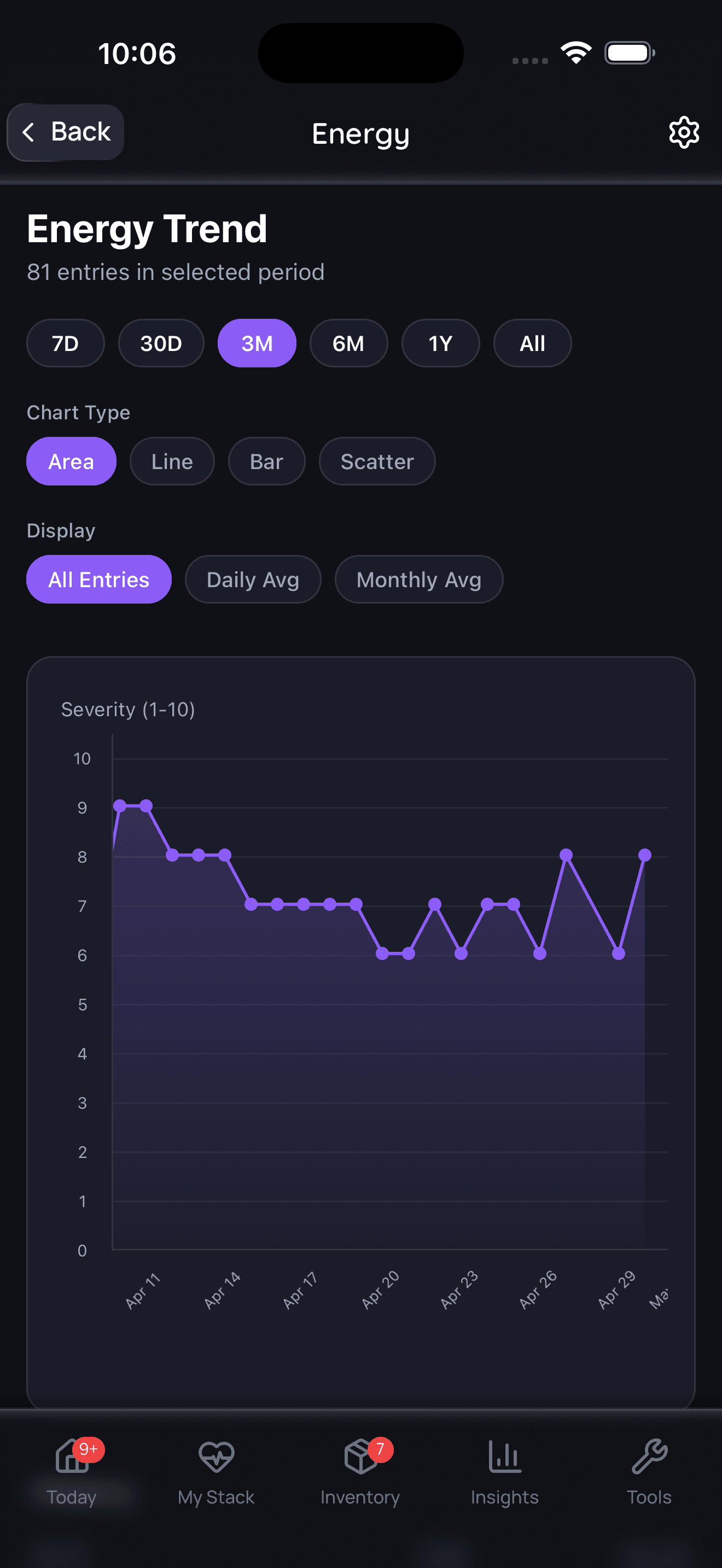
Symptom tracking is informational and should be interpreted with a qualified clinician.
Side Effects & Safety
The Basics
Hawthorn has one of the most favorable safety profiles of any herbal supplement studied in clinical trials. Across 24 clinical studies involving over 5,500 patients, adverse events were consistently described as infrequent, mild, and transient [13].
The most commonly reported side effects are dizziness and nausea, though these occur at low rates. Gastrointestinal discomfort and cardiac complaints (usually mild) have been reported infrequently [5][10][13].
The most significant safety concern is the potential for excessive blood pressure lowering, particularly in people already taking antihypertensive medications or those with naturally low blood pressure. One user reported becoming unable to stand after consuming hawthorn-containing candies, illustrating that the hypotensive effect can be significant in some individuals.
An important consumer safety warning: the FDA has flagged several products sold as "tejocote root" (a name for Mexican hawthorn, C. mexicana) that actually contained yellow oleander, a highly toxic plant. Consumers should purchase hawthorn products only from reputable brands with third-party testing [1].
The Science
Safety Data Overview: Daniele et al. (2006) conducted the most comprehensive safety review, analyzing 24 clinical trials (7,311 enrolled patients, 5,577 with available data). Daily doses ranged from 160 to 1,800 mg for 3 to 24 weeks. A total of 166 adverse events were reported, most mild to moderate. Two cases of circulatory failure and two cases of erythematous rash were the most serious events reported. No drug interactions were documented [13].
Toxicity Profile: Hawthorn demonstrates low toxicity with an LD50 of 25 mg/kg and a high therapeutic index [2]. Animal studies using doses up to 100 times normal showed no evidence of toxicity. Tauchert's clinical trial using 1,800 mg/day of WS 1442 reported no side effects [3][4].
Long-term Safety: No research studies have tested safety beyond 16 weeks in a controlled setting [1]. The SPICE trial (24 months, WS 1442 at 900 mg/day) showed no significant differences between treatment and placebo groups for serious adverse events [4].
Adverse Reaction Summary:
- Most common: Vertigo, dizziness (low incidence)
- Infrequent: Nausea, GI discomfort, cardiac complaints (mild and transient)
- Overdose/toxicity: Hypotension, arrhythmia (theoretical; not documented at therapeutic doses)
- Crataegus appears to prevent dizziness rather than cause it, according to the Daniele et al. systematic review [13]
Knowing the possible side effects is the first step. Catching them early in your own experience is what keeps a supplement routine safe. Doserly lets you log any symptoms as they arise, tagging them with severity, timing relative to your dose, and whether they resolve on their own or persist.
The app's interaction checker cross-references everything in your stack, supplements and medications alike, flagging known interactions before they become a problem. It also monitors your total intake against established upper limits, alerting you if your combined sources of a nutrient are approaching thresholds where risk increases. Think of it as a safety net that works quietly in the background while you focus on the benefits.
Connect protocol changes to labs and health markers.
Doserly can keep lab results, biomarkers, symptoms, and dose history close together so follow-up conversations have better context.
Insights
Labs and trends
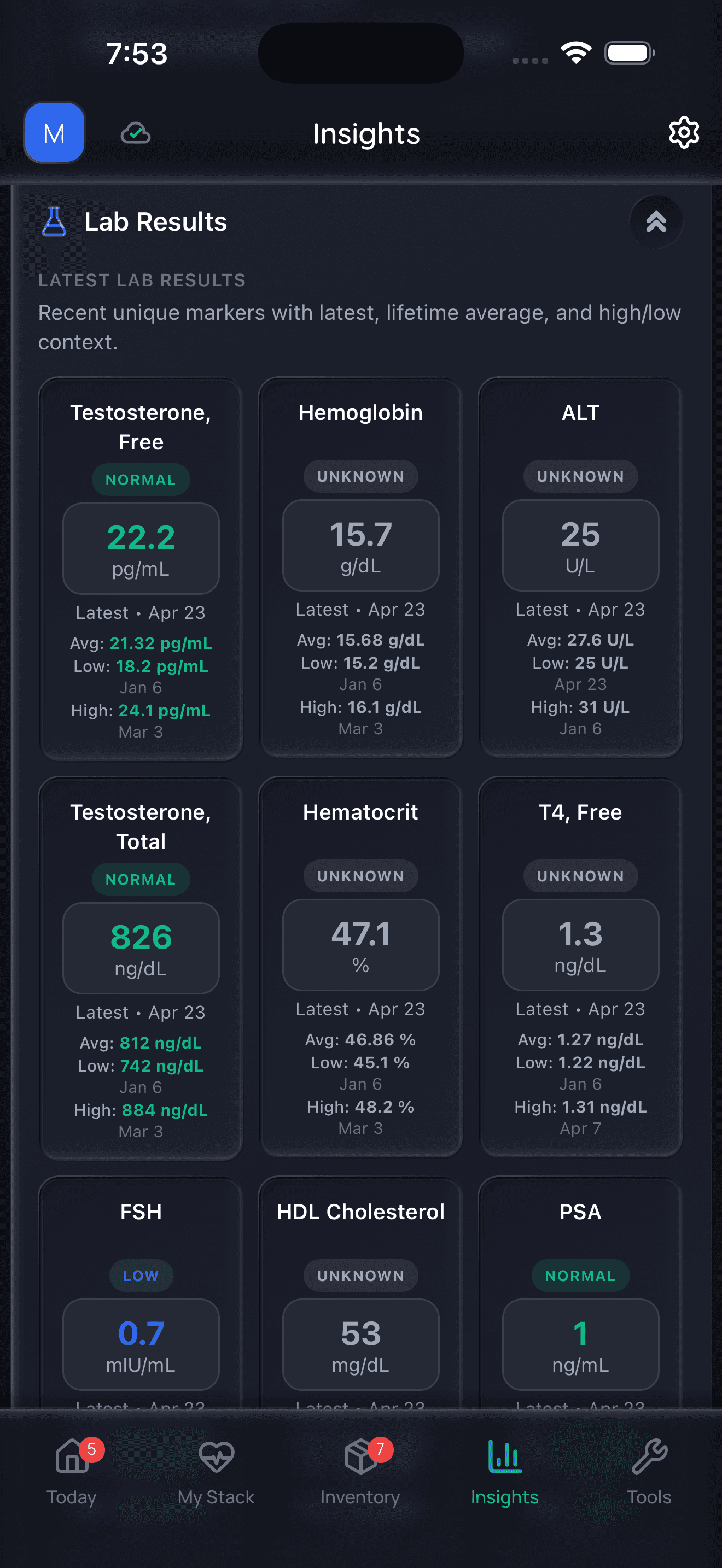
Doserly organizes data; it does not diagnose or interpret labs for you.
Dosing & Usage
The Basics
Hawthorn dosing varies significantly depending on the extract form used. The most studied preparations (WS 1442 and LI 132) have been used at doses ranging from 160 to 1,800 mg per day in clinical trials, with most evidence clustering around 450 to 900 mg per day [3][4][5].
For general cardiovascular support, a common starting point is 160 to 480 mg of standardized extract daily, divided into two or three doses. For more specific heart failure support (under medical supervision), clinical trials have used 450 to 900 mg daily of WS 1442 [5]. Tauchert's study found dose-dependent improvements in NYHA Class III patients, with significant benefits at 1,800 mg per day [4].
For tinctures, herbalists commonly recommend 4 to 6 mL of berry tincture daily, or 1 to 2 teaspoons of dried berries simmered in water as a tea, taken two to three times daily.
Hawthorn is considered a tonic herb, meaning its benefits build gradually with consistent use. Blood pressure effects may take 8 to 12 weeks or more to become apparent [2][11]. Clinical studies have typically run for 8 to 24 weeks to capture meaningful outcomes.
The Science
Clinical Trial Dosing:
Preparation
WS 1442
- Daily Dose
- 240-900 mg
- Duration
- 8-24 weeks
- Population
- NYHA II heart failure
- Key Outcomes
- Improved exercise tolerance, symptoms
Preparation
WS 1442
- Daily Dose
- 1800 mg
- Duration
- 16 weeks
- Population
- NYHA III heart failure
- Key Outcomes
- Dose-dependent symptom improvement
Preparation
WS 1442
- Daily Dose
- 900 mg
- Duration
- 6-24 months
- Population
- NYHA II-III heart failure
- Key Outcomes
- SPICE/HERB CHF trials
Preparation
LI 132
- Daily Dose
- 600 mg
- Duration
- 8 weeks
- Population
- NYHA II heart failure
- Key Outcomes
- Improved exercise capacity
Preparation
Crataegisan
- Daily Dose
- Various
- Duration
- 8-12 weeks
- Population
- NYHA II heart failure
- Key Outcomes
- Exercise tolerance improvement
Preparation
C. curvisepala
- Daily Dose
- 250 mg drops
- Duration
- 4 months
- Population
- Mild hypertension
- Key Outcomes
- Blood pressure reduction
Preparation
C. laevigata
- Daily Dose
- 1200 mg (600 mg 2x)
- Duration
- 4 months
- Population
- Hypertension with diabetes
- Key Outcomes
- Blood pressure reduction
Dosing Considerations:
- More severely ill patients (NYHA III+) may require higher doses (1,800 mg/day) for clinically meaningful benefit [3][4]
- The German Commission E approved hawthorn leaf with flower specifically for NYHA Class II, suggesting that approved indications are for milder heart failure
- Blood pressure effects appear to require at least 12 weeks of consistent use [11][12]
- No standardized dose for anxiety, weight loss, or other promoted uses exists due to insufficient evidence
Getting the dose right matters more than most people realize. Too little may be ineffective, too much wastes money or introduces risk, and inconsistency undermines both. Doserly tracks every dose you take, across every form, giving you a clear record of what you're actually consuming versus what you planned.
The app helps you compare RDA recommendations against therapeutic ranges discussed in the research, so you can see exactly where your intake falls. If you switch forms, say from a standard capsule to a liposomal liquid, Doserly adjusts your tracking to account for different bioavailabilities. Pair that with smart reminders that keep your timing consistent, and the precision that makes a real difference in outcomes becomes effortless.
Turn symptom and safety notes into a clearer timeline.
Doserly helps you log doses, symptoms, and safety observations side by side so patterns are easier to discuss with a qualified clinician.
Pattern view
Logs and observations

Pattern visibility is informational and should be reviewed with a clinician.
What to Expect (Timeline)
Week 1-2
Most users do not notice dramatic effects in the first two weeks. Hawthorn is a tonic herb that builds effects gradually. Some individuals with acute palpitations may notice mild improvements during this period, particularly when taken alongside magnesium. GI side effects, if they occur, are most likely during the initial adjustment period.
Week 3-4
Subtle improvements in cardiovascular comfort may begin to emerge. Some users report a mild reduction in palpitation frequency. Blood pressure changes are unlikely to be measurable at this stage.
Week 4-8
Clinical studies generally begin measuring outcomes at the 8-week mark. Exercise tolerance improvements were documented in multiple trials at this timeframe [5]. Some blood pressure studies showed early trends toward reduction during this period, though effects may not yet reach statistical significance [12].
Week 8-16
This is the window where most documented benefits become measurable. Blood pressure reductions reached significance in trials of 12-16 weeks [11][12]. Symptom improvements (reduced dyspnea, fatigue) were consistently documented in clinical trials at 8-16 weeks [5]. The NCCIH notes that no studies have tested safety beyond 16 weeks [1].
Beyond 16 Weeks
Long-term data are limited. The SPICE trial (24 months) and the Habs cohort study (>2 years) provide the longest follow-up data. Benefits appeared to be maintained in the Habs study, with the Crataegus group requiring fewer conventional medications over time [3]. The appropriate duration for ongoing use should be discussed with a healthcare provider.
Interactions & Compatibility
Synergistic
- Magnesium: Frequently combined in community practice for cardiovascular support. Magnesium supports healthy heart rhythm and blood pressure through complementary pathways (electrolyte balance vs. vasodilation/inotropy).
- CoQ10: Both support cardiac energy production and mitochondrial function. CoQ10 may complement hawthorn's inotropic effects through enhanced cellular energy availability.
- Motherwort (Leonurus cardiaca): Traditional pairing for heart palpitations. Motherwort is considered the primary herbal remedy for palpitations in Western herbalism, while hawthorn provides broader cardiovascular tonic effects.
- Fish Oil: Omega-3 fatty acids and hawthorn both support cardiovascular health through different mechanisms (anti-inflammatory, triglyceride reduction vs. vasodilation, antioxidant protection).
Caution/Avoid
- Digoxin and cardiac glycosides: In vitro data suggest hawthorn contains alkaloids structurally similar to digoxin. While a small crossover trial in healthy volunteers found safe coadministration, clinical monitoring is recommended [10][14]. Hawthorn may also interfere with serum digoxin measurement by immunoassay [10].
- Antihypertensive medications (ACE inhibitors, beta blockers, calcium channel blockers): Hawthorn's hypotensive and positive inotropic effects could theoretically potentiate or interfere with blood pressure medications. Although clinical interactions have not been documented, concurrent use should be supervised by a physician [1][10].
- Antiplatelet and anticoagulant medications (aspirin, warfarin, clopidogrel): In vitro evidence suggests hawthorn flowers may inhibit thromboxane A2 biosynthesis. Clinical relevance is not established, but caution is warranted [10].
- CYP3A4 substrates: In vitro studies suggest hawthorn may induce CYP3A4, potentially affecting the metabolism of drugs processed by this enzyme. Clinical significance has not been determined [10].
How to Take / Administration Guide
Capsules and Tablets (Most Common)
- Standardized extracts (WS 1442 or equivalent) are typically taken in divided doses, 2-3 times daily
- Can be taken with or without food
- Consistent daily timing supports the tonic nature of the herb
Liquid Tincture
- Standard dosing: 2-5 mL of tincture, 2-3 times daily
- Herbalists often recommend 4-6 mL total daily for cardiovascular support
- Can be taken directly or diluted in water
- Berry tinctures and leaf/flower tinctures can be combined for "full spectrum" effects
Tea (Dried Berries)
- 1-2 teaspoons of dried berries simmered in 1.5 cups of water on low heat for 15-20 minutes
- Take 2-3 cups throughout the day
- The longer the simmering time, the more active compounds are extracted
- Traditional Chinese preparation uses larger volumes of water with extended simmering
Cycling and Long-term Use
- No established cycling protocol exists
- Given that long-term safety data beyond 16 weeks are limited in controlled settings, periodic evaluation with a healthcare provider is recommended
- Traditional herbalists use hawthorn continuously as a daily tonic, sometimes for years
Important Administration Notes
- Do NOT use hawthorn as a replacement for prescribed cardiovascular medications without medical guidance
- Start with a lower dose and increase gradually, especially if you have low blood pressure
- Monitor blood pressure regularly when starting hawthorn, particularly if taking other blood pressure-affecting compounds
Choosing a Quality Product
Third-Party Certifications to Look For
- USP Verified Mark: Tests for identity, strength, purity, and performance
- NSF International Certification: NSF/ANSI 173 standard for dietary supplements
- ConsumerLab Seal of Approval: Independent testing for claimed ingredients and contaminant levels
What to Look For
- Standardized extracts: Products standardized to oligomeric procyanidin content (similar to WS 1442 at 18.75%) or flavonoid content provide the most consistent dosing
- Plant part specified: Labels should clearly state whether the product contains berry, leaf, flower, or a combination. Most clinical evidence is for leaf and flower extracts (WS 1442, LI 132), though berry extracts have their own traditional evidence base
- Species identification: Look for Crataegus monogyna, C. laevigata, or C. oxyacantha. These are the European species with the most clinical data
- No "tejocote root" from unverified sources: The FDA has warned about products labeled as tejocote root (C. mexicana) that actually contain toxic yellow oleander [1]
Red Flags
- Products labeled "tejocote root" without clear verification of actual hawthorn content
- Unstandardized "hawthorn berry" capsules with vague labeling
- Products combining hawthorn with stimulants or weight-loss ingredients
- Proprietary blends that do not disclose the amount of hawthorn extract per serving
- Extremely low prices that may indicate adulteration or low-quality raw materials
Form Considerations
- Standardized capsule/tablet extracts offer the most consistent dosing and alignment with clinical trial evidence
- Tinctures allow more flexible dose titration and are preferred by many herbalists
- Whole berry powders require higher doses due to lack of standardization
- Tea preparations are traditional and may have unique benefits from the extended extraction process, but dosing is less precise
Population-Specific Considerations
Pregnant and Breastfeeding Women
Safety during pregnancy and breastfeeding has not been established through clinical trials. While some herbal references state there are no known contraindications, the NCCIH and MSKCC recommend avoidance [1][10]. Consult a healthcare provider before use.
Children
No clinical trials have been conducted in pediatric populations. Not recommended for children without medical guidance.
Older Adults
Hawthorn has been specifically studied in elderly populations with cardiovascular conditions and is generally well tolerated. This is the population most likely to benefit from cardiovascular support, but also most likely to be taking medications that could interact. Medical supervision is essential.
People with Heart Failure
Clinical evidence supports adjunctive use in NYHA Class I-II heart failure. For NYHA Class III or above, higher doses may be needed, and use should only occur under close medical supervision [3][4]. Hawthorn should never replace prescribed heart failure medications.
People with Low Blood Pressure
Hawthorn's vasodilatory effects can further lower blood pressure. Exercise caution, start with low doses, and monitor blood pressure regularly.
Athletes
Hawthorn is not listed as a prohibited substance by WADA. It is not typically flagged by athlete-specific testing programs (Informed Sport, NSF Certified for Sport, Cologne List). However, athletes should verify the specific product they use is batch-tested, as contamination risks exist in any supplement category.
Regulatory Status & Standards
United States
- Regulated as a dietary supplement under DSHEA
- No FDA-approved health claims
- FDA has issued safety warnings about "tejocote root" products (C. mexicana) containing yellow oleander [1]
- Not evaluated by the FDA for treating, curing, or preventing any disease
European Union
- German Commission E approved hawthorn leaf with flower for decreased cardiac output (NYHA functional class II) [3]
- European Scientific Cooperative on Phytotherapy (ESCOP) monograph supports similar indications
- Hawthorn preparations are classified as herbal medicines in several EU countries and are available in pharmacies
- Widely used in Germany, France, and other European countries as an accepted cardiovascular tonic
Traditional Medicine Systems
- Traditional Chinese Medicine: Shan Zha (C. pinnatifida) used for improving digestion, treating cardiovascular conditions, hyperlipidemia, and invigorating blood circulation [10]
- European folk medicine: Centuries of use as a cardiac tonic, primarily using berries, though modern preparations favor leaves and flowers
Athlete Regulatory Status
- WADA: Not prohibited. Hawthorn does not appear on the WADA Prohibited List.
- GlobalDRO: Not listed as prohibited.
- No major national anti-doping organizations (USADA, UKAD, Sport Integrity Canada, Sport Integrity Australia) classify hawthorn as a banned substance.
- Athletes should still choose products with batch-testing certifications (Informed Sport, NSF Certified for Sport) to mitigate contamination risk.
FAQ
What is hawthorn berry used for?
Hawthorn berry has been traditionally used for cardiovascular support. Modern research has focused on its potential benefits for heart failure symptoms, blood pressure management, and antioxidant protection. It is available as a dietary supplement in capsule, tablet, tincture, and tea forms.
How long does hawthorn take to work?
Hawthorn is a tonic herb that works gradually. Clinical studies typically run 8 to 16 weeks to measure meaningful outcomes. Blood pressure effects specifically may take 12 weeks or longer to become apparent. Some individuals report feeling mild effects within 2-4 weeks, particularly for palpitations.
Can I take hawthorn with blood pressure medication?
This is a question to discuss with your healthcare provider before starting. While clinical drug interactions have not been documented, hawthorn has blood pressure-lowering properties that could theoretically add to the effects of antihypertensive medications. Medical supervision is recommended for concurrent use.
Is hawthorn safe for long-term use?
Controlled clinical studies have tested safety for up to 24 months (SPICE trial), and traditional herbalists have used it as a daily tonic for extended periods. However, the NCCIH notes that no studies have specifically tested safety beyond 16 weeks. Long-term use should be discussed with a healthcare provider.
What is the difference between hawthorn berry and hawthorn leaf/flower?
Hawthorn berries, leaves, and flowers all contain bioactive flavonoids and procyanidins, but in different ratios. Most clinical trial evidence (particularly for WS 1442) uses leaf and flower extracts, which are higher in certain flavonoids and procyanidins. Berry preparations are traditional and have their own body of evidence, particularly in Chinese medicine. Some practitioners recommend combining both.
Does hawthorn help with anxiety?
Based on available evidence, this remains unclear. The NCCIH states it is uncertain whether hawthorn affects anxiety. Some community users report calming effects, which may be related to cardiovascular relaxation rather than direct anxiolytic action. Animal studies suggest potential CNS effects, but human clinical data for anxiety are lacking.
Can hawthorn replace my heart medication?
No. Hawthorn should not be used as a replacement for prescribed cardiovascular medications. Clinical evidence supports its use as a complementary or adjunctive therapy alongside conventional treatments, not as a standalone treatment. Always consult your cardiologist before making changes to your medication regimen.
What is the best form of hawthorn to take?
Standardized extracts (particularly those similar to WS 1442 or LI 132) have the most clinical evidence supporting their use. Capsules and tablets offer consistent dosing, while tinctures allow more flexible dose adjustment. Tea from dried berries is a traditional preparation with a long history of safe use.
Is "tejocote root" the same as hawthorn?
Tejocote is the common name for Mexican hawthorn (Crataegus mexicana). While it is in the same genus, the FDA has warned that several products sold as tejocote root actually contain toxic yellow oleander. Only purchase hawthorn products from established, transparent brands.
What are the side effects of hawthorn?
The most commonly reported side effects are dizziness and nausea, occurring at low rates. Gastrointestinal discomfort is possible but infrequent. The primary safety concern is excessive blood pressure lowering, especially in people already taking BP medications or with naturally low blood pressure.
Myth vs. Fact
Myth: Hawthorn can cure heart disease.
Fact: Hawthorn has shown promise as a supportive supplement for cardiovascular health, particularly for mild to moderate heart failure symptoms when used alongside conventional treatments. However, it is not a cure for heart disease and should never replace proven medical therapies. The Cochrane review found symptomatic benefits, not disease reversal [5].
Myth: All hawthorn supplements are the same.
Fact: Hawthorn supplements vary significantly in their plant part composition (berry vs. leaf/flower), species (C. monogyna vs. C. pinnatifida), extraction method, and standardization. The most clinically studied preparation, WS 1442 (standardized to 18.75% OPCs), has substantially more evidence behind it than generic "hawthorn berry" capsules. Choosing a standardized product matters for consistent results.
Myth: Hawthorn is dangerous because it interacts with heart medications.
Fact: While theoretical interactions with digoxin, beta blockers, and anticoagulants have been discussed, clinical studies have consistently failed to find evidence of harmful interactions. A specific interaction study between digoxin and hawthorn (WS 1442) concluded they could be safely co-administered [14]. That said, medical supervision is still recommended for anyone on cardiac medications.
Myth: Tejocote root supplements are a safe form of hawthorn for weight loss.
Fact: The FDA has identified multiple products labeled as "tejocote root" (Mexican hawthorn) that actually contain yellow oleander, a plant toxic to the heart, nervous system, and digestive tract. These products have caused serious harm. There is also no evidence that hawthorn of any species promotes weight loss [1].
Myth: Hawthorn works immediately like a drug.
Fact: Hawthorn is a tonic herb whose benefits develop gradually. Clinical trials run 8 to 24 weeks to capture meaningful effects. Blood pressure benefits specifically may require 12 or more weeks of consistent use. Unlike pharmaceutical interventions, hawthorn's effects build over time through accumulated biological support rather than acute pharmacological action [2][11].
Myth: Hawthorn berries are the most effective part of the plant.
Fact: Historically, berries were the preferred part used in European and Chinese medicine. However, modern pharmacological analysis shows that leaves contain the highest levels of oligomeric procyanidins and flowers contain elevated flavonoid levels. Most clinical trials use leaf and flower extracts (WS 1442, LI 132) rather than berry-only preparations. A combination of plant parts may provide the broadest spectrum of benefits [2].
Lifestyle & Complementary Factors
Diet
- A heart-healthy diet rich in fruits, vegetables, whole grains, and omega-3 fatty acids complements hawthorn's cardiovascular benefits
- Foods rich in antioxidants (berries, dark leafy greens, green tea) may work synergistically with hawthorn's antioxidant properties
- Reducing sodium intake supports hawthorn's blood pressure-lowering potential
- Limiting saturated fat intake aligns with hawthorn's anti-lipid and anti-atherogenic properties
Exercise
- Regular cardiovascular exercise is the most important complement to hawthorn for heart health
- Clinical trials measured improvements in exercise tolerance as a primary outcome, suggesting hawthorn supports the ability to be physically active [5]
- Starting with moderate activity and building gradually is recommended, especially for those with existing cardiovascular conditions
Stress Management
- Chronic stress elevates cortisol and increases cardiovascular strain
- Stress reduction practices (meditation, deep breathing, yoga) complement hawthorn's cardiovascular support
- Some users report calming effects from hawthorn, which may be partially mediated through improved cardiovascular function
Sleep
- Quality sleep is essential for cardiovascular recovery and blood pressure regulation
- There is no direct evidence linking hawthorn to sleep improvement, but improved cardiovascular comfort may indirectly support better sleep in people with cardiac symptoms
Hydration
- Adequate hydration supports cardiovascular function and blood pressure regulation
- No specific interactions between hawthorn and hydration status are documented
Storage & Handling
- Store capsules and tablets in a cool, dry place away from direct sunlight and moisture
- Tinctures should be stored in dark glass bottles at room temperature
- Dried berries for tea should be kept in airtight containers away from heat and humidity
- Check expiration dates on standardized extracts, as potency may decline over time
- No refrigeration required for standard preparations
Sources & References
Systematic Reviews & Meta-Analyses
[5] Pittler MH, Guo R, Ernst E. Hawthorn extract for treating chronic heart failure. Cochrane Database Syst Rev. 2008;(1):CD005312. PMID: 18254076.
[11] Hawthorn (Crataegus spp.) Clinically Significantly Reduces Blood Pressure in Hypertension: A Meta-Analysis. PMC12298042. 2025.
[12] Cloud AME, Vilcins D, McEwen BJ. The effect of hawthorn (Crataegus spp.) on blood pressure: A systematic review. Adv Integr Med. 2019.
[13] Daniele C, Mazzanti G, Pittler MH, Ernst E. Adverse-event profile of Crataegus spp.: a systematic review. Drug Saf. 2006;29(6):523-535. PMID: 16752934.
Clinical Trials
[3] Holubarsch CJF, Colucci WS, Eha J. Benefit-Risk Assessment of Crataegus Extract WS 1442: An Evidence-Based Review. Am J Cardiovasc Drugs. 2018;18(1):25-36.
[4] Holubarsch CJ, Colucci WS, Meinertz T, et al. The efficacy and safety of Crataegus extract WS 1442 in patients with heart failure: the SPICE trial. Eur J Heart Fail. 2008;10(12):1255-1263.
[8] Schwinger RH, Pietsch M, Frank K, Brixius K. Crataegus special extract WS 1442 increases the force of contraction in human myocardium cAMP-independently. J Cardiovasc Pharmacol. 2000;35:700-707.
[14] Tankanow R, Tamer HR, Streetman DS, et al. Interaction study between digoxin and a preparation of hawthorn (Crataegus oxyacantha). J Clin Pharmacol. 2003;43(6):637-642.
Review Articles
[2] Tassell MC, Kingston R, Gilroy D, Lehane M, Furey A. Hawthorn (Crataegus spp.) in the treatment of cardiovascular disease. Pharmacogn Rev. 2010;4(7):32-41. PMC3249900.
[6] Wu J, Peng W, Qin R, Zhou H. Crataegus pinnatifida: Chemical constituents, pharmacology, and potential applications. Molecules. 2014;19:1685-1712. (See also: Tadiæ VM et al. J Agric Food Chem. 2008;56(17):7700-9.)
[9] Tadiæ VM, et al. Anti-inflammatory, gastroprotective, free-radical-scavenging, and antimicrobial activities of hawthorn berries ethanol extract. J Agric Food Chem. 2008;56(17):7700-9.
Government/Institutional Sources
[1] National Center for Complementary and Integrative Health (NCCIH). Hawthorn. Updated April 2025.
[10] Memorial Sloan Kettering Cancer Center. Hawthorn: Purported Benefits, Side Effects & More. Updated June 2022.
Pharmacological Studies
[7] Brixius K, Willms S, Napp A, et al. Crataegus special extract WS 1442 induces an endothelium-dependent, NO-mediated vasorelaxation via eNOS-phosphorylation at serine 1177. Cardiovasc Drugs Ther. 2006;20:177-84.
Related Supplement Guides
Same Category (Cardiovascular Support)
Common Stacks/Pairings
Related Health Goal
- L-Arginine (nitric oxide support)
- Taurine (cardiovascular support)
- NAC (antioxidant support)