
Stinging Nettle Root: The Complete Supplement Guide
On this page
Quick Reference Card
Attribute
Common Name
- Detail
- Stinging Nettle Root
Attribute
Other Names / Aliases
- Detail
- Urtica dioica root, Nettle Root, Common Nettle, Greater Nettle, Bichu, Ortie (root), Urticae radix
Attribute
Category
- Detail
- Herbal Extract
Attribute
Primary Forms & Variants
- Detail
- Dried root powder (standard); hydroalcoholic root extract (standardized to lignans or beta-sitosterol); liquid tincture (higher bioavailability reported anecdotally); freeze-dried root capsules
Attribute
Typical Dose Range
- Detail
- 300-600 mg/day of root extract; some studies used up to 450 mg/day in clinical trials
Attribute
RDA / AI / UL
- Detail
- Not established (herbal supplement; no dietary reference values exist)
Attribute
Common Delivery Forms
- Detail
- Capsule, tablet, liquid tincture, tea (root decoction)
Attribute
Best Taken With / Without Food
- Detail
- Can be taken with or without food; some sources suggest taking with meals to reduce GI discomfort
Attribute
Key Cofactors
- Detail
- Often combined with saw palmetto (Serenoa repens) for BPH; sometimes paired with pygeum bark; boron is commonly stacked for SHBG modulation
Attribute
Storage Notes
- Detail
- Store in a cool, dry place away from direct sunlight. No refrigeration required.
Overview
The Basics
Stinging nettle is a tall, prickly plant that grows wild across Europe, Asia, and North America. While the leaves have their own uses (mostly for allergies and as a nutritious green), the root is a different story entirely. Stinging nettle root has been used for centuries in European herbal medicine, primarily to support prostate health in men as they age.
The root's claim to fame is its use for benign prostatic hyperplasia, commonly known as an enlarged prostate. This is a condition that affects the majority of men over 60, causing symptoms like frequent urination (especially at night), weak urine stream, and difficulty fully emptying the bladder. In Germany and other parts of Europe, stinging nettle root extract is actually an approved treatment for early-stage BPH, and it remains one of the most widely used herbal remedies for prostate health worldwide.
Beyond the prostate, stinging nettle root contains compounds that interact with sex hormone-binding globulin (SHBG), a protein that binds to testosterone and estrogen in the blood. This has made it popular in fitness and biohacking communities, where some people use it with the goal of freeing up more testosterone for the body to use. The evidence for this use is more limited than for prostate support, but it remains a common reason people seek out root extract specifically.
It is important to note that stinging nettle root and stinging nettle leaf are distinct products with different chemical profiles and different clinical applications. The root is used primarily for prostate and hormonal support, while the leaf is used for allergies, inflammation, and as a nutritive tonic. This guide focuses specifically on the root.
The Science
Stinging nettle (Urtica dioica L.) is a perennial herbaceous plant belonging to the family Urticaceae, distributed throughout temperate regions of Eurasia, North America, and North Africa. The species is dioecious, with separate male and female plants, and propagates primarily through an extensive rhizome system [1][2].
The root system contains a distinct phytochemical profile compared to the aerial parts of the plant. Key bioactive constituents identified in the root include phytosterols (primarily beta-sitosterol, campesterol, and stigmasterol), lignans (secoisolariciresinol, neo-olivil, isolariciresinol), hydroxycoumarins (scopoletin, isoscopoletin), polysaccharides (glucans, arabinogalactans), and a unique class of lectins known as Urtica dioica agglutinin (UDA) [1][3].
Urtica dioica root extract (UDRE) has been the subject of multiple randomized controlled trials for the management of lower urinary tract symptoms (LUTS) secondary to benign prostatic hyperplasia. A systematic review and meta-analysis by Men et al. (2016) evaluated the available RCTs and concluded that UDRE was significantly more effective than placebo in reducing International Prostate Symptom Score (IPSS) and prostate volume [4]. The largest individual trial, a crossover RCT by Safarinejad (2005) involving 558 men, reported an 81% symptom improvement rate with UDRE versus 16% for placebo [5].
In European phytotherapy, particularly in Germany, stinging nettle root extract is approved by the German Commission E for the treatment of urinary difficulties associated with early-stage BPH (stages I-II) [6]. The European Medicines Agency (EMA) has issued a well-established use monograph for Urtica dioica root, recognizing its traditional and clinical use for BPH-related symptoms.
Chemical & Nutritional Identity
Property
Scientific Name
- Value
- Urtica dioica L. (root)
Property
Family
- Value
- Urticaceae
Property
CAS Number
- Value
- 84012-40-8 (whole plant extract)
Property
Plant Part Used
- Value
- Root and rhizome
Property
Category
- Value
- Herbal supplement; phytotherapeutic agent
Property
RDA / AI / UL
- Value
- Not established (herbal, not a nutrient)
Key Bioactive Compounds
Compound Class
Phytosterols
- Specific Compounds
- Beta-sitosterol, campesterol, stigmasterol, stigmasta-7-en-3-ol
- Concentration (dry weight)
- 0.03-0.06%
Compound Class
Lignans
- Specific Compounds
- Secoisolariciresinol, (+)-neoolivil, isolariciresinol, dehydrodiconiferyl alcohol
- Concentration (dry weight)
- Variable
Compound Class
Hydroxycoumarins
- Specific Compounds
- Scopoletin, isoscopoletin
- Concentration (dry weight)
- 0.01-0.02%
Compound Class
Lectins (UDA)
- Specific Compounds
- Urtica dioica agglutinin
- Concentration (dry weight)
- 0.1-1.0%
Compound Class
Polysaccharides
- Specific Compounds
- Glucans, arabinogalactans
- Concentration (dry weight)
- Variable
Compound Class
Fatty Acids
- Specific Compounds
- Linoleic acid, linolenic acid, palmitic acid
- Concentration (dry weight)
- Variable
Compound Class
Terpenes
- Specific Compounds
- Various terpene diols and glucosides
- Concentration (dry weight)
- Trace
The root's chemical profile is markedly different from the leaves. While the leaves are rich in flavonoids, vitamins, and minerals (making them nutritive), the root is characterized by its high lectin (UDA) content, phytosterol concentration, and lignan profile. These compounds are believed to underlie the root's distinct biological activity, particularly with respect to prostate tissue and hormone-binding proteins [1][3].
Standardization of commercial root extracts varies by manufacturer. Some products are standardized to beta-sitosterol content, while others use total lignan or scopoletin concentrations as quality markers. There is no universal standardization protocol for stinging nettle root supplements.
Mechanism of Action
The Basics
Stinging nettle root works through several different pathways, most of which relate to how it interacts with hormones and prostate tissue.
The simplest way to think about it: in an aging male prostate, certain hormones and growth factors cause the gland to slowly enlarge. Nettle root contains compounds that interfere with several of these signals at once. It may reduce the activity of an enzyme that converts testosterone into a more potent form called DHT (which drives prostate growth), it may block certain proteins from delivering hormonal signals to prostate cells, and it may slow the growth of prostate tissue directly.
The root also interacts with a protein called SHBG (sex hormone-binding globulin). SHBG acts like a taxi service for hormones in your blood, carrying testosterone and estrogen around but making them unavailable for your body to use. Some of the compounds in nettle root appear to interfere with SHBG's ability to bind hormones, which is why some people use it with the hope of increasing the amount of "free" (usable) testosterone in their system.
Additionally, nettle root has anti-inflammatory properties. It can reduce the production of certain inflammatory molecules in the body, which may contribute to its effects on prostate comfort and general wellbeing.
The Science
The pharmacological activity of Urtica dioica root extract involves multiple, overlapping mechanisms [1][3][5]:
SHBG Interaction: Lignans from nettle root, particularly secoisolariciresinol and its metabolites, compete with endogenous sex steroids for binding to SHBG. Hryb et al. (1995) demonstrated that nettle root extract inhibits the binding of SHBG to its receptor on human prostatic cell membranes [7]. This dual action (competing for SHBG binding in serum and blocking SHBG-receptor interaction in prostate tissue) may reduce androgenic stimulation of prostatic growth while potentially increasing circulating free hormone concentrations.
5-Alpha-Reductase Inhibition: Beta-sitosterol and other phytosterols present in the root inhibit 5-alpha-reductase activity, reducing the conversion of testosterone to dihydrotestosterone (DHT) [3]. DHT is the primary androgen driving prostatic hyperplasia. The inhibition is mild compared to pharmaceutical agents (finasteride), which may explain the root's favorable side effect profile.
Aromatase Inhibition: Root extract has been shown to inhibit aromatase activity in vitro, reducing the conversion of testosterone to estradiol [3]. Estrogen accumulation in prostatic tissue is thought to contribute to stromal proliferation in BPH.
Anti-Proliferative Effects: Konrad et al. (2000) demonstrated that a methanol extract of stinging nettle root inhibited proliferation of human prostate cancer cells (LNCaP) in vitro, with an IC50 of approximately 28 mcg/mL [8]. The UDA lectin fraction has also shown anti-proliferative properties.
Anti-Inflammatory Pathways: Nettle root extract inhibits COX-1, COX-2, and hematopoietic prostaglandin D2 synthase, reducing prostaglandin formation [9]. Scopoletin, a hydroxycoumarin found in the root, inhibits NF-kB activation, a key transcription factor in inflammatory signaling [1]. Root polysaccharides also demonstrate immunomodulatory effects.
Alpha-Glucosidase and Alpha-Amylase Inhibition: Phenolic compounds from nettle inhibit these key digestive enzymes, reducing intestinal glucose absorption. This mechanism underlies the observed hypoglycemic effects in clinical studies, though this activity is more strongly associated with the leaf than the root [10].
Absorption & Bioavailability
The Basics
How much of stinging nettle root's active compounds your body actually absorbs depends largely on the form you choose. This is an herbal extract with multiple active compounds, not a single molecule like a vitamin, so bioavailability is more complex to measure.
Liquid tinctures (alcohol-based extracts) are generally considered to have faster and potentially more complete absorption compared to dried powder capsules, because the alcohol extraction process has already dissolved many of the active compounds. Anecdotal reports from community users support this, with some noting better results from tinctures than capsules at comparable doses.
Standardized hydroalcoholic extracts used in clinical trials represent a middle ground. These are concentrated and processed to ensure a consistent level of key compounds, and most of the positive clinical evidence comes from this form.
Taking nettle root with food is not strictly necessary, but it may reduce the mild GI discomfort that some people experience. There are no well-documented cofactor requirements that dramatically affect absorption, unlike minerals where pairing with vitamin C or avoiding calcium at the same meal can make a large difference.
The Science
Comprehensive pharmacokinetic data for stinging nettle root extract in humans are limited. The root contains multiple bioactive compound classes with distinct absorption characteristics [1][3]:
Phytosterols (beta-sitosterol): Plant sterols are poorly absorbed in humans, with typical absorption rates of 0.5-2% for beta-sitosterol (compared to ~50% for cholesterol). However, even small absorbed quantities may exert biological effects, particularly given competition with cholesterol at the intestinal level [11].
Lignans (secoisolariciresinol): Plant lignans undergo extensive metabolism by intestinal microbiota, converting to enterolignans (enterodiol and enterolactone), which are then absorbed. This gut-mediated biotransformation is a critical step in lignan bioavailability and may explain inter-individual variability in response to nettle root supplementation [1].
Scopoletin: Hydroxycoumarins are generally well-absorbed from the GI tract with rapid peak plasma concentrations, though they also undergo significant first-pass hepatic metabolism [1].
UDA Lectins: As proteins, lectins are subject to digestive degradation. The extent to which orally administered UDA reaches systemic circulation intact is unclear, and some researchers have suggested that UDA's primary activity may be local (within the GI tract) rather than systemic [1].
The hydroalcoholic extraction process used for standardized commercial products improves the solubility and likely the bioavailability of lipophilic compounds such as phytosterols and lignans compared to crude dried root powder. No comparative bioavailability studies between formulations have been published for stinging nettle root specifically.
Research & Clinical Evidence
BPH and Lower Urinary Tract Symptoms
The Basics
The evidence for stinging nettle root in prostate health is stronger than for most herbal supplements, though it falls short of pharmaceutical-grade proof. Multiple clinical trials, including some well-designed double-blind studies, have found that nettle root extract reduces the urinary symptoms associated with an enlarged prostate. Men in these studies typically reported less frequent urination (especially at night), better urine flow, and improved quality of life.
The largest study involved 558 men and found that 81% of those taking nettle root reported symptom improvement, compared to just 16% on placebo. That is a substantial difference, though it is worth noting that some reviewers have questioned the rigor of certain trials in this area.
Nettle root is also frequently used in combination with saw palmetto (Serenoa repens), and some of the strongest evidence actually comes from these combination formulations. A fixed-dose product combining nettle and saw palmetto extracts has been shown in multiple RCTs to reduce nighttime urination and perform comparably to prescription medications like tamsulosin and finasteride in certain patient populations.
The Science
A systematic review and meta-analysis by Men et al. (2016) included all published RCTs evaluating Urtica dioica for BPH. The pooled analysis demonstrated statistically significant improvements in IPSS (standardized mean difference favoring nettle) and prostate volume (SMD = -3.63, 95% CI = -4.67 to -2.57, p < 0.00001) compared to placebo or control [4].
Key individual trials include:
- Safarinejad (2005): Prospective, randomized, double-blind, placebo-controlled, crossover study in 558 men. UDRE was associated with 81% symptom improvement vs. 16% placebo, increased peak urinary flow, decreased post-void residual volume, and decreased prostate size. No change in PSA or testosterone levels. No side effects identified [5].
- Schneider & Rübben (2004): RCT in 226 men. Stinging nettle root extract (Bazoton, 429 mg/day) for 52 weeks improved IPSS scores more than placebo (-5.7 vs. -4.8 points). Adverse event rates were lower in the treatment group [12].
- Ghorbanibirgani et al. (2013): Double-blind RCT in 100 patients. Nettle root significantly reduced IPSS, serum PSA, and prostate size versus placebo [13].
- Karami et al. (2020): RCT in 60 men. 450 mg/day UDE for 12 weeks showed intermediate effect on IPSS, small effect on hs-CRP, and intermediate-to-large effect on oxidative stress markers (MDA, SOD) [14].
Combination formulations:
- Oelke et al. (2014): Re-evaluation of four controlled clinical studies on PRO 160/120 (sabal + urtica fixed-dose combination) found significant improvement in nocturia in men with LUTS suggestive of BPH [15].
- Lopatkin et al. (2005/2007): Long-term follow-up of sabal + nettle combination. Improvement in symptoms maintained over 96 additional weeks with adverse event rates similar to placebo [16].
Glycemic Control
The Basics
Some research suggests that nettle may help with blood sugar management, though this evidence involves the leaf more than the root. Studies have found that nettle extracts can lower fasting blood sugar levels, but they have not consistently improved HbA1c (a measure of long-term blood sugar control), which limits the clinical significance of these findings.
The Science
Kianbakht et al. (2013) conducted a randomized, double-blind, placebo-controlled trial in 92 patients with advanced type 2 diabetes. Urtica dioica leaf extract (500 mg, 3x daily for 3 months) significantly decreased fasting blood glucose, 2-hour postprandial glucose, and HbA1c compared to placebo. No adverse effects were reported, and liver enzymes (ALT, AST) remained unchanged [17].
Meta-analyses examining nettle's effect on glycemic parameters have found reductions in fasting blood glucose but inconsistent effects on HbA1c and no clear improvement in insulin levels in human trials [18]. The hypoglycemic mechanism involves inhibition of alpha-glucosidase and alpha-amylase by phenolic compounds, reducing intestinal glucose absorption [10].
Allergic Rhinitis
The Basics
Nettle has a long folk tradition for allergy relief, and some clinical data supports this use, though the evidence comes primarily from the leaf rather than the root. The leaf appears to work as a natural antihistamine, blocking histamine receptors and reducing inflammatory molecules involved in allergic responses.
The Science
Roschek et al. (2009) demonstrated that nettle extract acts as an antagonist and negative agonist at the histamine-1 (H1) receptor and inhibits prostaglandin formation via COX-1, COX-2, and hematopoietic prostaglandin D2 synthase inhibition [9]. A handful of clinical trials have found that nettle leaf decreased allergy symptoms compared to placebo, though the evidence base remains limited. Allergy relief is primarily attributed to leaf, not root, preparations.
Evidence & Effectiveness Matrix
Category
Hormonal Symptoms
- Evidence Strength
- 6/10
- Reported Effectiveness
- 6/10
- Summary
- Multiple RCTs show SHBG interaction and 5-alpha-reductase inhibition. Community reports are mixed on free testosterone effects, with most positive reports confounded by concurrent boron use.
Category
Inflammation
- Evidence Strength
- 5/10
- Reported Effectiveness
- 5/10
- Summary
- Preclinical evidence for COX/NF-kB inhibition is solid. Human evidence is limited. Community reports are sparse but positive.
Category
Joint Health
- Evidence Strength
- 4/10
- Reported Effectiveness
- 4/10
- Summary
- Clinical trials support topical nettle leaf for osteoarthritis. Root-specific joint evidence is limited. Community data minimal for root.
Category
Sleep Quality
- Evidence Strength
- 3/10
- Reported Effectiveness
- 5/10
- Summary
- No direct sleep studies for root extract. Community reports of improved sleep likely secondary to reduced nocturia in BPH patients.
Category
Blood Pressure
- Evidence Strength
- 3/10
- Reported Effectiveness
- 4/10
- Summary
- Animal studies suggest hypotensive activity. Minimal human data. One community report of modest reduction.
Category
Libido
- Evidence Strength
- 3/10
- Reported Effectiveness
- 4/10
- Summary
- Theoretical basis via SHBG/DHT modulation, but clinical evidence is absent. Community reports are mixed, with some noting reduced libido from DHT blocking.
Category
Energy Levels
- Evidence Strength
- 2/10
- Reported Effectiveness
- 5/10
- Summary
- No clinical evidence for root-specific energy effects. Community reports mostly reference leaf preparations.
Category
Hair Health
- Evidence Strength
- 2/10
- Reported Effectiveness
- 3/10
- Summary
- Theoretical DHT-blocking mechanism may benefit hair, but no clinical trials. Community reports are mixed and mostly reference leaf/topical use.
Category
Side Effect Burden
- Evidence Strength
- 8/10
- Reported Effectiveness
- 7/10
- Summary
- Multiple long-term clinical trials confirm excellent tolerability. LiverTox rates hepatotoxicity as "E" (unlikely). Community consistently reports minimal side effects.
Category
Immune Function
- Evidence Strength
- 3/10
- Reported Effectiveness
- 5/10
- Summary
- Leaf-based allergy relief has some clinical support. Root-specific immune data is limited. Long-term community allergy reports are compelling but involve leaf.
Categories not scored (insufficient data): Fat Loss, Muscle Growth, Weight Management, Appetite & Satiety, Food Noise, Focus & Mental Clarity, Memory & Cognition, Mood & Wellbeing, Anxiety, Stress Tolerance, Motivation & Drive, Emotional Aliveness, Emotional Regulation, Sexual Function, Pain Management, Recovery & Healing, Physical Performance, Gut Health, Digestive Comfort, Nausea & GI Tolerance, Skin Health, Heart Health, Heart Rate & Palpitations, Temperature Regulation, Fluid Retention, Body Image, Bone Health, Longevity & Neuroprotection, Cravings & Impulse Control, Social Connection, Treatment Adherence, Withdrawal Symptoms, Daily Functioning
Benefits & Potential Effects
The Basics
Stinging nettle root's primary benefit, based on the available evidence, is supporting prostate health in men with an enlarged prostate. Men who use it for BPH commonly report fewer trips to the bathroom at night, a stronger urine stream, and less urgency. These are meaningful quality-of-life improvements for a condition that affects most men as they age.
Beyond the prostate, some people use nettle root for its potential effects on hormone balance, particularly its interaction with SHBG. The idea is that by interfering with SHBG's binding activity, more testosterone becomes "free" and available for the body to use. This has made it popular in the testosterone optimization and biohacking communities, though the evidence supporting this specific application is less robust than the prostate data.
The root also has anti-inflammatory properties, and some early evidence suggests it may contribute to blood sugar management, though the latter effect is more consistently seen with the leaf. Nettle root is generally considered a well-tolerated supplement with a long history of use in European herbal medicine.
The Science
The evidence-supported benefits of Urtica dioica root extract, organized by strength of evidence:
Strong Evidence (Multiple RCTs):
- Improvement in LUTS/IPSS scores in men with BPH [4][5][12][13][14]
- Reduction in prostate volume (demonstrated in meta-analysis) [4]
- Improved urinary flow parameters (peak flow, post-void residual) [5]
- Reduction in nocturia, particularly in combination formulations with saw palmetto [15][16]
Moderate Evidence (Limited Human Data):
- Reduction in inflammatory markers (hs-CRP) and oxidative stress markers (MDA) in BPH patients [14]
- SHBG binding interference, potentially increasing free hormone availability [7]
- 5-alpha-reductase inhibition reducing DHT formation [3]
Preliminary Evidence (Preclinical or Insufficient Human Data):
- Antiproliferative effects on prostate cancer cells in vitro [8]
- Aromatase inhibition reducing estrogen formation [3]
- Hepatoprotective and renoprotective effects (animal models) [2]
- Anti-allergic activity via H1 receptor antagonism (primarily leaf) [9]
When you're taking multiple supplements, it's hard to know which one is doing the heavy lifting. The benefits described above may overlap with effects from other items in your stack, lifestyle changes, or seasonal variation. Doserly helps you untangle that by keeping everything in one place, with timestamps, doses, and outcomes logged together.
Over time, this builds something more valuable than any product review: your personal evidence record. You can see exactly when you started this supplement, what else was in your routine at the time, and how your tracked health markers responded. That clarity makes the difference between guessing and knowing, whether you're talking to a healthcare provider or simply deciding if it's worth reordering.
Connect protocol changes to labs and health markers.
Doserly can keep lab results, biomarkers, symptoms, and dose history close together so follow-up conversations have better context.
Insights
Labs and trends
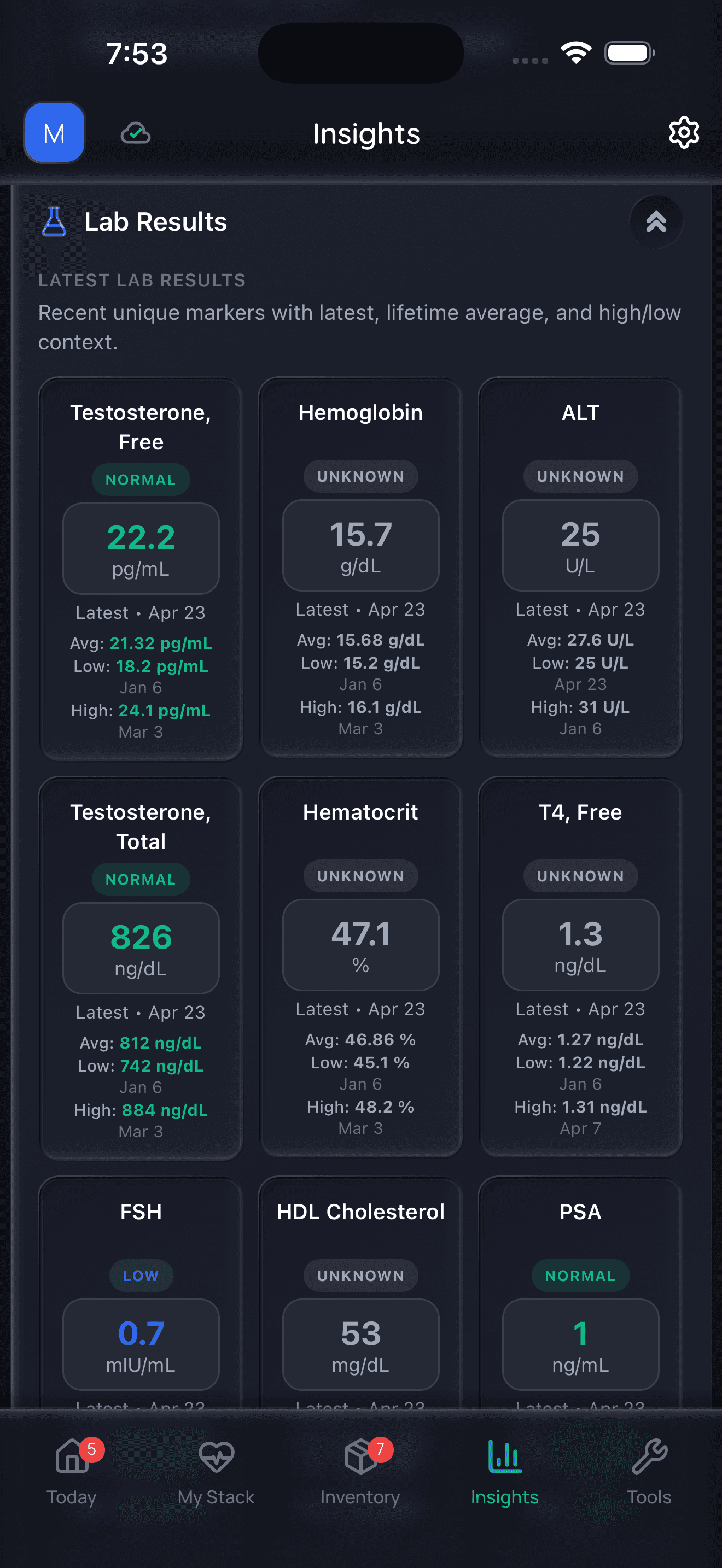
Doserly organizes data; it does not diagnose or interpret labs for you.
Side Effects & Safety
The Basics
Stinging nettle root has an excellent safety profile based on the available clinical data. In studies lasting up to 12 months, side effects were described as uncommon and minimal. The most commonly reported issues are mild digestive discomfort, including occasional nausea, diarrhea, constipation, or stomach upset. These tend to be infrequent and resolve on their own.
One important safety note: nettle root may have mild blood sugar-lowering effects. There is a case report of hypoglycemia in a 78-year-old man taking a nettle-containing herbal remedy for BPH. People with diabetes or those taking blood sugar medications should be aware of this potential interaction.
Nettle root's interaction with hormones (specifically DHT and SHBG) means it could theoretically affect hormonal balance. Some community members have reported decreased libido, which may relate to DHT-blocking effects. However, clinical trials have not found significant changes in testosterone or PSA levels.
There are isolated case reports of gynecomastia (breast enlargement) in a man and galactorrhea (nipple discharge) in a woman associated with nettle tea intake, suggesting possible estrogenic or hormonal effects with heavy use [19]. These are rare and involved tea consumption, not standardized root extract.
The NIH LiverTox database rates stinging nettle as "E" (unlikely cause of clinically apparent liver injury), which is the lowest risk category. No cases of liver damage have been reported in the published literature despite widespread use [20].
The Science
Safety data from clinical trials and post-market surveillance:
Common Side Effects (reported in clinical trials):
- Mild gastrointestinal discomfort (nausea, diarrhea, constipation, abdominal discomfort) at low frequency [5][12][20]
- Headache (infrequent) [20]
Rare/Case Reports:
- Hypoglycemia in a 78-year-old man taking a nettle-containing herbal BPH remedy [19]
- Gynecomastia in a man and galactorrhea in a woman with nettle tea intake [19]
- Allergic rhinitis following exposure to nettle pollen (occupational, not from supplements) [19]
- Urticaria in a breastfed infant following maternal use of fresh stinging nettle (contact exposure, not supplement) [19]
Hepatic Safety:
In multiple short- and long-term clinical trials, no hepatotoxicity or ALT elevations were reported. The LiverTox systematic review found zero published cases of liver injury attributable to stinging nettle root or leaf extracts [20]. Kianbakht et al. (2013) specifically monitored liver enzymes (ALT, AST) in their 3-month trial and found no changes [17].
Contraindications:
- Pregnancy: Insufficient safety data. Some traditional sources advise avoidance.
- Active hormone-sensitive conditions: Theoretical concern due to SHBG and aromatase interactions, though clinical significance is unclear.
Managing side effect risks across a multi-supplement stack can feel overwhelming, especially when interactions between supplements, medications, and foods add layers of complexity. Doserly brings all of that into a single safety view so nothing falls through the cracks.
Rather than researching every possible interaction yourself, the app checks your full stack automatically and flags supplement-drug and supplement-supplement interactions that warrant attention. If you do experience something unexpected, logging it takes seconds, and over time the app helps you spot patterns: whether symptoms correlate with specific doses, timing, or combinations. One place for the safety picture that matters most when your stack grows beyond a few bottles.
Capture changes while they are still fresh.
Log symptoms, energy, sleep, mood, and other observations alongside protocol events so patterns do not live only in memory.
Trend view
Symptom timeline
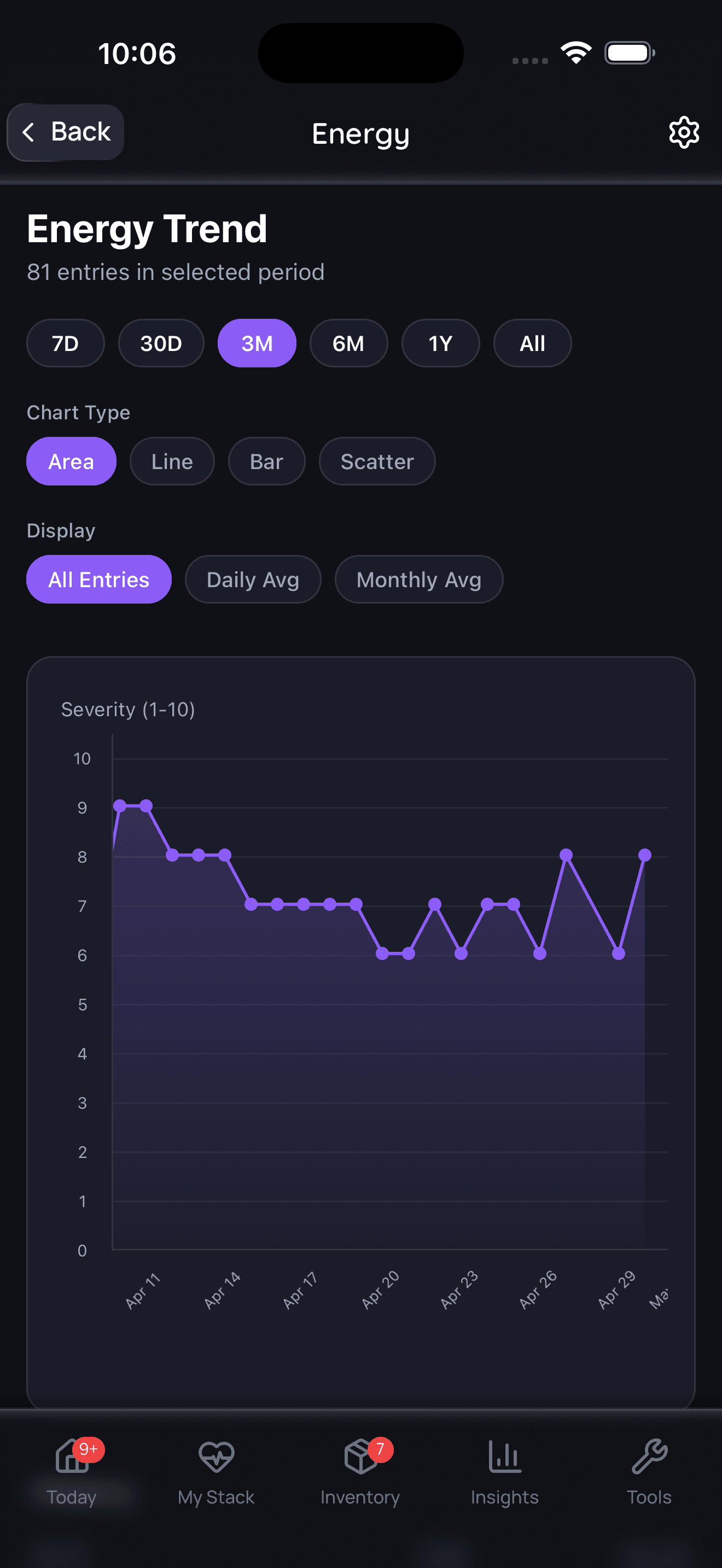
Symptom tracking is informational and should be interpreted with a qualified clinician.
Dosing & Usage Protocols
The Basics
Most clinical studies on stinging nettle root have used doses in the range of 300 to 600 mg per day of root extract. This is the range most commonly found on supplement labels as well. Some products use lower doses when combining nettle root with other ingredients like saw palmetto.
The form matters. Standardized hydroalcoholic extracts (the kind used in clinical trials) are generally considered the most reliable option. Dried root powder capsules are widely available and affordable, while liquid tinctures may offer faster absorption according to some users, though no comparative bioavailability studies exist for nettle root specifically.
For prostate support, the typical approach reported in the literature involves daily use over a period of weeks to months. The benefits appear to be maintained with continued use, but the Safarinejad (2005) study found that symptoms returned after discontinuation, suggesting that ongoing use is needed to maintain effects.
There is no established Upper Tolerable Intake Level for stinging nettle root, as it is an herbal supplement rather than a nutrient with defined dietary reference values.
The Science
Dosing protocols from key clinical trials [4][5][12][13][14]:
Study
Safarinejad (2005)
- Daily Dose
- UDRE (dose varies by report)
- Duration
- 6 months crossover
- Form
- Root extract
- Outcome
- 81% improvement vs. 16% placebo
Study
Schneider & Rübben (2004)
- Daily Dose
- 429 mg
- Duration
- 52 weeks
- Form
- Bazoton (root extract)
- Outcome
- Modest IPSS improvement
Study
Ghorbanibirgani et al. (2013)
- Daily Dose
- Not specified
- Duration
- Variable
- Form
- Root extract
- Outcome
- Significant IPSS, PSA, prostate size reduction
Study
Karami et al. (2020)
- Daily Dose
- 450 mg
- Duration
- 12 weeks
- Form
- Root extract tablets
- Outcome
- Intermediate IPSS effect, oxidative stress reduction
Study
Oelke et al. (2014)
- Daily Dose
- 120 mg (+ 160 mg saw palmetto)
- Duration
- Variable
- Form
- PRO 160/120 combination
- Outcome
- Improved nocturia
Study
Lopatkin et al. (2005/2007)
- Daily Dose
- 120 mg (+ saw palmetto)
- Duration
- Up to 96 weeks
- Form
- Fixed combination
- Outcome
- Maintained symptom improvement
Combination dosing:
When used in combination with saw palmetto, nettle root is typically dosed at 120 mg/day alongside 160-320 mg saw palmetto extract. This lower dose in combination formulations reflects the synergistic intent of the pairing [15][16].
Duration considerations:
Clinical benefits typically emerge over 4-12 weeks of consistent use. The Safarinejad crossover study demonstrated that symptoms returned upon discontinuation, consistent with a symptom-management mechanism rather than a disease-modifying effect [5]. Long-term use (12+ months) has been studied with no increase in adverse events [12][16].
When your stack includes several supplements, each with its own dose, form, and timing requirements, the logistics alone can derail consistency. Doserly consolidates all of it into one protocol view, so every dose across your entire routine is accounted for without spreadsheets or guesswork.
The app also tracks cumulative intake for nutrients that appear in multiple products. If your multivitamin, standalone supplement, and fortified protein shake all contain the same nutrient, Doserly adds them up and shows you the total alongside recommended and upper limits. Managing a thoughtful supplement protocol shouldn't require a degree in nutrition science. The app handles the complexity so you can focus on staying consistent.
Track injection timing, draw notes, and site rotation.
Doserly helps keep syringe-related notes, injection site history, reminders, and reconstitution context together for easier review.
Injection log
Site rotation
Injection logs support record-keeping; follow clinician instructions for administration.
What to Expect (Timeline)
Most people taking stinging nettle root for prostate support should expect a gradual onset of benefits rather than immediate relief. Based on clinical trial data and community reports:
Weeks 1-2: Generally, no dramatic changes are expected. Some users report subtle improvements in urinary urgency or nighttime frequency. GI tolerance should be assessed during this period, though most people tolerate nettle root without issues.
Weeks 3-4: The earliest timepoint at which some clinical trials begin measuring outcomes. Some individuals may notice reduced frequency of nighttime urination and slightly improved urine flow. Community reports suggest this is when some users first notice a difference.
Weeks 5-8: Most clinical improvement in IPSS scores occurs over this window. Reductions in urinary frequency, urgency, and nocturia become more apparent for responders. This is typically the minimum duration needed to assess whether nettle root is providing meaningful benefit.
Weeks 8-12: Full effects are generally established by this point. The Karami et al. (2020) 12-week trial showed significant improvements in IPSS and oxidative stress markers [14]. Users who do not notice improvement by this point are unlikely to benefit from continued use at the same dose.
3-12+ Months: Long-term studies (Schneider & Rübben, 52 weeks; Lopatkin et al., 96+ weeks) demonstrate maintained benefits with continued use and no increase in adverse events [12][16]. The Safarinejad crossover study found that benefits were lost after discontinuation, suggesting that ongoing use is necessary to maintain effects [5].
For SHBG/hormonal effects: The timeline is less well-defined. Community reports suggesting SHBG reduction have generally involved use over several months, and effects may vary significantly between individuals.
Interactions & Compatibility
Synergistic
- Saw Palmetto: The most studied pairing. Fixed-dose combinations (PRO 160/120) of saw palmetto (160 mg) and nettle root (120 mg) have been evaluated in multiple RCTs for BPH. The combination improved nocturia and was comparable to tamsulosin or finasteride for moderate-to-severe LUTS [15][16]. The two herbs appear to work through complementary mechanisms.
- Pygeum: Traditionally combined with nettle root for prostate support. One RCT evaluated a pygeum + nettle combination for BPH, though results were similar to placebo in that particular study [21].
- Boron: Frequently stacked in biohacking communities for SHBG reduction. Community reports suggest the combination may be more effective than either alone for modulating SHBG, though controlled studies of this combination are lacking.
- Zinc: General prostate health support. Zinc concentrations are naturally high in prostate tissue, and deficiency is associated with prostatic hyperplasia. No specific interaction studies with nettle root, but commonly used together.
- Pumpkin Seed Oil: Another traditional prostate health support, sometimes combined with nettle root in multi-ingredient formulations.
Caution / Avoid
- Blood pressure medications (antihypertensives): Animal studies suggest nettle has hypotensive action and may enhance effects of blood pressure drugs. Clinical relevance has not been determined, but monitoring is advisable if combining [19].
- Diuretics: Nettle may have additive diuretic effects. Combining with prescription diuretics could increase fluid loss and electrolyte imbalances. Clinical relevance has not been determined [19].
- CYP450 substrate drugs: Animal studies suggest nettle inhibits CYP450 enzymes and may affect concentrations of drugs metabolized by these enzymes. Clinical relevance has not been determined [19]. Individuals taking medications with narrow therapeutic windows should discuss with a healthcare provider.
- Diabetes medications (hypoglycemic agents): Nettle has demonstrated blood sugar-lowering effects. Combining with insulin or oral hypoglycemics may increase the risk of hypoglycemia. Blood sugar monitoring is advisable [17][19].
- Finasteride and other 5-alpha-reductase inhibitors: Theoretical additive effect on DHT reduction. Combined use could potentially lead to excessive DHT suppression, though this has not been studied.
- Anticoagulants/Antiplatelets: One source notes theoretical concern due to nettle's vitamin K content (primarily in the leaf) and COX inhibition. Clinical significance is unclear but warrants monitoring.
How to Take / Administration Guide
Recommended forms:
Standardized hydroalcoholic root extract in capsule or tablet form is the most well-studied delivery method. Most clinical trials used standardized extracts, and this form offers the most predictable dosing. Liquid tinctures (alcohol-based root extracts) are an alternative that some users report provides faster onset and better absorption, though no comparative studies exist. Dried root powder capsules are the most affordable option but may have lower bioavailability for certain active compounds. Root decoctions (tea made by boiling the root) are a traditional preparation method.
Timing considerations:
No strong data dictates optimal timing. Taking with meals may reduce the mild GI discomfort some users experience. For BPH-related nocturia, some practitioners suggest taking the dose earlier in the day to avoid any diuretic effects interfering with sleep, though clinical trials did not standardize timing in this way.
Root vs. Leaf:
This is a critical distinction that is frequently confused. Stinging nettle root and leaf have different chemical profiles and different primary indications. Root extracts are used primarily for prostate and hormonal support. Leaf extracts are used for allergies, inflammation, and nutritive purposes. Many commercial products contain leaf, root, or a combination of both. Consumers interested in prostate support should verify that their product specifically contains root extract.
Stacking guidance:
The most evidence-backed combination is nettle root with saw palmetto for prostate support. When stacking, lower doses of each individual herb are typically used (e.g., 120 mg nettle root + 160 mg saw palmetto). If combining with boron for SHBG modulation, typical community protocols use 6-12 mg boron alongside 300-500 mg nettle root, though this has not been studied in controlled trials.
Cycling guidance:
No clinical evidence suggests cycling is necessary. Long-term studies (up to 96 weeks) found no diminishing returns or increased adverse events with continuous use. The Safarinejad study found that benefits were lost upon discontinuation, arguing against cycling for those using it for BPH symptom management.
Choosing a Quality Product
Third-party certifications:
Look for products with USP Verified, NSF Certified for Sport, or GMP certification. These certifications verify that the product contains what the label claims and is free from common contaminants (heavy metals, microbial contamination, pesticides).
Root vs. leaf verification:
This is the single most important quality consideration for stinging nettle supplements. Many products marketed as "stinging nettle" contain leaf extract, root extract, or a combination. For prostate support, ensure the label specifically states "root extract" (Urticae radix) rather than "leaf" or "herb" (which typically means aerial parts). Some products list "Urtica dioica" without specifying the plant part, which makes it impossible to know what you are getting.
Standardization:
Clinical trials have used various standardization approaches. Some products are standardized to beta-sitosterol content, others to lignan concentration or scopoletin levels. There is no universally agreed-upon standardization marker for nettle root. Products that specify their standardization metric provide more transparency than those that do not.
Extraction method:
Hydroalcoholic (ethanol/water) extracts are the most commonly studied form. Supercritical CO2 extracts are also available. Crude dried root powder is the least processed form and may contain the full spectrum of root compounds but at lower concentrations.
Red flags:
- Products that do not specify whether they contain root, leaf, or whole plant
- Proprietary blends that hide the amount of nettle root behind a blend total
- Products making therapeutic claims for BPH treatment (supplements cannot legally make disease treatment claims under DSHEA)
- Extremely low prices that suggest adulteration or use of cheaper plant parts
Excipient considerations:
Standard capsule excipients (rice flour, cellulose, magnesium stearate) are typical and generally well-tolerated. Verify allergen-free status (gluten, soy, dairy) if relevant to your needs.
Storage & Handling
Stinging nettle root supplements (capsules, tablets, tinctures) are stable at room temperature. Store in a cool, dry place away from direct sunlight and humidity. Keep containers tightly sealed.
Dried root powder and capsules have a typical shelf life of 2-3 years when stored properly. Liquid tinctures (alcohol-based) have a longer shelf life due to the preservative properties of the alcohol solvent. Check the expiration date on the product label.
No refrigeration is required for any commercial form of stinging nettle root supplement. If using fresh or recently dried root for tea, store in an airtight container in a cool, dark location and use within several months to maintain potency.
Lifestyle & Supporting Factors
Dietary considerations:
For men concerned about prostate health, a diet rich in lycopene (found in tomatoes, watermelon, and pink grapefruit), zinc (found in oysters, red meat, and pumpkin seeds), and omega-3 fatty acids may complement nettle root supplementation. Reducing alcohol intake and maintaining adequate hydration can also support urinary health.
Exercise:
Regular physical activity, particularly aerobic exercise, has been associated with reduced risk of BPH progression. Kegel exercises (pelvic floor strengthening) may complement the urinary symptom relief provided by nettle root in men with BPH.
Signs that may indicate a need for prostate support:
Frequent urination (especially at night), weak or interrupted urine stream, difficulty starting or stopping urination, and a feeling of incomplete bladder emptying are common signs of BPH. These symptoms warrant medical evaluation to rule out more serious conditions before starting any supplement regimen.
Monitoring:
Men using nettle root for prostate support should continue regular prostate screenings (PSA testing and digital rectal exam) as recommended by their healthcare provider. Clinical trials have not shown that nettle root masks or artificially changes PSA levels, but monitoring remains important.
For SHBG/hormone optimization goals:
Track baseline and follow-up hormone panels (total testosterone, free testosterone, SHBG, estradiol) if using nettle root as part of a hormone optimization protocol. This provides objective data on whether the supplement is having the desired effect, since subjective symptoms alone can be unreliable indicators.
Regulatory Status & Standards
United States (FDA):
Stinging nettle root is sold as a dietary supplement under DSHEA. It is not approved for the treatment, cure, or prevention of any disease. No NDI (New Dietary Ingredient) notification is required, as nettle root has a long history of use predating DSHEA (1994). Products may not make disease treatment claims (e.g., "treats BPH") on labeling.
Canada (Health Canada):
Stinging nettle root is recognized as a licensed Natural Health Product (NHP) for the symptomatic relief of urinary difficulties associated with early-stage BPH. NPN (Natural Product Number) products are available.
European Union (EFSA/EMA):
Stinging nettle root has a well-established use monograph from the European Medicines Agency (EMA) for the treatment of LUTS associated with BPH (stages I-II). In Germany, the German Commission E has approved stinging nettle root for BPH-related urinary difficulties. This represents a stronger regulatory endorsement than exists in the US or most other jurisdictions.
Australia (TGA):
Nettle root preparations are available as listed complementary medicines under the TGA framework.
Athlete & Sports Regulatory Status:
- WADA: Stinging nettle root does not appear on the World Anti-Doping Agency Prohibited List. It is not classified as a prohibited substance in or out of competition.
- National Anti-Doping Agencies (USADA, UKAD, Sport Integrity Canada, Sport Integrity Australia): No specific alerts or guidance have been issued regarding stinging nettle root by major national anti-doping organizations.
- NCAA: Stinging nettle root is not on the NCAA banned substance list. However, athletes should use third-party certified products (NSF Certified for Sport, Informed Sport) to minimize contamination risk, as required by NCAA institutional supplement policies.
- Professional Sports Leagues (NFL, NBA, MLB, NHL, MLS): No league-specific restrictions on stinging nettle root have been identified.
- Athlete Certification Programs: NSF Certified for Sport and Informed Sport certified stinging nettle root products are available from select manufacturers. Cologne List and BSCG certified products may also be available.
- GlobalDRO: Athletes can verify the status of stinging nettle root products at GlobalDRO.com.
Regulatory status and prohibited substance classifications change frequently. Athletes should always verify the current status of any supplement with their sport's governing body, their national anti-doping agency, and a qualified sports medicine professional before use. Third-party certification (Informed Sport, NSF Certified for Sport) reduces but does not eliminate the risk of contamination with prohibited substances.
Frequently Asked Questions
What is the difference between stinging nettle root and stinging nettle leaf?
These are products from different parts of the same plant, with distinct chemical profiles and uses. The root contains phytosterols, lignans, lectins, and scopoletin, and is primarily used for prostate health and hormonal support. The leaf is rich in flavonoids, vitamins, and minerals, and is primarily used for allergy relief, inflammation, and as a nutritive tonic. When purchasing, verify which plant part is in the product to ensure it matches your intended use.
Does stinging nettle root increase testosterone?
Clinical trials have not found that stinging nettle root increases total testosterone levels. The Safarinejad (2005) study specifically measured testosterone and found no changes [5]. However, some research and community reports suggest nettle root may increase free (usable) testosterone by interfering with SHBG binding, potentially making more existing testosterone available. This effect is not consistently demonstrated and may be modest.
Can women take stinging nettle root?
Stinging nettle root is primarily studied in men for prostate-related conditions. Limited data exists on its use in women. Some female TRT users have used nettle root for SHBG modulation under medical supervision. Women who are pregnant or breastfeeding should avoid nettle root due to insufficient safety data.
How long does stinging nettle root take to work?
Based on clinical trial data, most people should allow 4-12 weeks of consistent daily use before assessing whether nettle root is providing benefit. Some individuals report noticing changes in urinary frequency within 2-3 weeks. For SHBG modulation, the timeline is less clear, and several months of use may be needed.
Is stinging nettle root safe for long-term use?
Clinical trials lasting up to 12 months (and extended follow-up studies approaching 2 years) have not found any increase in adverse events with long-term use [12][16]. The NIH LiverTox database rates it as unlikely to cause liver injury [20]. That said, periodic check-ins with a healthcare provider are advisable.
Can I take stinging nettle root with saw palmetto?
Yes, this is one of the most studied combinations. Multiple clinical trials have used fixed-dose combinations of saw palmetto and nettle root with positive results for BPH symptoms [15][16]. When combined, lower doses of each individual herb are typically used.
Does stinging nettle root block DHT?
Stinging nettle root contains compounds (particularly beta-sitosterol) that may mildly inhibit 5-alpha-reductase, the enzyme that converts testosterone to DHT. This effect is considerably weaker than pharmaceutical 5-alpha-reductase inhibitors like finasteride. Some community members have expressed concern about potential sexual side effects from DHT reduction, but clinical trials have not reported these effects at typical supplemental doses.
Should I take stinging nettle root with food?
Taking with food is not required but may reduce the mild gastrointestinal discomfort that a small number of users experience. The clinical trials did not standardize whether doses were taken with or without meals.
What dose of stinging nettle root should I take for prostate health?
Based on available research, the commonly studied range is 300-600 mg per day of root extract. Some combination products use lower doses (120 mg) when paired with saw palmetto. Individuals considering supplementation should discuss appropriate dosing with a healthcare provider based on their specific situation.
Can stinging nettle root replace prescription BPH medication?
Nettle root is not a replacement for prescribed medication. While clinical trials show improvement in symptom scores, the magnitude of effect is generally smaller than pharmaceutical options. Any changes to a prescribed treatment plan should be discussed with the prescribing physician.
Myth vs. Fact
Myth: Stinging nettle root is a testosterone booster that will significantly increase T levels.
Fact: Clinical trials have consistently found no increase in total testosterone levels with stinging nettle root supplementation [5]. The supplement may modestly affect free testosterone by interfering with SHBG binding, but this is a different mechanism from testosterone production and has not been conclusively demonstrated in controlled human studies.
Myth: Nettle root and nettle leaf are the same thing.
Fact: The root and leaf of Urtica dioica have distinctly different chemical profiles and clinical applications. The root is rich in phytosterols, lignans, and lectins, and is studied for prostate health. The leaf is rich in flavonoids and minerals, and is studied for allergies and inflammation. Using the wrong plant part for your intended purpose may yield no benefit.
Myth: Stinging nettle root will cure BPH and shrink the prostate permanently.
Fact: The Safarinejad (2005) study found that BPH symptoms returned after discontinuing nettle root, indicating it manages symptoms rather than curing the underlying condition [5]. While some studies have shown prostate size reduction, the effect requires ongoing supplementation to maintain.
Myth: Stinging nettle root is dangerous and can cause liver damage.
Fact: The NIH LiverTox database assigns stinging nettle a likelihood score of "E" (unlikely cause of clinically apparent liver injury), the lowest risk category. Zero cases of liver injury have been reported in the published literature despite widespread and long-term use [20].
Myth: Any stinging nettle supplement will help with prostate issues.
Fact: Only root extracts have demonstrated clinical benefit for BPH symptoms. Leaf-based products, while beneficial for other purposes, do not contain the same active compounds responsible for prostate support. Always verify the label specifies "root" or "Urticae radix."
Myth: Stinging nettle root is as potent as finasteride for blocking DHT.
Fact: The 5-alpha-reductase inhibition from nettle root phytosterols is considerably milder than pharmaceutical inhibitors. This is actually considered an advantage by many users, as it may provide some benefit without the sexual side effects sometimes associated with finasteride [6].
Myth: You need to cycle stinging nettle root to maintain its effectiveness.
Fact: Clinical studies lasting up to 96 weeks found no evidence of diminishing returns or tolerance development with continuous use [16]. The evidence actually supports continuous use, since benefits are lost upon discontinuation.
Sources & References
Clinical Trials & RCTs
[1] Martz F, Kankaanpaa S. Stinging Nettle (Urtica dioica) Roots: The Power Underground: A Review. Plants (Basel). 2025;14(2):279. doi:10.3390/plants14020279. PMID: 39861633.
[2] Bhusal KK, Magar SK, Thapa R, et al. Nutritional and pharmacological importance of stinging nettle (Urtica dioica L.): A review. Heliyon. 2022;8(6):e09717. doi:10.1016/j.heliyon.2022.e09717. PMID: 35800714.
[3] Chrubasik JE, Roufogalis BD, Wagner H, Chrubasik S. A comprehensive review on the stinging nettle effect and efficacy profiles. Part II: urticae radix. Phytomedicine. 2007;14(7-8):568-579. PMID: 17509841.
[4] Men C, Wang M, Aiyireti M, Cui Y. The efficacy and safety of Urtica dioica in treating benign prostatic hyperplasia: A systematic review and meta-analysis. Afr J Tradit Complement Altern Med. 2016;13(2):143-150. doi:10.4314/ajtcam.v13i2.17.
[5] Safarinejad MR. Urtica dioica for treatment of benign prostatic hyperplasia: a prospective, randomized, double-blind, placebo-controlled, crossover study. J Herb Pharmacother. 2005;5(4):1-11. PMID: 16635963.
[6] Stinging Nettle. In: PDR for Herbal Medicines. 4th ed. Montvale, NJ: Thomson Healthcare Inc; 2007:792-797.
[7] Hryb DJ, Khan MS, Romas NA, Rosner W. The effect of extracts of the roots of the stinging nettle (Urtica dioica) on the interaction of SHBG with its receptor on human prostatic membranes. Planta Med. 1995;61(1):31-32.
[8] Konrad L, Muller HH, Lenz C, et al. Antiproliferative effect on human prostate cancer cells by a stinging nettle root (Urtica dioica) extract. Planta Med. 2000;66(1):44-47.
[9] Roschek B Jr, Fink RC, McMichael M, et al. Nettle extract (Urtica dioica) affects key receptors and enzymes associated with allergic rhinitis. Phytother Res. 2009;23(7):920-926.
[10] Bouchentouf S, Said G, Kambouche N, Kress S. Identification of phenolic compounds from nettle as new candidate inhibitors of main enzymes responsible on type-II diabetes. Curr Drug Discov Technol. 2020;17(2):197-202.
[11] Ostlund RE Jr. Phytosterols in human nutrition. Annu Rev Nutr. 2002;22:533-549.
[12] Schneider T, Rubben H. Stinging nettle root extract (Bazoton-uno) in long term treatment of benign prostatic syndrome (BPS): Results of a randomized, double-blind, placebo controlled multicenter study after 12 months. Urologe A. 2004;43(3):302-306. PMID: 15045190.
[13] Ghorbanibirgani A, Khalili A, Zamani L. The Efficacy of Stinging Nettle (Urtica Dioica) in Patients with Benign Prostatic Hyperplasia: A Randomized Double-Blind Study in 100 Patients. Iran Red Crescent Med J. 2013;15(1):9-10. PMID: 23487561.
[14] Karami AA, et al. Urtica Dioica Root Extract on Clinical and Biochemical Parameters in Patients with Benign Prostatic Hyperplasia, Randomized Controlled Trial. PMID: 32981268.
[15] Oelke M, Berges R, Schlafke S, Burkart M. Fixed-dose combination PRO 160/120 of sabal and urtica extracts improves nocturia in men with LUTS suggestive of BPH: re-evaluation of four controlled clinical studies. World J Urol. 2014;32(5):1149-1154.
[16] Lopatkin N, Sivkov A, Schlafke S, et al. Long-term efficacy and safety of a combination of sabal and urtica extract for lower urinary tract symptoms: a placebo-controlled, double-blind, multicenter trial. World J Urol. 2005;23(2):139-146. PMID: 15928959.
[17] Kianbakht S, Khalighi-Sigaroodi F, Dabaghian FH. Improved glycemic control in patients with advanced type 2 diabetes mellitus taking Urtica dioica leaf extract: a randomized double-blind placebo-controlled clinical trial. Clin Lab. 2013;59(9-10):1071-1076. PMID: 24273930.
[18] Wilt TJ, Ishani A, Rutks I, MacDonald R. Phytotherapy for benign prostatic hyperplasia. Public Health Nutr. 2000;3(4A):459-472. PMID: 11276294.
Government/Institutional Sources
[19] Memorial Sloan Kettering Cancer Center. Nettle. About Herbs database. Updated December 7, 2021. https://www.mskcc.org/cancer-care/integrative-medicine/herbs/nettle
[20] LiverTox: Clinical and Research Information on Drug-Induced Liver Injury. Stinging Nettle. Updated March 3, 2023. National Institute of Diabetes and Digestive and Kidney Diseases. PMID: 37011125.
Observational Studies
[21] Melo EA, Bertero EB, Rios LA, Mattos D Jr. Evaluating the efficiency of a combination of Pygeum africanum and stinging nettle (Urtica dioica) extracts in treating benign prostatic hyperplasia (BPH): double-blind, randomized, placebo controlled trial. Int Braz J Urol. 2002;28(5):418-425. PMID: 15748367.