
Activated Charcoal: The Complete Supplement Guide
On this page
Quick Reference Card
Attribute
Common Name
- Detail
- Activated Charcoal
Attribute
Other Names / Aliases
- Detail
- Activated carbon, carbo vegetabilis, medicinal charcoal, active carbon
Attribute
Category
- Detail
- Digestive Aid / Adsorbent
Attribute
Primary Forms & Variants
- Detail
- Coconut shell charcoal (most common in supplements, higher porosity); wood-based charcoal; peat-based charcoal; bamboo charcoal. All activated via steam or chemical process to increase surface area.
Attribute
Typical Dose Range
- Detail
- Supplement use: 200-1,200 mg per serving for gas/bloating. Emergency poisoning: 50-100 g (medical setting only).
Attribute
RDA / AI / UL
- Detail
- No RDA, AI, or UL established. Not an essential nutrient.
Attribute
Common Delivery Forms
- Detail
- Capsules (200-280 mg), powder, chewable tablets, oral suspension (medical use)
Attribute
Best Taken With / Without Food
- Detail
- On an empty stomach or at least 2 hours away from meals, medications, and other supplements for maximum effect. For gas relief, some sources suggest taking immediately before or after a meal.
Attribute
Key Cofactors
- Detail
- None. Activated charcoal works independently and does not require cofactors. Importantly, it binds many other supplements and medications, reducing their effectiveness.
Attribute
Storage Notes
- Detail
- Store in a tightly sealed container at room temperature, away from moisture and heat. Activated charcoal can adsorb airborne chemicals if left open.
Overview
The Basics
Activated charcoal is one of those supplements where the gap between marketing claims and scientific evidence is particularly wide. It has a legitimate, important role in medicine: for decades, emergency rooms have used large doses of activated charcoal to treat poisoning by trapping swallowed toxins in the digestive tract before they can be absorbed into the bloodstream [1][2]. In that setting, it can be lifesaving.
The supplement version tells a different story. Capsules containing 200 to 280 mg of activated charcoal are marketed for "detox," bloating relief, gas reduction, teeth whitening, and general wellness. While there is some evidence supporting its use for intestinal gas, the broader detoxification claims lack scientific backing. Your body already has a sophisticated detoxification system (your liver, kidneys, and lungs), and the small doses found in supplement capsules are a fraction of what is used in medical settings [3].
What makes activated charcoal unique as a supplement is that it is not absorbed by the body at all. It passes through the digestive tract unchanged, binding to substances it contacts along the way. This is both its benefit and its primary drawback: it does not distinguish between "good" and "bad" substances. It will bind vitamins, minerals, and medications just as readily as any toxin [1][4].
The Science
Activated charcoal is produced by heating carbon-rich materials (coconut shell, wood, peat, coal, or petroleum) in the presence of a gas, typically steam or carbon dioxide, at temperatures of 600-900 degrees Celsius. This activation process creates an extensive internal pore structure, resulting in surface areas of 2,500 to 3,000 m2/g in modern preparations [2][5]. This extraordinarily high surface-area-to-volume ratio is the basis of its adsorptive capacity.
The substance is classified as an adsorbent, not an absorbent; it traps chemicals on its surface through van der Waals forces and hydrophobic interactions rather than incorporating them into its structure [1]. Activated charcoal is included in the WHO Model List of Essential Medicines for the treatment of poisoning [5], and is classified by the FDA under the drug classes "Antidotes" and "Miscellaneous GI Agents" [4]. When sold as a dietary supplement, it falls under DSHEA regulation, and its medicinal use has not been approved by the FDA [4].
The primary clinical evidence base centers on gastrointestinal decontamination in acute poisoning. A 2009 meta-analysis of 115 volunteer studies examining 43 medications found that activated charcoal administered within 30 minutes of ingestion reduced bioavailability by an average of 69.1%, declining to 34.4% when administered within one hour [6]. For supplement applications (gas, bloating, cholesterol), the evidence is limited and, in some cases, contradictory [7][8][9].
Chemical & Nutritional Identity
Property
Chemical Name
- Value
- Activated carbon
Property
Molecular Formula
- Value
- C (elemental carbon, amorphous)
Property
CAS Number
- Value
- 7440-44-0 (carbon); 64365-11-3 (activated charcoal)
Property
PubChem CID
- Value
- 5462310 (carbon)
Property
Category
- Value
- Adsorbent / Carbon-based material
Property
Surface Area
- Value
- 2,500-3,000 m2/g (modern preparations)
Property
RDA / AI / UL
- Value
- Not established (not a nutrient)
Property
FDA Status
- Value
- GRAS as food coloring; antidote drug class for poisoning
Common supplement forms:
- Coconut shell charcoal (capsules): Most popular supplement form. Coconut shell yields higher porosity and more consistent particle size compared to wood or bamboo sources. Typical capsule sizes range from 200 to 280 mg, with some products providing 600-1,200 mg per serving (multiple capsules).
- Powder: Loose activated charcoal powder for mixing with water or juice. Used in both medical and supplement contexts. Requires careful handling as it stains surfaces and clothing.
- Chewable tablets: Less common, sometimes flavored. Typically 250 mg per tablet.
- Oral suspension (medical use): Pre-mixed aqueous suspension in 15 g, 25 g, and 50 g doses. Some formulations include sorbitol. Used exclusively in medical settings for poisoning.
Mechanism of Action
The Basics
Activated charcoal works through a single, straightforward mechanism: it traps substances on its surface. Imagine a sponge, but instead of soaking up water, this sponge grabs onto chemicals floating in your digestive tract. The "activation" process creates millions of tiny pores in the charcoal, giving it an enormous surface area for trapping. A single gram of activated charcoal has a surface area roughly the size of a tennis court [2].
When you swallow activated charcoal, it travels through your stomach and intestines without being broken down or absorbed into your bloodstream. Along the way, any dissolved chemicals that come into direct contact with its surface get trapped (a process called adsorption). The charcoal, along with everything stuck to it, eventually passes out of your body in your stool, which turns black as a result [1].
This same mechanism explains both why it works for poisoning and why it can cause problems as a daily supplement. In a poisoning emergency, the goal is to bind the toxic substance before the body can absorb it. But the charcoal cannot tell the difference between a poison and a vitamin, so if you take it regularly, it may also trap nutrients and medications that your body needs [4].
The Science
Activated charcoal functions through nonspecific physical adsorption, binding substances to its surface via van der Waals forces, dipole interactions, and hydrophobic effects. The adsorption equilibrium follows a Langmuir isotherm model, with binding capacity proportional to available surface sites [1][6].
The key pharmacodynamic characteristics of activated charcoal adsorption include:
- Preferential binding to nonpolar, poorly water-soluble organic compounds. Polar, water-soluble molecules and ionic species are less effectively adsorbed [1].
- pH-dependent binding. Activated charcoal best adsorbs toxins in their nonionized forms. The stomach's acidic environment favors adsorption of weak acids, while the alkaline small intestine favors adsorption of weak bases [5][10].
- Competitive equilibrium. Desorption of bound substances can occur, particularly if the charcoal-to-substance ratio is insufficient. This is the rationale for the recommended 10:1 (charcoal-to-toxin) dosing ratio in clinical settings [1][2].
Two distinct mechanisms contribute to total drug clearance:
- Primary adsorption: Binding of substances within the gastrointestinal lumen before systemic absorption. This is the dominant mechanism when charcoal is administered within one hour of toxin ingestion [2].
- Gastrointestinal dialysis: Interruption of enterohepatic and entero-enteric recirculation. Substances that re-enter the gut lumen via active secretion or passive diffusion across the intestinal mucosa are bound by charcoal and eliminated. A 2021 meta-analysis demonstrated that multiple-dose activated charcoal (MDAC) reduced the median half-life of intravenously administered study drugs by 45.7% and AUC by 47.0%, confirming the significance of this elimination-enhancing mechanism [11].
Substances not effectively adsorbed by activated charcoal include alcohols (ethanol, methanol, glycols), metals (iron, lithium, lead, mercury), inorganic salts, organic solvents (acetone, DMSO), acids, bases, and cyanides [1][2][5].
Absorption & Bioavailability
The Basics
One of the most important things to understand about activated charcoal is that it is never absorbed by your body. It enters through your mouth, passes through your entire digestive system, and exits in your stool completely unchanged. This is actually the point: its job is to work inside the digestive tract, not in the bloodstream [1].
Because activated charcoal is not absorbed, it can only interact with substances that are physically present in the gut at the same time. This creates a narrow window of effectiveness. If you take charcoal to reduce gas from a meal, it needs to be in the stomach or intestines at the same time as the gas-producing food. If you take it hours later, the food has already moved through and the charcoal has nothing relevant to bind.
The same logic applies to its interaction with medications. Activated charcoal will reduce the absorption of most oral medications taken around the same time. Most practitioners recommend spacing activated charcoal at least 1 to 2 hours before or after any medication, and at least 3 hours before or 12 hours after oral contraceptives [4][12].
The Science
Activated charcoal demonstrates zero systemic bioavailability. It is not metabolized, not absorbed across the gastrointestinal epithelium, and exerts all pharmacological effects within the gut lumen [1]. No therapeutic index for systemic absorption exists, as there is no systemic absorption to measure.
The efficacy of activated charcoal as an adsorbent is critically time-dependent. Volunteer studies with 43 different medications have established the following absorption-reduction timeline [6]:
- Within 30 minutes of co-ingestion: 69.1% mean reduction in bioavailability
- Within 1 hour: 34.4% mean reduction
- Beyond 1 hour: efficacy declines substantially for most substances
Exceptions to this time window include delayed-release formulations, substances that slow gastric motility (opioids, anticholinergics), and bezoar-forming drugs (e.g., carbamazepine), where activated charcoal may remain effective for 4 to 6 hours post-ingestion [2][5].
The adsorptive capacity per gram of activated charcoal is influenced by the surface area of the preparation (2,500-3,000 m2/g for modern granulates), the particle size and solubility of the target substance, gastric pH, and stomach contents. Co-administration with food, yogurt, or milk reduces available binding sites, though these vehicles improve palatability in clinical settings [5][13].
Understanding how your body absorbs a supplement is only useful if you can act on it. Doserly lets you log exactly when you take each form, whether it's a capsule with a meal, a sublingual tablet on an empty stomach, or a liquid taken with a cofactor, so you can see how timing and form choices affect your results over time.
The app also tracks cofactor pairings that influence absorption. If a supplement works better alongside vitamin C, fat, or black pepper extract, Doserly reminds you to take them together and logs both. Over weeks, your personal data reveals whether those pairing strategies are translating into measurable differences in the biomarkers you're tracking.
Build reminders around the routine, not just the compound.
Doserly can keep timing, skipped doses, and schedule changes organized so the plan you read about becomes easier to follow and review.
Today view
Upcoming reminders

Reminder tracking supports consistency; it does not select a protocol for you.
Research & Clinical Evidence
The Basics
The research picture for activated charcoal is heavily lopsided. There is strong, well-established evidence for one use (emergency poisoning treatment) and weak, conflicting evidence for everything else.
Poisoning treatment: This is where activated charcoal genuinely shines. Emergency departments worldwide use it as a first-line treatment for many types of poisoning when administered within the first hour. Position papers from the American Academy of Clinical Toxicology (AACT) and the European Association of Poisons Centres and Clinical Toxicologists (EAPCCT) support its use for gastrointestinal decontamination [1][2].
Gas and bloating: The evidence is mixed. An older study from 1981 found that activated charcoal reduced intestinal gas, but a better-designed 1999 study found it failed to reduce gas produced by colonic bacteria [7][8]. This remains unresolved, though many individuals report subjective improvement.
Cholesterol reduction: A few older studies from the late 1980s explored activated charcoal for lowering cholesterol, with contradictory results. One study showed benefit; another showed none [9][14]. This line of research has largely not been pursued further.
Kidney disease: Preliminary data suggests activated charcoal may help manage hyperphosphatemia (high phosphorus levels) in hemodialysis patients and reduce vascular calcification in stage 3-4 chronic kidney disease, but larger trials are needed [15][16].
The Science
Gastrointestinal Decontamination
The strongest clinical evidence supports single-dose activated charcoal (SDAC) for acute poisoning management. A 2021 systematic review by Hoegberg et al. comprehensively evaluated the evidence for gastrointestinal decontamination following acute oral overdose, confirming that SDAC significantly reduces drug absorption when administered within one hour of ingestion [17]. However, no randomized controlled trial has demonstrated improvement in patient-oriented outcomes such as mortality or length of hospital stay [3].
Multiple-dose activated charcoal (MDAC) has demonstrated clinical benefit for specific substances with pronounced enterohepatic or entero-enteric circulation: carbamazepine, dapsone, phenobarbital, quinine, and theophylline [2][5]. The 2019 German review by Zellner et al. confirmed accelerated elimination for additional agents including citalopram, venlafaxine, lamotrigine, and oxcarbazepine [5].
Intestinal Gas
Cholesterol
Early studies by Neuvonen et al. (1989) reported that activated charcoal at doses of 8 g three times daily reduced total and LDL cholesterol in hypercholesterolemic patients [9]. However, a double-blind prospective trial by Hoekstra and Erkelens (1988) found no effect on hyperlipidemia [14]. Park et al. (1988) compared superactivated charcoal to cholestyramine and found some cholesterol-lowering effect [18]. The inconsistency across trials and the high doses required (24 g/day) have limited further investigation.
Kidney Disease
Wang et al. (2012) demonstrated that oral activated charcoal suppressed hyperphosphatemia in hemodialysis patients [15]. Gao et al. (2019) found that oral activated charcoal reduced hyperphosphatemia and vascular calcification in patients with stage 3-4 chronic kidney disease [16]. These findings are preliminary and require confirmation in larger, multicenter trials.
Evidence & Effectiveness Matrix
Category
Digestive Comfort
- Evidence Strength
- 4/10
- Reported Effectiveness
- 6/10
- Summary
- Conflicting clinical data on gas reduction, but community reports consistently describe acute bloating relief.
Category
Gut Health
- Evidence Strength
- 3/10
- Reported Effectiveness
- 5/10
- Summary
- Theoretical LPS-binding benefit; community reports mixed. No rigorous clinical trials for general gut health.
Category
Nausea & GI Tolerance
- Evidence Strength
- 3/10
- Reported Effectiveness
- 4/10
- Summary
- Used anecdotally for food poisoning nausea. Can itself cause nausea and constipation.
Category
Energy Levels
- Evidence Strength
- 1/10
- Reported Effectiveness
- 4/10
- Summary
- No clinical evidence. Sparse anecdotal reports in chronic fatigue populations, heavily confounded.
Category
Side Effect Burden
- Evidence Strength
- 7/10
- Reported Effectiveness
- 5/10
- Summary
- Well-documented safety profile. Primary concerns: medication binding, nutrient depletion with chronic use, constipation.
Categories scored: 5
Categories with community data: 5
Categories not scored (insufficient data): Fat Loss, Muscle Growth, Weight Management, Appetite & Satiety, Food Noise, Sleep Quality, Focus & Mental Clarity, Memory & Cognition, Mood & Wellbeing, Anxiety, Stress Tolerance, Motivation & Drive, Emotional Aliveness, Emotional Regulation, Libido, Sexual Function, Joint Health, Inflammation, Pain Management, Recovery & Healing, Physical Performance, Skin Health, Hair Health, Heart Health, Blood Pressure, Heart Rate & Palpitations, Hormonal Symptoms, Temperature Regulation, Fluid Retention, Body Image, Immune Function, Bone Health, Longevity & Neuroprotection, Cravings & Impulse Control, Social Connection, Treatment Adherence, Withdrawal Symptoms, Daily Functioning
Benefits & Potential Effects
The Basics
Activated charcoal's benefit profile is narrow compared to most supplements. It is best understood as an acute rescue tool rather than a daily wellness supplement. The clearest benefits are:
Emergency poisoning treatment. This is activated charcoal's strongest and best-supported application, though it requires medical supervision and doses far beyond what supplement capsules provide [1][2].
Occasional gas and bloating relief. Many people report that taking activated charcoal before or after meals helps reduce bloating and gas discomfort. While the clinical evidence is mixed, subjective improvement is commonly reported, particularly by individuals with IBS or food sensitivities [7][8].
Potential phosphorus management in kidney disease. Early research suggests it may help control high phosphorus levels in people with chronic kidney disease, though this application is not established and requires medical oversight [15][16].
It is important to note what activated charcoal does not reliably do: it does not "detoxify" the body in any meaningful way beyond the emergency poisoning context. The small doses found in supplement capsules (200-280 mg) cannot replicate the 50-100 gram doses used in medical settings, and the body's liver and kidneys handle routine detoxification without assistance [3].
The Science
The established and investigational benefits of activated charcoal can be categorized by evidence quality:
Well-established (clinical evidence):
- Reduction of systemic absorption of ingested toxins, with a 69.1% mean bioavailability reduction when administered within 30 minutes [6]
- Enhanced elimination of substances with enterohepatic/entero-enteric circulation via MDAC, with demonstrated clinical benefit for carbamazepine, dapsone, phenobarbital, quinine, and theophylline [2][5]
Preliminary (limited human data):
- Reduction of intestinal gas (conflicting data; Hall et al. positive [7], Suarez et al. negative [8])
- Hyperphosphatemia management in CKD patients (Wang et al. 2012, Gao et al. 2019) [15][16]
- Cholesterol reduction at high doses (Neuvonen et al. 1989; contradicted by Hoekstra & Erkelens 1988) [9][14]
- Reduction of irinotecan-induced diarrhea in pediatric cancer patients (Sergio et al. 2008, pilot data) [19]
Insufficient evidence:
- General "detoxification" for daily wellness
- Hangover treatment
- Teeth whitening (cosmetic application, not an oral health supplement)
- Celiac disease / gluten binding (anecdotal use, no clinical evidence) [20]
Side Effects & Safety
The Basics
Activated charcoal is generally considered safe for occasional, short-term use. It is classified as "likely safe" for short-term use and "possibly safe" for long-term use [12]. The most common side effects are mild and predictable:
Black stools. This is harmless and expected. The charcoal passes through undigested and turns stool black. It does not indicate bleeding or any health concern.
Constipation. This is the most commonly reported problem, especially with repeated use. The charcoal can slow intestinal transit, particularly in people already prone to constipation.
Nutrient and medication binding. This is the most important safety concern for supplement users. Activated charcoal does not distinguish between substances you want in your body and substances you do not. It will bind vitamins, minerals, prescription medications, and other supplements, reducing their absorption. Oral contraceptives are particularly notable: charcoal can reduce their effectiveness [4][12].
For people in medical settings receiving high doses (50-100 g), more serious adverse effects can occur, including aspiration pneumonitis (if charcoal enters the lungs), bowel obstruction, and severe dehydration [1][2][5]. These risks are largely irrelevant to supplement users taking standard capsule doses.
The Science
The adverse effect profile of activated charcoal is well-characterized across both supplement and medical dosing contexts:
Common (supplement doses, 200-1,200 mg):
- Constipation [4][12]
- Black discoloration of stool [4]
- Reduced absorption of co-administered oral medications and nutrients [1][4]
Uncommon to rare (medical doses, 25-100 g):
- Emesis, particularly with rapid administration or sorbitol-containing formulations [1][2]
- Pulmonary aspiration leading to aspiration pneumonitis, a potentially fatal complication in obtunded patients or those with compromised airway reflexes [1][5]
- Gastrointestinal obstruction, reported primarily with multiple-dose regimens in patients with pre-existing motility disorders or concurrent opioid/anticholinergic use [2][5]
- Charcoal stercoliths with sigmoid colon perforation (isolated case reports with high-dose repeated administration) [5]
Contraindications (established by AACT/EAPCCT position statements):
- Unprotected airway / depressed consciousness without intubation
- Ingestion of substances with high aspiration potential (hydrocarbons)
- GI perforation, hemorrhage, or obstruction
- Ingestion of substances not adsorbed by charcoal (metals, alcohols, acids/bases)
- When endoscopy is planned (charcoal obscures visualization) [1][2]
Regarding long-term safety, no studies have specifically evaluated the consequences of chronic daily activated charcoal supplementation on micronutrient status. The theoretical concern of progressive nutrient depletion from daily use is supported by its known, nonspecific binding properties but has not been directly measured in a clinical trial.
Knowing the possible side effects is the first step. Catching them early in your own experience is what keeps a supplement routine safe. Doserly lets you log any symptoms as they arise, tagging them with severity, timing relative to your dose, and whether they resolve on their own or persist.
The app's interaction checker cross-references everything in your stack, supplements and medications alike, flagging known interactions before they become a problem. It also monitors your total intake against established upper limits, alerting you if your combined sources of a nutrient are approaching thresholds where risk increases. Think of it as a safety net that works quietly in the background while you focus on the benefits.
Connect protocol changes to labs and health markers.
Doserly can keep lab results, biomarkers, symptoms, and dose history close together so follow-up conversations have better context.
Insights
Labs and trends
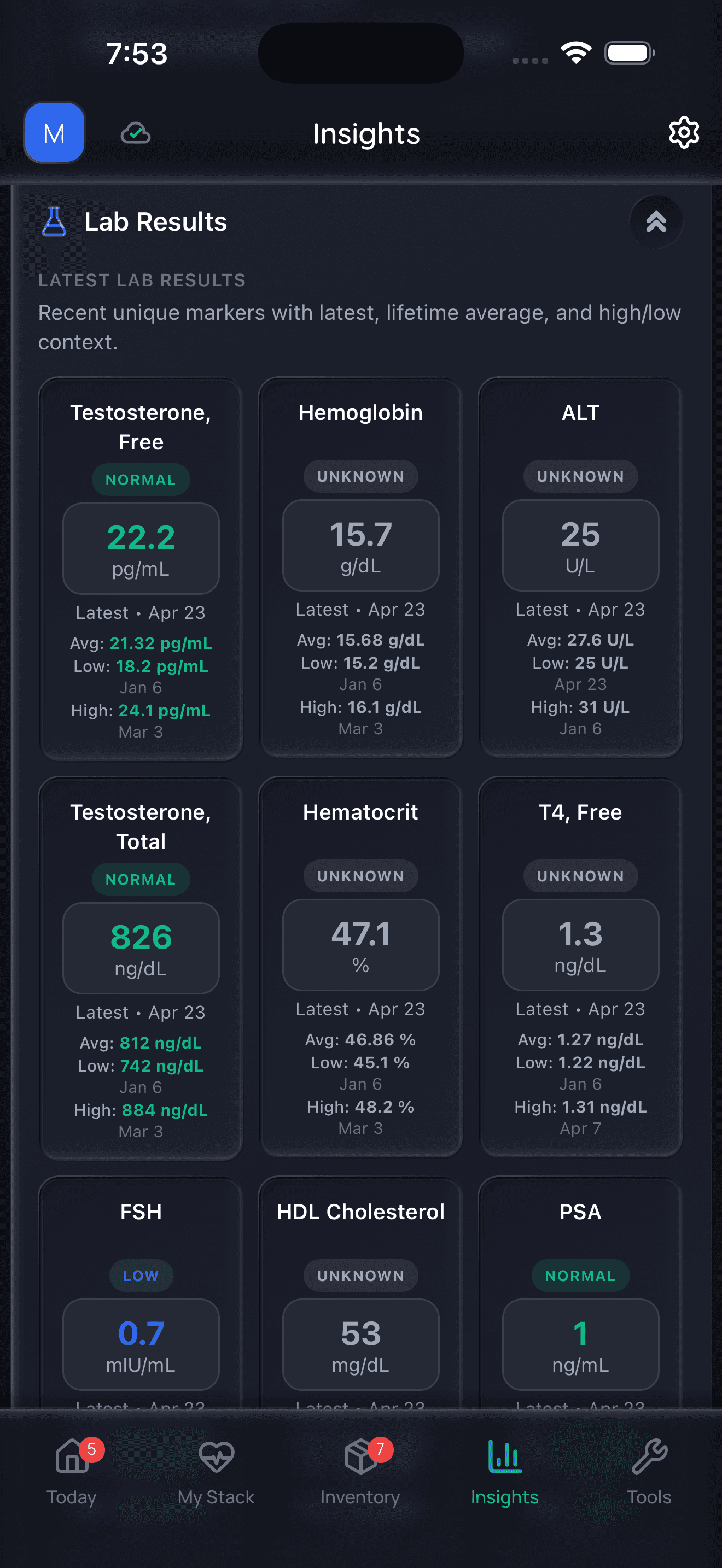
Doserly organizes data; it does not diagnose or interpret labs for you.
Dosing & Usage Protocols
The Basics
Activated charcoal dosing varies enormously depending on the purpose, and it is important not to confuse the two main contexts.
For supplement use (gas and bloating): Commonly reported capsule doses range from 200 mg to 1,200 mg per serving. Most products contain 200 to 280 mg per capsule and suggest 1 to 2 capsules as needed. Some products recommend up to 16 capsules per day (around 4,000-4,500 mg total). These doses are a tiny fraction of what is used in medical settings [4].
For emergency poisoning (medical setting only): Doses of 50 to 100 grams for adults and 25 to 50 grams for children aged 1 to 12 years. These doses require medical supervision and are not appropriate for home use [1][2][5].
The most important dosing rule for supplement users is timing. To minimize interference with nutrition and medications, most practitioners recommend taking activated charcoal at least 2 hours before or after meals, other supplements, and medications. For oral contraceptives, a wider window of 3 hours after or 12 hours before is often suggested [12].
There is no established daily dose for wellness purposes, no loading phase, and no cycling protocol. Most health professionals who recommend activated charcoal suggest occasional, as-needed use rather than daily supplementation.
The Science
Dosing protocols for activated charcoal are well-established for clinical decontamination but poorly standardized for supplement applications:
Clinical Decontamination (medical supervision required):
Context
SDAC, adults
- Dose
- 50-100 g orally, or 1 g/kg body weight
Context
SDAC, children 2-12 years
- Dose
- 25-50 g, or 0.5-1 g/kg body weight
Context
SDAC, infants <1 year
- Dose
- 10-25 g, or 1 g/kg body weight
Context
MDAC, adults (initial)
- Dose
- 25-100 g
Context
MDAC, adults (repeat)
- Dose
- 10-25 g every 2-4 hours
Context
Optimal charcoal:toxin ratio
- Dose
- 10:1 (up to 40:1 per Jurgens et al.) [6]
Supplement Use (non-standardized):
Application
Gas/bloating relief
- Common Dose Range
- 200-1,200 mg per serving, as needed
Application
Flatulence (Drugs.com)
- Common Dose Range
- 200 mg capsules, 1-2 daily; or 2 capsules every 2 hours, max 16/day [4]
Application
General wellness/"detox"
- Common Dose Range
- No evidence-based dose exists
Timing considerations:
- Separate from all oral medications by at least 1-2 hours (some sources recommend 2 hours) [4][12]
- Separate from oral contraceptives by at least 3 hours after or 12 hours before [12]
- Take with a full glass of water to reduce constipation risk
Getting the dose right matters more than most people realize. Too little may be ineffective, too much wastes money or introduces risk, and inconsistency undermines both. Doserly tracks every dose you take, across every form, giving you a clear record of what you're actually consuming versus what you planned.
The app helps you compare RDA recommendations against therapeutic ranges discussed in the research, so you can see exactly where your intake falls. If you switch forms, say from a standard capsule to a liposomal liquid, Doserly adjusts your tracking to account for different bioavailabilities. Pair that with smart reminders that keep your timing consistent, and the precision that makes a real difference in outcomes becomes effortless.
Turn symptom and safety notes into a clearer timeline.
Doserly helps you log doses, symptoms, and safety observations side by side so patterns are easier to discuss with a qualified clinician.
Pattern view
Logs and observations
Pattern visibility is informational and should be reviewed with a clinician.
What to Expect (Timeline)
Activated charcoal does not follow the typical supplement timeline of gradual, cumulative effects over weeks and months. Instead, it is an acute-acting substance with near-immediate local effects in the gastrointestinal tract.
Within 30 minutes to 1 hour: If taken for gas or bloating, some individuals report noticeable reduction in discomfort within this window. Community reports describe 20 to 30 minute relief from acute bloating episodes.
Same day: Stool will begin turning black. This is harmless and expected. It simply reflects the charcoal passing through.
1-2 days: If taken for acute digestive distress (such as after eating a trigger food), effects are typically felt within this period. The charcoal and whatever it has bound will be excreted.
Ongoing use (not generally recommended): There is no well-documented timeline for cumulative benefits from daily activated charcoal use. Unlike supplements that build up in tissue or modulate biological pathways over time, activated charcoal works on a per-dose basis in the gut. Continued daily use may lead to constipation and nutrient depletion, though these risks have not been systematically studied.
Discontinuation: Activated charcoal does not produce withdrawal effects. Stool color returns to normal within 1 to 2 days after stopping. There is no rebound effect or physiological dependence.
Interactions & Compatibility
SYNERGISTIC
- Simethicone: Some users and one clinical trial (Coffin et al., 2011) report enhanced gas relief when activated charcoal is combined with simethicone. Simethicone breaks up gas bubbles while charcoal adsorbs gas [21]. Combined products exist (e.g., Carbosymag).
- Peppermint Oil: A natural formulation combining activated charcoal with peppermint oil, fennel oil, and other botanicals showed efficacy for relieving constipation in one clinical trial [22]. These may complement each other for digestive comfort.
CAUTION / AVOID
- All oral medications: Activated charcoal reduces the absorption of virtually all oral medications. This includes prescription drugs, OTC medications, and hormonal contraceptives. Maintain at least a 1-2 hour separation, or 3-12 hours for birth control pills [4][12].
- All other oral supplements: Vitamins, minerals, amino acids, and other supplements taken concurrently will have reduced absorption. Space all supplements at least 2 hours from activated charcoal.
- NAC (N-Acetyl Cysteine): NAC is used as an antidote for acetaminophen poisoning. Activated charcoal can bind NAC and reduce its effectiveness if taken simultaneously.
- Alcohol (ethanol): Alcohol may decrease the effectiveness of activated charcoal for poison prevention [12].
- Ipecac syrup: Activated charcoal binds ipecac and reduces its emetic effect [12].
- Nutrients from food: Taking charcoal with meals or too close to meal times may reduce absorption of vitamins, minerals, and other nutrients from food.
How to Take / Administration Guide
Recommended forms: Capsules (200-280 mg) are the most practical form for supplement use. They provide consistent dosing, avoid the mess of powder, and can be swallowed whole without taste concerns. Powder is used in medical settings where higher doses are required.
Timing considerations: The single most important factor in activated charcoal use is timing relative to other substances. Practitioners generally recommend:
- At least 2 hours before or after any food, medications, or other supplements
- On an empty stomach for maximum adsorptive capacity
- For gas relief specifically, some users take it immediately before or after meals known to cause discomfort (accepting some nutrient-binding tradeoff)
Hydration: Always take activated charcoal with a full glass of water. Adequate hydration helps prevent constipation, which is the most common side effect.
Administration tips:
- Swallow capsules whole; do not crush, chew, or open them
- If using powder, mix with water, juice, or another liquid. Avoid mixing with milk or dairy products, which may reduce adsorptive capacity [5][13]
- For children, drinking through a straw from an opaque container may improve acceptance
Cycling guidance: No cycling protocol is established. Most practitioners recommend using activated charcoal on an as-needed, occasional basis rather than as a daily supplement. Regular daily use may contribute to constipation and progressive nutrient depletion.
What to avoid: Do not take activated charcoal if you have a known gastrointestinal blockage, impaired intestinal motility, or are about to have an endoscopy. Do not use it to self-treat poisoning without first contacting Poison Control (1-800-222-1222) or emergency services.
Choosing a Quality Product
Source material: Coconut shell-derived activated charcoal is generally considered the highest quality option for supplement use due to its higher porosity and more consistent particle size. Look for products that specify "coconut shell charcoal" or "coconut-derived activated charcoal" on the label.
Activation method: Steam activation is the preferred process for internal-use charcoal, producing a cleaner product than chemical activation methods.
Third-party certifications: While activated charcoal is relatively simple as a supplement, third-party testing for purity and contamination is still valuable:
- USP Verified or NSF certification indicates quality testing
- GMP (Good Manufacturing Practice) certification
- Look for Certificates of Analysis (COA) confirming the absence of heavy metals and contaminants
Red flags:
- Products making "detox" or disease-treatment claims, which are not supported by evidence
- Proprietary blends that combine charcoal with many other ingredients (dilutes the charcoal and makes dosing unclear)
- Products that do not specify the charcoal source material
- Mega-dosing products (over 2,000 mg per serving) without clear guidance on timing relative to medications
Quality markers:
- Specified source material (coconut shell preferred)
- No unnecessary fillers, binders, or additives
- Clear dosing instructions including medication spacing guidance
- Vegetarian/vegan capsule (cellulose-based)
Storage & Handling
Store activated charcoal in a tightly sealed container at room temperature, away from moisture and heat. This is particularly important because activated charcoal is, by nature, an adsorbent: left unsealed, it will actively adsorb moisture, odors, and airborne chemicals from the surrounding environment, reducing its effectiveness.
Powder forms require extra care, as they can stain surfaces, clothing, and countertops. Handle with care and clean spills promptly. Keep containers closed between uses.
Shelf life is generally long (2-3 years or more) when properly stored in sealed containers. There is no need for refrigeration. Check the expiration date on your product and discard if expired.
Keep out of reach of children. While activated charcoal is not toxic, unsupervised ingestion could interfere with medication absorption.
Lifestyle & Supporting Factors
Diet: A balanced diet rich in fiber, fruits, and vegetables supports the same digestive outcomes that people seek from activated charcoal. For individuals using activated charcoal for occasional bloating, identifying and reducing dietary triggers (FODMAPs, lactose, specific food intolerances) may be a more sustainable approach than relying on charcoal.
Hydration: Adequate water intake is essential when using activated charcoal, both to support its passage through the digestive tract and to mitigate its constipating effects. Aim for at least an extra full glass of water with each dose.
Probiotics and prebiotics: Some users who initially relied on activated charcoal for digestive comfort have reported greater long-term success after switching to or adding probiotics. The mechanisms are complementary: probiotics support a healthy microbiome, while charcoal nonselectively binds substances in the gut. However, activated charcoal and probiotics should not be taken at the same time, as the charcoal may bind and inactivate the probiotic organisms.
Medication awareness: Anyone taking daily medications should discuss activated charcoal use with their healthcare provider. The interaction profile is broad and clinically significant.
Exercise and stress management: Digestive discomfort, including gas and bloating, is often exacerbated by stress and physical inactivity. Regular exercise and stress management techniques may reduce the frequency of episodes that prompt activated charcoal use.
Regulatory Status & Standards
United States (FDA):
- Activated charcoal holds GRAS (Generally Recognized As Safe) status when used as a food coloring agent
- As a drug, it is classified under "Antidotes" and "Miscellaneous GI Agents" for the treatment of poisoning
- As a dietary supplement, it falls under DSHEA regulation. The FDA has not approved its medicinal use for any supplement application [4]
- Available over the counter without prescription
Canada (Health Canada):
- Available as a Natural Health Product (NHP). Monograph status for activated charcoal covers antiflatulent use.
European Union (EFSA):
- EFSA has evaluated activated charcoal and authorized a health claim: "Activated charcoal contributes to reducing excessive flatulence after eating" (Commission Regulation EU 432/2012), with the condition that 1 g must be taken at least 30 minutes before and 1 g shortly after the meal.
Australia (TGA):
- Listed as a complementary medicine ingredient. Available in listed medicines for digestive support.
WHO:
- Activated charcoal is included on the WHO Model List of Essential Medicines for the treatment of poisoning [5].
Athlete & Sports Regulatory Status:
- WADA: Activated charcoal is not on the WADA Prohibited List. It is not a performance-enhancing substance.
- NCAA, USADA, UKAD: No restrictions. Activated charcoal is not classified as a banned substance by any major anti-doping agency.
- Athlete certification: Athletes should still use third-party tested products (Informed Sport, NSF Certified for Sport) to avoid contamination risks inherent in any supplement.
- GlobalDRO: Athletes can verify the status of specific activated charcoal products at globaldro.com.
Regulatory status and prohibited substance classifications change frequently. Athletes should always verify the current status of any supplement with their sport's governing body, their national anti-doping agency, and a qualified sports medicine professional before use. Third-party certification (Informed Sport, NSF Certified for Sport) reduces but does not eliminate the risk of contamination with prohibited substances.
Frequently Asked Questions
Is activated charcoal safe to take every day?
Based on available data, activated charcoal is classified as "possibly safe" for long-term use. However, most practitioners recommend occasional, as-needed use rather than daily supplementation. The primary concern with daily use is that activated charcoal indiscriminately binds vitamins, minerals, and other nutrients, which could contribute to nutritional deficiencies over time. No long-term studies have specifically evaluated the effects of daily supplementation on micronutrient status.
Will activated charcoal interfere with my medications?
Yes. Activated charcoal reduces the absorption of virtually all oral medications. This is one of the most important things to know before using it. Most sources recommend taking it at least 1 to 2 hours before or after any medication. For birth control pills, a wider spacing of at least 3 hours after or 12 hours before is commonly suggested. Anyone on daily medication should consult a healthcare provider before using activated charcoal.
Does activated charcoal actually "detox" the body?
In an emergency poisoning setting, activated charcoal genuinely prevents toxin absorption from the gut. However, the "detox" claims made about supplement-dose charcoal are not well-supported. Activated charcoal can only bind substances present in the digestive tract at the time it is taken. It cannot remove toxins already absorbed into the bloodstream, and it has no effect on environmental toxins in the lungs or on the skin. The body's liver, kidneys, and lungs handle routine detoxification.
Why does activated charcoal turn my stool black?
Activated charcoal is not absorbed by the body. It passes through the entire digestive tract unchanged, and its black color shows up in the stool. This is completely normal and not a cause for concern. Stool color returns to normal within 1 to 2 days after stopping.
Can activated charcoal help with food poisoning?
Activated charcoal is used in medical settings for acute poisoning treatment. Some individuals use supplement capsules at the first sign of suspected food poisoning. While activated charcoal can adsorb certain toxins in the gut, it is not effective against all types of food poisoning (particularly those caused by bacteria that have already entered the system). It should not replace seeking medical attention for suspected food poisoning.
What is the difference between regular charcoal and activated charcoal?
Regular charcoal is simply burned organic material. Activated charcoal undergoes an additional heating process in the presence of gas (usually steam) that creates millions of tiny pores, dramatically increasing its surface area. One gram of activated charcoal can have a surface area equivalent to a tennis court (2,500-3,000 m2). This enormous surface area is what gives it its adsorptive properties. Regular charcoal (such as grilling charcoal) should never be consumed.
Does activated charcoal help with hangovers?
There is no strong scientific evidence that activated charcoal helps with hangovers. Alcohol (ethanol) is one of the substances that activated charcoal does not effectively adsorb, because ethanol is polar and water-soluble. Additionally, by the time hangover symptoms appear, the alcohol has already been absorbed into the bloodstream, where charcoal in the gut cannot reach it.
Can I take activated charcoal with probiotics?
These two supplements should not be taken at the same time. Activated charcoal may bind probiotic organisms and render them inactive. If you wish to use both, space them at least 2 hours apart. Some users have found that probiotics provide better long-term digestive support than charcoal alone.
Is coconut shell charcoal better than other types?
Coconut shell-derived activated charcoal is generally considered the preferred source for supplement use because it produces a more porous, consistent product. However, the activation process (typically steam activation) matters as much as the source material. Any properly activated charcoal will have similar adsorptive properties, though coconut shell tends to have a slight advantage in microporosity.
How much activated charcoal should I take for gas?
Available sources report commonly used doses ranging from 200 mg to 1,200 mg for gas and bloating relief. The European Food Safety Authority (EFSA) has authorized a health claim at a dose of 1 g taken 30 minutes before a meal and 1 g shortly after. Individuals seeking guidance on dosing should consult a healthcare professional.
Myth vs. Fact
Myth: Activated charcoal "detoxifies" your entire body and removes environmental toxins.
Fact: Activated charcoal works only inside the digestive tract. It cannot remove toxins that have already been absorbed into the bloodstream, and it has no effect on airborne pollutants, heavy metals stored in tissues, or other environmental exposures. The body's liver and kidneys provide ongoing detoxification. Medical-grade detoxification with activated charcoal is reserved for acute poisoning and requires doses of 50-100 grams under medical supervision, not 200-280 mg supplement capsules [1][3].
Myth: Activated charcoal supplements are effective at the same low doses as emergency treatment.
Fact: Emergency poisoning treatment uses 50 to 100 grams (50,000-100,000 mg) of activated charcoal. Supplement capsules contain 200-280 mg, roughly 200 to 500 times less. While these smaller doses may provide some local effect on intestinal gas, they are insufficient for any meaningful "detox" effect [1][2][4].
Myth: Activated charcoal is completely safe with no side effects.
Fact: While generally well-tolerated at supplement doses, activated charcoal causes constipation in many users and indiscriminately binds medications, vitamins, and minerals, potentially reducing their effectiveness. Chronic daily use has not been studied for long-term safety, and the theoretical risk of nutrient depletion is supported by its known binding properties [4][12].
Myth: You can take activated charcoal at the same time as your other supplements and medications.
Fact: Activated charcoal will reduce the absorption of almost any substance taken at the same time. This includes prescription medications, over-the-counter drugs, vitamins, minerals, herbal supplements, and even oral contraceptives. Spacing of at least 1-2 hours is critical, and 3-12 hours for birth control [4][12].
Myth: Activated charcoal can cure hangovers.
Fact: Alcohol (ethanol) is one of the substances that activated charcoal does not effectively adsorb, due to ethanol's small molecular size and polar, water-soluble properties. Additionally, alcohol is absorbed rapidly from the stomach and small intestine, so charcoal taken during or after drinking cannot meaningfully reduce blood alcohol levels [1][12].
Myth: All charcoal is the same, so you could use grilling charcoal.
Fact: Grilling charcoal, art charcoal, and other forms of regular charcoal are fundamentally different from activated charcoal. They have not undergone the activation process that creates the enormous internal surface area necessary for adsorption. They may also contain additives, lighter fluid residues, or other chemicals that are toxic when consumed. Only food-grade or pharmaceutical-grade activated charcoal should be taken orally [4].
Myth: Activated charcoal only binds "bad" things in the gut and leaves beneficial substances alone.
Fact: Activated charcoal is nonspecific. It adsorbs based on the chemical properties of substances (nonpolar, poorly water-soluble compounds bind most readily), not whether they are beneficial or harmful. It will bind vitamins and medications just as readily as unwanted chemicals [1][4].
Sources & References
Systematic Reviews & Meta-Analyses
[1] Silberman J, Galuska MA, Taylor A. Activated Charcoal. StatPearls [Updated 2023 Apr 26]. Treasure Island (FL): StatPearls Publishing; 2025. https://www.ncbi.nlm.nih.gov/books/NBK482294/
[2] Chyka PA, Seger D, Krenzelok EP, Vale JA. Position paper: single-dose activated charcoal. Clin Toxicol (Phila). 2005;43(2):61-87. https://pubmed.ncbi.nlm.nih.gov/15822758/
[3] Juurlink DN. Activated charcoal for acute overdose: a reappraisal. Br J Clin Pharmacol. 2016;81(3):482-487. https://pubmed.ncbi.nlm.nih.gov/26409027/
[6] Jurgens G, Hoegberg LCG, Graudal NA. The effect of activated charcoal on drug exposure in healthy volunteers: a meta-analysis. Clin Pharmacol Ther. 2009;85(5):501-505. https://pubmed.ncbi.nlm.nih.gov/19194374/
[11] Skov K, Graudal NA, Jurgens G. The effect of activated charcoal on drug exposure following intravenous administration: a meta-analysis. Basic Clin Pharmacol Toxicol. 2021;128(4):568-578. https://pubmed.ncbi.nlm.nih.gov/33386684/
[17] Hoegberg LCG, Shepherd G, Wood DM, et al. Systematic review on the use of activated charcoal for gastrointestinal decontamination following acute oral overdose. Clin Toxicol (Phila). 2021;59(12):1196-1227. https://pubmed.ncbi.nlm.nih.gov/34424785/
Clinical Trials & Primary Studies
[5] Zellner T, Prasa D, Farber E, et al. The Use of Activated Charcoal to Treat Intoxications. Dtsch Arztebl Int. 2019;116(18):311-317. https://pmc.ncbi.nlm.nih.gov/articles/PMC6620762/
[7] Hall RG Jr, Thompson H, Strother A. Effects of orally administered activated charcoal on intestinal gas. Am J Gastroenterol. 1981;75(3):192-196. https://pubmed.ncbi.nlm.nih.gov/7015846/
[8] Suarez FL, Furne J, Springfield J, Levitt MD. Failure of activated charcoal to reduce the release of gases produced by the colonic flora. Am J Gastroenterol. 1999;94(1):208-212. https://pubmed.ncbi.nlm.nih.gov/9934757/
[9] Neuvonen PJ, Kuusisto P, Vapaatalo H, Manninen V. Activated charcoal in the treatment of hypercholesterolaemia: dose-response relationships and comparison with cholestyramine. Eur J Clin Pharmacol. 1989;37(3):225-230. https://pubmed.ncbi.nlm.nih.gov/2612539/
[13] Hoegberg LC, Christophersen AB, Christensen HR, Angelo HR. Comparison of the adsorption capacities of an activated-charcoal-yogurt mixture versus activated-charcoal-water slurry. Clin Toxicol (Phila). 2005;43(4):269-275.
[14] Hoekstra JB, Erkelens DW. No effect of activated charcoal on hyperlipidaemia. A double-blind prospective trial. Neth J Med. 1988;33(5-6):209-216.
[15] Wang Z, Cui M, Tang L, et al. Oral activated charcoal suppresses hyperphosphataemia in haemodialysis patients. Nephrology (Carlton). 2012;17(7):616-620. https://pubmed.ncbi.nlm.nih.gov/22697972/
[16] Gao Y, Wang G, Li Y, Lv C, Wang Z. Effects of oral activated charcoal on hyperphosphatemia and vascular calcification in Chinese patients with stage 3-4 chronic kidney disease. J Nephrol. 2019;32(2):265-272. https://pubmed.ncbi.nlm.nih.gov/30328082/
[18] Park GD, Spector R, Kitt TM. Superactivated charcoal versus cholestyramine for cholesterol lowering: a randomized cross-over trial. J Clin Pharmacol. 1988;28(5):416-419.
[19] Sergio GC, Felix GM, Luis JV. Activated charcoal to prevent irinotecan-induced diarrhea in children. Pediatr Blood Cancer. 2008;51(1):49-52. https://pubmed.ncbi.nlm.nih.gov/18300316/
[20] Espinoza B, Zingale D, Rubal-Peace G. Prevalence of medically unsupervised activated charcoal use a cause for concern in celiac disease? J Am Pharm Assoc. 2022;62(2):546-550. https://pubmed.ncbi.nlm.nih.gov/34764035/
[21] Coffin B, Bortolloti C, Bourgeoois O, Denicourt L. Efficacy of a simethicone, activated charcoal and magnesium oxide combination (Carbosymag) in functional dyspepsia. Clin Res Hepatol Gastroenterol. 2011;35(6-7):494-499.
[22] Ali R, Irfan M, Akram U, et al. Efficacy of Natural Formulation Containing Activated Charcoal, Calcium Sennosides, Peppermint Oil, Fennel Oil, Rhubarb Extract, and Purified Sulfur (Nucarb) in Relieving Constipation. Cureus. 2021;13(10):e18419.
Government/Institutional Sources
[4] Drugs.com. Activated Charcoal Uses, Side Effects & Warnings. Updated Jan 6, 2026. https://www.drugs.com/mtm/activated-charcoal.html
[10] Andersen AH. Experimental studies on the pharmacology of activated charcoal; the effect of pH on the adsorption by charcoal from aqueous solutions. Acta Pharmacol Toxicol. 1947;3:119-218.
[12] WebMD. Activated Charcoal: Uses, Side Effects, and More. https://www.webmd.com/vitamins/ai/ingredientmono-269/activated-charcoal
Related Supplement Guides
Same Category (Digestive/Liver)
- Milk Thistle
- Artichoke Leaf Extract
- Dandelion Root
- Peppermint Oil
- Slippery Elm
- Marshmallow Root
- DGL Licorice
- Aloe Vera
- Berberine
- Digestive Enzyme Blends
- Ox Bile
- Betaine HCl
Common Stacks / Pairings
- Peppermint Oil (combined for digestive comfort)
- Ginger Root (complementary anti-nausea approaches)
Related Health Goal
- L-Glutamine (gut barrier support)
- NAC (liver support, though do not take with charcoal simultaneously)
- Probiotics (long-term gut health vs. acute charcoal rescue)