
Artichoke Leaf Extract: The Complete Supplement Guide
On this page
Quick Reference Card
Attribute
Common Name
- Detail
- Artichoke Leaf Extract
Attribute
Other Names / Aliases
- Detail
- Cynara scolymus, Globe Artichoke Extract, ALE, Cynara Extract, Alcachofa
Attribute
Category
- Detail
- Herbal (Asteraceae/Compositae family) — Digestive/Liver
Attribute
Primary Forms & Variants
- Detail
- Standardized leaf extract (most common, concentrated caffeoylquinic acids and luteolin), whole plant extract, artichoke juice/frozen juice, dried leaf powder (traditional, lower potency). Drug-to-extract ratios vary widely (4:1 to 35:1).
Attribute
Typical Dose Range
- Detail
- 300-1,800 mg/day standardized extract; up to 6,000 mg/day as whole powder
Attribute
RDA / AI / UL
- Detail
- No established RDA, AI, or UL (herbal supplement, not an essential nutrient)
Attribute
Common Delivery Forms
- Detail
- Capsule, tablet, liquid extract, juice, powder
Attribute
Best Taken With / Without Food
- Detail
- Can be taken with or without food. Taking with meals may improve tolerability and is practical for digestive-related goals (post-meal bloating, dyspepsia).
Attribute
Key Cofactors
- Detail
- Often combined with ginger root (digestive motility), milk thistle (liver support), or piperine (bioavailability).
Attribute
Storage Notes
- Detail
- Store in a cool, dry place away from direct sunlight and moisture. No refrigeration required.
Overview
The Basics
Artichoke leaf extract comes from the leaves of the globe artichoke plant (Cynara scolymus), the same plant whose edible buds appear on dinner tables across the Mediterranean and beyond. While artichoke hearts are prized as a culinary ingredient, it is the leaves that contain the highest concentration of beneficial plant compounds [1][2].
Artichoke has been used in traditional European herbal medicine for centuries, primarily as a digestive aid. The plant's bitter taste is a hallmark of its active compounds, particularly cynarin and luteolin, which stimulate bile production in the liver. This bile-stimulating effect is what underpins most of artichoke leaf extract's health benefits, from easing indigestion to supporting healthy cholesterol levels [2][3].
In the modern supplement world, artichoke leaf extract has gained attention for three primary areas: digestive comfort (particularly functional dyspepsia and bloating), modest cholesterol reduction, and liver support. Among these, the evidence for digestive comfort is the most historically established, while the cholesterol-lowering data has grown substantially with multiple meta-analyses now published [4][5].
The Science
Cynara scolymus (syn. Cynara cardunculus var. scolymus) is a perennial herbaceous plant of the Asteraceae (Compositae) family, cultivated across the Mediterranean, North Africa, and temperate regions globally. The genus Cynara comprises eight species and four subspecies, with the globe artichoke being the most commercially significant [2][6].
The pharmacological activity of artichoke leaf extract (ALE) is attributed primarily to two classes of phenolic compounds: caffeoylquinic acids (including chlorogenic acid, cynarin, and various mono- and dicaffeoylquinic acid derivatives) and flavonoids (predominantly luteolin and its glycosides, especially cynaroside/luteolin-7-O-glucopyranoside). The sesquiterpene lactone cynaropicrin contributes to the bitter taste and may have independent digestive-stimulating properties [1][2].
Total phenolic content is notably higher in the leaves than in the edible capitula (head), which is why leaf extracts are preferred for therapeutic applications. Standardized extracts typically specify caffeoylquinic acid content (commonly >20%) or total phenolic content, though no universal standardization protocol has been established [1].
The German Commission E has approved artichoke leaf preparations for dyspeptic complaints, and a European Scientific Cooperative on Phytotherapy (ESCOP) monograph exists for the plant. The European Medicines Agency (EMA) classifies artichoke leaf as a "traditional herbal medicinal product" for symptomatic relief of digestive disorders [6].
Chemical & Nutritional Identity
Property
Chemical Name
- Value
- Cynara scolymus L. leaf extract
Property
Plant Family
- Value
- Asteraceae (Compositae)
Property
Active Compounds
- Value
- Caffeoylquinic acids, flavonoids (luteolin glycosides), sesquiterpene lactones
Property
Key Bioactives
- Value
- Cynarin (1,3-dicaffeoylquinic acid), Chlorogenic acid (5-caffeoylquinic acid), Luteolin, Cynaroside (Luteolin-7-O-glucopyranoside), Cynaropicrin
Property
CAS Number
- Value
- 84012-14-6 (Cynara scolymus extract)
Property
Category
- Value
- Herbal extract (Digestive/Liver)
Property
Part Used
- Value
- Leaves (primary), occasionally whole plant or heads
Composition by Class
Compound Class
Caffeoylquinic acids
- Key Compounds
- Cynarin, chlorogenic acid, 1-CQA, 3-CQA, 4-CQA, 5-CQA, caffeic acid
- Concentration Range
- 0.3-0.7% (total CQAs in raw plant); >20% in standardized extracts
Compound Class
Flavonoids
- Key Compounds
- Luteolin, luteolin-7-O-glucoside, luteolin-7-O-glucuronide, luteolin-7-O-rutinoside
- Concentration Range
- 2.5-7.4% of dry weight
Compound Class
Sesquiterpene lactones
- Key Compounds
- Cynaropicrin
- Concentration Range
- >5% in some standardized extracts
Compound Class
Apigenin compounds
- Key Compounds
- Apigenin-7-O-glucuronide, apigenin-7-O-glucoside
- Concentration Range
- 0.004-0.650%
Compound Class
Sterols
- Key Compounds
- Beta-sitosterol, stigmasterol, campesterol
- Concentration Range
- Trace
Compound Class
Minerals
- Key Compounds
- Potassium, calcium, iron, zinc, copper, manganese
- Concentration Range
- Variable by cultivar
Compound Class
Fiber (whole plant)
- Key Compounds
- Inulin-type fructans
- Concentration Range
- 30.6-36.7% dry weight (removed in most extracts)
Mechanism of Action
The Basics
Artichoke leaf extract works primarily by stimulating your liver to produce more bile. Bile is a digestive fluid that helps break down fats in your intestine and also serves as a vehicle for removing excess cholesterol from your body. When artichoke compounds reach your liver, they trigger increased bile production and secretion, which has cascading effects on digestion, cholesterol levels, and liver health [1][3].
Think of bile as a natural detergent. It breaks fats into smaller droplets so your body can absorb them more efficiently. By increasing the flow of this natural detergent, artichoke helps your digestive system process fatty meals more smoothly, which is why many people notice reduced bloating and discomfort after eating [3].
The cholesterol-lowering effect follows from this same mechanism. As your body uses cholesterol to manufacture bile acids, increased bile production draws more cholesterol out of your bloodstream. Additionally, artichoke compounds directly slow down cholesterol production in the liver by partially inhibiting the same enzyme that statin medications target, though to a much milder degree [1].
The Science
Choleretic Activity: ALE induces secretion of bile acids from hepatocytes into bile canaliculi in a dose-dependent manner. In rat models, 100-400 mg/kg of standardized extract (80% bioactives) increased bile flow, with 400 mg/kg approaching the efficacy of 20 mg/kg dehydrocholic acid (DHCA) [1]. This choleretic action is attributed primarily to caffeoylquinic acids and cynaropicrin.
HMG-CoA Reductase Inhibition: Artichoke extract inhibits 3-hydroxy-3-methylglutaryl coenzyme A (HMG-CoA) reductase, the rate-limiting enzyme in cholesterol biosynthesis. At 0.25 ng/mL, artichoke extract inhibited HMG-CoA reductase activity by approximately 30%, compared to 50% for atorvastatin at the same concentration [1]. Luteolin is the primary flavonoid responsible for this inhibition.
Anti-inflammatory Pathways: ALE polyphenols suppress pro-inflammatory gene expression including IL-6, IL-1beta, IL-8, and modulate NF-kB signaling. Anti-arthritic effects have been demonstrated with COX inhibition comparable to hydrocortisone in animal models [2][6].
Antioxidant Activity: Artichoke polyphenols reduce intracellular reactive oxygen species (ROS) production. In cultured endothelial cells, ethanolic extract at 50 microg/mL reduced oxidized-LDL-induced ROS by 60%, and in monocytes by 76% [7]. The Nrf2/HO-1 pathway is activated, enhancing endogenous antioxidant defenses [8].
Endothelial Function: ALE flavonoids, particularly luteolin and cynaroside, increase inducible nitric oxide synthase (iNOS) gene expression in endothelial cells. In human studies, 6 weeks of artichoke juice consumption reduced VCAM-1 (30.3%) and ICAM-1 (16.8%) and increased blood flow by 36% [1]. ACE-inhibitory activity has been demonstrated in experimental models [9].
Prebiotic Effects (whole plant/fiber-containing forms): Artichoke-derived inulin, with a high degree of polymerization (up to 200), promotes the growth of Bifidobacterium in the colon. A 3-week study with 10 g/day of artichoke inulin demonstrated a 2.82-fold increase in Bifidobacterium, with effects persisting after cessation [1]. Note: concentrated leaf extracts typically have the inulin fiber removed.
Absorption & Bioavailability
The Basics
The active compounds in artichoke leaf extract are absorbed through the gastrointestinal tract, though the extent of absorption varies by compound and formulation. Standardized extracts concentrate the active caffeoylquinic acids and luteolin compounds, making them more predictable than whole-plant preparations. The wide range of extract ratios used in commercial products (from 4:1 to 35:1) means that two products with the same milligram dose on the label can deliver very different amounts of active compounds [1][3].
Whether to take artichoke extract with food or on an empty stomach depends on your goal. For digestive comfort, taking it with or just before meals makes practical sense since you want the bile-stimulating effect to coincide with food digestion. For cholesterol-lowering purposes, the timing is less critical since the effects accumulate over weeks.
The Science
Caffeoylquinic acids are water-soluble phenolic compounds absorbed through the small intestine. Chlorogenic acid (5-CQA) has established bioavailability in humans, with peak plasma concentrations typically reached within 1-2 hours after oral administration. Cynarin (1,3-diCQA) follows similar absorption kinetics.
Luteolin and its glycosides undergo deglycosylation in the intestine prior to absorption. Luteolin-7-O-glucoside (cynaroside) is cleaved by intestinal beta-glucosidases, releasing free luteolin for absorption. Bioavailability of luteolin is enhanced by co-administration with dietary fat.
Standardization differences across commercial extracts are significant. Drug-to-extract ratios range from 3.8:1 to 35:1, meaning that the absolute quantity of bioactive compounds per milligram of extract varies substantially between products. This complicates direct dose comparisons across studies.
Research & Clinical Evidence
The Basics
The research base for artichoke leaf extract covers several distinct health areas, with the strongest evidence supporting its use for digestive comfort and modest cholesterol reduction.
For digestive health, a well-designed clinical trial of 247 people showed that artichoke leaf extract at 1,920 mg/day significantly improved symptoms of functional dyspepsia (chronic indigestion) over 6 weeks compared to placebo [10]. A separate analysis found that artichoke extract reduced symptoms of irritable bowel syndrome (IBS) by 26% and shifted bowel patterns toward normal [11].
For cholesterol, multiple meta-analyses pooling data from hundreds of participants consistently show modest reductions in total cholesterol, LDL cholesterol, and triglycerides. The typical reductions are around 15-17 mg/dL for total and LDL cholesterol, which is meaningful but substantially less potent than statin medications [4][5].
For liver health, a meta-analysis of seven clinical trials found that artichoke supplementation significantly reduced liver enzymes (ALT and AST), suggesting protective effects on liver cells [12]. For blood pressure, the evidence is mixed, with some meta-analyses showing modest benefits primarily in people who already have high blood pressure [13][14].
The Science
Functional Dyspepsia (Strong Evidence): In a double-blind, placebo-controlled, multicenter RCT (n=247), 1,920 mg/day of ALE (drug-to-extract ratio 3.8:1 to 5.5:1) for 6 weeks significantly improved overall dyspeptic symptoms (8.3 +/- 4.6 vs. 6.7 +/- 4.8, p < 0.01) and global quality-of-life scores on the Nepean Dyspepsia Index (-41.1 +/- 47.6 vs. -24.8 +/- 35.6, p < 0.01) [10]. A combination study of ginger (20 mg) and artichoke (100 mg) standardized extracts showed a 16.9% advantage over ALE-only historical data in functional dyspepsia [15].
IBS (Moderate Evidence): A subset analysis of 208 adults with IBS found a significant 26.4% fall in IBS incidence after ALE treatment (p < 0.001), with a shift from alternating constipation/diarrhea toward normal bowel patterns (p < 0.001), a 41% decrease in symptom scores, and 20% improvement in quality of life [11].
Lipid-Lowering (Moderate Evidence): A 2018 meta-analysis of 9 RCTs (702 subjects) found significant reductions in total cholesterol (WMD: -17.6 mg/dL, p < 0.001), LDL-C (WMD: -14.9 mg/dL, p = 0.011), and triglycerides (WMD: -9.2 mg/dL, p = 0.011), with no significant change in HDL-C [4]. An updated 2021 meta-analysis (14 studies) confirmed these findings with similar magnitudes (TC: -17.01, LDL-C: -17.48, TG: -17.01 mg/dL) [5]. LDL-lowering effects correlated with baseline LDL levels (slope: -0.170, p = 0.005), indicating greater benefit in those with higher baseline cholesterol.
Liver Enzymes (Moderate Evidence): A 2022 meta-analysis of 7 RCTs found significant effects on ALT (Hedges' g: -1.08, p = 0.002) and AST (Hedges' g: -1.02, p = 0.007). Greater ALT effects were seen in trials lasting 8 weeks or less. Greater AST effects were seen with doses exceeding 500 mg [12]. Animal studies demonstrate Nrf2/HO-1 pathway activation, IL-1beta reduction, and enhanced MRP2 expression for bile acid transport [8].
Blood Pressure (Mixed Evidence): A 2021 meta-analysis of 8 RCTs found no significant overall effect on SBP (-0.77 mmHg) or DBP (-0.11 mmHg). However, subgroup analysis showed significant reductions in hypertensive patients (SBP: -3.19 mmHg, DBP: -2.33 mmHg) and with 12-week duration [13]. A 2022 meta-analysis of 7 RCTs found overall significance (SBP: -2.01 mmHg, p = 0.026; DBP: -1.45 mmHg, p = 0.038) with non-linear dose-response relationships [14].
Glucose Metabolism (Limited Evidence): Acute studies in rodents show 24-41% attenuation of postprandial glycemia at 500-1,500 mg/kg. In diabetic humans, 6 g/day of artichoke powder for 90 days reduced fasting glucose by 15% and postprandial glucose by 7.9%. However, 1,800 mg of concentrated extract showed no glucose reduction in hyperlipidemic subjects, and some findings are confounded by concurrent weight loss [1].
Antioxidant and Endothelial (Preclinical/Preliminary): In cultured cells, artichoke extract reduced oxidized-LDL-induced ROS production by 60-76% at 50 microg/mL [7]. Clinical data from a 6-week juice study showed 36% blood flow increase alongside reductions in VCAM-1 and ICAM-1 [1].
Evidence & Effectiveness Matrix
The matrix below combines clinical evidence strength with community-reported effectiveness to provide a balanced view of artichoke leaf extract's profile across health domains.
Category
Gut Health
- Evidence Strength
- 7/10
- Community-Reported Effectiveness
- 7/10
- Confidence
- High
Category
Digestive Comfort
- Evidence Strength
- 7/10
- Community-Reported Effectiveness
- 6/10
- Confidence
- High
Category
Heart Health
- Evidence Strength
- 6/10
- Community-Reported Effectiveness
- 4/10
- Confidence
- Medium
Category
Nausea & GI Tolerance
- Evidence Strength
- 5/10
- Community-Reported Effectiveness
- 5/10
- Confidence
- Medium
Category
Blood Pressure
- Evidence Strength
- 4/10
- Community-Reported Effectiveness
- Not Scored
- Confidence
- Low
Category
Energy Levels
- Evidence Strength
- 2/10
- Community-Reported Effectiveness
- 5/10
- Confidence
- Low
Category
Mood & Wellbeing
- Evidence Strength
- 1/10
- Community-Reported Effectiveness
- 4/10
- Confidence
- Low
Category
Anxiety
- Evidence Strength
- 1/10
- Community-Reported Effectiveness
- 4/10
- Confidence
- Low
Category
Side Effect Burden
- Evidence Strength
- 6/10
- Community-Reported Effectiveness
- 5/10
- Confidence
- Medium
Category
Sleep Quality
- Evidence Strength
- 1/10
- Community-Reported Effectiveness
- 3/10
- Confidence
- Low
Evidence Strength reflects the quality and volume of clinical trial data. Community-Reported Effectiveness reflects scored sentiment from community discussions. Confidence reflects the reliability of the combined assessment.
Key Observations:
- Gut health and digestive comfort have the strongest alignment between clinical evidence and community reports, reflecting artichoke's established role as a digestive aid
- Heart health evidence (cholesterol meta-analyses) significantly exceeds community interest; most users take artichoke for digestive reasons, not cardiovascular
- Community reports of mood and anxiety changes are notable but not supported by clinical research; these appear to be rare individual responses
- Blood pressure, sleep quality, and energy levels have insufficient community data for meaningful scoring
- The mismatch between strong clinical lipid-lowering evidence and low community engagement on this topic suggests that artichoke's cholesterol benefits are underappreciated relative to its digestive reputation
- Community data not yet collected for: Fat Loss, Muscle Growth, Weight Management, Physical Performance, Skin Health, Hair Health, Immune Function, Joint Health, many others
Benefits
The Basics
Artichoke leaf extract offers a handful of well-supported benefits, with digestive comfort standing at the top of the list. If you experience uncomfortable fullness, bloating, or general indigestion after meals, artichoke extract may help by stimulating bile production and improving the way your body processes dietary fats [10][11].
For people concerned about cholesterol, artichoke can serve as a mild, natural complement to a heart-healthy lifestyle. Clinical trials have shown that it can reduce total and LDL cholesterol by a modest but meaningful amount, particularly in people who start with elevated levels. It is not a replacement for prescription cholesterol medications when those are medically indicated, but it may be a reasonable addition for those with borderline levels or for people who prefer to try lifestyle measures first [4][5].
A third benefit area is liver protection. Artichoke's ability to increase bile flow and reduce oxidative stress in liver cells may help keep liver enzymes in the normal range, particularly for people whose liver is under stress from dietary factors [12].
The Science
Digestive Symptom Relief: ALE's choleretic activity improves fat digestion and reduces dyspeptic symptoms. The 1,920 mg/day RCT demonstrated significant improvement across multiple dyspepsia domains [10]. The IBS subset analysis showed normalization of bowel patterns and symptom reduction exceeding 40% [11]. The combination with ginger showed additive benefit, likely through complementary mechanisms (ginger acting on gastric motility, artichoke on bile secretion) [15].
Lipid Modulation: The dual mechanism of HMG-CoA reductase inhibition and enhanced bile acid secretion produces consistent, if modest, lipid profile improvements across meta-analyses. The dose-response relationship with baseline LDL-C suggests utility as adjunctive therapy in hyperlipidemia rather than first-line intervention [4][5].
Hepatoprotection: ALE activates the Nrf2/HO-1 antioxidant pathway, suppresses hepatic inflammatory cytokines, and enhances MRP2-mediated bile acid transport, collectively protecting against diet-induced steatohepatitis in preclinical models [8]. Clinical reductions in ALT and AST support translational relevance [12].
Endothelial Health: Luteolin-mediated iNOS upregulation, LDL oxidation prevention, and adhesion molecule reduction suggest cardiovascular benefits beyond lipid lowering [1][7][9].
When you're taking multiple supplements, it's hard to know which one is doing the heavy lifting. The benefits described above may overlap with effects from other items in your stack, lifestyle changes, or seasonal variation. Doserly helps you untangle that by keeping everything in one place, with timestamps, doses, and outcomes logged together.
Over time, this builds something more valuable than any product review: your personal evidence record. You can see exactly when you started this supplement, what else was in your routine at the time, and how your tracked health markers responded. That clarity makes the difference between guessing and knowing, whether you're talking to a healthcare provider or simply deciding if it's worth reordering.
Connect protocol changes to labs and health markers.
Doserly can keep lab results, biomarkers, symptoms, and dose history close together so follow-up conversations have better context.
Insights
Labs and trends
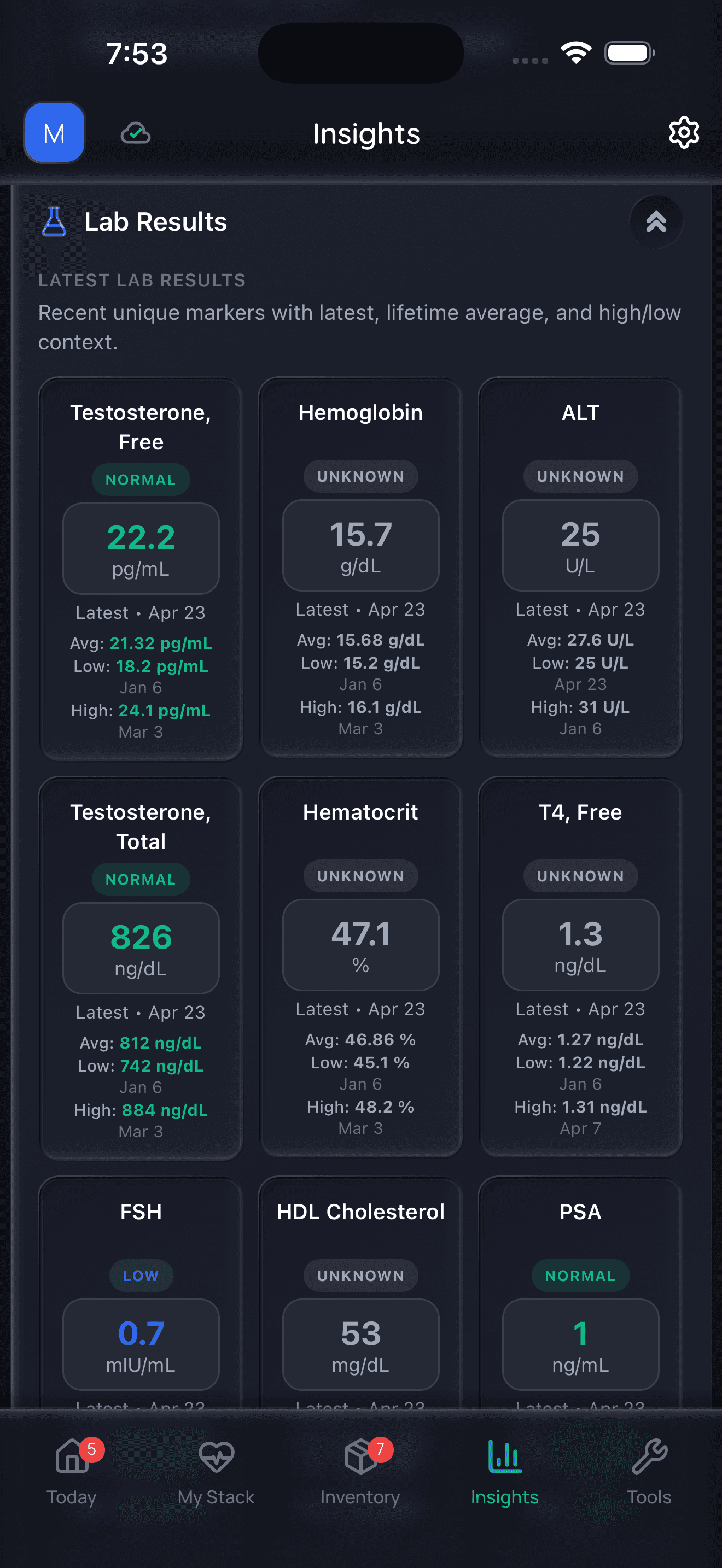
Doserly organizes data; it does not diagnose or interpret labs for you.
Side Effects & Safety
The Basics
Artichoke leaf extract is generally well tolerated, with most clinical trials reporting few adverse effects. The most commonly experienced side effects are mild and digestive in nature: gas, bloating, or loose stools, particularly when starting the supplement or using higher doses. These effects often subside as your body adjusts [1][2][6].
There are several important cautions:
Allergy risk: Artichoke belongs to the Asteraceae (Compositae) plant family, which also includes ragweed, chrysanthemums, marigolds, and daisies. If you are allergic to any of these plants, you may also react to artichoke extract. Allergic reactions can range from mild skin irritation to more serious symptoms.
Bile duct obstruction: Because artichoke stimulates bile production, it is contraindicated in people with bile duct obstruction, gallstones causing symptoms, cholangitis, or other biliary disorders. Increasing bile flow when the bile ducts are blocked can cause serious complications.
Pregnancy and breastfeeding: There is insufficient safety data for use during pregnancy or while breastfeeding. A cautious approach is to avoid use during these periods.
Reported mood effects: A small number of users in community reports have noted increased anxiety or low motivation after starting artichoke extract. These reports are infrequent and not confirmed by clinical studies, but they are worth being aware of, particularly if you have a history of anxiety.
The Science
Common Adverse Effects: Clinical trials report a low incidence of adverse effects, primarily gastrointestinal in nature (flatulence, abdominal discomfort, loose stools). The EMA monograph notes that adverse reactions are rare and generally mild [6].
Allergic Reactions: Cross-reactivity with other Asteraceae family members is established. Contact dermatitis has been reported with handling of the plant. Individuals with known Compositae allergy should avoid ALE [2][6].
Biliary Contraindication: The choleretic effect is the basis for contraindication in biliary obstruction, cholangitis, and symptomatic gallstone disease. The European Medicines Agency specifically lists these as contraindications [6].
Genotoxicity Data: One in vitro study found that ALE at 0.62-5 mg/mL induced DNA damage in Chinese hamster ovary cells via comet assay. However, co-incubation with the genotoxic agent ethyl methanesulfonate (EMS) showed that ALE at 0.62 mg/mL reduced EMS-induced genotoxicity by 77%, suggesting competitive interaction at the genome rather than intrinsic mutagenicity [1]. The practical relevance of these in vitro findings is unclear, and no human genotoxicity concerns have been raised.
Drug Interactions (Theoretical): No significant drug interactions have been demonstrated in controlled clinical studies. Theoretical interactions include additive effects with cholesterol-lowering medications (statins, bile acid sequestrants), anticoagulants (due to vitamin K content in whole artichoke, though extracts have minimal vitamin K), and antihypertensive medications (due to mild blood pressure effects) [2][6].
Managing side effect risks across a multi-supplement stack can feel overwhelming, especially when interactions between supplements, medications, and foods add layers of complexity. Doserly brings all of that into a single safety view so nothing falls through the cracks.
Rather than researching every possible interaction yourself, the app checks your full stack automatically and flags supplement-drug and supplement-supplement interactions that warrant attention. If you do experience something unexpected, logging it takes seconds, and over time the app helps you spot patterns: whether symptoms correlate with specific doses, timing, or combinations. One place for the safety picture that matters most when your stack grows beyond a few bottles.
Capture changes while they are still fresh.
Log symptoms, energy, sleep, mood, and other observations alongside protocol events so patterns do not live only in memory.
Trend view
Symptom timeline
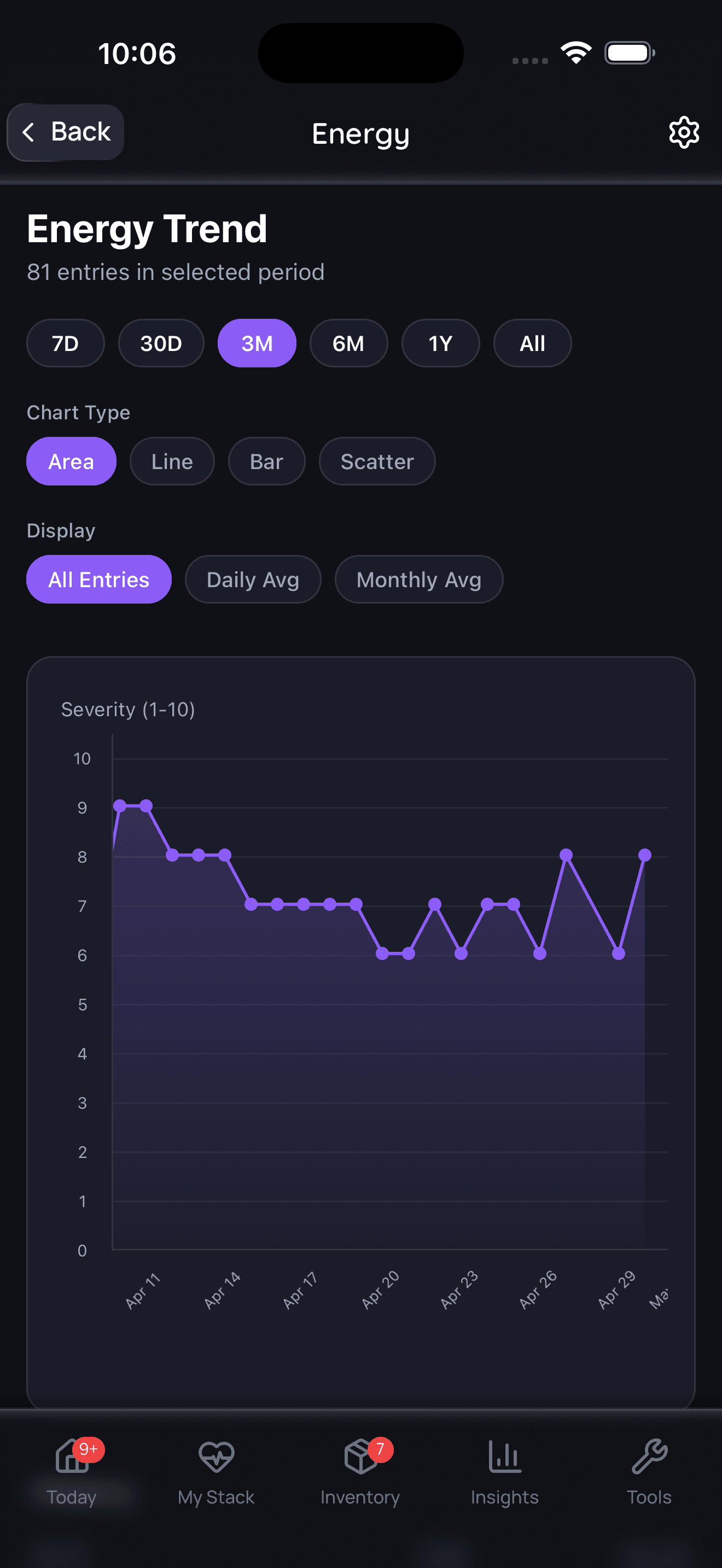
Symptom tracking is informational and should be interpreted with a qualified clinician.
Dosing & Usage Protocols
The Basics
Artichoke leaf extract dosing varies widely across studies and products, reflecting the diversity of extract types and concentrations available. There is no single universally agreed-upon dose, but the clinical research provides useful ranges for different goals:
For digestive comfort (dyspepsia, bloating, IBS): 1,920 mg/day of standardized dried leaf extract (drug-to-extract ratio of 3.8:1 to 5.5:1), typically divided into three doses with meals. This is the dose used in the landmark dyspepsia trial [10].
For cholesterol support: 500-1,800 mg/day of standardized extract, with higher doses showing more consistent results. The 1,800 mg/day dose (using a highly concentrated 25-35:1 extract) produced the most robust lipid reductions in clinical studies [1][4].
For liver enzyme support: Less than 500 mg/day may be effective when used for 8 weeks or longer, based on meta-analysis subgroup findings [12].
As whole plant powder: Up to 6,000 mg/day has been used in studies, though this form is less potent per milligram than standardized extracts.
The Science
The wide dosing range (4.33 to 3,000 mg/day in published studies) reflects the heterogeneity of extract preparations. Key variables include the drug-to-extract ratio, standardization targets (caffeoylquinic acid content, total phenolics), plant part used (leaf vs. whole plant), and extraction method (aqueous vs. ethanolic).
Goal
Functional dyspepsia
- Dose Range
- 1,920 mg/day (3 x 640 mg)
- Form
- Dried leaf extract (DER 3.8-5.5:1)
- Duration
- 6 weeks
- Evidence Level
- Strong (DB-RCT)
Goal
Cholesterol reduction
- Dose Range
- 500-1,800 mg/day
- Form
- Standardized leaf extract
- Duration
- 4-12 weeks
- Evidence Level
- Moderate (meta-analyses)
Goal
Liver enzyme support
- Dose Range
- <500 mg/day
- Form
- Various
- Duration
- 8+ weeks
- Evidence Level
- Moderate (meta-analysis subgroup)
Goal
Blood pressure (hypertensive)
- Dose Range
- ≤500 mg/day
- Form
- Various
- Duration
- >8 weeks
- Evidence Level
- Moderate (meta-analysis subgroup)
Goal
Glucose management
- Dose Range
- 1,800-6,000 mg/day
- Form
- Concentrated extract or powder
- Duration
- 12+ weeks
- Evidence Level
- Limited
Non-linear dose-response relationships have been identified for blood pressure effects, with doses of 500 mg or less showing greater SBP reduction than higher doses in one meta-analysis [14]. This finding is unusual and may reflect differences in study populations rather than a true inverse dose-response.
When your stack includes several supplements, each with its own dose, form, and timing requirements, the logistics alone can derail consistency. Doserly consolidates all of it into one protocol view, so every dose across your entire routine is accounted for without spreadsheets or guesswork.
The app also tracks cumulative intake for nutrients that appear in multiple products. If your multivitamin, standalone supplement, and fortified protein shake all contain the same nutrient, Doserly adds them up and shows you the total alongside recommended and upper limits. Managing a thoughtful supplement protocol shouldn't require a degree in nutrition science. The app handles the complexity so you can focus on staying consistent.
Track injection timing, draw notes, and site rotation.
Doserly helps keep syringe-related notes, injection site history, reminders, and reconstitution context together for easier review.
Injection log
Site rotation
Injection logs support record-keeping; follow clinician instructions for administration.
What to Expect (Timeline)
Days 1-3: Some users report noticeable changes in bowel habits within the first few days, particularly increased bowel movement frequency and reduced bloating. This is most commonly reported by those taking artichoke for motility or digestive support. Others notice no change initially. Mild gas or cramping can occur as bile flow increases.
Weeks 1-2: Digestive benefits typically become more apparent during this window. Users with functional dyspepsia or IBS-type symptoms may notice improved comfort after meals. Those taking artichoke for cholesterol will not see measurable lipid changes yet.
Weeks 3-4: Digestive benefits should be well established by this point for responders. Community reports suggest that some users experience a "honeymoon period" of strong initial benefits that may moderate somewhat during this phase.
Weeks 5-8: This is the window where cholesterol effects begin to appear in blood work. The landmark dyspepsia trial ran for 6 weeks, and liver enzyme meta-analysis subgroup data showed greater ALT effects in trials of 8 weeks or less [10][12].
Weeks 9-12+: Lipid profile improvements stabilize. Blood pressure effects, if present, become more apparent with 12 weeks of consistent use [13]. For sustained liver enzyme benefits, continued use at the effective dose is needed.
Important note: Some community reports describe initial improvements that diminish over time. If benefits plateau or reverse, this may warrant a dosing adjustment, cycling break, or reassessment of the underlying condition rather than indefinite dose escalation.
Interactions & Compatibility
SYNERGISTIC
- Ginger Root: The most commonly studied and community-validated pairing. Ginger and artichoke act through complementary mechanisms (ginger enhances gastric motility; artichoke stimulates bile flow). The combination demonstrated greater efficacy than artichoke alone for functional dyspepsia [15]. Multiple commercial products combine the two (ProDigest, Motility Activator, Motility Pro).
- Milk Thistle: Both support liver health through distinct mechanisms. Milk thistle's silymarin provides hepatocyte protection and regeneration, while artichoke promotes bile flow and reduces oxidative stress. Commonly paired in liver support formulas.
- Turmeric/Curcumin: Animal studies show that artichoke combined with turmeric and piperine produced cholesterol-lowering effects comparable to atorvastatin [1]. Curcumin also provides complementary anti-inflammatory activity.
- Dandelion Root: Another traditional choleretic herb. May have additive bile-stimulating effects when combined with artichoke, though direct combination studies are lacking.
- Berberine: Both lower cholesterol through different mechanisms (berberine upregulates LDL receptors; artichoke inhibits HMG-CoA reductase and enhances bile secretion). Combination may provide additive lipid-lowering effects.
- Prebiotic Fibers (Inulin, FOS, GOS): Artichoke-derived inulin is itself a prebiotic. Adding supplemental prebiotic fibers may support the same Bifidobacterium-promoting effect, though those with SIBO should be cautious with prebiotic intake.
- Ox Bile: For individuals with impaired bile production or post-cholecystectomy, supplemental ox bile may complement artichoke's bile-stimulating effects.
CAUTION/AVOID
- Statins and other cholesterol-lowering medications: Additive cholesterol-lowering effect. Not dangerous, but monitor lipid levels and inform your healthcare provider to avoid over-treatment.
- Anticoagulants (Warfarin, etc.): Theoretical interaction due to vitamin K content in whole artichoke. Concentrated leaf extracts likely have negligible vitamin K, but caution is warranted.
- Antihypertensive medications: Mild additive blood pressure-lowering effect possible. Monitor blood pressure if combining.
- Peppermint Oil: While sometimes combined in digestive formulas, community reports suggest this triple combination (artichoke + ginger + peppermint) may be harder to tolerate for those with SIBO or sensitive GI tracts.
How to Take / Administration Guide
Oral administration: Artichoke leaf extract is taken orally, typically as capsules, tablets, or liquid extract. No sublingual or topical applications are standard.
Timing relative to meals: For digestive goals (dyspepsia, bloating, IBS), take with or 15-30 minutes before meals. This allows bile stimulation to coincide with fat digestion. For cholesterol or general health, timing relative to meals is less critical.
Morning vs. evening: Most users take artichoke in the morning, often on an empty stomach with water, followed by breakfast 30-60 minutes later. Some community users report success with bedtime dosing for overnight motility support.
Divided vs. single dosing: The dyspepsia trial used three divided doses (3 x 640 mg). For general supplementation, one or two daily doses is common. No studies directly compare divided vs. single dosing.
Starting dose: Consider starting at half the target dose for the first few days to assess GI tolerance, particularly if you have a sensitive digestive system or a history of SIBO. The prebiotic fiber content in some formulations can cause gas and bloating at full doses when introduced suddenly.
Cycling: No established cycling protocol exists. Some community users take artichoke continuously; others use it for 4-8 week courses. No evidence of tolerance development requiring cycling, though some users report diminishing benefits over time.
Powder reconstitution: If using artichoke powder (non-encapsulated), mix with water or juice. The taste is noticeably bitter due to cynaropicrin content.
Not for injection: Artichoke leaf extract is an oral supplement only.
Choosing a Quality Product
Active forms to seek: Look for products standardized to caffeoylquinic acid content (>20% is a good benchmark) or total phenolic content. Some products specify cynaropicrin content (>5%). The drug-to-extract ratio (DER) should be stated on the label; higher ratios (e.g., 25:1 or 35:1) indicate more concentrated extracts.
Leaf vs. whole plant: Leaf extracts have higher phenolic content than head/heart extracts. For therapeutic use, leaf-based products are preferred.
Third-party certifications: Look for USP, NSF, or ConsumerLab verification. These certifications confirm identity, purity, and potency. For athletes, Informed Sport or NSF Certified for Sport certification ensures testing for banned substances, though artichoke is not a substance of concern for most athletic governing bodies.
Red flags to avoid:
- Products that do not specify the plant part used
- No standardization information on the label
- Proprietary blends that hide the artichoke dose
- Products combining artichoke with many other ingredients at undisclosed doses
- Claims of dramatic weight loss or "fat burning" (not supported by evidence)
Form-specific notes:
- Capsules and tablets offer the most consistent dosing
- Liquid extracts may have variable concentration
- Artichoke juice is a food-grade preparation used in some clinical studies but not as concentrated as standardized extracts
- Whole artichoke powder requires higher doses due to lower concentration of active compounds
Storage & Handling
Temperature: Store at room temperature (15-25 degrees C / 59-77 degrees F). No refrigeration required.
Light and moisture: Keep in a cool, dry place away from direct sunlight. Phenolic compounds can degrade with prolonged UV exposure.
Shelf life: Follow manufacturer's expiration date. Sealed products typically have a shelf life of 2-3 years. After opening, use within the recommended timeframe (typically 6-12 months).
Travel: Capsules and tablets are travel-stable. Liquid extracts and juices may require refrigeration after opening and are less convenient for travel.
Powder: If using bulk artichoke powder, keep tightly sealed to prevent moisture absorption, which can promote clumping and degradation.
Lifestyle & Supporting Factors
Diet: A diet emphasizing healthy fats (olive oil, avocado, nuts) may complement artichoke's bile-stimulating effects. Adequate fiber intake supports the digestive benefits. If taking artichoke for cholesterol management, combining with a heart-healthy dietary pattern (Mediterranean diet, DASH diet) is sensible.
Exercise: Regular physical activity independently improves cholesterol profiles, digestive motility, and liver health. Exercise and artichoke supplementation target overlapping health outcomes and may have additive benefits.
Hydration: Adequate water intake supports bile flow and digestive function. Dehydration can thicken bile and reduce its effectiveness.
Lab monitoring: For cholesterol management, obtain baseline lipid panels before starting and recheck after 8-12 weeks. For liver support, monitor ALT and AST before and during supplementation. These tests help you determine whether the supplement is producing measurable effects for your individual physiology.
Alcohol: Excessive alcohol consumption impairs liver function and may counteract artichoke's hepatoprotective effects. Moderate or no alcohol consumption maximizes the liver-protective benefits.
Stress management: Chronic stress impairs digestive function and can worsen dyspeptic symptoms. Stress reduction techniques may enhance artichoke's digestive benefits.
Regulatory Status & Standards
United States (FDA): Artichoke leaf extract is classified as a dietary supplement under DSHEA. It has GRAS (Generally Recognized as Safe) status when used as a food ingredient. No specific FDA approval or New Dietary Ingredient notification required for traditional preparations.
European Union (EFSA/EMA): The European Medicines Agency classifies artichoke leaf as a "traditional herbal medicinal product" (Directive 2004/24/EC) for symptomatic relief of digestive disorders including dyspepsia. The German Commission E has approved artichoke leaf for dyspeptic complaints. An ESCOP monograph exists. No novel food classification required.
Canada (Health Canada): Artichoke leaf extract is available as a Natural Health Product (NHP). Licensed products carry a Natural Product Number (NPN).
Australia (TGA): Listed as a complementary medicine ingredient.
WADA Status: Artichoke leaf extract is not on the World Anti-Doping Agency (WADA) Prohibited List. It is not considered a substance of concern by any major anti-doping organization (USADA, UKAD, Sport Integrity Canada, Sport Integrity Australia, NADA Germany).
Professional Sports Leagues: No restrictions on artichoke leaf extract by NFL, NBA, MLB, NHL, MLS, or NCAA substance policies.
Athlete Certification Programs: Informed Sport, NSF Certified for Sport, Cologne List, and BSCG certifications are available for some artichoke products, though the substance itself carries no contamination risk for prohibited substances.
GlobalDRO: Athletes can verify artichoke supplement status through GlobalDRO.com for US, UK, Canada, Australia, Japan, Switzerland, and New Zealand.
Regulatory status and prohibited substance classifications change frequently. Athletes should always verify the current status of any supplement with their sport's governing body, their national anti-doping agency, and a qualified sports medicine professional before use. Third-party certification (Informed Sport, NSF Certified for Sport) reduces but does not eliminate the risk of contamination with prohibited substances.
Frequently Asked Questions
Can artichoke leaf extract replace statin medications for cholesterol?
No. While artichoke extract has demonstrated modest cholesterol-lowering effects in meta-analyses (around 17 mg/dL reductions in total and LDL cholesterol), these effects are substantially less potent than statin medications. Artichoke may be considered as part of a comprehensive approach to borderline cholesterol levels alongside diet and lifestyle changes, but it should not replace prescribed medications without guidance from a healthcare provider.
Is artichoke extract safe if I have gallstones?
Artichoke should be avoided if you have symptomatic gallstones, bile duct obstruction, or cholangitis. Its bile-stimulating effect could worsen these conditions. If you have asymptomatic gallstones discovered incidentally, consult your healthcare provider before using artichoke extract.
How quickly does artichoke extract work for digestive symptoms?
Some users report improvements in bloating and bowel regularity within the first few days. The clinical trial for functional dyspepsia measured effects over 6 weeks. If you see no benefit after 2-4 weeks at an appropriate dose, it may not be effective for your specific situation.
Can I take artichoke extract while pregnant or breastfeeding?
There is insufficient safety data to recommend artichoke leaf extract during pregnancy or breastfeeding. While artichoke as a food is generally considered safe during pregnancy, concentrated extracts deliver higher doses of bioactive compounds, and caution is warranted.
Does artichoke extract interact with blood thinners?
Whole artichoke contains vitamin K, which can interfere with warfarin and other anticoagulants. However, concentrated leaf extracts likely contain minimal vitamin K. If you take anticoagulants, inform your healthcare provider before adding artichoke extract to your regimen.
Should I take artichoke extract with food or on an empty stomach?
For digestive goals (bloating, dyspepsia), taking with or shortly before meals is most practical since the bile-stimulating effect coincides with fat digestion. For general health or cholesterol support, timing is less critical. Some users prefer morning dosing on an empty stomach for GI motility, followed by breakfast 30-60 minutes later.
Can artichoke extract help with SIBO?
Artichoke extract has gained popularity in SIBO communities for its purported prokinetic effects (stimulating the migrating motor complex). While there are no clinical trials specifically studying artichoke for SIBO, the digestive motility benefits reported in dyspepsia and IBS research may be relevant. Note that whole artichoke is high in FODMAPs (fructans/inulin), but concentrated extracts typically have the inulin removed and are better tolerated.
Is there a difference between artichoke extract and artichoke as a food?
Yes. Artichoke as food (the edible heads/hearts) is lower in active phenolic compounds than leaf extract and contains more inulin fiber. Leaf extracts concentrate the therapeutic compounds (caffeoylquinic acids, luteolin, cynaropicrin) and are standardized for consistent potency. Eating artichokes provides nutritional benefits but not the same therapeutic concentration as standardized supplements.
Can artichoke cause anxiety or mood changes?
This is not documented in clinical trials, but a small number of community users have reported increased anxiety, low motivation, or mood changes after starting artichoke extract. These reports are infrequent and the mechanism is unclear. If you experience mood changes, consider discontinuing and discussing with a healthcare provider.
How long can I take artichoke extract continuously?
Most clinical trials have lasted 4-12 weeks. There are no established guidelines for maximum duration of continuous use. Some users take it continuously, while others cycle it (4-8 weeks on, a few weeks off). Long-term safety data beyond 12 weeks is limited.
Myth vs. Fact
Myth: Artichoke extract burns fat and causes significant weight loss.
Fact: There is no strong evidence that artichoke extract directly promotes fat burning or meaningful weight loss. While some combination studies with white kidney bean extract showed modest weight changes, these effects were attributed to appetite reduction from the bean extract rather than artichoke. Any weight-related claims for artichoke are not supported by the clinical evidence base [1].
Myth: Artichoke extract is as effective as statins for lowering cholesterol.
Fact: Meta-analyses show artichoke extract reduces total and LDL cholesterol by approximately 15-17 mg/dL, which is a modest, clinically meaningful effect but substantially less potent than statin medications (which typically reduce LDL by 30-50%). Artichoke may complement a heart-healthy lifestyle for borderline cholesterol but is not a replacement for prescription medications when they are medically indicated [4][5].
Myth: All artichoke supplements are the same.
Fact: There is enormous variability between artichoke products. Drug-to-extract ratios range from 4:1 to 35:1, standardization targets vary, and some products use whole plant while others use only leaves. Two products both labeled "artichoke extract 500 mg" can deliver vastly different amounts of active compounds. Standardization to caffeoylquinic acid content provides the most meaningful comparison [1].
Myth: Artichoke extract is a potent liver detoxifier.
Fact: Artichoke does support liver health by stimulating bile flow and activating antioxidant pathways (Nrf2/HO-1). Clinical meta-analyses confirm reductions in liver enzymes ALT and AST [12]. However, the concept of "liver detox" is often oversimplified in marketing. The liver does not accumulate toxins that need to be "flushed out." Artichoke supports normal liver function rather than performing a dramatic cleanse.
Myth: You should avoid artichoke extract if you have digestive problems.
Fact: The opposite is often true. Artichoke leaf extract has its strongest clinical evidence precisely in digestive conditions, including functional dyspepsia and IBS [10][11]. However, individuals with bile duct obstruction, symptomatic gallstones, or severe SIBO may need to exercise caution, as the bile-stimulating and prebiotic effects could worsen certain conditions.
Myth: Artichoke extract lowers blood pressure dramatically.
Fact: Blood pressure effects are modest at best and primarily observed in people who already have high blood pressure. Overall meta-analysis results range from no significant effect to a reduction of about 2 mmHg in systolic pressure [13][14]. This is not comparable to antihypertensive medications and should not be relied upon for blood pressure management.
Myth: Cynarin is the only active compound in artichoke.
Fact: While cynarin (1,3-dicaffeoylquinic acid) is a well-known bioactive, artichoke's effects are attributed to multiple compound classes, including other caffeoylquinic acids, luteolin and its glycosides, and cynaropicrin. Luteolin, in particular, is responsible for HMG-CoA reductase inhibition. Products standardized to only cynarin may miss other important bioactive contributions [1][2].
Sources & References
Systematic Reviews & Meta-Analyses
- Gebhardt R. Inhibition of cholesterol biosynthesis in primary cultured rat hepatocytes by artichoke (Cynara scolymus L.) extracts. J Pharmacol Exp Ther. 1998;286(3):1159-1165. PMID: 9732370. [Also reviewed in multiple independent evidence syntheses of artichoke extract research.]
- Porro C, Benameur T, Cianciulli A, et al. Functional and Therapeutic Potential of Cynara scolymus in Health Benefits. Nutrients. 2024;16(6):872. doi:10.3390/nu16060872. PMID: 38542782.
- Di Napoli A, Germani F, Da Silva SD, et al. Artichoke (Cynara scolymus L.): a review of its health-promoting properties. Pharmadvances. 2023. doi:10.36118/pharmadvances.2023.55.
- Sahebkar A, Pirro M, Banach M, Mikhailidis DP, Atkin SL, Cicero AFG. Lipid-lowering activity of artichoke extracts: A systematic review and meta-analysis. Crit Rev Food Sci Nutr. 2018;58(15):2549-2556. doi:10.1080/10408398.2017.1332572. PMID: 28609140.
- Effects of artichoke leaf extract supplementation or artichoke juice consumption on lipid profile: A systematic review. 2021. PMID: 34569671.
- European Medicines Agency. Community herbal monograph on Cynara scolymus L., folium. German Commission E Monograph: Artichoke leaf.
- Zapolska-Downar D, et al. Protective properties of artichoke (Cynara scolymus) against oxidative stress induced in cultured endothelial cells and monocytes. Life Sci. 2002. PMID: 12377270.
- Liao KC, Jhuang JH, Yao HT. Artichoke leaf extract supplementation lowers hepatic oxidative stress and inflammation and increases multidrug resistance-associated protein 2 in mice fed a high-fat and high-cholesterol diet. Food Funct. 2021. PMID: 34165128.
- Silva H. Exploring the Cardiovascular Potential of Artichoke: A Comprehensive Review. Nutrients. 2025. PMID: 40282262.
Clinical Trials & RCTs
- Holtmann G, et al. Efficacy of artichoke leaf extract in the treatment of patients with functional dyspepsia: a six-week placebo-controlled, double-blind, multicentre trial. Aliment Pharmacol Ther. 2003;18(11-12):1099-1105. PMID: 14653829.
- Walker AF, et al. Artichoke leaf extract reduces symptoms of irritable bowel syndrome and improves quality of life in otherwise healthy volunteers suffering from concomitant dyspepsia: a subset analysis. J Altern Complement Med. 2004;10(4):667-669. PMID: 15353023.
- Amini MR, et al. Effects of Artichoke Supplementation on Liver Enzymes: A Systematic Review and Meta-Analysis of Randomized Controlled Trials. Iran J Public Health. 2022;51(7). PMID: 35949559.
- Effects of artichoke on blood pressure: A systematic review and meta-analysis. 2021. PMID: 33465383.
- Amini MR, et al. Anti-hypertensive Effects of Artichoke Supplementation in Adults: A Systematic Review and Dose-response Meta-analysis of Randomized Controlled Trials. 2022. PMID: 35949557.
- Giacosa A, et al. The effect of ginger (Zingiber officinalis) and artichoke (Cynara cardunculus) extract supplementation on functional dyspepsia: a randomised, double-blind, and placebo-controlled clinical trial. Evid Based Complement Alternat Med. 2015;2015:915087. PMID: 25954317.
Government/Institutional Sources
- European Medicines Agency. Assessment report on Cynara scolymus L., folium. EMA/HMPC/150218/2009.
- German Federal Institute for Drugs and Medical Devices. Commission E Monograph: Artichoke Leaf (Cynarae folium).
Related Supplement Guides
Same Category (Herbal — Digestive/Liver)
- Milk Thistle — Complementary liver support via silymarin; commonly paired with artichoke
- Dandelion Root — Traditional choleretic herb with overlapping digestive benefits
- Peppermint Oil — Digestive aid with antispasmodic properties
- Berberine — Lipid-lowering and glucose-regulating botanical with distinct mechanisms
- DGL Licorice — Gastrointestinal mucosal support
- Ox Bile — Supplemental bile for those with impaired production
- Betaine HCl — Stomach acid support for digestive optimization
- Digestive Enzyme Blends — Enzymatic support for macronutrient digestion
Common Stacks/Pairings
- Ginger Root — Most validated pairing; complementary motility and bile mechanisms
- Turmeric/Curcumin — Anti-inflammatory and cholesterol synergy
- Prebiotic Fibers — Supports the same Bifidobacterium-promoting pathway as artichoke inulin
Related Health Goal
- Red Yeast Rice — Natural cholesterol management via monacolin K (statin analog)
- CoQ10/Ubiquinol — Often paired with cholesterol-lowering supplements to support mitochondrial function
- NAC — Liver support and antioxidant protection via glutathione
- Fish Oil — Complementary lipid management (primarily triglycerides)