
Bitter Orange (Synephrine): The Complete Supplement Guide
On this page
Quick Reference Card
Attribute
Common Name
- Detail
- Bitter Orange
Attribute
Other Names / Aliases
- Detail
- Citrus aurantium, Synephrine, p-Synephrine, Seville Orange, Sour Orange, Zhi Shi (Chinese medicine)
Attribute
Category
- Detail
- Herbal, Weight Management (Sympathomimetic Amine)
Attribute
Primary Forms & Variants
- Detail
- Bitter orange extract (standardized to p-synephrine content, typically 6-10%), isolated p-synephrine
Attribute
Typical Dose Range
- Detail
- 10-50 mg p-synephrine per day (divided or single dose)
Attribute
RDA / AI / UL
- Detail
- No established RDA, AI, or UL (herbal supplement, not an essential nutrient)
Attribute
Common Delivery Forms
- Detail
- Capsule, tablet, powder (often in combination products)
Attribute
Best Taken With / Without Food
- Detail
- Can be taken with or without food. Taking with food may improve tolerability.
Attribute
Key Cofactors
- Detail
- Often combined with caffeine for enhanced thermogenic effects, though this combination increases cardiovascular risk profile
Attribute
Storage Notes
- Detail
- Store in a cool, dry place away from direct sunlight and moisture. No refrigeration required.
Overview
The Basics
Bitter orange is the common name for the fruit of Citrus aurantium, a small evergreen tree native to Southeast Asia and now cultivated widely in tropical and subtropical regions. The fruit, peel, and extract have been used in traditional Chinese medicine (known as Zhi Shi) for centuries, primarily for digestive complaints and circulatory support [1][2].
In the modern supplement market, bitter orange became prominent after the FDA banned ephedra (ephedrine-containing dietary supplements) in 2004 due to serious cardiovascular safety concerns. Manufacturers quickly positioned bitter orange extract as a "safer alternative" to ephedra for weight loss and energy, because its primary active compound, p-synephrine, has structural similarities to ephedrine [3][4]. This marketing framing has shaped public perception of the supplement, though the pharmacological differences between p-synephrine and ephedrine are significant.
The supplement is primarily used for three purposes: weight management (thermogenesis and appetite control), exercise performance (fat oxidation during activity), and general energy. However, the clinical evidence for meaningful weight loss is weak, and the most rigorous meta-analysis to date found no significant effect on body weight or body composition [5]. Bitter orange occupies a somewhat controversial position in the supplement landscape, with ongoing debate about both its safety profile and its practical effectiveness.
The Science
Citrus aurantium L. (Rutaceae family) produces several protoalkaloids, with p-synephrine (4-hydroxy-alpha-[(methylamino)methyl]benzyl alcohol) being the most abundant and pharmacologically relevant [1][6]. The compound is a phenylethylamine derivative with a hydroxyl group in the para position on the benzene ring, which critically distinguishes it from m-synephrine (phenylephrine), a synthetic compound with the hydroxyl in the meta position that has more pronounced cardiovascular effects [6][7].
The distinction between p-synephrine and m-synephrine is pharmacologically significant. Much of the safety concern surrounding bitter orange supplements has been attributed to inappropriate extrapolation from m-synephrine data, or from cases involving multi-ingredient formulations where the contribution of p-synephrine specifically could not be isolated [7]. p-Synephrine naturally occurs not only in bitter orange but also in common citrus fruits: Seville, mandarin, and clementine orange juices contain up to 20-25 mg of p-synephrine per 8-oz glass [6].
The primary mechanism through which p-synephrine affects metabolism involves selective binding to beta-3 adrenergic receptors in adipose tissue, stimulating lipolysis and thermogenesis with minimal cardiovascular stimulation. It also demonstrates activity at hypothalamic NMUR2 (neuromedin U2) receptors, providing a plausible mechanism for the appetite-suppressing effects reported by users [6].
Chemical & Nutritional Identity
Property
Chemical Name
- Value
- 4-Hydroxy-alpha-[(methylamino)methyl]benzyl alcohol (p-synephrine)
Property
Molecular Formula
- Value
- C9H13NO2
Property
Molecular Weight
- Value
- 167.21 g/mol
Property
CAS Number
- Value
- 94-07-5 (p-synephrine); 69-25-0 (racemic synephrine)
Property
PubChem CID
- Value
- 7172
Property
Category
- Value
- Phenylethylamine derivative, protoalkaloid, sympathomimetic amine
Property
Plant Source
- Value
- Citrus aurantium L. (Rutaceae family) fruit and peel
Property
Standardization
- Value
- Typically standardized to 6-10% p-synephrine content in extracts
Key Active Compounds in Bitter Orange
Compound
p-Synephrine
- Role
- Primary bioactive
- Notes
- Beta-3 adrenergic agonist; thermogenic, lipolytic
Compound
Octopamine
- Role
- Minor alkaloid
- Notes
- Trace amounts; banned by WADA
Compound
N-methyltyramine
- Role
- Minor alkaloid
- Notes
- Trace amounts; potential cardiovascular activity
Compound
Tyramine
- Role
- Minor alkaloid
- Notes
- Biogenic amine; minimal at supplement doses
Compound
Furanocoumarins
- Role
- CYP450 interaction compounds
- Notes
- Present in juice/peel but minimal in standardized extracts (<20 microg/g)
Mechanism of Action
The Basics
Bitter orange works primarily by activating specific receptors on fat cells that tell them to release stored fat for energy. Think of these receptors as switches: your body has several types of adrenergic ("adrenaline") receptors, and p-synephrine is selective for a particular subtype (beta-3) that sits mainly on fat tissue rather than on the heart or blood vessels [6][7].
This selectivity is the key reason why p-synephrine, at normal doses, tends to increase metabolic rate and fat breakdown without producing the jittery, heart-racing effects associated with stronger stimulants like ephedrine or high-dose caffeine. Your fat cells get the signal to ramp up, while your cardiovascular system is largely left alone [6].
p-Synephrine also appears to suppress appetite through a separate pathway, binding to receptors in the hypothalamus (the brain region that regulates hunger) [6]. This may explain why the most consistent user-reported benefit is reduced hunger rather than dramatic metabolic acceleration.
The Science
Beta-3 Adrenergic Receptor Selectivity: p-Synephrine demonstrates markedly weak binding to cardiovascular-relevant adrenergic receptors. Binding affinity at alpha-1 and alpha-2 receptors is approximately 1000-fold less than norepinephrine, and at beta-1 and beta-2 receptors approximately 10,000-fold less [6]. In contrast, p-synephrine binds to beta-3 adrenergic receptors in adipose tissue, stimulating lipolysis, thermogenesis, and fat oxidation [6][7]. The hydroxyl group in the para position of the benzene ring is the structural feature responsible for this reduced cardiovascular receptor binding [6].
NMUR2 Receptor Activity: p-Synephrine exhibits "high efficacy and potency" at hypothalamic neuromedin U2 (NMUR2) receptors, providing a mechanistic basis for appetite suppression that is independent of adrenergic pathways [6].
AMPK Pathway Activation: p-Synephrine stimulates glucose consumption via AMP-activated protein kinase (AMPK) in L6 skeletal muscle cells, requiring simultaneous participation of both cAMP and calcium signaling pathways [6].
Anti-inflammatory Activity: p-Synephrine suppresses lipopolysaccharide-induced acute lung injury in murine models by inhibiting the NF-kB signaling pathway. It also dose-dependently inhibits IL-4-induced eotaxin-1 expression through inhibition of STAT6 phosphorylation [6].
Antioxidant Effects: Both bitter orange extract and p-synephrine demonstrate antioxidant and tissue-protectant effects in mouse liver models [6].
Species-Specific Receptor Binding: A critical consideration for interpreting preclinical data: p-synephrine binds up to 10 times more readily to adrenergic receptors in rodents than in humans [6]. This means that cardiovascular effects observed in animal studies cannot be directly extrapolated to human dosing.
Absorption & Bioavailability
The Basics
When you take a bitter orange supplement, the p-synephrine is absorbed relatively quickly, reaching peak blood levels approximately 2 hours after ingestion. However, your liver metabolizes p-synephrine rapidly: over 90% is extracted in a single pass through the liver, meaning only a small fraction of what you swallow reaches systemic circulation [6]. This rapid metabolism also means the effects are relatively short-lived, with an estimated half-life of 2-3 hours.
Because p-synephrine is processed so quickly, consistent dosing throughout the day (if using divided doses) may maintain more stable blood levels than a single daily dose. The compound appears to be absorbed without requiring food, though taking it with food may improve tolerability.
The Science
Pharmacokinetics: Following a 49 mg oral dose, plasma concentrations of approximately 10 ng/mL (0.06 microM) are achieved 2 hours after ingestion [6]. The estimated elimination half-life is 2-3 hours.
First-Pass Metabolism: Hepatic single-pass extraction of p-synephrine exceeds 90%, indicating extensive first-pass metabolism [6]. The primary metabolic pathway involves rapid N-demethylation to p-octopamine, which undergoes further rapid oxidative deamination such that no p-octopamine is detected in urine [6].
Furanocoumarin Content: An important distinction exists between bitter orange juice and bitter orange extract supplements. Bitter orange juice, like grapefruit juice, contains furanocoumarins that can inhibit intestinal CYP3A4 and P-glycoprotein, potentially affecting drug metabolism. However, standardized bitter orange extract supplements contain total furanocoumarin content of less than 20 microg/g, amounts insufficient to exert significant effects on drug metabolism [6][8].
Understanding how your body absorbs a supplement is only useful if you can act on it. Doserly lets you log exactly when you take each form, whether it's a capsule with a meal, a sublingual tablet on an empty stomach, or a liquid taken with a cofactor, so you can see how timing and form choices affect your results over time.
The app also tracks cofactor pairings that influence absorption. If a supplement works better alongside vitamin C, fat, or black pepper extract, Doserly reminds you to take them together and logs both. Over weeks, your personal data reveals whether those pairing strategies are translating into measurable differences in the biomarkers you're tracking.
Turn symptom and safety notes into a clearer timeline.
Doserly helps you log doses, symptoms, and safety observations side by side so patterns are easier to discuss with a qualified clinician.
Pattern view
Logs and observations

Pattern visibility is informational and should be reviewed with a clinician.
Research & Clinical Evidence
The Basics
The evidence base for bitter orange and p-synephrine is moderate in volume but mixed in conclusions. Multiple clinical trials have been conducted, but most involve small sample sizes (under 50 participants), short durations (single-dose to 12 weeks), and many test combination products rather than p-synephrine alone.
The strongest evidence supports a mild increase in metabolic rate and energy expenditure. Several studies show that p-synephrine boosts resting metabolic rate by approximately 7-13% in the hours after ingestion [7]. However, translating this metabolic bump into meaningful weight loss has proven difficult: the most rigorous 2022 meta-analysis found no statistically significant weight loss after 6-8 weeks of supplementation [5].
For exercise performance, there is emerging evidence that p-synephrine increases fat oxidation during low-to-moderate intensity exercise, potentially making it useful as a pre-workout supplement for fat-adapted training [6][9].
The cardiovascular safety profile remains debated, with conflicting conclusions between different research groups (see Side Effects section).
The Science
Metabolic Rate (Consistent Evidence): Nine studies demonstrated increased resting metabolic rate following p-synephrine administration. Increases ranged from 6.9% at 75 minutes post-treatment to 29% increase in thermic effect of food in women [7]. A study of 10 subjects given 50 mg p-synephrine showed approximately 65 additional calories burned in the first 75 minutes compared to placebo [7].
Weight Loss (Weak Evidence): The 2022 systematic review and meta-analysis by Peixoto et al. (18 RCTs, 341 participants) found a non-significant mean weight difference of 0.60 kg (95% CI: -5.62 to 6.83, p = 0.85) across 3 trials with 94 subjects over 42-56 days [5]. Body fat percentage showed a trend toward reduction (-1.87%, 95% CI: -3.92 to 0.18, p = 0.07) but did not reach significance [5]. Fat mass and fat-free mass were also non-significant [5].
Exercise Performance (Emerging Evidence): p-Synephrine increased fat oxidation during exercise at low-to-moderate intensities while reducing carbohydrate oxidation rates [6][9]. In one resistance training study, p-synephrine increased total repetitions and volume load by approximately 10% [6].
Appetite Control: p-Synephrine suppresses appetite and enhances eating control in human and animal studies, likely through NMUR2 receptor activation in the hypothalamus [6].
Evidence & Effectiveness Matrix
The matrix below combines clinical evidence strength with community-reported effectiveness to provide a balanced view of bitter orange's profile across health domains.
Category
Fat Loss
- Evidence Strength
- 3/10
- Community-Reported Effectiveness
- 4/10
- Confidence
- Medium
Category
Appetite & Satiety
- Evidence Strength
- 4/10
- Community-Reported Effectiveness
- 6/10
- Confidence
- Medium
Category
Energy Levels
- Evidence Strength
- 4/10
- Community-Reported Effectiveness
- 5/10
- Confidence
- Low
Category
Weight Management
- Evidence Strength
- 3/10
- Community-Reported Effectiveness
- 4/10
- Confidence
- Low
Category
Physical Performance
- Evidence Strength
- 3/10
- Community-Reported Effectiveness
- 3/10
- Confidence
- Low
Category
Heart Rate & Palpitations
- Evidence Strength
- 4/10
- Community-Reported Effectiveness
- 4/10
- Confidence
- Medium
Category
Blood Pressure
- Evidence Strength
- 4/10
- Community-Reported Effectiveness
- 3/10
- Confidence
- Low
Category
Side Effect Burden
- Evidence Strength
- 5/10
- Community-Reported Effectiveness
- 5/10
- Confidence
- Medium
Evidence Strength reflects the quality and volume of clinical trial data. Community-Reported Effectiveness reflects scored sentiment from community discussions. Confidence reflects the reliability of the combined assessment.
Key Observations:
- Appetite suppression is rated more favorably by the community than by clinical evidence, reflecting its status as the most consistently reported subjective benefit
- Fat loss and weight management evidence scores are low due to the 2022 meta-analysis finding no significant effects on body weight or composition
- The community strongly distinguishes between synephrine alone (well-tolerated) and combination products (more side effects), which aligns with the clinical literature
- Community data volume was low overall, limiting confidence across all scored categories
- Categories not scored due to insufficient data: Muscle Growth, Sleep Quality, Focus & Mental Clarity, Mood & Wellbeing, Anxiety, Stress Tolerance, Libido, Joint Health, Inflammation, Immune Function, Skin Health, Hair Health, Heart Health, Hormonal Symptoms, Gut Health, Longevity & Neuroprotection
Benefits
The Basics
Bitter orange's benefit profile is narrower and more modest than its marketing often suggests. The most reliable effects center around mild metabolic support rather than dramatic weight loss.
The most consistent finding across research is a temporary increase in metabolic rate. After taking p-synephrine, your body burns slightly more calories at rest for several hours. While real, this effect is modest: roughly 65 extra calories over 75 minutes in one study, which amounts to the caloric content of a small apple [7].
Appetite suppression is the benefit most consistently reported by users and has a plausible mechanistic basis through NMUR2 receptor activation in the brain's hunger-regulation center [6]. For people looking for mild appetite control during a caloric deficit, this may be the most practical benefit.
During exercise, p-synephrine appears to shift your body's fuel preference toward fat rather than carbohydrates at lower intensities. This could theoretically support fat loss during steady-state cardio, though the long-term significance of this acute effect is unclear [6][9].
The Science
Thermogenesis and Metabolic Rate: Multiple acute studies demonstrate 7-13% increases in resting metabolic rate following p-synephrine ingestion [7]. Kalman et al. (2002) reported increases of 13.4% and 8.9% at 2 and 3-hour timepoints, respectively. Gougeon et al. (2006) found a 29% increase in thermic effect of food in women [7]. These effects are dose-dependent and short-lived (2-4 hours), consistent with p-synephrine's pharmacokinetic profile.
Fat Oxidation During Exercise: p-Synephrine increased the rate of fat oxidation while reducing carbohydrate oxidation during exercise at low-to-moderate intensities [6][9]. This effect has been replicated in multiple studies using cycling protocols.
Exercise Performance: A resistance training study demonstrated that p-synephrine increased total repetitions and volume load by approximately 10%, with effects enhanced by caffeine co-administration [6][10].
Appetite Regulation: Appetite-suppressing effects are supported by both mechanistic evidence (NMUR2 receptor binding) and clinical observation. A study by Kaats et al. found increased eating control and energy levels in subjects consuming p-synephrine [6][11].
Side Effects & Safety
The Basics
The safety profile of bitter orange and p-synephrine is one of the most debated topics in supplement science. Understanding this debate requires distinguishing between three scenarios: p-synephrine taken alone, p-synephrine combined with caffeine, and multi-ingredient weight loss products that happen to contain bitter orange.
When taken alone at moderate doses (25-50 mg per day), p-synephrine appears to be well tolerated by most healthy adults. The majority of clinical trials using p-synephrine alone have reported no significant cardiovascular changes [6][7]. For context, a glass of Seville orange juice contains comparable amounts of p-synephrine, and millions of people consume this without adverse effects [6].
However, the picture changes when considering combination products and longer-term use. A 2022 meta-analysis found statistically significant increases in both systolic and diastolic blood pressure after 8 weeks of use [5]. Serious adverse events, including chest pain, stroke, and heart attack, have been reported in people taking bitter orange-containing products, though these cases universally involved multi-ingredient formulations with confounding factors [3][7].
People with high blood pressure, heart conditions, or those taking cardiovascular medications should exercise particular caution. The NCAA has banned synephrine as a stimulant, which reflects the regulatory assessment that it has meaningful physiological effects even if the clinical risk at moderate doses may be low [12].
The Science
Acute Cardiovascular Effects: The 2022 meta-analysis (9 trials, 129 participants) found non-significant acute increases in heart rate across all measured timepoints (30 min to 6 hours), with the highest point at 3 hours post-consumption (+3.48 bpm, 95% CI: -0.33 to 7.29, p = 0.07) [5]. Acute blood pressure changes were also non-significant [5].
Prolonged Cardiovascular Effects: After 8 weeks of use (2 trials, 75 subjects, 10-49 mg daily), systolic blood pressure increased by 6.37 mmHg (95% CI: 1.02-11.72, p = 0.02) and diastolic blood pressure increased by 4.33 mmHg (95% CI: 0.48-8.18, p = 0.03) [5].
Adverse Event Case Reports: The FDA received 22 adverse event reports and 10 published case reports describe serious cardiovascular events (myocardial infarction, stroke, syncope, ventricular fibrillation) in people taking bitter orange-containing products [7]. All cases involved multi-ingredient products. Confounding factors included pre-existing heart disease, smoking, high caffeine intake, and dehydration [7].
Reported Side Effects (from clinical trials and user reports): Headaches, racing heart rate, dizziness, irritability, perspiration, palpitations, shortness of breath, nervousness, blurred vision, hyperventilation, nausea, anxiety [3][5].
Toxicity Profile: LD50 in animals exceeds 5,000 mg/kg, compared to approximately 3,000 mg/kg for sodium chloride (table salt) [6]. Developmental toxicity studies showed no effects at doses up to 100 mg/kg body weight in rats [6]. Mutagenicity testing found bitter orange extract to be nonmutagenic [6].
Pregnancy and Lactation: Insufficient safety data. Caution is advised. No clinical trials in pregnant or breastfeeding populations.
Knowing the possible side effects is the first step. Catching them early in your own experience is what keeps a supplement routine safe. Doserly lets you log any symptoms as they arise, tagging them with severity, timing relative to your dose, and whether they resolve on their own or persist.
The app's interaction checker cross-references everything in your stack, supplements and medications alike, flagging known interactions before they become a problem. It also monitors your total intake against established upper limits, alerting you if your combined sources of a nutrient are approaching thresholds where risk increases. Think of it as a safety net that works quietly in the background while you focus on the benefits.
Capture changes while they are still fresh.
Log symptoms, energy, sleep, mood, and other observations alongside protocol events so patterns do not live only in memory.
Trend view
Symptom timeline
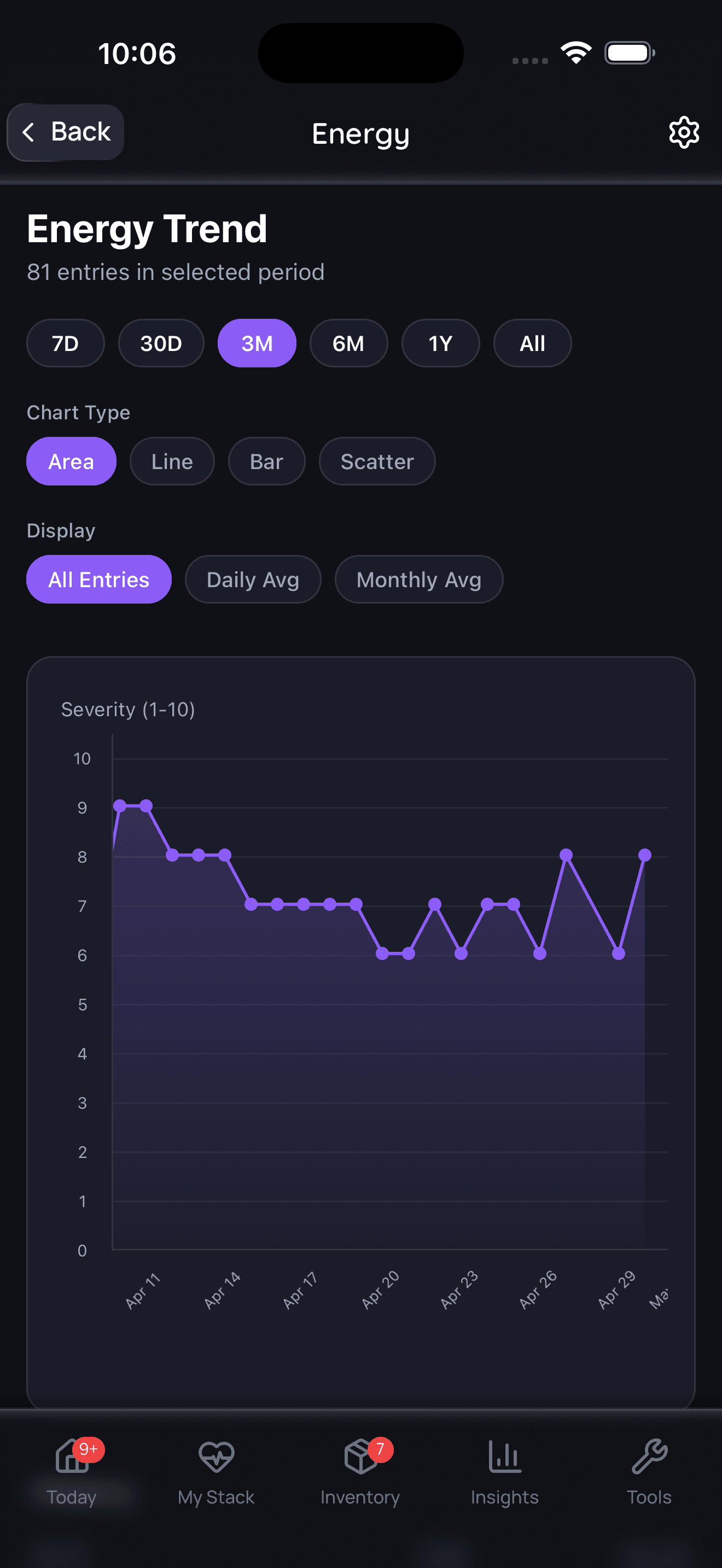
Symptom tracking is informational and should be interpreted with a qualified clinician.
Dosing & Usage
The Basics
Dosing for bitter orange and p-synephrine varies depending on the source and the specific use case. The most commonly studied range is 10-50 mg of p-synephrine per day. An important distinction exists between the weight of the bitter orange extract and the weight of the active p-synephrine: a 500 mg capsule of bitter orange extract standardized to 6% synephrine contains only 30 mg of actual p-synephrine.
For general use, 10-20 mg of p-synephrine taken three times daily is a commonly cited dosage [13]. For acute pre-workout use (fat oxidation during exercise), single doses of 50 mg have been studied [13].
Health Canada has stated that up to 50 mg per day of p-synephrine alone in healthy adults "is not likely to cause any adverse health consequences" [6]. An independent safety assessment (Intertek-Cantox) has suggested that single doses up to 70 mg of p-synephrine alone, or up to 100 mg daily in divided doses, fall within a safe range [6].
When combined with caffeine, more conservative dosing is recommended: up to 40 mg p-synephrine with 320 mg caffeine per dose [6].
The Science
Dosing by Use Case:
Goal
Metabolic rate increase
- p-Synephrine Dose
- 50 mg acute
- Duration
- Single dose
- Evidence Level
- Moderate
Goal
Fat oxidation during exercise
- p-Synephrine Dose
- 50 mg pre-workout
- Duration
- Acute
- Evidence Level
- Moderate
Goal
Weight management
- p-Synephrine Dose
- 10-50 mg/day
- Duration
- 6-12 weeks
- Evidence Level
- Weak
Goal
Appetite control
- p-Synephrine Dose
- 10-20 mg, 3x daily
- Duration
- Ongoing
- Evidence Level
- Weak
Safety Thresholds:
Authority
Health Canada
- Recommendation
- Up to 50 mg/day p-synephrine alone
Authority
Intertek-Cantox (single dose)
- Recommendation
- 70 mg p-synephrine alone
Authority
Intertek-Cantox (with caffeine)
- Recommendation
- 40 mg p-synephrine + 320 mg caffeine
Authority
Intertek-Cantox (daily, divided)
- Recommendation
- 100 mg p-synephrine alone or 70 mg + 400 mg caffeine
Duration Considerations: Most clinical trials span 6-12 weeks. No long-term safety data beyond 12 weeks are available. The 60-day double-blind, placebo-controlled safety study at 98 mg daily showed no adverse effects on heart rate, blood pressure, blood chemistry, or blood cell counts [6][14].
Getting the dose right matters more than most people realize. Too little may be ineffective, too much wastes money or introduces risk, and inconsistency undermines both. Doserly tracks every dose you take, across every form, giving you a clear record of what you're actually consuming versus what you planned.
The app helps you compare RDA recommendations against therapeutic ranges discussed in the research, so you can see exactly where your intake falls. If you switch forms, say from a standard capsule to a liposomal liquid, Doserly adjusts your tracking to account for different bioavailabilities. Pair that with smart reminders that keep your timing consistent, and the precision that makes a real difference in outcomes becomes effortless.
Track injection timing, draw notes, and site rotation.
Doserly helps keep syringe-related notes, injection site history, reminders, and reconstitution context together for easier review.
Injection log
Site rotation
Injection logs support record-keeping; follow clinician instructions for administration.
What to Expect (Timeline)
Unlike many supplements that require weeks to build up, bitter orange and p-synephrine produce their primary effects acutely. The timeline for this supplement is more about short-term metabolic effects than long-term adaptations.
Within 30-60 minutes: p-Synephrine begins to take effect, with metabolic rate starting to increase. Mild appetite suppression may be noticeable. Blood levels approach peak concentration at approximately 2 hours [6].
Hours 2-4: Peak effects on metabolic rate and fat oxidation. Studies show the strongest thermogenic response in this window [7]. Any cardiovascular effects (if they occur) are most likely during this period.
Hours 4-6: Effects begin to fade as p-synephrine is metabolized. The 2-3 hour half-life means most of the compound has been cleared by this point [6].
Over weeks of daily use: Metabolic rate benefits should persist with consistent dosing, though tolerance development has not been formally studied. Weight loss, if it occurs, is expected to be modest (the meta-analysis found a non-significant 0.6 kg difference from placebo over 6-8 weeks) [5]. The 2022 meta-analysis found that blood pressure may increase after approximately 8 weeks of continuous use [5].
What to monitor: Track body weight, waist circumference, energy levels, appetite changes, blood pressure, and heart rate. If you notice persistent increases in resting heart rate or blood pressure, consider reducing the dose or discontinuing use.
Interactions & Compatibility
Synergistic Combinations
- Caffeine: The most common pairing. Caffeine and p-synephrine may have additive or synergistic effects on metabolic rate and fat oxidation. One resistance training study showed enhanced performance with the combination [6][10]. However, this combination may also increase cardiovascular risk. Use conservative dosing when combining (40 mg p-synephrine with up to 320 mg caffeine) [6].
- Green Tea Extract (EGCG): Both compounds influence thermogenesis through different pathways. EGCG inhibits catechol-O-methyltransferase (COMT), potentially prolonging catecholamine-mediated effects. Some commercial products combine these for weight management.
- Cayenne/Capsaicin: Another thermogenic compound that works through TRPV1 receptor activation. The combination may offer additive metabolic effects through distinct mechanisms.
- L-Carnitine: May complement p-synephrine's fat-mobilizing effects by facilitating fatty acid transport into mitochondria for oxidation.
Caution / Avoid
- MAO inhibitors (MAOIs): p-Synephrine is a biogenic amine that may be metabolized by monoamine oxidase. Combining with MAOIs could theoretically potentiate effects. Avoid concurrent use without medical supervision.
- Stimulant medications (amphetamine, methylphenidate): Additive sympathomimetic effects. Avoid combining.
- Blood pressure medications (antihypertensives): p-Synephrine may counteract antihypertensive effects, particularly with prolonged use. Monitor blood pressure closely.
- Heart medications (antiarrhythmics, digoxin): Potential for cardiovascular interaction. Avoid without medical supervision.
- Other stimulant supplements (ephedrine where legal, yohimbine, DMAA): Additive cardiovascular stress. Avoid stacking multiple sympathomimetic compounds.
- CYP3A4-substrate medications: While standardized extracts have minimal CYP3A4 interaction potential, caution is still warranted. Bitter orange juice (as opposed to extract supplements) does inhibit CYP3A4 and can affect drug levels [6][8].
- Garcinia Cambogia: Both marketed for weight loss, but combining multiple weight loss supplements increases the potential for adverse effects without established additive benefit.
How to Take (Administration Guide)
Oral Administration (Capsule/Tablet): The most common and studied form. Look for products standardized to a specific p-synephrine content (typically 6-10%). Take with a glass of water.
Powder Form: Less common. Can be mixed into water or a pre-workout drink. Taste is bitter (as the name suggests).
Timing:
- For metabolic rate support: Take 30-60 minutes before activity or exercise for peak effect during the 2-4 hour window
- For appetite control: Take before meals (20-30 minutes prior)
- For pre-workout fat oxidation: Take 30-60 minutes before exercise
- Avoid taking late in the day if you notice any stimulant effects that could affect sleep
Divided vs. Single Dosing: Given the short half-life (2-3 hours), divided dosing (10-20 mg, 2-3 times daily) may provide more consistent effects throughout the day compared to a single daily dose. Single acute doses of 50 mg are used for pre-workout applications [13].
Combination Product Awareness: Many commercial products contain bitter orange alongside caffeine, green tea extract, and other ingredients. Be aware of the total stimulant load in combination products. Calculate the actual p-synephrine content from the label, not just the total bitter orange extract weight.
Cycling: No established cycling protocols. Given the limited long-term safety data and the 2022 meta-analysis showing blood pressure increases at 8 weeks [5], consider periodic breaks if using continuously. A conservative approach would be 8-12 weeks on, 4 weeks off.
Choosing a Quality Product
Third-Party Certification: Look for products tested by USP, NSF International, ConsumerLab, or Informed Sport. These certifications verify identity, potency, purity, and absence of contaminants. For athletes, NSF Certified for Sport or Informed Sport certification is strongly recommended given synephrine's proximity to banned substances.
Standardization: Choose products standardized to a specific p-synephrine percentage. This ensures you know exactly how much active compound you are getting per capsule. Products listing only "bitter orange extract" without specifying synephrine content make accurate dosing impossible.
p-Synephrine vs. m-Synephrine: Verify that the product contains p-synephrine (the naturally occurring form from Citrus aurantium), not m-synephrine (phenylephrine, a synthetic compound with more cardiovascular effects). Some products may contain m-synephrine as an adulterant [7].
Red Flags:
- Products not specifying the synephrine content per serving
- Proprietary blends that obscure the actual p-synephrine dose
- Products combining bitter orange with multiple stimulants at high doses
- Claims of dramatic weight loss (inconsistent with clinical evidence)
- Products listing "methylsynephrine" or "oxilofrine" (these are banned substances, not to be confused with p-synephrine)
- Extremely high-dose formulations exceeding 100 mg p-synephrine without justification
Contamination Concerns: Some bitter orange products have been found to contain undeclared ingredients or inaccurate label claims regarding synephrine content [7]. Third-party testing helps mitigate this risk.
Storage & Stability
Store bitter orange supplements in a cool, dry place away from direct sunlight, heat, and moisture. Keep containers tightly sealed. No refrigeration is required. Check expiration dates and discard if the product develops an unusual odor, color, or texture. p-Synephrine is chemically stable under normal storage conditions.
Lifestyle Factors
Diet: Bitter orange is most commonly used as an adjunct to a caloric deficit for weight management. The supplement's modest metabolic effects are unlikely to produce meaningful results without a controlled diet. Adequate protein intake supports body composition goals.
Exercise: p-Synephrine's fat oxidation effects are most pronounced during low-to-moderate intensity exercise [6][9]. Pairing supplementation with regular physical activity may optimize the metabolic benefits. Taking p-synephrine 30-60 minutes before cardio sessions may enhance fat utilization during exercise.
Caffeine Intake: If combining p-synephrine with caffeine (a common approach), stay within studied safe ranges (40 mg p-synephrine with up to 320 mg caffeine) [6]. Be aware of total daily caffeine intake from all sources (coffee, tea, pre-workout drinks) when using combination products.
Hydration: Ensure adequate hydration, especially when using thermogenic supplements during exercise. Some adverse event case reports involved dehydration as a confounding factor [7].
Cardiovascular Monitoring: If you have borderline blood pressure or are using p-synephrine long-term, periodic blood pressure monitoring is prudent given the meta-analysis findings of increases after 8 weeks [5].
Regulatory Status & Standards
United States: Bitter orange extract and p-synephrine are sold as dietary supplements under DSHEA. They are not evaluated by the FDA for efficacy in treating any disease. Following the 2004 ban on ephedra, bitter orange became a common substitute in weight loss products [3]. The FDA has not issued a specific ban on bitter orange or synephrine, though the agency has received adverse event reports related to bitter orange-containing products [3].
Canada: Health Canada has assessed p-synephrine and stated that up to 50 mg per day in healthy adults "is not likely to cause any adverse health consequences" [6].
European Union: Regulatory approaches vary by member state. The German Federal Institute for Risk Assessment (BfR) has published assessments of synephrine safety, particularly regarding combination with caffeine.
Australia: Synephrine-containing products are available through the TGA as listed medicines. The Australian Institute of Sport classifies bitter orange as a Group D supplement (banned or at high risk of contamination).
Athlete & Sports Regulatory Status
WADA: p-Synephrine is NOT on the World Anti-Doping Agency Prohibited List. It is included in WADA's Monitoring Program (in-competition only), meaning it is under surveillance for potential misuse but currently permitted [15].
NCAA: Synephrine (bitter orange) IS listed as a banned stimulant by the NCAA [12][13]. NCAA athletes should avoid all synephrine-containing products.
GlobalDRO: p-Synephrine is listed as permitted in participating countries. However, athletes should check the current status before use as monitoring programs can lead to future prohibition.
Octopamine Warning: While p-synephrine itself is not WADA-prohibited, bitter orange contains trace amounts of octopamine, which IS banned by WADA. Athletes using bitter orange products should ensure third-party testing confirms negligible octopamine content.
Important Distinction: WADA does not ban synephrine, but the NCAA does. Athletes must know which regulatory body governs their sport. Additionally, oxilofrine (methylsynephrine) is a WADA-prohibited substance that is sometimes mislabeled as "synephrine" in supplements. Athletes should only use products with third-party verification.
Athlete Certification Programs: Athletes should prioritize products certified by Informed Sport, NSF Certified for Sport, Cologne List, or BSCG to minimize the risk of inadvertent contamination with prohibited substances.
FAQ
Q: Is bitter orange a safe alternative to ephedra?
p-Synephrine has a different pharmacological profile from ephedrine, with much weaker binding to cardiovascular adrenergic receptors. However, "safe alternative" may be an oversimplification. While the acute safety profile appears more favorable than ephedra, a 2022 meta-analysis found statistically significant increases in blood pressure with prolonged use. Individuals with cardiovascular risk factors should consult a healthcare provider before use.
Q: Will bitter orange help me lose weight?
Based on the most rigorous available evidence (a 2022 meta-analysis of 18 clinical trials), supplementation with synephrine did not produce statistically significant weight loss. The mean difference was only 0.6 kg more than placebo over 6-8 weeks. Bitter orange may provide modest metabolic support as part of a comprehensive weight management plan that includes diet and exercise, but it should not be expected to produce dramatic results on its own.
Q: How much synephrine should I take?
Commonly studied doses range from 10-50 mg of p-synephrine per day. Health Canada considers up to 50 mg daily as unlikely to cause adverse health consequences in healthy adults. For pre-workout use, acute doses of 50 mg have been studied. If combining with caffeine, keep p-synephrine at or below 40 mg.
Q: Can I take bitter orange with caffeine?
Many studies and commercial products combine p-synephrine with caffeine. An independent safety assessment has recommended up to 40 mg p-synephrine with 320 mg caffeine per dose. However, the combination may increase cardiovascular effects compared to either substance alone. Monitor heart rate and blood pressure if using this combination.
Q: Why does the NCAA ban synephrine if WADA doesn't?
The NCAA and WADA maintain separate banned substance lists with different criteria. The NCAA classifies synephrine as a banned stimulant, while WADA currently places it on their Monitoring Program (watching but not banning). Athletes must check which governing body applies to their sport. NCAA athletes should avoid all synephrine-containing products.
Q: Is the synephrine in my orange juice the same as in supplements?
Yes, p-synephrine naturally occurs in citrus fruits. Seville, mandarin, and clementine orange juices contain up to 20-25 mg of p-synephrine per 8-oz glass. This is comparable to some supplement doses. The widespread consumption of p-synephrine through citrus products without reported adverse events has been cited as evidence for its general safety at moderate doses.
Q: What is the difference between p-synephrine and m-synephrine?
p-Synephrine (found naturally in bitter orange) has the hydroxyl group in the para position on the benzene ring and binds weakly to cardiovascular adrenergic receptors. m-Synephrine (phenylephrine, synthetic) has the hydroxyl in the meta position and produces more pronounced cardiovascular effects. Most safety concerns about bitter orange may stem from confusion between these two compounds or from studies involving the synthetic form.
Q: How long can I take bitter orange?
The longest controlled safety study was 60 days. No long-term data beyond 12 weeks are available. Given that a meta-analysis found blood pressure increases at 8 weeks, periodic breaks may be prudent for extended use. A conservative cycling approach (8-12 weeks on, 4 weeks off) may be reasonable, though no formal cycling guidelines exist.
Q: Can bitter orange interact with my medications?
Standardized bitter orange extract supplements have minimal CYP450 enzyme interaction potential due to negligible furanocoumarin content. However, bitter orange juice (like grapefruit juice) can affect drug metabolism. If you take medications metabolized by CYP3A4 or if you are on blood pressure or heart medications, consult your healthcare provider before using bitter orange supplements.
Q: Does bitter orange suppress appetite?
Appetite suppression is the most consistently reported subjective benefit among users and has a plausible mechanistic basis through NMUR2 receptor activation. While the clinical evidence is limited, community reports consistently cite reduced hunger as the primary noticeable effect, often more so than any direct metabolic or weight loss benefit.
Myth vs. Fact
Myth: Bitter orange is just like ephedra and equally dangerous.
Fact: While p-synephrine shares structural similarities with ephedrine, the pharmacological differences are significant. p-Synephrine binds approximately 1,000-10,000 times less actively to cardiovascular adrenergic receptors than norepinephrine, while ephedrine has much stronger binding [6]. The cardiovascular risk profile is meaningfully different, though p-synephrine is not risk-free, and blood pressure increases have been documented with prolonged use [5].
Myth: Bitter orange is a powerful fat burner that melts away pounds.
Fact: The 2022 meta-analysis of 18 clinical trials found no statistically significant effect on body weight (0.6 kg difference from placebo) [5]. While p-synephrine does increase metabolic rate acutely by 7-13%, this translates to roughly 65 extra calories over 75 minutes, not meaningful weight loss without dietary and exercise changes [7].
Myth: All synephrine is the same.
Fact: There are critically different forms. p-Synephrine (naturally occurring in bitter orange) has the hydroxyl group in the para position and weak cardiovascular receptor binding. m-Synephrine (phenylephrine, synthetic) has the hydroxyl in the meta position and much stronger cardiovascular effects. Additionally, oxilofrine (methylsynephrine) is a banned substance that is sometimes confused with or mislabeled as synephrine [6][7].
Myth: Bitter orange is completely safe because it's natural and found in orange juice.
Fact: While p-synephrine is naturally present in citrus juices (20-25 mg per 8-oz glass), supplement doses can exceed dietary exposure. The 2022 meta-analysis found significant blood pressure increases after 8 weeks of use, and serious adverse events have been reported with combination products [5]. "Natural" does not automatically equal "safe at any dose."
Myth: Bitter orange supplements interact with drugs the same way grapefruit juice does.
Fact: Bitter orange juice contains furanocoumarins that can inhibit CYP3A4 enzymes, similar to grapefruit juice. However, standardized bitter orange extract supplements contain negligible furanocoumarin levels (less than 20 microg/g), amounts insufficient to significantly affect drug metabolism [6]. The distinction between juice and extract is important for assessing drug interaction risk.
Myth: Synephrine is banned in all sports.
Fact: The NCAA bans synephrine as a stimulant, but WADA does not prohibit it. WADA includes synephrine in its Monitoring Program, meaning it is being watched but is currently permitted for use in WADA-governed sports [12][15]. Athletes must check which governing body applies to their specific sport.
Sources & References
Systematic Reviews & Meta-Analyses
[1] Stohs SJ. "Safety, efficacy, and mechanistic studies regarding Citrus aurantium (bitter orange) extract and p-synephrine." Phytotherapy Research. 2017;31(10):1475-1489. doi:10.1002/ptr.5879
[2] Haaz S, et al. "Citrus aurantium and synephrine alkaloids in the treatment of overweight and obesity: an update." Obesity Reviews. 2006;7(1):79-88. doi:10.1111/j.1467-789X.2006.00195.x
[3] NIH Office of Dietary Supplements. "Dietary Supplements for Weight Loss: Health Professional Fact Sheet." Updated 2024.
[4] Stohs SJ. "The safety of Citrus aurantium (bitter orange) and its primary protoalkaloidal constituent p-synephrine." Phytotherapy Research. 2011;25(10):1421-1428. doi:10.1002/ptr.3490
[5] Peixoto JS, et al. "The Safety and Efficacy of Citrus aurantium (Bitter Orange) Extracts and p-Synephrine: A Systematic Review and Meta-Analysis." Nutrients. 2022;14(19):4019. doi:10.3390/nu14194019
Clinical Studies & Reviews
[6] Stohs SJ, et al. "Safety, Efficacy, and Mechanistic Studies Regarding Citrus aurantium (Bitter Orange) Extract and p-Synephrine." Phytotherapy Research. 2017;31(10):1475-1489. PMC5655712.
[7] Stohs SJ, et al. "A review of the human clinical studies involving Citrus aurantium (bitter orange) extract and its primary protoalkaloid p-synephrine." International Journal of Medical Sciences. 2012;9(7):527-538. PMC3444973.
[8] Abdelkawy KS, et al. "Effects of lemon and Seville orange juices on the pharmacokinetic properties of sildenafil." Biopharmaceutics & Drug Disposition. 2016;37(7):410-420.
[9] Gutierrez-Hellin J, Del Coso J. "Effects of p-Synephrine and Caffeine Ingestion on Substrate Oxidation during Exercise." Medicine and Science in Sports and Exercise. 2018;50(9):1899-1906.
[10] Ratamess NA, et al. "The effects of supplementation with p-synephrine alone and in combination with caffeine on resistance exercise performance." Journal of the International Society of Sports Nutrition. 2015;12:35.
[11] Kaats GR, et al. "Increased eating control and energy levels associated with consumption of bitter orange (p-synephrine) extract." Nutrition and Dietary Supplements. 2017;9:29-35.
Government & Institutional Sources
[12] NCAA. "2025-26 NCAA Banned Substances List." National Collegiate Athletic Association. 2025.
[13] Stohs SJ, Preuss HG. "Stereochemical and pharmacological differences between naturally occurring p-synephrine and synthetic racemic synephrine." Journal of Functional Foods. 2012;4(1):2-5.
[14] Kaats GR, et al. "A 60 day double-blind, placebo-controlled safety study involving Citrus aurantium (bitter orange) extract." Food and Chemical Toxicology. 2013;55:358-362.
[15] World Anti-Doping Agency (WADA). "2025 Prohibited List International Standard." 2025.
Related Supplement Guides
Same Category (Weight Management)
- Green Tea Extract (EGCG)
- Caffeine
- Garcinia Cambogia
- Forskolin
- Glucomannan
- Cayenne/Capsaicin
- 7-Keto DHEA
- Apple Cider Vinegar
Common Stacks/Pairings
- Caffeine (thermogenic synergy)
- L-Carnitine (fatty acid transport)
- Green Tea Extract (EGCG) (complementary thermogenic mechanisms)