
MCT Oil: The Complete Supplement Guide
On this page
Quick Reference Card
Attribute
Common Name
- Detail
- MCT Oil (Medium-Chain Triglyceride Oil)
Attribute
Other Names / Aliases
- Detail
- Medium-chain triglycerides, MCTs, MCT oil, caprylic/capric triglycerides, fractionated coconut oil
Attribute
Category
- Detail
- Fatty Acid (Medium-Chain Saturated Fat)
Attribute
Primary Forms & Variants
- Detail
- C8 (caprylic acid/tricaprylin; most ketogenic, ~3x more than C10), C10 (capric acid/tricaprin; moderately ketogenic), C8+C10 blend (most common supplement form, typically 55-65% C8 / 35-45% C10), C12 (lauric acid; least ketogenic, ~6x less than C8), MCT powder (MCT oil spray-dried onto acacia fiber or similar carrier)
Attribute
Typical Dose Range
- Detail
- 5 to 30 g per day (1 to 2 tablespoons); start with 5 g and increase gradually
Attribute
RDA / AI / UL
- Detail
- No RDA, AI, or UL established for MCTs. NOAEL: 3-5 g/kg body weight/day.
Attribute
Common Delivery Forms
- Detail
- Liquid oil, softgel capsule, powder (for mixing into beverages), emulsified liquid
Attribute
Best Taken With / Without Food
- Detail
- Can be taken with or without food. Taking on an empty stomach maximizes ketone production but increases GI side effect risk. Taking with food reduces GI discomfort.
Attribute
Key Cofactors
- Detail
- Caffeine (may slightly enhance ketogenic effect), carnitine (supports fatty acid transport for longer-chain fats, though MCTs bypass the carnitine shuttle)
Attribute
Storage Notes
- Detail
- Store in a cool, dark place. Does not require refrigeration. MCT oil is resistant to oxidation due to its saturated fat structure. Shelf life typically 1-2 years. Keep lid tightly sealed.
Overview
The Basics
MCT oil is a concentrated source of medium-chain triglycerides, a type of fat that your body processes very differently from the fats found in most foods. While the fats in olive oil, butter, and most cooking oils are long-chain fats that go through a lengthy digestive process before your body can use them, MCTs take a shortcut. They travel almost directly to your liver, where they are quickly converted into energy or into compounds called ketone bodies [1][2].
This rapid conversion is why MCT oil has become popular among people following ketogenic diets, athletes looking for quick energy, and researchers studying brain health. Coconut oil is the most common natural source of MCTs, but standard coconut oil contains only about 15% of the most beneficial medium-chain fatty acids (C8 and C10). Commercial MCT oil concentrates these specific fatty acids to nearly 100%, making it a more targeted supplement [2][3].
MCTs were originally developed in the 1950s for clinical use, specifically for patients who had difficulty absorbing normal dietary fats due to conditions like short bowel syndrome, pancreatic insufficiency, or bile duct obstruction. Their use as a general health supplement is more recent, gaining significant popularity alongside the growth of ketogenic and low-carbohydrate diets in the 2010s [1][4].
It is worth noting that most people consuming a standard Western diet get only about 2 to 9 grams of MCTs per day from food sources like coconut products, palm kernel oil, and dairy fats. Supplementation typically adds 5 to 20 grams per day on top of dietary intake [3].
The Science
Medium-chain triglycerides (MCTs) are triglycerides composed of medium-chain fatty acids (MCFAs), defined as saturated fatty acids with carbon chain lengths of 6 to 12. The four constituent MCFAs are caproic acid (C6:0), caprylic acid (C8:0, also known as octanoic acid), capric acid (C10:0, also known as decanoic acid), and lauric acid (C12:0). Commercial MCT oil supplements are typically produced by fractionation of coconut oil or palm kernel oil and contain predominantly C8:0 and C10:0, with C12:0 largely excluded due to its metabolic behavior being more similar to long-chain fatty acids [1][2].
The distinguishing metabolic characteristic of MCTs relative to long-chain triglycerides (LCTs, carbon chain length 14+) is their absorption pathway. Following hydrolysis by pancreatic and gastric lipases, MCFAs are absorbed from the intestinal lumen and transported directly to the liver via the hepatic portal vein, bypassing the lymphatic system and chylomicron packaging required for LCFAs [1][2]. This portal route enables rapid hepatic uptake and subsequent beta-oxidation or ketogenesis within 15 to 30 minutes of ingestion [5][6].
MCTs constitute approximately 15% of coconut oil fatty acid content (as C8 + C10), approximately 7% of palm kernel oil, and trace amounts in dairy fat. Human breast milk contains 10 to 12% MCFAs by total fatty acid content [2][3]. The clinical development of MCT supplements originated from work by Babayan and colleagues in the 1960s, initially for parenteral and enteral nutrition in malabsorption disorders [4].
Chemical & Nutritional Identity
Property
Chemical Name
- Caprylic Acid (C8)
- Octanoic acid
- Capric Acid (C10)
- Decanoic acid
Property
Systematic Name
- Caprylic Acid (C8)
- n-Octanoic acid
- Capric Acid (C10)
- n-Decanoic acid
Property
Shorthand
- Caprylic Acid (C8)
- C8:0
- Capric Acid (C10)
- C10:0
Property
Molecular Formula
- Caprylic Acid (C8)
- C8H16O2
- Capric Acid (C10)
- C10H20O2
Property
Molecular Weight
- Caprylic Acid (C8)
- 144.21 g/mol
- Capric Acid (C10)
- 172.26 g/mol
Property
CAS Number
- Caprylic Acid (C8)
- 124-07-2
- Capric Acid (C10)
- 334-48-5
Property
PubChem CID
- Caprylic Acid (C8)
- 379
- Capric Acid (C10)
- 2969
Property
Carbon Chain Length
- Caprylic Acid (C8)
- 8 carbons
- Capric Acid (C10)
- 10 carbons
Property
Melting Point
- Caprylic Acid (C8)
- 16.7 C
- Capric Acid (C10)
- 31.6 C
Property
Category
- Caprylic Acid (C8)
- Medium-chain saturated fatty acid
- Capric Acid (C10)
- Medium-chain saturated fatty acid
Additional MCT Components:
Property
Molecular Formula
- Caproic Acid (C6)
- C6H12O2
- Lauric Acid (C12)
- C12H24O2
Property
Molecular Weight
- Caproic Acid (C6)
- 116.16 g/mol
- Lauric Acid (C12)
- 200.32 g/mol
Property
CAS Number
- Caproic Acid (C6)
- 142-62-1
- Lauric Acid (C12)
- 143-07-7
Property
Note
- Caproic Acid (C6)
- Rarely in supplements (unpleasant taste, GI discomfort)
- Lauric Acid (C12)
- Metabolically closer to LCTs; excluded from most MCT oils
Regulatory Reference Values:
No RDA, AI, or UL has been established for MCTs by the IOM, EFSA, or any major regulatory body. MCTs are classified as food ingredients rather than essential nutrients. The no-observed-adverse-effect level (NOAEL) is 3 to 5 g/kg body weight per day, established from toxicological studies [3].
Caloric Content: MCT oil provides approximately 8.3 calories per gram (slightly less than the 9 cal/g of typical dietary fats due to shorter carbon chains). One tablespoon (approximately 14 g) provides about 115 to 130 calories.
Common Supplement Forms
Form
Pure C8 (tricaprylin)
- Composition
- 90-95% caprylic acid
- Relative Ketogenic Effect
- Highest (reference)
- Notes
- Most ketogenic; premium-priced products
Form
C8+C10 blend
- Composition
- 55-65% C8, 35-45% C10
- Relative Ketogenic Effect
- High
- Notes
- Most common supplement form
Form
Mixed MCT oil
- Composition
- Variable C8/C10/C12
- Relative Ketogenic Effect
- Moderate
- Notes
- Lower cost; C12 content reduces ketogenic potency
Form
MCT powder
- Composition
- MCT oil + carrier (acacia fiber, tapioca starch)
- Relative Ketogenic Effect
- Moderate
- Notes
- Better GI tolerance; easier to mix into beverages
Form
Coconut oil
- Composition
- ~7% C8, ~8% C10, ~48% C12
- Relative Ketogenic Effect
- Low
- Notes
- Predominantly C12; not equivalent to MCT oil
Mechanism of Action
The Basics
MCT oil works because of a fundamental difference in how your body handles medium-chain fats compared to the long-chain fats that make up most dietary fat. When you eat long-chain fats (from olive oil, meat, nuts, or butter), they go through a complex journey: they need bile from your gallbladder to break them apart, they get packaged into special transport particles, they travel through your lymphatic system, and only then do they eventually reach your liver. This process can take hours [1][2].
MCTs skip nearly all of those steps. After digestion, medium-chain fatty acids pass directly through the intestinal wall into the portal vein, a blood vessel that goes straight to your liver. Once there, they are rapidly broken down for energy or converted into ketone bodies. This entire process happens within about 15 to 30 minutes, which is why some people notice an energy boost shortly after taking MCT oil [5][6].
Ketone bodies are an alternative fuel source that your brain, heart, and muscles can use instead of glucose. Your brain is particularly interesting in this regard: while it normally relies almost exclusively on glucose for energy, it readily uses ketones when they are available. This is the basis for research into MCT oil's potential cognitive benefits, especially in conditions where the brain's ability to use glucose is impaired, such as Alzheimer's disease [7][8].
The other reason MCTs behave differently is that the shortest of them, caprylic acid (C8), can enter the energy-producing compartments of your cells (the mitochondria) without needing the carnitine shuttle system that longer-chain fats require. This means C8 gets oxidized for energy even faster than C10 or C12, which is why pure C8 products produce roughly three times more ketones than C10 products at the same dose [5][6].
The Science
Portal vein absorption: MCFAs, following intestinal hydrolysis by pancreatic lipase, are absorbed from enterocytes and transported as free fatty acids bound to albumin via the hepatic portal vein rather than being re-esterified into triglycerides and packaged into chylomicrons for lymphatic transport. This portal route is characteristic of fatty acids with carbon chain lengths of 10 or fewer. C12:0 (lauric acid) is partially absorbed via the lymphatic route, which is why it exhibits metabolic behavior intermediate between MCFAs and LCFAs [1][2][9].
Hepatic ketogenesis: Upon reaching hepatocytes, MCFAs undergo rapid beta-oxidation to acetyl-CoA. When acetyl-CoA production exceeds the capacity of the citric acid cycle (particularly in states of low carbohydrate availability or fasting), excess acetyl-CoA is shunted into ketogenesis, producing beta-hydroxybutyrate (BHB) and acetoacetate (AcAc). C8:0 is the most ketogenic MCFA because it crosses the inner mitochondrial membrane independent of carnitine palmitoyl transferase I (CPT-I), whereas C10:0 has partial CPT-I dependence [5][6][10].
Quantitative ketogenic potency: In controlled metabolic studies, a 20 mL dose of tricaprylin (C8) raised plasma BHB by approximately 0.5 to 0.6 mmol/L at 2 hours post-ingestion. Under equivalent conditions, C10 produced approximately one-third the ketone elevation of C8, and C12 approximately one-sixth. A standard C8+C10 blend (55:35 ratio) produced intermediate ketone levels [5][6].
Direct neuronal effects: Beyond ketone provision, MCFAs may exert direct effects in neural tissue. C10:0 (decanoic acid) has been shown to act as a positive allosteric modulator of AMPA receptors and to stimulate peroxisome proliferator-activated receptor gamma (PPAR-gamma) in astrocytes. Both C8 and C10 have been reported to increase neuronal GABA synthesis by augmenting glutamine supply, potentially contributing to anticonvulsant effects independent of ketosis [10][11].
Thermogenic and metabolic effects: MCTs increase diet-induced thermogenesis to a greater extent than LCTs. This is attributed to their rapid oxidation rate and the obligatory energy cost of hepatic ketogenesis. The thermogenic effect is modest but measurable, with studies reporting 5 to 10% greater energy expenditure following MCT meals compared to isocaloric LCT meals [12].
Absorption & Bioavailability
The Basics
One of the most remarkable features of MCT oil is how quickly and efficiently your body absorbs it. While standard dietary fats require bile salts, pancreatic enzymes, and a lengthy journey through the lymphatic system before reaching your bloodstream, MCTs take a direct route. They pass through the intestinal wall and travel via the portal vein straight to the liver, where they are available for energy production within minutes [1][2].
This rapid absorption is why MCT oil can raise blood ketone levels within 15 to 30 minutes of consumption, compared to the hours required for long-chain fats to be fully processed. The speed of this effect is one of the primary reasons people add MCT oil to their morning coffee or pre-workout routine [5][6].
The form of MCT oil matters significantly for absorption. Pure C8 (caprylic acid) is absorbed and converted to ketones the fastest. Standard C8+C10 blends are nearly as efficient. Coconut oil, despite containing some MCTs, is predominantly composed of lauric acid (C12), which absorbs more slowly and produces far fewer ketones per gram [5].
One practical consideration: taking MCT oil with a carbohydrate-containing meal does not reduce how much C8 or C10 your body absorbs, but it does temporarily reduce how much of those fatty acids gets converted into ketones. This is because post-meal insulin suppresses ketogenesis for about 3 to 4 hours. If maximizing ketone production is your goal, taking MCT oil in a fasted state or with a low-carbohydrate meal produces the strongest ketogenic response [6].
The Science
Digestive processing: MCTs are hydrolyzed in the intestinal lumen by pancreatic lipase more rapidly than LCTs due to their shorter chain length and greater water solubility. MCFAs do not require bile salt emulsification for efficient hydrolysis, which is the basis for their clinical use in malabsorption syndromes (short bowel syndrome, pancreatic insufficiency, bile duct obstruction). This bile-independent absorption also explains the anecdotal observation that individuals without a gallbladder tolerate MCT oil well [1][2].
Portal vein transport: Following absorption into enterocytes, MCFAs (primarily C8:0 and C10:0) are released into the portal circulation as free fatty acids weakly bound to albumin. This contrasts with LCFAs, which are re-esterified into triglycerides, packaged into chylomicrons, and enter systemic circulation via the lymphatic system. The portal route provides direct hepatic delivery, resulting in first-pass hepatic extraction rates exceeding 95% for C8:0 [2][9].
Carbohydrate interaction: Co-ingestion of carbohydrate with MCT oil does not significantly alter plasma MCFA concentrations (C8 and C10 absorption is preserved) but suppresses the conversion of MCFAs to ketone bodies for 3 to 4 hours post-prandially, attributable to insulin-mediated suppression of hepatic ketogenesis. AcAc and BHB area under the curve (AUC) values decrease by approximately 50% or greater when MCTs are consumed with a carbohydrate-rich meal [6].
Pharmacokinetic profile: Following a single 20 mL dose of C8 MCT oil, plasma octanoate peaks at approximately 90 umol/L above baseline within 60 to 90 minutes. Plasma BHB peaks at 0.5 to 0.6 mmol/L at approximately 60 to 120 minutes post-ingestion. Both octanoate and decanoate remain detectable in plasma for 5 to 8 hours post-ingestion, suggesting slow release from tissue stores or continued absorption [6][13].
Emulsification effect: Emulsifying MCT oil (blending into liquids) may increase the rate of absorption by improving intestinal surface contact. This has been observed to modestly increase peak ketone levels and may also reduce gastrointestinal side effects by preventing bolus fat delivery to the small intestine [6].
Understanding how your body absorbs a supplement is only useful if you can act on it. Doserly lets you log exactly when you take each form, whether it's a capsule with a meal, a sublingual tablet on an empty stomach, or a liquid taken with a cofactor, so you can see how timing and form choices affect your results over time.
The app also tracks cofactor pairings that influence absorption. If a supplement works better alongside vitamin C, fat, or black pepper extract, Doserly reminds you to take them together and logs both. Over weeks, your personal data reveals whether those pairing strategies are translating into measurable differences in the biomarkers you're tracking.
Turn symptom and safety notes into a clearer timeline.
Doserly helps you log doses, symptoms, and safety observations side by side so patterns are easier to discuss with a qualified clinician.
Pattern view
Logs and observations

Pattern visibility is informational and should be reviewed with a clinician.
Research & Clinical Evidence
The Basics
The research on MCT oil spans several areas, with the strongest evidence in cognitive health, modest evidence for weight management, and limited evidence for exercise performance. It is important to note that much of the MCT research has been conducted with small sample sizes, and a significant portion has been funded by MCT product manufacturers, which introduces potential commercial bias [3][7].
Cognitive health is the area where MCT oil research has generated the most interest. The theory is straightforward: in Alzheimer's disease, the brain loses its ability to efficiently use glucose for energy, but it can still use ketones. MCT oil provides a nutritional source of ketones that might help bridge this energy gap. A 2020 meta-analysis of 12 studies (422 participants) found that MCT supplementation reliably elevated blood ketone levels and showed a trend toward cognitive improvement in Alzheimer's disease patients, with statistically significant benefits in people who did not carry the APOE4 gene variant associated with higher Alzheimer's risk [7]. The longest trial to date (15 months) found that 80% of participants with Alzheimer's disease showed cognitive stabilization or improvement with regular MCT intake [8].
For healthy older adults without dementia, a 2022 systematic review of six trials found that MCT supplementation improved working memory in 4 out of 6 studies, with benefits more prominent in those who had lower baseline cognitive scores [14].
Weight management has been studied in multiple trials. A meta-analysis of 13 studies (749 participants) found that replacing long-chain fats with MCTs in the diet led to a modest average weight reduction of about half a kilogram over 10 weeks, along with small reductions in waist circumference, body fat, and visceral fat. A more recent 2024 meta-analysis focusing on overweight and obese individuals found somewhat larger effects, with MCT-enriched diets producing a 1.5% greater weight reduction compared to LCT diets [12][15].
For exercise performance, the evidence is less encouraging. A systematic review found that MCT oil showed very little to no ergogenic effects on endurance performance in healthy populations. While MCTs did increase blood ketone levels during exercise, the body appeared unable to effectively use MCT-derived ketones as a primary fuel source during acute endurance exercise [16].
The Science
Alzheimer's disease and mild cognitive impairment: Avgerinos et al. (2020) conducted a systematic review and meta-analysis of 12 records (422 participants) examining MCT supplementation in MCI/AD populations. Meta-analysis of RCTs demonstrated MCTs elevated plasma BHB (MD = 0.355 mmol/L; 95% CI 0.286-0.424; I2 = 0%) with high consistency. Cognitive outcomes showed a trend toward improvement on ADAS-Cog (MD = -0.539; 95% CI -1.239 to 0.161; I2 = 0%), reaching significance when analysis was restricted to APOE4-negative participants [7].
Juby et al. (2022) reported the longest-duration MCT-AD trial: a 15-month randomized, double-blind, placebo-controlled, crossover study with open-label extension. Average daily MCT intake was 25.2 g (1.8 tablespoons). Eighty percent of participants demonstrated cognitive stabilization or improvement. Benefits were associated with longer MCT exposure and age greater than 73 years [8].
Weight and body composition: Mumme and Stonehouse (2015) meta-analyzed 13 RCTs (n=749): MCTs vs LCTs yielded body weight reduction of -0.51 kg (95% CI -0.80 to -0.23; P<0.001; I2=35%), waist circumference reduction of -1.46 cm (95% CI -2.04 to -0.87; P<0.001; I2=0%), and reductions in total body fat, subcutaneous fat, and visceral fat. No adverse effects on blood lipid profiles were observed [12].
He et al. (2024) specifically evaluated overweight/obese populations: pure MCT diets produced weight reduction of -1.62% (95% CI -2.78 to -0.46), with concurrent reductions in blood triglycerides and HOMA-IR. Notably, mixed MCT-LCT (MLCT) diets did not produce significant weight reduction, suggesting that pure MCTs drive the observed effects [15].
Blood lipids: McKenzie et al. (2021) conducted a systematic review and meta-analysis of 7 RCTs examining MCT oil (C6:0-C10:0 composition) effects on blood lipids. MCT oil showed no significant effect on total cholesterol (0.04 mmol/L; 95% CI -0.11 to 0.20), LDL cholesterol (0.02 mmol/L; 95% CI -0.13 to 0.17), or HDL cholesterol (-0.01 mmol/L; 95% CI -0.10 to 0.09), but did produce a small increase in triglycerides (0.14 mmol/L; 95% CI 0.01-0.27). Subgroup analyses revealed that effects on TC and LDL depended on the comparison oil: MCT increased these markers relative to unsaturated fat comparators but showed potential reductions relative to longer-chain saturated fats [17].
Exercise performance: Chapman-Lopez and Koh (2022) systematically reviewed MCT oil and endurance performance. Most studies found no improvement in exercise performance, respiratory exchange ratio, glucose concentration, fat oxidation, carbohydrate oxidation, or lactate concentration. Although MCT supplementation elevated blood ketones during exercise, the evidence suggests the body cannot effectively utilize MCT-derived ketones as a primary fuel source during acute endurance exercise. Thirty grams was identified as the upper tolerable dose to minimize GI adverse events during exercise [16].
Evidence & Effectiveness Matrix
Category
Focus & Mental Clarity
- Evidence Strength
- 5/10
- Reported Effectiveness
- 6/10
- Summary
- Small RCTs show cognitive enhancement in healthy adults and MCI/AD patients (APOE4-/- only). Community reports moderate mental clarity improvements, heavily confounded with caffeine.
Category
Memory & Cognition
- Evidence Strength
- 6/10
- Reported Effectiveness
- N/A
- Summary
- Systematic review (6 RCTs) shows working memory improvement in 4/6 studies in non-demented older adults. Meta-analysis shows trend toward improvement in AD (APOE4-/- genotype).
Category
Energy Levels
- Evidence Strength
- 4/10
- Reported Effectiveness
- 7/10
- Summary
- Limited clinical evidence for subjective energy, but MCTs provide rapid substrate for ATP production via ketogenesis. Community reports strong energy benefits, particularly pre-exercise and during keto adaptation.
Category
Weight Management
- Evidence Strength
- 6/10
- Reported Effectiveness
- 4/10
- Summary
- Multiple meta-analyses show modest weight reduction (-0.51 kg over 10 weeks vs LCTs). Community skeptical of weight loss claims; views MCT as "just calories."
Category
Fat Loss
- Evidence Strength
- 5/10
- Reported Effectiveness
- 4/10
- Summary
- Small RCTs show increased fat oxidation during meals and low-intensity exercise, but typically compared to carbohydrates rather than other fats. Mixed community reports.
Category
Appetite & Satiety
- Evidence Strength
- 4/10
- Reported Effectiveness
- 6/10
- Summary
- One meta-analysis found modest reduction in energy intake. MCTs do not affect gut hormones. Community reports moderate appetite suppression, confounded with ketosis.
Category
Nausea & GI Tolerance
- Evidence Strength
- 7/10
- Reported Effectiveness
- 3/10
- Summary
- Well-documented GI side effects (nausea, diarrhea, cramping) at high doses. Dose-dependent and manageable with gradual titration. Community universally warns about GI distress.
Category
Physical Performance
- Evidence Strength
- 5/10
- Reported Effectiveness
- 5/10
- Summary
- Systematic review: very little to no ergogenic effect on endurance performance. Some evidence for strength benefits in sarcopenic older adults. Mixed community reports.
Category
Digestive Comfort
- Evidence Strength
- 5/10
- Reported Effectiveness
- 3/10
- Summary
- GI discomfort is the primary side effect. Dose-dependent; resolves with gradual dose escalation for most users. MCT powder generally better tolerated than liquid oil.
Categories scored: 9
Categories with community data: 9
Categories not scored (insufficient data): Sleep Quality, Mood & Wellbeing, Anxiety, Stress Tolerance, Motivation & Drive, Libido, Sexual Function, Joint Health, Inflammation, Pain Management, Recovery & Healing, Gut Health, Skin Health, Hair Health, Heart Health, Blood Pressure, Hormonal Symptoms, Immune Function, Bone Health, Longevity & Neuroprotection, and others.
Benefits & Potential Effects
The Basics
MCT oil's benefits center on a few key areas, and understanding which benefits have strong evidence versus which are more speculative helps set realistic expectations.
The most practical benefit for most users is rapid energy provision. Because MCTs are converted to usable energy within minutes rather than hours, many people notice a quick boost in physical and mental energy. This effect is most pronounced when taken in a fasted state or as part of a low-carbohydrate diet, where the ketones produced serve as an immediate fuel source for both the brain and muscles [1][5].
Cognitive support is the benefit with the most interesting research behind it, particularly for older adults. The brain normally relies on glucose for fuel, but it readily accepts ketones as an alternative. In people whose brains have reduced ability to use glucose (which occurs with aging and especially in Alzheimer's disease), MCT-derived ketones may provide supplemental brain fuel. Research has shown benefits primarily in individuals who do not carry the APOE4 gene variant, with working memory improvements seen in non-demented older adults across multiple studies [7][8][14].
For weight management, the benefit is real but modest. When MCTs replace equivalent calories from long-chain fats in the diet, the evidence supports small reductions in body weight and body fat. The mechanism likely involves slightly higher energy expenditure from processing MCTs plus a moderate reduction in overall calorie intake. However, adding MCT oil on top of a normal diet without reducing other calories will not produce weight loss [12][15].
MCT oil may also benefit individuals with fat malabsorption conditions by providing a fat source that does not require bile or the full pancreatic enzyme cascade for absorption. This includes people without a gallbladder, those with short bowel syndrome, and individuals with pancreatic insufficiency [1][4].
The Science
Ketogenesis and alternative cerebral fuel: MCTs induce nutritional ketosis (plasma BHB 0.3-1.0 mmol/L) within 60-120 minutes of oral administration. Cerebral ketone utilization reportedly doubles across all brain regions during MCT-induced ketosis. In the context of age-related and AD-associated cerebral glucose hypometabolism, ketones provide an alternative substrate for oxidative phosphorylation, potentially supporting neuronal ATP production independently of impaired glucose transport and metabolism [7][10].
Thermogenic effect: MCTs increase diet-induced thermogenesis by approximately 5-10% compared to isocaloric LCT meals. This is attributed to the obligatory hepatic first-pass metabolism, rapid beta-oxidation, and the energy cost of ketogenesis. Over sustained periods, this modest thermogenic advantage may contribute to the small but statistically significant weight differences observed in meta-analyses [12].
Gut health and malabsorption: MCFAs demonstrate antimicrobial activity against certain gram-positive bacteria and fungi in vitro, with caprylic acid (C8) and capric acid (C10) showing activity against Candida species. The clinical significance of this antimicrobial activity from oral supplementation is not well established [2].
Anti-inflammatory potential: Limited preclinical evidence suggests MCTs may modulate inflammatory pathways, but human clinical data is insufficient to draw conclusions about anti-inflammatory benefits from MCT supplementation [8].
Side Effects & Safety
The Basics
MCT oil is generally considered safe, and serious adverse effects are rare at typical supplemental doses. The primary safety concern is gastrointestinal discomfort, which is the most frequently reported side effect and the reason many people abandon MCT oil shortly after trying it [3].
The GI side effects, including diarrhea, cramping, nausea, and abdominal discomfort, are strongly dose-dependent. They tend to occur when people start with too high a dose, particularly on an empty stomach. The near-universal recommendation from both clinical literature and experienced users is to start with a small amount (about half a teaspoon, or roughly 2.5 mL) and gradually increase over one to two weeks. Most people can work up to 1 to 2 tablespoons (15 to 30 mL) daily without problems if they take this gradual approach [3][5].
MCT powder (MCT oil spray-dried onto a carrier fiber) tends to be gentler on the stomach than liquid MCT oil, likely because the carrier fiber slows the rate at which the fat reaches the small intestine [3].
Regarding long-term safety, research into extended MCT supplementation in humans remains limited. The NOAEL for MCTs is 3 to 5 grams per kilogram of body weight per day, which for a 70 kg person translates to 210 to 350 grams per day. Since typical supplemental doses are 5 to 30 grams per day, there is a very wide safety margin [3].
One area where caution is warranted involves blood lipids. While MCT oil (C8-C10 composition) does not appear to raise LDL cholesterol overall, it does cause a small increase in blood triglyceride levels. When compared specifically to unsaturated fats (like olive oil), MCT oil may raise total cholesterol and LDL cholesterol. People with existing lipid concerns should discuss MCT oil use with their healthcare provider [17].
The Science
Gastrointestinal adverse effects: The most commonly reported adverse effects from MCT supplementation are GI-related: nausea, diarrhea, abdominal cramping, and bloating. These are dose-dependent, onset-related (more common during initial use), and typically resolve with gradual dose titration. The mechanism involves osmotic effects of rapidly absorbed MCFAs in the small intestine and stimulation of intestinal motility. Thirty grams has been identified as the upper tolerable single dose to minimize GI events, particularly during exercise [3][16].
Lipid effects: Meta-analysis (McKenzie et al., 2021; 7 RCTs) demonstrated that MCT oil (C6:0-C10:0) does not significantly affect total cholesterol, LDL-C, or HDL-C, but produces a small increase in serum triglycerides (+0.14 mmol/L; 95% CI 0.01-0.27). Importantly, the effect on TC and LDL-C varies by comparator: MCT oil raises these parameters relative to unsaturated fat comparators but may reduce them relative to longer-chain saturated fats [17].
Toxicology: NOAEL for MCTs: 3-5 g/kg/day (oral). Patients receiving MCTs intravenously (total parenteral nutrition) have tolerated 3-9 g/kg/day for months without adverse effects. At typical supplemental doses (5-30 g/day, or approximately 0.07-0.43 g/kg/day for a 70 kg individual), the safety margin is substantial [3].
No evidence of hepatotoxicity, nephrotoxicity, or carcinogenicity has been reported in animal toxicology studies or human clinical trials at doses within the established NOAEL range [3][4].
Knowing the possible side effects is the first step. Catching them early in your own experience is what keeps a supplement routine safe. Doserly lets you log any symptoms as they arise, tagging them with severity, timing relative to your dose, and whether they resolve on their own or persist.
The app's interaction checker cross-references everything in your stack, supplements and medications alike, flagging known interactions before they become a problem. It also monitors your total intake against established upper limits, alerting you if your combined sources of a nutrient are approaching thresholds where risk increases. Think of it as a safety net that works quietly in the background while you focus on the benefits.
Capture changes while they are still fresh.
Log symptoms, energy, sleep, mood, and other observations alongside protocol events so patterns do not live only in memory.
Trend view
Symptom timeline
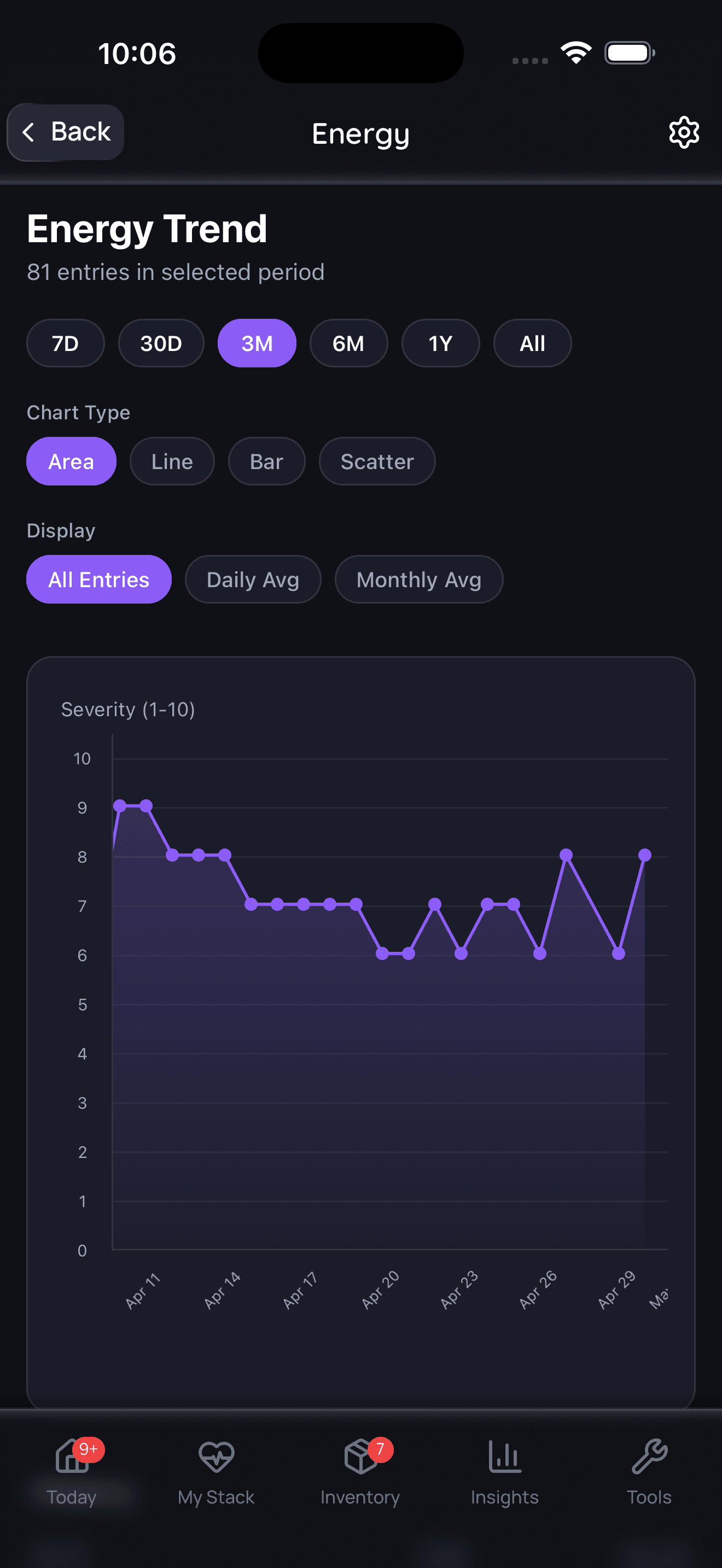
Symptom tracking is informational and should be interpreted with a qualified clinician.
Dosing & Usage Protocols
The Basics
MCT oil dosing follows one critical rule: start low and increase slowly. This is not just a general recommendation; it is the single most important piece of practical advice for anyone trying MCT oil for the first time. Ignoring this advice is the most common reason people have a negative experience [3][5].
A sensible starting dose is about half a teaspoon to one teaspoon (2.5 to 5 mL, providing approximately 2.5 to 5 grams of MCTs) per day. After several days without GI issues, you can increase by about a teaspoon per week. Most people settle on 1 to 2 tablespoons (15 to 30 mL, providing approximately 14 to 28 grams of MCTs) per day, split into one or two doses.
For maximizing ketone production, research suggests targeting 15 to 20 grams of C8 (caprylic acid) per day. If using a standard C8+C10 blend (roughly 60% C8), this translates to about 25 to 33 mL (approximately 2 tablespoons) of total MCT oil. Taking MCT oil first thing in the morning on an empty stomach, or at least without carbohydrates, will produce the highest ketone levels [5][6].
For cognitive support research, the most commonly used dose in clinical trials is 20 to 42 grams of MCT oil per day. However, many participants in these studies did not tolerate the full target dose, and average actual intake was often lower (around 25 grams per day). Cognitive benefits have been observed at these moderate doses with consistent daily use over weeks to months [7][8].
For weight management, the research used MCTs as a replacement for equivalent calories from long-chain fats, not as an addition. Simply adding MCT oil to an existing diet without reducing other fat or calorie sources will add calories, not reduce weight [12][15].
The Science
Evidence-based dosing ranges:
Goal
General ketone boost
- Daily Dose
- 15-20 g C8
- Form
- C8 or C8+C10
- Duration
- Acute or ongoing
- Evidence Level
- Multiple RCTs
Goal
Cognitive support (AD/MCI)
- Daily Dose
- 20-42 g MCT oil
- Form
- Mixed MCT
- Duration
- 3-15 months
- Evidence Level
- Multiple RCTs
Goal
Weight management
- Daily Dose
- 15-30 g MCT
- Form
- C8+C10, replacing LCTs
- Duration
- 4-16 weeks
- Evidence Level
- Meta-analyses
Goal
Keto-induction support
- Daily Dose
- 30 mL C8+C10 (3x/day)
- Form
- C8+C10 blend
- Duration
- 20 days
- Evidence Level
- Single RCT
Goal
Exercise (pre-workout)
- Daily Dose
- 5-15 g
- Form
- C8 or C8+C10
- Duration
- Acute
- Evidence Level
- Limited RCTs
Dose-response for ketogenesis: BHB production follows a roughly linear dose-response from 5 to 30 g of C8, with diminishing returns and increasing GI side effects above 30 g in a single dose. Split dosing (e.g., 15 g twice daily rather than 30 g once) may optimize the ketone AUC while reducing GI risk [5][6].
Titration protocol from clinical literature: Lin et al. (2021) recommend starting with 5 g (6 mL) of C8 or C8+C10 and progressively increasing to 15-20 g of C8. For products with approximately 50% C8 content, the target volume is 33-44 mL. Emulsifying MCTs (blending into liquids) may reduce GI adverse effects. Consuming MCTs with caffeine may slightly potentiate the ketogenic effect [5].
Getting the dose right matters more than most people realize. Too little may be ineffective, too much wastes money or introduces risk, and inconsistency undermines both. Doserly tracks every dose you take, across every form, giving you a clear record of what you're actually consuming versus what you planned.
The app helps you compare RDA recommendations against therapeutic ranges discussed in the research, so you can see exactly where your intake falls. If you switch forms, say from a standard capsule to a liposomal liquid, Doserly adjusts your tracking to account for different bioavailabilities. Pair that with smart reminders that keep your timing consistent, and the precision that makes a real difference in outcomes becomes effortless.
Track injection timing, draw notes, and site rotation.
Doserly helps keep syringe-related notes, injection site history, reminders, and reconstitution context together for easier review.
Injection log
Site rotation
Injection logs support record-keeping; follow clinician instructions for administration.
What to Expect (Timeline)
Weeks 1-2 (Initiation):
Most people start at low doses (5 g/day) and begin gradual titration. The most noticeable effects during this period are GI-related: some cramping, loose stools, or nausea if the dose is increased too quickly. Those who tolerate the starting dose well may notice a subtle energy lift, particularly when taking MCT oil in the morning on an empty stomach or before exercise. Measurable blood ketone elevation (BHB 0.3-0.5 mmol/L) can occur within 60-120 minutes of the first dose if taken in a fasted state.
Weeks 3-4 (Adaptation):
GI tolerance typically improves as the body adjusts. Most users have reached their target dose (15-30 g/day) by this point. Energy and mental clarity effects become more consistent. Users on ketogenic diets may notice reduced "keto flu" symptoms (brain fog, fatigue, irritability) compared to their previous experience without MCT. Any appetite-suppressing effects tend to stabilize.
Weeks 5-8 (Steady State):
For cognitive goals, this is when consistent daily MCT intake begins to meaningfully raise the baseline omega-3 index equivalent for ketone availability. Users typically have a clear sense of whether MCT oil provides noticeable benefit for them individually. Those using MCT for weight management as part of a calorie-controlled diet may begin to see measurable differences in body composition.
Months 3+ (Long-Term):
In the longest Alzheimer's trial, cognitive benefits accumulated over 9 to 15 months of continuous use, with longer exposure associated with greater improvement. For general health users, long-term use patterns vary: some find sustained benefit and continue indefinitely; others find the initial energy boost diminishes as they become fully fat-adapted and discontinue. Weight management effects, where observed, require ongoing use combined with overall dietary control.
Important caveats: Individual responses to MCT oil vary widely. Some people notice dramatic effects within days; others notice nothing even after weeks of consistent use. The most reliable effect across all users is the rapid ketone elevation, which is measurable but not always subjectively felt. Benefits are most pronounced in those who are new to low-carbohydrate eating, have impaired glucose metabolism, or have conditions affecting fat absorption.
Interactions & Compatibility
SYNERGISTIC
- Caffeine — May slightly potentiate the ketogenic effect of MCTs. The combination of MCT oil and coffee is the most popular use pattern. [No supplement page]
- Exogenous Ketones — Both provide ketone bodies; combining may elevate BHB more than either alone, though additive GI risk.
- Coconut Oil — Natural source of MCTs (predominantly C12); can complement MCT oil but is not interchangeable for ketogenic purposes. No dedicated Doserly guide.
- L-Carnitine — Supports fatty acid transport into mitochondria. While MCTs (especially C8) bypass the carnitine shuttle, carnitine may support overall fat metabolism when both MCTs and LCFAs are being consumed.
- Fish Oil (EPA/DHA) — Complementary fatty acid profiles. MCTs provide rapid energy; fish oil provides essential omega-3s for anti-inflammatory and cardiovascular support. Different metabolic pathways, no interaction concerns.
- Vitamin D3 — Fat-soluble vitamin. MCT oil can serve as a carrier for vitamin D absorption, though any dietary fat achieves this.
- Creatine — Some users combine MCT oil with creatine in pre-workout shakes. No known interaction; complementary energy systems (ketones for aerobic, creatine phosphate for anaerobic).
CAUTION / AVOID
- Blood-thinning medications (Warfarin, Heparin) — Theoretical concern: MCTs may slightly alter fat-soluble vitamin absorption patterns. Clinical significance is unclear, but monitoring INR is advisable.
- Diabetes medications (Insulin, Sulfonylureas) — MCT-induced ketone production combined with insulin or insulin-stimulating drugs could theoretically contribute to metabolic imbalance. Individuals on diabetes medications should consult their physician before adding MCT oil.
- Hepatic insufficiency medications — MCTs are processed primarily by the liver. Individuals with significant liver disease should use MCT oil cautiously, as impaired hepatic ketogenesis and beta-oxidation could lead to MCFA accumulation.
- High-dose MCT + Strenuous exercise — Doses above 30 g taken near exercise significantly increase GI distress risk. Limit pre-exercise MCT to 5-15 g.
How to Take / Administration Guide
Recommended forms: C8 (caprylic acid) products offer the highest ketogenic potency per gram. C8+C10 blends are a good balance of effectiveness and cost. Mixed MCT oils containing C12 (lauric acid) are less effective for ketone production. MCT powder may be preferable for those with sensitive stomachs.
Timing considerations:
- Morning, fasted — Produces the strongest ketogenic response. Most popular timing among users.
- Pre-exercise (30-60 minutes before) — Provides rapid energy substrate. Keep dose at 5-15 g to avoid GI issues during activity.
- With meals — Reduces GI side effects but blunts the ketogenic response, particularly with carbohydrate-rich meals.
- Evening — Some users report MCT oil taken later in the day affects sleep quality. Consider limiting intake to morning and early afternoon.
Preparation methods:
- In coffee or tea — The most common method. Blend or stir vigorously to emulsify (a milk frother works well). Emulsification may improve absorption and reduce GI effects.
- In smoothies or protein shakes — Blending with protein and other ingredients masks the oily texture.
- Straight by spoon — Simple but may increase GI discomfort compared to emulsified forms.
- In salad dressings — MCT oil has a neutral flavor and works well in cold preparations. Do not use MCT oil for high-heat cooking; its smoke point is lower than many cooking oils.
- MCT powder — Mixes easily into any beverage. Often includes fiber carriers (acacia gum) that may provide additional digestive tolerance.
Cycling guidance: There is no established need to cycle MCT oil. Unlike some supplements where tolerance develops, the ketogenic response to MCTs appears consistent with ongoing use. Some users cycle off periodically and report no withdrawal effects.
Choosing a Quality Product
Third-party certifications: While MCT oil does not have a dedicated USP or NSF certification program specific to MCTs, look for products that carry general supplement quality certifications (GMP certification, third-party purity testing). Some products carry NSF Certified for Sport designation for athletes.
Active vs. cheap forms:
- Best: Pure C8 (tricaprylin), 90-95% caprylic acid. These are the most expensive but most effective for ketone production.
- Good: C8+C10 blend (60/40 or similar). Good balance of ketogenic effect and cost.
- Less effective: Mixed MCT oil containing significant C12 (lauric acid). These are often cheaper but provide far less ketogenic benefit. Check the label: if lauric acid is listed as a significant component, the product is closer to fractionated coconut oil than true MCT oil.
- Least effective for ketones: Coconut oil marketed as "MCT." While coconut oil contains some MCTs, it is predominantly lauric acid (C12) and behaves metabolically more like a long-chain fat.
Red flags:
- Products labeled "MCT oil" that list lauric acid (C12) as a primary fatty acid
- Proprietary blends that do not disclose the C8/C10/C12 ratio
- Claims of "weight loss" or "fat burning" properties
- Products that do not disclose the source oil (coconut vs. palm kernel)
- Unusually low-priced products that may contain significant C12 filler
Excipient/filler considerations: Liquid MCT oil should contain only medium-chain triglycerides with no additional ingredients needed. MCT powder products contain carrier agents (acacia fiber, tapioca starch, maltodextrin, sodium caseinate) that serve functional purposes but add carbohydrates and may introduce allergens (dairy in sodium caseinate). Choose MCT powders with fiber-based carriers (acacia gum) over maltodextrin-based carriers if minimizing carbohydrate intake.
Source transparency: Quality manufacturers disclose the specific fatty acid profile (percentage of C8, C10, and C12), the source oil (coconut, palm kernel, or blend), and provide certificates of analysis (COA) verifying purity and absence of contaminants.
Storage & Handling
MCT oil is notably stable compared to polyunsaturated oils. Its fully saturated fatty acid structure makes it highly resistant to oxidation. Store at room temperature in a cool, dark location. Refrigeration is not required but will not harm the product. MCT oil remains liquid at room temperature (C8 melting point: 16.7 C; C10: 31.6 C, but the mixture remains liquid well below room temperature).
Shelf life is typically 18 to 24 months from manufacture when stored properly. Keep the bottle tightly sealed to minimize air exposure. Unlike fish oil, MCT oil does not develop rancid odors under normal storage conditions.
MCT powder should be stored in a cool, dry place and kept sealed to prevent moisture absorption. The powder may clump in humid environments.
Do not use MCT oil for high-heat cooking (frying, sauteing). While its exact smoke point varies by composition, it is generally lower than common cooking oils. MCT oil is best used in cold or low-heat applications: beverages, smoothies, salad dressings, or drizzled over food after cooking.
Lifestyle & Supporting Factors
Dietary context: MCT oil's benefits are most pronounced in the context of a low-carbohydrate or ketogenic diet, where the body is already in a state of reduced glucose availability and enhanced fat oxidation. In the context of a standard high-carbohydrate diet, MCT-derived ketones are produced but are suppressed by post-prandial insulin and may provide less noticeable benefit [6].
Exercise: MCT oil may provide a quick energy source for low-to-moderate intensity exercise. For high-intensity or endurance exercise, the evidence does not support MCT oil as an ergogenic aid. Taking MCT oil 30-60 minutes before moderate exercise is the most commonly reported timing among users who find it helpful [16].
Hydration: Adequate hydration is important when using MCT oil, particularly given its potential for GI side effects. Diarrhea from excessive MCT intake can cause fluid and electrolyte loss.
Caffeine synergy: The most popular MCT oil usage pattern (in coffee) combines two potentially synergistic compounds. Caffeine may slightly potentiate the ketogenic effect of MCTs, and both provide a subjective sense of increased alertness and energy [5].
Signs that MCT oil may be particularly useful: Difficulty absorbing dietary fats (no gallbladder, pancreatic insufficiency, bile duct issues), persistent brain fog or fatigue during ketogenic diet adaptation, need for rapid pre-exercise energy on a low-carbohydrate diet, or interest in supporting cognitive function in the context of mild cognitive impairment (under medical supervision).
Signs to reconsider MCT oil use: Persistent GI intolerance despite gradual dose escalation, existing hypertriglyceridemia (MCT oil may modestly increase triglycerides), calorie-restricted diets where MCT oil's caloric contribution is counterproductive, or if no subjective benefit is noticed after 4 to 6 weeks of consistent use.
Regulatory Status & Standards
United States (FDA): MCT oil is classified as a dietary supplement under the Dietary Supplement Health and Education Act (DSHEA). MCTs have Generally Recognized as Safe (GRAS) status as food ingredients (21 CFR 184.1259 for caprylic acid; 21 CFR 172.860 for medium-chain triglycerides). MCT oil is also approved for use in medical foods and enteral nutrition products.
Canada (Health Canada): MCT oil is available as a Natural Health Product (NHP). Caprylic acid and capric acid triglycerides are listed in the Natural Health Products Ingredients Database.
European Union (EFSA): MCTs are authorized food ingredients. EFSA has not established a specific tolerable upper intake level for MCTs but has evaluated their safety in the context of novel food and food additive regulations. MCTs are permitted in special medical purpose foods and infant formulas.
Australia (TGA): MCT oil is available as a complementary medicine. Listed in the Australian Register of Therapeutic Goods for dietary supplementation purposes.
Active clinical trials: Multiple trials registered on ClinicalTrials.gov examining MCT oil in Alzheimer's disease, epilepsy, exercise performance, and metabolic syndrome. The field continues to grow, particularly in neurocognitive applications.
Athlete & Sports Regulatory Status:
WADA: MCT oil is NOT on the WADA Prohibited List. It is considered a food/nutritional supplement and is permitted at all times, both in-competition and out-of-competition.
National Anti-Doping Agencies (USADA, UKAD, Sport Integrity Canada, Sport Integrity Australia): No specific guidance or alerts regarding MCT oil. It is treated as a standard food ingredient.
Professional Sports Leagues (NFL, NBA, MLB, NHL, NCAA): MCT oil is not a banned substance in any major professional sports league. The NCAA does not list MCT oil as a banned substance.
Athlete Certification Programs: MCT oil products carrying Informed Sport, NSF Certified for Sport, or Cologne List certification are available for athletes seeking additional assurance against contamination.
GlobalDRO: MCT oil can be verified as permitted through GlobalDRO.com for athletes in the US, UK, Canada, Australia, Japan, Switzerland, and New Zealand.
Regulatory status and prohibited substance classifications change frequently. Athletes should always verify the current status of any supplement with their sport's governing body, their national anti-doping agency, and a qualified sports medicine professional before use. Third-party certification (Informed Sport, NSF Certified for Sport) reduces but does not eliminate the risk of contamination with prohibited substances.
Frequently Asked Questions
Is MCT oil the same as coconut oil?
No. While MCT oil is typically derived from coconut oil, the two products are quite different. Coconut oil is approximately 48% lauric acid (C12), 7% caprylic acid (C8), and 8% capric acid (C10). MCT oil is concentrated to contain predominantly C8 and C10, with C12 largely removed. The ketogenic effect of MCT oil is substantially greater than coconut oil because C8 is approximately three times more ketogenic than C10 and six times more than C12. Coconut oil behaves metabolically more like a mixed saturated fat than a true MCT supplement.
How much MCT oil should I start with?
Based on available research and widespread user experience, starting with half a teaspoon to one teaspoon (2.5 to 5 mL) per day is commonly recommended. Increasing by about one teaspoon per week allows the digestive system to adapt. Most users settle on one to two tablespoons (15 to 30 mL) daily. Exceeding 30 grams in a single dose significantly increases the risk of gastrointestinal distress. Consulting a healthcare professional before starting any new supplement is always advisable.
Does MCT oil break a fast?
MCT oil contains calories (approximately 8.3 calories per gram, or about 115-130 calories per tablespoon), so technically it does break a caloric fast. However, because MCTs are converted to ketones rather than stored as fat and do not significantly stimulate insulin, some proponents of intermittent fasting consider small amounts of MCT oil compatible with the metabolic goals of fasting. This is a matter of individual definition and fasting goals.
Will MCT oil help me lose weight?
Based on available meta-analyses, replacing equivalent calories from long-chain fats with MCTs in the diet may support modest weight reduction (approximately 0.5 kg over 10 weeks). However, adding MCT oil on top of a normal caloric intake without reducing other calories will not produce weight loss. MCT oil is a calorie-dense fat (about 115-130 calories per tablespoon), and any weight management benefit depends on overall dietary context.
Is C8 MCT oil worth the extra cost?
C8 (caprylic acid) is approximately three times more ketogenic than C10 (capric acid) per gram. If the primary goal of supplementation is ketone production (for cognitive support, energy during ketosis, or epilepsy management), C8 products offer measurably greater effect per dose. For general use or as a cooking/food supplement fat, the cost difference may not be justified, and a standard C8+C10 blend provides a reasonable compromise.
Can MCT oil cause liver damage?
There is no evidence that MCT oil at typical supplemental doses (5-30 g/day) causes liver damage. MCTs have been used in clinical nutrition (including intravenous administration) for decades without hepatotoxic effects. The NOAEL from toxicological studies is 3-5 g/kg/day, far exceeding typical supplemental intake. However, individuals with existing significant liver disease should consult their physician, as impaired hepatic metabolism could theoretically lead to MCFA accumulation.
Does MCT oil raise cholesterol?
Meta-analysis data indicates that MCT oil (C8-C10 composition) does not significantly affect total cholesterol, LDL cholesterol, or HDL cholesterol levels. However, it may cause a small increase in blood triglycerides. The effect on cholesterol markers depends partly on what fat MCT oil replaces in the diet: compared to unsaturated fats, MCT may increase cholesterol markers, while compared to other saturated fats, it may decrease them.
Can I cook with MCT oil?
MCT oil is best used in cold or low-heat applications. Its smoke point is lower than many cooking oils, and high-heat cooking may degrade the oil and produce undesirable compounds. Common uses include blending into coffee or tea, adding to smoothies, mixing into salad dressings, and drizzling over prepared food. For cooking, coconut oil, olive oil, or avocado oil are better choices.
Is MCT oil safe during pregnancy?
MCTs occur naturally in human breast milk and are used in some infant formulas. However, there is limited research on MCT oil supplementation specifically during pregnancy. Pregnant individuals should consult their healthcare provider before adding MCT oil or any new supplement to their regimen.
Why does MCT oil cause stomach problems?
MCTs are absorbed very rapidly, which can overwhelm the digestive system when taken in large amounts, especially on an empty stomach. The rapid influx of free fatty acids into the small intestine creates an osmotic effect that draws water into the intestinal lumen, leading to cramping, bloating, and diarrhea. Starting with very small doses and increasing gradually allows the GI tract to adapt. Emulsifying MCT oil in beverages (blending) and choosing MCT powder can also reduce GI symptoms.
Myth vs. Fact
Myth: MCT oil is a magic weight loss supplement that burns fat.
Fact: Meta-analyses show that replacing other dietary fats with MCTs produces only modest weight loss (about half a kilogram over 10 weeks). MCT oil itself contains approximately 115-130 calories per tablespoon. Adding it to a diet without reducing other calories will add calories, not reduce them. The modest thermogenic advantage of MCTs (5-10% higher energy expenditure vs. long-chain fats) does not overcome a caloric surplus [12][15].
Myth: Coconut oil provides the same benefits as MCT oil.
Fact: Coconut oil is approximately 48% lauric acid (C12), which is metabolized more like a long-chain fat than a true MCT. The caprylic acid (C8) in MCT oil is approximately six times more ketogenic than lauric acid. A tablespoon of coconut oil provides far fewer ketone-producing MCTs than a tablespoon of concentrated MCT oil (C8+C10) [5][6].
Myth: MCT oil will improve anyone's cognitive function.
Fact: The most rigorous evidence for cognitive benefits comes from studies in people with mild cognitive impairment or Alzheimer's disease, and even there, benefits have been most clearly demonstrated in individuals who do not carry the APOE4 gene variant. In healthy young adults, evidence for cognitive enhancement from MCT supplementation is limited and inconsistent [7][14].
Myth: You need MCT oil to be in ketosis.
Fact: Ketosis results from restricting carbohydrate intake, not from consuming MCTs. MCT oil can accelerate ketone production and may ease the transition into ketosis, but it is not necessary for maintaining a ketogenic state. Many long-term ketogenic dieters do not use MCT oil at all [1].
Myth: MCT oil is dangerous for heart health because it is a saturated fat.
Fact: Unlike longer-chain saturated fats (found in butter, red meat), MCTs (C8-C10) do not significantly raise LDL cholesterol or total cholesterol based on available meta-analyses. They may cause a small increase in triglycerides. MCTs are metabolized very differently from other saturated fats, going directly to the liver for energy production rather than being incorporated into lipoproteins [17].
Myth: All MCT oils are the same.
Fact: MCT oil composition varies enormously between products. A product that is 95% C8 will produce roughly three times more ketones than one that is predominantly C10, and products containing significant C12 (lauric acid) are functionally closer to coconut oil. The C8/C10/C12 ratio is the single most important quality differentiator among MCT oil products [5][6].
Myth: MCT oil gives you instant, sustained energy all day.
Fact: MCTs are rapidly absorbed and metabolized, producing a peak in blood ketones within 60-120 minutes that gradually declines over 4-5 hours. The energy effect is real but time-limited. Sustained ketone availability requires multiple doses or a background ketogenic diet. Some users report diminishing subjective energy effects over time [6].
Sources & References
Clinical Trials & RCTs
[1] Bach AC, Babayan VK. Medium-chain triglycerides: an update. Am J Clin Nutr. 1982;36(5):950-962. doi:10.1093/ajcn/36.5.950
[2] Marten B, Pfeuffer M, Schrezenmeir J. Medium-chain triglycerides. Int Dairy J. 2006;16:1374-1382.
[3] Traul KA, Driedger A, Ingle DL, Nakhasi D. Review of the toxicologic properties of medium-chain triglycerides. Food Chem Toxicol. 2000;38(1):79-98.
[4] Babayan VK. Medium chain triglycerides and structured lipids. Lipids. 1987;22(6):417-420.
[5] Lin TY, Liu HW, Hung TM. The Ketogenic Effect of Medium-Chain Triacylglycerides. Front Nutr. 2021;8:747284. doi:10.3389/fnut.2021.747284
[6] St-Pierre V, Vandenberghe C, Lowry CM, et al. Plasma Ketone and Medium Chain Fatty Acid Response in Humans Consuming Different Medium Chain Triglycerides During a Metabolic Study Day. Front Nutr. 2019;6:46. doi:10.3389/fnut.2019.00046
Systematic Reviews & Meta-Analyses
[7] Avgerinos KI, Egan JM, Mattson MP, Kapogiannis D. Medium Chain Triglycerides induce mild ketosis and may improve cognition in Alzheimer's disease. A systematic review and meta-analysis of human studies. Ageing Res Rev. 2020;58:101001. doi:10.1016/j.arr.2019.101001
[8] Juby AG, Blackburn TE, Mager DR. Use of medium chain triglyceride (MCT) oil in subjects with Alzheimer's disease: A randomized, double-blind, placebo-controlled, crossover study, with an open-label extension. Alzheimers Dement (N Y). 2022;8(1):e12259. doi:10.1002/trc2.12259
[9] Hashim SA, Tantibhedyangkul P. Medium chain triglyceride in early life: effects on growth of adipose tissue. Lipids. 1987;22(6):429-434.
[10] Shcherbakova K, Schwarz A, Apryatin S. Supplementation of Regular Diet With Medium-Chain Triglycerides for Procognitive Effects: A Narrative Review. Front Nutr. 2022;9:934497. doi:10.3389/fnut.2022.934497
[11] Augustin K, Khabbush A, Williams S, et al. Mechanisms of action for the medium-chain triglyceride ketogenic diet in neurological and metabolic disorders. Lancet Neurol. 2018;17(1):84-93.
[12] Mumme K, Stonehouse W. Effects of medium-chain triglycerides on weight loss and body composition: a meta-analysis of randomized controlled trials. J Acad Nutr Diet. 2015;115(2):249-263. doi:10.1016/j.jand.2014.10.022
Observational Studies
[13] Heidt C, Fobker M, Newport M, et al. Beta-Hydroxybutyrate (BHB), Glucose, Insulin, Octanoate (C8), and Decanoate (C10) Responses to a Medium-Chain Triglyceride (MCT) Oil with and without Glucose: A Single-Center Study in Healthy Adults. Nutrients. 2023;15(5):1148. doi:10.3390/nu15051148
[14] Ashton JS, Roberts JW, Wakefield CJ, et al. Medium-chain triglycerides may improve memory in non-demented older adults: a systematic review of randomized controlled trials. BMC Geriatr. 2022;22:817. doi:10.1186/s12877-022-03521-6
Government/Institutional Sources
[15] He H, Liu K, Li M, et al. The impact of medium-chain triglycerides on weight loss and metabolic health in individuals with overweight or obesity: A systematic review and meta-analysis. Clin Nutr. 2024;43(7):1757-1768. doi:10.1016/j.clnu.2024.06.016
[16] Chapman-Lopez TJ, Koh Y. The Effects of Medium-Chain Triglyceride Oil Supplementation on Endurance Performance and Substrate Utilization in Healthy Populations: A Systematic Review. J Int Soc Sports Nutr. 2022;19(1):261-286.
[17] McKenzie KM, Lee CM, Mijatovic J, Haghighi MM, Skilton MR. Medium-chain triglyceride oil and blood lipids: a systematic review and meta-analysis of randomized trials. J Nutr. 2021;151(10):2949-2956. doi:10.1093/jn/nxab220
Related Supplement Guides
Same Category (Fatty Acids)
- Fish Oil (EPA/DHA)
- Krill Oil
- Algal Oil
- Cod Liver Oil
- Flaxseed Oil
- CLA (Conjugated Linoleic Acid)
- Phosphatidylserine
Common Stacks / Pairings
Related Health Goal
- CoQ10/Ubiquinol — Mitochondrial energy production
- Alpha-Lipoic Acid — Metabolic support
- NAD+ Precursors — Cellular energy metabolism
- Lions Mane Mushroom — Cognitive support
- Bacopa Monnieri — Cognitive support
- Alpha-GPC — Cognitive support