
7-Keto DHEA: The Complete Supplement Guide
On this page
Quick Reference Card
Attribute
Common Name
- Detail
- 7-Keto DHEA
Attribute
Other Names / Aliases
- Detail
- 7-Keto, 7-oxo-DHEA, 7-oxo-dehydroepiandrosterone, 7-Oxoprasterone, 3-acetyl-7-oxo-dehydroepiandrosterone (acetate supplement form)
Attribute
Category
- Detail
- Steroid metabolite, Weight Management
Attribute
Primary Forms & Variants
- Detail
- 7-Keto DHEA (free base, CAS 566-19-8), 7-Keto DHEA acetate (3-acetyl-7-oxo-dehydroepiandrosterone, CAS 1449-61-2; this is the standard supplement form)
Attribute
Typical Dose Range
- Detail
- 100-200 mg per day (commonly 100 mg twice daily)
Attribute
RDA / AI / UL
- Detail
- No established RDA, AI, or UL (not an essential nutrient; endogenous metabolite)
Attribute
Common Delivery Forms
- Detail
- Capsule, tablet
Attribute
Best Taken With / Without Food
- Detail
- Can be taken with or without food
Attribute
Key Cofactors
- Detail
- None firmly established; some combination products pair with green tea extract, calcium citrate, vitamin D3, chromium, and vitamin C for synergistic thermogenic effects
Attribute
Storage Notes
- Detail
- Store in a cool, dry place away from direct sunlight and moisture. No refrigeration required.
Overview
The Basics
7-Keto DHEA is a naturally occurring byproduct of DHEA (dehydroepiandrosterone), the most abundant steroid hormone produced by your adrenal glands. Your body makes 7-Keto DHEA on its own, but production declines with age, just as parent DHEA levels drop beginning around age 30 [1].
What makes 7-Keto DHEA different from regular DHEA is straightforward: your body does not convert it into testosterone or estrogen. This distinction matters because standard DHEA supplements carry the risk of raising sex hormone levels, which can cause unwanted effects like acne, hair loss, or hormonal disruption. 7-Keto DHEA bypasses that entire pathway while retaining some of the metabolic and immune-related properties attributed to DHEA [2][3].
The supplement is primarily marketed for weight management. The idea is that 7-Keto DHEA increases your resting metabolic rate, the number of calories you burn just by existing, which could make it easier to lose weight when combined with diet and exercise. A smaller body of research has explored its effects on immune function and memory, though these areas are far less studied [4][5].
It is worth noting that the evidence base for 7-Keto DHEA is limited. Only four randomized controlled trials have been conducted on weight loss outcomes, all between 2000 and 2007, with small sample sizes. A 2023 systematic review concluded that no clear answer can be given regarding its effectiveness for weight loss [1]. This is a supplement where the marketing substantially outpaces the science.
The Science
7-Keto DHEA (3beta-hydroxy-androst-5-ene-7,17-dione) is an oxygenated metabolite of dehydroepiandrosterone (DHEA) formed via the action of CYP7B1 (7alpha-hydroxylase) and subsequent oxidation. It is one of several 7-oxygenated DHEA metabolites produced endogenously, with levels peaking in the second and third decades of life before declining approximately 5% per decade [2][6].
The critical biochemical distinction from parent DHEA is that 7-keto-DHEA cannot undergo enzymatic conversion back to DHEA, nor can it serve as a substrate for steroidogenic enzymes (3beta-HSD, 17beta-HSD, CYP17A1, CYP19/aromatase) that convert DHEA to androgens or estrogens [3][7]. This has been confirmed by isotope ratio mass spectrometry (IRMS) studies demonstrating no DHEA formation from administered 7-keto-DHEA [7]. The compound is therefore pharmacologically distinct from its parent hormone with respect to sex steroid pathways.
Endogenous 7-keto-DHEA is naturally present in human urine, which creates analytical challenges for anti-doping detection. Piper et al. (2020) identified ten previously unreported urinary metabolites of exogenous 7-keto-DHEA, consisting primarily of reduced and hydroxylated structures that are not captured by standard steroid profile testing [7].
Chemical & Nutritional Identity
Property
Chemical Name (free base)
- Value
- 3beta-hydroxy-androst-5-ene-7,17-dione
Property
Chemical Name (acetate, supplement form)
- Value
- 3-acetyl-7-oxo-dehydroepiandrosterone
Property
Molecular Formula (free base)
- Value
- C19H26O3
Property
Molecular Formula (acetate)
- Value
- C21H28O4
Property
Molecular Weight (free base)
- Value
- 302.41 g/mol
Property
Molecular Weight (acetate)
- Value
- 344.44 g/mol
Property
CAS Number (free base)
- Value
- 566-19-8
Property
CAS Number (acetate)
- Value
- 1449-61-2
Property
PubChem CID
- Value
- 193313
Property
Category
- Value
- Oxygenated steroid metabolite (non-androgenic, non-estrogenic)
Property
RDA / AI / UL
- Value
- Not established (endogenous metabolite, not a nutrient)
Property
Biomarker Reference Range
- Value
- Salivary optimal range: 41-130 pg/mL [8]
Supplement Form Notes
The most common supplement form is the acetate ester (3-acetyl-7-oxo-dehydroepiandrosterone), which is the form used in clinical trials and marketed under the 7-Keto trademark. The acetate group is cleaved during absorption, releasing the active free base. Available as capsules and tablets in doses of 25 mg, 50 mg, and 100 mg.
Mechanism of Action
The Basics
7-Keto DHEA works primarily by increasing your body's resting metabolic rate, essentially causing you to burn more calories even when you are sitting still. It does this by boosting the activity of certain enzymes inside your mitochondria, the tiny power plants in every cell that convert food into energy [1][4].
Think of it like adjusting the thermostat on a furnace. Normally, your body runs its energy-producing machinery at a set efficiency. 7-Keto DHEA makes that process slightly less efficient on purpose, meaning more of the energy from food gets released as heat rather than being stored as fat. This is the same basic principle your thyroid hormones use to regulate your metabolism [1].
A separate proposed mechanism involves cortisol regulation. 7-Keto DHEA may block an enzyme called 11beta-HSD1 that activates cortisol in your tissues. By competing for this enzyme, 7-Keto DHEA could reduce the amount of active cortisol available locally, which might contribute to reduced fat accumulation around the midsection, since cortisol promotes visceral fat storage [8][9].
7-Keto DHEA has also shown effects on immune function. In older adults, it appeared to shift the immune system toward a more active state by increasing helper immune cells and decreasing suppressor cells [5]. Research in animal models suggests potential memory-enhancing effects as well, though human evidence for cognitive benefits is lacking [10].
The Science
Thermogenic Mechanism: 7-Keto DHEA increases the activity of three mitochondrial thermogenic enzymes: sn-glycerol-3-phosphate dehydrogenase (mGPDH), cytosolic malic enzyme, and fatty acyl-CoA oxidase [1][4]. These enzymes facilitate the glycerophosphate shuttle, a metabolically inefficient electron transport pathway that bypasses the NADH-ubiquinone sequence of the respiratory chain. The result is increased proton leak across the inner mitochondrial membrane, dissipating energy as heat rather than coupling it to ATP synthesis [1]. This mechanism parallels the thermogenic action of thyroid hormones (T3), and indeed, one clinical study documented increased T3 levels in subjects supplementing with 7-Keto DHEA [4].
11beta-HSD1 Inhibition: 7-Keto DHEA competitively inhibits 11-beta-hydroxysteroid dehydrogenase type 1 (11beta-HSD1), the enzyme responsible for converting inactive cortisone to active cortisol in peripheral tissues including adipose tissue, liver, and brain [8][9]. By promoting the formation of 7beta-OH-DHEA instead of active glucocorticoids, this mechanism may reduce local cortisol availability. A small study (n=10) demonstrated a 7.4% decrease in salivary cortisol after five days of topical application at 25 mg daily [9].
Immunomodulatory Effects: In a four-week trial of elderly subjects, 7-Keto DHEA supplementation (200 mg/day) significantly decreased CD8+ suppressor T cells while increasing CD4+ helper T cells, shifting the CD4/CD8 ratio toward enhanced immune surveillance [5]. The compound also enhances Th1-mediated immune responses in preclinical models [5].
Memory Enhancement (Preclinical): 7-Keto DHEA improved memory acquisition and retention in both young and aged mice in passive avoidance and T-maze paradigms [10]. The absence of conversion to sex hormones makes 7-Keto DHEA a potentially useful tool for studying memory enhancement without hormonal confounding, though no human memory studies have been published.
Absorption & Bioavailability
The Basics
After you take a 7-Keto DHEA capsule, the acetate form used in supplements is absorbed in the gut, where the acetate group is removed to release the active compound. Detailed pharmacokinetic data for 7-Keto DHEA in humans is limited compared to many other supplements, so much of what is known comes from the clinical trial protocols and anti-doping metabolism studies [7].
What is established is that the compound is absorbed orally and produces measurable increases in salivary and urinary metabolites. The anti-doping research has shown that 7-Keto DHEA metabolizes through its own distinct pathway of reduced and hydroxylated metabolites, confirming that it does not convert back to parent DHEA or forward to sex hormones [7].
The compound is available in capsule and tablet form. No head-to-head studies compare the bioavailability of different delivery methods, and sublingual or liquid forms are not commonly marketed.
The Science
Metabolism: Following oral administration, 7-keto-DHEA undergoes phase I metabolism via reduction and hydroxylation reactions, producing at least ten distinct metabolites identified by high-resolution accurate mass spectrometry (HRMS) [7]. These metabolites include reduced and hydroxylated structures not captured by standard anti-doping steroid profile testing. Importantly, IRMS analysis confirms no back-conversion to DHEA occurs in vivo [7].
Excretion: Metabolites are excreted in urine as free steroids, glucuronide conjugates, and sulfate conjugates. The compound is naturally present in human urine at baseline concentrations, complicating the distinction between endogenous production and exogenous supplementation in anti-doping contexts [7].
Biomarker Measurement: 7-Keto DHEA can be measured via saliva testing (optimal range: 41-130 pg/mL) or blood testing via venipuncture [8]. Supplementation raises salivary 7-Keto DHEA levels and the 7-Keto DHEA/DHEA ratio without altering androgen or estrogen levels [8].
Research & Clinical Evidence
The Basics
The research on 7-Keto DHEA is limited but focused. The strongest evidence, such as it is, relates to its effects on metabolic rate and body weight. Four randomized controlled trials have been conducted, all between 2000 and 2007, with a combined total of fewer than 150 participants. A systematic review published in 2023 analyzed these four trials and concluded that the evidence is insufficient to make a clear recommendation [1].
Two of the four weight loss studies found statistically significant reductions in body weight, while the other two did not. The most consistent finding across the studies was an increase in resting metabolic rate, which appeared in two of three studies that measured it [1][4]. So the supplement may genuinely speed up metabolism slightly, but whether that translates into meaningful weight loss remains unresolved.
Beyond weight management, a small amount of research has explored immune function and cortisol effects, but these studies are too few to draw firm conclusions.
The Science
Weight and Body Composition:
A systematic review (Cesare et al., 2023) analyzed four RCTs meeting inclusion criteria [1]:
Study
Kalman et al. (2000)
- N
- 23
- Duration
- 8 weeks
- Dose
- 200 mg/day
- Weight Change
- -2.88 kg (4.4%)
- Significance
- P=0.01 vs. placebo
Study
Zenk et al. (2002)
- N
- 33
- Duration
- 8 weeks
- Dose
- 200 mg/day
- Weight Change
- -2.15 kg (2.2%)
- Significance
- P=0.038 vs. placebo
Study
Zenk et al. (2005)
- N
- 35
- Duration
- 8 weeks
- Dose
- 102 mg/day
- Weight Change
- -2.26 kg
- Significance
- P=0.93 (not significant)
Study
Zenk et al. (2007)
- N
- 80
- Duration
- 5 days (crossover)
- Dose
- 200 mg/day
- Weight Change
- -0.38 to -0.56 kg
- Significance
- Not significant
Body fat percentage was significantly reduced in only one study (Kalman: -1.8%, P=0.02). BMI reduction was significant in one study (Zenk 2002: -0.71 kg/m2, P=0.036) [1].
Resting Metabolic Rate:
The RMR data is more consistent. Zenk et al. (2007) demonstrated in a crossover design (n=40) that 7-Keto DHEA at 200 mg/day increased RMR by 1.4% (21 +/- 115 kcal/day), while placebo decreased RMR by 3.9% (75 +/- 111 kcal/day), representing a net difference of approximately 5.3% or 96 kcal/day (P=0.001) [4]. Zenk et al. (2005) similarly showed a 7.2% RMR increase (P=0.03) at 102 mg/day [1].
Immune Function:
A four-week trial of 7-Keto DHEA at 200 mg/day in elderly subjects demonstrated significantly decreased CD8+ suppressor T cells and increased CD4+ helper T cells [5]. These changes suggest enhanced immune surveillance, though clinical outcomes (infection rates, immune response to vaccination) were not assessed.
Safety and Tolerability:
All four RCTs reported no serious adverse events. Minor side effects (nausea, vertigo, urticaria, metallic taste, heartburn, flatulence, palpitations) occurred at rates comparable to placebo [1]. No significant changes in vital signs, liver function, renal function, hematological profiles, or mental/emotional functioning were observed [1]. Critically, no studies found changes in testosterone or estrogen levels at doses up to 200 mg/day for 8 weeks [3][4].
Evidence & Effectiveness Matrix
Category
Fat Loss
- Evidence Strength
- 4/10
- Reported Effectiveness
- 5/10
- Summary
- Two of four RCTs showed significant weight loss; systematic review concludes evidence is insufficient. Community reports are mixed, with positive outcomes always confounded by concurrent diet and exercise.
Category
Weight Management
- Evidence Strength
- 4/10
- Reported Effectiveness
- 5/10
- Summary
- Same evidence base as fat loss. Community users describe 7-Keto as a complement to structured programs, not a standalone solution.
Category
Energy Levels
- Evidence Strength
- 3/10
- Reported Effectiveness
- 6/10
- Summary
- No RCTs specifically measured energy as an endpoint. Mechanism supports metabolic activation. Community reports more consistently positive for energy than for weight loss.
Category
Immune Function
- Evidence Strength
- 3/10
- Reported Effectiveness
- 5/10
- Summary
- One small study showed immune cell ratio improvements in elderly subjects. Community mentions immune support but volume is very low.
Category
Stress Tolerance
- Evidence Strength
- 2/10
- Reported Effectiveness
- 4/10
- Summary
- One small study showed cortisol reduction via topical application. Mechanistic plausibility via 11beta-HSD1 inhibition. Community reports are sparse and vague.
Category
Mood & Wellbeing
- Evidence Strength
- 1/10
- Reported Effectiveness
- 4/10
- Summary
- No clinical data. Occasional positive community mentions, likely placebo-influenced.
Category
Hair Health
- Evidence Strength
- 1/10
- Reported Effectiveness
- 3/10
- Summary
- No clinical data. One isolated community report of hair loss at 100 mg/day, direction negative.
Category
Hormonal Symptoms
- Evidence Strength
- 2/10
- Reported Effectiveness
- 4/10
- Summary
- Clinical trials show no hormonal changes. Rare community reports of hormonal-seeming symptoms (possibly product contamination).
Category
Side Effect Burden
- Evidence Strength
- 5/10
- Reported Effectiveness
- 7/10
- Summary
- Clinical trials consistently show good tolerability. Community strongly endorses the mild side effect profile compared to other stimulants and regular DHEA.
Categories scored: 9
Categories with community data: 9
Categories not scored (insufficient data): Sleep Quality, Focus & Mental Clarity, Memory & Cognition, Anxiety, Motivation & Drive, Emotional Aliveness, Emotional Regulation, Libido, Sexual Function, Joint Health, Inflammation, Pain Management, Recovery & Healing, Physical Performance, Gut Health, Digestive Comfort, Nausea & GI Tolerance, Skin Health, Heart Health, Blood Pressure, Heart Rate & Palpitations, Temperature Regulation, Fluid Retention, Body Image, Bone Health, Longevity & Neuroprotection, Cravings & Impulse Control, Social Connection, Treatment Adherence, Withdrawal Symptoms, Daily Functioning, Appetite & Satiety, Food Noise, Muscle Growth
Benefits & Potential Effects
The Basics
The benefits attributed to 7-Keto DHEA fall into three main areas, though the evidence varies significantly in quality.
Metabolic rate support is the most studied benefit. The idea is straightforward: as you age, your metabolism naturally slows, and your body's production of 7-Keto DHEA declines in parallel. Supplementing may partially offset this metabolic slowdown. Two clinical studies found that participants taking 7-Keto DHEA burned more calories at rest than those taking a placebo, even while on a calorie-restricted diet [1][4]. When you are dieting, your body typically responds by lowering its metabolic rate to conserve energy. 7-Keto DHEA appeared to blunt this response, keeping the metabolic rate from dropping as much.
Immune support is a less explored but intriguing area. One study in older adults found that 7-Keto DHEA shifted the balance of immune cells in a direction associated with stronger immune defense [5]. If confirmed by larger studies, this could be relevant for age-related immune decline.
Cortisol modulation has been proposed as a mechanism through which 7-Keto DHEA might reduce stress-related fat accumulation. The compound appears to block a local cortisol-activating enzyme, which could theoretically reduce cortisol's effects on fat storage in specific tissues [8][9]. This mechanism is plausible but minimally studied in humans.
It is important to keep perspective: no benefit of 7-Keto DHEA has been firmly established by large, well-designed clinical trials. The existing studies are small, short, and mostly funded by the supplement's patent holder.
The Science
Metabolic Rate Enhancement: The most robust evidence concerns resting metabolic rate (RMR). In a crossover design (n=40, mean BMI 32.0), 7-Keto DHEA at 200 mg/day for 7 days reversed diet-induced metabolic adaptation: RMR increased by 1.4% on 7-Keto versus a 3.9% decrease on placebo (P=0.001) [4]. A separate trial (n=35) at 102 mg/day for 8 weeks showed 7.2% RMR increase (P=0.03) [1]. The proposed mechanism involves upregulation of thermogenic enzymes (mGPDH, cytosolic malic enzyme, fatty acyl-CoA oxidase) that increase mitochondrial proton leak and uncouple oxidative phosphorylation from ATP synthesis [1].
Immunomodulation: In elderly subjects receiving 200 mg/day for 4 weeks, 7-Keto DHEA significantly increased CD4+ helper T cells and decreased CD8+ suppressor T cells, improving the CD4/CD8 ratio [5]. The compound also enhances Th1-mediated immune responses in preclinical models, potentially relevant for defense against intracellular pathogens [5].
11beta-HSD1 Inhibition: Competitive inhibition of 11-beta-hydroxysteroid dehydrogenase type 1 by 7-Keto DHEA reduces local conversion of cortisone to active cortisol [8][9]. A pilot study (n=10) using topical application (25 mg/day for 5 days) demonstrated a 7.4% reduction in salivary cortisol [9]. The clinical significance of this magnitude of cortisol reduction remains unclear.
Memory (Preclinical Only): 7-Keto DHEA improved memory performance in both young and aged mice across multiple behavioral paradigms [10]. The non-hormonal nature of the compound makes it theoretically attractive for memory research, but no human cognitive studies have been conducted.
Side Effects & Safety
The Basics
One of 7-Keto DHEA's genuine strengths is its safety profile in short-term use. Across all clinical trials, no serious adverse events were reported at doses up to 200 mg per day for up to 8 weeks [1]. Most participants experienced no side effects at all, and the few minor complaints (nausea, mild dizziness, metallic taste, flatulence) occurred at similar rates in placebo groups.
The key safety advantage over regular DHEA is well-established: 7-Keto DHEA does not raise testosterone or estrogen levels [3][4]. This eliminates the hormonal side effects (acne, hair loss, voice deepening, menstrual irregularities) that can occur with standard DHEA supplementation.
There are, however, some legitimate concerns. The compound may increase T3 (active thyroid hormone) levels, which is part of how it raises metabolic rate [4]. For most healthy people, a modest T3 increase is harmless. But for anyone with a thyroid condition, or anyone already taking thyroid medication, this effect could be significant and warrants a conversation with a healthcare provider.
Long-term safety beyond 8 weeks has simply not been studied. Given that 7-Keto DHEA is a steroid metabolite that affects thyroid hormone levels, cortisol metabolism, and immune cell ratios, the absence of long-term data should be taken seriously. The clinical trials provide reassurance only for the 4-to-8-week window they covered.
A small number of community reports mention hair loss, facial hair growth, and breast tenderness, which are hormonal-seeming symptoms. While these could reflect individual sensitivity, product contamination with parent DHEA cannot be ruled out and would explain such effects.
The Science
Clinical Trial Safety Data: A systematic review of four RCTs found no serious adverse events [1]. Minor adverse effects reported include nausea, vertigo, urticaria, metallic taste, heartburn, flatulence, and palpitations, all comparable to placebo rates [1]. No significant changes were observed in vital signs, hepatic function (AST, ALT), renal function (BUN, creatinine), hematological profiles, or psychometric assessments [1].
Hormonal Safety: Multiple studies confirm no elevation in testosterone, estradiol, or other sex hormones at doses up to 200 mg/day for 8 weeks [3][4]. This is consistent with the confirmed biochemical inability of 7-keto-DHEA to serve as a substrate for steroidogenic enzymes [7].
Thyroid Effects: One RCT documented increased T3 (triiodothyronine) levels in the 7-Keto group [4]. While this supports the thermogenic mechanism, sustained T3 elevation could theoretically promote bone resorption, cardiac arrhythmias, or anxiety in susceptible individuals. Individuals with thyroid disorders or those taking thyroid hormone replacement should exercise particular caution [4].
Pregnancy and Lactation: 7-Keto DHEA is contraindicated during pregnancy and lactation. Women of childbearing potential should use effective contraception during supplementation and for at least one menstrual cycle after discontinuation [11].
Preclinical Toxicology: Toxicology data from the 1997 New Dietary Ingredient notification included a negative Ames mutagenicity study and an acute oral gavage study in rats indicating a no-adverse-effect level of 2,000 mg/kg body weight [12].
CYP450 Interactions (Theoretical): In vitro assays suggest moderate inhibition of CYP3A4 and CYP2D6 at supraphysiologic concentrations, raising theoretical concerns for narrow-therapeutic-index drugs such as cyclosporine, certain antiarrhythmics, or some antidepressants [11]. No clinical drug interaction studies have been published.
Knowing the possible side effects is the first step. Catching them early in your own experience is what keeps a supplement routine safe. Doserly lets you log any symptoms as they arise, tagging them with severity, timing relative to your dose, and whether they resolve on their own or persist.
The app's interaction checker cross-references everything in your stack, supplements and medications alike, flagging known interactions before they become a problem. It also monitors your total intake against established upper limits, alerting you if your combined sources of a nutrient are approaching thresholds where risk increases. Think of it as a safety net that works quietly in the background while you focus on the benefits.
Capture changes while they are still fresh.
Log symptoms, energy, sleep, mood, and other observations alongside protocol events so patterns do not live only in memory.
Trend view
Symptom timeline
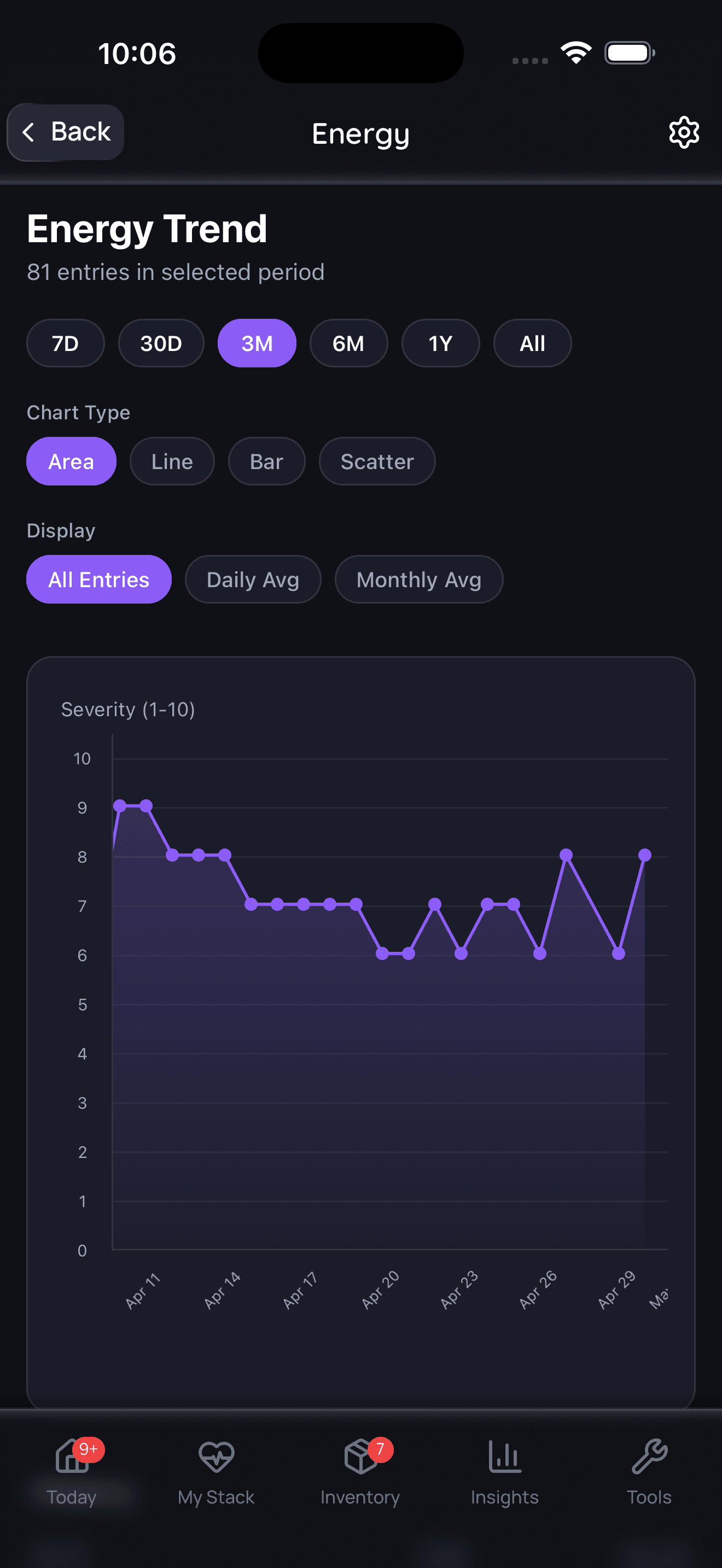
Symptom tracking is informational and should be interpreted with a qualified clinician.
Dosing & Usage Protocols
The Basics
The most commonly studied dose of 7-Keto DHEA is 200 mg per day, typically split into two doses of 100 mg each (morning and evening) [1][4]. This is the dose used in three of four clinical trials and is the amount most manufacturer labels recommend.
One study used a lower dose of approximately 100 mg per day and still observed a significant increase in resting metabolic rate [1], suggesting that benefits may not require the full 200 mg dose. Some products are sold at 25 mg or 50 mg per capsule, which allows for gradual dose titration.
Since no government body has established an RDA, AI, or Upper Tolerable Intake Level for 7-Keto DHEA, all dosing is based on the limited clinical trial data. The longest study duration was 8 weeks, so there is no evidence to guide long-term dosing [1].
Most clinical protocols combined 7-Keto DHEA with a calorie-restricted diet (1,800 calories/day) and structured exercise (60 minutes of cross-training, three times per week). The supplement did not produce significant weight loss on its own in any study; it appeared to enhance results when combined with lifestyle modifications [1].
The Science
Clinical Dosing Protocols:
Protocol
Kalman et al. (2000)
- Dose
- 200 mg/day (2 x 100 mg)
- Duration
- 8 weeks
- Context
- Exercise + diet
- Key Outcome
- -2.88 kg weight loss (P=0.01)
Protocol
Zenk et al. (2002)
- Dose
- 200 mg/day (2 x 100 mg)
- Duration
- 8 weeks
- Context
- Exercise + diet
- Key Outcome
- -2.15 kg weight loss (P=0.038)
Protocol
Zenk et al. (2005)
- Dose
- 102 mg/day
- Duration
- 8 weeks
- Context
- Exercise + diet
- Key Outcome
- 7.2% RMR increase (P=0.03)
Protocol
Zenk et al. (2007)
- Dose
- 200 mg/day
- Duration
- 7 days (crossover)
- Context
- Calorie restriction
- Key Outcome
- 1.4% RMR increase (P=0.001 vs. placebo)
Protocol
Immune study
- Dose
- 200 mg/day (2 x 100 mg)
- Duration
- 4 weeks
- Context
- Elderly subjects
- Key Outcome
- Improved CD4/CD8 ratio
Protocol
Cortisol study
- Dose
- 25 mg/day (topical)
- Duration
- 5 days
- Context
- Healthy men
- Key Outcome
- -7.4% salivary cortisol
Dosing Considerations:
- Split dosing: The 100 mg twice-daily protocol was used in most positive studies and may provide more consistent metabolic stimulation throughout the day [1][4]
- Duration: All published safety data covers 4-8 week periods only. No evidence supports longer-term continuous use
- Cycling: No clinical data exists on cycling protocols. Given the absence of long-term safety data, periodic breaks may be prudent
- Adjunctive use: All positive weight loss outcomes occurred alongside structured diet (1,800 kcal/day) and exercise programs (60 min, 3x/week). The supplement has not demonstrated efficacy without these lifestyle modifications [1]
Getting the dose right matters more than most people realize. Too little may be ineffective, too much wastes money or introduces risk, and inconsistency undermines both. Doserly tracks every dose you take, across every form, giving you a clear record of what you're actually consuming versus what you planned.
The app helps you compare RDA recommendations against therapeutic ranges discussed in the research, so you can see exactly where your intake falls. If you switch forms, say from a standard capsule to a liposomal liquid, Doserly adjusts your tracking to account for different bioavailabilities. Pair that with smart reminders that keep your timing consistent, and the precision that makes a real difference in outcomes becomes effortless.
Track injection timing, draw notes, and site rotation.
Doserly helps keep syringe-related notes, injection site history, reminders, and reconstitution context together for easier review.
Injection log
Site rotation
Injection logs support record-keeping; follow clinician instructions for administration.
What to Expect (Timeline)
Weeks 1-2: Most users report no dramatic changes in the first two weeks. Some notice a subtle increase in energy or warmth, consistent with the thermogenic mechanism. A small number of users report feeling jittery at 100 mg doses during this period; if this occurs, reducing the dose or taking it with food may help. Weight changes in this period are unlikely to be distinguishable from normal fluctuation.
Weeks 3-4: If the supplement is affecting your metabolic rate, this is when you may begin to notice slightly easier weight management, particularly when combined with a structured diet and exercise program. One clinical study showed measurable immune cell ratio changes after four weeks of supplementation [5]. Energy effects, if present, tend to stabilize during this period.
Weeks 5-8: The clinical trials that showed significant weight loss measured outcomes at the 8-week mark [1]. Weight loss in the positive studies averaged 2-3 kg more than placebo over this period, amounting to roughly 0.3-0.4 kg per week of additional loss beyond what diet and exercise alone achieved. Not everyone will experience this, as two of four studies found no significant weight difference.
Beyond 8 weeks: No clinical data exists beyond this point. If you have been supplementing for 8 weeks and seen no measurable benefit, continued use is unlikely to produce different results. If you have seen benefits, the long-term sustainability and safety of continued supplementation is unknown.
Important context: The most commonly reported user experience, across both clinical trials and community reviews, is subtle. This is not a supplement that produces dramatic, rapid changes. Users who report the most satisfaction tend to be those who combined it with an active weight management program and viewed 7-Keto DHEA as one tool among several, not a primary driver.
Timelines in the research give you a general idea of when to expect results, but your body has its own schedule. Doserly tracks your progress against those benchmarks, letting you see whether your experience aligns with typical response curves or whether something in your protocol might need adjusting.
By logging biomarkers and subjective outcomes alongside your supplement intake, you build a personal timeline that shows exactly when changes started appearing and how they've progressed. The app's trend analysis highlights inflection points, weeks where things shifted for better or worse, so you have concrete data when deciding whether to continue, adjust your dose, or try a different form.
Connect protocol changes to labs and health markers.
Doserly can keep lab results, biomarkers, symptoms, and dose history close together so follow-up conversations have better context.
Insights
Labs and trends
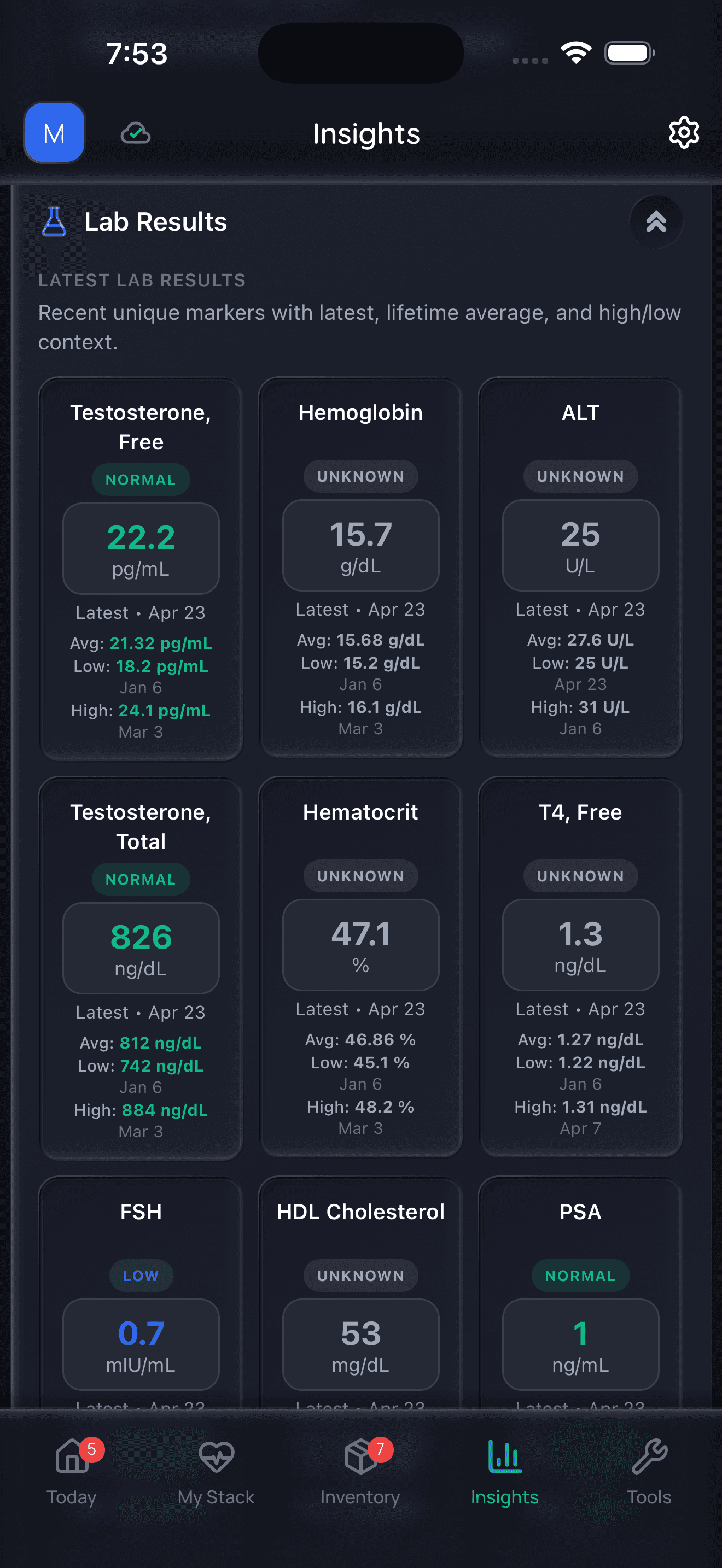
Doserly organizes data; it does not diagnose or interpret labs for you.
Interactions & Compatibility
Synergistic
- Green Tea Extract (EGCG) — One clinical study combined 7-Keto DHEA with green tea extract, calcium citrate, vitamin C, chromium nicotinate, and vitamin D3 (the "HUM5007" formulation). The combination produced a 3.4% RMR increase, compared to 1.4% for 7-Keto alone [4]. Green tea extract's catechins may provide complementary thermogenic activity.
- Caffeine — Though not studied directly with 7-Keto DHEA, caffeine is a well-established thermogenic that works through different pathways (adenosine receptor antagonism, catecholamine release). Theoretically, the combination could produce additive metabolic effects, though cardiovascular monitoring would be prudent.
- Vitamin D3 — Included in the HUM5007 combination formula studied alongside 7-Keto DHEA [4]. Vitamin D plays a role in calcium metabolism and may support metabolic health.
- Calcium — Calcium citrate was included in the HUM5007 formulation. Some evidence suggests calcium may modestly influence fat metabolism.
- Chromium — Chromium nicotinate was part of the HUM5007 combination. Chromium is involved in insulin signaling and glucose metabolism.
Caution / Avoid
- DHEA — Combining 7-Keto DHEA with parent DHEA would introduce the sex hormone conversion risk that 7-Keto DHEA specifically avoids. No clinical rationale supports taking both simultaneously.
- Thyroid medications (levothyroxine, liothyronine) — 7-Keto DHEA may increase T3 levels [4]. Adding it to thyroid hormone replacement could produce excessive thyroid activity. Individuals on thyroid medication should consult their prescriber before considering 7-Keto DHEA.
- CYP3A4-substrate medications — In vitro data suggests moderate CYP3A4 inhibition at high concentrations [11]. Caution is theoretically warranted with narrow-therapeutic-index drugs metabolized by CYP3A4 (e.g., cyclosporine, certain statins, some calcium channel blockers).
- CYP2D6-substrate medications — Similar theoretical concern for drugs metabolized by CYP2D6 (e.g., some antidepressants, codeine, tamoxifen) [11].
- Anticoagulants/Antiplatelets — While no clinical interaction data exists, the structural relationship to steroid compounds warrants caution.
- Corticosteroids — 7-Keto DHEA's proposed inhibition of 11beta-HSD1 could theoretically interfere with the local activation of corticosteroid medications.
How to Take / Administration Guide
Recommended forms: The acetate ester (3-acetyl-7-oxo-dehydroepiandrosterone) is the standard supplement form and the only form used in clinical trials. It is typically available as capsules or tablets in strengths of 25 mg, 50 mg, and 100 mg.
Timing considerations: Clinical trials typically divided the daily dose into two equal doses, taken morning and evening [1][4]. Splitting the dose may provide more consistent metabolic stimulation throughout the day, though no study has directly compared split versus single dosing. The supplement can be taken with or without food.
Gradual introduction: For those new to 7-Keto DHEA, starting at 25-50 mg daily and gradually increasing to 100 mg twice daily over 1-2 weeks allows for assessment of individual tolerance. Some community reports mention jitteriness at 100 mg, which may be mitigated by starting at lower doses.
Cycling guidance: No clinical evidence directly addresses cycling. Given that safety data extends only to 8 weeks, and the compound affects thyroid hormone levels and cortisol metabolism, periodic breaks from supplementation may be a reasonable precaution. Some practitioners suggest 8 weeks on, 2-4 weeks off, though this protocol has not been validated by research.
What to combine it with: The positive clinical outcomes all occurred alongside structured diet and exercise programs. Taking 7-Keto DHEA without making dietary or activity changes is unlikely to produce meaningful results based on current evidence [1].
What NOT to combine it with: Avoid taking alongside parent DHEA (negates the non-hormonal advantage). Use caution if taking thyroid medications, as 7-Keto DHEA may elevate T3 levels [4].
Choosing a Quality Product
Third-party certifications: Look for products bearing USP Verified, NSF Certified for Sport, or GMP certification marks. For athletes subject to anti-doping testing, note that 7-Keto DHEA itself is a WADA-prohibited substance, so third-party sport certifications are irrelevant in this context.
The 7-Keto trademark: The clinical trials used 7-Keto brand material (originally developed by Humanetics Corp.). Products displaying the 7-Keto registered trademark theoretically use the same source material, though independent verification is limited.
Form verification: The supplement form should be the acetate ester (3-acetyl-7-oxo-dehydroepiandrosterone). Labels should clearly distinguish 7-Keto DHEA from regular DHEA. Cross-contamination with parent DHEA is a legitimate concern, as it would introduce the hormonal conversion risks that 7-Keto DHEA is specifically chosen to avoid.
Red flags:
- Products that do not clearly distinguish 7-Keto DHEA from regular DHEA
- Proprietary blends that hide the actual 7-Keto DHEA dose
- Claims of dramatic weight loss without diet and exercise
- Products making claims about testosterone or hormone enhancement (7-Keto DHEA explicitly does not do this)
- Doses exceeding 200 mg/day (no clinical evidence supports higher amounts)
Certificate of Analysis (COA): Request or look for brands that publish COAs confirming the identity and purity of 7-Keto DHEA, with specific testing for absence of parent DHEA contamination. Given the hormonal side effect reports in the community, purity testing is particularly important for this supplement.
Storage & Handling
7-Keto DHEA capsules and tablets should be stored at room temperature in a cool, dry place away from direct sunlight and moisture. No refrigeration is required. Keep the container tightly sealed when not in use.
The acetate ester form used in supplements is reasonably stable under normal storage conditions. There are no special handling requirements beyond standard supplement storage practices.
Check the expiration date on the product label. Like most supplement capsules, 7-Keto DHEA products typically have a shelf life of 2-3 years from manufacture when stored properly.
Lifestyle & Supporting Factors
Diet: Every positive clinical trial of 7-Keto DHEA used a structured, calorie-restricted diet (1,800 kcal/day) alongside supplementation [1]. The supplement did not produce significant weight loss in any study without concurrent dietary modification. If weight management is the goal, nutritional strategy is the primary lever, and 7-Keto DHEA can be viewed at most as a supporting element.
Exercise: Similarly, all positive trials included structured exercise programs (typically 60 minutes of cross-training, 3 times per week) [1]. Exercise independently increases metabolic rate and promotes fat oxidation. The supplement's thermogenic effects may complement rather than replace exercise-driven metabolic gains.
Sleep: While no studies have directly examined the relationship between sleep and 7-Keto DHEA efficacy, adequate sleep is well-established as critical for metabolic health, cortisol regulation, and weight management. Poor sleep independently impairs metabolism and promotes weight gain, potentially counteracting any modest metabolic benefit from supplementation.
Stress management: Given 7-Keto DHEA's proposed mechanism of cortisol modulation via 11beta-HSD1 inhibition [8][9], chronic stress with sustained cortisol elevation could theoretically blunt the supplement's cortisol-modulating effects. Stress management practices may therefore be complementary.
Monitoring: For individuals supplementing with 7-Keto DHEA, relevant biomarkers to consider monitoring include thyroid function (T3, T4, TSH), particularly given the documented T3-elevating effect [4], as well as standard metabolic markers if used for weight management. Salivary 7-Keto DHEA testing (optimal range: 41-130 pg/mL) can confirm that supplementation is raising levels [8].
Signs that supplementation may be relevant: Low energy, difficulty losing weight despite diet and exercise, age-related metabolic slowing, and confirmed low DHEA/7-Keto DHEA levels on testing [8].
Regulatory Status & Standards
United States (FDA)
7-Keto DHEA is marketed as a dietary supplement under DSHEA. As an endogenous metabolite, it qualifies as a dietary ingredient. Two New Dietary Ingredient (NDI) notifications were filed with the FDA (1997 by GNC/Humanetics Corp., and 2002 by Perrigo), both filed without comment by the agency [12]. In 2019, the FDA declined to add 7-keto-DHEA to the list of bulk drug substances that can be compounded under Section 503A, citing insufficient clinical evidence of safety and efficacy [12].
Canada (Health Canada)
7-Keto DHEA is not listed as a Natural Health Product (NHP) with an approved monograph. DHEA and its derivatives may be classified as prescription drugs in Canada. Consumers should verify current regulatory status before purchasing.
European Union (EFSA)
DHEA and its metabolites are generally not permitted for sale as dietary supplements in most EU member states. 7-Keto DHEA would likely fall under the same restrictions. No EFSA-authorized health claims exist for 7-Keto DHEA.
Australia (TGA)
DHEA and related compounds are prescription-only medicines in Australia. 7-Keto DHEA is not available as an over-the-counter supplement.
Athlete & Sports Regulatory Status
WADA: 7-Keto DHEA is explicitly listed in Section S1 (Anabolic Agents) of the WADA Prohibited List as an exogenous anabolic androgenic steroid. It is prohibited at all times, both in-competition and out-of-competition [13][7].
National Anti-Doping Agencies: USADA has issued specific guidance noting that DHEA, 7-hydroxy-DHEA, and 7-keto-DHEA are prohibited anabolic agents commonly found in dietary supplements [13]. Multiple athletes have received sanctions for 7-Keto DHEA use, including an 18-month sanction issued to UFC fighter Lyoto Machida in 2016 [13].
Professional Sports Leagues: 7-Keto DHEA falls under the DHEA-class prohibition in the NFL, NBA, MLB, NHL, and NCAA substance policies. The NCAA specifically prohibits all DHEA metabolites.
NCAA: DHEA and its metabolites are on the NCAA banned substance list. Athletic departments that provide supplements to student-athletes are required to use NSF Certified for Sport or Informed Sport certified products, though in the case of 7-Keto DHEA, the substance itself is banned regardless of certification.
Athlete Certification Programs: Because 7-Keto DHEA is itself a prohibited substance under WADA rules, third-party sport certifications (Informed Sport, NSF Certified for Sport, Cologne List, BSCG) are not relevant. The substance is banned outright, not just at risk of contamination.
GlobalDRO: Athletes should verify the current status of any supplement containing 7-Keto DHEA or DHEA metabolites at GlobalDRO.com.
Regulatory status and prohibited substance classifications change frequently. Athletes should always verify the current status of any supplement with their sport's governing body, their national anti-doping agency, and a qualified sports medicine professional before use. Third-party certification (Informed Sport, NSF Certified for Sport) reduces but does not eliminate the risk of contamination with prohibited substances.
Frequently Asked Questions
Is 7-Keto DHEA the same as regular DHEA?
No. 7-Keto DHEA is a metabolite of DHEA, meaning it is a downstream breakdown product. The critical difference is that 7-Keto DHEA does not convert to testosterone, estrogen, or other sex hormones in the body, while regular DHEA does [3][7]. This makes 7-Keto DHEA a distinct supplement with a different risk profile.
Will 7-Keto DHEA raise my testosterone or estrogen levels?
Clinical studies at doses up to 200 mg per day for 8 weeks found no changes in testosterone or estrogen levels [3][4]. The compound's biochemical pathway does not allow conversion to sex hormones. However, some community users have reported hormonal-seeming side effects, which may reflect product contamination with parent DHEA rather than effects of pure 7-Keto DHEA itself.
How much weight can I lose with 7-Keto DHEA?
Based on available clinical data, the two studies showing positive results found approximately 2-3 kg (4.5-6.5 lbs) more weight loss than placebo over 8 weeks [1]. However, all participants were also following structured diets and exercise programs. Two other studies found no significant weight difference compared to placebo. The evidence does not support 7-Keto DHEA as a standalone weight loss solution.
Is 7-Keto DHEA safe for long-term use?
This remains unknown. All published safety data covers periods of 4 to 8 weeks [1]. Given that the compound affects thyroid hormone levels and cortisol metabolism, long-term effects cannot be predicted from short-term studies. Healthcare professionals can provide guidance on whether extended use is appropriate for individual circumstances.
Can athletes take 7-Keto DHEA?
Athletes subject to WADA or other anti-doping regulations should not take 7-Keto DHEA. It is classified as a prohibited anabolic agent under WADA Section S1 and is banned at all times, both in-competition and out-of-competition [13][7]. Multiple athletes have received sanctions for its use.
Does 7-Keto DHEA affect thyroid function?
One clinical study documented increased T3 (triiodothyronine) levels in participants taking 7-Keto DHEA [4]. This is consistent with its thermogenic mechanism but raises concerns for individuals with thyroid conditions or those taking thyroid medications. A healthcare provider should be consulted before use in these populations.
What dose of 7-Keto DHEA is typically studied?
Commonly reported doses in clinical research range from 100 to 200 mg per day, with 100 mg twice daily being the most frequently studied protocol [1][4]. Lower doses (25-50 mg) are available but have not been well-studied for clinical endpoints.
Does 7-Keto DHEA interact with medications?
No clinical drug interaction studies have been published. In vitro data suggests potential inhibition of CYP3A4 and CYP2D6 enzymes at high concentrations [11], which could theoretically affect the metabolism of drugs processed by these enzymes. Individuals taking prescription medications should consult a healthcare provider before adding 7-Keto DHEA.
Is 7-Keto DHEA available worldwide?
Availability varies by country. In the United States, it is sold as a dietary supplement. In many other countries, including Canada, Australia, and most EU member states, DHEA derivatives may be restricted or require a prescription. Check local regulations before purchasing.
Can 7-Keto DHEA help with immune function?
One small study in elderly subjects found that 7-Keto DHEA (200 mg/day for 4 weeks) shifted immune cell ratios in a direction associated with enhanced immune surveillance [5]. While intriguing, this is insufficient evidence to recommend 7-Keto DHEA specifically for immune support.
Myth vs. Fact
Myth: 7-Keto DHEA is a powerful fat burner that works on its own.
Fact: Clinical trials show modest effects on resting metabolic rate (approximately 1.4-7.2% increase), but significant weight loss was only observed when 7-Keto DHEA was combined with structured diet and exercise programs [1][4]. Two of four weight loss studies found no significant difference from placebo. It is a mild metabolic support supplement, not a fat burner.
Myth: 7-Keto DHEA is just a marketing name for regular DHEA.
Fact: 7-Keto DHEA is a chemically distinct compound (C19H26O3, CAS 566-19-8) that is a metabolite of DHEA. It follows a completely different metabolic pathway and, critically, cannot be converted to testosterone or estrogen [3][7]. This is confirmed by isotope ratio mass spectrometry studies.
Myth: Since 7-Keto DHEA doesn't convert to hormones, it's completely safe for everyone.
Fact: While the non-conversion to sex hormones eliminates one category of risk, 7-Keto DHEA affects thyroid hormone (T3) levels, cortisol metabolism, and immune cell ratios [4][5][8][9]. Individuals with thyroid disorders, autoimmune conditions, or hormonal cancers should consult a healthcare provider. Long-term safety beyond 8 weeks has not been studied.
Myth: 7-Keto DHEA is proven to boost immune function.
Fact: One small study in elderly adults showed favorable changes in immune cell ratios after 4 weeks of supplementation [5]. However, this is a single study that measured surrogate markers (CD4/CD8 ratio), not clinical outcomes like infection rates. The immune benefit claim is preliminary, not proven.
Myth: 7-Keto DHEA is safe for athletes because it's not a steroid.
Fact: 7-Keto DHEA is classified as an anabolic agent under WADA Section S1 and is prohibited at all times for athletes in WADA-governed sports [13][7]. Multiple professional athletes have received sanctions for its use. Despite its non-conversion to sex hormones, its classification as a DHEA metabolite places it squarely on prohibited substance lists.
Myth: You need 200 mg per day for 7-Keto DHEA to work.
Fact: While 200 mg/day is the most commonly studied dose, one study found a significant 7.2% increase in resting metabolic rate at approximately 100 mg/day [1]. The optimal dose is not established, and individual responses may vary. Starting at lower doses (25-50 mg) and adjusting based on tolerance is a reasonable approach.
Myth: 7-Keto DHEA replaces the need for a healthy diet and exercise.
Fact: Every positive clinical outcome for 7-Keto DHEA occurred in the context of structured calorie-restricted diets (1,800 kcal/day) and exercise programs (60 minutes, 3x/week) [1]. The supplement has never demonstrated efficacy as a standalone intervention for any health outcome.
Sources & References
Systematic Reviews
[1] Cesare MM, et al. "A systematic review of the impact of 7-keto-DHEA on body weight." Archives of Gynecology and Obstetrics. 2023;308(1):41-48. https://pubmed.ncbi.nlm.nih.gov/36566478/
Clinical Trials & RCTs
[2] Kalman DS, et al. "A randomized, double-blind, placebo-controlled study of 3-acetyl-7-oxo-dehydroepiandrosterone in healthy overweight adults." Current Therapeutic Research. 2000;61(7):435-442.
[3] Davidson M, et al. "Safety and pharmacokinetic study with escalating doses of 3-acetyl-7-oxo-dehydroepiandrosterone in healthy male volunteers." Clinical and Investigative Medicine. 2000;23(5):300-310.
[4] Zenk JL, et al. "HUM5007, a novel combination of thermogenic compounds, and 3-acetyl-7-oxo-dehydroepiandrosterone: each increases the resting metabolic rate of overweight adults." Journal of Nutritional Biochemistry. 2007;18(9):629-634. https://pubmed.ncbi.nlm.nih.gov/17418559/
[5] Zenk JL, Kuskowski MA. "The use of 3-acetyl-7-oxo-dehydroepiandrosterone for augmenting immune response in the elderly." Congress of the Federation of American Societies for Experimental Biology. 2004.
Basic Science & Mechanism Studies
[6] Lardy H, et al. "Ergosteroids: induction of thermogenic enzymes in liver of rats treated with steroids derived from dehydroepiandrosterone." Proceedings of the National Academy of Sciences. 1995;92(14):6617-6619.
[7] Piper T, et al. "7-keto-DHEA metabolism in humans. Pitfalls in interpreting the analytical results in the antidoping field." Journal of Steroid Biochemistry and Molecular Biology. 2020;196:105499. https://pubmed.ncbi.nlm.nih.gov/31701664/
Biomarker & Clinical References
[8] ZRT Laboratory. "LCMS Saliva Steroid Profile 23: 7-Keto DHEA reference ranges." Clinical laboratory reference data.
[9] Hennebert O, et al. "7-Keto-DHEA and cortisol regulation via 11beta-HSD1 inhibition." Preclinical and pilot human data.
Preclinical Studies
[10] Shi J, et al. "Memory-enhancing effects of 7-Keto DHEA in young and aged mice." Behavioral and Neural Biology. Animal model studies.
Regulatory & Safety References
[11] Safety and interaction data compiled from clinical pharmacology references and in vitro CYP450 assay data.
[12] FDA New Dietary Ingredient notifications (1997, 2002) and Federal Register: Amendments to the List of Bulk Drug Substances (2019). https://www.federalregister.gov/documents/2019/09/05/2019-18951/amendments-to-the-list-of-bulk-drug-substances-that-can-be-used-to-compound-drug-products-in
[13] WADA Prohibited List, Section S1: Anabolic Agents. https://www.wada-ama.org/en/prohibited-list; USADA guidance on DHEA. https://www.usada.org/spirit-of-sport/athletes-know-about-dhea/
Related Supplement Guides
Same Category (Weight Management)
- Green Tea Extract (EGCG) — thermogenic partner studied alongside 7-Keto DHEA
- Caffeine — widely studied thermogenic compound
- Bitter Orange (Synephrine) — beta-3 adrenergic receptor agonist for thermogenesis
- Cayenne/Capsaicin — dietary thermogenic via TRPV1 activation
- Forskolin — cAMP-mediated metabolic support
- Garcinia Cambogia — HCA for appetite and fat metabolism
- Glucomannan — soluble fiber for satiety and appetite management
- Apple Cider Vinegar — traditional weight management aid
Related Compounds
- DHEA — parent hormone of 7-Keto DHEA (converts to sex hormones, unlike 7-Keto)
Common Stacks / Pairings
- Vitamin D3 — included in the HUM5007 combination formula
- Chromium — included in the HUM5007 combination formula; insulin signaling support
- Calcium — calcium citrate included in the HUM5007 combination formula
- Vitamin C — included in the HUM5007 combination formula
Related Health Goal (Metabolic Support)
- Vitamin B3 (Niacin) — metabolic cofactor
- Vitamin B12 — energy metabolism support
- Iron — oxygen transport and metabolic function