
Manganese: The Complete Supplement Guide
On this page
Quick Reference Card
Attribute
Common Name
- Detail
- Manganese
Attribute
Other Names / Aliases
- Detail
- Mn, Manganese (II), Manganese chelate
Attribute
Category
- Detail
- Trace Mineral (Essential)
Attribute
Primary Forms & Variants
- Detail
- Manganese bisglycinate chelate (amino acid chelate); Manganese gluconate; Manganese sulfate; Manganese citrate; Manganese picolinate; Manganese ascorbate; Manganese chloride. No published data on relative bioavailability differences between supplemental forms.
Attribute
Typical Dose Range
- Detail
- 1.8-2.3 mg/day (AI level); Supplements typically provide 5-20 mg per serving
Attribute
RDA / AI / UL
- Detail
- AI: 2.3 mg/day (adult males), 1.8 mg/day (adult females), 2.0 mg (pregnancy), 2.6 mg (lactation). No RDA established (insufficient data). UL: 11 mg/day (adults 19+). Source: IOM/National Academies, 2001
Attribute
Common Delivery Forms
- Detail
- Capsule, tablet, as part of multivitamin/mineral formulas
Attribute
Best Taken With / Without Food
- Detail
- Can be taken with or without food. Taking with food may reduce stomach upset.
Attribute
Key Cofactors
- Detail
- Vitamin K (works synergistically in blood clotting); Iron status inversely affects manganese absorption; Calcium and magnesium may slightly reduce manganese absorption
Attribute
Storage Notes
- Detail
- Store at room temperature in a closed container, away from heat, moisture, and direct light.
Overview
The Basics
Manganese is an essential trace mineral that your body needs in very small amounts but cannot function without. It works behind the scenes in over a dozen enzymatic processes, helping with everything from energy production and bone formation to protecting your cells from oxidative damage. Despite its importance, manganese rarely gets the spotlight because most people get enough from food without trying.
Your body contains only about 10 to 20 milligrams of manganese total, most of it tucked away in your bones, liver, pancreas, and brain. Unlike some minerals that your body stockpiles in large reserves, manganese levels are tightly regulated. Your intestines adjust how much they absorb based on how much you already have, and your liver efficiently clears excess manganese through bile. This tight regulation means that under normal dietary conditions, manganese deficiency and toxicity from food are both extremely rare.
Manganese is found naturally in a wide range of foods. Whole grains, nuts, legumes, leafy vegetables, and tea are particularly rich sources. The typical American diet provides roughly 2 to 3 mg per day, which meets or exceeds the established Adequate Intake for most age groups. Because deficiency from normal eating patterns is essentially undocumented, the primary concern with manganese actually leans toward the other direction: getting too much, particularly from supplements or contaminated water, can be harmful to the nervous system.
The Science
Manganese (Mn) is an essential trace element with an atomic number of 25 that functions primarily as a cofactor for metalloenzymes and as an activator of a broad range of enzymes involved in critical metabolic pathways [1][2]. The element exists in multiple oxidation states in biological systems, with Mn2+ being the predominant form in living organisms.
Manganese is a constituent of several key metalloenzymes, including manganese superoxide dismutase (MnSOD), the principal antioxidant defense enzyme in the mitochondrial matrix; arginase, which catalyzes the final step of the urea cycle in hepatic ammonia detoxification; and pyruvate carboxylase, an enzyme critical for gluconeogenesis [1][3]. As an enzyme activator, manganese supports glycosyltransferases (essential for proteoglycan and glycosaminoglycan synthesis), glutamine synthetase (conversion of excitotoxic glutamate to glutamine in the brain), and phosphoenolpyruvate carboxykinase (PEPCK), another key gluconeogenic enzyme [3][4].
Total body manganese content is estimated at 10-20 mg in adults, with 25-40% sequestered in bone and the remainder distributed across the liver, pancreas, kidney, and brain [1][2]. Homeostasis is maintained through a dual regulatory mechanism: modulation of intestinal absorption and hepatic biliary excretion. More than 90% of absorbed manganese is excreted via bile into the feces, with minimal urinary excretion [1][2]. Manganese status assessment remains challenging because serum and whole blood concentrations (normal range: 4-15 mcg/L) correlate poorly with dietary intake and tissue stores [2][5].
Chemical & Nutritional Identity
Property
Chemical Name
- Value
- Manganese
Property
Symbol
- Value
- Mn
Property
Atomic Number
- Value
- 25
Property
Atomic Weight
- Value
- 54.938 g/mol
Property
CAS Number
- Value
- 7439-96-5
Property
PubChem CID
- Value
- 23930
Property
Category
- Value
- Essential trace mineral; Transition metal
Property
Biological Oxidation State
- Value
- Mn2+ (predominant)
Property
Daily Value (DV)
- Value
- 2.3 mg (adults and children 4+)
Property
AI (Adult males, 19+)
- Value
- 2.3 mg/day
Property
AI (Adult females, 19+)
- Value
- 1.8 mg/day
Property
AI (Pregnancy)
- Value
- 2.0 mg/day
Property
AI (Lactation)
- Value
- 2.6 mg/day
Property
UL (Adults 19+)
- Value
- 11 mg/day
Property
UL (Children 1-3)
- Value
- 2 mg/day
Property
UL (Children 4-8)
- Value
- 3 mg/day
Property
UL (Children 9-13)
- Value
- 6 mg/day
Property
UL (Adolescents 14-18)
- Value
- 9 mg/day
No RDA has been established for manganese because the Food and Nutrition Board determined that existing data were insufficient to derive an Estimated Average Requirement (EAR). The Adequate Intake (AI) values are based on observed average dietary intakes in healthy U.S. populations [2]. The UL of 11 mg/day for adults was established based on levels associated with whole-blood manganese concentrations above the normal range and risk of neurotoxicity [2].
Common supplement forms include manganese bisglycinate chelate, manganese glycinate chelate, manganese aspartate (amino acid chelates), manganese gluconate, manganese picolinate, manganese sulfate, manganese citrate, and manganese chloride. Notably, no published data are available comparing the relative bioavailability of these different supplemental forms [1]. The Supplement Facts label declares the amount of elemental manganese, not the weight of the entire compound.
Mechanism of Action
The Basics
Manganese plays a few critical roles in your body, all of them operating at the cellular level where you would never notice them directly, yet their impact reaches across multiple body systems.
Its most important job may be protecting your mitochondria, the tiny energy generators inside every cell. Mitochondria use a huge amount of oxygen, which means they also produce a lot of damaging byproducts called free radicals. Manganese sits at the heart of an enzyme called MnSOD that neutralizes one of the most harmful free radicals (superoxide) before it can damage mitochondrial DNA and proteins. Think of MnSOD as the fire extinguisher stationed right next to the furnace.
Manganese also supports the enzymes that build cartilage and bone. It is the preferred mineral for a family of enzymes called glycosyltransferases, which assemble the proteoglycans that give cartilage its structure and resilience. This is part of why manganese deficiency in animals leads to skeletal abnormalities and poor bone development [3].
In the liver, manganese is part of the arginase enzyme that helps detoxify ammonia, a waste product of protein metabolism. And in the brain, it activates glutamine synthetase, an enzyme that converts the excitatory neurotransmitter glutamate into the calmer glutamine. This conversion is essential for keeping brain signaling in balance [3][4].
Manganese is also involved in collagen production through an enzyme called prolidase, which provides the amino acid proline for collagen assembly. This connection to collagen synthesis may explain why wound healing can be compromised in manganese-deficient states [3].
The Science
Manganese participates in biological functions through two primary mechanisms: as a structural component of metalloenzymes and as an activator of metal-activated enzymes [1][3].
Antioxidant Defense
MnSOD (SOD2) is localized to the mitochondrial matrix and catalyzes the dismutation of superoxide radical (O2-) to hydrogen peroxide (H2O2) and molecular oxygen. Given that mitochondria consume over 90% of cellular oxygen and are the primary site of reactive oxygen species generation during oxidative phosphorylation, MnSOD represents a critical first-line antioxidant defense [3][6]. H2O2 is subsequently reduced to water by glutathione peroxidase or catalase.
Carbohydrate and Amino Acid Metabolism
Pyruvate carboxylase (a manganese-containing enzyme) and PEPCK (a manganese-activated enzyme) are essential for gluconeogenesis. Arginase, a manganese metalloenzyme, catalyzes the hydrolysis of L-arginine to L-ornithine and urea in the final step of the hepatic urea cycle. Glutamine synthetase, activated by manganese, catalyzes the ATP-dependent condensation of glutamate and ammonia to form glutamine in astrocytes, serving both as a neurotransmitter recycling pathway and an ammonia detoxification mechanism [3][4][7].
Bone and Cartilage Formation
Manganese is the preferred cofactor for glycosyltransferases, enzymes required for the biosynthesis of proteoglycans (chondroitin sulfate, keratan sulfate, dermatan sulfate) that form the structural matrix of cartilage and bone. Animal studies consistently demonstrate skeletal abnormalities including shortened limbs and joint defects in manganese-deficient states [3][8].
Wound Healing
Manganese activates prolidase, a metallopeptidase that cleaves imidodipeptides to release proline for collagen biosynthesis. Genetic prolidase deficiency in humans results in chronic skin ulceration and impaired wound healing, and is characterized by abnormal manganese metabolism [3][9]. Glycosaminoglycan synthesis, also dependent on manganese-activated glycosyltransferases, contributes to the extracellular matrix remodeling necessary for wound repair.
Absorption & Bioavailability
The Basics
Your body absorbs only a very small fraction of the manganese you eat, typically between 1% and 5% of what comes in through food. This low absorption rate is actually a protective mechanism. Because manganese can be toxic at high levels, your body keeps the gates mostly closed and only lets through what it needs.
Several factors influence how much manganese you absorb. Iron status is the biggest one: if your iron stores are low, your body absorbs more manganese because the two minerals share the same intestinal transporter (a protein called DMT1). This means that people who are iron-deficient may accumulate more manganese than intended, which is an important safety consideration. Conversely, taking iron supplements can decrease manganese absorption.
Other minerals also compete for absorption. Supplemental calcium (particularly calcium carbonate and calcium phosphate) and magnesium can slightly reduce manganese absorption, though the effects are modest at typical supplement doses. Foods high in phytic acid (like beans, seeds, and whole grains) and oxalic acid (like spinach and sweet potatoes) may also slightly inhibit absorption. Tea contains tannins that can moderately reduce manganese absorption, even though tea itself is a manganese-rich beverage [3][10].
Women generally absorb more manganese than men, likely because women tend to have lower iron stores. Infants and children absorb a higher proportion of manganese than adults, which is one reason why excessive manganese exposure in early life is a particular concern [1][2].
The Science
Manganese absorption occurs primarily in the small intestine via active transport through the divalent metal transporter 1 (DMT1, also known as SLC11A2) and, at high intakes, through passive diffusion [2]. Fractional absorption from food ranges from 1-5% in adults, with an inverse relationship between intake and absorption efficiency, indicating homeostatic regulation at the intestinal level [1][2].
Post-absorption, manganese enters the portal circulation where it is bound primarily to transferrin, albumin, and plasma alpha-2-macroglobulin. Hepatic first-pass extraction is substantial; the liver clears a significant fraction of absorbed manganese before it reaches the systemic circulation. Biliary excretion accounts for more than 90% of manganese elimination, with the remainder lost through pancreatic secretions, intestinal re-excretion, and minimal urinary output [1][2].
Iron-Manganese Interaction
The most clinically significant nutrient interaction involves iron. DMT1, transferrin, the lactoferrin receptor, and ferroportin all transport both Fe2+ and Mn2+, creating direct competition for absorption [3][10]. Iron supplementation at 60 mg/day for four months has been shown to decrease blood manganese concentrations and reduce MnSOD activity in leukocytes [10]. Conversely, iron deficiency increases intestinal manganese absorption and has been associated with elevated blood manganese concentrations in infants, children, and adults, with potential for increased manganese accumulation in the brain [3][10][11].
Mineral Competition
Supplemental magnesium (200 mg/day) slightly decreases manganese bioavailability through mechanisms not fully characterized (either reduced absorption or increased excretion) [3]. Supplemental calcium (500 mg/day) also modestly reduces manganese bioavailability, with calcium carbonate and calcium phosphate exerting greater effects than milk-derived calcium [3]. However, several studies have found minimal effects of supplemental calcium on overall manganese metabolism [3].
Absorption Inhibitors and Enhancers
Phytic acid (present in beans, seeds, nuts, whole grains, and soy products) and oxalic acid (in cabbage, spinach, sweet potatoes) may slightly inhibit manganese absorption. Tannins in tea moderately reduce absorption despite tea being a manganese-rich beverage [3]. No specific dietary enhancers of manganese absorption have been conclusively identified in the literature.
Managing absorption timing across multiple supplements gets complicated fast. Some need to be taken with food, others on an empty stomach. Some compete for the same absorption pathways, others enhance each other. Doserly organizes all of this into a single schedule that accounts for the interactions between everything in your stack.
Instead of juggling mental notes about which supplements to separate and which to pair, the app handles the coordination for you. It flags timing conflicts, suggests optimal windows based on the forms you're using, and builds a daily routine that gives each supplement its best chance of being absorbed effectively. One place for all the details that are easy to forget.
Build reminders around the routine, not just the compound.
Doserly can keep timing, skipped doses, and schedule changes organized so the plan you read about becomes easier to follow and review.
Today view
Upcoming reminders

Reminder tracking supports consistency; it does not select a protocol for you.
Research & Clinical Evidence
The Basics
Research on manganese supplementation in humans is surprisingly thin for an essential mineral. This is partly because manganese deficiency is so rare that there has been little clinical urgency to study supplementation, and partly because the bigger research story around manganese has focused on the dangers of overexposure rather than the benefits of adequate intake.
Bone Health: Animal studies clearly show that manganese deficiency weakens bones and impairs skeletal development. In humans, a few observational studies have found that women with osteoporosis tend to have lower blood manganese levels than women without osteoporosis, but other studies have found no such association. The one small clinical trial that showed benefit used a combination supplement (manganese plus zinc, copper, and calcium) for two years in postmenopausal women, and it is impossible to separate manganese's individual contribution from the other minerals [1][2][3].
Blood Sugar Regulation: The picture here is complex. Higher dietary manganese intake has been associated with lower type 2 diabetes risk in several large observational studies, including a French cohort of over 71,000 women and multiple Chinese and Japanese cohorts. However, when researchers look at blood manganese levels rather than dietary intake, the relationship becomes muddled. Some studies find lower blood manganese in people with diabetes, some find higher levels, and one large study found a U-shaped relationship where both very low and very high levels were associated with increased diabetes risk. This suggests that the relationship between manganese and blood sugar is more nuanced than simply "more is better" [1][2][3].
Seizure Disorders: A preliminary area of interest. Manganese-deficient rats are more seizure-prone, and some studies have found lower blood manganese levels in certain people with epilepsy, particularly those with epilepsy of unknown origin. This is far from conclusive and remains an area requiring further investigation [3].
The Science
Bone Mineral Density and Osteoporosis
Cross-sectional data present conflicting evidence. Reginster et al. (1988) observed significantly lower serum manganese (20 vs. 40 mcg/L) in 10 women with osteoporosis compared to 20 controls [12]. A study in 40 postmenopausal women found positive associations between serum manganese and BMD with inverse associations with fracture rates [13]. However, Odabasi et al. (2008) found no differences in red blood cell or plasma manganese between 77 women with osteoporosis and 61 without [14], and Wang et al. (2015) observed no association between plasma manganese and BMD in 90 men aged 50-80 [15].
The only interventional data comes from Strause et al. (1994), in which 59 healthy postmenopausal women (mean age 66) received calcium (1,000 mg) plus trace minerals (5 mg Mn, 15 mg Zn, 2.5 mg Cu) or calcium alone for 2 years. The combined supplement significantly reduced spinal bone loss compared to calcium alone, but the confounded design precludes attribution to any single mineral [16].
Type 2 Diabetes Mellitus
Prospective cohort studies of dietary manganese intake generally suggest inverse associations with diabetes risk. The E3N-EPIC study (71,270 French women) found manganese intake inversely associated with type 2 diabetes [17]. Du et al. (2018) replicated this finding in two Chinese cohorts [18], and Eshak et al. (2021) found a similar association in Japanese women (19,862 participants, Japan Collaborative Cohort Study), though not in men [19].
Biomarker studies yield more complex results. Shan et al. (2016) reported a U-shaped relationship between plasma manganese and type 2 diabetes in 3,228 Chinese adults, with both the lowest tertile (less than 4.21 mcg/L) and highest tertile (greater than 6.84 mcg/L) associated with increased odds compared to the middle tertile [20]. Other case-control studies have variously found higher [21], lower [22], or similar [23] blood manganese concentrations in individuals with diabetes versus controls.
An acute dosing study administering 15 or 30 mg oral manganese with a glucose challenge did not improve glucose tolerance in either diabetic or non-diabetic subjects [3].
Mechanistically, manganese is required for pyruvate carboxylase (gluconeogenesis) and has been shown in animal models to influence insulin secretion and glucose tolerance [24].
Epilepsy
Manganese-deficient rats demonstrate increased seizure susceptibility [25]. Case-control data suggest lower whole blood manganese concentrations in certain subgroups of humans with epilepsy, particularly those with epilepsy of unknown origin compared to trauma-induced epilepsy [26]. The relationship between manganese metabolism and epilepsy remains an emerging research area requiring prospective human studies [25][27].
Evidence & Effectiveness Matrix
Category
Bone Health
- Evidence Strength
- 4/10
- Reported Effectiveness
- Not Scored
- Summary
- Observational data conflicting; single confounded RCT with calcium + trace minerals showed benefit but cannot isolate manganese's contribution.
Category
Weight Management
- Evidence Strength
- 3/10
- Reported Effectiveness
- Not Scored
- Summary
- Manganese is involved in carbohydrate metabolism via pyruvate carboxylase and PEPCK, but no direct evidence for body weight effects.
Category
Focus & Mental Clarity
- Evidence Strength
- 2/10
- Reported Effectiveness
- 6/10
- Summary
- No clinical evidence for cognitive enhancement from supplementation. Community reports positive effects in potentially deficient individuals.
Category
Mood & Wellbeing
- Evidence Strength
- 2/10
- Reported Effectiveness
- 6/10
- Summary
- Experimental manganese depletion altered mood in women. Community reports improved mood, but at doses above AI.
Category
Energy Levels
- Evidence Strength
- 2/10
- Reported Effectiveness
- 5/10
- Summary
- Manganese is required for mitochondrial function (MnSOD) and energy metabolism enzymes. Anecdotal reports of improved energy.
Category
Anxiety
- Evidence Strength
- 1/10
- Reported Effectiveness
- 5/10
- Summary
- No clinical evidence. Community reports reduced anxiety, likely reflecting deficiency correction.
Category
Joint Health
- Evidence Strength
- 3/10
- Reported Effectiveness
- 5/10
- Summary
- Manganese is required for proteoglycan synthesis. Two studies with glucosamine/chondroitin/manganese ascorbate showed benefit for knee OA, but manganese's individual role not isolated.
Category
Sleep Quality
- Evidence Strength
- 1/10
- Reported Effectiveness
- 4/10
- Summary
- No clinical evidence. One community report of sleep improvement.
Category
Libido
- Evidence Strength
- 1/10
- Reported Effectiveness
- 4/10
- Summary
- No clinical evidence. One community report.
Category
Side Effect Burden
- Evidence Strength
- 5/10
- Reported Effectiveness
- 5/10
- Summary
- Well-documented neurotoxicity at high levels. Community shows awareness of narrow therapeutic window.
Categories with community data: 9
Categories not scored (insufficient data): Fat Loss, Muscle Growth, Appetite & Satiety, Food Noise, Memory & Cognition, Stress Tolerance, Motivation & Drive, Emotional Aliveness, Emotional Regulation, Sexual Function, Inflammation, Pain Management, Recovery & Healing, Physical Performance, Gut Health, Digestive Comfort, Nausea & GI Tolerance, Skin Health, Hair Health, Heart Health, Blood Pressure, Heart Rate & Palpitations, Hormonal Symptoms, Temperature Regulation, Fluid Retention, Body Image, Immune Function, Longevity & Neuroprotection, Cravings & Impulse Control, Social Connection, Treatment Adherence, Withdrawal Symptoms, Daily Functioning
Benefits & Potential Effects
The Basics
Manganese's benefits are best understood as foundational rather than dramatic. It is not a supplement that most people take hoping for a noticeable effect. Instead, it quietly supports several body systems that depend on it.
The most evidence-backed role is in bone health. Manganese helps build the structural scaffolding of cartilage and bone by supporting the enzymes that create proteoglycans. While clinical trials isolating manganese's bone benefits in humans are lacking, its role in skeletal development is well-established in animal research, and low manganese levels have been associated with osteoporosis in some observational studies [1][3].
Manganese also supports antioxidant defense through MnSOD, the only superoxide dismutase enzyme in your mitochondria. This means manganese plays a role in protecting cells from the oxidative stress that accumulates during normal energy production. When MnSOD activity drops because of low manganese, mitochondrial function can be compromised [3].
There is also preliminary evidence that adequate manganese intake may support healthy blood sugar regulation, although the relationship is complex and likely follows a "Goldilocks" pattern where both too little and too much may be problematic [1][3].
For wound healing, manganese supports collagen production through the enzyme prolidase. People with genetic prolidase deficiency, which is characterized by abnormal manganese metabolism, develop chronic skin ulceration, underscoring the mineral's importance in tissue repair [3].
The Science
Mitochondrial Antioxidant Defense
MnSOD (SOD2) catalyzes the dismutation of mitochondrial superoxide (O2-) to H2O2. This is a non-redundant function; no other SOD isoform substitutes for MnSOD in the mitochondrial matrix. MnSOD knockout is embryonically lethal in mice, and heterozygous animals demonstrate increased oxidative damage, mitochondrial dysfunction, and accelerated aging phenotypes [3][6].
Skeletal Development and Maintenance
Manganese-dependent glycosyltransferases catalyze the biosynthesis of proteoglycans (chondroitin sulfate, heparan sulfate, dermatan sulfate) that constitute the organic matrix of cartilage and bone. Animal studies consistently demonstrate that manganese deficiency produces skeletal abnormalities including shortened and thickened limbs, swollen joints, and impaired endochondral ossification [3][8]. Limited human data suggest a potential association between low manganese status and reduced bone mineral density in postmenopausal women [12][13], though this finding is not consistent across studies [14][15].
Glucose Metabolism
Manganese's role in gluconeogenesis through pyruvate carboxylase and PEPCK provides a mechanistic basis for its involvement in glucose homeostasis. Manganese-deficient animals exhibit impaired insulin secretion and glucose intolerance [24]. Prospective cohort data consistently associate higher dietary manganese with lower type 2 diabetes risk [17][18][19], though the U-shaped association observed with plasma manganese levels [20] suggests that optimal status lies within a defined physiological range.
Collagen Synthesis and Wound Repair
Manganese activates prolidase (PEPD), providing proline for collagen biosynthesis [9]. The clinical phenotype of prolidase deficiency (chronic leg ulcers, impaired wound healing, abnormal manganese metabolism) provides human evidence for manganese's role in connective tissue integrity [3][9].
Side Effects & Safety
The Basics
The most important thing to understand about manganese safety is that this mineral has a relatively narrow window between the amount your body needs and the amount that can cause harm. The Adequate Intake is about 2 mg per day, while the Upper Tolerable Intake Level is 11 mg per day for adults. That is a much tighter range than many other minerals.
From food alone, manganese toxicity has never been documented in humans, even in vegetarians who may consume up to 20 mg per day. Your body's regulatory systems handle dietary manganese effectively [2][3].
The real risks come from other routes of exposure. Inhaling manganese dust (an occupational hazard for welders, miners, and smelters) can lead to a condition called manganism, with symptoms that look similar to Parkinson's disease: tremors, difficulty walking, muscle rigidity, and changes in gait. Unlike dietary manganese, inhaled manganese bypasses the liver and goes directly to the brain [3].
Drinking water with elevated manganese levels (above 100-240 mcg/L) has been associated with cognitive and behavioral problems in children, including reduced IQ scores and increased ADHD risk. For adults, high manganese in drinking water has been linked to neurological symptoms in some studies [2][3].
From supplements, toxicity is uncommon at moderate doses, but cases have been documented. One case report described a woman who developed Parkinson's disease after taking 100 mg/day of manganese chloride for at least two years [28]. The key risk factors for manganese toxicity include chronic liver disease (which impairs biliary excretion of manganese), iron deficiency (which increases manganese absorption and brain accumulation), and infancy/childhood (higher absorption rates and developing nervous systems) [1][2][3].
The Science
Neurotoxicity Mechanisms
Manganese neurotoxicity primarily targets the globus pallidus and striatum of the basal ganglia, sparing the substantia nigra pars compacta that is characteristically affected in idiopathic Parkinson's disease [29]. The neurotoxic mechanism involves disruption of mitochondrial function in dopaminergic neurons, oxidative stress through dysregulation of iron homeostasis in the brain, impairment of dopamine, GABA, and glutamate neurotransmission, and neuroinflammation via microglial activation [3][29][30].
Inherited Manganese Overload
Loss-of-function mutations in SLC30A10 (a manganese efflux transporter expressed in liver and brain) cause autosomal recessive hypermanganesemia with dystonia, polycythemia, and hepatic cirrhosis [31]. Mutations in SLC39A14 (a manganese influx transporter) cause a similar neurological phenotype without liver involvement [32]. Both conditions are treated with chelation therapy and iron supplementation.
Pediatric Vulnerability
Children demonstrate higher intestinal manganese absorption and lower biliary excretion compared to adults [33]. Cross-sectional and cohort studies have associated elevated manganese in drinking water with reduced IQ (6.2-point lower Full Scale IQ in children with highest water manganese in a Canadian study of 362 children) [34], increased risk of ADHD-Inattentive subtype (51% higher risk in girls and 20% in boys at water Mn greater than 100 mcg/L in a Danish cohort of 643,401 children) [35], and conduct problems [36].
UL Rationale
The UL of 11 mg/day for adults was established by the IOM based on the absence of adverse neurological effects from dietary manganese intake and the level associated with whole-blood concentrations above the normal range of 4-15 mcg/L [2]. The FNB characterized this UL as conservative, noting the limitations of available data.
Managing side effect risks across a multi-supplement stack can feel overwhelming, especially when interactions between supplements, medications, and foods add layers of complexity. Doserly brings all of that into a single safety view so nothing falls through the cracks.
Rather than researching every possible interaction yourself, the app checks your full stack automatically and flags supplement-drug and supplement-supplement interactions that warrant attention. If you do experience something unexpected, logging it takes seconds, and over time the app helps you spot patterns: whether symptoms correlate with specific doses, timing, or combinations. One place for the safety picture that matters most when your stack grows beyond a few bottles.
Connect protocol changes to labs and health markers.
Doserly can keep lab results, biomarkers, symptoms, and dose history close together so follow-up conversations have better context.
Insights
Labs and trends
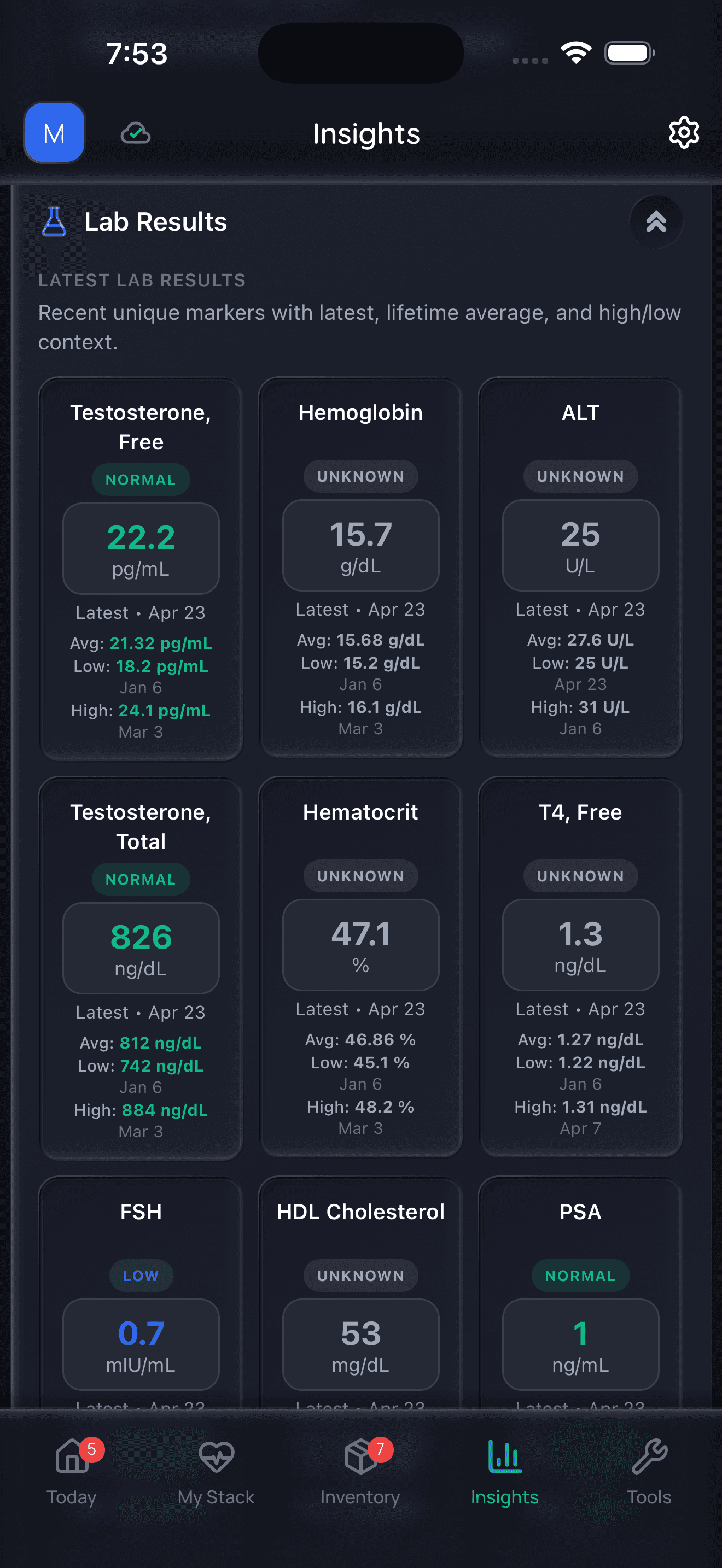
Doserly organizes data; it does not diagnose or interpret labs for you.
Dosing & Usage Protocols
The Basics
Manganese dosing is unusual among supplements because most nutrition experts do not see a strong reason for healthy people eating a varied diet to supplement it at all. The Adequate Intake (AI) of 2.3 mg for men and 1.8 mg for women is typically met through food alone.
When manganese does appear in supplements, it usually comes as part of a multivitamin/mineral formula, typically providing 1 to 4.5 mg per serving. Standalone manganese supplements usually contain 5 to 20 mg per serving. The established Upper Tolerable Intake Level (UL) is 11 mg/day for adults from all sources combined (food and supplements), so anyone taking a standalone manganese supplement should be mindful of dietary intake as well [1][2].
For general wellness, matching the AI through a combination of diet and supplementation (if supplementation is even necessary) is the commonly cited approach. Some bone/joint health products containing glucosamine and chondroitin include manganese ascorbate at doses of 30-40 mg/day, which substantially exceeds the UL. Two studies using these products for knee osteoarthritis reported no adverse effects over 8 weeks and 6 months respectively, but these doses are well above what most experts consider appropriate for long-term use without medical supervision [3].
People with iron deficiency should be particularly cautious, as their bodies will absorb more manganese from supplements. Individuals with liver disease should generally avoid manganese supplementation, as their ability to excrete excess manganese through bile is impaired [1][2][3].
The Science
Adequate Intake Values
The IOM established AIs rather than RDAs due to insufficient data to determine an EAR. Adult AIs are based on median dietary intakes from the Total Diet Study: 2.3 mg/day for males and 1.8 mg/day for females aged 19+ years. Requirements are modestly increased during pregnancy (2.0 mg/day) and lactation (2.6 mg/day) [2].
Supplement Dosing Context
Multivitamin/mineral products that include manganese typically provide 1.0-4.5 mg per serving. Standalone manganese supplements generally provide 5-20 mg per serving [1]. No data exist on optimal supplemental doses beyond the AI, as clinical trials of manganese supplementation in adequately nourished populations have not been conducted.
High-Dose Context
Two clinical studies using glucosamine hydrochloride, chondroitin sulfate, and manganese ascorbate (30 mg/day for 8 weeks [37] and 40 mg/day for 6 months [38]) for knee osteoarthritis reported clinical benefit with no documented adverse effects. However, blood manganese was not measured in either study, and neither study included a manganese-free comparator, so the contribution of manganese to the observed effects cannot be determined.
Special Populations
Iron-deficient individuals demonstrate increased manganese absorption and elevated blood manganese, potentially increasing risk of tissue accumulation [10][11]. Patients with chronic liver disease have impaired biliary excretion and should avoid supplemental manganese [1][3]. The American Society for Parenteral and Enteral Nutrition (ASPEN) has recommended reducing or eliminating manganese from parenteral nutrition solutions due to toxicity risk in patients receiving long-term TPN [3].
When your stack includes several supplements, each with its own dose, form, and timing requirements, the logistics alone can derail consistency. Doserly consolidates all of it into one protocol view, so every dose across your entire routine is accounted for without spreadsheets or guesswork.
The app also tracks cumulative intake for nutrients that appear in multiple products. If your multivitamin, standalone supplement, and fortified protein shake all contain the same nutrient, Doserly adds them up and shows you the total alongside recommended and upper limits. Managing a thoughtful supplement protocol shouldn't require a degree in nutrition science. The app handles the complexity so you can focus on staying consistent.
Turn symptom and safety notes into a clearer timeline.
Doserly helps you log doses, symptoms, and safety observations side by side so patterns are easier to discuss with a qualified clinician.
Pattern view
Logs and observations
Pattern visibility is informational and should be reviewed with a clinician.
What to Expect (Timeline)
Unlike many supplements where users report noticeable changes within days or weeks, manganese supplementation in individuals who are not deficient is unlikely to produce subjective effects. Most people already consume adequate manganese through diet, and supplementing at or near AI levels serves a maintenance function rather than producing dramatic changes.
For individuals correcting a suspected deficiency:
Weeks 1-2: Anecdotal community reports suggest some users notice improved energy, mental clarity, or mood within the first few days to two weeks of supplementation, particularly those who were potentially deficient due to restrictive diets, high calcium or iron supplementation, or gastrointestinal conditions affecting absorption. These reports primarily come from individuals taking doses above the AI (5-10 mg range).
Weeks 3-4: If improvements in joint comfort or connective tissue health are going to occur, they may begin to emerge in this window, though skeletal effects from manganese are likely to require much longer timeframes.
Months 2-3: Bone mineral density changes, if they occur, would not be detectable on this timescale. The one positive clinical trial with trace minerals including manganese measured outcomes at two years.
Long-term: Manganese supplementation is generally not recommended as an ongoing standalone intervention for adequately nourished individuals. For those with documented deficiency or specific conditions warranting supplementation, periodic reassessment with a healthcare provider is advisable.
Important context: The subjective effects reported by community members taking manganese (improved mood, energy, cognitive function) most likely reflect correction of an underlying deficiency rather than a pharmacological effect. Once adequate status is restored, continued supplementation at high doses provides no established benefit and increases the risk of adverse effects.
Interactions & Compatibility
Synergistic
- Vitamin K and Vitamin K2: Manganese works in conjunction with vitamin K in blood clotting and hemostasis processes [1].
- Calcium: In combination with other trace minerals (zinc, copper), manganese and calcium supplementation demonstrated greater bone-protective effects than calcium alone in postmenopausal women [16].
- Zinc and Copper: Often combined with manganese in trace mineral formulas for bone health support [16].
- Glucosamine and Chondroitin: Manganese ascorbate has been studied in combination with glucosamine hydrochloride and chondroitin sulfate for joint health, with positive results for knee osteoarthritis [37][38].
Caution / Avoid
- Iron: Iron and manganese compete for the same intestinal transporter (DMT1). Iron supplementation (60 mg/day) has been shown to decrease blood manganese levels and MnSOD activity. Conversely, iron deficiency increases manganese absorption and potential brain accumulation. These should be taken at separate times if both are supplemented [1][3][10].
- Calcium: Supplemental calcium (500 mg/day), particularly as calcium carbonate or calcium phosphate, may slightly reduce manganese absorption. Separate by 2+ hours [3].
- Magnesium: Supplemental magnesium (200 mg/day) has been shown to slightly decrease manganese bioavailability [3].
- Tetracycline Antibiotics: May decrease absorption of manganese when taken together [3].
- Magnesium-Containing Antacids and Laxatives: May decrease manganese absorption [3].
- Phosphorus: Intakes of phosphorus have been found to limit retention of manganese [3].
How to Take / Administration Guide
Manganese is available in capsule, tablet, and powder forms, as well as in multivitamin/mineral combination products. When considering supplementation, the following points are commonly referenced by practitioners:
Recommended forms: No published research compares the bioavailability of different manganese supplement forms, so there is no evidence-based "best form" to recommend. Amino acid chelates (bisglycinate, glycinate, aspartate), gluconate, citrate, picolinate, and sulfate are all available. Manganese ascorbate is the form used in the joint health studies with glucosamine/chondroitin [1][37][38].
Timing: Manganese can be taken with or without food. Taking with a small amount of food may reduce any stomach upset. To maximize absorption, consider separating manganese from iron, calcium, magnesium, and phosphorus supplements by at least 2 hours, as these minerals may compete for absorption [3].
Stacking guidance: Manganese is often already included in multivitamin/mineral formulas. Check the label of any multi you are taking before adding a standalone manganese supplement to avoid exceeding the 11 mg/day UL from combined sources. Be especially careful with glucosamine/chondroitin/manganese ascorbate products, which may provide 30-40 mg of elemental manganese per day [3].
Cycling: There is no established cycling protocol for manganese supplementation. Given the concern about accumulation, long-term high-dose supplementation (above the AI) without medical supervision is generally not recommended [2][3].
Who may not need to supplement: Most adults consuming a varied diet that includes whole grains, nuts, legumes, and vegetables likely meet their manganese AI through food. The groups most at risk for inadequacy are those on severely restricted diets, those with high iron supplement intake, or those with malabsorption conditions [1][2].
Choosing a Quality Product
When selecting a manganese supplement, these considerations may help inform the decision:
Third-party certifications: Look for products bearing USP Verified, NSF Certified for Sport, ConsumerLab approved, or GMP certification marks. These indicate independent testing for identity, purity, and potency.
Active vs. standard forms: Because no human bioavailability comparison data exist for different manganese supplement forms, the distinction between "premium" and "standard" forms is less evidence-based for manganese than for many other minerals. Amino acid chelates (bisglycinate, glycinate) are often marketed as better absorbed, but this claim lacks published validation for manganese specifically [1].
Red flags:
- Products providing more than 11 mg per serving without clear clinical justification
- Proprietary blends that obscure the actual dose of elemental manganese
- Marketing claims about "superior absorption" for specific manganese forms, which lack published evidence
- Products that do not specify the amount of elemental manganese (only listing the compound weight)
Excipient considerations: Standard considerations apply. Check for common allergens (gluten, soy, dairy) if relevant to your dietary needs.
Supplement-specific quality markers: Since manganese is a heavy metal (albeit an essential one), testing for contamination with other heavy metals (lead, arsenic, cadmium, mercury) is particularly relevant for mineral supplements. Products from companies that publish Certificates of Analysis (COAs) provide greater transparency.
Multivitamin considerations: Many multivitamins include manganese at doses of 1-4.5 mg, which may be sufficient for those looking for basic insurance against inadequacy. Standalone manganese supplements are rarely necessary for the general population.
Storage & Handling
Manganese supplements should be stored at room temperature in a tightly closed container, away from heat, moisture, and direct light. Keep from freezing. There are no form-specific storage requirements for manganese supplements, as the mineral is chemically stable under normal storage conditions.
As with all supplements, keep manganese products out of reach of children. While manganese toxicity from a single supplement serving is unlikely, children are more susceptible to the neurotoxic effects of excess manganese due to their higher absorption rates and developing nervous systems [2][3].
Lifestyle & Supporting Factors
Dietary Sources
The richest food sources of manganese include whole grains (brown rice, oatmeal, whole wheat bread), nuts (pecans, hazelnuts, almonds, peanuts), legumes (chickpeas, lentils, soybeans, pinto beans), leafy vegetables (spinach, kale), tea (both green and black), and shellfish (mussels, oysters, clams). A single serving of mussels (3 oz, cooked) provides 252% of the Daily Value. Pineapple is also a notable source [1][3].
Signs of Potential Inadequacy
Because manganese deficiency is exceptionally rare, established deficiency symptoms in free-living humans are not well characterized. Limited experimental data suggest possible signs include skin rashes, hair depigmentation, altered mood, increased premenstrual discomfort, decreased serum cholesterol, and mildly abnormal glucose tolerance [1][2][3].
Factors That May Increase Need
- Severely restrictive diets (very low in whole grains, nuts, legumes)
- High-dose iron supplementation over extended periods (may decrease manganese absorption) [10]
- High calcium and magnesium supplementation (mild competitive inhibition) [3]
- Gastrointestinal conditions affecting mineral absorption
Factors That Increase Risk of Excess
- Chronic liver disease or cirrhosis (impaired biliary excretion) [1][3]
- Iron deficiency (increased intestinal manganese absorption and brain accumulation) [10][11]
- Occupational exposure to manganese dust (welding, mining, smelting) [3]
- Contaminated drinking water (concentrations above 50 mcg/L) [3]
- Infancy and early childhood (higher absorption rates, lower excretion) [33]
Monitoring
Routine monitoring of manganese status is not standard clinical practice because serum and whole blood levels correlate poorly with dietary intake and tissue stores. For individuals with specific risk factors (liver disease, occupational exposure, suspected overexposure), whole blood manganese testing may be considered, though interpretation requires caution [2][5].
Regulatory Status & Standards
United States (FDA)
Manganese is recognized as an essential nutrient and is permitted in dietary supplements under DSHEA. The FDA has established a Daily Value of 2.3 mg for food labeling purposes. Manganese is included in the GRAS (Generally Recognized as Safe) list for use as a food ingredient. The EPA sets a secondary maximum contaminant level for manganese in drinking water at 0.05 mg/L (50 mcg/L), which is a non-enforceable guideline based on aesthetic considerations (taste, staining) rather than health effects [1][2].
Canada (Health Canada)
Manganese is included in Natural Health Products as a permitted mineral ingredient. Licensed NHP products containing manganese must comply with monograph specifications.
European Union (EFSA)
Manganese is authorized for use in food supplements. EFSA has not established a UL for manganese but recognizes the IOM UL of 11 mg/day as a reference point.
Australia (TGA)
Manganese is permitted in listed complementary medicines (AUST L) as an essential mineral.
Athlete & Sports Regulatory Status
Manganese is not prohibited by the World Anti-Doping Agency (WADA) or any national anti-doping organization. It does not appear on the WADA Prohibited List, NCAA Banned Substances List, or any professional league prohibited substance lists.
Athletes can verify the status of any supplement through GlobalDRO. However, athletes should be aware that manganese-containing supplements could potentially be contaminated with prohibited substances if manufactured without adequate quality controls. Third-party certified products (Informed Sport, NSF Certified for Sport, Cologne List, BSCG) reduce but do not eliminate this risk.
Regulatory status and prohibited substance classifications change frequently. Athletes should always verify the current status of any supplement with their sport's governing body, their national anti-doping agency, and a qualified sports medicine professional before use. Third-party certification (Informed Sport, NSF Certified for Sport) reduces but does not eliminate the risk of contamination with prohibited substances.
Frequently Asked Questions
Is manganese the same as magnesium?
No. Despite similar-sounding names, manganese (Mn) and magnesium (Mg) are entirely different minerals with different functions. Magnesium is a major mineral needed in much larger quantities (RDA of 310-420 mg/day), while manganese is a trace mineral with an AI of only 1.8-2.3 mg/day. They do interact, as magnesium supplementation can slightly decrease manganese absorption.
Do most people need a manganese supplement?
Based on available data, most people eating a varied diet that includes whole grains, nuts, and vegetables get adequate manganese from food alone. Estimated average dietary intakes in the U.S. (2.1-2.8 mg/day) typically meet or exceed the AI. Manganese deficiency from normal dietary patterns has essentially not been documented in free-living humans [1][2].
What are the signs of manganese deficiency?
Because manganese deficiency is extremely rare, the symptoms are not well established. Limited experimental evidence suggests possible signs include skin rashes, altered mood, bone demineralization, and mildly abnormal glucose tolerance [1][2][3].
Can manganese supplements be toxic?
At moderate supplement doses (within the 11 mg/day UL for adults), toxicity from supplements is not commonly reported. However, chronic intake at very high doses (e.g., 100 mg/day for years) has caused Parkinsonism in at least one documented case. The greater toxicity risks come from occupational inhalation exposure and contaminated drinking water [1][3][28].
How does iron status affect manganese?
Iron and manganese share intestinal transporters. Low iron stores increase manganese absorption, potentially leading to elevated manganese levels in tissues, including the brain. Conversely, iron supplementation can reduce manganese absorption and status. Those supplementing both should take them at different times [3][10].
Is the manganese in my multivitamin safe?
Most multivitamins contain 1-4.5 mg of manganese, which falls within the range between the AI and UL. For the vast majority of adults, this is considered safe and may provide useful nutritional insurance [1].
Should I take manganese for joint health?
Some joint health formulas combine manganese ascorbate with glucosamine and chondroitin. Two studies using these combinations (with 30-40 mg/day manganese) showed benefit for knee osteoarthritis, but manganese's specific contribution could not be separated from the other ingredients. These doses substantially exceed the UL and should not be taken long-term without medical guidance [3][37][38].
Does cooking affect manganese in food?
Manganese is a stable mineral that is generally well-retained during cooking. Boiling may cause some leaching into cooking water. Phytic acid in whole grains and legumes may slightly reduce manganese availability, but overall dietary intakes from food are not considered a concern for either deficiency or toxicity [1][3].
Who should avoid manganese supplements?
Individuals with chronic liver disease or cirrhosis should avoid supplemental manganese due to impaired biliary excretion. People with iron deficiency should be cautious as they will absorb more manganese. Infants and young children are more vulnerable to manganese toxicity. Anyone taking tetracycline antibiotics should separate them from manganese supplements [1][2][3].
Is manganese in drinking water a concern?
It can be. The EPA recommends a maximum of 0.05 mg/L (50 mcg/L) in drinking water. Research has linked water manganese levels above 100-240 mcg/L with cognitive effects in children. If you suspect high manganese in your water, testing is available through local health departments or private labs [2][3].
Myth vs. Fact
Myth: Manganese deficiency is a common hidden cause of health problems.
Fact: Manganese deficiency from dietary sources is virtually undocumented in free-living humans eating normal diets. The AI is easily met through typical dietary patterns, and no known population groups are considered at risk for inadequate manganese intake. Marketing claims suggesting widespread hidden manganese deficiency are not supported by nutritional survey data [1][2].
Myth: Higher doses of manganese supplements provide greater benefits.
Fact: There is no evidence that manganese intake above the AI provides additional health benefits. Unlike some minerals where higher intakes are associated with better outcomes in certain populations, manganese supplementation beyond nutritional needs has no documented advantage and increases the risk of adverse neurological effects [2][3].
Myth: All forms of manganese supplements are equally well absorbed.
Fact: No published human studies have compared the bioavailability of different supplemental manganese forms. Claims that chelated forms or specific salts are "better absorbed" lack peer-reviewed evidence. The body absorbs only 1-5% of dietary manganese regardless of form, with absorption rate adjusted primarily by the body's homeostatic mechanisms and iron status [1][3].
Myth: Manganese supplements are as safe as other mineral supplements.
Fact: Manganese has a narrower safety margin than many commonly supplemented minerals. The ratio between the AI (about 2 mg) and the UL (11 mg) is relatively tight, and documented cases of neurotoxicity from chronic supplementation at high doses have been reported. Additionally, manganese toxicity can cause irreversible neurological damage resembling Parkinson's disease. This does not mean moderate supplementation is dangerous, but it does warrant more caution than, for example, magnesium or calcium supplementation [2][3][28].
Myth: Manganese toxicity only occurs from industrial exposure.
Fact: While occupational inhalation is the most common route of manganese toxicity, it has also been documented from contaminated drinking water, excessive supplementation, and intravenous administration (parenteral nutrition). Children are particularly vulnerable to manganese toxicity from drinking water, with studies showing cognitive effects at concentrations above 100-240 mcg/L [2][3][34][35].
Myth: Vegetarians are at risk of manganese toxicity from their diet.
Fact: Although vegetarian diets can provide manganese intakes of up to 20 mg/day (exceeding the UL), manganese toxicity from food alone has never been reported in humans. The body regulates absorption from dietary sources effectively. The UL was set conservatively and applies primarily to supplemental rather than dietary manganese [2][3].
Myth: Manganese supplements will improve cognitive function in everyone.
Fact: Some community reports describe improved mental clarity and cognitive function after manganese supplementation, but these reports overwhelmingly come from individuals who were likely deficient. There are no clinical trials demonstrating cognitive enhancement from manganese supplementation in adequately nourished individuals. In fact, excessive manganese is associated with cognitive impairment, not improvement [1][2][3].
Sources & References
Government & Institutional Sources
[1] National Institutes of Health, Office of Dietary Supplements. "Manganese: Fact Sheet for Health Professionals." Updated March 29, 2021. https://ods.od.nih.gov/factsheets/Manganese-HealthProfessional/
[2] Institute of Medicine, Food and Nutrition Board. Dietary Reference Intakes for Vitamin A, Vitamin K, Arsenic, Boron, Chromium, Copper, Iodine, Iron, Manganese, Molybdenum, Nickel, Silicon, Vanadium, and Zinc. Washington, DC: National Academy Press; 2001:394-419.
Review Articles & Monographs
[3] Linus Pauling Institute, Oregon State University. "Manganese." Micronutrient Information Center. Updated April 2021. Reviewed May 2021 by Michael Aschner, Ph.D. https://lpi.oregonstate.edu/mic/minerals/manganese
[4] Wedler FC. "Biochemical and nutritional role of manganese: an overview." In: Klimis-Tavantzis DJ (ed). Manganese in Health and Disease. Boca Raton: CRC Press; 1994:1-37.
[5] Chen P, Bornhorst J, Aschner M. "Manganese metabolism in humans." Front Biosci (Landmark Ed). 2018;23:1655-1679. PubMed.
[6] Li L, Yang X. "The Essential Element Manganese, Oxidative Stress, and Metabolic Diseases: Links and Interactions." Oxid Med Cell Longev. 2018:7580707. PubMed.
[7] Albrecht J, Sonnewald U, Waagepetersen HS, Schousboe A. "Glutamine in the central nervous system: function and dysfunction." Front Biosci. 2007;12:332-343. PubMed.
Bone Health Studies
[8] Keen CL, Zidenberg-Cherr S. "Manganese." In: Ziegler EE, Filer LJ, eds. Present Knowledge in Nutrition. 7th ed. Washington, DC: ILSI Press; 1996:334-343.
[9] Shetlar MR, Shetlar CL. "The role of manganese in wound healing." In: Klimis-Tavantzis DL, ed. Manganese in Health and Disease. Boca Raton: CRC Press; 1994:145-157.
[10] Davis CD, Greger JL. "Longitudinal changes of manganese-dependent superoxide dismutase and other indexes of manganese and iron status in women." Am J Clin Nutr. 1992;55(3):747-752. PubMed.
[11] Ye Q, Park JE, Gugnani K, Betharia S, Pino-Figueroa A, Kim J. "Influence of iron metabolism on manganese transport and toxicity." Metallomics. 2017;9(8):1028-1046. PubMed.
[12] Reginster JY, Strause LG, Saltman P, Franchimont P. "Trace elements and postmenopausal osteoporosis: a preliminary study of decreased serum manganese." Med Sci Res. 1988;16:337-338.
[13] Odabasi E, Turan M, Aydin A, Akay C, Kutlu M. "Magnesium, zinc, copper, manganese, and selenium levels in postmenopausal women with osteoporosis." Ann Acad Med Singapore. 2008;37(7):564-567. PubMed.
[14] Odabasi et al. (2008) found no differences in red blood cell or plasma manganese levels between postmenopausal women with and without osteoporosis.
[15] Wang L, Yu H, Yang G, et al. "Correlation between bone mineral density and serum trace element contents of elderly males in Beijing urban area." Int J Clin Exp Med. 2015;8:19250-19257. PubMed.
[16] Strause L, Saltman P, Smith KT, Bracker M, Andon MB. "Spinal bone loss in postmenopausal women supplemented with calcium and trace minerals." J Nutr. 1994;124(7):1060-1064. PubMed.
Diabetes Studies
[17] Mancini FR, Dow C, Affret A, et al. "Micronutrient dietary patterns associated with type 2 diabetes mellitus among women of the E3N-EPIC cohort study." J Diabetes. 2018;10(8):665-674. PubMed.
[18] Du S, Wu X, Han T, et al. "Dietary manganese and type 2 diabetes mellitus: two prospective cohort studies in China." Diabetologia. 2018;61(9):1985-1995. PubMed.
[19] Eshak ES, Muraki I, Imano H, Yamagishi K, Tamakoshi A, Iso H. "Manganese intake from foods and beverages is associated with a reduced risk of type 2 diabetes." Maturitas. 2021;143:127-131. PubMed.
[20] Shan Z, Chen S, Sun T, et al. "U-shaped association between plasma manganese levels and type 2 diabetes." Environ Health Perspect. 2016;124(12):1876-1881. PubMed.
[21] Li XT, Yu PF, Gao Y, et al. "Association between plasma metal levels and diabetes risk: a case-control study in China." Biomed Environ Sci. 2017;30(7):482-491. PubMed.
[22] Forte G, Bocca B, Peruzzu A, et al. "Blood metals concentration in type 1 and type 2 diabetics." Biol Trace Elem Res. 2013;156:79-90. PubMed.
[23] Simic A, Hansen AF, Asvold BO, et al. "Trace element status in patients with type 2 diabetes in Norway: The HUNT3 Survey." J Trace Elem Med Biol. 2017;41:91-98. PubMed.
[24] Baly DL, Curry DL, Keen CL, Hurley LS. "Effect of manganese deficiency on insulin secretion and carbohydrate homeostasis in rats." J Nutr. 1984;114(8):1438-1446. PubMed.
Epilepsy Studies
[25] Carl G, Gallagher B. "Manganese and epilepsy." In: Klimis-Tavantzis D, ed. Manganese in Health and Disease. Boca Raton: CRC Press; 1994:133-157.
[26] Carl GF, Keen CL, Gallagher BB, et al. "Association of low blood manganese concentrations with epilepsy." Neurology. 1986;36(12):1584-1587. PubMed.
[27] Gonzalez-Reyes RE, Gutierrez-Alvarez AM, Moreno CB. "Manganese and epilepsy: a systematic review of the literature." Brain Res Rev. 2007;53(2):332-336. PubMed.
Toxicity & Safety
[28] Schuh MJ. "Possible Parkinson's disease induced by chronic manganese supplement ingestion." Consult Pharm. 2016;31(12):698-703. PubMed.
[29] Pal PK, Samii A, Calne DB. "Manganese neurotoxicity: a review of clinical features, imaging and pathology." Neurotoxicology. 1999;20(2-3):227-238. PubMed.
[30] O'Neal SL, Zheng W. "Manganese toxicity upon overexposure: a decade in review." Curr Environ Health Rep. 2015;2(3):315-328. PubMed.
[31] Tuschl K, Clayton PT, Gospe SM Jr, et al. "Syndrome of hepatic cirrhosis, dystonia, polycythemia, and hypermanganesemia caused by mutations in SLC30A10." Am J Hum Genet. 2012;90(3):457-466. PubMed.
[32] Tuschl K, Meyer E, Valdivia LE, et al. "Mutations in SLC39A14 disrupt manganese homeostasis and cause childhood-onset parkinsonism-dystonia." Nat Commun. 2016;7:11601. PubMed.
[33] Erikson KM, Thompson K, Aschner J, Aschner M. "Manganese neurotoxicity: a focus on the neonate." Pharmacol Ther. 2007;113(2):369-377. PubMed.
[34] Bouchard MF, Sauve S, Barbeau B, et al. "Intellectual impairment in school-age children exposed to manganese from drinking water." Environ Health Perspect. 2011;119(1):138-143. PubMed.
[35] Schullehner J, Thygesen M, Kristiansen SM, Hansen B, Pedersen CB, Dalsgaard S. "Exposure to manganese in drinking water during childhood and association with attention-deficit hyperactivity disorder." Environ Health Perspect. 2020;128(9):97004. PubMed.
[36] Rahman SM, Kippler M, Tofail F, Bolte S, Hamadani JD, Vahter M. "Manganese in drinking water and cognitive abilities and behavior at 10 years of age." Environ Health Perspect. 2017;125(5):057003. PubMed.
Joint Health Studies
[37] Leffler CT, Philippi AF, Leffler SG, Mosure JC, Kim PD. "Glucosamine, chondroitin, and manganese ascorbate for degenerative joint disease of the knee or low back: a randomized, double-blind, placebo-controlled pilot study." Mil Med. 1999;164(2):85-91. PubMed.
[38] Das A Jr, Hammad TA. "Efficacy of a combination of FCHG49 glucosamine hydrochloride, TRH122 low molecular weight sodium chondroitin sulfate and manganese ascorbate in the management of knee osteoarthritis." Osteoarthritis Cartilage. 2000;8(5):343-350. PubMed.
Related Supplement Guides
Same Category (Trace Minerals)
Common Stacks / Pairings
- Calcium (combined in bone health formulas)
- Vitamin K1 (synergistic in blood clotting)
- Vitamin K2 (synergistic in bone health)
Related Health Goal
- Magnesium (major mineral, mineral balance)
- Potassium (electrolyte balance)
- Phosphorus (bone health)