
L-Phenylalanine: The Complete Supplement Guide
On this page
Quick Reference Card
Attribute
Common Name
- Detail
- L-Phenylalanine
Attribute
Other Names / Aliases
- Detail
- Phe, L-Phe, (S)-2-Amino-3-phenylpropanoic acid, Beta-phenyl-alanine. Related forms: D-Phenylalanine (DPA), DL-Phenylalanine (DLPA)
Attribute
Category
- Detail
- Essential Amino Acid
Attribute
Primary Forms & Variants
- Detail
- L-Phenylalanine (natural, dietary form; sole form found in proteins); D-Phenylalanine (synthetic mirror-image; studied for endorphin preservation); DL-Phenylalanine/DLPA (50:50 racemic blend of L- and D-forms)
Attribute
Typical Dose Range
- Detail
- 500 to 1,500 mg/day (supplement); 50 to 100 mg/kg/day for vitiligo (clinical study doses)
Attribute
RDA / AI / UL
- Detail
- RDA for Phe + Tyrosine combined: 33 mg/kg/day for adults (IOM 2002). No separate RDA for Phe alone. No UL established for supplemental phenylalanine in healthy populations.
Attribute
Common Delivery Forms
- Detail
- Capsule, tablet, powder
Attribute
Best Taken With / Without Food
- Detail
- Best absorbed on an empty stomach (avoids competition with other dietary amino acids for intestinal transport). Some sources suggest taking with food to reduce occasional GI discomfort.
Attribute
Key Cofactors
- Detail
- Vitamin B6 (pyridoxal-5-phosphate; required for decarboxylase enzymes in catecholamine synthesis), Vitamin C (cofactor for dopamine beta-hydroxylase), Iron (cofactor for phenylalanine hydroxylase)
Attribute
Storage Notes
- Detail
- Store in a cool, dry place away from direct sunlight and moisture. No refrigeration required.
Overview
The Basics
L-Phenylalanine is an essential amino acid, meaning your body cannot make enough of it on its own and relies on food to supply it. You get L-phenylalanine every day from protein-rich foods like meat, fish, eggs, dairy, and soy products. It is one of the nine amino acids your body considers indispensable.
What makes L-phenylalanine interesting beyond its role as a protein building block is its function as a starting material for several important brain chemicals. Your body converts it into another amino acid called L-tyrosine, which is then used to produce dopamine, norepinephrine, and epinephrine. These neurotransmitters and hormones influence your mood, motivation, focus, stress response, and energy levels. Think of L-phenylalanine as the raw material at the very beginning of a production line that generates some of your brain's most important chemical messengers.
Most people get adequate phenylalanine from a normal diet containing protein. Supplementation is typically explored by people who suspect their catecholamine neurotransmitter levels could benefit from additional precursor support, or by those with specific conditions like vitiligo. The research on L-phenylalanine as a supplement is modest in size and often dated, with the strongest clinical evidence limited to its use in vitiligo treatment combined with UV light therapy [1][2].
The Science
L-Phenylalanine (Phe) is an essential proteinogenic amino acid classified as an aromatic amino acid due to its phenyl group side chain. It is exclusively found as the L-stereoisomer in biological proteins and is one of nine amino acids classified as essential by the Institute of Medicine [3].
The primary metabolic fate of dietary L-phenylalanine beyond protein synthesis is hydroxylation to L-tyrosine by the enzyme phenylalanine hydroxylase (PAH; EC 1.14.16.1), a reaction requiring tetrahydrobiopterin (BH4) as a cofactor and molecular oxygen as a co-substrate. This reaction is the rate-limiting step in catecholamine biosynthesis. L-tyrosine is subsequently converted to L-DOPA by tyrosine hydroxylase (TH), then to dopamine by aromatic L-amino acid decarboxylase (AADC), to norepinephrine by dopamine beta-hydroxylase (DBH), and finally to epinephrine by phenylethanolamine N-methyltransferase (PNMT) [4][5].
An alternative metabolic pathway involves the decarboxylation of L-phenylalanine by AADC to produce beta-phenylethylamine (PEA), a biogenic trace amine that activates trace amine-associated receptor 1 (TAAR1) and modulates monoaminergic neurotransmission. PEA has documented stimulant and mood-elevating properties, though it is rapidly degraded by monoamine oxidase B (MAO-B) with a half-life measured in minutes [6].
Genetic deficiency of PAH results in phenylketonuria (PKU), an autosomal recessive inborn error of metabolism with birth prevalence ranging from 1:2,500 to 1:125,000 worldwide, in which phenylalanine accumulates to neurotoxic levels [7].
Chemical & Nutritional Identity
Property
Chemical Name
- Value
- (S)-2-Amino-3-phenylpropanoic acid
Property
Molecular Formula
- Value
- C9H11NO2
Property
Molecular Weight
- Value
- 165.19 g/mol
Property
CAS Number
- Value
- 63-91-2
Property
PubChem CID
- Value
- 6140
Property
Category
- Value
- Essential aromatic amino acid
Property
Stereoisomers
- Value
- L-Phenylalanine (natural, biologically active); D-Phenylalanine (synthetic, studied for enkephalinase inhibition)
Property
RDA (Phe + Tyr combined)
- Value
- 33 mg/kg/day for adults (IOM 2002); approximately 2,310 mg/day for a 70 kg adult
Property
UL
- Value
- Not established
L-Phenylalanine is a white crystalline powder with a slightly bitter taste. It is soluble in water. The molecule contains a benzene ring attached to an alanine backbone, giving it its aromatic classification.
Three forms of phenylalanine are commercially available as supplements. L-Phenylalanine is the natural dietary form and the only stereoisomer incorporated into biological proteins. D-Phenylalanine is a synthetic mirror-image form that is not found in dietary protein but has been studied for its potential to inhibit enkephalinase, an enzyme that degrades endogenous endorphins and enkephalins. DL-Phenylalanine (DLPA) is a racemic 50:50 mixture of both forms, combining the catecholamine precursor role of the L-form with the proposed endorphin-preserving properties of the D-form [1][8].
Average dietary intake of L-phenylalanine from protein-containing foods is estimated at 2 to 4 grams per day, well above the RDA for phenylalanine plus tyrosine combined [3].
Mechanism of Action
The Basics
L-Phenylalanine works in your body primarily by serving as the starting material for a chain of chemical reactions that produces dopamine, norepinephrine, and epinephrine. These three molecules (collectively called catecholamines) are central to how you feel, think, and respond to the world around you.
The process is straightforward. Your liver converts L-phenylalanine into L-tyrosine using an enzyme and a helper molecule called BH4. From there, L-tyrosine gets converted step-by-step into dopamine (which influences your mood, motivation, and pleasure), norepinephrine (which sharpens your focus and attention), and finally epinephrine (which activates your stress response).
L-Phenylalanine can also be converted into a compound called phenylethylamine (PEA), sometimes called the "love molecule" because it is naturally elevated during feelings of attraction and excitement. PEA acts as a mild stimulant and mood elevator, though your body breaks it down very quickly [6].
The rationale behind L-phenylalanine supplementation is simple: by providing more raw material at the top of this production line, you may support adequate production of these neurotransmitters, particularly during periods when demand is high (such as chronic stress, sleep deprivation, or in individuals with naturally lower catecholamine output).
The Science
The enzymatic cascade from L-phenylalanine to catecholamines proceeds as follows [4][5]:
- L-Phenylalanine to L-Tyrosine: Catalyzed by phenylalanine hydroxylase (PAH) with BH4 cofactor. This step occurs primarily in the liver and is the rate-limiting reaction in the overall pathway when considered from the phenylalanine starting point.
- L-Tyrosine to L-DOPA: Catalyzed by tyrosine hydroxylase (TH), the true rate-limiting enzyme in catecholamine synthesis. TH requires BH4, molecular oxygen, and ferrous iron as cofactors. TH is subject to end-product inhibition by catecholamines.
- L-DOPA to Dopamine: Catalyzed by aromatic L-amino acid decarboxylase (AADC), requiring pyridoxal-5-phosphate (vitamin B6) as a cofactor.
- Dopamine to Norepinephrine: Catalyzed by dopamine beta-hydroxylase (DBH), requiring ascorbic acid (vitamin C) and copper as cofactors.
- Norepinephrine to Epinephrine: Catalyzed by phenylethanolamine N-methyltransferase (PNMT), requiring S-adenosylmethionine (SAMe) as a methyl donor.
Supplemental L-phenylalanine theoretically increases the precursor pool available for PAH, which in turn increases tyrosine availability for TH. However, under normal physiological conditions, TH is the rate-limiting enzyme and is regulated by substrate availability, end-product inhibition, and phosphorylation status. Catecholamine depletion studies using tyrosine/phenylalanine-free amino acid beverages have demonstrated that reducing precursor availability does decrease catecholamine synthesis, blunting nucleus accumbens activation during reward anticipation [9]. This implies that precursor availability does modulate catecholamine production under certain conditions, particularly during high-demand states.
The PEA pathway involves decarboxylation of L-phenylalanine by AADC (the same enzyme that converts L-DOPA to dopamine). PEA functions as a full agonist at TAAR1, where it potentiates monoamine release and inhibits reuptake, producing its characteristic stimulant and euphoric effects. PEA is rapidly metabolized by MAO-B with a plasma half-life of minutes [6].
Absorption & Bioavailability
The Basics
L-Phenylalanine is well absorbed when taken orally. As a free-form amino acid supplement (not bound within a protein), it is absorbed relatively quickly through the wall of your small intestine. Peak blood levels typically occur within 30 to 60 minutes of ingestion on an empty stomach, which aligns with the timeframe many users report for noticing effects.
The key practical consideration for absorption is competition. L-Phenylalanine uses the same transport system (called the large neutral amino acid transporter) as several other amino acids, including tyrosine, tryptophan, and the branched-chain amino acids. When you take L-phenylalanine with a protein-rich meal, it has to compete with all these other amino acids for transport into your bloodstream and across the blood-brain barrier. This is why most sources recommend taking it on an empty stomach for best results.
Once absorbed, L-phenylalanine crosses the blood-brain barrier using the same competitive transport system. This means that the ratio of phenylalanine to other large neutral amino acids in your blood influences how much phenylalanine reaches your brain, not just the absolute amount.
The Science
Free-form L-phenylalanine is absorbed in the small intestine via the neutral amino acid transport system (System L/LAT1), a sodium-independent antiporter with broad specificity for large neutral amino acids (LNAAs) including tyrosine, tryptophan, leucine, isoleucine, and valine [10].
Absorption kinetics from supplemental free-form amino acids are more rapid than from protein-bound sources. Gorissen et al. (2020) demonstrated that ingesting free amino acids leads to faster and greater rises in plasma amino acid concentrations compared to intact protein sources [11].
Blood-brain barrier (BBB) transport of L-phenylalanine is also mediated by LAT1 (SLC7A5). Brain uptake is competitive and dependent on the plasma ratio of phenylalanine to other LNAAs, a principle well-established in PKU research where elevated phenylalanine crowds out other amino acids from brain entry. Supplemental L-phenylalanine taken in isolation (without competing amino acids) should theoretically achieve higher brain penetration than the equivalent amount consumed as part of a mixed protein meal [10].
L-Phenylalanine undergoes extensive first-pass hepatic metabolism, primarily through PAH-mediated hydroxylation to L-tyrosine. The proportion of oral phenylalanine that reaches systemic circulation as unchanged phenylalanine versus tyrosine depends on PAH activity and BH4 availability [3].
Lehmann et al. (1983) used stable isotope-labeled pseudo-racemic mixtures to study stereospecific pharmacokinetics and found that L-phenylalanine and D-phenylalanine have different plasma kinetics, with D-phenylalanine showing slower clearance due to absence of stereospecific hydroxylation by PAH [12].
Research & Clinical Evidence
Vitiligo
The Basics
The strongest clinical evidence for L-phenylalanine supplementation comes from vitiligo treatment. Vitiligo is a skin condition where patches of skin lose their pigment, turning white. Research spanning decades has found that taking L-phenylalanine by mouth or applying it to the skin, combined with exposure to ultraviolet A (UVA) light or sunlight, can help stimulate repigmentation in many patients.
The connection makes biological sense. L-phenylalanine is a precursor to melanin, the pigment that gives skin its color. The combination of supplemental phenylalanine plus UV exposure appears to stimulate melanocyte activity and melanin production in depigmented areas. Studies in both adults and children have shown positive results, with some reporting treatment success over 6 years of use [1][2][13].
The Science
Multiple clinical studies have demonstrated efficacy of L-phenylalanine combined with UVA therapy for vitiligo:
Cormane et al. (1985, Arch Dermatol Res) established the phenylalanine-UVA protocol, reporting significant repigmentation with oral L-phenylalanine (100 mg/kg/day) plus UVA exposure [14]. Siddiqui et al. (1994) confirmed these findings with L-phenylalanine and UVA irradiation [15]. Camacho and Mazuecos (1999, Arch Dermatol) reported on 6 years of clinical experience treating vitiligo with oral and topical phenylalanine, finding sustained repigmentation [2]. Schulpis et al. (1989) extended these findings to childhood vitiligo, reporting the approach as promising in pediatric populations [13].
The proposed mechanism involves phenylalanine's role as a substrate for melanin synthesis via the tyrosine-L-DOPA-melanin pathway. Additionally, Schallreuter et al. (1994, Science) demonstrated that tetrahydrobiopterin (BH4), which is required for PAH-mediated conversion of phenylalanine to tyrosine, plays a role in regulating melanin biosynthesis in human epidermis [16].
Depression
The Basics
The link between L-phenylalanine and depression is grounded in a logical mechanism: phenylalanine feeds the production of dopamine, and dopamine deficiency is associated with certain types of depression characterized by low motivation, anhedonia, and lack of pleasure. A handful of studies from the 1970s and 1980s explored this connection, and some found promising results.
One double-blind controlled study compared DL-phenylalanine (150 to 200 mg/day) to imipramine (a standard antidepressant) and found comparable improvements in depression scores [17]. Several open-label studies reported mood improvements with various forms of phenylalanine supplementation [18][19].
However, it is important to put this in perspective. These studies were small, used inconsistent dosing, and employed methodology that would not meet modern clinical trial standards. No large-scale randomized controlled trials have been conducted since the 1980s. The evidence is preliminary at best, and phenylalanine should not be considered a proven treatment for clinical depression.
The Science
Beckmann et al. (1979, Arch Psychiatr Nervenkr) conducted a double-blind controlled study comparing DL-phenylalanine (150-200 mg/day) to imipramine in depressed patients. Results showed comparable antidepressant efficacy between the two interventions [17].
Sabelli et al. (1986, J Clin Psychiatry) investigated the phenylethylamine hypothesis of affective disorder, finding that phenylalanine dietary supplementation increased urinary phenylacetic acid (a PEA metabolite) and was associated with mood improvement [20].
Birkmayer et al. (1984) studied L-deprenyl (a MAO-B inhibitor) plus L-phenylalanine in depression, finding enhanced antidepressant effects, presumably through both increased PEA production (from L-phenylalanine) and decreased PEA degradation (from MAO-B inhibition) [21].
Roiser et al. (2005) used acute phenylalanine and tyrosine depletion in patients recovered from depression. While depletion did not cause depressive relapse, it significantly reduced sensitivity to reward in a gambling task, supporting a specific role for dopamine (via phenylalanine/tyrosine) in reward processing [22].
Appetite and Satiety
The Basics
Newer research has begun exploring L-phenylalanine's effects on appetite and satiety. When L-phenylalanine is sensed in the gut, it appears to trigger the release of hormones that signal fullness, including GLP-1 and PYY. This is an emerging area of research, but early studies suggest that L-phenylalanine may play a role in appetite regulation beyond its neurotransmitter functions.
The Science
Amin et al. (2021, Diabetes Obes Metab) conducted a randomized crossover study comparing the effects of L-phenylalanine and D-phenylalanine on pancreatic and gastrointestinal hormone release in humans. L-phenylalanine stimulated significantly greater insulin, GLP-1, and PYY release compared to D-phenylalanine, suggesting stereospecific effects on gut hormone signaling [23].
Fitzgerald et al. (2020, Nutrients) examined the effects of L-phenylalanine on energy intake and glycaemia in healthy males, finding impacts on appetite perceptions, gastrointestinal hormones, and gastric emptying [24].
Pohle-Krauza et al. (2008, Appetite) studied the effects of L-phenylalanine on energy intake in overweight and obese women, finding interactions with dietary restraint status [25].
Evidence & Effectiveness Matrix
Category
Mood & Wellbeing
- Evidence Strength
- 4/10
- Community-Reported Effectiveness
- 7/10
- Summary
- Small, dated clinical trials suggest antidepressant potential via catecholamine precursor mechanism. Community reports consistently describe mood improvement.
Category
Focus & Mental Clarity
- Evidence Strength
- 3/10
- Community-Reported Effectiveness
- 6/10
- Summary
- Catecholamine depletion studies demonstrate phenylalanine's role in cognitive function, but no direct supplementation trials for focus in healthy adults. Community reports positive.
Category
Energy Levels
- Evidence Strength
- 3/10
- Community-Reported Effectiveness
- 6/10
- Summary
- Mechanistic rationale through catecholamine synthesis. No clinical trials directly measuring energy outcomes. Community reports describe stable energy.
Category
Anxiety
- Evidence Strength
- 2/10
- Community-Reported Effectiveness
- 5/10
- Summary
- No clinical evidence for anxiolytic effects. Community reports are mixed: lower doses may reduce anxiety, higher doses may increase it.
Category
Motivation & Drive
- Evidence Strength
- 3/10
- Community-Reported Effectiveness
- 7/10
- Summary
- Dopamine precursor mechanism supports motivation effects. Depletion studies (Bjork 2013) show reduced reward processing with low Phe/Tyr. Community reports strongly positive.
Category
Skin Health (Vitiligo)
- Evidence Strength
- 7/10
- Community-Reported Effectiveness
- N/A
- Summary
- Multiple clinical studies support L-Phe + UVA for vitiligo repigmentation. The strongest evidence-based application.
Category
Pain Management
- Evidence Strength
- 3/10
- Community-Reported Effectiveness
- 3/10
- Summary
- D-phenylalanine studied for pain via enkephalinase inhibition. Best RCT (Walsh 1986) found no significant analgesic effect.
Category
Sleep Quality
- Evidence Strength
- 2/10
- Community-Reported Effectiveness
- 4/10
- Summary
- No clinical evidence. Community reports mixed; stimulating effects suggest avoiding evening dosing.
Category
Appetite & Satiety
- Evidence Strength
- 5/10
- Community-Reported Effectiveness
- N/A
- Summary
- Emerging clinical evidence (Amin 2021, Fitzgerald 2020) suggests L-Phe modulates gut hormone release (GLP-1, PYY). Promising but preliminary.
Category
Side Effect Burden
- Evidence Strength
- 5/10
- Community-Reported Effectiveness
- 5/10
- Summary
- Generally well-tolerated. Doses up to 12 g/day reported safe in clinical settings. Anxiety, headache, constipation are common side effects.
Benefits & Potential Effects
The Basics
The primary reason people supplement with L-phenylalanine is to support the production of dopamine and other catecholamine neurotransmitters. Practically speaking, this translates into a few areas where people report benefits.
Mood support is the most commonly discussed benefit. Because L-phenylalanine feeds into dopamine production, some people find it helps lift their baseline mood, particularly if they suspect their dopamine levels are lower than optimal. This is not the same as treating clinical depression, but some users describe feeling more optimistic, emotionally balanced, and engaged with life.
Focus and mental clarity are closely related benefits. Dopamine and norepinephrine are both involved in attention, concentration, and the ability to sustain mental effort. Some users report that L-phenylalanine supplementation helps them feel sharper and more focused, especially during cognitively demanding tasks or periods of stress.
The most well-supported clinical benefit is for vitiligo, where L-phenylalanine taken orally or applied topically, combined with UVA light exposure, has demonstrated repigmentation effects across multiple studies [1][2][13].
The Science
The therapeutic rationale for L-phenylalanine supplementation rests on its role as the initial substrate in catecholamine biosynthesis. Several lines of evidence support this rationale:
Catecholamine depletion studies demonstrate that reducing phenylalanine and tyrosine availability blunts dopaminergic activity. Bjork et al. (2013) showed that tyrosine/phenylalanine depletion reduced nucleus accumbens activation during reward anticipation, establishing that precursor availability modulates mesolimbic dopamine function in humans [9].
The phenylethylamine hypothesis of mood, proposed by Sabelli and colleagues, suggests that PEA (produced from phenylalanine) plays an underappreciated role in mood regulation. Supplemental PEA (10-60 mg/day) has demonstrated mood-elevating effects in clinical studies, and L-phenylalanine supplementation may increase PEA production [6][20].
For vitiligo, L-phenylalanine provides substrate for melanin biosynthesis via the tyrosine-L-DOPA-melanin pathway, and its combination with UVA therapy has been validated across multiple independent clinical studies spanning three decades [1][2][13][14][15][16].
Reading about potential benefits gives you a framework. Seeing whether those benefits are showing up in your own body turns knowledge into confidence. Doserly lets you track the specific health markers relevant to this supplement, building a personal dataset that captures what's actually changing week over week.
The app's AI analytics go further than simple logging. By correlating your supplement intake with the biomarkers and health outcomes you're tracking, Doserly surfaces patterns you might miss on your own, like whether a dose adjustment three weeks ago corresponds to the improvement you're noticing now. When it's time to evaluate whether a supplement is earning its place in your stack, you have your own data to guide the decision.
Connect protocol changes to labs and health markers.
Doserly can keep lab results, biomarkers, symptoms, and dose history close together so follow-up conversations have better context.
Insights
Labs and trends
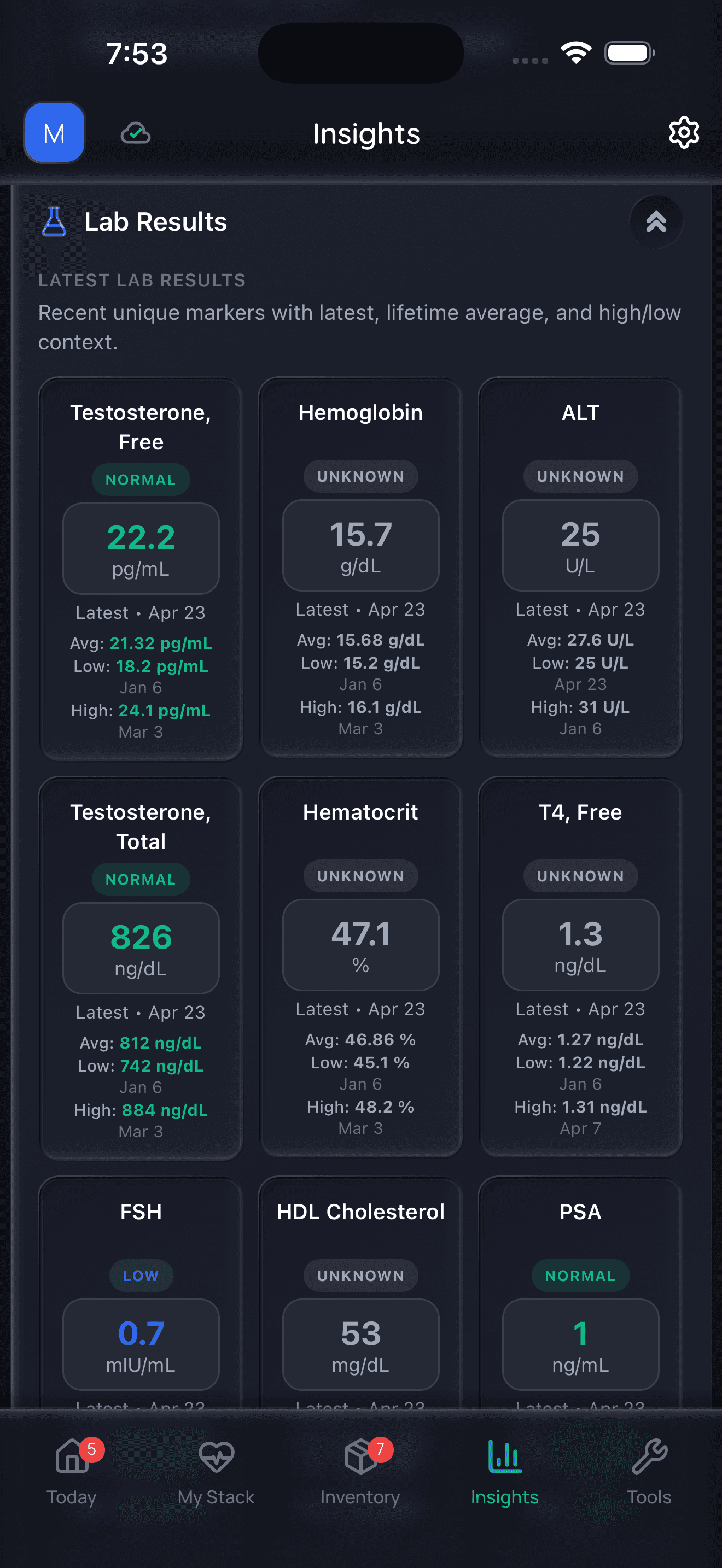
Doserly organizes data; it does not diagnose or interpret labs for you.
Side Effects & Safety
The Basics
L-Phenylalanine has a generally favorable safety profile at typical supplemental doses. As an amino acid that most people consume daily in gram quantities from dietary protein, it is well-tolerated by the majority of healthy adults. The FDA considers L-phenylalanine in food to be Generally Recognized as Safe (GRAS).
The most commonly reported side effects at supplemental doses include anxiety (particularly at higher doses), headache, and constipation. Some users also report insomnia if taken too late in the day, which makes sense given its role in stimulating catecholamine production.
There are several populations who should avoid or carefully monitor L-phenylalanine supplementation. People with phenylketonuria (PKU), a genetic disorder that impairs phenylalanine metabolism, must strictly limit their intake. Pregnant women should avoid supplemental phenylalanine because elevated blood levels during pregnancy can increase the risk of birth defects. People taking MAO inhibitor medications face a risk of dangerous blood pressure elevation. Those on levodopa for Parkinson's disease should avoid phenylalanine as it can interfere with the medication's effectiveness. People with schizophrenia should use caution, as phenylalanine may worsen tardive dyskinesia [26][27][28].
The Science
Controlled tolerance studies have tested graded daily intakes of phenylalanine up to 12 g/day in healthy adults and found no treatment-related adverse events, supporting the amino acid's wide safety margin in individuals without metabolic disorders [29].
Known adverse effects and safety considerations include:
- Phenylketonuria (PKU): Absolute contraindication. PAH deficiency leads to neurotoxic accumulation of phenylalanine. Birth prevalence ranges from 1:2,500 to 1:125,000 depending on population [7].
- Pregnancy: Elevated maternal phenylalanine can cause facial anomalies (highest risk weeks 10-14), nervous system and growth defects (weeks 3-16), and heart defects (weeks 3-8). Experts recommend phenylalanine restriction for at least 20 weeks before conception in at-risk women [30].
- MAOI interaction: L-phenylalanine is converted to tyramine, which in the context of MAO inhibition can produce hypertensive crisis [1].
- Levodopa interaction (Major): Phenylalanine competes with levodopa for transport across the blood-brain barrier and intestinal absorption via LAT1, potentially reducing levodopa efficacy [31].
- Baclofen interaction (Moderate): Evidence of competitive inhibition of baclofen intestinal absorption by phenylalanine [32].
- Antipsychotic interaction (Moderate): Phenylalanine loading has been shown to exacerbate tardive dyskinesia in schizophrenic patients [26].
- Dose-dependent anxiety: Community reports consistently describe anxiogenic effects at doses exceeding 750 mg, particularly in sensitive individuals or when combined with stimulant medications.
Dosing & Usage Protocols
The Basics
There is no officially established supplemental dose for L-phenylalanine because it has not been formally evaluated by regulatory agencies for therapeutic use. The dosing information that exists comes from a mix of clinical studies (often dated) and community experience.
For general mood and cognitive support, commonly cited ranges fall between 500 and 1,500 mg per day, typically taken in one to three divided doses. Many users start at 500 mg once daily in the morning and adjust from there based on how they respond. Some find that lower doses (250 to 500 mg) provide a noticeable mood lift without the anxiety that higher doses can trigger.
For vitiligo (the most well-studied application), clinical trials have used doses of 50 to 100 mg/kg per day in combination with UVA light therapy. For a 70 kg adult, this translates to 3,500 to 7,000 mg per day, significantly higher than typical nootropic dosing.
For DLPA (the combined D/L form), commonly cited ranges are 1,000 to 2,500 mg per day for mood support, and 1,000 mg per day for the pain-related applications attributed to D-phenylalanine.
The Science
Dosing considerations from the clinical literature:
- Vitiligo: 50-100 mg/kg/day L-phenylalanine orally, combined with UVA exposure. Multiple studies over 3+ months [2][14][15].
- Depression (older trials): DL-phenylalanine 150-200 mg/day (Beckmann 1979) [17]. L-phenylalanine 1-10 g/day noted in some open-label studies [19].
- Pain (D-phenylalanine): 250 mg four times daily (1,000 mg/day) for 4 weeks in the Walsh 1986 RCT, which found no significant benefit [8].
- ADHD: Various doses studied but no consistent benefit demonstrated [33][34].
- Safety threshold: Controlled studies testing up to 12 g/day of phenylalanine found no treatment-related adverse events in healthy adults [29].
The RDA for phenylalanine plus tyrosine combined is 33 mg/kg/day for adults (IOM 2002), approximately 2,310 mg/day for a 70 kg adult. This is typically met through dietary protein alone. Supplemental doses are additive to dietary intake [3].
Getting the dose right matters more than most people realize. Too little may be ineffective, too much wastes money or introduces risk, and inconsistency undermines both. Doserly tracks every dose you take, across every form, giving you a clear record of what you're actually consuming versus what you planned.
The app helps you compare RDA recommendations against therapeutic ranges discussed in the research, so you can see exactly where your intake falls. If you switch forms, say from a standard capsule to a liposomal liquid, Doserly adjusts your tracking to account for different bioavailabilities. Pair that with smart reminders that keep your timing consistent, and the precision that makes a real difference in outcomes becomes effortless.
Build reminders around the routine, not just the compound.
Doserly can keep timing, skipped doses, and schedule changes organized so the plan you read about becomes easier to follow and review.
Today view
Upcoming reminders

Reminder tracking supports consistency; it does not select a protocol for you.
What to Expect (Timeline)
Weeks 1-2: Many users report noticing effects within the first few doses, sometimes within 30 to 60 minutes of taking L-phenylalanine on an empty stomach. Initial effects commonly described include a mild mood lift, increased alertness, and a feeling of calm focus. Some users experience the strongest subjective effects during this early period, which may partly reflect novelty and placebo expectation. GI side effects (mild nausea, occasional constipation) are most likely to appear during this period if they occur at all.
Weeks 3-4: For those who experience early benefit, the effects typically settle into a more stable, less dramatic baseline improvement. Some users report that the initial intensity diminishes but a consistent, moderate benefit persists. Others find they need to adjust their dosing upward or begin cycling to maintain effects. Sleep disturbances (if present) often resolve as the body adapts.
Weeks 5-8: By this point, the supplement has either become a consistent part of someone's routine or has been discontinued. Tolerance development is commonly discussed in community forums, with some users reporting that daily dosing produces diminishing returns. Cycling strategies (5 days on / 2 days off, or alternating days) are commonly adopted. Any vitiligo treatment effects (if that is the goal) typically require 3+ months of consistent use with UV therapy before visible repigmentation.
Weeks 8-12+: Long-term users who have found a sustainable dosing pattern generally report stable, modest benefits in mood and focus. Users taking L-phenylalanine for vitiligo in combination with UV therapy begin to see more meaningful repigmentation changes. For mood and cognitive effects, the consensus among long-term users is that L-phenylalanine is more of a supportive tool than a transformative one.
Timelines in the research give you a general idea of when to expect results, but your body has its own schedule. Doserly tracks your progress against those benchmarks, letting you see whether your experience aligns with typical response curves or whether something in your protocol might need adjusting.
By logging biomarkers and subjective outcomes alongside your supplement intake, you build a personal timeline that shows exactly when changes started appearing and how they've progressed. The app's trend analysis highlights inflection points, weeks where things shifted for better or worse, so you have concrete data when deciding whether to continue, adjust your dose, or try a different form.
Keep sensitive protocol records in a purpose-built app.
Doserly is designed for private health tracking with structured records, offline-ready workflows, and exportable history when you need it.
Privacy
Health records
Privacy controls help you manage records; keep clinical records where required.
Interactions & Compatibility
Synergistic
- Vitamin B6 (Pyridoxal-5-phosphate): Required cofactor for AADC, the enzyme that converts L-DOPA to dopamine and L-phenylalanine to PEA. Commonly recommended to take alongside L-phenylalanine.
- Vitamin C: Cofactor for dopamine beta-hydroxylase, which converts dopamine to norepinephrine. Supports the downstream steps of catecholamine synthesis.
- Iron: Cofactor for phenylalanine hydroxylase (PAH). Iron deficiency can impair the conversion of phenylalanine to tyrosine.
- L-Tyrosine: The direct metabolic product of L-phenylalanine. Some users stack both for broader catecholamine precursor support, though taking both may be redundant since phenylalanine is converted to tyrosine in vivo.
- Copper: Cofactor for dopamine beta-hydroxylase. Supports norepinephrine synthesis from dopamine.
- Magnesium: Supports general neurotransmitter function and enzyme activity. Commonly stacked with amino acid supplements.
Caution / Avoid
- Levodopa (prescription): Major interaction. Phenylalanine competes with levodopa for intestinal absorption and blood-brain barrier transport via LAT1. Can reduce levodopa efficacy and worsen Parkinson's symptoms [31].
- MAO Inhibitors (prescription): Moderate interaction. Phenylalanine increases tyramine production, which combined with MAO inhibition can cause hypertensive crisis. Includes phenelzine (Nardil), tranylcypromine (Parnate), selegiline (Zelapar) [1].
- Antipsychotic medications (prescription): Moderate interaction. Phenylalanine may exacerbate tardive dyskinesia in patients on antipsychotics including haloperidol, chlorpromazine, and atypical antipsychotics [26].
- Baclofen (prescription): Moderate interaction. Phenylalanine competitively inhibits intestinal absorption of baclofen [32].
- 5-HTP: Caution when combining catecholamine precursors with serotonin precursors. While not a direct contraindication, simultaneous augmentation of both systems warrants monitoring.
- Stimulant medications (Adderall, Vyvanse, etc.): Community reports describe potentiated stimulant effects, sometimes uncomfortably strong. The combination increases catecholamine activity through complementary mechanisms (precursor loading plus reuptake inhibition/release enhancement).
How to Take / Administration Guide
L-Phenylalanine supplements are most commonly available in 500 mg capsules. For best absorption, most sources recommend taking it on an empty stomach, ideally 30 to 60 minutes before a meal, so that it does not have to compete with other dietary amino acids for transport across the intestinal wall and the blood-brain barrier.
Morning dosing is generally preferred due to the supplement's stimulating catecholamine-related effects. Taking it in the afternoon or evening may interfere with sleep in some individuals.
Many practitioners and community sources recommend taking L-phenylalanine alongside vitamin B6 and vitamin C to provide the cofactors needed for the downstream enzymatic conversions to dopamine and norepinephrine. This cofactor support is biologically logical, though no clinical trials have specifically tested whether adding these cofactors improves outcomes from L-phenylalanine supplementation.
For those using DLPA, the same general timing and empty-stomach guidelines apply. DLPA is often taken in doses of 500 to 1,000 mg in the morning.
Some users cycle L-phenylalanine to mitigate potential tolerance development, taking it for 5 days followed by 2 days off, or using it every other day. This approach is based on community experience rather than clinical data.
Powder forms can be mixed with water or juice. L-phenylalanine has a slightly bitter taste.
Choosing a Quality Product
When selecting an L-phenylalanine supplement, consider the following:
Form selection: Determine whether you want L-phenylalanine (pure natural form, catecholamine precursor only), D-phenylalanine (synthetic, studied for endorphin preservation), or DLPA (combined form for both benefits). Product labels should clearly specify which form is contained. Verify the "Supplement Facts" panel rather than relying on front-label marketing.
Free-form amino acid: Look for "free-form" L-phenylalanine, which does not require enzymatic digestion before absorption. This is the standard form for amino acid supplements and is preferred over protein-bound sources.
Third-party certifications: USP Verified, NSF Certified for Sport, or ConsumerLab Approved seals provide independent verification of ingredient identity, purity, and potency. GMP (Good Manufacturing Practice) certification is a minimum standard.
Excipient considerations: Common fillers include rice flour, microcrystalline cellulose, and vegetable magnesium stearate. These are generally considered inert but may be relevant for individuals with sensitivities. Some products are available in vegetarian capsules.
Red flags: Avoid products with proprietary blends that do not disclose the exact amount of phenylalanine per serving. Avoid products making strong therapeutic claims (e.g., "cures depression," "eliminates pain"). Watch for products labeled simply "phenylalanine" without specifying L-, D-, or DL-form.
Dosing per capsule: Most products contain 500 mg per capsule, which is a practical starting dose. Products with 750 mg or 1,000 mg per capsule provide less flexibility for dose adjustment.
Storage & Handling
L-Phenylalanine supplements should be stored at room temperature in a cool, dry place, away from direct sunlight and excessive moisture. No refrigeration is required. Keep the container tightly sealed between uses.
The amino acid is chemically stable under normal storage conditions. Shelf life is typically 2 to 3 years from manufacturing date when stored properly. Check the expiration date on the product label.
Powder forms are more susceptible to moisture absorption than capsules or tablets. If using powder, use a dry scoop and reseal the container immediately after use.
Lifestyle & Supporting Factors
Dietary protein intake: Since L-phenylalanine is an essential amino acid found in all protein-containing foods, individuals with adequate protein intake (0.8 to 1.2 g/kg/day) are unlikely to be deficient. Those on very low protein diets, strict vegan diets without protein variety, or calorie-restricted diets may have lower phenylalanine intake that could affect catecholamine production.
Exercise: Physical exercise has been shown to increase phenylethylamine (PEA) levels by approximately 77%, providing a natural boost to the same pathway that L-phenylalanine supplementation targets [6]. Regular exercise may enhance the mood and cognitive benefits associated with L-phenylalanine.
Sleep: Adequate sleep is critical for catecholamine receptor sensitivity and neurotransmitter recycling. Sleep deprivation increases catecholamine demand, which is part of the rationale for supplementing with precursors during periods of poor sleep.
Stress management: Chronic stress depletes catecholamine reserves, potentially increasing the benefit of precursor supplementation. However, addressing the underlying stress through behavioral strategies, exercise, and sleep optimization is more foundational than supplemental intervention.
B vitamin status: Adequate intake of vitamin B6, folate (B9), and B12 supports the methylation and enzymatic processes involved in catecholamine synthesis. A B-complex supplement can provide comprehensive cofactor support.
Iron status: Iron is a cofactor for phenylalanine hydroxylase. Iron deficiency could theoretically impair the conversion of L-phenylalanine to L-tyrosine, though this has not been studied directly in the context of phenylalanine supplementation.
Biomarkers to monitor: Individuals supplementing with L-phenylalanine for extended periods may consider monitoring blood pressure (catecholamines can raise BP), heart rate, and thyroid function (tyrosine is also a precursor to thyroid hormones T3 and T4).
Regulatory Status & Standards
United States (FDA)
L-Phenylalanine is classified as a dietary supplement under DSHEA. It is Generally Recognized as Safe (GRAS) as a component of dietary protein. As a supplement, it is not evaluated by the FDA for efficacy in treating, curing, or preventing any disease. L-Phenylalanine is also a component of aspartame (NutraSweet), an FDA-approved artificial sweetener, which is required to carry PKU warning labels.
Canada (Health Canada)
Phenylalanine-containing supplements are available as Licensed Natural Health Products with assigned NPN numbers. Monograph compliance is required for pre-market approval.
European Union (EFSA)
L-Phenylalanine is permitted as a food supplement ingredient. EFSA has evaluated phenylalanine in the context of Novel Food regulations and amino acid supplementation. Maximum permitted levels vary by member state.
Australia (TGA)
Listed as a complementary medicine ingredient. Available through the Listed Medicines database.
Athlete & Sports Regulatory Status
WADA: L-Phenylalanine is NOT on the WADA Prohibited List. It is a naturally occurring amino acid and is not classified as a prohibited substance in any category (S0-S9, M1-M3, P1).
National Anti-Doping Agencies: No specific guidance or alerts have been issued by USADA, UKAD, Sport Integrity Canada, Sport Integrity Australia, or NADA Germany regarding L-phenylalanine.
Professional Sports Leagues: L-Phenylalanine is not prohibited by the NFL, NBA, MLB, NHL, MLS, or NCAA.
NCAA: Not on the NCAA banned substance list. However, NCAA recommends that supplements provided by athletic departments carry NSF Certified for Sport or Informed Sport certification.
Athlete Certification Programs: NSF Certified for Sport and Informed Sport certified L-phenylalanine products are available. Athletes seeking verified products can reference Informed Sport (sport.wetestyoutrust.com), NSF Certified for Sport (nsfsport.com), Cologne List (koelnerliste.com), and BSCG (bscg.org).
GlobalDRO: Athletes can verify L-phenylalanine's status across multiple jurisdictions at GlobalDRO.com.
Regulatory status and prohibited substance classifications change frequently. Athletes should always verify the current status of any supplement with their sport's governing body, their national anti-doping agency, and a qualified sports medicine professional before use. Third-party certification (Informed Sport, NSF Certified for Sport) reduces but does not eliminate the risk of contamination with prohibited substances.
Frequently Asked Questions
What is the difference between L-phenylalanine, D-phenylalanine, and DLPA?
L-phenylalanine is the natural form found in food and used to build proteins and produce dopamine, norepinephrine, and epinephrine. D-phenylalanine is a synthetic mirror-image form studied for its potential to preserve endorphins by inhibiting the enzyme that breaks them down. DLPA is a 50:50 combination of both forms, combining the catecholamine-supporting properties of the L-form with the endorphin-preserving potential of the D-form.
Can L-phenylalanine help with depression?
A small number of older clinical studies (primarily from the 1970s and 1980s) found that L-phenylalanine and DLPA may improve depressive symptoms, possibly through increased dopamine and phenylethylamine production. However, these studies were small, used outdated methodology, and have not been replicated in modern clinical trials. L-phenylalanine should not be used as a substitute for evidence-based depression treatments. Anyone experiencing depression should consult a healthcare professional.
How quickly does L-phenylalanine work?
Many users report noticing effects within 30 to 60 minutes when taken on an empty stomach. This aligns with the rapid absorption kinetics of free-form amino acids. However, individual responses vary significantly, and some people may not notice subjective effects.
Should I take L-phenylalanine or L-tyrosine?
L-Phenylalanine is one step further back in the catecholamine synthesis pathway, as it must first be converted to L-tyrosine before entering the dopamine production pathway. Some people prefer L-phenylalanine because it provides broader precursor support (feeding both the tyrosine pathway and the PEA pathway). Others prefer L-tyrosine because it skips the PAH conversion step. Neither has been conclusively shown to be superior in clinical trials. Individual experimentation with one or both may be informative.
Is L-phenylalanine safe to take every day?
For healthy adults without PKU, L-phenylalanine is generally considered safe for daily use at commonly reported supplemental doses (500 to 1,500 mg/day). Controlled studies have tested intakes up to 12 g/day without serious adverse events. However, some users report diminishing effects with daily use, leading many to adopt cycling strategies. Long-term safety data specific to supplemental L-phenylalanine is limited.
Can I take L-phenylalanine with ADHD medication?
Community reports describe potentiated effects when combining L-phenylalanine with stimulant ADHD medications (amphetamines, methylphenidate). Some users find this combination beneficial, while others report uncomfortably heightened stimulation or anxiety. This combination should only be explored with the knowledge and guidance of a prescribing healthcare provider.
Who should NOT take L-phenylalanine?
Individuals with phenylketonuria (PKU), pregnant or breastfeeding women (supplemental doses), people taking MAO inhibitor medications, people taking levodopa for Parkinson's disease, and people with schizophrenia (risk of worsening tardive dyskinesia) should avoid L-phenylalanine supplementation or consult their healthcare provider before use.
Does L-phenylalanine cause anxiety?
This is dose-dependent and individual. At lower doses (250 to 500 mg), many users report reduced anxiety, possibly related to improved dopamine tone. At higher doses (750 mg and above), anxiety is a commonly reported side effect, likely due to excessive catecholamine stimulation. Starting with a lower dose and adjusting gradually is a commonly recommended approach.
What foods are high in L-phenylalanine?
Protein-rich foods are the primary dietary sources. These include meat (beef, pork, lamb), poultry (chicken, turkey), fish and seafood, eggs, dairy products (cheese, milk, yogurt), soy products (tofu, tempeh, edamame), legumes, nuts, and seeds. Aspartame (found in diet sodas and sugar-free products) also contains L-phenylalanine.
Can L-phenylalanine help with vitiligo?
Based on available clinical evidence, L-phenylalanine combined with UVA light therapy has shown repigmentation effects in multiple studies spanning decades. This is the most well-supported clinical application of L-phenylalanine supplementation. Doses used in studies ranged from 50 to 100 mg/kg per day. This approach should be pursued under dermatological supervision.
Myth vs. Fact
Myth: L-phenylalanine is dangerous because of its association with PKU.
Fact: Phenylketonuria (PKU) is a rare genetic disorder affecting approximately 1 in 10,000 to 15,000 births in which the body cannot properly metabolize phenylalanine. For the vast majority of people who do not have PKU, L-phenylalanine is a normal, essential amino acid consumed daily in dietary protein. Newborn screening programs detect PKU at birth in most developed countries. The PKU warning on aspartame-containing products is directed at individuals with this specific genetic condition, not the general population [7].
Myth: L-phenylalanine directly increases dopamine levels like a drug.
Fact: L-phenylalanine provides a precursor (raw material) for dopamine synthesis, but the body's own enzymes control the rate of conversion. The rate-limiting enzyme in catecholamine synthesis is tyrosine hydroxylase (TH), which is subject to end-product inhibition. This means your body has built-in feedback mechanisms that prevent dopamine from rising uncontrollably from precursor supplementation. The effect is more like topping off the fuel tank than pressing the accelerator [4][5].
Myth: DLPA is a proven natural painkiller.
Fact: The theory behind D-phenylalanine's pain-relieving potential (inhibiting enkephalinase to preserve endorphins) is mechanistically interesting, but the best controlled clinical trial (Walsh et al., 1986) found no significant analgesic effect compared to placebo in chronic pain patients. Some animal studies and older preliminary human studies showed promise, but the evidence does not support marketing DLPA as a reliable pain treatment [8].
Myth: You cannot get enough phenylalanine from food alone.
Fact: Most adults consuming a diet with adequate protein easily exceed the recommended intake for phenylalanine plus tyrosine combined (33 mg/kg/day). Average dietary phenylalanine intake from protein is estimated at 2 to 4 g/day, well above the combined RDA. Supplementation targets specific situations where individuals believe they may benefit from additional precursor loading, not correction of dietary deficiency [3].
Myth: L-phenylalanine and L-tyrosine are interchangeable.
Fact: While L-phenylalanine is converted to L-tyrosine in the body, the two are not identical. L-phenylalanine can be converted to both L-tyrosine (via PAH) and phenylethylamine (via AADC), whereas L-tyrosine cannot produce PEA. This means L-phenylalanine has a broader precursor profile. Additionally, the conversion of phenylalanine to tyrosine requires adequate PAH enzyme activity and BH4 cofactor. Some individuals may respond differently to each [4][6].
Myth: Higher doses of L-phenylalanine always produce better results.
Fact: Community reports consistently describe a dose-response relationship where benefits plateau and side effects (particularly anxiety) increase at higher doses. Multiple users report that 250 to 500 mg produces optimal mood and focus benefits, while doses above 750 mg produce diminishing returns and increased anxiety. The principle of "start low, go slow" applies.
Sources & References
Clinical Trials & RCTs
[1] Antoniou C, Schulpis H, Michas T, et al. Vitiligo therapy with oral and topical phenylalanine with UVA exposure. Int J Dermatol. 1989;28(8):545-547.
[2] Camacho F, Mazuecos J. Treatment of vitiligo with oral and topical phenylalanine: 6 years of experience. Arch Dermatol. 1999;135(2):216-217.
[8] Walsh NE, Ramamurthy S, Schoenfeld L, Hoffman J. Analgesic effectiveness of D-phenylalanine in chronic pain patients. Arch Phys Med Rehabil. 1986;67(7):436-439.
[13] Schulpis CH, Antoniou C, Michas T, Strarigos J. Phenylalanine plus ultraviolet light: preliminary report of a promising treatment for childhood vitiligo. Pediatr Dermatol. 1989;6(4):332-335.
[14] Cormane RH, Siddiqui AH, Westerhof W, Schutgens RB. Phenylalanine and UVA light for the treatment of vitiligo. Arch Dermatol Res. 1985;277(2):126-130.
[15] Siddiqui AH, Stolk LM, Bhaggoe R, et al. L-phenylalanine and UVA irradiation in the treatment of vitiligo. Dermatology. 1994;188(3):215-218.
[17] Beckmann H, Athen D, Olteanu M, Zimmer R. DL-phenylalanine versus imipramine: a double-blind controlled study. Arch Psychiatr Nervenkr. 1979;227(1):49-58.
[22] Roiser JP, McLean A, Ogilvie AD, et al. The subjective and cognitive effects of acute phenylalanine and tyrosine depletion in patients recovered from depression. Neuropsychopharmacology. 2005;30(4):775-785.
[23] Amin A, Frampton J, Liu Z, et al. Differential effects of L- and D-phenylalanine on pancreatic and gastrointestinal hormone release in humans: A randomized crossover study. Diabetes Obes Metab. 2021;23(1):147-157.
[29] Controlled tolerance studies of phenylalanine in healthy adults (3-12 g/day). Referenced in multiple safety reviews.
[33] Zametkin AJ, Karoum F, Rapoport JL. Treatment of hyperactive children with D-phenylalanine. Am J Psychiatry. 1987;144(6):792-794.
[34] Wood DR, Reimherr FW, Wender PH. Treatment of attention deficit disorder with DL-phenylalanine. Psychiatry Res. 1985;16(1):21-26.
Observational Studies & Mechanistic Research
[4] Fernstrom JD, Fernstrom MH. Tyrosine, phenylalanine, and catecholamine synthesis and function in the brain. J Nutr. 2007;137(6 Suppl 1):1539S-1547S.
[5] Milner JD, Wurtman RJ. Catecholamine synthesis: physiological coupling to precursor supply. Biochem Pharmacol. 1986;35(6):875-881.
[6] Sabelli HC, Fawcett J, Gusovsky F, et al. Clinical studies on the phenylethylamine hypothesis of affective disorder: urine and blood phenylacetic acid and phenylalanine dietary supplements. J Clin Psychiatry. 1986;47(2):66-70.
[9] Bjork JM, Grant SJ, Chen G, Hommer DW. Dietary tyrosine/phenylalanine depletion effects on behavioral and brain signatures of human motivational processing. Neuropsychopharmacology. 2014;39(3):595-604.
[10] Oldendorf WH. Brain uptake of radiolabeled amino acids, amines, and hexoses after arterial injection. Am J Physiol. 1971;221(6):1629-1639.
[11] Gorissen SHM, Trommelen J, Kouw IWK, et al. Protein type, protein dose, and age modulate dietary protein digestion and phenylalanine absorption kinetics and plasma phenylalanine availability in humans. J Nutr. 2020;150(8):2041-2050.
[12] Lehmann WD, Theobald N, Fischer R, Heinrich HC. Stereospecificity of phenylalanine plasma kinetics and hydroxylation in man following oral application of a stable isotope-labelled pseudo-racemic mixture of L- and D-phenylalanine. Clin Chim Acta. 1983;128(1):181-198.
[16] Schallreuter KU, Wood JM, Pittelkow MR, et al. Regulation of melanin biosynthesis in the human epidermis by tetrahydrobiopterin. Science. 1994;263(5152):1444-1446.
[20] Sabelli HC, Fawcett J, Gusovsky F, et al. Clinical studies on the phenylethylamine hypothesis of affective disorder. J Clin Psychiatry. 1986;47(2):66-70.
[24] Fitzgerald PCE, Manoliu B, Herbillon B, Steinert RE, Horowitz M, Feinle-Bisset C. Effects of L-phenylalanine on energy intake and glycaemia. Nutrients. 2020;12(6):1788.
[25] Pohle-Krauza RJ, Navia JL, Madore EY, et al. Effects of L-phenylalanine on energy intake in overweight and obese women. Appetite. 2008;51(1):111-119.
[26] Mosnik DM, Spring B, Rogers K, Baruah S. Tardive dyskinesia exacerbated after ingestion of phenylalanine by schizophrenic patients. Neuropsychopharmacology. 1997;16(2):136-146.
Government/Institutional Sources
[3] Food and Nutrition Board, Institute of Medicine. Dietary Reference Intakes for Energy, Carbohydrate, Fiber, Fat, Fatty Acids, Cholesterol, Protein, and Amino Acids (Macronutrients). Washington, DC: National Academy Press; 2002.
[7] National Institutes of Health Consensus Development Conference Statement. Phenylketonuria: Screening and Management. Pediatrics. 2001;108(4):972-982.
[30] Rouse B, Azen C, Koch R, et al. Maternal phenylketonuria collaborative Study (MPKUCS) offspring: facial anomalies, malformations, and early neurological sequelae. Am J Med Genet. 1997;69(1):89-95.
Other References
[18] Fischer E, Heller B, Nachon M, Spatz H. Therapy of depression by phenylalanine. Preliminary note. Arzneimittelforschung. 1975;25(1):132.
[19] Beckmann H, Ludolph E. DL-phenylalanine as an antidepressant: open study. Arzneimittelforschung. 1978;28(8):1283-1284.
[21] Birkmayer W, Riederer P, Linauer W, Knoll J. L-deprenyl plus L-phenylalanine in the treatment of depression. J Neural Transm. 1984;59(1):81-87.
[27] Gardos G, Cole JO, Matthews JD, et al. The acute effects of a loading dose of phenylalanine in unipolar depressed patients with and without tardive dyskinesia. Neuropsychopharmacology. 1992;6(4):241-247.
[28] ten Hoedt AE, de Sonneville LM, Francois B, et al. High phenylalanine levels directly affect mood and sustained attention in adults with phenylketonuria: a randomised, double-blind, placebo-controlled, crossover trial. J Inherit Metab Dis. 2011;34(1):165-171.
[31] Nutt JG, Woodward WR, Hammerstad JP, et al. The "on-off" phenomenon in Parkinson's disease. Relation to levodopa absorption and transport. N Engl J Med. 1984;310(8):483-488.
[32] Cejudo-Ferragud E, Nacher A, Polache A, et al. Evidence of competitive inhibition for the intestinal absorption of baclofen by phenylalanine. Int J Pharm. 1996;132(1-2):63-69.
Related Supplement Guides
Same Category (Amino Acids)
- L-Tyrosine — Direct metabolic product of L-phenylalanine; catecholamine precursor
- 5-HTP — Serotonin precursor; complementary neurotransmitter pathway
- L-Tryptophan — Essential amino acid; serotonin and melatonin precursor
Common Stacks / Pairings
- Vitamin B6 — Key cofactor for catecholamine synthesis enzymes
- Vitamin C — Cofactor for dopamine beta-hydroxylase
- Iron — Cofactor for phenylalanine hydroxylase
- Magnesium — General neurotransmitter support
- B-Complex — Comprehensive cofactor support for methylation and enzymatic processes
Related Health Goal
- Alpha-GPC — Cholinergic nootropic; commonly stacked for cognitive enhancement
- Choline — Acetylcholine precursor; complementary cognitive support
- Inositol — Mood and anxiety support via different mechanism