
Nattokinase: The Complete Supplement Guide
On this page
Quick Reference Card
Attribute
Common Name
- Detail
- Nattokinase
Attribute
Other Names / Aliases
- Detail
- Subtilisin NAT, natto extract, fermented soybean enzyme, NK, NSK-SD (vitamin K2-removed form)
Attribute
Category
- Detail
- Enzyme (serine protease) derived from fermented soybeans
Attribute
Primary Forms & Variants
- Detail
- Nattokinase capsules (isolated enzyme), NSK-SD (nattokinase with vitamin K2 removed, most studied branded form), whole natto food (contains vitamin K2 and other bioactives)
Attribute
Typical Dose Range
- Detail
- 2,000-4,000 FU (fibrinolytic units) per day; approximately 100-200 mg
Attribute
RDA / AI / UL
- Detail
- No established RDA, AI, or UL (not an essential nutrient; enzyme supplement)
Attribute
Common Delivery Forms
- Detail
- Capsule, tablet, whole food (natto)
Attribute
Best Taken With / Without Food
- Detail
- Generally taken with or without food; some sources suggest taking after dinner or before bedtime for optimal antithrombotic timing
Attribute
Key Cofactors
- Detail
- No established cofactors required; sometimes paired with serrapeptase, fish oil, or CoQ10 for cardiovascular protocols
Attribute
Storage Notes
- Detail
- Store in a cool, dry place away from heat and moisture. Nattokinase enzyme activity is temperature-sensitive; avoid prolonged heat exposure.
Overview
The Basics
Nattokinase is an enzyme extracted from natto, a traditional Japanese food made by fermenting soybeans with a specific strain of bacteria called Bacillus subtilis var. natto. Natto has been a staple in Japanese cuisine for over a thousand years, prized not for its flavor (which is distinctly pungent and polarizing) but for its perceived health benefits, particularly for cardiovascular health [1][2].
The enzyme itself was first identified in 1980 by Japanese researcher Dr. Hiroyuki Sumi, who discovered that natto could dissolve blood clots in laboratory tests. Since then, nattokinase has become one of the more widely studied fibrinolytic (clot-dissolving) enzymes available as a dietary supplement [2].
The primary interest in nattokinase centers on cardiovascular health. People take it hoping to support healthy blood pressure, improve circulation, and reduce the risk of unwanted blood clot formation. The research picture is promising but still developing: a meta-analysis of six randomized controlled trials found statistically significant reductions in blood pressure, though the effects are modest compared to prescription medications [3]. For blood clot prevention, the evidence is more preliminary, based largely on biomarker changes rather than clinical outcomes like reduced heart attack or stroke rates.
One important distinction: nattokinase supplements and whole natto food are not the same thing. Raw natto contains significant amounts of vitamin K2, which promotes blood clotting and can interfere with blood-thinning medications. Most nattokinase supplements have the vitamin K2 removed (notably the NSK-SD branded form), which is the form used in most clinical studies [4].
The Science
Nattokinase (EC 3.4.21.62) is an extracellular serine protease of the subtilisin family, secreted by Bacillus subtilis var. natto during soybean fermentation. Despite its name, nattokinase is not a kinase enzyme but rather a protease with potent fibrinolytic activity [1][2]. The enzyme consists of 275 amino acid residues with a molecular weight of approximately 27.7 kDa, and demonstrates optimal activity at pH 7-8 and temperatures of 40-50 degrees Celsius [5].
The discovery of nattokinase is attributed to Dr. Hiroyuki Sumi at the University of Chicago in 1980, who observed that natto placed on artificial fibrin clots at 37 degrees Celsius dissolved the clot completely within 18 hours, an effect that was subsequently isolated to the nattokinase enzyme fraction [2].
Interest in nattokinase has grown substantially in the research community. A 2023 systematic review and meta-analysis of 6 RCTs encompassing 546 participants evaluated nattokinase's effects on cardiovascular risk factors, finding significant reductions in systolic blood pressure (MD: -3.45 mmHg, 95% CI: -4.37 to -2.18, p < 0.00001) and diastolic blood pressure (MD: -2.32 mmHg, 95% CI: -2.72 to -1.92, p < 0.00001) [3]. The Nattokinase Atherothrombotic Prevention Study (NAPS), however, found no significant effect on subclinical atherosclerosis progression in 265 healthy individuals at low cardiovascular risk [6], suggesting that benefits may be most relevant for populations with existing risk factors.
Chemical & Nutritional Identity
Property
Chemical Name
- Value
- Subtilisin NAT (nattokinase)
Property
Enzyme Classification
- Value
- EC 3.4.21.62, serine protease (subtilisin family)
Property
Molecular Weight
- Value
- ~27.7 kDa
Property
Amino Acid Residues
- Value
- 275
Property
Source Organism
- Value
- Bacillus subtilis var. natto
Property
Substrate Specificity
- Value
- Fibrin, plasminogen activator inhibitor (PAI-1)
Property
Activity Unit
- Value
- Fibrinolytic Unit (FU); 1 FU = the amount of enzyme that generates 1 mcg of p-nitroaniline per minute from a synthetic substrate
Property
Optimal pH
- Value
- 7-8
Property
Optimal Temperature
- Value
- 40-50 degrees Celsius
Property
CAS Number
- Value
- 133876-92-3
Property
PubChem SID
- Value
- Not indexed as a small molecule (protein enzyme)
Property
Category
- Value
- Fibrinolytic enzyme supplement
Property
Standardization
- Value
- Fibrinolytic Units (FU) per dose; JNKA (Japan Nattokinase Association) certification standard
Common Supplement Forms
Form
NSK-SD
- Key Feature
- Vitamin K2 removed
- Notes
- Most studied branded form; standardized FU content; suitable for those on anticoagulant-adjacent protocols
Form
Standard nattokinase capsules
- Key Feature
- Enzyme extract, may contain trace vitamin K2
- Notes
- Widely available; verify FU content on label
Form
Whole natto food
- Key Feature
- Contains nattokinase plus vitamin K2, bacillus probiotics, and other soy bioactives
- Notes
- High vitamin K2 content may interfere with warfarin; provides broader nutritional profile
Mechanism of Action
The Basics
Nattokinase works primarily as a clot-buster. Your blood naturally forms clots through a protein called fibrin, which creates a mesh-like structure that traps blood cells at wound sites. This is essential for stopping bleeding, but problems arise when fibrin accumulates where it should not, leading to dangerous clots in blood vessels [2][7].
Your body has its own clot-dissolving system: an enzyme called plasmin that breaks down fibrin. Nattokinase supports this system in two ways. First, it deactivates one of the body's "brakes" on clot dissolution, a protein called plasminogen activator inhibitor (PAI-1). With this brake released, your body's own clot-dissolving machinery can work more efficiently. Second, nattokinase can directly break down fibrin itself, though this direct action is estimated to be less impactful than the PAI-1 pathway [7][8].
Beyond clot dissolution, nattokinase may also lower blood pressure. When the enzyme is broken down by digestive acids in the stomach, some of the resulting peptide fragments appear to inhibit angiotensin-converting enzyme (ACE), the same target that a common class of blood pressure medications works on. This is a separate mechanism from its fibrinolytic effects and may explain why blood pressure reductions appear even at relatively modest doses [4][9].
There is also early-stage research into nattokinase's potential to degrade amyloid plaques, the protein aggregates associated with Alzheimer's disease. Laboratory studies have shown that low doses of nattokinase can increase expression of the ADAM10 gene, which helps shift protein processing away from the pathway that generates amyloid plaques [10]. However, this research is entirely preclinical and has not been tested in human clinical trials.
The Science
Nattokinase exerts its fibrinolytic effects through multiple complementary mechanisms [2][7][8]:
Primary pathway (PAI-1 inactivation): Nattokinase cleaves and inactivates plasminogen activator inhibitor type 1 (PAI-1) via proteolysis at the P1-P1' peptide bond. PAI-1 is the principal inhibitor of tissue plasminogen activator (tPA), the enzyme that converts plasminogen to plasmin. By inactivating PAI-1, nattokinase releases the endogenous fibrinolytic cascade, allowing greater tPA activity and enhanced plasmin-mediated fibrin degradation [7][8].
Secondary pathway (direct fibrinolysis): In the absence of PAI-1, nattokinase directly cleaves fibrin, although this effect produces less total fibrinolysis than the PAI-1-mediated pathway. The fibrinolytic activity of nattokinase is estimated to be approximately four-fold that of plasmin [8].
Antihypertensive mechanism: Peptides generated from nattokinase denaturation (via gastric acid and digestive enzymes pepsin and trypsin) demonstrate ACE-inhibitory activity in vitro and in animal models. Spontaneously hypertensive rats fed Bacillus subtilis natto culture filtrate showed beneficial changes in renin-angiotensin system biomarkers [4][9].
Antiplatelet activity: Nattokinase inhibits platelet aggregation and thrombus formation in a dose-dependent fashion, demonstrated both in vitro and in animal models [11][12].
Amyloid degradation (preclinical): Low doses of nattokinase increase ADAM10 gene expression, a proteinase that processes amyloid precursor protein via the non-amyloidogenic pathway, potentially reducing amyloid plaque accumulation. This mechanism has been demonstrated in cell culture and animal models but not in human studies [10].
Vascular effects: Oral nattokinase promotes the release of tPA from vascular endothelial cells while simultaneously inhibiting PAI-1 levels, creating a dual pro-fibrinolytic effect at the vascular wall [3][5].
Absorption & Bioavailability
The Basics
One of the more notable aspects of nattokinase is that it survives the harsh environment of the stomach in its active form. Many protein-based supplements are broken down by stomach acid before they can reach the bloodstream, but nattokinase appears to tolerate gastric conditions and pass through the intestinal wall into the blood as a functional enzyme [13][14].
A pilot pharmacokinetic study in humans found that nattokinase levels in the blood peaked at approximately 13 hours after a single oral dose, which is considerably slower than most supplements [14]. This delayed peak suggests a gradual absorption process through the small intestine, consistent with what is known about the absorption of larger protein molecules.
One practical consideration: while nattokinase does not require food for absorption, some sources suggest taking it after dinner or before bedtime. The reasoning relates to timing rather than absorption: fibrinolytic activity may be most beneficial during overnight hours when blood flow naturally slows and clot risk may be slightly elevated [5].
The Science
Nattokinase demonstrates notable oral bioavailability for a protein enzyme, which is unusual given that most dietary proteins are degraded by gastric acid and pepsin before absorption [13][14].
Intestinal absorption: Transport studies in rat models confirmed that nattokinase crosses the intestinal epithelium intact and enters systemic circulation in an enzymatically active form [13]. The absorption mechanism has not been fully elucidated but likely involves paracellular or transcytotic transport given the enzyme's molecular weight of approximately 27.7 kDa.
Human pharmacokinetics: A pilot study in humans following a single oral dose of nattokinase (2,000 FU) demonstrated detectable serum nattokinase levels with a peak concentration (Cmax) at approximately 13 hours post-ingestion. The enzyme maintained fibrinolytic activity in serum, as measured by enhanced clot lysis parameters [14].
Single-dose fibrinolytic effects: A study in healthy Japanese volunteers found that a single 2,000 FU oral dose of nattokinase produced measurable increases in fibrin/fibrinogen degradation products (FDP) and D-dimer within 4 hours, with effects persisting for approximately 8-12 hours [15]. This confirms systemic bioavailability and biological activity at standard supplemental doses.
ACE-inhibitory peptide generation: Interestingly, the denaturation of nattokinase by gastric contents (pepsin and trypsin) generates ACE-inhibitory peptides [9]. This means that some of the enzyme's blood pressure-lowering activity may actually result from the digested fragments rather than the intact enzyme, representing a dual-action absorption model where both the intact protein and its degradation products contribute to biological effects.
Research & Clinical Evidence
Blood Pressure
The Basics
Blood pressure reduction is nattokinase's most consistently supported benefit in clinical research. Multiple clinical trials have examined this effect, and the results have been pooled together in a systematic review that provides a reasonably clear picture [3][4].
The overall finding is a modest but statistically significant reduction: approximately 3-4 mmHg for systolic pressure (the top number) and about 2-3 mmHg for diastolic pressure (the bottom number). These reductions are smaller than what prescription blood pressure medications deliver, but population-level research suggests that even small, sustained reductions in blood pressure can meaningfully reduce cardiovascular risk over time [3].
The effects appear most pronounced in people who already have elevated blood pressure. The first North American clinical trial of nattokinase (in a Western population with no prior natto dietary exposure) found significant diastolic blood pressure reductions, particularly in male participants, after 8 weeks of taking 100 mg (2,000 FU) daily [4]. Interestingly, the study also revealed sex-specific effects, with males showing more robust blood pressure reductions while females showed greater reductions in von Willebrand factor, a marker associated with stroke risk.
The Science
A 2023 systematic review and meta-analysis of 6 RCTs (n=546) evaluated nattokinase's effects on blood pressure [3]:
- Systolic BP: MD = -3.45 mmHg (95% CI: -4.37 to -2.18, p < 0.00001)
- Diastolic BP: MD = -2.32 mmHg (95% CI: -2.72 to -1.92, p < 0.00001)
The Jensen et al. (2016) multicenter North American RCT (NCT02886507, n=79, 74 completers) provided additional granularity [4]:
- Overall diastolic BP in nattokinase group: 84 mmHg vs. 87 mmHg in placebo at 8 weeks (P<0.04)
- Male diastolic BP: dropped from 86 to 81 mmHg in nattokinase group (P<0.006)
- Female subgroup: 26% reduction in von Willebrand factor (vWF) (P<0.09)
- Subpopulation with low plasma renin activity at baseline: 66% normalized during nattokinase consumption vs. 8% in placebo
An earlier Korean RCT (Kim et al., 2008, n=86) in prehypertensive subjects found that 2,000 FU daily for 8 weeks reduced systolic BP by approximately 6 mmHg and diastolic BP by approximately 3 mmHg compared to placebo [16].
Fibrinolytic and Antithrombotic Effects
The Basics
Nattokinase's ability to dissolve blood clots was the original finding that launched interest in this enzyme. In laboratory settings, nattokinase demonstrates strong clot-dissolving activity, estimated to be about four times more potent than plasmin, the body's own primary clot-dissolving enzyme [8].
In human studies, nattokinase has been shown to alter several blood-clotting markers after oral consumption. A single dose can produce measurable increases in markers of clot breakdown within hours [15]. However, there is an important distinction between changing clotting markers in the blood and actually preventing clinical events like heart attacks or strokes. The existing evidence demonstrates the former but has not yet established the latter in large-scale outcome trials.
The NAPS trial, one of the larger nattokinase studies (265 participants), found no significant effect on the progression of subclinical atherosclerosis in healthy adults at low cardiovascular risk over a longer supplementation period [6]. This suggests that nattokinase may be more relevant for people with existing cardiovascular risk factors than for healthy prevention.
The Science
Nattokinase's fibrinolytic profile has been characterized across multiple study types [2][8][11][12][15]:
In vitro: Nattokinase demonstrates direct fibrin degradation and PAI-1 inactivation, with fibrinolytic potency estimated at 4x that of plasmin [8]. It also decreases platelet aggregation and thrombus formation in a dose-dependent manner [11][12].
Animal models: Carrageenan-induced thrombosis models in rats showed significant thrombolytic effects. Rats fed natto-containing diets demonstrated reduced intimal thickening in the femoral artery [12].
Human single-dose study: Kurosawa et al. (2015) demonstrated that a single 2,000 FU oral dose in healthy Japanese volunteers increased fibrin/fibrinogen degradation products (FDP) and D-dimer, and prolonged euglobulin clot lysis time within 4 hours [15].
Human repeated-dose studies: In hypercholesterolemic subjects, nattokinase supplementation altered hemostatic factors including collagen-epinephrine closure time (C/EPI CT), prothrombin time (PT), and activated partial thromboplastin time (aPTT) [17].
NAPS trial (negative): Hodis et al. (2021) randomized 265 low-risk participants to nattokinase 2,000 FU/day or placebo. No significant differences were found in carotid artery intima-media thickness or coronary artery calcium progression [6].
Lipid Effects
The Basics
The relationship between nattokinase and cholesterol is not straightforward. Some early studies suggested that nattokinase might help lower cholesterol, but the pooled data from clinical trials presents a more complicated picture [3][5].
The meta-analysis of randomized trials actually found that nattokinase supplementation at lower doses was associated with slightly worse lipid numbers, not better ones, including modest increases in total cholesterol and LDL cholesterol [3]. Higher doses showed a different pattern but still did not demonstrate clear lipid-lowering benefits. When nattokinase was combined with red yeast rice (a natural source of statin-like compounds), the combination did show meaningful improvements in blood lipids, but it is difficult to separate nattokinase's contribution from red yeast rice's well-established cholesterol-lowering effects [18].
A 2025 comprehensive review of nattokinase's lipid-lowering mechanisms proposed multiple pathways through which nattokinase might influence lipid metabolism, including activation of hormone-sensitive lipase and increased lipoprotein lipase activity [5]. However, the clinical trial data does not yet consistently support these mechanistic hypotheses at standard supplemental doses.
The Science
The 2023 meta-analysis (Li et al.) revealed unexpected findings regarding nattokinase and lipid parameters [3]:
At relatively low total dosage:
- Total cholesterol: MD = +5.27 mg/dL (95% CI: 3.74 to 6.81, p < 0.00001) - higher in nattokinase group
- HDL cholesterol: MD = -2.76 mg/dL (95% CI: -3.88 to -1.64, p < 0.00001) - lower in nattokinase group
- LDL cholesterol: MD = +6.49 mg/dL (95% CI: 0.83 to 12.15, p = 0.02) - higher in nattokinase group
At higher total dosage:
- Total cholesterol: MD = +3.18 (95% CI: 2.29 to 4.06, p < 0.00001) - still higher
- HDL and LDL: no significant differences
Triglycerides showed no significant association at any dose (p = 0.71).
Evidence & Effectiveness Matrix
Category
Blood Pressure
- Evidence Strength
- 8/10
- Reported Effectiveness
- 6/10
- Summary
- Multiple RCTs and a meta-analysis demonstrate consistent, modest blood pressure reductions (3-6 mmHg SBP, 2-3 mmHg DBP). Community reports are positive but lack specificity.
Category
Heart Health
- Evidence Strength
- 6/10
- Reported Effectiveness
- 6/10
- Summary
- Strong fibrinolytic biomarker changes documented; however, the NAPS trial found no effect on atherosclerosis in healthy individuals. Benefits may be limited to at-risk populations.
Category
Inflammation
- Evidence Strength
- 4/10
- Reported Effectiveness
- 5/10
- Summary
- Preclinical data suggests anti-inflammatory and antioxidant effects. One narrative review highlights NF-kB pathway modulation. Limited human clinical data. Mixed community reports.
Category
Recovery & Healing
- Evidence Strength
- 3/10
- Reported Effectiveness
- 4/10
- Summary
- Preliminary data on stroke rehabilitation and post-COVID recovery. Community reports are mixed, with several users reporting no benefit.
Category
Side Effect Burden
- Evidence Strength
- 8/10
- Reported Effectiveness
- 7/10
- Summary
- Multiple clinical trials and a meta-analysis report no significant adverse events at standard doses. Community consistently describes nattokinase as well-tolerated. EFSA has assessed 2,000 FU daily as safe.
Category
Treatment Adherence
- Evidence Strength
- 5/10
- Reported Effectiveness
- 6/10
- Summary
- Simple once-daily capsule dosing. Community reports easy integration into routines. No special preparation required.
Category
Energy Levels
- Evidence Strength
- 2/10
- Reported Effectiveness
- 4/10
- Summary
- Minimal research on energy outcomes. Sparse community reports, mostly in context of improved circulation.
Category
Longevity & Neuroprotection
- Evidence Strength
- 3/10
- Reported Effectiveness
- Not Scored
- Summary
- Preclinical evidence for amyloid plaque degradation via ADAM10 upregulation. No human trials. Community data not collected for this category.
Categories scored: 7 (with evidence) + 1 (side effect burden)
Categories with community data: 8
Categories not scored (insufficient data): Fat Loss, Muscle Growth, Weight Management, Appetite & Satiety, Food Noise, Sleep Quality, Focus & Mental Clarity, Memory & Cognition, Mood & Wellbeing, Anxiety, Stress Tolerance, Motivation & Drive, Emotional Aliveness, Emotional Regulation, Libido, Sexual Function, Joint Health, Pain Management, Physical Performance, Gut Health, Digestive Comfort, Nausea & GI Tolerance, Skin Health, Hair Health, Heart Rate & Palpitations, Hormonal Symptoms, Temperature Regulation, Fluid Retention, Body Image, Immune Function, Bone Health, Cravings & Impulse Control, Social Connection, Withdrawal Symptoms, Daily Functioning
Benefits & Potential Effects
The Basics
Nattokinase's benefits center squarely on cardiovascular health, with blood pressure reduction being the most consistently supported effect. If you are considering nattokinase, it helps to understand which benefits have solid evidence behind them and which are still based on preliminary or preclinical research.
The strongest case can be made for modest blood pressure reduction. Multiple clinical trials, including the first study conducted in a Western population, have shown that 2,000 FU of nattokinase daily for 8 weeks can reduce systolic blood pressure by roughly 3-6 mmHg and diastolic by 2-3 mmHg [3][4]. These numbers are meaningful at a population level, even though they are smaller than what prescription medications achieve.
Nattokinase also reliably alters clotting biomarkers in a direction that suggests improved fibrinolytic (clot-dissolving) capacity [15]. Whether this translates into fewer actual clotting events (like DVTs, heart attacks, or strokes) has not been established by large-scale clinical outcome trials.
Beyond cardiovascular effects, some research points to potential anti-inflammatory and antioxidant properties, and early laboratory studies suggest nattokinase might help break down the amyloid plaques associated with Alzheimer's disease [10]. These are interesting directions but remain far from clinically validated in humans.
The Science
Antihypertensive effects (well-supported): Meta-analytic data from 6 RCTs (n=546) demonstrates consistent reductions in both systolic (MD: -3.45 mmHg) and diastolic (MD: -2.32 mmHg) blood pressure [3]. Mechanism involves ACE-inhibitory peptides generated during gastric digestion of nattokinase, as well as potential renin-angiotensin system modulation [4][9].
Fibrinolytic enhancement (well-supported in biomarker studies): Oral nattokinase enhances endogenous fibrinolysis through PAI-1 inactivation and direct fibrin degradation. Single-dose studies demonstrate measurable increases in FDP and D-dimer within 4 hours [15]. The clinical significance for thrombotic event prevention has not been established in outcome trials.
Antiplatelet activity (preclinical and early clinical): Dose-dependent inhibition of platelet aggregation and thrombus formation has been demonstrated in vitro and in animal models [11][12]. Altered hemostatic markers (C/EPI CT, PT, aPTT) have been observed in hypercholesterolemic humans [17].
Anti-inflammatory and antioxidant effects (preclinical): A 2024 narrative review identified evidence for nattokinase's potential to mitigate inflammation and oxidative stress pathways relevant to non-communicable diseases, including modulation of TNF-alpha, IL-6, and NF-kB signaling [19]. Human clinical validation is pending.
Amyloid plaque degradation (preclinical only): Nattokinase upregulates ADAM10 expression, shifting amyloid precursor protein processing toward the non-amyloidogenic pathway [10]. Animal models have shown dose-dependent reduction in amyloid plaque markers. No human trials have been conducted.
Reading about potential benefits gives you a framework. Seeing whether those benefits are showing up in your own body turns knowledge into confidence. Doserly lets you track the specific health markers relevant to this supplement, building a personal dataset that captures what's actually changing week over week.
The app's AI analytics go further than simple logging. By correlating your supplement intake with the biomarkers and health outcomes you're tracking, Doserly surfaces patterns you might miss on your own, like whether a dose adjustment three weeks ago corresponds to the improvement you're noticing now. When it's time to evaluate whether a supplement is earning its place in your stack, you have your own data to guide the decision.
Capture changes while they are still fresh.
Log symptoms, energy, sleep, mood, and other observations alongside protocol events so patterns do not live only in memory.
Trend view
Symptom timeline
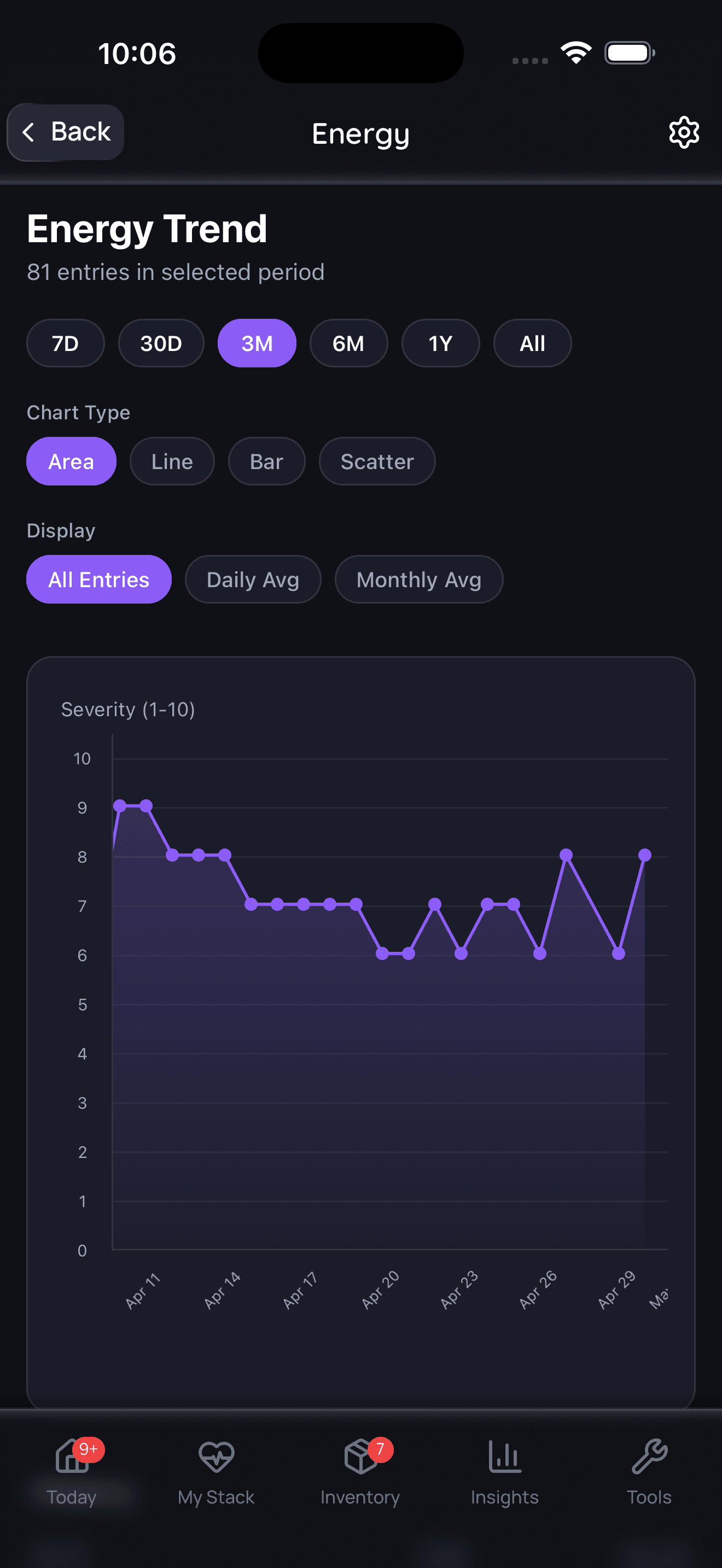
Symptom tracking is informational and should be interpreted with a qualified clinician.
Side Effects & Safety
The Basics
Nattokinase has a favorable safety profile at standard doses, and clinical trials consistently report minimal adverse events. The European Food Safety Authority (EFSA) has assessed 100 mg (2,000 FU) daily as not causing adverse effects, and studies using much higher doses (up to 10,800 FU daily for a year in Chinese populations and 552 mg daily for four weeks in American populations) also reported no significant adverse events [3][5][20].
That said, there are real risks that deserve serious attention, particularly for people with certain medical conditions or those taking blood-thinning medications.
The most important safety concern is bleeding risk. Because nattokinase enhances the body's clot-dissolving machinery, it can theoretically increase bleeding, especially when combined with prescription anticoagulants (like warfarin, heparin, or direct oral anticoagulants), antiplatelet drugs (like aspirin or clopidogrel), or other supplements with blood-thinning properties (high-dose fish oil, garlic, ginkgo biloba) [8][20].
Case reports highlight the seriousness of this risk. One elderly woman experienced fatal internal bleeding while taking nattokinase for atrial fibrillation without other anticoagulants [21]. Another patient who substituted nattokinase for warfarin after a mechanical heart valve replacement developed a blood clot on the prosthetic valve, requiring repeat surgery [22]. These cases underscore that nattokinase is not a substitute for prescription anticoagulant therapy.
Allergic reactions are possible, particularly in individuals with soy allergies, since nattokinase is derived from fermented soybeans. Severe reactions including anaphylaxis have been reported, though the European Commission concluded that the allergy risk is comparable to that of other soy products [20][23].
The Science
Clinical trial safety data: The 2023 meta-analysis of 6 RCTs (n=546) reported no notable adverse events attributable to nattokinase intake across all included studies [3]. Animal toxicity studies showed no adverse effects at doses up to 1,000 times the typical human dose (480,000 FU/kg) [5].
Coagulation parameter changes: While standard doses alter clotting biomarkers (prolonged aPTT, changes in C/EPI CT, PT), these changes have not translated to bleeding events in healthy populations without concurrent anticoagulant use, even at doses up to 552 mg (11,040 FU) daily for four weeks [17][20].
Documented serious adverse events (case reports):
- Fatal hemoperitoneum in an elderly woman taking nattokinase for atrial fibrillation (not on other anticoagulants) [21]
- Prosthetic valve thrombosis requiring reoperation after long-term self-substitution of nattokinase for warfarin [22]
- Cerebellar hemorrhage associated with combined nattokinase and aspirin use in a patient with cerebral microbleeds [24]
- Vascular necrosis and arm amputation from intravascular injection (misuse) of an oral supplement containing nattokinase and serrapeptase [25]
- Anaphylaxis in a patient with natto allergy [23]
- Urticaria associated with natto consumption [26]
Heparin interaction: Laboratory studies demonstrate that nattokinase is a heparin-binding protein with a binding affinity of approximately 250 nM, and the interaction is chain-length dependent. Nattokinase interferes with heparin interactions with antithrombin and fibroblast growth factors [27].
Contraindications:
- Coagulation disorders
- Concurrent anticoagulant, fibrinolytic, or antithrombotic therapy
- History of deep vein thrombosis (risk of clot dislodgement) [8]
- Upcoming surgery (discontinue 1-2 weeks prior)
- Soy or natto allergy
Knowing the possible side effects is the first step. Catching them early in your own experience is what keeps a supplement routine safe. Doserly lets you log any symptoms as they arise, tagging them with severity, timing relative to your dose, and whether they resolve on their own or persist.
The app's interaction checker cross-references everything in your stack, supplements and medications alike, flagging known interactions before they become a problem. It also monitors your total intake against established upper limits, alerting you if your combined sources of a nutrient are approaching thresholds where risk increases. Think of it as a safety net that works quietly in the background while you focus on the benefits.
Connect protocol changes to labs and health markers.
Doserly can keep lab results, biomarkers, symptoms, and dose history close together so follow-up conversations have better context.
Insights
Labs and trends
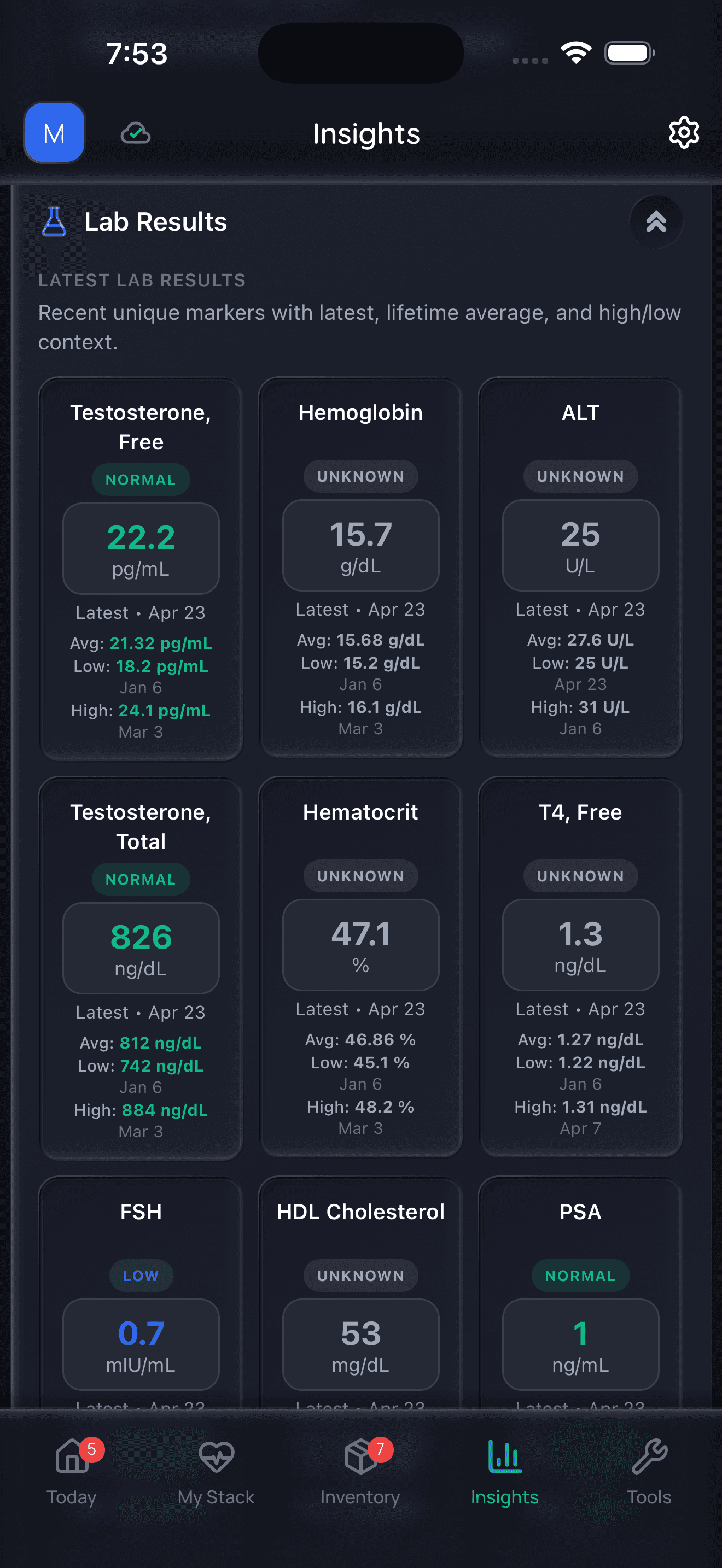
Doserly organizes data; it does not diagnose or interpret labs for you.
Dosing & Usage Protocols
The Basics
Nattokinase dosing is measured in fibrinolytic units (FU) rather than milligrams, which can be confusing when comparing products. The most commonly studied dose is 2,000 FU per day, which corresponds to approximately 100 mg of nattokinase. This is the dose that the European Food Safety Authority considers safe and that most clinical trials have used for blood pressure outcomes [3][5][20].
Some sources recommend higher doses for specific goals. For antithrombotic or thrombolytic support, doses of 4,000 FU daily (split into two servings) are sometimes discussed, and studies have used up to 10,800 FU daily for a year without reported adverse effects [5]. However, long-term data at higher doses remains limited, and most health professionals recommend starting at the standard 2,000 FU dose.
When comparing supplement labels, the FU number is more informative than the milligram weight. A product listing "100 mg nattokinase" should also specify its FU content, since enzyme potency can vary between manufacturing processes. The Japan Nattokinase Association (JNKA) recommends a minimum of 2,000 FU per daily serving as a quality benchmark [5].
Regarding timing, some practitioners suggest taking nattokinase after dinner or before bedtime, based on the rationale that fibrinolytic support may be most beneficial during overnight hours when blood flow naturally slows. However, this timing recommendation is based on physiological reasoning rather than comparative clinical trials testing different administration times [5].
The Science
Standard dose (most studied): 100 mg (2,000 FU) daily, the dose used in the majority of RCTs evaluating blood pressure and hemostatic effects [3][4][16].
Higher doses studied:
- 540 mg (10,800 FU) daily for 1 year in Chinese population: no reported adverse effects [20]
- 552 mg (11,040 FU) daily for 4 weeks in US population (NSK-SD): no reported adverse effects; additional BP and coagulation parameter changes observed [4][20]
- 12 grams of natto food daily for 2 weeks: anti-clotting effects noted [20]
Dose-response considerations: The 2023 meta-analysis suggested that efficacy on cardiovascular risk factors may be dose-dependent, with higher total dosages showing different lipid effects than lower dosages. However, no clear dose-response curve has been established for blood pressure effects [3].
Duration to effect: Blood pressure effects in clinical trials were typically assessed after 8 weeks of daily supplementation [4][16]. Single-dose fibrinolytic effects (FDP, D-dimer changes) appear within 4 hours and persist for 8-12 hours [15].
FU standardization: Fibrinolytic Units measure the enzyme's ability to degrade fibrin substrate under standardized conditions. JNKA certification requires a minimum of 2,000 FU per daily serving. Consumers should verify FU content rather than relying solely on milligram weight [5].
Getting the dose right matters more than most people realize. Too little may be ineffective, too much wastes money or introduces risk, and inconsistency undermines both. Doserly tracks every dose you take, across every form, giving you a clear record of what you're actually consuming versus what you planned.
The app helps you compare RDA recommendations against therapeutic ranges discussed in the research, so you can see exactly where your intake falls. If you switch forms, say from a standard capsule to a liposomal liquid, Doserly adjusts your tracking to account for different bioavailabilities. Pair that with smart reminders that keep your timing consistent, and the precision that makes a real difference in outcomes becomes effortless.
Turn symptom and safety notes into a clearer timeline.
Doserly helps you log doses, symptoms, and safety observations side by side so patterns are easier to discuss with a qualified clinician.
Pattern view
Logs and observations

Pattern visibility is informational and should be reviewed with a clinician.
What to Expect (Timeline)
Weeks 1-2: At standard doses (2,000 FU daily), most users do not notice any subjective effects during the first two weeks. Laboratory studies suggest that fibrinolytic biomarkers (FDP, D-dimer) begin changing within hours of the first dose [15], but these changes are not perceptible without blood testing. Some individuals report mild gastrointestinal adjustment (temporary bloating or mild nausea) when first starting nattokinase, though clinical trials report this infrequently.
Weeks 3-4: Some users begin noticing subtle improvements in perceived circulation, such as warmer extremities or less noticeable varicose veins. These reports are anecdotal and not well-documented in clinical literature. Blood pressure changes may begin to emerge, though most clinical trials did not measure outcomes until the 8-week mark.
Weeks 5-8: This is the timeframe where clinical trials have demonstrated statistically significant blood pressure reductions [4][16]. If blood pressure monitoring is part of your routine, this is when measurable changes are most likely to appear. The North American RCT showed significant diastolic blood pressure reductions at 8 weeks, with the most pronounced effects in male participants [4].
8-12+ weeks: Continued supplementation appears to maintain blood pressure effects. Community reports from long-term users (6-12+ months) generally describe sustained tolerance with no diminishing returns or need for dose escalation. For fibrinolytic support, the ongoing daily dose maintains enhanced clot-dissolving capacity as long as supplementation continues. The NAPS trial, which ran for a longer duration in healthy individuals, found no measurable cardiovascular structural benefits, suggesting that the population studied (low-risk individuals) may not be the ideal target [6].
Interactions & Compatibility
Synergistic
- Fish Oil (EPA/DHA): Both support cardiovascular health through complementary mechanisms. Fish oil's anti-inflammatory and triglyceride-lowering effects pair with nattokinase's fibrinolytic activity. Note: combined blood-thinning effects require awareness.
- CoQ10: Often stacked for comprehensive cardiovascular support. CoQ10 supports cellular energy production in heart tissue while nattokinase addresses fibrinolytic and blood pressure pathways.
- Red Yeast Rice: Clinical data suggests the combination of nattokinase with red yeast rice produces synergistic effects on blood lipids that neither achieves alone [18]. Red yeast rice provides statin-like cholesterol-lowering activity.
- Garlic: Both demonstrate modest blood pressure-lowering and antiplatelet effects. Complementary mechanisms (garlic acts through eNOS/H2S vasodilation; nattokinase through ACE inhibition and fibrinolysis).
- Vitamin D3: General cardiovascular and immune support. No known interaction concerns.
Caution / Avoid
- Vitamin K2: Whole natto food contains high levels of vitamin K2, which promotes blood clotting and can counteract nattokinase's fibrinolytic effects. This is why NSK-SD (vitamin K2-removed nattokinase) was developed. If supplementing with isolated vitamin K2 alongside nattokinase, the opposing mechanisms may partially cancel out [28].
- Warfarin (prescription): Raw natto contains vitamin K2, which directly antagonizes warfarin. Even vitamin K2-removed nattokinase supplements theoretically increase bleeding risk when combined with warfarin through enhanced fibrinolysis [28].
- Aspirin: Case report of cerebellar hemorrhage with combined nattokinase and aspirin use in a patient with cerebral microbleeds [24]. The additive antiplatelet and fibrinolytic effects may increase intracranial bleeding risk.
- Direct Oral Anticoagulants (DOACs): Apixaban (Eliquis), rivaroxaban (Xarelto), dabigatran (Pradaxa). Theoretically additive bleeding risk with nattokinase's fibrinolytic activity. No clinical studies evaluating combinations.
- Heparin: Nattokinase is a heparin-binding protein and directly interferes with heparin-antithrombin interactions [27]. Concurrent use may unpredictably alter anticoagulant efficacy.
- High-dose Ginkgo Biloba, Turmeric/Curcumin: These supplements have mild blood-thinning properties. Combined with nattokinase, additive effects on bleeding risk should be considered.
How to Take / Administration Guide
Recommended forms: Capsules containing nattokinase standardized to a specific FU content are the most common and practical form. NSK-SD (vitamin K2-removed nattokinase) is the branded form used in most clinical trials and is the preferred choice for individuals who want to avoid vitamin K2's pro-clotting effects. Standard nattokinase capsules are also widely available and generally well-tolerated.
Timing considerations: Most sources suggest taking nattokinase once daily. Some practitioners recommend evening or bedtime dosing based on the rationale that fibrinolytic support may be most beneficial during overnight hours when blood flow naturally slows. Clinical trials did not specifically compare morning versus evening dosing, so this recommendation is based on physiological reasoning rather than comparative data [5]. Nattokinase can be taken with or without food.
Stacking guidance: Nattokinase is often taken as part of cardiovascular supplement stacks alongside fish oil, CoQ10, garlic extract, or magnesium. If combining with other supplements that have blood-thinning properties (fish oil, garlic, ginkgo, turmeric), be aware of the cumulative anticoagulant effect. Space nattokinase away from calcium-containing supplements if concerned about enzyme-mineral interactions, though no specific interaction has been documented.
Cycling guidance: There is no established need for cycling nattokinase. Clinical trials have used continuous daily supplementation for 8 weeks to 1 year without reported tolerance development or diminishing returns. If you are taking nattokinase for ongoing cardiovascular support, consistent daily use is the approach supported by available evidence.
Discontinuation before surgery: Stop nattokinase supplementation at least 1-2 weeks before any planned surgical or dental procedures to minimize bleeding risk.
Choosing a Quality Product
Third-party certifications: Look for products with JNKA (Japan Nattokinase Association) certification, which verifies minimum FU content and manufacturing standards. USP and NSF certifications are less common for nattokinase specifically but provide additional quality assurance when available. For athletes, Informed Sport or NSF Certified for Sport verification confirms the product has been tested for banned substances.
Key label indicators: The most important number on a nattokinase label is the FU (fibrinolytic unit) count per serving, not the milligram weight. Look for products providing at least 2,000 FU per daily dose, which is the minimum studied in clinical trials. Products listing only milligrams without FU content should be approached with caution, as enzyme potency varies by manufacturing process.
NSK-SD vs. standard nattokinase: NSK-SD is the branded form with vitamin K2 removed, used in most Western clinical trials. If you take warfarin or other vitamin K-sensitive medications, NSK-SD is the appropriate choice. Standard nattokinase supplements may contain residual vitamin K2.
Red flags:
- Products listing only milligrams without FU content
- Proprietary blends that hide nattokinase dose within a multi-ingredient formula
- Claims about "dissolving arterial plaque" or "replacing blood thinners" (unsupported by clinical evidence)
- Products marketed for COVID treatment or spike protein degradation without clinical trial backing
Allergen considerations: Nattokinase is derived from fermented soybeans. Individuals with soy allergies should be aware of the potential for allergic reactions, including anaphylaxis in severe cases. Some products may also contain trace amounts of the fermenting bacterium (Bacillus subtilis).
Storage & Handling
Nattokinase supplements should be stored in a cool, dry place away from direct heat, light, and moisture. The enzyme's activity is temperature-sensitive, with optimal activity at 40-50 degrees Celsius but degradation at sustained higher temperatures [5]. Avoid leaving nattokinase supplements in cars, near stoves, or in bathrooms where heat and humidity are elevated.
Refrigeration is not typically required for encapsulated products but will not harm the enzyme and may extend shelf life in warm climates. Follow the manufacturer's expiration date, as enzyme potency can decrease over time. Once opened, tightly reseal the container to minimize moisture exposure.
For whole natto food, store unopened packages in the freezer for extended shelf life. Thawed natto should be refrigerated and consumed within a few days. Natto's Bacillus subtilis bacteria remain metabolically active after thawing, continuing to produce vitamin K2 and other compounds.
Lifestyle & Supporting Factors
Diet: A heart-healthy dietary pattern (rich in fruits, vegetables, whole grains, lean proteins, and healthy fats) complements nattokinase supplementation for cardiovascular support. Dietary sources of omega-3 fatty acids from fatty fish, walnuts, and flaxseed provide synergistic cardiovascular benefits. Limiting sodium intake supports the blood pressure-lowering effects of nattokinase.
Exercise: Regular physical activity is one of the most effective interventions for blood pressure management and cardiovascular health. Moderate aerobic exercise (150 minutes per week) works through different mechanisms than nattokinase and produces additive benefits.
Hydration: Adequate hydration supports healthy blood viscosity and circulation, which aligns with nattokinase's fibrinolytic goals. Dehydration increases blood viscosity and clotting tendency.
Monitoring: If taking nattokinase for blood pressure support, regular home blood pressure monitoring provides the most useful personal data. Track readings at consistent times of day (ideally morning and evening) to detect trends over 8+ weeks of supplementation.
Signs that may indicate interest in nattokinase: Borderline high blood pressure readings, family history of cardiovascular disease, interest in natural cardiovascular support as a complement (not replacement) to lifestyle measures and, where indicated, prescribed medications.
Regulatory Status & Standards
United States (FDA): Nattokinase is marketed as a dietary supplement under DSHEA. It has not received GRAS (Generally Recognized as Safe) designation from the FDA, and no health claims have been approved. The FDA does not evaluate nattokinase supplements for efficacy prior to marketing.
European Union (EFSA): EFSA has evaluated nattokinase and determined that 100 mg (2,000 FU) daily does not raise safety concerns. Nattokinase is permitted as a food supplement in the EU. EFSA has not authorized specific health claims for nattokinase.
Japan: Nattokinase has the longest history of use in Japan, where natto is a traditional food. The Japan Nattokinase Association (JNKA) has established quality standards and certification for nattokinase supplements, requiring a minimum of 2,000 FU per daily serving.
Canada (Health Canada): Nattokinase is available as a natural health product. Products must have a Natural Product Number (NPN) and comply with monograph requirements.
Australia (TGA): Nattokinase is available as a listed complementary medicine.
Active clinical trials: Several trials have been registered on ClinicalTrials.gov investigating nattokinase for cardiovascular outcomes, COVID-19-related coagulopathy, and other conditions. The research base continues to expand.
Athlete & Sports Regulatory Status
WADA: Nattokinase does not appear on the WADA Prohibited List. It is not classified as a prohibited substance in or out of competition.
National Anti-Doping Agencies: USADA, UKAD, Sport Integrity Canada, Sport Integrity Australia, and other major NADOs have not issued specific guidance or alerts about nattokinase as a prohibited substance.
Professional Sports Leagues: Nattokinase is not known to be restricted by NFL, NBA, MLB, NHL, MLS, or NCAA substance policies.
Athlete Certification Programs: Athletes seeking verified products should look for nattokinase supplements bearing Informed Sport, NSF Certified for Sport, or Cologne List certification, which confirm batch testing for banned substances.
GlobalDRO: Athletes can check nattokinase supplement status at GlobalDRO.com for verification across US, UK, Canada, Australia, Japan, Switzerland, and New Zealand jurisdictions.
Regulatory status and prohibited substance classifications change frequently. Athletes should always verify the current status of any supplement with their sport's governing body, their national anti-doping agency, and a qualified sports medicine professional before use. Third-party certification (Informed Sport, NSF Certified for Sport) reduces but does not eliminate the risk of contamination with prohibited substances.
Frequently Asked Questions
Is nattokinase a blood thinner?
Nattokinase is not technically a blood thinner in the way that prescription anticoagulants like warfarin or apixaban are. It is a fibrinolytic enzyme, meaning it helps break down existing fibrin (the protein that forms clot structures) rather than preventing clot formation at the coagulation cascade level. However, because it enhances the body's clot-dissolving capacity and alters clotting biomarkers, it has blood-thinning-adjacent effects that warrant the same precautions regarding surgery, concurrent anticoagulant use, and bleeding risk.
Can nattokinase replace my prescription blood thinner?
Available evidence does not support using nattokinase as a replacement for prescribed anticoagulant therapy. Case reports document serious consequences of this substitution, including prosthetic valve thrombosis requiring reoperation and fatal internal bleeding. Prescription blood thinners undergo rigorous dose-response testing and have established therapeutic ranges that nattokinase supplements do not. Any changes to anticoagulant therapy should be made only under direct medical supervision.
Does nattokinase lower cholesterol?
The evidence is mixed and somewhat counterintuitive. A meta-analysis of clinical trials found that nattokinase supplementation was actually associated with slightly worse lipid profiles (higher total cholesterol and LDL) at standard doses. When combined with red yeast rice, lipid improvements were observed, but it is difficult to separate the contributions of each. Nattokinase should not be relied upon as a primary cholesterol-lowering strategy.
What is the difference between FU and milligrams on nattokinase labels?
FU (fibrinolytic units) measures the actual enzyme activity, while milligrams measure the weight of the nattokinase powder. FU is the more informative number because enzyme potency can vary significantly depending on manufacturing processes. Two products with the same milligram weight could have very different FU values and therefore different biological activity. The standard studied dose is 2,000 FU, which typically corresponds to approximately 100 mg.
Should I take nattokinase with or without food?
Nattokinase can be taken with or without food. Some practitioners suggest taking it after dinner or before bedtime based on the rationale that fibrinolytic support may be most beneficial during overnight hours when blood flow naturally slows. Clinical trials have not specifically compared the effects of different meal-timing strategies.
Is nattokinase safe for people with soy allergies?
Nattokinase is derived from fermented soybeans, and allergic reactions (including severe ones like anaphylaxis) have been reported in individuals with soy or natto allergies. The European Commission has assessed the allergy risk as comparable to other soy products. If you have a known soy allergy, consult a healthcare professional before considering nattokinase.
What is NSK-SD?
NSK-SD is a branded nattokinase extract from which vitamin K2 has been removed. This is significant because whole natto food contains high levels of vitamin K2, which promotes blood clotting and can interfere with anticoagulant medications like warfarin. NSK-SD was developed to provide nattokinase's fibrinolytic benefits without the confounding effects of vitamin K2. It is the form used in most Western clinical trials.
How long does it take for nattokinase to work?
Single-dose studies show that fibrinolytic biomarkers change within 4 hours of ingestion, with effects persisting for 8-12 hours. However, for blood pressure reduction (the most clinically supported benefit), most trials measured outcomes at 8 weeks of daily supplementation. Allow at least 8 weeks of consistent use before evaluating whether nattokinase is producing measurable effects on blood pressure.
Can I take nattokinase with aspirin?
This combination warrants caution. A case report documented cerebellar hemorrhage in a patient taking both nattokinase and aspirin who had pre-existing cerebral microbleeds. The additive antiplatelet (aspirin) and fibrinolytic (nattokinase) effects may increase intracranial bleeding risk. Discuss this combination with a healthcare provider, especially if you have risk factors for cerebrovascular events.
Is nattokinase the same as eating natto?
Not exactly. Natto, the traditional Japanese fermented soybean food, contains nattokinase along with many other bioactive compounds including vitamin K2, soy isoflavones, polyglutamic acid, and live Bacillus subtilis bacteria. Nattokinase supplements contain the isolated enzyme, usually without vitamin K2 (especially NSK-SD). Some community reports suggest that whole natto may provide different or broader effects than the isolated enzyme supplement.
Myth vs. Fact
Myth: Nattokinase can dissolve arterial plaque and reverse atherosclerosis.
Fact: While nattokinase does have fibrinolytic (clot-dissolving) activity, dissolving fibrin in blood clots is not the same as dissolving atherosclerotic plaque, which is composed of cholesterol, calcium, cellular debris, and fibrous tissue. The largest prevention trial (NAPS, n=265) found no significant effect on carotid artery intima-media thickness or coronary artery calcium progression in healthy individuals [6]. Nattokinase may reduce some cardiovascular risk factors (blood pressure, certain clotting biomarkers), but it has not been shown to reverse existing atherosclerosis.
Myth: Nattokinase is a safe natural replacement for prescription blood thinners.
Fact: This is one of the most dangerous misconceptions about nattokinase. Case reports document a patient who developed prosthetic valve thrombosis requiring repeat surgery after substituting nattokinase for warfarin [22], and an elderly woman who died from internal bleeding while using nattokinase alone for atrial fibrillation [21]. Prescription anticoagulants have established therapeutic ranges, dose-response curves, and monitoring protocols that nattokinase supplements lack. They should never be substituted without explicit medical guidance.
Myth: More FU means better results, so mega-dosing nattokinase is beneficial.
Fact: While doses up to 10,800 FU daily for a year have been used without reported adverse effects, there is no established dose-response curve showing that higher doses produce proportionally better outcomes [5]. The meta-analysis of blood pressure effects used studies primarily at 2,000 FU daily [3]. Higher doses may alter additional clotting parameters but also increase theoretical bleeding risk. More is not necessarily better with fibrinolytic enzymes.
Myth: Nattokinase eliminates COVID spike proteins from the body.
Fact: Some in vitro (laboratory) studies have explored nattokinase's ability to degrade spike protein, but these findings have not been validated in human clinical trials. The claim that nattokinase "detoxifies" spike proteins is not supported by published clinical evidence. Some ongoing research is examining nattokinase in COVID-related coagulopathy contexts, but results are preliminary.
Myth: All nattokinase supplements are the same.
Fact: Nattokinase supplements vary significantly in enzyme potency (FU content), vitamin K2 content, and manufacturing quality. Products listing only milligrams without specifying FU content may have substantially different biological activity. NSK-SD (vitamin K2-removed) and standard nattokinase differ in their suitability for individuals concerned about clotting interactions. JNKA certification provides one quality benchmark, but not all products carry it.
Myth: Nattokinase lowers cholesterol.
Fact: The meta-analytic evidence is actually the opposite of this claim. Pooled data from clinical trials found that nattokinase supplementation was associated with slightly higher total cholesterol and LDL cholesterol levels at standard doses [3]. The combination of nattokinase with red yeast rice does show lipid-lowering effects, but the benefit appears attributable primarily to red yeast rice's statin-like compounds rather than nattokinase itself [18].
Sources & References
Clinical Trials & RCTs
[1] Sumi H, Hamada H, Tsushima H, Mihara H, Muraki H. A novel fibrinolytic enzyme (nattokinase) in the vegetable cheese Natto; a typical and popular soybean food in the Japanese diet. Experientia. 1987;43(10):1110-1111. https://pubmed.ncbi.nlm.nih.gov/3478223/
[4] Jensen GS, Lenninger M, Ero MP, Benson KF. Consumption of nattokinase is associated with reduced blood pressure and von Willebrand factor, a cardiovascular risk marker: results from a randomized, double-blind, placebo-controlled, multicenter North American clinical trial. Integr Blood Press Control. 2016;9:95-104. https://pmc.ncbi.nlm.nih.gov/articles/PMC5066864/
[6] Hodis HN, Mack WJ, Meiselman HJ, et al. Nattokinase atherothrombotic prevention study: A randomized controlled trial. Clin Hemorheol Microcirc. 2021;78(4):339-353. https://pubmed.ncbi.nlm.nih.gov/34092646/
[15] Kurosawa Y, Nirengi S, Homma T, et al. A single-dose of oral nattokinase potentiates thrombolysis and anti-coagulation profiles. Sci Rep. 2015;5:11601. https://pubmed.ncbi.nlm.nih.gov/26109079/
[16] Kim JY, Gum SN, Paik JK, et al. Effects of nattokinase on blood pressure: a randomized, controlled trial. Hypertens Res. 2008;31(8):1583-1588. https://pubmed.ncbi.nlm.nih.gov/18971533/
[17] Yoo HJ, Kim M, Kim M, et al. The effects of nattokinase supplementation on collagen-epinephrine closure time, prothrombin time and activated partial thromboplastin time in nondiabetic and hypercholesterolemic subjects. Food Funct. 2019;10(5):2888-2893. https://pubmed.ncbi.nlm.nih.gov/31049513/
Systematic Reviews & Meta-Analyses
[3] Li X, Long J, Gao Q, Pan M, Wang J, Yang F, Zhang Y. Nattokinase Supplementation and Cardiovascular Risk Factors: A Systematic Review and Meta-Analysis of Randomized Controlled Trials. Rev Cardiovasc Med. 2023;24(8):234. https://pmc.ncbi.nlm.nih.gov/articles/PMC11266782/
[5] Wei C, Cai R, Song Y, Liu X, Xu HL. Research Progress of Nattokinase in Reducing Blood Lipid. Nutrients. 2025;17(11):1784. https://pmc.ncbi.nlm.nih.gov/articles/PMC12157000/
[19] Granito M, et al. Nattokinase as an adjuvant therapeutic strategy for non-communicable diseases: a review of fibrinolytic, antithrombotic, anti-inflammatory, and antioxidant effects. Expert Opin Ther Targets. 2024. https://pubmed.ncbi.nlm.nih.gov/39404094/
Mechanistic Studies
[2] Fujita M, Nomura K, Hong K, Ito Y, Asada A, Nishimuro S. Purification and characterization of a strong fibrinolytic enzyme (nattokinase) in the vegetable cheese natto, a popular soybean fermented food in Japan. Biochem Biophys Res Commun. 1993;197(3):1340-1347. https://pubmed.ncbi.nlm.nih.gov/8280151/
[7] Urano T, Ihara H, Umemura K, et al. The profibrinolytic enzyme subtilisin NAT purified from Bacillus subtilis Cleaves and inactivates plasminogen activator inhibitor type 1. J Biol Chem. 2001;276(27):24690-24696. https://pubmed.ncbi.nlm.nih.gov/11325965/
[8] Kotb E. The biotechnological potential of fibrinolytic enzymes in the dissolution of endogenous blood thrombi. Biotechnol Prog. 2014;30(3):656-672. https://pubmed.ncbi.nlm.nih.gov/24788683/
[9] Murakami K, Yamanaka N, Ohnishi K, Fukayama M, Yoshino M. Inhibition of angiotensin I converting enzyme by subtilisin NAT (nattokinase) in natto, a Japanese traditional fermented food. Food Funct. 2012;3(6):674-678. https://pubmed.ncbi.nlm.nih.gov/22566070/
[10] Hsu RL, Lee KT, Wang JH, Lee LY, Chen RP. Amyloid-degrading ability of nattokinase from Bacillus subtilis natto. J Agric Food Chem. 2009;57(2):503-508. https://pubmed.ncbi.nlm.nih.gov/19117402/
[11] Jang JY, Kim TS, Cai J, et al. Nattokinase improves blood flow by inhibiting platelet aggregation and thrombus formation. Lab Anim Res. 2013;29(4):221-225. https://pubmed.ncbi.nlm.nih.gov/24396387/
[12] Fujita M, Hong K, Ito Y, Fujii R, Kariya K, Nishimuro S. Thrombolytic effect of nattokinase on a chemically induced thrombosis model in rat. Biol Pharm Bull. 1995;18(10):1387-1391. https://pubmed.ncbi.nlm.nih.gov/8593442/
[13] Fujita M, Hong K, Ito Y, et al. Transport of nattokinase across the rat intestinal tract. Biol Pharm Bull. 1995;18(9):1194-1196. https://pubmed.ncbi.nlm.nih.gov/8845804/
[14] Ero MP, Ng CM, Mihailovski T, Harvey NR, Lewis BH. A pilot study on the serum pharmacokinetics of nattokinase in humans following a single, oral, daily dose. Altern Ther Health Med. 2013;19(3):16-19. https://pubmed.ncbi.nlm.nih.gov/23709454/
[27] Zhang F, Zhang J, Linhardt RJ. Interactions between nattokinase and heparin/GAGs. Glycoconj J. 2015;32(9):695-702. https://pubmed.ncbi.nlm.nih.gov/26481240/
Government/Institutional Sources
[20] European Food Safety Authority (EFSA). Safety assessment of nattokinase as a novel food. EFSA scientific opinions on nattokinase safety.
Case Reports
[18] Yang NC, Chou CW, Chen CY, Hwang KL, Yang YC. Combined nattokinase with red yeast rice but not nattokinase alone has potent effects on blood lipids in human subjects with hyperlipidemia. Asia Pac J Clin Nutr. 2009;18(3):310-317. https://pubmed.ncbi.nlm.nih.gov/19786378/
[21] Ramachandran L, Aqeel A, Jafri A, et al. Nattokinase-Associated Hemoperitoneum in an Elderly Woman. Cureus. 2021;13(12):e20074. https://pubmed.ncbi.nlm.nih.gov/35004054/
[22] Elahi MM, Choi CH, Konda S, et al. Consequence of patient substitution of nattokinase for warfarin after aortic valve replacement with a mechanical prosthesis. Proc (Bayl Univ Med Cent). 2015;28(1):81-82. https://pubmed.ncbi.nlm.nih.gov/25552805/
[23] Awatani-Yoshidome K, Hashimoto T, Satoh T. Anaphylaxis from nattokinase in a patient with fermented soybean (natto) allergy. Allergol Int. 2022;71(1):153-154. https://pubmed.ncbi.nlm.nih.gov/34526246/
[24] Chang YY, Liu JS, Lai SL, Wu HS, Lan MY. Cerebellar hemorrhage provoked by combined use of nattokinase and aspirin in a patient with cerebral microbleeds. Intern Med. 2008;47(5):467-469. https://pubmed.ncbi.nlm.nih.gov/18310982/
[25] Yang D, Savage J, Kohler T, et al. Vascular Necrosis of the Upper Extremity After Self-Treatment for Peyronie's Disease. Sex Med. 2021;9(1):100282. https://pubmed.ncbi.nlm.nih.gov/33385889/
[26] Fukuda R, Ouchi T, Shiiya C, et al. Urticaria due to natto (fermented soybeans). Clin Exp Dermatol. 2021;46(5):932-934. https://pubmed.ncbi.nlm.nih.gov/33345386/
[28] Homma K, Wakana N, Suzuki Y, et al. Treatment of natto, a fermented soybean preparation, to prevent excessive plasma vitamin K concentrations in patients taking warfarin. J Nutr Sci Vitaminol (Tokyo). 2006;52(5):297-301. https://pubmed.ncbi.nlm.nih.gov/17190099/
Related Supplement Guides
Same Category (Enzymes / Cardiovascular Support)
- Serrapeptase (often paired with nattokinase for fibrinolytic protocols)
- Bromelain (proteolytic enzyme with anti-inflammatory and mild anticoagulant properties)
Common Stacks / Pairings
- Fish Oil (EPA/DHA) (cardiovascular health, anti-inflammatory, complementary blood flow support)
- CoQ10 (cellular energy for heart tissue, often combined for cardiovascular protocols)
- Red Yeast Rice (synergistic lipid effects when combined with nattokinase)
- Garlic (blood pressure, antiplatelet, cardiovascular support)
- Vitamin K2 (important context: whole natto contains K2, isolated nattokinase typically does not)
Related Health Goal
- Magnesium (blood pressure support, cardiovascular health)
- Omega-3 Fatty Acids (cardiovascular protection, anti-inflammatory)
- Vitamin D3 (cardiovascular and immune support)
- Turmeric/Curcumin (anti-inflammatory, mild anticoagulant; caution with nattokinase due to additive blood-thinning)