
Phosphatidylcholine: The Complete Supplement Guide
On this page
Quick Reference Card
Attribute
Common Name
- Detail
- Phosphatidylcholine (PC)
Attribute
Other Names / Aliases
- Detail
- Lecithin (mixture containing PC), 1,2-diacyl-sn-glycero-3-phosphocholine, polyenylphosphatidylcholine (PPC), essential phospholipids (EPLs)
Attribute
Category
- Detail
- Phospholipid (choline-containing, essential nutrient precursor)
Attribute
Primary Forms & Variants
- Detail
- Soy-derived lecithin (15-25% PC content), sunflower-derived lecithin (soy-free, similar PC content), standardized PC supplements (40-60% PC), liposomal PC (enhanced absorption claimed), egg-derived PC
Attribute
Typical Dose Range
- Detail
- 600-2,400 mg phosphatidylcholine per day; clinical studies have used up to 6 g/day for up to 24 weeks
Attribute
RDA / AI / UL
- Detail
- No PC-specific RDA/AI/UL. Choline AI: 550 mg/day (males 19+), 425 mg/day (females 19+). Choline UL: 3,500 mg/day. PC provides ~13-15% choline by weight
Attribute
Common Delivery Forms
- Detail
- Softgel, capsule, liquid, powder, liposomal liquid
Attribute
Best Taken With / Without Food
- Detail
- Best taken with meals containing fat; may reduce GI side effects and enhance absorption of the lipid-soluble phospholipid
Attribute
Key Cofactors
- Detail
- Folate (methyl donation pathway), Vitamin B12 (homocysteine metabolism), Vitamin B6 (transsulfuration pathway), Omega-3 fatty acids (membrane composition)
Attribute
Storage Notes
- Detail
- Store in a cool, dry place away from heat and direct light. Liquid and liposomal forms may require refrigeration after opening. Avoid moisture exposure
Overview
The Basics
Phosphatidylcholine is the most abundant phospholipid in human cell membranes, making up roughly 40-50% of the total phospholipid content in most mammalian cells. If you think of your cells as tiny buildings, phosphatidylcholine is the primary material used to construct and maintain every wall. Without enough of it, those walls become compromised, and cellular functions start to suffer [1][2].
Your body uses phosphatidylcholine for several important tasks. It provides structural integrity to cell membranes, serves as a raw material for making acetylcholine (a brain chemical involved in memory, attention, and muscle control), and plays a crucial role in how your liver processes and exports fat. That last point is significant: without adequate phosphatidylcholine, your liver struggles to package and remove fat, which can contribute to fatty liver disease [1][3].
About half of the choline Americans consume from food arrives in the form of phosphatidylcholine. Rich dietary sources include eggs, meat, soybeans, and other animal products. Lecithin, a common food additive found in processed foods like salad dressings and margarine, is primarily composed of phosphatidylcholine [1]. However, only about 13-15% of phosphatidylcholine's total weight is actual choline, which means it delivers a moderate dose of choline compared to more concentrated forms like alpha-GPC or CDP-choline [4].
People typically supplement with phosphatidylcholine to support liver health, address choline deficiency, or support gut barrier function. Research interest has also focused on its potential role in managing ulcerative colitis, where phosphatidylcholine appears to be deficient in the protective mucus layer of the colon [5].
The Science
Phosphatidylcholine (1,2-diacyl-sn-glycero-3-phosphocholine) is a glycerophospholipid consisting of a glycerol backbone esterified with two fatty acid chains at the sn-1 and sn-2 positions, linked to a phosphocholine headgroup at the sn-3 position. It constitutes 40-50% of total phospholipids in mammalian cell membranes and is the most abundant phospholipid in eukaryotic organisms [1][2].
The biosynthesis of phosphatidylcholine proceeds through two primary pathways. The CDP-choline (Kennedy) pathway is the dominant route in most tissues, converting dietary choline through sequential phosphorylation (choline kinase), cytidylylation (CTP:phosphocholine cytidylyltransferase, the rate-limiting step), and condensation with diacylglycerol (choline phosphotransferase) [2][6]. The phosphatidylethanolamine N-methyltransferase (PEMT) pathway provides an alternative route primarily in hepatocytes, catalyzing three sequential methylation reactions using S-adenosylmethionine (SAM) to convert phosphatidylethanolamine to phosphatidylcholine [1][7].
PC serves as the predominant substrate for phospholipase A2-mediated arachidonic acid release, linking phospholipid metabolism to eicosanoid synthesis and inflammatory signaling. The cellular PC/PE (phosphatidylethanolamine) molar ratio is a critical determinant of membrane integrity, with abnormal ratios implicated in fatty liver disease, impaired VLDL secretion, and mitochondrial dysfunction [7].
Dietary PC is approximately 50% hydrolyzed by pancreatic and mucosal enzymes to liberate free choline in the intestinal lumen. The remaining intact PC is absorbed, incorporated into chylomicrons, and distributed via lymphatic circulation to tissues including the brain and placenta [1].
Chemical & Nutritional Identity
Property
Chemical Name
- Value
- 1,2-diacyl-sn-glycero-3-phosphocholine
Property
Synonyms
- Value
- PC, lecithin (as mixture), polyenylphosphatidylcholine (PPC, polyunsaturated form)
Property
General Molecular Formula
- Value
- Variable (depends on acyl chains); e.g., dipalmitoylphosphatidylcholine: C₄₀H₈₀NO₈P
Property
Molecular Weight
- Value
- Variable; typically 700-800 g/mol depending on acyl chain composition
Property
CAS Number
- Value
- 8002-43-5 (lecithin); 61681-03-8 (soybean PC)
Property
PubChem CID
- Value
- 6441487 (general PC class)
Property
Category
- Value
- Phospholipid; glycerophospholipid
Property
Choline Content
- Value
- ~13-15% by weight
Property
Choline AI (IOM 1998)
- Value
- Males 19+: 550 mg/day; Females 19+: 425 mg/day
Property
Choline UL (IOM 1998)
- Value
- Adults 19+: 3,500 mg/day (from all sources)
Phosphatidylcholine is not a single molecule but a class of phospholipids that vary in their fatty acid chain composition. The polyunsaturated form (polyenylphosphatidylcholine, or PPC) contains predominantly linoleic acid (18:2) at the sn-2 position and is the specific form used in most clinical research on liver health. This distinction is important because different fatty acid compositions can influence biological activity [8].
Common supplemental sources include soy lecithin, sunflower lecithin, and egg-derived phospholipids. Soy lecithin is the most widely available and cost-effective source, typically containing 20-30% phosphatidylcholine along with other phospholipids (phosphatidylethanolamine, phosphatidylinositol, phosphatidylserine). Standardized PC supplements concentrate the phosphatidylcholine fraction to 40-60% or higher.
Mechanism of Action
The Basics
Phosphatidylcholine works in your body in three main ways, and understanding each one helps explain why it shows up in research on everything from liver health to brain function.
First, it is a building block for cell membranes. Every cell in your body is surrounded by a membrane made primarily of phospholipids, and phosphatidylcholine is the most abundant one. When cells are damaged or under stress, they need phosphatidylcholine to repair and rebuild their walls. Think of it like the bricks your body constantly uses to patch and maintain the structures of all your cells [2][7].
Second, your body can break phosphatidylcholine down to release choline, which then gets converted into acetylcholine, a neurotransmitter that plays an important role in memory, learning, and muscle control. This is why people sometimes take phosphatidylcholine for cognitive support, although it is not the most efficient way to deliver choline to the brain compared to other forms like alpha-GPC [1][4].
Third, phosphatidylcholine is essential for how your liver handles fat. Your liver packages fats into particles called VLDLs (very low-density lipoproteins) that carry the fat out of the liver and into the bloodstream. Without enough phosphatidylcholine to coat these particles, the liver cannot export fat properly, and fat starts to accumulate, potentially leading to fatty liver disease [3][8].
The Science
The biological mechanisms of phosphatidylcholine operate across structural, signaling, and metabolic domains:
Membrane Structural Integrity: PC constitutes the outer leaflet of most biological membranes and is the primary determinant of membrane fluidity and curvature. The PC/PE ratio modulates membrane protein function, vesicular trafficking, and cell signaling. Disruption of this ratio impairs endoplasmic reticulum function, COPI vesicle transport, and mitochondrial bioenergetics [2][7].
Hepatic Lipid Export: PC is obligatory for VLDL assembly and secretion. During VLDL biogenesis, apolipoprotein B100 (apoB100) is translocated to the ER lumen where it interacts with microsomal triglyceride transfer protein (MTP) for lipidation. PC provides the surface monolayer for nascent VLDL particles and protects newly synthesized apoB100 from proteasomal degradation. Hepatic PC deficiency impairs VLDL secretion, resulting in triglyceride accumulation and steatosis [3][8].
PPARalpha Activation: Exogenous PC has been shown to stimulate endogenous synthesis of 16:0/18:1-glycerophosphocholine, which acts as a ligand for PPARalpha receptors. PPARalpha activation upregulates genes encoding acyl-CoA oxidase (beta-oxidation), carnitine palmitoyltransferase (mitochondrial fatty acid transport), and fatty acid binding protein 1 (FABP1), collectively promoting hepatic fatty acid oxidation [8].
SREBP-1 Regulation: PC enrichment of ER membranes modulates membrane curvature, influencing COPI-mediated retrograde transport and the retention of SREBP-1 cleavage proteases (S1P, S2P) in the Golgi. This mechanism may suppress SREBP-1-dependent lipogenic gene expression, reducing de novo lipogenesis [8].
Cholinergic Neurotransmission: Following hydrolysis by phospholipase D or A2, PC-derived choline is acetylated by choline acetyltransferase (ChAT) to produce acetylcholine. However, the efficiency of oral PC as a precursor for brain acetylcholine synthesis is limited by the need for initial hydrolysis and competition with hepatic first-pass metabolism [1][4].
Colonic Mucosal Protection: PC constitutes approximately 70% of the phospholipids in the colonic mucus layer, forming a hydrophobic barrier that protects the epithelium from luminal contents. Patients with ulcerative colitis demonstrate significantly reduced PC content in their colonic mucus, and delayed-release PC supplementation has been shown to replenish this protective layer [5][9].
Absorption & Bioavailability
The Basics
When you take phosphatidylcholine by mouth, your body handles it in two different ways. About half of it gets broken down in your gut by digestive enzymes into free choline and fatty acids, which are absorbed directly into the bloodstream and sent to the liver. The other half is absorbed intact, bundled into fat-carrying particles called chylomicrons, and distributed through the lymphatic system to tissues throughout the body, including the brain [1].
This split processing is actually an advantage: the intact PC that reaches your tissues can be directly incorporated into cell membranes where it is needed, while the hydrolyzed portion provides free choline for other metabolic uses.
The form of PC you take matters. Lecithin products contain a variable mixture of phospholipids, with PC typically making up only 20-30% of the total. Standardized PC supplements concentrate the active component to 40-60% or more. Liposomal formulations claim to protect PC from digestive breakdown and enhance delivery to cells, though clinical data comparing liposomal to standard forms is limited.
Taking PC with a meal that includes dietary fat is generally considered to improve absorption, as the fat triggers bile secretion and the formation of mixed micelles, which facilitate phospholipid absorption in the small intestine.
The Science
Oral PC undergoes partial hydrolysis in the intestinal lumen. Pancreatic phospholipase A2 cleaves the sn-2 acyl chain, generating lysophosphatidylcholine (lysoPC) and a free fatty acid. LysoPC is absorbed by enterocytes and can be reacylated to PC or further hydrolyzed to glycerophosphocholine and free choline [1][6].
Intact PC that escapes hydrolysis is absorbed by enterocytes, incorporated into chylomicrons at the sn-2 position, and secreted into the mesenteric lymph for distribution via the thoracic duct. This pathway bypasses hepatic first-pass metabolism, delivering intact phospholipid directly to peripheral tissues [1].
A pharmacokinetic study by Zierenberg and Grundy (1982) demonstrated that orally administered polyenephosphatidylcholine was absorbed and appeared in plasma lipoproteins, with peak levels observed 6-8 hours post-ingestion. The polyunsaturated PC species were preferentially incorporated into HDL particles [10].
The bioavailability of choline from PC is modulated by several factors: gut microbiome composition (which influences the TMA/TMAO conversion pathway), concurrent dietary fat intake (which stimulates bile acid secretion and micelle formation), and individual variation in phospholipase expression [1].
Understanding how your body absorbs a supplement is only useful if you can act on it. Doserly lets you log exactly when you take each form, whether it's a capsule with a meal, a sublingual tablet on an empty stomach, or a liquid taken with a cofactor, so you can see how timing and form choices affect your results over time.
The app also tracks cofactor pairings that influence absorption. If a supplement works better alongside vitamin C, fat, or black pepper extract, Doserly reminds you to take them together and logs both. Over weeks, your personal data reveals whether those pairing strategies are translating into measurable differences in the biomarkers you're tracking.
Turn symptom and safety notes into a clearer timeline.
Doserly helps you log doses, symptoms, and safety observations side by side so patterns are easier to discuss with a qualified clinician.
Pattern view
Logs and observations

Pattern visibility is informational and should be reviewed with a clinician.
Research & Clinical Evidence
The Basics
The research on phosphatidylcholine supplementation clusters around three main areas: liver health, ulcerative colitis, and cognitive function. The evidence varies significantly depending on the condition.
Liver Health and NAFLD: This is where the strongest body of research exists. Multiple clinical studies have found that essential phospholipids rich in PC can help improve liver enzyme levels (ALT, AST, GGT) in people with non-alcoholic fatty liver disease. A large observational study involving 2,843 patients with newly diagnosed NAFLD found that PC as adjunctive therapy consistently improved liver function markers, regardless of whether patients also had diabetes, obesity, or high cholesterol [11][12]. These improvements are thought to occur because PC helps the liver package and export fat more effectively. However, most of this research has been conducted with specific pharmaceutical-grade essential phospholipid preparations, and some studies involve industry-associated researchers, so the evidence should be interpreted with that context in mind.
Ulcerative Colitis: Several randomized controlled trials have shown that delayed-release phosphatidylcholine formulations can improve symptoms in people with ulcerative colitis. One trial reported improvement in 90% of participants, with 53% achieving clinical remission compared to just 10% in the placebo group [5]. A meta-analysis confirmed the effectiveness of this approach [9]. The mechanism appears to involve replenishing the protective mucus layer in the colon, which is deficient in PC in UC patients. This is one of the more compelling areas of PC research, though the specific delayed-release formulations used in these studies are not widely available as consumer supplements.
Cognitive Function: Despite widespread marketing claims, the evidence for PC as a cognitive enhancer is limited. A Cochrane Review of 12 randomized trials found no clear clinical benefits of lecithin supplementation for treating Alzheimer's disease or Parkinsonian dementia [13]. A systematic review of 13 studies on choline and neurological outcomes in adults similarly found no clear improvements in cognition in healthy adults [14]. While PC does serve as an acetylcholine precursor, other choline forms (alpha-GPC, CDP-choline) appear to be more efficient for cognitive support because they cross the blood-brain barrier more readily.
The Science
NAFLD Clinical Evidence:
A real-life observational study (MANPOWER study; n=2,843) evaluated polyenylphosphatidylcholine (PPC) as adjunctive therapy in patients with newly diagnosed NAFLD and metabolic comorbidities. PPC administration resulted in significant reductions in serum ALT, AST, and GGT levels across all subgroups, irrespective of comorbidity burden. Improvements in total cholesterol were also observed, though target levels (<5.0 mmol/L) were infrequently achieved [11].
A narrative review by Osipova et al. (2022) synthesized molecular and metabolic pathways driving steatosis regression following PC administration, identifying PPARalpha activation, SREBP-1 suppression, and enhanced VLDL assembly as primary mechanisms [8]. However, the conflict of interest disclosure notes a Sanofi-affiliated author, warranting cautious interpretation.
Ulcerative Colitis Clinical Evidence:
Stremmel et al. conducted a series of RCTs investigating delayed-release PC for ulcerative colitis:
- A 2005 trial (Gut) demonstrated significant symptom improvement with retarded-release PC in chronic active UC [5].
- A 2007 randomized trial (Annals of Internal Medicine, n=60) showed that steroid-refractory UC patients receiving PC had significantly higher remission rates versus placebo [9].
- A 2010 dose-finding study (J Clin Gastroenterol) identified optimal dosing parameters for modified-release PC [15].
- A 2021 meta-analysis (Dig Dis) aggregating data from 4 trials confirmed the effectiveness of delayed-release PC for UC [9].
The proposed mechanism involves restoration of the colonic mucus hydrophobic barrier. PC content in the colonic mucus of UC patients is approximately 70% lower than in healthy controls, and exogenous PC supplementation appears to replenish this deficiency [5].
Cognitive Function Clinical Evidence:
A Cochrane systematic review by Higgins and Flicker (2003) evaluated 12 RCTs of lecithin (phosphatidylcholine) for dementia and cognitive impairment (n=376 total). No trials reported significant clinical benefit for Alzheimer's disease, Parkinsonian dementia, or subjective memory problems [13].
An RCT by Cheatham et al. (2012) found that PC supplementation in pregnant women consuming moderate-choline diets did not enhance infant cognitive function, suggesting that additional PC beyond adequate dietary intake provides no cognitive advantage in this population [16].
Animal data demonstrates that PC administration increases brain acetylcholine concentration and improves memory in dementia mouse models [17], but these findings have not translated to consistent human clinical benefits.
Evidence & Effectiveness Matrix
Category
Gut Health
- Evidence Strength
- 7/10
- Reported Effectiveness
- 6/10
- Summary
- Multiple RCTs demonstrate delayed-release PC benefits for ulcerative colitis. Community reports confirm interest in gut barrier support. Clinical evidence is strong for UC specifically, less established for general gut wellness.
Category
Digestive Comfort
- Evidence Strength
- 4/10
- Reported Effectiveness
- 5/10
- Summary
- PC may improve bowel regularity in some individuals (likely via bile and choline pathways), but it can also cause GI discomfort as a side effect. Mixed community reports.
Category
Energy Levels
- Evidence Strength
- 2/10
- Reported Effectiveness
- 5/10
- Summary
- No clinical trials specifically evaluating PC for energy. Community reports are split, with some users reporting improved energy (particularly in CFS/CIRS contexts) and others reporting fatigue. Likely reflects individual variation.
Category
Focus & Mental Clarity
- Evidence Strength
- 3/10
- Reported Effectiveness
- 5/10
- Summary
- Mechanistic basis exists (acetylcholine precursor), but clinical trials show no clear cognitive benefit in healthy adults. Community reports are divided, with genetic variation (MTHFR) appearing to predict response.
Category
Memory & Cognition
- Evidence Strength
- 3/10
- Reported Effectiveness
- 4/10
- Summary
- Cochrane Review found no clinical benefit of lecithin for dementia. Animal studies positive, human translation poor. Community considers PC inferior to Alpha-GPC and CDP-choline for cognitive enhancement.
Category
Anxiety
- Evidence Strength
- 2/10
- Reported Effectiveness
- 3/10
- Summary
- No clinical studies on PC for anxiety. Community frequently reports anxiety as a side effect, particularly in individuals with methylation pathway variations. Score reflects the negative direction of community signal.
Category
Mood & Wellbeing
- Evidence Strength
- 2/10
- Reported Effectiveness
- 4/10
- Summary
- Very limited clinical data. Published reports suggest dose-dependent bidirectional effects (calming at low doses, mood disruption at higher doses). Insufficient data for confident scoring.
Category
Sleep Quality
- Evidence Strength
- 2/10
- Reported Effectiveness
- 5/10
- Summary
- No dedicated clinical research. Isolated community reports of improved sleep (possibly via gallbladder/bile mechanism). Too few reports for confidence.
Category
Nausea & GI Tolerance
- Evidence Strength
- 5/10
- Reported Effectiveness
- 4/10
- Summary
- Well-documented GI side effects in clinical literature (nausea, bloating, diarrhea). Community confirms these as the most common adverse effects. Dose-dependent and generally manageable.
Category
Side Effect Burden
- Evidence Strength
- 5/10
- Reported Effectiveness
- 5/10
- Summary
- Clinical data indicates PC is generally well-tolerated up to 30g/day for short periods. However, a significant minority of users experience adverse effects. Genetic factors may play a role.
Category
Immune Function
- Evidence Strength
- 2/10
- Reported Effectiveness
- 4/10
- Summary
- Mechanistic basis (cell membrane repair) but no clinical trials on immune outcomes. Limited community reports in CFS/CIRS populations suggest possible benefit. Very thin data.
Category
Heart Health
- Evidence Strength
- 4/10
- Reported Effectiveness
- N/A
- Summary
- Large observational studies found no significant association between choline intake and cardiovascular risk. However, TMAO pathway remains a theoretical concern. Community data not scored.
Categories scored: 12
Categories with community data: 11
Categories not scored (insufficient data): Fat Loss, Muscle Growth, Weight Management, Appetite & Satiety, Food Noise, Stress Tolerance, Motivation & Drive, Emotional Aliveness, Emotional Regulation, Libido, Sexual Function, Joint Health, Inflammation, Pain Management, Recovery & Healing, Physical Performance, Hair Health, Skin Health, Blood Pressure, Heart Rate & Palpitations, Hormonal Symptoms, Temperature Regulation, Fluid Retention, Body Image, Bone Health, Longevity & Neuroprotection, Cravings & Impulse Control, Social Connection, Withdrawal Symptoms, Treatment Adherence, Daily Functioning
Benefits & Potential Effects
The Basics
Phosphatidylcholine's benefits are best understood through three primary lenses: liver support, gut health, and choline status.
Liver Health Support: This is where PC has the most consistent evidence. Your liver depends on phosphatidylcholine to package fat into transport particles (VLDLs) that carry fat out of the liver and into the bloodstream. When PC is insufficient, fat accumulates in liver cells. Clinical studies have found that essential phospholipid supplements rich in PC can help improve liver enzyme levels, which are markers of liver stress. This is particularly relevant for people with non-alcoholic fatty liver disease (NAFLD), one of the most common liver conditions worldwide [3][8][11].
Gut Barrier Support: Phosphatidylcholine makes up about 70% of the phospholipids in the colonic mucus layer, which acts as a protective barrier between the contents of your intestines and the intestinal wall. In people with ulcerative colitis, this mucus layer is significantly depleted of PC. Research has shown that specially formulated delayed-release PC can help replenish this protective layer and improve UC symptoms [5][9].
Choline Sufficiency: Most Americans fall short of their adequate intake for choline. PC is a natural and food-like way to boost choline intake, since about half of dietary choline in the American diet already comes in the form of phosphatidylcholine. While PC is not the most concentrated choline source (only 13-15% choline by weight), it provides choline in a form your body is already accustomed to processing [1].
What Is Less Certain: Claims about dramatic cognitive enhancement, rapid fat loss, or "detox" benefits go beyond what the current evidence supports. PC provides choline, and choline is important for brain health, but clinical trials have not demonstrated clear cognitive benefits from PC supplementation in healthy individuals [13][14].
The Science
Hepatoprotection and Steatosis Regression:
Polyenylphosphatidylcholine (PPC) demonstrates hepatoprotective effects through multiple mechanisms: (1) direct incorporation into damaged hepatocyte membranes, restoring membrane fluidity and function; (2) activation of PPARalpha-mediated fatty acid oxidation; (3) suppression of SREBP-1-dependent lipogenesis; and (4) enhanced VLDL assembly and secretion via apoB100 stabilization [8]. Clinical evidence from the MANPOWER study (n=2,843) showed consistent ALT, AST, and GGT reductions with PPC adjunctive therapy in NAFLD patients with metabolic comorbidities [11].
Colonic Mucosal Barrier Restoration:
PC replenishment of the colonic mucus layer in UC patients has been demonstrated across multiple RCTs. The delayed-release formulation (LT-02) delivers PC to the colonic mucosa, where it integrates into the mucus gel layer, restoring hydrophobic barrier function. Meta-analysis of four clinical trials confirms clinical benefit, with response rates of 80-90% and remission rates of 30-53% depending on formulation and concomitant medications [5][9][15].
Choline Metabolism and Methyl Donation:
Through its hydrolysis to free choline and subsequent oxidation to betaine, PC contributes to one-carbon metabolism and homocysteine remethylation. This pathway provides methyl groups essential for DNA methylation, gene expression regulation, and epigenetic maintenance [1][7].
Side Effects & Safety
The Basics
Phosphatidylcholine is generally considered safe and well-tolerated at commonly used doses. Clinical research has used doses up to 30 grams per day for 6 weeks, and up to 6 grams per day for up to 2 years, without serious adverse events [18].
The most common side effects are gastrointestinal in nature. Some people experience nausea, bloating, diarrhea, stomach discomfort, or an altered taste when starting PC. These effects tend to be dose-dependent, meaning they are more likely at higher doses and often improve when the dose is reduced or when PC is taken with food [18].
A side effect that surprises some people is a fishy body odor. This occurs because the choline in PC can be converted by gut bacteria into trimethylamine (TMA), a compound with a distinct fishy smell. The body normally converts TMA to an odorless metabolite (TMAO) in the liver, but if the production outpaces the conversion, the smell can become noticeable through sweat and breath. This is more common at higher doses and in individuals with certain gut bacteria profiles [1].
An important consideration from community reports is that a subset of people experience anxiety, brain fog, or mood changes when taking phosphatidylcholine. This appears to be more common in individuals with specific genetic variations affecting methylation pathways (such as MTHFR variants). If you experience these symptoms, reducing the dose or trying a different form of choline supplementation may help. Consulting a healthcare professional is advisable, particularly if you have known methylation pathway concerns [19].
Pregnancy and Breastfeeding: PC is possibly safe when taken starting at 18 weeks of pregnancy at doses up to 5 grams daily based on clinical trial data. There is insufficient data on safety during breastfeeding [18].
The Science
Established Safety Profile:
Clinical trial data supports PC safety at doses up to 30 g/day for short-term use and 6 g/day for chronic use (up to 2 years). Reported adverse effects are primarily gastrointestinal: nausea, bloating, diarrhea, altered taste, pruritus, and diaphoresis [18].
TMAO Pathway Concern:
Phosphatidylcholine-derived choline is metabolized by intestinal microbiota to trimethylamine (TMA), which is subsequently oxidized to trimethylamine-N-oxide (TMAO) by hepatic flavin monooxygenase 3 (FMO3). Elevated TMAO has been epidemiologically associated with increased cardiovascular event risk, though causality remains debated [20]. A clinical trial demonstrated that dietary PC intake increased plasma TMAO in a dose-dependent manner, although subsequent egg studies (rich in PC) have shown minimal TMAO increases, suggesting the food matrix and gut microbiome composition substantially modulate this pathway [1][20].
Cholinergic Adverse Effects:
Excessive choline intake (from any source exceeding the 3,500 mg/day UL) can produce hypotension, excessive salivation, sweating, and hepatotoxicity. However, the choline content of typical PC supplement doses (600-2,400 mg PC providing 80-360 mg choline) falls well within safe limits [1].
Genetic Modulation of Tolerability:
Community and clinical observations suggest that individuals with impaired methylation capacity (e.g., MTHFR C677T polymorphism) may experience adverse neurocognitive effects (anxiety, brain fog, fatigue) from PC supplementation. The proposed mechanism involves increased methyl group demand when PC is synthesized via the PEMT pathway, potentially depleting SAM pools in individuals with compromised methylation [19].
Knowing the possible side effects is the first step. Catching them early in your own experience is what keeps a supplement routine safe. Doserly lets you log any symptoms as they arise, tagging them with severity, timing relative to your dose, and whether they resolve on their own or persist.
The app's interaction checker cross-references everything in your stack, supplements and medications alike, flagging known interactions before they become a problem. It also monitors your total intake against established upper limits, alerting you if your combined sources of a nutrient are approaching thresholds where risk increases. Think of it as a safety net that works quietly in the background while you focus on the benefits.
Capture changes while they are still fresh.
Log symptoms, energy, sleep, mood, and other observations alongside protocol events so patterns do not live only in memory.
Trend view
Symptom timeline
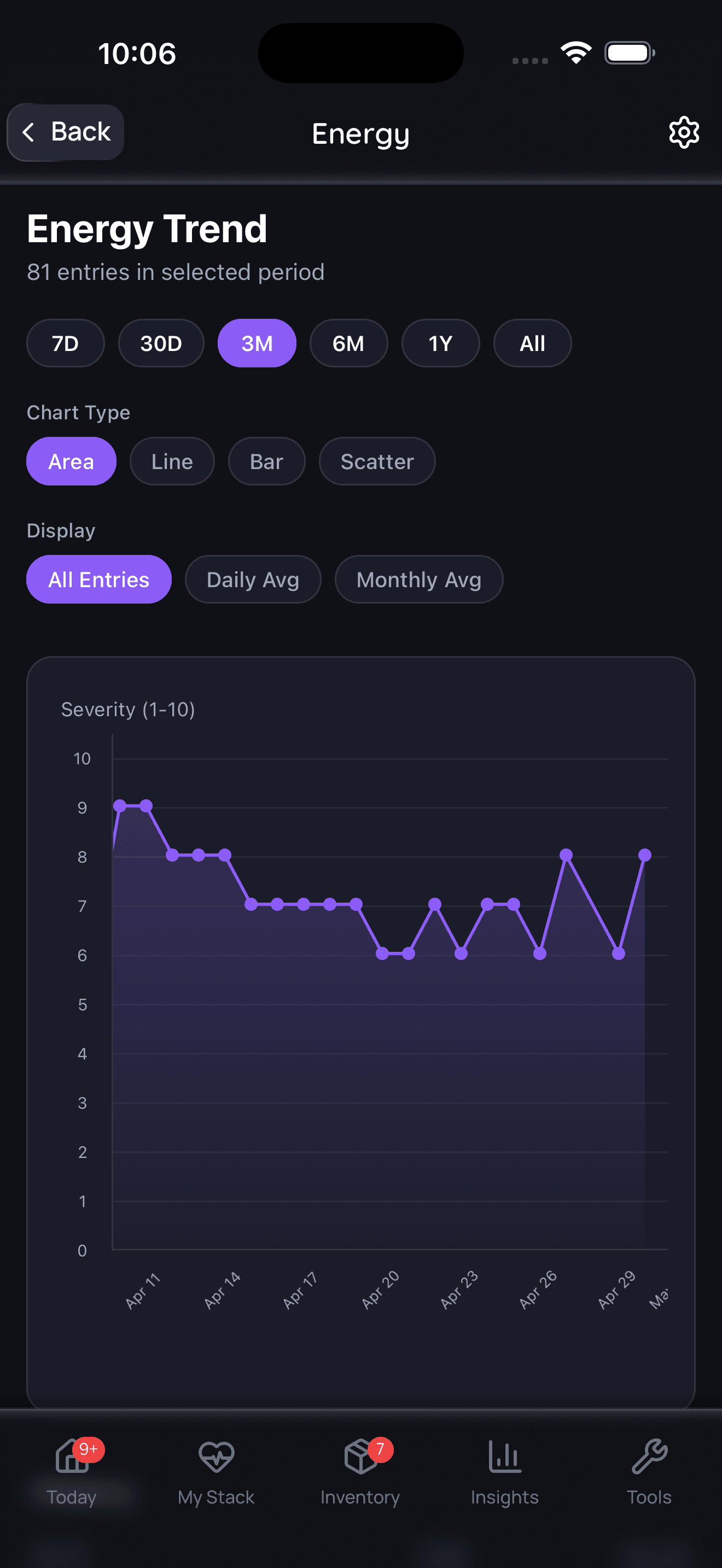
Symptom tracking is informational and should be interpreted with a qualified clinician.
Dosing & Usage Protocols
The Basics
There is no single established dose for phosphatidylcholine because it does not have its own RDA or AI value. Instead, dosing is typically discussed in relation to choline adequacy and the specific health goal.
For general choline support, commonly used doses range from 600 mg to 2,400 mg of phosphatidylcholine per day. At the lower end, this provides roughly 80-100 mg of choline; at the higher end, about 310-360 mg. This is meant to complement dietary choline intake rather than replace it [18].
Clinical studies have used a range of doses depending on the condition being investigated. For liver health (NAFLD), essential phospholipid preparations typically provided 1,800-3,600 mg of total phospholipids per day. For ulcerative colitis, the delayed-release formulations used 3,200-6,000 mg of total formulation per day (containing 30% PC), split across 3-4 doses taken after meals [5][9][11].
Many practitioners recommend starting with a lower dose (300-600 mg per day) and gradually increasing to assess tolerance, particularly for individuals who have not supplemented with choline before. Splitting the daily dose across 2-3 administrations taken with meals is a common approach that both improves absorption and reduces the likelihood of GI side effects.
It is important to distinguish between the phosphatidylcholine dose listed on a product label and the choline equivalent. A supplement label showing "1,200 mg phosphatidylcholine" provides approximately 156-180 mg of choline. Compare this against your estimated dietary choline intake and the Adequate Intake (550 mg for adult males, 425 mg for adult females) to gauge whether your total intake is appropriate.
The Science
No PC-specific RDA, AI, or UL values have been established by the IOM or EFSA. Dosing guidance derives from choline requirements and clinical trial protocols.
General Supplementation: Doses of 600-2,400 mg PC per day (providing 78-360 mg choline) are commonly used in supplemental contexts. This range is designed to complement dietary intake and close the choline gap without approaching the UL of 3,500 mg total choline per day [1][18].
NAFLD Protocols: Clinical studies have employed essential phospholipid preparations (e.g., Essentiale Forte N) at doses of 1,800 mg/day of total phospholipid content, administered as 2 capsules three times daily with meals. Treatment durations in clinical trials ranged from 12 to 24 weeks [11][12].
Ulcerative Colitis Protocols: Delayed-release PC formulations (LT-02) were administered at 1.5 g of total formulation four times daily (6 g/day total, containing ~1.8 g PC) in the highest-dose arm. Lower-dose arms (3.2 g/day total formulation) also showed clinical benefit [5][9][15].
Dose-Response and Safety Ceiling: WebMD (citing Therapeutic Research Center) reports clinical use of 1.05-6 g PC daily for up to 24 weeks, with safety data supporting up to 30 g/day for 6-week periods [18].
Getting the dose right matters more than most people realize. Too little may be ineffective, too much wastes money or introduces risk, and inconsistency undermines both. Doserly tracks every dose you take, across every form, giving you a clear record of what you're actually consuming versus what you planned.
The app helps you compare RDA recommendations against therapeutic ranges discussed in the research, so you can see exactly where your intake falls. If you switch forms, say from a standard capsule to a liposomal liquid, Doserly adjusts your tracking to account for different bioavailabilities. Pair that with smart reminders that keep your timing consistent, and the precision that makes a real difference in outcomes becomes effortless.
Track injection timing, draw notes, and site rotation.
Doserly helps keep syringe-related notes, injection site history, reminders, and reconstitution context together for easier review.
Injection log
Site rotation
Injection logs support record-keeping; follow clinician instructions for administration.
What to Expect (Timeline)
Phosphatidylcholine is not a supplement that produces dramatic overnight effects for most people. Because it functions as a structural nutrient rather than a pharmacological agent, the timeline for noticing benefits tends to be gradual and subtle.
Weeks 1-2: During the initial period, some people notice mild GI changes as the body adjusts to the supplement. This might include slight bloating, looser stools, or changes in taste. These effects are usually temporary. A small number of users report feeling slightly more alert or calm, but placebo effects are difficult to separate from real effects this early. If anxiety, brain fog, or significant fatigue develops, this may indicate individual sensitivity, and reducing the dose is a common adjustment.
Weeks 3-4: GI side effects typically resolve by this point. Some people taking PC for liver support may begin to notice improvements in digestive comfort, particularly if they previously experienced symptoms related to bile flow. Those taking PC to correct a choline deficiency may start to notice subtle cognitive or energy improvements, though these are often described as "something I notice when I stop taking it" rather than a distinct positive effect.
Weeks 5-8: This is the timeframe where clinical studies begin to show measurable effects on liver enzymes (ALT, AST, GGT reductions) in NAFLD patients. Any benefits related to cellular membrane support would also begin to manifest over this period, as PC is gradually incorporated into cell membrane phospholipid pools.
8-12+ Weeks: Studies on liver health typically ran for 12-24 weeks before reporting significant outcomes. For UC patients, symptom improvement was noted starting at 2-4 weeks into a 3-month treatment period, with continued improvement over time. Cognitive effects, if they occur at all, tend to be reported only after several months of consistent use.
After Discontinuation: Research suggests that benefits from PC supplementation are dependent on continuous use and tend to diminish when supplementation stops. This is consistent with its role as a structural nutrient that needs ongoing replenishment.
Interactions & Compatibility
Synergistic
- Choline: PC is a form of choline, and combining PC with other choline sources increases total choline intake. This synergy is contextual; additional choline is beneficial if dietary intake is insufficient, but total intake should stay below the UL of 3,500 mg/day.
- Vitamin B9 (Folate): Folate and choline share methyl-donation pathways. When folate is deficient, the body's demand for choline increases. Adequate folate status reduces the burden on choline for methyl donation [1].
- Vitamin B12: B12 participates in homocysteine remethylation alongside choline-derived betaine. Adequate B12 supports efficient use of choline for its other functions [1].
- Vitamin B6: Supports the transsulfuration pathway, which intersects with one-carbon metabolism. Adequate B6 reduces pressure on choline-dependent methylation [1].
- Fish Oil (Omega-3): DHA and EPA complement PC in membrane composition. Some formulations combine PC with omega-3s for synergistic membrane support.
- Milk Thistle (Silybin): PC is used as a complexing agent to enhance the bioavailability of silybin (the active component of milk thistle). The silybin-PC complex (Siliphos) demonstrates 4x higher plasma silybin levels compared to silymarin alone [21].
Caution / Avoid
- Alpha-GPC: Both provide choline. Combining them increases the risk of excessive choline intake, which can cause GI distress, fishy body odor, and potentially elevated TMAO levels. Monitor total choline intake from all sources.
- Anticoagulants: Some sources suggest exercising caution when combining PC with blood-thinning medications, though the data on clinically significant interactions is limited. Consult a healthcare provider.
- Anticholinesterase Drugs: PC-derived choline could theoretically amplify the effects of medications that inhibit acetylcholine breakdown (e.g., donepezil), though this interaction has not been well-documented clinically.
- Multiple Choline Sources: Stacking PC with choline bitartrate, alpha-GPC, citicoline, and/or large amounts of dietary lecithin can lead to excessive total choline intake. Calculate combined intake before stacking.
How to Take / Administration Guide
Phosphatidylcholine supplements are available in several formats, each with different practical considerations:
Softgels and Capsules: The most convenient option. Most products contain 420-1,200 mg of phosphatidylcholine per serving. Best taken with meals containing some dietary fat for improved absorption. Splitting the daily dose across 2-3 meals is common practice.
Liquid/Liposomal Formulations: These typically come with a measuring device and are mixed into beverages or taken directly. Some users prefer liposomal forms, believing they offer enhanced absorption, though comparative clinical data is limited. These products often require refrigeration after opening and may have a noticeable taste.
Powders: Lecithin granules or powdered PC can be mixed into smoothies, yogurt, or other foods. This format allows for flexible dosing but requires a precision scale for accurate measurement.
Timing: Taking PC with meals, particularly those containing fat, is generally recommended. This both improves absorption and reduces the likelihood of GI side effects. There is no established evidence that time of day matters, though some users prefer morning or midday dosing given occasional reports of mild stimulation.
Cycling: There is no strong evidence suggesting that phosphatidylcholine needs to be cycled. As a structural nutrient, continuous daily use is how most clinical studies have administered it. However, some individuals find that taking breaks allows them to reassess whether the supplement is providing benefit.
Key Practical Points:
- Read labels carefully: distinguish between the total phospholipid content and the actual phosphatidylcholine content, and calculate the choline equivalent (multiply PC dose by 0.13-0.15)
- If GI side effects occur, reduce the dose and take with food before trying again at a lower level
- If anxiety or brain fog develops, this may indicate individual sensitivity; consider trying a different choline form such as CDP-choline or reducing the dose significantly
Choosing a Quality Product
When selecting a phosphatidylcholine supplement, several quality indicators can help distinguish better products from lower-quality options:
Understand What You're Buying: Many products marketed as "phosphatidylcholine" are actually lecithin, which is a mixture of phospholipids where PC makes up only 20-30% of the total. A product labeled "1,200 mg lecithin" may deliver only 240-360 mg of actual phosphatidylcholine. Look for products that specify the phosphatidylcholine content separately, not just the total phospholipid or lecithin content.
Source Material: Most PC supplements are derived from soy or sunflower lecithin. Sunflower-derived products may be preferred by individuals avoiding soy for allergy, sensitivity, or personal reasons. Egg-derived PC is another option but less common.
Third-Party Testing: Look for products with third-party testing from organizations such as USP (U.S. Pharmacopeia), NSF International, or similar independent testing bodies. A Certificate of Analysis (COA) that verifies identity, potency, and absence of heavy metals or contaminants adds confidence.
GMP Certification: Products manufactured in cGMP (Current Good Manufacturing Practice) certified facilities follow standardized production protocols. This is a baseline quality indicator.
Red Flags:
- Products that list only "lecithin" without specifying PC content
- Proprietary blends that hide individual ingredient amounts
- Mega-dose claims (extremely high PC doses with health claims)
- Products combining PC with stimulants or "fat burner" compounds, which can confound side effect attribution
- Excessively low prices relative to the claimed PC content
Form Considerations: Standardized PC supplements (40-60% PC content) provide more predictable dosing than generic lecithin products. Liposomal formulations are generally more expensive and may offer improved delivery, though the clinical evidence for superior outcomes is not yet robust.
Storage & Handling
Phosphatidylcholine supplements should be stored in a cool, dry place away from direct sunlight and heat. Phospholipids can degrade when exposed to heat, light, and oxygen, potentially reducing potency and producing off-flavors.
Capsules and Softgels: Store at room temperature (15-25C/59-77F) in the original, tightly sealed container. Keep away from moisture. No refrigeration required unless specified by the manufacturer.
Liquid and Liposomal Forms: These typically require refrigeration after opening. Check the manufacturer's label for specific storage instructions. Use within the timeframe specified on the label after opening (usually 30-90 days).
Powders and Granules: Keep in an airtight container to prevent moisture absorption and oxidation. Lecithin granules can clump when exposed to humidity.
Shelf Life: Most PC supplements have a shelf life of 1-2 years when stored properly. Discard supplements that have developed unusual odors, colors, or textures, as these may indicate degradation.
Lifestyle & Supporting Factors
Dietary Sources: Before supplementing, consider whether your diet already provides adequate choline. Eggs are the richest common source (147 mg choline per large egg), followed by beef liver (356 mg per 3 oz serving), chicken, fish, soybeans, and cruciferous vegetables. If you eat 2-3 eggs daily and consume a varied diet that includes meat or fish, you may already be near your choline AI [1].
Folate Status: Choline and folate share methyl donation responsibilities. When folate intake is low, your body relies more heavily on choline. Ensuring adequate folate intake (through leafy greens, legumes, or supplementation) can reduce the burden on choline pathways and may reduce the amount of supplemental PC needed [1].
Alcohol Intake: Alcohol increases the body's demand for phosphatidylcholine and accelerates its depletion from cell membranes. Individuals who consume alcohol regularly may have greater need for PC support, though PC supplementation is not a substitute for reducing excessive alcohol consumption.
Exercise: Physical activity does not directly influence PC requirements in a well-documented way, but exercise supports overall metabolic health and liver function, which are complementary to the goals many PC users have.
Gut Health: The gut microbiome influences how choline is metabolized, including the conversion of choline to TMA/TMAO. A healthy, diverse microbiome may modulate this pathway favorably. Probiotic and prebiotic-rich foods may support optimal choline metabolism.
Monitoring: If taking PC for liver health, periodic liver function tests (ALT, AST, GGT) can help track progress. If concerned about TMAO levels, this can be measured through specialized blood testing. Plasma choline levels can also be assessed, though they are not routinely measured.
Regulatory Status & Standards
United States (FDA): Phosphatidylcholine and lecithin are regulated as dietary supplements under DSHEA. The FDA considers lecithin GRAS (Generally Recognized as Safe) as a food additive. Choline was recognized as an essential nutrient by the IOM in 1998. PC supplements do not require pre-market approval, and the FDA does not evaluate them for efficacy in treating, curing, or preventing disease.
Canada (Health Canada): Lecithin and phosphatidylcholine are available as Natural Health Products (NHPs) and require a Natural Product Number (NPN) for sale. Health Canada monographs exist for lecithin.
European Union (EFSA): Phosphatidylcholine is permitted as a food supplement ingredient. EFSA has evaluated and authorized certain health claims related to choline's contribution to normal lipid metabolism and liver function. Lecithin (E322) is an approved food additive.
Australia (TGA): Lecithin is listed as a complementary medicine ingredient. Phosphatidylcholine supplements are available as Listed Medicines.
Athlete & Sports Regulatory Status:
Phosphatidylcholine is not on the WADA Prohibited List and is not banned by any major national anti-doping agency (USADA, UKAD, Sport Integrity Canada, Sport Integrity Australia, NADA Germany). It is not prohibited by the NCAA, NFL, NBA, MLB, NHL, or other major professional sports leagues.
As a naturally occurring phospholipid found abundantly in common foods, PC presents minimal risk of triggering a positive drug test. However, supplement contamination remains a general concern in sports. Athletes who wish to minimize risk may choose products certified by Informed Sport, NSF Certified for Sport, Cologne List, or BSCG.
Athletes can verify the status of specific products through GlobalDRO.com (globaldro.com), which covers US, UK, Canada, Australia, Japan, Switzerland, and New Zealand jurisdictions.
Regulatory status and prohibited substance classifications change frequently. Athletes should always verify the current status of any supplement with their sport's governing body, their national anti-doping agency, and a qualified sports medicine professional before use. Third-party certification (Informed Sport, NSF Certified for Sport) reduces but does not eliminate the risk of contamination with prohibited substances.
Frequently Asked Questions
What is the difference between phosphatidylcholine and lecithin?
Lecithin is a mixture of phospholipids that naturally occurs in foods like eggs and soybeans. Phosphatidylcholine is the most abundant phospholipid in lecithin, typically making up 20-30% of its content. When a product is labeled "lecithin," it contains phosphatidylcholine along with other phospholipids such as phosphatidylethanolamine and phosphatidylinositol. Standardized phosphatidylcholine supplements concentrate the PC fraction to 40-60% or higher, providing a more predictable dose of the specific compound.
How is phosphatidylcholine different from Alpha-GPC, CDP-choline, and choline bitartrate?
All of these are forms of choline, but they differ in how much choline they provide by weight and how they are used by the body. Phosphatidylcholine is about 13% choline by weight and primarily supports cell membrane structure and liver function. Alpha-GPC (40% choline) and CDP-choline (18% choline) cross the blood-brain barrier more efficiently and are generally preferred for cognitive support. Choline bitartrate (41% choline) is the most cost-effective form but does not cross the blood-brain barrier well. The best form depends on your individual goals and response.
Can phosphatidylcholine cause anxiety?
Community reports and clinical observations suggest that a subset of individuals experience anxiety when supplementing with phosphatidylcholine. This appears to be more common in people with certain genetic variations affecting methylation pathways (particularly MTHFR variants). The proposed mechanisms include rapid increases in acetylcholine, shifts in methylation balance, or indirect detoxification effects. If anxiety occurs, reducing the dose, trying a different choline form, or consulting a healthcare professional are commonly suggested approaches.
Is phosphatidylcholine good for fatty liver?
Clinical studies suggest that essential phospholipids rich in phosphatidylcholine may help improve liver enzyme levels in people with non-alcoholic fatty liver disease (NAFLD). PC supports the liver's ability to package and export fat via VLDL particles. However, PC supplementation alone is not a treatment for fatty liver disease. It is most effective as one component of a broader approach that includes dietary changes, exercise, and medical oversight.
How much phosphatidylcholine provides meaningful choline?
Only about 13-15% of phosphatidylcholine's weight is choline. This means a supplement providing 1,200 mg of PC delivers approximately 156-180 mg of choline. For context, the Adequate Intake for choline is 550 mg/day for adult males and 425 mg/day for adult females. Most people would need to combine PC supplementation with dietary sources to reach these levels.
Does phosphatidylcholine raise TMAO levels?
Choline from any source can be metabolized by gut bacteria into trimethylamine (TMA), which the liver converts to trimethylamine N-oxide (TMAO). TMAO has been associated with cardiovascular risk in some studies. However, research on eggs (which are rich in phosphatidylcholine) suggests that consuming up to 3 eggs per day does not significantly raise TMAO in most people. The relationship between supplemental PC, TMAO, and cardiovascular risk depends on gut microbiome composition, total dietary context, and individual metabolic capacity.
Should I take phosphatidylcholine with food?
Most sources recommend taking PC with meals, particularly meals that include dietary fat. This can improve absorption (since PC is a lipid that benefits from bile-mediated micelle formation) and reduce the likelihood of GI side effects. Splitting the daily dose across multiple meals is a common approach.
Is phosphatidylcholine safe during pregnancy?
Based on clinical trial data, PC is considered possibly safe when taken starting at 18 weeks of pregnancy at doses up to 5 grams daily. However, choline is an important nutrient during pregnancy (the AI increases to 450 mg/day during pregnancy), and some research suggests that higher maternal choline intake may benefit fetal brain development. Pregnant individuals should discuss supplementation with their healthcare provider to determine appropriate dosing.
Can phosphatidylcholine help with ulcerative colitis?
Several randomized controlled trials have shown that delayed-release phosphatidylcholine formulations can improve symptoms in people with ulcerative colitis. The mechanism involves replenishing the colonic mucus layer, which is deficient in PC in UC patients. However, the specific delayed-release formulations used in these studies are not widely available as consumer supplements, and standard PC supplements may not deliver PC to the colon in the same way. Anyone with UC should discuss this option with their gastroenterologist.
How long does it take to see benefits from phosphatidylcholine?
Based on available research and community reports, PC is a slow-acting supplement. GI side effects, if they occur, typically resolve within the first 2-3 weeks. Measurable improvements in liver enzymes in NAFLD studies were typically observed over 12-24 weeks of consistent use. Cognitive effects, when reported at all, tend to emerge after several months. Many users describe the benefits as something they notice primarily when they stop taking the supplement.
Myth vs. Fact
Myth: Phosphatidylcholine is a powerful brain booster that will sharpen memory and focus.
Fact: While PC is an acetylcholine precursor, a Cochrane Review of 12 randomized trials found no clear clinical benefits of lecithin (PC) supplementation for dementia or cognitive impairment. A systematic review of 13 studies similarly found no clear cognitive improvements in healthy adults from choline supplementation. Other choline forms (alpha-GPC, CDP-choline) are more efficient at increasing brain choline levels [13][14].
Myth: Lecithin and phosphatidylcholine are the same thing.
Fact: Lecithin is a mixture of phospholipids in which phosphatidylcholine is the most abundant component, typically comprising only 20-30% of the total. A "1,200 mg lecithin" supplement may contain only 240-360 mg of actual phosphatidylcholine. Standardized PC products offer a higher and more predictable concentration of the active compound.
Myth: Phosphatidylcholine will "detox" your liver.
Fact: PC supports the liver's normal fat-export mechanisms (VLDL assembly) and clinical studies have shown improved liver enzyme levels in NAFLD patients. However, it is not a "detox" agent. It does not remove toxins, heavy metals, or metabolic waste products. The term "detox" oversimplifies complex liver physiology and sets unrealistic expectations [8][11].
Myth: Everyone who takes phosphatidylcholine will get the same results.
Fact: Individual response to PC varies significantly based on baseline choline status, dietary intake, genetic factors (particularly MTHFR variants affecting methylation), gut microbiome composition, and the specific health condition being addressed. Some people report notable improvements in energy and digestion, while others experience adverse effects like anxiety or fatigue [19].
Myth: Higher doses of phosphatidylcholine are always better.
Fact: PC follows a dose-response curve where benefits plateau and side effects increase. Excessive choline intake (above 3,500 mg/day total) can cause hypotension, sweating, fishy body odor, and GI distress. The TMAO pathway also becomes a greater concern at higher choline intakes. Starting low and increasing gradually is the more prudent approach [1][18].
Myth: Phosphatidylcholine supplements are just an expensive way to get choline.
Fact: While PC is only 13-15% choline by weight, its value extends beyond choline delivery. PC provides intact phospholipid molecules that can be directly incorporated into cell membranes, supports VLDL assembly in the liver, and serves as a substrate for the colonic mucus barrier. These structural functions are distinct from the choline-delivery role of supplements like choline bitartrate [2][7].
Myth: Taking phosphatidylcholine will raise cardiovascular risk through TMAO.
Fact: The relationship between PC, TMAO, and cardiovascular disease is more nuanced than early headlines suggested. While choline can be converted to TMAO by gut bacteria, studies on eggs (a major dietary PC source) show that consuming up to 3 eggs per day does not significantly raise TMAO in most people. Several large observational studies found no significant association between choline intake and cardiovascular disease risk. However, the long-term effects of isolated PC supplementation at higher doses remain an active area of research [1][20].
Sources & References
Government & Institutional Sources
[1] Zeisel SH, Corbin KD. Choline. In: Erdman JW, Macdonald IA, Zeisel SH, eds. Present Knowledge in Nutrition. 10th ed. Washington, DC: Wiley-Blackwell; 2012:405-18. See also: NIH Office of Dietary Supplements. Choline Fact Sheet for Health Professionals. https://ods.od.nih.gov/factsheets/choline-healthprofessional/
[2] Institute of Medicine. Food and Nutrition Board. Dietary Reference Intakes: Thiamin, Riboflavin, Niacin, Vitamin B6, Folate, Vitamin B12, Pantothenic Acid, Biotin, and Choline. Washington, DC: National Academy Press; 1998.
Systematic Reviews & Meta-Analyses
[9] Stremmel W, Vural H, Evliyaoglu O, Weiskirchen R. Delayed Release Phosphatidylcholine is Effective for Treatment of Ulcerative Colitis: A Meta-Analysis. Dig Dis. 2021;39(5):508-515.
[13] Higgins JP, Flicker L. Lecithin for dementia and cognitive impairment. Cochrane Database Syst Rev. 2003;(4):CD001015. https://pubmed.ncbi.nlm.nih.gov/14583928/
[14] Leermakers ET, Moreira EM, Kiefte-de Jong JC, et al. Effects of choline on health across the life course: a systematic review. Nutr Rev. 2015;73(8):500-22.
Clinical Trials & RCTs
[5] Stremmel W, Merle U, Zahn A, Autschbach F, Hinz U, Ehehalt R. Retarded release phosphatidylcholine benefits patients with chronic active ulcerative colitis. Gut. 2005;54(7):966-971.
[11] Maev IV, Samsonov AA, Palgova LK, et al. Effectiveness of phosphatidylcholine as adjunctive therapy in improving liver function tests in patients with non-alcoholic fatty liver disease and metabolic comorbidities: real-life observational study from Russia. BMJ Open Gastroenterol. 2020;7(1):e000368. https://pmc.ncbi.nlm.nih.gov/articles/PMC7170405/
[12] Maev IV, Samsonov AA, Palgova LK, et al. Effectiveness of phosphatidylcholine in alleviating steatosis in patients with non-alcoholic fatty liver disease and cardiometabolic comorbidities (MANPOWER study). BMJ Open Gastroenterol. 2020;7(1):e000341.
[15] Stremmel W, Braun A, Hanemann A, Ehehalt R, Autschbach F, Karner M. Delayed release phosphatidylcholine in chronic-active ulcerative colitis: a randomized, double-blinded, dose finding study. J Clin Gastroenterol. 2010;44(5):e101-7.
[16] Cheatham CL, Goldman BD, Fischer LM, da Costa KA, Reznick JS, Zeisel SH. Phosphatidylcholine supplementation in pregnant women consuming moderate-choline diets does not enhance infant cognitive function: a randomized, double-blind, placebo-controlled trial. Am J Clin Nutr. 2012;96(6):1465-72.
[17] Chung SY, Moriyama T, Uezu E, et al. Administration of phosphatidylcholine increases brain acetylcholine concentration and improves memory in mice with dementia. J Nutr. 1995;125(6):1484-9.
[21] Loguercio C, Andreone P, Brisc C, et al. Silybin combined with phosphatidylcholine and vitamin E in patients with nonalcoholic fatty liver disease: a randomized controlled trial. Free Radic Biol Med. 2012;52(9):1658-65.
Mechanistic & Review Studies
[3] Corbin KD, Zeisel SH. Choline metabolism provides novel insights into nonalcoholic fatty liver disease and its progression. Curr Opin Gastroenterol. 2012;28(2):159-65.
[4] Hollenbeck CB. An introduction to the nutrition and metabolism of choline. Cent Nerv Syst Agents Med Chem. 2012;12(2):100-13.
[6] Fagone P, Jackowski S. Phosphatidylcholine and the CDP-Choline Cycle. Biochim Biophys Acta. 2013;1831(3):523-32. https://ncbi.nlm.nih.gov/pmc/articles/PMC3562404/
[7] Vance DE, Vance JE. The critical role of phosphatidylcholine and phosphatidylethanolamine metabolism in health and disease. Biochim Biophys Acta. 2017. https://pubmed.ncbi.nlm.nih.gov/28411170/
[8] Osipova D, et al. Regression of Liver Steatosis Following Phosphatidylcholine Administration: A Review of Molecular and Metabolic Pathways Involved. Front Pharmacol. 2022;13:859860. https://pubmed.ncbi.nlm.nih.gov/35359878/
[10] Zierenberg O, Grundy SM. Intestinal absorption of polyenephosphatidylcholine in man. J Lipid Res. 1982;23(8):1136-1142.
Observational & Epidemiological Studies
[18] Therapeutic Research Center (via WebMD). Phosphatidylcholine Monograph. Natural Medicines Comprehensive Database. https://www.webmd.com/vitamins/ai/ingredientmono-501/phosphatidylcholine
[19] Community-reported observations from multiple online health forums regarding PC tolerability and genetic variation (MTHFR). Compiled from Reddit r/MTHFR, r/Supplements, r/Biohackers discussion threads (2022-2026).
[20] Tang WH, Wang Z, Levison BS, et al. Intestinal microbial metabolism of phosphatidylcholine and cardiovascular risk. N Engl J Med. 2013;368(17):1575-84.
Related Supplement Guides
Same Category (Choline Forms)
Common Stacks / Pairings
Related Health Goals
- Vitamin E (liver health, antioxidant protection)
- L-Glutathione (liver support, antioxidant)
- Taurine (bile acid conjugation, liver support)
- Magnesium (metabolic support, common deficiency)