
L-Glutathione: The Complete Supplement Guide
On this page
Quick Reference Card
Attribute
Common Name
- Detail
- L-Glutathione (GSH)
Attribute
Other Names / Aliases
- Detail
- Reduced Glutathione, GSH, gamma-L-Glutamyl-L-cysteinylglycine, Glutathione (reduced form)
Attribute
Category
- Detail
- Antioxidant Tripeptide (endogenous amino acid compound)
Attribute
Primary Forms & Variants
- Detail
- Reduced L-Glutathione (standard oral); Liposomal Glutathione (lipid-encapsulated, enhanced bioavailability); S-Acetyl L-Glutathione (acetylated, more stable); Sublingual Glutathione (buccal absorption); Oxidized Glutathione (GSSG, topical use)
Attribute
Typical Dose Range
- Detail
- 250-1,000 mg per day (oral); 500-1,000 mg per day (liposomal)
Attribute
RDA / AI / UL
- Detail
- No RDA, AI, or UL established. Glutathione is not classified as an essential nutrient.
Attribute
Common Delivery Forms
- Detail
- Capsules, tablets, sublingual lozenges, liposomal liquid, powder
Attribute
Best Taken With / Without Food
- Detail
- Liposomal and sublingual forms are commonly taken on an empty stomach (30 min before meals) for better absorption; standard capsules can be taken with or without food
Attribute
Key Cofactors
- Detail
- Vitamin C (maintains GSH in reduced form, antioxidant synergy); Selenium (supports glutathione peroxidase function); Alpha-Lipoic Acid (regenerates GSH from oxidized form); NAC (cysteine donor, enhances endogenous GSH synthesis); Glycine (co-substrate for GSH synthesis)
Attribute
Storage Notes
- Detail
- Store in a cool, dry place away from direct sunlight and heat. Reduced glutathione is sensitive to oxidation and degradation. Keep container tightly sealed. Liposomal forms may require refrigeration after opening.
Overview
The Basics
Glutathione is often called the body's "master antioxidant," and for good reason. It is a small molecule made from three amino acids (glutamate, cysteine, and glycine) that is found in virtually every cell of your body. Unlike most antioxidants you might get from food, glutathione is produced inside your cells, where it serves as the primary line of defense against oxidative damage [1][2].
Think of glutathione as your cells' internal cleanup crew. It neutralizes harmful molecules called free radicals before they can damage your DNA, proteins, and cell membranes. It also plays a critical role in liver detoxification, helping your body process and eliminate toxins, heavy metals, and drug metabolites. On top of that, glutathione helps recycle other antioxidants like vitamins C and E, essentially extending their working lifespan in your body [1][3].
The challenge with glutathione as a supplement is that your stomach tends to break it down before much of it reaches your bloodstream intact. This bioavailability problem has been the central debate around glutathione supplementation for decades. Newer delivery methods, particularly liposomal formulations, appear to get around this issue more effectively than standard capsules [4][5].
Your body's natural glutathione production declines with age. Factors like chronic stress, poor diet, pollution, alcohol use, intense exercise, and certain medications can also deplete your stores faster than your cells can replenish them [3][6].
The Science
Glutathione (gamma-L-glutamyl-L-cysteinylglycine, GSH) is a low-molecular-weight thiol tripeptide consisting of L-glutamate, L-cysteine, and glycine, with an atypical peptide bond between the gamma-carboxyl group of glutamate and the alpha-amino group of cysteine. It is the most abundant non-protein thiol in mammalian cells, present at intracellular concentrations of 1-10 mM, comparable to glucose and potassium [1][2].
GSH exists in two interconvertible forms: the reduced thiol form (GSH) and the oxidized disulfide form (GSSG). Under physiological conditions, the GSH:GSSG ratio in the cytosol ranges from 100:1 to 1000:1, and this ratio serves as a critical indicator of cellular redox state [2][7]. The glutathione system encompasses multiple enzymes: glutathione peroxidase (GPx) uses GSH to reduce hydrogen peroxide and lipid hydroperoxides, glutathione reductase (GR) regenerates GSH from GSSG using NADPH, and glutathione S-transferases (GSTs) catalyze the conjugation of GSH with electrophilic substrates for Phase II detoxification [1][7].
Dietary intake of glutathione from food sources averages approximately 34.8 mg/day, with a wide range of 13-109.9 mg, the majority coming from fruits and vegetables. However, dietary glutathione intake does not correlate well with plasma or tissue GSH levels, as endogenous synthesis is the primary determinant of cellular stores [8].
Chemical & Nutritional Identity
Property
Chemical Name
- Value
- gamma-L-Glutamyl-L-cysteinylglycine
Property
Synonyms
- Value
- Reduced Glutathione, GSH, L-Glutathione, Isethion
Property
Molecular Formula
- Value
- C10H17N3O6S
Property
Molecular Weight
- Value
- 307.32 g/mol
Property
CAS Number
- Value
- 70-18-8
Property
PubChem CID
- Value
- 124886
Property
Category
- Value
- Endogenous antioxidant tripeptide
Property
pKa (thiol group)
- Value
- ~8.7-9.2
Property
RDA / AI / UL
- Value
- Not established
Glutathione is synthesized endogenously via a two-step, ATP-dependent pathway catalyzed by glutamate-cysteine ligase (GCL) and glutathione synthetase (GS). The first step, catalyzed by GCL, forms gamma-glutamylcysteine from glutamate and cysteine. The second step, catalyzed by GS, adds glycine to complete the tripeptide. The availability of L-cysteine is the rate-limiting factor for GSH synthesis, which is why N-acetyl cysteine (NAC) is effective at boosting intracellular GSH levels [1][2][7].
The primary supplement forms differ in their approach to the bioavailability challenge:
- Reduced L-Glutathione: The standard form. Subject to hydrolysis by gamma-glutamyltransferase in the intestinal brush border. Some intact absorption occurs, but most is broken down to constituent amino acids [8].
- Liposomal Glutathione: Encapsulated in phospholipid vesicles that protect against gastric degradation. Clinical studies suggest 4-6x higher plasma levels compared to standard oral forms [4][5].
- S-Acetyl L-Glutathione: The acetyl group protects the sulfhydryl group from oxidation during transit, potentially improving stability and cellular uptake.
- Sublingual Glutathione: Bypasses first-pass metabolism through buccal absorption into systemic circulation [3].
Mechanism of Action
The Basics
Glutathione works through several interconnected pathways, all centered on protecting your cells and keeping your internal chemistry running smoothly.
Its most important function is acting as the body's primary antioxidant defense. Every cell generates harmful byproducts (free radicals) as part of normal metabolism. Glutathione neutralizes these before they can damage your DNA, proteins, or cell membranes. You can think of it as a molecular sponge that soaks up the chemical waste products of cellular energy production [1][3].
Glutathione also plays a central role in detoxification. In your liver, it binds to toxins, heavy metals, drug metabolites, and other harmful compounds through a process called conjugation. This converts fat-soluble toxins into water-soluble waste that your kidneys can flush out. This is why glutathione is so important for liver health and why it is used medically to treat acetaminophen (paracetamol) poisoning, where it prevents liver damage [1][7].
Beyond antioxidant defense and detoxification, glutathione helps regulate your immune system, supports DNA synthesis and repair, and assists in protein folding. It even recycles other antioxidants like vitamin C and vitamin E back into their active forms, essentially acting as the hub of your body's entire antioxidant network [3][6].
The Science
GSH exerts its biological effects through several well-characterized mechanisms [1][2][7]:
Antioxidant defense: Glutathione peroxidase (GPx) enzymes use GSH as a substrate to reduce hydrogen peroxide (H2O2) to water and lipid hydroperoxides to their corresponding alcohols. This reaction oxidizes GSH to GSSG, which is then recycled back to GSH by glutathione reductase (GR) using NADPH as the electron donor. This cycle constitutes the primary enzymatic defense against oxidative stress in most cell types [1][7].
Phase II detoxification: Glutathione S-transferases (GSTs) catalyze the conjugation of GSH with electrophilic substrates, including carcinogens, drug metabolites, heavy metals (mercury, lead, cadmium, arsenic), and environmental toxins. The resulting glutathione conjugates are exported from cells and processed through the mercapturic acid pathway for renal excretion [1][7].
Redox signaling: The GSH:GSSG ratio modulates the activity of numerous redox-sensitive transcription factors, including NF-kB, AP-1, and Nrf2. Through protein S-glutathionylation (reversible attachment of glutathione to protein cysteine residues), GSH participates in redox-based signal transduction pathways that regulate cell proliferation, apoptosis, and inflammatory responses [2][7].
Compartmentalized functions: In the nucleus, GSH maintains protein sulfhydryl groups necessary for DNA repair and synthesis. In the endoplasmic reticulum, the more oxidized GSH:GSSG ratio (~3:1 to 1:1) provides the oxidizing environment necessary for proper disulfide bond formation during protein folding. In the mitochondria, GSH protects against respiratory chain-generated reactive oxygen species, which is critical for maintaining cellular energy production [3][7].
Ascorbate recycling: GSH serves as an electron donor for dehydroascorbate reductase, regenerating ascorbic acid (vitamin C) from its oxidized form. This interconnection means that GSH depletion can secondarily impair vitamin C function [1].
Absorption & Bioavailability
The Basics
The bioavailability of glutathione has been the single biggest challenge in supplement science. Your digestive system is designed to break down peptides (small protein fragments) into their individual amino acids, and glutathione is no exception. An enzyme called gamma-glutamyltransferase, concentrated in your small intestine's lining, efficiently chops glutathione apart before most of it can reach your bloodstream intact [8].
This does not mean oral glutathione supplementation is completely futile. A landmark clinical trial showed that taking 250-1,000 mg of standard oral glutathione daily for six months significantly increased glutathione levels in blood, red blood cells, plasma, and immune cells, with the higher dose producing 30-35% increases in multiple body compartments [9]. The body appears to use the amino acid building blocks from digested glutathione to reassemble new glutathione inside cells.
Liposomal glutathione represents the most significant advancement in this area. By wrapping glutathione in tiny fat bubbles (liposomes), the molecule is protected from digestive enzymes and can be absorbed more efficiently. Clinical data shows liposomal forms can achieve plasma levels approximately 4-6 times higher than standard oral glutathione at comparable doses [4][5].
Sublingual forms bypass the digestive tract entirely, absorbing through the mucous membranes in your mouth directly into the bloodstream. S-Acetyl Glutathione adds a chemical shield (an acetyl group) to the most vulnerable part of the molecule, improving its stability during transit [3].
The Science
Oral glutathione is subject to hydrolysis by gamma-glutamyltransferase (GGT, EC 2.3.2.2) concentrated in the brush border of the jejunum. A transporter for intact glutathione absorption has been identified in human intestinal epithelial cells, but the quantitative contribution of intact absorption versus amino acid-level absorption remains debated [8].
The Richie et al. (2015) randomized controlled trial (n=54, 6 months, ClinicalTrials.gov NCT01044277) demonstrated dose-dependent and time-dependent increases in GSH levels: the 1,000 mg/day group showed 30-35% increases in erythrocyte, plasma, and lymphocyte GSH, and a 260% increase in buccal mucosal cells. Levels returned to baseline after a 1-month washout period, confirming a genuine supplementation effect rather than measurement artifact [9].
Liposomal GSH (Sinha et al. 2018, ClinicalTrials.gov NCT02278822) at 500-1,000 mg/day increased whole blood GSH by approximately 40% within 1-2 weeks, with concurrent decreases in oxidative stress biomarkers and enhanced NK cell function. A 2026 comparative pharmacokinetic study found liposomal glutathione achieved maximum plasma concentrations approximately 6-fold higher than plain glutathione (approximately 1,800 ng/mL vs approximately 300 ng/mL), with a bimodal absorption pattern and sustained plasma levels exceeding 500 ng/mL at 24 hours [4][5].
Sublingual administration bypasses first-pass metabolism. Reported effective dosing for sublingual delivery is 20-40 mg/kg body weight (approximately 1-2 g in divided doses), with significant effects reported within 3 months [3].
Managing absorption timing across multiple supplements gets complicated fast. Some need to be taken with food, others on an empty stomach. Some compete for the same absorption pathways, others enhance each other. Doserly organizes all of this into a single schedule that accounts for the interactions between everything in your stack.
Instead of juggling mental notes about which supplements to separate and which to pair, the app handles the coordination for you. It flags timing conflicts, suggests optimal windows based on the forms you're using, and builds a daily routine that gives each supplement its best chance of being absorbed effectively. One place for all the details that are easy to forget.
Track injection timing, draw notes, and site rotation.
Doserly helps keep syringe-related notes, injection site history, reminders, and reconstitution context together for easier review.
Injection log
Site rotation
Injection logs support record-keeping; follow clinician instructions for administration.
Research & Clinical Evidence
The Basics
Research on glutathione supplementation spans several areas, though the evidence base is still developing compared to more established supplements.
The strongest clinical evidence comes from studies on glutathione's ability to raise its own levels in the body. The landmark Richie 2015 trial proved that oral glutathione supplements do increase body stores over time, settling a long-standing debate [9]. The follow-up research on liposomal forms showed even more impressive results, with faster onset and higher blood levels [4][5].
Skin-related research is the most active area, with multiple randomized controlled trials examining glutathione's effects on skin pigmentation and appearance. Several trials using 250-500 mg/day of oral glutathione have shown modest reductions in melanin levels in sun-exposed skin areas, along with improvements in skin elasticity and wrinkle reduction. However, the results are inconsistent across studies, and the effects appear to be temporary [10][11][12].
Glutathione's role in immune function is supported by clinical data showing enhanced natural killer (NK) cell activity at higher doses (1,000 mg/day), which is relevant because NK cells are your immune system's first-line defense against viruses and abnormal cells [9].
Research on liver health is emerging, particularly in the context of non-alcoholic fatty liver disease (NAFLD), where oxidative stress plays a key role in disease progression. GSH supplementation may help restore redox balance in metabolic liver disease, though clinical evidence remains preliminary [7].
The Science
Oxidative stress and GSH stores (RCT evidence): The Richie et al. (2015) 6-month RCT demonstrated that oral GSH supplementation at 250 mg/day and 1,000 mg/day significantly increased GSH levels across multiple body compartments in a dose-dependent and time-dependent manner. The high-dose group also showed a greater than twofold increase in NK cell cytotoxicity at 3 months (P < 0.05), suggesting clinically relevant immune enhancement [9].
Skin effects (multiple RCTs): A systematic review incorporating four clinical trials found that oral glutathione at 500 mg/day and topical 2% oxidized glutathione significantly reduced skin melanin index in sun-exposed areas. Glutathione at 250 mg/day for 10 weeks improved skin elasticity and reduced wrinkling in a double-blind RCT [10][11]. The mechanism involves tyrosinase inhibition via thiol group chelation of copper ions, inhibition of tyrosinase transfer to premelanosomes, and shifting melanogenesis from eumelanin to pheomelanin production [3][11].
Liposomal GSH (pilot study): Sinha et al. (2018) demonstrated that oral liposomal GSH at 500-1,000 mg/day increased whole blood GSH levels by approximately 40% within 2 weeks, with concurrent improvements in immune markers and decreased oxidative stress biomarkers (8-isoprostane, 8-OHdG) [4].
Liver disease: Preclinical and early clinical data support a role for GSH in NAFLD, where hepatic GSH depletion correlates with disease severity. GSH supplementation may help restore the redox balance disrupted by hepatic lipid accumulation, though large-scale clinical trials are needed [7].
Antiviral activity: In vitro studies have demonstrated that GSH inhibits viral replication in HIV, parainfluenza virus, and herpes simplex virus type 1, potentially through inhibition of specific viral protein expression and reduction of oxidative stress that facilitates viral replication [3].
Evidence & Effectiveness Matrix
Category
Skin Health
- Evidence Strength
- 6/10
- Reported Effectiveness
- 6/10
- Summary
- Multiple RCTs support modest skin brightening and anti-aging effects at 250-500 mg/day. Effects are temporary and variable. Community reports confirm modest improvements with significant individual variation.
Category
Immune Function
- Evidence Strength
- 6/10
- Reported Effectiveness
- 6/10
- Summary
- One well-designed RCT showed >2x increase in NK cell cytotoxicity at 1,000 mg/day. Limited but notable community reports of improved immune resilience.
Category
Inflammation
- Evidence Strength
- 5/10
- Reported Effectiveness
- 5/10
- Summary
- Mechanistic support is strong (NF-kB modulation, cytokine regulation), but clinical RCT data specifically for inflammation endpoints is limited. Community reports are sparse.
Category
Recovery & Healing
- Evidence Strength
- 4/10
- Reported Effectiveness
- 5/10
- Summary
- Mechanistic basis through oxidative stress reduction and tissue repair support. Limited clinical data. Community reports suggest modest workout recovery benefits, especially with liposomal forms.
Category
Energy Levels
- Evidence Strength
- 4/10
- Reported Effectiveness
- 4/10
- Summary
- Indirect support through mitochondrial protection and cellular energy metabolism. Community reports are mixed, with CFS/ME populations reporting worsening in some cases.
Category
Joint Health
- Evidence Strength
- 4/10
- Reported Effectiveness
- 5/10
- Summary
- Oxidative stress contributes to joint inflammation; GSH may help. Very limited clinical data. Sparse community reports.
Category
Hair Health
- Evidence Strength
- 3/10
- Reported Effectiveness
- 5/10
- Summary
- Mechanistic link through antioxidant protection of hair follicles. No dedicated clinical trials. Community reports are secondary to skin observations.
Category
Nausea & GI Tolerance
- Evidence Strength
- 5/10
- Reported Effectiveness
- 4/10
- Summary
- Standard oral forms cause GI discomfort in some users (bloating, sulfurous taste). Liposomal forms are generally better tolerated. Clinical trials report mostly nonserious adverse events.
Category
Side Effect Burden
- Evidence Strength
- 5/10
- Reported Effectiveness
- 5/10
- Summary
- Oral supplementation has a favorable safety profile overall. IV administration carries significantly higher risk (not recommended for supplementation).
Category
Treatment Adherence
- Evidence Strength
- 3/10
- Reported Effectiveness
- 4/10
- Summary
- Cost is a major barrier. Effects revert on discontinuation, creating sustainability concerns. Many users switch to NAC as a more affordable precursor.
Category
Longevity & Neuroprotection
- Evidence Strength
- 5/10
- Reported Effectiveness
- N/A
- Summary
- GSH depletion is associated with age-related diseases (Alzheimer's, Parkinson's). Supplementation may help maintain cellular health with aging, but clinical longevity data is lacking. Community data not yet collected.
Benefits & Potential Effects
The Basics
Glutathione's benefits stem from its fundamental role as the body's most important internal antioxidant. Rather than having one narrow application, it supports health across multiple systems because oxidative stress affects virtually every tissue.
The most consistently reported benefit is skin improvement. People taking glutathione supplements often notice brighter, more even skin tone and improved skin texture over several weeks to months. This happens because glutathione influences melanin production, shifting it toward lighter pigments while also protecting skin cells from UV damage and supporting collagen maintenance [10][11][12].
Immune support is another area where glutathione shows genuine promise. Clinical research has demonstrated that higher-dose supplementation can significantly boost the activity of natural killer cells, which are critical for defending against viral infections and identifying abnormal cells [9].
Glutathione's detoxification role is perhaps its most well-established function from a medical perspective. It is the standard-of-care antidote for acetaminophen overdose because of its ability to rapidly neutralize toxic drug metabolites in the liver. At supplemental doses, it may support everyday liver function by helping process environmental toxins, alcohol metabolites, and other compounds your liver encounters daily [1][3][7].
Other areas where glutathione supplementation shows preliminary promise include respiratory health (breaking down mucus and reducing airway inflammation), support for neurological conditions where GSH depletion has been documented (such as Parkinson's disease), and general anti-aging support through cellular protection [3][6].
The Science
Skin depigmentation and anti-aging: Glutathione inhibits tyrosinase via chelation of copper ions at the enzyme active site, inhibits transfer of tyrosinase to premelanosomes, and shifts melanogenesis from eumelanin (dark pigment) to pheomelanin (lighter pigment) through reaction between thiol groups and dopaquinone [3][10][11]. A randomized double-blind placebo-controlled study demonstrated that glutathione at 250 mg/day for 10 weeks significantly improved skin elasticity and reduced wrinkling compared to placebo [12].
Immune enhancement: The Richie et al. RCT demonstrated a greater than twofold increase in NK cell cytotoxicity in the 1,000 mg/day group versus placebo at 3 months (P < 0.05). NK cells are critical components of innate immunity, and their activity declines with age, making this finding particularly relevant for older adults [9].
Hepatoprotection: GSH is the standard antidote for acetaminophen-induced hepatotoxicity, administered intravenously as NAC (which is rapidly converted to cysteine and then GSH intracellularly). At supplemental oral doses, GSH may support hepatic redox balance in conditions characterized by chronic oxidative stress, including NAFLD and alcohol-related liver disease [1][7].
Antiviral and respiratory: GSH has demonstrated antiviral activity against HIV, parainfluenza virus, and HSV-1 in vitro, potentially through inhibition of viral protein expression. GSH depletion has been associated with severity of COVID-19 symptoms through its role in modulating the inflammatory response and cytokine production [3][6].
Neuroprotection: Reduced GSH levels have been documented in the substantia nigra of Parkinson's disease patients and in brain tissue of Alzheimer's disease patients. While supplementation studies in neurodegenerative disease are limited, the mechanistic rationale for maintaining brain GSH levels is well-established [3][6].
When you're taking multiple supplements, it's hard to know which one is doing the heavy lifting. The benefits described above may overlap with effects from other items in your stack, lifestyle changes, or seasonal variation. Doserly helps you untangle that by keeping everything in one place, with timestamps, doses, and outcomes logged together.
Over time, this builds something more valuable than any product review: your personal evidence record. You can see exactly when you started this supplement, what else was in your routine at the time, and how your tracked health markers responded. That clarity makes the difference between guessing and knowing, whether you're talking to a healthcare provider or simply deciding if it's worth reordering.
Connect protocol changes to labs and health markers.
Doserly can keep lab results, biomarkers, symptoms, and dose history close together so follow-up conversations have better context.
Insights
Labs and trends
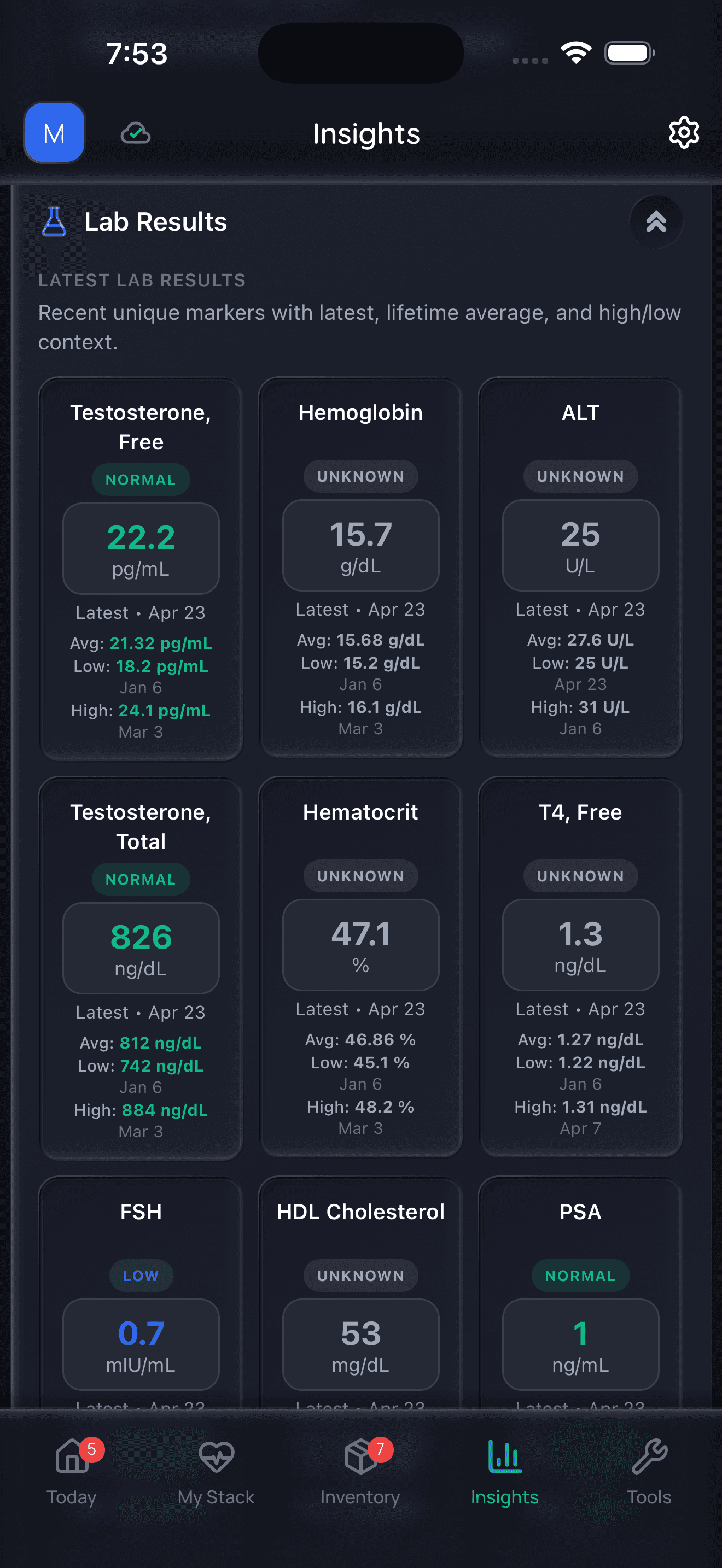
Doserly organizes data; it does not diagnose or interpret labs for you.
Side Effects & Safety
The Basics
Oral glutathione supplementation generally has a favorable safety profile. Most clinical trials report minimal adverse effects at doses up to 1,000 mg per day for periods up to six months [9][4].
The most commonly reported side effects from oral supplementation are digestive in nature: bloating, gas, stomach discomfort, and an unpleasant sulfurous taste or smell. These tend to be mild and are more common with standard (non-liposomal) forms. Sublingual lozenges can cause soreness of the gums with prolonged use [3].
It is important to distinguish between oral supplementation and intravenous (IV) glutathione, which carries a substantially different risk profile. IV glutathione, sometimes administered in clinical settings or medically supervised spas, has been associated with more serious adverse effects including headaches, skin reactions (ranging from mild to severe, including rare cases of Stevens-Johnson syndrome), kidney and liver dysfunction, thyroid dysfunction, and in rare cases, fatal complications from improper administration technique [3][10]. The Philippine FDA has issued a public warning against the use of IV glutathione for skin lightening due to safety concerns [11].
There is no established Upper Tolerable Intake Level (UL) for glutathione since it is not classified as an essential nutrient. However, the absence of a UL should not be interpreted as evidence that unlimited doses are safe [9].
A subset of individuals with chronic fatigue syndrome (CFS/ME) report that glutathione supplementation worsens their fatigue symptoms, potentially through interference with B12 metabolism. Starting with low doses and increasing gradually is advisable for anyone with complex health conditions [6].
The Science
Oral safety data: In the Richie et al. 6-month RCT, no significant adverse effects were reported at either 250 mg/day or 1,000 mg/day in healthy non-smoking adults [9]. The Sinha et al. liposomal GSH pilot study similarly reported high tolerability with no adverse effects at 500-1,000 mg/day over 1 month [4].
IV-associated risks: Intravenous administration has been associated with more serious adverse events including anaphylaxis, hepatotoxicity (paradoxically, given GSH's hepatoprotective role), severe skin reactions, renal failure, and thyroid dysfunction. IV GSH is not FDA-approved for cosmetic use. The circulating half-life of IV-administered GSH is approximately 10 minutes, with most being rapidly oxidized and broken down to constituent amino acids [3][10].
Pregnancy and lactation: No conclusive evidence exists regarding the safety of glutathione supplementation during pregnancy or lactation. Given the lack of data, supplementation during these periods should be approached with caution and only under medical supervision [3].
Drug interactions: No major drug interactions have been documented for oral glutathione supplementation. However, theoretical interactions exist with chemotherapy agents, as glutathione's antioxidant properties may potentially interfere with pro-oxidant cancer therapies. Individuals undergoing cancer treatment should consult their oncologist before supplementing [3][6].
Managing side effect risks across a multi-supplement stack can feel overwhelming, especially when interactions between supplements, medications, and foods add layers of complexity. Doserly brings all of that into a single safety view so nothing falls through the cracks.
Rather than researching every possible interaction yourself, the app checks your full stack automatically and flags supplement-drug and supplement-supplement interactions that warrant attention. If you do experience something unexpected, logging it takes seconds, and over time the app helps you spot patterns: whether symptoms correlate with specific doses, timing, or combinations. One place for the safety picture that matters most when your stack grows beyond a few bottles.
Capture changes while they are still fresh.
Log symptoms, energy, sleep, mood, and other observations alongside protocol events so patterns do not live only in memory.
Trend view
Symptom timeline
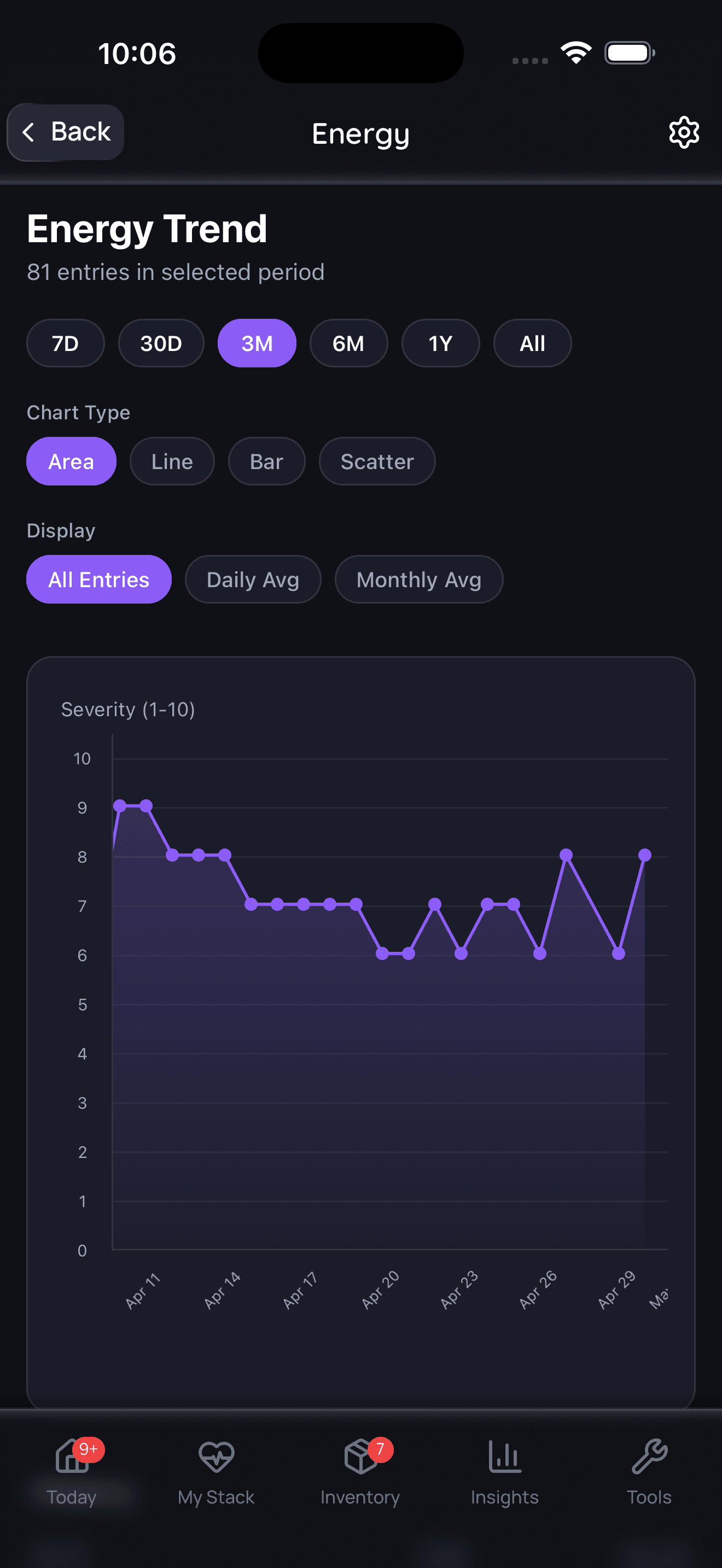
Symptom tracking is informational and should be interpreted with a qualified clinician.
Dosing & Usage Protocols
The Basics
Glutathione dosing depends heavily on the form being used, because bioavailability varies dramatically between delivery methods.
For standard reduced glutathione capsules, commonly reported doses range from 250 to 1,000 mg per day. The clinical trial that demonstrated meaningful increases in body stores used these doses over six months, with the higher dose producing more substantial effects [9].
For liposomal glutathione, doses of 500-1,000 mg per day have been studied, with effects observable within 1-2 weeks rather than the months required for standard forms [4][5].
S-Acetyl Glutathione is typically dosed at 200-600 mg per day, though clinical data for this form is more limited than for reduced or liposomal glutathione.
The Science
Standard oral GSH: The Richie et al. RCT provides the strongest evidence base. At 250 mg/day, blood GSH increased 17% and erythrocyte GSH increased 29% over 6 months. At 1,000 mg/day, erythrocyte, plasma, and lymphocyte GSH increased 30-35%, and buccal cell GSH increased 260%. Effects were dose-dependent, time-dependent, and reversed after 1-month washout [9].
Liposomal GSH: Sinha et al. (2018) observed significant increases in whole blood, erythrocyte, plasma, and PBMC GSH levels within 1-2 weeks at both 500 and 1,000 mg/day. A 2026 pharmacokinetic study demonstrated approximately 6-fold higher Cmax for liposomal versus plain glutathione after a single 1 g dose [4][5].
Sublingual GSH: Bioavailability data suggests 20-40 mg/kg body weight (approximately 1,400-2,800 mg for a 70 kg adult) in divided doses, with significant effects reported within 3 months [3].
No established UL: As glutathione is not classified as an essential nutrient, no Tolerable Upper Intake Level has been established by the IOM or EFSA. The 6-month RCT demonstrated safety at 1,000 mg/day [9].
What to Expect (Timeline)
Weeks 1-2: With liposomal or S-acetyl forms, some individuals report subtle improvements in energy and skin clarity. Clinical data shows measurable increases in blood GSH levels within this timeframe for liposomal forms [4]. Standard oral capsules are unlikely to produce noticeable effects this early.
Weeks 3-4: If using standard oral glutathione, the first measurable changes in GSH levels may begin to appear. Some users report improved skin texture and slightly brighter complexion. GI side effects, if they occur, typically emerge during this initial period and often resolve with continued use.
Weeks 5-8: Skin brightening effects, if they occur, typically become apparent in this window based on clinical trial timelines using 250-500 mg/day [10][12]. Immune function improvements may begin to manifest. Users taking glutathione for general antioxidant support may notice improved recovery from exercise or illness.
Weeks 8-12+: Maximum effects on skin melanin index are typically reported in the 10-12 week range [12]. The Richie et al. RCT showed continued GSH accumulation through 6 months, suggesting that longer-term supplementation produces greater systemic benefit [9]. Effects on immune markers (NK cell activity) were significant by month 3 in the same trial.
On discontinuation: GSH levels return to baseline after approximately 1 month of discontinuation [9]. Skin effects also revert after stopping supplementation. Continuous use is required to maintain benefits, which is a consideration given the cost of glutathione supplements.
Interactions & Compatibility
Synergistic
- NAC (N-Acetyl Cysteine): Provides the rate-limiting amino acid (cysteine) for endogenous GSH synthesis. NAC and direct glutathione supplementation may work through complementary mechanisms: NAC boosts intracellular production while oral GSH may increase extracellular and blood-compartment levels.
- Vitamin C: Maintains GSH in its reduced (active) form and provides synergistic antioxidant protection. GSH reciprocally regenerates vitamin C from its oxidized form (dehydroascorbate). Doses of 500 mg/day vitamin C have been shown to increase erythrocyte GSH by 18% over 13 weeks.
- Selenium: Essential cofactor for glutathione peroxidase (GPx) enzymes. Selenium deficiency impairs the entire glutathione antioxidant system.
- Alpha-Lipoic Acid: Regenerates GSH from its oxidized form (GSSG). At 300 mg three times daily, alpha-lipoic acid has been shown to support glutathione recycling.
- Glycine: Co-substrate for GSH synthesis. Combined glycine and NAC supplementation (GlyNAC) restored elderly GSH levels to those of younger adults within 2 weeks in clinical research.
- Vitamin E: Works alongside GSH in the antioxidant network. GSH helps regenerate vitamin E after it neutralizes lipid peroxyl radicals.
Caution / Avoid
- Chemotherapy agents: Glutathione's antioxidant properties may theoretically interfere with pro-oxidant chemotherapy drugs that rely on generating free radicals to kill cancer cells. Individuals undergoing cancer treatment should discuss GSH supplementation with their oncologist.
- Iron: High-dose iron supplementation generates free radicals through Fenton chemistry. While GSH can help neutralize these, the interaction is complex and timing separation may be advisable.
- Nitroglycerin: Though primarily documented with NAC (a GSH precursor), addition of thiol compounds can cause severe headaches due to added vasodilation effect.
How to Take / Administration Guide
Recommended forms by goal:
- For general antioxidant support: Liposomal glutathione or S-Acetyl Glutathione offer the best bioavailability-to-cost ratio
- For skin health: Oral reduced glutathione at 250-500 mg/day has the most clinical trial support for skin-specific outcomes
- For immune support: Higher doses (1,000 mg/day) of liposomal form based on the Richie et al. and Sinha et al. data
- For cost-effectiveness: NAC (600-1,800 mg/day) is widely considered a more economical way to raise intracellular GSH levels
Timing considerations:
- Liposomal and sublingual forms are best taken on an empty stomach (30 minutes before meals) to optimize absorption
- Standard capsules can be taken with or without food; some users find taking with food reduces GI discomfort
- Splitting doses (e.g., 500 mg twice daily rather than 1,000 mg once) may improve tolerability and maintain more consistent blood levels
Stacking guidance:
- Vitamin C (500 mg) taken alongside or near glutathione helps maintain GSH in its reduced form
- Selenium (200 mcg) supports glutathione peroxidase enzyme function
- If also taking NAC, consider that both contribute to the same pathway; combined dosing should be discussed with a healthcare provider
Cycling guidance:
- No formal cycling protocols have been established for glutathione
- Clinical trials of up to 6 months showed no safety concerns with continuous daily use
- Benefits reverse within approximately 1 month of discontinuation, suggesting continuous use is necessary to maintain effects
Choosing a Quality Product
Third-party certifications to look for:
- USP Verified, NSF Certified for Sport, or GMP certification ensure manufacturing quality
- Certificate of Analysis (CoA) availability from the manufacturer confirms identity, potency, and purity
- Heavy metal testing is particularly important for glutathione products
Active vs. cheap forms:
- Reduced L-Glutathione (GSH) is the biologically active form; oxidized glutathione (GSSG) is less useful for oral supplementation (though used topically)
- Liposomal formulations should specify the lipid composition and particle size; not all liposomal claims are equivalent
- S-Acetyl Glutathione should specify the acetylation and purity
- Products labeled simply "glutathione" without specifying reduced vs. oxidized may contain the less active form
Red flags:
- Products claiming dramatically higher bioavailability without supporting clinical data
- Proprietary blends that hide the actual glutathione dose
- Products combining glutathione with excessive numbers of other ingredients that may compete for absorption
- Extremely low prices may indicate oxidized rather than reduced glutathione, or degraded product
- Missing storage instructions (reduced GSH degrades with heat and light; any product that says "store at room temperature" without specifying cool, dry, dark conditions raises concerns)
Supplement-specific quality markers:
- Glutathione derived from Torula yeast (Candida utilis) fermentation is the standard production method
- Reduced form should have a slight sulfurous smell; absence may indicate degradation to GSSG
- Color should be white to off-white for powder forms; yellowing may indicate oxidation
Storage & Handling
Reduced glutathione is inherently unstable and sensitive to oxidation, heat, light, and moisture. Proper storage is critical for maintaining potency.
- Store in a cool, dry place at 59-77 degrees F (15-25 degrees C) with 35-65% relative humidity
- Keep away from direct sunlight and heat sources
- Keep container tightly sealed to minimize air exposure
- Liposomal glutathione often requires refrigeration after opening to maintain the integrity of the liposomal structure
- Powder forms are more susceptible to degradation than encapsulated products
- A mild sulfurous odor is normal and expected for reduced glutathione; it does not indicate spoilage
- If the product turns yellow or develops an unusual odor beyond the expected sulfur notes, it may have oxidized and should be discarded
- Typical shelf life is 1-2 years when stored properly, though liposomal forms may have shorter shelf lives
Lifestyle & Supporting Factors
Dietary support: Glutathione is found naturally in fresh fruits and vegetables (especially asparagus, avocado, spinach, broccoli, and okra), walnuts, and whey protein. Sulfur-rich foods like garlic, onions, and cruciferous vegetables provide the cysteine precursors your body needs for GSH synthesis. A diet rich in these foods supports baseline glutathione production regardless of supplementation.
Exercise: Regular moderate exercise supports glutathione levels, but intense or prolonged exercise temporarily depletes GSH stores. Athletes and individuals engaging in high-intensity training may have increased GSH turnover and potentially greater benefit from supplementation.
Sleep: Sleep deprivation increases oxidative stress and may accelerate GSH depletion. Maintaining consistent sleep patterns supports the body's natural antioxidant defenses.
Alcohol and toxin exposure: Alcohol metabolism generates acetaldehyde, which consumes GSH during detoxification. Chronic alcohol use is one of the most significant lifestyle factors that depletes hepatic GSH stores. Smoking, pollution exposure, and frequent use of acetaminophen also increase GSH demand.
Signs of potential deficiency: While glutathione deficiency is not a recognized clinical diagnosis in otherwise healthy people, low GSH levels are associated with increased susceptibility to infections, slow wound healing, chronic fatigue, frequent oxidative stress symptoms, and accelerated aging markers. GSH levels decline naturally with age, with synthesis rates slowing by approximately 45% in adults over 60.
Monitoring: Blood glutathione levels can be measured through specialized laboratory tests (erythrocyte GSH, plasma GSH, GSH:GSSG ratio), though these are not part of standard blood panels. They can be useful for individuals supplementing therapeutically to verify that their regimen is effectively raising GSH levels.
Regulatory Status & Standards
United States (FDA): Glutathione is classified as a dietary supplement under DSHEA. It is available over the counter in oral forms (capsules, tablets, powder, liposomal liquid). Intravenous glutathione is not FDA-approved for cosmetic use, including skin lightening. The FDA has issued guidance emphasizing that dietary supplements cannot claim to diagnose, treat, cure, or prevent disease.
Canada (Health Canada): Glutathione is available as a natural health product. Products require a Natural Product Number (NPN) and must comply with Health Canada's Natural Health Product Regulations.
European Union (EFSA): Glutathione is permitted as a food supplement. EFSA has not established specific health claims or maximum permitted levels for glutathione.
Australia (TGA): Glutathione is listed as a complementary medicine ingredient. Products are available as listed medicines on the Australian Register of Therapeutic Goods.
Philippines (FDA): The Philippine FDA has issued a public warning (FDA Advisory No. 2019-182) against the use of intravenous glutathione as a skin-lightening agent, citing safety concerns including anaphylaxis, renal failure, and thyroid dysfunction [10][11].
Athlete & Sports Regulatory Status:
- WADA: Glutathione does not appear on the current WADA Prohibited List. It is not a prohibited substance in any competition or out-of-competition category.
- National Anti-Doping Agencies: No specific guidance or alerts have been issued by USADA, UKAD, Sport Integrity Canada, Sport Integrity Australia, or NADA Germany regarding glutathione supplementation.
- Professional Sports Leagues: No league-specific restrictions on glutathione have been documented for NFL, NBA, MLB, NHL, MLS, or NCAA.
- NCAA: Glutathione is not on the NCAA banned substance list. However, athletes should ensure products are third-party tested (NSF Certified for Sport or Informed Sport) to minimize contamination risk.
- Athlete Certification Programs: NSF Certified for Sport and Informed Sport-certified glutathione products are available from select manufacturers. Athletes are advised to use only certified products.
- GlobalDRO: Athletes can verify glutathione supplement status at GlobalDRO.com across US, UK, Canada, Australia, Japan, Switzerland, and New Zealand.
Regulatory status and prohibited substance classifications change frequently. Athletes should always verify the current status of any supplement with their sport's governing body, their national anti-doping agency, and a qualified sports medicine professional before use. Third-party certification (Informed Sport, NSF Certified for Sport) reduces but does not eliminate the risk of contamination with prohibited substances.
Frequently Asked Questions
Is oral glutathione effective, or should I just take NAC instead?
Based on available research, both approaches have merit. Oral glutathione has been shown to increase body stores of GSH in a 6-month RCT, though bioavailability remains a limitation for standard forms. NAC provides the rate-limiting amino acid (cysteine) for endogenous GSH synthesis and has a longer clinical track record at a lower cost. Liposomal glutathione may offer better bioavailability than standard oral forms. Many practitioners suggest that the choice depends on individual goals, budget, and response. Consulting a healthcare professional can help determine which approach suits individual needs.
How long does it take for glutathione supplements to work?
Clinical trial data suggests that standard oral glutathione requires weeks to months of consistent use before measurable changes in body GSH stores occur, with significant increases documented at 1, 3, and 6 months. Liposomal forms may produce measurable changes within 1-2 weeks. For skin-related effects, most studies report visible changes between 4 and 12 weeks of consistent use.
Will glutathione lighten my skin?
Several randomized controlled trials have shown that oral glutathione at 250-500 mg/day can modestly reduce melanin index in sun-exposed skin areas. However, results are variable between individuals, effects are temporary (reverting after discontinuation), and the current evidence base is still considered inconclusive due to study quality and inconsistent findings across trials.
Is IV glutathione safe?
Intravenous glutathione is not FDA-approved for cosmetic use and carries a significantly higher risk profile than oral supplementation. Reported adverse effects include anaphylaxis, hepatotoxicity, renal failure, thyroid dysfunction, severe skin reactions, and complications from improper administration. The Philippine FDA has issued a public warning against IV glutathione for skin lightening. Oral or liposomal forms are generally considered safer alternatives.
Can I take glutathione during pregnancy or breastfeeding?
No conclusive evidence exists regarding the safety of glutathione supplementation during pregnancy or lactation. Given the lack of data, supplementation during these periods should only be considered under direct medical supervision.
Does glutathione interact with medications?
No major drug interactions have been documented for oral glutathione. However, theoretical concerns exist regarding chemotherapy agents, as glutathione's antioxidant properties may potentially interfere with pro-oxidant cancer therapies. Individuals on medication should discuss supplementation with their healthcare provider.
What is the best form of glutathione to take?
Liposomal glutathione has the strongest clinical evidence for enhanced bioavailability, achieving plasma levels approximately 4-6 times higher than standard oral glutathione. S-Acetyl Glutathione offers improved stability but has less clinical data. Standard reduced glutathione capsules are the most affordable but have the lowest bioavailability. The optimal choice depends on individual priorities around cost, convenience, and desired outcomes.
What is the difference between reduced and oxidized glutathione?
Reduced glutathione (GSH) is the biologically active antioxidant form. Oxidized glutathione (GSSG) is the spent form after GSH has neutralized free radicals. For oral supplementation, reduced glutathione is the preferred form. Oxidized glutathione has been studied topically for skin applications. The body has enzymatic machinery (glutathione reductase) to convert GSSG back to GSH using NADPH, but this process requires energy and is less efficient than directly supplying the reduced form.
Does cooking destroy glutathione in food?
Yes, glutathione is heat-sensitive and is significantly reduced by cooking. Fresh, raw, or minimally processed fruits and vegetables retain the highest glutathione content. However, dietary glutathione intake does not correlate well with blood GSH levels, as endogenous synthesis is the primary determinant of cellular stores.
Myth vs. Fact
Myth: Glutathione is useless as an oral supplement because your stomach destroys it all.
Fact: While it is true that gamma-glutamyltransferase in the intestinal brush border degrades much of oral glutathione, a 6-month randomized controlled trial demonstrated that daily oral GSH at both 250 mg and 1,000 mg significantly increased GSH levels in blood, erythrocytes, plasma, lymphocytes, and buccal cells. The body appears to use the constituent amino acids to support endogenous GSH synthesis. Liposomal forms substantially improve bioavailability [9][4].
Myth: Glutathione will permanently change your skin color.
Fact: Clinical trials show that any skin brightening effects from glutathione supplementation are temporary and revert to baseline within approximately one month of discontinuation. Glutathione does not permanently alter skin pigmentation [9][10][11].
Myth: IV glutathione is the most effective and safest way to take glutathione.
Fact: IV glutathione carries significantly higher safety risks than oral forms, including anaphylaxis, hepatotoxicity, and renal failure. The Philippine FDA has warned against its use for skin lightening. IV-administered GSH has a circulating half-life of only approximately 10 minutes and is rapidly degraded. Liposomal oral glutathione can achieve sustained plasma levels exceeding 500 ng/mL at 24 hours, making it a potentially more practical option [3][5][10].
Myth: Taking more glutathione is always better.
Fact: The Richie et al. RCT showed dose-dependent effects, but increasing from 250 mg to 1,000 mg per day did not produce proportionally four-fold greater increases in body stores. There are diminishing returns at higher doses, and the body has regulatory mechanisms (GSH feedback inhibition of GCL) that limit how much glutathione cells will produce regardless of precursor availability [9][1].
Myth: Glutathione supplements are the only way to boost your glutathione levels.
Fact: NAC (600-1,800 mg/day) is widely considered a more cost-effective approach because it provides the rate-limiting cysteine precursor. Combining glycine with NAC (GlyNAC) restored elderly GSH levels to those of younger adults in just 2 weeks. Dietary approaches (sulfur-rich foods, whey protein), regular moderate exercise, adequate sleep, and vitamin C supplementation (500 mg/day has been shown to raise erythrocyte GSH by 18%) all contribute to maintaining healthy GSH levels [1][3].
Myth: All glutathione supplements are the same.
Fact: Form matters enormously. Standard reduced glutathione capsules have the lowest bioavailability due to digestive degradation. Liposomal glutathione achieves approximately 6-fold higher peak plasma levels. S-Acetyl Glutathione has improved stability during transit. Sublingual forms bypass first-pass metabolism. Products also vary in whether they contain the reduced (active) or oxidized (less useful for oral supplementation) form [3][4][5][8].
Sources & References
Clinical Trials & RCTs
[1] Lu SC. Glutathione synthesis. Biochim Biophys Acta. 2013;1830(5):3143-3153. doi:10.1016/j.bbagen.2012.09.008
[2] Liu Y, Hyde AS, Simpson MA, Bhagat A. Emerging regulatory paradigms in glutathione metabolism. Adv Cancer Res. 2014;122:69-101. doi:10.1016/B978-0-12-420117-0.00002-5
[3] Gandhi G, Malhotra SK, Kaur T, Tyagi S, Bassan RL. Glutathione: The master antioxidant - beyond skin. Pigment Int. 2021;8(3):144-152. doi:10.4103/pigmentinternational.pigmentinternational
[4] Sinha R, Sinha I, Calcagnotto A, et al. Oral supplementation with liposomal glutathione elevates body stores of glutathione and markers of immune function. Eur J Clin Nutr. 2018;72(1):105-111. doi:10.1038/ejcn.2017.132
[5] LipoDuo glutathione liposomal pharmacokinetic study. Br J Nutr. 2026. [Comparative PK showing 6x higher Cmax for liposomal vs plain GSH]
[6] Silvagno F, Vernone A, Pescarmona GP. The role of glutathione in protecting against the severe inflammatory response triggered by COVID-19. Antioxidants (Basel). 2020;9(7):624. doi:10.3390/antiox9070624
[7] Santacroce G, Gentile A, Soriano S, et al. Glutathione: Pharmacological aspects and implications for clinical use in non-alcoholic fatty liver disease. Front Med. 2023;10:1117002. doi:10.3389/fmed.2023.1117002
[8] Hagen TM, Wierzbicka GT, Bowman BB, Aw TY, Jones DP. Fate of dietary glutathione: disposition in the gastrointestinal tract. Am J Physiol. 1990;259(4 Pt 1):G530-G535.
Systematic Reviews & Meta-Analyses
[9] Richie JP Jr, Nichenametla S, Neiber W, et al. Randomized controlled trial of oral glutathione supplementation on body stores of glutathione. Eur J Nutr. 2015;54(5):735-749. doi:10.1007/s00394-014-0706-z. ClinicalTrials.gov NCT01044277.
[10] Sonthalia S, Daulatabad D, Sarkar R. Glutathione as a skin whitening agent: facts, myths, evidence and controversies. Indian J Dermatol Venereol Leprol. 2016;82(3):262-272. doi:10.4103/0378-6323.179088
[11] Exploring the Safety and Efficacy of Glutathione Supplementation for Skin Lightening: A Narrative Review. Cureus. 2025;17(1). PMID: 40013212.
[12] Weschawalit S, Thongthip S, Phutrakool P, Asawanonda P. Glutathione and its antiaging and antimelanogenic effects. Clin Cosmet Investig Dermatol. 2017;10:147-153. doi:10.2147/CCID.S128339
Government/Institutional Sources
[13] Philippine Food and Drug Administration. FDA Advisory No. 2019-182: Unsafe use of glutathione as skin lightening agent. 2019.
[14] Gasmi A, Nasreen A, Lenchyk L, et al. An Update on Glutathione's Biosynthesis, Metabolism, Functions, and Medicinal Purposes. Curr Med Chem. 2024;31(29). doi:10.2174/0109298673251025230919105818
Observational Studies
[15] Wu G, Fang YZ, Yang S, Lupton JR, Turner ND. Glutathione metabolism and its implications for health. J Nutr. 2004;134(3):489-492. doi:10.1093/jn/134.3.489
[16] Yin N, et al. Enhancing the Oral Bioavailability of Glutathione Using Innovative Analogue Approaches. Pharmaceutics. 2025;17(3):385. doi:10.3390/pharmaceutics17030385
Related Supplement Guides
Same Category
- NAC (N-Acetyl Cysteine) — Primary GSH precursor, widely used alternative
- Alpha-Lipoic Acid — Regenerates GSH from oxidized form
- Glycine — Co-substrate for GSH synthesis
Common Stacks / Pairings
- Vitamin C — Maintains GSH in reduced form, synergistic antioxidant
- Selenium — Essential cofactor for glutathione peroxidase
- Vitamin E — Partner in lipid peroxidation defense
- Milk Thistle (Silymarin) — Supports hepatic GSH levels
Related Health Goal
- CoQ10 — Mitochondrial antioxidant support
- Astaxanthin — Potent carotenoid antioxidant
- Vitamin D3 — Immune support
- Zinc — Immune and antioxidant support