
Gonadorelin
On this page
Quick Reference Card
Attribute
Brand Name(s)
- Value
- Factrel (diagnostic, discontinued), Lutrepulse (therapeutic, discontinued)
Attribute
Generic Name
- Value
- Gonadorelin (acetate, hydrochloride)
Attribute
Drug Class / Type
- Value
- Gonadotropin-Releasing Hormone (GnRH) Agonist; Hypothalamic Hormone
Attribute
DEA Schedule
- Value
- Not scheduled (but used alongside Schedule III testosterone)
Attribute
FDA-Approved Indications
- Value
- Diagnostic evaluation of pituitary gonadotrope function (Factrel); treatment of primary hypothalamic amenorrhea (Lutrepulse). Both discontinued.
Attribute
Current Availability
- Value
- Compounding pharmacies only (503A/503B)
Attribute
Common Doses (Evidence-Based)
- Value
- 1-20 mcg every 90-120 minutes via pulsatile SubQ pump
Attribute
Common Doses (TRT Clinic Protocol)
- Value
- 100-200 mcg SubQ 2-3x weekly (limited evidence)
Attribute
Route(s) of Administration
- Value
- Subcutaneous, Intravenous
Attribute
Key Monitoring Requirements
- Value
- LH, FSH, testosterone levels, semen analysis (if fertility goal), testicular volume
Attribute
Requires Functional Pituitary
- Value
- Yes
Overview / What Is Gonadorelin?
The Basics
Gonadorelin is a synthetic version of a hormone your brain naturally makes called gonadotropin-releasing hormone, or GnRH. In a healthy body, your hypothalamus (a small region at the base of the brain) releases GnRH in regular pulses, roughly every one to two hours. These pulses signal your pituitary gland to produce two critical hormones: luteinizing hormone (LH) and follicle-stimulating hormone (FSH). LH tells your testes to produce testosterone, while FSH supports sperm production. Together, they keep the entire reproductive system running.
When men start testosterone replacement therapy, the added testosterone tells the brain there is plenty of the hormone around, so the brain stops sending the GnRH signal. Without that signal, the pituitary stops producing LH and FSH, and without those hormones, the testes gradually shut down. This is why many men on TRT experience testicular shrinkage and a decline in sperm production, sometimes to the point of having no detectable sperm at all.
Gonadorelin entered the TRT conversation as a potential way to keep the brain-to-testes communication line open during testosterone therapy. The idea is straightforward: by injecting synthetic GnRH, you can stimulate your pituitary to continue producing some LH and FSH, even while taking exogenous testosterone. In theory, this helps maintain testicular size, some degree of natural testosterone production, and potentially sperm output.
There is an important catch, though. Gonadorelin has a very short lifespan in the body, lasting only minutes before being broken down. Clinical studies that showed it working well used specialized pumps that delivered tiny doses every 90 to 120 minutes, mimicking the body's natural pulsatile rhythm. Most TRT clinics prescribe it as a simple injection two or three times per week, which is a fundamentally different approach with far less supporting evidence. Understanding this gap between the research and real-world clinic practice is essential for anyone considering gonadorelin as part of their TRT protocol.
The Science
Gonadorelin is a synthetic decapeptide identical in amino acid sequence to endogenous hypothalamic GnRH-I: pGlu-His-Trp-Ser-Tyr-Gly-Leu-Arg-Pro-Gly-NH2 (molecular formula C55H75N17O13, MW 1182.31 g/mol). The GnRH gene resides on chromosome 8p21-p11.2 and comprises four exons and three introns [1].
Gonadorelin gained prominence in TRT protocols following the FDA's 2020 restriction on compounding pharmacies producing human chorionic gonadotropin (hCG), which had been the standard adjunctive therapy for HPG axis maintenance during exogenous testosterone use. As a GnRH agonist that works upstream of hCG (at the pituitary rather than directly on the testes), gonadorelin was positioned by many clinics as an hCG alternative [2].
Two FDA-approved human gonadorelin products existed in the United States: Factrel (gonadorelin hydrochloride), approved for diagnostic evaluation of pituitary gonadotrope function, and Lutrepulse (gonadorelin acetate), approved for pulsatile treatment of primary hypothalamic amenorrhea. Both have been discontinued from the US market, leaving compounding pharmacies as the sole source for human-use gonadorelin [3].
The clinical evidence base for gonadorelin in reproductive medicine is substantial when delivered via pulsatile pump (every 90-120 minutes). Pulsatile GnRH therapy achieves spermatogenesis in approximately 85-90% of men with hypogonadotropic hypogonadism, with pregnancy rates documented at 83% in one series [4]. However, this evidence applies to pulsatile delivery, not to the intermittent subcutaneous injections (1-3x weekly) commonly prescribed by TRT clinics. No randomized controlled trials have evaluated non-pulsatile gonadorelin specifically for fertility preservation during exogenous testosterone therapy.
Medical / Chemical Identity
Property
Generic Name
- Detail
- Gonadorelin
Property
Chemical Name
- Detail
- 5-oxo-L-prolyl-L-histidyl-L-tryptophyl-L-seryl-L-tyrosyl-glycyl-L-leucyl-L-arginyl-L-prolyl-glycinamide
Property
Synonyms
- Detail
- GnRH, Gonadotropin-releasing hormone, Luteinizing hormone-releasing factor (LHRF)
Property
Molecular Formula
- Detail
- C55H75N17O13
Property
Molecular Weight
- Detail
- 1182.31 g/mol
Property
CAS Number
- Detail
- 33515-09-2 (base); 52699-48-6 (acetate); 51952-41-1 (hydrochloride)
Property
Drug Class
- Detail
- GnRH Agonist; Hypothalamic Peptide Hormone
Property
DEA Schedule
- Detail
- Not scheduled
Property
ATC Code
- Detail
- H01CA01 (Hypothalamic hormones); V04CM01 (Diagnostic agents)
Property
Brand Names (US)
- Detail
- Factrel (diagnostic, discontinued 1996-1999); Lutrepulse (therapeutic, discontinued 2024)
Property
International Brand Names
- Detail
- Lutrelef (Ferring), Relefact (Sanofi-Aventis), Kryptocur (Sanofi-Aventis), Hypocrine (Tanabe Mitsubishi Pharma)
Property
Available Salt Forms
- Detail
- Gonadorelin acetate, Gonadorelin hydrochloride, Gonadorelin diacetate tetrahydrate
Property
Current US Availability
- Detail
- Compounding pharmacies only (503A/503B)
Property
Manufacturer (Original)
- Detail
- Ayerst Laboratories (Factrel); Ferring Pharmaceuticals (Lutrepulse)
Property
PubChem CID
- Detail
- 638793
Mechanism of Action / Pathophysiology
The Basics
To understand how gonadorelin works, it helps to picture your reproductive hormone system as a chain of command. At the top is the hypothalamus, which sends GnRH signals. Those signals go to the pituitary gland (the middle manager), which then sends LH and FSH signals down to the testes (where the actual work happens).
Gonadorelin is a synthetic copy of that top-level GnRH signal. When injected, it reaches the pituitary gland and tells it to release LH and FSH, just as the hypothalamus would naturally do. LH then travels to the Leydig cells in the testes and triggers testosterone production. FSH travels to the Sertoli cells and supports sperm production.
Here is the critical detail that makes or breaks gonadorelin therapy: the timing of the signal matters enormously. Your hypothalamus does not release GnRH continuously. It releases it in brief pulses, roughly every one to two hours. The pituitary gland is designed to respond to this rhythm. If it receives GnRH in steady pulses, it produces LH and FSH normally. If it receives GnRH continuously (non-stop), the receptors on the pituitary cells become overwhelmed and stop responding, a process called desensitization or downregulation. This is actually how some prostate cancer drugs work: they flood the system with continuous GnRH to shut down testosterone production entirely.
This pulsatile requirement is why gonadorelin is such a complicated medication to use in practice. The clinical research showing excellent results used specialized pumps that delivered a tiny dose every 90 minutes, perfectly mimicking the natural rhythm. Most TRT clinic protocols prescribe a much larger dose injected only two or three times per week, which creates a brief spike of GnRH followed by hours of no signal at all. Whether this approach provides meaningful benefit is a question with limited clinical data to answer.
The Science
Gonadorelin binds to the gonadotropin-releasing hormone receptor (GnRHR, encoded by the GNRHR gene), a member of the rhodopsin-like G protein-coupled receptor (GPCR) superfamily located on gonadotropic cells of the anterior pituitary. The GnRHR is distinguished from other GPCRs by its relatively short intracellular carboxy-terminal tail, which slows receptor internalization and delays desensitization [1][5].
Upon ligand binding, the GnRHR activates a Gq protein-mediated signaling cascade: phospholipase C (PLC) hydrolyzes phosphatidylinositol 4,5-bisphosphate (PIP2) to inositol 1,4,5-trisphosphate (IP3) and diacylglycerol (DAG). IP3 triggers calcium release from the endoplasmic reticulum, while DAG activates protein kinase C (PKC). PKC subsequently activates the MAPK/ERK1/2 signaling cascade, culminating in the transcription and secretion of LH and FSH [5][6].
The pulsatile frequency of GnRH differentially regulates LH and FSH production: rapid pulses (every 60-90 minutes) favor LH synthesis and secretion, while slower pulses (every 2-4 hours) preferentially stimulate FSH [1]. This differential regulation is essential for coordinated reproductive function, as LH drives Leydig cell testosterone production while FSH supports Sertoli cell function and spermatogenesis.
Continuous GnRH exposure induces receptor clustering, internalization, and lysosomal degradation, resulting in pituitary desensitization and profound suppression of LH and FSH. This pharmacological principle underlies the therapeutic use of long-acting GnRH agonists (leuprolide, goserelin) in androgen-deprivation therapy for prostate cancer [7]. By contrast, pulsatile gonadorelin administration maintains receptor sensitivity and physiological gonadotropin production.
In the context of exogenous TRT, the HPG axis is suppressed by negative feedback: supraphysiological or high-normal exogenous testosterone (and its metabolites, estradiol and DHT) reduces hypothalamic GnRH pulse frequency, leading to decreased LH and FSH secretion. The rationale for adjunctive gonadorelin is to provide an exogenous GnRH signal that partially compensates for the suppressed endogenous GnRH pulsatility, thereby maintaining some degree of gonadotropin secretion despite the negative feedback from exogenous testosterone [2].
Pathway & System Visualization
Pharmacokinetics / Hormone Physiology
The Basics
Gonadorelin's pharmacokinetics are defined by one central fact: it disappears from your bloodstream very quickly. After a subcutaneous injection, it is rapidly absorbed and then broken down by enzymes in the blood within minutes. The initial half-life (the time for half the dose to be eliminated) is just 2 to 10 minutes, with a terminal half-life of 10 to 40 minutes. To put that in perspective, if you inject gonadorelin at 8 AM, nearly all of it is gone from your system well before 9 AM.
This ultra-short duration is why dosing frequency matters so much. Your body naturally produces GnRH in tiny pulses every 60 to 120 minutes. Each pulse lasts only a few minutes, just long enough to stimulate the pituitary, and then the GnRH is cleared before the next pulse arrives. When clinical researchers gave gonadorelin via a pump that mimicked this pattern (a small dose every 90 minutes), the pituitary responded excellently, producing LH and FSH reliably.
When gonadorelin is given as a larger single injection two or three times per week (the typical TRT clinic approach), the pituitary receives one large burst of stimulation lasting perhaps 30 to 60 minutes, followed by days with no stimulation at all. Whether this pattern is sufficient to maintain meaningful LH and FSH output remains an open question with limited clinical data to support it.
Compare this to hCG, which has a half-life of 24 to 36 hours. A single hCG injection continues working for more than a day, which is why twice-weekly or three-times-weekly hCG dosing is pharmacologically sound. Gonadorelin and hCG are not pharmacokinetically equivalent, despite sometimes being presented as interchangeable.
The Science
Gonadorelin is rapidly absorbed following subcutaneous or intravenous injection. It undergoes rapid proteolytic degradation by non-specific plasma and tissue peptidases to inactive fragments. The pharmacokinetic profile is characterized by an initial (distribution) half-life of 2-10 minutes and a terminal (elimination) half-life of 10-40 minutes [3][8].
Parameter
Absorption
- Value
- Rapid (SubQ and IV)
Parameter
Distribution
- Value
- Not well characterized; rapidly enters hypophyseal portal circulation
Parameter
Protein Binding
- Value
- Not established
Parameter
Metabolism
- Value
- Rapid proteolytic hydrolysis to inactive peptides
Parameter
Half-life (initial)
- Value
- 2-10 minutes
Parameter
Half-life (terminal)
- Value
- 10-40 minutes
Parameter
Clearance
- Value
- Rapid (specific values not established for human gonadorelin)
Parameter
Toxicity (LD50)
- Value
- >3,000 mg/kg (rat, oral)
Comparison of Pharmacokinetic Profiles:
Parameter
Half-life
- Gonadorelin
- 2-40 min
- HCG
- 24-36 hrs
- Clomiphene
- 5-7 days
- Enclomiphene
- 10-12 hrs
Parameter
Dosing frequency (effective)
- Gonadorelin
- q90min pump
- HCG
- 2-3x/week
- Clomiphene
- Daily
- Enclomiphene
- Daily
Parameter
Route
- Gonadorelin
- SubQ, IV
- HCG
- SubQ, IM
- Clomiphene
- Oral
- Enclomiphene
- Oral
Parameter
Onset of action
- Gonadorelin
- Minutes
- HCG
- Hours
- Clomiphene
- Days-weeks
- Enclomiphene
- Days-weeks
Parameter
Requires functional pituitary
- Gonadorelin
- Yes
- HCG
- No
- Clomiphene
- Yes
- Enclomiphene
- Yes
Parameter
Site of action
- Gonadorelin
- Pituitary (GnRHR)
- HCG
- Testes (LH receptor)
- Clomiphene
- Hypothalamus/pituitary (ER)
- Enclomiphene
- Hypothalamus/pituitary (ER)
Research & Clinical Evidence
The Basics
The research on gonadorelin exists in two very different worlds. In the clinical literature, pulsatile gonadorelin therapy (delivered by a pump every 90 minutes) is a well-established treatment for hypogonadotropic hypogonadism, a condition where the brain fails to send adequate GnRH signals. In this setting, gonadorelin restores normal testosterone production and sperm output in the vast majority of treated men.
The other world is TRT clinics, where gonadorelin is used as an off-label adjunct, typically injected two or three times per week. This use case has almost no formal clinical trial data supporting it. The distinction matters because the favorable research results do not automatically apply to clinic-style dosing.
The TRAVERSE trial, the landmark study for testosterone therapy cardiovascular safety, did not study gonadorelin specifically. However, its findings on the cardiovascular safety of testosterone gel provide important context for the overall TRT protocol that gonadorelin is used alongside [9].
The Science
Pulsatile GnRH Therapy in Hypogonadotropic Hypogonadism:
The most robust evidence for gonadorelin comes from its use in men with congenital or acquired hypogonadotropic hypogonadism (HH). A meta-analysis of treatment outcomes found that pulsatile GnRH therapy achieved spermatogenesis in approximately 85-90% of treated patients, with pregnancy rates of approximately 83% in partners [4][10]. Testosterone levels typically normalized within 12 weeks of treatment initiation. Testicular growth occurred in essentially all treated patients. Treatment duration of 12-24 months was generally required for optimal spermatogenic outcomes.
Key predictors of success include: post-pubertal onset of HH (vs. prepubertal), absence of cryptorchidism history, higher baseline testicular volume, higher baseline inhibin B levels, and repeated treatment cycles [10].
Gonadorelin vs. Gonadotropin (hCG) Therapy:
Direct comparison data between pulsatile GnRH and hCG-based therapy for HH suggests that pulsatile GnRH may be superior for hypothalamic causes (directly restoring the physiological signaling cascade), while hCG-based protocols are equally effective for both hypothalamic and pituitary causes. A meta-analysis of 1,240 men with CHH found combination gonadotropin therapy (hCG + FSH) achieved spermatogenesis recovery more rapidly (10 months) than hCG monotherapy (33 months), with higher sperm recovery rates (66.76% vs. 51.9%) [11].
Non-Pulsatile Gonadorelin in TRT (Limited Evidence):
No randomized controlled trials have evaluated non-pulsatile subcutaneous gonadorelin specifically for fertility preservation, testicular maintenance, or HPG axis support during exogenous testosterone therapy. The available data is limited to clinic anecdotes, retrospective observations, and pharmacokinetic extrapolation. Some clinics report that twice-weekly or three-times-weekly gonadorelin injections of 100-200 mcg subcutaneously provide partial testicular maintenance in some patients, while others report no measurable effect on LH, FSH, or testicular volume at these dosing frequencies [2].
TRAVERSE Trial Context:
The TRAVERSE trial (Testosterone Replacement Therapy for Assessment of Long-term Vascular Events and Efficacy Response in Hypogonadal Men; n=5,246, men aged 45-80 with hypogonadism and preexisting or high cardiovascular risk) demonstrated non-inferiority of testosterone gel vs. placebo for the primary composite MACE endpoint (HR 0.96, 95% CI: 0.78-1.17) over a mean follow-up of 33 months [9]. While this trial did not study gonadorelin, it provides cardiovascular safety context for the testosterone therapy that gonadorelin is used alongside.
Evidence & Effectiveness Matrix
Category
Sexual Function & Libido
- Evidence Strength
- 3/10
- Reported Effectiveness
- 4/10
- Summary
- No direct evidence for gonadorelin improving sexual function; any benefit is indirect via HPG axis maintenance. Community reports mixed.
Category
Energy & Vitality
- Evidence Strength
- 2/10
- Reported Effectiveness
- 4/10
- Summary
- No direct evidence; any effects confounded by concurrent TRT.
Category
Mood & Emotional Wellbeing
- Evidence Strength
- 2/10
- Reported Effectiveness
- 3/10
- Summary
- Some community reports of irritability attributed to gonadorelin initiation. Limited data.
Category
Fertility & Reproductive
- Evidence Strength
- 7/10 (pulsatile) / 2/10 (non-pulsatile)
- Reported Effectiveness
- 3/10
- Summary
- Strong evidence for pulsatile pump delivery in HH. Very limited evidence for non-pulsatile clinic dosing. Community reports predominantly negative at clinic dosing frequencies.
Category
Polycythemia & Hematologic
- Evidence Strength
- N/A
- Reported Effectiveness
- N/A
- Summary
- Not scored. Gonadorelin does not directly affect erythropoiesis.
Category
Prostate Health
- Evidence Strength
- N/A
- Reported Effectiveness
- N/A
- Summary
- Not scored. No direct prostate effects at therapeutic doses.
Category
Skin & Hair
- Evidence Strength
- 1/10
- Reported Effectiveness
- 3/10
- Summary
- Isolated community reports of acne. No clinical evidence.
Category
Gynecomastia & Estrogen
- Evidence Strength
- 3/10
- Reported Effectiveness
- 5/10
- Summary
- Some theoretical advantage over HCG (less direct Leydig cell stimulation may mean less aromatization). Limited data.
Category
Overall Quality of Life
- Evidence Strength
- 2/10
- Reported Effectiveness
- 3/10
- Summary
- Community sentiment predominantly negative for non-pulsatile dosing. Cost advantage acknowledged.
Categories not scored (insufficient data): Anxiety & Stress Response, Cognitive Function, Muscle Mass & Strength, Body Fat & Composition, Bone Health, Cardiovascular Health, Metabolic Health, Sleep Quality, Fluid Retention & Edema.
Benefits & Therapeutic Effects
The Basics
Gonadorelin's primary benefit is its potential to maintain some degree of communication between your brain and your testes during testosterone therapy. For men on TRT, the major concerns are testicular shrinkage and loss of sperm production. Gonadorelin aims to address both by keeping the pituitary gland active, which in turn keeps the testes from going completely dormant.
When delivered in the evidence-based pulsatile fashion (via a pump that administers small doses every 90 minutes), gonadorelin has proven highly effective. In clinical studies of men with hypogonadotropic hypogonadism, pulsatile gonadorelin restored testosterone production in most patients and achieved spermatogenesis in approximately 85-90% of those treated. For men in that specific clinical scenario, gonadorelin represents a genuinely effective therapy.
For men on TRT using clinic-prescribed non-pulsatile dosing (injections two or three times per week), the picture is less clear. Some men report that their testicular size has been maintained. Others report no noticeable benefit. The limited clinical data available for this dosing approach means that any benefit observed at these frequencies should be interpreted cautiously.
One potential advantage over HCG is that gonadorelin may produce less estrogen elevation, since it works through the pituitary rather than directly stimulating Leydig cells (which are the primary site of aromatase activity). Some men who experienced estrogen-related side effects on HCG report feeling better on gonadorelin, though this observation comes primarily from anecdotal reports rather than controlled studies.
The Science
The therapeutic effects of gonadorelin in the context of male reproductive health are mediated through restoration or maintenance of pituitary gonadotropin secretion. Demonstrated benefits in the evidence-based pulsatile delivery paradigm include:
- Restoration of spermatogenesis: Pulsatile GnRH therapy achieves spermatogenesis in 85-90% of men with hypogonadotropic hypogonadism, with sperm appearing in ejaculate after 4-6 months of therapy [4][10].
- Testosterone normalization: Serum testosterone levels normalize within 12 weeks of pulsatile therapy initiation in most patients [4].
- Testicular growth: Testicular volume increases in essentially all treated patients as Sertoli and Leydig cell function is restored [10].
- Fertility restoration: Pregnancy rates of approximately 83% have been documented in partners of men receiving pulsatile GnRH therapy for HH [4].
- Physiological hormonal patterns: Unlike hCG (which mimics only LH activity), pulsatile gonadorelin stimulates both LH and FSH secretion, more closely approximating the full spectrum of pituitary reproductive output [2].
- Potentially lower estrogenic impact: By stimulating endogenous LH release rather than providing supraphysiological LH-receptor activation (as hCG does), gonadorelin may produce less Leydig cell aromatase activity and consequently less estradiol elevation. This theoretical advantage lacks controlled trial data [2].
Risks, Side Effects & Safety
The Basics
Gonadorelin has a generally favorable safety profile. The most common side effects are injection site reactions (pain, swelling, redness), headache, nausea, and flushing. These tend to be mild and temporary.
A few important safety considerations are worth understanding. First, allergic reactions can occur, as with any injectable peptide. While rare, some people develop hypersensitivity to gonadorelin, which can include skin rash, difficulty breathing, or in very rare cases, anaphylaxis. People who have experienced allergic reactions to other peptide hormones should be particularly cautious.
Second, there is a theoretical risk that if gonadorelin is administered too frequently or in too-high doses without the natural pulsatile pattern, it could actually suppress gonadotropin production rather than stimulate it. This is the same principle used in prostate cancer treatment with long-acting GnRH agonists. At the doses and frequencies used in TRT protocols, this effect is unlikely but worth monitoring through lab work.
Third, mood changes including irritability and agitation have been reported by some users, particularly in the first few weeks of use. Whether this represents a direct drug effect or a response to hormonal fluctuation is unclear.
Because gonadorelin is most commonly used alongside testosterone (a Schedule III controlled substance), the overall TRT protocol carries the safety considerations associated with testosterone therapy itself, including monitoring for polycythemia (hematocrit above 54%), cardiovascular risk factors, and prostate health.
The TRAVERSE trial (n=5,246) found no significant increase in major adverse cardiovascular events with testosterone gel compared to placebo (HR 0.96, 95% CI: 0.78-1.17), providing important safety context for the testosterone component of the protocol [9].
The Science
Common adverse effects (incidence data from Factrel prescribing information and post-marketing surveillance) [3][8]:
Side Effect
Injection site reaction
- Frequency
- Common (3-5%)
- Notes
- Pain, swelling, pruritus at injection site
Side Effect
Headache
- Frequency
- Common (5-10%)
- Notes
- Usually mild, transient
Side Effect
Nausea/abdominal discomfort
- Frequency
- Common (5-12%)
- Notes
- More common with IV than SubQ
Side Effect
Flushing
- Frequency
- Common
- Notes
- Vasomotor effect
Side Effect
Dizziness/lightheadedness
- Frequency
- Uncommon
- Notes
- Transient
Side Effect
Skin rash
- Frequency
- Uncommon
- Notes
- May indicate developing hypersensitivity
Serious adverse effects (rare):
- Hypersensitivity/anaphylaxis: Rare but documented, primarily with chronic high-dose administration. Includes bronchospasm, tachycardia, urticaria, and rarely anaphylactic shock [8].
- Pituitary apoplexy: One case report of sudden blindness following GnRH administration in a patient with undiagnosed pituitary adenoma [8].
- Antibody formation: Reported rarely with chronic administration, potentially reducing therapeutic efficacy over time [3].
- Mood disturbance: Community reports of irritability and agitation, not well-documented in clinical literature.
Risk of paradoxical suppression:
Continuous or excessively frequent gonadorelin administration can desensitize pituitary GnRH receptors, leading to downregulation of LH and FSH secretion, the opposite of the intended therapeutic effect. This is the pharmacological basis of GnRH agonist therapy for prostate cancer (leuprolide, goserelin). At the intermittent doses used in TRT protocols (2-3x weekly), this risk is likely minimal, but it underscores the importance of appropriate dosing intervals [7].
Contraindications:
- Hypersensitivity to gonadorelin or any formulation component
- Hormone-sensitive malignancies (where GnRH receptor activation could stimulate tumor growth)
- Undiagnosed pituitary mass lesions (risk of apoplexy)
- Primary hypogonadism (gonadorelin requires a functional pituitary to produce effect; in primary testicular failure, pituitary stimulation cannot overcome gonadal dysfunction)
Polycythemia monitoring note: Gonadorelin itself does not directly stimulate erythropoiesis. However, if it successfully maintains some degree of intratesticular testosterone production, the combined androgenic effect (exogenous TRT + endogenous production) could theoretically contribute to elevated hematocrit. Monitoring hematocrit (threshold >54% per guidelines) remains part of the overall TRT monitoring protocol [9][12].
Getting the dosing right often takes time and fine-tuning with your provider. Keeping an accurate record of what you're actually injecting — doses, frequency, and any adjustments — makes that process smoother. Doserly tracks your testosterone doses alongside everything else in your health stack, so your full protocol is always in one place.
Never wonder whether you drew up the right amount or when your last injection was. The app logs every dose with a timestamp and sends reminders when your next one is due, helping you maintain the consistency that makes testosterone therapy most effective and keeps your levels stable between injections.
Capture changes while they are still fresh.
Log symptoms, energy, sleep, mood, and other observations alongside protocol events so patterns do not live only in memory.
Trend view
Symptom timeline
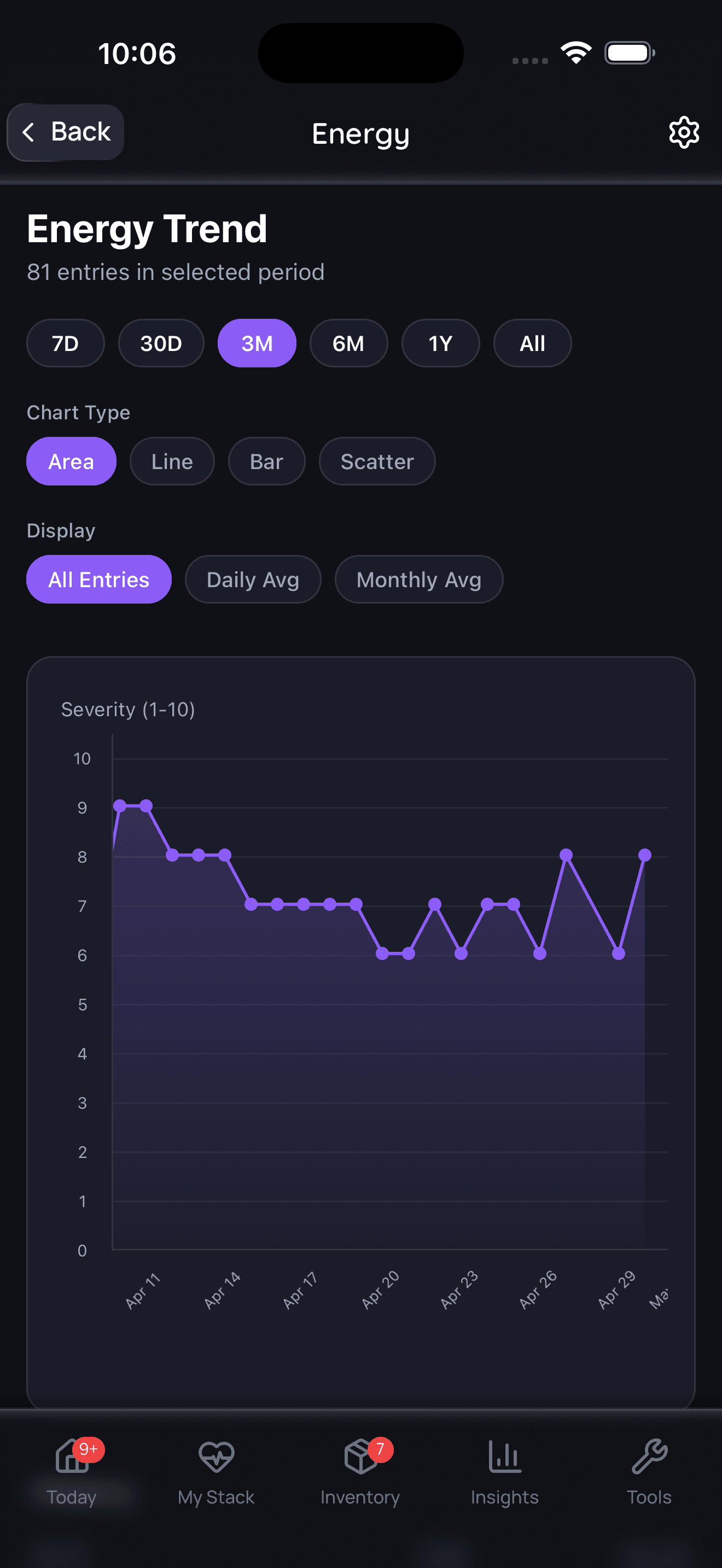
Symptom tracking is informational and should be interpreted with a qualified clinician.
Dosing & Treatment Protocols
The Basics
Gonadorelin dosing is one of the most debated topics in TRT practice, and the debate comes down to a fundamental tension: what the research supports versus what is practical for patients.
The evidence-based approach uses a small portable pump that delivers a tiny dose (typically 1-20 micrograms) every 90 to 120 minutes, 24 hours a day. This mimics the body's natural GnRH rhythm and produces excellent results for fertility and testicular function. However, wearing a pump continuously is inconvenient, and very few TRT providers in the United States currently offer this approach.
The practical approach, used by most TRT clinics, involves injecting a larger dose (typically 100-200 micrograms) subcutaneously two or three times per week. This is far more convenient but has limited clinical evidence supporting its effectiveness. The pharmacokinetic reality is that each injection provides a burst of GnRH stimulation lasting perhaps 30 to 60 minutes, followed by days without any stimulation.
Some clinics and users have experimented with more frequent dosing (daily or every other day) to better approximate pulsatile delivery. While no controlled studies exist for this approach, anecdotal reports suggest that more frequent dosing may be more effective than twice-weekly injection.
If your primary goal is fertility preservation while on TRT, having an honest conversation with your provider about the evidence gap between pulsatile and non-pulsatile dosing is important. For men whose primary concern is testicular size rather than fertility, the lower bar of evidence for non-pulsatile dosing may be acceptable. For men actively trying to conceive, hCG has a substantially stronger evidence base at standard clinic dosing frequencies.
The Science
Evidence-Based Pulsatile Protocol:
Parameter
Dose per pulse
- Value
- 1-20 mcg
Parameter
Frequency
- Value
- Every 90-120 minutes
Parameter
Route
- Value
- SubQ (via portable pump)
Parameter
Duration
- Value
- 12-24 months for spermatogenesis
Parameter
Monitoring
- Value
- LH, FSH, T at 12 weeks; semen analysis at 4-6 months
Common TRT Clinic Protocols (Limited Evidence):
Protocol
Standard
- Dose
- 100-200 mcg
- Frequency
- 2x/week
- Route
- SubQ
- Evidence Level
- Very limited
Protocol
Enhanced frequency
- Dose
- 50-100 mcg
- Frequency
- Daily or EOD
- Route
- SubQ
- Evidence Level
- Anecdotal only
Protocol
Combination
- Dose
- Gonadorelin + low-dose hCG
- Frequency
- Variable
- Route
- SubQ
- Evidence Level
- Case reports
Reconstitution and Storage:
Compounded gonadorelin typically requires reconstitution with bacteriostatic water. Storage at refrigerated temperatures (2-8 degrees C) after reconstitution. The peptide is sensitive to temperature and improper handling can render it inactive. Some users have reported that careful attention to reconstitution technique and cold storage appears to influence effectiveness.
Being informed about potential risks is important. Being able to track and document any side effects you actually experience is what turns awareness into safety. Doserly lets you log side effects as they happen, with timestamps and severity ratings, so nothing falls through the cracks between appointments.
If you're noticing acne, water retention, mood changes, or any other shift, having a documented timeline helps your provider distinguish between expected adjustment effects and signals that warrant a protocol change. The app also tracks your hematocrit and PSA values over time, alerting you when levels approach thresholds that need attention.
Track injection timing, draw notes, and site rotation.
Doserly helps keep syringe-related notes, injection site history, reminders, and reconstitution context together for easier review.
Injection log
Site rotation
Injection logs support record-keeping; follow clinician instructions for administration.
What to Expect (Timeline)
Days 1-7: Injection site may show mild redness or soreness. Some users report a brief surge of well-being or increased libido in the hours following injection, likely related to the transient LH/FSH spike. Others notice no immediate effect. Any perceived changes in the first few days should be interpreted cautiously, as gonadorelin's effects on testicular function develop over weeks to months.
Weeks 2-4: If dosing frequency is adequate to stimulate LH and FSH, some men begin to notice stabilization of testicular volume. Testicular fullness may improve slightly in men who were experiencing shrinkage on TRT alone. Lab work may show detectable (but often still suppressed) LH and FSH levels, depending on dosing protocol and concurrent TRT dose.
Months 1-3: The window where meaningful effects on testicular function should become apparent if they are going to occur. Men on more frequent dosing protocols (daily or EOD) may see more pronounced testicular response. Semen analysis can be performed if fertility is the goal, though significant spermatogenic improvement typically requires longer treatment duration.
Months 3-6: For men on evidence-based pulsatile protocols, this is when spermatogenesis typically becomes measurable. For men on non-pulsatile clinic protocols, effects are less predictable. If no improvement in testicular volume or lab values (LH, FSH) is observed by this point, the dosing protocol may be inadequate. Discussion with provider about protocol adjustment or switching to hCG may be warranted.
Months 6-12+: Full spermatogenic maturation in pulsatile protocols. For non-pulsatile protocols, ongoing maintenance. Periodic reassessment of whether gonadorelin is providing measurable benefit (testicular volume, LH/FSH levels, or semen parameters) should guide continuation decisions.
Knowing what to expect is helpful. Documenting your own journey week by week creates something even more valuable — a personal timeline that captures exactly how your testosterone therapy is unfolding. Doserly's symptom journal lets you record changes as they happen, building a detailed record from your first injection.
The early weeks of TRT can feel uncertain. Having a clear log of what's changing — and what hasn't shifted yet — helps you stay grounded in your actual progress rather than relying on memory. When you look back after three months, you'll see how far you've come in ways that are easy to forget without documentation.
See where a dose, cycle, or change fits in time.
Doserly gives each protocol a timeline so dose changes, pauses, restarts, and observations are easier to compare later.
Timeline
Cycle history
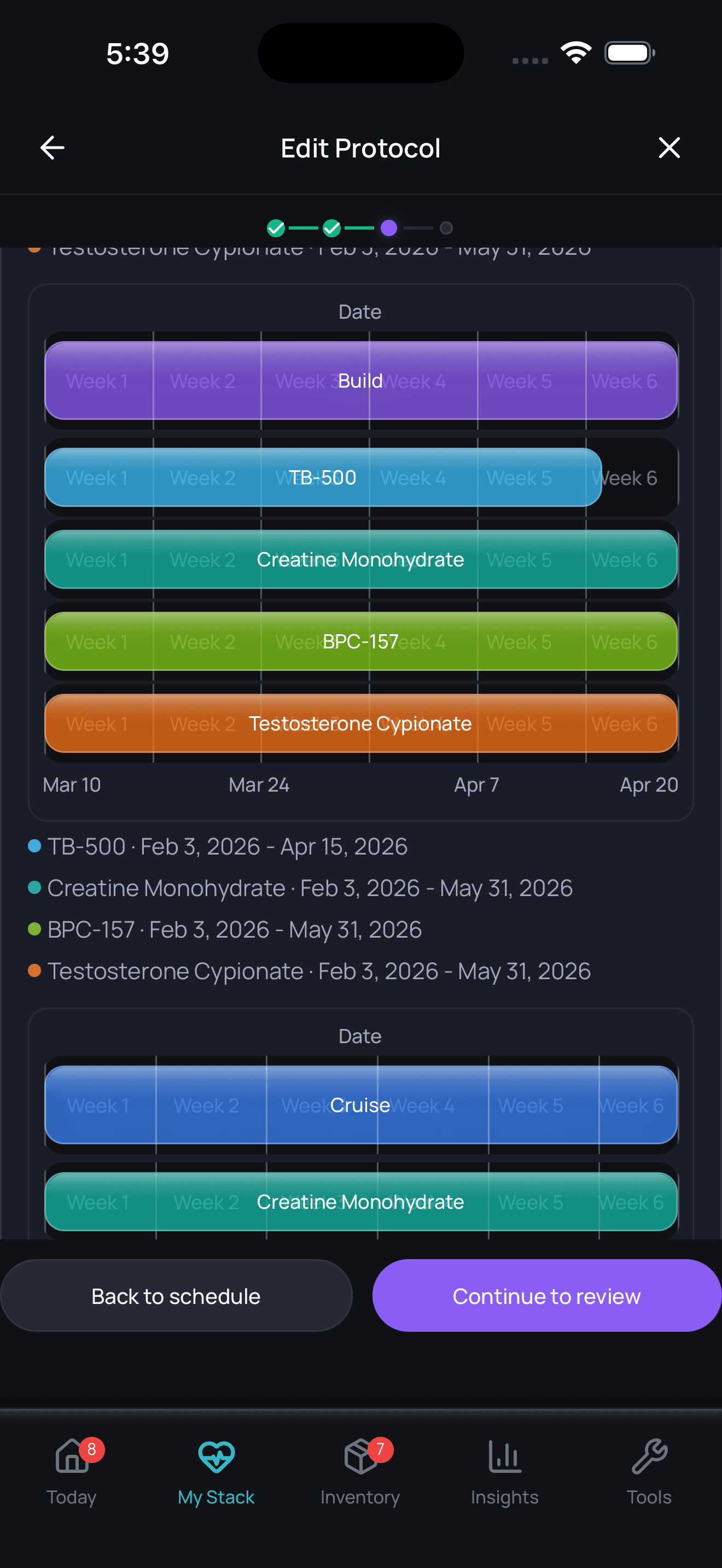
Timeline tracking helps with recall; it is not a treatment recommendation.
Fertility Preservation & HPG Axis
Gonadorelin exists specifically for this purpose: to maintain HPG axis function and potentially preserve fertility during exogenous testosterone therapy. This section is central to understanding gonadorelin's role.
HPG Axis Suppression on TRT:
Exogenous testosterone suppresses the HPG axis via negative feedback on hypothalamic GnRH pulse frequency and pituitary LH/FSH secretion. Intratesticular testosterone concentrations (normally 40-100x serum levels) decline dramatically, leading to Sertoli cell dysfunction and spermatogenic arrest. Approximately 40-60% of men on TRT achieve azoospermia by 6 months, with most remaining showing severe oligospermia (<1 million/mL) [2][13].
Gonadorelin for Fertility Preservation:
The rationale for gonadorelin as a fertility-preserving adjunct is pharmacologically sound: by providing exogenous GnRH stimulation, the pituitary may maintain some LH and FSH output, preserving intratesticular testosterone and spermatogenesis. However, the practical implementation through non-pulsatile clinic dosing is where the evidence becomes weak.
Evidence-based pulsatile GnRH:
- Spermatogenesis in 85-90% of HH patients [4]
- Pregnancy rates of ~83% [4]
- Delivered via pump q90-120min
- Strong evidence base spanning decades
Non-pulsatile clinic protocol:
- No RCTs in TRT patients
- Community reports predominantly negative for fertility preservation
- May partially maintain testicular volume in some patients
- Not reliably demonstrated to maintain spermatogenesis or intratesticular testosterone
Comparison with HCG for Fertility Preservation on TRT:
hCG directly stimulates testicular LH receptors, bypassing the pituitary entirely. This means it works regardless of the degree of HPG axis suppression by exogenous testosterone. Standard dosing of 250-500 IU 2-3x weekly has been shown to maintain intratesticular testosterone at approximately 25% of baseline (sufficient to support spermatogenesis) in men on concurrent TRT [14]. hCG's longer half-life (24-36 hours) makes standard clinic dosing pharmacokinetically appropriate.
Sperm Banking:
Regardless of which adjunctive therapy is chosen, men of reproductive age considering TRT should discuss sperm banking before initiating therapy. Recovery of spermatogenesis after TRT discontinuation is variable (typically 6-24+ months), dependent on duration of use, age, and baseline hormonal status, and not guaranteed [13].
Alternative Fertility-Preserving Approaches:
- Clomiphene citrate: SERM that blocks estrogen feedback, increasing endogenous LH/FSH. Off-label. Oral dosing. May be used as monotherapy (alternative to TRT) or adjunct.
- Enclomiphene citrate: Selective trans-isomer of clomiphene with potentially fewer side effects. Emerging evidence.
- Natesto (intranasal testosterone): Short-acting TRT formulation that may allow partial HPG axis recovery between doses. See the Natesto guide for details.
Interactions & Compatibility
Drug-Drug Interactions:
- Exogenous testosterone: The primary concurrent medication. The degree of HPG axis suppression by exogenous T determines how much residual pituitary function is available for gonadorelin to stimulate.
- GnRH agonists (leuprolide, goserelin): Contraindicated to use simultaneously. Long-acting GnRH agonists cause sustained receptor desensitization that would counteract gonadorelin's pulsatile stimulation.
- GnRH antagonists (degarelix, cetrorelix): Contraindicated. Direct receptor blockade would prevent gonadorelin from binding.
- Androgens, estrogens, progestins, glucocorticoids: May affect the pituitary response to gonadorelin by altering the hormonal feedback environment [3].
- Spironolactone: May transiently elevate gonadotropin levels [3].
- Dopamine and levodopa: May affect pituitary gonadotropin secretion [3].
Supplement Interactions:
- No significant known supplement interactions specific to gonadorelin
- General TRT-relevant supplements (zinc, vitamin D, boron) may complement overall HPG axis health but do not directly interact with gonadorelin pharmacology
Related Doserly Guides:
- HCG (Human Chorionic Gonadotropin) — The primary comparator medication for fertility preservation on TRT
- Clomiphene Citrate — Alternative SERM-based approach to HPG axis support
- Enclomiphene Citrate — Newer SERM option with potentially fewer side effects
- Natesto (Intranasal Testosterone) — TRT formulation with potential fertility-sparing properties
- Fertility Preservation on TRT — Comprehensive guide to fertility strategies during testosterone therapy
Decision-Making Framework
If you are considering gonadorelin as part of your TRT protocol, the first question to clarify with your provider is your primary goal:
If your primary goal is fertility preservation: The evidence base for gonadorelin at standard clinic dosing frequencies (2-3x weekly) is weak. hCG has substantially stronger clinical evidence for maintaining spermatogenesis during TRT. If hCG is available and affordable, it should be the first-line choice for fertility preservation based on current evidence. Pulsatile gonadorelin (via pump) is an effective alternative, but pump-based delivery is rarely offered by TRT clinics.
If your primary goal is testicular size maintenance: Gonadorelin may provide some benefit at clinic dosing frequencies. Some men report maintained testicular volume with twice-weekly or more frequent dosing. The lower cost compared to hCG ($15-20/month vs. $50-150/month) may make it a reasonable option when fertility is not a concern.
If your primary goal is HPG axis preservation for future TRT discontinuation: Consider whether you might benefit from a SERM-based approach (clomiphene, enclomiphene) either instead of or in addition to exogenous testosterone. SERMs can maintain endogenous testosterone production and spermatogenesis without the HPG axis suppression caused by exogenous T.
Questions to ask your provider:
- "What evidence supports the dosing protocol you're recommending for gonadorelin?"
- "Can I monitor my LH and FSH levels to verify that gonadorelin is actually stimulating my pituitary?"
- "If gonadorelin isn't working after 3 months (no change in LH/FSH or testicular volume), what would be the next step?"
- "Is hCG available as an alternative, and what would it cost?"
- "Should I consider sperm banking before starting TRT, regardless of which adjunctive therapy I use?"
Administration & Practical Guide
Subcutaneous Injection Technique:
Gonadorelin is most commonly administered via subcutaneous injection. The technique is straightforward and similar to other SubQ medications used in TRT protocols (hCG, growth hormone peptides):
- Needle: Insulin syringe, typically 29-31 gauge, 0.5 inch
- Sites: Abdominal fat (rotating between left and right sides), thigh
- Injection angle: 45-90 degrees depending on body fat
- Volume: Typically 0.1-0.5 mL per injection depending on concentration
Reconstitution:
Compounded gonadorelin typically comes as a lyophilized (freeze-dried) powder requiring reconstitution:
- Allow the vial and bacteriostatic water to reach room temperature
- Inject bacteriostatic water slowly down the side of the vial (do not squirt directly onto the powder)
- Gently swirl (do not shake) until fully dissolved
- Store reconstituted solution in the refrigerator (2-8 degrees C)
- Use within 28-30 days of reconstitution (follow pharmacy instructions)
- Do not freeze reconstituted solution
Storage considerations: Temperature stability is important for peptide integrity. Some community reports suggest that improper storage (exposure to heat, room temperature storage) may reduce effectiveness. Always store reconstituted gonadorelin in the refrigerator and transport with ice packs if needed.
Dosing Timing:
For twice-weekly protocols, many providers suggest spacing injections evenly (e.g., Monday and Thursday, or Tuesday and Friday). For more frequent protocols (daily or EOD), consistent timing each day may help maintain more stable pituitary stimulation.
Important: These are general educational descriptions of administration techniques. Always follow your specific pharmacy's reconstitution instructions and your prescriber's dosing guidance.
Monitoring & Lab Work
Pre-Treatment Baseline Labs:
- Total testosterone (two morning draws)
- Free testosterone (calculated or equilibrium dialysis)
- LH, FSH (critical baseline for measuring gonadorelin response)
- Estradiol (sensitive assay)
- SHBG
- CBC with hematocrit
- PSA (age-appropriate)
- Semen analysis (if fertility is a goal, before starting TRT)
Gonadorelin-Specific Monitoring:
- LH and FSH levels: Check at 4-8 weeks after starting gonadorelin. If both remain undetectable or suppressed (typical values on TRT without adjunct: <0.5 mIU/mL), the dosing protocol may be insufficient.
- Testicular volume: Clinical assessment or ultrasound measurement at baseline and periodically during treatment.
- Semen analysis: If fertility preservation is the goal, check at 4-6 months. If spermatogenesis has not improved, protocol reassessment is warranted.
Ongoing TRT Monitoring (Standard):
- Hematocrit: Every 6-12 months; intervention threshold >54%
- PSA: Per age-appropriate screening guidelines
- Testosterone levels: Trough levels for injectable TRT
- Lipid panel: Annually
- Estradiol: If symptomatic
Estrogen Management on TRT
Gonadorelin's relationship with estrogen management is indirect but noteworthy. One theoretical advantage of gonadorelin over hCG is potentially less estrogen elevation.
hCG directly stimulates Leydig cells, which express aromatase (CYP19A1) and convert testosterone to estradiol. By providing supraphysiological LH-receptor stimulation, hCG can increase intratesticular estradiol production, leading to elevated serum estradiol and potential estrogen-related symptoms (gynecomastia, fluid retention, mood changes) in some men.
Gonadorelin works upstream at the pituitary, stimulating endogenous LH release at physiological levels (when given in pulsatile fashion). This more physiological LH stimulation may produce less Leydig cell aromatase activity compared to the pharmacological LH-receptor activation from hCG. Some men who experienced estrogen-related side effects on hCG report improvement after switching to gonadorelin, though this observation is anecdotal.
Clinical guidelines (Endocrine Society, AUA) do not recommend routine aromatase inhibitor use during TRT. Estradiol monitoring should occur only when symptoms suggest elevated estrogen. For most men on TRT with or without gonadorelin, estrogen management is symptom-driven rather than lab-number-driven.
For more detail on estrogen management during TRT, see the Estrogen Management on TRT guide.
Stopping TRT / Post-Cycle Considerations
Gonadorelin's role in TRT discontinuation and HPG axis recovery is theoretically appealing but lacks robust clinical evidence.
Theoretical Role in Recovery:
If gonadorelin has been maintaining some degree of pituitary LH/FSH output during TRT, the HPG axis may recover more rapidly after testosterone discontinuation compared to men who had no pituitary support during TRT. This hypothesis is pharmacologically plausible but unproven in controlled studies.
Post-TRT Recovery Options:
Recovery after TRT discontinuation depends on whether the underlying hypogonadism is primary (testicular) or secondary (hypothalamic-pituitary), the duration of TRT use, age, and whether adjunctive therapy (hCG, SERMs) was used during TRT.
Common recovery approaches:
- hCG taper: 1,000-2,000 IU every other day for 2-4 weeks, then taper
- Clomiphene citrate: 25-50 mg daily for 4-8 weeks to stimulate LH/FSH recovery
- Enclomiphene: Newer SERM, may have fewer side effects
- Gonadorelin (pulsatile): Could theoretically assist HPG axis recovery, but no established post-TRT protocol exists
Realistic Expectations:
Recovery is variable and not guaranteed. Some men return to pre-TRT testosterone levels within months. Others recover partially or not at all. Duration of TRT use is one of the strongest predictors: longer use generally correlates with slower and less complete recovery [13].
For comprehensive information on stopping TRT, see the Stopping TRT & Post-Cycle Recovery guide.
Special Populations & Situations
Men Seeking Active Conception
For men actively trying to conceive while on TRT, the choice between gonadorelin and hCG is particularly consequential. Given the limited evidence for non-pulsatile gonadorelin preserving spermatogenesis, most reproductive endocrinologists and urologists recommend hCG (with or without FSH supplementation) as the first-line fertility-preserving adjunct. Men in this situation should consult with a reproductive specialist.
Young Men (Under 35)
Young men on TRT should be counseled that HPG axis suppression can have long-lasting effects on fertility. For this population, maximizing HPG axis preservation with evidence-based therapies (hCG, or consideration of SERMs as an alternative to TRT) is particularly important. Sperm banking before TRT initiation should be strongly encouraged.
Men with Primary Hypogonadism
Gonadorelin requires a functional pituitary gland to produce effect. In men with primary hypogonadism (testicular failure), the pituitary is already producing elevated LH and FSH in an attempt to compensate for failing testes. Adding gonadorelin in this scenario provides no benefit, as the issue is testicular capacity, not pituitary signaling.
Men Unable to Access HCG
Gonadorelin gained significant traction following the FDA's 2020 restriction on compounded hCG. For men who cannot access pharmaceutical-grade hCG (Pregnyl, Novarel) due to cost, insurance, or availability constraints, gonadorelin from compounding pharmacies may represent the most accessible option for HPG axis support, even with its evidence limitations.
Transgender Men (FTM)
Transgender men on masculinizing hormone therapy have different dosing goals and fertility considerations. Gonadorelin is not typically part of FTM hormone protocols. Fertility preservation in this population centers on oocyte or embryo cryopreservation before initiating testosterone therapy.
Regulatory, Insurance & International
United States:
- No currently FDA-approved human gonadorelin products
- Factrel (gonadorelin hydrochloride): FDA-approved for diagnostic use; discontinued from market (1996-1999)
- Lutrepulse (gonadorelin acetate): FDA-approved for hypothalamic amenorrhea; discontinued from market (2024)
- Gonadorelin is not a DEA-scheduled controlled substance
- Available through compounding pharmacies (503A and 503B) as gonadorelin acetate
- Not typically covered by insurance when compounded for off-label TRT use
- Typical compounding pharmacy cost: $15-30/month
International:
- Lutrelef (Ferring): Available in some European markets for pulsatile fertility treatment
- Relefact (Sanofi-Aventis): Available in select markets
- Availability varies significantly by country; many jurisdictions have limited or no access
Insurance and Cost:
- Insurance coverage for compounded gonadorelin is rare
- Out-of-pocket cost is a primary advantage over hCG ($15-30/month vs $50-150+/month for hCG)
- Some TRT clinics include gonadorelin as part of bundled monthly protocol pricing
Frequently Asked Questions
Q: Is gonadorelin the same as hCG?
No. They are fundamentally different medications that work at different points in the hormonal cascade. Gonadorelin stimulates the pituitary gland to produce LH and FSH, while hCG acts directly on the testes by mimicking LH. They are not interchangeable, and their effectiveness at standard dosing frequencies differs significantly.
Q: Will gonadorelin prevent testicular shrinkage on TRT?
It may help. Some men report maintained testicular size with gonadorelin, while others report no benefit. The evidence is strongest with frequent dosing (daily or more), and weakest with once- or twice-weekly dosing. Results vary between individuals.
Q: Will gonadorelin preserve my fertility while on TRT?
The evidence for non-pulsatile gonadorelin (the type most clinics prescribe) preserving fertility during TRT is limited. Pulsatile delivery via pump has strong evidence for fertility preservation, but this is rarely offered. If fertility is a priority, hCG has a substantially stronger evidence base at standard clinic dosing frequencies. Discuss options with your provider.
Q: How often should I inject gonadorelin?
This depends on your goals and your provider's protocol. Common clinic protocols range from twice weekly to daily. More frequent dosing better approximates the natural pulsatile GnRH rhythm and may be more effective, though controlled studies comparing frequencies are lacking.
Q: Why did clinics start using gonadorelin instead of hCG?
In 2020, the FDA restricted compounding pharmacies from producing hCG, which had been widely used by TRT clinics. Many clinics began offering gonadorelin as an alternative. While compounded hCG availability has since improved, gonadorelin remains in use at many clinics due to lower cost and established supply chains.
Q: Can I use gonadorelin as a standalone treatment instead of TRT?
In theory, pulsatile gonadorelin can restore endogenous testosterone production in men with secondary hypogonadism (hypothalamic or pituitary causes). In practice, this requires a pump that delivers doses every 90 minutes, which is impractical for most patients. SERMs (clomiphene, enclomiphene) are more practical oral alternatives for men who want to avoid exogenous testosterone.
Q: Does gonadorelin increase estrogen levels?
If gonadorelin successfully stimulates LH production, the resulting testosterone production from the testes will include some aromatization to estradiol. However, the estrogen elevation is generally considered to be less than what occurs with hCG, because gonadorelin produces physiological rather than supraphysiological LH-receptor activation. This theoretical advantage is based on mechanism rather than controlled clinical data.
Q: Are there any long-term safety concerns with gonadorelin?
Long-term safety data for non-pulsatile gonadorelin in TRT is limited because the practice is relatively new (widespread use began around 2020-2022). The peptide itself has a long history of clinical use in pulsatile form with a favorable safety profile. Antibody formation has been reported rarely with chronic high-dose use.
Q: Why do some people say gonadorelin doesn't work?
Most negative reports come from users who experienced no benefit at typical clinic dosing frequencies (1-2x weekly). The pharmacokinetic reality is that gonadorelin has a half-life of only 2-40 minutes, meaning each injection provides a very brief window of pituitary stimulation. At once- or twice-weekly dosing, the vast majority of time is spent without any GnRH stimulation, which may be insufficient to maintain meaningful LH/FSH output.
Q: Should I take gonadorelin or hCG with my TRT?
This depends on your goals, budget, and access. If fertility preservation is your priority and hCG is accessible, most evidence supports hCG as the more effective option at standard clinic dosing. If your primary concern is testicular cosmetic appearance and hCG is cost-prohibitive or inaccessible, gonadorelin may provide some benefit at lower cost. Discuss with your healthcare provider.
Myth vs. Fact
Myth: Gonadorelin is just as effective as hCG for fertility preservation on TRT.
Fact: At standard clinic dosing frequencies (2-3x weekly), gonadorelin has not been demonstrated to be equivalent to hCG for fertility preservation. The favorable clinical data for gonadorelin comes from pulsatile pump delivery (every 90 minutes), which is a fundamentally different approach than what most clinics prescribe. hCG has established evidence for maintaining intratesticular testosterone and spermatogenesis at standard subcutaneous dosing frequencies [2][14].
Myth: Gonadorelin is identical to naturally produced GnRH, so it must work the same way.
Fact: Gonadorelin is chemically identical to endogenous GnRH, but how a hormone is delivered matters as much as what it is. Your hypothalamus releases GnRH in tiny pulses every 60-120 minutes. A single large injection 2-3 times per week does not replicate this pattern. The pituitary gland's response to GnRH is highly sensitive to the pattern of delivery, not just the molecule itself [1][5].
Myth: If gonadorelin doesn't work at twice-weekly dosing, you just need a higher dose.
Fact: The issue is typically frequency, not dose. Higher doses delivered infrequently still provide a brief burst of stimulation followed by prolonged absence of signal. More frequent lower doses better approximate pulsatile release and may be more effective. Excessively high doses could theoretically risk receptor desensitization [7].
Myth: Clinics switched to gonadorelin because it's better than hCG.
Fact: The switch occurred primarily because of regulatory and supply changes. In 2020, the FDA restricted compounding pharmacies from producing hCG, disrupting the supply chain that most TRT clinics relied on. Gonadorelin was adopted as the most accessible alternative, not because clinical evidence demonstrated superiority [2].
Myth: Gonadorelin has no side effects because it's a natural hormone.
Fact: While generally well-tolerated, gonadorelin can cause injection site reactions, headache, nausea, flushing, and mood changes (including irritability). Rare but serious adverse events include hypersensitivity reactions and, in extremely rare cases, pituitary apoplexy in patients with undiagnosed pituitary lesions [3][8].
Myth: You don't need to monitor labs while on gonadorelin.
Fact: Monitoring LH and FSH levels is essential to verify that gonadorelin is actually stimulating your pituitary. Without lab confirmation, you have no way to know whether the medication is producing the intended effect. If LH and FSH remain undetectable despite gonadorelin use, the protocol may need adjustment or a switch to hCG should be considered.
Myth: Gonadorelin will fully protect your fertility while on TRT.
Fact: No adjunctive therapy provides guaranteed fertility protection during exogenous testosterone use. Even with hCG (the better-studied option), some degree of spermatogenic suppression may occur. Men who may want biological children in the future should discuss sperm banking before starting TRT, regardless of which adjunctive therapy they plan to use [13].
Sources & References
Clinical Guidelines
[1] Bhasin S, Brito JP, Cunningham GR, et al. Testosterone Therapy in Men with Hypogonadism: An Endocrine Society Clinical Practice Guideline. J Clin Endocrinol Metab. 2018;103(5):1715-1744. https://pubmed.ncbi.nlm.nih.gov/29562364/
Landmark Studies and Reviews
[2] Ide V, Vanderschueren D, Antonio L. Treatment of Men with Central Hypogonadism: Alternatives for Testosterone Replacement Therapy. Int J Mol Sci. 2020;22(1):21. https://pubmed.ncbi.nlm.nih.gov/33375030/
[3] DrugBank. Gonadorelin (DB00644). https://go.drugbank.com/drugs/DB00644
[4] Boeri L, Capogrosso P, Salonia A. Gonadotropin Treatment for the Male Hypogonadotropic Hypogonadism. Curr Pharm Des. 2021;27(24):2800-2815. https://pubmed.ncbi.nlm.nih.gov/32445446/
[5] Casteel CO, Singh G. Physiology, Gonadotropin-Releasing Hormone. StatPearls [Internet]. Updated May 1, 2023. https://www.ncbi.nlm.nih.gov/books/NBK558992/
[6] Stamatiades GA, Kaiser UB. Gonadotropin regulation by pulsatile GnRH: Signaling and gene expression. Mol Cell Endocrinol. 2018;463:131-141. https://pubmed.ncbi.nlm.nih.gov/29102564/
[7] Tsutsumi R, Webster NJ. GnRH pulsatility, the pituitary response and reproductive dysfunction. Endocr J. 2009;56(6):729-737. https://pubmed.ncbi.nlm.nih.gov/19609045/
[8] Drugs.com. Gonadorelin Side Effects. https://www.drugs.com/sfx/gonadorelin-side-effects.html
Cardiovascular Safety
[9] Lincoff AM, Bhasin S, Flevaris P, et al. Cardiovascular Safety of Testosterone-Replacement Therapy. N Engl J Med. 2023;389(2):107-117. (TRAVERSE Trial)
Fertility and Reproductive
[10] Hayes FJ. Hypogonadotropic Hypogonadism and Gonadotropin Therapy. Endotext [Internet]. https://pubmed.ncbi.nlm.nih.gov/25905304/
[11] Ila V, et al. Evaluating Sperm Recovery Time and Efficacy of Monotherapy vs. Combination Therapies in Men with Congenital Hypogonadotropic Hypogonadism: A Systematic Review and Meta-Analysis. 2024. https://pubmed.ncbi.nlm.nih.gov/39434392/
[12] Mulhall JP, Trost LW, Brannigan RE, et al. Evaluation and Management of Testosterone Deficiency: AUA Guideline. J Urol. 2018;200(2):423-432.
[13] Desai A, et al. Understanding and managing the suppression of spermatogenesis caused by TRT and AAS. Ther Adv Urol. 2022;14. https://pubmed.ncbi.nlm.nih.gov/35783920/
[14] Ramasamy R, Armstrong JM, Lipshultz LI. Preserving fertility in the hypogonadal patient: an update. Asian J Androl. 2015;17(2):178-183. https://pubmed.ncbi.nlm.nih.gov/25337850/
Pharmacology
[15] PubChem. Gonadorelin (CID 638793). https://pubchem.ncbi.nlm.nih.gov/compound/Gonadorelin
Related Guides & Cross-Links
Same Category (Ancillary: Fertility & HPG Axis)
- HCG (Human Chorionic Gonadotropin) — The primary alternative for fertility preservation and testicular maintenance on TRT
- Clomiphene Citrate (Clomid) — SERM-based approach to HPG axis support and fertility
- Enclomiphene Citrate — Newer SERM with potentially improved side effect profile
Related Treatment Options
- Fertility Preservation on TRT — Comprehensive guide to maintaining fertility during testosterone therapy
- Estrogen Management on TRT — Managing aromatization and estradiol levels
- Natesto (Intranasal Testosterone) — TRT formulation with potential fertility-sparing properties
Testosterone Formulation Guides
- Testosterone Cypionate — Most commonly prescribed injectable TRT
- Testosterone Enanthate — Alternative injectable TRT ester
- TRT for Beginners — Starting guide for men new to testosterone therapy
Educational
- Stopping TRT & Post-Cycle Recovery — HPG axis recovery after discontinuing TRT
- TRT Blood Work Guide — Understanding lab values on TRT