
TRT for Beginners
On this page
Quick Reference Card
Attribute
Guide Topic
- Value
- TRT for Beginners
Attribute
Category
- Value
- Treatment Overview Guide
Attribute
What is TRT?
- Value
- Testosterone replacement therapy; prescription treatment for men with diagnosed testosterone deficiency (hypogonadism)
Attribute
Diagnostic Threshold
- Value
- Total testosterone below 300 ng/dL on two separate morning blood draws, with symptoms present
Attribute
FDA-Approved Indication
- Value
- Treatment of male hypogonadism due to a known medical cause
Attribute
DEA Schedule
- Value
- Schedule III (all testosterone products)
Attribute
Delivery Methods
- Value
- Injections (IM/SubQ), transdermal gels, patches, pellets, nasal gel, oral capsules
Attribute
Common Starting Doses
- Value
- 50-100 mg/week injectable; 50 mg/day gel (varies by formulation)
Attribute
Key Monitoring
- Value
- Hematocrit (threshold >54%), testosterone trough levels, PSA, estradiol (if symptomatic)
Attribute
Timeline to Benefits
- Value
- Libido: 2-4 weeks; Energy/Mood: 4-12 weeks; Body composition: 3-6 months; Bone density: 6-12 months
Attribute
Critical Warnings
- Value
- Suppresses fertility; requires ongoing monitoring; not FDA-approved for age-related decline
Overview / What Is TRT?
The Basics
Testosterone replacement therapy, commonly called TRT, is the medical treatment of choice for men whose bodies do not produce enough testosterone on their own. If you are reading this guide, chances are either you or someone you care about has been told their testosterone levels are low, or symptoms like persistent fatigue, low sex drive, difficulty concentrating, or loss of muscle mass have prompted a conversation with a doctor.
The first thing worth understanding is that TRT is not a lifestyle upgrade or an anti-aging treatment. It is a medical therapy prescribed to correct a deficiency. The U.S. Food and Drug Administration approves testosterone products specifically for men with hypogonadism, a clinical condition defined by consistently low testosterone levels combined with symptoms [1]. The FDA does not approve TRT for the natural, gradual decline in testosterone that occurs with aging in otherwise healthy men.
Testosterone plays a broader role in the body than most people realize. Beyond its well-known influence on sexual function and muscle development, testosterone helps regulate bone density, red blood cell production, fat distribution, mood, cognitive function, and cardiovascular health. When testosterone levels fall below what the body needs, the effects can show up across multiple systems: fatigue that does not improve with rest, a libido that has quietly disappeared, difficulty building or maintaining muscle, irritability or low mood, and a general sense that something is off.
Hypogonadism is more common than many men expect. Research suggests it affects approximately 35% of men over 45, with higher rates among men with obesity or type 2 diabetes [2]. Despite this prevalence, many men go undiagnosed because the symptoms overlap with stress, aging, and other health conditions.
This guide is designed to give you a clear, evidence-based starting point. It covers how TRT works, the different delivery methods available, what the research says about benefits and risks, what to expect in the first months, and how to have a productive conversation with your healthcare provider. It will not tell you whether you should start TRT, because that decision depends on your individual health profile and should be made collaboratively with a qualified clinician.
The Science
Testosterone deficiency, previously referred to as hypogonadism, is a clinical syndrome defined by the combination of persistently low serum testosterone concentrations and signs or symptoms consistent with androgen deficiency. The Endocrine Society Clinical Practice Guideline (2018) recommends diagnosis only when both criteria are met, using at least two fasting morning total testosterone measurements obtained via a reliable assay such as liquid chromatography-tandem mass spectrometry (LC-MS/MS) [1].
The hypothalamic-pituitary-gonadal (HPG) axis regulates testosterone production through a negative feedback loop. The hypothalamus secretes gonadotropin-releasing hormone (GnRH) in a pulsatile pattern, stimulating the anterior pituitary to release luteinizing hormone (LH) and follicle-stimulating hormone (FSH). LH acts on Leydig cells in the testes to stimulate testosterone synthesis, while FSH, in concert with intratesticular testosterone, supports Sertoli cell function and spermatogenesis [3].
Primary hypogonadism (hypergonadotropic) results from testicular failure, characterized by low testosterone with elevated LH and FSH. Causes include Klinefelter syndrome, prior chemotherapy or radiation, testicular trauma, and orchitis. Secondary hypogonadism (hypogonadotropic) results from hypothalamic or pituitary dysfunction, characterized by low testosterone with low or inappropriately normal LH and FSH. Causes include pituitary adenomas, hypothalamic lesions, obesity, opioid use, and chronic systemic illness [3][4].
The American Urological Association (AUA) Guideline on Testosterone Deficiency (2024) uses a total testosterone threshold of 300 ng/dL as the diagnostic cut-off and emphasizes that up to 25% of men prescribed testosterone have never had their levels tested prior to initiation, and nearly half do not have follow-up testing [4].
Medical / Chemical Identity
Testosterone replacement therapy uses exogenous testosterone, the same molecule produced endogenously by the Leydig cells of the testes. TRT formulations modify the testosterone molecule or its delivery vehicle to control absorption kinetics and duration of action.
Endogenous Testosterone:
- Chemical name: 17-beta-hydroxyandrost-4-en-3-one
- Molecular formula: C19H28O2
- Molecular weight: 288.42 g/mol
- CAS number: 58-22-0
- Endogenous production: Approximately 5-7 mg/day in healthy adult men
- Primary production site: Leydig cells of the testes (~95%), adrenal glands (~5%)
DEA Classification: Schedule III Controlled Substance (United States)
FDA-Approved Indications: Treatment of males with conditions associated with a deficiency or absence of endogenous testosterone: primary hypogonadism (congenital or acquired) and hypogonadotropic hypogonadism (congenital or acquired).
Key Formulation Categories:
- Injectable esters: Testosterone cypionate, enanthate, undecanoate, propionate
- Transdermal: Gels (AndroGel, Testim, Fortesta, Vogelxo), patches (Androderm), solutions (Axiron)
- Oral: Testosterone undecanoate (Jatenzo, Kyzatrex, Tlando)
- Nasal: Testosterone gel (Natesto)
- Other: Subcutaneous pellets (Testopel), buccal tablets (Striant), subcutaneous autoinjector (Xyosted)
Mechanism of Action / How TRT Works
The Basics
Your body naturally produces testosterone primarily in the testes, with a small contribution from the adrenal glands. Production is controlled by a feedback loop involving your brain (specifically the hypothalamus and pituitary gland) and your testes. When your brain detects that testosterone levels are adequate, it dials back the signal telling your testes to produce more. When levels drop, the signal increases.
TRT works by providing your body with testosterone from an external source. Once this exogenous testosterone enters your bloodstream, it acts just like the testosterone your body makes naturally. It binds to androgen receptors throughout your body, activating the same biological processes that endogenous testosterone supports: muscle protein synthesis, bone maintenance, red blood cell production, sexual function, and mood regulation.
There is an important consequence of this external supply. When your brain detects the incoming testosterone from TRT, it recognizes that levels are adequate and reduces its signal to your testes. As a result, your testes slow down or stop their own testosterone production. This is why TRT suppresses fertility (your testes need that signal to make sperm) and why stopping TRT can leave you with a period of very low testosterone while your body's own production restarts.
Some of the testosterone in your body gets converted into two other hormones. The enzyme 5-alpha reductase converts a portion to dihydrotestosterone (DHT), which is responsible for some androgenic effects like body hair growth but also plays a role in hair loss on the scalp. The enzyme aromatase converts a portion to estradiol (a form of estrogen), which men need in small amounts for bone health, brain function, and cardiovascular protection. The balance between testosterone, DHT, and estradiol is part of what your provider monitors during treatment.
The Science
Exogenous testosterone exerts biological effects through the same pathways as endogenous testosterone. The primary mechanism involves binding to the intracellular androgen receptor (AR), a member of the nuclear receptor superfamily. The classical genomic pathway involves ligand-AR binding, receptor dimerization, nuclear translocation, and interaction with androgen response elements (AREs) in target gene promoters, modulating transcription over hours to days. Non-genomic signaling through membrane-associated AR activates rapid second messenger cascades (MAPK/ERK, PI3K/Akt, intracellular calcium) within seconds to minutes [5].
Testosterone undergoes two primary metabolic conversions. 5-alpha reductase (types I and II) irreversibly converts testosterone to 5-alpha-dihydrotestosterone (DHT), which has approximately 2-3 times greater AR binding affinity and mediates androgenic effects in skin, hair follicles, and prostate tissue. Aromatase (CYP19A1), expressed predominantly in adipose tissue, brain, and bone, converts testosterone to 17-beta-estradiol (E2). In men, estradiol is essential for bone mineral density maintenance, epiphyseal plate closure, negative feedback on GnRH/LH secretion, and neuroprotective functions [5][6].
HPG axis suppression by exogenous testosterone is mediated through both hypothalamic (reduced GnRH pulse frequency and amplitude) and pituitary (reduced LH and FSH synthesis and secretion) mechanisms. Intratesticular testosterone concentrations, normally maintained at 40-100x serum levels by LH-stimulated Leydig cell production, decline to near-serum levels on exogenous TRT, resulting in impaired Sertoli cell function and spermatogenic arrest [7].
Pathway & System Visualization
Pharmacokinetics / Hormone Physiology
The Basics
Different TRT delivery methods get testosterone into your body in different ways, and this affects how your levels rise and fall over time. Understanding these patterns can help you appreciate why your provider recommends a particular method and dosing schedule.
Injectable testosterone (cypionate or enanthate) works like a slow-release deposit. The testosterone is dissolved in oil and injected into muscle or fat tissue, where it gradually releases over approximately one to two weeks. After a typical injection, your testosterone levels peak within about 24 to 48 hours and then gradually decline until your next injection. This creates a wave pattern: levels are highest shortly after the injection and lowest just before the next one. The low point is called your "trough," and it is usually when your provider will measure your testosterone level to ensure you are staying in the therapeutic range.
Testosterone gels and creams are applied daily to the skin, where they absorb into the bloodstream over several hours. Because you apply them every day, your levels stay relatively stable without the peaks and troughs of injections. The trade-off is the daily routine, the risk of transferring testosterone to others through skin contact before the gel dries, and the possibility that some men do not absorb gel formulations well.
Patches work similarly to gels in providing daily dosing but can cause skin irritation at the application site. Nasal testosterone gel (Natesto) requires application three times daily. Oral testosterone undecanoate capsules (Jatenzo) are taken twice daily with food. Subcutaneous pellets (Testopel) are implanted every three to six months and provide the most consistent long-term levels, though they require a minor procedure for insertion.
The Science
The pharmacokinetic profiles of testosterone formulations vary substantially by delivery route and ester type.
Injectable esters (IM): Testosterone cypionate has an elimination half-life of approximately 8 days, with peak serum concentrations (Cmax) typically 800-1200 ng/dL within 24-48 hours of a 100-200 mg injection and trough levels of 300-600 ng/dL at 7-10 days. Testosterone enanthate has a similar profile with a half-life of approximately 4.5-7 days. Both are administered in oil vehicles (cypionate in cottonseed oil, enanthate in sesame oil). Testosterone undecanoate (Aveed), administered in castor oil at 750 mg, has a half-life of approximately 33.9 days, permitting 10-14 week dosing intervals after loading [8][9].
Subcutaneous injection of cypionate or enanthate produces lower peak concentrations and reduced peak-to-trough variation compared to IM administration at equivalent doses. Some comparative data suggest lower hematocrit and estradiol elevations with the SC route [10].
Transdermal gels: Applied daily, steady-state serum testosterone concentrations are typically achieved within 2-4 weeks. Bioavailability varies by application site (approximately 30% lower when applied to abdomen vs. shoulders/upper arms) and between formulations. The 1.62% gel formulation produces lower peak levels than the 1% formulation at equivalent doses [11].
Transdermal patches (Androderm): Applied nightly, designed to mimic the circadian rhythm of testosterone production (nocturnal peak). Daily doses of 2-6 mg maintain levels in the mid-normal range [11].
Distribution: Approximately 98% of circulating testosterone is bound to plasma proteins: ~44% to sex hormone-binding globulin (SHBG), ~54% to albumin, with only ~2% circulating as free (unbound) testosterone. Free testosterone is considered the biologically active fraction [6].
Research & Clinical Evidence
The Basics
The evidence supporting TRT has grown substantially in recent years, and it is more nuanced than the headlines suggest. Here is what the major studies have found.
For men with confirmed testosterone deficiency, TRT has been shown to improve sexual function (including libido and erectile function), increase lean body mass, reduce fat mass, improve bone density, and correct anemia. These benefits have been demonstrated in multiple randomized controlled trials, including the coordinated Testosterone Trials (TTrials), which studied over 700 men aged 65 and older with low testosterone [12].
The most significant recent development in TRT research is the TRAVERSE trial, published in 2023. This was the first large-scale, randomized, placebo-controlled trial specifically designed to assess whether TRT increases the risk of heart attacks and strokes. The trial enrolled 5,246 men aged 45 to 80 who already had cardiovascular disease or were at high risk for it. Over a mean follow-up of 33 months, the trial found that testosterone gel did not significantly increase the risk of major adverse cardiovascular events (heart attack, stroke, or cardiovascular death) compared to placebo (hazard ratio 0.96, 95% CI: 0.78-1.17) [13].
This finding was important because earlier observational studies had raised concerns about cardiovascular risk, leading the FDA to issue a safety warning in 2015. The TRAVERSE trial provides the most rigorous evidence to date that TRT, when properly indicated and monitored, does not increase short-to-medium-term cardiovascular risk in men with hypogonadism.
It is important to note that TRAVERSE also identified some signals worth monitoring. There was a higher incidence of atrial fibrillation, pulmonary embolism, and acute kidney injury in the testosterone group compared to placebo. These findings underscore why ongoing medical monitoring is essential for anyone on TRT [13].
The Science
The TRAVERSE Trial (2023): A multicentre, randomized, double-blind, placebo-controlled, non-inferiority trial enrolling 5,246 men aged 45-80 with hypogonadism (two fasting testosterone levels <10.4 nmol/L) and pre-existing or high risk of cardiovascular disease. Participants received daily transdermal 1.62% testosterone gel (dose-adjusted to maintain T 12-26 nmol/L) or placebo for a mean of 33 months. The primary endpoint (composite MACE: cardiovascular death, non-fatal MI, non-fatal stroke) demonstrated non-inferiority (HR 0.96, 95% CI: 0.78-1.17; upper bound below the prespecified margin of 1.20). No increase in prostate cancer was observed [13][14].
The Testosterone Trials (TTrials, 2016-2017): Seven coordinated placebo-controlled trials in 788 men aged 65+ with testosterone <275 ng/dL. Demonstrated significant improvements in sexual function (IIEF score), physical activity (6-minute walk distance), and bone mineral density (spine and hip). No significant improvement in vitality or cognitive function was found. Notably, the coronary artery calcium sub-study showed increased non-calcified plaque volume in the testosterone group, which warrants cautious interpretation in the context of TRAVERSE's more favorable MACE data [12].
Endocrine Society Systematic Review (2018): Accompanying the clinical practice guideline, this review confirmed significant improvement in libido, erectile function, and sexual activity with TRT. Erythrocytosis was the most frequent adverse event. No clear evidence that TRT increases the risk of MACE or prostate cancer was found at that time [1].
AUA Guideline (2024): Updated to incorporate TRAVERSE findings. Maintains the 300 ng/dL diagnostic threshold and emphasizes that low testosterone is itself a risk factor for cardiovascular disease (Strong Recommendation, Grade B evidence) [4].
Evidence & Effectiveness Matrix
The following matrix scores TRT across the 18 symptom/outcome categories relevant to testosterone replacement therapy. Evidence Strength reflects clinical trial and guideline data. Reported Effectiveness reflects community-reported outcomes from the sentiment analysis.
Category
Sexual Function & Libido
- Evidence Strength
- 9
- Reported Effectiveness
- 8
- Summary
- Strongest evidence for TRT benefit. TTrials and multiple RCTs show significant improvement in libido, erectile function, and sexual activity. Community consistently reports this as the first noticeable improvement.
Category
Energy & Vitality
- Evidence Strength
- 6
- Reported Effectiveness
- 8
- Summary
- TTrials did not show significant improvement in vitality scores. However, community reports of energy improvement are strong and consistent. Discrepancy may reflect subjective experience vs. validated instruments.
Category
Mood & Emotional Wellbeing
- Evidence Strength
- 6
- Reported Effectiveness
- 7
- Summary
- Clinical evidence is mixed; some trials show improvement in depressive symptoms, others do not reach significance. Community reports are strongly positive for mood improvement.
Category
Anxiety & Stress Response
- Evidence Strength
- 4
- Reported Effectiveness
- 6
- Summary
- Limited clinical trial data specifically on anxiety. Community reports are positive but less consistent than mood.
Category
Cognitive Function
- Evidence Strength
- 4
- Reported Effectiveness
- 6
- Summary
- TTrials found no significant improvement in cognitive function. AUA notes evidence is inconclusive. Community reports of "brain fog lifting" are common but subjective.
Category
Muscle Mass & Strength
- Evidence Strength
- 8
- Reported Effectiveness
- 7
- Summary
- Well-established in RCTs: TRT increases lean body mass and strength in hypogonadal men. Effect is enhanced with concurrent resistance training.
Category
Body Fat & Composition
- Evidence Strength
- 7
- Reported Effectiveness
- 7
- Summary
- Consistent RCT evidence for fat mass reduction and favorable body recomposition with TRT. Community confirms but notes diet/exercise are required co-factors.
Category
Bone Health
- Evidence Strength
- 7
- Reported Effectiveness
- N/A
- Summary
- TTrials demonstrated increased volumetric bone density at spine and hip. Community data not yet collected (asymptomatic, long-term outcome).
Category
Cardiovascular Health
- Evidence Strength
- 6
- Reported Effectiveness
- N/A
- Summary
- TRAVERSE trial provides reassurance (HR 0.96 for MACE). Some signals for atrial fibrillation and PE warrant monitoring. Community data not yet collected.
Category
Metabolic Health
- Evidence Strength
- 6
- Reported Effectiveness
- N/A
- Summary
- Evidence supports improvement in insulin sensitivity and metabolic parameters in hypogonadal men, particularly those with obesity-related hypogonadism. Community data not yet collected.
Category
Sleep Quality
- Evidence Strength
- 4
- Reported Effectiveness
- 5
- Summary
- Limited evidence. TRT may improve subjective sleep in some men but carries risk of exacerbating obstructive sleep apnea. Community reports are mixed.
Category
Fertility & Reproductive
- Evidence Strength
- 9
- Reported Effectiveness
- 4
- Summary
- Critical safety domain. Exogenous testosterone suppresses spermatogenesis, often to azoospermia. Well-documented in literature and widely known in community.
Category
Polycythemia & Hematologic
- Evidence Strength
- 8
- Reported Effectiveness
- 4
- Summary
- Erythrocytosis is the most common adverse event. Hematocrit monitoring is mandatory. Higher risk with injectable vs. transdermal routes. Well-recognized in community.
Category
Prostate Health
- Evidence Strength
- 6
- Reported Effectiveness
- N/A
- Summary
- Current evidence does not support a causal link between TRT and prostate cancer initiation. PSA monitoring is standard. Community data not yet collected.
Category
Skin & Hair
- Evidence Strength
- 5
- Reported Effectiveness
- 4
- Summary
- Acne and oily skin common, especially early. Hair loss acceleration is dose- and genetics-dependent. Community reports are negatively focused.
Category
Gynecomastia & Estrogen
- Evidence Strength
- 6
- Reported Effectiveness
- 5
- Summary
- Aromatization to estradiol is expected. Routine AI use is not supported by guidelines. Community is divided on estrogen management approach.
Category
Fluid Retention & Edema
- Evidence Strength
- 5
- Reported Effectiveness
- 5
- Summary
- Sodium and water retention can occur, particularly during initial weeks. Generally self-limiting.
Category
Overall Quality of Life
- Evidence Strength
- 7
- Reported Effectiveness
- 8
- Summary
- Multiple instruments (AMS, SF-36) show improvement. Community signal is the strongest across all categories.
Benefits & Therapeutic Effects
The Basics
When TRT works as intended, it can improve many of the symptoms that brought you to consider it in the first place. The benefits that the evidence supports most strongly include improved sexual function (both desire and function), increased energy, better mood and sense of wellbeing, increased lean muscle mass, reduced body fat, improved bone density, and correction of anemia.
It is important to set realistic expectations. TRT is not a magic solution. It works best for men whose symptoms are directly caused by testosterone deficiency, not by other conditions that can mimic low testosterone (poor sleep, chronic stress, depression, obesity, or other hormonal disorders). For men with confirmed hypogonadism, the improvements can be meaningful, but they take time. Libido improvements are often the first benefit noticed (within 2-4 weeks), while body composition changes may take 3-6 months and bone density improvements may take 6-12 months [15].
TRT also does not replace the need for healthy lifestyle habits. Men who combine TRT with regular exercise, adequate sleep, and a balanced diet consistently report better outcomes than those who rely on testosterone alone.
The Science
A systematic review and meta-analysis of randomized placebo-controlled trials (Ponce et al., 2018) found that TRT in hypogonadal men produces statistically significant improvements in sexual desire (standardized mean difference 0.47), erectile function (SMD 0.31), and sexual satisfaction (SMD 0.28). Body composition effects include increased lean body mass (weighted mean difference +1.7 kg) and decreased fat mass (WMD -1.5 kg). These effects are observed across age groups and etiologies of hypogonadism [16].
The TTrials demonstrated clinically meaningful improvement in sexual function (IIEF total score increase of 2.64 points vs. placebo, p<0.001), physical activity (6-minute walk distance improvement), and bone mineral density (spine and hip volumetric BMD increase). No significant effect on vitality (as measured by the FACIT-Fatigue scale) or cognitive function (as measured by a battery of neuropsychological tests) was observed, although the study was not powered for cognitive endpoints [12].
Risks, Side Effects & Safety
The Basics
Every medical treatment involves trade-offs, and TRT is no exception. Understanding the risks upfront allows you to make an informed decision and know what to watch for once you start.
The most common side effects are manageable and expected. Acne and oily skin affect many men, particularly in the first few months, as their body adjusts to higher testosterone levels. Mild fluid retention (a few pounds of water weight) is common early on and usually resolves. Injection site reactions (soreness, redness) are routine with injectable formulations.
The more serious risks require medical monitoring. The most important ones include:
Polycythemia (elevated red blood cells). Testosterone stimulates red blood cell production, which is beneficial in correcting anemia but can become excessive. When the hematocrit (the percentage of your blood that is red blood cells) rises above 54%, the blood becomes thick enough to increase the risk of blood clots, stroke, and heart attack. This is the most common laboratory adverse event with TRT and the primary reason your provider will check your hematocrit regularly. The risk is higher with injectable testosterone than with transdermal formulations, and it is dose-dependent [1][4].
Fertility suppression. Exogenous testosterone sends a signal to your brain that testosterone levels are adequate, causing your brain to stop sending the signals (LH and FSH) that your testes need to produce sperm. Most men on TRT experience significant reduction in sperm count, and approximately 40-60% reach azoospermia (zero sperm count) by 6 months. This is usually reversible after stopping TRT, but recovery can take 6-24 months and is not guaranteed. If you are planning to have biological children, this must be discussed with your provider before starting TRT [7].
Cardiovascular considerations. The TRAVERSE trial (5,246 men, mean follow-up 33 months) found no significant increase in major adverse cardiovascular events with testosterone gel versus placebo (HR 0.96, 95% CI: 0.78-1.17) in men aged 45-80 with cardiovascular risk factors or established cardiovascular disease. However, the testosterone group had higher rates of atrial fibrillation, pulmonary embolism, and acute kidney injury [13]. These findings mean that while the headline cardiovascular risk appears reassuring, ongoing monitoring remains important.
Sleep apnea. TRT may worsen obstructive sleep apnea. If you have sleep apnea or are at risk for it, your provider should evaluate this before starting and monitor throughout treatment.
Gynecomastia. Some testosterone is converted to estradiol by the aromatase enzyme. If estradiol rises excessively, it can cause breast tissue growth or nipple tenderness. This is uncommon at standard TRT doses but can occur, particularly in men with higher body fat (more aromatase activity).
The Science
Polycythemia/Erythrocytosis: The Endocrine Society guideline identifies erythrocytosis as the most frequent adverse event of TRT. The recommended threshold for intervention is hematocrit >54%. Rates vary by route: IM injections are associated with higher peak testosterone levels and correspondingly higher erythrocytosis rates compared to transdermal formulations. Management includes dose reduction, route change (IM to transdermal), or therapeutic phlebotomy [1][4].
Cardiovascular Safety (TRAVERSE): The primary MACE endpoint (cardiovascular death, non-fatal MI, non-fatal stroke) was met for non-inferiority (HR 0.96, 95% CI: 0.78-1.17; upper bound below the 1.20 margin). Pre-specified secondary endpoints showed higher incidence of atrial fibrillation (HR 1.32, 95% CI: 1.02-1.71), pulmonary embolism (HR 1.92, 95% CI: 1.14-3.25), and acute kidney injury (HR 1.42, 95% CI: 1.04-1.95) in the testosterone group [13][14].
Prostate Safety: The TRAVERSE trial and multiple prior meta-analyses found no significant increase in prostate cancer incidence with TRT. The saturation model of androgen receptor signaling suggests that at physiological testosterone levels, prostate cells are already maximally stimulated, and further increases in testosterone do not proportionally increase prostate stimulation [17]. PSA monitoring remains standard practice per guidelines.
Contraindications per Endocrine Society/AUA guidelines:
- Breast or prostate cancer (active, untreated)
- Palpable prostate nodule or PSA >4 ng/mL without urological evaluation
- Hematocrit >50% (AUA) or elevated (Endocrine Society)
- Untreated severe obstructive sleep apnea
- Uncontrolled heart failure
- MI or stroke within the last 6 months
- Active desire for fertility
- Thrombophilia
Understanding your personal risk profile isn't a one-time calculation — it evolves as your treatment progresses. Doserly helps you see the bigger picture by analyzing side effect patterns over time, showing whether issues are resolving, persisting, or emerging as your body adjusts to testosterone therapy.
The app's analytics can reveal connections between side effects and specific aspects of your protocol — like whether hematocrit creep correlates with a recent dose increase, or whether splitting your weekly dose into two injections reduced estrogen-related symptoms. This kind of insight helps you and your provider make informed adjustments based on your actual experience, not just population-level averages.
Connect protocol changes to labs and health markers.
Doserly can keep lab results, biomarkers, symptoms, and dose history close together so follow-up conversations have better context.
Insights
Labs and trends
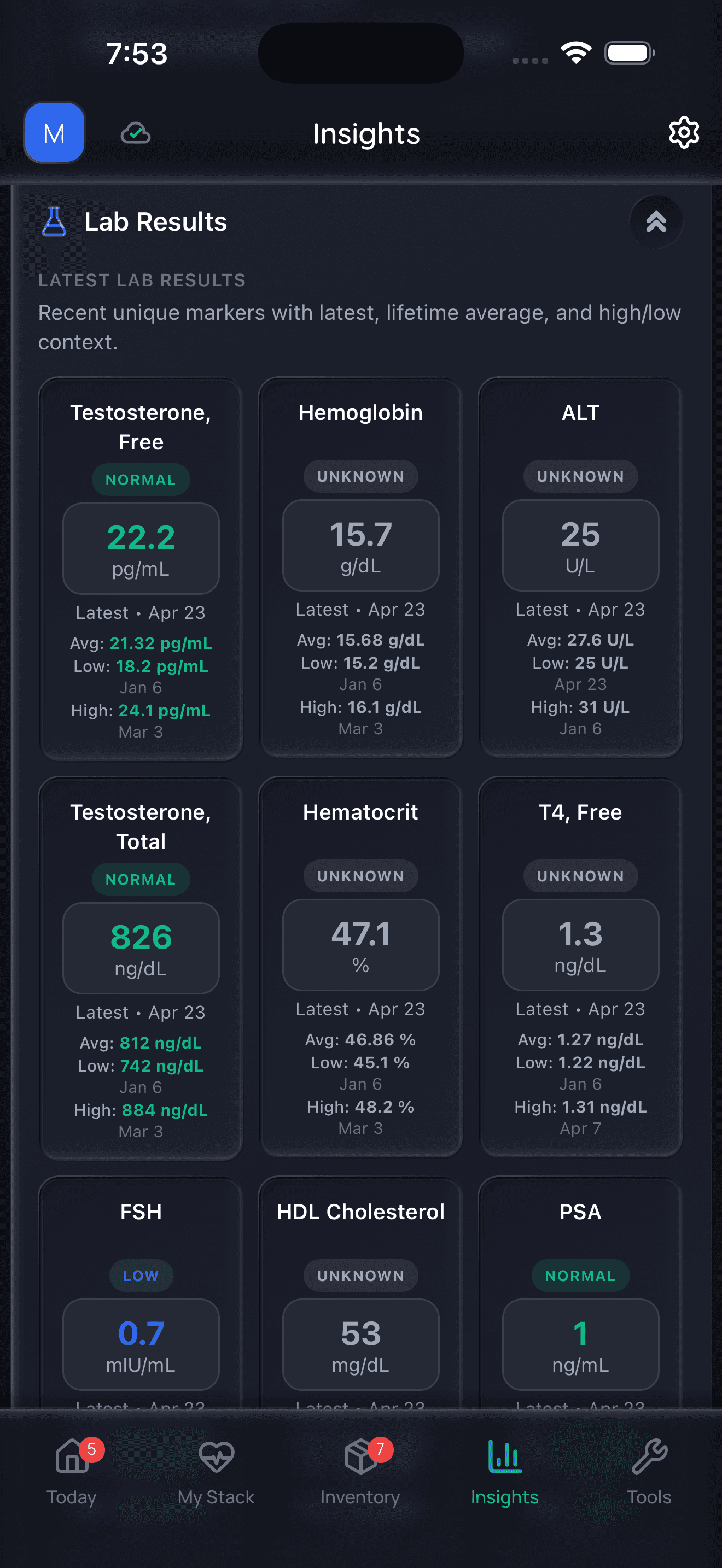
Doserly organizes data; it does not diagnose or interpret labs for you.
Dosing & Treatment Protocols
The Basics
One of the most common questions beginners have is "what dose will I be on?" The honest answer is that it depends on your individual response, and the right dose is determined through a process of starting conservative and adjusting based on your blood levels and how you feel.
Most providers will start you on the lower end of the dose range and titrate upward over several weeks or months. The goal is to raise your testosterone level into the mid-normal range (typically 450-700 ng/dL for total testosterone), not to maximize it. Higher is not better: supraphysiological levels increase the risk of side effects without proportionally increasing benefits.
The dosing schedule depends on your formulation. Injectable testosterone cypionate or enanthate is commonly started at 50-100 mg per week (or equivalently, 100-200 mg every two weeks, though weekly dosing generally produces more stable levels). Gels are applied daily. Patches are applied nightly. The long-acting injectable testosterone undecanoate (Aveed) is given every 10-14 weeks after loading.
Your provider will check your testosterone level (typically a trough level drawn just before your next injection, or any time for daily formulations) after 4-6 weeks to see where you are landing. Based on that result and your symptoms, they will adjust the dose up or down. This iterative process is normal and may take 2-3 adjustments to find your optimal dose.
The Science
Injectable dosing (testosterone cypionate/enanthate): The AUA guideline lists 50-200 mg every 7-14 days for IM administration. Starting at the lower end (50-100 mg weekly) and titrating based on trough testosterone levels and symptom response is recommended. The target is mid-normal range total testosterone (approximately 450-700 ng/dL at trough). Peak levels following a 100 mg weekly IM injection of testosterone cypionate typically reach 800-1000 ng/dL within 24-48 hours [8][9].
Transdermal gel dosing: Starting doses vary by formulation (50 mg/day for 1% gel, 40.5 mg/day for 1.62% gel). Steady-state is achieved in 2-4 weeks. Dose adjustment based on serum testosterone levels drawn at any time after steady-state (not trough-dependent like injectables) [11].
Oral testosterone undecanoate (Jatenzo): Starting dose 237 mg twice daily with food. Dose-adjusted at 6 hours post-morning dose after 7+ days of therapy. Range: 158-396 mg twice daily [18].
IM testosterone undecanoate (Aveed): 750 mg at weeks 0 and 4, then every 10 weeks. Must be administered in a healthcare setting due to risk of pulmonary oil microembolism (POME) and anaphylaxis (REMS requirement) [9].
Dosing protocols often change over the course of treatment — starting doses get adjusted, injection frequencies get split, esters get switched. Doserly maintains a complete history of every protocol change, giving you and your provider a clear picture of what's been tried and how each adjustment affected your symptoms and lab values.
The app's adherence analytics show your consistency patterns and can highlight whether missed doses or timing variations correlate with symptom changes. When your provider is considering a dose adjustment based on your trough levels, having this data available makes the conversation more productive and the decision more informed.
Turn symptom and safety notes into a clearer timeline.
Doserly helps you log doses, symptoms, and safety observations side by side so patterns are easier to discuss with a qualified clinician.
Pattern view
Logs and observations

Pattern visibility is informational and should be reviewed with a clinician.
What to Expect (Timeline)
Starting TRT is a process, not an event. Your body needs time to adjust, and the timeline of improvements varies by symptom domain. Here is what clinical evidence and real-world experience suggest you can expect.
Days 1-7: You may feel a subtle lift in energy or mood within the first few days, but be aware that this is likely a combination of placebo effect and initial testosterone spike (if using injections). Do not evaluate whether TRT is "working" based on the first week.
Weeks 2-4: Libido changes are often the first noticeable improvement. You may notice increased interest in sex, more frequent morning erections, and improved energy. Some men experience an adjustment period with mild side effects: fluid retention, acne, mood fluctuation, night sweats, or changes in sleep quality. These are typically temporary.
Months 1-3: Sexual function improvements continue. Energy and mood stabilization become more consistent. If you experienced an initial euphoria followed by a dip (the "honeymoon phase" pattern), you should begin to settle into a more stable baseline. Your provider will likely check bloodwork at this point to assess your levels and adjust your dose if needed. Hematocrit may begin to rise. Initial body composition changes may become noticeable, particularly if you are exercising.
Months 3-6: Body composition changes become more apparent: fat loss and lean mass gain, especially with concurrent exercise. Strength improvements in the gym. Mood and cognitive benefits should be stable. If you have not noticed meaningful improvement in your primary symptoms by this point (and your blood levels are in the target range), discuss with your provider whether TRT is the right approach.
Months 6-12: Full sexual function benefits. Significant body composition changes. Bone density improvements become measurable. Hematocrit monitoring continues.
Ongoing maintenance: Annual review of symptoms, continued indication, and risk-benefit assessment. Regular monitoring of hematocrit, PSA (age-appropriate), and testosterone levels.
Individual response varies widely. Some men notice substantial improvement within weeks; others take months. Not all symptoms may resolve with TRT alone, particularly if other contributing factors (obesity, sleep apnea, depression, relationship issues) are not addressed.
Fertility Preservation & HPG Axis
This is one of the most important sections for any man considering TRT. Exogenous testosterone suppresses your body's own hormone production through negative feedback on the HPG axis. This suppression extends to the signals (LH and FSH) that your testes need to produce sperm. The result is a significant reduction in sperm count, often to azoospermia (zero measurable sperm).
Key facts every beginner should know:
- Spermatogenesis suppression is expected, not a side effect. It is a direct pharmacological consequence of exogenous testosterone.
- Timeline: Sperm count decline typically begins within 2-3 months. Approximately 40-60% of men on TRT achieve azoospermia by 6 months, with the remainder showing severe oligospermia (<1 million/mL) [7].
- Reversibility: In most men, spermatogenesis recovers after discontinuing TRT, but recovery can take 6-24 months and full return to baseline is not guaranteed. Ten percent of men may not recover spermatogenesis even after cessation [18].
- If you want biological children: Discuss this with your provider before starting TRT. Sperm banking before initiation is recommended for men who may want children in the future.
Fertility preservation strategies during TRT:
- HCG (human chorionic gonadotropin): 250-500 IU 2-3 times weekly maintains intratesticular testosterone and can help preserve spermatogenesis during TRT. Not universally effective, and adds complexity and cost.
- Clomiphene citrate or enclomiphene: SERMs that stimulate LH/FSH production. Can be used as an alternative to TRT in men who prioritize fertility, or as a co-therapy. Off-label for this indication.
- Alternative to TRT: For men desiring near-term fertility with symptoms of low testosterone, clomiphene (25-50 mg daily) or HCG can raise endogenous testosterone without suppressing spermatogenesis, though these options have limitations and may not achieve the same symptomatic relief as exogenous testosterone.
Primary vs. secondary hypogonadism implications: Men with primary hypogonadism (testicular failure) may have limited baseline fertility regardless of TRT. Men with secondary hypogonadism (pituitary/hypothalamic) generally have better prognosis for recovery of both testosterone production and spermatogenesis after discontinuation.
This topic should be part of every TRT initiation conversation, regardless of age or current family planning status.
Interactions & Compatibility
Drug-drug interactions:
- Anticoagulants (warfarin, DOACs): Testosterone may enhance anticoagulant effect. More frequent INR monitoring may be needed.
- Insulin and diabetes medications: Testosterone may improve insulin sensitivity, potentially requiring dose adjustment of diabetes medications.
- Corticosteroids: Additive fluid retention risk.
- 5-alpha reductase inhibitors (finasteride, dutasteride): Block conversion of testosterone to DHT. May reduce androgenic side effects (hair loss, acne) but also affect efficacy of certain TRT benefits.
- Aromatase inhibitors (anastrozole): Commonly co-prescribed in some practices to manage estradiol. Controversial; not recommended as routine co-therapy by major clinical guidelines.
Supplement interactions:
- DHEA — Additive androgenic effects; monitor for excessive androgen load
- Zinc — Supports testosterone production; commonly used alongside TRT
- Vitamin D — Associated with testosterone levels; often low in hypogonadal men
- Saw Palmetto — 5-alpha reductase inhibition; may affect DHT conversion
Lifestyle factors:
- Alcohol: Suppresses testosterone production and increases aromatization to estradiol
- Sleep: Critical for hormonal health; TRT may worsen sleep apnea (monitor)
- Exercise: Resistance training is synergistic with TRT for muscle and body composition
- Body composition: Weight loss may normalize testosterone in obese men, potentially reducing the need for TRT
Cross-links:
- Testosterone Cypionate — Most commonly prescribed injectable formulation
- Testosterone Injections Guide — Comprehensive injectable TRT guide
- Testosterone Gels & Topicals Guide — Comprehensive transdermal TRT guide
- Fertility Preservation on TRT — Detailed fertility considerations
- Estrogen Management on TRT — E2 management guide
Decision-Making Framework
Starting TRT is a significant medical decision, and making it with confidence requires understanding the diagnostic process, knowing your options, and preparing for conversations with your healthcare provider.
Getting Diagnosed
The diagnostic criteria for testosterone deficiency require both low testosterone levels and symptoms. The Endocrine Society requires two morning total testosterone measurements below the lower limit of normal (varies by lab, typically <264-300 ng/dL), while the AUA uses a 300 ng/dL threshold. The EAU uses 12.1 nmol/L (~350 ng/dL). Symptoms alone are not sufficient for diagnosis, nor are low lab values without symptoms [1][4].
When TRT May Not Be the Right First Step
Before starting TRT, your provider should evaluate whether reversible causes might explain your symptoms:
- Obesity: Weight loss alone can normalize testosterone levels in many overweight and obese men
- Sleep apnea: Untreated obstructive sleep apnea suppresses testosterone; CPAP treatment should be optimized first
- Opioid use: Chronic opioid medications suppress the HPG axis; tapering may restore testosterone
- Pituitary pathology: If LH/FSH are low, pituitary MRI may be indicated to rule out structural causes
- Thyroid dysfunction and depression: These conditions share symptoms with low testosterone
Finding a Qualified Provider
Look for providers with experience in men's hormonal health: endocrinologists, urologists with andrology interest, or men's health specialists. General practitioners can manage straightforward cases but may benefit from specialist guidance for complex situations.
Telehealth TRT Clinics
The telehealth TRT clinic landscape has expanded rapidly. These clinics can provide convenient access to care, particularly in areas where specialists are limited. However, quality varies significantly. Some concerns include: cookie-cutter protocols (one-size-fits-all dosing), inadequate baseline evaluation and monitoring, aggressive dosing practices, and co-prescription of ancillary medications (AI, HCG) that may not be necessary. Look for clinics that require comprehensive bloodwork before initiating treatment, provide individualized protocols, and include ongoing monitoring.
Questions to Ask Your Provider
- What is causing my low testosterone? (primary vs. secondary)
- Are there lifestyle changes that might improve my levels without medication?
- Which formulation do you recommend for my situation, and why?
- What monitoring schedule will we follow?
- What are the fertility implications, and what are my options?
- What does insurance cover, and what will my out-of-pocket costs be?
- When should we expect to see improvement, and when should we reconsider if it's not working?
Shared decision-making works best when both you and your provider have good data. Doserly gives you a personalized health picture that makes treatment discussions more meaningful — your symptoms, their severity, how they've changed over time, and how they connect to your current protocol and lab values.
Whether you're evaluating whether to start TRT, considering a switch from gel to injections, or discussing whether it's time to adjust your dose based on trough levels, having your own tracked data alongside the clinical evidence puts you in a stronger position to make decisions that reflect your individual experience and goals.
Keep side effects, flags, and follow-up notes visible.
Doserly helps you document safety observations, side effects, medication changes, and follow-up questions so important context is not scattered.
Safety log
Flags and notes
Safety notes are not emergency guidance; seek medical help when appropriate.
Administration & Practical Guide
How you take your testosterone depends on which formulation you and your provider choose. Here is practical guidance for the most common delivery methods.
Intramuscular (IM) Injection
The traditional method. Testosterone is injected deep into muscle tissue using a 22-25 gauge needle, 1-1.5 inches long. Common injection sites include the vastus lateralis (outer thigh), ventrogluteal (hip), and deltoid (upper arm). Most men self-inject after initial training from their provider or clinic nurse.
Tips for beginners:
- Warm the oil-based testosterone vial briefly in your hands before drawing; it flows more easily
- Use a separate, larger needle for drawing from the vial and a smaller needle for injecting
- Rotate injection sites to avoid tissue damage
- Inject slowly (approximately 30 seconds per mL) to reduce discomfort
- Needle anxiety is completely normal and typically fades within a few weeks of practice
Subcutaneous (SubQ) Injection
Increasingly popular. Testosterone is injected into the fat layer just beneath the skin using a smaller needle (27-30 gauge, 0.5 inch). Common sites include the abdomen and thigh. Growing evidence supports comparable efficacy with potentially more stable levels and lower hematocrit elevations compared to IM.
Transdermal Gel
Applied daily to clean, dry skin on the shoulders, upper arms, or abdomen. Let dry completely (5-10 minutes) before dressing. Do not apply to genitals (for most gels). Critical: avoid skin-to-skin contact with partners and children until the gel has fully absorbed. Wash hands thoroughly after application.
Transdermal Patch
Applied nightly, typically to the back, abdomen, upper arm, or thigh. Rotate application sites to minimize skin irritation. Adhesion can be an issue for some men; discuss alternatives if the patch does not stay in place.
Pellets
A provider inserts small testosterone pellets under the skin (typically the buttock or hip) through a minor procedure every 3-6 months. Provides the most consistent long-term levels. Activity restrictions apply for 48-72 hours after insertion. Extrusion (pellet working out through the skin) occurs in a small percentage of cases.
All administration guidance in this section is general educational information. Always follow the specific instructions from your prescribing provider and pharmacy.
Monitoring & Lab Work
Ongoing monitoring is not optional on TRT. It is essential for ensuring your treatment is working safely and effectively.
Pre-TRT Baseline Labs:
- Total testosterone (two morning draws, fasting)
- Free testosterone (calculated or equilibrium dialysis, if SHBG concerns)
- LH and FSH (to distinguish primary vs. secondary hypogonadism)
- Estradiol
- SHBG
- Prolactin (if secondary hypogonadism suspected)
- CBC with hematocrit and hemoglobin
- PSA (men ≥40)
- Lipid panel
- Comprehensive metabolic panel
- DEXA scan (if osteoporosis is an indication)
Initial Follow-Up (4-12 weeks):
- Trough testosterone level (for injectables: drawn just before next injection)
- Hematocrit
- Symptom assessment
- Side effect evaluation
- Dose adjustment consideration
Ongoing Monitoring:
- Hematocrit: Every 6-12 months (threshold >54% for intervention)
- PSA: Per age-appropriate screening guidelines, annually for men >40
- Testosterone levels: Trough for injectables, any time for transdermal (after steady-state)
- Estradiol: Only if symptomatic (gynecomastia, fluid retention, mood changes), not routine per guidelines
- Lipid panel: Annually
- Bone density (DEXA): If osteoporosis was an indication, repeat per clinical protocol
- Semen analysis: If fertility is a concern
Red flags that require prompt medical attention:
- Hematocrit >54%: Stop therapy, discuss with provider (dose reduction, route change, phlebotomy)
- PSA increase >25% or >1.4 ng/mL in any 12-month period: Repeat and refer if confirmed
- Severe sleep apnea symptoms
- Chest pain, shortness of breath, or signs of blood clot
Estrogen Management on TRT
Some testosterone is converted to estradiol by the aromatase enzyme, primarily in adipose tissue. This is a normal and necessary physiological process. Estradiol is important for bone health, cardiovascular health, libido, and cognitive function in men.
When estrogen management matters: Only when clinical symptoms or clearly elevated E2 levels are present. The Endocrine Society and AUA do not recommend routine estradiol monitoring or aromatase inhibitor (AI) use during TRT.
High E2 symptoms to watch for: Gynecomastia (breast tissue growth), excessive fluid retention, emotional lability, nipple sensitivity.
Low E2 symptoms (from excessive AI use): Joint pain/stiffness, low libido (paradoxically), dry skin, fatigue, depression, bone density loss.
The community vs. clinical guideline divide: Online men's health communities place heavy emphasis on estrogen control, with many community protocols recommending routine anastrozole (0.25-0.5mg 2-3x/week). Clinical guidelines do not support this approach. The evidence suggests that aggressive E2 suppression is harmful: low estradiol in men is associated with decreased bone density, joint pain, adverse mood effects, and paradoxically decreased libido. The balanced approach is symptom-based management, not number-chasing.
For more detailed coverage, see: Estrogen Management on TRT
Stopping TRT / Post-Cycle Considerations
An important question beginners ask is "can I stop once I start?" The honest answer is: yes, but it is not always simple.
What happens when you stop TRT: Your HPG axis, which has been suppressed by the exogenous testosterone, needs time to restart endogenous production. LH and FSH remain suppressed for weeks to months. During this recovery period, you will likely experience a return of low testosterone symptoms (fatigue, low libido, mood changes).
Recovery timelines: Variable. Some men recover endogenous production within a few months; others take 6-24 months; some may not fully recover to pre-TRT levels. Factors affecting recovery include duration of TRT use (longer use = slower recovery), age, pre-TRT hormonal status, and whether HCG was used during TRT.
PCT protocols: These are community-derived protocols adapted from anabolic steroid use. They are not standardized in clinical guidelines for TRT discontinuation but are commonly used:
- HCG taper: 1000-2000 IU every other day for 2-4 weeks
- Clomiphene citrate: 25-50 mg daily for 4-8 weeks to stimulate LH/FSH recovery
- Enclomiphene: Newer SERM, may have fewer side effects than clomiphene
Is TRT lifelong? For men with primary hypogonadism (testicular failure), usually yes. For secondary hypogonadism, addressing underlying causes (weight loss, sleep apnea treatment, opioid cessation) may restore endogenous production. For age-related decline, the answer is individualized.
Realistic expectations: Not everyone recovers fully. This should be discussed before starting TRT.
For more detailed coverage, see: Stopping TRT & Post-Cycle Recovery
Special Populations & Situations
Obese Men
Weight loss alone may normalize testosterone in many obese men. Consider lifestyle intervention before or alongside TRT. Higher aromatization may occur due to increased adipose tissue. Metabolic benefits of TRT in obese hypogonadal men are documented.
Men with Sleep Apnea
TRT may exacerbate obstructive sleep apnea. CPAP optimization before and during TRT is recommended. Sleep study may be recommended before initiation.
Men with Prostate Cancer History
Historically considered an absolute contraindication. Evolving evidence suggests the saturation model may apply (exogenous testosterone at physiological levels may not further stimulate prostate). Remains controversial and requires specialized urological consultation.
Cardiovascular Disease History
TRAVERSE trial provides reassurance for non-inferiority in this population. Route consideration (transdermal may be preferred for hematocrit management). Hematocrit monitoring is critical.
Type 2 Diabetes
TRT may improve insulin sensitivity, HbA1c, and metabolic parameters in hypogonadal diabetic men. Diabetes medication adjustment may be needed.
Younger Men (<40)
Constitutional delay of puberty must be distinguished from true hypogonadism. Fertility implications are especially critical. Secondary causes (pituitary pathology, medications) should be thoroughly investigated.
Transgender Men (FTM)
Different dosing goals (masculinizing doses vs. replacement). Fertility counseling (oocyte preservation) is essential. Monitoring differences apply.
Older Men (>65)
Age-related decline vs. true hypogonadism must be distinguished. TRAVERSE and TTrials data are primarily from this population. Lower starting doses often appropriate. Increased polycythemia risk.
Regulatory, Insurance & International
United States:
- Testosterone is a Schedule III controlled substance under the DEA. Prescriptions have limits on quantity, refills, and transfer.
- FDA-approved indications: Treatment of confirmed hypogonadism only. Age-related decline is not an approved indication.
- Insurance coverage: Prior authorization is common. Many insurers require documented low testosterone levels and failed lifestyle intervention. Step therapy (gel before injections) may be required.
- Generic testosterone cypionate and enanthate are widely available and inexpensive (often $30-60/month). Brand-name products and newer formulations (Jatenzo, Xyosted, Natesto) are significantly more expensive.
- Compounded testosterone: Available from 503A and 503B pharmacies. Quality variance exists. The AUA recommends commercially manufactured products over compounded formulations.
Travel considerations: Carry your prescription documentation when traveling domestically or internationally. Some countries have stricter controlled substance laws. Contact the embassy of your destination country before international travel with testosterone.
Telehealth TRT clinics: Growing landscape in the US. State-by-state telehealth prescribing rules vary. Costs range from $100-300/month depending on the clinic and what is included.
International availability:
- UK (MHRA): Available through NHS (long wait times) or private clinics. Sustanon 250 and Nebido (testosterone undecanoate) are the most commonly prescribed.
- Canada (Health Canada): Available by prescription. Provincial coverage varies.
- Australia (TGA): Listed on the PBS. Available formulations include testosterone undecanoate (Reandron) and testosterone cream.
- EU (EMA): Available across member states. Formulation availability varies by country.
Frequently Asked Questions
Q: How do I know if I need TRT?
A: TRT is indicated for men with confirmed testosterone deficiency: total testosterone below 300 ng/dL on two morning blood draws, combined with symptoms like fatigue, low libido, erectile dysfunction, or loss of muscle mass. A healthcare provider can help determine whether your symptoms are related to testosterone or another condition.
Q: Is TRT just "taking steroids"?
A: TRT replaces testosterone to normal physiological levels in men who are deficient. This is different from anabolic steroid abuse, which uses supraphysiological doses (often 3-10x replacement levels) for muscle enhancement. Therapeutic TRT targets the same testosterone range a healthy body would produce naturally.
Q: Will TRT make me infertile?
A: TRT suppresses sperm production and can cause azoospermia in approximately 40-60% of men by 6 months. Fertility usually recovers after stopping TRT (6-24 months), but recovery is not guaranteed. Sperm banking before starting is recommended if you may want biological children.
Q: Does TRT cause heart attacks?
A: The TRAVERSE trial (5,246 men, mean 33-month follow-up) found no significant increase in heart attacks, strokes, or cardiovascular death with TRT compared to placebo. Some earlier observational studies raised concerns, but this large randomized trial provides the strongest evidence to date that properly indicated TRT does not increase short-to-medium-term cardiovascular risk.
Q: Once I start TRT, do I have to stay on it forever?
A: Not necessarily. However, your body's own testosterone production slows or stops while on TRT. If you stop, recovery of endogenous production takes time (weeks to months) and may not return to pre-treatment levels. For men with primary hypogonadism, TRT is typically lifelong. For secondary hypogonadism, addressing underlying causes may restore natural production.
Q: Which form of TRT is best?
A: There is no single "best" form. Injections are the most cost-effective and provide reliable dosing. Gels are convenient and provide stable levels but carry transfer risk. Patches, pellets, nasal gels, and oral capsules each have trade-offs. The best choice depends on your preferences, lifestyle, insurance coverage, and how your body responds.
Q: How much does TRT cost?
A: Generic injectable testosterone (cypionate or enanthate) is one of the most affordable prescription medications, typically $30-60/month. Brand-name gels, patches, and newer formulations can cost $200-500+/month without insurance. Telehealth clinics typically charge $100-300/month inclusive of medication and monitoring.
Q: Will TRT fix my erectile dysfunction?
A: TRT can improve erectile function if the cause is testosterone deficiency. However, erectile dysfunction has many potential causes (cardiovascular disease, diabetes, medications, psychological factors). TRT may improve libido without fully resolving erectile issues. Additional treatment (PDE5 inhibitors like sildenafil) may be needed.
Q: Is TRT safe for my prostate?
A: Current evidence does not support a causal link between TRT and prostate cancer initiation. The TRAVERSE trial found no increase in prostate cancer. However, PSA monitoring is standard during treatment, and TRT is contraindicated in men with active, untreated prostate cancer.
Q: Should I take an AI (aromatase inhibitor) with my TRT?
A: Major clinical guidelines (Endocrine Society, AUA) do not recommend routine AI use during TRT. AIs should only be considered if you develop symptoms of elevated estrogen (gynecomastia, significant fluid retention). Excessive estrogen suppression carries its own risks (joint pain, mood disturbance, bone loss).
Q: Can I take supplements to boost testosterone instead of TRT?
A: No supplement has been shown to raise testosterone levels to the same degree as TRT in men with confirmed hypogonadism. Some supplements (zinc, vitamin D, ashwagandha) may modestly support testosterone production but are not substitutes for medical treatment of deficiency.
Q: How often do I need blood work on TRT?
A: Typically: baseline labs before starting, follow-up at 4-12 weeks, then every 6-12 months. Hematocrit, testosterone levels, and PSA are the most important ongoing tests.
Myth vs. Fact
Myth: TRT causes heart attacks.
Fact: The TRAVERSE trial (n=5,246, the largest randomized controlled trial designed to assess cardiovascular safety of TRT) found no significant increase in heart attacks, strokes, or cardiovascular death with testosterone gel compared to placebo over 33 months (HR 0.96, 95% CI: 0.78-1.17). Earlier observational studies that raised concerns had significant limitations including confounding and healthy-user bias. Current consensus from the Endocrine Society, AUA, and a 2025 cardiovascular position statement is that properly indicated TRT does not increase cardiovascular risk when monitored appropriately [13][14].
Myth: TRT causes prostate cancer.
Fact: Multiple meta-analyses and the TRAVERSE trial have found no increase in prostate cancer incidence with TRT at therapeutic doses. The "saturation model" suggests that at physiological testosterone levels, androgen receptors in prostate tissue are already maximally stimulated, and additional testosterone does not proportionally increase stimulation. PSA monitoring remains standard practice, and TRT is contraindicated in men with active, untreated prostate cancer [17].
Myth: TRT is just steroids.
Fact: TRT replaces testosterone to normal physiological levels (typically targeting 450-700 ng/dL) in men with confirmed deficiency. This is fundamentally different from anabolic steroid abuse, which typically involves doses 3-10 times higher than replacement, often without medical supervision. TRT is a legitimate medical therapy prescribed for a diagnosed condition.
Myth: Once you start TRT, you can never stop.
Fact: Men can stop TRT, and many do. However, the body's own testosterone production is suppressed during treatment and needs time to recover (weeks to months). Recovery is not guaranteed, particularly after long-term use. For some men with primary hypogonadism (testicular failure), lifelong TRT may indeed be necessary because the underlying cause is not reversible. For others, addressing reversible causes (obesity, sleep apnea, opioid use) may eventually allow discontinuation.
Myth: TRT will make you permanently infertile.
Fact: TRT suppresses spermatogenesis, often to azoospermia, but this is usually reversible after discontinuation. Most men recover sperm production within 6-24 months. However, recovery is not guaranteed (approximately 10% may not recover), and the timeline is unpredictable. Sperm banking before starting TRT is recommended for men who may want biological children [7].
Myth: All men over 40 need TRT.
Fact: Age-related testosterone decline is a normal physiological process (approximately 1% per year after age 30) and is not the same as hypogonadism. Most men maintain testosterone levels within the normal range as they age. TRT is only indicated when consistently low testosterone levels are accompanied by symptoms and confirmed on repeat testing. Lifestyle factors (exercise, sleep, weight management, stress reduction) should be optimized first.
Myth: Higher testosterone doses are always better.
Fact: Supraphysiological testosterone levels increase the risk of side effects (polycythemia, acne, mood instability, estrogen conversion) without proportionally increasing benefits. Clinical guidelines recommend targeting the mid-normal range. More is not better in TRT.
Myth: TRT clinics are all the same quality.
Fact: Quality varies enormously. The best clinics require comprehensive baseline labs, provide individualized protocols, monitor regularly with follow-up bloodwork, and have qualified medical providers. Red flags include: one-size-fits-all protocols, no baseline or follow-up labs, aggressive sales tactics, routine co-prescription of ancillary medications without clinical indication, and prices that seem too good (or too expensive) to be true.
Sources & References
Clinical Guidelines
[1] Bhasin S, Brito JP, Cunningham GR, et al. Testosterone Therapy in Men With Hypogonadism: An Endocrine Society Clinical Practice Guideline. J Clin Endocrinol Metab. 2018;103(5):1715-1744. https://pubmed.ncbi.nlm.nih.gov/29562364/
[4] Mulhall JP, Trost LW, Brannigan RE, et al. Evaluation and Management of Testosterone Deficiency: AUA Guideline (2018, updated 2024). J Urol. 2018;200(2):423-432. https://www.auanet.org/guidelines-and-quality/guidelines/testosterone-deficiency-guideline
Landmark Trials
[12] Snyder PJ, Bhasin S, Cunningham GR, et al. Effects of Testosterone Treatment in Older Men (TTrials). N Engl J Med. 2016;374(7):611-624.
[13] Lincoff AM, Bhasin S, Flevaris P, et al. Cardiovascular Safety of Testosterone-Replacement Therapy (TRAVERSE). N Engl J Med. 2023;389(2):107-117.
Systematic Reviews & Meta-Analyses
[14] Cardiovascular safety of testosterone therapy — Insights from the TRAVERSE study (Position Statement). Andrology. 2025. https://pubmed.ncbi.nlm.nih.gov/40372318/
[16] Ponce OJ, Spencer-Bonilla G, Alvarez-Villalobos N, et al. The efficacy and adverse events of testosterone replacement therapy in hypogonadal men: A systematic review and meta-analysis of randomized, placebo-controlled trials. J Clin Endocrinol Metab. 2018.
Textbook & Reference Sources
[2] Endocrine Society. Hypogonadism in Men (Patient Resource). https://www.endocrine.org/patient-engagement/endocrine-library/hypogonadism
[3] Sizar O, Leslie SW, Schwartz J. Male Hypogonadism. StatPearls. 2024. https://www.ncbi.nlm.nih.gov/books/NBK532933/
[5] Wilson JD. Recent studies on the mechanism of action of testosterone. N Engl J Med. 1972;287(25):1284-91.
[6] Goldman AL, Bhasin S, Wu FCW, et al. A reappraisal of testosterone's binding in circulation: physiological and clinical implications. Endocr Rev. 2017;38(4):302-324.
[7] Lee JA, Ramasamy R. Indications for the use of human chorionic gonadotropic hormone for the management of infertility in hypogonadal men. Transl Androl Urol. 2018;7(Suppl 3):S348-S352.
Pharmacology & Formulation Sources
[8] Snyder PJ, Lawrence DA. Treatment of male hypogonadism with testosterone enanthate. J Clin Endocrinol Metab. 1980;51(6):1335-9.
[9] Schubert M, et al. Intramuscular testosterone undecanoate: pharmacokinetic aspects of a novel testosterone formulation during long-term treatment. J Clin Endocrinol Metab. 2004;89(11):5429-34.
[10] Wilson DM, Kiang TKL, Ensom MHH. Pharmacokinetics, safety, and patient acceptability of subcutaneous versus intramuscular testosterone injection. Am J Health Syst Pharm. 2018;75(6):351-358.
[11] Miller J, et al. Pharmacokinetics and relative bioavailability of absorbed testosterone after administration of a 1.62% testosterone gel to different application sites. Endocr Pract. 2011;17(4):574-83.
Government/Institutional Sources
[15] Cleveland Clinic. Testosterone Replacement Therapy (TRT). https://my.clevelandclinic.org/health/treatments/testosterone-replacement-therapy-trt (Updated 01/16/2025)
[17] Calof OM, Singh AB, Lee ML, et al. Adverse events associated with testosterone replacement in middle-aged and older men: a meta-analysis. J Gerontol A Biol Sci Med Sci. 2005;60(11):1451-7.
[18] Sizar O, Leslie SW, Pico J. Androgen Replacement. StatPearls. 2023. https://www.ncbi.nlm.nih.gov/books/NBK534853/
Related Guides & Cross-Links
Same Category (Treatment Overview Guides)
- Testosterone Injections Guide
- Testosterone Gels & Topicals Guide
- Oral Testosterone Guide
- TRT Blood Work Guide
- Natural Testosterone Optimization
Related Treatment Options
- Testosterone Cypionate
- Testosterone Enanthate
- Fertility Preservation on TRT
- Estrogen Management on TRT
- Clomiphene Citrate
- HCG
Conditions & Causes
Educational Guides
- The TRAVERSE Trial Explained
- TRT Myths vs Facts
- Low Testosterone Master Guide
- Stopping TRT & Post-Cycle Recovery